This week, Thomas Hatch shares pictures and reflections from a recent visit to the Shenzen Education Kindergarten, a public early childhood center in China. This post is the fourth in a series on early childhood education that includes an article describing what Hatch learned about the Sunshine Kindergartens in rural China as well as articles describing approaches to early childhood education in Norway and India.
Last month, in a public kindergarten in Shenzen China, I saw what learning looks like when 300 4-, 5-, and 6-year-olds work on their own and together in over 100 different activities in 20 indoor and outdoor play spaces spread over 3 floors in two buildings.

When I walked into the first classroom, a six foot tall tower of blocks greeted me at the door. Spread out beyond that tower, I could see a series of different construction centers the children could work in, each one equipped with metal, wood, Legos, cardboard, bricks, tiles, or another kind of building material.
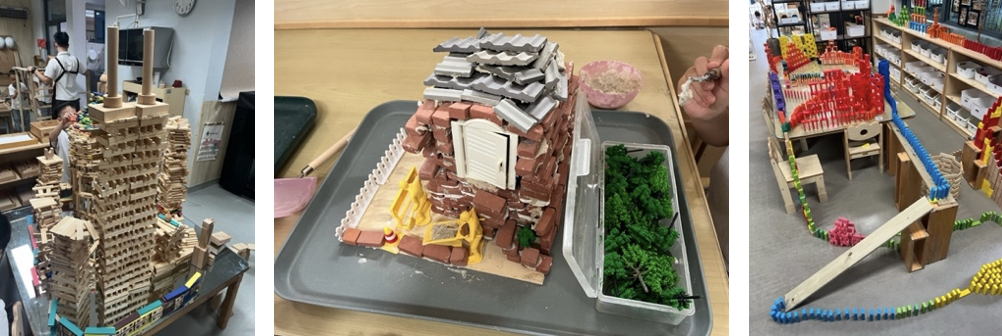
The construction areas continued past an open wall where children in clear plastic slickers pumped water through a series of pipes in the rain.
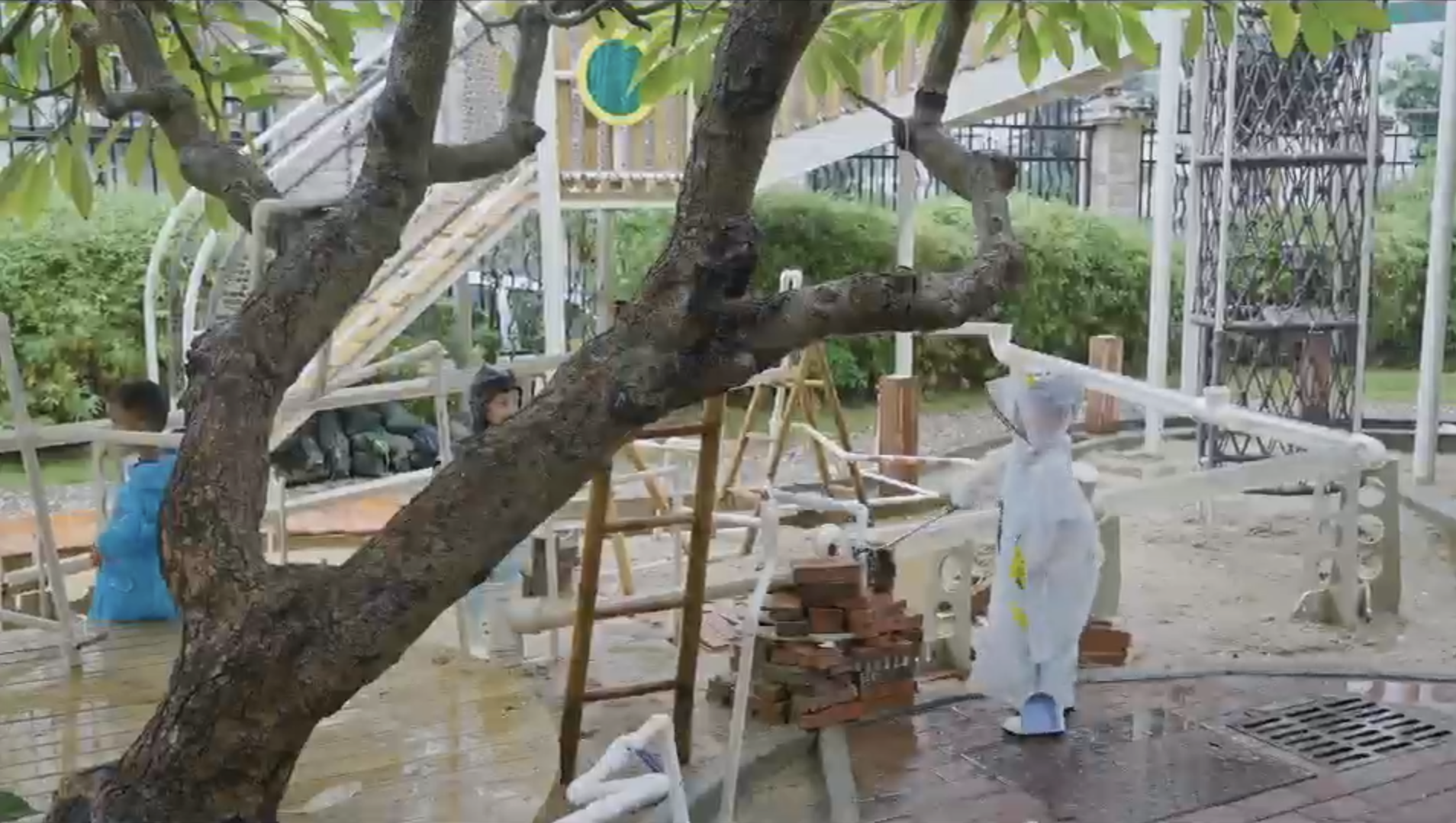
That one vast room could have housed three or four of the kindergarten classrooms where I used to work, thirty years ago, in Somerville, Massachusetts. At the time, I was studying how the strengths and interests of four 6-year olds evolved over six months during free play. With Howard Gardner and my colleagues at Project Zero, we sought to equip classrooms with a number of different activities that would enable young children to develop a much wider range of abilities than they normally encountered in school.
But I never imagined anything like this.
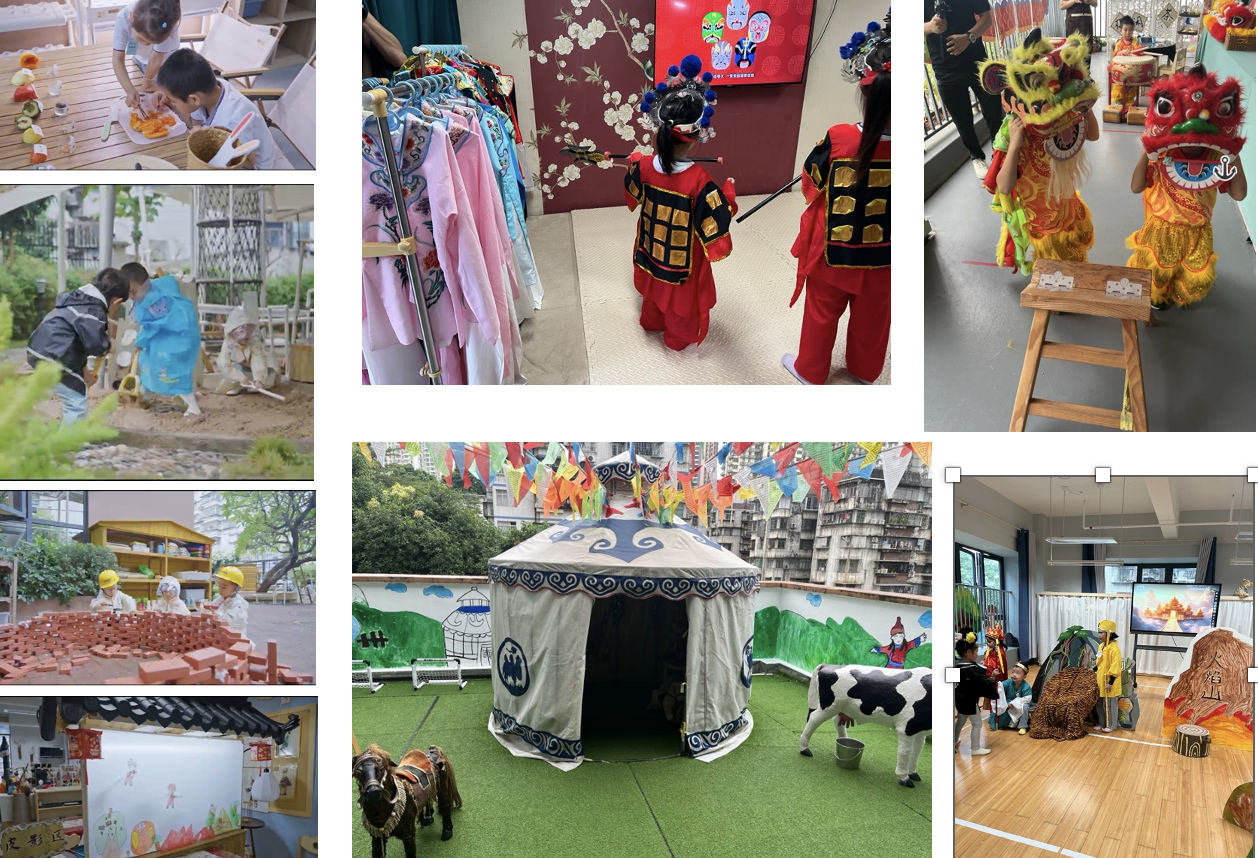
Each room of the Shenzen Early Education Center was dedicated to a different pursuit: creativity, music, language, logic, nature, society, drama, and visual arts among others. Walking through each door revealed another treasure trove of paints, yarn, clay, pens, instruments, costumes, games, books, and all manner of materials, tools and resources.
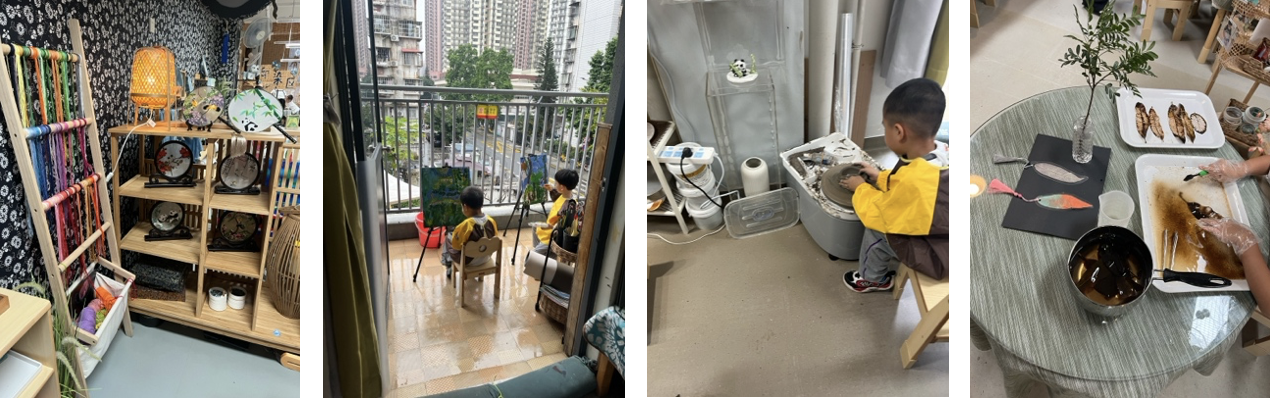
Even the spaces between rooms and buildings overflowed with plants, seeds, microscopes, construction helmets, slides, pulleys, pendulums, giant TV screens, and anything else that might support the students’ explorations.
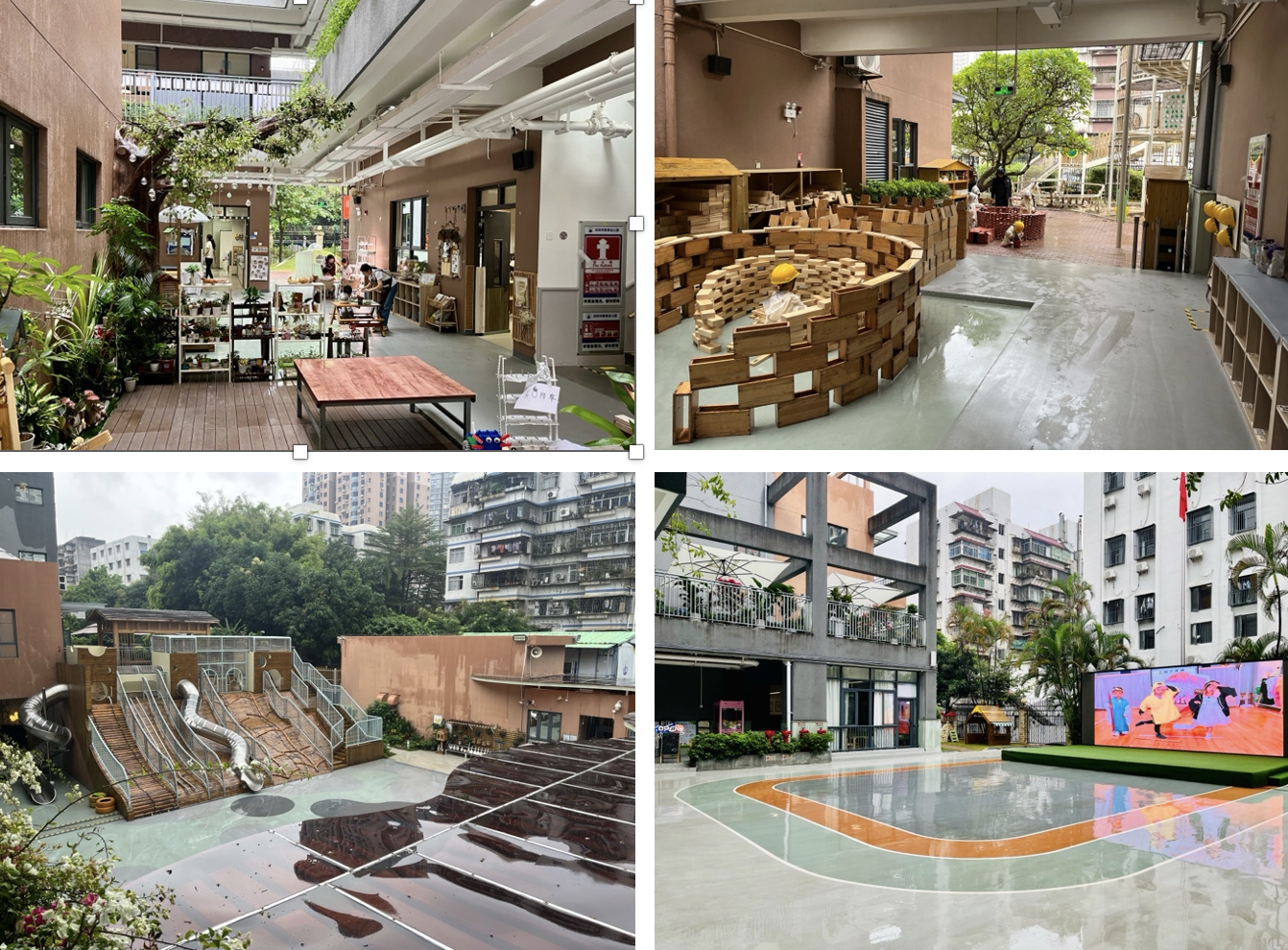
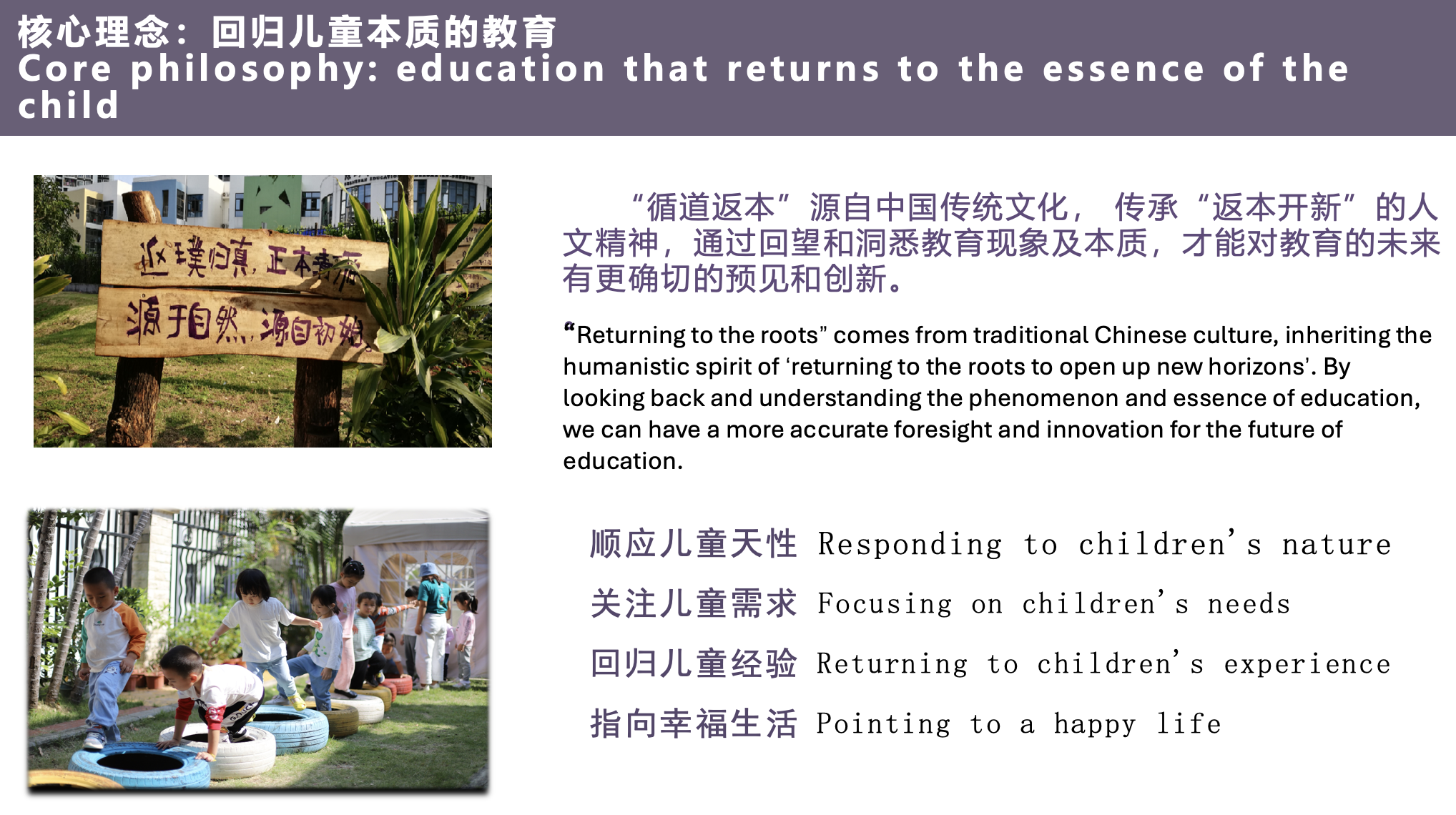
Clearly, it took significant investments to bring this vision to life. But what I saw relied primarily on two things – materials that are all around us and the time and care to think about how to use them to support young children’s development. Beyond the awe-inspiring facilities and resources, the educational infrastructure that underlay every room and learning center stood out. Although I could not be sure of everything that was said in a quick 2-hour visit, an interpreter and my Chinese friends and colleagues explained that after breakfast, children are given the choice of where to play, and after lunch and outdoor play, the children gather again to discuss and reflect on how they spend the day. I heard about the curriculum that guided the design that of every room and learning center, how it connected to the Chinese national early childhood curriculum, and what kind of scaffolding and support teachers could provide.
As Wang Xiang, head of the education center, explained to me in a letter following the visit:
“In order to let children give full play to their autonomy, imagination and creativity, before the activities, teachers will organize children to have group discussions, introduce the areas and appreciate the works in the areas, share children’s life experiences, and let children discuss and determine the content they want to do and make work plans. Let children collect relevant materials, including books, pictures or video materials. We will also get families involved. Reading, consulting and on-site visits will be carried out at home. The daily conversation activities will help children sort out their activity ideas, encourage them to boldly realize their creative ideas, making each work full of challenges and creativity. Work is a process of continuous in-depth processing. Children’s works always exceed our imagination, bring us a lot of surprises and also make them gain a sense of satisfaction and achievement.“
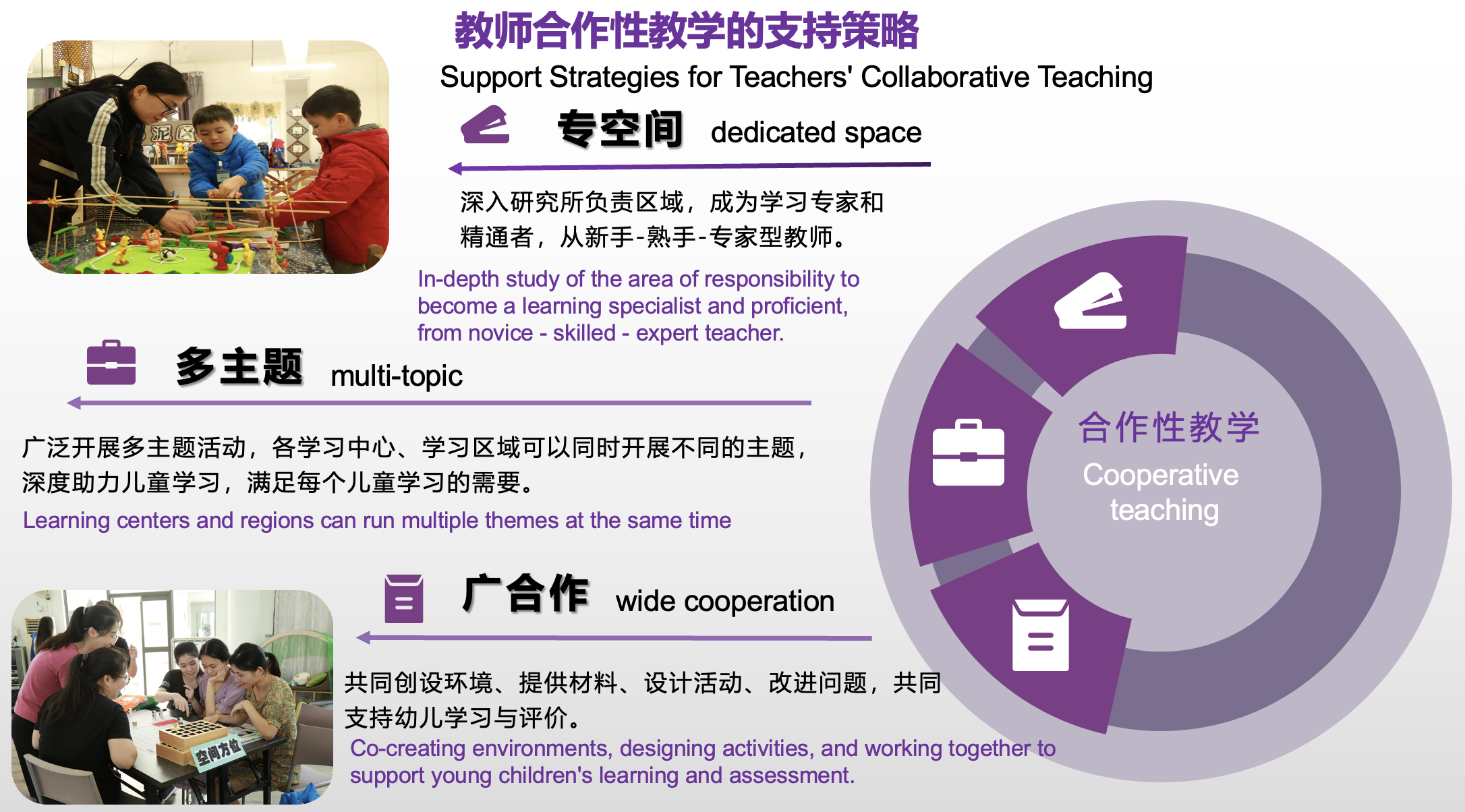
I heard that many teachers had studied the material, skills and concepts of the centers for which they took responsibility. I was told about the teacher education that all the teachers went through as well as the system of documentation the teachers used to record where the children played, how the children’s skills were developing, and where the children might want to spend more time.
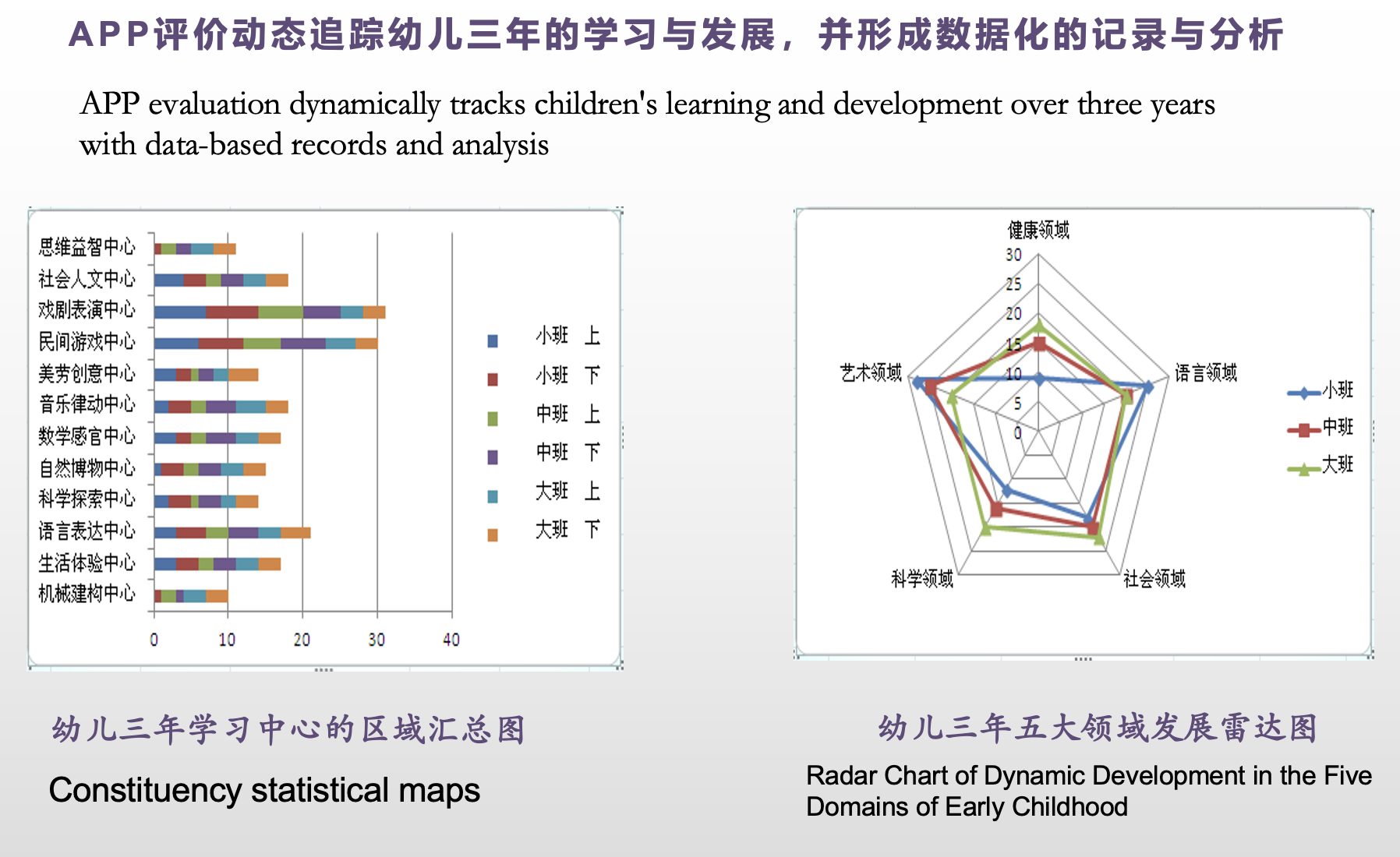
And I heard about the app the school created with a technology firm that enabled the teachers to keep track of what the students were doing, document their development in different areas, and share it all with the parents.
I do not know, exactly how much independence the children have or how much the choices and beautiful products they made were guided by their teachers. I do not know what happens — or how parents respond — if the children are not spending time learning to read or count and are not developing in ways consistent with the traditional Chinese curriculum many of these children will encounter in first grade.
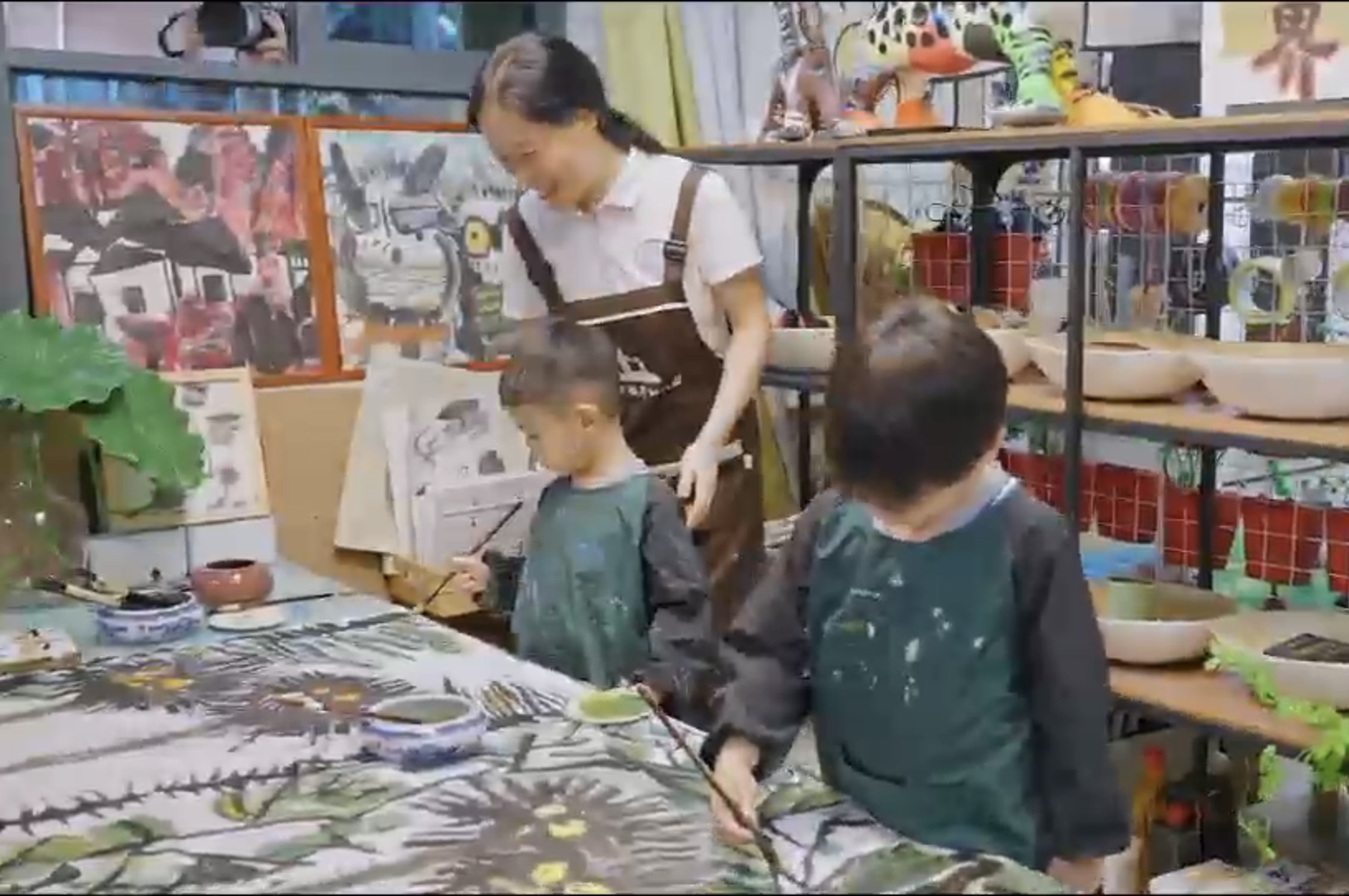
But the experience enabled me to imagine what could be going on anywhere, anytime, if the world once again becomes the place where students of all ages learn when education is no longer confined to school.
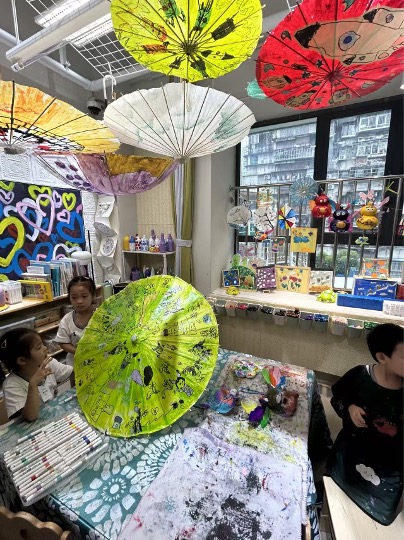
“the experience enabled me to imagine what could be going on anywhere, anytime, if the world once again becomes the place where students of all ages learn when education is no longer confined to school.“
It enabled me to see what learning looks like when children have access to so many of the materials and resources that are so often are left outside their classrooms.
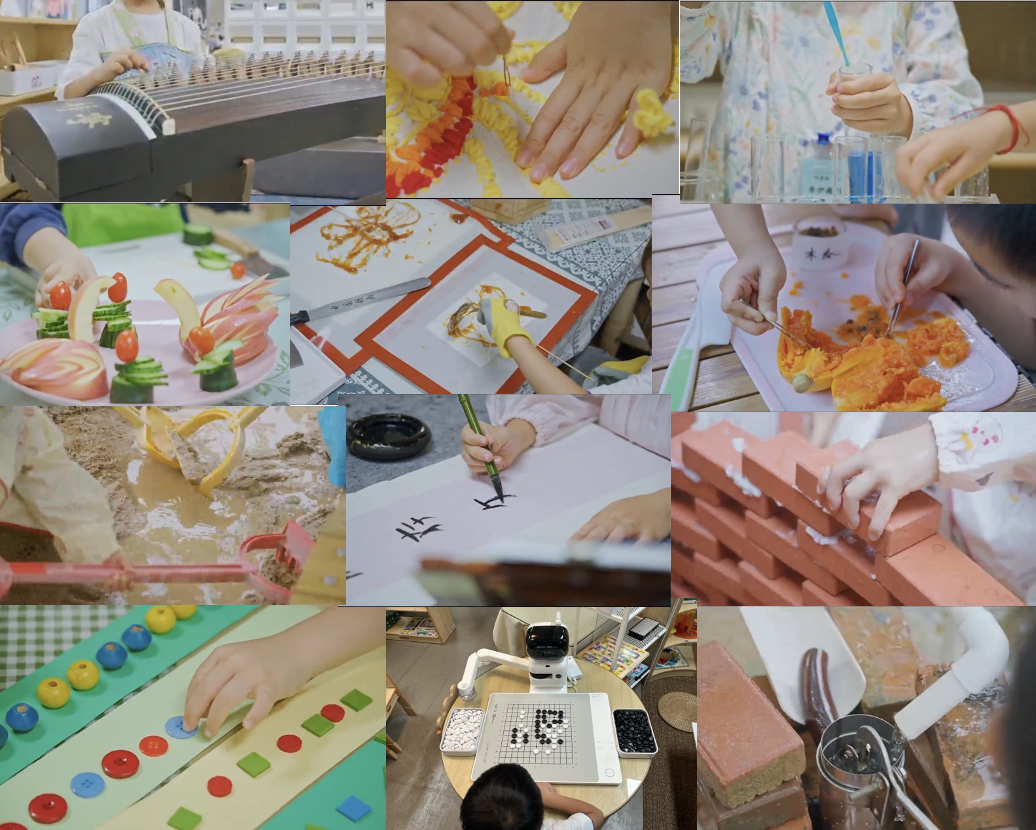
What if education was like that for all? What if students have the opportunity, over the years, to gradually, safely, explore more and more of the world around them until school itself is no longer contained in a classroom in a building? Learning can spill out, with support and care, across the landscape, unconstrained.

 International Education News