IEN will be taking a break for one more week, but we will be back September 9th with our annual scan of news stories related to the start f the new school year in many parts of the world. In the meantime, please check out our “back to school” posts from last year to see the issues people were talking about in 2025:
This second part of IEN’s annual scan of the back-to-school stories brings together some of the headlines that focused on the effects of a flurry of executive orders and policy changes from Washington. The first part of the scan shared stories from outside the US, and, next week, we’ll review some of the other back-to-school headlines in the national and local press in the US.
“As 47 million students return to school in the coming weeks, district leaders say they’re experiencing an uncertainty they haven’t felt since the pandemic. It’s “the amount of information that’s coming to you all at once,” said Jeremy Vidito of the Detroit schools. He laid out a litany of hardships, including figuring out “what’s true, what’s not. Emergency orders. Budget cuts.” But this time, the federal government is the source of the unease, as the Trump administration seeks to reduce more spending.” — The74
“Department of Education sends guidance on private school kids obtaining federally-funded benefits, including one-on-one tutoring, counseling,” Fox News
“While the Trump administration has vowed to preserve NAEP, it has overseen major cuts to staff who work on it and the elimination of more than a dozen tests” — Hechinger Report
“The Trump administration wants to roll back rules for collecting data on state career and technical education programs instituted in the final days of the Biden administration and align the largest federal CTE program with the president’s first-day executive order making it federal policy to recognize only two sexes.” — Education Week
“The Trump administration has launched investigations into school districts in Chicago and Evanston over programs aimed at supporting Black students, saying that efforts such as hiring Black teachers, expanding Black history and antiracism training may violate civil rights law. Supporters say the initiatives address systemic inequities and improve student outcomes, while critics warn they could be dismantled in court battles likely to reach the Supreme Court.” —NYT
“Posters are displayed in a Los Angeles Unified high school health education classroom in 2018. The Trump administration told 40 states to remove references to gender identity from a federally funded sex ed program and stripped California of its funding when it refused to do so.” Source: ChalkBeat
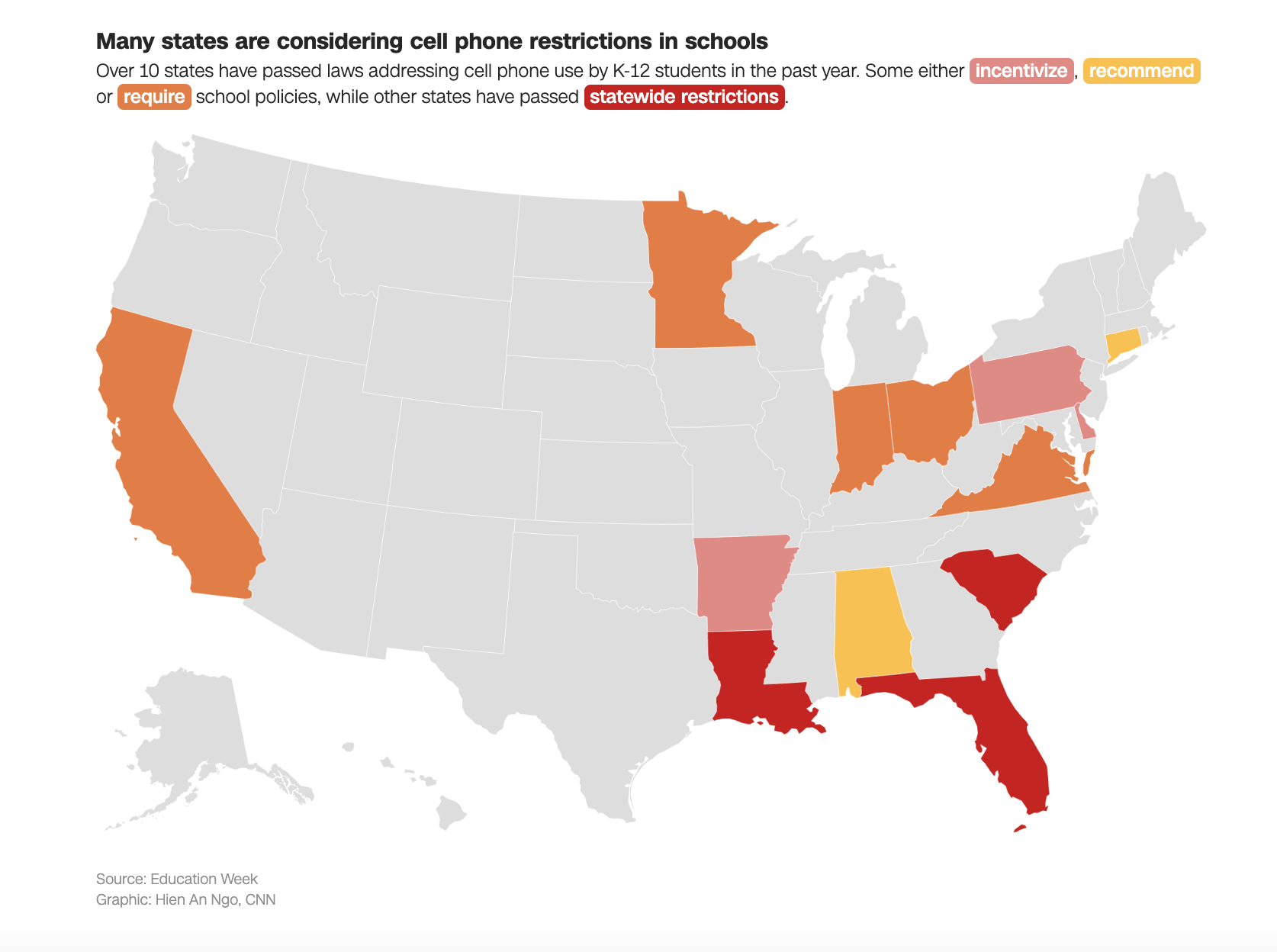
What’s in the education news as the school year begins in many parts of the Northern Hemisphere? This week, in part 2 of IEN’s annual back-to-school scan, we share the headlines from across the US and around the world that touch on issues like the costs of supplies and other materials for parents as well as teachers; hot weather and other disruptions; shortages – particularly of bus drivers in the US; and a variety of other topics. In Part 3, we will gather together some of the many stories discussing cell phone bans, particularly in the US and Canada. Last week, Part 1 of this year’s scan provided an overview of some of the many election-related education stories that have appeared in the press as students return to school Politics, Policies, and Polarization: Scanning the 2024-25 Back-To-School Headlines in the US (Part 1).
Back to school could mean back to the hot seat for Big Tech.Social media platforms TikTok, Facebook, Instagram and Snapchat spent last school year embroiled in a lawsuit accusing them of disrupting learning, contributing to a mental health crisis among youth and leaving teachers to manage the fallout.When students return to class this September, experts say the clash between tech and textbooks will be reignited
Families with multiple children, in particular, are struggling to balance their budgets as they manage not only the cost of school supplies but also additional needs such as furniture and other essentials for their children.
Legislation going into effect this school year will bring changes to California campuses. One new law requires elementary schools to offer free menstrual products in some bathrooms and another requires that all students, beginning in first grade, learn about climate change.
Each of the district’s high schools was allocated at least two metal detectors to screen their students, with larger schools getting four, like Cypress Bay High School in suburban Weston, which has more than 4,700 students. But even at smaller schools, kids were stuck waiting — leaving students and parents with more than the usual first-day nerves.
For some historical perspective on how the issues have evolved since the school closures of the COVID-19 pandemic, explore the back-to-school headlines from previous years:
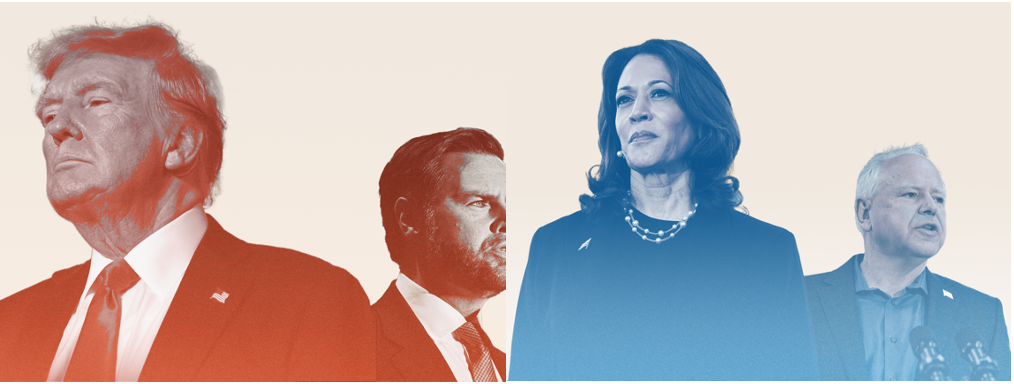
As students in many parts of the northern hemisphere start a new school year, IEN begins our annual scan of the back-to-school headlines. This year, with the surge of interest in the presidential election since Kamala Harris became the democratic nominee, a number of news stories have focused on the election, the candidates, and their education policies. Harris’ choice of Tim Walz – a former teacher – to be her candidate for Vice-President contributed to a wave of stories about Walz and his record and even spawned stories about his wife Gwen Walz – also a former teacher – and other educators who are running for office. Several stories, most from Education Week, also explore whether and how teachers might try to address in their classrooms the election and the many controversial issues that divide and polarize Americans today. Part 1 of our 2024-25 Back-to-School scan pulls together some of these election-related stories. Next week’s scan will provide a round-up of stories about many of the other issues that are in the news in the education sources that we follow as classes resume.
For some historical perspective on how the issues have evolved since the school closures of the COVID-19 pandemic, explore the back-to-school headlines from previous years:
From transgender student rights to ‘woke’ curriculum, Harris and Trump offer two starkly different views on the federal government’s role in education.
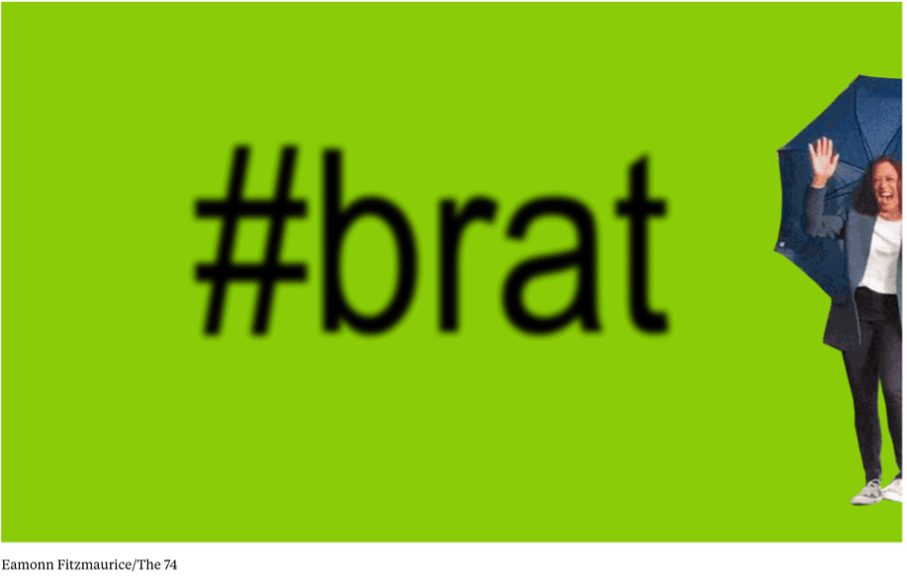
Kamala Harris’s presidential race is taking on a life of its own on social media, particularly with Gen Z followers, who are responding to her perceived energy and authenticity with viral videos of her dancing, laughing and recounting her mother’s lessons.
A technocrat’s dream, the Child Tax Credit isn’t a subject you’d expect would receive much attention in the middle of a heated presidential race. But both the Harris and Trump campaigns have recently embraced proposals to expand the program, which offers relief to parents of kids under 17 years old. Democrats and Republicans both see the credit’s political appeal, but depending on the election outcome, neither party may hold enough power to enact its vision.
Tim Walz was a high school teacher and football coach from southern Minnesota. He had no political experience whatsoever, but he didn’t like the choices being made on Capitol Hill, and struggled to explain them to his social studies students.So Walz made a decision: He would run for Congress as a Democrat.
Tim Walz isn’t the only former educator running for elected office this year. In fact, a number of current teachers and school leaders will be on the ballot in November.
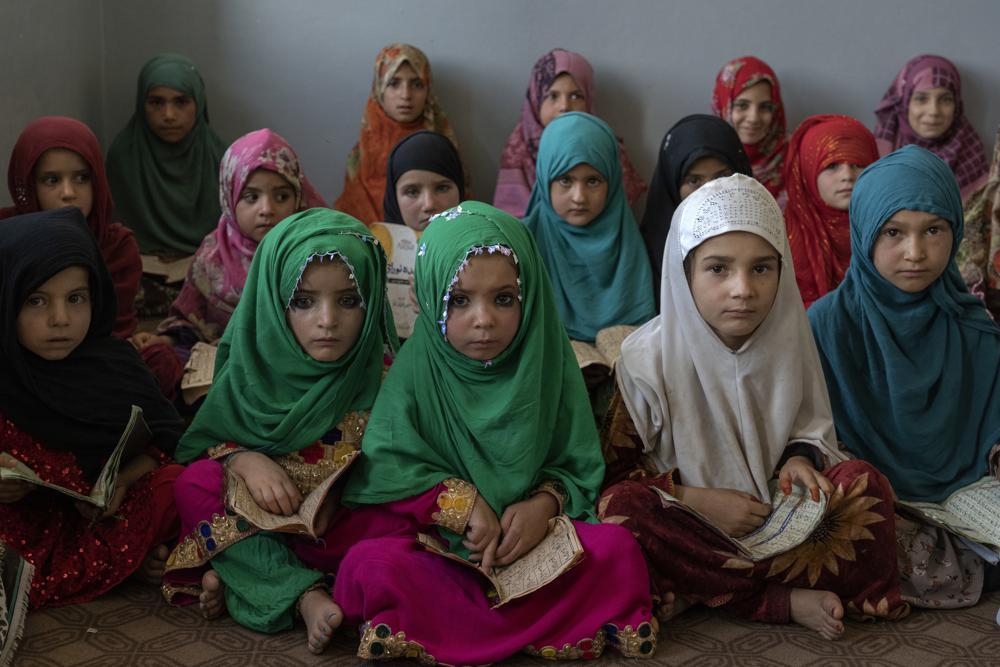
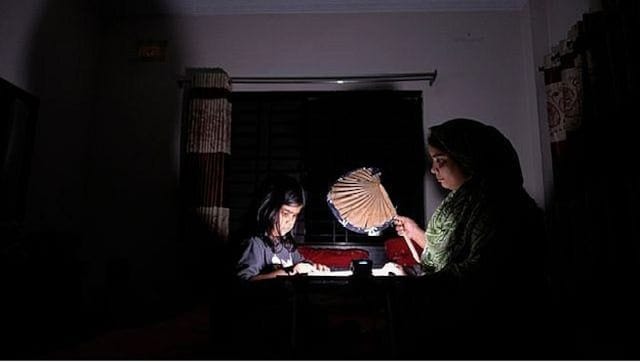
A return to school after the COVID closures and hopes for a “bounce back” characterize some of the back-to-school headlines; but in Ukraine and some parts of the developing world, many of the headlines focus on critical challenges including violence, war, floods and famine that are continuing to keep some students, particularly girls, out of school.
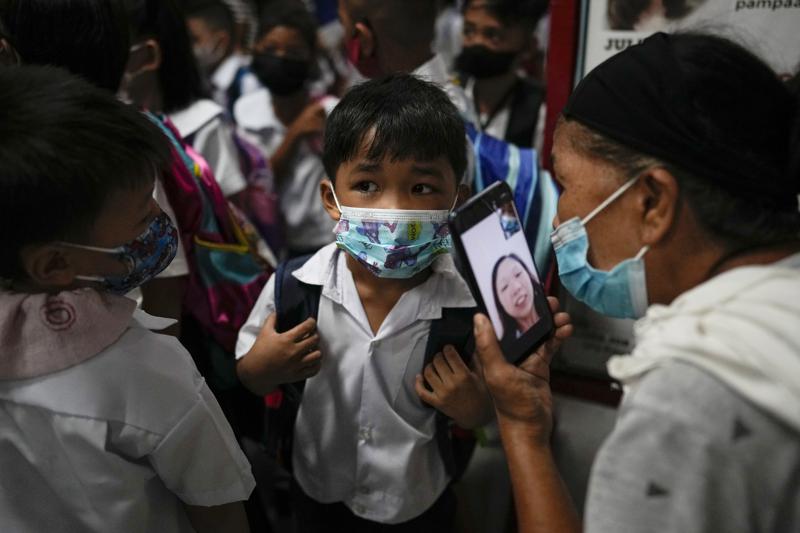
“[F]or many students here and around the world, especially girls, there is no excitement around supply shopping or reuniting with their friends again — because none of that will happen at all. Between schools staying closed over fears of a new COVID-19 wave and other barriers to getting an education, back-to-school doesn’t look quite as bright.” – Back to school? Think again, Plan International
“Every August a new cohort of students begin their apprenticeships across Switzerland. The appetite for vocational training remains strong despite the impact of Covid-19, with experts pointing to a return to pre-pandemic levels.”
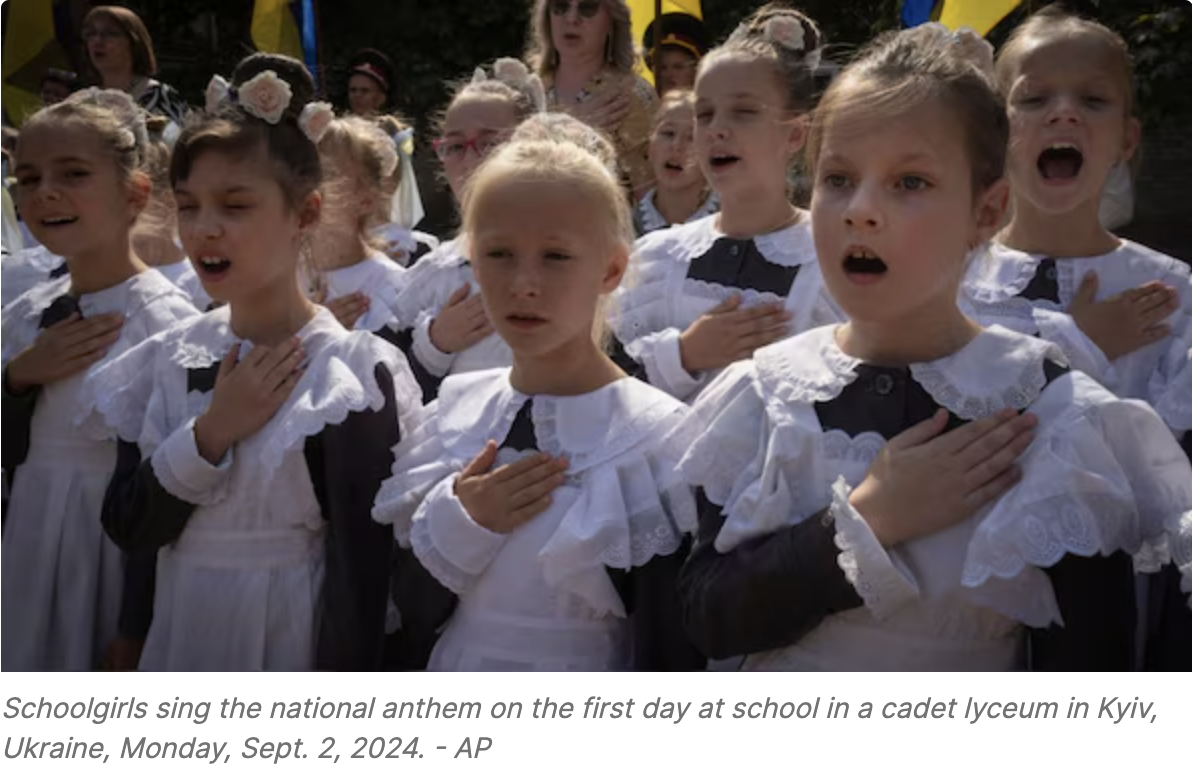
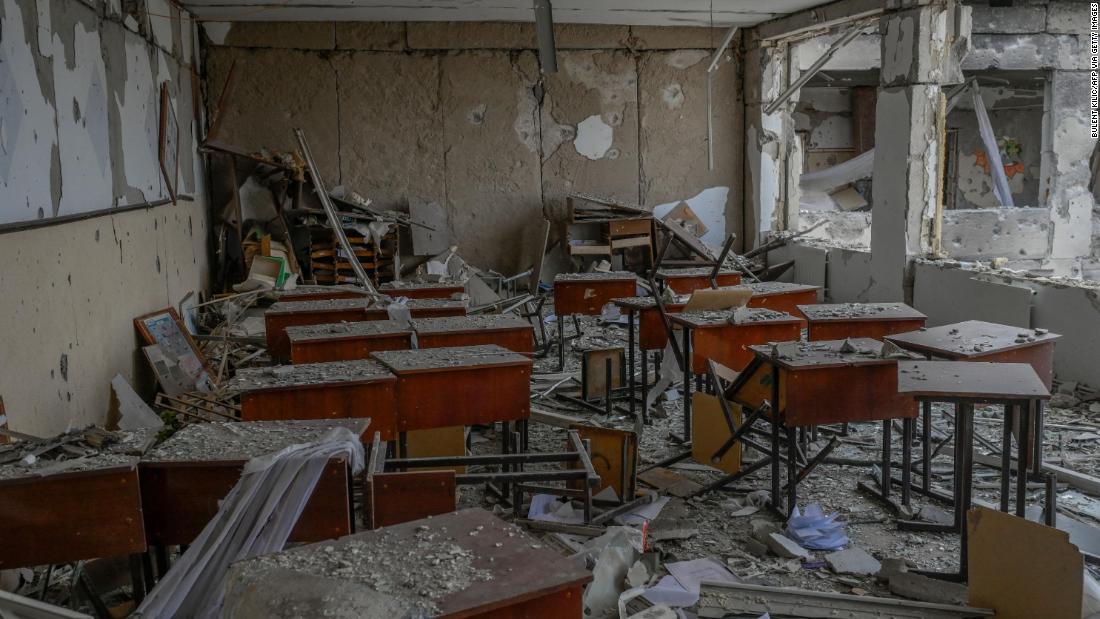
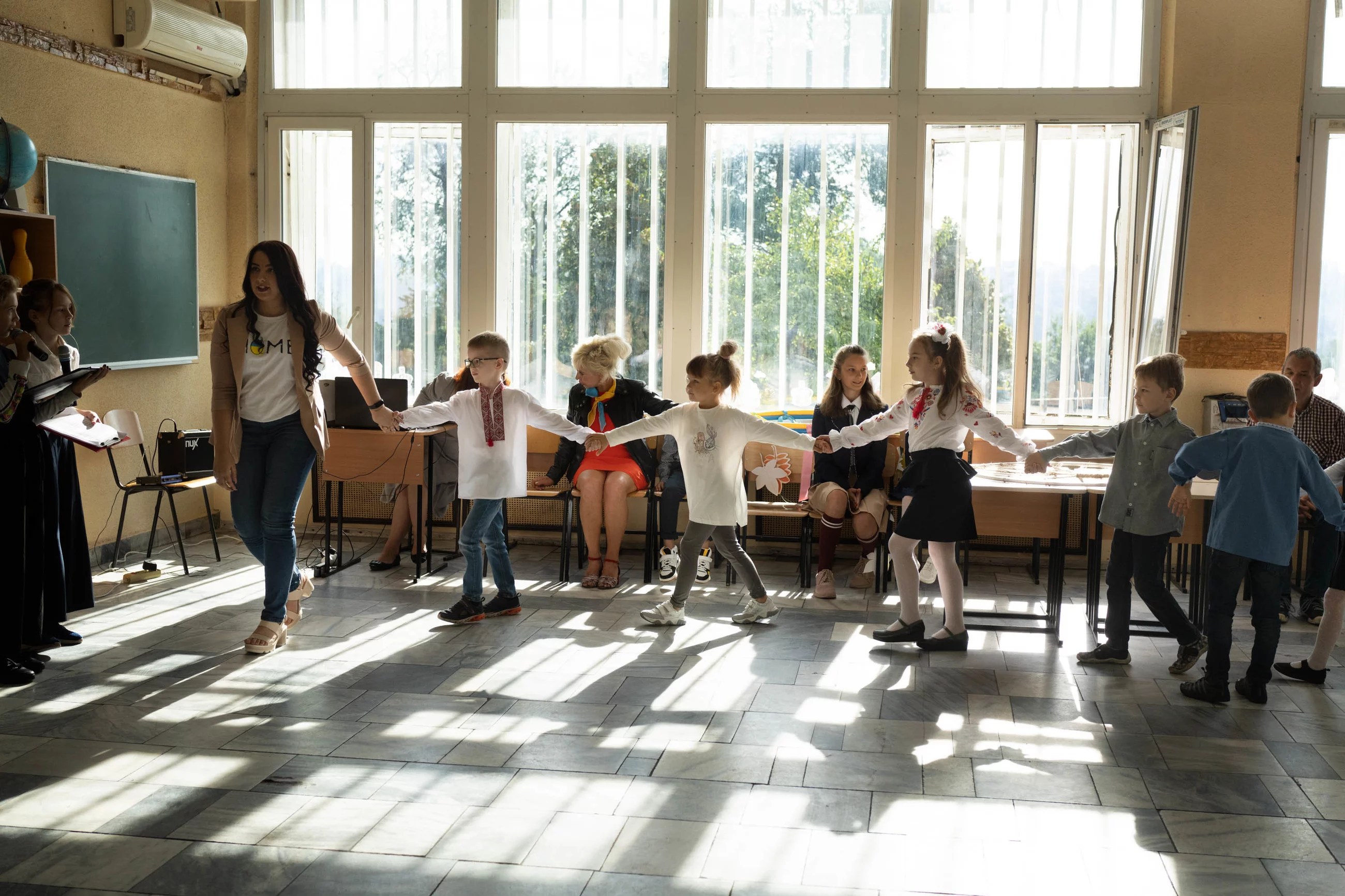
“The new school year is a day of celebration in Ukraine, where children dress up and give bouquets of flowers to their teachers. But Russia’s invasion has cast a shadow on the happy day. Now educational facilities across the country are racing to build bunkers and bomb shelters for returning students,” CNN
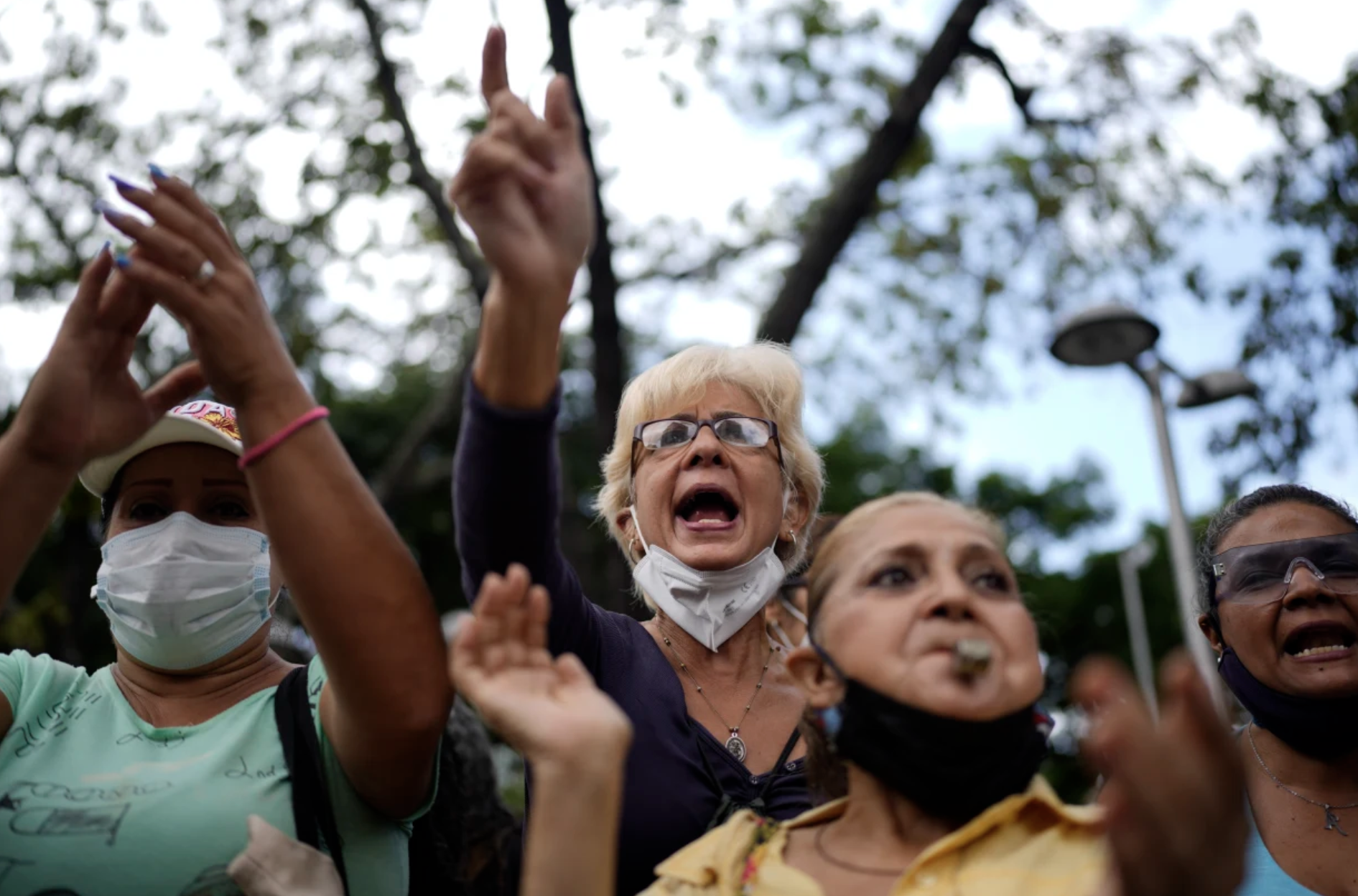
““Right now, I don’t even have a pencil for my children to start classes in September,” said Florena Delgado, who teaches first and fifth grades at two schools in one of the lowest-income neighborhoods of the capital, Caracas”- NBC News
“Over it” but also unable to escape it seems to capture the sentiment of many of the back-to-school stories that address the continuing impact of the COVID-19 pandemic on schools. A series of articles from the74 in particular highlight that although many schools and educators are making decisions to end closures, remote options, and masking, there also appears to be a recognition that those decisions could lead to more surges requiring schools to respond again. Education Week also highlighted how, in the US, those decisions have been supported with new guidelines from the Centers for Disease Control and the White House to help schools deal with the “new abnormal.”
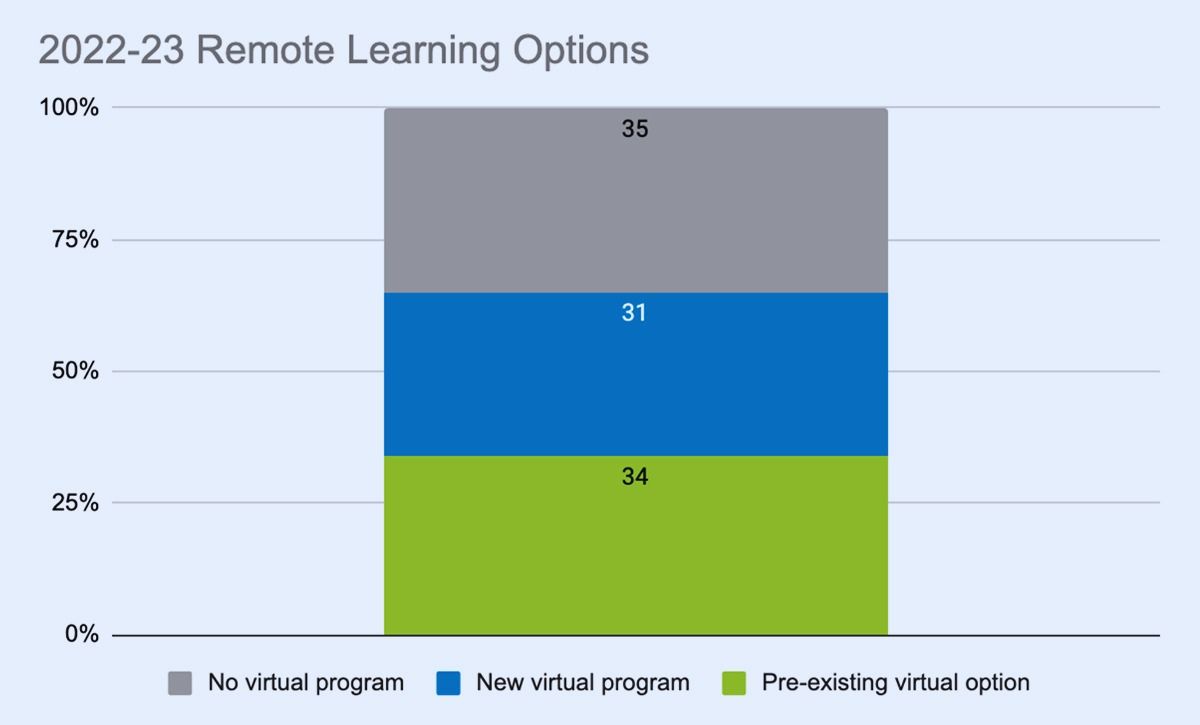
“According to a new review by the Center on Reinventing Public Education, the “approaches of America’s 100 largest districts suggest that most are jettisoning remote learning entirely, or reverting back to programs that existed before the pandemic forced them to swiftly provide all families with some sort of online option.”
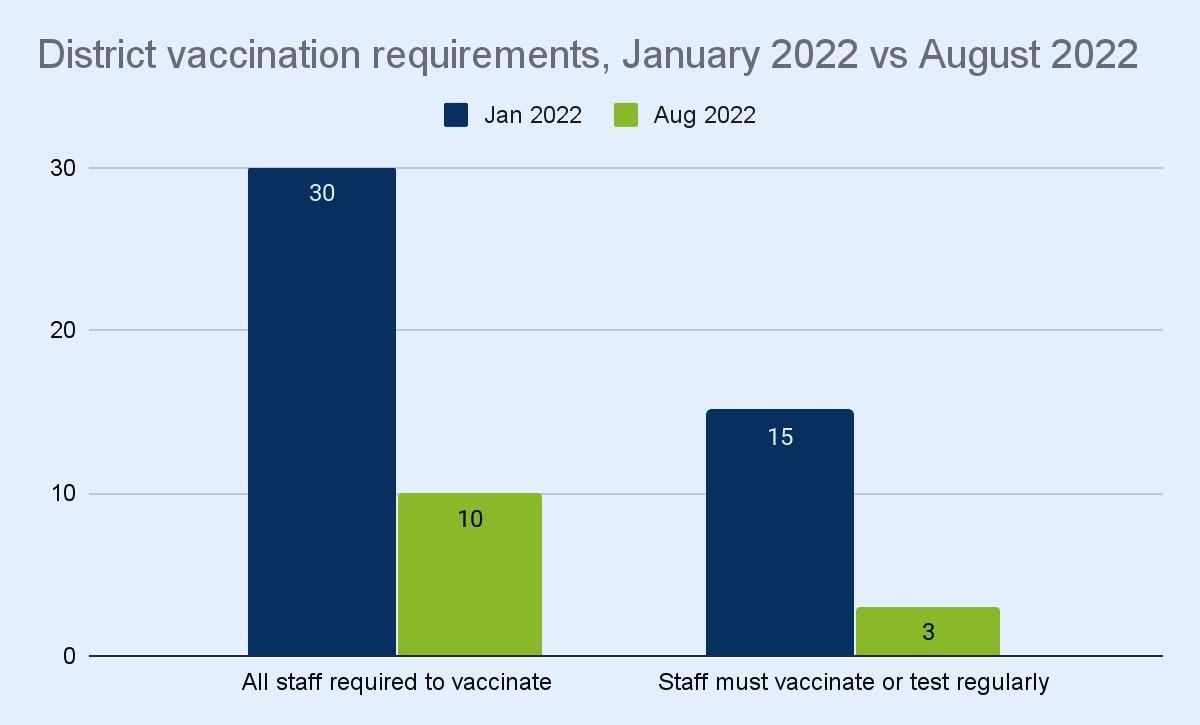
“As students return from summer vacation, school systems nationwide are scaling back COVID masking and quarantine requirements — in some cases, eliminating them altogether. Many are simply telling students to stay home if they have symptoms, much as they did before the pandemic.”
“The White House followed the CDC’s lead, de-emphasizing the importance of masking and quarantining and instead focusing on vaccinations, testing, and air quality as major prevention strategies.” – Education Week
“My biggest concern is that we’ve seen a ton of viral infections just over the summer,” says Magna Dias, MD, a Yale Medicine pediatrician. “So, when we get back to indoor settings with kids being together again, it could mean that we will see more infections happening—both with COVID-19 and with other viral infections.” – Yale Medicine
“It’s not going to be pretty, but it’s going to be better,” Lydia McNeiley, a college and career coordinator from Hammond Indiana, summed up the sentiments reflected in many US back-to-school stories this year. Quoted in an Education Week story on “Student Wellness Issues for Schools to Watch This Year”, McNeiley captured the mixed feelings expressed in many of the headlines.
“It’s not going to be pretty, but it’s going to be better,” Lydia McNeiley quoted in Education Week
Despite occasional optimism, for the most part, the talk of “re-imagining” schools has been replaced with stories about the realities of dealing with concerns about missing students, money, socio-emotional development, health, safety, and, particularly with the recent release of the latest results from the National Assessment of Educational Progress, learning.
Reports of some positive changes and offerings of hopeful advice are also pprinkled among the headlines For his part, US Education Secretary Cardona noted the importance of addressing issues like how to provide more support for teachers, but he also looks forward to a “return to normal:” “I’m really thrilled that students are feeling that back-to-school excitement the way it was before. It’s not back to school with a caveat.” (U.S. Secretary Cardona: how to fix teachers shortages, create safer schools, EdWeek).
“49.5 million students were enrolled in public schools in fall 2021…well below the 50.8 million students who were in public pre-K-12 before the pandemic began. Where are the other 1.3 million kids?” – Education Week
“Eighty-three percent of school district technology leaders report that they will expand their cybersecurity initiatives, with a majority (62 percent) also increasing their cybersecurity budgets…By contrast: in 2020, only 31 percent said they were increasing their cybersecurity budgets.” –Education Week
“Another year, another reason to cancel classes: soaring school heat worsened by faulty or non-existent air-conditioning. School closures due to heat are not new but they have been increasing significantly, with numbers doubling in cities such as Baltimore, Cleveland, Denver and Philadelphia”, – District Administration and Daily Kos.
“Sixty-one percent of principals and 37 percent of teachers surveyed by the RAND Corporation reported experiencing harassment about these politicized topics, which contributed to burnout, frequent job-related stress, and symptoms of depression…. And there are signs this contention has led to a chilling effect: 1 in 4 teachers have been told to stay away from conversations about political and social issues in class. Seventeen states have imposed bans and restrictions on how teachers can discuss racism and sexism, either through legislation or other avenues” –Education Week
In the final part of this “Back to School” series, Thomas Hatch scans some of the headlines that describe critical issues in the new school year in many parts of the world. Part 1 links to articles with some lessons from last year and guidance for reopening schools this year. Part 2 draws together headlines that focus on the many challenges causing problems for schools in the US this year. Part 3 highlights headlines from states and cities in the US. Take a look at IEN’s “Back to School” headlines from 2020, from 2019, and from 2018 to see how this year compares.
In the third part of this “Back to School” series Thomas Hatch scans some of the headlines from states and cities around the US, most of which focus on concerns about COVID cases or related stories about vaccines, masks, and protests about them. Part 1 links to articles with some lessons from last year and guidance for reopening schools this year. Part 2 draws together headlines that focus on the many challenges causing problems for schools this year. Later posts will include school reopening headlines from other parts of the world as well. Take a look at IEN’s “Back to School” headlines from 2020, from 2019, and from 2018 to see how this year compares.
In the second part of this “Back to School” series, Thomas Hatch scans some of the headlines that highlight the many challenges that are contributing to problems at the start of the school year in the US. Part 1 links to articles with some lessons from last year and guidance for reopening schools this year. Later posts will include school reopening headlines from other parts of the world as well. Take a look at IEN’s “Back to School” headlines from 2020, from 2019, and from 2018 to see how this year compares.