This week, IEN provides a glimpse of “virtual school visits” to St. Paul’s Primary School in Scotland, and Hymba Yumba Independent School in Australia. This post is the third in a series sharing videos and reflections from a session of the 2022 (virtual) Conference of the International Congress on School Effectiveness and Improvement (ICSEI). The series began with Promoting equity through language access: A virtual visit to Liceo San Nicolas (Chile) and Easton Academy (UK) and Exploring Democratic Student Leadership and Active Citizenship: Virtual Visits to a Kenyan and an Italian school. This post provides each school’s description of their values and approach, key takeaways of school members from a virtual panel discussion, and the reflections from the coordinator of the virtual school visit. This post was produced by Paul Campbell (Asia Pacific Centre for Leadership and Change).
St Paul’s Primary School, Glasgow (Scotland)

St. Paul’s Primary School is a catholic primary school located in Glasgow, Scotland. The school’s virtues are faith, hope and love, with the central virtue being that of love. This is at the core of everything at St Paul’s; it is the basis of all interactions and relationships. The community at St. Paul’s believe that by creating a nurturing environment, where all of the community are welcomed and loved and none are judged, children can exceed their potential.
“The community at St. Paul’s believe that by creating a nurturing environment, where all of the community are welcomed and loved and none are judged, children can exceed their potential.”
St. Paul’s Primary School is located in the North East of Glasgow and serves a community of 465 children. 385 children are in the primary school (ranging from 5-12 years old in Primary 1 to Primary 7) and 80 children (ranging from 3-5 years old) are in the nursery class. The children in the primary school and nursery class are learning at Scotland’s Curriculum for Excellence levels Early, First and Second. Learning for some of the children in the nursery class is supported by the Birth – 3 years old curriculum in order to address identified and emerging barriers to learning.
The school is situated in a busy town, and the school serves an area of high levels of deprivation. 78% of pupils are eligible for Pupil Premium/ Pupil Equity Funding/ Free School Meals which are measures of deprivation. 25% of pupils have an additional support need and 25% of pupils have English as an Additional Language, with 27 languages spoken in the school.
The school has been recognized for sector leading work, with the senior leadership team having engaged in a range of accredited professional learning to support the ongoing work of the school. The school is therefore dynamic, and always looking for ways to improve their research-based pedagogy. The school’s vision is to have 100% of pupils reading (91% of the 2020-21 Primary 7 cohort left the school being able to read).
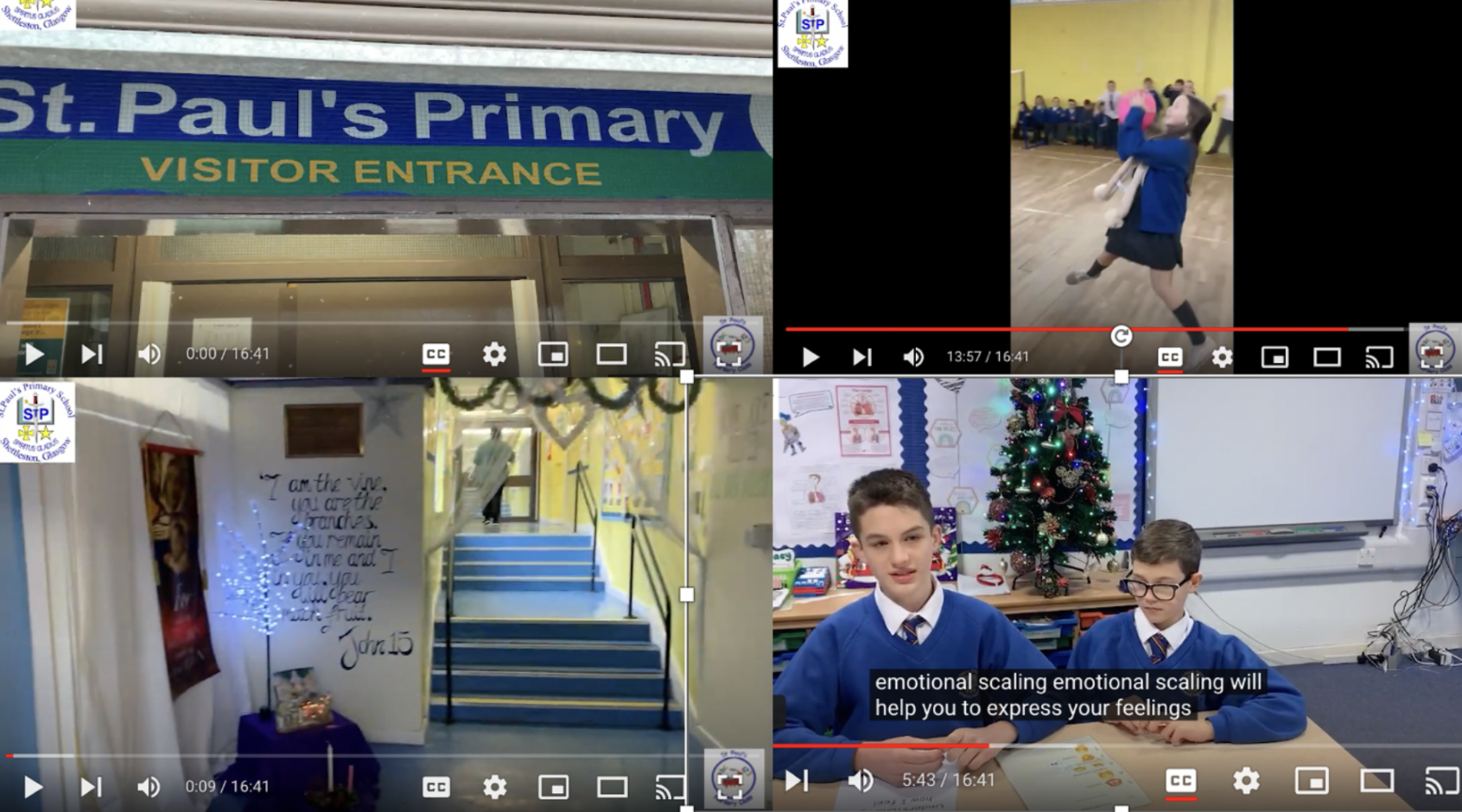
The school has very high expectations for pupils; and everyone in the school community shares these standards including the children themselves. Over the past nine years the headteacher has been in the post, she has purposefully built a whole community of learners: children, staff and parents. A focus has been on empowering staff and children to lead change in school, using a number of strategies to develop their voices.
Staff and children are part of the school’s quality assurance procedures. Parents have also been involved in this empowerment agenda, gaining qualifications in parenting and food hygiene, and leading our successful Plot to Plate Initiative (more information can be found on the school’s website).
The school commenced their Children’s Rights journey 7 years ago and recently became the only state primary school in Glasgow to gain a UNICEF Rights Respecting School Gold Award. The children are fully involved in the running of the school; they drive forward change through the school improvement plan and through the various Pupil Voice Committees in the school. The children have a strong belief and drive to make the world a better place and this can be seen in their many campaigns to improve the local school environment, trying to create a more sustainable school and world and writing to the Scottish Government. The school’s strategies for Health and Wellbeing focus on building emotional resilience and the children themselves have driven the change from what was the Promoting Positive Behaviour Policy to a Relationship Policy; highlighting a shift in thinking, culture and practice.
Hymba Yumba Independent School, Queensland (Australia)
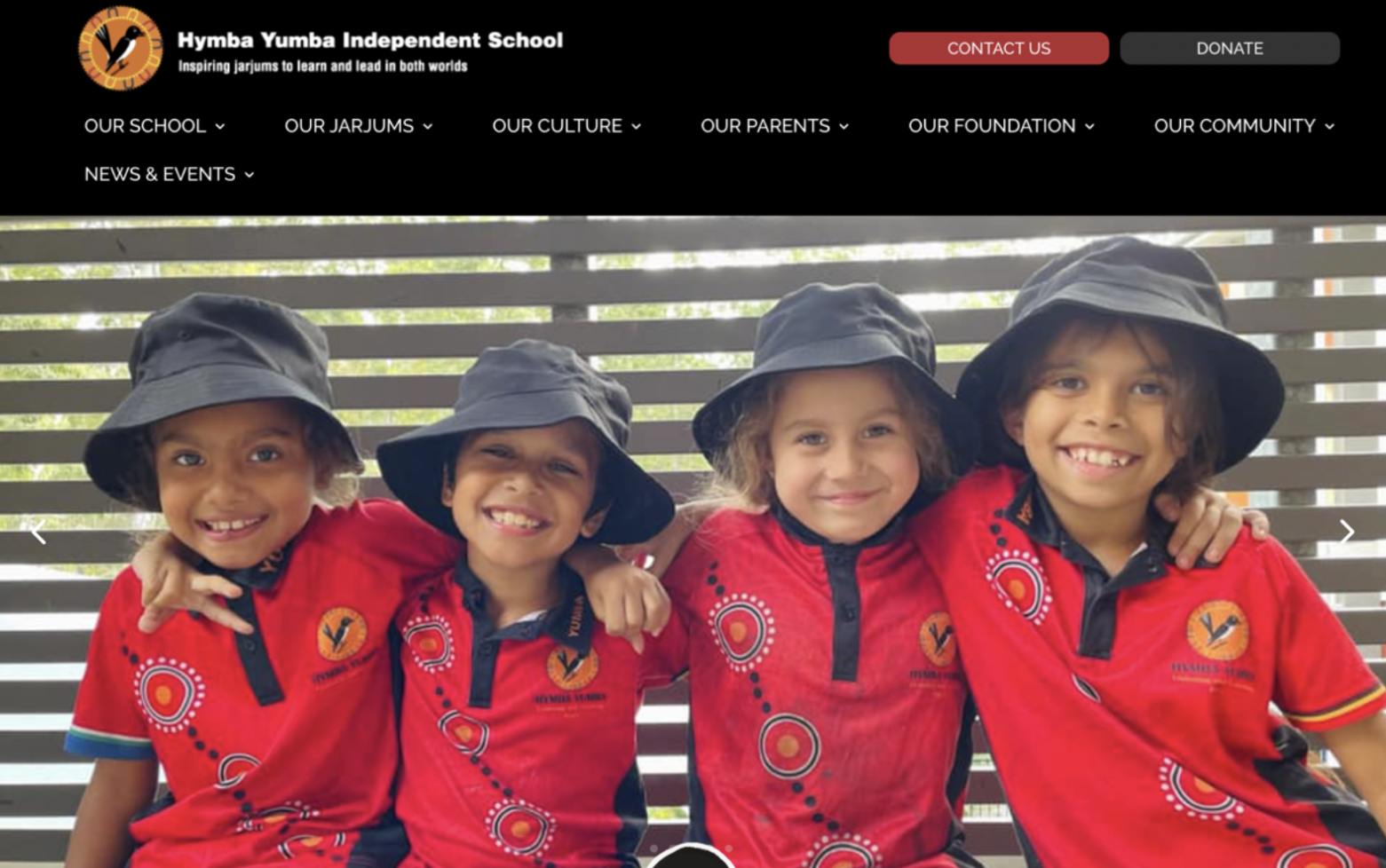
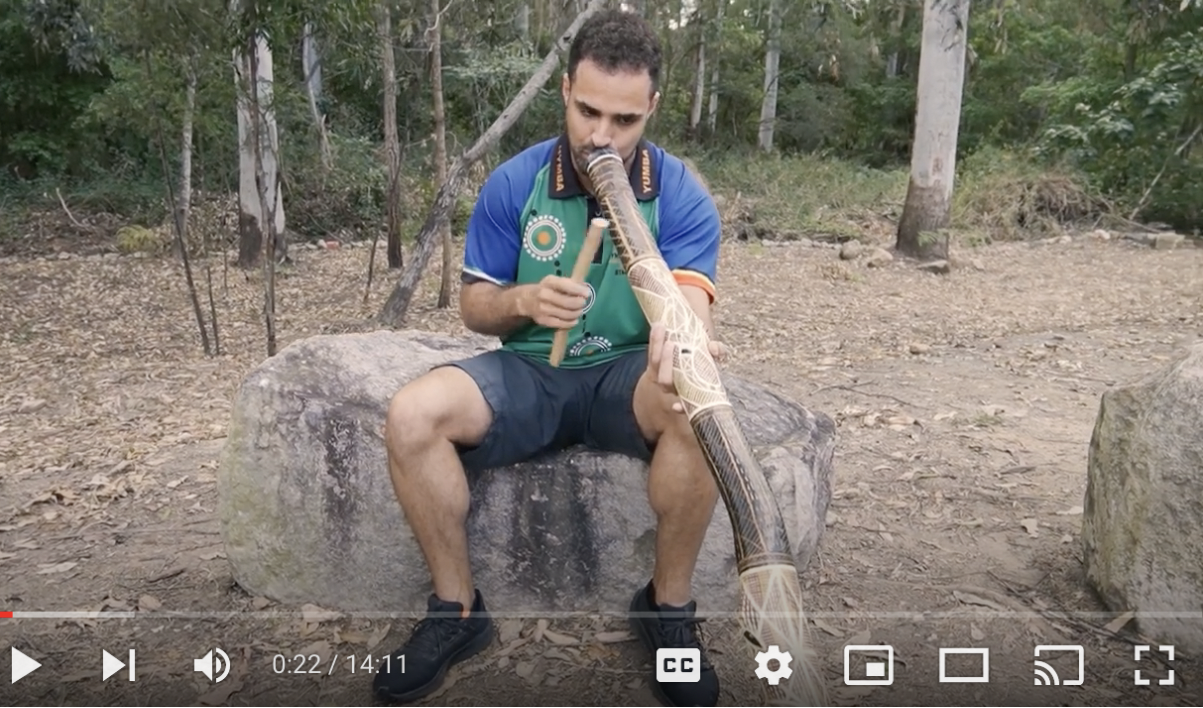
Hymba Yumba Independent School (HYIS) is founded and proudly based in Aboriginal and Torres Strait Islander Culture. The school is a Prep – Year 12 majority Indigenous school, founded in 2011 by Uncle Albert Holt and has been built upon the traditions of Indigenous culture, spirituality and identity. Situated in Springfield, Queensland on the traditional land of the Jagera, Yuggera and Ugarapul people, the name of the school is from the Bidjara language group and was gifted to the school by founder, Uncle Albert Holt. Hymba means the development of skills in listening, reflecting, evaluating and planning and Yumba is the building and support for learning; the building of school and classroom routines and the building of community. The excellence in teaching and learning stems from a 21st century cultural and pedagogical approach, focused upon the whole jarjum (child) and his/her journey in education.
“Hymba means the development of skills in listening, reflecting, evaluating and planning and Yumba is the building and support for learning; the building of school and classroom routines and the building of community.”
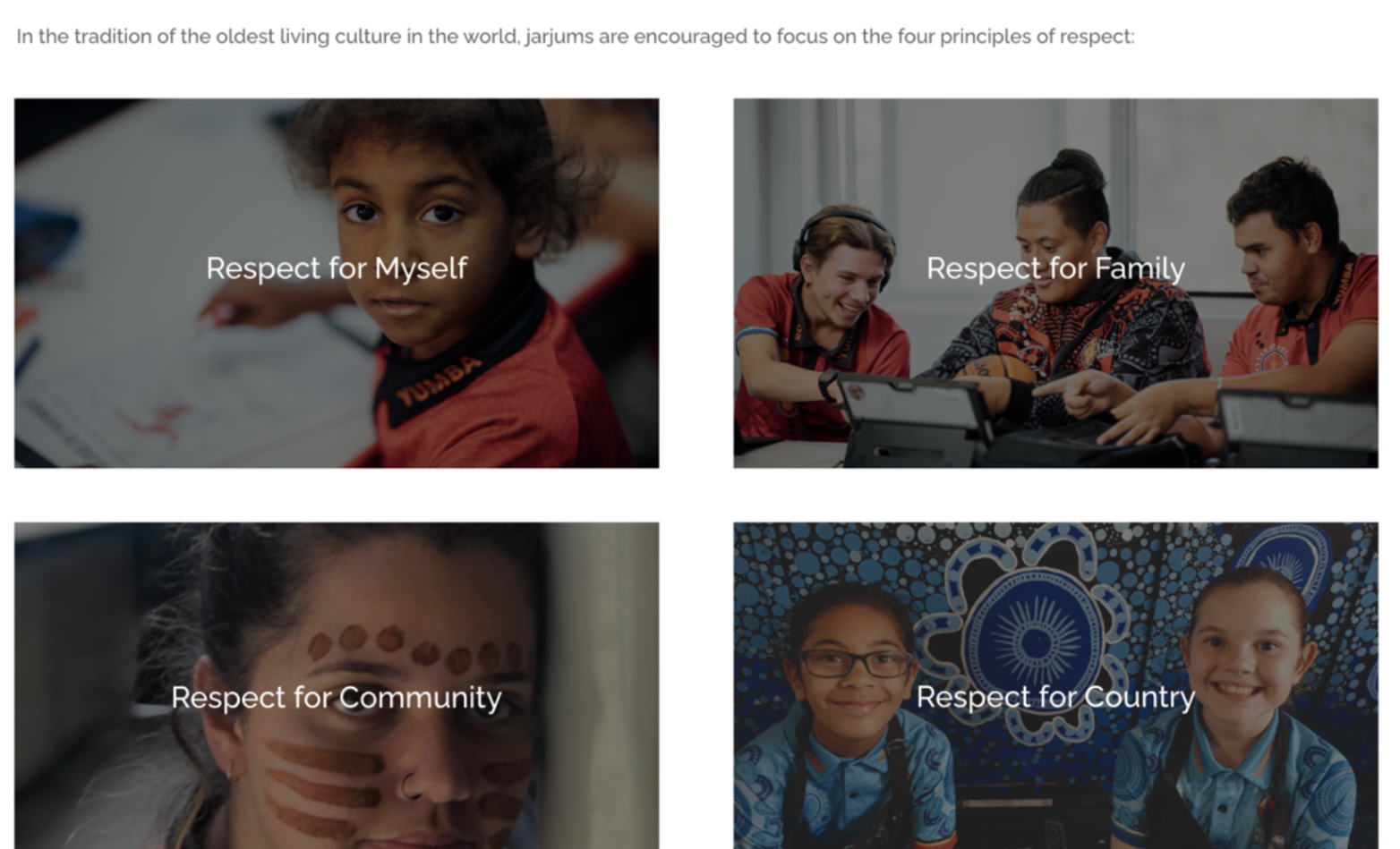
HYIS is developing not only a futuristic approach to education, but also developing and building 21st century facilities to create an environment that is engaging and stimulating to create the strongest outcomes for their jarjums. By the end of Year 12, their jarjums will be in a career pathway that is either ‘learning or earning’ and will be equipped with real life experience and skills. The vast opportunities provided at Hymba Yumba are supported by passionate teachers and a strong network of partners with tertiary and vocational organisations. Although teaching excellence is at the forefront of HYIS’ work, they focus on the jarjum as a whole and therefore provide multiple wellbeing and sports programs to support the jarjums in their education journey. This is in recognition of how good mental and physical health is just as important as academic education in today’s society. Upon graduation, jarjums will proudly be able to lead in both worlds equipped with skills, experience, education, cultural knowledge and strength. The school first opened its doors with only 50 students and 8 staff members, and today has over 280 students and 40 staff making up the school community.
Key Lessons: Reimagining the intersection of practice, policy and research
This virtual school visit, made possible through the generosity and community spirit of the schools involved, enabled a rich dialogue around the nature of school and community leadership, and the contextual variation that emerges in understanding this within a global context. With the emphasis on leadership, community, and the development of the whole child evident in both schools, participants in the school visit discussed and highlighted the idea that ‘nothing is too much’ in trying to achieve what is needed to nurture and support the development of the ‘whole child’.
‘Nothing is too much’ in trying to achieve what is needed to nurture and support the development of the ‘whole child’.
The role of leadership, and particularly that of the Principal was highlighted in relation to the possibilities for school improvement. The learning focus, and the values and ideas that inform the leadership they exercise within their communities was viewed by participants as being key to the successes shared within the two communities, and with application beyond. Importantly, as both schools and participants highlighted, the role of the whole learning community coming to understand, appreciate and continue to build an understanding of the students and communities they work with is central to responsive practices, and priorities or approaches to improvement.
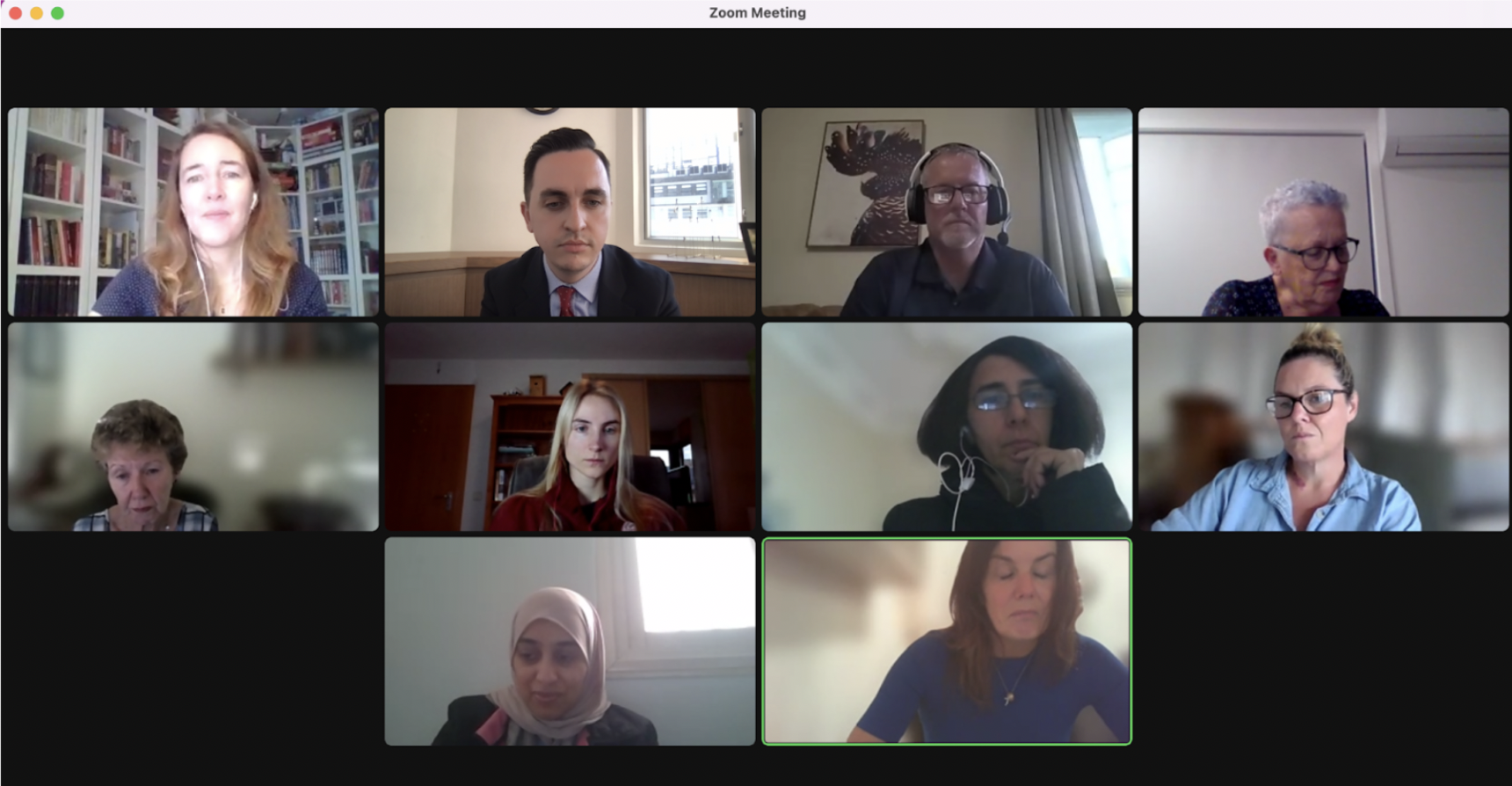
Participants reflected that what the schools illustrated was the importance of professional community, and organizational learning, sustaining the passion and enthusiasm for the community and the schools’ mission and values, and the centrality of relationships in achieving this.
More broadly, the role of leadership, community and the development of the whole child and the sharing of this through a forum like the International Congress for School Effectiveness and Improvement (ICSEI) highlights the scope and possibility to be imagining and reimagining the intersection of practice, policy and research. The COVID-19 pandemic illustrated even further the possibilities and potential of collaboration within and across systems. As national and international socio-political contexts continue to change, these school communities and the conversations that represented ideas and experiences from across the globe (Hong Kong, Morocco, Sweden, Australia, Scotland, the United States, and Qatar), highlight the role education and schooling can play in supporting communities, and society more broadly. This has required creativity, bravery, and new modes, means and outputs of thinking as to the role and nature of schooling in uncertain times.
What these virtual school visits have also highlighted is the need for sustained, critically reflective dialogue and analysis of the structures, mechanisms, tools, and approaches that not only support school effectiveness and improvement, but enable the learning, growth, development, and understanding of the young people we work with in school communities. Through the intentional development of shared and inclusive forums to share ideas, reflect on experiences, and imagine the future, we can collectively contribute to and enhance the positive experiences and outcomes of young people in school systems across the globe.
Note on ICSEI Virtual School Visits: The International Congress for School Effectiveness and Improvement (ICSEI) held its 35th annual congress online in January 2022 due to the pandemic. Over many years of face-to-face conferences, participants have had the unique opportunity to visit local schools to gain first-hand experience with the host country’s education system, share ideas and insights from one system to another, and act as a catalyst for discussion and debate between colleagues from different countries during and after the visits. The Virtual School Visits sought to keep that purpose, with the added advantage of not being restricted to one host country, increasing the richness and diversity of insight, discussion, and collaboration beyond what was possible at a face-to-face congress. ICSEI 2023 will be in Chile in January 2023 and schools’ visits will again be held virtually. For more information: https://2023.icsei.net and https://2023.icsei.net/school-visits/



 International Education News