Teachers’ workloads, AI use, and the status of the teaching profession overall are among the key issues highlighted by the media sources that covered the recent release of OECD’s Teaching and Learning International Survey (TALIS) 2024. In this second part of a two-part post, IEN rounds up some of the headlines that discuss the results for different countries. Part 1 provided a summary of OECD’s results, and Part 2 will For comparison, see previous coverage of the release of the results of TALIS 20218 (Volume 1; Volume 2).
Headlines around the world
Albania
Albania among top OECD countries in international teachers’ survey results, Albanian Telegraphic Agency
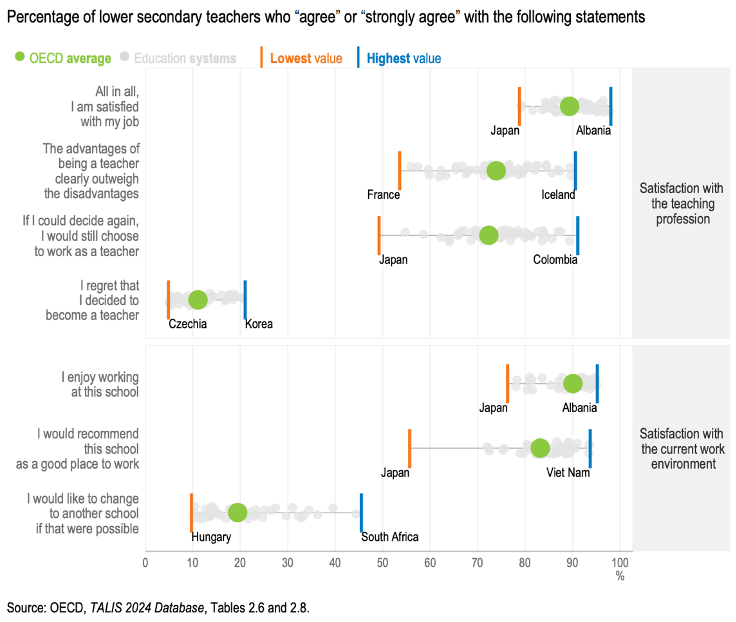
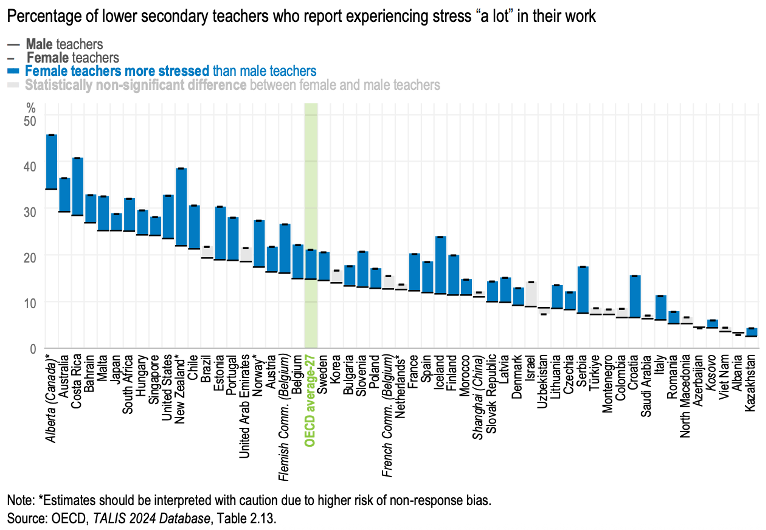
“…98% of Albanian teachers are satisfied with their profession, while only 3% experience high levels of stress—the lowest rate compared to the OECD average of 19%.”
Australia
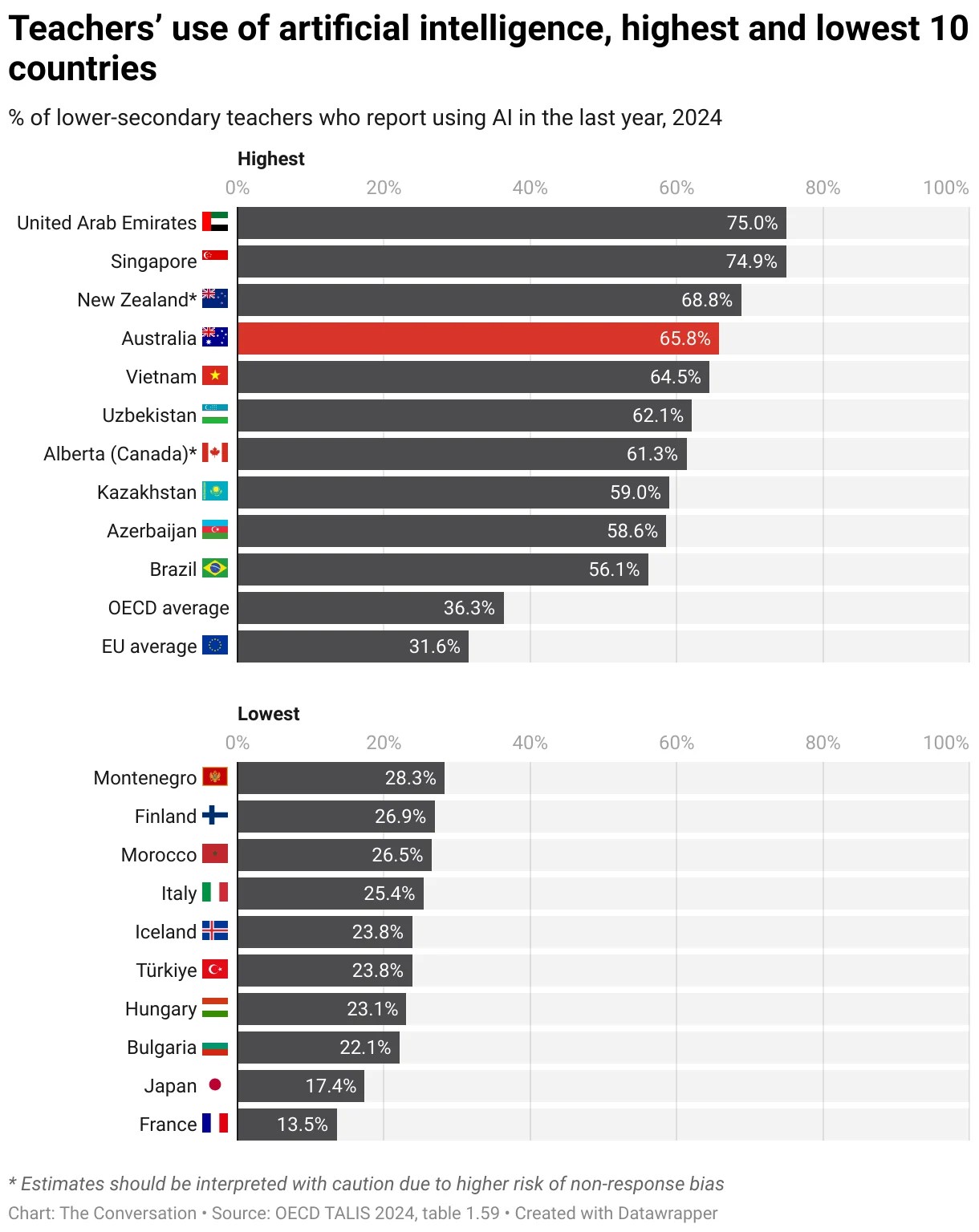
Australian teachers are some of the highest users of AI in classrooms around the world, Yahoo News Australia
Australian teachers are among the world’s most stressed – despite low class time, The Advertiser
Australian teacher shortage among worst in the OECED, SchoolNews.com
“Australia is now among the top three OECD countries for teacher shortages in public schools. That is unacceptable for a wealthy, developed nation.”
Austria
New teachers hardly feel prepared for everyday school, Vol.at
Belgium
Teachers report high stress due to administrative burden, Belganewsagency.eu
“A striking 70 percent of lower secondary school teachers in Belgium report stress from too much administrative work, far above the OECD average.”
Canada – Alberta
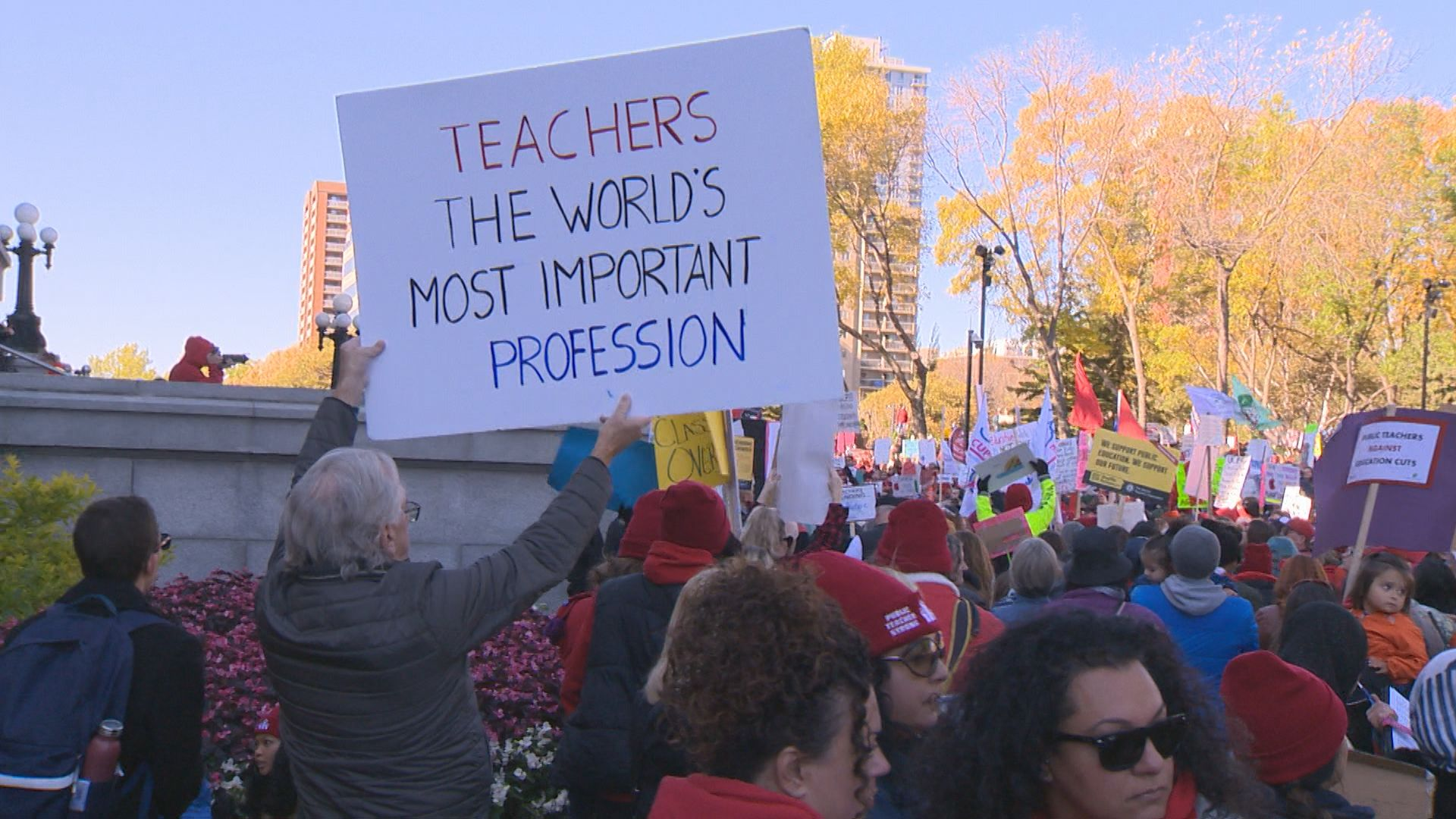
Alberta teachers report highest stress levels globally, CityNews Calgary
Costa Rica
AI surges in Costa Rican schools ahead of official policy, TicosLand
“Artificial intelligence, in this particular case, can likely contribute significantly to reducing the teacher’s workload. Because if it is used appropriately and efficiently, it can streamline many processes such as receiving information, reviewing in-class assignments, grading exams, and organizing activities.”
Croatia
Croatian teachers among the most education, however, the workload is constantly increasing, PortalHr
Czechia
Young teachers are disappearing: Why is the profession uninteresting even though salaries are improving, Iustecko.cz
“Despite higher satisfaction with salaries, the profession suffers from low social recognition. Only 22% of teachers feel that society values their work, and only 15% of educators perceive recognition from political representation.”
Estonia
Study: Nearly half of teachers plan to change jobs in the coming years, ERR
Finland
TALIS 2024: Lower secondary teachers are satisfied with their work — Increasing diversity in schools challenges teachers to learn new skills, Valtioneuvosto
“The growing diversity in schools and the increasing need for student support are reflected in teachers’ professional learning needs. Areas for development included using artificial intelligence, teaching students with special education needs, supporting students’ social and emotional development, and teaching in multicultural or multilingual settings.”
France
Teaching in France: a despised and increasingly difficult profession on TALIS 2024 Survey, cafepedagogique.net
Hungary
Hungarian teachers report rising satisfaction and greater autonomy, OCED TALIS survey shows, The Hungarian Conservative
Iceland
Almost all teachers satisfied with jobs — but pay worries persist, RUV.is
“Icelandic teachers are among the most dissatisfied with their pay: only 19% are content with their salaries, compared with an average of one third across the OECD.”
Israel
Israeli teachers satisfied but face staffing crisis, The Jerusalem Post
Japan
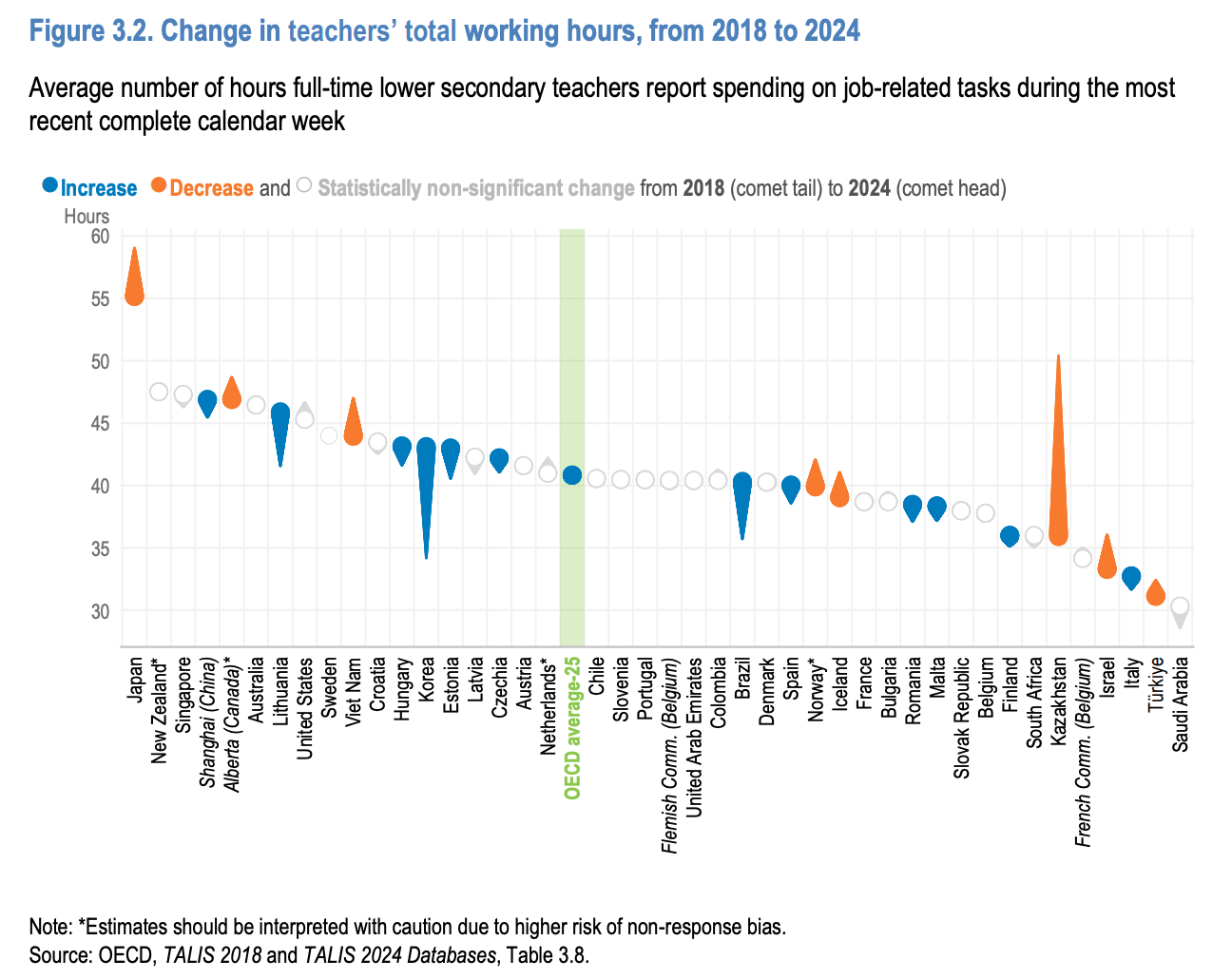
Japan’s teachers work longest hours among OECED peers, Nikkei Asia
Latvia
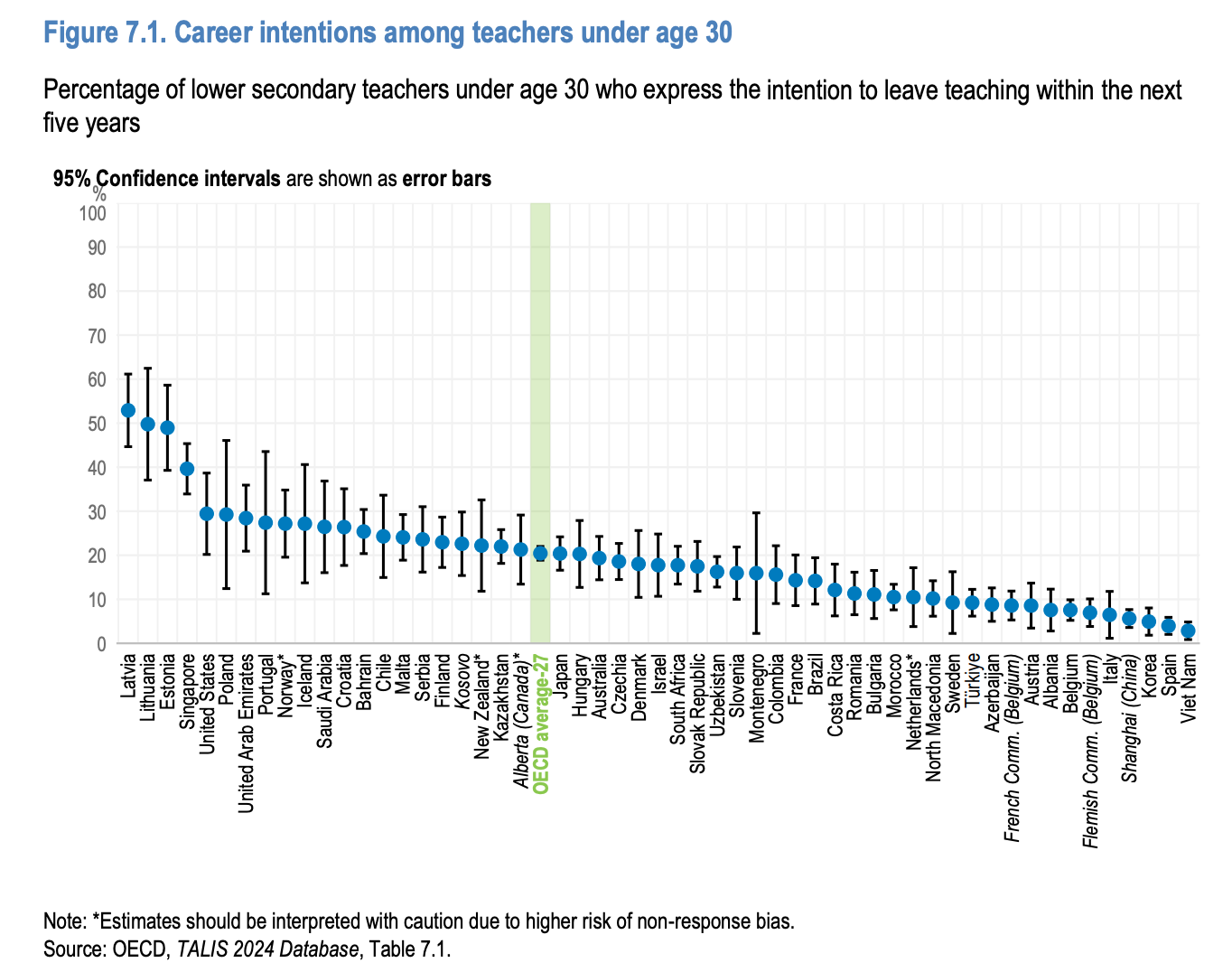
Half of new teachers in Latvia could leave the profession within five years, Baltic News Network
“Half — or 53% — of new teachers in Latvia may leave the profession within the next five years, according to the initial results of the OECD Teaching and Learning International Survey.”
Lithuania
Most Lithuanian teachers higher confident, happy with their working conditions, The Baltic Times
New Zealand
Initial teaching training needs strengthening, The National Tribune
OCED TALIS 2024: NZ teachers lack confidence in core teaching skills, gov’t acts, Devdiscourse
“Education Minister Erica Stanford acknowledged the findings, noting that 62% of graduate teachers lack confidence in teaching the content of all the subjects they handle, and 54% are unsure of how to teach these subjects effectively using proper pedagogical approaches.”
Portugal
Portugal faces an urgent need for 38,000 new teachers by 2034, Cnedu.pt
Portuguese teachers among the most satisfied in the OECED, Portugal Pulse
Singapore
Global survey finds Singapore teachers spend less time teaching and marking, but work longer hours, The Straights Times
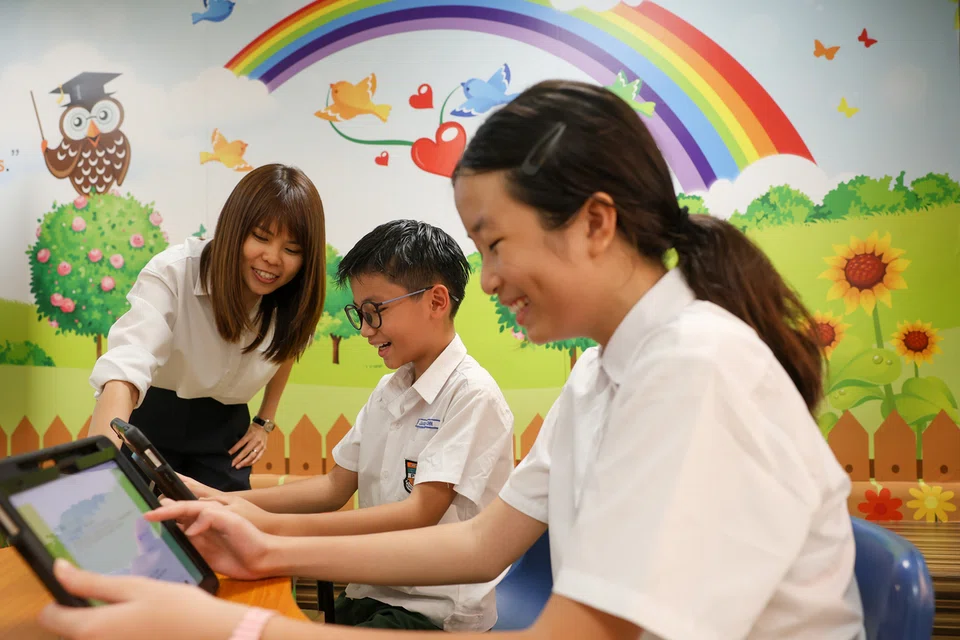
3 in 4 Singapore teachers use AI, more than double overseas peers: OCED Survey, The Straights Times
South Korea
Over half Korean teachers identify parental complaints as major source of stress, Korea JoongAng Daily
South Korean teachers top OECD in career regret due to stress, The Chosun Daily
“It has been found that the stress South Korean teachers experience due to parental complaints and students’ verbal violence is among the highest globally.”
Spain
Spain is one of the countries where the fewest teachers consider leaving the profession, Sur in English
Sweden
Swedish Teachers Report Job Satisfaction Despite Stress and Challenges, Sweden Herald
“Nine out of ten upper secondary school teachers like their job, and the proportion who expect to stay in the profession has increased. But Swedish teachers also testify to stress and chaos.”
United States
For teachers, work-life boundaries are harder to keep than ever, Education Week
“[N]early 30% of U.S. teachers report frequent on-the-job stress, compared to less than 20% for OECD countries on average. U.S. teachers were also more likely to report that teaching had taken a toll on their mental and physical health. U.S. lower secondary teachers worked on average more than 45 hours a week in 2024, nearly five hours more than the OECD average.”





 International Education News