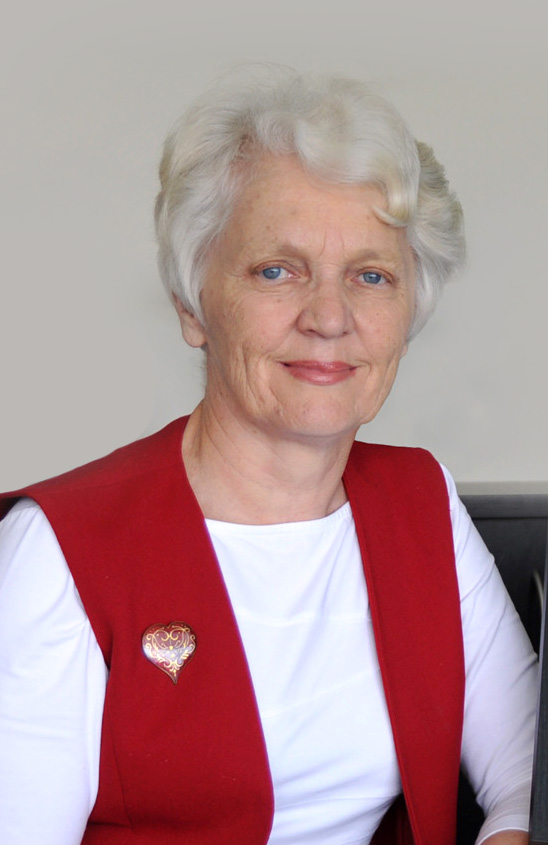
Quality Assurance in Chile (Different context, same issues?)

Chile’s education system has embraced school choice and market-based reforms like no other system in the world, but on my visit to Santiago I heard many of the same questions about what to do for failing schools and how to assure educational quality that I have heard in the US and in countries like Norway, the Netherlands, and Singapore. These questions focus on what to test and assess, how often to assess, and how to publish the results, what to do about persistently failing schools (or, put another way, the persistent failures of policies to help schools improve); and how to ensure that municipalities, districts, charter operators and other public and private “school owners” comply with legal regulations and reach acceptable standards of educational quality.

Debating Testing & Assessment

Chile’s current national test, SIMCE, developed in the 1980’s and 90’s in response to concerns of a number of different groups. Some saw SIMCE as a way to check that public resources were being used appropriately, in a context of decentralization of schools’ administration. Advocates for school choice, in particular, emphasized that to have a “free” marketplace, parents and students needed information on school performance to make decisions. Many educators also saw the development of the test as the way to provide teachers and schools with information so they could make improvements. (For a history of SIMCE, see Meckes & Carrasco Two decades of SIMCE: an overview of the National Assessment System in Chile”)

Enduring differences of opinion around these issues, however, have fueled a cycle of reviews, commissions, developments and adjustments in SIMCE and the Chilean approach to quality assurance. These reviews have included a Commission in 2003 that addressed questions like whether the tests were measuring the right things, whether the tests should be given every year, and whether they should be sample-based (like NAEP in the US or national testing in Finland) or census-based (given to all students at a particular level as are the tests required by the No Child Left Behind Act in the US).

A new Commission, established just this year by the Bachelet government, is revisiting many of these same questions. In this case, however, the review is fueled by some of the same concerns about the amount of testing that many are also raising in the United States. I was surprised to find, however, that even Chile does not require the same kind of annual testing in reading and mathematics from 3rd-8th grade that my children have experienced in New York. Currently, Chilean students are assessed in 2nd grade in reading, 4th grade in math and language, and every two years in science and history. A new test for 6th grade (at the end of what the Chilean’s call “basic education” has already been introduced, but with the concerns about too much testing the current government may stop it. This latest Commission is expected to share their findings with the government shortly. The Commission’s report will again consider how often national testing should take place, in what grades and subjects, what the results should be used for, and how public the results should be.

Making test results public & the “discovery” of persistently failing schools

Whether and how to make test results public remains one of the most contentious issues in Chile (as well as in many other countries including Norway, Denmark, and the Netherlands).  In the early 1990’s, SIMCE results were not published – even though the law governing SIMCE actually required it. However, demands to use the data for accountability and other purposes led to the publication of the results beginning in 1995. The data was used at that time in a number of ways including to provide rewards to some groups of schools and teachers and to identify schools that were not doing well.

In Chile the publication of tests results made visible the problem that some schools continued to get poor results year after year. Interestingly, at about the same time in the Netherlands, demands by newspapers to make public the results of school inspections revealed a similar pattern of repeatedly failing schools. In both countries, the recognition of persistently failing schools (which could also be seen as a problem of persistently failing policies) helped to highlight that information alone was not sufficient to lead parents and students to choose more successful schools, nor to equip teachers and schools to make improvements.   In response both Chile and the Netherlands eventually developed approaches to failing schools that included many elements reminiscent of the provisions for failing schools under NCLB in the US. These included the development of expectations for failing schools to improve performance, technical assistance to help them do so, and delivery to parents of information about the schools’ performance and their options to take their children elsewhere.

Ensuring Quality Assurance

In Chile, as in many other countries, quality assurance in general, has also become a focus for considerable policymaking over the past fifteen years. Following the “penguin riots” of 2006 (named for the black and white school uniforms worn by the protesting students), improving quality assurance was the main issue around which those in different places on the political spectrum agreed. Those agreements included a variety of changes in educational regulations that are still being put into place. Among these are the establishment of two new agencies (an Education Superintendency and an Education Quality Assurance Agency) so that the Ministry of Education does not oversee both school improvement and the assessment of the effectiveness improvement efforts (even Finland is in the process of creating new government agencies to deal with the division of responsibilities around quality assurance).

In Chile, the Education Superintendency will be responsible for ensuring compliance with legal regulations (Norway created a similar agency and “legal inspection” after years of having almost no way of knowing whether municipalities were complying with event the most basic educational requirements).

Meanwhile, the tasks of the Chilean Education Quality Assurance Agency will include evaluating schools using tests like SIMCE; assessing the extent to which schools reach established learning standards; and assessing schools on other quality indicators including academic selfesteem, school climate, and healthy life style. The Agency also will be responsible for using these assessments to classify schools into performance levels (High, Middle, Medium Low, and Insufficient). While the Chilean classification will draw on a variety of data, over 60% of the score will be based on students’ performance on the learning standards (similar to the emphasis of New York City’s Progress Report on test scores, up until just announced changes)

The results of this assessment process will determine how often Chilean schools will be inspected; guide the development of plans or contracts for improvement for low-performing schools; offer information parents’ can use in school selection; and, ultimately, could be used to withdraw the Ministry’s public recognition of the school (the Dutch created their own “risk-based” process to identify schools they felt needed additional oversight and support). Notably, however, with continuing debates and disagreements around the extent of testing and the process of closing failing schools in Chile, plans to classify schools beginning this year may not be fully carried out.

Thomas Hatch


“El Plan Maestro” & Teacher Education

During my recent visit to Chile, the deep and growing interest in issues of education was obvious as photographers and journalists crowded to document what was largely an academic gathering to discuss issues of teacher education. Lorena Meckes, a professor of education and one of my hosts at the Pontificia Universidad Católica de Chile, joked that eight years ago, “We would have had to buy all the journalists lunch to encourage them to write about education. But now, they call us up and say, ‘What do you have for us?’” However, as Cristián Cox, Dean of the Faculty of Education at Pontificia Universidad Católica de Chile, also noted: “Chilean society is obsessed with education, but also deeply divided about how to go about it.”

As one effort to address those divisions and develop some consensus regarding efforts to improve teaching in particular, while I was in Chile, more than twenty different institutions delivered a statement to the government titled “El Plan Maestro.” The plan—a play on “master plan” as well as the Spanish word for teacher—has been developed by organizations that include the teachers’ union, research centers, institutions connected to teacher education, as well as members of student groups. In addition to a set of policy recommendations more generally aimed at improving the quality of teaching in Chile, “El Plan Maestro” also includes a call for three changes particularly relevant for teacher preparation: 1) A greater focus upon the process of recruiting potential teachers; 2) Stronger criteria to determine the selection of candidates; and 3) development of a set of national standards for the accreditation of teacher education programs.

The call for these changes grow out of a series of concerns about Chilean teacher education as a system. Teacher education programs vary considerably and are numerous—ranging from university-based institutions to private institutions, mirroring the K-12 landscape that includes a mix of public/private, not-for-profit and for- profit schools of variable quality. With no compulsory entrance exam, teacher education programs also vary in terms of selectivity—some programs serving students who have demonstrated high levels of academic performance and others who have not. Furthermore, there’s no required certification or exit exam to determine what students have learned in their teacher education programs or to what extent they are prepared to be successful in the classroom. Adding to this variability, applications to teacher preparation programs have skyrocketed with enrollment in teacher education tripling since 2002. (Current estimates suggest about 100,000 students are enrolled in teacher education institutions—including primary, secondary and special education).

While applicants for teacher education programs increase, educators, national committees within Chile as well as organizations such as OECD have raised questions about the nature and quality of the preparation. Many of these questions echo those in the US and elsewhere including concerns about the ‘gap’ between theory and practice and the relevance of coursework to classroom practice and to the everyday work of teaching.

Even before the delivery of El Plan Maestro, some recent policy developments since 2007 have begun to address these challenges for teacher education. First, institutions that prepare teachers must now be accredited. Second, policy makers put in place a new exit exam for all graduates (although it is not compulsory). Third, educators and policy makers have developed a set of standards—the Estándares Orientaciones para los Egresados de las Carreras de Pedagogía — for recently graduated teachers, published in 2010 by the Ministry of Education. These standards are intended to guide the development of curriculum within teacher education programs—from primary to upper secondary levels of teaching. The standards focus upon the disciplinary content knowledge, the pedagogical content knowledge, and the skills and practices that new teachers need to be able to enact in their classrooms. For instance, the standards include topics related to children’s literature as well as the representations of key ideas: “Teachers know a wide range of literature for children” and “Teachers know a range of representations of the concepts they will be teaching.” These new standards are intended to underscore a conception of teaching as a professional practice; as complex; and one which requires skills, strategies, and approaches that are research-based, and not easily learned through individual experience. In particular, the standards help communicate an understanding, that there are specific aspects of the practice of teaching that must be learned in the context of a deep and extended engagement with peers and more experienced teachers—not simply ‘on the job’ or in unsupported practical experiences in schools.

Despite these developments, recent results of the new non-compulsory certification exam revealed that of the 24 institutions participating, graduates from the less-selective institutions struggled. In at least 8 of those institutions, more than 50% of the graduates scored at what was identified as an ‘insufficient’ level on the exam. Of particular concern is the finding by Meckes, which suggests that the graduates who scored below the minimum requirements on the exit exams are more likely to be employed in lower-income communities. Conversely, graduates who were more successful on the exit exam were more likely to be employed by schools that served higher-income communities—again pointing to considerable inequities for children.

Looking forward, next steps include government funding for research on the current state of teacher education. For instance, faculty based at Centro De Estudios De Politicas Y Prácticas En Educación, CEPPE, at the Pontificia Universidad Catolica de Chile, developed a survey of graduates of all the teacher education institutions across Chile (more than 28 different institutions have participated so far). The survey measures teacher candidates “opportunities to learn” and to reach the standards for teacher education. The goal of the survey is ultimately, to ‘lift up’ the curriculum and pedagogy within teacher education across Chile by sharing online data on the results of reports by graduates. An institution participating in this survey will get a series of individual, program-based results that describe, for instance, the extent to which teacher candidates report opportunities to learn about the theoretical basis for teaching writing as well as the opportunities candidates report to learn about practical strategies for teaching pupils to write introductory paragraphs and to develop an argument in writing.

At the same time, given that the standards only specify a set of outcomes for teacher preparation without identifying the kinds of learning opportunities that might lead to achieving them, the government has also created a grant program aimed at improving the quality of teacher preparation, and in turn, at stronger teacher performance and increased learning outcomes for students. With this funding, eleven teacher education institutions have begun efforts to redesign courses, improve teaching practices within courses, and, in some cases, redesign specific experiences and assignments in courses in teacher education. For example, the faculty at the Pontificia Universidad Católica de Chile (PUC) has identified a set of ‘core practices’ upon which their program will focus (see related work at the University of Michigan and the CATE Project with which I am involved). Correspondingly, PUC faculty have redesigned courses and assignments and have also been working on professional development for other teacher education faculty to help incorporate these core practices into the redesign of the whole program. The funding is also being used to develop specific ways to address the considerable inequity for students, which is mirrored in (and amplified by) inequities in teacher education. One strategy the university has developed is to create a program and a credential or “certificate” specifically for teachers who will be working in low-income, urban areas. Other universities are using this funding to improve their coursework and student teaching experiences; at least one has introduced a mid-program assessment to enable a more timely determination of any gaps and weaknesses in candidate’s preparation; and another institution is using the funding to redesign their program to purposefully connect faculty and staff to the international research community.

–Karen Hammerness

Private, Subsidized Schools in Chile

Chilean private subsidized schools operate in a radically different environment from charter schools in the US. Since the imposition of the voucher-based system during the Pinochet dictatorship, virtually anyone, at any time, for any reason, could start and run a school. Furthermore, up until recent reforms, those schools could continue to operate largely without any evidence that students were learning or even that the schools were offering an education that complied with the legal regulations. Under these conditions, the percentage of students in municipal schools (so-called because they are run by municipalities much like district-run public schools in the US) has dropped significantly over the past 20 years, from over 55% of the student population in 1990 to under 40% in 2011. At the same time, enrollment has risen in private, subsidized schools to over 50% of the student population, with about 7% of students attending non-subsidized private schools that receive no public funding.

As Gregory Elacqua, Director del Instituto de Políticas Públicas, explained to me, several different kinds of both for-profit and not-for-profit private, subsidized school operators have emerged in Chile. These include a number of school operators with backgrounds in education or related fields who often start a single school and then may expand to a few others. Among these operators are former teachers – or now the sons and daughters of former teachers who inherited the schools their parents started. In some cases, the founders were kicked out of teaching in the public schools during the Pinochet regime largely because of their left-leaning politics. (In other words, even members of the political left took the opportunity to create schools in a system generally assumed to reflect the policies of the political right.) Organizations related to the Catholic Church have also opened and operate many private, subsidized schools. But a wide variety of other individuals and businesses with relatively little in the way of an education background have also started schools and networks of schools. These include an owner of a chain of restaurants and bars who also decided to start a network of schools (see Elaqua and colleague’s Scaling up in Chile for a description of several different kinds of private, subsidized school operators).

Despite the considerable differences in terms of what it takes to open and operate these kinds of schools, what I learned in my conversations in Santiago suggested numerous parallels in the issues for charter schools in the US and for private, subsidized schools in Chile. For one thing, the voucher system in Chile grew out of the work of Chilean economists, often referred to as the “Chicago Boys,” who were trained by University of Chicago economists Milton Friedman and Alan Harberger. Friedman, in particular, is also credited by many as inspiring work on vouchers in the US. Further, approaches to choice in both contexts reflects a basic set of assumptions: if schools are not successful in educating students, parents will not be satisfied, they and their children will choose to attend different schools, and the poorly performing schools will close.

Several key issues can interfere with this relatively straightforward logic, however. First, in order to have a choice, spots in schools that offer a higher quality education need to be available and those schools need to be near enough so that parents and students can get to the schools. While this seems obvious, many students have very limited school options in areas with small populations or that are not well-served by public transportation (e.g. rural areas and many urban areas of concentrated poverty). Nonetheless, school choice policies do not always take these factors into account. Evaluations of the school choice provisions of the No Child Left Behind Act in the United States, for example, found that almost one half of the school districts that were required to offer school choice at the middle school level and about two-thirds at the high school level did not have any schools for parents to choose that were not already failing. Second, parents and students need to get information on school quality in a timely, accessible and clear way. Again, this can be much more difficult than it sounds, as the same evaluations of NCLB in the US also found that many parents did not get this information until after they were supposed to choose schools for their children. Third, even with good information on quality, parents and students do not always use quality as the primary basis for their choice of school. This can be particularly problematic if students from different backgrounds choose schools for different reasons, as may be the case in New York City (see High school choice in New York City).

As the private school options have increased, Chilean policymakers have also devoted considerable attention to making understandable information on quality and choice available to parents. Nonetheless, the data is mixed on the extent to which parents base their decisions on that information, as distance from the school, among other factors, also may be highly influential (see I would walk 500 (miles if it paid)). Complicating parents’ choices in Chile, up until recent years, private, subsidized schools have been able to charge “co-payments” and some schools have been able to select their own students. While the recent reform proposals described in our last post would largely eliminate these advantages, these factors have made it harder for parents and students from lower-income backgrounds or who do not fit the criteria of the most selective schools to get into the schools of their choice (see When schools are the ones that choose).

Although the extent to which Chile’s choice system has contributed to educational improvements remains a matter of debate, using PISA results as a yardstick, Chilean students have improved their performance, but segregation has increased and economic inequality remains extremely high. As the debates over choice continue, some are turning to a focus on how to ensure quality of all schools, regardless of levels of public financing or extent of public or private ownership. As Bárbara Eyzaguirre – a member of the previous Chilean administration who worked on the development of new standards – explained it, while there has been choice in Chile, it has been too easy for both public and private schools that are not doing well to continue to function. In fact, schools in Chile have not needed to maintain a minimum number of students in order to stay open, and in many areas private schools are able to attract students even if they are not performing that well (providing little incentive for them to improve).

As a consequence of concerns about quality and persistently failing schools, over the past 20 years Chile has worked to develop a quality assurance system (more on this in a future post) and raise standards across all schools. Furthermore, many successful private, subsidized schools have also attempted to expand their operations and to develop networks of schools. Elaqua’s analysis in Scaling up in Chile raises the possibilities that larger networks of schools might provide a more effective education than single schools or smaller networks. One explanation might be that these networks have the advantages of scale, though it is also possible that more successful schools or school owners are more likely to join or start networks.

The challenges of scale in Chile also sound similar to the issues encountered by charter operators in the US. For example, Eyzaguirre, originally trained as a psychologist, has worked with colleagues to create a small network of not-for-profit private, subsidized, schools. The schools serve students from lower-income families, with what she describes as a relatively traditional approach. It’s an approach that focuses on “the basics”, includes large class sizes (as many as 45 students to a class in some cases), and takes into account the need to operate with limited resources so that the schools can be replicated in other underserved areas. Even with good results and commitment to expand, however, the network has to deal with the challenges of finding or building and paying for school facilities – another critical issue for charter schools in the US. In addition, the network has plans to expand to 10 schools, but they face a human capital problem in limited numbers of teachers who are well-prepared to teach in their schools. In response, the network has developed their own professional development and training programs (as charter operators like KIPP have begun to do in the States). In the process, the focus of the work expands from student learning to adult learning, organizational management, and quality assurance – the traditional functions of the districts, municipalities and other bureaucracies that many charter advocates hoped that they would escape.

Thomas Hatch

Proposals for change in Chile

For the next several weeks, I will be sharing a few posts from Chile, where I have been visiting and talking with several educators and policymakers who shared their reflections on where the Chilean education system may be headed. The Chilean system has seen some remarkable educational improvements since 2000 at the same time that income inequality and segregation has increased. I am particularly interested in learning more about the Chilean system as Mario Waissbluth, President of the Chilean citizen’s movement Educación 2020, has described it as almost the opposite of the Finnish approach, which I wrote about during my visit to Finland with my family last spring. For background, Waissbluth wrote a series of posts for Diane Ravitch’s blog that chronicle the development of recent policies in Chile. The election of Michelle Bachelet as President earlier this year, and her endorsement of many of the changes that were demanded in significant student protests led some in the US to conclude that a massive change was underway. At the time, we talked with Waissbluth and Dr. Beatrice Avalos-Bevan, Associate Researcher at the Center for Advanced Research in Education, at the University of Chile; both explained that while some changes were being proposed, much was left to be done.

Just this week the Chilean legislature passed several key proposals designed to change key aspects of the education system. The proposals included 1) requiring the conversion of for-profit schools into non-profit schools; 2) the elimination of fees or “co-payments” that private, subsidized schools can charge parents; and 3) the enforcement and expansion of bans on primary and secondary schools’ selection of students. While many see these initiatives as a critical step forward, those I spoke to point out that these are just a few steps among many that need to be taken to improve performance and contribute to greater equity in what has been a largely unfettered pro-market voucher system. At issue in particular is how fast and in what order the government can move ahead on these and a related slate of proposals.

The government’s choice to focus first on requiring for-profit school operators to convert into non-profits has been particularly controversial and has taken center stage in the public and political debates since March. Several aspects of the conversion plan have proven problematic, particularly the issue of ownership of school facilities (which has also been a critical issue among charter school advocates and critics in the United States). Thus, the plan requires both for-profit and not-for profit schools to give up ownership of their school buildings. Since many of these organizations rely on the facilities to generate revenue, the conversion plan has significant legal and financial implications for the school owners as well as those banks and other institutions that have money tied up in school buildings.

Further, the proposal for a new, more centralized selection process has also faced some opposition. Although Chile passed legislation several years ago, banning primary schools from selecting students through their own application processes, for the most part, that ban has not been enforced. Therefore, the new legislation extends the ban to most secondary schools and establishes a new set of reporting requirements that should make it easier to enforce the ban.

Combined with the potential loss of revenue from the elimination of the co-payments that subsidized private subsidized schools have been able to charge parents, all of these proposals have generated a heated political debate since March. Amongst those opposing the proposals have been several powerful constituencies including some members of the Catholic Church (who have large numbers of not-for profit schools that are often highly selective and many of which own their own buildings), the for-profit school owner’s guild (who are very well-connected politically), and new middle class parent groups that have formed because they want to preserve their ability to choose to send their children to selective schools. The result has been a series of protests, ad campaigns, and public statements warning parents that hundreds of schools could be closed, and they could lose their chance to send their children to schools of their choice (all of which reminded me of recent protests in New York City over the newly-elected mayor’s campaign promise to limit the growth of charter schools –DeBlasio and Operator of Charter School Empire do Battle). Thus, as Waissbluth explained it, this first slate of legislative proposals in Chile is managing to incubate a middle class revolt that some worry has the potential to block further reforms.

Despite the controversies, with a number of compromises which include allowing for a very gradual shift in ownership in school buildings and allowing some highly selective schools to continue to screen their students (making them somewhat akin to the highly selective “exam schools” in New York City), the proposals will now go for debate in the Chilean Senate. Some think that the Senate will pass some version of the proposals before the end of the year or the spring at the latest.

Yet, these initial reforms are only a small part of the reform proposals. Committees are already at work developing reports suggesting initiatives to strengthen teacher preparation and the teaching profession as a whole, and a cross-section of 20 institutions presented the government on Monday with “El Plan Maestro” (a play on words suggesting the “Teacher plan” and the “Master plan” simultaneously). The government is expected to present their proposals to strengthen teaching in the coming months.

In relatively short order, the government is also expected to fulfill campaign promises to propose changes to the municipal structure of public schools. These will likely include the development of a position similar to the superintendent in school districts in the United States. Currently, the schools are at least nominally the responsibility of the mayor, though many mayors have not made schools a particular priority.

The most contentious issue – when and how to reform higher education – looms as well. Creating free, high quality higher education has been a key concern of the students who led the protests in 2006 and that ignited this reform cycle in Chile, and many are continuing to press for immediate action. At the same time, others are concerned that pushing for reforms in higher education in particular is so contentious that it could halt the progress on other issues.

In short, Chile may be in a cycle of political negotiations punctuated by protests.   Right now what some see as radical reforms have been proposed, but negotiations have led to some compromises that make political passage possible.  But if the changes end up being too limited or fail to address the core concerns of the students in particular, then students may withdraw their support or take to the streets again.  Further protests could create a backlash that contributes to political stalemates or might create enough space to push slightly more radical reforms that are again likely to be tempered in political negotiation and compromise.   Adding to the pressure, all sides have to take into account the fact that a change in Chilean law about ten years ago means that Presidents can no longer serve consecutive terms. As a consequence, the current President, Michelle Bachelet, has only until the end of this four-year term to accomplish her objectives.

Despite the urgency, however, the evidence from countries like Singapore and Finland suggests that comprehensive efforts to create high-quality education systems takes decades even in countries with relatively stable political environments. Chile has to pursue such efforts in the context of an educational system that was imposed by a violent dictatorship, that has contributed to increased segregation, and that fosters competition rather than cooperation among individuals and organizations.  Given those conditions, it will not be easy to forge the social relationships, common purpose, and cooperation that have supported the development of education systems in countries like Finland. Chile may well transform its educational system, but to do so, it may have to rely on a mix of protest, political negotiation and compromise until it develops the social bonds that can support collective commitment and shared responsibility for education for all.

Thomas Hatch

Interview with Viviane Robinson

Viviane Robinson

Viviane Robinson

Viviane Robinson is a Distinguished Professor in the Faculty of Education at the University of Auckland and Academic Director of its Centre for Educational Leadership. She is the author of five books and numerous chapters and journal articles on school improvement, leadership, and the relationship between research and the improvement of practice. This interview, which is part of the Lead the Change Series of the American Educational Research Association Educational Change Special Interest Group, appears as part of a series that features experts from around the globe, highlights promising research and practice, and offers expert insight on small- and large-scale educational change. Recently, Lead the Change has also published interviews with Diane Ravitch, and the contributors to Leading Educational Change: Global Issues, Challenges, and Lessons on Whole-System Reform (Teachers College Press, 2013) edited by Helen Janc Malone, have participated in a series of blogs from Education Week.

University rankings: past, present, future

College and university rankings have been in the news recently, both in the United States and around the world as the Times Higher Education (THE) released their World University Rankings for 2014-2015 on October 2nd. THE describes the ranking as “the only global university performance tables to judge world class universities across all of their core missions – teaching, research, knowledge transfer and international outlook.” As usual, universities in the United States hold the top spots, with CalTech topping the list for the fourth year in a row, and Harvard and Stanford coming in second and third place.

Since the publication, countries around the world have taken note and interpreted the results in a variety of ways. The Washington Post reports that the rise in the ranking of Asian universities is “worrying” for the U.S, despite what the THE called the “utter domination” of US universities in the ranking, with U.S. schools earning 7 out of the top 10 positions. The Guardian called attention to the success of Switzerland’s universities in the ranking system, noting that for such a small country they tend to earn top positions. The Malay Mail Online raised questions about why Malaysian universities, which the country’s leaders claim are among the “best in the world,” opted out, noting their low ranking in years past. New Delhi TV pointed out that India now has two universities ranked in the top 300; however, Indian universities have yet to make it to the “definitive top 200.” The Irish Independent noted that the country’s two top universities slid in the rankings and attributed the drop to the country’s inadequate funding of higher education institutions. Similarly, tvnz.co.nz reports that the decline of New Zealand’s universities in the rankings is related to a lack of financial support.

While these recent news reports focus only on the most recent THE rankings, other ranking systems for higher education have been making the news as well — with a different set of results. For example, the QS ranking gave the top spot to the Massachusetts Institute of Technology. Malaysian universities do participate in this survey, with The Malaysian Insider reporting that the University Kebangsaan Malaysia (UKM) placed in the world’s top universities under 50 years old.

In the U.S., President Obama has introduced the idea that colleges ought to be rated according to measures that allow students and parents to understand the value of the education they receive there. In recognition of the fact that college tuition has skyrocketed over the past few decades, this rating system is being promoted (and debated) as one way to reduce the cost of college tuition, while also identifying the schools—and even subject areas—that will provide students with the most “bang for the buck.” While thinking of college primarily as an investment in a student’s financial (not intellectual) development might seem to miss what some might see as the point of an undergraduate educational experience, The New York Times recently reported that the American worker with a college degree now earns 74% more than their counterparts with only a high school diploma. David Deming, a Harvard professor who studies the economics of education, is quoted in the article as saying, “In the U.S., more so than in other countries, you as a family are making a larger and riskier investment in your own future…. College pays off on average but it has a ton of risk. Lower-income families can’t buffer that shock.” The fact that a college degree might have the potential to dramatically alter the trajectory of a person’s financial life, combined with the fact that income inequality is increasing in the United States, means that greater attention will be paid to colleges and universities that can prove themselves to be a healthy investment. To that end, the web-based professional networking company LinkedIn has now created its own ranking system—one that ranks universities based on career outcomes. Even H&R Block has created a chart linking college majors to individual earnings. The New York Times also released its own ranking, this one to measure economic diversity at the top colleges (with Vassar at the top of this list).

While all of this information can be head-spinning, there is still more. The Bureau of Labor Statistics just released their own ranking of jobs that will be most in demand in the future. According to this list, by the year 2022 the U.S. will need more than 3.2 million registered nurses; the jobs that will be least in demand are those that require advanced university degrees. Considering this information, and other sets of facts, the effort to rank the schools of today based on what will be needed in the world of tomorrow seems daunting.

Considering the history of university rankings in the United States, some say that the value of an education is indeed undefinable, and that therefore universities are unrankable. The following podcast offers some interesting history on higher education in the U.S. Here, educational historians share what they know about the U.S. government’s early efforts to rank colleges (with the first ranking system created in 1910, ranking 344 schools), and efforts to make a college education more affordable and “practical.” They raise questions about the purpose of a college education that might be applicable to our understanding of what is going on in the world of international university ranking systems today.

Deirdre Faughey

 
Creative Commons License
This work is licensed under a Creative Commons Attribution-NonCommercial-NoDerivatives 4.0 International License.

Education reform in England

David Eddy-Spicer

David Eddy-Spicer

To get a handle on the extent of reforms introduced in England by Michael Gove, the former Minister of Education, we asked David Eddy-Spicer to share with IEN some of what he has observed while he has been a Senior Lecturer at the University of London’s Institute of Education. Eddy-Spicer returned to the US recently to take a position as Associate Professor at the Curry School of Education, University of Virginia.

This summer, I left one academic post for another, returning to America after six years in England. The person who had the greatest influence on my experience of education policy and schooling over that time also traded in one post for another this summer. In a Cabinet reshuffle, the former UK Minister of Education, Michael Gove, stepped down after four years to take up duties as Chief Whip. The post of Chief Whip was made most famous fairly recently in the original British House of Cards, a TV series that went viral when Americanized with Kevin Spacey in the leading role. Sentiment about Gove and his legacy are about as heated and mixed as the sentiment the protagonist of House of Cards managed to stir. Gove had few friends among my academic colleagues in the education establishment, whom he referred to as ‘The Blob’, a term popularized by a former Chief Inspector of Schools in England. The school leaders I was fortunate to work with were for the most part perplexed, confused and anxious about the changes that Gove introduced. In an Ipsos MORI “State of Education” survey carried out this spring, three-quarters of school leaders expressed dissatisfaction with the current government’s performance on education, with almost half (46%) saying they were very dissatisfied and only 8% saying they were satisfied. The reaction among teachers has been even more pitched against recent government policies, especially changes to the curriculum and the mandatory adoption of performance-related pay.

As unpopular as Gove has proven to be among academics and educators, he and his Department were extraordinarily effective at initiating widespread change in the structure of schooling in England. I was astounded at the pace and extent of change the Department for Education managed to orchestrate since he assumed his duties with the election of the Coalition Government in 2010. There is no doubt that the changes he oversaw have radically altered the landscape of English education in a span and to a degree that is unimaginable in a country like the US where the power resides at the district and state levels.

The policies that were of greatest concern to school leaders in the Ipsos MORI poll had to do with the rapidity with which and the ways in which school autonomy has been promoted. The recalibration of the relationship between the state and schools began several decades ago; however the current government has greatly accelerated the push for schools and school groups to become independent of local government control. The Department for Education has encouraged schools graded as ‘outstanding’ and ‘good’ to convert to state-funded independent schools, known as ‘academies’ in England, similar to charter schools in the US. The promotion of academies occurred through a relatively modest financial incentive as well as the promise of greater operational freedoms, including hiring and firing of staff, the school timetable and even, to some extent, control of the curriculum. But it also entailed diverting funds from the middle tier, the local educational authorities, so that good schools, “converter academies,” would have direct access to state funds in exchange for their entering into a direct relationship with the Ministry. At the other end of the educational quality spectrum the lowest performing schools were required to become “sponsored academies,” that is schools under the sponsorship of an outstanding school or, more frequently, a non-profit ‘academy chain’ or educational management organization. (For-profit academy chains are not allowed under current law.) Government policy also gave groups of parents, educators or non-profits, including religious organizations, the possibility of creating new schools, “free schools,” modeled after a similar initiative in Sweden. The net effect of these changes resulted in the development of a significant number of academies, particularly at the secondary level.

Numbers and Percentage of Academies among All State-funded Schools in England

Screen Shot 2014-09-30 at 7.45.08 PM

(Data drawn from UK Government National Statistics, Schools, pupils and their characteristics: January 2014, Tables 2a, 2b. See also, UK Department for Education, Academies annual report, academic year: 2012 to 2013.)

It is too early to tell what the impact on student outcomes, school performance and system dynamics will be over the long haul. I have been part of a group of researchers funded by the British Educational Leadership, Management and Administration Society to look into the effects of these structural reforms. Initial results so far, published in a special issue of the journal Educational Management, Administration and Leadership raise concerns about equity, access, and control of the educational system now in a new era in which local government has a far more constrained role in education.

With national elections looming in the spring of 2015, it’s clear that the current coalition won’t hold, but it’s not clear what will arrive in its place. Will Michael Gove be remembered for his hubris, akin to the House of Cards protagonist, or will he be remembered for spawning a self-improving school system? Some aspects of change appear to be irreversible at this point, especially changes to local government. One thing is certain–structural reform in England brings into sharp focus a host of questions about state-school relations, the professional responsibilities of school leaders and educators, and the role of non-state institutional actors in what has been a public service. How to learn from these lessons is the good work that my colleagues in ‘The Blob’ are undertaking as we speak.

David Eddy-Spicer

Creative Commons License
This work is licensed under a Creative Commons Attribution-NonCommercial-NoDerivatives 4.0 International License.

A conversation with Eric Schwarz about the evolution of Citizen Schools

Reflecting on incremental and disruptive change in school and out: A conversation with Eric Schwarz about the evolution of Citizen Schools

Eric Schwarz

Eric Schwarz

I had a recent conversation with Eric Schwarz about the evolution of Citizen Schools. Eric is the founder of Citizen Schools and author of The Opportunity Equation: How Citizen Teachers Are Combating the Achievement Gap in America’s Schools. Citizen Schools began in 1995 in Boston as an afterschool program designed to provide opportunities for students in low-income communities to participate in apprenticeships with mentors from a wide range of professions. Since that time, it has grown into a national organization that partners with public middle schools to integrate apprenticeships and other rich learning opportunities into a longer school day. While Citizen Schools works only in the United States, the evolution of the Citizen Schools model illustrates broader questions of educational change and innovation that are relevant around the world. In this post, you can listen to the interview, get a summary my conversation with Eric, and see slides(below) I developed for my class on school change that highlight issues of “incremental” and “disruptive” change and innovation. See weeks 2 and 3 of the online syllabus for related references and resources, including readings by David Tyack and Larry Cuban, and Clayton Christensen.  

Citizen Schools 1.0: “Apprenticeships are core”

When Schwarz first started working on the ideas that led to Citizen Schools, his key concerns included the limited access that many students in lower income communities have to the kind of rich and extended learning opportunities commonplace in many upper income communities. In order to address this problem, Eric and his colleagues created an afterschool program that engaged students from several middle schools in low-income communities in activities like producing a newspaper in which they worked with volunteer mentors – “citizen teachers” – from related professions. The program took place in the schools, for a few hours a week, with a little time devoted to tutoring and help with homework, but with the main focus on the apprenticeships.

Schwarz explained that in the early years, the work was challenging, but the feedback from many parents and students was powerful. At the same time, some of the same parents who saw these benefits also raised concerns that there was no corresponding improvement in most students’ grades or academic performance. In some cases, parents wanted to take their children out of the program because they felt that they needed more help with their school work. In addition, principals who were providing Citizen Schools with space also wanted to see more academic benefits. As Schwarz put it in The Opportunity Equation, with increasing pressure on schools and principals from new state policies demanding improved performance, some principals had “less tolerance for our rookie mistakes and seemed in some cases to lose their appetite for the enrichment-based learning we were offering.” (p. 63)

Citizen Schools 2.0: Supporting academic development

In response to the feedback they were getting, Schwarz and his colleagues decided to refine the Citizen Schools model. They wanted to remain focused on apprenticeships, but also chose to make support for academic development a more explicit goal and aspect of the design.  To do so, they started offering the program on an almost daily basis, substantially increasing the amount of programming they could offer. They continued to offer the apprenticeships but also significantly increased the time they spent working with students on homework and tutoring. In order to staff those additional hours, however, they also had to change their staffing model and, in addition to the Citizen teachers, they brought in AmeriCorp volunteers to work in the program on a regular basis, and they also hired program directors to work on full-time rather than half-time. With these changes, students continued to report powerful experiences, but the grades and test scores of many of the students improved as well. As Schwarz explained, “The schools changed us in a good way–they made us better academically.”

Citizen Schools 3.0: The extended learning time edition

Citizen Schools continued to expand its afterschool model in Boston and then to a few other cities, but then in 2006, Citizen Schools had the opportunity to partner with The Edwards School as part of a pilot program in Massachusetts to support schools in developing Extended Learning Time (ELT) models. The approach to ELT developed at the Edwards School built on the Citizen School’s approach, but it also had to respond to local circumstances at the Edwards that influenced their design and that made it different from many other ELT models. In particular, rather than simply adding the Citizen Schools afterschool program onto the end of the school day, they integrated the apprenticeship approach and the added help with academics into the regular school day. As a consequence, the school was able to offer a 2 hour “elective/apprenticeship block” four days a week, add a regular 60 min “math league”, and provide time for a half-day of professional development for teachers every Friday. To make that possible, Citizen Schools provided the staff for many of the apprenticeships/electives, but Citizen Schools staff also took on responsibility for teaching some academic subjects, particularly, math. While progress was slow at first, eventually there were clear signs of significant improvements. In addition to offering increased instructional and enrichment programs, there improvements in test scores including an 80% reduction in achievement gap between students’ performance in ELA and science on state tests. Furthermore, while only 17 families in 2005 made the Edwards School their first choice on the application asking which middle school they would like the children to attend, in 2008 over 450 families applied to the school (see The Opportunity Equation, p. 92).

Citizen Schools 4.0: Spreading the model and reshaping thinking about “after” school

With the development of the ELT model and some success both at the Edwards School and in other schools where they tried the ELT approach, questions of how to scale the model came to the forefront. Correspondingly, one key part of the work since that time has been to build an organization capable of spreading the model to other schools. However, as Schwarz explained, the current model is very intensive, requiring significant staffing, time and resources. As he put it, it might be possible to develop the model in a hundred schools, but probably not a thousand. In response, Citizen Schools has also begun exploring other options to support further spread. In particular, they have started to work more broadly in collaboration with government agencies and policymakers to create programs and resources that can support ELT models and afterschool programs in general. Further, they are partnering with private and public organizations and networks to advocate for the development of more ELT models and to develop a broader vision for how learning time can be used both in schools and after school.

The development of Citizen Schools to this point illustrates the ways in which changes and innovations in education evolve between and among organizations and schools. In this case, the Citizen Schools model adapted in response to the challenges and opportunities encountered when working with and in schools during after-school and in-school time. While the integration of the Citizen Schools approach into the regular school day may not have disrupted many of the conventional structures and patterns in schools, learning opportunities for students have expanded. Further, one can argue that Citizen Schools has, at least to some extent, “disrupted” conventional views of after school programs and now provides a different model for afterschool programs as well as an existence proof that that model can be effective. At the same time, the efforts to disrupt the conventional institutions, structures, and beliefs that reinforce inequalities in access to educational opportunities continue. While Eric has stepped down as CEO of Citizen Schools, which is now led by Steven Rothstein, he plans to turn his attention to new work, perhaps in higher education.

Slides: hatch citizen schools

 
Creative Commons License
This work is licensed under a Creative Commons Attribution-NonCommercial-NoDerivatives 4.0 International License.

The School Day: Singapore

With school starting again here in the United States, I’ve been thinking back to my children’s experiences at the end of the last school year in Finland that we chronicled last June. To get another perspective on what school is like in another country, I asked our colleague here at IEN, Paul Chua, to talk with me a bit about his son’s experiences in 2nd grade in Singapore. We discussed what primary school is like there today and how different it is not only from when he was in 2nd grade (some thirty five years ago or so), but also from when his oldest son was in second grade about ten years ago–before the PERI (Primary Education Review and Implementation) reforms were launched in 2009. As Paul outlined in a previous post, the PERI reforms are designed to prepare Singapore’s students for the future by balancing the acquisition of knowledge with the development of skills and values.

While my children are just starting their third week of school here in New York (see NPR’s “Sounds From the First Day of School”), Paul’s youngest son has just completed his third ten-week term of his second-grade year. The first day of school in Singapore was in early January with breaks of 1-week between terms in March and September, a four-week break in June, and then a six-week break coming up at the end of the school year in November. During the longer breaks, some students go to parks or camps, school related programs or community-run programs, while others stay with their parents or relatives. During these times, some parents will take leaves from work, and many of those families that can, will take the opportunity to travel. (With an emphasis on internationalization in Singapore schools, many primary and secondary schools also organize trips for upper primary students and above to travel abroad during the breaks). Many students will spend part, though not all, of their break completing tutoring programs that run after school during the regular school year, since many of those programs don’t run on the regular school schedule.

Paul’s son attends a public school well known for it’s bilingual English-Chinese program. (Primary school assignment in Singapore involves an application process, in which parents apply to schools of their choice and assignments are based on priorities like having a sibling in the same school, having a parent who attended the school, having a parent who has volunteered at the school and other criteria.) In addition to English and Chinese languages, his weekly schedule includes periods (of roughly 30 minutes or so) for math, physical education, art, music, social studies, health education, Form Teacher Guidance Period (to strengthen socio-emotional competencies of students), character and citizenship education (CCE) and assemblies (often including performances by arts groups). English classes follow a national curriculum, called STELLAR (Strategies for English Language Learning and Reading). It is a “big book approach,” with teachers bringing a big book that the students read together, with a variety of related reading and writing. Math classes also follow a national curriculum, with an emphasis on mathematical problem solving.

Science is taught mainly from 3rd grade on to allow for more attention to language and math in the “formative” years of 1st and 2nd grade, but the PERI reforms have also led to changes in testing and grading meant to provide teachers and schools with more opportunities to emphasize both skills development and holistic development. For example, while 1st grade and 2nd grade for both Paul and his oldest son included mid-year and end-of-the-year examinations, for his youngest son those examinations have been eliminated for the most part and replaced with bite-sized assessments used in class several times a year so as to build confidence and desire to learn. Teachers are also encouraged to provide more constructive comments on the students work throughout the year. Furthermore, report cards that consisted almost solely of numerical marks and grades for each subject, now include descriptions of the students’ growth in cognitive, physical, emotional, social domains, discussion of how the students reflect the schools’ values, and more qualitative comments on the holistic students strengths and areas of need.

In addition, consistent with the aims of the PERI reforms to encourage schools to develop new ways to teach 21st Century Competences, the primary school Paul’s second grader attends has developed a special emphasis on physical education, art and music. The school also emphasizes personal development by providing students with leadership opportunities. For example, Paul’s son acts as a class monitor whose responsibilities include helping to keep the room quiet when there are transitions in between classes (when students sometimes have a chance to play while they wait for their next subject teacher to arrive). Paul’s son has also been a subject monitor for the English and Chinese languages last year, which meant helping his English and Chinese language teacher with tasks like getting supplies, distributing workbooks in the classroom, and returning them to the staff room after class. There is a deliberate school policy to rotate these monitor positions every year so that every child in the class and school has a chance to be a student leader. Besides developing confidence and other leadership qualities, these opportunities are also intended to develop character values such as responsibility and service to the fellow classmates, school mates and progressively to the neighborhood and community.

The school day starts around 7.50 AM with flag-raising, continues with periods of about 30 minutes (including about 30 mins for recess), and ends about 1: 15 PM. The school day for Paul’s son actually starts a little later than normal in Singapore to accommodate major construction at the school.   Similar school construction projects are underway across Singapore to fulfill PERI recommendations that call for schools to provide more space for teaching and learning and to facilitate the transition of “double-session” to “single-session” schools. This recommendation builds upon an earlier policy change in 2005 of reducing class from 40 to 30 in 1st and 2nd grade. When Paul was in school, before the PERI reforms, many schools actually had “double sessions” with one group of students and teachers in school in the morning, with a second shift of students and teachers in the afternoon. While younger students’ like Paul’s son usually go home after school, the change to the single sessions will free up the schools to offer and engage upper primary students in activities that support the development of a wider range of “soft skills” and abilities through participation in co-curricular activities such as various sports and games, uniformed groups and clubs and societies (e.g. girl guides, boy’s brigade, school choirs, chess clubs, art clubs, drama clubs and the like).

Thomas Hatch

Creative Commons License
This work is licensed under a Creative Commons Attribution-NonCommercial-NoDerivatives 4.0 International License.

Focus on the Philippines

Dr. Vicente Reyes

Dr. Vicente Reyes

Recently, Contributing Editor Paul Chua spoke with Dr. Vicente Reyes on current issues affecting education in the Phillipines. In the following post, Dr. Reyes responds to questions about the current issues in the Philippine education system, about the historical background of these issues, and about the current situation and efforts to address these issues today.

Key issues – Access, bureaucracy, and mismanagement of resources:

In relation to education, the most pertinent issue that faces the Philippines today is access to education. With a population of about 21 million students in basic education (i.e. primary and secondary) (Flores, 2014) the latest figures from the Philippine Department of Education (DepEd) as compiled by the World Bank state that for primary school, participation rates hover around 95%, while for secondary school, the participation rates are around 65% (The World Bank., 2014)

Now access to education is a complex issue. At the very crux of the problem are two interrelated issues: (1) a dysfunctional bureaucracy as represented by the DepEd and (2) the mismanagement of resources that are made available to the DepEd.

In terms of bureaucracy, the DepEd is the biggest bureaucracy in the Philippines – its size and coverage greatly hinder effective policy implementation. One particular branch of the DepEd is the Operations Division. There are more than 500,000 people (comprising Division superintendents, District supervisors, School Principals and teachers) under this particular division, spread across 16 different regions (Reyes, 2009). All of these regions and all these half a million people are under the administrative purview of one Undersecretary of Operations assisted by six staff members. What would have been more reasonable would be to devolve the functions of this office, however; due to the historical growth (i.e. unanticipated phenomenal growth) of the DepEd and the unwillingness of some entrenched offices to be devolved, the DepEd continues to be highly-centralised, with an unrealistically lean senior management tasked to handle a diverse and regionally disparate bureaucracy. What results therefore is uneven communication, unresponsive decision-making, and “one-size-fits-all” policies that continue to hamper smooth operations of the bureaucracy. Hence, the continued dysfunction of the DepEd.


In terms of management of resources, the truth is there are resources available for the very real needs of the DepEd. The resources come from the Executive branch of the central government and are funnelled through the DepEd. Another source of funding comes from Local Government Units (LGUs) in the form of Special Education Funds (SEF) that can be disbursed by the Local School Boards (LSBs).  Another really good source is the Development Assistance Funds —pejoratively known currently in the Philippines as “pork barrel” from local and national legislators. However, because of rampant and systemic corruption, the resources that should be going to schools and school children are—unfortunately—diverted by unscrupulous elements into other places.

Historical background:

These issues reflect the troubled genesis of the Philippine education system that continue to haunt current day education in the country. From the centralised Spanish colonial education framework that was skewed towards the illustrados (i.e. a group of Philippine society elites referred to as the ‘enlightened ones’) who totally neglected the educational needs of the Philippine masses and, followed by the American colonial educational system which was plagued by two serious diseases of (i) a highly-politicised American government at the turn of the 20th century that greatly affected the creation of a solid foundation of a political system and (ii) the absence of a Philippine colonial service – again due to the vacillation of a highly politicised America – that compromised the creation and maintenance of a sound Philippine education bureaucracy.

Actually, the US government commissioned Paul Monroe of Teachers College in the 1920s to conduct what is now known as a landmark Educational Survey. The Monroe Educational Survey warned that the current level of resources and expertise could not sustain the education-for-all initiative and also warned against the increasing politicisation of Philippine education. Powerful groups that championed the populist education-for-all (versus the efficient allocation of education) as well as politicians who had felt slighted about the claim that they had interfered in the running of education in the country lambasted the report.  As such, the suggestions contained in the report were never implemented in the Philippines.

The current situation:

The Philippines is a signatory of the Millennium Development Goals (MDG), which aspires to accomplish the goals of Education For All (EFA) for all young Filipino people by 2015. By this, it means that in the Philippines, politicians, academia, the media, as well as many other stakeholders, have fully embraced the goals of EFA. The reality though is that without addressing the two aforementioned major issues that trouble the DepEd, accomplishing EFA remains a daunting challenge. Current estimates indicate that the Philippines will miss out on the EFA targets for 2015.  In addition, the country has also been described as one of the low performers in relation to the MDG.

Current reform efforts in the Philippines have been devised to try and address the twin issues of a dysfunctional bureaucracy and a flawed resource allocation system for the DepEd and its schools.  The most central of all these is the Basic Education Sector Reform Agenda (BESRA), with one of the pillars of BESRA being the controversial K-12 programme. K-12 has been implemented starting 2013 — on paper, the initiative sounds promising (i.e. promising a 12 year Basic Education for all young people), in practice however, the dysfunctional bureaucracy (i.e. most of the educational institutions were ill-prepared in rolling out the reform programme) and the resources needed are either unavailable or if they were, they are either delayed or never get to their destination.

Overall, I would describe the situation in the Philippines as optimistic — with caveats. The economy is steadily improving in terms of the general indicators. However, income inequality remains a problem and has in fact worsened. Corruption also needs to be tackled.  Such problems do not bode well for political stability.  One potent approach that the government has taken to address income inequality is to alleviate poverty alongside with continued economic growth.  In addition, the government is plugging the leaks (i.e. identifying corruption flash points and addressing these) by pursuing the current administration’s centerpiece of “Tuwid na Daan” or “Pursuing the Straight Path.”  The business sector is happy that corruption has somehow abated and opinion polls continue to register moderate to high satisfactory ratings in favour of the current administration. A politically stable nation may eventually pave the way for genuine reforms of the Education sector to be carried out. However, if political stability is eroded, then one might not be mistaken in saying that the current state of Philippine education would turn out to be “more of the same.”

References:

Flores, Helen. (2014, June 2). 21M students return to schools. Philstar. Retrieved from http://www.philstar.com/headlines/2014/06/02/1330089/21-m-students-return-school

Reyes, Vicente. (2010). The Philippine Department of Education: Challenges of Policy Implementation amidst Corruption. Asia Pacific Journal of Education, 30(4), 381-400. http://works.bepress.com/cgi/viewcontent.cgi?article=1013&context=vicente_reyes

The World Bank. (2014). Philippines: National Program Support for Basic Education Ensuring universal access to basic education and improving learning outcomes (pp. 1-152). Washington, DC: World Bank. http://www.worldbank.org/en/results/2014/04/10/philippines-national-program-support-for-basic-education

For more information:

For a critique of the Philippine education system see “When Reforms Don’t Transform” (Bautista, Bernardo, Ocampo, 2009)

For a discussion on the bureaucracy and the mismanagement of resources at the DepEd, also see a “Case study of implementation amidst corruption linkages” (Reyes, 2009)

Creative Commons License
This work is licensed under a Creative Commons Attribution-NonCommercial-NoDerivatives 4.0 International License.