“What if this is a moment when we can re-imagine education?” But “What if it isn’t? What if, despite the changes wrought by the pandemic, the conditions that sustain conventional schooling remain in place?” These are the questions that IEN Editor Thomas Hatch asks in the 2nd commentary in a series launched by Corrie Stone-Johnson and the Journal of Educational Change. These questions build on the first commentary in that series by Yong Zhao and Jim Watterston – “The changes we need post-Covid” and follows up on last week’s IEN post from Larry Cuban – “Downsizing school reform.” Future posts on IEN will track both what changes in schools and what does not in order to reveal the conditions and constraints that have to be addressed to transform education over the long term. These IEN posts are part of a long-term project exploring school improvement efforts and educational innovations in both developing and developed contexts and follow-up on issues Thomas Hatch, Jordan Corson and Sarah Van den Berg raised in The Education We Need for a Future We Can’t Predict (Corwin, 2021).
“We will now resume our regular programming…”
Excerpt of a commentary from Thomas Hatch originally published in the Journal of Educational Change, August 2021 (Full commentary available at the Journal of Educational Change website)
The times are always changing. The question this year is whether we can build on some of the changes schools made in the face of the coronavirus and reimagine education altogether. Like many, I am hopeful that we can take advantage of the current moment to make at least a few meaningful steps in some of these directions.
Nonetheless, my work over the past thirty years on school improvement and school reform efforts in the US and in “higher” and “lower-performing” countries also makes me deeply skeptical. Time and again, I have seen how ambitious plans and visions fall short of their aspirations. As a consequence, although I believe this may be a crucial time to ask: “What if this is a moment when we can re-imagine education?”, I also know that we need to ask a second question: “What if it isn’t?” What if, despite the changes wrought by the pandemic, the existing institutional structures, practices, incentives, and beliefs that sustain conventional schooling remain in place?
Is there a real opportunity to re-imagine education post-pandemic? Or will the existing institutional structures, practices, incentives, and beliefs that sustain conventional schooling remain in place?
I don’t see this as a pessimistic take. It’s imagining the future and understanding the past that enables us to take off on journeys where the exact destination is unknown. When getting ready to climb a mountain, adventurers don’t just hope that the path they envision does not lead to an impassible ledge; they don’t rely on the hope that the weather will hold. They try to imagine what might happen when they turn a corner or reach a new level, and they get prepared. When the unexpected happens, when the conditions predictably change in unpredictable ways, we need to be ready to respond and rise above.
As my colleagues Jordan Corson and Sarah Van den Berg and I argue in our new book, The Education We Need for a Future We Can’t Predict, education systems all around the world find themselves in this situation today. Now more than ever, it’s clear that we do not know exactly what lies around the corner, and we cannot determine, with certainty, what today’s students will need as adults or what roadblocks or supports societies will put in place for helping them to get there. But we can build on what we know about why it’s so hard to improve schools, and we can imagine what it will really take to create more powerful and equitable educational opportunities in the future.
We can build on what we know about why it’s so hard to improve schools, and we can imagine what it will really take to create more powerful and equitable educational opportunities in the future.
In my commentary in the Journal of Educational Change, I explore what it will take to support real changes in schools post-pandemic by exploring three questions:
Part 1: Why don’t schools change?
Part 2: How (and why) did schools change during the pandemic?
Part 3: How can schools change post-pandemic?
My responses to those questions build on several key principles derived from my work in and studies of a variety of efforts to create more powerful learning experiences in both developed and developing contexts:
First, new possibilities for schooling are most likely to take off when their goals, capacity demands, and values fit the common needs, existing capabilities, and prevailing conditions in the schools and communities where they’re supposed to work.
Second, this first principle leads to a corollary that seems particularly problematic for those who want to reimagine schooling altogether: the more radical our visions are for education and the more they diverge from conventional practice, the less likely they are to take hold on a large scale. However, that does not mean that it is impossible to pursue the new visions for education that Zhao and Waterston and others imagine. It means that the demands and pressures of conventional schooling make it easier to bring those visions to life in particular circumstances and contexts – ecological “niches” in a sense – rather than across entire school systems.
Third, this tension between the nature and extent of reform efforts, however, yields a further principle that opens up another avenue for change: There are places – “niches of possibility” – where the conditions are more amenable for transforming education. That does not mean that we have to accept every aspect of the conditions or ignore those that are deeply problematic. But we have to figure out how to challenge and work with and around the conditions in order to change them.
Schools will be transformed, over time, with changes in the conditions and the construction of the infrastructure for more powerful learning.
From this perspective, the specific vision for learning remains important, but that vision has to be accompanied by the recognition that it is not the vision itself that will change schools; schools will be transformed, over time, with changes in the conditions and the construction of the infrastructure for more powerful learning. Rather than aiming to develop a program and scale it across contexts, the focus shifts to the student level and to making sure that all students, particularly those left out and systematically disadvantaged by conventional schooling, encounter more and more opportunities inside and outside schools to engage in powerful learning experiences. Those experiences create new emergent possibilities for education that build directly on the specific conditions in which students live and learn every day.
(Full commentary available at the Journal of Educational Change website)
IEN: What has been happening in schools in South Africa since the pandemic began?
Brahm Fleisch: One of the standout characteristics of South African education is the extreme inequality. The pandemic has exacerbated it. Elite private and middle-class schools in the public sector (about 10-15%) rapidly moved online. And while there were concerns about the quality of teaching and learning taking place online, most middle-class children were able to return to some form of schooling routine. This was not the case for most working-class and rural children, the overwhelming majority of whom are Black. Given the high cost of data, and the limited digital infrastructure in schools serving the majority of children, the evidence suggests that most of these children had very little schooling in 2020. This has continued into 2021. Even when schools serving poor and working-class children started reopened in August last year, many attended less than half the number of days they would have had had there been “normal” schooling. The majority of schoolchildren have experienced substantial learning loss.
Even when schools serving poor and working-class children started reopened in August last year, many attended less than half the number of days they would have had had there been “normal” schooling.
IEN: What has worked?
BF: South Africa has a national curriculum, most often referred to as the Curriculum and Assessment Policy Statement (CAPS). The government strategy last year was to “streamline” the curriculum, that is, cut the number of topics or themes to be covered in each of the respective subjects, assuming that the curriculum content that was missed would be covered in later grades. The problems with the curriculum streamlining approach is that it assumes that children have acquired the core basic knowledge and skills. At least for the early grades, the evidence suggests that the proportion of children able to read fluently in either their home language and/or in English (the language of schooling for the majority from Grade 4 onward) has dropped dramatically. If majority of children haven’t learnt to read or lost the skill of reading, streamlining is not going to help. While there is clearly a serious problem with government strategy, two important developments need to be highlighted. First, the national education department facilitated the development of a dedicated TV channel to make lessons in the high-stakes subjects available for all secondary school learners. Unlike using the internet, which has serious financial limitations, nearly all parts of South Africa have access to public broadcasting and is a relatively low-cost way to reach poor and rural communities. Second, after the first major period of lockdown, the schools were required (by a court interdict) to provide school feeding even when the schools were formally closed. Without doubt, ensuring that children received a daily meal benefited the majority of South African children.
IEN: What has surprised you?
BF: No one could have predicted how popular the institution of the school actually is with the vast majority of children, their parents and the wider community. Much of the work of university researchers had been focused on documenting the major inadequacies of schools. In particular, the research had focused on both the overall low levels of learning taking place and the gap between children at the top and bottom of the income distribution. What was never fully appreciated is that despite the major weaknesses of the school system, children and their parents really missed the routines, rhythms and rituals of schooling. And while some school types did emerge such as the pod schools (small private classes of between 5 and 10 children of different ages mostly working online in a common space), it is hard to say if the new model will endure beyond the pandemic. These ‘schools’ fitted somewhere between home schooling and small private schools. While pod schools emerged in an ad hoc fashion to address the needs of children and parents, given the choice most children and their parents appear to be shifting back to more traditional school models.
IEN: What have you learned?
BF: As suggested above, there have been two clear learnings from the pandemic. First, absence from face-to-face schooling for a prolonged period disproportionately negatively impacts poor and working-class children. Although schools tend to reproduce inequality, the absence of schooling in conventional school buildings accentuated this inequality. The second insight suggest the deep cultural resonance of the archaic 19th century institutional form. All the talk about 21st Century skills and personalized learning appeared to signal a potential revolution in how we organize education. If anything, Covid-19 has surfaced the enduring popularity of the standard structure of the egg-crate/factory school model.
No one could have predicted how popular the institution of the school actually is with the vast majority of children, their parents and the wider community…If anything, Covid-19 has surfaced the enduring popularity of the standard structure of the egg-crate/factory school model.
IEN: What’s next — what are you working on now?
BF: In the Global South, in systems such as those of South Asia (and South Africa), the challenge is to shift focus from curriculum compliance towards teaching at the right level. For these education systems that placed an emphasis on the syllabus or schemes of work, rethinking what teachers do in classroom with children who may be years behind curriculum expectations is going to be very challenging. For example, middle school teachers are going to be forced to confront a growing majority of children who cannot read for meaning or do basic mathematics. Simply doing the same, or even a slimmed down version of the national curriculum is likely to make things worse rather than better. Real thinking needs to go into teaching basic skills further and further up the system.
Rather than a catalyst of radical reform of the institution called the school, the hope for the future must focus on better teaching system-wide.
IEN: What’s your hope for the future?
BF: Rather than a catalyst of radical reform of the institution called the school, the hope for the future must focus on better teaching system-wide. We need greater effort on how we can mobilize the resources of the state better, unleash the creative energy of teachers as an organized profession, excite parents and students in diverse communities towards the task of incremental but sustainable improvement of teaching and learning.
This spring, many students in Finnish comprehensive schools have returned to their classrooms after a 3-week remote learning period that started on March 8, 2021. In contrast to March, 2020 when all schools were forced switch to remote learning with just a few days’ notice, in 2021, remote learning applied only to the students in the upper grades of comprehensive schools (7th to 9th grade). However, in some regions the remote learning period has been extended until the beginning of April due to the high number of local COVID-19 cases.
After the nationwide remote learning period ended in May 2020, the regulations governing remote learning were changed at national level in response to the variation in the spread of the coronavirus around the country. Consequently, since August 2020, the local education organizers (i.e. municipalities) have been given responsibility to make their own decisions on remote learning (e.g. for 1-2 weeks) for a school or certain group of students and teachers if there have been verified Covid-19 cases or exposures. That has made the course of actions concerning needs for temporary local remote learning periods more flexible, and it is in line with the decentralized approach to governance in the Finnish context.
Based on experiences gained during the 8-week remote learning of spring 2020, the government has also made temporary changes in the Basic Education Act (i.e. the legislation guiding work in comprehensive schools) to make sure the most vulnerable student groups can still have access to school. That means schools are required to stay open for students in pre-school (the year before children enter government schools, around age 6), for students in grades 1-3, and for students receiving special support (students with SEN). These students have the right to go to school, with their teaching organized in school buildings. It has been seen as important to secure and support learning and schooling of these students during the exceptional times.
What did remote learning look like in Spring 2020?
In the spring 2020, remote learning divided students’ perceptions of learning. Some students reported that remote learning suited them well and they felt that learning at home had been more effective than at school. However, nearly half of 7th to 9th grade students and a third of students in 4th – 6th reported that they had learned less than usual during remote learning. The researchers concluded that despite the fast transition period, technically, remote learning went surprisingly well. Consequently, they noted that, if schools turn to remote learning again, the focus should be on the content of learning and on supporting students individually.
However, the results also confirmed the researchers’ suspicions that during the exceptional period in spring 2020 equality in education was not achieved as well as under normal circumstances. That is, the researchers found large differences in the distance learning practices of schools. For example, about a quarter of teachers and principals said that the school had jointly decided on loosening assessment requirements or on not lowering student grades, but more than half of the schools did not have such guidelines in place. In one in five schools, assessment practices were not agreed upon at all. In most schools, the aim of remote learning was to arrange teaching according to the school timetable/schedule as much as possible, meaning that the teacher was to be regularly available to students. However, as many as one-fifth of 7th to 9th grade students said that video-based teaching had not been provided at all in their literacy, mathematics and language courses. There were also big differences between schools with respect to how schools had been able to provide their students with the digital equipment they needed for studying. About a third of parents said family members had taken turns using the equipment. In addition, when the usual school timetable/schedule was not followed or their normal teacher was not available to teach, the students’ stress symptoms increased. The differences in operating practices between comprehensive schools with only the upper grades (7-9) were remarkably large. However, schools with lower grades (4-6) typically implemented remote learning practices that were less structured and students received homework packages instead of interactive remote learning instruction.
“… as many as one-fifth of 7th to 9th grade students said that video-based teaching had not been provided at all in their literacy, mathematics and language courses.
Based on these findings, the researchers argued that well-implemented remote learning has a clear structure, it is interactive and students are required to be self-directed in a way that suits their level of development. Especially, for younger students, they found that more guidance was needed. Guardians of the younger students (1st to 3rd) grade were frustrated with remote learning tasks that their children received that did not include teacher guidance.
What did remote learning look like in Fall 2020?
In the autumn 2020, the researchers examined a wide range of safety guidelines that schools were advised to follow. There were large school-specific variations in safety practices reported by teachers that were not explained by regional differences in the coronavirus situation. Guardians’ perceptions of the daily operations of the schools greatly differed from the situation described by the teachers, but confidence in the operation of the schools was strong. School safety practices were related to whether the school had experienced corona exposures during the autumn, although the epidemiological situation in the area explained the exposures more strongly. According to the study results, schools should continue to adhere to safety practices.
Further, the study paid specific attention to the number of and reasons for student absences and their effects on learning. According to the guardians, there were differences in the remote education received by students in the autumn depending on the reason for the absence from school. Remote learning was most positively described by guardians whose children had had many absences due to quarantine imposed by health care staff. In contrast, for students in voluntary quarantine, the situation appeared to be the opposite.
“Remote learning was most positively described by guardians whose children had had many absences due to quarantine imposed by health care staff. In contrast, for students in voluntary quarantine, the situation appeared to be the opposite.
In order to achieve equal learning opportunities for students, the researchers proposed that it would be good for schools to consider whether in the future it would be possible to implement distance learning more uniformly for students absent for various reasons. Overall, students with more school absences felt that they received slightly less support to mitigate the effects of the spring exceptional situation and to keep up with their studies. Personal contact from the teacher, even remotely, was related to the student’s experience of receiving support. The researchers stress that schools should therefore continue to pay attention to reaching students personally who are absent for various reasons in when exceptional circumstances continue. Even a short personal interaction with a student during the school day can act as a means of engagement. The researchers pointed out, however, that in general, a large proportion of both primary and lower secondary school students felt that they had received study help from their teacher when they needed it.
School closures, remote learning, and well-being
Furthermore, school practices are important for the well-being of students and families, especially in distance learning situations. According to the study, the stress associated with a child’s schooling was high among guardians during the exceptional circumstances in spring 2020. Although the situation was not yet normal in the autumn, when the schools were generally open, the stress experienced by the parents was clearly less than in the spring.
“It may be that in teacher communities where teachers are used to collaborating and sharing effective practices, the school is perceived as more ready to face school closures in the future“
Stress experienced by teachers and principals due to their work was generally at the same level in the spring and in the autumn in 2020. In contrast, recovery from work-related stress was easier in the autumn than in the spring. The majority of teachers and principals felt that the school was well or very well prepared to implement remote learning if the school would be closed in the future. There were no regional differences in the responses based on the epidemiological situation in the region. However, school-specific variation was found, and part of it was associated with teachers’ experiences of collective efficacy. The researchers found that collective efficacy experiences are built on shared experiences of success and management. Thus, it may be that in teacher communities where teachers are used to collaborating and sharing effective practices, the school is perceived as more ready to face school closures in the future. Schools should therefore strive to maintain and strengthen cooperation between teachers and the team spirit of the school, as it can help the school and its staff to cope with this difficult time.
Note: The research on ‘Schooling, teaching and well-being of school community during the COVID-19 epidemic in Finland’ is funded by the Finnish Ministry of Culture and Education
Pasi Sahlberg: It is about ten years since the first edition of Finnish Lessons was published. At that time the world was very different, OECD’s PISA had rearranged the global image of education, and international transfer of educational ideas was blossoming. There was relatively little literature about education in Finland at the same time when the demand for deeper and more evidence-based stories was huge. When the book was published in 2011 only a few believed it would live beyond its first edition. Everyone, including me, was surprised to learn that Finnish Lessons soon became a best-seller that was translated to nearly 30 languages.
We decided to update the story about Finland’s schools when more data became available, especially from OECD’s PISA 2012 that showed Finland’s earlier high performance had started to decline. The Economic downturn caused by the 2008 banking crisis had forced Finland to cut spending on education and Finnish schools were experimenting with new pedagogical innovations. The second edition was published in 2015, and I thought that this updated edition would be good enough forever.
Unfortunately, Finnish education continued to struggle in both what students learned in school and how the school system was able to serve children with widening range of socio-economic and cultural backgrounds. PISA 2015 and 2018 raised more questions in international forums and also in local debates about the real state of Finnish education. My publisher and I had a conversation about having yet another edition of Finnish Lessons that would take a more detailed stock of the state of education in Finland. It was a good decision – in the middle of the writing process the global coronavirus crisis hit the world and offered an additional question to be answered: How did Finnish schools cope with remote learning and disruption that caused so much confusion and troubles elsewhere?
What did you learn in working on 3.0 that you didn’t know before?
When the going gets tough, you need well-prepared educators whom you can trust in finding the best way forward.
Researching the unknown and writing about it is always a learning experience. Since Finnish Lessons 2.0 was published I have resided in the U.S., Finland and Australia and that gave me a unique opportunity to take a closer look at Finnish education from outside and inside. Conversations with educators and colleagues in these three locations over the years have been particularly helpful in understanding the power and the challenges of Finnish schools. For example, I learned to appreciate the flexibility and creativity that are embedded in the Finnish way of education. This became particularly evident in early 2020 when all education systems unexpectedly went into remote learning mode when most school buildings were closed for several weeks due to the global coronavirus pandemic. I have always spoken to foreign visitors about these system characteristics in Finland but it was that tiny ugly virus that made that concretely visible. When the going gets tough, you need well-prepared educators whom you can trust in finding the best way forward. This is exactly what flexible management, lack of rigid external standards, and collaborative problem solving were able to do in Finland where students and teachers were able to navigate through the hard times with less damage than most others. I have included these stories in my new book.
What’s happened in Finland since you wrote the book?
This I explain in detail in this third edition. Many things have changed. On one hand, there are some interesting new developments, such as the new curricula for all levels of school education that aims at making teaching and learning more engaging and interesting for both teachers and students. On the other hand, Finland has lost some of its most important educational assets it had earlier compared to other countries: Equity and quality of its educational outcomes. There are significantly more low-performing students, family background explain more of students success in school than before, and all young people spend much more time staring at digital screens that is time away from reading, playing and sleeping.
What’s next — what are you working on now?
I have a busy year ahead here in Sydney, Australia. I am leading a couple of large research projects at the university and working with half a dozen doctoral students. Besides that, there are two new book projects in the pipeline. I try to work a bit less and spend more time with my boys and family.
What’s your hope for the future and what do you hope the book will contribute to it?
The main thread of Finnish Lessons is collectivism, collegiality, and collaboration at various levels of society.
My hope is in young people and their passion to change the course we live right now. Look at the issues like climate change, fight against racism and gender equality, for example. These global movements are strongly led by young people. This is really positive regarding what the future looks like. I hope that Finnish Lessons will continue to speak for better agency for teachers thereby stronger voice for students regarding their education and life. The main thread of Finnish Lessons is collectivism, collegiality, and collaboration at various levels of society. I hope that Finnish Lessons helps more people to understand that education is fundamentally a common good a bedrock of democracy that has been challenged recently in number of countries around the world.
Along with the devastation of the coronavirus outbreak and widespread school closures come hopes for reimagining schools as they reopen. These hopes for the future, however, rest on making the concrete improvements in schools that we know we can make today.
Despite the enormity of the challenges and the massive race and income-based inequities in society and schools that the coronavirus exposed – again – the pandemic has also made visible the fact that many communities already have the capacity to address at least some of these challenges. In New York City, in the first month of the school closure, the Department of Education worked with businesses like Apple and Microsoft to provide almost 500,000 computers and iPads to students who needed them. Across the US and around the world, even with limited digital infrastructure, communities are opening up hotspots for public use, equipping buses with Wi-Fi (and sometimes solar power), and pursuing other innovative ways of getting students online. Given the existing possibilities, one commissioner for the US Federal Communications Commission testified that the connectivity gap could be closed “virtually overnight.” If it can be done, then it should be done. No need to wait any longer.
Getting students connected to the Internet is no panacea for educational challenges, however, particularly in many parts of the developing world, where almost half of all students don’t have a computer at home and over 40 percent lack access to the internet. We also know that even with Internet access and online opportunities, significant improvements in students’ learning depend on developing more powerful instructional practices and providing better support for educators. Nonetheless, the responses to the coronavirus show that we have the capacity to address some inequitable learning opportunities, and we can take these steps right now by responding to high-leverage problems.
High-Leverage Problems
My colleagues in the New Jersey Network of Superintendents and I argue that those efforts can begin by developing a coordinated response to what I call high-leverage problems:
High-leverage problems concentrate on issues widely recognized as central to the development of more equitable educational opportunities and outcomes.
They present opportunities for visible improvements in relatively short periods of time.
They establish a foundation for long-term, sustained, systemic efforts that improve teaching and learning.
Addressing high-leverage problems depends on developing a keen sense of what matters to people and what matters in an organization. It requires careful analysis of multiple problems and continuous reflection on the process of addressing them. It relies on a powerful repertoire of strategies that meet the specific demands of different situations and on developing new practices and resources when necessary. All together, these steps can lead to the “quick wins” that help propel organizational and social changes in many sectors.
#Learningloss & Learning to Read
Take the critical concern for the “learning loss” likely to be created by the massive disruptions to schooling that so many children around the world are experiencing. That term – now almost a one-word hashtag – actually obscures a host of challenges that have to be unpacked to be addressed productively. First, different children experience learning loss to different degrees; they may experience it in some academic areas and not others; learning loss may also be affected by experiences of trauma and the stresses and socio-emotional challenges that come with the pandemic; it may result from inaccessibility to online learning and school support services including free meals and counseling; and it may stem a loss of relationships with peers and teachers, disengagement with school, and prolonged absences from learning in person or online. Such a litany of problems can make any first step seem inadequate and pointless. Nonetheless, breaking down a high leverage problem like learning to read yields a coordinated series of strategies that many communities already have the capacity to pursue:
Make books by authors from a variety of backgrounds freely accessible.
Find children with vision problems and provide them with glasses.
Develop and understanding of why some children are chronically absent from school/online learning and support regular attendance.
Identify children who are struggling to learn to read and provide targeted interventions.
The logic is simple: when children have access to books, when they can see, when they’re in school, and when they receive targeted support if they’re struggling, they’re much more likely to learn to read.
The logic is simple: when children have access to books, when they can see, when they’re in school, and when they receive targeted support if they’re struggling, they’re much more likely to learn to read.
Even in countries like the United States, children in high-poverty areas have a much harder time getting books than their peers in middle-income areas, but a number of programs (including one sponsored by the country singer Dolly Parton) have taken advantage of book vending machines, doctor’s offices, and other mechanisms to address this issue. Organizations like EmbraceRace and the Jane Addams Peace Association post lists of books by authors from different racial and cultural backgrounds so that there’s no excuse not to provide all children with access to materials that reflect their heritage.
Of course, making books and print materials available in a variety of languages, by authors from a range of backgrounds, is just one step. Children still need to be able to read those books once they get those books into their hands. Nonetheless, 25 percent of school-aged children in the United States have undiagnosed eye problems that inhibit their ability to read, and one in three children haven’t had their vision tested in the past two years (if at all); but relatively low-cost programs to test students’ vision and get glasses to those who need them do exist. In the developing world, it may be complicated to create a supply chain that makes print materials readily available and ensures every child who needs glasses gets a pair, but it can be done.
We know that chronic absences from school have a devastating effect on children’s learning and have a disproportionate impact on students in communities of color, but that knowledge has also led to the development of a number of successful strategies for helping many children to get to and stay in school. Despite the re-emergence of the “reading wars” over the best approach to teach reading, there are a number of well-established strategies and supports that many teachers and schools are already using that target the specific needs of at least some of the students who experience difficulties in learning to read when they are in school.
Improve Schools and Transform Education
These first steps may not reach every student right away, and any initial success has to be followed by developing educational activities that foster more advanced skills and a broader set of developmental needs – an even more challenging proposition. Ultimately, addressing these challenges will depend on truly reimagining schooling, and, reconceptualizing notions like “learning loss” that ignore the mile-wide and inch-deep curriculum and age-graded pacing that make it almost impossible for students to catch up once they’re left behind.
We need to reimagine schooling, reconceptualizing notions like “learning loss” that ignore the mile-wide and inch-deep curriculum and age-graded pacing that make it almost impossible for students to catch up once they’re left behind
In short, the pandemic itself will not change schools: Nothing will change in schools unless we change it. Yet the strategies to provide glasses, to address chronic absences, and to provide targeted support in reading can lead to real improvements in schools – even in the midst of a pandemic – if we choose to dedicate the time, resources and commitment to put them into practice on a wide basis. We can take these critical steps to make the schools we have more efficient, more equitable and more effective today and to lay the groundwork for transforming education as a whole in the future.
Deborah Kimathi: Kenya announced its first case of COVID19 on March 13th, and on March 15th the government announced national school closures, and social distancing measures that included working from home for those in non-essential services. I spent the next morning in the Dignitas office, setting up our team of 15 for remote working, with no idea of what that would really look like (for a team who are typically 80% in the community delivering training and coaching to our 140 School Partners) or how long it might last for. Now, 11 weeks the team are all still working from home, and being incredibly fruitful despite the challenges.
Ever since, my family and I have been working from home in Nairobi, schooling from home, shopping from home, socializing from home, and everything-else-from-home! My husband and I are both still working full time (or more than), and managing our three children. Our childcare ceased on the same day, so that our nanny could also follow the government’s guidelines. Our oldest two (7 and 9 years old, one lockdown birthday later) are doing some home learning (not their school prescribed program which was 6 hours per day of poorly managed Google Hangouts), and our 3 year old, who was due to start nursery this term, is generally having way too much screen time. My working day currently starts at 5am, and goes until around 10pm, with a variety of interruptions.
IEN: What’s happening with education/learning in your community?
DK: One word comes to mind – inequality. I have two very different ongoing conversations when it comes to education. The first is with my children’s friends’ parents, mostly struggling with schedules, the need for each child to have a device or laptop, how to turn baking into a science lesson, and where to source real butter for said cake. The other, and the more urgent conversation, is with our School Partners and friends, largely in Nairobi’s urban informal settlements. Here, the struggle is not for comfort, the struggle is for survival. COVID19 has brought with it severe social, health and economic hardship, and these hit the poorest communities the hardest. In these communities, more than 60% of families were unable to access public education pre-COVID19, as a result of poverty and systemic exclusion. Marginalised by poverty, these are the same families excluded from a myriad of essential health and education services now, and often fighting a daily, violent war with police in their struggle to exist.
The more urgent conversation, is with our School Partners and friends, largely in Nairobi’s urban informal settlements. Here, the struggle is not for comfort, the struggle is for survival. COVID19 has brought with it severe social, health and economic hardship, and these hit the poorest communities the hardest.
The significant challenge of inequality is, as a result, exacerbated in the most violent way, only bringing harm to children, families, and society as a whole. This raises critical, urgent questions of ‘What happens next?’ When schools reopen, will those who’ve participated in online or home learning be ‘ahead’ of others? How will schools assess progress and promote students to the new school year? How many girls will be married or pregnant, never to return to school? How many families will end up on the street, their children never to return to school? How many children will have died from starvation? How many children will be so scarred by the trauma, violence and anxiety of this season that learning never really resumes?
The significant challenge of inequality is, as a result, exacerbated in the most violent way, only bringing harm to children, families, and society as a whole.
A young learner proudly carries his school books outside a typical partner school. Photo: Dignitas
IEN: What do you/your community need help with?
DK: Dignitas is working tirelessly to protect and promote the learning and well-being of children living in poverty. Whilst everything else is disrupted, our vision to ensure all children have the opportunity to thrive and succeed remains core to our COVID19 response.
In an effort to reach and protect these children, we immediately thought of our amazing community of School Leaders and Teacher Leaders. Dignitas has trained over 1,000 educators, and have another 450 educators enrolled for 2020. These School Leaders have already benefited from Dignitas training and coaching and they are also leaders who are rooted in, and passionate about the needs of their communities. Our partnership lays an ideal foundation for them to be further equipped to respond in these times of crisis as community champions of well-being and learning. Dignitas is remotely training and coaching these educators as Community Champions who can work in household clusters to protect and promote children’s learning and well-being.
Dignitas is working tirelessly to protect and promote the learning and well-being of children living in poverty. Whilst everything else is disrupted, our vision to ensure all children have the opportunity to thrive and succeed remains core to our COVID19 response.
To make this possible, we need help in curating more digital content for these educators, the educators need tablets to access and share learning content, families need basic devices or radios to benefit from the government’s education broadcasts, we need to design and print home learning packs for children, and we need to help families with food! The list is long, and we’ve been excited to collaborate with some amazing partners like Safaricom Foundation, Team4Tech, Cosaraf Foundation and Synthetic so far, but the need is huge!
A young girl, now at home, facing an uncertain future. Photo: Dignitas
IEN: What resources/links/supports have you found most useful?
DK: I’ve really appreciated being part of some great networks – WISE, Global School Leaders, RELI,Global Schools Forum and others who have curated relevant content and tools, and offered consistent, valuable support. The opportunity to share and learn with peers has helped me to stay focused, inspired and fruitful in this season.
Friends and donors who are authentic partners in our work! Can donor relationships be unhealthy, and have skewed power dynamics? Yes. However, they can also be wonderful places of strategic collaboration, bringing together passionate, committed teams of people and resources to respond to community need in a wise and compassionate way. We’re fortunate to largely experience the latter, and they’ve been amazing thought and action partners for this season.
IEN: What are you reading, watching, listening to that you would recommend to others?
DK: I’m mostly listening to podcasts and recordings of webinars that I’ve missed in the busy-ness! WISE and Africa.com have had great content, relevant to our context, and not afraid to ask the hard questions. In terms of reading, material from Harvard Graduate School of Education and Brookings Institute have offered interesting insight. However, I think my most valuable learning experience in this season has been listening to others – peers in the Kenyan and Global education sector, and the communities in which we work.
IEN: What have you found most inspiring?
DK: People! People who are so intentional in bringing hope and light to others. People giving so generously of their time and expertise. People who don’t have much, always willing to give the most.
This week’s post features a Lead the Change (LTC) interview with Dr. Pak Tee Ng, Associate Professor, at the National Institute of Education (NIE), Nanyang Technological University. At the NIE, Dr. Ng previously served as Associate Dean Leadership Learning and Head of the Policy and Leadership Studies Academic Group. His main work is in educational change, policy and leadership. His latest book is “Learning from Singapore: The Power of Paradoxes” (Routledge, 2017).
Lead the Change: How, and in what ways, has your work evolved since the first publication of this piece? What ideas/points still hold true? Which might you revise?
Pak Tee Ng: My previous interview in Lead the Change Series was published in 2015. Most of the questions then were about the key success factors and developments in the Singapore education system at that time. Since then, in 2017, I published my book called “Learning from Singapore: The Power of Paradoxes”, which is part of the Routledge Leading Change series edited by Andy Hargreaves and I. In my 2015 interview, as well as my 2017 book, I pointed out a very important philosophy in the Singapore education system: “Education is an investment, not an expenditure.” We invested heavily in our public education system and professional development of our teachers. We ensured our children would receive good education even during periods of tough economic conditions. Our education system worked to shift its focus from quantity to quality. Instead of obsessing over examination results, we tried to help students appreciate what they were learning, to apply their new knowledge in real life and to experience joy in learning. The education system provided more pathways to nurture different talents and fulfill different aspirations. Those points are still valid today. Singapore’s education system is always a work in progress. There is still much room for improvement. But let me give readers an update regarding the more recent initiatives in Singapore through a few examples.
First, we changed our national Primary School Leaving Examination (PSLE) scoring system. Instead of absolute points, students with scores within a certain range are now awarded the same grade. In doing so, we hoped to reduce the keen competition and high stress levels among students because they would no longer need to chase after every point. We also scrapped some mid-year exams at the lower primary levels. Teachers can use the time originally reserved for examinations to engage students in activities that develop them holistically. At the secondary level, we introduced subject-based banding in the place of streaming. In streaming, students in a particular stream take all their subjects at a particular pace. In subject-based banding, students can engage in subjects in which they have strengths at a faster pace than some of their peers. We hope to give students more flexibility to take various subjects based on their strengths and learning pace.
Second, we are also promoting a culture of lifelong learning in the country through the SkillsFuture initiative, a movement that encourages Singaporeans to learn and acquire deep skills continuously throughout life. This is a national effort to shift the focus from academic performance as the primary measure of success and towards mastery of deep, practical, skills relevant to industries and the future economy. For example, many Singaporeans use SkillsFuture credits (essentially financial sponsorship from the government) to learn how to better function in a digital workplace.
LTC: What do these shifts suggest to you about the field of educational change more broadly?
PTN: In my book, I explained the importance of a paradox in Singapore, which I called “timely change, timeless constants.” There is change, and there is continuity. Education in Singapore has to change to keep up with the times, but there are certain evergreen principles in education that we do not change. For example, in Singapore, an evergreen principle is that we see education as investment rather than an expenditure1. Keeping evergreen principles, in itself, is an important principle in the field of educational change. We need both change and continuity. To change or not to change, that is a question that needs both courage and wisdom to answer.
“We need both change and continuity. To change or not to change, that is a question that needs both courage and wisdom to answer.”
Education is highly influenced by technological advancement and changes in industries and work. New jobs appear and traditional ones disappear. Everywhere in the world, education has to change to keep itself relevant and to prepare children for the future. But because we must change continuously, we must exercise good judgement on what to change, rather than to jump on the bandwagon of any new reform. Sometimes, when everyone seems to be constantly and mindlessly changing, those who stand firm on solid fundamentals, stand out! For example, why does the release of international test rankings so often move educational systems, that were often previously unwilling to evolve, to change? Why should such tests become wake up calls? We should take education seriously, with or without international comparisons!
In my book, I also mentioned another important principle. Education reform is usually a contested process because every intervention has its benefits and consequences. Different stakeholders have different ideas about change and thus there will be tensions among these groups as they negotiate solutions. And yet, despite these tensions, for half a century, Singapore has been able to reform its education system quite systemically and systematically. These reforms include giving schools more autonomy and moving away from an examination-oriented system. Despite differences in opinions, there is generally coherence in the system and change is implemented with order and method. Therefore, the main question here is whether reform is shouting slogans superficially or fighting missions meaningfully. Slogans fade away, replaced by new ones in perpetual cycles. Missions rally people to bite the bullet of change to benefit the next generation. So, academics in the field of educational change must take care so advancement in the field does not become ammunition for slogan shouting, but rather becomes the driving force for purposeful change. Real substance, which focuses on really improving learning and teaching, lasts. Fads, which distract us from such improvement efforts, don’t.
LTC: What most excites you about the direction of the field of educational change is going?
PTN: I think that if the field of educational change can succeed in advocating for the importance of formulating far-sighted education policies (rather than knee-jerk reactions), based on sound fundamental principles (such as equity and excellence) and implemented tenaciously over the years, that will be exciting. I have observed some jurisdictions that have flip-flopped too often in their education policies. That is difficult for stakeholders, especially the professionals on the ground, who need stability to create a conducive environment for students to learn. We need change that is meaningful and purposeful, and that is given the necessary time to bloom.
“We need change that is meaningful and purposeful, and that is given the necessary time to bloom.”
An evidence-based approach to change is important. But I am more concerned that evidence-based decision-making is sometimes actually decision-based evidence gathering. Someone has made up his or her mind about something and is just looking for ‘evidence’ to support their case. Therefore, I think other than researching for evidence, or developing more measures of performance or comparisons, it would be exciting to develop a deeper and more philosophical discourse about educational change. Many jurisdictions make changes structurally in response to performance measures and comparisons. Not that many districts currently address fundamental issues such as meaning and joy in learning, or student well-being and character education.
For many of us who work in this field (and indeed in any other field), we have benefitted from more senior academics who advised us or opened doors for us. This is not about the direction of the field per se, but I think it will be exciting if there is a systematic way of paying it forward. One way is what this SIG has done for a few years through its mentoring of students and early career faculty! The SIG provides a platform for mentors and mentees from different parts of the world to come together. I think it is great for growth, understanding, and continuity in the field. As an example, I served as a mentor last year and I had a mentee from the United States. It was great as I had an opportunity to understand her work and I brought her in contact to some others working in the same field. I hope to see such mentoring expand its scope and influence.
LTC: What advice might you have for those interested in affecting change and improvement?
PTN: Do not change for the sake of change! Do not charge forward blindly just because the fast-pace change in the world seems to mandate change at a fast pace in education. I am not suggesting that schools and systems should look for excuses not to change, or to take a “back to basics” approach for everything. However, it is good that we sometimes examine certain fundamentals to either refute, revise, or reaffirm them. So, a discussion about improving access to education and/or student well-being is more inspiring than how one jurisdiction can outdo another in international comparisons, although the latter can appear more pressing due to political pressure or media attention. The way to stay strong under such pressure is to commit ourselves to fundamentals and proceed on a sure footing, even when progress seems slow. The main question is whether one would like to do good or just appear good. Of course, it would be great to be able to do good and appear good at the same time. But when it is a choice between one or the other, one chooses to focus on doing good, rather than appearing good.
Improving education is a long process. Change is seldom, if at all, neat and orderly. We need to be patient and adaptable. The approach to change is also important. We should increasingly draw upon the expertise of the professional teaching community. The professionals in school should feel they are engaged and empowered in the change process. They should not be made to feel that change is done to them. As a result of greater teacher input, the innovations that emerge in schools will be more organic and appropriate to the operating context and gain wider acceptance.
Most importantly, those who are interested in affecting change and improvement should embrace a very positive spirit of education. They should believe passionately that they are not merely doing a job, but they are, as an education fraternity, contributing to the future of the next generation. Education is not just about transferring knowledge and skills. It is about building lives.
LTC: What are the future research directions that should be addressed in the field of educational change?
PTN: During my 2015 Lead the Change interview, I pointed out that while many educational researchers bemoaned policy makers’ failure to pay attention to research, perhaps academics (including myself) also ought to examine the nature of our academic output. I think that point is still valid and perhaps even more pertinent than ever. In the area of nutrition, I am not sure how I should understand the field’s various research reports, each saying different things, for example, about the benefits or perils of consuming egg yolks or red wine. So, what does a person who is more confused than enlightened by all these reports do? Just rely on common sense and eat in moderation! In the same way, I think academics, who would like to advocate change, have to work together on a common message that is easily accessible and understood by all stakeholders.
Academics can be powerful advocates of positive educational change by highlighting areas that require attention (for example, the needs of the disadvantaged), but they also have to work well with policy makers and other stakeholders so research findings can really hit sweet spots in practice. Moreover, we have to re-examine the meaning of ‘impact’ in educational research. For tenure considerations, academics aim to publish papers in high-impact journals. That is not wrong. But often the general public does not understand the content in these journals given the esoteric way it is communicated. Therefore, academia becomes an ‘exclusive club’ in which only some have access. We would not want a defense lawyer who was good at collecting evidence to speak in lawyers’ jargon rather than plain language to a jury. In the same way, I hope that educational researchers who do good work can translate that work to a lay audience. One future research direction is to make research relevant and accessible. This is not the role of just one researcher. It should be the collective quest of all academics.
“One future research direction is to make research relevant and accessible. This is not the role of just one researcher. It should be the collective quest of all academics.”
While doing the final refinements to this interview piece, Covid-19 struck. In many parts of the world, many students learned at home through the use of internet. Over a short span of time, teachers who were not inclined to use information and communications technology (ICT) in teaching were forced to do so. Many picked up skills of using online learning tools because of necessity. Covid-19 also threw into sharp relief the divide between families who were well equipped for home-based leaning, and those who were not. Well-designed research will be critical to understand the experiences of teachers, students, parents, and school leaders as they all adapted to the change. What worked? What did not? What were the challenges? What were the lessons learned? Well-articulated findings will be very helpful to policy formulation: what has changed, what still needs to be changed, and what changes, if they were positive, need consolidation after the pandemic. A point has been made that teachers should not simply replicate their lessons in the virtual medium, but to develop new and more effective ways to help students learn. That is a good point. So, what are these new and more effective ways? Why are they more effective?
The world is shaken up by Covid-19 and policy makers are looking for guidance in making decisions regarding schooling during and after the pandemic. There is a time for quick reaction during the pandemic so that learning could continue in some form, but there is also a time for careful deliberation regarding long term change after the pandemic. Academics should step up as thought leaders. Reflect. Research. Argue. But make the discourse simple. Make it clear.
Notes
1. During the 2008-9 global financial crisis, Singapore’s economy was badly affected but the education budget increased from S$8.0 billion before the financial crisis in 2008 to S$8.7 billion during the crisis in 2009, so that Singaporeans would be ready to take up new challenges when the economy picked up [read Ng, P. T. (2017), Learning from Singapore: The Power of Paradoxes. New York: Routledge, pp. 50-51]. During the current covid-19 pandemic, the government raised the quantum of various school-related subsidies and bursaries, and topped up SkillsFuture credit for Singaporeans to pick up new skills for better job prospects. For more information about Budget 2020, please read https://www.singaporebudget.gov.sg/budget_2020
ABOUT THE LTC SERIES: The Lead the Change series, featuring renowned educational change experts from around the globe, serves to highlight promising research and practice, to offer expert insight on small- and large-scale educational change, and to spark collaboration within the Educational Change SIG, Kristin Kew, Chair; Mireille Hubers; Program Chair; Na Mi Bang, Secretary/Treasurer; Min Jung Kim, Graduate Student Representative; Jennie Weiner, LtC Series Editor; Alexandra Lamb, Production Editor.
This week post comes from Andy Hargreaves and Michael Fullan. Hargreavesis director of CHENINE (Change, Engagement & Innovation in Education) at the University of Ottawa. Fullan OC is professor emeritus at OISE, University of Toronto. The original version of this article appeared in the Toronto Star on September 23, 2020.
Canada’s public schools are the envy of the world. On OECD’s international PISA test results, Canada consistently ranks in the top dozen countries. Apart from Ireland and the city-state of Singapore, it is the highest performer among all English- and French-speaking nations.
But suppose you don’t want a strong public system. Suppose you seek inspiration from fading, imperial England, or the chaotically imperious U.S. Suppose, like them, you see public schools as means to save money, release tax dollars and create market opportunities that will mostly benefit the wealthy.
Politicians love a crisis. The pandemic is a perfect one. If they wish, governments can keep people constantly off-balance, distracted by hokey-pokey, back-to-school strategies that are online, offline, online and offline, back to school, then back home again, in constantly shifting conditions. As Winston Churchill once said, “Never waste a good crisis.” So here’s what to do.
If they wish, governments can keep people constantly off-balance, distracted by hokey-pokey, back-to-school strategies that are online, offline, online and offline, back to school, then back home again, in constantly shifting conditions.
1. Undermine public confidence
Don’t copy most Scandinavian countries, New Zealand, Scotland or South Korea, who have mainly had smooth return-to-school strategies that governments and teacher unions introduced together. Instead, like Ontario or Alberta, make last minute announcements, without unions’ involvement. This will provoke a reaction from unions and make them look unreasonable. It will also leave teachers underprepared and apparently incompetent. Public confidence in the teaching profession will sag. Meanwhile, underfund back-to-school arrangements so that classes are large, conditions are unsatisfactory and parents grow increasingly frustrated.
2. Create private alternatives
When people feel trapped, show them an exit route. Allow and encourage pods to be created by economically advantaged parents who are understandably fearful about their children’s health. After the pandemic, make these options permanent. Plant opinion pieces in the media that promote charter schools and private schools as alternatives to “like-it-or-lump-it” government schools. Pass legislation to introduce charter schools or expand their number. Ignore evidence from England, the U.S. and Alberta that charter schools don’t outperform regular public schools. Hide the fact that, elsewhere, charter schools often reap significant profits for their tax-subsidized private owners. And don’t mention Sweden. After it introduced “free” schools, the largest group of owners turned out to be hedge fund companies. Sweden also experienced the biggest decline on PISA results of any country in the world.
3. Misuse technology
Expand technology aggressively after the pandemic. Enrich technology companies by extending the educational market as much as possible. Mandate online learning to reduce the number of teachers and increase profits for Big Tech. Don’t implement technology in a prudent, balanced and evidence-based way to enrich and extend great teaching and learning. Use it to flood schools with devices and replace that teaching.
4. Impose austerity
After the pandemic is over, ignore experts like Heather Boushey, economic adviser to Joe Biden. She says that austerity is not inevitable and that public sector investment actually protects jobs and increases consumer spending. Chrystia Freeland said much the same in her 2012 book, Plutocrats. Impose brutal cutbacks. Pay no attention to what happened when, in 2012, Kansas’s notorious Governor Brownback introduced austerity measures and the largest tax cuts in the state’s history. Literacy and mathematics results plummeted from being above the national average to falling into the bottom 25 per cent.
5. Mortgage the future
Make your decisions on a short horizon. Ignore how our world is falling off its axis. Disregard how strong public education systems improve the future. Implement this plan, and public education will turn a tidy profit for the wealthy. It will amplify private gain. After people wise up, they will vote you out, of course. But don’t worry. You and your plutocratic peers will reap your financial rewards for a long time after.
However, if you see the light, a better future awaits. Invest resources to help vulnerable students catch up and heal after the pandemic. Plan responses collaboratively with teachers and their associations. Learn from the pandemic where technology can add unique value to young people’s education.
Don’t waste one good crisis by creating another. Transform education for public good, not for private profit that rewards the wealthy few.
This week, IEN’s Thomas Hatch summarizes some of the reports and stories that describe the many different ways schools are starting the new semester and new school year following the coronavirus closures earlier this year. In many cases, the differences in reopening plans differ as much within countries as across them.
Among the approaches to reopening schools around the world:
In Scotland in August, guidance urged schools to reopen “as quickly and safely as possible;” teachers were expected to maintain a two meter distance where possible, but physical distancing between students and the wearing of masks were not required. Even as schools were opening in Scotland, observers were already raising critical issues like whether and how to report incidences of infection. (Scottish schools to fully reopen from 11 August, BBC News; “School reopening in Scotland: five lessons for the rest of the UK,” The Guardian)
In Spain, with the fastest growing infection rate in Europe, requirements for public schools are more stringent: class sizes are being reduced; students are assigned to “bubbles” with a small number of classmates; desks must be positioned at least 1 ½ meters apart; all schools must improve open-air ventilation, and students must wear masks. Yet some private schools have been able to take advantage of their own resources to create open-air enclosures, increase staff and take other steps to adjust.
In Norway, as schools reopened in cities like Oslo, cases rose to a “yellow,” caution level, and if they continue to rise to a “red” level, schools will have to close again. The Norwegian authorities have not mandated the use of face masks in schools, but many schools have dropped the tradition of allowing parents of first graders to shake hands with the principal and follow their children into their classrooms as part of a formal welcome for their very first day of school. (“Corona clouds the first day of school” Newsinenglish.no)
In Estonia, some schools are almost “back to normal” but others are making their own adaptions to slow the spread of the virus. One school is alternating between one week learning in school and the next two weeks learning online from home, while another has reduced class sizes, shortened classes, decreased the length of the school day and included “movement” days where students spend the whole day outside. (“New academic year: Alternating distance and contact learning” ERR.ee).
Hong Kong schools plan to resume face-to-face classes in stages, on a half-day basis with students from some years, such as those starting primary or secondary schools among the first back
In Germany, testing for students and educators has been “fast and free,” with quick contact tracing making it possible to isolate cases and contain spread. As the New York Times reported, after schools were open in Berlin for a few weeks: 49 teachers and students had been infected, but with testing and targeted quarantines, only about 600 students out of some 366,000 have had to stay home on any given day. (“Schools Can Reopen, Germany Finds, but Expect a ‘Roller Coaster’”, New York Times).
In the US, opening plans differ drastically depending on location as 65% of rural districts plan to start fully in-person, but only 24% of suburban districts and 9% of urban districts plan to do so; overall, estimates suggest 26% of districts plan to open fully remote, but over 40% of the highest-poverty districts will do so (Getting Back to School: An Update on Plans from Across the Country, Center on Reinventing Public Education). In Los Angeles, although almost all students are still learning from home, the district is trying to put in place a massive testing program to test and screen all 700,000 students and 75,000 employees in order to reopen the schools. (L.A. Schools Begin Testing 775,000 Students and Workers, New York Times). In New York City, the teachers union continues to express concerns about the plans to open with in-person learning, and at the same time, over 40% of students (approximately 422,000 students) have enrolled in all-remote learning. (55 NYC School Staff Test Positive; Nearly Half of Students Opt for All-Remote, NBCNewYork).
In this week’s post, Chikodi Onyemerela and Branham Anamon share their view of the coronavirus outbreak and school closures in Ghana. Onyemerela is the Director of Programmes and Partnerships and Anamon is Operation Manager, Education and Society both for British Council (Ghana).
Onyemerela: My family members are in Nigeria and I am based in Accra, Ghana. We are doing well. We are using more virtual means to keep in contact daily. There is higher pressure on my wife at home as she has to do a lot on her own with 4 kids… 24/7…without help and it adds up.
Anamon: I am living alone in Kumasi and keeping up with work. I am speaking with friends around the world and watching a lot of Netflix. It feels like time has been running so fast during the lockdown
IEN: What’s happening with education/learning in your community?
Onyemerela & Anamon: As the government in Ghana is grappling with COVID-19 virus, all levels of education are closed introducing a new paradigm into the school system. Following the outbreak of COVID-19 in Ghana, the national government announced the closure of schools and other social and religious gathering on the 16th of March, 2020. Subsequently, to ensure that learning is taking place during the period of closure, the government has setup Ghana Learning TV and Radio as well as what it has called iCampus to house digital resources for students and teachers. As of mid-June, there has been a partial reopening for students in their final years of junior, senior and university programs to assist them in preparation for exams. Even though the government has made sure all schools are linked to a health centre, there has been a mixed reaction from parents and guardians about PPE for kids and following some cases of COVID -19 recorded in some schools.
At the British Council, we work within the various sectors of education including higher, vocational, secondary and primary education. Our three priorities continue to be working in partnership with the education authorities in Ghana on 1) engagement at policy level 2) capacity building for teachers and school leaders; and, 3) professional partnerships and networks for practitioners. Following the advent of COVID-19, activities in these three areas have been migrated to online platforms often in the form of webinars. Our professional development offer for teachers and school leaders has been on building their capacity to deliver effective teaching and learning and the integration of the six core skills in their teaching methods as contained in Ghana’s National Pre-Tertiary Education Curriculum Framework. During this period of the pandemic, this capacity building programme has been delivered through series of webinars for cohorts of teachers and through short videos on social and traditional media. A series of topical webinars have also been organised for policy makers in respective areas, including Progression in core skills, encouraging instructional leadership, building inclusive education systems and the role of research in creating a curriculum. Similar to many countries of Africa, there has been the challenge of stable internet and reaching teachers and school leaders in low resourced areas. We have developed a series of radio, television and nuggets to support teachers and school leaders through these different access options.
IEN: What do you/your community need help with?
Onyemerela and Anamon: Following the closure of schools and setting up of alternative learning platforms by the government, community access of these resources is disproportionate across the country depending on accessibility to various infrastructures including internet, television and radio programmes. Mobile penetration and capacity to afford the required internet data for these online resources and smart phones are limited. It is causing what might be termed as the learning divide. Electricity is also a challenge for some rural communities which results in limited access to the Ghana Learning TV and Radio put together by the government. Other challenges include families who need their children to work on their family business or who have to work while trying to support students learning at home.
IEN: What resources/links/supports have you found most useful?
Onyemerela: Over the years, the British Council has always had a lot of online resources for the professional development of teachers, school leaders, learners and parents. These resources are now being contextualised and adapted to radio and television broadcast and also mapped to the national curriculum, while other development partners have provided Ghana government with various subject specific content the British Council has uniquely provided resources/content for teachers and School Leaders’ professional development and that has been most useful. There has been a campaign by the government to prevent the psychosocial issue surrounding COVID-19 to protect survivors of the pandemic so they can go to back to school and study effectively. The government is very serious about this.
Anamon: The Connecting Classrooms programme in Ghana is known for its support to basic and secondary education systems and training of teachers and leaders. There are now more online resources for kids and content to support international learning as well. Between April and June 2020, we engaged about 70 students from three regions of Ghana (Greater Accra, Eastern and Ashanti Regions) to learn with their peers (about 500 of them) from other countries of the world. The programme (Christened Global Conversation), which was co-implemented with the Economist Foundation helped these students to learn and share their views virtually on climate change and how it affects communities. The successful execution of this event shows that blended learning is possible in Ghana’s public-school system.
IEN: What are you reading, watching, listening to that you would recommend to others?
Onyemerela: COVID19 is a phenomenon that everyone is grappling with, to understand how to live and work with it. There are opportunities for learning even if you are stuck in a room all alone. Because digital learning is the new normal and I have a background in Digital Marketing, I have been reading digital resources for enhancing learning and I would recommend the same for teachers to enhance their digital literacy and delivery.
COVID19 is a phenomenon that everyone is grappling with, to understand how to live and work with it. There are opportunities for learning even if you are stuck in a room all alone.
Anamon: I appreciate knowledge and am curious about how the world operates, so naturally I do love reading books, articles and novels as well as watching drama series, documentaries and docuseries on issues such as political history, global economy, criminology, Religion, Self-help etc.. I have already finished reading four books during lockdown: Becoming by Michelle Obama; Talking to strangers by Malcolm Gladwell; Why nations fail by Daron Acemoglu and James Robinson; and Outliers by Malcolm Gladwell. In terms of documentaries/drama series I would recommend Greenleaf, 13th, Immigration Nation, when they see us, Trial by the Media, Breaking Bad, Big Bang Theory etc. In addition to this I was very excited about the resumption of football especially the English Premier League for which my beloved Manchester United, against all odds, qualified for the UEFA Champions league next season.
IEN: What have you found most inspiring?
Anamon: COVID19 offers opportunities for introspections and reflections. I am bombarded with learning content. Opportunities to recharge and repackage yourself and explore opportunities. My main focus has been mental health. Hard to keep mental health a priority when you feel bored. I encourage people to call someone. Working remotely – it is hard to believe what we can live with. There are opportunities to reconnect with old friends, check up on other people and offer support.
During the lockdown, the Black Lives Matter movement has moved from the house to the street. Companies are talking about it. There has been a reaction from different stakeholders. Having experienced racism in the EU and the US, I do want to fight it. Staying silent won’t help. As the co-lead of Equality, Diversity and Inclusion (EDI) in British Council Ghana, I am leading staff discussions on BLM and racism. It is inspiring to share and listen to experiences of others.
Onyemerela: The Ghana government has done well to provide free education to senior high schools and are doing well to manage the current capacity of primary and secondary schools. I am really interested in learning how effective learning can take place virtually. Work has been generally challenging under the current circumstance. It is encouraging to see how life is going ahead despite the limitations. We are not easily broken.Even though working from home (WFH) is a common practice, it is actually my first time to be WFH. It has its ups and downs. You want to reach out and talk to colleagues, but you are not able to do that. We have the digital tools now to deliver programmes via Microsoft teams. There are so many opportunities to do things differently using digital tools which actually reduces our cost of delivery.
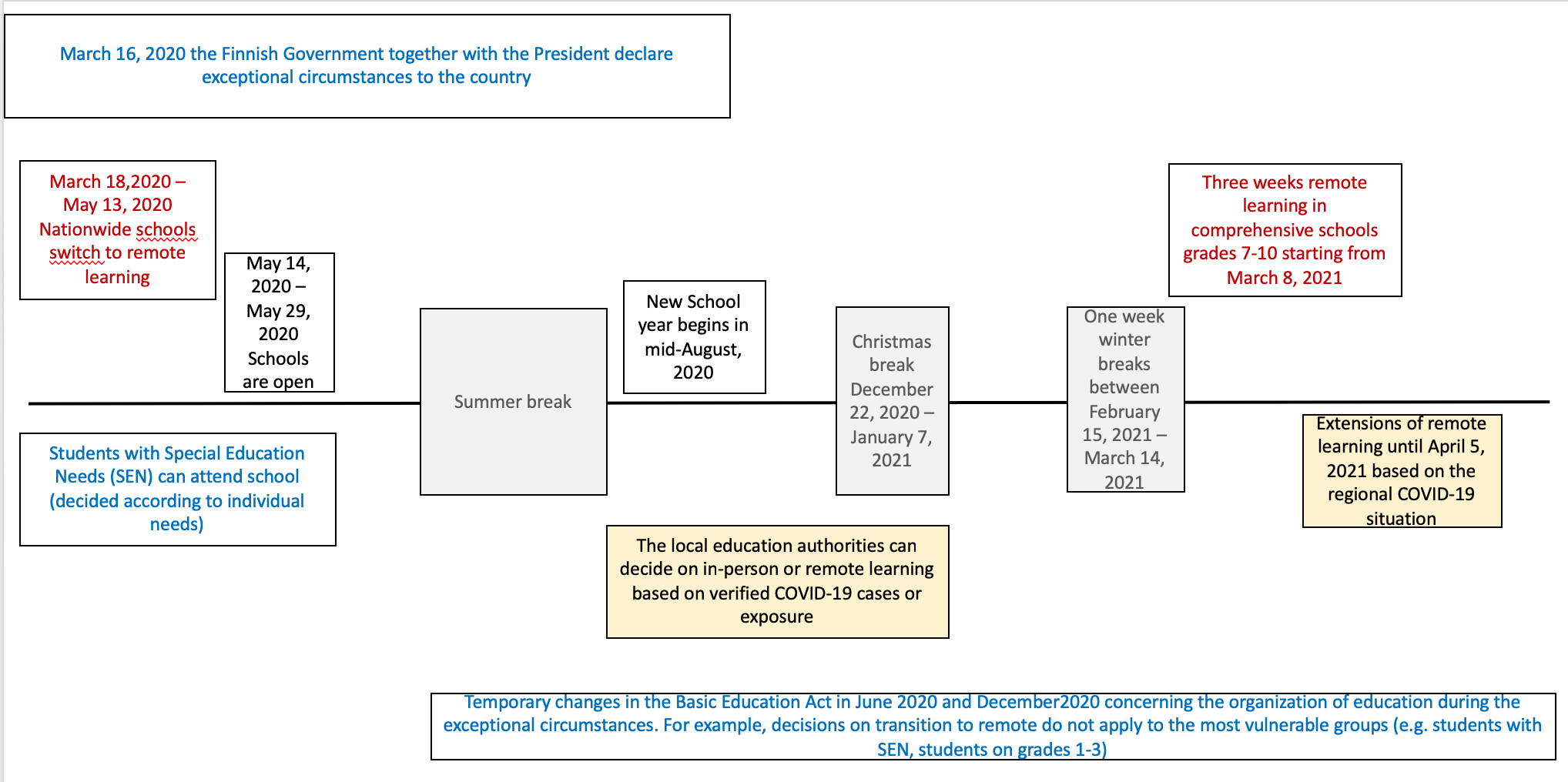
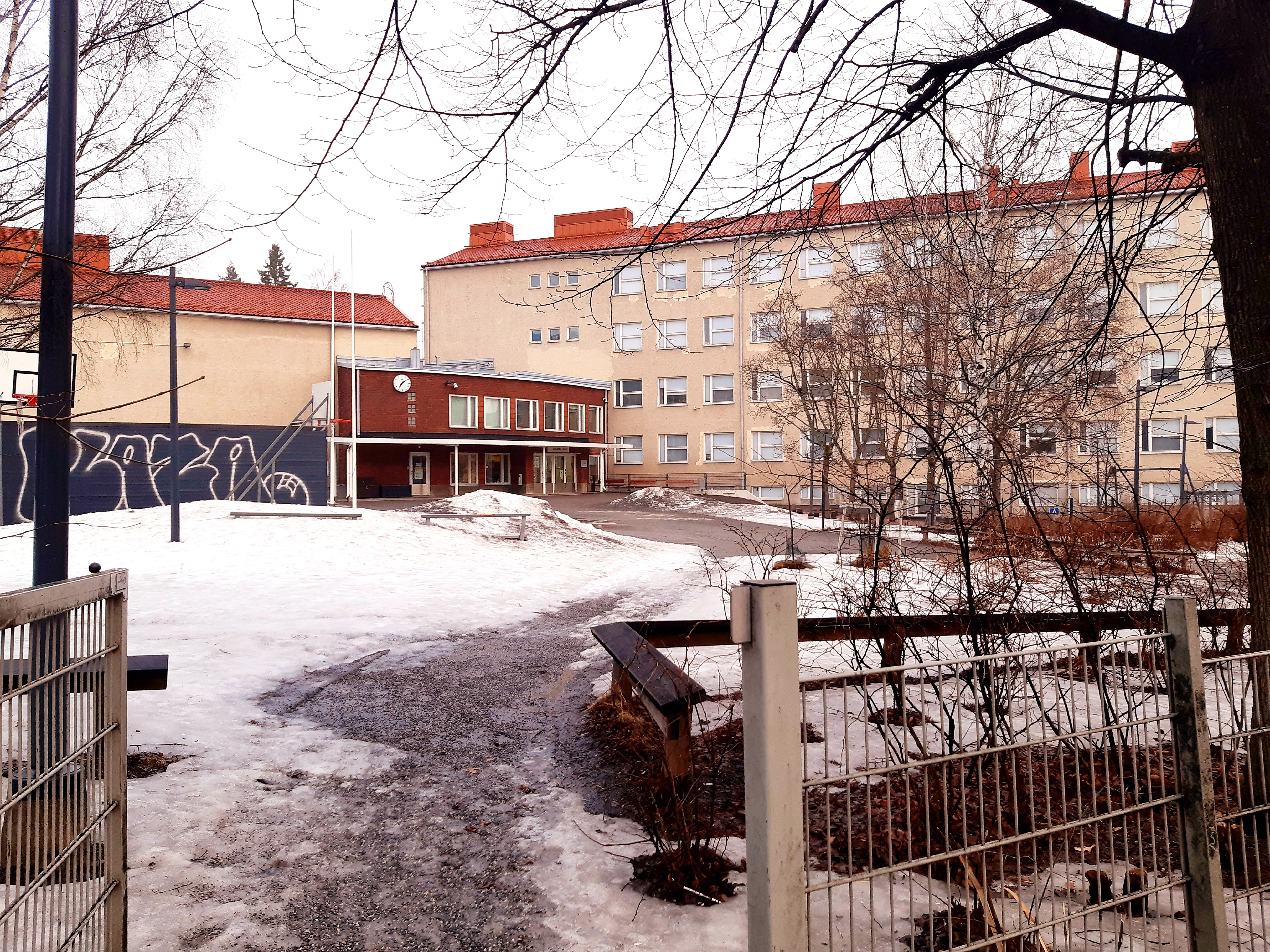
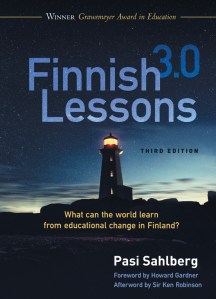

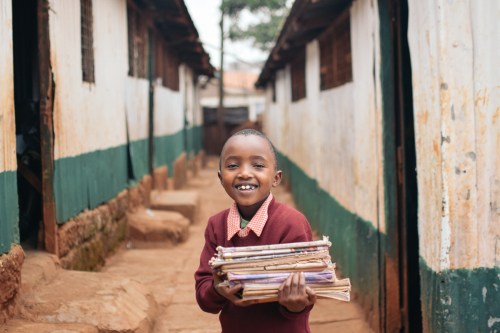
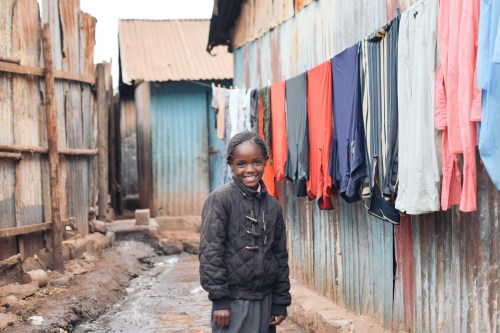
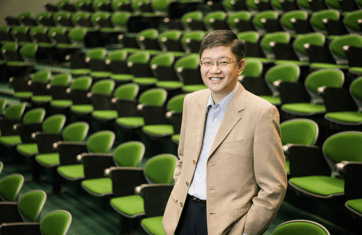

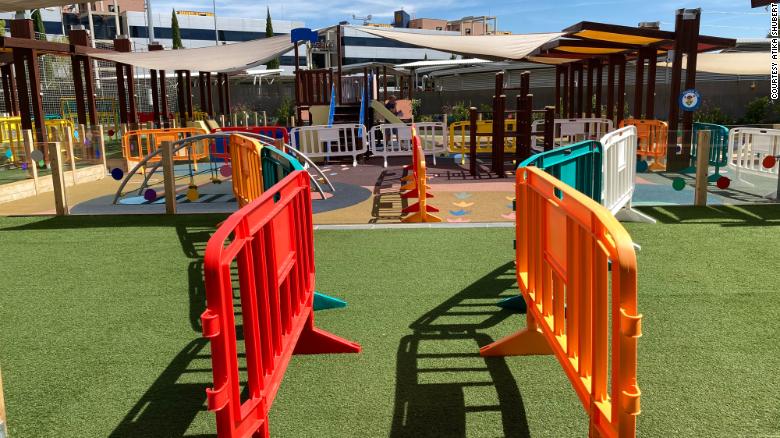
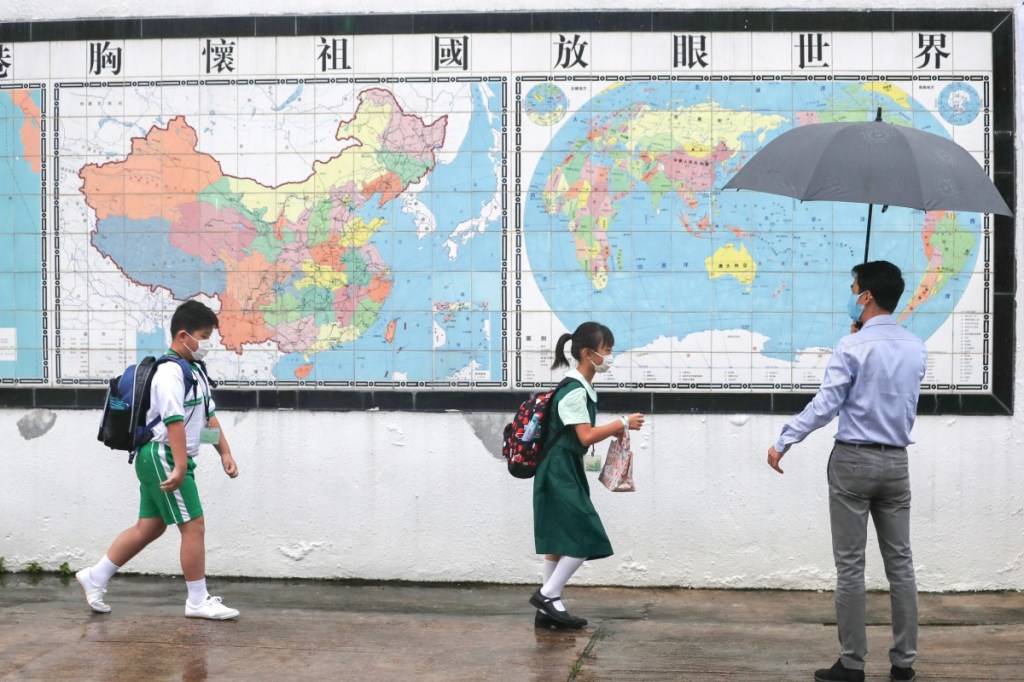
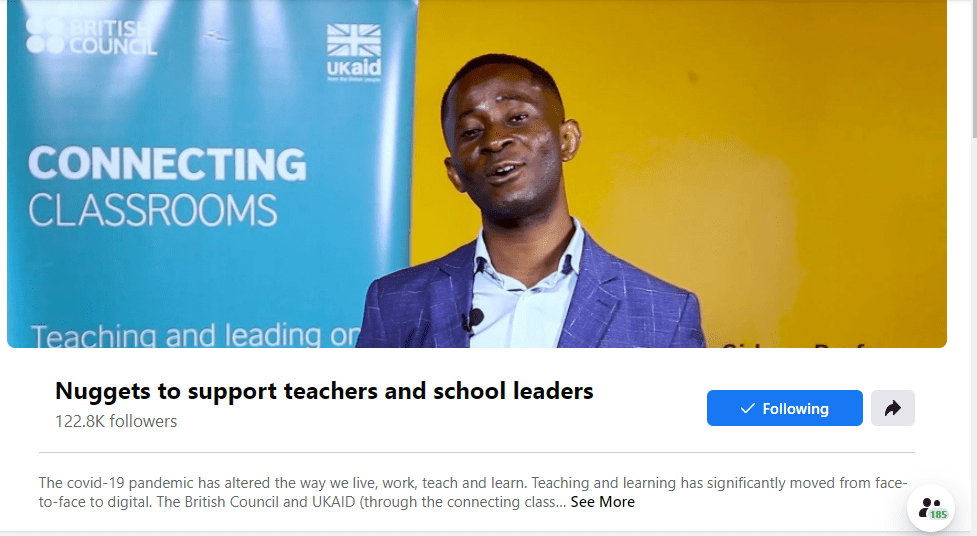
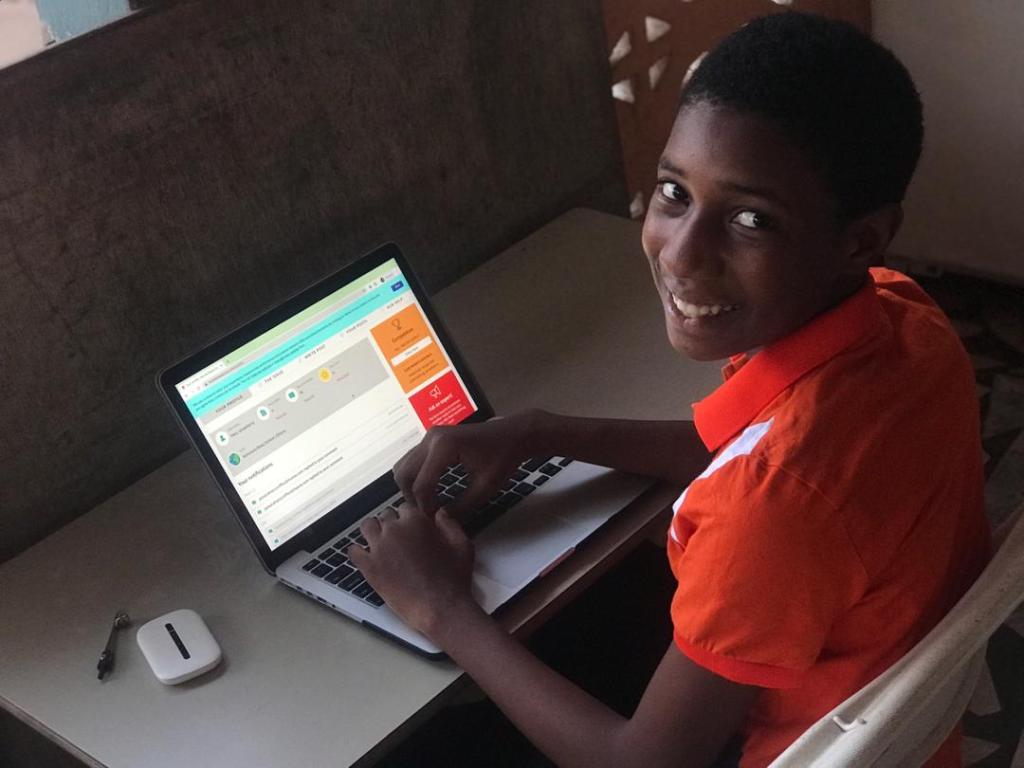

 International Education News