Tag Archives: Educational Leadership

Collaborative Community-Based Research, Leadership, and Counter-Movements: A Conversation with Ethan Chang

This month’s Lead the Change (LtC) interview features Ethan Chang’s discussion of his work on Collaborative Community-Based Research, social justice leadership, and counter-movementsChang is an assistant professor in the Division of Educational Leadership and Innovation at Arizona State University.

Lead the Change: The 2022 AERA theme is Cultivating Equitable Education Systems for the 21st Century and charges researchers and practitioners with dismantling oppressive education systems and replacing them with anti-racist, equity, and justice-oriented systems.

To achieve these goals, researchers must engage in new methodologies, cross-disciplinary thinking, global perspectives, and community partnerships to respond to the challenges of the 21st century including the COVID-19 Pandemic and systemic racism among other persistent inequities.

Given the dire need for all of us to do more to dismantle oppressive systems and reimagine new ways of
thinking and doing in our own institutions and education more broadly, what specific responsibility do educational change scholars have in this space? What steps are you taking to heed this call?

Ethan Chang: This is a big and important question. I would agree that there is consensus that we must all do more. But before asking what more we might do, I think there is a prior question: What have we as education scholars been doing? And to draw on Tuck (2009), have these various scholarly doings actually worked? In posing Tuck’s questions to myself and thinking about the urgent, but daunting work of dismantling oppressive systems, I choose to concentrate my work in three areas: (1) Collaborative Community Based Research (CCBR); (2) learning and social justice leadership development; and (3) critical studies of countermovements.

Collaborative Community-Based Research.

Collaborative, Community-Based Research (CCBR) is an approach to inquiry thatstrives to produce knowledge that emanates from, and isaccountable to, those historically excluded from knowledge production processes (Cammarota & Fine, 2008; Glass et al., 2018; King, 2016; Kirshner, 2015). It
refuses prevailing theories of change that insist more and better knowledge automatically leads toward justice (Tuck, 2009). As a process and a product, CCBR facilitates new epistemic relations, identities, practices, and concepts to prefigure the kinds of futures we hope to bring into the world (Curnow et al., 2019).

One way that Leiʻala Okuda and I have taken up CCBR is by engaging in the political education project of “recuperación crítica” (critical recovery) or “harnessing historical interpretation to the formulation of organizing strategies” (Rappaport, 2020, p. 94). We had the privilege of sharing in the insights of elders and former youth activists whose community-based struggles sparked anti-eviction and ʻāina-based
movements throughout Hawaiʻi and the Pacific. In partnership with elder-activists-researchers, we have sought to understand how and why they became lifelong activists (c.f., Conner, 2014) and focused on the organizational environments in which they were inducted into movement work as one way to access this question. We have undertaken this work because we believe it will take intergenerational work to undo centuries of oppression. As Miʻkmaq scholars poignantly remind, social transformation requires “thinking seven generations ahead” (Julian, 2016). Our CCBR activities—hosting virtual events, crafting academic and popular articles, authoring new identities for ourselves and each other (Catania et al., 2021)—represent various ways that we have attempted to enact this long-term theory of change, particularly amid a global pandemic that has strained intergenerational ties.

“It will take intergenerational work to undo centuries of oppression.”

Social Justice Leadership.

Another way I understand how change happens is by cultivating broad-based, collective leadership. Many scholars have productively challenged traditional definitions of school leadership underpinned by military and corporate models of organizational administration (Ishimaru, 2019; McGhee & Anderson, 2019). My work aims to extend scholarship that pulls the field away from assumptions about leadership as an individual act of heroism and toward models of leadership as a praxis of organizing (Ishimaru, 2013); that is, an exercise of analysis and action that co-designs bold and transformative visions of community self-determination and emphasizes building the leadership capacities of others (Anderson, 2009; Anderson & Chang, 2018; Awaachia’ookaate’ & Chang, 2020; Lac & Mansfield, 2018). We have been particularly inspired by Horsford (2012) and her scholarship that amplifies the lessons and insights of Black women leaders and educators like Ella Baker and Septima Clark. We feel there is so much to gain and so little to lose by turning to fields beyond education such as Social Movement, Black, Indigenous, Chicanx, and Asian American Studies. These fields offer generative locations for thinking about how change happens and how we might dedicate ourselves to meaningful projects of education
and social transformation in our lifetimes.

Countermovements.

In my scholarship, I have also focused my energies on countermovements, or movements that aim to
undermine gains made by progressive social movements (Meyer & Staggenborg, 1996). Over the past several years, we have witnessed Blue Lives Matter rallies surface in response to the Black Lives Matter movement. We have also observed symbolic performances like the 1776 Commission emerge in response to expansive curricula developments like the 1619 Project (Hannah-Jones, 2019). These possessive investments in status quo racial hierarchies are not new (Harris, 1993; Lipsitz, 2006). But my
work has sought to illumine how these patterns of retrenchment play out on the shifting terrain of education politics today.

As one example, I studied an oppositional movement to Ethnic Studies, which is an interdisciplinary curricula and pedagogy that centers the insights of Black, Indigenous, and minoritized peoples (Cuauhtin et al., 2019). I spent extended time with white parents in a California suburb and attempted to understand how they positioned Ethnic Studies as “anti-American” and “anti-White,” forged a strategic coalition with disability advocates, and digitally sutured or bound their local countermovement to broader right-wing populist currents (Chang, in press). Telling the story of one local countermovement offers potential ways of comprehending, anticipating, and, as I ultimately concluded, weathering the next countermovement.

Each of these strands of inquiry cohere around a theory of change rooted in the lessons and insights of social movements. These projects have afforded productive tools and concepts to resist a swift desire to “do more,” and instead, to move with a sustainable (and sustaining) sense of urgency to build more humanizing and liberatory educational spaces.

LtC: What are some of the major lessons the field of Educational Change might learn from your work and experience on critical analyses of education technology?

EC: My studies on EdTech raise similar questions about how we think change happens (Tuck, 2009). If there is one lesson I hope this work raises, it is that our imagined futures of a “twenty-first century education” demand attention to past and present realities of racism. My work in this space investigated how the institutional field of EdTech unevenly rewarded those actors and organizations who distanced themselves from acknowledging systemic oppression (Chang, 2019). In a familiar tale of American innovation, organizations who received significant funding and media attention were those who championed reform narratives about “fixing” the individual child in preparation for tomorrow’s society
(Chang, 2020; see also, Katz, 2020; Sims, 2017). By contrast, those who utilized digital tools to cultivate youth critical consciousness—to examine the historical formation of present inequities in an effort to
dismantle them—were underpaid, undervalued, and burdened by the day-to-day demands of organizational survival.

Like some of my current work on countermovements, this thread of inquiry into the EdTech landscape has proven profoundly ahistorical and deeply sobering. Most digital innovations rarely paid attention to “educational debts” that we know impact educational outcomes (e.g., adequate housing, nutritious foods, livable wages, to name a few; Ladson-Billings, 2006). Still, what keeps me returning to questions of digital technologies are pockets of hope and resistance such as cases in which youth appropriate digital tools for their own ends such as utilizing Google mapping technologies or social media platforms to build organizing power in their communities (Akom et al., 2016; Emejulu & McGregor, 2017). Our CCBR work aims to extend these insights. We seek to use digital tools to reconnect with prior generations of activists, leverage cloud-based platforms to cultivate place-based leadership, and co-create education and social futures rooted in the lessons of past struggles.

“Let’s move with a sustainable (and sustaining) sense of urgency to build more humanizing and liberatory educational spaces.”

LtC: In some of your recent work, you discuss the barriers to developing justice-oriented leadership development programs (i.e., moving beyond individual texts or courses to renovate entire learning ecologies). Your exploration of Highlander offers a number of lessons for leadership preparation programs. What would you consider as some of the most important lessons?

EC: The Highlander Research and Education Center (founded in 1932 as the Highlander Folk School) is an invitational, residential adult learning center for labor, educational, civil rights, environmental, and grassroots community leaders. It dramatically shaped the trajectory of U.S. history and culture, and for over the past century, survived and thrived amid ongoing state and vigilante attacks. Our work on Highlander surfaced in response to a white supremacist arson attack on the center in March of 2019 (Chang & Glass, 2021). We understood “recuperación crítica” (critical recovery) as one way to counter white supremacists’ literal attempts to erase Highlander. But in addition to studying Highlander on its own terms, we approached the school as a potentially illustrative case to “re-envision the ‘how’ and ‘who’ of leadership preparation” (Bertrand & Rodela, 2018, p. 28).

One of the lessons we feel Highlander offers is the power of bold, transformative visions, or what Kelley (2002) might call “freedom dreams.” Co-founder of Highlander, Myles Horton, put it this way: “You can’t develop any valuable leadership if you don’t teach people that they can deal with big problems” (Horton, 1990, p. 147). For Highlander, these big problems included Jim Crow segregation, poverty wages, environmental pollution (among others). This lesson is particularly urgent given the ways educational administration programs can, at times, focus on the small, technical, and managerial aspects of leadership. One of my strongest students recently graduated from our program and decided not to become a principal. She felt the state department of education kept principals “busy with mandates” and sought alternative organizational contexts to enact the kinds of leadership she felt in her naʻau (her gut; see Meyer, 1998). I offer these observations not to diminish the incredible and transformative work of school leaders, but to point the arrow back at my own teaching and scholarship and ask: How am I preparing aspiring education leaders to engage with “big problems”? In what ways am I working to transform the organizational contexts of schooling that so often discourage promising individuals from becoming formal school leaders? For me, Highlander provided a way to clarify the costs we pay, and the valuable people we lose, when we do not cultivate the conditions for aspiring education leaders to deal with big problems.

But Highlander also offers insight into how organizations might adapt to the ways big problems shift over time. Black woman activist, educator, and singer, Bernice Johnson Reagon, observed that Highlander possessed a remarkable ability to “move through time” (Phenix & Selver, 2009). Insights from unfolding social movements—for race, gender, sex, environmental, immigrant, and Indigenous rights (to name a few)—directly informed the organizational roles and routines at Highlander. By actively recruiting individuals that community members identified as leaders, Highlander invited students to infuse organizational structures with their values (Selznick, 1948). In this way, Highlander offers a concrete example of a leadership learning ecology rooted in and responsive to progressive social movements.

LtC: Educational Change expects those engaged in and with schools, schooling, and school systems to spearhead deep and often difficult transformation. How might those in the field of Educational Change best support these individuals and groups through these processes?

EC: Like the first question, this question raises two prior concerns for me: first, regarding schooling as a privileged site of inquiry; and second, concerning how researchers might meaningfully support educators, activists, and organizers in ways that trouble an historical paternalism in our field.

“Highlander invited students to infuse organizational structures with their values.”

In the first instance, we know that schooling is only one way to organize teaching and learning (Varenne & McDermott, 1999). Nearly thirty years ago, Tyack and Tobin (1994) conceptualized the “grammar” of schooling to name the taken-for-granted school practices such as the single-subject, age-segregated classroom (p. 454). Like the grammar of speech that organizes meaning in language, the grammar of schooling organizes the everyday practices of teaching and learning in schools (Beckham, 2019; Mehta & Datnow, 2020). When we think of “deep and often difficult transformation” then, it involves changing this grammar. It entails rewriting inherited cultural scripts that so often reduce radical education reform ideas into modest additions to the everyday practice of schooling.

In contrast to studies that operate within the grammar of schooling, rich and exciting education scholarship has focused on learning in social movement (Curnow et al., 2019; Jurow et al., 2014; Shield et al., 2021) and community-based spaces (Baldridge, 2019; Terriquez & Serrano, 2018). Of course, these spaces are not insulated from oppressive roles or routines (Baldridge, 2020; Clay & Turner, 2021). But these studies allow us to consider— or perhaps more accurately, to recover— alternative grammars of teaching and learning such as learning spaces in which classrooms become intergenerational learning circles, teachers identify as relatives, or worksheets are replaced by visits with community elders (Kahakalau, 2020; Shield et al., 2021). These educational spaces represent promising local nodes for building and sustaining a national movement for education justice (Warren, 2018); one capable of realizing more than symbolic additions to the grammar of schooling (Rincón-Gallardo, 2019).

“Leadership as accompaniment stands in solidarity with youth and their struggles for a more dignified and just world.”

This question also raises important tensions concerning the meanings of “support” and the modes of association between “researchers” and the “researched” and between education leaders and the families and young people they aim to serve. Rebeca Gamez and I have been thinking through the idea of leadership as accompaniment as one way to specify social justice leadership in relation to youth activists. Accompaniment is a praxis drawn from social movement and abolitionist studies (Mei-Singh, 2021; Tomlinson & Lipsitz, 2019; Watkins, 2019). Like musical accompaniment, “It starts with careful listening, empathy, and identification” and “involves augmenting, accenting, and countering one musical voice with others” (Tomlinson & Lipsitz, 2019, p. 27). Educational leadership as accompaniment foregrounds an ethic of listening, attends to dominant forms of exclusion, and stands in solidarity with youth and their struggles for a more dignified and just world (Chang & Gamez, 2022). Awaachia’ookaate’ and I have also been interested in notions of accompaniment and aim to think through the challenges and risks inherent in articulating accompaniment toward decolonial ends (Awaachia’ookaate’ & Chang, 2020; c.f., Mackey et al., 2020). Across our projects, we aim to hold ourselves accountable for any recommendations we might pose to education leaders. In the words of Lugg and Shoho (2006): “To advocate for social justice, while being risk-adverse in practice, is the worst sort of professional hypocrisy (p. 205). We approach accompaniment as a generative research praxis that moves us to foreground deep listening and stand in solidarity with those whose lives and expertise have been historically disregarded.

LtC: Where do you perceive the field of Educational Change is going? What excites you about Educational Change now and in the future?

I prefer not to speculate on where the field of Educational Change is going but can comment on what excites me and where I hope the field might be heading. One hope is that CCBR will gain increasing legitimacy but in ways that resist shallow inclusion into academia. Scholarship that aims to produce knowledge that is answerable to those with most at stake, that values humanizing processes in addition to products, that is committed to a radical reflexivity is needed now more than ever. Engaged scholars like Sheeva Sabati, Emily Borg, Chrissy Hernandez, Saugher Nojan, Farima Pour-Khorshid, George Lipsitz, Diane Fujino, and Ron Glass are doing impactful work in this area. These scholars understand CCBR as a valuable methodology for producing rigorous and relevant scholarship and insist on CCBR’s foundational political commitments to intervene in the cultural and material contexts of injustice.

Another direction that I hope to see more of in Educational Change scholarship are studies that take seriously the lessons of past and unfolding social movements. Skeptics might comprehend this direction of inquiry as impractical or even impossible amid a global pandemic that has exhausted our school leaders and educators. But it is precisely this exhaustion that speaks to a need for something other than individual models of heroic leadership. In their analysis of the common activist statement, “I’m exhausted,” Emejulu and Bassel (2020) examine the social structures that demand exhaustion and exact a toll on the minds and bodies of women of color (p. 402). One social structure pertains to a patterned refusal to take women of color’sinsights seriously. Activists are exhausted because we keep rehearsing old missteps and mistakes. We continue to insist that we can build futures premised on the oppression of others or remain fearful of our differences instead of leveraging them as sources of collective strength (c.f., Hernandez et al., in press; Surviving Society, 2021). Education research that engages past and present movements can help us reach beyond this exhausting normal. I hope to continue to be a part of conversations that animate these important insights and build toward more humanizing and liberatory educational spaces.

The LtC series is produced by the Educational Change Special Interest Group of the American Educational Research AssociationJennie Weiner, Chair; Olga O. Fellus, Program Chair; Corinne Brion, Secretary/Treasurer; Alexandra Lamb, Series Editor; Cynthia Wise, Social Media Coordinator. A pdf of the fully formatted interview is available on the LtC website.

References
Akom, A., Shah, A., Nakai, A., & Cruz, T. (2016). Youth Participatory Action Research (YPAR) 2.0: How technological innovation and digital organizing sparked a food revolution in East Oakland. International Journal of Qualitative Studies in Education, 29(10), 1287-1307. https://doi.org/10.1080/09518398.2016.1201609

Anderson, G. L. (2009). Advocacy leadership: Toward a post-reform agenda in education. Routledge.

Anderson, G. L., & Chang, E. (2018). Competing narratives of leadership in schools: The discursive turn in organizational theory. In C. James, S. D. Kruse, M. Connolly, and J. H. Eddy Spicer (Eds.),
The SAGE International Handbook on School Organization (pp. 84-102). Sage.

Awaachia’ookaate’ & Chang, E. (2020). Safe zones, dangerous leadership: Indigenous leadership in settler- colonial school contexts. Journal of School Leadership, 30(6), 519-540. https://doi.org/10.1177/1052684620951723

Baldridge, B. (2019). Reclaiming community: Race and the uncertain future of youth work. Stanford
University Press.

Baldridge, B. J. (2020). The youthwork paradox: A case for studying the complexity of community- based youth work in education research. Educational Researcher, 49(8), 618-625. https://doi.org/10.3102/0013189X20937300

Beckham, K. (2019). The real-alternative school paradox: A California continuation high school’s struggle to be something different in a universe of real schools (Doctoral dissertation, Stanford University). ProQuest Dissertations Publishing.

Bertrand, M., & Rodela, K. C. (2018). A framework for rethinking educational leadership in the margins: Implications for social justice leadership preparation. Journal of Research on Leadership Education, 13(1), 10-37. https://doi.org/10.1177/1942775117739414.

Cammarota, J., & Fine, M. (2008). Revolutionizing education: Youth participatory action research in motion. Routledge.

Catania, R., Chang, E., Gwen, K., Kubota, G., Narikawa, L., Okuda, L. … Yamashiro, A. (2021). Get busy! Kūpuna activists’ insights for social movement organizing today.

Chang, E. (2019). A politics of redaction and racial justice in digital education reform. Harvard Educational Review, 89(2), 289-313. https://doi.org/10.17763/1943-5045-89.2.289

Chang, E. (2020). Digital meritocracy: Intermediary organizations and the construction of policy knowledge. Educational Policy, 34(5), 760-784. https://doi.org/10.1177/0895904818802116

Chang, E. (In press). Curricular countermovements: How white parents mounted a popular challenge to Ethnic Studies. Harvard Educational Review.

Chang, E., & Glass, R. D. (2021). Toward a just leadership learning ecology: A CHAT-IT analysis of the Highlander Idea. Educational Administration Quarterly. OnlineFirst. https://doi.org/10.1177/0013161X211054835

Chang, E., Gamez, R. (2022). Educational leadership as accompaniment: From managing to cultivating youth activism. [Manuscript submitted for publication].

Clay, K. L., & Turner III, D. C. (2021). “Maybe you should try it this way instead”: Youth activism amid managerialist subterfuge. American Educational Research Journal, 58(2), 386-419. https://doi.org/10.3102/0002831221993476

Conner, J. (2014). Lessons that last: Former youth organizers’ reflections on what and how they learned. Journal of the Learning Sciences, 23(3), 447-484. https://doi.org/10.1080/10508406.2014.928213

Cuauhtin, T. R., Zavala, M., Sleeter, C., Au, W. (2019). Rethinking Ethnic Studies. Rethinking Schools, Ltd.

Curnow, J., Davis, A., & Asher, L. (2019). Politicization in process: Developing political concepts, practices, epistemologies, and identities through activist engagement. American Educational Research Journal, 56(3), 716-752. https://doi.org/10.3102/0002831218804496

Emejulu, A. & McGregor, C. (2017). Towards a radical digital citizenship in digital education. Critical Studies in Education, 60(1), 1-17. https://doi.org/10.1080/17508487.2016.1234494

Emejulu, A., & Bassel, L. (2020). The politics of exhaustion. City, 24(1-2), 400-406. https://doi.org/10.1080/13604813.2020.1739439

Glass, R. D., Morton, J. M., King, J. E., Krueger-Henney, P., Moses, M. S., Sabati, S., & Richardson, T. (2018). The ethical stakes of collaborative community-based social science research. Urban Education, 53(4), 503-531. https://doi.org/10.1177/0042085918762522

Hannah-Jones, N. (2019, August 14). The 1619 Project. The New York Times. https://www.nytimes.com/interactive/2019/08/14/magazine/1619-america-slavery.html,

Harris, C. I. (1993). Whiteness as property. Harvard Law Review, 106(8), 1707-1791. https://doi.org/10.2307/1341787

Hernandez, C., Sabati, S., Chang, E. (In press). Towards pedagogical justice: Teaching worlds that we can collectively build. Education Theory.

Horsford, S. D. (2012). This bridge called my leadership: An essay on Black women as bridge leaders in education. International Journal of Qualitative Studies in Education, 25(1), 11-22. https://doi.org/10.1080/09518398.2011.647726

Horton, M. (1990). The long haul: An autobiography. Doubleday press.

Ishimaru, A. M. (2019). Just schools: Building equitable collaborations with families and communities. Teachers College Press.

Ishimaru, A. (2013). From heroes to organizers: Principals and education organizing in urban school reform. Educational Administration Quarterly, 49(1), 3-51. https://doi.org/10.1177/0013161X12448250

Julian, A. R. (2016). Thinking seven generations ahead: Mi’kmaq language resurgence in the face of settler colonialism. (Doctoral dissertation, University of New Brunswick).

Jurow, A. S., Kirshner, B., Torralba, J. A., Taraboulsi, S. E., Teeters, L., Buidalli, B… Dutilly, E. (2014). Theorizing learning in the context of social movements. International Society of the Learning Sciences.

Kahakalau, K. (2020). Island in-sight! In P. Greier & T. Gouvêa (Eds.), Edushifts: The future of education is now (pp. 169-190). http://www.socialinnovationacademy.org/wpcontent/uploads/2017/11/EduShifts_Eng_virtual.pdf

Katz, Y. (2020). Artificial whiteness: Politics and ideology in Artificial Intelligence. Columbia University Press.

Kelley, R. D. (2002). Freedom dreams: The Black radical imagination. Beacon Press.

King, J. E. (2016). We may well become accomplices: To rear a generation of spectators is not to educate at all. Educational Researcher, 45(2), 159-172. https://doi.org/10.3102/0013189X16639046

Kirshner, B. (2015). Youth activism in an era of education inequality. New York University Press.

Lac, V. T., & Mansfield, K. C. (2018). What do students have to do with educational leadership? Making a case for centering student voice. Journal of Research on Leadership Education, 13(1), 38-58.
https://doi.org/10.1177/1942775117743748

Ladson-Billings, G. (2006). From the achievement gap to the education debt: Understanding achievement in US schools. Educational Researcher, 35(7), 3-12. https://doi.org/10.3102/0013189X035007003

Lipsitz, G. (2006). The possessive investment in whiteness: How white people profit from identity politics. Temple University Press.

Lugg, C. A. & Shoho, A. R. (2006). Dare public school administrators build a new social order?: Social justice and the possibly perilous politics of educational leadership. Journal of Educational Administration, 44(3), 196- 208. https://doi.org/10.1108/09578230610664805

Mackey, H. J., Faircloth, S., & Cummins, J. D. (2020). Honoring culturally sustaining and affirming educational/school leadership practices for Indigenous children and youth. Journal of School Leadership, 30(6), 491-492. https://doi.org/10.1177/1052684620951736

McGhee, C. & Anderson, G. L. (2019). Gentrification, market regimes, and the new entrepreneurial principal: Enacting integration or displacement? Leadership and Policy in Schools, 18(2), 180-194.
https://doi.org/10.1080/15700763.2019.1611871

Mehta, J., & Datnow, A. (2020). Changing the grammar of schooling: An appraisal and a research agenda. American Journal of Education, 126(4), 491-498. https://doi.org/10.1086/709960

Mei-Singh, L. (2021). Accompaniment through carceral geographies: Abolitionist research partnerships with Indigenous communities. Antipode, 53(1), 74-94. https://doi.org/10.1111/anti.12589

Meyer, D. S., & Staggenborg, S. (1996). Movements, countermovements, and the structure of political
opportunity. American Journal of Sociology, 101(6), 1628-1660. https://doi.org/10.1086/230869

Meyer, M. A. (1998). Native Hawaiian epistemology: Sites of empowerment and resistance. Equity &
Excellence, 31(1), 22-28. https://doi.org/10.1080/1066568980310104

Phenix, L. M., & Selver, V. (2009). You got to move: Stories of change in the South. Milestone Film & Video.

Rappaport, J. (2020). Cowards don’t make history: Orlando Fals Borda and the origins of Participatory Action Research. Duke University Press.

Rincón-Gallardo, S. (2019). Liberating learning: Educational change as social movement.

Routledge. Shield, A. E., Paris, D., Paris, R., & San Pedro, T. (Eds.). (2020). Education in movement spaces: Standing Rock to Chicago Freedom Square.

Routledge. Selznick, P. (1948). Foundations of the theory of organization. American Sociological
Review, 13(1), 25-35. https://doi.org/10.2307/2086752

Sims, C. (2017). Disruptive fixation: School reform and the pitfalls of techno-idealism. Princeton University Press.

Surviving Society. (2021). The surviving society alternative to woman’s hour: Akwugo Emejulu. https://www.patreon.com/SurvivingSociety

Terriquez, V., & Serrano, U. (2018). A beloved community: Promoting the healing, well-being, and leadership capacities of boys and young Men of Color. USC Program for Environmental and Regional Equity.

Tomlinson, B., & Lipsitz, G. (2019). Insubordinate spaces: Improvisation and accompaniment for social justice. Temple University Press.

Tuck, E. (2009). Suspending damage: A letter to communities. Harvard Educational Review,
79(3), 409–427. https://doi.org/10.17763/haer.79.3.n0016675661t3n15

Tyack, D., & Tobin, W. (1994). The “grammar” of schooling: Why has it been so hard to change? American Educational Research Journal, 31(3), 453–479. https://doi.org/10.3102/00028312031003453

Varenne, H., & McDermott, R. (1999). Successful failure: The school America builds. Westview Press.

Warren, M. R. (2018). Lift us up, don’t push us out! Voices from the front lines of the educational justice movement. Beacon Press.

Watkins, M. (2019). Mutual accompaniment and the creation of the commons. Yale University Press.
“We are just broken”: The fate of education for girls in Afghanistan after the Taliban takeover

This week, nearly 6 months after the US forces left Afghanistan, Naila Shahid shares some of the news and links since August of 2021 describing the impact of the Taliban takeover on girls’ education there. 

 With the Taliban takeover of the Afghan government last August, many expressed fears that the substantial gains made in girls education in the past 20 years might be lost.  Although an estimated 3.7 million children remain out-of-school in Afghanistan – 60% of them girls, according to World Bank reports, girls’ secondary school attendance increased 32% from 2003 to 2017. By 2018, girls made up almost 38 percent — 3.8 million — of students in the country; by comparison only 5,000 Afghan girls were enrolled in schools in 2001. Over the same period, the presence of women in higher education also rose, and the  gender disparity in higher education enrollment decreased over time in favor of female students entering Afghan universities. For example, there were only 1,000 female participants in the Kankor exam (the University entrance exam) in 2003, while this number jumped to an all-time high – 78,000 – in 2013. In 2020, Shamsia Alizada, the daughter of a coal miner from Kabul, received the highest score out of 170,000 students on the entrance exam.

When the US troops pulled out, however, and the Taliban seized control of the country in 2021,  many businesses and institutions, including schools, shut down. Since that time, public elementary schools have reopened again and in September 2021 the Taliban government announced the reopening of government high schools but only for boys, saying only that “a safe learning environment” was needed before older girls could return to school.  Private schools, including girls secondary schools and universities, only started operating again in 10 out of 34 provinces, after they negotiated with local Taliban leadership.  

 In  October 2021, Afghan officials announced that girls would be able to resume attendance in government secondary schools, but only after the development of a new educational framework. That statement did not give a time frame for reopening and made thousands of girls fearful about their exams, their plans to graduate, their university applications and their academic future in general. In November 2021, the Afghan government added a statement about reopening secondary schools for girls, simply stating“good news coming soon”. As of January of 2022, the  Taliban are pledging/promising to open all girls schools after the Afghan New Year in late March, offering a deadline for the first time. According to the Taliban’s Deputy Minister of Culture and Information, the major barriers for reopening the secondary schools for girls have been the “capacity” as they plan to completely segregate girls and boys schools. 

Depriving girls of their educational rights has contributed to continuing unrest. Reports have shared the stories of  women and girls in some areas of Afghanistan (mostly urban) who are raising their voices against the closure of girls’ secondary schools and taking action. Among those voices: 

Roya, 18,  who was supposed to graduate from high school and was preparing for the university entrance exam, declared: 

“I always dreamed of being a lawyer and had been preparing to get into law school, but now with the Taliban taking over I don’t think I have a future.”

Rahela Nussrat, 17,in her final year of high school and and unable to attend classes since the takeover, lamented:

 “When the Afghan government fell, I lost my right to education, this was the first time I cried specifically because of my gender.” 

Zakia Menhas, a medical student at Kabul university waiting for her college to reopen, told NPR’s Lulu Garcia-Navarro: 

“We really – just fed up – and it is really devastating for us. Like, we had hopes. We had dreams to chase. And now it is just a dark place. And we cannot find that light. And we are just broken.” 

Despite the challenges, some are managing to persevere. 

 Shabana Basij- Rasikh whogrew up in Kabul in the 1990s, has been operating Afghanistan’s only private boarding school for girls – the School of Leadership, Afghanistan (SOLA), explained 

“Education transforms lives and societies. It’s transformed my life and it’s transformed my Afghan society these past 20 years.”

Angela Ghayour, who witnessed the civil war in Afghanistan in 1992 as well, could not bear to see girl’s deprived of education once again. After three months with little progress from the Taliban, she used social media to bring together 400 volunteers and started the Online Herat school to provide educational resources to women and girls. As she put it: 

“I feel this school is the result of all of my pain, my agonies and experiences. Our motto is, the pen instead of the gun.”

In the western province of Herat, the teachers’ union, 40 school principals and parents pushed back and reopened the schools in October. However, they had to negotiate with the local Taliban officials to have completely segregated classes and only female teachers. The parents are determined. Mastoura who now escorts her two daughters to school every day is resolute.

“We had concerns, and we have them still, But daughters must get an education. Without education, your life is held back.”

A timeline of the reported events: 

September 20, 2021- Afghanistan’s new government is likely to impose severe restrictions on girls’ education, The New York Times

September 24, 2021- Deputy UN chief urges girls’ education is a must for Afghanistan, Thompson Reuters Foundation News

October 11, 2021- What will happen to girl’s education under Taliban rule?, Thompson Reuters Foundation News

October 13, 2021- Amnesty International published testimonies from teachers and students in Afghanistan, Amnesty International

October 18, 2021- Taliban stops school for girls over 12, CBS News

October 22- 2021- Afghan girls determined to return to school, CBS News

October 29, 2021- Online learning (secretly) continues for girls in Afghanistan, Global Citizen

October 31, 2021- Afghan girls think their education doesn’t have a future, The New York Times

October 31, 2021- Afghan women’s education in limbo, Deadline

November 02, 2021- Afghanistan’s government says it will soon announce  “good news” about girl’s education, Reuters

— Naila Shahid

A focus on future generations: A Conversation with Carrie Sampson on school boards, research, and educational change

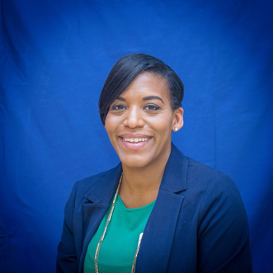
This month’s Lead the Change (LtC) interview features Carrie Sampson’s discussion of her work on equity, research, school boards, and educational changeSampson is an assistant professor in the Division of Educational Leadership and Innovation at Arizona State University. The LtC series is produced by the Educational Change Special Interest Group of the American Educational Research AssociationJennie Weiner, Chair; Olga O. Fellus, Program Chair; Corinne Brion, Secretary/Treasurer; Alexandra Lamb, Series Editor; Cynthia Wise, Social Media Coordinator. A pdf of the fully formatted interview is available on the LtC website.

Lead the Change: The 2022 AERA theme is Cultivating Equitable Education Systems for the 21st Century and charges researchers and practitioners with dismantling oppressive education systems and replacing them with anti-racist, equity, and justice-oriented systems. To achieve these goals, researchers must engage in new methodologies, cross-disciplinary thinking, global perspectives, and community partnerships to respond to the challenges of the 21st century including the COVID-19 Pandemic and systemic racism among other persistent inequities. Given the dire need for all of us to do more to dismantle oppressive systems and reimagine new ways of thinking and doing in our own institutions and education more broadly, what specific responsibility do educational change scholars have in this space? What steps are you taking to heed this call?

Carrie Sampson: Many scholars come into the field of education because we hope to make a positive contribution. We have dedicated decades of our lives to learning and teaching. We read, listen, reflect, formulate questions, seek answers, write, and share knowledge. Trained to think critically about our field, most of us are excellent at finding flaws, issuing critiques, and pointing fingers. In doing this, we come to understand just how complex our educational system is, and we recognize that even if we fix one part, there’s still hundreds of moving parts that make it nearly impossible to fix an entire system. Sometimes we become disillusioned. At times, I have become disillusioned. Yet, as education researchers we have not come this far to sit in our disillusionment. It’s our responsibility to continue to find the best possible solutions to the many problems in our systems. It’s our responsibility to fight the good fight.

In building my good fight, I have focused on three major areas as a scholar. First, I constantly return to my “why” for the work I do. While it has always been rooted in the notion of “the personal is political,” my “why” has changed over the years. It has shifted from my own experiences as a mixed race, Black and Chicana, woman who grew up in poverty in both rural and urban communities. My success in education was too reliant on luck and cultural capital rather than a system that offered ample opportunities, a system that failed many of my peers and family members. 

These days my “why” centers on what I have experienced and witnessed as a mother-scholar of two school-aged children—one who is 8 years old and skipped the first grade and one who completed his kindergarten year online due to COVID. Since the time they entered preschool, my kids have faced racism and gender discrimination. Navigating these isms when they happen to me is one thing, but when they happened to my babies, it lit a fire in my soul like no other. The urgency and clarity of my “why” both shifted and soared. In an article about coalition politics, we cited Bernice Johnson Reagon, a Black feminist and activist (Sampson, Demps, & Rodriguez-Martinez, 2020). Her emphasis on the importance of doing what we do for future generations resonated with my “why.” Reagon (1983) said, “…most of the things you do, if you do them right, are for the people who live long after you are long forgotten” (p. 365). This work is not about us. Just like our ancestors before us, we will likely not reap the benefits of our labor directly. Instead, my children, our children, and those children who are not yet born have the chance to be impacted by our work. I believe this must always be the center of our “why.”

My other two areas of focus are simple. I hold on to the notion that “all politics are local.” This means I try to engage in my local community as much as I can. These communities are my home. I seek to understand the history and context of where I live. I am on advisory councils, I engage in political campaigning, and I meet with local officials to advocate for change. Relatedly, and more recently, the final area of focus for me has been gaining the skills to translate my research for a broader audience. As school boards are increasingly part of the broader conversation among the media, decision makers, families, and even youth, I have been increasingly called on to offer a research-based perspective on school board governance. I pursued this career largely because I liked research. And like most of us, I spent many years learning to do research, not translate it. Sadly, we don’t often teach our future academics to talk about their research in a non-academic context. Yet, it’s our responsibility as education researchers to bring our research to broader audiences and that must begin with learning the skills to translate our scholarship in ways that all groups of people can understand and apply what we learn.

In sum, the three areas of responsibility that ground my work and I believe should ground our field’s work are a) a focus on future generations as a major part of our “why”; b) engaging in our local community; and c) translating our research to those outside of the academy.

“It’s our responsibility as education researchers to bring our research to broader audiences.”

LtC: Given some of your work using critical lenses to examine political coalitions, district reform, and equity (or a lack thereof), what are some of the major lessons the field of Educational Change can learn from your work and experience?

CS: I’ll share six things I’ve learned from my work and experience.

(1) The notion I mentioned above about “all politics is local” is from the fact that I’ve seen time and time again that local politics matter. Democracy and justice happen locally first. Without political players and policies that make sense at the local level, educational change for the better will never happen.

(2) We need to work on being more proactive. From my dissertation research that explored school board policymaking for English learners, two of the school board members I interviewed said that they, as board members, were always putting out fires and never got a chance to work ahead of the fires to prevent them (Sampson, 2016). While reacting to the inequitable experiences voiced by minoritized communities is critical as a school board member, the idea of being proactive about ensuring that our children have equitable educational opportunities (and not just reactive) always stuck with me. Consequently, I carefully consider what it means to be proactive in terms of my research implications toward educational equity.

(3) Building critically conscious coalitions is needed to sustain the work. As someone with several minoritized identities, I have come to realize that groups are too often in competition mode. Moreover, as one of my research findings illustrates (Sampson, Demps, & Rodriguez-Martinez, 2020), competition can water down the end result for all groups. Instead, coalitions that are rooted in the unique needs of the communities these coalitions intend to serve have a better chance of achieving more relevant and adequate outcomes.

(4) While I center race in much of my work, knowing and acknowledging how race intersects with other identities is critical to how I shape my scholarship. Aligned with Crenshaw’s (2017) concept of intersectionality, I gained significant insight on why this concept and reality matter from my studies in feminist theory and research. While pursuing my graduate certificate in Women’s Studies, I was assisting on a study examining the history of school desegregation in Southern Nevada (Horsford, Sampson, & Forletta, 2013). As I learned about feminism, I began to ask deeper questions aimed at exploring why a group of mostly White women from The League of Women Voters became one of the leading organizations to advocate for racially desegregated schools (Sampson, 2017). I learned that their efforts were often largely informed and shaped by their racialized, gendered, and classed experiences, and more importantly, their efforts influenced the outcome for Black children who were bussed from their neighborhood schools for nearly two decades.

(5) As frustrating as it might be, change is often incremental. Maybe it was my economics degree that trained me to believe that when systems change quickly and drastically (for good and bad), these systems often experience push back aiming to disrupt those changes creating little to no real change. My studies on school boards taught me the same thing (e.g., Sampson, 2019; Sampson, 2019b).

(6) Specific to my research on school boards, I have learned that school governance matters to educational change, and yet, many states and localities have fallen short when it comes to electing and training strong candidates for these positions. Nonetheless, district leaders (i.e., superintendents, other board members) who can help create a heathy foundation on which a school board can grow and develop cohesively can contribute to setting a vision for positive change. I’ve seen board members who clearly don’t understand issues of race and racism shift their thinking and be willing to compromise once they understand the stakes of their decisions, and that usually happens through both training and developing a trust among district leadership. We must do a better job at creating pathways and training for board members so they are equipped to govern toward positive change (Sampson, 2019a, 2019c).

“As frustrating as it might be, change is often incremental.”

LtC: In some of your recent work examining district reorganization in Nevada using a critical lens, you find that marginalized communities are excluded from the policy process, resulting in anti-democratic and inequitable processes and outcomes. You explain that other efforts to decentralize districts in Chicago, New York City, and Houston, seem to have similar results. Is there a way for districts to restructure in an equitable and democratic fashion given the current political climate?

SC: This is a tough question. Our political climate is highly divisive. Perhaps I’m overly optimistic, but I still think many local communities, when given the opportunity to really engage in open and honest dialogue, can agree on some fundamental areas of education that can move school districts in the right direction to improve educational opportunities for all children. The problem in these districts mentioned is that the push to reorganize typically came from outside

of the district, often from the state-level, not from within or at the local level (Sampson & Diem, 2020). While it might take longer to make change from within, informed by those most impacted by the change, I think it’s the only way to prompt the change necessary particularly with the aim of improving educational equity.

LtC: Educational Change expects those engaged in and with schools, schooling, and school systems to spearhead deep and often difficult transformation. How might those in the field of Educational Change best support these individuals and groups through these processes?

SC: We must be in conversation not only with those directly in schools but also those connected to schooling. One thing I hope we all learned from COVID-19 is that schooling happens beyond the walls of classrooms. Not only do teachers, staff, and school leaders matter but without the families and youth they serve, schooling is nothing. And yet, as my coauthors and I noted in a blog we wrote during the beginning of COVID (later published in a book), school systems often overlook and dismiss families (Sampson, Wong, Cervantes-Soon, Estrella, & Demps, 2020).

Moreover, as researchers, being in conversation with communities impacted by schooling can make our scholarship better. This shapes our research methods, including the questions we ask and how we make sense of the problem we are studying. As an example, one recent study I co-conducted was heavily influenced because my colleague and I were in conversation with a

community-based organization advocating for change. We began by thinking that maybe we could help them. But more so, they helped us develop a keenly relevant study by offering us deeper context and helping shape our overarching research questions and the purpose of this specific study on school board meetings (Bertrand & Sampson, 2020; Sampson & Bertrand, 2020, 2021). Without these conversations, our work can miss the mark of being applicable toward any positive change.

“Being in conversation with communities impacted by schooling can make our scholarship better.”

LtC: Where do you perceive the field of Educational Change is going? What excites you about Educational Change now and in the future?

SC: I think we are at a crossroads. COVID-19 and the many uprisings prompted by racism and white supremacy have brought to the surface several deep-seated problems in education. To sit in optimism and hope that educational change can offer improvements to these problems keep many of us motivated to fight the good fight. Yet, those of us whose work is rooted in critical theory and who have lived in marginalized spaces, know that the systems holding these problems hostage are too complex and unjust to adequately change without being completely dismantled. I think what the future holds is much of what the author Octavia Butler wrote about in Parable of the Sower and Parable of the Talents. After the world as they knew it fell apart, she envisioned change as the opportunity to plant new seeds, using their talents to create a community rooted in a collective vision of liberation. Although these texts paint a bleak picture in some ways, I think they also show that change is inevitable. Our crossroads is figuring out how change can offer us the opportunity to collectively envision and engage in efforts that result in an educational system or systems that can support future generations to solve our most pressing problems, such as racism and climate change, that will continue to haunt us for years to come.

References

Bertrand, M., & Sampson, C. (2020). Challenging systemic racism in school board meetings through intertextual co-optation. Critical Studies in Education, 00(00), 1–17. https://doi.org/10.1080/17508487.2020.1765823

Butler, O. E. (1995). Parable of the sower. New York: Warner Books. Butler, O.E. (1998). Parable of the talents: A novel. New York: Seven Stories Press.

Crenshaw, K. W. (2017). On intersectionality: Essential writings. The New Press.

Horsford, S.D. Sampson, C., & Forletta, F.M. (2013). School resegregation in the Mississippi of the West: Community counternarratives on the return to neighborhood schools in Las Vegas, 1968-1994. Teachers College Record, 115 (11). 1-28.

Reagon, B. (1983). “Coalition politics: Turning the century.” in Smith, B. (Ed.) Home girls (p. 356-368). New York: Kitchen Table: Women of Color Press.

Sampson, C. (2016). The role of school boards in addressing opportunity and equity for English

learners in the U.S. Mountain West (Dissertation). University of Nevada Las Vegas.

Sampson, C. (2017). So it ‘‘became White activists fighting for integration?’’ Community

organizations, intersectional identities, and education reform. The Urban Review, 49(1), 72-

95.

Sampson, C. (2019a). (Im)Possibilities of Latinx school board members’ educational leadership toward equity. Educational Administration Quarterly, 55(2), 296–327. https://doi.org/10.1177/0013161X18799482

Sampson, C. (2019b). From a lighthouse to a foghorn: A school board’ s navigation toward equity for English learners. American Journal of Education, 125(4), 521–546.

Sampson, C. (2019c, August 26). In school boards we trust? The potential for educational equity in public education. Equity Alliance Blog. Retrieved from https://equityalliance.stanford.edu/content/school-boards-we-trust-potential-educational-equity-

public-education

Sampson, C., & Bertrand, M. (2020). “This is civil disobedience. I’ll continue.”: The racialization of school board meeting rules. Journal of Education Policy. https://doi.org/10.1080/02680939.2020.1778795

Sampson, C., & Bertrand, M. (2021). Counter-storytelling, metaphors, and rhetorical questioning: Discursive strategies of advocacy toward racial equity in school board meetings. Discourse: Studies in the Cultural Politics of Education, 0(0), 1–13. https://doi.org/10.1080/01596306.2021.2002268

Sampson, C. & Diem, S. (online first, 2020). Democratic (dis)engagement in school district decentralization: A critical analysis of actors and coalitions. Leadership and Policy in Schools.

Sampson, C., Demps, D., & Rodriguez-Martinez, S. (2020). Engaging (or not) in coalition politics: A case study of Black and Latinx community advocacy toward educational equity. Race Ethnicity and Education, 00(00), 1–21. https://doi.org/10.1080/13613324.2020.1842346

Sampson, C., Wong, L.-S., Cervantes-Soon, C. G., Estrella, A., & Demps, D. (2020, May 13). A Call from Black and Brown mothers for true family engagement. Medium. Retrieved from https://medium.com/a-call-from-black-and-brown-mothers-for-true/a-call-from-black-and-brown-mothers-for-true-family-engagement-bbfda3e7f72d

Equity, Inclusion and Educational Change: The Lead the Change Interview with Patricia Virella

This week, Patricia Virella discusses her work on equity, inclusion and educational change in the December Lead the Change (LtC) interview. Virella is an Assistant Professor at Montclair State University who focuses on urban educational leadership. The LtC series is produced by the Educational Change Special Interest Group of the American Educational Research AssociationJennie Weiner, Chair; Olga O. Fellus, Program Chair; Corinne Brion, Secretary/Treasurer; Alexandra Lamb, Series Editor; Cynthia Wise, Social Media Coordinator. A pdf of the fully formatted interview is available on the LtC website.

Lead the Change: The 2022 AERA theme is Cultivating Equitable Education Systems for the 21st Century and charges researchers and practitioners with dismantling oppressive education systems and replacing them with antiracist, equity, and justice-oriented systems. To achieve these goals, researchers must engage in new methodologies, cross-disciplinary thinking, global perspectives, and community partnerships to respond to the challenges of the 21st century including the COVID-19 Pandemic and systemic racism among other persistent inequities. Given the dire need for all of us to do more to dismantle oppressive systems and reimagine new ways of thinking and doing in our own institutions and education more broadly, what specific responsibility do educational change scholars have in this space? What steps are you taking to heed this call? 

Patricia Virella: I think, for me, the idea of dismantling oppressive systems comes with a collective agreement that the systems in place ARE, in fact, oppressive in nature. I’ve observed, in some of the research I’ve read, researchers ignoring this important and blatant fact in their work. For me, when I am writing or teaching, I always try to embed something that addresses oppressive systems and include how equity, diversity, and inclusion should be part of school leadership or research implementation to encourage change. I draw on a variety of texts such as the canon of critical education work as well as Courageous Conversations by Singleton (2014), bell hooks, Toni Morrison and Paulo Friere. I also talk a lot with my dear friend Jonathan Foy who is on the ground continuously challenging what equity and inclusion looks like in the NYC Public Schools. He always tells me that I have to enter into the conversations around equity with a genuine curiosity and understanding that this work is progressive and demands careful attention to how we move the needle. As a collective group of scholars, we have to all agree that educational change happens through risks and bold actions. Audre Lorde (2018) said “the master’s tools will never dismantle the master’s house.” Change cannot happen if we continue to do the same things as a field. Meaning, if we are seeking true social justice and liberation, we must liberate and open up the ways we research, where we research, and admit to the white supremacist nature of academe. I recently read an article about how a librarian developed citation templates for Indigenous oral teachings (Kornei, 2021). This is the change and inclusion we need to move the field along, inclusion of the diverse ways people make meaning of the world to capture it authentically in our research. Furthermore, there is no change if scholars use methodologies that maintain the status-quo of our inequitable society. One example is when I work with other scholars and they may say “but I’m not a critical scholar,” my response to them is “but are you here to transform this system?” Criticality is one element, and equity is much bigger than one element, and they are not mutually exclusive. But also, isn’t our job as scholars to always be critical and examine the world so we can make dutiful change? Equity is necessary because some population will always be excluded, thus you cannot rest on one identification or classification as a researcher (i.e.: a critical scholar). We must always fight to bring the oppressed as Freire (1970) said and stoke the fires of liberation. Otherwise, as a scholar, you are helping to maintain the systems of oppression designed for exclusion. Change takes bold risks and equity and inclusion must be at the heart of the work researchers, policymakers, and leaders do.

Change takes bold risks and equity and inclusion must be at the heart of the work researchers, policymakers, and leaders do.

LtC: Given some of your work examining educational policymaking in Puerto Rico, what are some of the major lessons the field of Educational Change can learn from your work and experience?

PV: I love researching Puerto Rico because there is so much happening on the island that needs to be highlighted, and there is a huge gap in the literature that uses Puerto Rico as the setting. Most people have no idea that Puerto Rico is the 3rd biggest US school district if you add the territories to the continental rankings. Puerto Rico is a geopolitically and socio-politically complex space given its political status with the United States as an unincorporated territory. This complexity makes Puerto Rico appear to be a very different context than any stateside school district, but there are many similarities to New York, Chicago and L.A. school districts. Thus, the field can learn from Puerto Rico’s education system. Specifically, we need to understand the challenges, the oppression, the bountiful culture and the fight for authenticity in the face of neoliberalism – which I believe many urban districts are constantly battling.
One thing I think educational change as a field can learn from my work is how policies implemented in Puerto Rico affect a population in an unincorporated territory that is clearly delineated as a “postcolonial” space, and yet still has many of the functions of being under colonial rule. That complexity, in and of itself, is something we can learn from. As a field, we’re narrowing our scope in deleterious ways by not looking at where these policies are taking place and where there are spaces of experimentation that can further educational change. Finally, the rich traditions, history, and orgullo (pride in Spanish – but we always say orgullo in PR) of Puerto Rico should be seen as strengths, and researchers should consider how these strengths support students in Puerto Rico. There’s a lot we can learn from Puerto Rico and by not studying it, it leaves a blind spot in understanding educational change across the entirety of the United States and its territories as well as globally.

LtC: In some of your recent work examining equity- oriented principal leadership during a crisis, you highlight the importance of an equity-orientation from both individuals and systems in order to fully support students. In the current political climate, how might districts support the development of equity-oriented leaders?

PV: I think this is a very interesting question because what I find is that districts generally have a very clear sense, at least on paper, of what they want as far as equity in their districts. They have a mission statement that talks about equity oriented pedagogical practices or disability services for their students, or they may have diverse curricula that includes lgbtqia+ perspectives as well as diverse racial and cultural perspectives. But where I don’t see districts going far enough is in how they help their leaders to enact equity-oriented leadership practices. That really comes down to the individual leaders and what their values are and how those values come out in their leadership. For example, I found in my research that school leaders act equitably based on their values and beliefs about social justice in schools. The data suggested that the equity-oriented responses were not driven from district initiatives or even what the principals learned in their preparation programs. This is inherently problematic because, in my mind, equity should always be part of a leader’s lens. So, what you see is a disconnect between an espoused theory of equity and a theory in action or use – of principals who lead equitably. This disconnect explains a little of why I saw so much variance in how leaders responded to a crisis in equity-oriented ways. I argue that again, as a field, we need to prepare leaders through an equity-oriented lens and develop their ability to execute equity-oriented leadership in concretized actions and activities.

“Equity should always be part of a leader’s lens.”

If school leaders don’t believe in equity- oriented leadership, that’s not a viable option because our children live in a diverse world and deserve an equity-oriented learning experience and setting. Thus, one thing I’m currently working on, and I’m very excited about, is how we train leaders in an equity-oriented leadership model that moves away from simply focusing on their personal values. Equity situated transformation is about the district getting clear about what an equity-oriented leader does, how they respond to crises, and how they respond to the day-to-day challenges of leading a school. Also, it’s important for districts to give leaders, who are equity-oriented and doing the work in this space, trust to continue on the path they are on and perhaps even become models of what equity-oriented leadership concretely looks like. In one study (Virella & Woulfin, 2021), I found the highest level of equity orientation was this idea of modeling equity so the leader is showing the faculty and the district what equity looks
like. This framing is based in Galloway and Ishimaru’s (2017) work. One participant was incredibly bold and challenged the district’s equity orientation calling attention to the fact that the mission statement in her district said that they are an equity-oriented mission-driven school; however, when the participant looked at, and peeled back, the layers of what that looks like in their schools it was just lip service. And so, instead of being chastised by the district for questioning the status quo, this leader was bolstered by the district and ended up leading an entirely new school under this equity-oriented model.

LtC: Educational Change expects those engaged in and with schools, schooling, and school systems to spearhead deep and often difficult transformation. How might those in the field of Educational Change best support these individuals and groups through these processes?

PV: I think about this a lot because the work that I do specifically, researching how equity-oriented leadership intersects with crisis leadership in schools, is incredibly difficult. I think oftentimes scholars walk into schools to encourage diversity, equity, inclusion, and access and yet this may be the first time these difficult conversations are happening for those schools. And so, how do researchers and leaders, as a collective, debrief and share best practices and really think about both the impact we’re having on the schools and the emotional and cognitive toll this work has on us? As a Black woman who is an Afro-Latina doing this type of equity work and having these difficult conversations, I’m confronting racism right at the head. It is not always blatant racism, but rather passive aggressive racism because the participants are disengaged from learning about the nuance of POC, or they don’t find value in the culture of POC, or they have a Eurocentric notion of what intellectual curiosity looks like and how that appears in students. There are times where as a group of scholars we have to find a way for us to unpack what’s happening so that we can keep marshaling change in schools. It’s particularly important for scholars to support the next generation as they navigate the academy. One way I’ve found to do this is to create an authentic community. I have been very fortunate to work with professors such as Dr. Sarah Woulfin, Dr. Ramon Goings, Dr. Monica Byrne-Jimenez, Dr. Roman Liera, Dr. Jennie Weiner, and Dr. Blanca Vega to name a few who help me develop my writing so I can be my authentic self. To pay this forward, I have developed http://myacademicwritingroutine.com/ to support future scholars who are championing to make the world more equitable and bring out voices of the subaltern. It is also a space to learn how to develop writing routines with academia in mind and break down the Ivory Tower (Freire, 1970) where so many of us are held back or kept away. I want this space to be a place where scholars can converge, learn from one another and feel they can do the work that they feel will transform and liberate their field.

LtC: Where do you perceive the field of Educational Change is going? What excites you about Educational Change now and in the future?

PV: Right now, I think there’s a lot of opportunity for educational change and there are some discourses around racial and social justice, equity, and inclusion across scholars and school communities. There is great work discussing decolonizing educational research from Leigh Patel in her book Decolonizing Educational Research: From Ownership to Answerability (Patel, 2015) and from Venus Evans-Winters
(2020), and Introduction to Intersectional Qualitative Research (Esposito & Evans-Winters, 2021. These are important because we must challenge white, Eurocentric research methods. We also need to bolster voices like Rosa L. River-McCutchen who wrote Radical Care: Leading for Justice in Urban Schools (2021). So, this path of research excites me, but what I worry about is the way that education, as
a field, has ebbs and flows. When I look at the research and I see how much large urban districts are surveyed, researched, and quantified, I worry that, as scholars, we are researching for our benefit and not researching for the greater good of the children in urban communities, for the families who have to go through so much to get a fair shake because of the rampant racism in our country. What I hope to see in the future is scholars en masse asking, how does this research help to dismantle these oppressive systems? I want that to be on the minds of all researchers, not just critical scholars, not just ed change
scholars. We need to be really thinking, not necessarily about the scholarly metrics of our work, but of the possibility of transformation and liberation of schools and children as Paulo Freire would see it. Researchers, leaders, and policy makers must help to liberate oppressed communities and honor their inherent value.

References

Esposito, J., & Evans-Winters, V. E. (2022). Introduction to intersectional qualitative research. Sage. 

Freire, P. (1970). Pedagogy of the oppressed. Continuum. 

Galloway, M. K., & Ishimaru, A. M. (2017). Equitable leadership on the ground: Converging on high-leverage practices. Education Policy Analysis Archives, 25 (2). https://doi.org/10.14507/epaa.25.2205

Kornei, K. (2021, November 10). Academic Citations Evolve to Include Indigenous Oral Teachings. Retrieved from https://eos.org/articles/academic-citations-evolve-to-include-indigenous-oral-teachings 

Lorde, A. (2018). The Master’s Tools Will Never Dismantle the Master’s House. Penguin Classics.

Patel, L. (2016). Decolonizing educational research: From ownership to answerability. Routledge.

Rivera-McCutchen, R. L. (2021). Radical care: Leading for justice in urban schools. Teachers

College Press.

Singleton, G. E. (2014). Courageous conversations about race: A field guide for achieving equity in schools. Corwin Press.

Virella, P. M., & Woulfin, S. (2021). Leading after the storm: New York City principal’s deployment of equity-oriented leadership post-Hurricane Maria. Educational Management Administration & Leadership. https://doi.org/10.1177/17411432211022778.

Education and Innovation 2021: The WISE Education Summit

The 2021 WISE Summit hosted thousands of education stakeholders and innovators from around the globe for a discussion of the current state and the future of education. Featured sessions included the importance of STEM for the next generation (Gitanjali Rao), the role of philanthropy (Naza Alakija) and girl empowerment through media (Jessica Posner Odede).

The 3-day WISE summit has been held every 2 years since 2009 as part of an effort to revitalize education and provide a global platform for the development of new ideas and solutions. Under the theme: “Generation Unmute: Reclaiming Our Future Through Education,” sessions were built around five thematic tracks: 

  1. Leading for the Future: Transforming Education to Thrive in a World of Uncertainty
  2. Mute/Unmute: Edtech and the Promise of Personalized Learning
  3. Learning to Be Well: Putting Social and Emotional Learning at the Heart of Education
  4. Learning for Life: Bridging the Education to Employment Gap through Equity and Inclusion
  5. From Globalization to Glocalization: Leveraging the Creative Potential of Local Learning Ecosystems

This year’s 2021 WISE Prize for Education Laureate Wendy Kopp was recognized by WISE for her contribution to quality education through creating Teach For All, a diverse global network building collective leadership in classrooms and communities and sharing solutions across borders to ensure all children can fulfil their promise.

Additionally, each year, the WISE Awards recognize and promote six successful and innovative projects that are addressing global educational challenges. These projects represent a growing resource of expertise and sound educational practice, such as:

https://www.wise-qatar.org/project/the-happiness-curriculum/

The Delhi Government’s Happiness Curriculum, India

Dream and Dream partnered with the Delhi government to include social emotional learning in the school curricula. The Happiness Curriculum aims to address the well-being and happiness of students with a strong emphasis on mindfulness, self-awareness, critical thinking, reflection & other social-emotional skills.

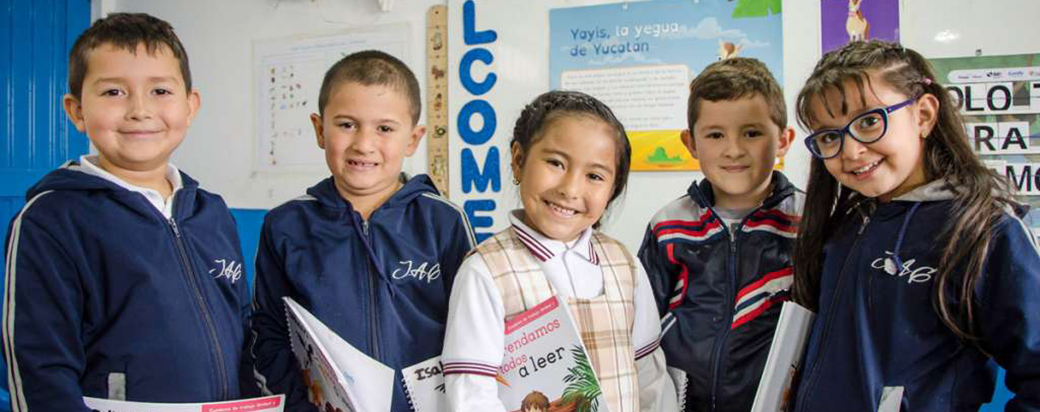
https://www.wise-qatar.org/project/lets-all-learn-to-read/

Let’s All Learn to Read, Colombia

The Luker Foundation is a comprehensive and innovative model for learning literacy for elementary school students. Using face-to-face and digital strategies such as:

https://www.wise-qatar.org/project/onebillion/

onebillion, United Kingdom

onebillion children delivers a comprehensive numeracy and literacy software, known as onecourse, to adapt to the level of any child, providing personalized learning sessions with no need for login.

https://www.wise-qatar.org/project/profuturo-digital-education-program/

ProFuturo Digital Education Program, Spain

The Telefonica Foundation and “la Caixa” Foundation focuses on teacher training and support, to help them strengthen their teaching practice, their capacity to manage the classroom, and their digital skills so they can integrate technology in the classroom and offer the best education to their students.

https://www.wise-qatar.org/project/taleemabad/

Taleemabad, Pakistan

The Orenda Project offers a highly localized and contextualized animated series aligned with the National Curriculum of Pakistan that teaches children English, Urdu, Maths and Science across the K-6 spectrum.

https://www.wise-qatar.org/project/trauma-informed-schools/

Trauma Informed Schools, Turkey

The Maya Vaikh Foundation aims to promote trauma-informed education within Turkish public schools and transform these schools into a safe space for children suffering from traumatic experiences. The intervention applies a multi-pronged approach targeting the children and the entire community surrounding them, including their caregivers, teachers, school administrators and school counsellors.

Related links:

Everyone speaks the language of football, Street Child United CEO says at 2021 WISE Summit, The Peninsula

2021 WISE Prize for Education is presented to Wendy Kopp, CEO of Teach For All, Yahoo Finance

‘Generation Unmute’: WISE education summit convenes in Doha, Aljazeera

WISE calls for innovative solutions for education, The Peninsula

‘Education needs to be changed in design and delivery’, Gulf Times

Academic experts discuss future of education in post-Covid-19 scenario, Gulf Times

Oppression, Trust, and the Development of Change Leadership: The Lead the Change Interview with Morgaen Donaldson

This week, Morgaen Donaldson discusses her work on the development of educators, policy and educational change in the November Lead the Change (LtC) interview Donaldson is Associate Dean for Research at the Neag School of Education, Director of the Center for Education Policy, Analysis, Research and Evaluation, and the Philip E. Austin Endowed Professor of Education Leadership and Policy at the University of Connecticut. The LtC series is produced by the Educational Change Special Interest Group of the American Educational Research AssociationJennie Weiner, Chair; Olga O. Fellus, Program Chair; Corinne Brion, Secretary/Treasurer; Alexandra Lamb, Series Editor; Cynthia Wise, Social Media Coordinator. A pdf of the fully formatted interview is available on the LtC website.

Lead the Change: The 2022 AERA theme is Cultivating Equitable Education Systems for the 21st Century and charges researchers and practitioners with dismantling oppressive education systems and replacing them with anti-racist, equity, and justice-oriented systems. To achieve these goals, researchers must engage in new methodologies, cross-disciplinary thinking, global perspectives, and community partnerships to respond to the challenges of the 21st century including the COVID-19 Pandemic and systemic racism among other persistent inequities. Given the dire need for all of us to do more to dismantle oppressive systems and reimagine new ways of thinking and doing in our own institutions and education more broadly, what specific responsibility do educational change scholars have in this space? What steps are you taking to heed this call?   

Morgaen Donaldson: Educational change scholars are vital to the effort to dismantle oppressive systems and reimagine new ways of thinking and doing in our own institutions. Educational change is about new principles and processes of operating, and it seems to me that scholars in this space often think and act with this mindset. For me, this work means trying to think of new ways to conceptualize problems and solutions across various disciplines or domains. For example, when confronting a problem in the workplace, I examine individuals’ needs, motivations, and incentives as well as organizational structures and cultures in identifying possible paths forward. I love this work; I’ve always loved puzzles and big, complex challenges without easy solutions. Conceptualizing new ways of thinking and doing is exciting. Trying to shift the culture and structure of our higher education institutions to embrace these novel approaches is often frustrating and takes a clear vision and great leadership skills. Within the organizations with which I am affiliated, I try to ask the question “Why not?” more often than the question “Why?” For example, my colleagues and I recently moved our Center for Education Policy Analysis, Research, and Evaluation out of a department and into the Neag School of Education writ large. In discussing our new mission, committee members advocated for including explicit partnerships with community members. At first, I shied away from this idea. It sounded too difficult and time-consuming for a center focused on policy research. With urging from one of my colleagues, I started asking why not involve community members? After all, they feel acutely policies’ impact (or lack thereof). Yes, it requires faculty members to think and act differently, but maybe this is exactly what we ought to be doing.  I also try to spend time examining problems before I start conceptualizing ways to address these challenges.

Dismantling oppressive systems is even more difficult because the layers of these systems are multi-faceted and oppression pervades and refracts through them. Educational change scholars must examine how oppression functions through these layers and commit to challenging and eliminating oppression at all levels, from the societal, to the organizational, to the inter-personal, to the intra-personal. This is hard and continuous work and scholars must commit to working over a lifetime to eradicate this oppression. Within my work, I try to keep equity in the forefront of my decision-making. I try to ask about how my actions will recreate, erode, or upend oppressive systems. Our actions and inactions often have inequitable reverberations, and I am working on anticipating the impact of my words and choices on equity and making decisions and consciously advance equity through my voice and my actions

LtC: Given your work focused on teacher and now principal evaluation and the challenge of ensuring the organizational and institutional infrastructure and capacity to engage in this work with fidelity and to ensure better outcomes for adult and student learning alike, what are some of the major lessons the field of Educational Change can learn from your work and experience?   

MD: I think policymakers, practitioners, and researchers are often looking for simple answers to complex problems. When I started my book on teacher evaluation (Multidisciplinary Perspectives on Teacher Evaluation), I was interested in learning what could help teacher evaluation make a difference in teachers’ instruction and students’ learning. Was it better feedback? More observations? More opportunity for structured reflection? Peer review? I learned that the answer to the complex problems plaguing teacher evaluation was in itself complex and somewhat unglamorous. My work uncovered that the best way to improve teacher evaluation is working over months and years to develop a clear, strong vision of effective teaching and deep learning and then maintain that focus across all initiatives in the school. Schools that lead with a strong vision of teaching and learning and incorporate teacher evaluation as one arm of their efforts towards these ends wind up implementing teacher evaluation relatively robustly. Schools that set aside everything to focus only on teacher evaluation generally do not do it that well. When schools prioritize good teaching and deep learning and this vision pervades everything the school does, teacher evaluation ends up working well.

“When schools prioritize good teaching and deep learning and this vision pervades everything the school does, teacher evaluation ends up working well.”

More recently, my colleagues and I conducted a five-year study of principal evaluation in three states. We have learned a great deal from this project. Overall, we found that about half of districts implemented principal evaluation as part of a suite of activities meant to bolster school leadership. In these districts, both district leaders and principals reported that principal evaluation helped them develop as leaders. In the other half of districts, principal evaluation was said to have marginal effects on practice, or effects only for the struggling principals. We further found that principals report more positive effects of principal evaluation when they perceive their principal evaluation system to support their intrinsic motivation. Lastly, we found that district leaders tend to implement principal evaluation differently in higher- and lower-performing districts. In higher-performing districts, leaders tend to implement evaluation processes organically, with little attention to the evaluation rubric or weights, but maintain a focus on instructional leadership. Their counterparts in lower-performing districts enact the processes as specified in the state guidelines and district policies but widen their lens beyond instructional leadership to include managerial, logistical, and community-oriented leadership (Donaldson et al., 2021; Mavrogordato et al., under review).

Ltc: In some of your recent work on teacher evaluation, you highlight the need for better understanding of whether and how evaluation can lead to improved teacher practices. Given your findings regarding the need for trust between evaluators and teachers and the development of social capital, what do you see as the most needed changes to policy/practice to address these issues in the field, in educators’ daily practice and interactions with colleagues and students alike?   

MD: Trust is essential for the success of every organization. It may be even more important for schools, given the segmented, egg crate structure of the organization (Lortie, 1975) and the fact that its chief purpose is to guide the learning and development of other people’s children. Moreover, in the case of teacher evaluation, lack of trust has often hampered its implementation and dampened any positive effects. Trust is central to teacher evaluation and the broader success of efforts to improve teaching and learning in schools. 

“Trust is essential for the success of every organization.”

So how could trust among teachers and between teachers and school leaders be deepened?  For one, schools can provide more opportunities for teachers and leaders to struggle together and in partnership about thorny problems of practice. When teachers and leaders come together on equal footing to examine a problem from multiple perspectives and in different dimensions, everyone plays a role in coming to a shared understanding of the problem and a shared commitment to solving it. Collaboration around problem-diagnosis and problem-solving can build a partnership among teachers and between teachers and leaders that also fosters trust along the way.

Trust between educators and caregivers is also incredibly important. I think this may be the relationship that is most in need of enhancements to trust. In preschool and the early grades, schools are generally welcoming to parents and caregivers, but parental/caregiver involvement gradually wanes as children grow older (Murray, McFarland-Piazza, & Harrison, 2015). To build trust, schools could open their doors to caregivers on a more regular basis, inviting parents into classroom lessons, asking students to share work and involve parents in creating projects. This will build trust between teachers and parents/caregivers and also help educators learn more about students’ families, which can then inform their teaching. There is a lot of work to be done in this area.

LtC: Educational Change expects those engaged in and with schools, schooling, and school systems to spearhead deep and often difficult transformation. How might those in the field of Educational Change best support these individuals and groups through these processes?    

MD: There are two ways that scholars in the field of Educational Change could better support these individuals who are spearheading deep and difficult transformation. First, I think scholars of Educational Change and other researchers need to work harder to translate their research into practice and reflect practice in their research design and methods. To me, the impact of my scholarship in schools and school districts is more important than the number of times it is cited. I think the field could and should do a much better job identifying topics that are meaningful to practitioners and communicating findings to the world of practice much more deliberately through ongoing engagement with the field. Educational Change scholars can also advocate that the practical impact of scholarly work should be recognized and rewarded in university promotion and tenure decisions. Second, I think scholars in the field of Educational Change have a responsibility to study and understand what it takes for individuals to make change and investigate the toll on these changemakers. COVID-19 has heightened our collective awareness of the challenges facing educators and the day-to-day struggles that many of them experience. I think the field of Educational Change should pay more attention to the resources and experiences of change leaders and examine the consequences of playing this role for them, their health, and their careers.

LtC: Where do you perceive the field of Educational Change is going? What excites you about Educational Change now and in the future?

MD: COVID-19 exacerbated the inequity and inequality that has plagued education systems worldwide. I think it is becoming more difficult for defenders of the status quo; the evidence that students and schools are struggling is stark. After a year and a half with educators and students struggling mightily to engage in a version of schooling, education cannot afford to start up again with “business as usual.” This provides a window for Educational Change scholars to reconceptualize how school and schooling are done. Educational Change scholars can and should partner with practitioners to envision and enact a new system that addresses persistent and pronounced inequities in schooling inputs and outcomes. No one would wish COVID-19 to have occurred, but Educational Change scholars have an opportunity to speak up and share their knowledge about how schools could radically reconfigure how education is done to provide greater benefits to students.

References

Donaldson, M.L. (2020). Multidisciplinary Perspectives on Teacher Evaluation: Understanding the Research and Theory. New York: Routledge.

Donaldson, M.L., Mavrogordato, M. Dougherty, S. & Youngs, P. (2021). Doing the ‘real’ work”: How superintendents’ sensemaking shapes principal evaluation policies and practices. AERA Open, 7(1).

Lortie, D. C. (1975). Schoolteacher: A sociological study. University of Chicago Press.

Mavrogordato, M., Youngs, P., Donaldson, M., & Dougherty, S.  (under review). “Principals experiences with principal evaluation in 22 small and mid-sized districts.”

Murray, E., McFarland-Piazza, L., & Harrison, L. J. (2015). Changing patterns of parent–teacher communication and parent involvement from preschool to school. Early child development and care185(7), 1031-1052.

School Improvement, Educational Inequality, and Politics: A Conversation with Beth E. Schueler

This month’s Lead the Change (LtC) interview features Beth E. Schueler, an Assistant Professor of Education and Public Policy at the University of Virginia. She studies education policy, politics, and inequality with a focus on efforts to improve low-performing K-12 schools and districts and previously worked on legislative affairs at the New York City Council.  The LtC series is produced by the Educational Change Special Interest Group of the American Educational Research AssociationJennie Weiner, Chair; Olga O. Fellus, Program Chair; Corinne Brion, Secretary/Treasurer; Alexandra Lamb, Series Editor; Cynthia Wise, Social Media Coordinator. A pdf of the fully formatted interview is available on the LtC website.

Lead the Change: The 2022 AERA theme is Cultivating Equitable Education Systems for the 21st Century and charges researchers and practitioners with dismantling oppressive education systems and replacing them with anti-racist, equity, and justice-oriented systems. To achieve these goals, researchers must engage in new methodologies, cross-disciplinary thinking, global perspectives, and community partnerships to respond to the challenges of the 21st century including the COVID-19 Pandemic and systemic racism among other persistent inequities. Given the dire need for all of us to do more to dismantle oppressive systems and reimagine new ways of thinking and doing in our own institutions and education more broadly, what specific responsibility do educational change scholars have in this space? What steps are you taking to heed this call? 

Beth E. Schueler: The pandemic, high-profile anti-Black police violence, and threats to the health of our democracy have had me, like many other scholars, questioning whether my research priorities are the right ones to make the greatest contribution toward promoting race- and class-based equity. Recent events have only reaffirmed my belief that greater attention to the politics of education is critical to making progress toward these goals. For example, politics played a comparable, if not larger, role in shaping post-COVID school reopening plans than public health factors, with some comparisons showing partisanship to be a stronger predictor of in-person learning offerings than case rates. There continue to be substantial differences in parental preferences for learning modality by race while we know not all modes are equally effective. There are strong partisan and racial/ethnic differences in opinion over how much time should be devoted to studying the causes and consequences of racism and inequality in schools. 

In many ways, educational inequality is a product of political inequality. For instance, it is difficult to revamp Title I federal education funding formulas when those who benefit from the status quo have greater political influence than those who are getting the short end of the stick—often low-income, Black, indigenous, and Hispanic families. It is difficult to get these students appropriate resources when adults in their communities are underrepresented in elected office, at least in part due to disenfranchisement of various sorts, and when voter turnout in local school board elections is so low as to not represent the public interest. It is impossible to implement and sustain public policy that effectively mitigates social inequality if there is not the political support for those reforms. Therefore, I am doubling down on a research agenda that seeks to understand the relationship between political and educational inequality with the goal of helping justice-oriented leaders learn how to effectively navigate the politics of education to implement policies that sustainably promote equity.

One challenge for me—and I would guess other educational change scholars—has been finding the right balance between keeping my head down to make progress on this research agenda while also being open to the need to periodically rethink, refresh, overhaul or even abandon aspects of that agenda based on new learnings, awareness, or shifting trends. There is sometimes a temptation to switch course entirely based on current events but there is also a danger in doing so without thought and intentionality. After all, most of us got into this field in the first place because we care deeply about fighting educational and social inequality, so there is likely value in our ongoing projects. Successful efforts to dismantle oppressive systems require sustained attention over the long run. High-quality research takes time. A key part of the battle is about maintaining an unwavering commitment to racial and economic injustice by “putting our heads down” and doing the work, day in and day out.

“Successful efforts to dismantle oppressive systems require sustained attention over the long run.”

The challenge is to keep up that long-term persistence without getting complacent and while being open to recognizing when we are devoting our energy in the wrong direction. Educational change scholars have a responsibility to stay the course on worthy projects but also to “put our heads up” periodically to make sure we are not wasting time on low-impact endeavors, to be aware of new evidence that could change our perspective or priorities, or to recognize action or inaction we are taking that, worst case, contributes to upholding the oppressive systems we seek to dismantle. This is a difficult balance to strike because the time horizons for producing high-quality research are long while the need to fight racial and economic injustice is urgent. I cannot claim to have found the perfect balance, but I am always trying to find it and welcome constructive critique or advice from colleagues who share a commitment to equity.

LtC: Given some of your work focused on the political viability of school takeover and turnaround for low-performing schools, specifically the model in Lawrence that yielded positive results for students, what are some of the major lessons the field of Educational Change can learn from your work and experience?     

BES: Lawrence, Massachusetts represents a rare case of districtwide takeover and turnaround where things went well both in terms of the policy effects and politics. Leaders were able to generate meaningful academic gains in the early years and there was much less opposition and more support for the reforms than a stereotypical case of takeover. The public narrative around improving low-performing schools and systems has been notably gloomy in recent years. In contrast, one of the major lessons from Lawrence is that it is indeed possible to dramatically improve outcomes in a politically viable way for low-income children of color in low-performing educational contexts. 

How were leaders able to improve outcomes? Half of the gains in math and all the gains in ELA were concentrated among children who participated in “acceleration academy” (sometimes called “vacation academy”), small-group programs where talented teachers work with a small group of roughly ten struggling students in a single subject over a weeklong vacation break. I have since replicated these findings with a field experiment of a similar program in Springfield, Massachusetts. These programs have high-potential for supporting students who lost learning time due to COVID-19 disruptions and are more affordable than high-dosage tutoring programs (which tend to be highly effective but challenging to implement widely due to cost). The remaining gains in Lawrence were due to a package of reforms (and it is hard to disentangle what mattered most) involving funding being pushed from the central office to schools, greater school-level autonomy (tailored to schools based on strengths and needs), extended learning time, data use, and a focus on improving administrator and educator quality.  

How were leaders able to generate political support for reforms? Part of the explanation had to do with the context in which reforms were implemented. The public perceived not only low-performance but also mismanagement, and this led to more openness to dramatic change (a finding we have replicated with national public opinion data). The district was medium in size, allowing leaders to get their feet on the ground in all schools and tailor reforms at the school-level. The teachers union and district leaders were willing to collaborate with each other. The majority of teachers were white and came from outside the district, so there was not a lot of overlap between the teaching force and the majority-Hispanic local community, making it difficult for the union to mobilize parents to oppose reforms. 

There were also ways the leaders designed, implemented, and framed their policy choices to minimize opposition and increase support. I describe this as a “third way” approach (Schueler, 2019)—blending the favored ideas from the traditionalist and reform perspectives in education politics to overcome criticism from either side. For instance, leaders focused on bolstering academic expectations and instruction, and on fleshing out extra-curricular offerings meant to support whole-child well-being. Leaders handed over a small number of schools to be managed by charter groups and one school to the teachers union, showing a willingness to work with groups on both sides of major education policy debates. They did not formally convert any schools to charter status, however. Even those schools that were managed by charter operators retained neighborhood-based student assignment and a unionized teaching force, addressing concerns of the charter critics. Leaders replaced nearly half of the school principals in the early years of reform but only actively replaced ten percent of the teaching force and deployed notably strong pro-teacher rhetoric. They implemented a merit-based career ladder while simultaneously giving nearly all teachers a salary increase in the process. The case provides a proof point that it is possible to overcome polarized debates in education policy to implement politically viable change.  

“Lawrence provides a proof point that it is possible to overcome polarized debates in education policy to implement politically viable change.”

LtC: In some of your recent work examining the effects of state takeover of school districts nationwide, you find that takeover does not lead to improved student academic performance. Given your findings and the heterogeneity of takeover models and outcomes, why do you think takeover persists as an improvement mechanism and how might successful models, like those in Lawrence, be brought to scale in more districts nationwide?

BES: Having studied a rare positive case of state takeover and turnaround, I wanted to understand whether the Lawrence experience was an outlier. In a subsequent study, we examined the average effect nationwide of state takeover on academic outcomes and inputs. We found no evidence of positive effects and some evidence of disruption in the early years of takeover, particularly in ELA. We conclude that, despite the positive Lawrence experience, leaders should be very cautious about deploying takeover as a mechanism for improving achievement outcomes, particularly in contexts that are very different from those in which takeovers have previously been successful. More specifically, takeover appears least likely to generate academic improvements in majority-Black communities and in districts that are not among the very lowest performing in the country. 

My guess is that takeover persists (and indeed has increased as an improvement strategy over time), despite this evidence, in part because research does not provide a ton of easy answers for how to improve low-performing school systems. Given education is not mentioned in the U.S. Constitution, states are responsible for school district performance. Therefore, it is somewhat understandable that states would feel a responsibility to take action when a district has been low performing for many years, and especially in cases where there is evidence of mismanagement or corruption. However, again, some of the research that I have contributed to suggests that there are also political factors at play. We find that takeover is more common in contexts where states are paying a larger share of educational expenses, and in majority-Black districts regardless of academic performance. While our study does not provide definitive evidence of intentional racial targeting, it is certainly consistent with such a story. Furthermore, in work on public opinion, we find high levels of support for state takeover among members of the public as a whole, but lower levels of support among teachers and those in low-performing districts most likely to be under threat of takeover. Therefore, statewide pressures can lead to takeover despite local opposition. 

How can successful models of district improvement be brought to scale? If and when considering state takeover, leaders should pay careful attention to local contextual factors that have historically predicted the success of takeover reforms on average, including the racial/ethnic makeup of the district, the extent of academic underperformance, and the political landscape.  The contexts ripe for these types of reforms are rare and therefore state leaders should be cautious about using this authority. For instance, they should be especially careful about takeovers of majority-Black districts and districts that are not among the very lowest performing in the country. Leaders should also consider research on the most effective reforms for improving low-performing schools and districts, such as extended learning time and efforts to improve teacher quality. Many of these reforms could be undertaken in the absence of state takeover. 

LtC: Educational Change expects those engaged in and with schools, schooling, and school systems to spearhead deep and often difficult transformation. How might those in the field of Educational Change best support these individuals and groups through these processes?    

BES: In my view, one of the biggest barriers to educational improvement is that it is very difficult for educational leaders (or anyone for that matter) to admit that they do not actually know what works. The political dynamics incentivize certainty and on a micro-level it is hard to acknowledge that what we are doing for the kids we care about might not be best for them. However, research and learning requires an acceptance that there is something to learn. Educational change scholars can support leaders through this process by encouraging a culture of continuous learning in which it is not only acceptable but expected to admit that we don’t always know what works. This is at the heart of the research enterprise.

“Research and learning requires an acceptance that there is something to learn.

I recently partnered with an organization to study a phone-based tutoring intervention delivered in the context of Kenya while students were engaged in remote learning due to COVID-19. We were surprised when our research revealed that the well-intentioned program had actually negatively impacted math performance among some groups of students by causing them to spend less time studying with family members at home. It is therefore fortunate that the organization had the humility to rigorously study the intervention, so that it could improve its future offerings and so that the field could learn about the importance of carefully designing interventions to align with best practice and of targeting programs to groups of students most likely to benefit. These learnings should help maximize impact and minimize unintended consequences, particularly of inevitable upcoming efforts to address lost learning time due to COVID-19. My hope is that the field of educational change can play a role in encouraging research and learning in these unprecedented times. 

LtC: Where do you perceive the field of Educational Change is going? What excites you about Educational Change now and in the future? 

BES: Two things come to mind. First, I am encouraged by the recent interest and enthusiasm around individualized instructional approaches—such as high-dosage tutoring and small-group instruction—to supporting students who have experienced COVID-related learning disruptions. It is the right time for these programs to gain traction, not only because a large and rigorous body of evidence indicates that they can improve academic outcomes in a range of subjects and grade levels, but also because these more personalized programs have the potential to support students’ social and emotional well-being and to help them reconnect with schools and teachers after a time of relative isolation. That said, we have a lot to learn about how to modify these programs for the given context and how to implement them in ways that will mitigate rather than reinforce inequality, such as through careful targeting that avoids stigmatizing students in need of support. 

The second future direction for the field that excites me is the renewed interest in civic education. Given politics shapes policy, it is paramount that schools play a role in developing students’ abilities to effectively participate in collective decision-making, particularly students from groups that have historically been disenfranchised or otherwise excluded from the political process. In my view, these civic competencies include the ability to make a complete argument supported by reasoning and evidence, the ability to critically interrogate others’ arguments, media literacy, social perspective taking, and civic engagement. I am energized to see the field thinking about how to incorporate these competencies into measures of school quality and to cultivate these skills, particularly in ways that will reduce the political inequalities that are at the root of so many of our most pressing social challenges. 

References

Brenneman, R. (2021). Poll: Calif. Voters worried about pandemic’s impact on K-12 students. https://rossier.usc.edu/poll-calif-voters-worried-about-pandemics-impact-on-k-12-students/

Schueler, B., Goodman, J. & Deming, D. (2017). Can states take over and turnaround around school districts? Evidence from Lawrence, Massachusetts. Educational Evaluation and Policy Analysis, 39(2), 311-332. 

Schueler, B. (2019). A third way: The politics of school district takeover and turnaround in Lawrence, Massachusetts. Educational Administration Quarterly, 55(1), 116-153. 

Schueler, B. (2020). Making the most of school vacation: A field experiment of small group math instruction. Education Finance and Policy, 15(2), 310-331. 

Schueler, B. (2020). Summer “vacation academies” can narrow coronavirus learning gaps. Education Next. https://www.educationnext.org/summer-vacation-academies-narrow-coronavirus-learning-gaps-springfield/

Schueler, B. & West, M. (2019). Federalism, race, and the politics of turnaround: U.S. public opinion on improving low-performing schools and districts. Annenberg Institute Working Paper No. 19-129. 

Schueler, B. & Bleiberg, J. (In Press). Evaluating education governance: Does state takeover of school districts affect student achievement? Journal of Policy Analysis and Management. Also Annenberg Institute Working Paper No. 21-411.

Schueler, B., Asher, C., Larned, K., Mehrotra, S. & Pollard, C. (2020). Improving low-performing schools: A meta-analysis of impact evaluation studies. Annenberg Institute Working Paper No. 20-274. 

Schueler, B. & Rodriguez-Segura, D. (2021). A cautionary tale of tutoring hard-to-reach students in Kenya. Annenberg Institute Working Paper No. 21-432. 

Robinson, C., Kraft, M., Loeb, S., & Schueler, B. (2021). Accelerating student learning with high-dosage tutoring. EdResearch for Recovery Design Principles Series.

Culturally Responsive Leadership, Faith, and School Reform: A Conversation with Miriam D. Ezzani

This month’s Lead the Change (LtC) interview features Miriam D. Ezzani, Assistant Professor of Educational Leadership in the College of Education at Texas Christian University. Dr. Ezzani studies culturally responsive leadership within the contexts of district and school reform and Islamic school leadership. The Lead the Change series highlights promising research and practice and offers expert insight on small- and large-scale educational change to spark conversation and collaboration. The LtC series is a product of the Educational Change Special Interest Group of the American Educational Research AssociationJennie Weiner, Chair; Olga O. Fellus, Program Chair; Corinne Brion, Secretary/Treasurer; Alexandra Lamb, Series Editor; Cynthia Wise, Social Media Coordinator. A pdf of the fully formatted interview is available on the LtC website.

Lead the Change: The 2021 AERA theme was Accepting Educational Responsibility and invites those of us who teach in schools of education to accept greater responsibility for the inadequate preparation of educators for work in racially, ethnically, culturally, and linguistically diverse P–12 schools and postsecondary institutions. For example, when educators discipline African American students at disproportionately higher rates, misdiagnose them for special education, identify too few of them for advanced placement and international baccalaureate programs, deliver to them a culturally irrelevant curriculum, teach them in culturally disdaining ways, and stereotype their families as careless and hopeless, the schools of education that produced these professionals are just as responsible as the professionals themselves. Furthermore, if scholars who study and document these trends do too little to make our findings actionable, then we, too, are contributors to the cyclical reproduction of these educational inequities. Given the dire need for all of us to do more to dismantle oppressive systems in our own institutions and education more broadly, what specific responsibility do educational change scholars have in this space? What steps are you taking to heed this call?

Miriam D. Ezzani; Given what we know, and have known, for some time, about the need to dismantle oppressive systems within the field of education, educational change scholars have a moral responsibility to develop educational leaders who are change agents for social justice. Like many of my colleagues, we entered the field of education to make a difference in the lives of the people whom we serve, and the society in which we live. The culmination of our everyday work is ultimately our legacy, individually and collectively. One of the steps I take to heed the call is to ask myself, “What legacy do I aspire to achieve? How will I get there?” Data are leverage points for change in our lives and our everyday work. From qualitative and quantitative research, we know how systemic racism manifests in our society and specifically in schooling systems (e.g., inequitable funding, disproportionate discipline, persistent opportunity gaps, tracking, low expectations, under and over-representation of students of color in advanced academics and special education, respectively (Datnow & Park, 2018; Fabelo et al., 2011; Khalifa, 2020; Liou et al., 2016)). To date, we have yet to make good on the promise of public education, which should be defined as success for all children, no matter their race/ethnicity, language, gender, sexual orientation, faith, ableness, and/or socioeconomic status. Those in power who inherited and benefit from these systems are lashing out to maintain the status quo.

Case in point-there is strong resistance to educational change scholars and educational leaders trying to dismantle existing systems and structures of racism, such as policies that maintain tracking, unfair discipline, and policing practices in schools, which contribute to the school-to-prison pipeline. Some state legislators are adopting laws to ban the teaching of Critical Race Theory in K-12 public schools and colleges and universities. Lawmakers in Texas (HB 3979) and states such as Arkansas, Iowa, Mississippi, Missouri, and South Dakota filed bills that would cut funding to schools with curricula that include the Pulitzer prize-winning New York Times 1619 project by Nikole Hannah-Jones. In a powerful effort to speak truth to power, the 1619 project places slavery and racism as central to the founding and history of America. It links it to the systemic racism that plagues our country today. Yet, the existing power structure is fiercely working to stomp out academic freedom.

“The existing power structure is fiercely working to stomp out academic freedom.”

Meanwhile, on the higher education front, there are 78 institutions that have joined the Universities Studying Slavery consortium (USS). I’m proud to say my institution, Texas Christian University (TCU), is a member. The consortium is a collaboration between universities to share best practices and guiding principles to engage in “truth-telling projects” that address their institutional histories. These institutions have committed to invest resources to research and acknowledge and atone for their ties to the slave trade and racism in their institution’s history, policies, and practices. Because educational change scholars reside in higher education, yet influence K-12 public education, we have a dual responsibility. We must leverage our scholarship by forging relationships within and outside of our universities to dialogue and take action toward dismantling systemic structures that hamper the advancement of Black, Indigenous, and People of Color (BIPOC), and question leaders when they are unaware or turn a blind eye to issues of diversity, equity, and inclusion in the curriculum or student recruitment, or faculty hiring and retention practices.

I serve on the Diversity, Equity, and Inclusion Committee at the college and university levels. In collaboration with my colleagues in the College of Education at TCU, we form partnerships with K-12 school districts to research and develop plans to enact educational change that provides access and equity for students from historically minoritized communities. With every relationship, we increase our bandwidth and opportunities to influence the field of education. Most educators do not realize inequity exists due to biases in their education. Therefore, the most powerful action we can take collectively is to design our educational leadership programs and what we teach in our classrooms to develop leaders for social justice.

LtC: Given some of your work focused on how principals can create systems and structures to support reflective and anti-oppressive practices, what would be some of the major lessons the field of Educational Change can learn from your work and experience?  

MDE: Formative experiences as a student at the University of Southern California, as a teacher in the Los Angeles Unified School District, and as a school leader inspired my focus on underserved students vis-à-vis education reform aimed at equity and social justice. I define underserved as students who do not receive equitable resources due to racism, ethnicism, sexism, classism, ableism, heterosexism, lingualism, or faithism. My concern for these students is rooted in my personal experience. As the daughter of Yemeni Muslim immigrants, I am aware of the role, or lack thereof, that education plays in one’s life. My research foci align with a unifying goal to examine how educational leaders plan, implement, and sustain reform efforts to support equitable and socially just schooling experiences for historically minoritized students, specifically on issues of race and faith.

My recently published piece in the Journal of School Leadership highlights the work of a school principal, Ms. DiFalco (pseudonym), who instituted systems and structures that challenge systemic racism (Ezzani, 2021). We could learn from how she implemented reflective and anti-oppressive practices at Lyon Elementary School. The findings of this two-year study reinforce that social justice advocacy and action can be leveraged by data-informed leadership. Black students made up 15 percent of the school’s population but accounted for more than 80% of written discipline plans. The principal coupled quantitative data with qualitative data. She spent more than half of her time in the hallways and classrooms, monitoring teachers’ behaviors and interactions with students. She met privately with teachers to reflect their mannerisms back to them. The intention behind these coaching conversations was to help teachers understand what it looked like and felt like to be a student in their classroom and guide them through critical self-reflection. The learning of self-reflective skills was anchored in the very core values that the teachers themselves created. Her role as the school leader was to help teachers through the reasoning process to make meaning of their experiences with their Black students and also to see that their actions were incongruent with their espoused core values.

“Social justice advocacy and action can be leveraged by data-informed leadership.”

The use of reflective practice in social justice leadership offers a way to respond to oppressive practices. At the end of the day, educational change scholars and their colleagues need to develop educational leaders who practice what some scholars describe as critical activism or courageous leadership (Brooks, 2012; Singleton, 2012). Ms. DiFalco engaged in systemic professional learning focused on race, despite district leaders’ avoidance of the topic. Her act of deviance for the benefit of her Black students was viewed as renegade leadership, where the leader shifts allegiance from the district to the students. Lastly, professional learning should extend beyond the school walls to involve parents and community members. The results suggest that humanizing practices toward Black students should be pursued through professional learning within our districts/schools, in preparation programs, and through university–district partnerships – recognizing that power and “politics is an inescapable reality of educational practice” (Connery & Weiner, 2017, p. 21).

LtC: In some of your recent work, you describe how principals provide processes and supports through the educational system to challenge oppressive social structures. Given your findings on the persistence of various forms of discrimination in schools today, what do you see as the most needed changes to policy/practice to address these issues in the field, in educators’ daily practice and interactions with colleagues and students alike?  

MDE: Further to my research on education reform, I’ve engaged in extensive data collection at schools with culturally responsive leaders. I focused on the structures, processes, practices, and strategies implemented by these leaders to make the schooling environment safe and supportive of minoritized populations. Some of these studies were interdisciplinary; thereby, providing a more nuanced focus on culturally responsive leadership. As a result, I published a historiography on an American Muslim school leader in collaboration with Kelley King, an educational historian. With another colleague, Melanie Brooks, who studies Islamic and international education, we explored (a) the complexities of faithism in a study on Islamic education in the U.S. and (b) the development of American Muslim identity focusing on organizational leadership. With a third colleague, Rachel Mun, who studies gifted education, we examined how district and school leaders attend to systemic policies and practices to change the education trajectory for students of color excluded from gifted and advanced academic programs. These studies revealed how and in what ways culturally responsive leaders advance practices and policies that support the development of critical consciousness in teachers and students.

As I mentioned earlier, one of my lines of inquiry is on reform efforts to support equitable and socially just schooling experiences for historically minoritized students, specifically on issues of race and faith. With a focus on faith, Melanie Brooks and I examined how leaders in an Islamic school in the United States engage in culturally relevant leadership to develop the critical social consciousness of their students (Ezzani & Brooks, 2019). This is important given the current intensification of supremacist, anti-immigrant, and nationalist discourse. With such ideologies taught and learned (Apple, 2019), we see these ideologies as educational problems that have critical implications for Muslim students, teachers, and school leaders. Consequently, school leaders must consider their moral responsibility to their Muslim students and arguably society regarding how we teach critical thinking, develop media literacy skills, and guide experiences that cultivate understanding and compassion rather than mistrust and hate (Banks, 2007).

Our findings confirmed the critical role of authentic dialogue, which is learner-centered, to help students recognize and seek to upend oppressive social structures (Ladson-Billings, 1995; Theoharis & Brooks, 2012). These dialogues were inside and external to their faith tradition. For example, Muslim students engaged in interfaith dialogue with Jewish students. In this way, leaders sought to raise the critical consciousness of their students by facilitating dialogue with a faith tradition often perceived to be in conflict with Islam. This is important given that American Muslim students must navigate a world often hostile to Islam and Muslims. Reflexive leadership created an environment for cultural syncretism, wherein space is made for students to both identify as American Muslims and identify with the global ummah, a supranatural community where global Muslims are viewed as equal in light of geographic, cultural, and linguistic differences. In summary, the study speaks to the daily practices and interactions of educators and students. It sheds light on the importance of raising educator and student consciousness while imparting skills on how to be actively and civically engaged. With a dearth of books on American Muslims, and even fewer on leadership and progressive Islamic schooling, Melanie and I are in the throes of writing a book based on recent data collection. The book will provide novel perspectives on formal and informal leadership practices in how a progressive Islamic school develops its youth amid the backdrop of a divisive landscape, vis-à-vis Islam and Muslims.

LtC: Educational Change expects those engaged in and with schools, schooling, and school systems to spearhead deep and often difficult transformation. How might those in the field of Educational Change best support these individuals and groups through these processes?    

MDE: Educational change scholars and those whom we prepare, school and district leaders, are inextricably tied in the effort of transforming K-12 public education as we know it. One strand of my research agenda is the preparation of educational leaders. In a study that examined students’ perceptions of an educational leadership doctoral program, we looked at the redesign of the program (Ezzani & Paufler, 2018; Paufler et al., 2020). The program sought to prepare students to lead learning organizations, engage ethically with the community, advocate for diversity, equity, and inclusion, and develop theory-to-practice solutions that are comprehensive and systemic. The findings provided a better understanding of changes in the program redesign, which supports broader national efforts to reconstitute the doctorate in educational leadership in ways that better prepare scholarly practitioners committed to promoting diversity, equity, and inclusion in K-12 public school systems.

“Educational change scholars and those whom we prepare, school and district leaders, are inextricably tied in the effort of transforming K-12 public education as we know it.”

As educational change scholars continue to learn more about the process of program redesign to transform the field, essential features seemed to support students when preparing them to become exceptional scholarly practitioners. For instance, front-loading a research-to-practice approach helped students appreciate complex and systemic problems of practice. We also learned that the cohort model provides a support system for educational leadership students who come to the program from various districts. The study we conducted provided a point of departure, confirming and disconfirming notions in the continuous improvement needed to prepare future leaders that can innovate and generate new ways of developing rigorous, relevant educational opportunities for students. The student’s voice is powerful evidence of program effectiveness. However, evaluating program impact would require the collective engagement of faculty to agree on how to challenge students’ assumptions, involve them in action, and find a way to assess their practices continually. Lastly, we ended by posing the following question: How are students in educational leadership applying their knowledge and skills to affect meaningful change in practice? To this end, Jimerson et al. (2021) articulated that we need to establish data-sharing agreements with school districts to holistically assess the performance of the leaders developed, and whether faculty are achieving the desired programmatic outcomes. 

LtC: Where do you perceive the field of Educational Change is going? What excites you about Educational Change now and in the future?

MDE: I’m an optimist at heart. I hope that scholars in the field of educational change across the country play their part in transforming the current educational system – one cohort of educational leadership students at a time. It’s also critical that we work alongside our colleagues in teacher preparation programs so that we’re developing teachers and leaders who can abandon their fears and courageously work toward an anti-racist education system (Diem & Welton, 2020). As educational change scholars, we must rethink what and how we teach. It’s simply not enough to create one diversity course in a program or one cultural foundations class. Several exceptional programs have found ways of integrating content relevant to ethics, equity, social justice, and policy (see Carnegie Project on the Education Doctorate).

“I hope that scholars in the field of educational change across the country play their part in transforming the current educational system – one cohort of educational leadership students at a time.”

We need to redesign programs to include mandatory courses that discuss the various intersections of oppression in our society rather than leave them as electives. As long as courses related to diversity, equity, and inclusion largely remain as a one-off to existing curricula (to meet accreditation requirements), we are abrogating our responsibility and contributing to ongoing inequities in our educational system. We need to address more strategically how academic programs are designed and what courses are required to meet the pressing need of developing educational leaders for social justice. However, higher education institutions also need transformation, where teaching is honored and valued equally with scholarship. Faculty will then be motivated to collaboratively revise programs in ways that meet the challenge of Accepting Educational Responsibility to defy social and educational inequities.

References

Apple, M. W. (2019). Ideology and curriculum, 4th edition. Routledge.

Banks, J. A. (2007). Educating citizens in a multicultural society. Teachers College Press.

Carnegie Project on the Education Doctorate (2021). Retrieved from https://www.cpedinitiative.org/

Connery, C., & Weiner, J. M. (2017). Direct Democracy’s Threat to Democratic Schools: Ron Unz and the Case of Bilingual Education. in a Democracy, 6.

Datnow, A., & Park, V. (2018). Opening or closing doors for students? Equity and data use in schools. Journal of Educational Change19(2), 131-152.

Diem, S., & Welton, A. D. (2020). Anti-racist Educational Leadership and Policy: Addressing Racism in Public Education. Routledge.

Ezzani, M. (2021). A principal’s approach to leadership for social justice: Advancing reflective and anti-oppressive practices. Journal of School Leadership, 31(3), 227–247. https://doi.org/10.1177/1052684620908347

Ezzani, M. D., & Brooks, M. C. (2019). Culturally relevant leadership: Advancing critical consciousness in American Muslim students. Educational Administration Quarterly, 55(5), 781-811. https://doi.org/10.1177/0013161X18821358

Ezzani, M. D., & King, K. M. (2018). Whose Jihad? Oral history of an American Muslim educational leader and U.S. public schools. Journal of Educational Administration and History, 50(2), 113-129. https://doi.org/10.1080/00220620.2018.1448369

Ezzani, M.,& Paufler, N. (2018). Doctoral program in educational leadership redesign: Utilizing a multi-criteria framework. Impacting Education: Journal on Transforming Professional Practice, 3(2). http://impactinged.pitt.edu/ojs/index.php/ImpactingEd/article/view/70

Fabelo, T., Thompson, M. D., Plotkin, M., Carmichael, D., Marchbanks, M. P., & Booth, E. A. (2011). Breaking schools’ rules: A statewide study of how school discipline relates to students’ success and juvenile justice involvement. Council of State Governments Justice Center.

Jimerson, J. B., Atwood, E. D., Cook, K. S., Corder, P. F., & McGhee, M. W. (2021). A Retrospective Look at a Partnership-Based Educational Leadership Program Redesign. Partnerships for Leadership Preparation and Development: Facilitators, Barriers and Models for Change, 13.

Khalifa, M. (2020). Culturally responsive school leadership. Harvard Education Press.

Ladson-Billings, G. J. (1995a). But that’s just good teaching! The case for culturally relevant pedagogy. Theory Into Practice, 34, 159-165.

Liou, D. D., Marsh, T. E., & Antrop-Gonzalez, R. (2016). The Spatiality of Schooling: A quest for equitable classrooms and high expectations for low-income students of color. InterActions: UCLA Journal of Education and Information Studies12(2).

Paufler, N. A., Ezzani, M. D.,Murakami, E. T., Viamontes Quintero, J., Pazey, B. L. (2020). Educational leadership doctoral program evaluation: Student voice as the litmus test. Journal of Research on Leadership Education, https://doi.org/10.1177/1942775120976705

Theoharis, G., & Brooks, J. S. (2012). What every principal needs to know to create equitable and excellent schools. New York, NY: Teachers College Press.

What can change in schools after the pandemic?

“What if this is a moment when we can re-imagine education?” But “What if it isn’t? What if, despite the changes wrought by the pandemic, the conditions that sustain conventional schooling remain in place?” These are the questions that IEN Editor Thomas Hatch asks in the 2nd commentary in a series launched by Corrie Stone-Johnson and the Journal of Educational Change. These questions build on the first commentary in that series by Yong Zhao and Jim Watterston – “The changes we need post-Covid” and follows up on last week’s IEN post from Larry CubanDownsizing school reform.” Future posts on IEN will track both what changes in schools and what does not in order to reveal the conditions and constraints that have to be addressed to transform education over the long term. These IEN posts are part of a long-term project exploring school improvement efforts and educational innovations in both developing and developed contexts and follow-up on issues Thomas Hatch, Jordan Corson and Sarah Van den Berg  raised in The Education We Need for a Future We Can’t Predict (Corwin, 2021).

“We will now resume our regular programming…”

Excerpt of  a commentary from Thomas Hatch originally published in the Journal of Educational Change, August 2021 (Full commentary available at the Journal of Educational Change website)

The times are always changing. The question this year is whether we can build on some of the changes schools made in the face of the coronavirus and reimagine education altogether. Like many, I am hopeful that we can take advantage of the current moment to make at least a few meaningful steps in some of these directions.

Nonetheless, my work over the past thirty years on school improvement and school reform efforts in the US and in “higher” and “lower-performing” countries also makes me deeply skeptical. Time and again, I have seen how ambitious plans and visions fall short of their aspirations. As a consequence, although I believe this may be a crucial time to ask: “What if this is a moment when we can re-imagine education?”, I also know that we need to ask a second question: “What if it isn’t?”  What if, despite the changes wrought by the pandemic, the existing institutional structures, practices, incentives, and beliefs that sustain conventional schooling remain in place?

Is there a real opportunity to re-imagine education post-pandemic? Or will the existing institutional structures, practices, incentives, and beliefs that sustain conventional schooling remain in place?

I don’t see this as a pessimistic take. It’s imagining the future and understanding the past that enables us to take off on journeys where the exact destination is unknown. When getting ready to climb a mountain, adventurers don’t just hope that the path they envision does not lead to an impassible ledge; they don’t rely on the hope that the weather will hold. They try to imagine what might happen when they turn a corner or reach a new level, and they get prepared. When the unexpected happens, when the conditions predictably change in unpredictable ways, we need to be ready to respond and rise above.

As my colleagues Jordan Corson and Sarah Van den Berg and I argue in our new book, The Education We Need for a Future We Can’t Predict, education systems all around the world find themselves in this situation today. Now more than ever, it’s clear that we do not know exactly what lies around the corner, and we cannot determine, with certainty, what today’s students will need as adults or what roadblocks or supports societies will put in place for helping them to get there. But we can build on what we know about why it’s so hard to improve schools, and we can imagine what it will really take to create more powerful and equitable educational opportunities in the future.

We can build on what we know about why it’s so hard to improve schools, and we can imagine what it will really take to create more powerful and equitable educational opportunities in the future.

In my commentary in the Journal of Educational Change, I explore what it will take to support real changes in schools post-pandemic by exploring three questions:

Part 1: Why don’t schools change?

Part 2: How (and why) did schools change during the pandemic?

Part 3: How can schools change post-pandemic?

My responses to those questions build on several key principles derived from my work in and studies of a variety of efforts to create more powerful learning experiences in both developed and developing contexts:  

  • First, new possibilities for schooling are most likely to take off when their goals, capacity demands, and values fit the common needs, existing capabilities, and prevailing conditions in the schools and communities where they’re supposed to work.
  • Second, this first principle leads to a corollary that seems particularly problematic for those who want to reimagine schooling altogether: the more radical our visions are for education and the more they diverge from conventional practice, the less likely they are to take hold on a large scale. However, that does not mean that it is impossible to pursue the new visions for education that Zhao and Waterston and others imagine. It means that the demands and pressures of conventional schooling make it easier to bring those visions to life in particular circumstances and contexts – ecological “niches” in a sense – rather than across entire school systems.
  • Third, this tension between the nature and extent of reform efforts, however, yields a further principle that opens up another avenue for change: There are places – “niches of possibility” – where the conditions are more amenable for transforming education. That does not mean that we have to accept every aspect of the conditions or ignore those that are deeply problematic. But we have to figure out how to challenge and work with and around the conditions in order to change them.

Schools will be transformed, over time, with changes in the conditions and the construction of the infrastructure for more powerful learning.

From this perspective, the specific vision for learning remains important, but that vision has to be accompanied by the recognition that it is not the vision itself that will change schools; schools will be transformed, over time, with changes in the conditions and the construction of the infrastructure for more powerful learning. Rather than aiming to develop a program and scale it across contexts, the focus shifts to the student level and to making sure that all students, particularly those left out and systematically disadvantaged by conventional schooling, encounter more and more opportunities inside and outside schools to engage in powerful learning experiences. Those experiences create new emergent possibilities for education that build directly on the specific conditions in which students live and learn every day.

(Full commentary available at the Journal of Educational Change website)

Leadership, Improvement and Educational Change: The Lead the Change Interview with Chad R. Lochmiller

This week, the Lead the Change (LtC) interview features a conversation with Chad R. Lochmiller, an Associate Professor of Educational Leadership at Indiana University Bloomington. His research examines issues related to educational leadership, with a particular focus on instructional leadership, continuous improvement, and strategic resource allocation. A pdf of the fully formatted interview is available on the LtC website.

The Lead the Change series highlights promising research and practice and offers expert insight on small- and large-scale educational change to spark conversation and collaboration. The LtC series is a product of the Educational Change Special Interest Group of the American Educational Research Association; Jennie Weiner, Chair; Olga O. Fellus, Program Chair; Corinne Brion, Secretary/Treasurer; Alexandra Lamb, Series Editor; Cynthia Wise, Social Media Coordinator

Lead the Change: The 2021 AERA theme was Accepting Educational Responsibility and invites those of us who teach in schools of education to accept greater responsibility for the inadequate preparation of educators for work in racially, ethnically, culturally, and linguistically diverse P–12 schools and postsecondary institutions. For example, when educators discipline African American students at disproportionately higher rates, misdiagnose them for special education, identify too few of them for advanced placement and international baccalaureate programs, deliver to them a culturally irrelevant curriculum, teach them in culturally disdaining ways, and stereotype their families as careless and hopeless, the schools of education that produced these professionals are just as responsible as the professionals themselves. Furthermore, if scholars who study and document these trends do too little to make our findings actionable, then we, too, are contributors to the cyclical reproduction of these educational inequities.  Given the dire need for all of us to do more to dismantle oppressive systems in our own institutions and education more broadly, what specific responsibility do educational change scholars have in this space? What steps are you taking to heed this call?

Chad Lochmiller: I think education scholars, particularly those who study educational change, have a moral obligation to use their research to identify and disrupt perpetual cycles of oppression, inequity, and injustice in educational organizations and practices. This obligation applies regardless of what we study or the methods we use. This isn’t always comfortable work for folks who look like me, a white, male academic, and it requires a conscious choice to focus on these issues. I’ll also be unequivocal in stating that, because of my identity, I have disproportionately benefitted from the inequitable structure of our society, its educational institutions, and our workplaces. I have benefitted because folks who look like me set up the system to reward similarity and disparage difference. This isn’t right. In our increasingly diverse society, it’s fundamentally wrong when scholars turn a blind eye toward the very system that perpetuates these cycles of inequity and has privileged their own academic rise.

This is true of public elementary and secondary schools in the United States, as well. I often recall the words of Ron Edmonds (1979), whose landmark work on schooling for students from low-income backgrounds prompted much of the debate about what constitutes an effective (and equitable) school. In his seminal work, he noted that “We can, whenever and wherever we choose, successfully teach all children whose schooling is of interest to us” and that “Whether or not we do it must fully depend on how we feel about the fact that we haven’t so far” (p. 23). Focusing on equity and orienting our scholarship toward issues that perpetuate injustice is a choice. It’s the choice for scholars, for journal reviewers and editors, for tenure reviewers, for hiring committees, and for institutions of higher education. It’s on all of us to take on these issues, but especially those of us who have benefitted disproportionately.

As Ron Edmunds said: “We can, whenever and wherever we choose, successfully teach all children whose schooling is of interest to us” and “Whether or not we do it must fully depend on how we feel about the fact that we haven’t so far”

Now, as I write this, I have to admit that I have not done enough to address equity issues in my own scholarship nor taken enough actions to promote equity through my research. It’s a weakness in my research and I own that weakness because of the choices that I made. It’s also something that I am working to address by choosing to situate my work with a stronger equity/justice frame. For instance, in work that I am starting on school district strategic planning, I am looking specifically at the ways districts frame equity issues as part of their overall strategy for organizational improvement. Coviello and DeMatthews (2021) just published a piece on the community-level engagement around district equity issues. I want to understand how districts prioritize equity as a strategic improvement goal and follow-up with these commitments through differential investments for historically under-served students. In other words, do they put their money where their mouth is when they say they’re investing in equity? There are clearly some districts who do. But there are also many who treat these issues like a politically convenient talking point that receives no sustained attention in their practice.

Finally, as an instructor, I also try to address these issues more focally in my classes. I teach Indiana University Bloomington’s school improvement course for pre-service administrators and have introduced research that addresses issues of culturally responsive school leadership, disproportionality, and other issues that are appropriately considered in broader conversations about district and school improvement. I’ve asked students to read Anjalé Welton’s (2013) work, “Even More Racially Isolated than Before: Problematizing the Vision for ‘Diversity’ in a Racially Mixed High School.” I use this piece to help my students see diversity as a strength from which to build their improvement efforts. This piece, along with others like it, has created some really impactful conversations in my courses. I’ve found that students are increasingly speaking about their commitment to take up difficult conversations in their schools, challenge issues related to racial diversity that confront their schools, and ultimately make the choice (as urged by Edmonds) that schools will serve all of their students.

LtC: Given some of your work focused on how new teacher evaluation policies shape principal practice and the types and scope of supports needed for them to effectively implement such policies, what are some of the major lessons the field of Educational Change can learn from your work and experience?   

CB: The adoption of new teacher evaluation policies throughout the Obama administration was the classic example of a well-intentioned policy that went terribly wrong. State policymakers who adopted the policies failed to consider the real-world impact of the policy on districts and schools. In this case, policymakers incorrectly assumed that leaders within system had the capacity to implement new evaluation practices without significantly increasing resources, providing adequate professional learning supports, or building new infrastructure to help manage data. Districts incorrectly assumed that principals had the capacity to manage new evaluation requirements without fundamentally reconsidering who should be involved in or responsible for the evaluation process. What became clear as this initiative wore on was that school leaders could handle ‘quick’ evaluations with relative ease but lacked the capacity to handle the required ‘comprehensive’ evaluations that were used with early career classroom teachers and a sample of teachers selected for review each year. As the number of teachers who required comprehensive evaluations increased, the evaluative burden simply grew too much for principals to handle. In sum, the system basically collapsed under its own weight (Lochmiller & Mancinelli, 2019).

If we step back and think about this as a broader policy issue, there are three major implications that we need to consider:  First, education policy tends to be heavy on prescription, but light on incentives for change. Policymakers tend to state what will be required of educators with the hope that this is enough. They rarely offer the same kind of detail when specifying how educators will be supported, which we know is vital for the success of any change initiative. Policymakers, including district leaders, clearly need to think more holistically. They need to consider what systems will need to be built and/or which existing systems might need to be leveraged. Instead of introducing wholesale changes in education practice, as they attempted to in the case of evaluation, it behooves them to make more modest changes that are more strategically focused. For example, some of the work done by the Carnegie Foundation for the Advancement of Teaching in the Building Teacher Effectiveness Network (BTEN) is an excellent example of districts working collaboratively to make progressive enhancements in their practice.

“Education policy tends to be heavy on prescription but light on incentives for change.”

Second, when policy aims to address practice, we need to consider whether practitioners have the capacity to accept new responsibilities. When educators don’t have the capacity to accept a new responsibility, I think it creates a policy selection phenomenon that is detrimental to policy implementation and organizational change. Prior research has described this as ‘street-level bureaucracy’ (Weatherly & Lipsky, 1977), a phenomenon that characterizes how frontline policy implementers tend to make sense of policy requirements in ways that fit their local context. In my view, policy selection relates to how educators strategically ignore policies that pose too significant a burden for them to adopt in their practice. I think it relates to Down’s (1957) notion of policy ignorance, which speaks to the costs of educating oneself about a policy relative to the potential benefits that one might derive from doing so. Educators tend to ignore (or loosely implement) policies that they think will not contribute to improved practices or outcomes. This reflects their own understanding about what constitutes good practice, and it ultimately contributes to unevenness in the implementation of policies. I think this exacerbates some of the difficulties achieving coherence in the education system, which are still not well understood.

Finally, given the increasing need to capture, analyze, and report information in education, policymakers need to consider the information infrastructure that policy changes may require. As I learned by studying evaluation policy, absent consideration of the information infrastructure, we end up with Google Spreadsheets because many classroom teachers use technology that is familiar to them or already embedded within their practice. This makes understanding the effect of a policy more difficult and presents challenges to learn how to improve the policy over time. It also misses an important recognition – technology tools can be useful in guiding educator practice. Thus, if we want to change fundamental practices, it behooves policymakers to consider how technology can be used to streamline what information is deemed important and thus sensitize what practices educators attend to.

LtC: In some of your recent work, you find that content-specific leadership practices are important not only for instructional improvement in science and math but also as a means of enhancing distributed or shared leadership practices. Given your findings, what do you see as the most needed changes to policy/practice to address these issues in the field, in educators’ daily practice and interactions with colleagues and students alike?

CB: My interest in content-specific leadership (Lochmiller, 2015; 2016) started because I saw pre-service administrators struggling to evaluate classroom teachers in content areas with which they had no previous experience. I found that pre-service principals were especially hesitant to evaluate teachers in mathematics and science because they perceived these subjects were too complex to understand. Through my research, I’ve seen that principals often avoid these subjects by delegating supervisory responsibility to other members of their administrative teams or by offering generic feedback that attends to classroom conditions but does not really promote reflection that could contribute to changes in instructional practice. My work in this area seeks to identify tools, strategies, and other supports that help administrators engage in more productive supervisory conversations and/or to help them reconceptualize the leadership function in their schools to promote more attentive supervision in mathematics and science. This includes advocating to district leaders and policymakers to allow non-administrators to participate in peer evaluation as well as creating coaching structures in buildings that provide greater support to teachers in these subject areas. Certainly, this work is also motivated because of the vast inequities that we see in access to high-quality mathematics and science instruction as well as the differential outcomes that have been reported in mathematics and science for low-income students, students of color, students who are learning the English language, and students with disabilities. So, to my earlier point, this is one area of my work where I’ve been really intentional about making connections between my research and the (in)equities in schools.

“Educators need tools. They need models. They need processes that help them identify what changes need to be made and how these changes look once they are implemented.”

LtC: Educational Change expects those engaged in and with schools, schooling, and school systems to spearhead deep and often difficult transformation. How might those in the field of Educational Change best support these individuals and groups through these processes?    

CB: My basic belief is that educators need tools. They need models. They need processes that help them identify what changes need to be made and how these changes look once they are implemented. One of the reasons that I’ve been so interested in improvement science (and Networked Improvement Communities) is that this model for improvement puts a great deal of power in the hands of educators to envision new practices, processes or structures that can fuel long-sought transformation. Improvement science is a form of disciplined inquiry that seeks to improve educational practices through the systematic application of small-scale tests of change. Networked Improvement Communities serve as social learning structure to guide largescale improvement activities focused on a common aim. In truth, I’m less interested in these ideas as an academic exercise than as a tool to help schools experiment with practices in ways that could potentially contribute to something better. I also think that this work is timely because of what we’ve experienced in the past year with COVID-19. When you take away the schoolhouse, you end up with students, teachers, instruction, and social networks. That’s the essence of schooling. So, I think it’s beneficial to explore improvement activities that marry these foundational qualities with a disciplined improvement process.

LtC: Where do you perceive the field of Educational Change is going? What excites you about Educational Change now and in the future?

CB: I think we need to think about the field in two ways. In the short term, my sense is that we’re going to see a lot of research that describes the effects of COVID-19 on different practices in schools. This will likely point to COVID-19 as a significant disruption in educational organizations, an external force for change, a crisis that necessitated management by leaders and teachers, and insights about how schools used technology to facilitate rapid educational change given the uncertainty of the moment. I’d also hope to see some critical appraisals of the disproportionate impact of COVID-19 on low-income students, students of color, students with disabilities, students residing in rural communities, etc.

Once we get outside of this recovery period, I think the field is poised for some really exciting advances over the next several years. This period has taught us some important new ways of working, interacting, and organizing educational systems, including schools. These urge us to consider what schools and the school day look like, for whom this model works, and how this model might be amended to better serve students. I think this creates opportunities to raise important questions about inequities that the COVID era has made much more transparent. That’s where my excitement about the field comes from – we are living in a unique moment where we might be able to revisit our long-held conceptions of educational change so that they better reflect the diverse society that we live in. We might actually be able to make education systems work better for the students who attend them.  

References

Coviello, J., & DeMatthews, D. E. (2021). Knowing your audience: Understanding urban superintendent’s process of framing equitable change. Journal of Educational Administration, online first. https://doi.org/10.1108/JEA-07-2020-0164

Down, A. (1957). An Economic Theory of Democracy. New York: Harper.

Edmonds, R. (1979). Effective schools for the urban poor. Educational leadership37(1), 15-24.

Lochmiller, C. R. (2015). Exploring principal leadership for math and science. Journal of School Leadership25(1), 24-53.

Lochmiller, C. R. (2016). Examining administrators’ instructional feedback to high school math and science teachers. Educational Administration Quarterly52(1), 75-109.

Lochmiller, C. R., & Mancinelli, J. L. (2019). Principals’ instructional leadership under statewide teacher evaluation reform. International Journal of Educational Management, 33(4), 629-643.

Weatherley, R., & Lipsky, M. (1977). Street-level bureaucrats and institutional innovation: Implementing special education reform. Harvard Educational Review, 47(2), 171–197.

Welton, A. (2013). Even more racially isolated than before: Problematizing the vision for “diversity” in a racially mixed high school. Teachers College Record115(11), 1-42.