Tag Archives: Italy

Italy’s response to the COVID-19 school closures from a comparative persepctive – A Conversation with Barbara Gross (Part 2)

In Part 2 of this interview Barbara Gross talks with Thomas Hatch about the effects of the school closures on Italian schools and discusses some her comparative studies with colleagues in Austria, England, and Germany during the height of the COVID-19 pandemic. Part 1 focuses on Gross’ research and observations of the immediate response to the school closures in Bozen-Bolzano, a multi-lingual region in Northern Italy.  Gross is currently Junior Professor in Educational Science with a Focus on Intercultural Education at the Faculty of Philosophy at the Chemnitz University of Technology in Germany. Until October of 2022, she was an Assistant Professor at the Free University of Bozen-Bolzano, in Northern Italy. Some of Gross’ work explores this linguistic diversity as Italian is the language of instruction in Italian language schools and taught as a second language in German-language schools; German is the language of instruction in German-language schools and taught as a second language in Italian-language schools (Further Language Learning in Linguistic and Cultural Diverse Contexts: A Mixed Methods Research in a European Border Region). Because of the right to schooling in these official languages teacher education also has to prepare future teachers to work in the respective systems(Approaches to Diversity: Tracing Multilingualism in Teacher Education in South Tyrol, Italy).

This interview is one in a series exploring what has and has not changed in education since COVID. Previous interviews and posts have looked at developments in PolandFinlandNew ZealandSouth Africa, and Vietnam.

Thomas Hatch: What about now? Have their been changes in terms of the uses of technology and “digitization”? Is that something that’s still going on or that is a focus for professional development during the summer? 

Barbara Gross: The focus on digitalization was also there in the beginning of the pandemic and that’s an emphasis that’s continuing. But there was very different handling of this depending on the capacity of the school and the capacity of the teachers. The teachers often had to have their own devices, and they had to have digital competencies. The response depended on the individual effort of teachers, not just what the government expected teachers to do. 
TH: Were there other issues that the government tried to address? 

BG: They thought about trying to be innovative with buildings and facilities. In fact, they bought a lot of chairs during this period. The aim was to provide chairs with wheels, but soon it emerged that to ensure for social distancing that wasn’t really helpful. There were also some governmental decisions about how to use funding which weren’t always supported by the community or by teachers.

TH: What about other repercussions from the pandemic? Are there particular concerns around education that have emerged or is it more like the pandemic is over and we’re moving on?

BG: What is still discussed are teachers’ and students’ digital competencies. In addition, there have been some concerns about student learning and also about drop-out rates. There were higher dropouts because students didn’t see the necessity any more of going back to school. This is especially a problem for students from families who are already marginalized. There are also reports stating that students from families with the lowest levels of economic resources decided not to go to a secondary school or to a university, but instead to do more vocational training. So there has been some “catch-up” discussion, particularly about having longer school hours or schooling on Saturdays, or adding school time in June. But there were also many voices that were opposed to this, and one of the things we’ve written about is that learning isn’t so linear, so just adding more school hours doesn’t necessarily mean you are adding more learning. We know that learning is much more complex. We can’t just say “you lost 10 hours, so now we’ll give you 10 more back.”

There was also some data that children from vulnerable families were not getting enough healthy food or getting as many support services during the COVID lockdown as they were before. Many of those children before COVID went to school and afterschool all day and got a proper meal at lunch; but during COVID, when the schools were closed, they didn’t have those services either and that affected their health. There have also been a lot of reports about the wellbeing of all students and how they missed out on all the social aspects of schools. The consequences are likely to continue to affect their lives. 

TH: Can you tell me a little bit about the comparative research you’ve done about how different education systems are talking about and responding to the COVID crisis in education? 

BG: In our comparative research we looked at educational policy responses to the pandemic in countries like Italy, Austria, Germany and England. We’ve seen it’s all about trust and what research governments trust. The priorities have been on health, security, and on the economy so policymakers have been listening to the medical experts and economists. Educational research has not been referred to and included very much. For example, in Italy we’ve seen that a lot of women have lost their jobs because of the pandemic, so now there’s more interest in having more early childhood services and more interest in creating special programs for enhancing specific competencies for women. 

We’ve also seen that differences among countries depending on how states define who is “vulnerable” or “in need.”  For example, we have seen that the focus in Italy has been on inclusive schooling. From the 70’s on, Italy has had schools for all, including children with disabilities or learning difficulties. During COVID, in the discussions of which students needed support, there was a focus on making sure that students with disabilities and learning difficulties got extra support, but it was mostly left up to the teachers to figure out how to give them more attention or other kinds of support. In Italy, there was not as much focus on other aspects of diversity, for example, on children whose home language is different from the language of instruction, and, compared to other countries, less focus in Italy on socioeconomically disadvantaged learners.

TH: And how did the Italian response compare to what you saw in other countries?

BG: In Italy, the reopening of schools was more delayed, as there wasn’t as much of a focus on reopening as there was in England, Germany and Austria. In Germany and Austria, for example, there were re-openings at least for some students in May of 2020. There were also differences in terms of who was considered “vulnerable.” In Germany, there was more of a focus on immigrant students and less on students with special educational needs. In Austria, in the government documents we see the focus on linguistic diversity and the children who did not speak German. They argued that if these students didn’t go to school, then they would not learn to speak German, and the consequences would be severe. 
There were also differences in terms of digitization. Both England and Austria were well-prepared before the COVID outbreak, but Germany was not. In Germany digitization overall is still an issue, and there were discussions about it during the pandemic. In Italy, they were aware of the digital gap so the focus during COVID was on filling this gap. In terms of “catch-up,” we’ve also seen that equality was prioritized of equity. After the first wave, in Germany, England and Italy there was a discussion about who was most in need, but then when it came to actually giving support, no differentiation in the provision of support measures was made. Of course, this is also a source of inequality – equity does not come with equality. 

We also found in our work in Italy and Austria that schools have also learned from COVID that they have to emphasize wellbeing, particularly the social aspects of wellbeing and students’ relationships with their peers. If those relationships are missing, if students can’t go to school, they don’t have the same opportunities to develop their social competencies. We found that how the schools and teachers in different countries have responded to that depends on how “output oriented” they are – how much they focus on producing particular outcomes. For example, we’ve seen a stronger output-orientation in England than Italy.  But in all the countries, one of the main messages of the pandemic in education has been that already existing difficulties exacerbated.
The Response To The COVID-19 School Closures In Italy  – A Conversation with Barbara Gross (Part 1)

In this interview, Barbara Gross talks with Thomas Hatch about her research with schools in Italy and what she observed during the COVID-19 related school closures. Gross is currently Junior Professor in Educational Science with a Focus on Intercultural Education at the Faculty of Philosophy at the Chemnitz University of Technology in Germany. Until October of 2022, she was an Assistant Professor at the Free University of Bozen-Bolzano, in Northern Italy. Bozen-Bolzano is in South Tyrol, a region bordering Austria, where almost 70% of the population speaks German as their primary language. Some of Gross’ work explores this linguistic diversity as Italian is the language of instruction in Italian language schools and taught as a second language in German-language schools; German is the language of instruction in German-language schools and taught as a second language in Italian-language schools (Further Language Learning in Linguistic and Cultural Diverse Contexts: A Mixed Methods Research in a European Border Region). Because of the right to schooling in these official languages teacher education in the region also has to prepare future teachers to work in each system (Approaches to Diversity: Tracing Multilingualism in Teacher Education in South Tyrol, Italy).This interview is one in a series exploring what has and has not changed in education since COVID. Previous interviews and posts have looked at developments in PolandFinlandNew Zealand, South Africa, and Vietnam.

Thomas Hatch: Can you share a little about what happened in schools in Italy when the COVID-19 pandemic erupted, and then how the education system there has responded?

Barbara Gross: Obviously, Italy was one of the first societies to feel the effects of COVID so the schools closed very early, with the first school closures in Europe taking place in Northern Italy on the 21st of February, 2020. Then, because Italy has a centralized education system, the decision was made to close schools and universities nationwide on March 4, but initially they only announced a closure until March 15th. The governments’ decision to close the schools focused on protecting the health of children and young people, and they ultimately decided to leave schools closed until September 2020. I assume the long lockdown was influenced by the fact that there are a lot of schools in Italy with small classrooms and a lack of teachers which made it difficult for social distancing and for staffing smaller groups.

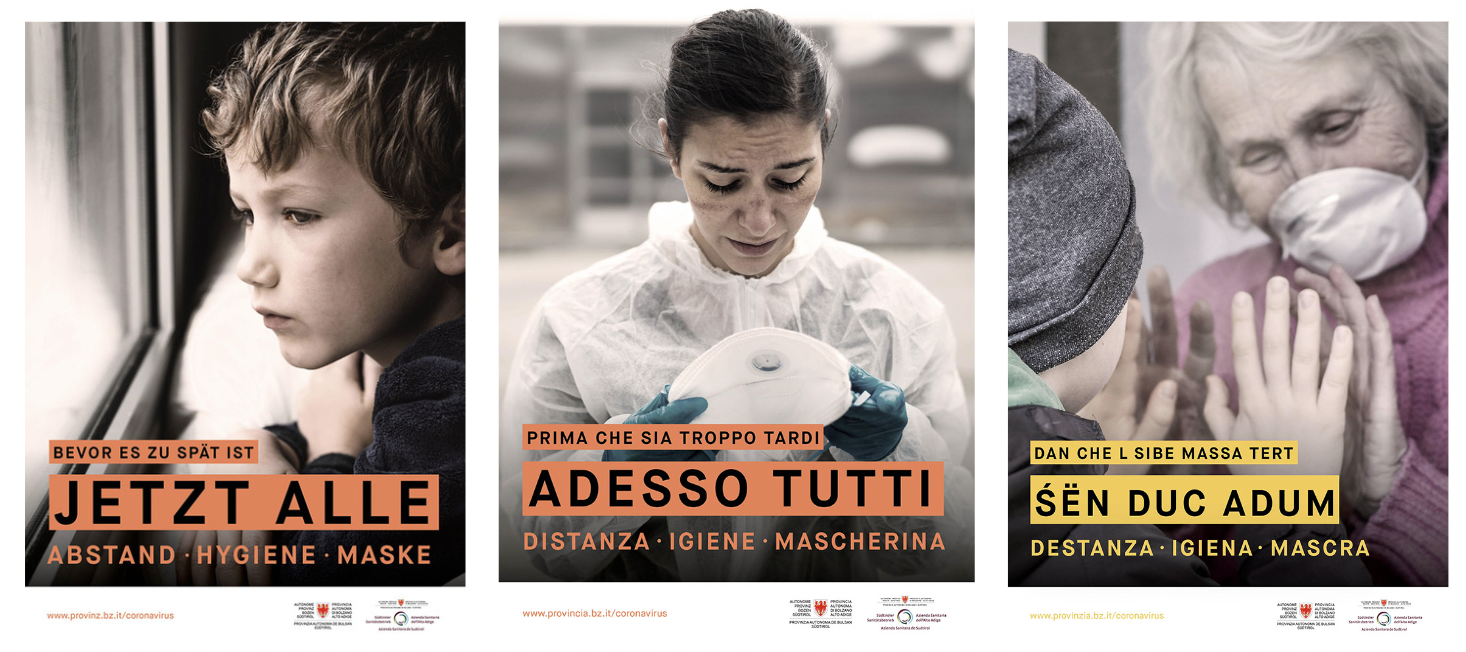
Bozen-Bolzano Province started a multilingual campaign, “before it is too late,” to sensitize citizens to the risks of the COVID-19 pandemic

When the government closed schools, they also announced there should be an immediate switch to online teaching, but in Italy there is something called “school autonomy” and within it “didactic autonomy,”which meant that schools also had autonomy to decide how to deal with online teaching and remote teaching. School autonomy took effect in 2000, and within the School Autonomy Regulations there are rules regulating teaching autonomy (art. 4) and organisational autonomy (art. 5). The application of these rules is the direct responsibility of the school, which implements them with flexible criteria, but respecting the families’ freedom of educational choice and, in any case, recognising and valuing diversity, promoting the potential of each pupil, and adopting all the initiatives useful for achieving educational success. The educational institutions ensure the implementation of remedial and support, continuity and school and career guidance initiatives for pupils. On the basis of autonomy, educational institutions can change the annual number of hours of teaching disciplines (subjects) by a quota of 20%.

In terms of the response to the closures, generally, the tendency was for schools to go to remote teaching immediately and to do a lot of online teaching.  That was a challenge, because neither the teachers nor the children were well prepared for the transition. It was difficult also in some regions where the internet connections still are not very good. In those areas, the Ministry of Education encouraged teachers to contact children via phone if they didn’t have access to the internet or to send materials to children or parents. Locally, there were also a schools where teachers would leave materials for the students and then return to pick up the work that the parents brought back to the school after the students worked on them In some primary schools, it went on like that until the end of the 2020 school year so those schools never even had remote teaching. However, some schools reopened for children whose parents had to go back to work, and the government did discuss opening up some “catch-up programs” during the summer, but the teachers’ unions said that the health of teachers also had to be safeguarded.  That’s why schools didn’t open up again until September, 2020.

TH:  What about other aspects of the response? Was there a local or regional effort to get people connected or to get them devices?

BG: Because the internet access in some places was so sporadic, getting everyone devices wasn’t really a viable solution. But there were funds for devices, especially for what they considered “vulnerable children.” However, from the beginning of the outbreak the decision was to leave the schools closed to protect the health of children, so the focus wasn’t really on education. The expertise that was considered was always the expertise of medical experts. Then the government started to consider the economy and opening up businesses, and it wasn’t until after that that they thought about education.

[F]rom the beginning of the outbreak the decision was to leave the schools closed to protect the health of children, so the focus wasn’t really on education. The expertise that was considered was always the expertise of medical experts. Then the government started to consider the economy and opening up businesses, and it wasn’t until after that that they thought about education.

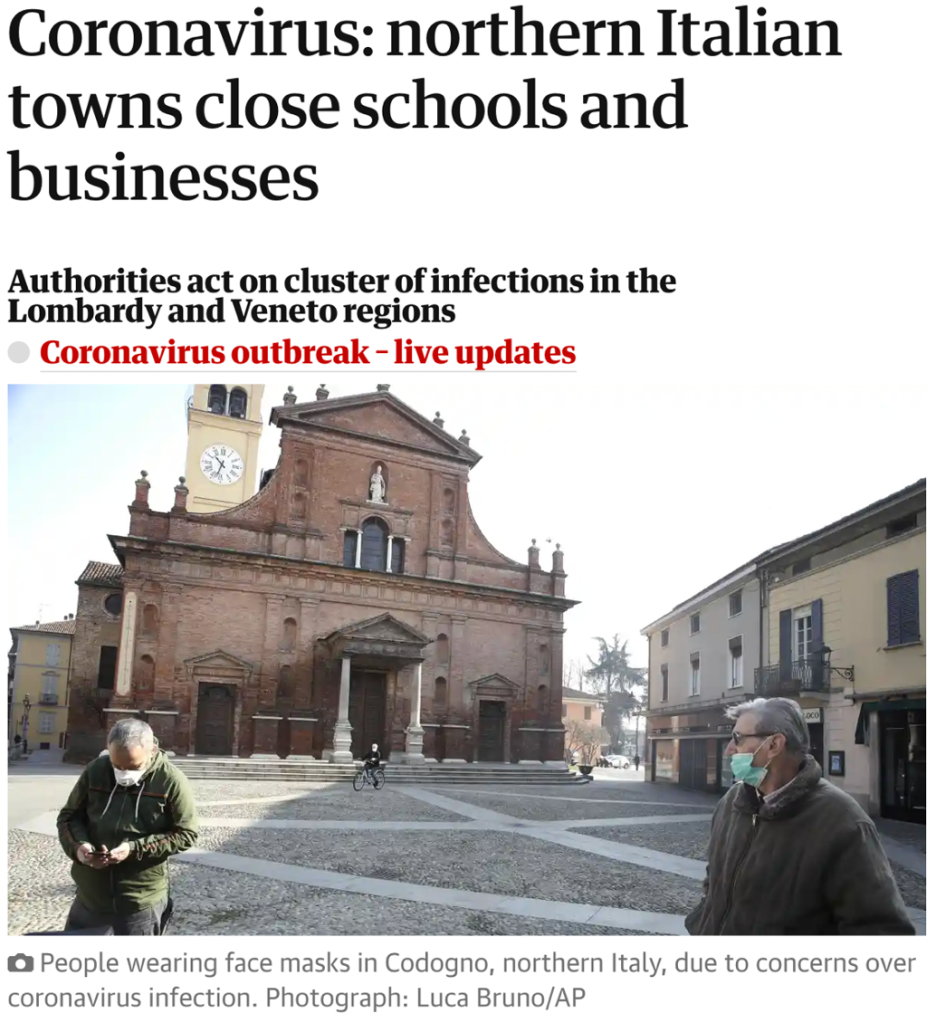
The Guardian depicts the effects of COVID-19 in Northern Italy

TH:  And what happened with the exams during the closures?

BG: Generally, the government had a very pragmatic way of dealing with exams, stating that grading should not disadvantage learners. In high schools, for example, exit exams for graduating students were simplified, and in the composition of the final grade, the oral part received a higher weight; however, the oral part was held in person, with social distancing.  For younger students, you can see from the data that students’ grades for the year were higher than normal. That probably reflects the concern about inequality and not wanting to penalize students who didn’t have the support to study at home or to get the help they would have gotten in schools. They didn’t want the students’ grades during the closures to hold anyone back.  

TH:  What happened when the schools came back in person in September 2020?

BG: After the schools reopened, there was no other national shutdown, but in the spring of 2021 there were some local school closures. Again, these decisions were made at the national level, in response to data health, for example, on the number of cases in a particular area. When the students did come back in September 2020, schools in certain regions tried different kinds of social distancing. Some had different entrances and exits. Some schools also continued with hybrid education, having some students in class at school and some at home online at the same time. There was also priority placed on keeping schools open for younger children, to try to make sure they can be in school, every day, in person, but then for secondary school students, it was more of a hybrid mixture.

In terms of other changes, primary schools in my area in South Tyrol introduced a new period of  “self-organized learning” during the first hour of the school day. This was supposed to allow for flexible entrances – and thus lower the risk for infections – and, at the same time, help students to adjust to going back to school and catch up on possible learning losses.

“As far as the newly introduced learning format of self-organized or independent learning is concerned, around 80 percent of the teachers and pupils in primary and secondary schools stated that they got along well with the learning format of self-organized or independent learning. A similar picture emerges for parents and guardians: 82 percent believe that their child coped well with this learning period. A point of criticism in connection with self-organized learning is that, especially in primary school, the pupils were often given too few challenging tasks in this learning area. It was also criticized that the use of digital media was limited at this school level.”

From the School year 2020/21: External evaluation of the South Tyrolean Provincial Administration

The national government also took other steps, for example, they were very committed to enhancing or fostering the wellbeing of students. Even though Italy doesn’t normally have school psychologists, they provided funding so that schools could get a psychologist or find other ways to support students and even teachers and parents, if needed – the aim was preventing and treating negative consequences that emerged during COVID-19. That was a national decision, and it meant that schools had a right to a certain number of hours of support from a psychologist in 2022 – however, they also discussed the need for a permanent  systemic introduction of the function of psychologists in educational institutions.

References

Gross, B., Kelly, P., & Hofbauer, S. (2022). ‘Making up for lost time’: neoliberal governance and educational catch-up for disadvantaged students during the COVID-19 pandemic in Italy, Germany and England. Zeitschrift für Diversitätsforschung und -management 2, 161-174. doi: 10.3224/zdfm.v7i2.04

Kelly, P., Hofbauer, S., & Gross, B. (2021). Renegotiating the public good: Responding to the first wave of COVID-19 in England, Germany and Italy. European Educational Research Journal, 20(5), 584-609. doi: 10.1177/14749041211030065

Francesconi, D., Gross, B., & Agostini, E. (2021). The role and facets of wellbeing during the first wave of the COVID-19 pandemic: A qualitative analysis of Austrian and Italian educational policy. Psihološka istraživanja, 24(2),141-162. doi: 10.5937/PSISTRA24-32602

Gross, B., Francesconi, D., & Agostini, E., (2021). Ensuring equitable opportunities for socioeconomically disadvantaged students in Italy and Austria during the first wave of the COVID-19 pandemic: A qualitative analysis of educational policy documents. Italian Journal of Educational Research, 27, 27-39. doi: 10.7346/sird-022021-p27

Exploring Democratic Student Leadership and Active Citizenship: Virtual Visits to a Kenyan and an Italian school

This week, IEN goes inside schools in Kenya and Italy as part of a series of posts based on the “virtual school visits” offered as part of the 2022 (virtual) Conference of the International Congress on School Effectiveness and Improvement (ICSEI). This post was produced by Sara Romiti, a Senior Researcher at INVALSI (National Institute for the Evaluation of the Education and Training System) in Rome and Kristina Westlund a PhD Student at Kristianstad University. During the ICSEI conference session discussing the virtual visits, they hosted Stephen Derwent Partington and Mutheu Kasanga, School Principal and Board member at Lukenya schools in Kenya and Giacomo La Montagna and Flavia Passi, School Principal and primary school teacher at Istituto Comprensivo Boville Ernica, Italy . This is the second post  in a series that began with Promoting equity through language access: A virtual visit to Liceo San Nicolas (Chile) and Easton Academy (UK).

What does democratic student leadership look like in a Kenyan school? What does support for active citizenship look in an Italian school? And how are they related? These are just some of the questions raised by virtual visits to the Lukenya Academy British Curriculum School in Kenya and the Istituto Comprensivo Boville Ernica in Italy.

Lukenya Academy British Curriculum School, Kenya

A virtual visit Lukenya Academy British Curriculum School

Situated in Machakos County, Kenya, Lukenya Academy British Curriculum School is an international-system school that offers the IGCSE qualification. In their presentation, Lukenya schools takes pride in its deliberate ‘Uniquenesses’ in relation to other Kenyan schools:

  • They are a mixed-gender boarding school, which is quite rare in the country, and particularly notable in a clearly patriarchal society. 
  • They explicitly seek to admit mixed ability students, unlike many private schools in Kenya, which are highly selective.  Nonetheless, they have won several national prizes including in a  Great places to School Competition, a competition for all private secondary schools. They note they won because of their academic performance and “value added” (the difference in performance between a pupil’s arrival and their graduation from Lukenya) but also point out they are “deliberately mixed ability and concentrate on helping every child, regardless of intake grades.”
  • They take an entirely democratic approach to student governance – pupils vote for their leaders who, through consultation, work to shape all aspects of school life from co-curriculars to academics.

The video created by Lukenya schools illustrates several of the school’s characteristics, including highlighting student voices and the roles of students in leadership and organization.

It’s been challenging to run and coordinate a school of mixed students, both boys and girls, which is pretty rare in Kenya. However, leadership has been very fun.
We believe in democracy; we believe in listening to people’s opinions. We don’t believe in making rules that other ones follow” – Shawn Omondi, student council leader

The engagement of students in arranging activities at Lukenya provides another striking example of student leadership. These activities include a wide range of sports and other co-curricular (e.g. extracurricular) activities like football for both boys and girls, basketball, swimming, cooking club, drama club, and environmental club.

After watching the video, the Italian professionals asked their Kenyan colleagues an interesting question: how do you reconcile the British curriculum with your traditional culture? Board member Mutheu Kasanga replied:

“The law does require that all the schools, from any curriculum, teach Civics and Local History. In addition, the British curriculum allows us to use what is available locally. For instance, when we are teaching a subject like business studies, all the key studies are local. So, in Lukenya we are using the local business around the school, to teach the students who come from these communities how to apply these international concepts into the local business.

Kenya is an English-speaking country, so we don’t have particular problems with English language, even though as an international school we do receive students from other countries, especially in the East African region, so we get French speakers as well and other languages.

In our school we are able to even go an extra mile and bring in aspects of our culture. Culture in Kenya is difficult, we have many small cultures within the country. Everybody speaks at least three languages in Kenya, along with English and Swahili there is another language. So, bringing “Kenyanness” into that, is made easier by the fact that the curriculum allows us to bring these elements within the curriculum: local history and using the local areas to bring all the projects that we require to bolster the curriculum.”

Istituto Comprensivo Boville Ernica, Italy

Boville Ernica is a small town in the centre of Italy, about 90 km from Rome. The Istituto Comprensivo there includes three school levels: preschool, primary and secondary school. Some of the keywords selected by the school to introduce itself are taking care of each other and promoting active citizenship. As principal Giacomo La Montagna and teacher Flavia Passi described it: “Taking Care means for us investing in time and space to achieve quality in social relationships in order to increase wellbeing and social exchanges and to improve learning. Teaching how to take care of each other and of our home planet is our challenge to build a better future. The strategical identity criterion of the Institute is the promotion of Active Citizenship.”

“Teaching how to take care of each other and of our home planet is our challenge to build a better future.” – Flavia Passi

A virtual visit at Istituto Comprensivo Boville Ernica

The video presentation emphasizes these values, illustrating  many “special events” organized during the school year such as the International day for the elimination of violence against women, the Global day for climate action, and the International Day in Memory of the Victims of the Holocaust. Some of the issues that the school is fighting for are deeply felt problems in Italian society, such as mafia culture or gender-based violence.

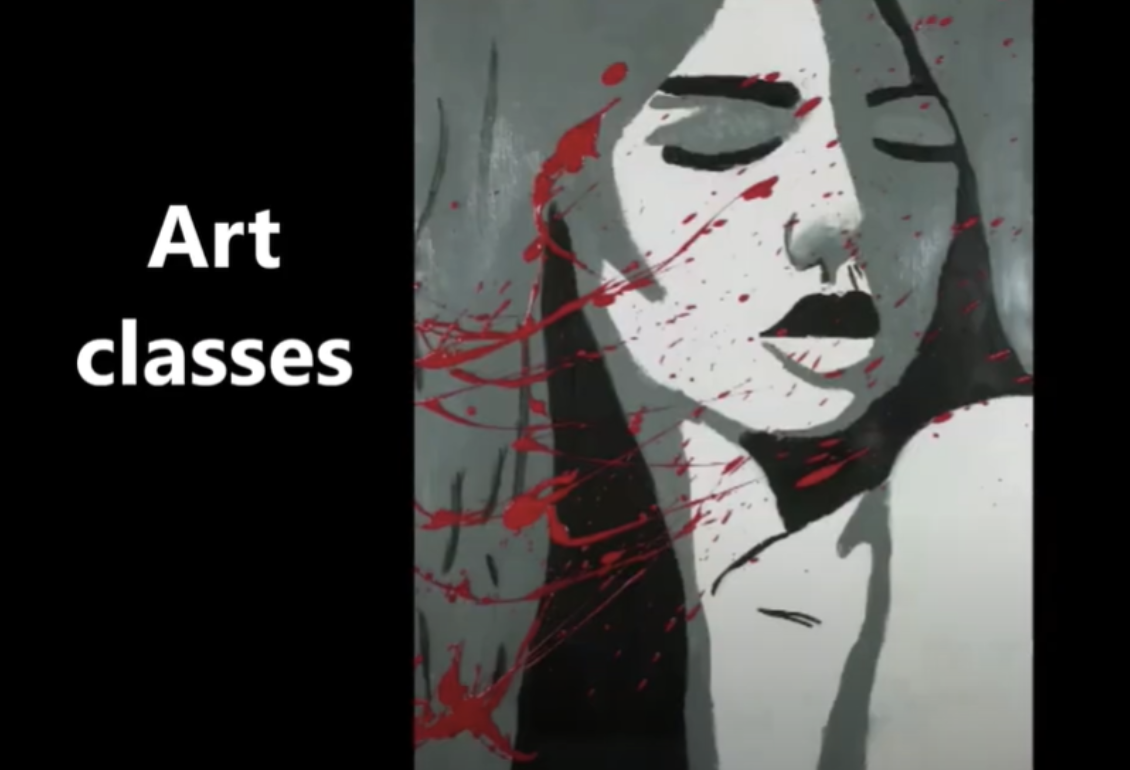
International day for the elimination of violence against women, student works, IC Boville Ernica
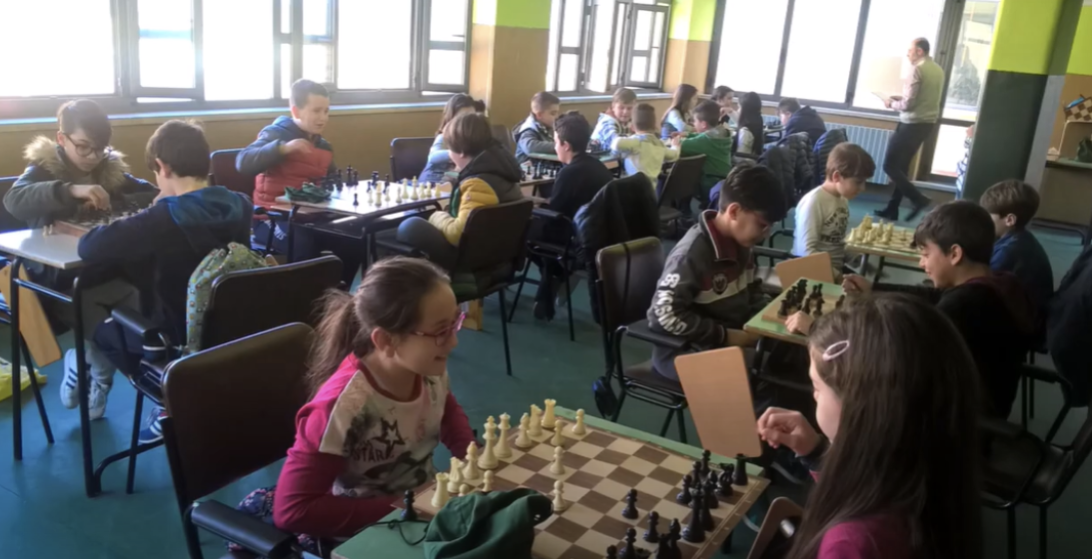
Chess lessons to improve logical thinking, concentration, and memory at IC Boville Ernica
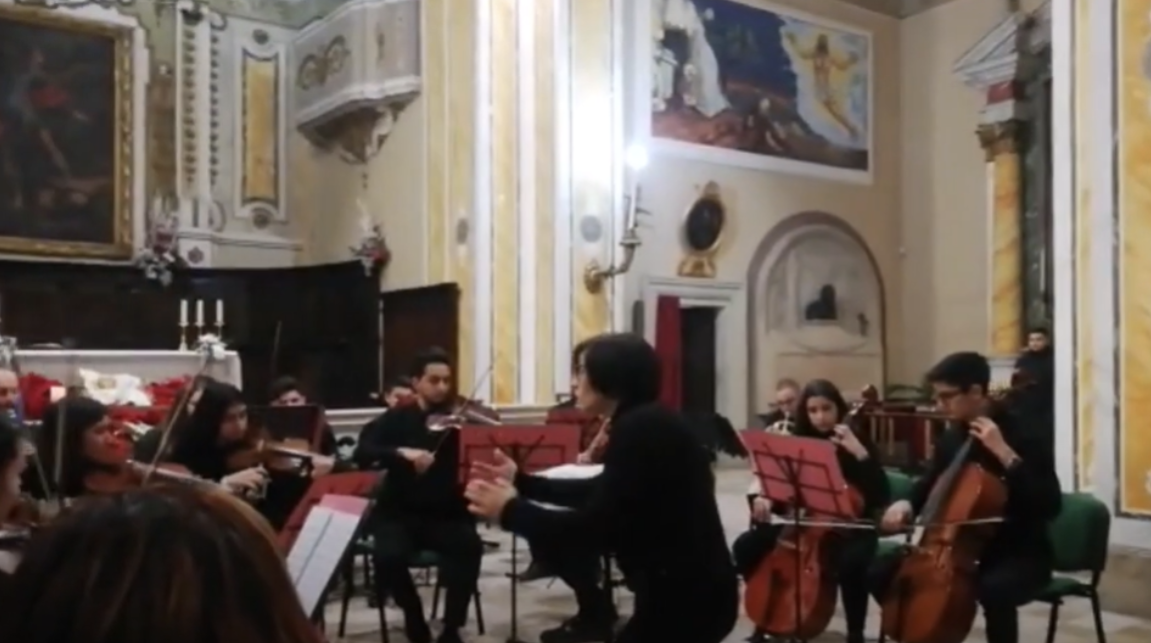
Secondary school orchestra, IC Boville Ernica

After watching the video, many of the participants in the ICSEI session wondered how the school manages to combine so many extracurricular activities with the curricular programs of the different subjects. Flavia Passi explained that a new curricular reform In Italy has introduced Civic Education as a subject that is taught by every teacher in their lessons:

“Each subject contributes to these important issues. For instance, environmental education and sustainability, some of the goals of the 2030 Agenda, are strictly connected to Science or Geography. Education to legality, the knowledge of political, social and economic organization, individual rights, are not only the principles on which our constitutional law is based, but they are related to historical and literary debates. Civic education is based on three main themes: the knowledge of the Italian Republican Constitution, Sustainable Development, and Digital Citizenship. These themes are transversely developed from different points of view, in order to create connections between disciplinary knowledge and real-life experiences.”

Passi concluded with a description of the key challenges at Istituto Comprensivo today that serve as a call to action to schools all around the world:

“Our challenge in relation to this matter is finding always new education methods to educate our children in having positive relationships with others, in respecting the rules of a democratic society, being aware of their rights, duties and responsibilities, knowing how to confront peacefully, and taking care of themselves, of their community, and their home planet.”

ICSEI 2023 will be in Chile in January 2023 and schools’ visits will again be held virtually. For more information: https://2023.icsei.net and https://2023.icsei.net/school-visits/