To celebrate Thanksgiving in the US, IEN continues its annual tradition of recognizing some of the many groups and individuals who are supporting learning and education around the world. This week, we celebrate the educators and organizations we profiled this year from China, Estonia, Vietnam,
Pushing the boundaries of the conventional school: Indrek Lillemägi talks about the development of a new upper secondary school in Tallinn, Estonia (Part 1; Part 2)
Can Vietnam transform the conventional model of schooling? Educational improvement at scale (Part 1Part 2)
“Will Vietnam be leading the way in transforming the conventional model of schooling that has dominated education for more than 100 years?“
Something’s Happening Here: Gregg Behr on the Evolution and Expansion of Remake Learning and Remake Learning Days (Part 1; Part 2)
Photo by Howard Lipin
Establishing the Children and Families Agency and Promoting Digital Transformation in Childcare: Hiro Yokota on the Development of a “Child-Centered Society” in Japan (Part 1; Part 2)
Bringing a Tablet-Based Foundational Learning Program to all the Primary Schools in Malawi: Joe Wolf and Kira Keane on the Evolution of Imagine Worldwide (Part 1; Part 2)
In this month’s Lead the Change (LtC) interview, Taylor Strickland reflects on her research into teachers’ workplace conditions and the professional status of teaching. Strickland is a 4th-year doctoral student and research assistant in the Learning, Leadership, and Education Policy Program at the University of Connecticut’s Neag School of Education Policy Analysis, Research, and Evaluation. Her research uses sociological and organizational theories to study teaching as a profession, the impacts of policy on teachers’ work, and how workplace conditions shape teacher attrition and equity in under-resourced schools.The LtC series is produced by Elizabeth Zumpe and colleagues from the Educational Change Special Interest Group of the American Educational Research Association. This year, the Ed Change SIG recognized Strickland’s work with their Graduate Student Award.A PDF of the fully formatted interview will be available on the LtC website.
Lead the Change (LtC):The 2026 AERA Annual Meeting theme is “Unforgetting Histories and Imagining Futures: Constructing a New Vision for Educational Research.” This theme calls us to consider how to leverage our diverse knowledge and experiences to engage in futuring for education and education research, involving looking back to remember our histories so that we can look forward to imagine better futures. What steps are you taking, or do you plan to take, to heed this call?
Taylor Strickland: My scholarship approaches schools foremost as workplaces and teachers as professionals, a perspective too often overlooked in education research and policy. This perspective is especially urgent amid mounting attacks at federal and state levels on the financial foundations of public schooling and waning student enrollment (Goldstein, 2025; Mervosh & Goldstein, 2025a; Mervosh & Goldstein, 2025b). This financial and enrollment crisis is occurring while the number of graduates entering a teaching career, and on-the -job satisfaction of teaching, are at a 50 year all time low (Kraft & Lyon, 2024). Since the 1980s, researchers have warned that the workplace conditions of teachers are not suitable to attract and retain the highly qualified teachers that our system demands (Ingersoll, 2001; Johnson, 2006; Rosenholtz, 1989). Quite sadly, it seems their warnings have come to bear their bitter fruit, and we are starting to taste the consequences on a scale that can no longer be ignored (Kraft & Lyon, 2024).
Source: UConn Website
Heeding this year’s AERA call to look “back to remember our histories so that we can look forward to imagine better futures,” I reflect on the history of teaching as a profession (Simon & Johnson, 2015; Sorensen & Ladd, 2020). From the conception of public schooling in the United States, the notion of “teaching as a profession” ran against the grain of traditional ideas. The gold standard examples for professions have long been considered law and medicine (Evetts, 2011), whose occupational values include lengthy training and careers and autonomy over their practice (Evetts, 2011; Lortie, 1975). Public schools, by contrast, were first conceived as a public good designed to educate white working class and European immigrant children to be moral, democratic citizens and workers (Goldstein, 2015). The white, mostly female teachers who were put in charge of this endeavor were notably temporary—not expected to pursue life-long professions—and trained quickly with an emphasis on classroom management essentials (Goldstein, 2015). Female teachers were contractually required to leave their teaching posts if marrying and/or becoming pregnant (Apple, 1985; Goldstein, 2015). Unlike professional autonomy recognized in the ‘gold standard’ professions, teachers—as Ingersoll and Collins (2018) describe—function more as middle-women/men, “which may seem similar to professional-like autonomy, but in reality are “highly constrained by larger school-wide [, district, state, and federal] decisions, over which teachers have little control or influence” (p. 168). In sum, the job of teaching from its conception has been decidedly de-professionalized and transient, or what Lortie (1975) describes as a semi-profession.
“The job of teaching from its conception has been decidedly de-professionalized and transient.”
When a job, such as teaching, is not treated as a profession (Evetts, 2011), where lengthy training, degrees, and resultant expertise do not translate to autonomy of practice and respect, it is societally de-professionalized and de-valued (Ingersoll & Collins, 2018), which has great implications for the workplace environments of its employees (Ingersoll & Collins, 2018; Milner, 2013). Susan Moore Johnson and colleagues (2012) developed a measurement framework for nine key elements of the workplace conditions of teachers. Notably, six of the nine elements are related to autonomy of practice, influence in school decision making, and trust/respect of teacher expertise. Unsurprisingly, researchers found that when workplace conditions improve from the lowest quartile, teachers’ transfer intentions drop sharply (Johnson et al., 2012). These findings are quite meaningful given national trends showing that teachers—who have historically had limited professional autonomy and influence—experienced further declines in decision-making power across all key school governance categories between 1993 and 2012 (Ingersoll & Collins, 2018), with more recent research suggesting a continuing downward trend (Kraft & Lyon, 2024). It is then no wonder that the prestige of teaching, interest in the profession, and teachers’ job satisfaction are at a 50-year low (Kraft & Lyon, 2024), given the continued erosion of teachers’ professional status and workplace conditions.
LtC: What are some key lessons that practitioners and scholars might take from your work to foster better educational systems for all students?
TS: In seeking to envision a better future for the professional status and workplace conditions of teachers, I interrogate how reform is implemented in schools and how it impacts the work and professional status of teachers. My qualifying paper and upcoming dissertation focus on the novel concept of “time cultures”—the normative patterns in how time is perceived, valued, and utilized within school teams. The research examines the influence of time cultures on teacher engagement in school improvement. In an era of growing teacher work intensification marked by increasing workload, time pressure, and task complexity for teachers (Creagh et al., 2023), understanding time as a cultural construct helps to reveal how teachers experience and respond to these pressures. Increased task complexity, time pressure, and policy churn—commonplace for the 21st century teacher—are often associated with burnout (Lawrence et al., 2019), declining workplace satisfaction (Creagh et al., 2023), and teacher shortages (Diliberti & Schwartz, 2023; Harbatkin et al., 2025; Martin et al., 2012; Redding & Nguyen, 2023). Notably, work intensification and its impacts on teacher satisfaction and retention are felt most severely by teachers in schools with larger populations of historically educationally underserved students, including English learners, low-income, lower academic achievement, and racially marginalized students – including Black, Hispanic, and Native American students (Creagh et al., 2023; Goldhaber et al., 2023; Simon & Johnson, 2015). At the same time that the demands on teachers have become increasingly complex and intense, the profession has become simultaneously de-skilled and de-professionalized. An era of accountability and neoliberalism—characterized by a constant cycle of reform initiatives and top-down control over teachers’ work (Creagh et al., 2023; Hargreaves, 1992; Hargreaves & Shirley, 2009)—has contributed to the de-professionalization of teaching, declining workplace satisfaction, and teacher shortages.
My work seeks to gain teachers’ firsthand experiences with constant reform cycles and their impact on their professional standing and work. I do this using a previously unused framework in the education literature—the sociology of work time (SWT) (Perlow, 1999). The SWT recognizes time cultures as multi-dimensional and aids in building a more complete picture of teachers’ construction of time cultures through the analysis of the reciprocal exchange between the temporal context (i.e., characteristic ordering, duration, and tempo of practice), the social context, and work-interaction patterns of teachers. This framework honors the expertise of teachers by seeking to understand how their leadership and policy reform experiences intersect with the cultural-time norms of their teams in their unique contexts.
For instance, my qualifying paper shows how the time culture of a math team, tasked with imposed reforms, shaped its attitudes and willingness to implement policy. These findings further indicate that reduced influence in school decision-making may lead teacher teams to reinterpret policy directives to be in alignment with their time culture, thereby reducing the implementation fidelity. The lesson that I hope to share with my work is that education leaders at all levels need to involve teachers—the people who are actually tasked with implementing improvement initiatives – with policy design and implementation. And to better involve teachers, leaders need to understand how teachers use and value their time, so that initiated reforms are seen as useful and sustainable. This would not only better align policy to local realities but would also go a long way in repairing the professional status of teachers.
LtC: What do you see the field of Educational Change heading, and where do you find hope for this field for the future?
TS: Looking back at the history of the teaching “profession,” we see that fundamentally the teaching role was not designed to be an occupation with professional status. The lack of professional status values and practices within the teaching field has eroded the workplace conditions of teachers to the point that teacher shortages are at an unsustainable high and interest in this career pathway is at an all-time low (Kraft & Lyon, 2024; Nguyen et al., 2024). Given this dour assessment of the teaching field, where do I find hope and what can be done to look forward to and imagine a better future?
Quite honestly, I fear the direction in which the teaching field is heading—and has been heading for some time now. To find hope, I must imagine a future where there is a fundamental cultural shift in how our society, government, states, districts, and school leaders respect the professional status of teachers. For this type of transformational cultural change to occur we will need education researchers and leaders at every level—from academia to individual schools—to work together to dismantle the deep-seated structures that have driven down the prestige, appeal, and professional standing of teaching to historic lows. State departments of education should advocate for, and districts should move towards, “revers[ing] the trend of top-down control over teachers’ practices and develop meaningful career ladders” (Kraft & Lyon, 2024, p. 1227). They should also prioritize increasing teacher pay and lowering the cost of degrees in education. Big ships turn slowly—but time is of the essence. We need to attract, train, and retain the best quality educators for our children. Without meaningful changes to how we value and support teaching, we risk a future where too few choose to enter or remain in the classroom.
References
Apple, M. (1985). Teaching and “women’s work”: A comparative historical and ideological analysis. Teachers College Record, 86(3), 455–473.
Creagh, S., Thompson, G., Mockler, N., Stacey, M., & Hogan, A. (2023). Workload, work intensification and time poverty for teachers and school leaders: A systematic research synthesis. Educational Review, 1–20. https://doi.org/10.1080/00131911.2023.2196607
Goldhaber, D., Falken, G., & Theobald, R. (2023). What do teacher job postings tell us about school hiring needs and equity? (CALDER Working Paper No. 282-0323). CALDER Center.
Goldstein, D. (2015). The teacher wars: A history of America’s most embattled profession. Vintage.
Harbatkin, E., Nguyen, T. D., Strunk, K. O., Burns, J., & Moran, A. J. (2025). Should I Stay or Should I Go (Later)? Teacher Intentions and Turnover in Low-Performing Schools and Districts Before and During the COVID-19 Pandemic. Education Finance and Policy, 1–38. https://doi.org/10.1162/edfp_a_00447
Hargreaves, A. (1992). Time and teachers’ work: An analysis of the intensification thesis. Teachers College Record, 94(1), 87–108.
Ingersoll, R. M. (2001). Teacher Turnover and Teacher Shortages: An Organizational Analysis. American Educational Research Journal, 38(3), 499–534. https://doi.org/10.3102/00028312038003499
Johnson, S. M., Kraft, M. A., & Papay, J. P. (2012). How Context Matters in High-Need Schools: The Effects of Teachers’ Working Conditions on Their Professional Satisfaction and Their Students’ Achievement. Teachers College Record, 114(10), 1–39. https://doi.org/10.1177/016146811211401004
Kraft, M. A., & Lyon, M. A. (2024). The Rise and Fall of the Teaching Profession: Prestige, Interest, Preparation, and Satisfaction Over the Last Half Century. American Educational Research Journal, 61(6), 1192–1236. https://doi.org/10.3102/00028312241276856
Lawrence, D. F., Loi, N. M., & Gudex, B. W. (2019). Understanding the relationship between work intensification and burnout in secondary teachers. Teachers and Teaching: Theory and Practice, 25(2), 189–199.https://doi.org/10.1080/13540602.2018.1544551
Lortie, D. C. (1975). Schoolteacher: A sociological study. Chicago, IL: University of Chicago Press.
Martin, N. K., Sass, D. A., & Schmitt, T. A. (2012). Teacher efficacy in student engagement, instructional management, student stressors, and burnout: A theoretical model using in-class variables to predict teachers’ intent-to-leave. Teaching and Teacher Education, 28(4), 546–559. https://doi.org/10.1016/j.tate.2011.12.003
Milner, H. R. (2013). Policy Reforms and De-Professionalization of Teaching. National Education Policy Center. https://eric.ed.gov/?id=ED544286
Nguyen, T. D., Lam, C. B., & Bruno, P. (2024). What Do We Know About the Extent of Teacher Shortages Nationwide? A Systematic Examination of Reports of U.S. Teacher Shortages. AERA Open, 10, 23328584241276512. https://doi.org/10.1177/23328584241276512
Perlow, L. A. (1999). The time famine: Toward a sociology of work time. Administrative Science Quarterly, 44(1), 57–81. https://doi.org/10.2307/2667031
Redding, C., & Nguyen, T. (2023). Teacher working conditions and dissatisfaction before and during the COVID-19 pandemic. EdWorkingPaper: 23-830. Annenberg Institute at Brown University. https://doi.org/10.26300/04xa-zz07
Rosenholtz, S. J. (1989). Teacher’s workplace: The social organization of schools. Longman.
Simon, N. S., & Johnson, S. M. (2015). Teacher Turnover in High-Poverty Schools: What We Know and Can Do. Teachers College Record, 117(3).
In the second part of this month’s Lead the Change (LtC) interview, Kemi A. Oyewole discusses her experiences researching institutional and organizational conditions that shape K-12 education policy. Oyewole is a Provost’s Postdoctoral Fellow at the University of Pennsylvania Graduate School of Education. Her research focuses on collaborative methods and civic education that can promote social justice.The LtC series is produced by Elizabeth Zumpe and colleagues from the Educational Change Special Interest Group (SIG) of the American Educational Research Association. This year, the Ed Change SIG recognized Oyewole’s work with their Graduate Student Award. A PDF of the fully formatted interview will be available on the LtC website.
Lead the Change (LtC):The 2026 AERA Annual Meeting theme is “Unforgetting Histories and Imagining Futures: Constructing a New Vision for Educational Research.” This theme calls us to consider how to leverage our diverse knowledge and experiences to engage in futuring for education and education research, involving looking back to remember our histories so that we can look forward to imagine better futures. What steps are you taking, or do you plan to take, to heed this call?
Kemi Oyewole: The current moment of political, anti-intellectual aggression towards the public sector has led many of us to see bleak immediate futures for education. Further, a flurry of executive orders from the Trump administration has been so overwhelming that it has distracted many of its opponents to the point of inaction. In the first 100 days of his second term (January 20, 2025 to April 29, 2025), the president issued directives that sought to limit educational, health, and sports opportunities for trans youth (EO 14168, 14187, 14201); prohibit policies that address racial disparities in school discipline (EO 14280); halt K-12 and higher education institutions’ diversity initiatives (EO 14173, 14190); and close the Department of Education (EO 14242). In the words of Toni Morrison (1975), “It’s important, therefore, to know who the real enemy is, and to know the function, the very serious function of racism is distraction. It keeps you from doing your work.” Beyond racism, other systems of oppression similarly seek to disrupt the advancement of marginalized people. However, powerful histories of resistance remind us that there are viable ways to move forward in the face of authoritarian pressure.
Source: University of Pennsylvania Website
“Powerful histories of resistance remind us that there are viable ways to move forward in the face of authoritarian pressure.”
There are many examples of resistance across the globe, especially in the Global South where people have contended with colonialism and its vestiges. I draw upon my identity as a Black American to highlight ways the resistance of enslaved Black people speaks to their futuring. While disproportionate attention is paid to violent revolts, enslaved people resisted by many means. These include marronage (i.e., escape from slavery to form independent communities), emancipation certified by legal documents, military service, work refusal, and sabotage (Helg, 2019). Despite the brutality they experienced, these enslaved people dreamed of freedom and used many means to pursue it. Their many strategies suggest that there is immense room for futuring—there are innumerable paths to a more just educational system. We are called to dream expansively and make space for others to do so as well.
While there is value in pausing to make time for futuring (i.e., imagining or dreaming; Kelley, 2002; Oyewole et al., 2023), we must not stop there. A commitment to educational change suggests we must do the hard, often frustrating, work of bringing emancipatory futures to pass. Within my research, my futuring benefits from engaging educators. For example, teaching students through the COVID-19 pandemic offered teachers a different sense of the futures enabled by educational technology (and its limitations). Thus, I seek to incorporate practitioner insights through collaborative, participatory research methods (The Collaborative Education Research Collective, 2023). However, engaging in-service educators in research requires flexible research agendas, timelines, and design. These collaborative methods require a departure from the status quo, a worthwhile shift because valuing educators as co-inquirers allows my futuring to be informed by current educational conditions. Ideally, these methods also offer participants a humanizing, reflective, professional development experience.
ebonyjanice (2023) argues that Black women’s contribution to movement work includes dreaming, resting, playing, seeking bliss, and pursuing wholeness. She celebrates the hard-fought dreaming of enslaved Black people while offering a new vision:
“‘Dreaming’ is a form of radical resistance because it calls us to a conscious stillness, which manifests itself as ease in the body. Ease, in a Black body, is revolutionary because Black people have not, historically, as a result of chattel slavery, had access to ease in our bodies. Dreaming, however, subverts a global anti-Black unease that actively works to commodify Black bodies. Plainly, dreaming is radical resistance because the fantastic hegemonic imagination (Townes, 2006) cannot function with Black bodies at rest.” (p. 8)
I embody her sentiment by allowing my futuring for education to come from a place of rest rather than frenzy. And to imagine educational systems that create conditions of peace and healing for Black girls—trusting that their wellness will benefit all learners (Guinier & Torres, 2002).
My vision of educational research is informed by the multifaceted resistance of enslaved Black Americans, my current practice of collaborative research, and Black women’s relentless pursuit of rest.
LtC: What are some key lessons that practitioners and scholars might take from your work to foster better educational systems for all students?
KO: My research emphasizes the value of collective action for stimulating educational change. Despite its promise, collaborative efforts can falter when there is a lack of consensus around their scope and goals. Further, attention is needed to ensure the routines embedded in collaborative endeavors do not perpetuate educational injustice (Diamond & Gomez, 2023; Hinnant-Crawford et al., 2023). My recent research examines these dynamics in professional learning networks (PLNs).
My dissertation project centered on a school district PLN of school-based instructional coaches. The network of 45 coaches met once a month in person (though meetings shifted online during the Covid-19 pandemic shift to distance learning). My social network analysis showed that coaches share advice on instructional strategies, data use practices, or workplace challenges with about five colleagues in the network. My interview and survey data suggests that coaches valued the space because it gave them an opportunity to connect with role-alike peers. These relationships were especially meaningful to participants because these coaches were normally the only person at their school in the liminal space of not being a classroom teacher, but also not being an administrator. These findings stress the value of routines that facilitate educators connecting with each other beyond their local communities of practice. A cross-school PLN can build participants’ pedagogical knowledge, strengthen their professional identity, and expand their professional network (Oddone et al., 2019). These benefits suggest that beyond-school collaboration is both a tool for developing educator skills and affirming their professional status. The warmth and enthusiasm I felt when observing this PLN made me appreciate the need to invest in rejuvenating spaces for educators.
Though PLNs have immense potential, much of their value stems from purposeful participation and strategic facilitation. It is powerful to create professional spaces that adaptably meet educator needs. However, PLNs have to find a balance between organic interpersonal engagement and directed professional exchange. For example, my longitudinal social network analysis found that coaches shared advice with peers who worked at similar schools, had similar self-efficacy appraisals, or joined the network at similar times. While these relationships provided coaches information that was applicable to their local context, it could come at the expense of being exposed to ideas from different environments. I also found that experienced coaches were less likely to share advice with others in the PLN.
Observation and interview data suggest that it is because after many years, these coaches were not getting as much value from the network. Their experiences point to the need for differentiation in coach professional development. Each finding highlights the challenges and opportunities of intentionally curating PLNs.
My emphasis on collaboration presents many promising research directions. First, I am excited about the ways that studying collaboration and PLNs avails itself to social network analysis (Rodway, 2018). Not only can this network analysis be done for research purposes, it can also be an active process that promotes educators reflecting on their own relationships and environments (Kothari et al., 2014). Second, there are opportunities to better identify the routines that support the resource sharing aims of in-person, or otherwise synchronous (e.g., a Zoom meeting), PLNs. Focusing research on these settings acknowledges that these meetings have different demands and opportunities than social media PLNs. Third, I highlight the need for more research on instructional coaching. While instructional coaching has exploded in prominence, it is heterogeneously enacted (Coburn & Woulfin, 2012; Kane & Rosenquist, 2019). Better understanding coach practices offers us a valuable perspective on educational change.
LtC: What do you see the field of Educational Change heading, and where do you find hope for this field for the future?
KO: As the United States government decreases the resources it devotes to public education, educational change will rely on more local actions. In the face of authoritarian surveillance and punishment, I expect that changes to promote just educational systems will become more covert. Though the loose coupling between dictated educational policy and enacted educational practice can prove challenging for progressive top-down reforms (Anderson & Colyvas, 2021), it can be an advantage when regressive policies are imposed. So, I expect that just educational change will not be codified, but spread in ways akin to grassroots activist and labor movements.
Another factor that will influence educational change is the United States’ projected 8% decline in K-12 enrollment from 2019 to 2030 (Irwin et al., 2024). These structural changes in the student population and fewer federal dollars devoted to education suggest that educational change efforts may have to be more focused in their scope and demands. Of course, there is also a need to strike a balance between what one feels is cynical, optimistic, or realistic. I am personally working to strike that balance—dreaming while being practical enough not to be dismayed whenever I see the news.
My hope is that researchers of educational change will support burgeoning grassroots efforts by conducting their scholarship in concert with students, teachers, families, community organizations, and others close to educational practice. Such research involves more participatory approaches, including design research that supports partners creating solutions to problems of practice while considering contemporary constraints. Collaborative approaches require research designs that are adaptable to rapidly changing conditions. Such flexibility is a departure from traditional research methods, but suggests implications beyond those that can be drawn from tightly controlled conditions.
I am incredibly grateful to be in community with researchers and practitioners passionate about educational change, even in a climate that is so hostile to improving schools for all children. While I can get discouraged that my locus of control is small, “small is good, small is all” (brown, 2017, p. 37).
References
Anderson, E. R., & Colyvas, J. A. (2021). What sticks and why? A MoRe institutional framework for education research. Teachers College Record: The Voice of Scholarship in Education, 123(7), 1–34. https://doi.org/10.1177/016146812112300705
Coburn, C. E., & Woulfin, S. L. (2012). Reading coaches and the relationship between policy and practice. Reading Research Quarterly, 47(1), 5–30. https://doi.org/10.1002/RRQ.008
Diamond, J. B., & Gomez, L. M. (2023). Disrupting white supremacy and anti-Black racism in educational organizations. Educational Researcher, 0013189X2311610. https://doi.org/10.3102/0013189X231161054
ebonyjanice. (2023). All the Black girls are activists: A fourth wave womanist pursuit of dreams as radical resistance. Row House.
Guinier, L., & Torres, G. (2002). The miner’scanary: Enlisting race, resisting power, transforming democracy. Harvard University Press.
Helg, A. (2019). Slave no more: Self-liberationbefore abolitionism in the AMericas. University of North Carolina Press.
Hinnant-Crawford, B., Lett, E. L., & Cromartie, S. (2023). IMPROVECRIT: Using critical race theory to guide continuous improvement. In E. R. Anderson & S. D. Hayes (Eds.), Continuous improvement: A leadership process for school improvement (pp. 105–124). Information Age Publishing.
Irwin, V., Bailey, T. M., Panditharatna, R., & Sadeghi, A. (2024). Projections of education statistics to 2030 (NCES 2024-034). National Center for Education Statistics. https://nces.ed.gov/pubsearch/pubsinfo.asp?pubid=2024034
Kane, B. D., & Rosenquist, B. (2019). Relationships between instructional coaches’ time use and district- and school-level policies and expectations. American Educational Research Journal, 56(5), 1718–1768. https://doi.org/10.3102/0002831219826580
Kelley, R. D. G. (2002). Freedom dreams: Theblack radical imagination. Beacon Press.
Kothari, A., Hamel, N., MacDonald, J.-A., Meyer, M., Cohen, B., & Bonnenfant, D. (2014). Exploring community collaborations: Social network analysis as a reflective tool for public health. Systemic Practice and Action Research, 27(2), 123–137. https://doi.org/10.1007/s11213-012-9271-7
Oddone, K., Hughes, H., & Lupton, M. (2019). Teachers as connected professionals. The International Review of Research in Open and Distributed Learning, 20(3). https://doi.org/10.19173/irrodl.v20i4.4082
Oyewole, K. A., Karn, S. K., Classen, J., & Yurkofsky, M. M. (2023). Equitable research-practice partnerships: A multilevel reimagining. The Assembly: A Journal for Public Scholarship on Education, 5(1), 40–59.
Rodway, J. (2018). Getting beneath the surface: Examining the social side of professional learning networks. In C. Brown & C. L. Poortman (Eds.), Networks for learning: Effective collaboration for teacher, school and system improvement (pp. 171–193). Routledge.
The Collaborative Education Research Collective. (2023). Towards a field for collaborative education research: Developing a framework for the complexity of necessary learning. The William and Flora Hewlett Foundation.
Townes, E. M. (2006). Womanist ethics andthe cultural production of evil. Palgrave Macmillan.
In this month’s Lead the Change (LtC) interview, Román Liera designs his research program to study racial equity and organizational change in higher education. Liera is an Assistant Professor of Higher Education in the Department of Educational Leadership at Montclair State University. His current research projects focus on understanding how racism operates in doctoral student socialization, the academic job market, faculty hiring, reappointment, tenure and promotion, presidential hiring, and racial equity professional development. The LtC series is produced by Elizabeth Zumpe and colleagues from the Educational Change Special Interest Group of the American Educational Research Association. This year, the Ed Change SIG recognized Liera’s work with one of two Emerging Scholar Awards.A PDF of the fully formatted interview will be available on the LtC website.
Lead the Change (LtC):The 2026 AERA Annual Meeting theme is “Unforgetting Histories and Imagining Futures: Constructing a New Vision for Educational Research.” This theme calls us to consider how to leverage our diverse knowledge and experiences to engage in futuring for education and education research, involving looking back to remember our histories so that we can look forward to imagine better futures. What steps are you taking, or do you plan to take, to heed this call?
Source: Montclair State University
Román Liera: I appreciate the theme and the question because the current anti-DEI attacks are not new and have provided an opportunity to reflect on what has been done in the past and a gut check that what is being done has not been enough to advance racial equity and justice. In studying racial equity and organizational change, I have had several opportunities to collaborate and partner with administrators, faculty, and staff taking action to create more equitable hiring practices. I have also been collaborating with other scholars who have been creative and innovative in theorizing racial equity and organizational change.
“We highlight how senior leaders, administrators, faculty, and staff leverage racialized expertise as hiring capital.”
In working with leaders and practitioners who are taking actions towards change, I have learned from and with change agents who are nearing retirement or beginning their higher education careers. Listening to those who have been in higher education for decades and referring to similar instances regarding attacks on DEI in the past (e.g., the Civil Rights era) has helped me affirm that my work not only matters but also makes a difference in the face of attacks on race-focused change efforts. At the same time, working with those newer to the field has helped me slow down to acknowledge that what we have been doing has not been enough to create equitable and inclusive educational organizations.
In addition to collaborating with change agents from diverse identities and career trajectories, I am theorizing and studying how we can continue to disrupt deeply rooted forms of racism in educational organizations. An area that I have been investigating is the racial inequities in the professoriate (e.g., underrepresentation of faculty of color), particularly in recruiting, hiring, and tenure and promotion practices. For example, along with Drs. Heather McCambly and Aireale Rodgers, we designed a study on faculty cluster hiring at six research one universities. A goal was to understand how administrators, faculty, and staff leaders framed and implemented cluster hiring initiatives to disrupt how whiteness informed faculty recruitment and hiring routines, practices, decisions, and evaluations. We recently published a manuscript in the Journal of Higher Education titled “Analyzing the Purposes and Mechanisms of Faculty Cluster Hiring Initiatives to Promote Racial Equity.” In the paper, which is funded by the Alfred P. Sloan Foundation, we highlight how senior leaders, administrators, faculty, and staff leverage racialized expertise—expertise focused on addressing racial inequities and injustices—as hiring capital.
Our participants emphasized that faculty cluster hiring initiatives aimed to broaden the expertise of faculty across departments and the university, enabling them to address critical societal issues related to equity and justice. In doing so, they were also being intentional not to trigger racist stereotypes among administrators and faculty that the cluster hiring was code for hiring underqualified faculty of color. On the contrary, the faculty cluster hiring initiatives raised the criteria because the evaluation criteria included what departments typically sought and what the cluster was focused on. Moreover, these change agents also leveraged cluster hiring lines to challenge practices that perpetuate racial inequities, such as requiring academic departments to assess their retention practices to access a cluster faculty line. Our participants reflected AERA’s theme because they relied on the past of their organizations to make decisions about creating more equitable and inclusive campuses for People of Color.
LtC: What are some key lessons that practitioners and scholars might take from your work to foster better educational systems for all students?
RL: As we learned through the faculty cluster hiring study mentioned above, initiatives to promote racial equity must go beyond reallocating resources. That is, having systemic and deep-level change requires more than monetary support and changes to hiring criteria. Although we found that change agents were strategic and responsive to the racialized history of their campuses, they used their political capital to situate faculty cluster hiring as an initiative that promoted the status of their university’s intellectual enterprise. For example, to legitimize the cluster initiatives, they aligned them with university-level missions to address and, in many instances, lead the advancement of equity and justice. However, in many cases, they left intact how whiteness operated in departments that did not have the infrastructure and people to promote racial equity. That is, faculty with expertise in racial equity and justice, who often were faculty of color, were brought into departments that expected them to take on the load of racial equity issues in their departments, which went beyond their scholarly contributions to the field. I echo what we recommend in the paper: I sympathize with the precarity (e.g., having to work in organizations that hamper agency, especially agency to address racial equity issues) higher education faces, but also remind leaders that race-focused initiatives like faculty cluster hiring hold promise for promoting racial equity, and it is legally defensible because it is about transforming structures and cultures and not about hiring based on racial identities. As extensive research has convincingly found (Gonzales et al., 2025; Liera & Hernandez, 2021; White-Lewis, 2020), racial biases and ideologies are deeply embedded in recruitment, hiring, promotion, and tenure practices that, when left undisrupted, whiteness will continue to be the baseline for what and who we deem valuable in the academy. More so than ever, today is not the time to be neutral if we genuinely care about creating more equitable and just futures.
LtC: What do you see the field of Educational Change heading, and where do you find hope for this field for the future?
RL: I will draw on the AERA 2026 theme and AERA President Winn’s comments to describe the program theme. One of the questions she asked educators was to “take a long path approach by thinking and feeling beyond our individual life spans… to the impact we will have on future generations of students, educators, and education researchers” (Wallach, 2022, p. 10 as cited by Winn, 2025 paragraph 3). Admittedly, when I initially sat with this question, I had a hard time imagining the future outside my lifespan. However, I made sense of it by taking a step back and reflecting on my research approach, as well as my relationships with educational practitioners, leaders, and researchers, which helped me frame my response to the question.
Educational change requires us to be comfortable with imagining the future beyond our lifespans. For example, in 2022, Dr. Steve Desir and I theorized about the equity-minded organization. Not long after we published our paper (Liera & Desir, 2023), Dr. Kevin McClure interviewed us about our collective work on organizational change and racial equity, as well as the equity-minded organization, for his now-published book, “The Caring University: Reimagining the Higher Education Workforce after the Great Resignation.” He asked us if there was a university or college that we would consider to be an equity-minded organization. We said no, but we have several examples of educational organizations that reflect aspects of an equity-minded organization, and we wanted to provide a framework for the possibilities of a more just and equitable future. As Dr. McClure did, based on extensive literature, original data collection, and expert interviews, Steve and I were able to theorize about a future possibility by leaning into our experiential, theoretical, and methodological differences to imagine what we want future generations to experience.
In short, I am hopeful for the future of educational change because educators are leaning into community to imagine more equitable and just organizations for future generations (see Dr. Patricia Virella’s book Crisis as Catalyst as an example of hope and equity for the future).
References
Gonzales, L. D., Bhangal, N., Stokes, C., & Rosales, J. (2025). Faculty hiring: Exercising professional jurisdiction over epistemic matters. Journal of Higher Education, 96(1), 28–53. https://doi.org/10.1080/00221546.2024.2301915.
Liera, R., & Desir, S. (2023). Taking equity-mindedness to the next level: The equity-minded organization. Frontiers in Education, 8. https://doi.org/10.3389/feduc.2023.1199174.
Liera, R., & Hernandez, T. E. (2021). Color-evasive racism in the final stage of faculty searches: Examining search committee hiring practices that jeopardize racial equity policy. The Review of Higher Education, 45(2), 181–209. https://doi.org/10.1353/rhe.2021.0020.
McCambly, H. N., Liera, R., Rodgers, A. J., & Park, B. M. (2025). Analyzing the purposes and mechanisms of faculty cluster hiring initiatives to promote racial equity. The Journal of Higher Education. https://doi.org/10.1080/00221546.2025.2546765.
McClure, K. R. (2025). The caring university: Reimagining the higher education workplace after the great resignation. John Hopkins Press.
Virella, P. M. (2025). Crisis as catalyst: Equity-oriented school leadership during difficult times. Harvard Ed Press. White-Lewis, D. (2020). The facade of fit in faculty search processes. Journal ofHigher Education, 91(6), 833–857. https://doi.org/10.1080/00221546.2020.1775058.
In this month’s Lead the Change (LtC) interview, Stephen MacGregor draws from his experience researching knowledge mobilization as a mechanism for educational change, with an emphasis on leadership practices within increasingly complex education systems. MacGregor is an Assistant Professor and Director of Experiential Learning at the University of Calgary’s Werklund School of Education. His research focuses on three interrelated strands of inquiry: (1) mapping relational networks between universities and K–12 schools, (2) exploring positive leadership in nurturing professional capital and community, and (3) co-producing knowledge to bridge education theory and practice. The LtC series is produced by Elizabeth Zumpe and colleagues from the Educational Change Special Interest Group of the American Educational Research Association. This year, the Ed Change SIG recognized MacGregor’s work with one of two Emerging Scholar Awards.A PDF of the fully formatted interview will be available on the LtC website.
Lead the Change (LtC):The 2026 AERA Annual Meeting theme is “Unforgetting Histories and Imagining Futures: Constructing a New Vision for Educational Research.” This theme calls us to consider how to leverage our diverse knowledge and experiences to engage in futuring for education and education research, involving looking back to remember our histories so that we can look forward to imagine better futures. What steps are you taking, or do you plan to take, to heed this call?
Source: University of Calgary Website
Stephen MacGregor: I see the call to “unforget” as an imperative to intentionally surface the institutional, policy, and community narratives that have shaped current possibilities for teaching, learning, and leadership. Much of my research and leadership has been motivated by this orientation, particularly in projects that examine how educational systems respond to and often resist new ideas, and how practitioners navigate the attendant dynamics.
“I aim to counteract tendencies to erase dissenting voices or inconvenient histories.”
One step I am taking is to more deliberately position historical analysis alongside contemporary policy and practice studies in my research (e.g., MacGregor & Friesen, 2025; MacGregor et al., 2022, 2024). In my recent and ongoing research into multi-tiered systems of support (MTSS) and social-emotional learning implementation in Alberta schools, for example, my colleagues and I examine the present-day enactment of new initiatives as well as trace how prior reform cycles, funding shifts, and governance structures have left their imprint on current efforts. The historical grounding deepens our understanding of why certain approaches gain traction, why others fade, and what legacies of inequity persist beneath what can often be surface-level change.
Equally, my scholarship on knowledge mobilization in educational leadership has highlighted how selective memory (i.e., what is remembered, forgotten, or deemed irrelevant) shapes the evidence that informs decision-making. Through collaborative work with system leaders to design processes that make research use more transparent and inclusive, I aim to counteract tendencies to erase dissenting voices or inconvenient histories (e.g., experiences with failure and what can be learned from them). This has included creating tools and frameworks that explicitly prompt leaders to consider historical precedents and the perspectives of communities that have long envisioned and pursued their own futures for education, often outside formal institutional channels.
In my role as Director of Experiential Learning at the Werklund School of Education (University of Calgary), I am working to integrate a longer-term, historically grounded perspective into the design of learning experiences for undergraduate and graduate students. This means helping future and current practitioners see educational challenges as part of longer trajectories shaped by policy and shifting social priorities. To that end, I am building local and international partnerships that connect our students with varied educational histories and contexts (e.g., multiple international teaching placements through the Teaching Across Borders program). This work also involves embedding reflective and archival practices into experiential learning. I ask participants in our initiatives to document their experiences in ways that attend to historical influences (e.g., speaking with practitioners about prior reform efforts, exploring changes in governance or community engagement over time). My aim is for these experiences to leave participants better prepared to design and lead educational opportunities that are responsive to both the past they inherit and the future they help shape.
Looking ahead, I plan to expand my research on how system leaders and policymakers draw on history, explicitly or implicitly, when justifying decisions and setting priorities. I am especially interested in how prevailing narratives within leadership discourse and policy texts shape which forms of evidence are privileged and which innovations are recognized. Moreover, I aim to support leadership practices and research use that are historically informed and attentive to marginalized perspectives.
LtC: What are some key lessons that practitioners and scholars might take from your work to foster better educational systems for all students?
SM: A consistent lesson from my research is that fostering better school systems for all students requires a shift from viewing change as a series of isolated initiatives to understanding it as an iterative, relational process. Educational change is seldom straightforward; it unfolds amid fluctuating policy landscapes, evolving priorities, and the complexities of daily practice. When leaders and practitioners treat each initiative as if it exists in a vacuum and without regard for prior efforts, contextual constraints, or the cumulative impact on educators and learners, they risk repeating past missteps and missing opportunities to build on existing strengths.
From my MTSS research, another lesson is that systems must attend to implementation drivers (Fixsen et al., 2015) as the key organizational and human supports that make new practices possible in schools and thus that enable change efforts to take root and grow. These include competency drivers such as targeted professional learning and coaching; organization drivers such as supportive policies, data systems, and resource alignment; and leadership drivers that guide decision making in response to challenges. Where these drivers are deliberately cultivated in concert, educators are better positioned to adapt initiatives for their own contexts and ensure they serve the needs of their students.
Another lesson relates to the role of failure in system improvement. Too often, unsuccessful reforms are quietly set aside without deliberate reflection, resulting in the same pitfalls being encountered repeatedly. My research points to the value of structured learning from failure, which means creating processes that allow for analysis of what went wrong or failed to produce the intended outcomes, identifying underlying mechanisms, and generating insights for future action (MacGregor & Friesen, 2025). This reframing of failure as a legitimate and even necessary part of improvement strengthens adaptive capacity. It also shifts organizational culture toward openness, candour, and a willingness to iterate rather than abandon promising work prematurely.
Finally, across my work in schools, international partnerships, and higher education settings, I have seen that strong, trust-based relationships are essential for the two previous lessons to function at their best. Competency, organization, and leadership drivers all depend on the mutual respect and shared ownership that develop when schools and broader systems engage as genuine partners. Moreover, relationships provide the foundation for honest conversations that allow people to name challenges directly and work together on responses that matter.
For practitioners, these lessons might spark reflection on ways to anchor new initiatives in an understanding of local context and history, strengthen the drivers that support implementation, build habits of learning from setbacks, and invest in relationships as a foundation for change. For scholars, they might prompt thinking about how to design research that examines the drivers of educational change in action and supports their development, which could offer knowledge that is attentive to the realities and contexts where change is being pursued.
LtC: What do you see the field of Educational Change heading, and where do you find hope for this field for the future?
SM: I see the field of educational change continuing to wrestle with complexity while becoming more deliberate in how it integrates various forms of knowledge and expertise. There is a growing recognition that meaningful change depends on aligning policy, practice, and community engagement in ways that are contextually grounded and historically informed. I am hopeful for continued attention to strengthening the foundational conditions (e.g., coherent governance structures, stable funding streams, and collaborative professional learning) that allow promising approaches to take root and adapt over time.
I also anticipate deeper commitments to equity-informed leadership, with systems increasingly recognizing that meaningful change cannot happen without addressing the structural inequities that shape educational experiences. Among many approaches, this could involve more substantive power sharing with communities, particularly those whose knowledge has historically been overlooked or marginalized. It could also involve embedding processes for shared decision-making and transparency into the everyday work of schools and systems.
What gives me hope is the growing body of scholarship and practice that treats relationships as the core infrastructure of educational change. I see this in system leaders who intentionally create spaces for dialogue that can bridge ideological divides, in educators who invite students and families into co-design processes, in cross-sector partnerships that build locally relevant solutions, and in research-practice networks that enable long-term collaboration across institutions and jurisdictions (e.g., Hubers, 2020; Rechsteiner et al., 2024; van den Boom Muilenburg et al., 2022). I am also encouraged by how scholars and practitioners are integrating multiple ways of knowing and thus valuing both rigorous research and the lived experience of educators, students, and communities. I am hopeful that we are moving beyond asking “what works?” by appending that question with “for whom, under what conditions, and with what consequences?”(Boaz et al., 2019).
References
Boaz, A., Davies, H., Fraser, A., & Nutley, S. (Eds.). (2019). What works now? Evidence-in- formed policy and practice. Policy Press.
Fixsen, D., Blase, K., Naoom, S., & Duda, M. (2015). Implementation drivers: Assessing best practices. National Implementation Science Network.
Hubers, M. D. (2020). Paving the way for sustainable educational change: Reconceptualizing what it means to make educational changes that last. Teaching and Teacher Education, 93. https://doi.org/10.1016/j.tate.2020.103083.
Rechsteiner, B., Kyndt, E., Compagnoni, M., Wullschleger, A., & Maag Merki, K. (2024). Bridging gaps: A systematic literature review of brokerage in educational change. Journal of Educational Change, 25(2), 305–339. https://doi.org/10.1007/s10833-023-09493-7.
van den Boom-Muilenburg, S. N., Poortman, C. L., Daly, A. J., Schildkamp, K., de Vries, S., Rodway, J., & van Veen, K. (2022). Key actors leading knowledge brokerage for sustainable school improvement with PLCs: Who brokers what? Teaching and Teacher Education, 110. https://doi.org/10.1016/j.tate.2021.103577.
MacGregor, S., & Friesen, S. (2025). Reframing failure: Lessons from educational leaders facilitating multi-tiered systems of support. Journal of Professional Capital and Community. Advance online publication. https://doi.org/10.1108/JPCC-09-2024-0168.
MacGregor, S., Friesen, S., Turner, J., Domene, J. F., McMorris, C., Allan, S., Mesner, B., & Sumara, D. (2024). The side effects of universal school-based mental health supports: An integrative review. Review of Research in Education, 48, 28–57.
Working to dismantle enduring educational inequity: Actions and beliefs of equity-minded educational leaders — Betty Alford (BA), Liane Hypolite (LH), California State Polytechnic University
BA & LH: [In our studies] through interviews, the voices of equity-focused leaders provided examples of practices that contributed to remedying past inequities and attaining a more just future in education.
Lead the Change (LtC): What are some of the ideas you hope the field of Educational Change and the audience at American Education Research Association (AERA) can learn from your work related to practice, policy, and scholarship?
BA & LH: Through interviews, the voices of equity-focused leaders provided examples of practices that contributed to remedying past inequities and attaining a more just future in education… We hope the audience at AERA is inspired by the commitment demonstrated by these educational leaders to enact equity focused policies and use these policies to make positive changes for achieving the equity-focused goals. Their actions and words serve as examples of how analysis of community needs, an openness to change and inquiry, a commitment to culturally responsive pedagogy and equity-focused leadership, and engagement in reflection and ongoing learning can contribute to positive change. These educational leaders were knowledgeable of issues that have been identified in the research literature of the importance of asset not deficit-based approaches, authenticity as a leader, students of diverse ethnic groups seeing themselves in the curriculum and school initiatives, parent engagement, and fostering sustained dialogue amongst collaborative groups to bring about change (Gurr et al., 2019; Fullan, 2016; Johnson, et al., 2017; Radd et al., 2021).
“Sustained professional development was one way that practices, policy, and scholarship merged to contribute positively to equity-focused change efforts.”
Successful, focused leadership for equity and social justice in these districts included increasing Board members’ understanding of needs and involvement in listening sessions and professional development. In both districts, educational leaders emphasized that the focus was strongly supported by the superintendents’ ongoing attention to process as well as to implementation. As an educational leader stressed, “The superintendent always asks, ‘What was your process for reaching this decision?” The process was always to include involving multiple individuals in the decision making. In both districts, resources were provided to fund sustained professional development opportunities on developing the equity focus. For example, in one district, the Board and administrative teams took part in multi-week leadership development sessions. In the other district, teachers and educational administrators and teachers on special assignment participated in ten days of summer professional development to prepare for offering ethnic studies in the school followed by monthly professional development sessions throughout the year. This sustained professional development was one way that practices, policy, and scholarship merged to contribute positively to equity-focused change efforts in the schools.
Betty Alford, PhD, California State Polytechnic University
Liane Hypolite, PhD, California State Polytechnic University
Leading change: School leaders’ support for culturally and linguistically diverse students amidst emerging multiculturalism — Soon-young Oh (SO) Michigan State University
Lead the Change (LtC): What are some of the ideas you hope the field of Educational Change and the audience at American Education Research Association (AERA) can learn from your work related to practice, policy, and scholarship?
SO: This study illuminates how school leadership can support culturally and linguistically diverse students [CLD] students in societies [like Korea] that are only beginning to experience multicultural shifts. By examining school leaders’ strategies at the intersection of practice, policy, and scholarship, my research highlights key considerations for the field of educational change.
In practice, the research reveals how school leaders in Korea reframe existing cultural values to create more inclusive environments. Confucian values and hierarchical structures have traditionally shaped educational leadership and organizational culture, emphasizing social harmony, respect for authority, and collectivism (Lee, 2001). Some scholars have noted that such cultural foundations, when rigidly applied, can make it difficult to address individual differences, as they often prioritize group cohesion over personal identity (Nukaga, 2003). However, this study finds that school leaders in Korea are actively reinterpreting these values to support CLD students. Rather than reinforcing conformity, they leveraged collective harmony to create spaces where CLD and non-CLD students could naturally interact and build cross-cultural friendships. They also promoted bilingual learning by integrating students’ home languages into school-wide initiatives while maintaining an emphasis on group cohesion.
From a policy perspective, my findings suggest that effective educational change requires greater flexibility in policy design. Current approaches to multicultural education often assume that schools can apply standardized strategies (Alghamdi, 2017; Banks et al., 2016), but the schools in my study emphasized the importance of locally adaptive policies. Some leaders prioritized linguistic support programs, while others focused on strengthening partnerships with families and communities. These varying approaches highlight the need for policies that empower school leaders to shape multicultural education in ways that are responsive to their specific school contexts.
In terms of scholarship, this research contributes to ongoing efforts to expand educational leadership theories beyond Western-centric models. Much of the existing literature on school leadership in multicultural settings, such as Khalifa et al. (2016), has been developed in societies with long histories of diversity (e.g., Cuéllar et al., 2020), but my study illustrates how school leaders in newly diversifying contexts navigate educational change. Rather than imposing pre-existing frameworks, this research advocates for a more nuanced, globally inclusive perspective that acknowledges the diverse ways in which school leadership practices emerge across different cultural landscapes.
“This research contributes to ongoing efforts to expand educational leadership theories beyond Western-centric models.”
By bridging these insights across practice, policy, and scholarship, my research advances the conversation on how school leaders can meaningfully support CLD students in societies where multiculturalism is still evolving.
Soon-young Oh, PhD candidate, Michigan State University
Leading collaborative educational change: Lessons from the Hong Kong context — Paul Campbell (PC) University of Hong Kong
Lead the Change (LtC): What are some of the ideas you hope the field of Educational Change and the audience at American Education Research Association (AERA) can learn from your work related to practice, policy, and scholarship?
PC: One of the challenges in researching relational practices such as collaboration, leadership, and governance is achieving definitional agreement. Towards this end, I consider common conceptual characteristics provided in existing literature to offer some definitions.
Collaboration can be understood as a process of joint work around a shared focus (Ainscow et al., 2006; Henneman et al., 1995), where individuals share connected domains of expertise (John-Steiner et al., 1998), commit to sharing this expertise, and use it to think, plan, decide, and act based on a shared understanding of social norms, expectations, and behaviors needed for successful collaboration (Cilliers, 2000). This conceptualization highlights the importance of considering the dimensions of people, structure, and culture in understanding the forms, drivers, and influences on collaboration.
Leadership can be examined through a broader critical lens, focusing on what it means to lead, be a leader, and exercise leadership (Courtney et al., 2021). Leadership can be understood as a relational practice of influence, underpinned by personal and professional values, and focused on pursuing a shared vision for practice and outcomes (Bush & Glover, 2014).
Governance, on the other hand, can be understood as the standards, incentives, information, and accountability that guide policy and practice in schools and systems (Lewis & Pettersson, 2009). Governance can be exercised through networks at various scales, spanning local, national, and global contexts, intersecting public, private, and philanthropic sectors (Milner et al., 2020). Forms of self-governance, characterized by the development of shared norms, values, and trust, can also enable and sustain collaborative change (Sullivan & Skelcher, 2002).
Considering these definitions in relation to insights from my critical policy analysis and interviews with Hong Kong principals, there are a few key lessons that the field of educational change could take from my work to foster a more inclusive and effective collaborative educational change. My work suggests that, in leading collaborative educational change, school and system leaders should consider certain participatory and socio-cultural dynamics. Key participatory dynamics include the nature and construction of a participative culture and strong communication mechanisms in governance arrangements that influence the process and outcomes of change. Socio-cultural dynamics to consider include the purposes behind collaboration, the role of individual values, beliefs, and identities in engaging in collaborative educational change, and the transparency of purposes, processes, and outcomes.
“My work suggests that, in leading collaborative educational change, school and system leaders should consider certain participatory and socio-cultural dynamics.”
Careful consideration of who is involved in change processes, their roles, and clarity of what guides practice and decision-making, including individual values and beliefs, can lead to more meaningful and sustainable outcomes from collaborative educational change. Regarding organizational dynamics, leaders need to understand and act on policy drivers at macro- and meso-levels and contextual characteristics at the micro level of systems. Opportunities for community members to engage in interaction, sensemaking, and exchange processes during periods of change, supported by clear communication channels and frameworks for decision-making and evaluation, can lead to better outcomes of collaborative change efforts.
Paul Campbell, EdD, University of Hong Kong
Transforming challenges into success: Perspectives on successful school principalship practices — Rong Zhang (RZ), University of Alabama
Lead the Change (LtC): What are some of the ideas you hope the field of Educational Change and the audience at American Education Research Association (AERA) can learn from your work related to practice, policy, and scholarship?
RZ: Through my research, I hope to contribute meaningful insights to ongoing conversations in the field. First and foremost is the understanding that leadership practices must be adaptive and responsive to the unique contexts in which they are enacted. While it’s easy to advocate for certain leadership frameworks, my research highlights the importance of tailoring strategies to local conditions—whether that’s addressing the needs of immigrant students, navigating centralized or decentralized governance structures, or fostering equity in culturally diverse communities.
One of the most compelling findings from my study is that successful school leadership isn’t one-size-fits-all. While certain practices, such as building shared visions, fostering collaborative cultures, and improving instructional programs, are common across contexts, how these practices are implemented varies significantly. For example, principals in centralized education systems, like China, often work within top-down administrative structures, while those in decentralized systems, like the U.S., have more autonomy to engage stakeholders and drive innovation. Understanding these differences is crucial for policymakers and practitioners aiming to apply leadership frameworks effectively.
“Successful leadership isn’t one-size-fits-all.”
Another idea I hope to share is the power of relational leadership in driving meaningful change. Across the cases I’ve studied, the most successful principals were those who prioritized relationships—with teachers, students, parents, and community members. These leaders recognized that trust, collaboration, and shared purpose are foundational to improving outcomes, especially in disadvantaged schools. For scholars, this underscores the need for research that not only identifies best practices but also explores how those practices can be adapted to foster equity and inclusivity.
Lastly, I hope to contribute to conversations about how research can better inform policy. My study demonstrates the value of using cross-national data to identify both universal and context-specific strategies, offering policymakers a more nuanced understanding of what works in different settings. By sharing these insights, I aim to help bridge the gap between research and practice, encouraging evidence-based approaches that are both practical and impactful.
In this month’s Lead the Change (LtC) interview, David Osworth draws from his experiences in a research practice partnership and his work with improvement science as he discusses how to support leaders and center equity and justicein research and practice. Osworth is an assistant professor in the department of Educational Leadership and Cultural Foundations at the University of North Carolina at Greensboro. His research focuses on race, class, and equity in educational leadership and policy. The LtC series is produced by Elizabeth Zumpe and colleagues from the Educational Change Special Interest Group of the American Educational Research Association. A pdf of the fully formatted interview is available on the LtC website.
Lead the Change (LtC): The 2025 AERA theme is “Research, Remedy, and Repair: Toward Just Education Renewal.” This theme urges scholars to consider the role that research can play in remedying educational inequality, repairing harm to communities and institutions, and contributing to a more just future in education. What steps are you taking, or do you plan to take, to heed this call?
Source: UNC Greensboro Website
Dave Osworth (DO): I appreciate this year’s AERA theme. I think a common pitfall for the academy is to focus exclusively on the creation of new knowledge without thinking about how this knowledge is relevant to the everyday work of educators or can help to make schooling a more equitable space. I have at times been guilty of staying exclusively in the theoretical without thinking about the transition to the practical. AERA’s theme calls upon us to think about the ways in which our research can lead to action.
One way that I am trying to respond to this call is by examining the ways in which research practice partnerships (RPP) may help to drive leadership capacity within a school district. For example, I have been part of an RPP between an R1 university and a large school district focused on fostering leadership capacity. RPPs are intended to be long term collaborations between researchers and practitioners involving boundary spanning through high levels of communication and the development of strong trust. With this RPP, like others, the research process is entwined with practice. Additionally, we have made sure that this partnership is very responsive to the needs of the district. As such we have found that at times it is important to be flexible and willing to explore how we might help address the additional needs of the district beyond the initial problem of practice. This flexibility has helped to support the longevity of the partnership and has resulted in new areas of work that supports the needs of the district while providing ample opportunity for university faculty to engage in scholarship.
AERA’s theme also calls upon us to think about the historical contexts of education. It is easy to fall into a pattern of focusing on the present problem of practice without situating it historically. As a scholar, I identify with post-critical approaches (see Anders & Noblit, 2024). This means that, as I apply my scholarship to educational leadership and policy, I try to think about the specific context that has shaped a current problem of practice. In practice, this can involve infusing historiographic works into my literature reviews, using the history of education to inform the context of my current scholarship. For example, in one of my current studies, I am examining the discursive practices of state policy actors as they debate anti-LGBTQ policy in North Carolina. My co-author and I situate this within an historical framing to understand how these attacks against LGBTQ individuals aren’t necessarily “new” or “unprecedented” but are a form of retrenchment. Retrenchment refers to a process through which, after progress has been made with regards to “rights,” a countermovement brings in more oppressive policies that move that progress back (see Crenshaw, 1988). We argue that by situating work historically, we can identify patterns in which communities resisted these oppressive policies (Osworth & Edlin, in progress).
“Attacks against LGBTQ individuals aren’t necessarily ‘new’ or ‘unprecedented’ but are a form of retrenchment.”
LtC: Your work has explored the policy implications of methods of continuous improvement, such as improvement science, that have been spreading in recent years. What are some of the major lessons that practitioners and scholars of Educational Change can learn from your work?
DO: Policymakers often think about improvement in terms of identifying what works in general, based upon randomized control trials (RCT), often seen as a gold standard in certain fields. This prototypical approach to research, however, may not always be possible and/or ethical in educational settings. Improvement science offers a different approach as a type of continuous improvement that aims to systematically solve complex problems of practice. The promise of improvement science lay in how it involves looking at the context of problems of practice and utilizing iterative approaches to address problems involving a feedback loop that allows interventions to be tested and adjusted (Bryk et al., 2015; Hinnant-Crawford, 2020). While traditional thoughts about improvement may assume that a “proven” intervention will be applied and if improvement does not occur it is because the intervention wasn’t done with fidelity. By contrast, improvement science recognizes the particularities of a problem within that specific context that must be considered to know how to solve it.
I have studied improvement science primarily in relation to its connection with the federal policy, the Every Student Succeeds Act (ESSA). ESSA, passed during the second Obama administration to replace No Child Left Behind, provides guidance to state education agencies about criteria are required to be included in their state accountability policies to be eligible for certain federal funding packages. In Cunningham and Osworth (2023), we classified 52 state accountability plans—this includes 50 states, Washington D.C. and Puerto Rico— based on their presence of improvement science language. We found that many state ESSA plans included language about “continuous improvement,” but this appeared more like a buzzword. Only a few highlighted specific improvement science approaches (e.g., Hawaii or Washington), and hence the true commitment to improvement science approaches within state education agencies was unclear (Cunningham & Osworth, 2023, 2024a).
We argue that district leaders can leverage improvement science while aligning with many states’ expectations of continuous improvement. Improvement science recognizes the need for a context-specific approach to improvement (Cunningham & Osworth, 2024b). Because not all districts within a state are the same, district leaders can use improvement science to identify and address context-specific problems while meeting the requirements of state-level ESSA plans (Cunningham & Osworth, 2024a).
LtC: Your research has examined leadership preparation in the context of research-practice partnerships. What might practitioners and scholars take from thiswork to foster better school systems for all students?
DO: Future school leaders need strong foundational preparation to develop confidence to be change agents to make schooling better for all children. In the RPP mentioned above, researchers at an R1 university collaborated with a large school district to intentionally design a leadership preparation program for a district-specific M.Ed. cohort at the university. As part of that RPP, in Osworth et al. (2023), I studied this leadership preparation effort using a powerful learning experiences (PLE) framework (see Cunningham et al., 2019; VanGronigen et al., 2019; Young et al., 2021). The PLE framework provides 10 characteristics that help to drive adult learning in leadership preparation programs. In this interview-based study, we found that the partnership specifically brought to the forefront certain PLEs—including providing authentic learning, building confidence, engaging in critical reflection, and sense making (Osworth et al., 2023). These results suggest that long-term and trusting partnerships like this may provide intentional access to practical experiences and supportive spaces that help to develop strong aspiring leaders.
“Future school leaders need strong foundational preparation to make schooling better for all children.”
I think that one of the most salient takeaways is that a collaborative partnership like this can strengthen graduate programs’ relevance and fit to the specific needs of districts. Through our partnership, the M.Ed. program underwent a redesign in response to district feedback, involving revamped coursework that included changes to required readings and key assessments (Osworth et al., under review). While leadership curriculum stayed relevant to national standards, the cohort could make real-time connections to their district context collectively, drawing on similar frames of reference and allowing for greater confidence in how the course content related to the practice of school leadership. Furthermore, because the partnership is characterized by a high level of communication, faculty could incorporate district-specific examples using district data (Osworth et al., under review).
Leadership matters in the context of student success and wellbeing (Grissom et al., 2021), and such partnerships provide opportunities for leaders to be prepared in a way that meets the needs of students. However, it is important to note that, to be effective, partnerships like this are time-intensive and require resources to be committed by both partnered organizations. For instance, attention to the needs of both organizations requires attention to multiple voices, which often involves a high level of planning and a time commitment by liaisons from both organizations (Osworth et al., under review).
LtC: Educational Change expects those engaged in and with schools, schooling, and school systems to spearhead deep and often difficult transformation. How might those in the field of Educational Change best support these individuals and groups through these processes?
DO: The current policy landscape is quite hostile towards educators engaging in meaningful change, especially regarding work surrounding diversity, equity, and inclusion (DEI). In the current times, many educators are understandably worried about anti-DEI policies and their repercussions. These policies are often under the guise of attacking the teaching of critical race theory, that ultimately make it difficult to engage in DEI work. The law school at the University of California, Los Angeles has a center that is tracking these current policies (CRT Forward, 2025). While many of these policies are challenging for states to enforce, they often include threats to funding as recourse (Martínez et al., 2023). Whether real or imagined, such policies create a sense of surveillance, which can control individuals’ behavior and becomes coercive in nature (Foucault, 1995).
To support educators committed to educational change, I think that scholars in the field of Educational Change need to be strategic in how we engage in work that centers equity. We need to continue to leverage tools from “controversial” theories (e.g., critical race theory, culturally responsive pedagogy, historical materialism, or humanizing pedagogies), but rethink about how we package them. We can help educators continue to center equity and justice without using the buzzwords so that they can navigate the current political landscape which has attacked allegedly controversial topics in school (CRT Forward, 2025).
By avoiding triggering buzz words, however, the goal is not to give into, but guard against, the chilling effect that can come from such policies. There are individuals who would like to opt out of the work of meaningful educational change, who will find it easy to cite these policies as the reason to do so. We should ensure that educators continue to engage with data that shows the persistence of racial disparity in our public schools to be at the crux of the change that is needed in education.
LtC: Where do you perceive the field of Educational Change is going? What excites you about Educational Change now and in the future?
DO: I think the field of Educational Change, now more than ever, needs to double down on efforts to center equity at the heart of our work. Equity poses what social scientists have called “wicked problems,” describing societal problems that tend to be both complex and heavily contested (Rittel & Webber, 1973). Rittel and Webber (1973) argue that traditional science tends to be insufficient to figure out how to solve wicked problems. Such problems, rather, require a commitment from the field to engage with and shape the debates around them.
I am excited about the potential for collaborative and community-engaged work to tackle “wicked” problems in education. The backlash against DEI has become a key wicked problem that requires sustained engagement. The backlash targets all non-dominant identity groups; this includes ability, class, gender, language, race, and sexuality (to name a few). This period of retrenchment, as described above, can make it challenging to support all students in creating a more socially just schooling environment. I see a major purpose of my work, and the work of the field, to be to serve as resistance this retrenchment and continue to advance a justice-oriented agenda that serves our children and fulfills the democratic promise of our schools.
I’m also excited for the opportunities in Educational Change to engage in theoretically rich work that is also relevant to practice. An often-expressed concern is that theory and practice don’t align or that theory-heavy research cannot be applied practically. In contrast, I think many critical theories offer valuable analytic insights for navigating the current moment. Indeed, educational change is entering an exciting moment to engage in praxis— to reflect upon action to connect theory to practice. What excites me most is the opportunity to engage in praxis through conducting research that is theoretically deep and involves critical reflection on how we engage in action related to that theory.
References
Anders, A. D. & Noblit, G.W. (2024). Postcritical ethnography. In A.D. Anders & G.W. Noblit (Eds.) Evolutions in critical and postcritical ethnography: Crafting approaches (pp. 1-20). Springer.
Bryk, A.S. (2020). Improvement in action: Advancing quality in America’s schools. Harvard Education Press.
Bryk, A.S., Gomez, L., Grunow, A., & LeMahieu, P.G. (2015). Learning to improve: How America’s schools get better at getting better. Harvard Education Press.
Crenshaw, K. (1988). Race, reform, and retrenchment: Transformation and legitimation in antidiscrimination law. Harvard Law Review, 101(7), 1331-1387.
Cunningham, K.M.W., VanGonigen, B.A., Tucker, P.D. & Young, M.D. (2019). Using powerful learning experiences to prepared school leaders. Journal of Research on Leadership Education, 14(1), 74-97. https://doi.org/10.1177/1942775118819672
Cunningham, K.M.W. & Osworth, D. (2023). A proposed typology of states’ improvement science focus in their state ESSA plans. Educational Policy Analysis Archives, 31(37), 1-21. https://doi.org/10.14507/epaa.31.7262
Cunningham, K.M.W. & Osworth, D. (2024a). Improvement science and the Every Student Succeeds Act: An analysis of the consolidated state plans. Leadership and Policy in Schools, 23(4), 955-972. https://doi.org/10.1080/15700763.2023.2264924
Cunningham, K.M.W. & Osworth, D. (2024b). Policy considerations for continuous improvement. In Anderson, E., Cunningham, K. M. W. & Eddy-Spicer, D. H. Leading continuous improvement in schools: Enacting leadership standards to advance educational quality and equity. https://doi.org/10.4324/9781003389279-13
Foucault, M. (1995). Discipline and Punish: The birth of the prison. Vintage Books.
Grissom, J.A., Egalite, A.J. & Lindsay, C.A. (2021). How principals affect students and schools: A systematic synthesis of two decades of research. [White Paper] The Wallace Foundation, New York.
Hinnant-Crawford, B. (2020). Improvement science in education: A Primer. Myers Education Press.
Martínez, D.G., Osworth, D., Knight, D. & Vasquez Heilig, J. (2023). Southern hospitality: Democracy and school finance policy praxis in racist America. Peabody Journal of Education, 98(5), 482-499.
Osworth, D. & Cunningham, K.M.W. (2022). Improvement science and the Every Student Succeeds Act: An analysis of state guidance documents. Planning and Changing, 51(1/2), 3-19.
Osworth, D., Cunningham, K.M.W, Hardie, S., Moyi, P., Osborne Smith, N. & Gaskins, M. (2023). Leadership preparation in progress: Evidence from a district-university partnership. Journal of Educational Administration, 61(6), 682-697. https://doi.org/10.1108/JEA-01-2023-0009
Osworth, D., Cunningham, K.M.W., Hardie, S., Moyi, P., Osborne Smith, N. & Gaskins, M. (Under Review). Boundary spanning, partnerships, and educational leadership: How a district-university partnership fostered organizational learning.
Osworth, D.& Edlin, M. (In Progress). The political construction of “don’t say gay”: A critical discourse analysis of North Carolina state legislators.
Rittel, H.W.J. & Webber, M.M. (1973). Dilemmas in a general theory of planning. Policy Sciences, 4(2), 155-169.
VanGronigen, B.A., Cunningham, K.M.W., & Young, M.D. (2019). How exemplary educational leadership preparation programs hone the interpersonal-intrapersonal (i2) skills of future leaders. Journal of Transformative Leadership and Policy Studies, 7(2), 1-11. https://doi.org/10.36851/jtlps.v7i2.503
Young, M.D., Cunningham, K.M.W., VanGronigen, B.A., & O’Doherty, A. (2021). Transformational leadership preparation in a post-COVID world: U.S. perspectives. eJournal of Educational Policy, 21(1), 1-15.
This month’s Lead the Change (LtC) interview features the new leaders of the Educational Change Special Interest Group of the American Educational Research Association, Patricia Virella, Tayeon Kim, Lauren Bailes, and Elizabeth Zumpe. This week IEN shares excerpts from those interviews focusing on the connections between their work and the work of the SIG and the wider field of educational change. The LtC series is produced by Elizabeth Zumpe and sponsored by the Educational Change SIG. A pdf of the full interview will be available on the LtC website.
Lead the Change Interview with Patricia Virella
Lead the Change (LtC): What are some of the ideas that you hope the field of Educational Change can learn from your work to inform practice, policy, and scholarship?
Patricia Virella (PV): Over the past year, I prioritized immersing myself in school environments, spending approximately 30 days actively engaging with students, teachers, and staff. This hands-on experience allowed me to gain profound insights into the unique challenges that students are facing in today’s educational landscape, including mental health issues, ongoing crises, and persistent inequities. Witnessing the resilience and joy demonstrated by students in the face of these challenges was incredibly inspiring. It reinforced the importance of understanding the realities of schooling in the present moment. All of us must pause and truly comprehend the current state of education before forging ahead with our plans and initiatives. This firsthand exposure has deepened my commitment to advocating for comprehensive support systems that address the multifaceted needs of students and educators alike. It has also fueled my passion for promoting holistic approaches to education that prioritize well-being and equity. I am driven to leverage these insights to inform my work and to champion initiatives that empower schools to create environments where every student can thrive.
LtC: What excites you about the field of Educational Change, and how might we further those ideas through the work of the Educational Change SIG?
PV: The idea of change is inherently exhilarating. While change often implies embracing entirely new approaches, I also ponder whether it involves a return to foundational concepts and theories that have yet to manifest their full potential, such as liberation, transformation, and experiential learning. This dual perspective prompts me to consider how we, as a collective of academics, can effectively support change that embodies the spirit of equity. I recognize that achieving equity can sometimes feel elusive, but it does not have to remain this way. My commitment to exploring the multifaceted nature of change and equity has deepened my resolve to advocate for inclusive and transformative practices within academic and institutional settings. By critically examining the intersections of change and equity, I am dedicated to fostering environments where all individuals have equal opportunities to thrive and contribute meaningfully. I am driven to channel these reflections into actionable strategies that promote systemic change and advance the realization of equity within educational and academic spheres.
Dr. Patricia M. Virella is an Assistant Professor in the Department of Educational Leadership at Montclair State University. Dr. Virella’s research focuses on implementing equity-oriented leadership through leader responses, organizational transformation and preparation. Dr. Virella also studies equity-oriented crisis leadership examining how school leaders can respond to crises without further harming marginalized communities.
Lead the Change Interview with Taeyeon Kim
LtC: What are some of the ideas that you hope the field of Educational Change can learn from your work to inform practice, policy, and scholarship?
TK: My research offers several contributions to the field of Educational Change, focusing on three main areas: revisiting policy through the voices of equity leaders, critically examining policies and systems by centering racially and linguistically marginalized communities, and promoting cross-cultural dialogue using transnational and decolonial perspectives. Given that my work was previously featured in the Lead the Change series (See the Lead the ChangeOctober issue of 2023), I would like to highlight some insights from my recent publication on leadership learning.
As a leadership educator, I view learning as a core tenet of leading educational change. My scholarship on educational leadership and policy has led me to explore how to guide meaningful learning for aspiring leaders who pursue equity and social justice. My recent work, published in the Journal of School Leadership (Kim & Wright, 2024), presents a conceptual-pedagogical framework that on guides students through emotional discomfort when learning about inequities and injustice. This research underscores the importance of emotion in learning, which can drive change at both individual and social levels. When negative emotions are not properly addressed and processed, meaningful learning cannot occur, undermining leaders’ efforts to redress inequities, injustice, and harm. However, with appropriate guidance, emotional discomfort can be a valuable source for transformative learning and changes (see Mezirow 1997). Traditional scholarship on educational change often relies on rationalistic approaches; however, my recent study emphasizes the role of emotions and the holistic aspects of learning in effecting change. It also highlights the crucial role of facilitators and educators in developing equity leaders.
Thus, my work reveals that effective leadership learning involves addressing the emotional dimensions of learning about social justice issues. By integrating these emotional and holistic aspects, educational leaders can foster more profound and lasting changes in their practice, policy, and scholarship. This approach can help prepare leaders, better equipping them to navigate and address the complex challenges of inequity and injustice in education.
LtC: What excites you about the field of Educational Change, and how might we further those ideas through the work of the Educational Change SIG?
TK: The field of Educational Change is particularly exciting due to its emphasis on partnerships and interdisciplinary approaches, and its appreciation for international perspectives. As a transnational scholar, I often notice that AERA’s discourse tends to be US-centric and predominantly features scholarly thoughts and contexts published in English. This observation underscores the importance of the Educational Change SIG’s foundations and history, as it can potentially extend the boundaries of our educational scholarship.
To advance the field, I urge educational change scholars to critically engage with issues of geopolitics, coloniality, and global whiteness (e.g., Chen, 2010; Mignolo, 2008; Leonardo, 2002) that influence knowledge creation and dissemination. When we embrace “interdisciplinary” and “international” perspectives, it is crucial to interrogate whose knowledge is being prioritized and how it is being represented.
“To advance the field, I urge educational change scholars to critically engage with issues of geopolitics, coloniality, and global whiteness.”
With our new leadership team, I aim to extend the field of Educational Change through several focuses. First, I urge the field to integrate diverse onto-epistemological understandings. The field can benefit significantly from including non-Western, indigenous, and other marginalized ways of being and thinking. By incorporating these perspectives, we can challenge the dominance of Eurocentric paradigms and enrich our understanding of educational practices and policies. Second, educational change scholars need to consider the power dynamics involved in knowledge production and dissemination. This means questioning who has access to academic platforms, whose voices are amplified, and whose are marginalized. Future activities organized by the Educational Change SIG could better support multilingual scholarship and inclusive platforms that are accessible to scholars from various regions and backgrounds, ensuring that a variety of voices are heard and valued. This will eventually promote cross-cultural and transnational collaborations. Finally, integrating critical theories such as postcolonial theory, critical race theory, and feminist theory can provide valuable lenses through which to examine and address systemic inequities in education. These theories can help scholars and practitioners understand the historical and structural factors that perpetuate educational inequalities and identify pathways to more just and equitable educational systems.
By taking these steps, the Educational Change SIG can play a pivotal role in promoting a more inclusive and globally informed approach to educational change, ensuring that the field continues to evolve and respond to the complex needs of educational communities worldwide.
Taeyeon Kim is an assistant professor in the department of Educational Administration at the University of Nebraska Lincoln. Her scholarship explores intersections of policy and leadership, with a particular focus on how educational leadership can challenge unjust systems and humanize educational practices to empower marginalized students and communities.The Educational Change SIG would like to acknowledge and congratulate Taeyeon Kim as the recipient of the 2024 Educational Change SIG Emerging Scholar Award. Her work was featured in the Lead the Change in October, 2023.
Lead the Change InterviewLauren Bailes
LtC: What are some of the ideas that you hope the field of Educational Change can learn from your work to inform practice, policy, and scholarship?
LB: I aim to share with the field a clear emphasis on systems change for equity, especially in the ways we think about who leaders are. My research focuses on identifying the systems, practices, and mindsets that perpetuate inequities in the careers of educational leaders. Most of my work problematizes the notion of ‘pipelines,’ especially in educational leadership and how career experiences like preparation, promotion, and evaluation are differentially distributed by race and gender (e.g., Bailes & Guthery, 2020; Bailes et al., 2023). When we consider careers to be pipelines, we might wrongly believe those pipelines are neutral, and that everyone has an equal chance of entering or flowing through the pipeline. That is fundamentally untrue: Women and People of Color, as well as people with intersectional identities, experience sorting at every career juncture, even when they are equivalently qualified relative to white or male peers. Further, these career inequities often result in adverse outcomes for faculty and students—especially faculty and students of color.
“Most of my work problematizes the notion of ‘pipelines,’ especially in educational leadership and how career experiences like preparation, promotion, and evaluation are differentially distributed by race and gender.”
A second thing I hope to share is the critical importance of partnering with current practitioners and myriad ways of incorporating their perspectives to deepen, clarify, and implement approaches to and findings of research. The profound systems changes required to shift unjust organizational practices are unlikely to come only from the academy. While research like mine can and does inform practice, I value, seek, and incorporate the perspectives of folks who have experienced injustice in their career trajectories. They are uniquely capable of showing me what I might be missing and how to better capture and learn from what they have experienced or what they know might work to change the system. I also want to be clear that there is much I am still learning from colleagues in this SIG and throughout our field. I’m looking forward to deepening those connections and bringing my own learning to bear on my research and partnership efforts to shift systems in service of equity.
LtC: What excites you about the field of Educational Change, and how might we further those ideas through the work of the Educational Change SIG?
LB: I think there is a broad appetite—among researchers, policymakers, practitioners, and families—for change in education. That appetite often results in misguided and harmful movements toward neoliberalism, isolationism, or the erosion of schooling as a public good, but there may be opportunity for broad and supportive coalitions for some of the interventions, innovations, and structures that do preserve and enhance equitable and accessible education for every student.
Lauren P. Bailes is an associate professor of education leadership in the School of Education at the University of Delaware, where she is the coordinator of UD’s EdD in Educational Leadership. After teaching middle school language arts in New York City, she earned her doctorate at The Ohio State University. Now, she researches school leadership preparation, promotion, and evaluation; school organizational characteristics; and the intersection of school leadership and policy. Lauren’s favorite days are still the ones spent in schools alongside teachers and leaders.
Lead the Change Interview withElizabeth Zumpe
LtC: What are some of the ideas that you hope the field of Educational Change can learn from your work to inform practice, policy, and scholarship?
EZ: Prevailing ideas about Educational Change tend to come from scholars and policymakers who work far from the realities of schools. Too often, these ideas rest upon wildly false assumptions about existing capacities in schools, overlooking how many operate amid chronic adversity. Chronic adversity occurs when schools regularly face inadequate resources to meet their community’s needs, unproductive pressures to improve, and a lack of support for the profession. When designed from afar, educational reforms tend to presume that school challenges stem from educators’ ‘lack’ of motivation or competence and that improvement thus depends upon intensive intervention from the outside.
My research offers a different perspective: school improvement amid adversity as a struggle to develop collective agency (Zumpe, 2024). Agency is an inherent driver of human motivation and of educational improvement. But agency can become constrained when people are regularly subjected to demands for which they do not have adequate resources and experience inevitable failure.
As part of one RPP described above, I collaborated closely with a school facing challenging circumstances (Zumpe, 2024). At the start of our collaboration, we realized that our partnership’s theory of action had not considered this school’s needs and context. Across years of being labeled as ‘failing’ and facing daily struggles to ‘reach’ students and cover classrooms, the school’s leaders had tried various initiatives to improve. However, most of their efforts faltered and sputtered out, leaving conflict and cynicism behind. By their own account, the faculty struggled with the “basics” to get along well enough to launch and sustain improvement.
When the school’s leadership team invited me to help, I tried to capture their efforts to develop a foundational capability to work together to solve problems, which I called collective agency. Through participant observation with several work groups, I traced how their collective agency became enabled and what shut it down. I also launched and studied a new group using action research.
Comparing groups, I found that efforts to develop collective agency collapsed when educators faced overwhelming and complex problems for which they could see no solutions within reach. In these situations, they avoided their problems, pointed fingers at each other, and expressed a sense of helplessness that nothing could be done. On the flip side, efforts to develop collective agency surged when someone charged the group to ‘do something,’ and when this initiative was combined with a simple solution that the group felt they had the capacity to enact. In these situations, members affirmed each other, perceived the group’s potential for success, and pulled together to make progress towards addressing a problem.
These findings suggest a need for policies and reforms aimed at enabling school improvement in the ‘next level of work’ (City et al., 2010). To do this, we need to partner with educators in challenging circumstances to define and frame goals for improvement within reach and incrementally build organizational problem-solving capacity. Policymakers and scholars need to recognize educators as partners in research and development, without whom our educational system cannot remedy or repair.
LtC: What excites you about the field of Educational Change, and how might we further those ideas through the work of the Educational Change SIG?
EZ: I find hope in the growing number of education researchers seeking answers to existential questions about the role of research in education. Many educators and scholars are deeply concerned about the future of our planet and our democratic values. Looking around at the pernicious grip of racism, the fracturing of civic values, and the erosion of our public education system, many scholars are asking, how does our research relate to this? What are we – as scholars– doing about it? Out of our collective angst comes a growing willingness to expand how we think about academic research and to innovate.
I am excited by the growing number of scholars, especially early career scholars, working to build a more humanistic and justice-forward academic culture. Within our Educational Change SIG and scholarly communities working in RPPs and continuous improvement in education, I am inspired by efforts to actively build a culture in which academics care about each other as people, carry our status with humility, open ourselves to be vulnerable as learners, and treat social impact as a core value.
To further those ideas, I think the Educational Change SIG should reimagine how we organize and schedule AERA sessions with the intention involving more PK-12 practitioners. One way the SIG can do this is to develop a conference call and session formats that encourage and elevate practitioners’ voices and expertise. The SIG might consider offering sponsored conference registration awards for presenting practitioners. The SIG executive committee can also advocate with AERA to schedule specially designated conference sessions for practitioners that are held during after work hours.
I think the Educational Change SIG should support the diversification of our membership and international learning as a facilitator of cross-national and trans-global exchange. One way to do this is by furthering our existing partnerships with the International Congress for School Effectiveness and Improvement (https://www.icsei.net/about-icsei/) and journals that explicitly seek scholarship with an international perspective, including the Journal for Educational Change. I would also like to see our SIG do more to promote and support international participation in AERA and other remote events for scholarly exchange throughout the year.
Elizabeth Zumpe is an assistant professor in the Department of Educational Leadership and Policy Studies at the University of Oklahoma. A former K-12 public school teacher for over a decade with National Board Certification, Elizabeth holds a Ph.D. in Education from the University of California, Berkeley.
References
Freire, P. (1970). Pedagogy of the oppressed. Herder and Herder.
Virella, P., & Liera, R. (2024). Nice for what? The contradictions and tensions of an urban district’s racial equity transformation. Education Sciences, 14(4), 420.
Chen, K. H. (2010). Asia as method: Toward deimperialization. Duke University Press.
del Carmen Salazar, M. (2013). A humanizing pedagogy: Reinventing the principles and practice of education as a journey toward liberation. Review of Research in Education, 37(1), 121-148.
Kim, T., & Mauldin, C. (2022). Troubling unintended harm of heroic discourses in social justice leadership. Frontiers in Education, https://doi:10.3389/feduc.2022.796200
Kim, T., & Wright, J. (2024). Navigating emotional discomfort in developing equity-driven school leaders: A conceptual-pedagogical framework. Journal of School Leadership, 10526846241254050.
Leonardo, Z. (2002). The souls of white folk: Critical pedagogy, whiteness studies, and globalization discourse. Race Ethnicity and Education, 5(1), 29–50. doi:10.1080/13613320120117180
Mezirow J. (1997). Transformative learning: Theory to practice. New Directions for Adult and Continuing Education, 1997(74), 5–12.
Mignolo, W. D. (2008). The geopolitics of knowledge and the colonial difference. In M. Moraña, E. Dussel & C. Jáuregui (Ed.), Coloniality at large: Latin America and the postcolonial debate
Bailes, L. P., Ahmad, S., Saylor, M., & Vitale, M. N. (2023). Quality or control: High-needs principals’ perceptions of a PSEL-based evaluation system. Journal of Research on Leadership Education, 18(4), 622-648.
Bailes, L. P., & Guthery, S. (2020). Held down and held back: Systematically delayed principal promotions by race and gender. Aera Open, 6(2), 2332858420929298.
City, E. A., Elmore, R. F., Fiarman, S. E., & Teitel, L. (2009). Instructional rounds in education (Vol. 30). Cambridge, MA: Harvard Education Press.
J., & Steup, L. (2021). Research-practice partnerships in education: The state of the field. William T. Grant Foundation.
Mintrop, R., & Zumpe, E. (2019). Solving real life problems of practice and education leaders’ school improvement mind-set. American Journal of Education, 125(3), 295-344.
Mintrop, R., Zumpe, E., Jackson, K., Nucci, D.,& Norman, J. (2022). Designing for deeper learning: Challenges in schools and school districts serving
This week, IEN explores what instructional coaching with teachers look like from “micro-“ and “macro-perspectives.” This post is the first in a series featuring excerpts of interviews with presenters participating in the Educational Change Special Interest Group sessions at the upcoming Annual Conference of the American Educational Research Association in Philadelphia in April. This post includes presenters from the session titled: “A Roundtable Discussion to Examine a Synthesis of Micro- to Macro-level Coaching Research.” These interviews are part of the Lead the Change series produced by AERA’s Educational Change Special Interest Group. The full interviews can be found on the LtC website. The LtC series is produced by Alex Lamb.
The Micro-level Work of Coaching: Examining the Content and Purpose of Coach-Teacher Interactions — Lynsey Gibbons, University of Delaware, Abby Reisman, University of Pennsylvania
LtC: The 2024 AERA theme is Dismantling Racial Injustice and Constructing Educational Possibilities: A Call to Action. How does your research respond to this call?
Lyndsey Gibbons & Abby Reisman (LG & AR): Instructional coaching has been widely utilized as a strategy both for school reform and improving learning opportunities for students by providing teachers with ongoing, job-embedded professional learning (Darling-Hammond et al., 2017). Instructional coaches are uniquely positioned to assist teachers to develop justice-oriented teaching that works toward transforming personal and power relationships in classrooms, as well as support them to interrogate the larger policies and practices of schooling (Duncan-Andrade & Morrell, 2008). One way coaches do this is through supporting teachers to understand and respond to the roles of language, identity, culture, and power in learning (Baldinger, 2017; Marshall & Buenrostro, 2021). Coaches can also support teachers to interrogate policies and practices and make changes when they produce inequities or cause harm.
Lyndsey Gibbons (left) & Abby Reisman (right)
The larger theory of action of instructional coaching rests on resources that are made available to teachers through social interactions with coaches (Coburn & Russell, 2008). Coaching is job-embedded in nature, and coaches can take an active role in the work of teaching. As such, coaches can orchestrate professional interactions that make visible the complex reasoning work in justice-oriented teaching (Saclarides & Munson, 2021), such as considering when to ask a student to revoice another student’s contribution and the implications of such a choice. Professional discourse is central to how teachers learn and shapes what they have an opportunity to learn (Lefstein et al., 2020). Professional discourse is essential for productive discussions about justice-oriented teaching and learning because it allows teachers and coaches to name critical aspects of instructional practice and student learning. Coaches can help establish professional discourse to name aspects of teaching and help make it visible to teachers.
Professional discourse is essential for productive discussions about justice-oriented teaching and learning.
Particular features of social interactions can be more or less conducive to accessing appropriate resources and creating a normative environment that supports and enables change in teachers’ instructional practices. In our session, we will explore the features of coach-teacher interactions that provide productive learning opportunities to teachers. For example, we found that history teachers whose coaches focused on posing open-ended questions and anticipating students’ responses grew more in their discussion facilitation than teachers whose coaches focused on historical thinking skills. Identifying features of coach-teacher interactions is critical to supporting the professional learning of coaches, as well as researching the effectiveness of coaching. Guiding questions for our roundtable discussion include: How can coach-teacher interactions be shaped to consider how to dismantle racial injustice in the classroom and beyond? How do coaches’ orientations toward teacher learning and toward justice influence their interactions with teachers? We then will consider how we might craft a research agenda moving forward that attends to examining coaching interactions that support teacher learning.
LtC:What are some of the ideas you hope the field of Educational Change and the audience at AERA can learn from your work related to practice, policy, and scholarship?
In this session, we are intentionally bringing together scholars who study teacher learning, instructional coaching practice, and policies that impact coaching. By design, we will be examining practice and policies around coaching, as well as consider future directions for scholarship. The workgroup will break into three smaller groups to grapple with the logics, conceptualizations, and visions that shape their work researching coaching. The smaller groups will identify research gaps and consider new approaches. For example, a gap that might be identified is how coaches can help teachers attend to students’ identities and strengths as they plan for and enact instruction, as well as how coaches can help teachers learn to navigate the social and political dimensions of teaching (Marshall & Buenrostro, 2021). We then will come back together as a whole workgroup to synthesize discussions across domains to consider future, potentially collaborative, research agendas. We hope this session will be the genesis of long-term conversations organizing scholars who study coaching. Stemming from these initial conversations could be considerations for a special issue in a journal or creating a practitioner-facing document informing policies around coaching.
Widening Our Lens to Consider Coaching Models and Programs: The Benefits and Challenges of Programmatic Thinking — Jacy Ippolito, Salem State University, Rita M. Bean, University of Pittsburgh
Lead the Change (LtC):The 2024 AERA theme is Dismantling Racial Injustice and Constructing Educational Possibilities: A Call to Action. How does your research respond to this call?
Jacy Ippolito & Rita M. Bean (JI & RMB): Our joint work has traditionally focused on the roles, responsibilities, and impact of instructional coaches (and literacy coaches specifically) across grade levels and school settings. In our latest book (Ippolito & Bean, 2024), we propose a new framework for understanding and synthesizing coaching research findings. The framework is an initial response to the Kraft et al. (2018) meta-analysis call to identify effective elements of coaching programs with simultaneous attention paid to both specific instructional practices and larger school and district contexts. Towards this end, our Content and Context Framework (CCF) for coaching reframes the notion of effective coaching. Instead of thinking of coaching success as solely the product of individual coaches’ work, we instead detail the ways in which coaching efficacy may be more accurately described as the alignment of instructional content with coaching programs and processes, all within a supportive school and district context.
Jacy Ippolito (left) & Rita M. Bean (right)
This more content- and context-dependent way of thinking about coaching success paves the way for coaches, teachers, and leaders to identify more clearly the ways in which issues of equity, diversity, and racial justice are influenced by coaching in schools. If coaching work is unable to influence the instructional core by creating more equitable opportunities and outcomes for all students, then we might be hard-pressed to say that the coaching program is successful. Likewise, if school and district contexts (i.e., leadership structures, coaching policies, systematic evaluations of coaching) are unable to fully support a coaching program that has diversity and equity as a core mission, again we might be unable to call a coaching program entirely successful.
If coaching work is unable to influence the instructional core by creating more equitable opportunities and outcomes for all students, then we might be hard-pressed to say that the coaching program is successful.
As we have begun to look across the past ten years of coaching research (Bean & Ippolito, 2023)—literacy coaching specifically, as well as research on instructional coaching more broadly—we found very few studies to date address content, coaching, and context simultaneously (e.g., Galey-Horn, 2020; Zoch, 2015). If alignment of these three domains is what we hypothesize may provide the best opportunities to address issues of equity and to dismantle racial injustice in classrooms, then we must incentivize future coaching researchers to attend carefully to content, coaching, and context together in larger-scale studies. Implications of this work are far-ranging, from influencing future research to shifting the ways that coaching programs are constructed, refined, and evaluated over time.
LtC: What are some of the ideas you hope the field of Educational Change and the audience at AERA can learn from your work related to practice, policy, and scholarship?
JI & RMB: Instructional coaching has long been heralded as a gold standard for job-embedded professional learning for educators (Kraft et al., 2018). At its best, coaching is: personalized; responsive to teachers’ needs; attentive to school and district needs; sensitive to students’ unique learning successes and challenges; and implemented over long periods of time to help teachers shift instructional practices in meaningful ways. However, coaching research suggests that many coaching programs do not quite live up to their promise of supporting broad and deep changes in teaching and learning.
Our Content and Context Framework (CCF) for coaching suggests that part of the reason that many coaching programs do not fully succeed is due to a misalignment or inattention to content, coaching, and context simultaneously. For example, when all three elements are aligned, coaches can provide content-specific guidance to teachers that furthers schools’ and districts’ goals while simultaneously supporting teachers’ own identified needs. In cases where content, coaching, and context are misaligned, coaches and teachers’ work may run counter to school and district goals, and/or school or district needs (e.g., for coaches to step in as classroom substitutes) may subvert coaching work completely. A number of implications arise from our framework’s suggestion that coaching success results from the alignment of purpose and practices across content, coaching, and context.
For researchers, the implications of this framework include conducting studies that focus equally on classroom-level teaching and learning, coaching practices, and school/district contextual factors. Smaller-scale studies of individual coaches and/or coaching programs can be mined for guidance on the direction and questions of larger-scale longitudinal studies and meta-analyses. Future coaching research, regardless of scale, may best serve the field by always including: (a) data collected from and about teachers’ and students’ work in classrooms; (b) coaching practices and collaborations with both teachers and leaders; and (c) information collected from/about school and district leaders, school/district policies, and related coaching and professional learning initiatives. Such comprehensive research on coaching work—attending equally to content, coaching, and context—is what the field most needs to support future policy and practice.
For U.S. policymakers, implications include providing better guidance to schools, districts, and states about the interdependence of content, coaching, and context. Coaching guidance can no longer be provided as if content- and context-factors were neutral or irrelevant. Based on emerging content- and context-specific coaching research (e.g., Hannan & Russell, 2020), policymakers may be better equipped to provide funding and guidance to support the success of coaching practices best suited to different disciplinary initiatives (e.g., coaching practices within literacy vs. math initiatives) and different contexts (e.g. within large urban school districts vs. smaller rural districts). Ultimately, we must move away from one-size-fits-all policies for coaching, and instead move towards more nuanced content- and context-dependent guidance.
Finally, for practicing coaches and leaders, our framework suggests that the development, refinement, and evaluation of coaching programs must consider the alignment (or misalignment) of content, coaching, and context. This suggests that teachers, coaches, and leaders must partner even more closely to define coaching roles, responsibilities, and routines. School and district leaders must work with coaches to develop role descriptions, coaching schedules, and menus of service that are content- and context-specific. Finally, coaches and teachers must develop common communication and collaboration practices that are content- and context-specific, to meet teachers’ and students’ needs most effectively.
The 30,000 Foot View: Mapping the Institutional Landscape of Coaching — Sarah L. Woulfin, University of Texas at Austin
Lead the Change (LtC): The 2024 AERA theme is Dismantling Racial Injustice and Constructing Educational Possibilities: A Call to Action. How does your research respond to this call?
Sarah L. Woulfin (SLW): My research responds to this year’s AERA theme by paying close attention to how infrastructure and leadership shape instructional reform efforts in ways that exacerbate—or disrupt—inequities in educational organizations. For instance, my research on the policies and practices of coaching has explored how district and school leaders structure and conceptualize coaching as a tool for reaching equity-oriented objectives. I’m currently co-facilitating professional development sessions for principals and coaches on equity-oriented coaching. And my research on the implementation of turnaround reform considers how school leaders promote curriculum use to improve outcomes for Black and Brown students.
Dr. Sarah L. Woulfin
The daily practices of leaders and teachers can ‘add up’ to make significant changes.
LtC: What are some of the ideas you hope the field of Educational Change and the audience at AERA can learn from your work related to practice, policy, and scholarship?
SLW: One major branch of my work addresses the role of people in the implementation of education policy. In particular, the daily practices of leaders and teachers can “add up” to make significant changes. I hope the AERA and Educational Change audiences devote more attention to the power of and possibilities for individuals to catalyze crucial change to improve schools and communities. Additionally, the field should consider how to support the policy knowledge development of educators ranging from district leaders and principals to coaches and teachers. That is, how do we ensure that all educators hold the capacity to analyze and ask needed questions about reforms they are experiencing.
LtC: What excites you about the direction of the field of Educational Change, and how might we share and develop those ideas at AERA 2024?
SLW: I am excited about the ways the Educational Change field is examining a wide array of policies and programs, including discipline, attendance, school counseling, and EdTech in addition to accountability-oriented and instructional reforms. I believe this points to the utility of an Educational Change perspective for analyzing numerous aspects of districts and schools. And I encourage featuring scholarship that expands our understanding of educational change while looking at diverse reform efforts.
References (Gibbons & Reisman):
Baldinger, E. M. (2017). Maybe it’s a status problem”: Development of mathematics teacher noticing for equity. In E. O. Schack, J. Wilhelm, & M. H. Fisher (Eds.), Teachernoticing: Bridging andbroadeningperspectives, contexts, andframeworks (pp. 231–250). Springer.
Biancarosa, G., Bryk, A. S., & Dexter, E. R. (2010). Assessing the value-added effects of literacy collaborative professional development on student learning. TheElementary School Journal, 111(1), 7-34.
Coburn, C. E., & Russell, J. L. (2008). District policy and teachers’ social networks. Educational Evaluation and PolicyAnalysis, 30(3), 203-235.
Darling-Hammond, L., Hyler, M. E., & Gardner, M. (2017). Effective teacherprofessional development. Learning Policy Institute.
Duncan-Andrade, J. M. R., & Morrell, E. (2008). The art of critical pedagogy:Possibilities for moving from theory topractice in urban schools (Vol. 285). Peter Lang.
Ippolito, J. & Bean, R. (2024). The Power of Instructional Coaching in Context: A Systems View forAligning Content and Coaching. The Guilford Press.
Kazemi, E., Granger, J. C., Lind, T., Lewis, R., Resnick, A. F., Gibbons, L. K. (in preparation). Children Thrive WhenTeachers Thrive. Harvard Education Press.
Kraft, M. A., Blazar, D., & Hogan, D. (2018). The effect of teacher coaching on instruction and achievement: A meta analysis of the causal evidence. Review ofEducational Research, 88(4), 547-588.
Lefstein, A., Louie, N., Segal, A., & Becher, A. (2020). Taking stock of research on teacher collaborative discourse: Theory and method in a nascent field. TeachingandTeacherEducation, 88, 102954.
Marshall, S. A., & Buenrostro, P. M. (2021). What makes mathematics teacher coaching effective? A call for a justice-oriented perspective. Journal of TeacherEducation, 72(5), 594-606.
Robertson, D. A., Padesky, L. B., Ford Connors, E., & Paratore, J. R. (2020). What does it mean to say coaching is relational?. Journal of Literacy Research, 52(1), 55 – 78.
Saclarides, E. S., & Munson, J. (2021). Exploring the foci and depth of coach teacher interactions during modeled lessons. Teaching and TeacherEducation, 105, 103418.
References (Ippolito & Bean):
Bean, R. M., & Ippolito, J. (2023, December). Interactions of content, coaching, and context in recent literacy coaching research. Presented at the Annual Meeting of the Literacy Research Association (LRA), Atlanta, GA.
City, E. A., Elmore, R. F., Fiarman, S. E., & Teitel, L. (2009). Instructional rounds ineducation. Harvard Education Press.
Galey-Horn, S. (2020). Capacity-building for district reform: The role of instructional coach teams. Teachers College Record, 122(10), 1-40.
Hannan, M. Q., & Russell, J. L. (2020). Coaching in context: Exploring conditions that shape instructional coaching practice. TeachersCollege Record, 122(10), 1–40. Ippolito, J., & Bean, R. M. (2024). The power of instructional coaching in context: A systems view
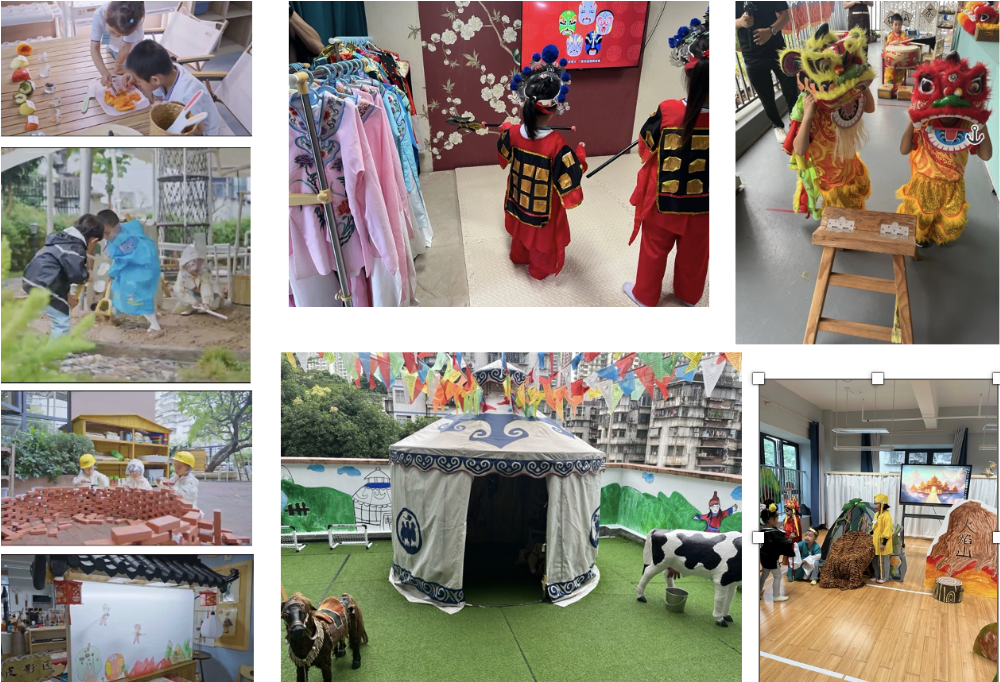
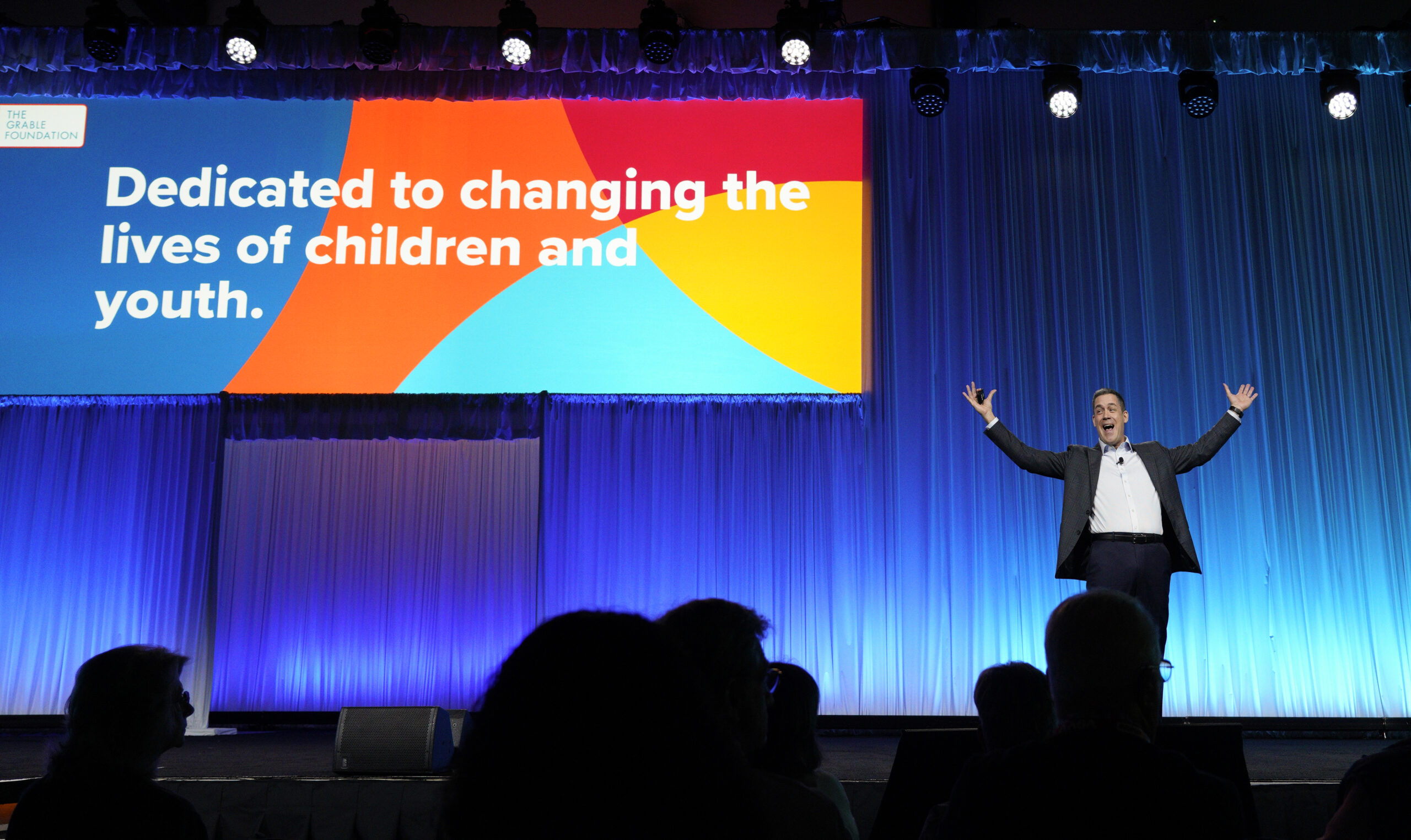
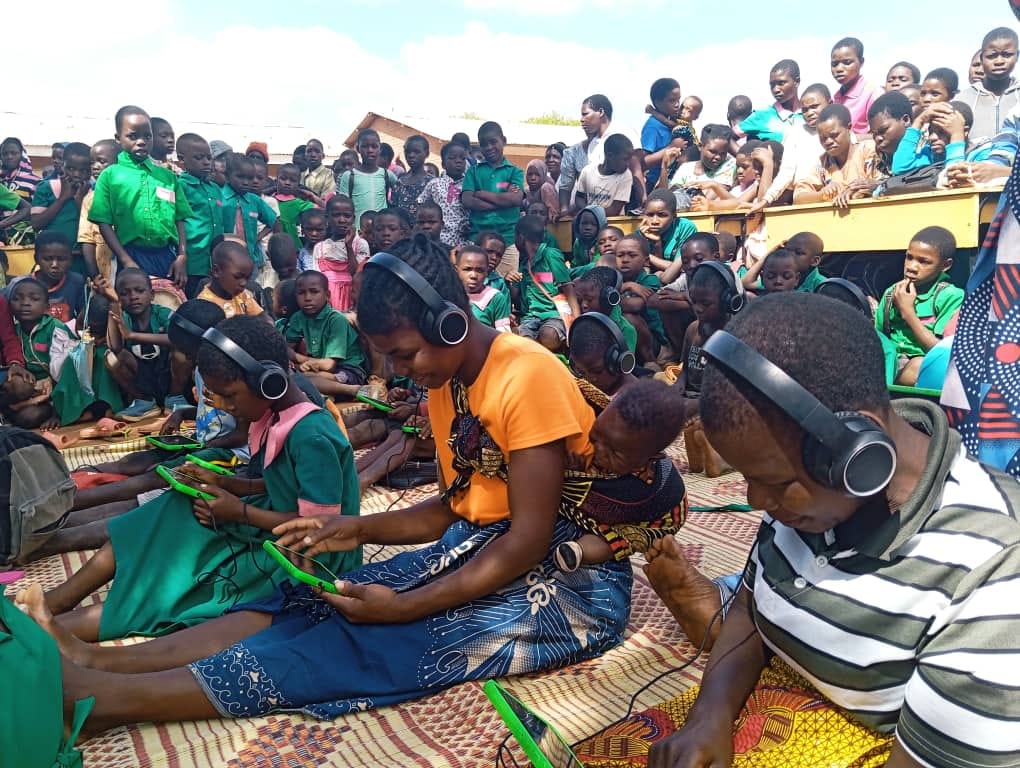



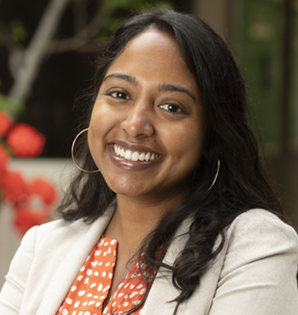




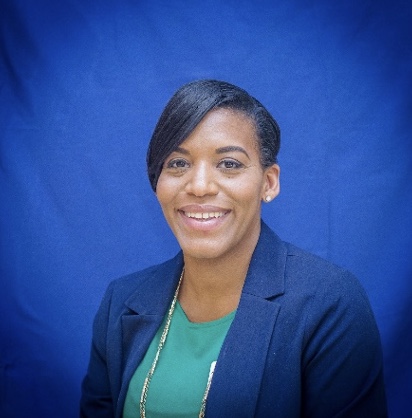





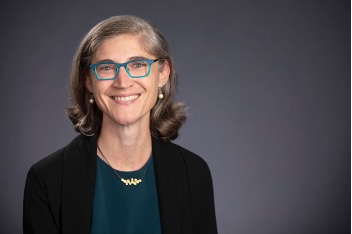

 International Education News