How have the pathways into higher education and the workforce changed in the US since the school closures of the COVID-19 pandemic? In the first part of this two-part post, RJ Wicks scans recent news and research to summarize some of the current conditions students in the US face as they try to find their way into adulthood. The second post explores some of the “micro-innovations” that educators are developing to help eliminate some of the barriers that limit access to learning opportunities and good jobs after high school. These posts are part of IEN’s ongoing coverage of what is and is not changing in schools and education following the school closures of the pandemic. For more on the series, see “What can change in schools after the pandemic?” For examples of micro-innovations in other areas see IEN’s coverage of the emergence of tutoring programs after the school closures: Tutoring takes off and Predictable challenges and possibilities for effective tutoring at scale.
“A college degree is the surest ticket to the middle class.” —President Barack Obama, 2015
Despite the continuing hope that college can be a gateway to economic mobility, the COVID-19 pandemic contributed to the already considerable challenges that many students face in getting into college and finding their way into the workforce. Illustrating the depths of the problem around the world, OECD’s analysis of survey responses from 690,000 15- and 16-year-old students from more than 80 countries concluded that “students are now expressing very high levels of career uncertainty and confusion. Job expectations have changed little since 2000 and bear little relationship to actual patterns of labour market demand.”
“[S]tudents are now expressing very high levels of career uncertainty and confusion. Job expectations have changed little since 2000 and bear little relationship to actual patterns of labour market demand.”
The report, comparing survey results from each of the PISA assessments shows that almost 40% of the students participating in the survey in 2022 are “career uncertain,” up from about 12% in 2000. In addition, almost 50% of all participates agreed or strongly agreed with the statement that “school has done little to prepare me for adult life” and almost 25% agreeing that “school has been a waste of time.”
In the US, concerns about getting in to the workforce combine with challenges that can limit access to college and other post-secondary options. Although recent enrollments in college in the US have begun to increase again, students’ opportunities remain restricted by growing financial barriers, expanding inequities, and a lack of alignment between what students learn in school and what the workforce demands. Additionally, a lack of career pathways for students who may not pursue traditional four-year degrees, limited information about the existing possibilities, and lack of personalized support make it particularly difficult for first-generation college students and other historically disadvantaged groups to navigate both conventional and new post-secondary opportunities. Addressing any of these challenges is likely to get even more difficult in a context where some now question the value of a college education and where the current US administration has attacked many institutions of higher education and the funding streams that support them.
Enrollment dropped—especially at community colleges—though enrollment rates appear to be rising again Between 2019 and 2021, undergraduate enrollment in the US fell by nearly 1 million students, the largest two-year decrease in more than 50 years. As Doug Shapiro, from National Student Clearinghouse explained in 2022, “enrollment in undergraduate and graduate programs has been trending downward since around 2012, but the pandemic turbocharged the declines at the undergrad level.”
In community colleges, in particular, 90% of those responding to a national survey reported enrollment declines in the first year of the pandemic, with 50% reporting declines of more than 10%. Those declines at community colleges continued, amounting to about a 13% enrollment drop over the course of the pandemic. By 2022, entry into two-year colleges was more than 20% lower than it was before the pandemic, with larger drops in Black- and Hispanic-majority colleges. In contrast, entry into four-year colleges declined by about 6%.
Sparking some hope that the enrollment declines are only temporary, more recent figures show that enrollments have begun to rise again. Fall enrollments in 2024 grew by almost 5% in comparison to fall 2023 and slightly exceeded fall enrollments in 2019 before the pandemic began. Enrollment gains were particularly strong in associate programs (up 6.3 percent), bachelor’s programs (up 2.9 percent), master’s programs (up 3.3 percent), and doctoral programs (up 2.0 percent).
College is unaffordable for most low-income students
The recent rise in college enrollments provides some hope that more students will take advantage of post-secondary education, but access to college remains limited by substantial financial barriers, particularly for students from historically disadvantaged communities. The average federal student loan debt in the U.S. is approximately $37,850, contributing to a national student loan debt total exceeding $1.6 trillion. This substantial debt burden influences life choices, with one-third of borrowers indicating it has impacted their ability to continue education, and 14% reporting it has affected decisions such as starting a family. Such financial constraints force many students to forgo higher education or work excessive hours, diminishing their focus on academic and career readiness.
Beyond tuition, textbooks, transportation, housing, and emergency expenses often make higher education inaccessible, even with financial aid. The National College Attainment Network (NCAN) defines an institution as affordable if its total cost —including tuition, fees, and $300 for emergency expenses — can be covered by the sum of grants, loans, Federal Work Study, a proxy for expected family contribution (EFC), and estimated summer wages. When the cost exceeds these combined resources, there is an “affordability gap.”
“Students with unmet need take out more loans, work more hours, face higher degrees of food and housing insecurity, and are at greater risk of forgoing higher education or leaving school without a credential.”
Furthermore, students from the lowest-income backgrounds would need to contribute almost 150% of their household income to cover the full-time cost of a four-year college, even after accounting for grant and scholarship aid. As one illustration of the disproportionate financial burden on low-income families, the share of household income required to pay for college increases dramatically from the highest- to the lowest-income households.
Illustrating the depth of the equity issues, first-generation college students, English learners, and students with disabilities face barriers that make it much more likely that they will drop out before getting a degree. Nationally, 89 percent of low-income first-generation students leave college within six years without a degree. More than a quarter leave after their first year — four times the dropout rate of higher-income second-generation students. Furthermore, the six-year graduation rate of students with disabilities at four-year colleges is 49.5%, compared to roughly 68% for students without disabilities.
Students are unprepared for college and careers
Contributing to the enrollment challenges, high school curricula often fail to align with postsecondary expectations, resulting in high rates of remedial courses particularly for students of color:
Students of color and low-income students continue to be placed into remedial courses at higher rates than their more advantaged peers, and almost half of Black and Latinx students attending public 2-year colleges, and 30% at 4-year institutions have enrolled in at least one remedial course.
The focus on four-year college degrees also overlooks the value of Career and Technical Education (CTE) and other pathways that align with workforce needs.
Next Week: New Pathways into Higher Education and the Working World? Scanning the Post-COVID Challenges and Possibilities for Access to Colleges and Careers in the US (Part 2)
What are the critical education issues facing India following the school closures of the pandemic? What are some of the practices and initiatives that could serve as building blocks for improving one of the largest educational systems in the world? Haakon Huynh explores these questions in the second part of a two-part series on K-12 education improvement efforts in India. The first part looked at some of the long-standing barriers hindering the development of India’s educational system. For previous posts related to education in India see: From a “wide portfolio” to systemic support for foundational learning: The evolution of the Central Square Foundation’s work on education in India (Part 1 and Part 2); and Sameer Sampat on the context of leadership & the evolution of the India School Leadership Institute.
Beyond the largely school-based, academic concerns of foundational learning and increasing access to colleges and careers, four other interwoven issues – including chronic absence, mental health, nutrition and sustainability – have been receiving increasing attention in the aftermath of COVID-19 related pandemic in India. The discussion of these issues illustrate both the critical challenges as well as the kinds of initiatives and innovations that are already being pursued that can give hope for the future in India and beyond.
Chronic absenteeism: When enrollment isn’t enough
For some time, the Indian government has focused on increasing enrollment, but in recent years, chronic absenteeism may have taken over as a critical issue. In fact, the Annual Status of Education Report (ASER) 2024 shows that enrollment now exceeds 98% among 6–14-year-olds. Encouragingly, early childhood enrollment has also risen significantly, and digital access among adolescents has become nearly universal. At the same time, data from ASER 2021 showed that over 20% of rural primary school children were not attending school at all even after reopening, and school-level data reported that 21% of schools had fewer than half their students attending regularly, though the extent of absences varied extensively by region. In some states, absence rates were slightly more than 10%, but in places like Bihar, West Bengal and Madhya Pradesh they ranged from 40% to 50%. In rural Telangana 75% of students missed 10 % or more of all school days and more than 50% missed 15% or more.
As in the United States and other countries, poor attendance and chronic absenteeism in India are connected to negative learning outcomes and increased chances of dropping out, particularly for already disadvantaged populations (National Collaborative on Education and Health, 2015; Uppal et al., 2010). Although research in India has been limited, common factors contributing to absences include disinterest in school, illness, weather, transportation, work demands, family obligations, (Malik, 2013) poor peer relations and being overage (Shah, 2021). Girls also have a lower attendance rate than boys, reflecting cultural and gender-related issues such as menstruation, child marriage, household responsibilities, and societal expectations (Raj et al., 2019). Although programs like mid-day meal offerings can increase attendance for part of the day, students may still leave after lunch, so that even students who are counted in a morning roll-call may still miss a substantial part of the school day. Complicating matters, most schools in India still rely on a manual system for tracking attendance which makes it difficult to collect, review, and act on the data in a timely way at the school level, and a lack of digitization means it’s difficult to aggregate and analyze the data across schools. All of which means reporting of attendance is subject to fraud and manipulation.
Responding to some of these specific issues, one pilot effort in ten schools – the Chronic Absenteeism Assessment Project (CAAP) – in the state of Telangana developed a way to measure student attendance using a fingerprint scanner connected to a tablet which allowed data to be analyzed relatively quickly. Beyond the technology, this approach included the development of “Education Extension Workers” (EEWs) who could follow-up with absent students and their families, investigate the reasons for absences, and respond appropriately.
Mental health: Entering the mainstream?
Although attendance and chronic absence began receiving attention before the pandemic, mental health has been a neglected and often taboo topic. None of India’s 22 languages have words for “mental health,” “depression,” or many other mental illnesses, yet a national survey in 2016 documented 50 derogatory terms used for people suffering mental illnesses. At the same time, even before the pandemic, India had one of the highest suicide rates in Asia. Furthermore, according to the same national survey, over 80% of those who did report mental health problem could not access adequate treatment – not surprising given that India only had three psychiatrists for every million people and even fewer psychologists (in contrast, the US has almost 400 psychiatrists and psychologists for every million people).
The pandemic and associated lockdowns only made the situation worse. Even by the middle of 2020, surveys were suggesting that as many as 40% of participants reported suffering mental health problems and more than 65% of mental health professionals surveyed reported in increase in self-harm behaviors among their patients. By 2021, the mental health of Indian university students had worsened significantly, with over 75% experiencing moderate to severe depression and nearly 60% experiencing moderate to severe anxiety. School counselors have also noted rising mental health concerns, with one study reporting that counselors are dealing with challenges ranging from heightened anxiety and social isolation to increased aggression and cyberbullying.
These increases, however, also may reflect a growing willingness to recognize, report and seek treatment for mental health issues. Furthermore, as early as 2020, the Indian government launched the Manodarpan initiative to provide psychosocial support for students, families, and educators. Among other things, the initiative provides counseling resources, a national helpline, and school-based mental health programs.
Attention to socio-emotional learning is also growing in some schools in India as approaches like “feelings check-ins” are supported by programs like the Simple Education Foundation and Apni Shala. This practice invites students to begin the school day by identifying and sharing how they feel, often using a simple visual chart or prompt. Other initiatives include POD Adventures, a smartphone-based mental health intervention co-developed with Indian adolescents. Among other components, the app prompts youth to identify their feelings, name the source of their stress, and plan responses.
Nutrition is another concern receiving more attention post pandemic. India faces a so-called “triple burden” of undernutrition, micronutrient deficiency, and obesity. About 6% of children are overweight or obese and over 65% are anemic.
Although some progress had been made on these health issues, the pandemic set that work back. Disruptions to India’s food systems included interruptions of food programs, reduced access to healthy foods, and increased costs. Illustrating the challenges, the COVID-19 lockdown in the state of Karnataka led to the suspension of the Mid-Day Meal (MDM), iron–folic acid (IFA) supplements, and deworming programs. In turns, those disruptions likely contributed to increases in the rates of children who were underweight from about 30% in 2017 to 45% in 2021 while anemia rates nearly doubled from 21% to 40% during the pandemic.
These disruptions, however, along with government and civil society awareness campaigns may also have brought greater attention to these issues in recent years. Even before the pandemic, the Ministry of Education sought to support children’s nutrition and healthy eating by implementing School Nutrition (Kitchen) Gardens. That national program, launched in 2019, recommends that every class spend one to two hours per week in the school’s garden and encourage the integration of garden activities into the school curriculum. The produce from these gardens is intended to supplement school meals, supporting both nutrition and experiential learning.
Although India has issued national guidelines mandating school nutrition gardens in all schools, progress has been uneven. Some states have taken it further by encouraging families to develop their own gardens. The Nutrition Garden program, implemented in rural areas of the states of Tamil Nadu and Odisha, trained families to cultivate diverse vegetables and offered structured nutrition education. In a similar program in rural schools in in the state of Andhra Pradesh, a 2025 study found that after receiving gardening kits and nutrition education through their government schools, students established kitchen gardens at home and increased their vegetable consumption by 90%.
Sustainability: Preparing for a warmer planet
Climate change has also emerged as both a critical challenge but also a potential driver of innovation in education in India. In 2019, India was ranked number seven among a list of the countries affected by the changing environment, but 65% of the Indian population had not heard of climate change. As one step in raising awareness about the issue, India’s 2020 National Education Policy (NEP), emphasized the need for environmental education in schools and suggested a shift from content-based learning to skill-based learning in climate education. At the same time, some Indian universities have emerged as global leaders in sustainability with India being the best-represented nation in the 2024 Times Higher Education Impact Rankings assessinguniversities’ contributions to each of the 17 United Nations sustainable development goals (SDGs).Institutions such as Saveetha Institute, Shoolini University, and JSS Academy are ranked among the world’s top performers, contributing to clean energy (SDG7), health (SDG3), and sanitation (SDG6).
Although the costs can be prohibitive, architects in India have also been exploring sustainable schools designed explicitly to respond to and take advantage of the environmental conditions in their local contexts. One of those schools serves a desert township in Ras that houses families of those working in a cement plant. To minimize the impact of the harsh sun and make the structure as energy-efficient as possible, the architects created a fragmented layout of sheltered and semi-enclosed spaces to maximize shade and ventilation. A Central Board of Secondary Education school run by the Rane Foundation in a rural village of Tamil Nadu relied on local and recycled materials to create a design that eliminates the need for air-conditioning. Another private, international school in Bengaluru sought to take advantage of its setting near a national park to cultivate respect and curiosity in the natural environment. To do so, the design creates both inside and outside learning spaces and allows students to get perspectives on the trees and plantings from multiple perspectives.
Sustainable schools (top left to bottom right) designed for a desert climate in Ras, Rajasthan; for rural Tamil Nadu, and for a natural setting in Bengalaru
The green economy’s rapid expansion and the promise of high-paying jobs in fields like renewable energy and environmental policy have also contributed to a surge in the numbers of students interested in sustainability education. Supporting those interests, several initiatives seek to engage students in learning about and promoting sustainable practices. For example, the Green School Initiative involves over 35,000 students, more than a 1000 teachers across 110 schools in supporting student-led efforts to promote sustainability in their local communities. In addition to providing environmentally-based curricula, the Initiative sponsors action projects and capacity-building activities related to the UN’s Sustainable Development Goals, particularly in areas of Energy, Water, Forests & Biodiversity, and Waste.
The Green Schools Programme and other efforts support student engagement in issues of sustainability by giving them the opportunity to both study and grade their schools on their environmental performance. For example, Birla Vidya Niketan a school of 4,000 students in New Delhi has become known for its attention to sustainability and its student-led electricity audits. By appointing student monitors to ensure fans and lights are switched off when classrooms are empty, the school promotes peer-led accountability in daily energy use. The chosen students complete simple forms to track behavior and encourage energy-saving habits among classmates. To assess impact, the school analyzes changes in its electricity bills. Principal Minakshi Kushwaha emphasized the role of peer education, noting that students are more receptive to feedback from fellow students than from teachers alone. Another public school in Delhi, RK Puram, involves students in energy audits and also involves them in projects related to renewable energy and waste management that build on the school’s commitment to developing sustainable facilities. Demonstrating the international power of these efforts, student audits and related projects can also be found in the PowerSave Schools Program in Southern California in the Let’s Go Zero campaign in the UK.
Common denominators and synergies?
The challenges of mental health, chronic absence, nutrition, and sustainability are deeply rooted and disproportionately impact the most marginalized; but these are not isolated challenges. The challenges interconnect and build on each other creating a set of barriers that can undermine learning and development. Although the complexity and scale of the education system in India compounds the challenges, coordinated efforts to address these critical challenges could also provide cascading benefits in the largest education system in the world.
The pandemic disrupted educational services and exacerbated inequalities in India, but did it also create opportunities to improve education more broadly? In this 2-part series, Haakon Huynh explores some of the initiatives that aim to deliver more inclusive, high-quality education for the next generation in the world’s most populous nation. This week, part 1 outlines some of the enduring issues in education in India and shares a few examples of the programs and practices trying to address them. A second post will focus on some of the efforts to address concerns that are taking on increasing importance in India post-pandemic including chronic absence, mental health, nutrition, and sustainability. For previous posts related to education in India see: From a “wide portfolio” to systemic support for foundational learning: The evolution of the Central Square Foundation’s work on education in India (Part 1 and Part 2); and Sameer Sampat on the context of leadership & the evolution of the India School Leadership Institute.
On top of long-standing concerns about improving foundational learning, the school closures also heightened concerns about academic learning overall. The National Achievement Survey, for example, showed a significant decline in test scores, particularly in high school, as class 10 scores fell by about 13% in Mathematics, 18% in Science, and 9% in Social Science. A survey of students in 200 schools in Assam between 2018 – 2022 showed that, during the pandemic, students had lost the equivalent of nine months of learning in math and eleven months in language. A study in Tamil Nadu, in 2021 also found significant learning deficits (or about .7 standard deviations in math and almost .4 standard deviations in language) compared to similar students tested in 2019; however, in contrast to other countries like the US, some recovery took place relatively rapidly, as two-thirds of the deficit was made up within six months after school reopening.
NIPUN Bharat, Department of School Education & Literacy
Within this context, states and schools in India are pursuing a host of specific innovations aiming to support students’ ability to read, write and count. These include tech-enabled approaches supported by the Central Square Foundation like digital microlearning video modules delivered weekly to teachers and school leaders in Bihar and a Mentor mobile app used for real-time classroom observations. The HundrED collection of global innovations also features a number of resources and practices that have demonstrated some effectiveness in supporting foundational learning in India. Among them, Building Blocks, a maths app, provides over four hundred interactive games that children from grades 1 – 8 can explore at their own pace to supplement their instruction in school.
At the same time, limited access to computers and the internet in India – where just 4% of rural households own a computer – continue to constrain the reach of tech-dependent efforts to support foundational learning. As a result, other initiatives recognized as part of HundrED’s collection of global innovations are trying to develop approaches that do not rely on the internet. Building on the fact that a billion Indians watch nearly four hours of TV every day, BIRD (the Billion Reader’s Initiative) adds Same Language Subtitling (SLS) on mainstream entertainment on television & streaming platforms. TicTacLearn (TTL) endeavors to increase access to educational content through a free digital education platform that provides over 14,000 curriculum-aligned videos and assessments in seven Indian languages. While the videos are available on YouTube, TTL also distributes them via pen drives, making it possible to load the content onto school computers in remote areas with limited internet.
HundrED’s Global Collection this year also features the Raster Master Three-Generational (3G) Learning Model which shows what’s possible without reliance on the internet, television or other technologies. This initiative transforms unused walls in streets and courtyards into learning spaces for the “Teachers of the Street.” Painted with chalkboard paint, these walls provide a cost-effective, visible, and accessible platform for teaching letters, numbers, and basic lessons, which are often led by children themselves. Like the HopeHouseproject in Rwanda where secondary school students paint educational murals featuring world maps, alphabets, numbers in English and Kinyarwanda, these low-tech approaches are particularly well-suited to lowering the barrier to participation for first-generation learners and out-of-school children.
Increasing access to college and careers
Although India has rapidly expanded access to higher education, the pandemic has also intensified concerns about future readiness in India and helped to drive efforts to create new pathways into college and careers. In terms of access, a recent government press release highlights that between 2011–12 and 2021–22, enrollment in state public universities rose from 23.4 million to 32.4 million students, while private universities experienced a staggering 497% increase in enrollment.
These increases included significant gains in access to higher education among marginalized groups. According to the Ministry of Education, enrollment among indigenous communities rose by over 100%, among protected castes by more than 75%, and among Muslim minorities by 60%. The Gender Parity Index also improved from 0.87 in 2011–12 to 1.01 in 2021–22, meaning 1.01 women were enrolled for every man. At the same time, concerns about equity remain, particularly in private institutions that now account for over a quarter of all higher education enrollment. Private universities are not legally required to follow affirmative action mandates even though they often benefit from public support like land grants and tax exemptions. Under these conditions, the share of historically marginalized students in private higher education has increased moderately, but hasn’t kept pace with the increased access in public institutions. Furthermore, although increasing the diversity of the faculty might help to build the enrollment of students from historically marginalized backgrounds, only 4.1% of faculty in top-ranked private universities belong to protected caste communities; and faculty positions reserved for such communities in public institutions like Indian Institutes of Managements remain largely vacant with over 83% of these posts unfilled.
In addition to issues surrounding equity, as in other countries, there is a disconnect between the skills taught in academia and what’s in demand in industry. This has contributed to high levels of youth unemployment and estimates that only about half (51%) of Indian graduates are considered employable. This underemployment crisis is especially acute among highly educated youth. Two-thirds of India’s unemployed are young people with secondary or higher education, many of whom delay entering the job market while holding out for “white-collar” roles. Correspondingly, in sectors like healthcare and engineering a lack of alignment between curricula and labor market needs contributes to a situation where millions of trained graduates are unable to find meaningful employment. The current education system, critics argue, emphasizes degrees over real-world skills, leading to large pools of underutilized talent at a time when India is on the cusp of its so-called demographic dividend – the time where the largest part of its population is in working age.
The paradox of educated unemployment has become one of India’s most pressing post-pandemic challenges. According to the Periodic Labour Force Survey (2023–24), the unemployment rate among those with secondary education or higher stands at 6.5%, significantly higher than among those with less education, which is just about 1% for middle school graduates and just 0.2% for those with no formal education. The situation is especially dire for educated urban women, who face an unemployment rate of about 13%, more than double that of their male counterparts at 6%. Despite small year-on-year improvements, these figures show that more education no longer translates to better economic outcomes, and in fact, often exacerbates social inequality.
In one effort to address these challenges following the disruptions of the pandemic, The 2020 National Education Policy (NEP) introduced several innovations including academic credit banks, digital systems that allow students to accumulate and transfer credits earned across different institutions. By enabling learners to pause, resume, and combine coursework flexibly, these kinds of innovations could support more personalized pathways to completing degrees. The policy also places greater emphasis on vocational education aiming to expose at least 50% of learners to vocational education by 2025. Of course, putting these elements into policies is only one step, and it remains to be seen to what extent these policies will be implemented and exactly who might benefit.
Next week: New Frontiers for Educational Improvements in India?Critical educational issues in India post-pandemic (Part 2)
Hirokazu Yokota discusses some of the current initiatives of the Children and Families Agency (CFA) as key steps in the efforts to create a “child-centered” society in Japan. In Part 1 of this 3-part interview, Yokota described the establishment of the CFA and the efforts to promote digital transformation in childcare. In Part 3, Yokota will reflect on what it takes to launch new government institutions like the Child and Families Agency. Yokota has followed a rare career path as a bureaucrat who belongs to the Japanese Ministry of Education, Culture, Sports, Science and Technology (MEXT), but who has repeatedly stepped out of the “education circle” to work in other agencies, including the Children and Families Agency, which was established in April 2023. In September 2021, Yokota was one of the charter members helping to establish Japan’s Digital Agency , and he went on to work as a Deputy Superintendent in Today City. Yokota has previously written about his experiences as a parent and educator during the pandemic as well as his work in the Digital Agency and in Toda City: A view from Japan: Hirokazu Yokota on school closures and the pandemic; Hiro Yokota on parenting, education and the new Digital Agency in Japan; and Hirokazu Yokota on aggressive education reforms to change the “grammar of schooling” in Toda City (part 1) and (part 2). Please note that Yokota is sharing his personal view on CFA and its policies, and his views do not represent the official views of the government. For further information contact him via Linkedin.
IEN: In the first part of our interview, you described some of the main responsibilities of the Child and Families Agency (CFA), what are some of the other new policy initiatives of the CFA?
HY: In addition to the childcare policies I mentioned, the CFA is also tackling a number of other new initiatives related to increasing the income of the next generation; listening to the voices of children and youth; and preventing violence against children. (For links related to these initiatives see General Principles for Child-Related Measures Explanatory Material and the White Paper on Children’s Policy 2024.
Raising the Income of the Young Generation
According to the “Acceleration Plan” (Kasokuka Plan) of the Children’s Future Strategy, CFA takes a basic stance of respecting diverse values and perspectives on marriage, childbearing, and childrearing, while enabling the young generation to get married as they wish, and to have and raise children as anyone wishes, that is, to support the pursuit of individual happiness, thereby reversing the trend of declining birthrate. Additionally, reversing the trend of declining birthrate and a shrinking population will contribute to Japan’s society as a whole, by stimulating economic activities, stabilizing social security functions, and increasing the labor supply and bearers of community and society. Therefore, it is necessary to strengthen child-rearing policies as an “investment in the future” and to foster an awareness that society as a whole supports children and child-rearing. To that end, initiatives like substantially expanding the child allowance were implemented to reduce the financial burden of child rearing.
“[R]eversing the trend of declining birthrate and population will contribute to Japan’s society as a whole, by stimulating economic activities, stabilizing social security functions, and increasing the labor supply and bearers of community and society.”
The “Acceleration Plan” stated two other principles: Change the structure and attitudes of society as a whole and provide all children and child-rearing households with seamless support according to their life stages. The projected budget for the “Acceleration Plan” is approximately JPY 3.6 trillion at this time. With the implementation of the Acceleration Plan, Japan’s child and family-related expenditures per child will reach a level comparable to Sweden, which currently ranks highest among OECD countries. Furthermore, the Children and Families Agency’s budget is expected to increase by approximately 50% as a result of the plan. The government aims to double the budget of the Children and Families Agency by the early 2030s.
With the implementation of the Acceleration Plan, Japan’s child and family-related expenditures per child will reach a level comparable to Sweden, which currently ranks highest among OECD countries.
Hearing the Views of Children and Young People
In working toward the realization of a child-centered society, the most important element is to hear the views of children and young people. One of the core principles of child policy is “respecting the views of children, young people, and people raising children, hearing their opinions, and having dialogues.” Based on this principle, the Children and Families Agency is promoting the initiative “Children and Young People ★ Opinion Plus” (Kodomo Wakamono ★ Iken Plus), which gathers input from children and young people ranging from elementary school age to those in their 20s, and reflects their views in policymaking. Approximately 4,000 children and youth are currently registered in the initiative. They provide input not only on themes set by government ministries and agencies, but also on topics of their own choosing. A variety of methods are employed to gather input, including in-person sessions, online meetings, surveys, and outreach-style formats.
The Prevention of Sexual Violence against Children Act
Following the development of a comprehensive policy package in April 2024, the Prevention of Sexual Violence against Children Act was enacted in June of the same year. That Act requires schools and childcare providers to ensure daily safety measures in place to prevent sexual violence against children, including verifying certain sexual criminal records of their employees. With regard to covered entities, the obligation is imposed on “school operators and similar entities” that have a clearly defined scope of operation and are subject to supervisory and disciplinary mechanisms should issues arise. For other organizations, such as various types of schools, services filed under the Child Welfare Act, and sectors that currently lack regulatory oversight — where administrative authorities cannot fully identify the scope of activities in advance — a certification system has been introduced. Under this system, private education and childcare service providers that maintain structures equivalent to those required under the Act can be officially recognized and brought under the regulatory framework.
Until now, the regulation of sexual violence against children had been fragmented across ministries: nurseries fell under the jurisdiction of the Ministry of Health, Labour and Welfare (MHLW), schools under the Ministry of Education, Culture, Sports, Science and Technology (MEXT), and private tutoring services under the Ministry of Economy, Trade and Industry (METI). These jurisdictional divides had made it difficult to establish cross-sectoral regulations. However, with the establishment of the Children and Families Agency as the central coordinating body for child-related policies, it has become possible to enact comprehensive legislation of this kind.
IEN: How do you compare CFA to Ministry of Education, Culture, Sports, Science and Technology (MEXT) and the Digital Agency, both of which you once belonged to?
HY: In terms of demarcation of the authority between the MEXT and CFA, MEXT’s primary responsibility is the promotion of education. As the aforementioned Basic Policy states:
“Accordingly, matters related to education will continue to be handled under the leadership of MEXT to ensure further enhancement. At the same time, the Children and Families Agency (Kodomo Katei-chō) will be appropriately involved from the standpoint of ensuring the healthy development of all children. Through close collaboration between the two ministries, the aim is to guarantee the well-being and sound growth of every child.”
For example, with regard to bullying and school non-attendance, MEXT provides necessary guidance, advice, and conducts investigations in support of initiatives undertaken by local governments and school operators, including boards of education; but the Children and Families Agency is responsible for the prevention of bullying among children, including cases occurring outside of school settings.
In terms of organizational comparison, speaking from a personal impression, the Children and Families Agency appears to have a high degree of diversity. This is because its staff come from various ministries — including the Ministry of Health, Labour and Welfare (MHLW), the Cabinet Office, and the Ministry of Education, Culture, Sports, Science and Technology (MEXT) — as well as from local governments and the private sector. Moreover, as a newly established organization, there is an atmosphere that welcomes taking on new challenges. On the other hand, there are still areas where the organizational culture and methods of work are not yet fully established, which I recognize as a challenge. In April of this year, the first cohort of newly recruited staff specifically for the Children and Families Agency joined. I have high hopes that they will help to build an organizational culture where diversity is not seen as a hindrance but rather as a strength.
Regarding the comparison between the Digital Agency and the Children and Families Agency, having been part of both organizations during their formative periods, I observed firsthand that when a new organization is established, many systems and processes are not yet fully in place. In the case of the Digital Agency, the adoption of a project-based structure sometimes led to considerable confusion. I recall that a minister I served under at the time described the vision for the Digital Agency as aiming to become the “Istanbul of Kasumigaseki” — meaning a place where diverse people from both the public and private sectors could gather and interact. I feel that the agency has indeed become such a place.I hope that it can continue to serve as an organization that opens the so-called “revolving door” — a mechanism that facilitates greater mobility between the public and private sectors, which has traditionally been difficult to achieve in the field of public policy.
“I hope that [the Digital Agency] can continue to serve as an organization that opens the so-called “revolving door”—a mechanism that facilitates greater mobility between the public and private sectors, which has traditionally been difficult to achieve in the field of public policy.“
Although this may not be immediately apparent from a citizen’s perspective, one insight I gained from observing these two agencies is the critical importance of the Cabinet Secretariat or Director-General’s Secretariat, the bodies responsible for coordinating the organization as a whole. In this regard, I found that the Ministry of Education, Culture, Sports, Science and Technology (MEXT) functions very effectively, presenting overall policy directions and coordinating among departments in ways that facilitate the work of individual policy divisions. Similarly, although the Digital Agency initially had a weak secretariat function at the time of its establishment, efforts were quickly made to strengthen its organizational culture and human resources systems, and I have heard that it has since become a more comfortable and supportive workplace.
From a policy perspective, I believe that both the Children and Families Agency and the Digital Agency are organizations that seek to shift perspectives. The goal is to move from a provider-centered view to a user-centered one, and from an adult-centered view to a child-centered one. When I was at the Digital Agency, we collected feedback from approximately 260,000 children, teachers, and parents regarding the usability of tablet devices, and used that feedback to improve the systems. I hope that this kind of practice—incorporating user feedback as a matter of course—becomes even more standard in the daily operations of public administration.
“The goal is to move from a provider-centered view to a user-centered one, and from an adult-centered view to a child-centered one.“
Next week: Opportunities and Challenges in the Establishment of the Children and Families Agency and Other New Government Institutions: Hiro Yokota on the Development of a “Child-Centered Society” in Japan (Part 3)
“It’s not always about college”: Teachers’ sense-making around the shifting purpose of high school —Aaron Leo (AL) & Kristen Wilcox (KW), University at Albany (SUNY)
Lead the Change (LtC): What are some of the ideas you hope the field of Educational Change and the audience at American Education Research Association (AERA) can learn from your work related to practice, policy, and scholarship?
AL & KW:NYKids’ research offers a unique contribution to the field of Educational Change considering we are investigating schools which have sustained above-predicted outcomes for an extended time. As all schools are unique, our findings are not meant to be copied and pasted onto every location; instead, we view the lessons learned from positive outlier schools as a partial roadmap which can inspire and inform educators grappling with challenges in their own particular school-community contexts. Moreover, our qualitative approach provides a way to hear directly from educators as they describe, in their own words, their unique school and community ecologies, the obstacles they have encountered, and the particular policies, practices, and programs they have designed to overcome them. Our full dataset from the seven participating schools include: 70 interviews, 43 focus groups, 361 collected documents, and field notes taken during four school tours.
“As all schools are unique, our findings are not meant to be copied and pasted onto every location.”
One aspect common to the positive outlier schools we studied was an effort to make curriculum relevant, engaging, and responsive – especially in the wake of the COVID-19 pandemic and related school closures. For instance, at Lafayette Jr.-Sr. High School, educators have worked to ensure that the sizeable population of students from the Native American Onondaga Nation were provided culturally relevant activities and were represented in the school’s activities, appearance, and values. This process took many forms such as flying the Onondaga flag outside the school, creating a section in the school library featuring Native American authors, and working with a Native American liaison and My Brothers’ Keeper Coordinator to foster positive connections between the school and Onondaga community. At Fillmore, educators also developed culturally responsive approaches, but these looked different in a rural locale with a long history of agriculture. In this context, educators reinstated the Future Farmers of America program and provided hands-on opportunities for students to care for plants and animals on school grounds. To engage their students, Fillmore teachers worked together to create cross-disciplinary lessons and project-based learning opportunities.
We feel that these findings are of high value to the field of Educational Change as they provide examples of educators working to identify and address challenges in varied contexts. As our improvement hub has been supported by the state for over two decades, our research, and research-based tools have attracted the attention of the New York State Department of Education and have been highlighted by our advisory board member organizations including the New York State Council of School Superintendents, The New York State School Boards Association and several others that in turn influence policy in our state.
Kristen Campbell Wilcox, PhD
Aaron Leo, PhD
Call for efficacy: Changes in prior learning assessment (PLA) measures in the Florida college system — Giang-Nguyen T. Nguyen (GN) & Carla Thompson (CT), University of West Florida, Rashmi Sharma (RS), Western Illinois University
Lead the Change (LtC): What are some of the ideas you hope the field of Educational Change and the audience at American Education Research Association (AERA) can learn from your work related to practice, policy, and scholarship?
GN, CT, & RS: The researchers hope that AERA and the field of educational change could be the space to share research that directly impacts the students of the underserved community. The audience at AERA could learn about the current landscape of prior learning assessment (PLA) in Florida. This one segment of research from Florida has far-reaching implications beyond the US. By shedding light on PLA, the researchers hope that the participants from other states and internationally can advocate for transparency and support the community college students. Moreover, the audience at AERA could make the change by being the change they want to see in practice.
“The audience at AERA could make the change by being the change they want to see in practice.”
The researchers are advocating for uniform and sustainable policies at the state level guided by federal guidelines as a critical step in ensuring equitable access to PLA opportunities for community college students. The researchers are hoping that the participants will engage in scholarly discussion about the following implications of the research and provide their insights and actionable suggestions:
Sustainability in Education Systems. Researchers hope to see a shift in thinking about the sustainability of educational reforms related to educational practices and policies. We are advocating for creating a system for continuous improvement on PLA for community college students, where changes could be implemented and evaluated regularly to take into account the needs of different groups of students.
Bridging research to practice. Research shows that students have limited access to PLA information so it is important to provide multiple avenues of information for easy access. Using evidence from the research to inform the practice, the researchers propose changes at the state and federal level policies that involve multiple stakeholder groups.
State-Level Uniformity. Advocate for state-level uniform policies that ensure consistency across institutions, making it easier for students to understand and access PLA opportunities. Such policies can standardize some processes like credit evaluation, eligibility criteria, and application procedures. State mandates can require institutions to make PLA information readily available through multiple channels, such as websites, orientation sessions, social media, and advising services.
Federal Guidelines as a Framework. Federal guidelines can establish minimum standards to ensure that PLA policies promote equity, inclusion, and access for all students, particularly those from underserved communities. The federal government can incentivize states to adopt uniform PLA policies by tying funding or grants to comply with these guidelines. Federal guidelines can encourage states to adopt reciprocity agreements, ensuring that PLA credits earned in one state are recognized in others, thereby supporting student mobility.
Collaboration Across Stakeholders.Encourage collaboration among educators, policymakers, and advocacy organizations to align state policies with federal guidelines. There is a need to consider local needs and provide professional development opportunities to ensure administrators and faculty are well-equipped to implement uniform PLA policies effectively.
Carla Thompson, PhD
Rashmi Sharma, PhD
Giang-Nguyen Nguyen, PhD
Youth and institutional change: The impact of student protests on curricula transformation in higher education — Tafadzwa Tivaringe (TT), Spencer Foundation
Lead the Change (LtC): What are some of the ideas you hope the field of Educational Change and the audience at American Education Research Association (AERA) can learn from your work related to practice, policy, and scholarship?
TT: A key insight from this work [with students in higher education in South Africa and the US] is that practical efforts to facilitate institutional change that are rooted in research stand a better chance of delivering on the promise of transformation. For example, my work finds that while there was a statistically significant increase in course offerings that aligned with students’ demands for more social justice curricula, sentiment analysis of the syllabi of those classes in both country’s colleges demonstrated that a significant proportion adopted neutral framings on the subject. Furthermore, while colleges in both countries adopted courses that had titles and/or course descriptions that referenced social justice, most of the goals of those courses did not involve pedagogical outcomes that explicitly involve addressing injustice. This was despite explicit student demands for curricula transformation that includes ethical commitments to social justice during the #FeesMustFall and #BlackLiveMatter protests (Nyamnjoh, 2016; Taylor, 2016; Tivaringe & Kirshner, 2024). These findings show that there is a gap between students’ input and institutional responses that, if not fully understood, undermines our collective capacity to deepen equity within higher education institutions.
My research underscores a growing call by many educational change scholars on the importance of centering the experiences of those most affected in the policy process (Furlong & Cartmel, 2006; Henry et al., 2013). Too often, policies and programs designed to support people marginalized in the policy making process fail to take their input seriously. This can lead to a false sense of redress and repair. Even more, it can erroneously shift attribution of bad outcomes to individuals, rather than a proper interrogation of the inadequacies of said policies in achieving desired outcomes.
Lastly, there is often a discomfort with the use of quantitative and computational methods in educational change. I must admit that this skepticism is not without cause: those tools have historically been used to stall and/or attack efforts to advance social justice in education (DiGarcia et al., 2018; Dixon-Román, 2017). However, by leveraging a combination of text-mining machine learning algorithms and longitudinal structural equation models to examine the impact of student protests in South Africa and the United States, I join a growing group of critical scholars (e.g., de Freitas & Dixon-Román, 2016; Lukito & Pruden, 2023) who believe and indeed demonstrate that sustainable and effective research on educational change ought to include such tools in its repertoire. Additionally, given the global nature of inequities, it is imperative that reparative efforts learn across contexts. Yet, as we have argued in our work (Kirshner et al., 2021; Tivaringe & Kirshner, 2021) insights in the field of education are disproportionately drawn from the global North. As such, insights that could be critical in learning how to deepen social justice are marginalized. My conference paper offers one instantiation of a comparative approach that, while neither perfect nor exhaustive, ensures that change efforts are informed by both local and global insights.
Working to dismantle enduring educational inequity: Actions and beliefs of equity-minded educational leaders — Betty Alford (BA), Liane Hypolite (LH), California State Polytechnic University
BA & LH: [In our studies] through interviews, the voices of equity-focused leaders provided examples of practices that contributed to remedying past inequities and attaining a more just future in education.
Lead the Change (LtC): What are some of the ideas you hope the field of Educational Change and the audience at American Education Research Association (AERA) can learn from your work related to practice, policy, and scholarship?
BA & LH: Through interviews, the voices of equity-focused leaders provided examples of practices that contributed to remedying past inequities and attaining a more just future in education… We hope the audience at AERA is inspired by the commitment demonstrated by these educational leaders to enact equity focused policies and use these policies to make positive changes for achieving the equity-focused goals. Their actions and words serve as examples of how analysis of community needs, an openness to change and inquiry, a commitment to culturally responsive pedagogy and equity-focused leadership, and engagement in reflection and ongoing learning can contribute to positive change. These educational leaders were knowledgeable of issues that have been identified in the research literature of the importance of asset not deficit-based approaches, authenticity as a leader, students of diverse ethnic groups seeing themselves in the curriculum and school initiatives, parent engagement, and fostering sustained dialogue amongst collaborative groups to bring about change (Gurr et al., 2019; Fullan, 2016; Johnson, et al., 2017; Radd et al., 2021).
“Sustained professional development was one way that practices, policy, and scholarship merged to contribute positively to equity-focused change efforts.”
Successful, focused leadership for equity and social justice in these districts included increasing Board members’ understanding of needs and involvement in listening sessions and professional development. In both districts, educational leaders emphasized that the focus was strongly supported by the superintendents’ ongoing attention to process as well as to implementation. As an educational leader stressed, “The superintendent always asks, ‘What was your process for reaching this decision?” The process was always to include involving multiple individuals in the decision making. In both districts, resources were provided to fund sustained professional development opportunities on developing the equity focus. For example, in one district, the Board and administrative teams took part in multi-week leadership development sessions. In the other district, teachers and educational administrators and teachers on special assignment participated in ten days of summer professional development to prepare for offering ethnic studies in the school followed by monthly professional development sessions throughout the year. This sustained professional development was one way that practices, policy, and scholarship merged to contribute positively to equity-focused change efforts in the schools.
Betty Alford, PhD, California State Polytechnic University
Liane Hypolite, PhD, California State Polytechnic University
Leading change: School leaders’ support for culturally and linguistically diverse students amidst emerging multiculturalism — Soon-young Oh (SO) Michigan State University
Lead the Change (LtC): What are some of the ideas you hope the field of Educational Change and the audience at American Education Research Association (AERA) can learn from your work related to practice, policy, and scholarship?
SO: This study illuminates how school leadership can support culturally and linguistically diverse students [CLD] students in societies [like Korea] that are only beginning to experience multicultural shifts. By examining school leaders’ strategies at the intersection of practice, policy, and scholarship, my research highlights key considerations for the field of educational change.
In practice, the research reveals how school leaders in Korea reframe existing cultural values to create more inclusive environments. Confucian values and hierarchical structures have traditionally shaped educational leadership and organizational culture, emphasizing social harmony, respect for authority, and collectivism (Lee, 2001). Some scholars have noted that such cultural foundations, when rigidly applied, can make it difficult to address individual differences, as they often prioritize group cohesion over personal identity (Nukaga, 2003). However, this study finds that school leaders in Korea are actively reinterpreting these values to support CLD students. Rather than reinforcing conformity, they leveraged collective harmony to create spaces where CLD and non-CLD students could naturally interact and build cross-cultural friendships. They also promoted bilingual learning by integrating students’ home languages into school-wide initiatives while maintaining an emphasis on group cohesion.
From a policy perspective, my findings suggest that effective educational change requires greater flexibility in policy design. Current approaches to multicultural education often assume that schools can apply standardized strategies (Alghamdi, 2017; Banks et al., 2016), but the schools in my study emphasized the importance of locally adaptive policies. Some leaders prioritized linguistic support programs, while others focused on strengthening partnerships with families and communities. These varying approaches highlight the need for policies that empower school leaders to shape multicultural education in ways that are responsive to their specific school contexts.
In terms of scholarship, this research contributes to ongoing efforts to expand educational leadership theories beyond Western-centric models. Much of the existing literature on school leadership in multicultural settings, such as Khalifa et al. (2016), has been developed in societies with long histories of diversity (e.g., Cuéllar et al., 2020), but my study illustrates how school leaders in newly diversifying contexts navigate educational change. Rather than imposing pre-existing frameworks, this research advocates for a more nuanced, globally inclusive perspective that acknowledges the diverse ways in which school leadership practices emerge across different cultural landscapes.
“This research contributes to ongoing efforts to expand educational leadership theories beyond Western-centric models.”
By bridging these insights across practice, policy, and scholarship, my research advances the conversation on how school leaders can meaningfully support CLD students in societies where multiculturalism is still evolving.
Soon-young Oh, PhD candidate, Michigan State University
Leading collaborative educational change: Lessons from the Hong Kong context — Paul Campbell (PC) University of Hong Kong
Lead the Change (LtC): What are some of the ideas you hope the field of Educational Change and the audience at American Education Research Association (AERA) can learn from your work related to practice, policy, and scholarship?
PC: One of the challenges in researching relational practices such as collaboration, leadership, and governance is achieving definitional agreement. Towards this end, I consider common conceptual characteristics provided in existing literature to offer some definitions.
Collaboration can be understood as a process of joint work around a shared focus (Ainscow et al., 2006; Henneman et al., 1995), where individuals share connected domains of expertise (John-Steiner et al., 1998), commit to sharing this expertise, and use it to think, plan, decide, and act based on a shared understanding of social norms, expectations, and behaviors needed for successful collaboration (Cilliers, 2000). This conceptualization highlights the importance of considering the dimensions of people, structure, and culture in understanding the forms, drivers, and influences on collaboration.
Leadership can be examined through a broader critical lens, focusing on what it means to lead, be a leader, and exercise leadership (Courtney et al., 2021). Leadership can be understood as a relational practice of influence, underpinned by personal and professional values, and focused on pursuing a shared vision for practice and outcomes (Bush & Glover, 2014).
Governance, on the other hand, can be understood as the standards, incentives, information, and accountability that guide policy and practice in schools and systems (Lewis & Pettersson, 2009). Governance can be exercised through networks at various scales, spanning local, national, and global contexts, intersecting public, private, and philanthropic sectors (Milner et al., 2020). Forms of self-governance, characterized by the development of shared norms, values, and trust, can also enable and sustain collaborative change (Sullivan & Skelcher, 2002).
Considering these definitions in relation to insights from my critical policy analysis and interviews with Hong Kong principals, there are a few key lessons that the field of educational change could take from my work to foster a more inclusive and effective collaborative educational change. My work suggests that, in leading collaborative educational change, school and system leaders should consider certain participatory and socio-cultural dynamics. Key participatory dynamics include the nature and construction of a participative culture and strong communication mechanisms in governance arrangements that influence the process and outcomes of change. Socio-cultural dynamics to consider include the purposes behind collaboration, the role of individual values, beliefs, and identities in engaging in collaborative educational change, and the transparency of purposes, processes, and outcomes.
“My work suggests that, in leading collaborative educational change, school and system leaders should consider certain participatory and socio-cultural dynamics.”
Careful consideration of who is involved in change processes, their roles, and clarity of what guides practice and decision-making, including individual values and beliefs, can lead to more meaningful and sustainable outcomes from collaborative educational change. Regarding organizational dynamics, leaders need to understand and act on policy drivers at macro- and meso-levels and contextual characteristics at the micro level of systems. Opportunities for community members to engage in interaction, sensemaking, and exchange processes during periods of change, supported by clear communication channels and frameworks for decision-making and evaluation, can lead to better outcomes of collaborative change efforts.
Paul Campbell, EdD, University of Hong Kong
Transforming challenges into success: Perspectives on successful school principalship practices — Rong Zhang (RZ), University of Alabama
Lead the Change (LtC): What are some of the ideas you hope the field of Educational Change and the audience at American Education Research Association (AERA) can learn from your work related to practice, policy, and scholarship?
RZ: Through my research, I hope to contribute meaningful insights to ongoing conversations in the field. First and foremost is the understanding that leadership practices must be adaptive and responsive to the unique contexts in which they are enacted. While it’s easy to advocate for certain leadership frameworks, my research highlights the importance of tailoring strategies to local conditions—whether that’s addressing the needs of immigrant students, navigating centralized or decentralized governance structures, or fostering equity in culturally diverse communities.
One of the most compelling findings from my study is that successful school leadership isn’t one-size-fits-all. While certain practices, such as building shared visions, fostering collaborative cultures, and improving instructional programs, are common across contexts, how these practices are implemented varies significantly. For example, principals in centralized education systems, like China, often work within top-down administrative structures, while those in decentralized systems, like the U.S., have more autonomy to engage stakeholders and drive innovation. Understanding these differences is crucial for policymakers and practitioners aiming to apply leadership frameworks effectively.
“Successful leadership isn’t one-size-fits-all.”
Another idea I hope to share is the power of relational leadership in driving meaningful change. Across the cases I’ve studied, the most successful principals were those who prioritized relationships—with teachers, students, parents, and community members. These leaders recognized that trust, collaboration, and shared purpose are foundational to improving outcomes, especially in disadvantaged schools. For scholars, this underscores the need for research that not only identifies best practices but also explores how those practices can be adapted to foster equity and inclusivity.
Lastly, I hope to contribute to conversations about how research can better inform policy. My study demonstrates the value of using cross-national data to identify both universal and context-specific strategies, offering policymakers a more nuanced understanding of what works in different settings. By sharing these insights, I aim to help bridge the gap between research and practice, encouraging evidence-based approaches that are both practical and impactful.
This week’s Lead the Change (LtC) interviews explore the power of partnerships, networks and collaboration for supporting system improvement. This is the first in a series of posts that will featuring excerpts of interviews with presenters participating in the Educational Change Special Interest Group sessions at the upcoming Annual Conference of the American Educational Research Association in Denver in April. This post includes presenters from the session titled: “Organizing Systemic Change in Education: Leveraging Partnerships, Networks and Teacher Collaboration.” These interviews are part of the Lead the Change series produced by Elizabeth Zumpe and colleagues from AERA’s Educational Change Special Interest Group. The full interviews can be found on the LtC website.
Networks for Knowledge Brokers: A Typology of Support-Seeking Behaviors — Anita Caduff (AC) University of Michigan, Alan Daly (AD) & Marie Lockton (ML) University of California San Diego, Martin Rehm (MR) University of Southern Denmark
Lead the Change (LtC): What are some of the ideas you hope the field of Educational Change and the audience at American Education Research Association (AERA) can learn from your work related to practice, policy, and scholarship?
AC, AD, ML, & MR: Our research offers important insights into the field of Educational Change, particularly for practitioners, policymakers, and scholars interested in understanding the critical role of knowledge brokers in improving education for all learners. Knowledge brokers do not operate in isolation; instead, they are embedded within relational ecosystems that provide access to various forms of support, such as financial resources, infrastructure, strategic advice, capacity building, networking, and knowledge mobilization. We define knowledge mobilization as the movement of knowledge and resources to where they will be most useful through a multidirectional process that supports the co-construction and use of knowledge. By examining how knowledge brokers navigate these ecosystems and engage in support-seeking behaviors, our study highlights three major contributions to practice, policy, and scholarship.
“Knowledge brokers do not operate in isolation.”
To begin with, we surfaced seven distinct knowledge broker profiles based on their social network dynamics and support-seeking behaviors: (1) networked strategist, (2) resource-driven strategist, (3) balanced strategist, (4) capacity-centered networker, (5) self-sufficient mobilizer, (6) balanced mobilizer, and (7) well-funded all-rounder. For example, the self-sufficient mobilizer operated without any financial support to sustain their operations; they focused solely on knowledge mobilization and strategic advice. In contrast, the well-funded all-rounder had high levels of support in all dimensions: infrastructure and finances, strategic advice, networking, and knowledge mobilization. Understanding these profiles helps the field to have a better grasp on the activities of these important educational actors as well as to support knowledge brokers in designing tailored strategies to enhance their effectiveness based on their unique circumstances and needs.
Additionally, the study surfaced three significant tensions that influence knowledge brokers’ support-seeking behaviors. For example, knowledge brokers often compete for scarce resources (e.g., grants) while recognizing the potential benefits of collaboration to achieve shared goals (i.e., the tension between competition and collaboration). Further, brokers balance efforts to create immediately observable, focused outcomes with aspirations for broader, systemic, and long-term impact. The third tension that emerged was between autonomy and interdependence. While autonomy enables alignment with internal organizational goals, interdependence with partners offers access to critical resources but sometimes requires compromising on internal priorities. For example, a knowledge broker may rely on their partners for funding, networks, and expertise and, as a result, occasionally need to cater to the external demands of these partners. These tensions highlight knowledge brokers’ complex balancing act and underscore the importance of creating policies and practices that encourage collaboration, sustainable funding, and alignment between short- and long-term goals.
By mapping knowledge brokers’ relational ecosystems and differences in support-seeking behavior and tensions, this study shifts the focus away from knowledge brokers alone to include the supports they leverage in their broader relational ecosystems. As such, this study suggests that knowledge mobilization is not exclusively an attribute of the knowledge brokers, but is influenced by, and distributed within, a wider knowledge mobilization ecosystem. This reframing opens new avenues for research and practice, including questions about how brokers’ ecosystems influence their effectiveness and how to strengthen these ecosystems. This shift in perspective encourages researchers and practitioners to consider not only the actions of knowledge brokers but also the systemic supports and partnerships that enable their work.
From left to right: Anita Caduff, Ph.D., Marie Lockton, Ed.D., Alan J. Daly, Ph.D., & Martin Rehm, Ph.D.
Reimagining the role of broker teachers in cross-sector partnerships — Chun Sing Maxwell Ho (CH) The Education University of Hong Kong, Haiyan Qian (HQ) The Chinese University of Hong Kong, Chiu Kit Lucas Liu (CL) University of Oxford
Lead the Change (LtC): What are some of the ideas you hope the field of Educational Change and the audience at American Education Research Association (AERA) can learn from your work related to practice, policy, and scholarship?
CH, HQ, & CL: This research highlights the transformative power of Hong Kong school–university partnerships (SUPs) in reshaping middle leaders (ML) within schools, offering valuable insights for practice, policy, and scholarship in educational change. We demonstrate how SUPs enhance MLs’ connectivity and brokerage across the school, promoting a layered and collaborative leadership structure. This finding aligns with previous research that highlights the importance of distributed leadership in fostering school improvement. For instance, Leithwood et al. (2020) argue that effective school principals distribute their leadership to engage both formal and informal teacher leaders, thereby enhancing their influence through interactions with others. Similarly, Spillane and Kim (2012) emphasize that leaders enact practices differently according to the school context, which supports the notion that SUPs can tailor development activities to meet specific needs. Furthermore, Bryant and Walker (2024) suggest that principal-designed structures can significantly enhance middle leaders’ professional learning, which is consistent with our findings on the positive impact of SUPs on MLs’ connectivity and brokerage.
“Our findings underscore the necessity for policies supporting sustained, context-specific leadership development.”
Key takeaways include the importance of designing SUPs to foster reflective dialogue and interaction among all school members, thereby nurturing an inclusive, interdisciplinary learning community. Schools can involve interdisciplinary projects where teachers from different subject areas worked together with university researchers to develop integrated curricula. These projects encouraged teachers to engage in reflective dialogue about their teaching methods and explore new ways to connect different subjects. By working together, teachers were able to create a more cohesive and interdisciplinary learning environment for students, promoting a culture of collaboration and continuous improvement (Ho et al., 2024). Our findings underscore the necessity for policies supporting sustained, context-specific leadership development and integrating university resources to facilitate these changes. For scholars, this study provides a model for examining the effects of leadership training on organizational dynamics, emphasizing the role of middle leaders in driving school improvement and fostering a collaborative professional culture.
Chun Sing Maxwell Ho, EdD
Lucas Chiu-kit Liu, Masters Student
Haiyan Qian, PhD
Transforming school systems to support adolescent learning and well being: Evidence from four California districts — Sarah M. Fine (SF) University of California San Diego, Santiago Rincon-Gallardo (SR) Liberating Learning
Lead the Change (LtC): What are some of the ideas you hope the field of Educational Change and the audience at American Education Research Association (AERA) can learn from your work related to practice, policy, and scholarship?
SF & SR: The first takeaway is that there is a growing number of spaces of vitality and deep learning in California’s high schools, but these remain mainly outside the academic core. The local education agencies (LEAs) in our sample are leveraging new funding to expand and transform Career and Technical Education (CTE) courses into incredibly vibrant places for applied learning. Most LEAs we have visited in California are working successfully to de-stigmatize CTE, to disrupt patterns of social reproduction, and to add “high skill, high wage” pathways for all. Young people are incredibly alive and engaged in these courses, doing work ranging from building fully functional tiny homes for unhoused populations in their community to producing, running, and broadcasting live shows for their school and the larger community, to designing and testing rovers that can explore Jupiter’s moons. Visual and performing arts are also incredibly vital spaces. In less optimistic news, in many of the systems we visited, the academic core seems to have been left on life support, with many classes still featuring low-complexity tasks, teacher-centered instruction, and traditional assessments. This is consistent with research and theory on the remarkable power of the default culture of schooling to maintain the dynamics within the pedagogical core stable despite deliberate attempts to change it (Elmore, 1996; Mehta & Fine, 2019; Tyack & Cuban, 1995) Linked Learning, an approach to student learning that intentionally and strategically links together student’s personal purpose with hands-on, immersive learning opportunities, and disciplined knowledge, is a promising but generally immature effort to connect the vitality that characterizes CTE to core academic classes.
A second takeaway is about the importance of steadiness, systemness, and symmetry when undertaking system-level work to improve adolescent learning and wellbeing. To draw on the work of our shared mentor Richard Elmore (2004), all of the LEAs in our sample were engaged in impressively steady work, developing a clear set of goals and then pursuing those goals over the long haul without succumbing to mission creep or being buffeted by changes in the political winds. In most of the systems that we visited, we also encountered strong evidence of what Michael Fullan (2025) calls systemness – meaning, a broad range of stakeholders (parents, educators, leaders, learners, even crossing-guards) recognized their roles in shaping and enacting the goals of the system. And finally, most of the leaders in the sample clearly recognized the importance of what Sarah and Jal Mehta (2019) call symmetry, e.g.an overall stance and set of values and beliefs about learning that applies both to young people and to adults.
“Successful system transformation requires deprioritizing old academic obsessions.”
Last but not least, our work suggests that successful system transformation requires deprioritizing old academic obsessions. In many of the systems that we visited, there has been a strategic and courageous decision to de-prioritize or eliminate the programs and metrics connected to “the old game” of No Child Left Behind-style academic achievement. One district, for example, decided to deprioritize state standardized tests, while another phased out all Advanced Placement courses and replaced them with dual enrollment opportunities. Elsewhere, system leaders have started to move attention away from California’s college and career readiness indicators, focusing more on the quality of student engagement and learning every day in schools, as well as on indicators of lifelong learning.
With so much disinformation and deliberate disruption, it can be difficult to assess the impact of the raft of statements, policy changes and edicts issued since Trump took over the Federal government in January, particularly for an international readership. This week, IEN reposts the Hechinger Report‘s week-by-week list of actions aimed at reshaping education in the US, including the latest declaration from the just-confirmed Secretary of Education, Linda McMahon, that the Department of Education’ was preparing for its “final mission”, “a ‘disruption’ to the education system that would have a ‘profound impact.’” This post was published originally by the Hechinger Report on February 19th and updated on March 5th.
Since taking office in late January, President Donald Trump has unleashed a flurry of orders and actions designed to reshape the federal government’s role in education. He has called the Education Department a “con job” and said he wants to close it “immediately.” That would take an act of Congress; but in the meantime, the administration has taken steps to transform the agency, overseeing what it said were hundreds of millions in cuts to education research, teacher training programs and other projects. The agency has also begun laying off employees, including in its Office for Civil Rights.
At the same time, the Trump administration is attempting to redefine what the federal government considers discrimination in schools and on college campuses. In letters and orders, the administration has tried to eliminate policies it describes as “woke” and to punish academic institutions it says discriminate against white and Asian people and others by taking into account race in hiring, housing, admissions and other practices. The Department of Education under Trump has also issued orders to ban transgender athletes from sports competitions and root out practices inclusive of transgender students.
In addition, the administration directed Immigration and Customs Enforcement that schools and colleges are no longer off-limits for its agents and threatened to punish education institutions for requiring Covid vaccinations. Many of the Trump administration’s actions are being challenged in court, and their impact on the education system remains uncertain.
We’ve compiled these actions below and will update this list as Trump’s second term unfolds. Let us know how the effects of these executive actions are unfolding in communities, child care centers, schools and colleges. Email us: editor@hechingerreport.org. Learn how to reach us securely here.
Week Seven (March 3)
Linda McMahon, the former wrestling executive and head of the Small Business Administration, was confirmed as Trump’s education secretary. At least one report says with her confirmation complete, the president will issue an order about “a plan to reallocate and reassign functions of the Department of Education.”
The Department of Health and Human Services, Department of Education and the U.S. General Services Administration, as part of the newly created Task Force to Combat Anti-Semitism, announced a review of Columbia University’s federal contracts for what the agencies described as possible Title VI violations. (Editor’s note: The Hechinger Report, which produced this article, is an independent unit of Columbia University’s Teachers College.
The Education Department said it was investigating a Washington State school district for allegedly permitting transgender male athletes to compete in girls’ sports.
Week Six (Feb. 24)
President Trump, in an executive order, designated English as the official language of the United States. More than 30 states have already passed legislation making English their official language, according to reporting from the Associated Press. Immigration advocates told The Washington Post they worried that the order could be used against schools that provide instruction in other languages to immigrant students.
The Department of Education released a “frequently asked questions” document following up on its earlier “Dear Colleague” letter threatening to pull funding from schools that engage in race-conscious practices. The letter notes, among other points, that the department does not control school curricula and states that celebrations of events such as Black History Month do not run afoul of the guidance as long as they are open to all.
The Education Department sent an email to employees offering buyouts ahead of what the agency described as a “very significant” reduction in force, several newsoutlets reported. Some employees noted that the offer of up to $25,000 amounted to less than they would receive in severance and unused leave compensation through a reduction in force order.
The Education Department unveiled its “End DEI” portal, which it described as a public portal for parents, students, teachers and others to submit complaints about diversity, equity and inclusion efforts and other activities it said amounted to discrimination on the basis of race or sex.
Peggy Carr, who led testing at the Department of Education, was put on leave, The Washington Post and other outlets reported. Carr had been appointed to a six-year term as commissioner of the National Center for Education Statistics, which administers the landmark test known as NAEP, in 2021.
The Department of Agriculture reinstated the 1890 National Scholars Program, a scholarship for rural students to attend historically Black colleges and universities, or HBCUs, after outcry over its suspension the previous week.
The Department of Government Efficiency, or DOGE,has cut some $18 million in grants from the Department of Labor’s Office of Apprenticeships, reports The Job newsletter. The grants were to provide employers with technical assistance on apprenticeships, among other work. The Labor Department also terminated its Advisory Committee on Apprenticeships.
Week Five (Feb. 17)
The Education Department announced more than $600 million in cuts to teacher trainingprograms it said were educating teachers in “divisive ideologies.”
The department also canceled 18 grants totaling $226 million to a network of regional and national centers that provides materials and support to states and education systems. It accused the centers of promoting “race-based discrimination and gender-identity ideology.”
The department eliminated a Biden-era rule requiring federal review of how states approve and monitor certain authorizers of charter schools.Under the old rule, South Carolina had faced the loss of federal money because of what the Education Department had said was inadequate oversight of charter schools.
Also canceled was a long-term trend assessment for 17-year-olds, part of the National Assessment of Educational Progress, known as the Nation’s Report Card, or NAEP. A department spokesperson told the 74, which first reported the news, that that portion of the test had not been conducted since 2012 and was therefore not a “very effective longitudinal study.”
The department’s Office for Civil Rights initiated an investigation into the Maine Department of Education, and Maine School Administrative District #51, over allegations of transgender athletes competing in sports that align with their gender identity.
An Education Department “Dear Colleague” letter threatened to withhold federal funds from schools, colleges and other education institutions that take into account race in their programs, training, admissions and other practices. The letter, which cited the 2023 Supreme Court decision striking down affirmative action in college admissions, said academic institutions that consider race in their practices are engaging in discrimination.
Trump, in a briefing, said, “The Department of Education is a big con job,” and “I’d like it to be closed immediately.” In her confirmation hearing the next day, Linda McMahon, the nominee for education secretary, seemed to support Trump’s calls to dismantle the Education Department. But she said funding for most programs would remain intact.
The Education Department rescinded guidance from the Biden administration that name, image and likeness payments to college athletes had to comply with Title IX and be proportionate between men and women.
The department also sent letters to a collegiate and a high schoolathletic association urging them to strip awards it said had been “wrongfully credited” to transgender athletes. It further announced two investigations into otherschool athletic associations it said were in violation of Trump’s executive order banning transgender athletes from competition, and said it would investigate five Virginia school districts for permitting transgender students to use bathrooms and other facilities that align with their gender identity.
The Institute of Education Sciences, the Education Department’s research arm, saw major cuts, including the termination of 89 contracts it said totaled nearly $900 million. The actual total may be significantly smaller, as some of the grants, which included evaluations of how the government spends education funds and efforts to improve math and reading instruction, had already been paid out. Also canceled were census-like data collections that track student progress.
In addition, the Education Department canceled $350 million in contracts and grants for regional educational laboratories, which provide technical assistance to schools, and four equity assistance centers. The department said those grants and contracts supported “wasteful and ideologically driven spending.”
The Trump administration’s efforts to lay off probationary employees hit agencies including the Department of Education and the Bureau of Indian Education. Education Department staff who lost their jobs reportedly included those in the Office for Civil Rights, communications, financial aid and the legal department.
Schools and universities that require students to be vaccinated against Covid face the loss of federal funding, under a new executive order.
The Education Department reversed Biden-era reporting requirements under the Carl D. Perkins Career and Technical Education Act of 2006 that it said were overly burdensome and subjected school districts to “bureaucratic red tape.”
The White House created the “Make America Healthy Again” commission, to be led by Health Secretary Robert F. Kennedy Jr., and charged it with evaluating the “prevalence of and threat posed” to children by antidepressants, antipsychotics, mood stabilizers, stimulants and weight-loss drugs.
The Education Department announced it would investigateSan Jose State University, the University of Pennsylvania and the Massachusetts Interscholastic Athletic Association for allowing trans athletes to participate on sports teams for women or girls.
The administration announced it would reduce to 15 percent the “indirect cost payments” that the National Institutes of Health includes in its research grants to universities, hospitals and research institutes. Those overhead costs help cover facilities and administrative expenses; some institutions said the cuts would cripple research.
The Education Department opened investigations into five universities where it said widespread antisemitic harassment had been reported: Columbia University; Northwestern University; Portland State University; The University of California, Berkeley; and the University of Minnesota, Twin Cities.
The Defense Department began restricting access to books and learning materials in the school system it oversees for the children of military families, citing the Trump administration’s crackdown on diversity, equity and inclusion programs, according to The Washington Post.
The Education Department updated the Free Application For Student Aid (FAFSA), which high school and college students use to apply for federal money to pay for college, to remove the ability to mark anything but male or female as a student’s gender. Students who have to make any correction to a form already submitted for the 2024-25 or 2025-26 academic year will have to also update this piece of the form, the Federal Student Aid office said.
Week Two (Jan. 27)
A far-reaching pause on the distribution of federal grants and loans across agencies, including the Education Department and Health and Human Services, which oversees Head Start, quickly led to confusion. Court orders have blocked the effort, and the White House said it had pulled back the memo, but some Head Start providers, among other entities, reported they still had limited or no access to federal funds weeks later.
The Office for Civil Rights opened an investigation into Denver Public Schools over a gender-inclusive bathroom. The school board voted in 2020 to require all district schools to have at least one all-gender bathroom.
Notices were sent to about 50 Education Department staffers that they had been put on leave. The employees were reportedly dismissed because of their connection, however limited, to DEI work.
Trump issued an executive order to eliminate what the White House called radical indoctrination in K-12 schools. The order said federal dollars would be stripped from schools where there is “illegal and discriminatory treatment and indoctrination, including based on gender ideology and discriminatory equity ideology.”
In a collection of actions to tackle antisemitism, including cataloging complaints about the issue against K-12 schools and colleges and universities, the president said he “will quickly cancel the student visas of all Hamas sympathizers on college campuses” and order the Department of Justice to “quell pro-Hamas vandalism and intimidation, and investigate and punish anti-Jewish racism in leftist, anti-American colleges and universities.”
On school choice,an executive order directed the education secretary to issue guidance within 60 days about how states can use federal dollars to support K-12 educational choice initiatives. It also orders the heads of other agencies, including the Labor Department; Health and Human Services; the Department of Defense; and the Interior Department, which houses the Bureau of Indian Education, to review how grants and funding in their control can be used to send students to private or charter schools.
The Education Department withdrew Biden administration rules about applications for federal charter school grant programsthat it said “included excessive regulatory burdens and promoted discriminatory practices.” The agency also said it would quickly make available $33 million in federal grants for charter management organizations that it said had been stalled by the Biden administration.
Race-conscious admissions policies at military academies, explicitly left intact by the Supreme Court affirmative action ruling, were banned by the Defense Department. The agency also said it would ban the use of its resources and its employees’ time to host celebrations or events related to cultural awareness months, such as Black History Month or National Disability Employment Awareness Month, and identity-based clubs.
Rules governing how cases of sexual assault and harassment are handled at K-12 schools and colleges will revert to a version created in the first Trump administration, the Education Department said. Unlike rules set by the Biden administration, the 2020 rules set by then-Education Secretary Betsy DeVos did not extend Title IX protection to gender identity.
Data from across government websites was removed to comply with Trump’s executive order recognizing only two sexes, male and female. The Office of Personnel Management ordered agencies to remove websites and social media accounts that “inculcate or promote gender ideology.” Among the information removed was data from the Youth Risk Behavior Survey, maintained by the Centers for Disease Control and Prevention. The wide-ranging survey includes questions about youth sexual orientation and gender identity.
Week One (Jan. 20)
Trump issued a sweeping executive order banning DEI efforts in all federal agencies, covering personnel policies, federal contracting and grant-making processes, among other things. He also instructed federal institutions to investigate DEI “compliance” at colleges with endowments of more than $1 billion, giving them 120 days to complete their investigations.
The Office for Civil Rights declared an end to investigations of book bans, dismissing 11 complaints from schools alleging that removing “age-inappropriate, sexually explicit, or obscene materials from their school libraries created a hostile environment for students.”
Schools and colleges are no longer off-limits to ICE and other immigration enforcement agents, according to a directive from the Department of Homeland Security.
In this month’s Lead the Change (LtC) interview, Jackie Pelota discusses the role of research in remdying education inequality. Pelota is a Postdoctoral Associate in the Educational Leadership and policy department at the University of Texas at Austin. The LtC series is produced by Elizabeth Zumpe and colleagues from the Educational Change Special Interest Group of the American Educational Research Association. A pdf of the full interview will be available on the LtC website.
Lead the Change (LtC): The 2025 AERA theme is “Research, Remedy, and Repair: Toward Just Education Renewal.” This theme urges scholars to consider the role that research can play in remedying educational inequality, repairing harm to communities and institutions, and contributing to a more just future in education. What steps are you taking, or do you plan to take, to heed this call?
Jackie Pedota (JP): At this pivotal moment, it is more crucial than ever to align our research with action and reflection, bridging the gap between theory and practice. Since Hamas’ attack on Israel on October 7th, 2023, Israel’s counterattack and invasion of Gaza has led to the death of over 30,000 mostly civilian Palestinians, including young children. Students, faculty, and others across campuses have shown their support for the Palestinian people in the aftermath. These overwhelmingly peaceful campus protests took a turn for the worse in April 2024 when they were met with aggressive tactics, retaliation by administrators (e.g., withholding degrees), and police violence. On April 24th, 2024, I witnessed this police violence against students and faculty first-hand at my own campus of the University of Texas at Austin, and it was horrifying.
Students, primarily Arab, Muslim, Jewish, and other minoritized students, bravely stand at the forefront of ongoing protests, actively participating in democratic processes and demanding justice for the Palestinian people. These students work tirelessly to posit alternative futures, repair harm, and alleviate suffering. Yet, they have been met with unprecedented violence and harsh resistance from the very leaders and administrators who promised to support them–and who likely urged them to “change the world” in speeches when they first stepped onto campus at orientation. As an early career scholar and someone who aspires to hold a faculty position one day, it has been disheartening to witness this decoupling of academic researchers’ ideas from their everyday actions.
We in the Educational Change field can learn so much from these students if we listen to them. They are applying what they have learned. They are putting theory into practice to push for substantive change.
Thus, we must ask ourselves: How can we, as scholars, produce research that creates more just, equitable, and liberatory educational systems? To better align these research aims with everyday actions, I think the bare minimum we all can do is to hold space to hear from these students, taking their concerns seriously and advocating via our institutional channels for leaders to drop disciplinary charges. I also believe it is important for me to use my privilege as a scholar to uplift these students’ experiences and, in my research, draw attention to the underlying driving force behind these institutional actions—the well-funded right-wing political infrastructure that is increasingly shaping policies and practices within higher education.
“There is an urgent need to affirm, support, and empower faculty, especially faculty of color, to uphold principles of academic freedom and racial inclusion.”
In the months leading up to the 2025 AERA annual meeting, I hope to see more students, faculty, scholars, and leaders stand in solidarity. If we truly believe in higher education’s role in sustaining a multi-racial democracy, we all should be finding ways to support these students—working with, not against them. We will be working for decades to repair the trust that has been shattered for so many students at colleges and universities across the country. However, we can start this work now. At AERA and beyond, there is hope that we, as Educational Change scholars, will answer the call to produce research while actively repairing our educational systems for those who have been most marginalized by these very systems.
LtC:Your work has involved examining increasing pressures from state legislation restricting teaching and scholarship focused on race and racial inclusion in higher education. What are some of the major lessons that practitioners and scholars of Educational Change can learn from your work and experience?
JP: Currently, I am studying how faculty are changing their practices in response to a wave of legislative efforts to curtail the curriculum, research, policies, and practices focused on diversity, equity, and inclusion (DEI) in higher education. As of May 24th, 2024, 85 bills have been introduced to state legislatures across the country, with 14 successfully passing into law, limiting racial inclusion efforts, free expression, and academic freedom (Lu et al., 2024). Ongoing efforts spearheaded by external right-wing organizations and think tanks, like the Manhattan Institute, represent a coordinated campaign to roll back long-fought civil rights advancements within higher education via the erosion of academic freedom (Kamola, 2024).
Through interviews and observations over the last three years, my colleagues and I have found that, without adequate institutional support, many faculty change their teaching and research on race to protect themselves even when laws are not yet in effect (Pedota, 2023). In response to political and legal threats, faculty, particularly faculty of color, find themselves navigating a complex and shifting landscape with little to no guidance from senior leaders and department-level administrators (Pedota, 2023). Moreover, the communication and guidance faculty receive from higher education administration often reflect an overinterpretation of vague bill language (Reilly, 2024). This results in guidance that is more restrictive than necessary, a dynamic called repressive legalism (Garces et al., 2021). These overly cautious responses are partly driven by public university leaders fearing political backlash and funding cuts (Moody, 2023).
“Without adequate institutional support, many faculty change their teaching and research on race to protect themselves even when laws are not yet in effect.”
When faculty are left alone to interpret and respond to these legal pressures, many act from a place of self-preservation and safety to ultimately suppress racial inclusion work otherwise protected under academic freedom (Pedota, 2023). As faculty of color are the most visible of targets for potential disciplinary action or professional attacks, they feel even more pressure to change their teaching approaches, cancel courses, remove course content, and pause research (Golden, 2023). Ultimately, proposed bills targeting race scholarship and DEI work, even when not enacted into laws, are taking a psychological toll, resulting in poor working environments and the loss of faculty from impacted states (Melhado, 2023; Pedota, 2023). These curricular impacts and departures substantially threaten higher education and democracy, as faculty of color play a vital role in cultivating critical thinking, innovation, and democratic participation (Milem et al., 2005).
Thus, there is an urgent need to affirm, support, and empower faculty, especially faculty of color, to uphold principles of academic freedom and racial inclusion. It is imperative for all faculty to be in solidarity and work as a collective to leverage and uphold academic freedom. My work thus offers timely insights that will benefit faculty as they navigate the current sociopolitical context. Notably, my prior and ongoing work demonstrates the need to create long-term ongoing structures and processes to better educate not just faculty but also college-level administrators on their rights and protections under academic freedom (Pedota, 2023). Previous studies confirm faculty’s uncertainties around academic freedom, highlighting the need to specifically bolster faculty of color’s understandings and access to its rights and protections (Hutchens & Miller, 2023; Kateeb et al., 2012; Rangel, 2020).
The research also illuminates how external actors (e.g., advocacy organizations, civil rights groups, professional associations) are essential for bolstering faculty’s work. However, many faculty are unsure how to begin cultivating these connections, and faculty of color largely feel unsupported and unacknowledged by external actors’ efforts (Pedota, 2023). These external organizations should proactively work with faculty on the ground in impacted states to share information and build organizing capacity.
LtC: Your research has used participatory methods, including oral history, to examine dynamics of organizational change focused on racial equity in higher education institutions. What might practitioners and scholars take from this work to foster better school systems for all students?
JP: I have long been drawn to oral history as a methodology for transformational change. Oral history is the practice of gathering, preserving, and interpreting the unique, first-hand experiences and memories of individual people and communities involved in past events (Oral History Association, n.d.). Many organizations, like Voice of Witness, have pushed the field of oral history further with the goal to democratize storytelling, allowing communities to share their stories in their own words, illuminating contemporary issues in a deeply personal and impactful manner. This approach to oral history, which aligns most with my own, challenges harmful stereotypes, showcases the diversity of experiences, and positions those with lived experiences as experts on racial equity issues, fostering a greater understanding and empathy among listeners.
I have been involved with many local and national oral history projects over the past six years that mostly focused on the experiences of Latino/a/x individuals and communities. For instance, when the Black and Latino cultural centers at my undergraduate institution were at risk of being consolidated into one multicultural center, folks within the Samuel Proctor Oral History Program sprang into action to document and archive the rich and important histories of these spaces to combat this proposed erasure. These efforts amplified the voices of those who had experienced injustice firsthand at a predominantly white institution and underscored the essential role of these cultural centers in ensuring their histories and communities ultimately survive and thrive. In this way, deeply personal narratives, like those gathered through oral history, can be effective in highlighting and humanizing systemic issues within education.
Through my work, I have seen how oral history can promote racial equity by demonstrating storytelling as a powerful tool for social change. This approach to research promotes deeply listening to and learning from marginalized communities—communities that have been deliberately silenced or remain unheard. From my experience with the Voces of a Pandemic Oral History project through the Voces Oral History Center at the University of Texas at Austin, I learned that oral history requires an ethics-driven approach to storytelling to ensure narrators have power and choice in the storytelling process, viewing them as collaborators rather than subjects.
In this oral history project, many narrators were still processing the hardship and trauma experienced during the COVID-19 global pandemic. Listening and learning from communities in this context required me to create and maintain a safe and brave space for folks and employ a trauma-informed approach to interviewing. For instance, interviewers must be cognizant of how trauma can manifest and be vigilant as they interview narrators, providing moments to breathe and be attentive to what that person needs at that moment. Voice of Witness’s Ethical Storytelling Principles and other resources like “Say It Forward: A Guide to Social Justice Storytelling” can provide guidance on these issues, ensuring that stories are told responsibly and respectfully.
Ultimately, by using oral history to document and share powerful first-person testimonies, we can foster a more inclusive and equitable society, where the experiences and insights of those impacted by injustice are not only heard but valued and acted upon to promote change within education. As such, I believe that the many principles that undergird oral history have much to offer practitioners and scholars.
LtC:Educational Change expects those engaged in and with schools, schooling, and school systems to spearhead deep and often difficult transformation. How might those in the field of Educational Change best support these individuals and groups through these processes?
JP: Through my work with student affairs practitioners, college students, alumni, and advocacy organizations, I have learned that disrupting and transforming historically inequitable educational systems requires broad collaborative networks. It is not enough to solely work with people inside of P-20 educational systems, like students and administrators. Transformational work requires coalition building, brave leadership, and redistribution of resources to minoritized groups who remain disadvantaged by current organizational arrangements. To organize for transformational work, scholars must develop and leverage the influence and expertise of those within the broader community, such as families, community leaders, local non-profits, faith-based organizations, and national advocacy and civil rights groups.
On January 1st, 2024, both HB 1 and SB 17 went into effect in Texas, banning the use of state funds for DEI-related efforts, including designated offices, trainings, and diversity statements in faculty hiring. Within this current restrictive context, I have seen the power that the broader community can have to pressure and influence policymakers and institutional leaders. I am part of a coalition of students, alums, faculty, unions, civil rights groups, advocacy organizations, professional associations, and grassroots collectives who work across Texas to combat the legislative efforts by state policymakers to undo decades of racial progress in an increasingly diverse state. In this work, I have witnessed how establishing networks and coalitions outside of formal educational spaces allows those working within these constrained and often oppressive systems to more freely exchange ideas, share experiences, and provide mutual support. Such spaces are especially important during a time when many students, staff, and faculty are receiving little to no information. This coalition has also fostered a sense of community and collective responsibility, making advocating for educational change less challenging and more empowering by knowing you have a group of committed folks behind you.
I believe that scholars within the field of Educational Change should be seeking out and engaging in these kinds of civil rights coalitions and other similar community-based grassroots collectives. Scholars have an important role to play in such coalitions, sharing insights from their scholarship that could inform strategies and approaches for systems change. Transforming educational systems in our deeply divided and inequitable society is a long-term and ongoing process that will require fervent research-informed advocacy and activism for years to come. Ultimately, such change depends upon building a community and a critical mass of stakeholders invested in racial equity.
LtC: Where do you find hope and inspiration for the possibilities of Educational Change going forward?
JP: As someone who studies DEI efforts at this moment, I often feel like my work is a continual uphill battle just to end up in the same place I started. It requires constant effort just to hold our ground, leaving less time and energy for transformational advancements. Those who have been engaged in Educational Change work for a while likely understand these sentiments and can relate. And yet, there is always hope.
During times when Educational Change work feels particularly daunting and almost impossible, I draw hope and inspiration for grassroots activists in the South. I was born and raised in Miami and have lived in South and North Florida for most of my life. I have seen how media outlets and those on social media have characterized politics and policies in the state of Florida with little to no attention to the brave grassroots activism historically led by People of Color.
In the most difficult and dehumanizing of conditions, grassroots organizations like Dream Defenders have persevered to fight for change across Florida. Despite passed anti-DEI legislation, the folks at Dream Defenders remain steadfast in their #Cantbanus campaign, organizing school walkouts and legislative advocacy days to fight against political attacks on public education. Even within the current environment, the Dream Defenders believe change is possible. If they can believe this in the most challenging of environments, then so can I. Their efforts help me see change as a long-term project—where the movement for racial equity is about both the short and long game. The unwavering commitment of Southern activists reminds me that, despite the difficulties, our collective efforts in DEI and educational change can and will pave the way for a more equitable future.
References
Garces, L. M., Johnson, B., Ambriz, E., & Bradley, D. (2021). Repressive legalism: How postsecondary administrators’ responses to on-campus hate speech undermine a focus on inclusion. American Educational Research Journal, 58(5), 10321069.https://doi.org/10.3102/00028312211027586
Hutchens, N. H., & Miller, V. (2023). Florida’s stop WOKE act: A wake-up call for faculty academic freedom. Journal of College and University Law, 48(1).
Milem, J. F., Chang, M. J., & Antonio, A. L. (2005). Making diversity work on campus: A research-based perspective (pp.1–39). Association American Colleges and University.
Rangel, N. (2020). The stratification of freedom: An intersectional analysis of activist-scholars and academic freedom at U.S. public universities. Equity & Excellence in Education, 53(3), 365–381. https://doi.org/10.1080/10665684.2020.1775158
This week, Thomas Hatch shares IEN’s annual scan of headlines that are trying to anticipate key trends and development for education in the New Year. For comparison, review the previous scans of the “looking ahead” headlines from 2022, 2021 part 1, 2021 part 2, and 2020. Last week’s post featured articles that looked back on the key issues and stories from 2023; previous posts looking back on the year in education also can be found for 2022, 2021, 2020, and 2019 part 1, 2019 part 2.
In some ways, the predictions for schools and education in 2024 reflect “more of the same” – continuing discussions of the influence of technology and AI on education; the impact of the COVID-19 pandemic on attendance, academic outcomes, and wellbeing; the challenges of education financing as pandemic funding runs out; and problems caused by teacher shortages and divisive politics:
This is a critical year as the nation grapples with the long-term effects of the pandemic amid a technological revolution, a still-unfolding refugee crisis, and a presidential election that could intensify political tensions.
Educators should expect debates over school choice, teacher pay measures, artificial intelligence, and standardized testing in state legislatures and on Capitol Hill in 2024
Budget projections will be easier and more reliable, at least for the calendar year, as the economy continues settling fairly smoothly to a slower pace with inflation easing and interest rates drifting down with it… absent the usual unforeseeables like new wars, oil shocks and pandemics — public finance is returning to something resembling business as usual.
One of the biggest forces impacting education in 2024 will be labor shortages—and not just in the classroom. Pressures on the wider U.S. workforce caused by a lack of employees with the requisite skills will drive more collaboration between K12 schools and employers… It will also drive a surge in popularity in career and technical education programs.
“While the rest of us are buying gym memberships we probably won’t use, school leaders are facing far more ambitious New Year’s resolutions: regaining academic ground, tightening those belts, weathering divisive politics, and ensuring more students show up to class.”
“New York’s Board of Regents has called for increased investments in the state’s information technology infrastructure, a bolstered educator pipeline, and additional money to update the state’s learning standards.”
“AI is the phrase on everyone’s lips heading into 2024, with 19 education technology experts believing its advantages will range from virtual tutors and faster student feedback to engaging, compelling presentations and better data analysis for teachers. Other predictions include more immersive and multisensory learning experiences, flexible learning locations, and leveraging and reaching community-based help groups.”
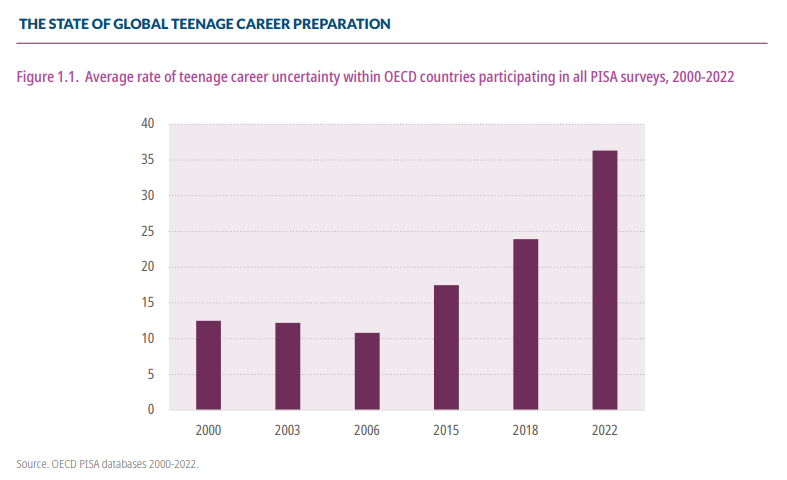
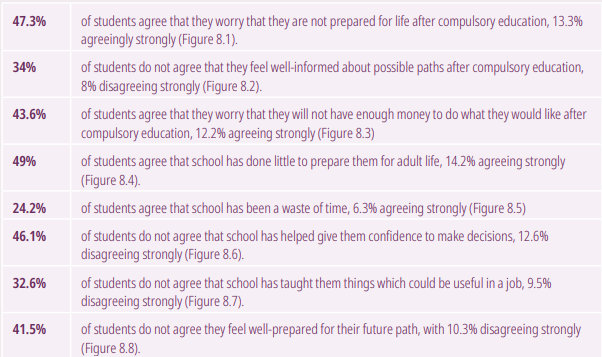
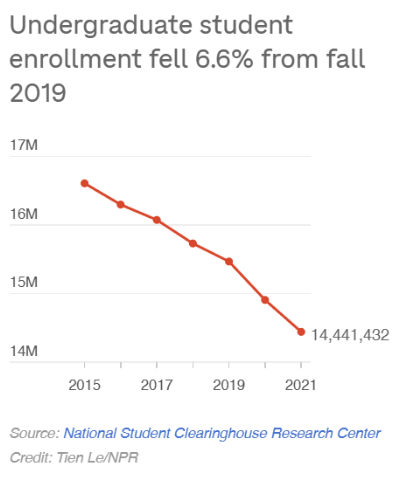

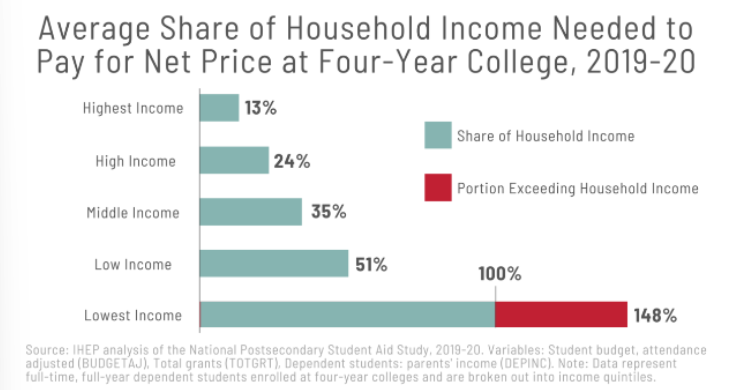
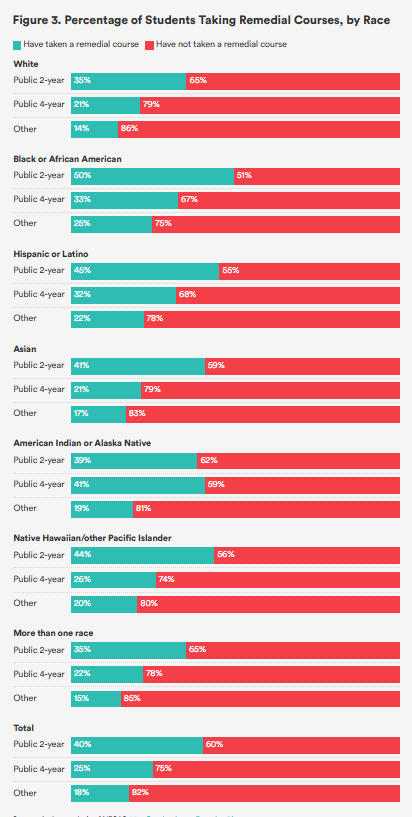
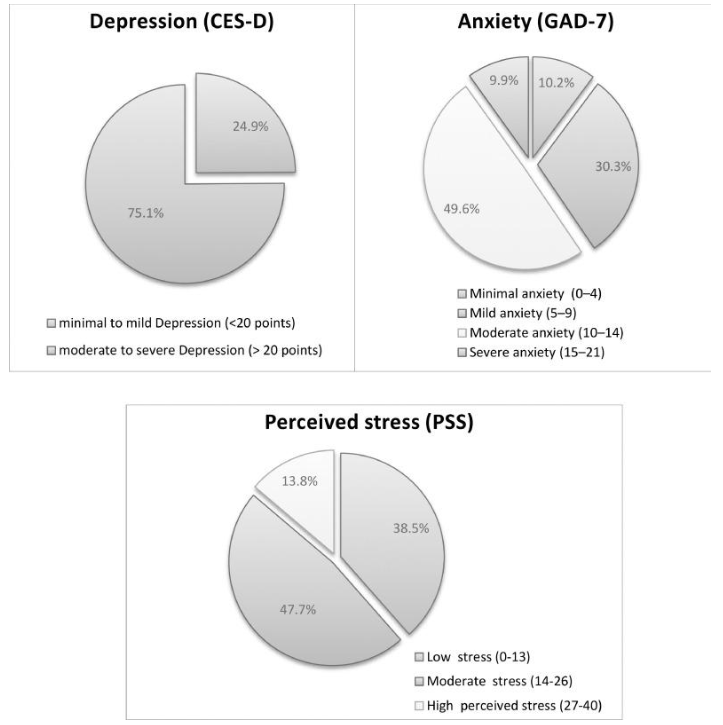





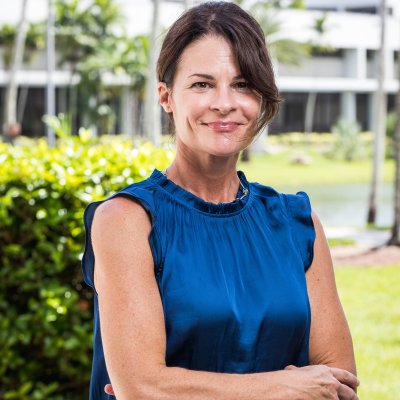


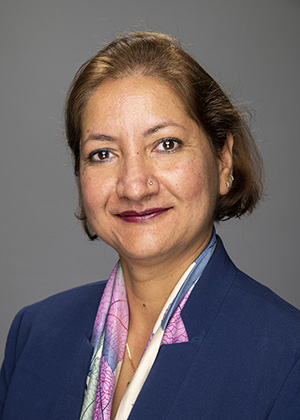












 International Education News