Author Archives: internationalednews

Forging the Ideal Educated Girl: A Conversation with Dr. Shenila Khoja-Moolji

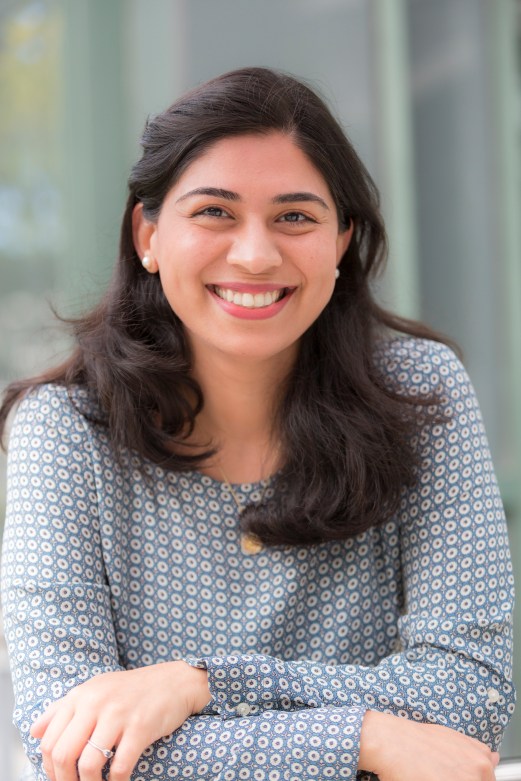
This week, IEN shares a conversation with Dr. Shenila Khoja-Moolji, Assistant Professor in the Department of Gender, Sexuality, and Women Studies at Bowdoin College. We discussed her latest book, Forging the Ideal Educated Girl: The Production of Desirable Subjects in Muslim South Asia (University of California Press, 2018). The book is available for free download here.

Dr Khoja-Moolji 2

Photo credit:  Dennis Griggs/Tannery Hill Studios


IEN: What was the impetus for the book?

Shenila: I had been researching and writing about the convergence on the figure of the girl in international development policy and practice for some time. I noticed that many development campaigns portrayed girls in the global South as not only threatened by poverty, disease, and terrorism, but also as holding the potential to resolve these problems. Education was often presented as that ‘silver bullet’ that would help girls overcome any issue they faced. I explored if girls really were the key to societal progress, and contemplated on the kind of girlhood that was portrayed as being desirable. Crucially, I wrote about how the burden of development and ending poverty was being shifted to black and brown girls, without any due consideration to how poverty is political and an effect of historical relations of power.

As I did this work, I was reminded of how this girl resembles her predecessor, the “Moslem woman” or “Musalman woman” who, during the eighteenth and nineteenth centuries in colonial India, emerged as a figure to be saved from backward cultural practices of purdah, seclusion, early marriage, and religious superstitions. We find writings where colonial administrators, Christian missionaries, as well as Muslim social reformers—for different reasons—claimed that education would save/civilize/reform native women.

So, in the book, I decided to track these multiple articulations of the figure of the ‘educated girl’ in the context of Muslim South Asia during the last 100 years or so. In a way, I wanted to discover her allure and promise.


IEN: Can you offer an overview of the book?

The book is a genealogy of the figure of the educated girl and it is situated in the context of colonial India and postcolonial Pakistan. I have organized the book into three time-periods—the turn of the twentieth century, the early decades after the political establishment of Pakistan, so the 1950s and 1960s, and the turn of the twenty-first century. I explore a broad range of texts: novels, political speeches, government documents, periodicals, advertisements, television shows, and first-person narratives, with an eye to examining how the figure of the ‘educated girl’ is being conjured: What are rationales given for women’s and girls’ education? What is the ideal curriculum for girls? What are imagined as the most suitable spaces for girls’ education?

I found that calls for girls’ education are often entangled with other societal goals. During the turn of the twentieth century, for instance, women were to be educated so that they could signal a respectable status for their families; after the establishment of Pakistan, women and girls were to be educated in order to become ‘scientifically-inclined mothers’ or ‘daughter-workers’ and by doing so contribute to the development of the state and family; and since the turn of the century, girls are called on to educate themselves and become flexible workers for the neoliberal economy.

Of course, there is a lot more going on in the book. For instance, I discuss how it is crucial to pay attention to social class; that there are different expectations for girls from different economic backgrounds. I also trace the rise of mass schooling as a central institution for disseminating knowledge and how this shift has elevated particular forms of knowledges over others. Finally, there is also a discussion of how over the course of the century different kinds of dispositions and practices of women have come to signify respectability, and how they are linked with advancing the welfare of the patriarchal state and family.


IEN: Can you say more about the expansion of mass schooling?

Well, the book traces how the institution of the modern school, with its systems of learning, bureaucratic administration, and examinations, gradually becomes the hegemonic institution for educating young people. The modern school has displaced the multiple community-centered and home-based educative spaces that were prevalent in colonial India. In doing so, it disturbed some of the ways in which the elite reproduced their privilege through education but replaced it with new hierarchies. For instance, it was “English schooling” that conferred upward mobility through access to the British administrative apparatus and exposure to Victorian norms.

Schooling in contemporary Pakistan, like elsewhere, is viewed as a pathway to obtaining jobs. For low-middle-class girls – who were the subject of my study, as you know in chapter four – schooling, unfortunately, did not really deliver on its promises. This group of girls desired more vocational education, which has been excised from formal schools. So the book also traces the promises and failings of mass schooling for girls of a particular socio-economic class.


IEN: With whom is the book talking?

The book is primarily aimed at an academic audience in the fields of gender studies, South Asian studies, and international education. However, I also think that it would be a useful read for development policymakers and practitioners to situate the current enticement of the figure of the girl.


IEN: What does it/can it say to policymakers / how might it be of use to policymakers? What possibilities are offered for policymakers and the like?

The purpose of a genealogy is to de-stabilize taken-for-granted categories and truths. So my hope would be that the book compels policymakers and practitioners, particularly those in the field of girls’ education, to interrogate some of the assumptions around girlhood and education. In particular, it calls on them to pay attention to the range of meanings that are often subsumed in calls for girls’ education. These meanings are frequently linked to reproducing particular privileges; in the book for instance, I focus on the reproduction of social class and masculine privilege. So I would hope that the book serves as a case study so policymakers and practitioners can engage in similar analyses in relation to other contexts.

Headlines Around the World: The United Nations General Assembly and Girls’ Education

Last week in New York City, the UN held the 73rd session of the General Assembly. Though many headlines focused on stories like diplomats laughing at Donald Trump’s claims, education featured prominently in many sessions. “Education really came of age at this year’s UNGA,” Joseph Nhan-O’Reilly,  Save the Children ’s head of education policy and advocacy was quoted as saying in Devex ’s review of education stories. That review described a series of announcements of new investments as well as a high level meeting on refugee education. Among education issues, a renewed focus on girls education emerged as the most prominent theme.

Canada, Kenya, Niger, Jordan, France, and the UK released a joint statement on ensuring that the world “leave no girl behind

Coverage focused both on speeches that reinforced the message and the potential impact of new initiatives for girls’ education:

  • French President Macron focused part of his speech on girls’ education
  • British Prime Minister May spoke at an event for girls’ education
  • An article from Kenya about educational equality and conflict
  • Another article focusing on the British Foreign Secretary and Kenyan Education Minister co-chairing the platform for girls’ education meeting
  • NGOs and other organizations lauded the commitment as a “milestone

Of course, other headlines remind that nations, multilaterals, and organizations have already taken up many campaigns for girls’ education in recent decades. Furthermore, headlines on girls’ education have not exclusively focused on the commitments coming from UNGA. Just yesterday, for example, it was reported that $600 million of World Bank money intended for girls’ education had not been used.


For more information, we have provided some organizations focused on girls’ education:

A list of organizations working specifically in India

A broader list of organizations around the world

The UN’s girls’ education initiative

The Plan International page for girls’ education, which includes facts and ways to take action


LEAD THE CHANGE SERIES Q & A with Kristin Kew

Dr. Kristin Kew serves as an Assistant Professor in the Department of Educational Management and Development at New Mexico State University. Dr. Kew’s teaching and research interests include educational change, school reform, community organizing, and the principalship. She has taught at all levels of schooling and assisted in the creation and management of educational leadership networks. Dr. Kew was awarded the College of Education Service Award and the Dean’s Teaching Award. She is serving as the Chair of the Educational Change Special Interest Group through the American Educational Research Association. Her new anthology, co-edited with Helen Janc Malone and Santiago Rincon-Gallardo, and published in 2018 by Routledge is titled, The Future Directions of Educational Change: Social Justice, Professional Capital, and Systems Change. Dr. Kew may be reached at kew@nmsu.edu

In this interview, part of the Lead the Change Series of the American Educational Research Association Educational Change Special Interest Group, Dr. Kew talks about her work with the Educational Change SIG and her transnational research on immigration and education. As Kew puts it:

I am doing some transnational research in this area of the NM/Mexico border as many
pK-12 students come across every day for school. Around 850 students make a one-hour
trip across the border, passports in hand. They are U.S. born but their parents are not citizens so they send their children to get a public education in the states. Crossing is a pretty normal phenomenon for those living near the southwest border as families have been visiting one another for generations. As per the census count in 2017, 48% of the
population in New Mexico is Hispanic, 37% White, 11% is Native American, 3% Black or
African-American, and 2% Asian.

Our faculty and graduate students in Educational Leadership and Administration
choose to conduct their research on immigration, transnational students, bilingual
and multilingual education and leadership, culturally relevant pedagogies and identity,
and culturally and linguistically responsive instruction and leadership. New Mexico was the first state in the U.S. to have a bilingual multicultural law (1973). The law was expanded in 2004, making the state an exemplar. There are also a number of indigenous languages spoken in New Mexico and these are also recognized in the bilingual/ multilingual law.

Regarding immigration and educational leadership in this area, schools are a safe
haven for students in New Mexico. School leaders and teachers do not ask or share
documentation information on their students with U.S. Immigration and Customs
Enforcement (ICE) http://www.aps.edu/about-us/policies-and-procedural-directives/procedural-directives/j.-students/immigrant-students-regardless-of- documented-status.

Deportation is a fear for many and there are thousands of children separated from their families because of raids. Everyone in the community, and country, is affected some way by what is happening on our borders. For more information and updates on the current immigration policy in the U.S, one of our SIG partners, International Ed News, has a wealth of information on their site.

This Lead the Change interview appears as part of a series that features experts from around the globe, highlights promising research and practice, and offers expert insight on small- and large-scale educational change. Recently Lead the Change has also interviewed Kim Fong Poon-McBrayer and Kirsi Pyhältö.

Arc of Progressivism and “Grammar of Schooling” (Part 3) by Larry Cuban

**This week, we are re-blogging the third part of a recent series from Larry Cuban‘s blog on School Reform and Classroom Practice. The first two posts in this series deal with education reformers’ attempts to get rid of the “grammar of schooling” within the U.S. This post pursues a similar theme but with a more international focus.

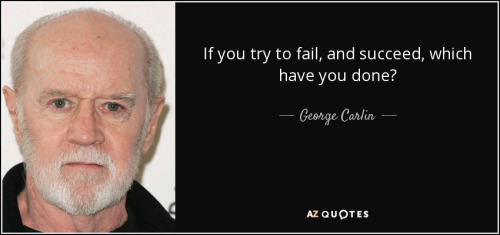
blog 1 image

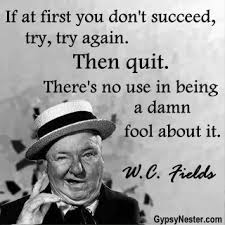
blog 2 image

Take your pick of above quotes (or choose both) and you have the kernel of the story of progressive reformers actively trying to alter traditional teaching and school practices over the past century.

Well, at least part of the story since binary choices, the either/or dichotomy of success or failure omit the creation of hybrids, mixes of progressive and traditional classroom practices that have occurred over the past century in the U.S. and internationally.

Parts 1 and 2 of this series describe many attempts of progressive reformers to get rid of the “grammar of schooling” or reduce its effects on teaching and learning. These efforts, at best, have created hybrids (see here and here) and,at worst, have signally failed (see here and here).

Part 3 looks beyond the U.S. experience to see what has occurred internationally since the ideas of John Dewey and his acolytes about teaching and learning have entered many nations outside of North America.

In Classroom Change in Developing Countries: From Progressive Cage to Formalistic Frame (Springer, 2011), Australian academic and consultant Gerard Guthrie has synthesized many research studies and evaluations on the influence of progressivism in developing nations and largely found few traces of these reforms altering traditional ways of teaching and learning. That is, “formalism” in teaching and learning–Guthrie’s phrase for teacher-centered instruction–remained intact after determined efforts were made in African, Asian, and Oceania nations to introduce progressive education. Guthrie focuses on the risks connected to the error-filled assumption–what he calls the “progressive education fallacy”–that inquiry-based classroom practices are necessary to promote academic learning among non-western school children. He also lays out the strengths of traditional and didactic teaching. He concludes that the primary reason for continuity in traditional ways of teaching and learning in these nations spanning continents is the abiding cultural context of these nations favorable to teacher-centered instruction.

In his study, Guthrie has chapters on the Confucian tradition in education in China and efforts to introduce progressive classroom practices in African nations such as Botswana, South Africa, Namibia,and Tanzania. The bulk of the evidence he provides (research studies and evaluations) to support his case of traditional teacher-centered instruction overcoming top-down mandates to shift classroom practices to student-centered ones is found in Papua New Guinea, where he has had extensive first-hand experience.

One excerpt illustrates Guthrie’s summary of studies on teachers in Papua New Guinea responding to progressive-driven reforms amply funded and mandated by ministry of education officials.

The teachers were not necessarily averse to change as such. Although they
ignored many of the precepts, some had developed their own contextually
appropriate approaches for promoting student learning. Often these reflected
cultural tradition in assuming that teachers should centrally control teaching and
learning, and were contrary to the spirit, as well as the letter, of the new curriculum
….
Teachers expertly used a variety of strategies to transmit skills and
knowledge, including showing respect towards their students, an essential approach
in a shame-based society. Strategies also included speaking in short simple sentences,
providing examples relevant to students’ own experiences, providing concise
definitions, using visual aids, and scrutinising facial expressions for understanding.
[Researchers]found that non-implementation could be partly attributed to
the gap between the technical demands of the progressive curriculum and the
capacity of the teachers to meet those demands. Significantly, [one researcher] added, non-implementation could also be attributed to culturally embedded teacher resistance
to the facilitative roles expected in the classroom and to teachers’ scepticism about
constructivist learning theories.
In essence, these independent findings showed that the progressive ideas inherent in the new curriculum were little used, with improvements in teaching being predominantly within a formalistic rather than a progressive approach. The implication was that ‘policymakers should work with rather than against educational realities’….

One caveat about the evidence Guthrie provides. Classroom studies where researchers observe, interview, and document both stability and change in teaching practices are few and far between. The above excerpt, however, includes such direct classroom research.

Now what does any of this have to do with the “progressive arc’ of reform in U.S. schools that I laid out in Parts 1 and 2?

I see similarities and omissions.

Similarities

First, the pattern that Guthrie found in developing nations of top-down curricular and instructional mandates to shift classroom practice from teacher-centered to student-centered has occurred in the U.S. on at least two occasions. Between the 1920s-1940s, and the 1960s-1970s, determined efforts to introduce new progressive curricula and teaching practices happened across the U.S. in big city, suburban, and rural schools. A few researchers using historical sources such as photos, teacher and student diaries, lesson plans, and journalist descriptions have documented the minimal changes that occurred across classrooms (see here and here).

Second, Guthrie documents the failure of progressive methods to transform  traditional teaching practices and recommends that existing traditional practices be improved rather than dismantled.

Among U.S. reformer ranks this suggestion has been made many times, particularly since the 1960s when nearly 90 percent of all students attended public schools. Divisions do exist among reformers some of whom wish to dump the existing system and erect new ones. Most reformers, however, seek improvements in the present system including building the capacities of teachers and supporting their  professional growth to carry out incremental changes in schools and classrooms.

Omissions

Researcher Guthrie omits other possible explanations for “failure” of “progressive” reforms. His argument is clear: cultural context determines the fate of “progressive” reforms especially for those instructional policies out of sync with historical and cultural setting in which the reforms appear.

The first omission is flawed implementation of these top-down reforms. Researchers have pointed out (see here and here) the complexity of putting policies aimed at classroom instruction into practice. Moreover, that complexity often leads to some policies being inadequately and partially implemented. When that occurs the validity of the innovation or new program can not be assessed as worthwhile or worthless. Yes, in summarizing the studies and evaluations of other researchers, the idea of errors made in implementing the policy is mentioned, but the center of gravity in Guthrie’s argument rests on his claim that failed “progressive” reforms occurred because they were incompatible with the culture of the developing nation.

The second omission is instances of teachers creating mixes of old and new ideas and practices. Hybrids of traditional and “progressive” practices have happened among U.S. teachers over the past century (e.g., spread of small group activities in teacher-centered classrooms). At various places, Guthrie notes such occurrences but largely ignores the common practice of teachers throughout the world maintaining their dominant ways of teaching yet incrementally changing daily practices by incorporating ideas they believe will work with their students.

Guthrie’s study of the “arc of progressivism” and the strong influence of a “grammar of schooling” in developing nations gives the often parochial study of U.S reform-driven policies aimed at classroom practices a global perspective. And for Guthrie’s focus on the importance of context in shaping teachers’ responses to top-down mandates, classroom researchers owe him a thank you.

Headlines Around the World: Back to School Edition

Schools around the world get started at different times of year (this Wikipedia page offers a calendar with a partial list) but here in New York City students head back to school in September.  Therefore, we did a quick scan to see what’s being written about the start of school in different places.

back-to-school-conceptual-creativity-207658

Around the World

An article describing different back-to-school traditions from around the world (Business Insider)
9 back-to-school traditions from around the world

National Geographic recognized the return to school with a fascinating collage of photos of classrooms from around the world (National Geographic)
These Vintage Pictures Celebrate School Around the World

Another perspective about students going back to school around the world, describing UNICEF’s work to help children go to school in the face of adversity (Independent)
Top of the class: Children go back to school around the world

Similarly, this UNICEF report on conference in the Lake Chad Basin provides a reminder that millions of children around the world remain unable to go to school.
Education at risk for more than 3.5 million school-aged children in the Lake Chad Basin


Canada

Some basic tips on adjusting back to the daily school routine (CBC)
Back to school? Here are some tips to help you and your kids get back to sleeping easy

As they head back to school, families face an increasing burden of paying for everything from school supplies to extra-curricular activities (CBC)
Back-to-school bills and unexpected fees dividing classes, says youth advocate

 An article about how British Columbia is set to start off the new school year facing a teacher shortage (CBC)
B.C. short 250 teachers as new school year begins

Introducing a new sex-ed program in Quebec (CBC)
3 Quebec school boards say they’re ready to teach new sex-ed program


Palestine

Even as they face a funding crisis, half a million children headed back to school in Palestine (Their World)
Day of celebration as Palestinian children go back to school amid funding crisis


France

Some new education reforms as students return to school in France (The New Republic)
The French Plan to Fix Inequality—by Ignoring It

France has banned mobile phones from schools this year (The Strait Times)
Back to school for French kids, without their phones


Greece

Many new teachers to address the teacher shortage (Greek City Times)
Schools in Greece start their first day of the new school year


UK

A poll finds that as students in England head back to school, nearly half fear returning as a result of bullying (Telegraph)
Half of children worried about returning from school holidays because of bullying, poll finds

The BBC offers a short quiz to help parents and students get ready for heading back to school (BBC)
Back to school: How much do you know?


USA

An article from the Brookings Institution about different issues to watch in the new school year (Brookings)
As kids go back to school, these are the education story lines experts are watching 

A back-to-school reminder of persistent school segregation across the country (Hechinger)
Take a closer look at those back-to-school photos: Is something missing?

An article about tech trends for the new school year (Ed Surge)
10 Inspired Tech Trends Every Teacher Should Know About

Students in a number of districts are returning to a new schedule as some schools are set to begin later in the day
Students catch extra winks with later start times for new school year (Burrell school district, Pennsylvania)
Students Head Back To School, Some With New Start Times (CBS, St. Paul, Minnesota)

However, many schools have started earlier in the year, including a few places starting before Labor Day for the first time
Back to school coming earlier for more Michigan students (Michigan)
Elected officials, students, families rings the bell to start off new school year (Philadelphia)

In Tacoma, WA students will not head back to school as teachers strike for better pay (USA Today)
Teachers are striking again; in Tacoma, they’re prepared to picket for weeks
Students in Los Angeles are already back in school, but teachers have authorized a similar strike (LA Times)
L.A. teachers authorize strike as tensions rise

Teachers and other school employees in Chicago face issues with receiving clearances (Chalkbeat)
Chicago schools start Tuesday, but 511 employees don’t have clearance yet

New York and Virginia have added teaching about mental health to their curriculum (Governing)
New School Year, New Mental Health Lessons: 2 States Now Require It

In New York City, the chancellor and mayor opened the year emphasizing equality (Wall Street Journal)
NYC Chancellor, Mayor Greet School Year, Emphasizing Equity

Also in New York City, as teachers head back to school, social media plays an increasingly important role (Chalkbeat)
New York City teachers head #backtoschool, both in real life and on Twitter

Iceland

Some information and statistics about students starting and heading back to school in Iceland (Iceland Monitor)
Back to school today

Creating Coherence in Education Outside Schools in Singapore

As students in New York transition back to school from the summer break, IEN founder Thomas Hatch shares a post that explores how Singapore works systematically to connect learning outside of school with learning inside school.

This post initially appeared on thomashatch.org
Workshop Spaces

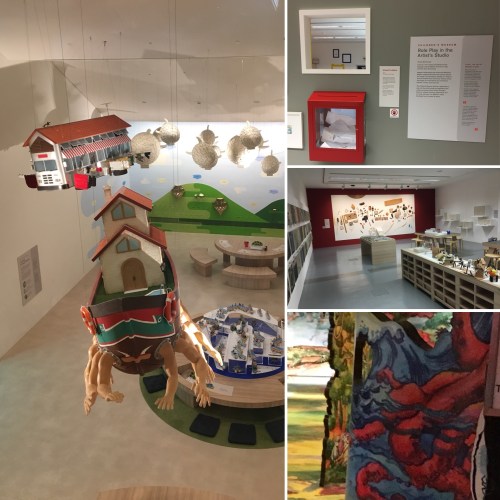
Workshop spaces at the National Gallery Singapore (Photo Credit: Thomas Hatch)

The constant emphasis on Singapore’s high performance on educational tests masks the extent to which Singapore continues to try to improve the educational system. Since the launch of the “Thinking Schools, Learning Nation” campaign in 1997, Singapore has pursued a series of initiatives to shift the system to provide a more holistic education that supports the development of 21st Century skills and learning throughout life.  As the Education Minister (for Higher Education and Skills) Ong Ye Kung recently explained “more emphasis should be placed on teaching students critical soft skills — such as building up their resilience to be able to fail and pick themselves up — and also helping students discover what they are passionate about.”

Until my last trip to Singapore, however, I did not understand the extent to which the Singaporean government supports efforts to create new kinds of learning opportunities outside of schools in order to achieve these national education objectives. Although concerns about an overload of afterschool tutoring persist, the Singaporean government actively aligns and connects work in the “outside of school” sector with efforts to expand the focus of learning in schools.

“Co-curriculars” and camps

The Singaporean education system has a well-known academic focus that has spawned fears about the consequences of excessive testing and rote learning. Yet the “Thinking Schools, Learning Nation” effort also supports a series of initiatives designed to create spaces and opportunities for more holistic approaches to students’ development.  In particular, Singapore has developed a set of co-curricular activities at the end of the school day designed to foster the development of a wide range of abilities. While in the US, extra-curricular activities are largely locally determined, the Ministry of Education in Singapore requires every secondary student to participate in at least one of these co-curricular activities, including clubs and societies, physical sports, uniformed groups (such as the Boy Scouts and Girl Scouts), and visual and performing arts groups.  To reinforce the importance of these activities, students are assessed on their performance in their co-curricular activities, based on a framework that emphasizes Leadership, Enrichment, Achievement, Participation, Service (LEAPS).  Students can even boost their chances for placement in post-secondary institutions and get “bonus points” for assessments of ‘Excellent’ or ‘Good’ in their co-curriculars.

Reflecting the increasing attention to students’ holistic development, the Ministry of Education in Singapore also recently established a National Outdoor Adventure Education (NOAE) Master Plan. That plan mandates that starting in 2020 all secondary students will participate in a 5-day outdoor adventure camp.  Carried out in a collaboration between the Ministry of Education and Outward Bound Singapore, the program is designed to immerse students in “authentic and often challenging situations, where they need to work in teams and learn to take responsibility for decisions they make.”
S pore Discovery

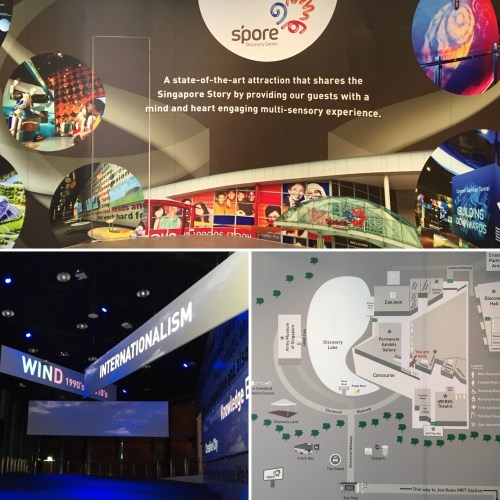
S’pore Discovery Center (Photo Credit: Thomas Hatch)

Learning Journeys

On top of the co-curriculars and camps, the Ministry of Education (MOE) also created what they called “Learning Journeys” in 1998. Learning Journeys are “experiential and multi-disciplinary learning trips” that students make to learn about key national institutions and heritage sites. Learning Journeys complement curriculum in subjects like Social Studies, History and Geography, they were conceived specifically to support the goals of National Education and to help students understand and appreciate the role that these institutions and sites play in Singapore’s development.  The National Education initiative first established in 1997 seeks “to develop national cohesion, the instinct for survival and confidence in the future” by helping students develop an “awareness of the facts, circumstances, and opportunities” of Singapore’s history and current realities and to help students “develop a sense of emotional belonging and commitment.”

While schools can create their own Learning Journeys, the Ministry of Education has invited a host of government agencies and other institutions to serve as Learning Journey partners.  For example, the Energy Market Authority (responsible for maintaining Singapore’s energy supply) offers five different Learning Journeys including “Gas It Up” and “Clean and Green.” These Journeys take students behind the scenes to local energy facilities “to bring engineering concepts to life and interest students to seek out a career in the Power sector.”

There are now over 50 Learning Journey partners including the Maritime and Port Authority, the Singapore Stock Exchange, and the Public Utilities Board.  In the process, the government both encourages these organizations to use their resources to support schools and provides schools with the funds they need to pay for these out-of-school experiences.  In addition, every year the Singaporean government deposits about $200 in an Edusave account for each Singaporean child enrolled in schools funded by the Ministry of Education. Those funds can be used for a variety of educational resources and enrichment activities including Learning Journeys and educational trips overseas.

As a result of the government’s investments, a whole group of not-for-profit and for-profit organizations have gotten into the act by offering Learning Journeys and other enrichment activities. For example, the Singapore History Consultants have developed a wide range of Learning Journeys for different age groups that focus on topics like “Our Journey to Nationhood” and “The Dark Years: World War II & Singapore under Japanese Occupation.”  The offerings of the History Consultants are designed both to appeal to students but also to be relatively easy for teachers and schools to implement: while teachers and schools can design their own field trips, they can also purchase packages that include, as the History Consultants put it, “worksheets, air-conditioned transport, and tour facilitators/chaperones.”

The initiatives of organizations like the National Heritage Board (NHB) also illustrate the extent of support for education outside of school in Singapore.  The National Heritage Board is a statutory board established in 1993 as the “custodian of Singapore’s heritage”, which has also taken on responsibilities for the development and maintenance of many of Singapore’s museums and historical sites. (Statutory boards in Singapore are autonomous government agencies often designed to spur economic development in particular sectors).  The National Heritage Board has pursued those goals by using funds allocated by the government as well as funds raised through its own institutions to foster a wide range of educational activities that help to connect work in schools with work in the institutions overseen by the NHB.  For example, the NHB has helped to fund the development of education departments within museums and they have also offered grants and encouragement for smaller galleries and other organizations to create programs for students and the general public that help “tell the Singapore story” and accomplish their mission.

The NHB has also helped to fund the development of Heritage Trails, which local organizations create to highlight particular aspects of Singaporean history and culture. Among the many trails, a “Spirit of Saving Lives” Trail winds through the grounds of the Singapore General Hospital and introduces visitors to Singapore’s medical history. The Singapore Council of Women’s Organizations also offers a trail dedicated to “Walking in the footsteps of our foremothers” to highlight the contributions of women to the development of Singapore. The National Heritage Board’s efforts also include support for schools to adopt nearby heritage trails, to train their students to serve as trail guides, and to incorporate the trail’s educational opportunities directly into their school curriculum. More recently, the NHB has provided funding for schools to create their own Heritage Trails and Heritage Corners.  In turn, the efforts of the National Heritage Board have helped to encourage other governmental organizations and statutory boards, like the Urban Redevelopment Authority, the National Parks Board, and neighborhood groups to get into the act and develop their own Trails.

Beyond Schools: Museums and Discovery Centers

In addition to the co-curriculars, camps, and Learning Journeys that come directly under the purview of the Ministry of Education, the Singaporean government also fuels the work of a wide range of other public and quasi-public entities that support students’ development and help to integrate educational initiatives across sectors. Government agencies, particularly the Ministry of Community, Culture and Youth (MCCY), and groups like the National Arts Council provide funding for educational activities that serve the objectives of Singapore’s education system. For example, Singapore’s National Gallery also receives funding from the Ministry of Community, Culture and Youth and corporate sponsors to support educational activities including field trips and workshops.  Many of those programs are offered to schools for free, but schools can get grants from the National Arts Council to pay the National Gallery to provide more customized “in-school” programs. In turn, the National Gallery staff develop their programs with an eye to both the national curriculum established by the Ministry of Education and the National Gallery’s own mission, vision, and special exhibitions.

The S’pore Discovery Center (SDC) provides another example of the way that cultural and national institutions support Singapore’s educational goals. Launched initially by the Ministry of Defence as a museum to showcase the history of Singapore Armed Forces, the SDC has now evolved into a multi-faceted “Discovery Center” and “edu-tainment” complex (complete with paintball, a “4D thrill ride”,  “Crisis Simulation theatre,” and a first-run movie theatre) that also plays a key role in supporting Singapore’s goals for National Education.

In addition to infusing National Education topics and goals across the school curriculum, the Ministry of Education has also fostered National Education through active participation and experiential learning in informal settings outside of school.  The S’pore Discovery Centre has been a natural partner in those efforts. With a mission To “Share the Singapore Story and inspire a desire to contribute to Singapore’s future,” the S’pore Discovery Centre offers a series of interactive exhibits that give students opportunities to explore Singapore’s governance and values and current affairs as well as Singapore’s future. Permanent exhibits like Dream Lab gives visitors a chance to learn about Singapore’s future plans while Harmony Circle features a game show with questions about Singaporean culture.  Those exhibitions also include a roster of changing activities linked to four commemorative events held on an annual basis to celebrate key events and values.  These include Total Defence Day, International Friendship Day, Racial Harmony Day, and National Day.  The Discovery Center also develops a variety of “outreach” programs, including travelling exhibitions that schools can choose to bring right into their classrooms as well as partnerships that engage students in becoming guides to the exhibitions.

Coherence and constraints inside and outside schools

Far beyond the kind of “1000 flowers bloom” philosophy often found in the US, what Pak Tee Ng and others have called the Singapore government’s “centralized-decentralization” approach seeds “ground-up” initiatives (what those in the US might call “grass-roots” efforts); but it also creates a context of support and pressure that reinforces alignment with national education and coherence across initiatives. In many cases, government agencies (or quasi-government agencies like Statutory Boards) provide some (but not all) of the funding for these activities, often in the form of seed investments or grants and awards linked to Singapore’s national goals.  As a result, as investors, the government has some influence over the work, but these organizations also have to develop their own sustainable business plans and their own sources of revenue.

The government ministries, statutory boards, and institutions like the National Gallery and the S’pore Discovery Center also have advisory or governing boards with members drawn specifically from different sectors (this is similar to the governance of entities like eduLab in Singapore that I wrote about earlier).  Having board members from different ministries, industries, academia, and other institutions helps support cross-sector communication and information sharing. For example, while the S’pore Discovery Centre operates under the aegis of the Ministry of Defence, it has a board that includes members from other government agencies including NEXUS (the Central National Education Office) and the Ministry of Education as well as from other organizations in the public and private sector.

Pressure and support also comes from Singapore’s embrace of many of the principles of Total Quality Management and performance management, particularly a focus on customer service. That embrace includes the use of a variety of customer surveys by organizations like the Discovery Centre and the National Gallery. At the same time, the Ministries of Education, Defence, and Community, Culture, and Youth, and the National Heritage Board also get feedback on the work of these organizations through nationwide surveys like the National Education Orientation Survey and the Heritage Awareness Index.  As a consequence, the S’pore Discovery Centre and the National Gallery have to figure out how to fulfill their goals in ways that satisfy the government agencies with which they are associated, and they have to respond to the demands of their customers and attract children, schools and families in a competitive marketplace with a wide range of public and private vendors.

Some constraints, however, come along with the close connections between the work inside and outside the education system. In particular, despite the interest in supporting more holistic development, this work outside of school still faces the reality that the most popular programs are usually those most closely tied to the academic topics covered in high-stakes tests.  This is a particular challenge for institutions like the Discovery Centre that focus on National Education, which is not a tested subject.

Nonetheless, the systemic support and pressure in Singapore means that an extensive, well-resourced, and aligned set of educational opportunities outside of schools surrounds an already focused and coherent public education system. Furthermore, that coherence is achieved even though many of those learning opportunities outside of school are not overseen directly by the Ministry of Education.  That coherence and coordination benefits from the mix of government funding and competition for those educational opportunities, the many organizational and personal connections across institutions and sectors, and the focus on customer service and the embrace of feedback throughout.

Botanic Gardens

Singapore Botanic Garden (Photo Credit: Thomas Hatch)

— Thomas Hatch
IEN on Vacation

We’re off until the beginning of September, but will be back with new posts, including one about Singapore and one from Shenila Koja-Moolji. In the meantime, be sure to check out our Twitter for the latest international education news.

LEAD THE CHANGE SERIES Q & A with Kirsi Pyhältö

Kirsi Pyhältö, Ph.D. is Full Professor of educational sciences in the Faculty of Educational Sciences, at the University of Oulu, Finland, and research director in the Centre for University Teaching and Learning, at the University of Helsinki. Her research interests include school development, teachers’ professional agency, and student and teacher well-being. She has over 140 publications that include refereed articles, book chapters, and textbooks.

Over the years Pyhältö has led several externally funded research projects on the above mentioned topics in collaboration with her colleagues. Currently, Pyhältö is leading two active research groups: Learning and Development in School http://www.learninginschool.fi/ and From a Ph.D. Student to an Academic Expert https://researchondoctoraleducation.wordpress.com/. Dr. Pyhältö is founding co-coordinator of EARLI Special Interest Group 24: Researcher Education and Careers. For a full list of publications see: https://tuhat.helsinki.fi/portal/fi/persons/kirsipyhaltoe(677db559-b36b-44a4-90c6-d3e4bd87e94b)/publications.html


In this interview, part of the Lead the Change Series of the American Educational Research Association Educational Change Special Interest Group, Dr. Pyhältö talks about her work on the role of teachers as active professional agents in school reforms. As she puts it:

Our recent research on teacher agency shows that a strong sense of professional agency contributes to school development in various ways. There is, for instance, emerging evidence that professional agency in the teacher community also promotes active and intentional teacher learning in the classroom. This implies that learning in and between the classroom and the professional community is one of the focal areas of teacher learning. Professional agency in the form of active and intentional teacher learning both in the classroom and in the professional community has shown to be associated with increased student engagement and academic success, reduced levels of early career in-service teachers’ attrition, teachers’ experimentation with innovative teaching methods and commitment in school development, and reduced levels of teacher stress. It can be argued that teachers’ sense of professional agency is a central determinant for the extent to which they are able to engage in continuous professional learning, contribute to school development, make a difference in their working environment, and continually develop sufficient strategies to cope with work-related stressors—to promote sustainable change in the society.

This Lead the Change interview appears as part of a series that features experts from around the globe, highlights promising research and practice, and offers expert insight on small- and large-scale educational change. Recently Lead the Change has also interviewed Kim Fong Poon-McBrayer and Jennifer Groff.

Network Literacy: Learning the New Language of Educational Change

 This week, IEN shares a post from Dr. Alan J. Daly, Professor in the Department of Education Studies at University of California, San Diego. Daly’s post explores scholarship on networks and the possibility of using networks to enact educational change. Daly’s post builds on ideas expressed in “Leading educational change in socially networked systems,” his chapter in the book Future Directions of Educational Change. This post is part of a series of posts from the book, including Jon Saphier’s post on Building a Strong Adult Professional Culture in Schools, Allison Skerrett’s post on Promoting Justice for Transnational Students, and an earlier discussion with the book’s editors Helen Janc Malone and Santiago Rincón-Gallardo.

Injustice anywhere is a threat to justice everywhere. We are caught in an inescapable network of mutuality, tied in a single garment of destiny. Whatever affects one directly, affects all indirectly                                    

                                                                            Martin Luther King


In 1963 while sitting inside of a Birmingham Jail, Dr. Martin Luther King penned a powerful letter that at its core reminds us we are part of an interdependent and interconnected system. The idea that we all exist in an inescapable network of mutuality animates my recent contribution to the book, Future Directions for Educational Change (2018) suggesting the need to become more literate in the language of networks.

There is no shortage of ideas about how to bring about improvement in education. Many change agents draw on a variety of formal structures, processes, and accountability levers to improve performance.  However, while these more technical approaches at improving outcomes are important and have been well documented, what has been generally missing in the change equation, or at least neglected, are relational linkages between individuals through which change moves.

As we know, learning and leading is increasingly interactive, social, and at its best creates change in the learners, leaders, and the systems in which they operate.  We live in a social world and as such are deeply affected by others, sometimes in ways in which we are unaware.  In fact, a growing body of research suggests that even our happiness, health, weight, and wealth are influenced by the social networks in which we reside. On an educational side, networks are also related to student achievement outcomes and teacher access to knowledge. The ability to work well with others, tap into networks, and draw on collective intelligence is of critical importance for a variety of outcomes as we move more into a knowledge-network economy.

A knowledge-network society will be driven by collaboration, emotional intelligence, and the ability to effectively and efficiently connect to a variety of content and support networks. We live in an increasingly socially connected world in which people find and share information through and with others on a large variety of topics.  Likely at some point during your day you have connected to a social network to share or find information—maybe you sought advice from colleagues, checked in on friends on Facebook or tweeted out something of interest. In a real sense we live in a networked society and success in this space will require a host of new skills and proficiency in network literacy, which are rarely explicitly considered or taught.

Efforts at improving public education systems in support of better achievement for all students are commonplace across the globe with most countries experiencing policies targeted at improving their nation’s schools.  Many of these change efforts are enacted through a wide range of formal structures and processes with the direct intention of building the individual capacity or “human capital” of teachers to improve performance.  However, while these more formal, technical, and often top down approaches at improving education are important, and have been well documented, what has been less thoroughly explored in the change equation are the relational ties between people that may support or constrain the flow of expertise, knowledge, and practices related to improvement efforts.  The idea underlying this more social approach to change is grounded in the idea of networks.

Networks exist in almost all aspects of life from subways, to communication systems, to biological and brain-based networks.  As detailed in Social Network Theory And Educational Change, network science provides perspective and tools to enable us to understand and describe how different elements interact creating a larger patterned structure that is often hidden in plain sight. These networks can show up in face-to-face interactions within communities, districts, and schools. For instance, the figures below are from some work we have underway in the US and Europe. In this example I show two schools that experience different academic outcomes.  School 1 was able to diffuse expertise within the school by an intentional focus on developing learning communities (each node is a teacher colored by grade level) and use of coaches (green nodes). In contrast, School 2, which had significantly lower performance, relied almost completely on one coach (green node) for expertise rather than accessing other educators. In addition, as is evidenced by nodes on the upper left side of School 2’s network, a number of teachers were disconnected from others.  These sociograms allow us to have deeper insights into the social infrastructure.

School 1                                                                      School 2


These networks also exist in virtual space. Another example comes from the project #COMMONCORE in which we examined close to 200,000 people and nearly a million tweets related to the Common Core State Standards in the US(see figure below).  This work enabled us to identify groups and influential individuals in the larger conversation around the common core.


COMMON CORE NETWORK

#COMMONCORE Network

Social networks whether they be on-ground or on-line provide insights into how the social processes involved in change are stretched across individuals and levels within a system.  This perspective entails a shift from a primary focus on the individual and the attributes of that individual to understanding the more dynamic supports and constraints of the larger social network in which an individual operates.


Network scholarship in education focuses on how the constellation of relationships in networks and between organizations facilitate and constrain the flow of “relational resources” (attitudes, beliefs, information etc.) as well as provides insight into how individuals and groups gain access to, are influenced by, and leverage these resources.  The network perspective does not supplant the importance of individual attributes, but rather offers a complementary optic and set of methods for better understanding the dynamic influence of social processes involved in change.  Therefore, rather than trying solely to understand the process of change based on the attributes of an individual (gender, years of experience, training, education, beliefs, etc.), a network approach foregrounds the influence and outcome of an individual or organization’s ‘position’ vis–à-vis social ties with others, as well as the overall social structure of a network.  In many cases, results suggest that the underlying social structure determines the type, access, and flow of resources to actors in the network leading some to suggest that the old adage “It is not what you know, but who you know”, is more accurately, “Who you know defines what you know”.

Network scholarship has been taking off across the globe.  In addition to the work we have completed here in the US, we have collaborated with many international colleagues including: the Netherlands (see school level research by Nienke Moolenaar); Belgium (see work on mentorship in schools by Charlotte Struyve); Norway (see teacher level efforts by Esther Canrinus); Spain (see pre-service scholarship by Jordi Gibson and Twitter by Miguel Del Fresno); the UK (see multiple school comparison efforts by Chris Brown and data use by Chris Downey); Canada (see scholarship by Joelle Rodway); and Taiwan (see leadership and school research by Yi-Hwa Liou).  This is not an exhaustive list, but gives you a flavor of the breadth of the international work.  We are also expanding out to the Southern Hemisphere that comes from my recent Fulbright Global Scholarship in New Zealand and South Africa.

Understanding how to connect to and leverage this larger social infrastructure is critical in accessing information, judging quality, supporting decision-making, and connecting with others for discovery and community.  We also commit to sharing our work out to practitioner audiences to support reflection and consideration of the role of networks.  Last summer, The Trust Gap, was published by the American Federation of Teacher in their American Educator magazine on our work around trust and networks that many systems used to catalyze conversations around networks.  Despite the fact that we live in an inescapable network of mutuality we do not systematically and explicitly teach social network literacy skills. Learning this important language is often left to chance or assumed to be self-evident. However, given the ubiquity and importance of networks in our personal and professional lives we must become more intentional and mindful about increasing our network literacy particularly in its relationship to educational change.


— Alan Daly


Building a Strong Adult Professional Culture in Schools: Adult Culture and Effective Schools

This week’s post comes from Jon Saphier, President of Research for Better Teaching.  Like last week’s post from Allison Skerritt, this piece grows out of Jon’s chapter “Strong Adult Professional Culture: The Indispensable Ingredient for Sustainable School Improvement” from  from the book Future Directions of Educational Change.

“Four years of public school teaching…and ten years as a principal… convinces me that the nature of the relationships among adults who inhabit a school has more to do with a school’s quality and character, with the professionalism of its teachers than any other factor.”

Roland Barth, 1985

Building on Roland Barth’s comment 30 years ago, many have argued that. adult culture is the main shaper of the school’s capacity as an organization to learn and improve its results for students.

Literature on adult culture in schools considers many dimensions of “the way we do things around here,” including stories and story-tellers, heroes and villains of the past, traditions and celebrations that people look forward to (or dread,) and the degree to which there is celebration, community, and opportunities for human contact with one another.  But in my work, some elements have been more important than others. Appreciation and recognition for example, are certainly important in any organization’s “culture;” but are not as central as the regular behavioral norm of “examining student work together non-defensively and deciding how to re-teach what some students didn’t get the first time we taught it.

Educational studies of adult culture started rolling out more frequently in the 90s.  So for at least 25 years we had major authors advocating for the importance of Adult Professional Culture, as well as produced for educators by practitioners. The argument is straight-forward: Strong Adult Professional Culture (APC) leads to more teaching expertise in more classrooms for more children more of the time, because it creates the kind of deep collaboration and use of data that supports constant learning about teaching practice. From this perspective, high-expertise teaching leads to better learning for students.

More recent research studies are also looking at the on the connection between strong cultures and student achievement. These studies make the case that the range and sophistication of teaching expertise is far larger and more complex than the voting public and policy-makers realized. This complexity explains why deeply collaborative cultures are necessary for the kind of problem-solving in which true professionals engage.  They can work together to analyze and address learning issues rather than apply some “best practice.”

Our approach at Research for Better Teaching suggests that there will be no sustainable improvement in student results and no reduction of the achievement gap until leaders and teachers succeed in establishing a series of norms of behavior between adults:

   LEARNING OGRANIZATION

  1. Frequent teaching in the presence of other adults (Public Teaching)
  2. Safety to take risks, be vulnerable in front of colleagues
  3. Constant learning about High-Expertise Teaching

TEAMS & DATA

  1. Deep collaboration and deliberate design for interdependent work and joint responsibility for student results
  2. Non-defensive self-examination of teaching practice in relation to student results
  3. Constant use of data to re-focus teaching

PASSION AND PRESS

  1. Urgency and press to reach all students and do better for our disadvantaged students
  2. Commitment to implement “Smart is something you can get” in classroom practice, class structures, and school policies and procedures

HUMANE CARING ENVIRONMENT

  1. Human environment of caring, appreciation and recognition, getting to know one another, traditions we look forward to

   CRITICAL FEEDBACK

  1. Demanding and high standards for development towards high expertise teaching for all teachers
  2. Honest, open communication and ability to have difficult conversations
  3. Environment of Reflection with Habits of Mindful Inquiry


Many other elements of school practice count, and count heavily (good curriculum; community support; resources; school structures like induction and teacher leadership and common planning time; and others.) But no matter how well these important areas are structured, they will not accomplish on their own what we need for students unless we develop these kinds of Strong Adult Professional Cultures. Only leaders can make this so. And it has to start from the top.

Jon Saphier