2023 already seems to be shaping up to be the year of CHAT-GPT and AI in education so it is perhaps not a surprise that many forward-looking articles focus on educational technology, but some efforts are also attempting to anticipate the future for business, financing and philanthropy in education. Readers can also explore a few articles that anticipate key issues that will be on the agenda in a specific region (Ireland, California, Ohio), and you can even look to see whether the National Center for Education Statistics predictions for 2023 (made in 2016) have come true. Although the predictions in the articles overall suggest some reasons to be hopeful, the challenging economic conditions and a looming financial cliff in the US stemming from the influx of funding to combat the effects of the COVID-19 pandemic indicate some significant problems ahead. For other perspectives on the future, on January 25th, Getting Smart will be holding its annual “What’s Next in Learning?” town hall to explore innovations “driving the most equitable and scalable changes in education.”
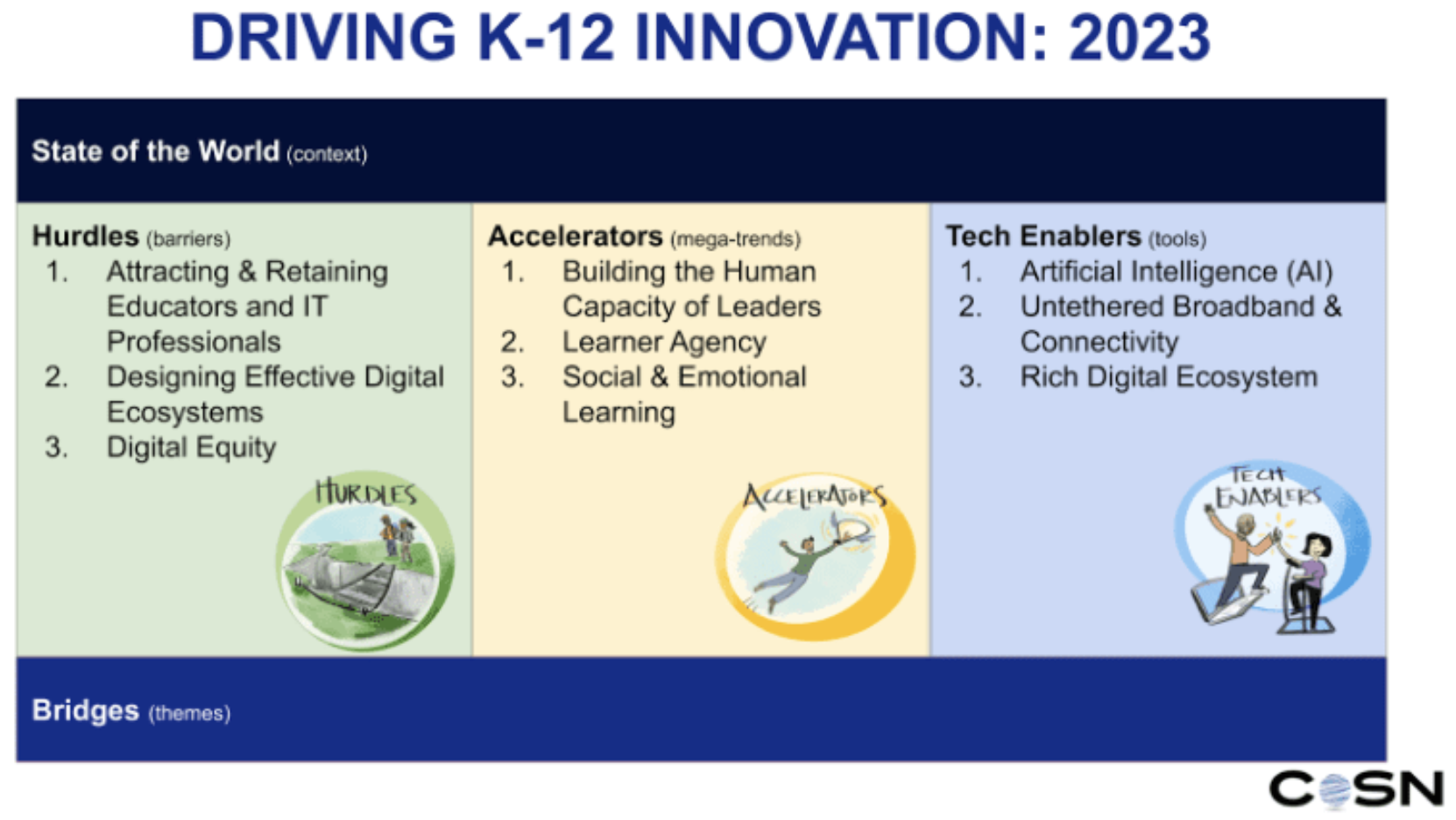
“The three most important hurdles for education in 2023 will be attracting and retaining educators and IT professionals, designing effective digital ecosystems and digital equity.”
“Disinflation and economic deceleration will dominate state and local budgets and investments. Cash is king, at least for a while. Payroll costs will outrace revenues. It’s going to be a year for muddling through.“
“We’re actually calling 2024-25 ‘the bloodletting’… Public education has not seen this sort of right-sizing, fiscal cliff, whatever you want to call it, of this magnitude at any time, including the last recession”—Marguerite Roza quoted in District Administrator
This week, Thomas Hatch looks back at 20222 by rounding up some of the end-of-the-year headlines from sources on education news and research globally and in the US. Next week’s post will look ahead by pulling together some of the education predictions for 2023.
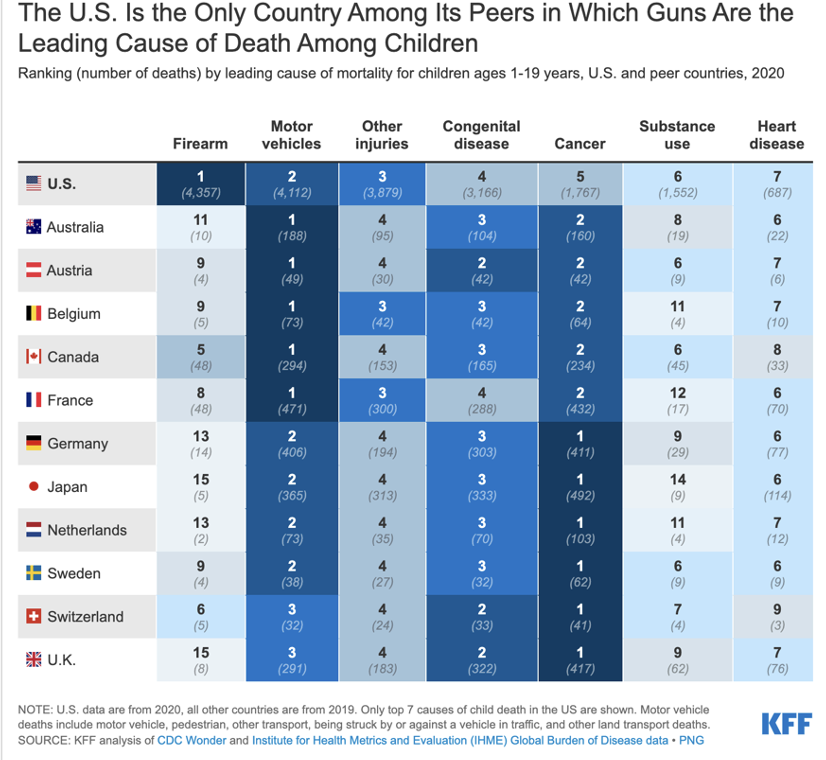
End-of-the-year headlines in education for 2022 include the usual collections of photos, “top” stories, and lists addressing topics like education research, teachers/teaching, education law and educational technology. This year’s collection also includes several stories focusing on a disturbing, but predictable, development – guns have become the number one cause of death for children in the United States – and a number of other articles chronicle the year in COVID-related developments.
For much of the nation’s history, disease was the No. 1 killer of children. Then America became the land of the automobile, and by the 1960s, motor-vehicle crashes were the most common way for children to die. Twenty years ago, well after the advent of the seatbelt, an American child was still three times as likely to die in a car accident as to be killed by a firearm. We’re now living in the era of the gun.
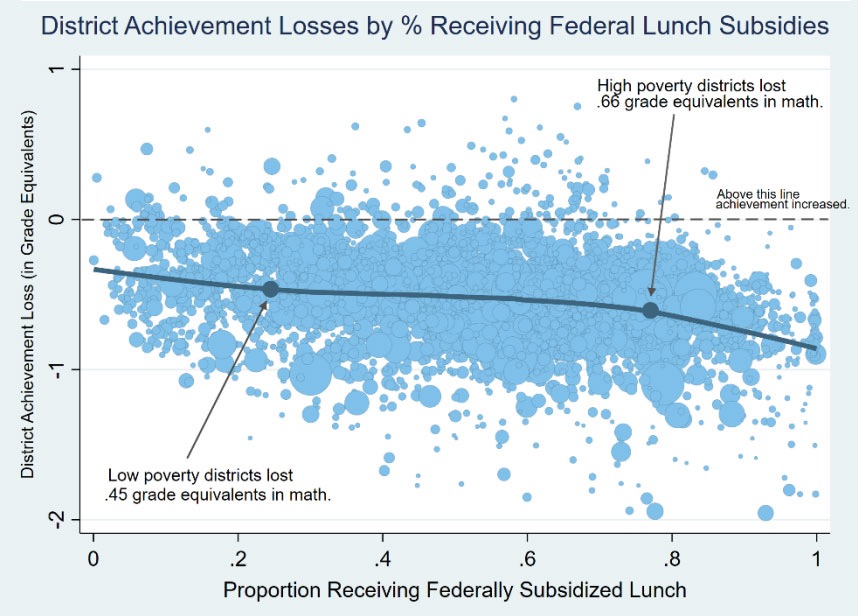
Academic rebounding in reading and math continued in fall 2022; however, rebounding is not even across school years and summers, especially in reading. The youngest students in the sample (current third graders who were kindergartners when the pandemic began) have the largest reading declines and showed the least rebounding.
IEN will be taking a break over New Year’s returning with our first stories of the year on January 9th. In the meantime, please revisit some of our most viewed stories of the year and have a restful, peaceful, and healthy New Year!
In this month’s Lead the Change (LtC) interview Elizabeth A. Lumpe shares reflections on her experiences as researcher, teacher, and a participant in a series of research-practice partnerships in Massachusetts and California. Zumpe is currently a Visiting Assistant Professor in the School of Education at University of Massachusetts Lowell. Starting in January, she will be an Assistant Professor in Educational Leadership and Policy Studies at the Jeannine Rainbolt College of Education at the University of Oklahoma in Tulsa. The LtC series is produced by Alex Lamb and colleagues from the Educational Change Special Interest Group of the American Educational Research Association. A pdf of the fully formatted interview is available on the LtC website,
Lead the Change (LtC):The 2023 AERA theme is “Interrogating Consequential Education Research in Pursuit of Truth” and charges researchers and practitioners with creating and using education research to disrupt institutionalized forms of discrimination. The call urges scholars to challenge traditional methods of inquiry in order to create increasingly useful, responsive, and equity-oriented research that can be used by schools to develop informed policies and practices to better support students. What specific responsibility do educational change scholars have in this space? What steps are you taking to heed this call?
Elizabeth Zumpe (EZ): We live in a time in which educational problems are both urgent and complex. Expectations for public schools have risen substantially over the past 40 years (Mehta, 2013). During the same time, income inequality has also risen (Sommeiller & Price, 2018), and our school system has become resegregated (Government Accountability Office, 2022). Amid a global pandemic and a resurgent racial reckoning, a paradigm of standards-based accountability (Mehta, 2013) continues to dominate education policies. Educators serving high-poverty communities of color find themselves in under-resourced schools labeled as “chronically low-performing” and subject to sanctions. Meanwhile, teacher shortages are growing as many educators leave the profession (Marshall et al., 2022).
I find myself asking, what is the role of education scholars in the midst of this reality? Clearly, research is needed for describing and diagnosing these conditions. But is that enough, given the complexity and gravity of the problems? Perhaps because of my prior career as a public school teacher for over a decade, I think that bridging the research-practice gap is imperative. This bridging requires more than dissemination and brokerage. The work of research needs to be useful to help solve the problems in our education system. We cannot learn how to solve these problems at a distance from the daily realities of preK-12 schools. To understand how improvement unfolds, more scholars will need to get involved in the work of improving.
This interest drove my involvement in a multi-year research-practice partnership (RPP) with a Californian school district. The RPP included a research team from the University of California Berkeley and a team of district leaders. This district serves a high-poverty community of color, has been flagged for low performance for years, and has a reputation of micro-political conflict. We decided up front that our partnership needed to do more than document and describe the challenges. We wanted to learn side by side with educators how to strive towards improvement amid conditions of complexity and adversity. This required researchers to become aware of and curious about the practical dilemmas that educators face. We became embedded in day-to-day decision making, conducting action research as we took part in the improvement work. Researchers and practitioners—district leaders, school leaders, and teachers—met regularly to co-design improvement plans and professional learning and to study the uptake and limitations.
This is not how most academic research traditionally occurs. This approach means putting practitioners’ needs at the center of inquiry. It also means wading into the complexity of urban school districts and recognizing that scholars do not necessarily have all of the expertise. An RPP of this type, therefore, requires new methods and new role identities.
Building on these ideas, in the past year, I helped launch a new RPP between the University of Massachusetts Lowell and the Lowell Public Schools. With co-PI Jack Schneider, this RPP involves researchers and practitioners co-designing a school quality data dashboard and a professional learning series for applying methods of continuous improvement. Research has not yet revealed much about how to build capacity for evidence-informed collective learning in high-poverty school districts that face resource scarcity, turnover, and pressures from test-driven accountability policies (Zumpe, 2022a). We hope that our work in Lowell will begin to shed light on this.
“An RPP means wading into the complexity of urban school districts and recognizing that scholars do not necessarily have all of the expertise.”
LtC: In your work, you use improvement science and design-based school improvement models to define and solve problems in school systems. What are some of the major lessons the field of Educational Change can learn from your work and experience?
EZ: My research and collaborations with educators have taught me the importance of building capacity for organizational problem solving. I first learned about this while involved in research and development within an innovative EdD program at the University of California, Berkeley, the Leadership for Educational Equity Program (LEEP). In the book, Design-Based School Improvement: A Practical Guide for Education Leaders, by Rick Mintrop, we describe a pedagogy developed in LEEP for education leaders to use design-based problem solving to address an equity-relevant problem of practice in their own organizations (Mintrop, 2017). Initial phases of this approach involve developing a theory of action. This entails first defining, framing, and diagnosing the problem. Then, leaders set goals and identify change drivers—or powerful social psychological forces—that can enable self-directed learning. Throughout this work, education leaders conduct local needs assessments to learn with and from people in the organization and co-design the change process. These steps are similar to principles of improvement science promoted by the Carnegie Foundation for the Advancement of Teaching (Bryk et al., 2015).
However, through action research within LEEP, we also discovered that it is not straightforward for education leaders to learn how to become organizational problem solvers. Tracing how one cohort of leaders developed theories of action over two years, we found that leaders’ existing ways of thinking about improvement interfered. As described in an article published in the American Journal of Education, we found a countervailing mindset that persisted over time (Mintrop & Zumpe, 2019). Rather than seeking to understand and solve a particular problem, leaders tended to start out with a preferred solution they wanted to implement and to frame their problem of practice as “the absence of my solution.” This implementation-oriented framing strongly constrained how leaders used evidence, engaged with local participants, and thought about change.
“Education leaders, scholars, and policymakers should do more to involve the people in schools in deciding which problems to solve and to build their capacity to learn how to solve them.”
For education leaders, focusing on implementation seems a rational approach to improvement. The typical work conditions they face in districts and schools do not create an environment that favors problem solving. Education leaders are often handed policies or “best practices” to implement. But many also face frustrations about reform churn (Hess, 2011) and so-called “resistance” to change (Knight, 2009). This suggests reasons to question a reform approach that orients leaders towards deciding “for” people what the problem and solution should be. Education leaders, scholars, and policymakers should do more to involve the people in schools—students, teachers, staff, parents, and community members—in deciding which problems to solve and to build their capacity to learn how to solve them.
These findings suggest that educators’ mindsets about improvement can be shaped heavily by their institutional and organizational environments. My research and experience pose an important challenge to the field of educational change: If we want educators to undertake methods of continuous improvement like improvement science or design-based school improvement, then we have to puzzle over how they can come to develop conducive mindsets for this work while embedded in a typical district environment.
LtC: In your recent work, you investigate how district context (e.g., resources, past accountability experiences, turnover, and district norms) matters in establishing collective learning environments for school improvement. How might your findings help scholars and practitioners better support schools in designing and implementing system-wide change?
EZ: As part of our Californian RPP, I spent a year partnering with one school facing especially challenging conditions (e.g., negative reputation, staff shortages and turnover, serving many students who experience recurrent trauma and marginalization), like what many schools are facing today (Zumpe, 2022b). This was a school that eagerly joined the partnership and wanted to improve. But they faced challenges at the core of their work: daily challenges to reach their students, and as one teacher described it, struggles with “the basics of collaboration.” The school served a very high-poverty community of nearly all students of color. Educators talked of daily challenges to engage students who seemed “defeated.” The faculty describing having a negative reputation of what several members referred to as being seen as a “dumping ground” and having been labeled as “low performing” for years. Unfilled teaching positions and a teacher shortage required the principal and teachers to expend substantial daily effort to cover classes and keep their school running.
I endeavored to learn with educators how the pursuit of improvement becomes possible in this kind of environment. Through participant observation and action research with several work teams, including one that I launched and led, I observed how the chronic experience of adversity meant that their work teams had not been able to develop into trusting, “effective” groups able to solve the complex and vexing problems they faced. Rather, amid a history of turnover, overload, and being told that they were a “dumping ground” school, they were struggling to develop a more foundational capability—what I am calling, collective agency, or a group capability to face up to and work together to address any problems (Zumpe, 2020).
This experience left me wondering how educational policies and school improvement models might attend more to the humanity of educators undertaking complex work amid trying circumstances. High-stakes, standards-based accountability reforms tend to treat enduring problems to educate students amid adversity as “excuses” to be surmounted by pressure, ambitious goals, and threats of consequences. However, in the groups that I partnered with, each new low accountability rating tended to have a devastating impact on collective agency, prompting educators to abandon initiatives underway, turn on each other, and feel hopeless when they felt their efforts to improve were “never enough.”
I think policymakers, scholars, and education leaders need to think more about how to nurture collective agency as a key resource for school improvement. This includes identifying concepts and metrics that allow incremental developmental efforts to become visible and recognized. In challenged schools, reforms might be designed to orient educators towards a focus on simpler problems at the outset, to establish basics of teaming and serve as a foundation for building problem solving capacity over time. Another possibility may be to focus less heavily on solving “problems” and leverage insights from strengths-based organizational development models (Daly & Chrispeels, 2005), such as appreciative inquiry (Cooperrider & Whitney, 2005).
LtC: Educational Change expects those engaged in and with schools, schooling, and school systems to spearhead deep and often difficult transformation. How might those in the field of Educational Change best support these individuals and groups through these processes?
EZ: Currently, school improvement research is quite limited when it comes to understanding organizational development in challenged school contexts. A dominant logic of inquiry developed through the effective schools movement has led to a body of case studies of “improved” or “effective” schools that have accomplished great feats while serving high-poverty communities of color, as well as many other cases of schools deemed “ineffective.” We need to learn much more about what might lay in between. How do schools develop? What kinds of dilemmas and struggles are entailed? My research builds on a handful of studies that have pointed to the importance of recognizing how chronic and cumulative adversity functions as a context for improvement (Mintrop & Charles, 2017; Ordenes, 2018; Payne, 2008). As described above, if we take adversity seriously as a context, we will need to build a better understanding of how to cultivate and sustain schools’ collective agency in the midst of an environment that can shut down agency.
“Policymakers, scholars, and education leaders need to think more about how to nurture collective agency as a key resource for school improvement.”
Such an approach—school development “in the next level of work” (City et al., 2009)—would constitute an important departure from how we have historically conceptualized, measured, and practiced school improvement. Learning how to recognize and sustain emergent agency requires attending to human needs, building trust, and sharing in the risks and joys of solving problems in schools. Design, development, and research in this area would necessitate proximity and action-oriented partnerships.
This has important implications for the kinds of methods and dispositions needed for those who seek to support educational transformation. To date, a major function of educational research has been to identify or design “best practices,” and to study the extent to which educators exhibit or implement these. Establishing standards of practice like this can be helpful. However, all too often, such standards are developed at a distance from educators, and educators have not had a say in constructing them. This sets up a situation in which research can end up describing a desired state that educators do not have the resources to attain. Such research can alienate educators rather than serve them.
That is not to say that educators always necessarily “know best.” I think we need to strive towards more mutuality in how scholars and practitioners share in the burdens and rewards of research and development in education. This has profound implications. Putting research into the service of solving real world problems will call for new relationships and models of knowledge production that allow us to pool our intellectual resources to design learning standards, activities, and materials that are engaging and responsive to educational needs. With this approach, I believe we can also produce knowledge that the field of educational change desperately needs about how development unfolds in complex and challenging environments.
“If the practice of scholarship could not enable the pursuit of change, I was not sure what it was worth.”
To get there, we will all need to learn how to understand each other across institutional contexts and status and power differentials. How might we come to understand each other’s limitations and differences as tied to differing institutional pressures and learning needs, and not as moral failings?
LtC: Where do you perceive the field of Educational Change is going? What excites you about Educational Change now and in the future?
EZ: When I left K-12 teaching practice to begin doctoral study, my initial excitement for scholarly learning waned quickly when I experienced the gut punch of the research-practice gap. Too much of the scholarly research seemed disconnected from the everyday problems and experiences facing educators. Too little of it seemed practically relevant for the pursuit of improvement. It also seemed like many established and successful scholars had too little concern for whether their research could or did influence practice. I encountered a pervasive distaste in the academy for action-oriented research. Walking in the library stacks, I often pictured the kids languishing right at that moment in an under-resourced school and asking, who is all this knowledge for? If the practice of scholarship could not enable the pursuit of change, I was not sure what it was worth.
Fast forward to today, and that situation has substantially changed. A vast new research territory has opened. I am excited about the emergence of a thriving scholarly community working to build a new paradigm of educational research that is improvement-focused (Peurach et al., 2022). I find new hope in scholars who are building new theories and methods for practice-focused knowledge production in the service of solving educational problems (Bryk et al., 2015). This includes other scholars like me who are involved in RPPs, developing new approaches to research that are more collaborative with educators, and working on the puzzle of how to make research more responsive to practice (Cobb et al., 2018; Cohen-Vogel et al., 2016). I am also excited about research emerging from those who study educators’ experiences with using continuous improvement methods (Yurkofsky, 2022) and who study the dynamics of RPPs to help us figure out how to help them emerge, grow, sustain, and succeed (Farrell et al., 2019; Henrick et al., 2017).
I am also excited about the innovations underway in the field of leadership development. Over the past 15 years, the Carnegie Project on the Education Doctorate (CPED) has led the transformation of education doctorate programs towards dissertations-in-practice (Perry et al., 2020). Now with over 130 university consortium members (https://www.cpedinitiative.org/), members of CPED commit to a set of principles that emphasize improvement-focused research and social justice. This innovation offers strong promise for producing new forms of knowledge that can guide scholars, policymakers, and educators towards new practices and new structures for a more just educational system.
These new developments hold promise for stronger connections between research and practice—but that is not a foregone conclusion. The pull of old habits and institutional forces could render “new” approaches new in name only. Funders might shy away. Academics and educators might find that the efforts of connecting research and practice outweigh the rewards. But every week, as I read new research and participate in expanding communities of practice in this new space, I become more optimistic that a new paradigm of knowledge production is emerging.
References:
Bryk, A. S., Gomez, L. M., Grunow, A., & LeMahieu, P. G. (2015). Learning to improve: How America’s schools can get better at getting better. Harvard Education Press.
City, E. A., Elmore, R. F., Fiarman, S. E., & Teitel, L. (2009). Instructional rounds in education: A network approach to improving teaching and learning. Harvard Education Press.
Cobb, P., Jackson, K., Henrick, E., & Smith, T. M. (2018). Systems for instructional improvement:Creating coherence from the classroom to the district office. HarvardEducation Press.
Cohen-Vogel, L., Cannata, M., Rutledge, S. A., & Socol, A. R. (2016). A model of continuous improvement in high schools: A process for research, innovation design, implementation, and scale. Teachers College Record, 118(13), 1-26.
Cooperrider, D. L., & Whitney, D. (2005). Appreciative inquiry: A positive revolution in change. Berrett-Koehler Publishers, Inc.
Daly, A. J., & Chrispeels, J. (2005). From problem to possibility: Leadership for implementing and deepening the processes of effective schools. Journal for Effective Schools, 4(1), 7-25.
Farrell, C. C., Harrison, C., & Coburn, C. E. (2019). “What the hell is this, and who the hell are you?” Role and identity negotiation in research-practice partnerships. AERA Open, 5(2), https://doi.org/10.1177/2332858419849595
Government Accountability Office [GAO]. (2022). K-12 education: Student population has significantly diversified, but many schools remain divided along racial, ethnic, and economic lines. GAO-22-104737. https://www.gao.gov/products/gao-22-104737
Henrick, E. C., Cobb, P., Penuel, W. R., Jackson, K., & Clark, T. (2017). Assessing research practice partnerships: Five dimensions of effectiveness. William T. Grant Foundation.
Hess, F. M. (2011). Spinning wheels: The politics of urban school reform. Brookings Institution Press.
Knight, J. (2009). What can we do about teacher resistance?. Phi Delta Kappan, 90(7), 508 – 513.
Marshall, D. T., Pressley, T., Neugebauer, N. M., & Shannon, D. M. (2022). Why teachers are leaving and what we can do about it. Phi Delta Kappan, 104(1).https://doi.org/10.1177/00317217221123642
Mehta, J. (2013). How paradigms create politics: The transformation of American educational policy, 1980–2001. American Educational Research Journal, 50(2), 285-324
Mintrop, R. (2020). Design-based school improvement: A practical guide for education leaders. Harvard Education Press.
Mintrop, R., & Charles, J. (2017). The formation of teacher work teams under adverse conditions: Towards a more realistic scenario for schools in distress. Journal of Educational Change, 18(1), 49-75.
Mintrop, R., & Zumpe, E. (2019). Solving real-life problems of practice and education leaders’ school improvement mind-set. American Journal of Education, 125(3), 295-344.
Ordenes, M. A. G. (2018). Commitment as struggle: Teachers serving students in the face of socioeconomic adversity [Unpublished doctoral dissertation]. University of California,Berkeley, Berkeley, California.
Payne, C. M. (2008). So much reform, so little change: The persistence of failure in urbanschools. Cambridge, MA: Harvard Education Press.
Perry, J. A., Zambo, D., & Crow, R. (2020). The improvement science dissertation in practice: A guide for faculty, committee members, and their students. Myers Education Press.
Peurach, D. J., Russell, J. L., Cohen-Vogel, L., & Penuel, W. R. (2022). The foundational handbook on improvement research in education. Rowman & Littlefield.
Yurkofsky, M. (2022). From compliance to improvement: How school leaders make sense of institutional and technical demands when implementing a continuous improvement process. Educational Administration Quarterly, 58(2), 300-346.
Zumpe, E. A. (2020). School improvement in the next level of work: Struggling for collective agency in a school facing adversity [Unpublished doctoral dissertation]. University ofCalifornia, Berkeley, Berkeley, CA.
Zumpe, E. (2022a). Evidence-based practices in U.S. schools: The California context. In C. Brown & J. R. Malin (Eds.), The handbook of evidence-informed practice in education:Learning from international contexts. Emerald Publishing Limited.
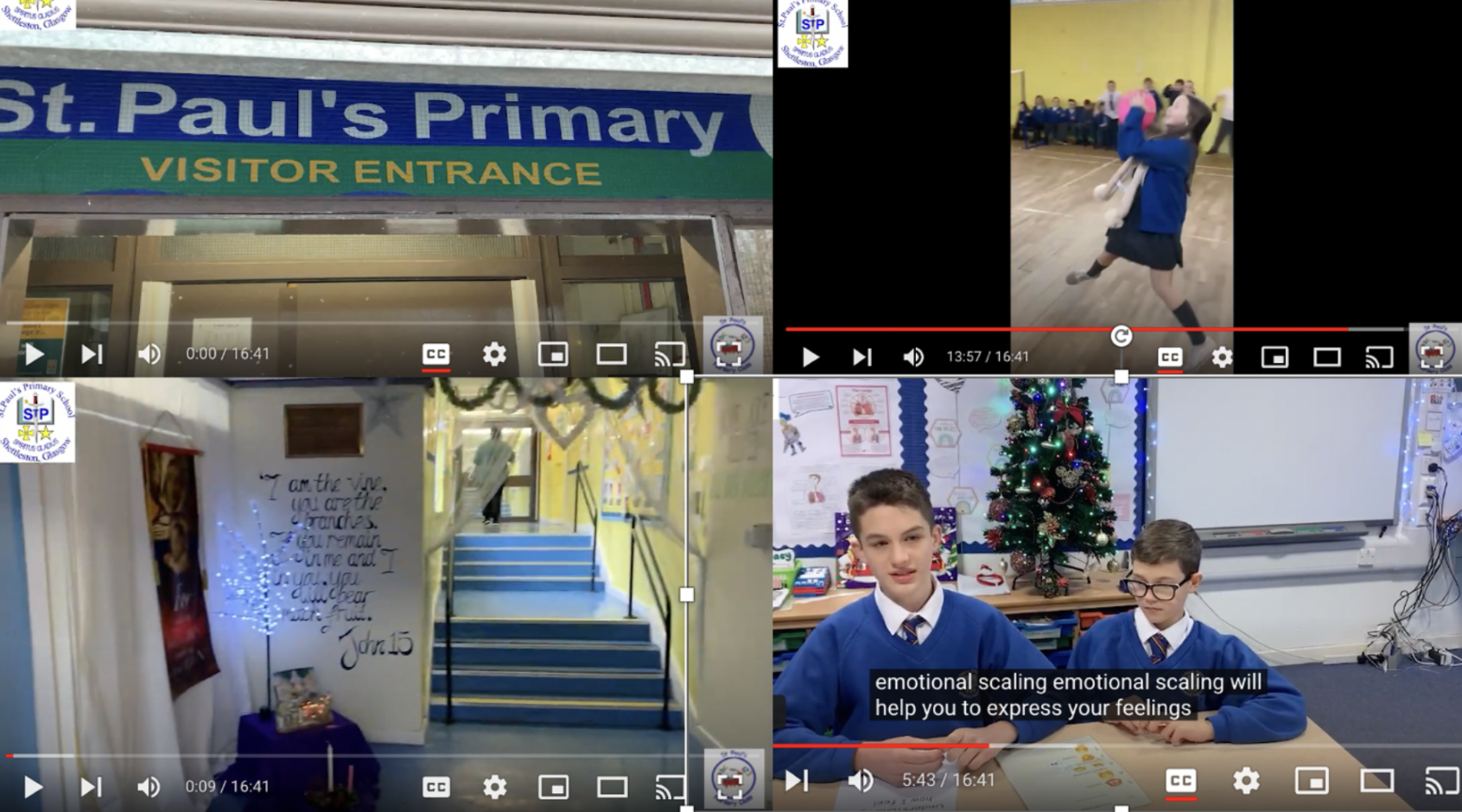
St. Paul’s Primary School is a catholic primary school located in Glasgow, Scotland. The school’s virtues are faith, hope and love, with the central virtue being that of love. This is at the core of everything at St Paul’s; it is the basis of all interactions and relationships. The community at St. Paul’s believe that by creating a nurturing environment, where all of the community are welcomed and loved and none are judged, children can exceed their potential.
“The community at St. Paul’s believe that by creating a nurturing environment, where all of the community are welcomed and loved and none are judged, children can exceed their potential.”
St. Paul’s Primary School is located in the North East of Glasgow and serves a community of 465 children. 385 children are in the primary school (ranging from 5-12 years old in Primary 1 to Primary 7) and 80 children (ranging from 3-5 years old) are in the nursery class. The children in the primary school and nursery class are learning at Scotland’s Curriculum for Excellence levels Early, First and Second. Learning for some of the children in the nursery class is supported by the Birth – 3 years old curriculum in order to address identified and emerging barriers to learning.
The school is situated in a busy town, and the school serves an area of high levels of deprivation. 78% of pupils are eligible for Pupil Premium/ Pupil Equity Funding/ Free School Meals which are measures of deprivation. 25% of pupils have an additional support need and 25% of pupils have English as an Additional Language, with 27 languages spoken in the school.
The school has been recognized for sector leading work, with the senior leadership team having engaged in a range of accredited professional learning to support the ongoing work of the school. The school is therefore dynamic, and always looking for ways to improve their research-based pedagogy. The school’s vision is to have 100% of pupils reading (91% of the 2020-21 Primary 7 cohort left the school being able to read).
The school has very high expectations for pupils; and everyone in the school community shares these standards including the children themselves. Over the past nine years the headteacher has been in the post, she has purposefully built a whole community of learners: children, staff and parents. A focus has been on empowering staff and children to lead change in school, using a number of strategies to develop their voices.
Staff and children are part of the school’s quality assurance procedures. Parents have also been involved in this empowerment agenda, gaining qualifications in parenting and food hygiene, and leading our successful Plot to Plate Initiative (more information can be found on the school’s website).
The school commenced their Children’s Rights journey 7 years ago and recently became the only state primary school in Glasgow to gain a UNICEF Rights Respecting School Gold Award. The children are fully involved in the running of the school; they drive forward change through the school improvement plan and through the various Pupil Voice Committees in the school. The children have a strong belief and drive to make the world a better place and this can be seen in their many campaigns to improve the local school environment, trying to create a more sustainable school and world and writing to the Scottish Government. The school’s strategies for Health and Wellbeing focus on building emotional resilience and the children themselves have driven the change from what was the Promoting Positive Behaviour Policy to a Relationship Policy; highlighting a shift in thinking, culture and practice.
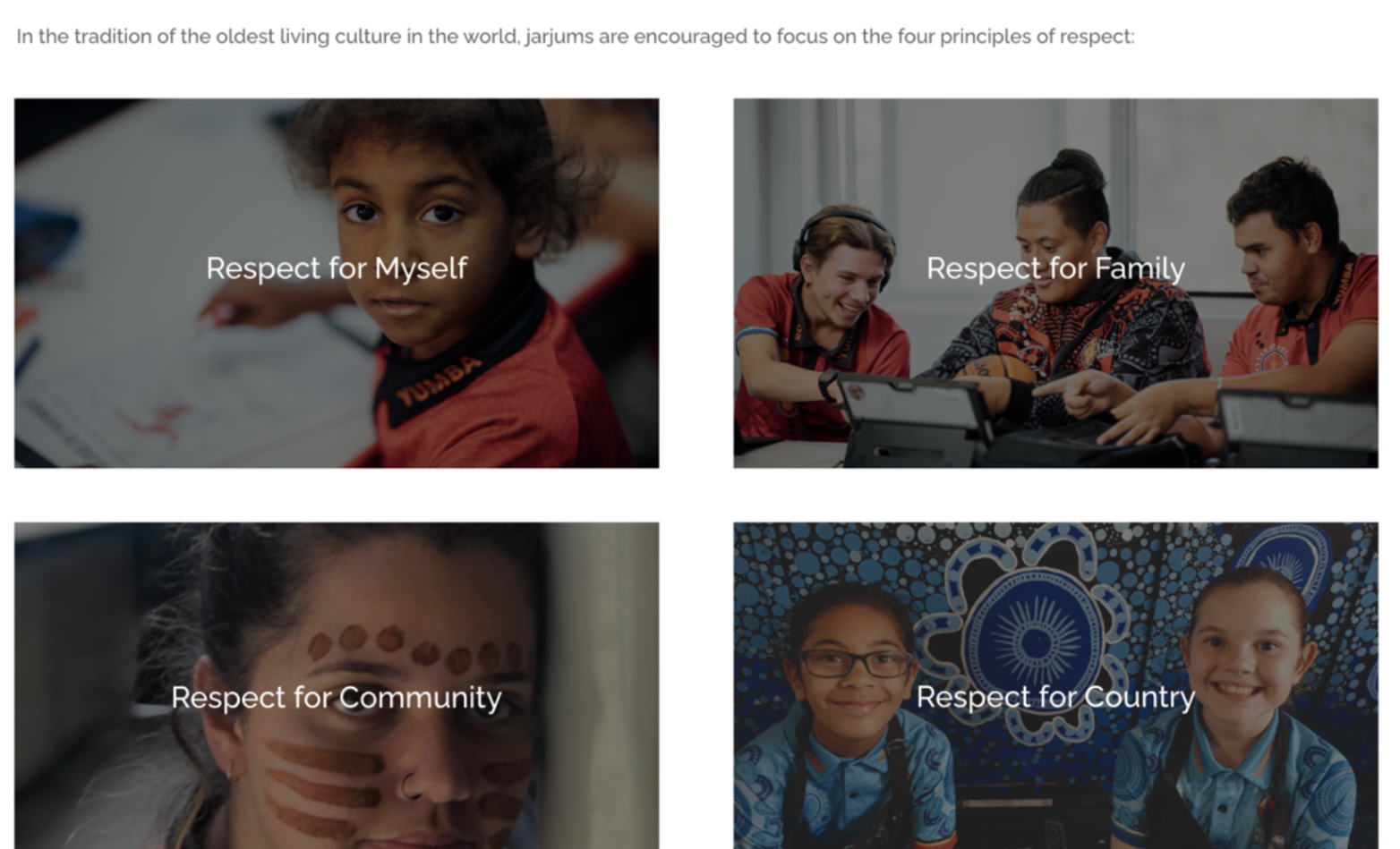
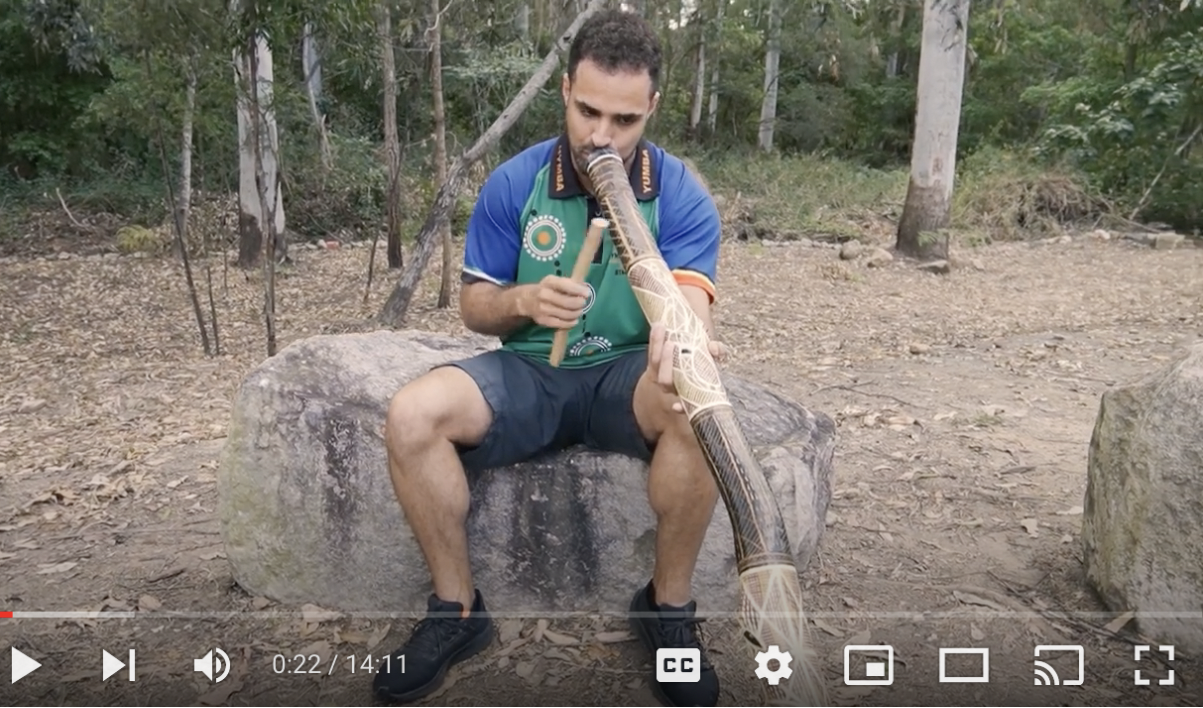
Hymba Yumba Independent School (HYIS) is founded and proudly based in Aboriginal and Torres Strait Islander Culture. The school is a Prep – Year 12 majority Indigenous school, founded in 2011 by Uncle Albert Holt and has been built upon the traditions of Indigenous culture, spirituality and identity. Situated in Springfield, Queensland on the traditional land of the Jagera, Yuggera and Ugarapul people, the name of the school is from the Bidjara language group and was gifted to the school by founder, Uncle Albert Holt. Hymba means the development of skills in listening, reflecting, evaluating and planning and Yumba is the building and support for learning; the building of school and classroom routines and the building of community. The excellence in teaching and learning stems from a 21st century cultural and pedagogical approach, focused upon the whole jarjum (child) and his/her journey in education.
“Hymba means the development of skills in listening, reflecting, evaluating and planning and Yumba is the building and support for learning; the building of school and classroom routines and the building of community.”
HYIS is developing not only a futuristic approach to education, but also developing and building 21st century facilities to create an environment that is engaging and stimulating to create the strongest outcomes for their jarjums. By the end of Year 12, their jarjums will be in a career pathway that is either ‘learning or earning’ and will be equipped with real life experience and skills. The vast opportunities provided at Hymba Yumba are supported by passionate teachers and a strong network of partners with tertiary and vocational organisations. Although teaching excellence is at the forefront of HYIS’ work, they focus on the jarjum as a whole and therefore provide multiple wellbeing and sports programs to support the jarjums in their education journey. This is in recognition of how good mental and physical health is just as important as academic education in today’s society. Upon graduation, jarjums will proudly be able to lead in both worlds equipped with skills, experience, education, cultural knowledge and strength. The school first opened its doors with only 50 students and 8 staff members, and today has over 280 students and 40 staff making up the school community.
Key Lessons: Reimagining the intersection of practice, policy and research
This virtual school visit, made possible through the generosity and community spirit of the schools involved, enabled a rich dialogue around the nature of school and community leadership, and the contextual variation that emerges in understanding this within a global context. With the emphasis on leadership, community, and the development of the whole child evident in both schools, participants in the school visit discussed and highlighted the idea that ‘nothing is too much’ in trying to achieve what is needed to nurture and support the development of the ‘whole child’.
‘Nothing is too much’ in trying to achieve what is needed to nurture and support the development of the ‘whole child’.
The role of leadership, and particularly that of the Principal was highlighted in relation to the possibilities for school improvement. The learning focus, and the values and ideas that inform the leadership they exercise within their communities was viewed by participants as being key to the successes shared within the two communities, and with application beyond. Importantly, as both schools and participants highlighted, the role of the whole learning community coming to understand, appreciate and continue to build an understanding of the students and communities they work with is central to responsive practices, and priorities or approaches to improvement.
Participants reflected that what the schools illustrated was the importance of professional community, and organizational learning, sustaining the passion and enthusiasm for the community and the schools’ mission and values, and the centrality of relationships in achieving this.
More broadly, the role of leadership, community and the development of the whole child and the sharing of this through a forum like the International Congress for School Effectiveness and Improvement (ICSEI) highlights the scope and possibility to be imagining and reimagining the intersection of practice, policy and research. The COVID-19 pandemic illustrated even further the possibilities and potential of collaboration within and across systems. As national and international socio-political contexts continue to change, these school communities and the conversations that represented ideas and experiences from across the globe (Hong Kong, Morocco, Sweden, Australia, Scotland, the United States, and Qatar), highlight the role education and schooling can play in supporting communities, and society more broadly. This has required creativity, bravery, and new modes, means and outputs of thinking as to the role and nature of schooling in uncertain times.
What these virtual school visits have also highlighted is the need for sustained, critically reflective dialogue and analysis of the structures, mechanisms, tools, and approaches that not only support school effectiveness and improvement, but enable the learning, growth, development, and understanding of the young people we work with in school communities. Through the intentional development of shared and inclusive forums to share ideas, reflect on experiences, and imagine the future, we can collectively contribute to and enhance the positive experiences and outcomes of young people in school systems across the globe.
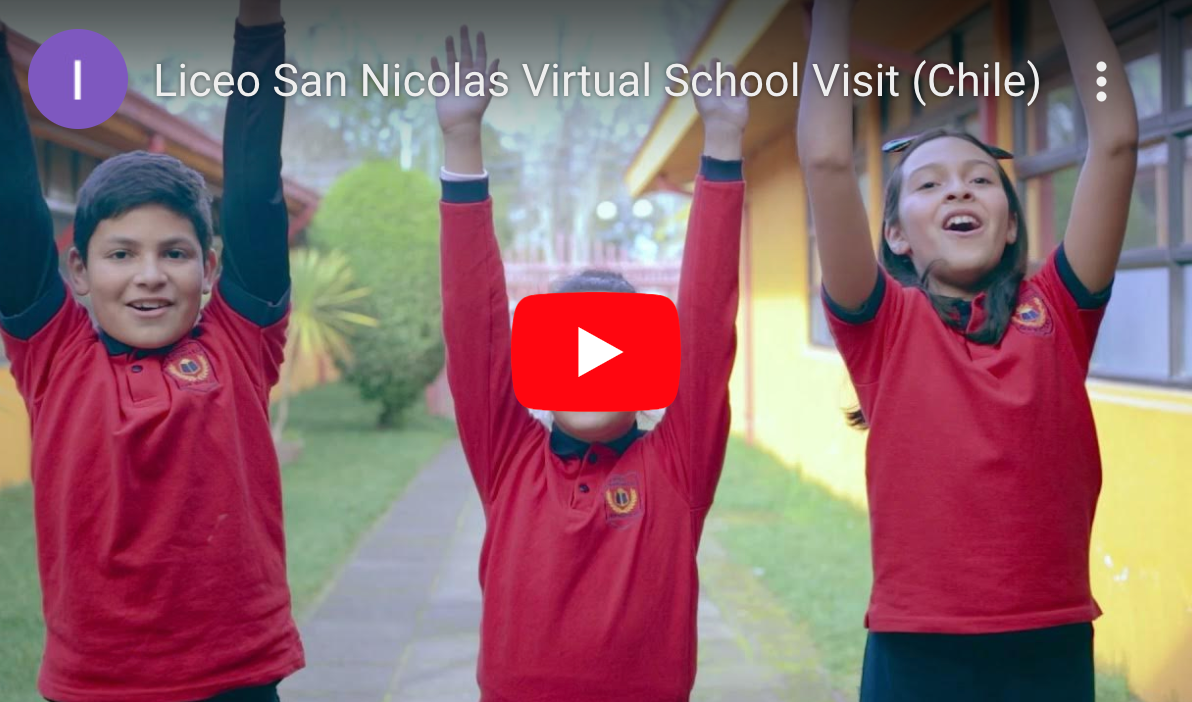
Note on ICSEI Virtual School Visits: The International Congress for School Effectiveness and Improvement (ICSEI) held its 35th annual congress online in January 2022 due to the pandemic. Over many years of face-to-face conferences, participants have had the unique opportunity to visit local schools to gain first-hand experience with the host country’s education system, share ideas and insights from one system to another, and act as a catalyst for discussion and debate between colleagues from different countries during and after the visits. The Virtual School Visits sought to keep that purpose, with the added advantage of not being restricted to one host country, increasing the richness and diversity of insight, discussion, and collaboration beyond what was possible at a face-to-face congress. ICSEI 2023 will be in Chile in January 2023 and schools’ visits will again be held virtually. For more information: https://2023.icsei.net and https://2023.icsei.net/school-visits/
In the second post of a two-part series, Dulce Rivera Osorio explores what’s changing in schools by scanning news articles that report on educational “micro-innovations” developing by in the US and internationally by non-profit organizations, private companies, and states and education systems. In Part 1, Thomas Hatch introduced micro-innovations and then Rivera shared a number of examples of micro-innovations being made in instruction or school/district operations that have been described in media articles from the US. To learn more about the numerous proposals to change schools and “reimagine education” post-COVID, read IEN’s previous post: Is anything changing in US schools post-pandemic? Possibilities for rethinking time, place and supports for well-being.
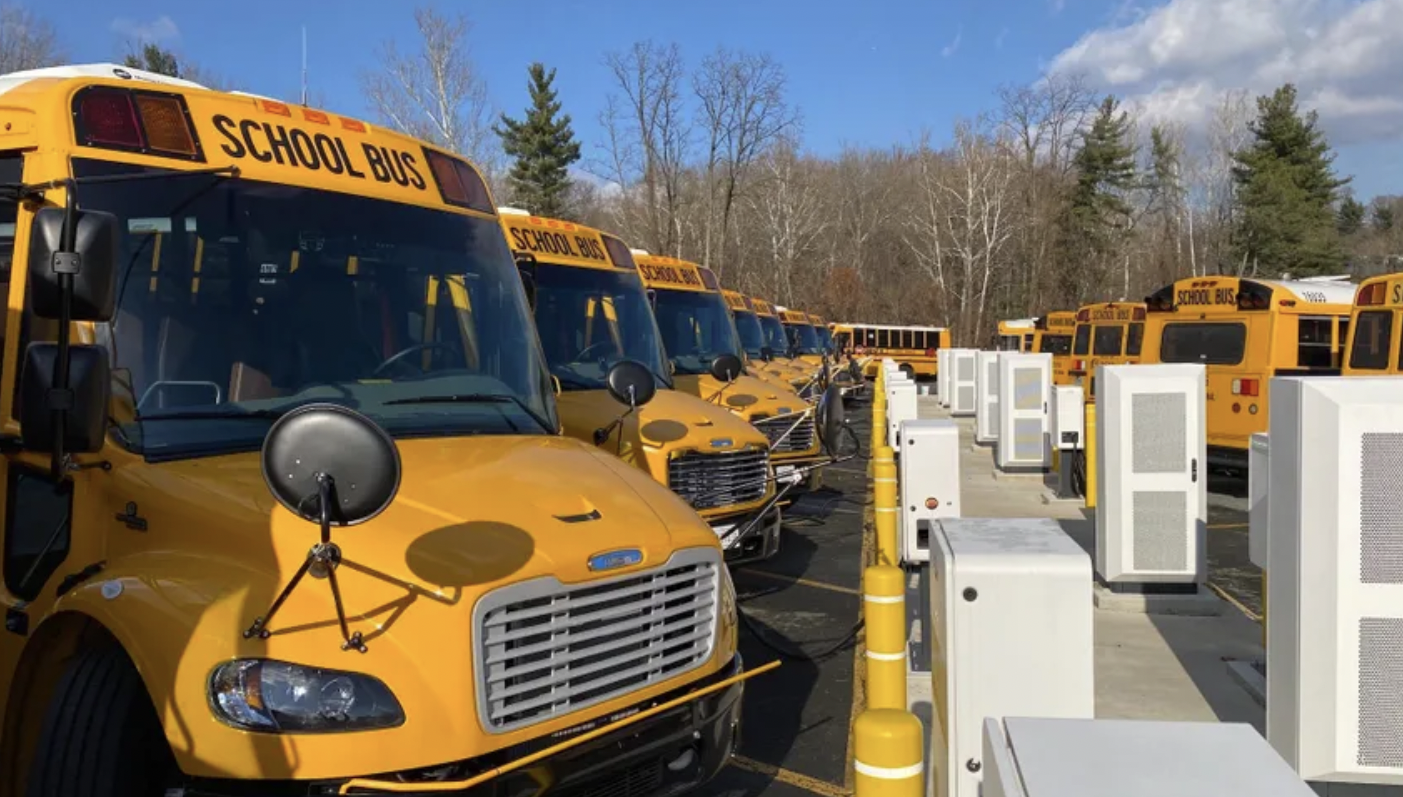
In addition to changes in structures, resources, and practices at the classroom and school/district level, news articles have discussed a variety of micro-innovations that have been introduced by nonprofits and private companies in the US. To give a sense of the variety of initiatives, companies like Highland Electric Fleets and Thomas Built Buses have worked with school districts to cover the upfront costs involved in shifting from conventional buses to electric buses (US schools can subscribe to an electric school bus fleet at prices that beat diesel).
Airbnb, working in partnership with the National Education Association, has developed an adaptation to their hosting approach that provides extra income to teachers based in the US who share their homes through Airbnb (NEA, Airbnb partnership aims to help teachers supplement income). Nonprofits like the YMCA and the Boys and Girls Clubs have provided before and after-school programs for some time, but during the school closures of the pandemic they helped provide child care, academic support and access to recreational and arts activities by implementing socially distanced “learning camps” in some parts of the country (New Players Fill Child-Care Gap as Schools Go Remote). The Boys and Girls Clubs have also been actively developing new programs to support career and workforce learning. As the The Hechinger Report describes, clubs in Indiana, Washington State, and Montana have been working with Transfr, a technology start-up, to use virtual reality to develop “immersive” career and workforce training simulations for manufacturing, carpentry, public safety, hospitality and automotive industries (Future of learning with virtual reality).
New policies and changes in policies are also encouraging districts and schools to develop new resources and mechanisms to support teachers and schools. In California, lawmakers made innovative changes in zoning policies that allow school districts to build staff housing on any property the district owns without requiring zoning changes from city or county officials (California removes hurdles to building teacher housing). At the national level in the US, federal agencies like the EPA are providing funding for states to take advantage of new technologies and developments that can both save schools money and support the environment (EPA nearly doubles funding to districts for clean school bus rebates). The passage of a $430 trillion spending package designed to address the global climate crisis includes a host of provisions that provide creative ways schools and districts can save money and support the planet. As a new guide from the Aspen Institute and the World Resources Institute (K12 Education and Climate Provisions in the Inflation Reduction Act) reports, districts can now get tax credits to support energy-reducing innovations in the form “direct pay” – cash payments to the district instead of through credits claimed by a third party that made the whole process problematic (Quick Hacks: How Schools Can Cut Costs and Help the Environment).
Outside the US, NGO’s, companies, and education systems are also looking for new ways to address issues as varied as a shortage of bus drivers, “remote learning,” and mother-tongue language instruction. In Australia and New Zealand, GoKid, a carpooling app, hopes to aid the shortage of school bus drivers by making carpooling more accessible and easier for parents (GoKid partners to address school transportation crisis). The app helps parents to find carpool partners in a school or school district by providing a rough location map of nearby families and suggesting optimized routes.
In India, as a recent Brookings report explains, the development of young mothers’ groups created new ways to support learning at home during school closures. With the support of the Pratham Education Foundation, groups of 4 – 6 mothers met weekly or fortnightly to share experiences and access “idea cards” sent via WhatsApp containing games, activities, and recipes. For children in grades three to six, youth volunteers led small groups of children in “mini learning camps” for one to two hours per day using simple instructional activities and materials made by the children. In Bangladesh, BRAC dealt with the school closures by creating “phone schools.” In these “schools,” locally-recruited and trained teachers conducted virtual classes in group calls with three to four children. BRAC reported that those calls reached over 180,000 students in more than 7,000 schools (The power of community as a catalyst to tackle disrupted learning).
With emerging evidence supporting the expansion of mother tongue instruction, South Africa has instituted policies to support mother tongue instruction in grades 1, 2, and 3, but now the Eastern Cape education department allows high school students who are taking the matric exams to answer using their home language (Policy options to crack the mother tongue versus English riddle in South African schools). That kind of development can encourage schools to offer mother-tongue instruction through grade 12. As provincial education official Fundile Gade put it, “China, Singapore and Germany use their own languages. English is a secondary language, like other languages, so it can’t be given preference as if pupils can’t learn and develop outside of English (Matric pupils to write exams in isiXhosa and Sotho at Eastern Cape schools).
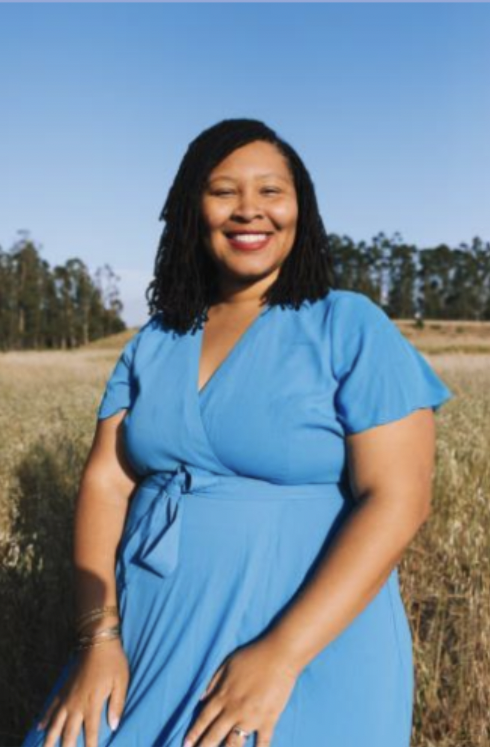
In this month’s Lead the Change interviewWhitneé L. Garrett-Walker highlights challenges and opportunities for students and educators to work toward fostering systemic equity in schools through an understanding of the historical contexts of modern policy. Whitneé is an Assistant Professor of Educational Leadership, Policy and Social Diversity at the Ontario institute for Studies in Education, University of Toronto. Whitneé is a Black, Indigenous (enrolled member of Natchitoches Tribe of Louisiana) and Queer woman from the San Francisco Bay Area.The LtC series is produced by Alex Lamb and colleagues from the Educational Change Special Interest Group of the American Educational Research Association. A pdf of the fully formatted interview is available on the LtC website.
Lead the Change (LtC):The 2023 AERA theme is “Interrogating Consequential Education Research in Pursuit of Truth” and charges researchers and practitioners with creating and using education research to disrupt institutionalized forms of discrimination. The call urges scholars to challenge traditional methods of inquiry in order to create increasingly useful, responsive, and equity-oriented research that can be used by schools to develop informed policies and practices to better support students. What specific responsibility do educational change scholars have in this space? What steps are you taking to heed this call?
Whitnee L Garrett-Walker (WLGW): I think educational change scholars have a responsibility to be co-conspirators for the purposes of equity and social justice. We do not need more of the same kinds of research on change management, school transformation, and transformational leadership occurring in institutions that primarily serve historically marginalized youth and communities. We have enough research on traditional notions of leadership that are centered in white, heteronormative, ableist values. We need to see more research and intentionally diverse collaborations (diversity within identities as well as the folx leading/researching various educational contexts) to continue conversations of why we need critical leadership in our field to push social justice movements forward. This looks like intentional collaboration to change the field of educational change and our expectations of what we hope to give and receive from it as means to better build our collective future. For example, we need more research on the importance and responsibility of solidarity across our various identities. I talk more about that with some amazing colleagues and friends here: UnLeading Podcast: Leading Through Solidarities.
In terms of my own research, I come to this work as a former teacher, instructional coach, and school leader of 14 years in San Jose, Oakland, and San Francisco, California. My research is deeply informed by my practice of being a Black, Indigenous (Natchitoches Tribe of Louisiana) and queer woman working in urban public schools. Given this, my research explores the experiences of racialized and gendered leaders and the ways in which they are defining their experiences, including their challenges, promise, and the potential of what is possible within the innovation of their leadership as well as their healing. I see my research as grounded in the ancestral, historical, and political context and understanding of what educational leadership looks like for Black, Indigenous women. I gather Black and Indigenous women and seek to learn from them because they are me, and I am them. I remain curious about their experiences as well as opportunities for solidarity as a model of what is possible for transforming the field of education, broadly. Their leadership, legacy of resistance, and critical hope are not just innovative, but pedagogical tools. My work is deeply connected to this call for the simple fact that my research subverts what has been and demands that we turn our eyes to what is possible.
LtC: You write about your experiences as a mother, a Black and Indigenous woman, a school leader, and a scholar, offering insights into the challenges and joys in balancing these identities, especially during global crises. What are some of the major lessons the field of Educational Change can learn from your work and experience?
WLGW: As folx read my work, my hope is that they learn to humanize Black and Indigenous women and our experiences both in the world and in our work. We are whole people who are full of love, joy and the resistance of our ancestors shines through us and within our work inside and outside of schools/the academy. To tell our stories takes courage, as well as hope; not that someone will find us worthy, but so folx know that we exist as more than we’ve been caricatured to be. I think our SIG and field of educational change can learn much from my work and from the work of amazing colleagues and scholars before me. My hope is that folx gain more information and clarity about the experiences of historically and multiply marginalized practitioners to shift how we conduct research, engage with policy, lead the way on policy, and finally prepare new practitioners for the field. I do this by approaching my work from the space of movement-building, as opposed to the space of conducting research for the sake of conducting research. I conduct research for the sake of collective liberation from the harmful ways that whiteness, capitalism and other systems and structures of oppression have adversely impacted how we think about and engage with each other and educational leadership. My hope is that my colleagues and those who read my work will do the same.
LtC: In your work investigating the experiences of Black women in leadership, you use critical theories to guide your analysis. How might your findings help scholars and practitioners envision and implement a more just and inclusive education system for faculty, staff, students, and communities?
WLGW: Well, I think particularly through critical hope. In my dissertation study, I found that Black women continue to engage a legacy of resistance that is grounded in their desire to lead from a space that activates their ancestral legacy of resistance. Critical hope is what fuels their desire to transform learning outcomes for historically and multiply marginalized youth and keeps them in this work and to continue this work, they must engage in healing as ongoing. So much can be learned from these findings, regardless of your place in an educational institution. I think it is so powerful to read and empathize with people who do not look like you (or experience the world as you do) because it begins an important process of critical self-reflection, transforming your behavior, and building connections to rebuild the world as we know it.
LtC: Educational Change expects those engaged in and with schools, schooling, and school systems to spearhead deep and often difficult transformation. How might those in the field of Educational Change best support these individuals and groups through these processes?
WLGW: It’s important to read, elevate, and center work that intentionally engages deeply in conversations that we need to have. For example, if you are a white scholar who is engaged in the work of educational change, who are you collaborating with? Who are you citing? How are these collaborations explicitly allowing for shifts in practice? How are you bringing these diverse authors and perspectives into your classroom? Another way to support the collective work toward equity is through directly incorporating the innovative scholarship of emerging scholars and practitioners who are multiply marginalized. Most times, our work is not seen by those in our field without a tweet or a newsletter such as this. Educational change as a SIG and the field as a whole must center scholarship from multiply marginalized and historically marginalized peoples to transform how we think about each other and create meaningful opportunities for solidarity.
“My research subverts what has been and demands that we turn our eyes to what is possible.”
LtC: Where do you perceive the field of Educational Change is going? What excites you about Educational Change now and in the future?
WLGW: I believe that our field is moving entirely too slowly in reference to the way we think/write and conduct scholarship about educational change. We are living during a powerful series of moments where everyone is clearly aware of how systems and structures of oppression are alive and well. COVID-19 has also shaped the way we’re engaging and thinking about the future of the public education system. There aren’t any additional excuses that can be provided as to why the harmful behavior of some continues to go unchecked or why we keep conducting research and publishing scholarly work that highlights inappropriate ways of how we write about and engage with certain populations. Educational Change as a field is in a special place where we have the power to shift language, behavior, and policy, and this is what excites me most about the future of our field and our SIG.
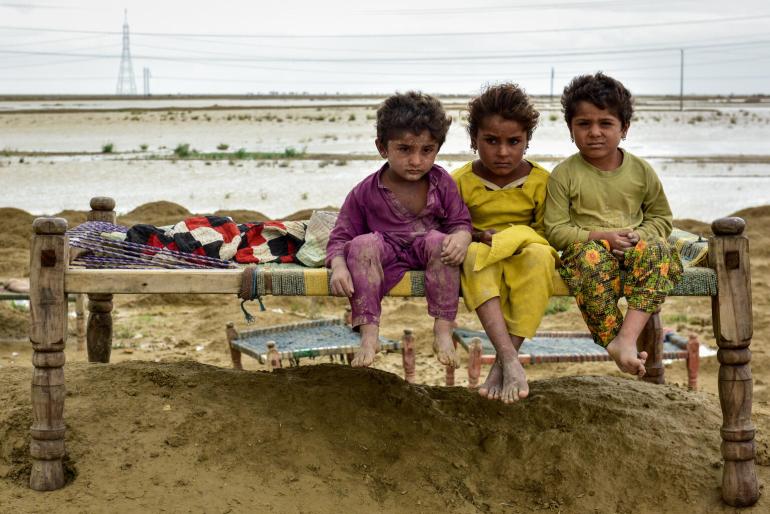
Every year, during the week of Thanksgiving in the US, IEN highlights opportunities to support some of the organizations that we have featured that are making a difference in children’s lives and in their educational opportunities. This year, we also want to emphasize the drastic needs to support children who are suffering from war, famine, natural disasters, climate change, and disrupted education, and to highlight ways to donate to some of the organizations that are working to respond to those crises, particularly in places like Ukraine, Afghanistan, Pakistan, and East Africa.
In this two-part series, Dulce Rivera Osorio explores what’s changing in schools by scanning news articles that report on “micro-innovations” that teachers, schools and educational organizations are making to improve their educational structures and practices. In Part 1, Thomas Hatch introduces micro-innovations and then Rivera shares a number of examples of micro-innovations being made in instruction or school/district operations that have been described in media articles from the US. Part 2 will describe the micro-innovations at the state level; those being made by companies and nonprofits; and some examples from outside the US. To read more on the numerous proposals to change schools and “reimagine education” post-COVID, read IEN’s previous post: Is anything changing in US schools post-pandemic? Possibilities for rethinking time, place and supports for well-being.
Schools are changing, but those changes are often more subtle and more context-specific than many ambitious reform efforts hope. These smaller changes can be considered micro-innovations: adaptations and inventions new to the contexts in which they are developed. Micro-innovations include those aimed to help specific groups of students learn key concepts for particular disciplines (like a card game and app from Singapore that helps high school students learn key terms for introductory chemistry); an “activity-based pedagogy” from Second Chance that helps out-of-school students in Ethiopia and Liberia catch up to their peers in elementary schools; and the development of a system of vans to provide safe transportation to support the all-female staff central to the success of the schools created by the Citizen’s Foundation in Pakistan. Rather than hoping for some “disruptive innovation” or general approach to educational reform that will magically sweep across schools and education systems, a focus on micro-innovations highlights specific, concrete improvements that can be made right now to develop an infrastructure for more equitable and more powerful learning (for more examples, see “What can change in schools after the pandemic?”.
“Rather than hoping for some “disruptive innovation” or general approach to educational reform that will magically sweep across schools and education systems, a focus on micro-innovations highlights specific, concrete improvements that can be made right now to develop an infrastructure for more equitable and more powerful learning”
What counts as a micro-innovation? Micro-innovations include concrete and visible changes in the structures, practices, and resources of schools and other educational organizations that have the potential to increase the efficiency, effectiveness and equity of educational opportunities in particular contexts. As they are designed to respond to the constraints and opportunities in specific situations and settings, they should not be expected to be replicated across all contexts. However, they may be adapted in some related contexts, and they can help educators envision what might work in their own settings to address critical problems they may be facing.
– Thomas Hatch
Educational micro-innovations in the news
Along with the cascade of news about “learning loss” and the challenges of education today, over the past year, news and research in the US have also described a variety of examples of micro-innovations that have been developed at the classroom, school and district levels in the US. At the classroom level, articles have highlighted how teachers set a positive tone for the day by developing innovative ways of greeting students at their classroom doors (Positive Greetings at the Door: Evaluation of a Low-Cost, High-Yield Proactive Classroom Management Strategy) and how teachers craft questions to help students develop their vocabulary, particularly of scientific terms and concepts (How to Support Vocabulary Building in Science Classes). Research has also pointed to specific ways teachers can design and organize their classrooms including ways that even “symbolic features” of classrooms such as wall décor can influence student learning and sense of belonging in the classroom, “with far-reaching consequences for students’ educational choices and achievement” (Designing Classrooms to Maximize Student Achievement).
Schools are also showing their inventiveness in tackling the challenges that their students and families are facing. In Massachusetts, staff members in one school created ways to support the transition from hospital to classroom for students struggling with mental health (School mental health program eases transition from hospital to classroom). In California, staff members at a school took on a critical need for housing in their community by creating a homeless shelter to support some of their students and their families (A school created a homeless shelter in the gym and it paid off in the classroom). According to Maribel Chávez, a first grade teacher at the school, quoted in the Hechinger Report, “If the child is not stable, that’s a barrier to their education, so that’s why we felt like as an educational institution, we had a mandate.”
The Oakland school district invested about $40,000 to use the TalkingPoints translation app to communicate with parents who do not speak English (Translating a quarter of a million text messages for families). As a district English language coordinator described it, “Teachers love it and the families absolutely love it. They tell me it’s made a huge difference. Before, they felt hopeless at times because they couldn’t communicate with teachers or administration.”
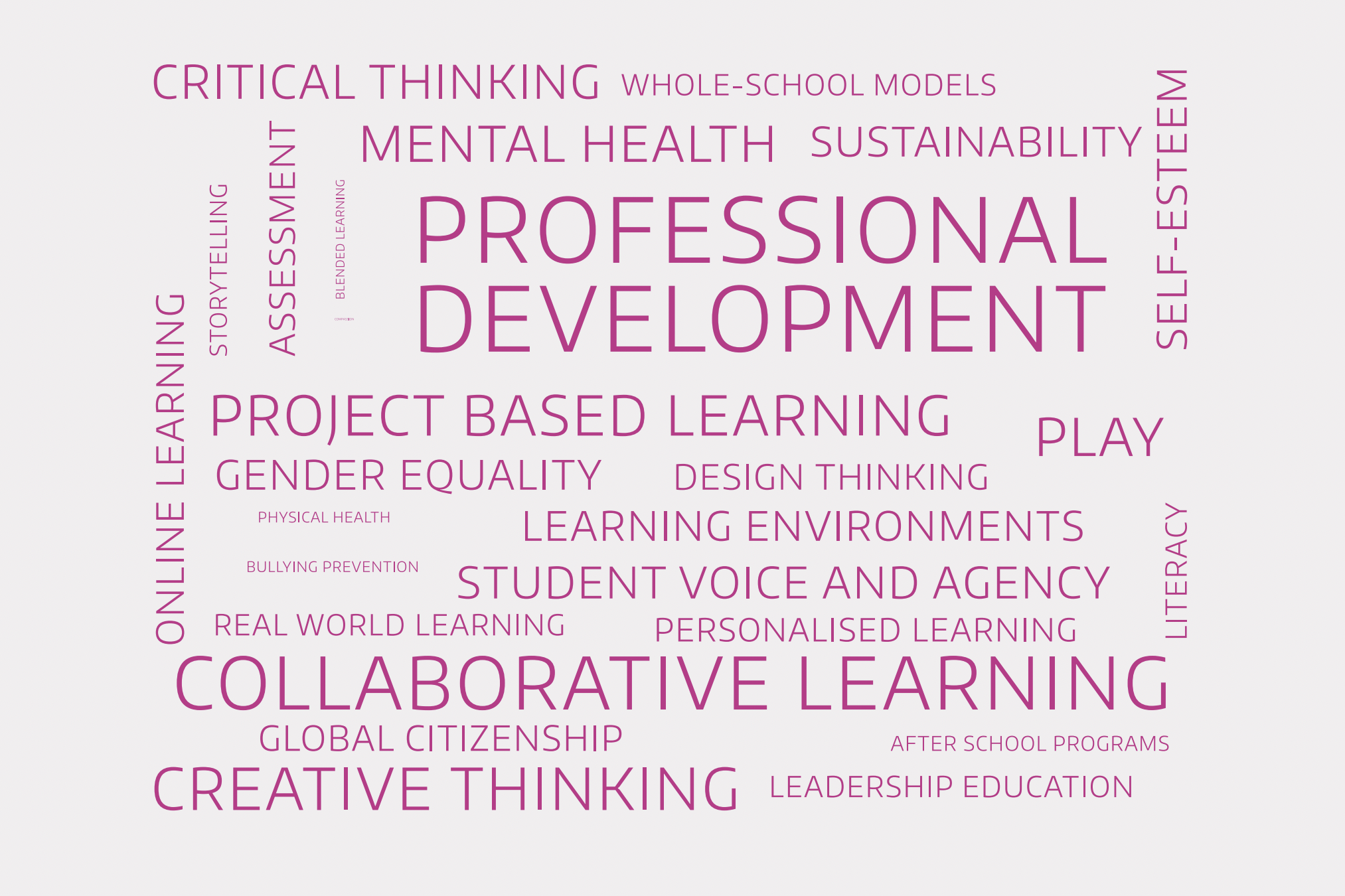
This week’s post shares highlights from the HundrED Global Collection for 2023. This year’s collection includes innovations that emphasize teacher professional development, the development of skills for the 21st century, student mental health and wellbeing, as well as student agency and educational equity. The report was announced at the HundrED Innovation Summit 2022 where guest speakers also highlighted resilience, the role of creativity in educational futures, and innovations to bridge gaps through education.
What kinds of educational innovations are taking off? Where can they be found? These are two of the questions that HundrED seeks to answer with their yearly collection of education innovations from all around the world. Since 2016, HundrED has been curating the annual collection in order to increase the recognition and visibility of educators working to spread child-centered, personalized, and passion-based educational initiatives that complement traditional forms of schooling. This year’s innovations address a variety of different goals to support teacher professional development and skills acquisition, recognizing the role of teachers in creating classroom environments, introducing new technology, and adapting methodological approaches; developing “soft skills” in social emotional learning, entrepreneurship, and global citizenship education to address the gap between traditional schooling and the demands of a rapidly changing world; fostering student agency while addressing mental health and wellbeing in a post-pandemic education landscape; and addressing equity in education, with a focus on gender, special needs, Indigenous education, and education for marginalized communities.
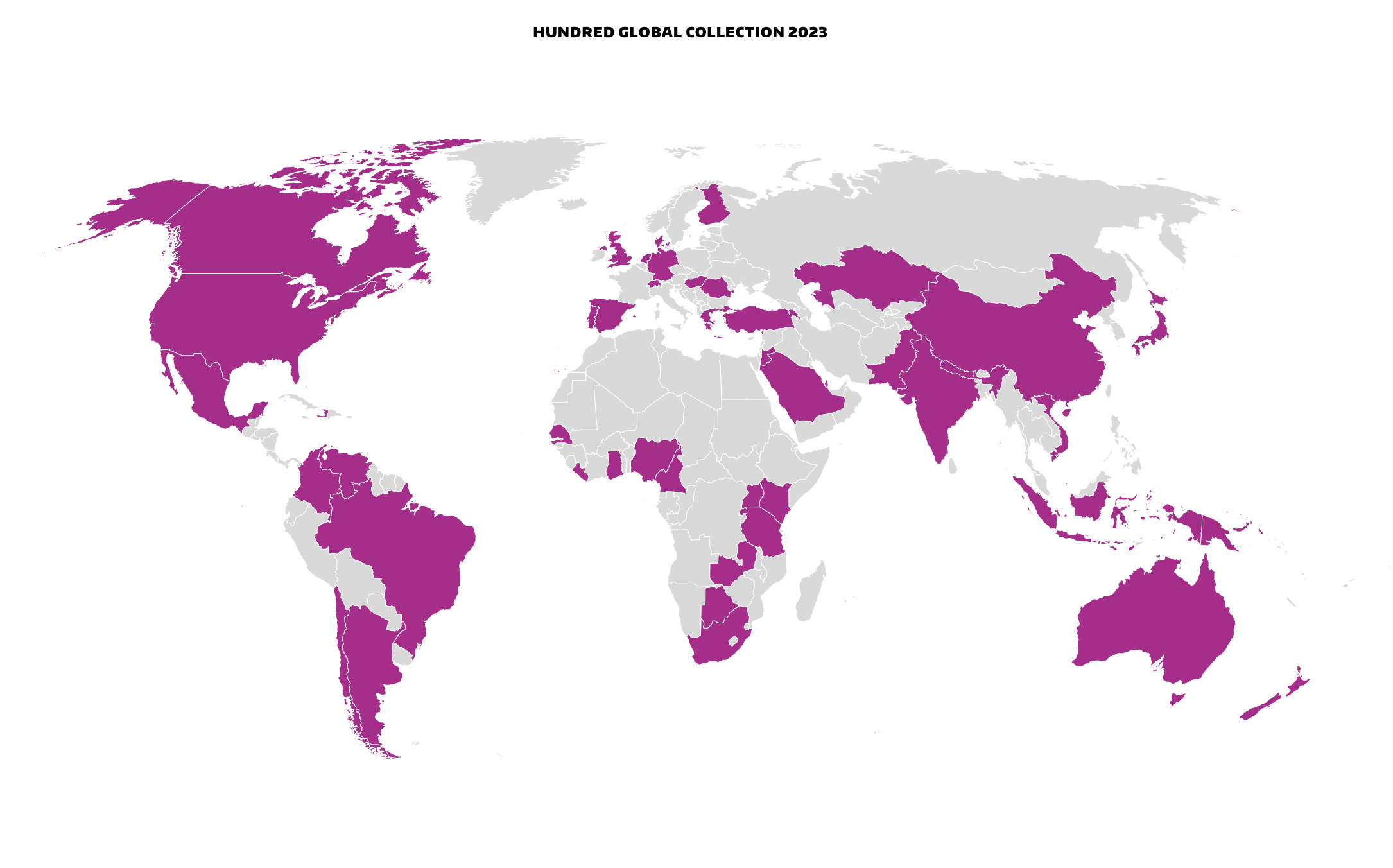
The innovations came from 54 countries around the world; 67.5% were from the Global South, while 34.3% were from the Global North.
HundrED’s team of 188 leaders, educators, academics, and funders evaluated 3,488 programs for their final selection. Programs that were highlighted in this year’s report were selected on the basis of scalability, impact, ability to create systems change, and measurability. The 100 innovations included Tec.la, acSELerate, Cybersmart Africa, Girl Rising, In their shoes, Masahati Children’s Club, opEPA, and Kidogo.
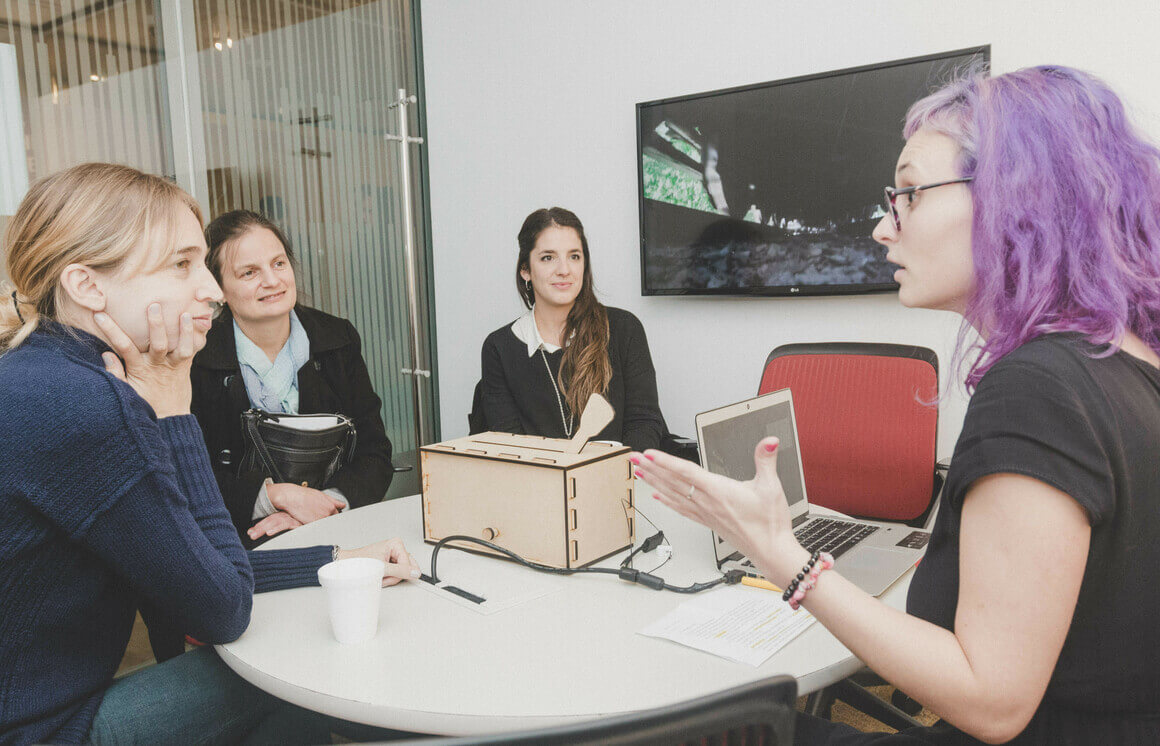
Tec.la trains teachers from diverse backgrounds and locations in Latin America to empower students with digital skills to meet the demands and opportunities of the 21st century. Since its founding in 2018, Tec.la has spread to 5 countries and reached over 2000 trainers through more than 100 workshops.
AcSELerate was founded in 2016 to create lasting change in social and emotional learning (SEL) processes to supplement traditional education practices. AcSELerate approaches SEL holistically by engaging parents, teachers, and students in its programs to improve school and home environments. The organization currently serves over 175,000 students, teachers, and parents within India.
CyberSmart Africa creates innovative ways of engaging students who attend school without electricity in Sub-Saharan Africa. It works to ensure content and instruction are up to date by supporting learners online and developing the professional networks of teachers. Established in 2008, the platform has over 1.25 million users throughout Sub-Saharan Africa.
Girl Rising creates videos to expose the barriers that girls face around the world due to poverty, gender violence, child marriage, and trafficking. The organization aims to illuminate what can happen when these barriers are dismantled and young people realize their capacities to create change. Founded in 2013, Girl Rising reaches 500,000 children in 144 countries across the world.
Since its founding in 2017, In Their Shoes had worked to prevent violence and instill emotional literacy in students through theater programs. These programs aim to make students aware of their own emotions and the emotions of others as well with the hope of promoting coexistence and ending bullying. In Their Shoes currently operates in Spain and Morocco, reaching 20,000 students.
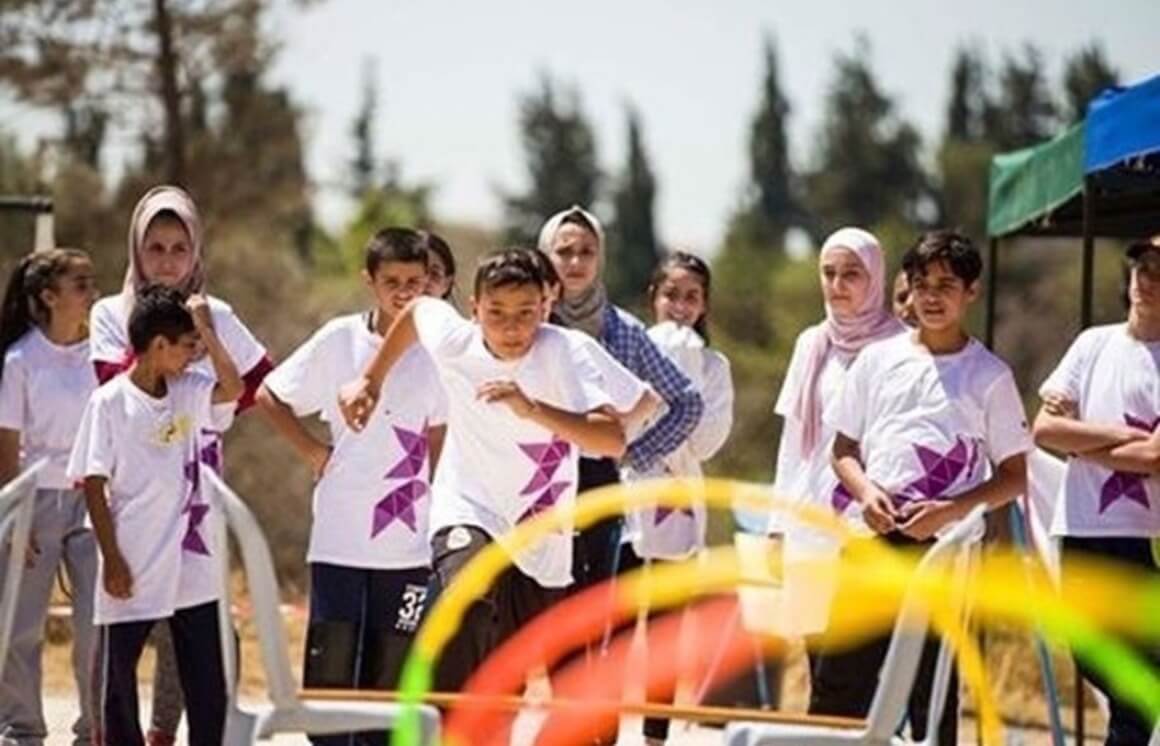
Masahati Student Club is an after-school program that aims to foster well being in humanitarian contexts and build cohesive societies through education. The programs use sports, arts, and civils to foster inclusive and protective practices that support community development and quality education. Established in 2016, Masahati Children’s Club reaches 23,300 students in Jordan.
OpEPA uses a nature-based approach to activate holistic learning in students. The programs combine academic, social, emotional, and experiential learning through an approach that allows students to see the interconnected nature of their relationship to the earth. OpEPA has reached over 130,000 users since its founding in 2018. It operates in Colombia, the United States, and Chile.
Kidogo supports female entrepreneurs in Africa’s low-income communities to create innovative approaches to affordable early childhood education programs. Through Kidogo’s support, women are able to create micro-businesses to solve problems that directly impact early childhood education their communities. Established in 2015, Kidogo reaches 15,000 users in Kenya.










 International Education News