Category Archives: About K-12 International Education News

Belonging and Liberation through Educational Change: Lead the Change Interview with Jordan Corson

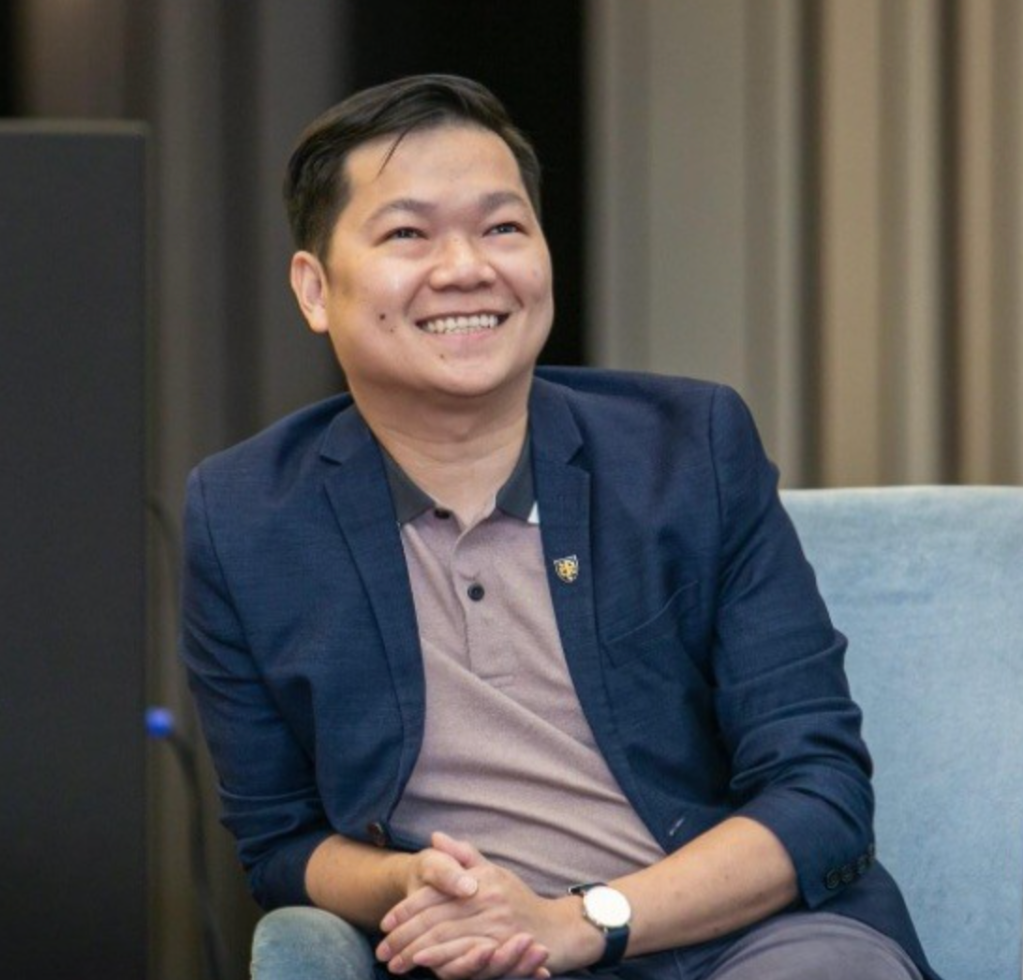
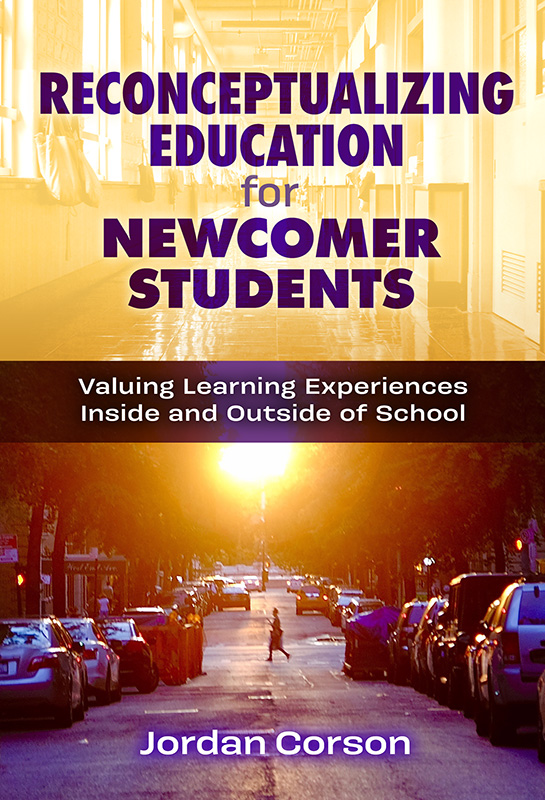
In this month’s Lead the Change interview, Jordon Corson shares his research on how education systems can be transformed to reflect the experiences of students with diverse backgrounds and work towards goals of liberation. Many of his reflections are captured in his latest book, Reconceptualizing Education for Newcomer Students (Teachers College Press, 2023). Corson is an assistant professor of education and affiliated faculty member of the M.A. in Holocaust and Genocide Studies at Stockton University. He is also a co-author with Thomas Hatch and Sarah Gerth van den Berg of The Education We Need for a Future We Can’t Predict (Corwin, 2021). The LtC series is produced by Alex Lamb and colleagues from the Educational Change Special Interest Group of the American Educational Research Association. A pdf of the fully formatted interview is available on the LtC website.

Lead the Change: The 2024 AERA theme is “Dismantling Racial Injustice and Constructing Educational Possibilities: A Call to Action.”  This theme charges researchers and practitioners with confronting racial injustice directly while imagining new possibilities for liberation. The call urges scholars to look critically at our global past and look with hope and radicalism towards the future of education. What specific responsibility do educational change scholars have in this space? What steps are you taking to heed this call?

Jordon Corson: I think the field of educational change needs to fundamentally shift understandings of, and approaches to, research, reform, and much else. In one sense, stepping back and rethinking what is meant by educational change and who is enacting change gets at how things are carved up and structured in schools and research. Even after many years of critiquing this isolated, hierarchical way of doing things, it’s still a common setup to find a teacher who knows a thing at the front of a classroom and students who have to learn that thing lined up in rows. Then, there’s a researcher sitting in the back to make sense of what’s happening. Historians and educational change folks have beautifully explored the persistence of this architecture in schools (though I would love to read more about how educational researchers also become stuck within their own structures, a “grammar of educational research”). Additionally, and I’m far from the first person to suggest this, the division of teacher from learner or researcher from practitioner is part of a racist, colonial system where marginalized youth are framed only as the subjects of research or teaching (I’m thinking of Leigh Patel’s 2015 book, for instance). That division also ignores and suppresses what is already happening in classrooms, where teachers and students engage in research all the time. They produce complex knowledge that challenges common approaches to educational change. All of this organizing and theorizing is pushed to the side when change only means researchers or policymakers finding ways to “fix” or “improve.” So, in terms of confronting racial injustice, I think teachers, students, and researchers might come to see the work of liberation as a collective project that emerges from below.

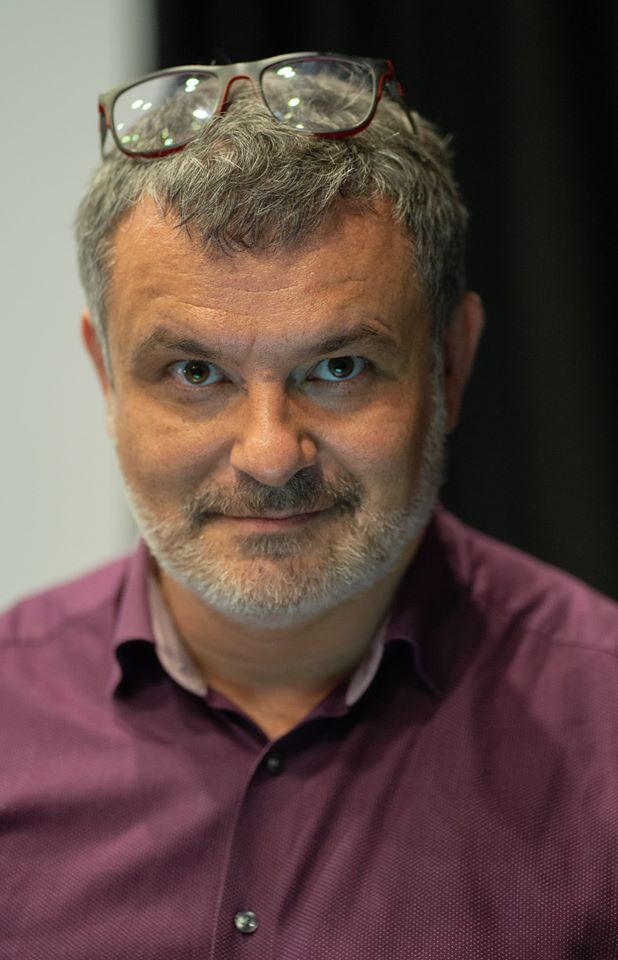
Jordan Corson

Shifting understandings of change would thus also ask researchers and policymakers to become more critical of the kinds of work in which we engage. Looking through the literature on educational change there are so many papers that evaluate the efficacy of a certain reform or policy. They ask questions like, “Did this work?” “What other reform might be more effective?” Instead, I think one task of scholars is to question these reforms themselves. I’m a bit late to the party, but I’ve just started Bettina Love’s (2023) new book, Punished for Dreaming, which looks at the impact of decades of certain kinds of educational change efforts on Black children. The language of improvement and change often blurs the radical possibilities of listening to dreams and studying with other possibilities for structuring education work.

On the other hand, in shifting understandings of educational change, I think there is a lot of political work to be done around contesting change efforts. When I think of impactful educational change, I think of the successful work to impose anti-Black, transphobic, and xenophobic curriculum in schools. Every week, my student teachers and I are forced to grapple with relentless efforts to change public schools into things that are whiter, more private, and defunded. It’s here that I come to the question about how I’m heeding the call to look with hope and radicalism. As a teacher educator and scholar, I think my core responsibility is to think with teachers as they join the powerful work that communities and schools are already doing to reimagine and work toward more liberatory worlds.

LtC: In much of your work, you use ethnography to examine spaces outside of schools that provide education and offer vital lessons for those working in and studying schools. What are some of the major lessons practitioners and scholars of Educational Change can learn from your work and experience?

JC: This is a bit of a contradictory answer, but I think it’s both that school and everyday life need to speak to each other more and that school needs to leave everyday life alone. For the first one, there are so many beautiful projects that connect educational life in formal spaces to other kinds of education. Whether connected learning (Ito et al., 2013), which looks at broadening access to learning opportunities while strengthening social supports for learning, or the many thoughtful, creative, and critical ways that scholars have taken up funds of knowledge, where Moll et al. (1992) show the vibrant life of households and communities, school and nonformal education can and should be connected. On the other side of things, though, I hold deep concerns about how school can consume other ways of thinking and being. Two things I have found in my research are how a “schooled” way of thinking and acting wash over everyday life and how everyday educational practices that challenge the logics and formations of schooling quickly become precarious, even in culturally affirmative educational spaces. When youth and I walked around New York City, I still found them doing things like raising their hands to prove that they knew an answer, even when they were just chatting with friends. In school, the second educational practices didn’t fit into the broader function of schooling, it became a problem. Students’ funds of knowledge needed to fit into schooling structures that demand rigid outcomes and measurable results.

My point here is that something like funds of knowledge shouldn’t only be about improving student achievement. If cultural life that moves outside of school is so important, it should be about radically changing what schools look like and what purposes they serve rather than simply incorporating students into existing structures. I’m thinking here of ethnic studies programs. I teach a class called Education, Genocide, Liberation, which looks at the different roles schools have played across time and place. For their final project, students take on a case study that shows how education acts as a force for genocide, liberation, social reproduction, and much else. Groups this semester studied a number of radical educational projects, including the Young Lords, Black Panthers, and the Chicano Movement. They also looked at some of the ethnic studies programs that have taken shape within and from these movements. As we studied these histories, students were just blown away. Students kept saying things like, “Wait, school can be like this?” These weren’t programs about better including students in schools. It wasn’t just that students saw themselves represented in the curriculum. They were the curriculum.

Learning like that which comes from ethnic studies also shows how school and everyday life don’t exist in some kind of binary. It’s not like school is some oppressive monster and other kinds of education are inherently liberatory. This idea may seem obvious, but I think it’s also really important to protect schools as places of possibility. The youth with whom I have worked often found school to be a refuge, even when they struggled there. I’m not a fan of borders, but I think all of this is to say that there are lessons here of creating schools from the bottom up and making schools with fluid boundaries that also limit their reach into everyday life. 

LtC: In your new book, Reconceptualizing Education for Newcomer Students, you call for educational systems to leverage the experiences of immigrant students to foster more inclusive educational practices. What might practitioners and scholars take from this work to foster better school systems for all students?

JC: I don’t necessarily have specific steps so much as a question of how scholars and practitioners might rethink who and what counts in education. A major lesson I took away from this project is that the machinery of schooling is not very good at slowing down. I started the project during the Trump presidency. I wrote the book during the uprisings of 2020 and the first two years of COVID. Of course, some things changed. Schools are always changing. But, the big structures stayed the same. For me, this gets back to a question of what change means and where it comes from. Especially working in New York City, there is just this ongoing piling of reform atop reform, creating an ever-growing heap of policies without really listening to the radical change work that’s already happening. Change has so often come from communities in New York City. Bilingual education, for example, emerged from ongoing fights for educational rights. But, these changes so often come about through struggles against a system that wants only to trudge along a linear path.

The school in which I conducted research is designed to educate immigrant-origin students through culturally and linguistically affirmative approaches. I describe in the book all kinds of radical practices that youth took up and that might contribute to remaking schools rather than continuing along this same path. They engaged in educational practices not bound to specific learning outcomes or measurable objectives. They studied with joy and presence. Of course, teachers and students also pushed for different material conditions. Yet they weren’t just sitting around waiting for new inclusion policies. I wonder what might happen if researchers and practitioners thought of intellectual educational life not as something that they work toward but something already present. What if teachers could listen to and join in on the playful, speculative, education work that leaves behind the confines of achievement?

There are major issues here of responsibility. At this school, as with so many others, there were some tricky visits from an administrator followed by a shift in the curriculum to a certain kind of academic rigor. To this question of a better school system, I think about how teachers and students might be responsible for collectively caring for each other and their community rather than meeting the demands of an administrator. Ultimately, I don’t see it as a leveraging of immigrant-origin students’ knowledge to better include them in this machinery of schooling but rather a rethinking of what schools do, how, and for whom.

LtC: Educational Change expects those engaged in and with schools, schooling, and school systems to spearhead deep and often difficult transformation. How might those in the field of Educational Change best support these individuals and groups through these processes?

JC: Most of my knowledge about this field comes from my work with Professor Tom Hatch and Sarah van den Berg. In our book, The Education We Need for a Future We Can’t Predict, we looked at what we call “spandrels of opportunity” and micro-innovations happening in schools and nonformal spaces around the world. These concepts explore how change occurs on different scales, with different conditions, and for different purposes. It’s often about what’s happening in niches.

Like my previous answer, these kinds of changes are already happening all around us. I think the best way to support those engaged in this kind of work is to promote their work and support the kinds of conditions that will allow their efforts to flourish. It’s hard to choose just one out of all of the organizations we wrote about in the book, but it was thrilling to visit the Beam Center in Brooklyn. They have this massive studio where kids can tinker and build things. It’s a laboratory for kids to play and learn by doing. Beam also sustains great school partnerships where they facilitate arts, science, and all kinds of project-based learning work.

From another perspective, I think researchers are positioned to support long struggles of educational change. I’m thinking here of this current moment in U.S. public schools. Like many areas, New Jersey, which is where my university is located, is dealing with the newest iteration of a teacher “crisis.” As people keep pointing out, though, it’s really an issue of support, investment, and care for teachers and schools, one that is connected to histories of unions and communities fighting for public schools. The situation has led the state of New Jersey to finally listen to ongoing efforts from unions and abandon the edTPA. Now, they’re even peeling back the Praxis. And paying student teachers! As much as my students and I have celebrated these hard-fought wins for teachers, changes have not come with structural support. A $3,000 stipend means a great deal when you’re a working-class student asked to be full time student teacher. But then you have decades of trying to be a teacher while underpaid, overworked, and constantly blamed. All of that is just to say that researchers studying educational change can do a lot in moments like this one. We can situate terms like “crisis” and show how it’s been repeatedly used in the history of U.S. schools. We can use our work to subvert and oppose standardized barriers like Praxis exams. And, we can participate in political organizing efforts. It’s all about where we locate ourselves, how we commit to these kinds of change efforts, and how we remain answerable to the communities with whom we work.

LtC: Where do you perceive the field of Educational Change is going? What excites you about Educational Change now and in the future?

JC: That’s such a great question and, as someone more situated in the fields of anthropology of education and curriculum theory, I have perhaps a different perspective. It seems like Educational Change is a big field that is constantly moving in many directions. Having said that, it’s exciting to see scholars pushing beyond the boundaries of schooling and thinking about education in new ways. As I just mentioned, educational change is happening at different scales. It’s happening in different spaces. And, it’s happening with different understandings of change that go beyond academic achievement. As a quick example, in preparing for this interview, I was reading some recent work in The Journal of Educational Change. There’s one article by Wortham, Shim, Kim, and Shirley (2023) that explores a progressive education approach in South Korea called the Hyukshin school. The piece grapples with tensions between pushing toward achievement and student well-being. I think we as scholars will have to be careful with how we approach these topics lest they simply become incorporated into dominant logics. But, it’s wonderful to see educational change taken up as something not just bound to academic outcomes.

I’m also excited to think about the ways the field might intersect with social movements. I love seeing schooling and education’s role in revolutionary projects. This idea really comes out in a course I teach called Schools of the Future. We spend the first few weeks asking how schools came to look the way they do and exploring the constraints on change. But then, we move around the world and look at all these radically different school models. Students love to look at Forest Schools in Denmark or Summerhill/Free Schools and their anti-hierarchical democratic project. Beyond changes within larger systems, a lot of my students gravitate toward educational projects that change entire societal structures like the Rojava Revolution, a Kurdish liberation movement. Education has been a key aspect of this revolutionary political movement that centers radical democracy, feminism, and ecology. While I don’t think what’s happening in Rojava can or should be translated to the northeast U.S., studying this project opens up new ways of thinking about the possibilities of change and, once more, what we even mean when we talk about educational change.

References

Corson, J. (2023). Reconceptualizing education for newcomer students: Valuing learning experiences inside and outside of school. Teachers College Press.

Hatch, T., Corson, J., & van den Berg, S. G. (2021). The education we need for a future we can′ t predict. Corwin.

Ito, M., Gutiérrez, K., Livingstone, S., Penuel, B., Rhodes, J., Salen, K., … & Watkins, S. C. (2013). Connected learning: An agenda for research and design. Digital Media and Learning Research Hub.

Love, B. L. (2023). Punished for dreaming: How school reform harms Black children and how we heal. St. Martin’s Press.

Moll, L., Amanti, C., Neff, D., & Gonzalez, N. (2006). Funds of knowledge for teaching: Using a qualitative approach to connect homes and classrooms. In Funds of knowledge (pp. 71-87). Routledge.

Patel, L. (2015). Decolonizing educational research: From ownership to answerability. Routledge.

Tyack, D. B., & Cuban, L. (1997). Tinkering toward utopia: A century of public school reform. Harvard University Press.

Wortham, S., Shim, C., Kim, D., & Shirley, D. (2023). Can Korea have academic achievement plus well-being? The case of Hyukshin schools. Journal of Educational Change, 1-23.

Scores Plummet Around the World: Scanning the Headlines on the Release of the 2022 PISA Results

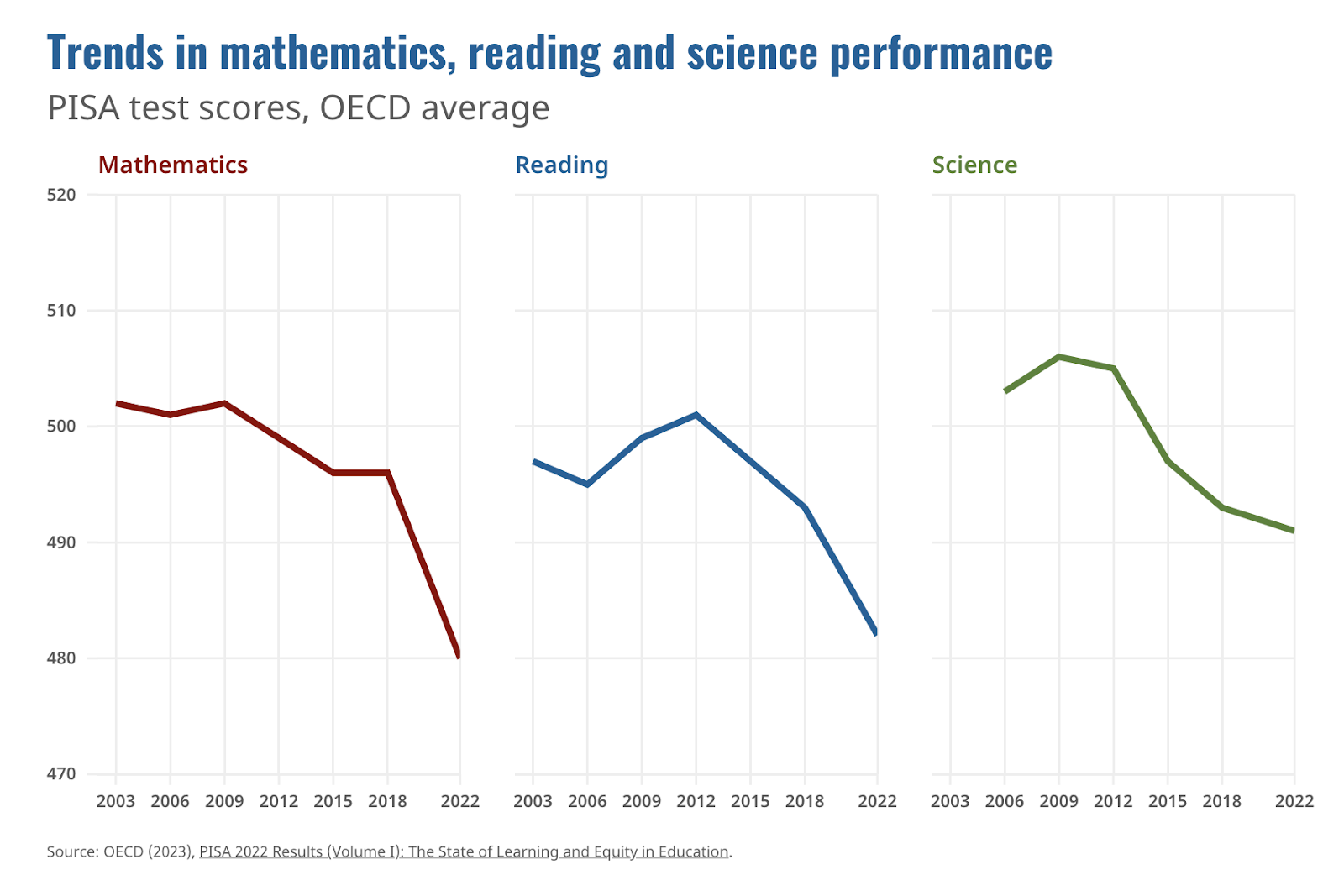
Dramatic score declines dominated the headlines reporting on the release of the latest PISA scores, with many sources highlighting the impacts of the COVID-19 pandemic on teaching and learning. Some reports focused particularly on math scores, which, in a number of cases, experienced the most drastic drops from the 2018 results. In some instances, reports noted that some education systems (like the US) were able to rise up in the rankings because their scores did not decline as much as others. A few headlines also emphasized issues such as low levels school belonging for migrant students, increased student anxiety and reduced psychosocial well-being, and the effects of income inequality on score results. Numerous critiques have identified serious issues with the PISA findings and their use (see for example Two decades of havoc: A synthesis of criticism against PISA or PISA: Mission Failure and PISA Mission Failure), but for context on the reporting on PISA, this year’s scan of the headlines reporting on the release of the 2022 Program for International Student Assessment (PISA) results can be compared to  IEN’s previous PISA coverage, including: Around the World in PISA 2018 Headlines, and Headlines Around the World 2015 Edition.

Global 

“Eighteen countries and economies performed above the OECD average in mathematics, reading and science in 2022. Between 2018 and 2022, mean performance in mathematics across OECD countries fell by a record 15 points. Reading fell 10 points, twice the previous record, whereas science performance did not change significantly. On average, reading and science trajectories had been falling for a decade, though math had remained stable between 2003-2018. Colombia, Macao (China), Peru and Qatar improved in all three subjects on average since they began to take part in PISA.”

PISA 2022 Results: Summary, OECD

“The average international mathematics score fell by 15 points since the 2018 tests, the equivalent of three-quarters of a year of learning, reading fell by the equivalent of half a year, with only science scores remaining more or less the same.”

‘Unprecedented’ decline in global literacy scores, OECD report says, AlJazeera 

OECD education survey shows ‘unprecedented’ drop in student performance, France 24

How Absenteeism, Math Anxiety, and Other Factors Shaped the Troubling Results From PISA, Education Week

Argentina

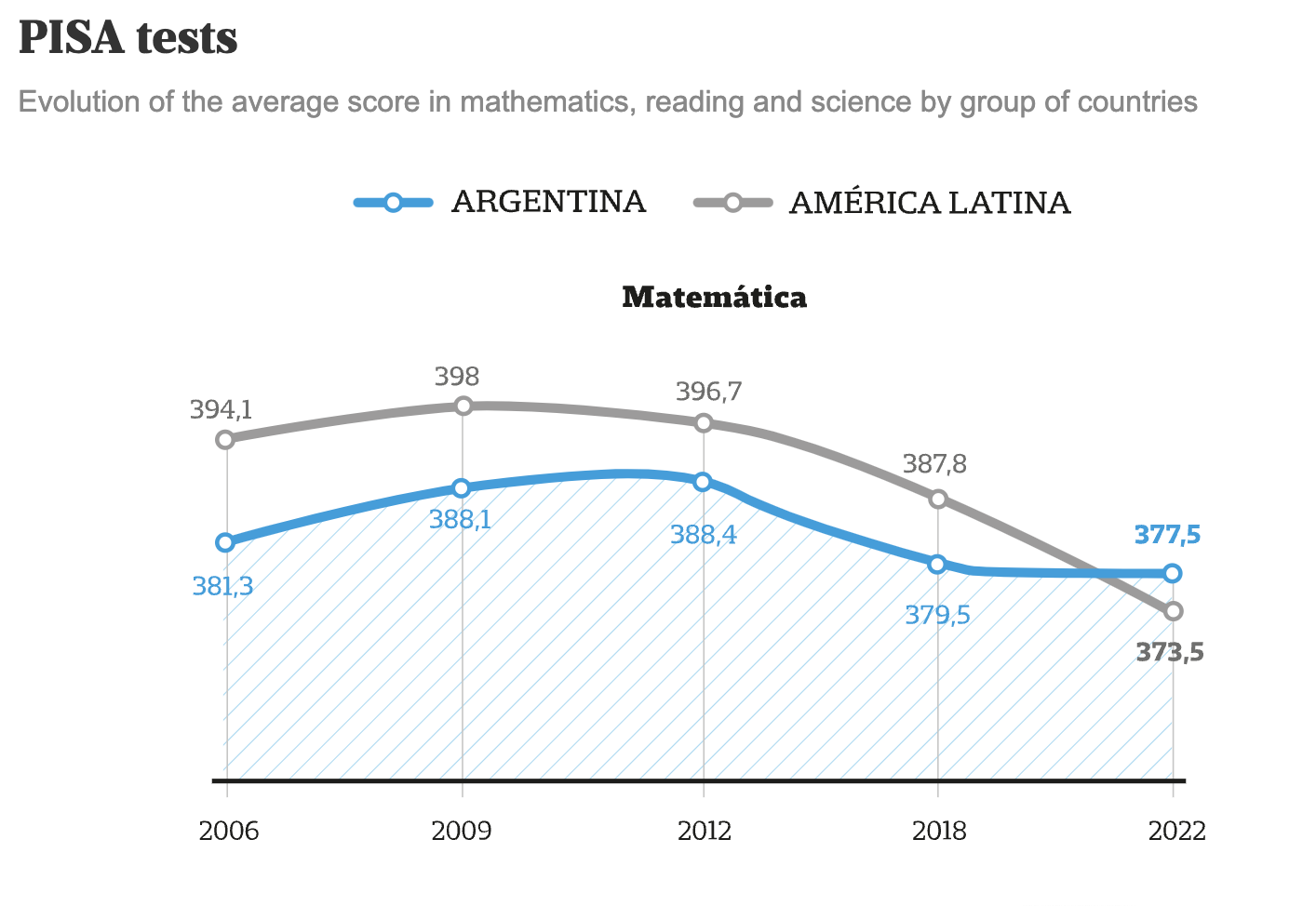
PISA tests: almost 73% of secondary students do not reach a minimum level in mathematics, La Nación

PISA tests: the crisis of basic learning contradicts all inclusion discourses, La Nación

Australia

Australian students’ Pisa scores still declining despite climb into OECD top 10, The Guardian

The Balkans 

PISA School Test Results See South-East Europe Pupils Falter, Balkan Insider

Canada 

Global high school test scores show ‘worrying’ decline. Here’s how Ontario students did, Toronto Star 

Chile

PISA 2022: Chile maintains results in science and drops again in mathematics and reading, La Tercera

PISA 2022 and the case of Chile: what is behind the averages, El País

Colombia

“In Colombia the decline was smaller (8 points less in mathematics, 3 in reading and 2 in science), but it is still significant given the complexities due to the confinements that teachers and students faced during the pandemic in a country with profound inequalities. . Colombia retained the best performance achieved compared to the results of 2006, when it participated for the first time in the test.”

The results of the PISA test reiterate the weaknesses of the educational model in Colombia, El País

Cyprus 

Majority of Cypriot students lack proficiency in reading comprehension, PISA results show, Philenews

El Salvador

El Salvador in the last places in the new PISA report on education, ElSalvador.com

Estonia

Estonia drops to fourth in latest PISA rankings, ERR News

PISA: Estonian 15-year-olds top the European knowledge scoreboard, Estonian World

Europe

European education slips downward, according to PISA report by OECD, EuroNews

The kids are not alright: Most EU pupils educational results tumble in PISA rankings, The Brussels Signal 

Finland

“Finnish 15-year-olds saw their mean score in mathematical literacy – the main focus of the latest assessment – decline by 23 points from 2018 to 484 points, 12 points higher than the mean score of pupils across the OECD.”

Finland’s Pisa results continue to decline, sparking concern, Helsinki Times 

Germany 

“The general state of global education has been slammed by the first PISA performance assessment report since the pandemic. German students fared particularly badly, but those in Asia performed highly.”

Germany’s students fare worse than ever in PISA school tests, DW

Ireland 

Irish teenagers ‘are second best in the world at reading’, The Irish Times

Hong Kong 

“Hong Kong pupils have dropped out of the top 10 to 11th place for mother tongue literacy in the Programme for International Student Assessment. But in a related study, Hong Kong ranked second worldwide in terms of effectiveness in digital learning and educational equity”

Hong Kong secondary school pupils’ performance falls in global Pisa study on reading and maths competency, with pandemic blamed for general decline, SCMP

Japan

Japanese Students Move Up PISA Rankings; Now 3rd in Reading; Shorter School Closures in Pandemic May Be a Factor, The Japan News 

Latin America and the Caribbean 

The PISA report measures the effect of the pandemic in Latin America: worse in mathematics, reading and science, El País

PISA 2022: How did Latin America and the Caribbean do?, Inter American Development Bank

Latvia 

Latvian students’ performance has weakened in maths and reading, improved in sciences – PISA, The Baltic Times

Malaysia 

Malaysian students’ Pisa scores drop in 2022, The Star

Mexico

“The economic condition of the students’ families is the most influential data in Mexican education. The gap in the evaluations is 58 points between rich and poor , although it is much smaller than in the rest of the OECD countries, where the difference is 93.”

Mexican students drop to the lowest level in reading and mathematics since 2006, El País

PISA Report: How did Mexico do on the exam? It came out WORSE in these subjects, Milenio

Morocco

New report underlines deteriorating academic performance of Moroccan students, Morocco World News

The Netherlands

Dutch kids reading, maths, and science skills declining: OECD, NL Times

New Zealand

“This country’s 15-year-olds’ average scores in the PISA dropped a disastrous 15 points in maths to 479 points, their science and reading scores fell just 4-5 points to 504 and 501 points respectively, and the gap between rich and poor students grew.”

NZ records worst ever PISA international test results, amid global decline, RNZ

Student hunger, bad teachers revealed in latest PISA tests showing dip in NZ teens’ scores, RNZ

Philippines 

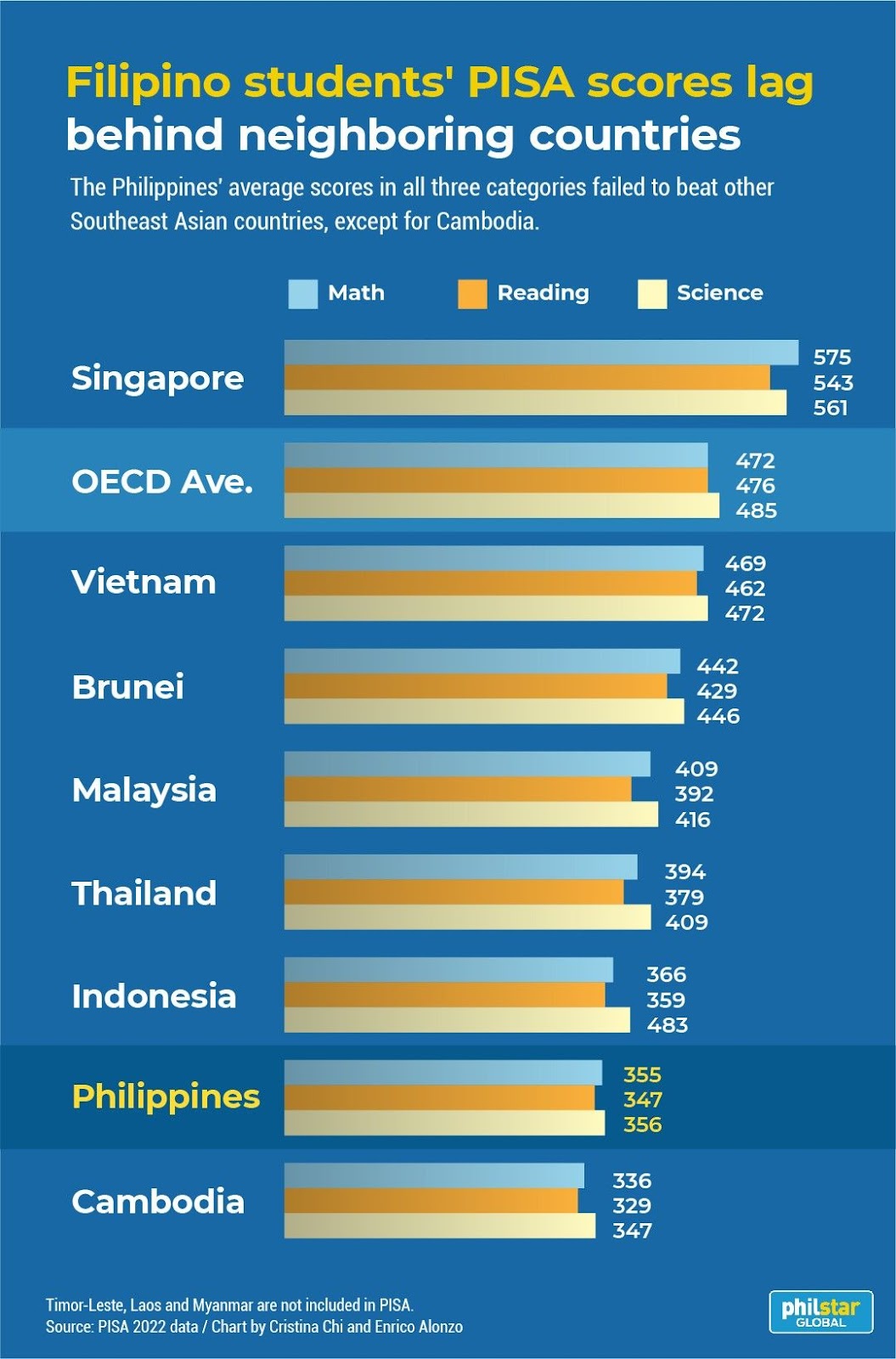
Philippines still lags behind world in math, reading, and science — PISA 2022, Philstar

Saudi Arabia

Saudi schools ‘doing better at maths but still lagging behind’, AGBI

Singapore

“Singapore was ranked No. 1 for mathematics, science and reading in the Programme for International Student Assessment (Pisa) 2022. Compared with 2018, Singapore students who took part in Pisa 2022 maintained their performance in mathematics and improved substantially in science, but their performance declined slightly in reading.”

Singapore students rank top in maths, science and reading in OECD study, The Straits Times

Spain

“Spanish students in the last year of secondary education have dropped 8 points in mathematics compared to the previous edition, in 2018 – in which they already fell a lot -, until they remain at 473. They have gone back three in reading comprehension, to 474. And they have risen two points in science, to 485. The global setback has been, however, of such caliber…that Spain had never been so close to the average of both organizations.”

PISA Report: Spain obtains its worst result, but resists the global educational setback better than its surroundings, El País

Catalonia attributes the poor results in the PISA Report to an excess of immigrant students in the sample, El País

Taiwan

“Taiwan maintained student well-being and math performance across all social groups, with 87 percent of Taiwanese students reporting a sense of belonging at school, which improved from 85 percent in 2018, the report said.”

Taiwan demonstrates ‘overall resilience’: report, Taipei Times

Thailand 

Thai students ranked lower on every PISA index, The Nation

Turkey

PISA report shows Turkey’s scores below OECD average in education, Turkish Minute

United Arab Emirates 

“For the first time ever, Dubai private schools have ranked among the top 14 in the world in mathematics, science and reading in the most recent cycle of the Programme for International Student Assessment (PISA), exceeding the National Agenda target of top 15.” 

Dubai private schools rank in top 14 in global assessment for maths, science and reading, Gulfnews

United Kingdom 

PISA 2022: Rise in maths, but warning over inflated results, Schools Week

Pisa: Wales slumps to worst school test results, BBC

United States

US teendagers decline in global test of math, but hold steady in reading, science, Education Week

“In the first comparable global results since the coronavirus pandemic, 15-year-olds in the United States scored below students in similar industrialized democracies like the United Kingdom, Australia and Germany, and well behind students in the highest-performing countries such as Singapore, South Korea and Estonia — continuing an underperformance in math that predated the pandemic.”

Math Scores Dropped Globally, but the U.S. Still Trails Other Countries, The New York Times

Uruguay

PSA 2022 Tests: Uruguay worsened results in mathematics, improved in science and remained unchanged in reading, El Observador

Vietnam

Pisa 2022: Vietnamese students experience decline in performance rankings, The Star

Predictable challenges and possibilities for effective tutoring at scale – Scanning the news on the emergence of tutoring programs after the school closures (Part 2)

This week, IEN continues its scan of news and research on tutoring as a “learning loss” recovery strategy. The second part of this three-part series focuses specifically on what’s being written about the challenges and opportunities for carrying out tutoring strategies effectively on a large scale. Part 1 of this series described some of the funding initiatives contributing to the emphasis on “high-dosage” tutoring as a “recovery” strategy, as well as some of the initiatives to expand access to tutoring being pursued in the US in particular. Part 3 will survey some of the specific new developments and “micro-innovations” that could make tutoring more effective in the future. This series is part of IEN’s ongoing coverage of what is and is not changing in schools and education following the school closures of the pandemic. For more from the series, see “What can change in schools after the pandemic?” and “We will now resume our regular programming.” For IEN’s previous coverage of news and research on tutoring, see Scanning the News on High Dosage Tutoring, Part 1: A Solution to Pandemic Learning Recovery, and Part 2: Initiatives and Implementation So Far. This post was written by Jonathan Beltran Alvarado and Thomas Hatch.

Although it will take years to judge the full effects of the COVID-19 pandemic on students, it’s already possible to track – and in some cases predict – the challenges that large-scale “recovery” initiatives like expanding access to tutoring are likely to encounter. Those analyses depend on the answers to several critical questions, including: 

  • To what extent do the goals of the initiative meet the needs of the people involved? 
  • To what extent do the capacity demands for funds, personnel, time, and other resources match the existing capabilities? 
  • To what extent do the values reflected in the initiatives mesh with the values of the people, organizations, and communities where those initiatives are supposed to take off?

Both the goals and values of many tutoring initiatives match what many policymakers, funders, educators, and families perceive as an urgent need for strategies that focus directly on improving students’ learning, particularly as measured by test scores (as detailed in the first post in this series “Tutoring takes off – Scanning the news on the emergence of tutoring programs as a strategy to combat “learning loss (Part 1). However, even with a fit between goals, needs, and values, the extent to which different schools, districts, and communities have the capacity to pursue effective tutoring interventions on a large scale remains in question. In order to get a better sense of the capacity challenges that schools may be facing in pursuing tutoring initiatives, three issues are particularly relevant:

  • What kind of tutoring are students getting?
  • Who is actually getting tutoring support? 
  • What are the challenges of scaling up tutoring interventions?

What kind of tutoring are students getting?

Research, including eight different meta-analyses, make clear that tutoring can have a significant positive effect on student learning. For example, a systematic review of 89 tutoring programs and related field experiments shows that “tutoring programs yield consistently substantial positive impacts on learning.” There is even evidence that, under some circumstances, online tutoring programs can be effective.

“Eight meta-analyses including over 150 studies consistently find that tutoring results in substantial additional learning for students,” High-Impact Tutoring: An Equitable, Proven Approach to Address Pandemic Learning Loss and Accelerate LearningNational Student Support Accelerator

However, tutoring interventions vary in key programmatic components, such as the type of tutor, their curriculum characteristics, their mode of delivery, and their frequency and duration, and a number of studies show that not all these variations are equally effective. As Tennessee Education Commissioner Penny Schwinn put it, “There is a general misunderstanding that you can just find a body, put them in a classroom, and anybody can tutor.”

“There is a general misunderstanding that you can just find a body, put them in a classroom, and anybody can tutor.” – Penny Schwinn, quoted in Despite Urgency, New National Tutoring Effort Could Take 6 Months to Ramp Up

Among the many options, high-impact or high-dosage tutoring is regarded as the most effective form of student support. As the US Department of Education sums it up, the key features of high-dosage tutoring include:

  1. Duration of at least 30 minutes
  2. Frequency of three or more times per week 
  3. One-on-one or small group instruction
  4. Alignment with an evidence-based curriculum or program 
  5. Providers who are educators or well-trained tutors

Consistent with this definition, research suggest that the most effective tutors are teachers and paraprofessionals who are invested in relationship-building and well-informed in the content rather than volunteers; tutors benefit from having high-quality materials aligned with the state’s standards, which should be easy to use by tutors and students; and the best results occur when high-impact tutoring is embedded in schools, preferably taking place during school or immediately before or after the school day, making it easier for students to attend. 

Who is actually getting tutored?

Despite the considerable agreement about the impact of high-dosage tutoring, many students are not participating in it. For example, a survey by the EdWeek Research Center in 2021 found that 97% of US district leaders surveyed said they were or would be offering tutoring to about one-third of their students (equal to about 17 million of the 51 million K-12 students in the US). However, data from the Department of Education for the 2022-2023 school year shows that while 83% of schools reported offering some form of tutoring only 37% of schools provided high-dosage tutoring, and only 30% of their students received it. 

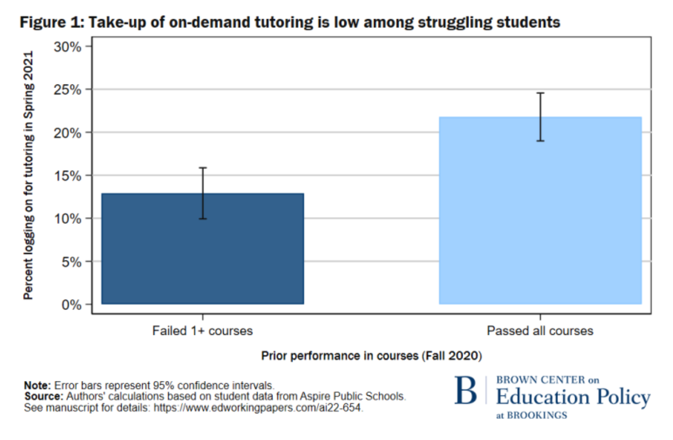
Evidence also suggests that many students are not even taking advantage of the “on-demand” tutoring programs that are supposed to be easier for them to access. For example, a study of an “on-demand” tutoring system implemented in a network of charter schools in the spring of 2021 showed that only 19% of students ever accessed the program, and struggling students were even less likely to opt in than their higher-achieving peers, with a take-up rate of 12% against 23% respectively. An intervention involving extensive communication via mail, email, and text messages with students and families increased participation substantially, but only about one-quarter of students ever logged on to the tutoring platform.

The good and bad of virtual on-demand tutoring, Brookings

As a result, the study’s authors concluded: “The availability of tutoring rarely translated into the use of tutoring. This open-access program is unlikely to have reduced—and may, in fact, have increased—inequalities in students’ academic experiences and outcomes.” 

“The availability of tutoring rarely translated into the use of tutoring. This open-access program is unlikely to have reduced—and may, in fact, have increased—inequalities in students’ academic experiences and outcomes.” — Susanna Loeb & Carly D. Robinson, “The good and bad of virtual on-demand tutoring

Evidence of fast-growing remote tutoring approaches developed by companies like Paper and Varsity Tutors are also having trouble getting students to opt-in to their services. Varsity Tutors, for example, markets its services as a newer, more scalable tutoring model in which schools pay a subscription fee for each student. That subscription gives students access to an online platform where they can post a problem and get connected to an available tutor. Without using the camera or the microphone, a designated tutor can solve the problem by sharing the screen, uploading photos and documents, or typing in a text box. 

Despite the ease of use, the persistent low take-up rates have disappointed many school districts and altered the demand for opt-in remote tutoring. Santa Ana Unified, California, invested over $1.1 million to provide access to 41,000 students, but just 1,000 logged from December 2021 to May. In Columbus, Ohio, district data confirmed that only 7% of students received opt-in tutoring through Paper’s platform, which dissuaded them from renewing the $913,000 contract signed in 2022. Fairfax County, Virginia, recorded an even less impressive take-up rate of only 1.6 percent of students accessing the platform Tutor.com. What is worse, recent testimonies and investigations are shedding light on the frantic business dynamics of companies like Paper, which has a monetary incentive to make a tutor responsible for more students than it can meaningfully manage or teach subjects they don’t know well. 

School leaders are facing this situation by changing the contract incentives and demanding more accountability from remote tutoring companies. In an interview with the Hechinger Report, Terry Grier, former superintendent of Houston, said it was “immoral” for schools to sign “blank contracts” without strings attached. He said he tried online tutoring, but it didn’t work well. “Kids wouldn’t use it,” Grier said.

“It is ‘immoral’ for schools to sign ‘blank contracts’ without strings attached.” — Terry Grier quoted in “Proof Points: Many schools are buying on-demand tutoring but a study finds that few students are using it

To address these issues, some school districts have designed contracts that promote vendor accountability. Ector County, Texas, developed a pilot of outcomes-based tutoring contracts in 2020 before the pandemic. The school leaders scaled up the model over the summer of 2020, recognizing that academic recovery would require a significant investment. Their goal was to provide intensive virtual tutoring to 6,000 students under a contract, tying the vendor’s revenue to the rate of learning growth on the NWEA MAP assessment administered three times during the school year. 

Still, districts are paying significant sums to on-demand tutoring programs that may not be as cost-effective as they look. A Hechinger Report article explains that Varsity Tutors charges a flat fee of $40 to $80 per student (depending on school district size). This price may look attractive compared to resource-intensive high-dosage tutoring programs that cost roughly $4,000 per student yearly. However, if a 10,000-student district buys a remote tutoring program for $800,000, an average take-up rate of 20% elevates the cost per student from $80 to $400. Furthermore, the students who participate in these programs tend to be high achieving students rather than the low achieving students for whom the program was intended.

What barriers to providing effective tutoring need to be addressed?

Along with the challenges of engaging students, high dosage tutoring is a resource-intensive strategy and costs and scalability remain big concerns. As a recent meta-analysis concluded, optimizing quality without increasing costs serves as a key challenge for policymakers. Furthermore, school districts across the US have been scrambling to find effective teachers – much less tutors – because of the difficult conditions and burnout endured by educators post-pandemic. The shortage of teachers means that some tutoring plans have had to scale back significantly, with one study of mid- to large-sized school districts across 10 states in 2021 showing that some  districts that had planned to offer 90 tutoring sessions ended up offering 13 sessions throughout the year. The tight labor markets may also prevent some districts, particularly those with fewer resources available, from providing tutoring from the teachers who could be most effective. Not surprisingly, some districts have turned to cheaper substitutes, which partly explains the popularity of remote opt-in tutoring platforms. 

Discrepancies in how the schools provide tutoring, low student and parental engagement, and lack of technological resources have also diminished the impact of online tutoring. Thus, when remote tutoring options are available, the youngest students face a steeper learning curve as they spend additional time learning how to navigate the interactive platform that connects tutors and students. On top of that, the need for high-speed internet means that students living in rural areas with low parental support or lacking Wi-Fi have additional barriers to receiving academic assistance. Consequently, even the most easily scalable remote tutoring options may not reach many of the students and districts who need the most support, reinforcing existing inequalities.

Next steps? 

Tutoring alone cannot address the many issues that make it difficult to improve learning at scale for all students, and an overreliance on tutoring can take time and attention away from needed investments in support for student wellbeing and other aspects of their development. But, taken together, the latest news and research on high-dosage tutoring in the US both confirms that it is one of the most promising strategies for improving students’ academic performance in areas like reading and math and demonstrates that it is also very difficult to put into practice at scale.

[T]he latest news and research on high-dosage tutoring in the US both confirms that it is one of the most promising strategies for improving students’ academic performance in areas like reading and math and demonstrates that it is also very difficult to put into practice at scale.

As an Aspen Institute report puts it, tutoring may be one of the best ways “to teach anyone anything,” but scaling tutoring programs will continue to be challenging given limited money and a limited labor supply of tutors on top of the difficulties of modifying school’s “standard operating procedures” to find time in school schedules to  incorporate tutoring and to get students to participate on a regular basis. Adding to the challenges, as federal COVID relief funding ends, many states, like Tennessee, Connecticut, and Texas, are scrambling to find new ways of financing their tutoring efforts. Under these conditions, it is easy to predict that the surge in popularity of tutoring programs will subside without some progress in addressing the high costs, significant demands and capacity problems that come along with high-dosage tutoring. 

Still to come: “Promising innovations? Scanning the news on the emergence of tutoring programs after the school closures”.

Tutoring takes off – Scanning the news on the emergence of tutoring programs after the school closures (Part 1) 

How effective are tutoring programs likely to be? What kinds of challenges need to be addressed for tutoring to contribute to real improvements in schooling on a large scale? In this extended series of posts, IEN continues to scan the news and research on the emergence of tutoring as a key strategy to help students “recover” from the school closures of the COVID-19 pandemic. The first part of this series describes some of the funding initiatives contributing to the emphasis on “high-dosage” tutoring as a “recovery” strategy, as well as some of the initiatives to expand access to tutoring being pursued in the US in particular. Part 2 of this scan will describe some of the challenges educators are experiencing as they try to develop and implement tutoring approaches, and Part 3 will survey some of the specific new developments and “micro-innovations” that could make tutoring more effective in the future. This series is part of IEN’s ongoing coverage of what is and is not changing in schools and education following the school closures of the pandemic. For more from the series, see “What can change in schools after the pandemic?” and “ We will now resume our regular programming.” For IEN’s previous coverage of news and research on tutoring, see Scanning the News on High Dosage Tutoring, Part 1: A Solution to Pandemic Learning Recovery, and Part 2: Initiatives and Implementation So Far. This post was written by Thomas Hatch and Jonathan Beltran Alvarado.

In the wake of the COVID-19-related school closures, “high dosage” tutoring represents a rare instance of a “recovery” strategy that seems to have wide support, willing funders, and available resources. Under the circumstances, it’s no surprise that over the past two years, tutoring initiatives have taken off around the world, particularly in the US. 

Tutoring around the world 

The global interest in tutoring has always been reflected in the enormous investments in “shadow education” – often private programs that children attend to supplement and support their schooling. In China, survey estimates suggest that while 65% of families with school-aged children took advantage of private tutoring in 2016, that number may have surged to 92% by 2021. In response, the Chinese government passed regulations designed to ban for-profit companies from tutoring in core curriculum subjects. 

In China, survey estimates suggest that while 65% of families with school-aged children took advantage of private tutoring in 2016, that number may have surged to 92% by 2021

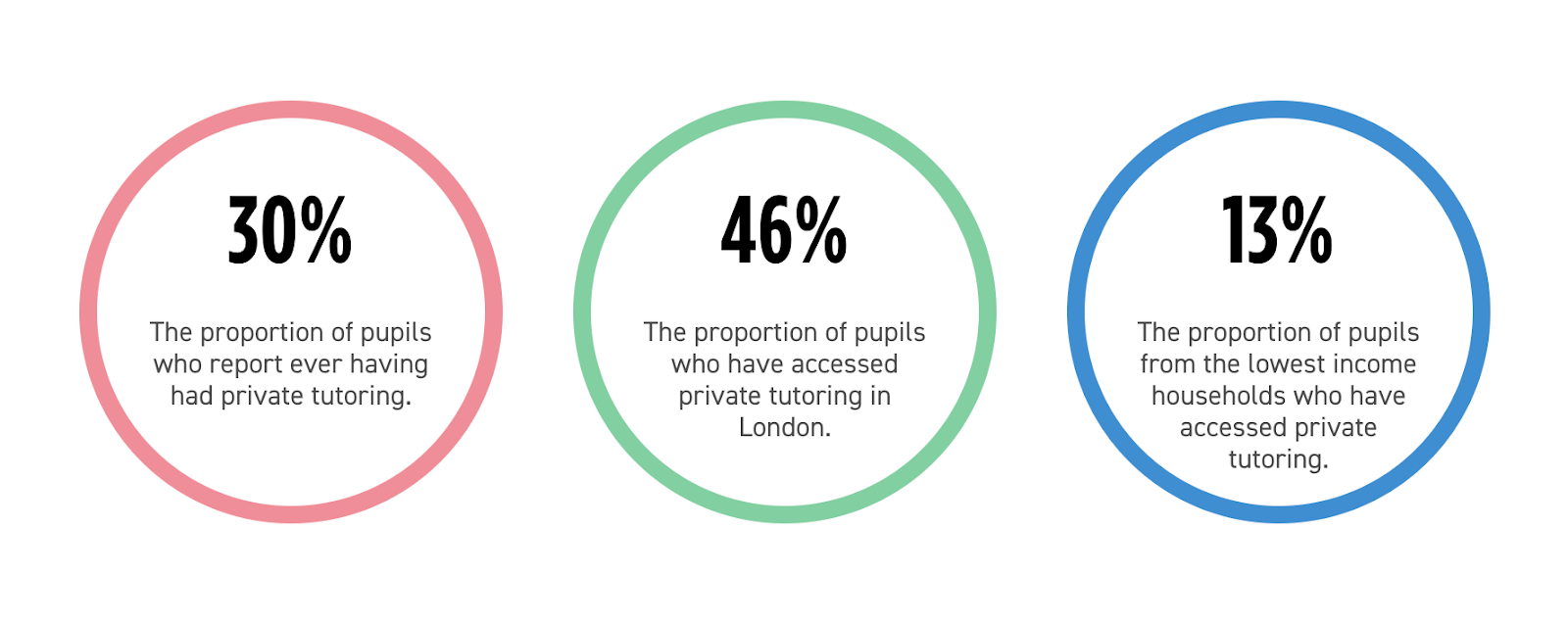
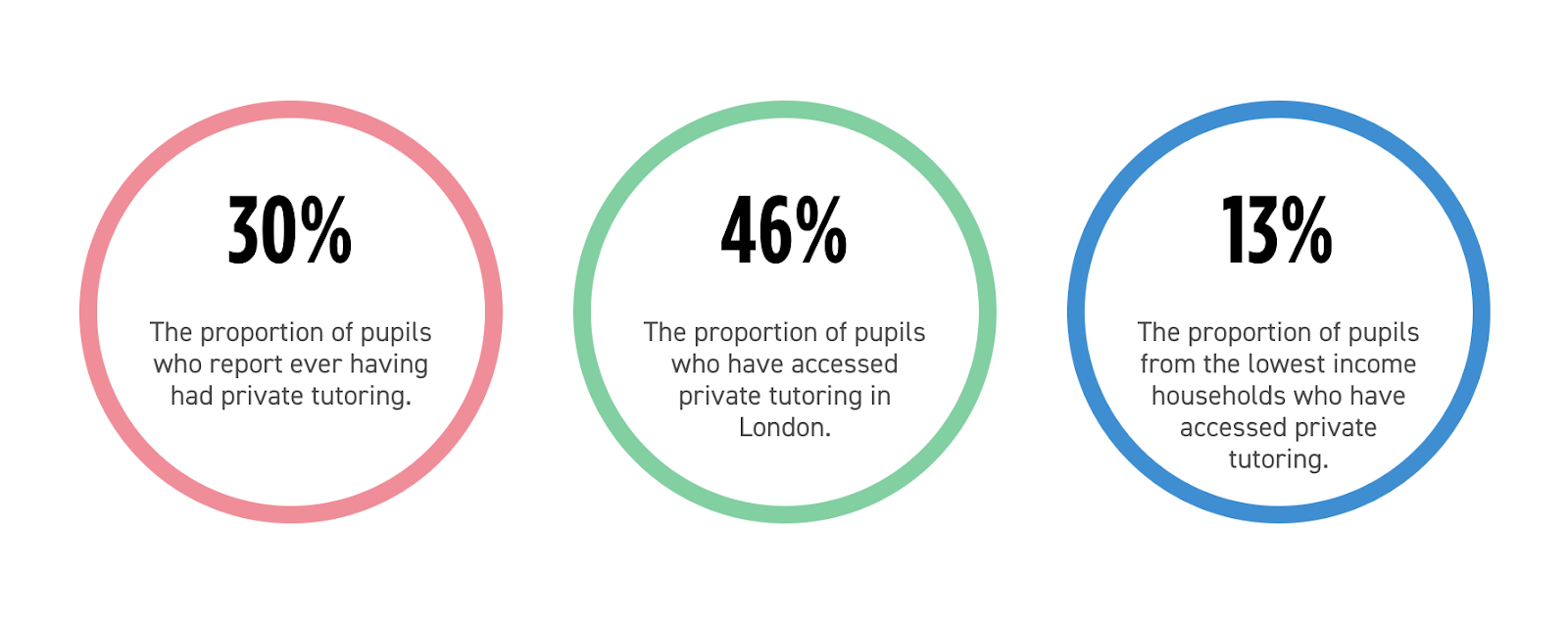
Although the size, scale, and pressure of private tutoring are often highlighted in Asian countries, the interest in tutoring is evident across the globe. In England, according to the Sutton Trust’s 2023 report “Tutoring: The New Landscape,” almost 1 in 3 young people aged 11 – 16 report they have had private tutoring, up from 18% in 2005.  In Spain, nearly half of families pay for children to get private lessons, with those families spending about 1.8 billion dollars (USD) on classes with languages – particularly English – as the main priority. In Egypt, the New York Times reports, “Students in Egypt are flocking to private tutoring centers as the country’s public schools remain overcrowded and underfunded,” explaining that estimates suggest that Egyptian families are spending over one and a half times more on pre-college education than the government does.  A “mind-blowing” amount, as Hania Sobhy, an expert on Egyptian education, described it. 

Tutoring: The New Landscape, The Sutton Trust

At least for wealthy elites, private tutoring may have no international boundaries or many other constraints.  Sarah Thomas, in “My Surreal Years Tutoring the Children of the Super-Rich,” explained: “I wanted a job that allowed me free time, so I registered with a tutoring agency. A few weeks later, I found myself in a speedboat cutting across the Indian Ocean towards a superyacht the size of a ferry.” That job soon led to other tutoring arrangements where her “classrooms would be on yacht decks surrounded by dolphins, in Monaco penthouses with infinity pools, and in Mayfair townhouses with halls full of Mapplethorpes.”

I wanted a job that allowed me free time,” she writes, “so I registered with a tutoring agency. A few weeks later, I found myself in a speedboat cutting across the Indian Ocean towards a superyacht the size of a ferry. – Sarah Thomas, My Surreal Years Tutoring the Children of the Super-Rich

To some extent, the recent growth in tutoring has been fueled by the pandemic (as predicted by the Economist). In South Korea, for example, post-pandemic spending on private supplementary education reached a record high of 20 billion dollars. As that headline put it, “Korean households spend more on tutoring than food, housing.” In places like South Africa, private initiatives like Ikamva Youth and the Kliptown Youth have long drawn on tutoring as a crucial strategy to improve learning. Still, a number of new tutoring ventures have been launched since the school closures of the COVID-19 pandemic (Nonprofit help2read steps in to help save a ‘lost generation’; Free maths and science tutoring for all grade 11 and 12 learners).

On top of these private initiatives, numerous countries have also made significant public investments in expanding tutoring both in school and out in response to concerns about learning loss related to school closures. England was one of the first countries to embark on a major, public tutoring initiative (£1bn catch-up tutoring fund for England’s pupils; Funding for national tutoring programme in England to be doubled next academic year); but public tutoring initiatives are also being pursued in places like the Netherlands (Are the Dutch Solving the Covid Slide with Tutoring? Netherlands to spend €105 million to reduce classroom sizes, add tutoring); Australia (New South Wales Labor promises permanent tutors, end to ‘underfunding’ public schools; Victoria and NSW are funding extra tutors to help struggling students); and New Zealand (where 20 million dollars have been dedicated to additional teaching and tutoring services). 

Tutoring takes off in the US 

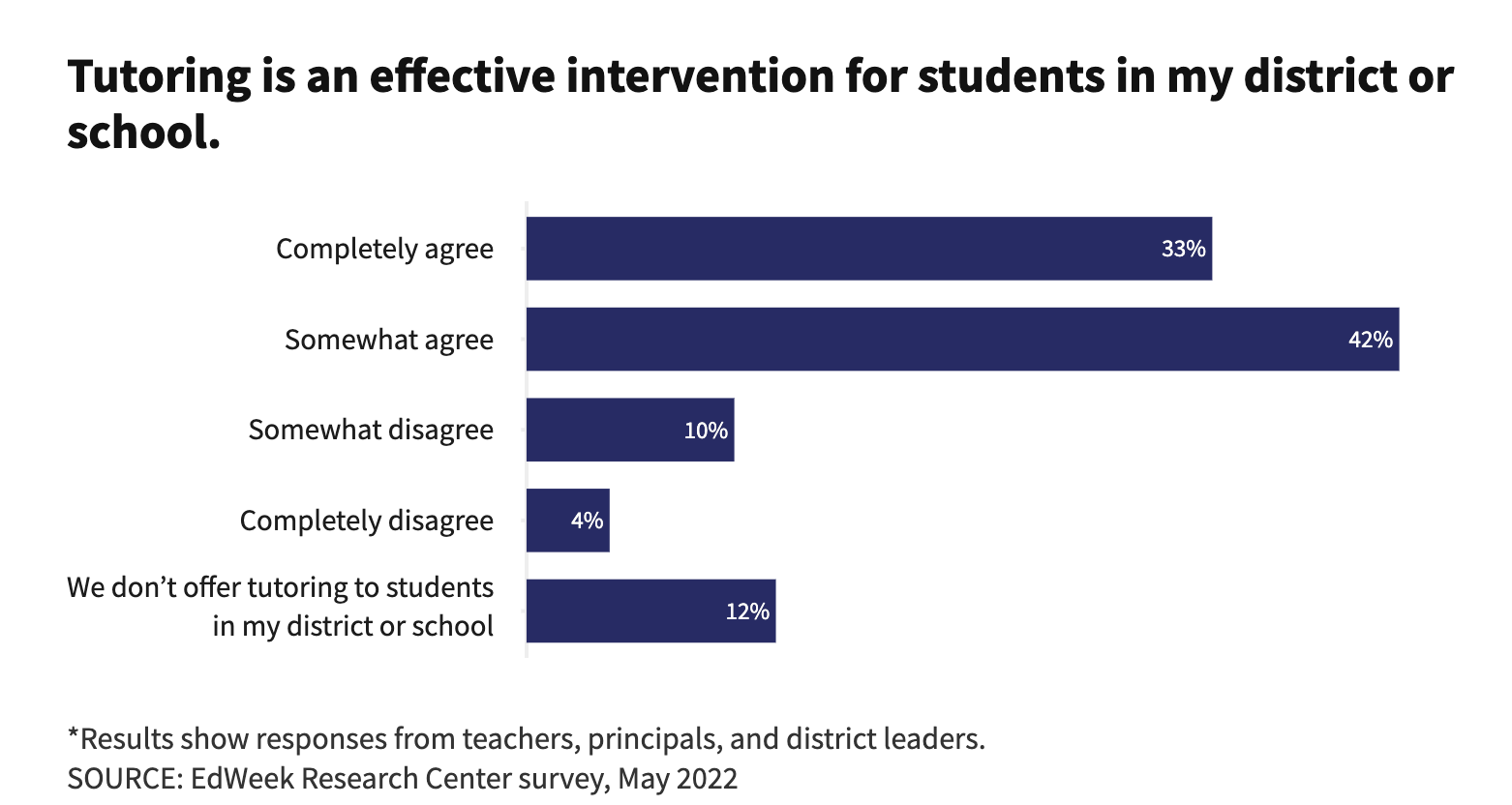
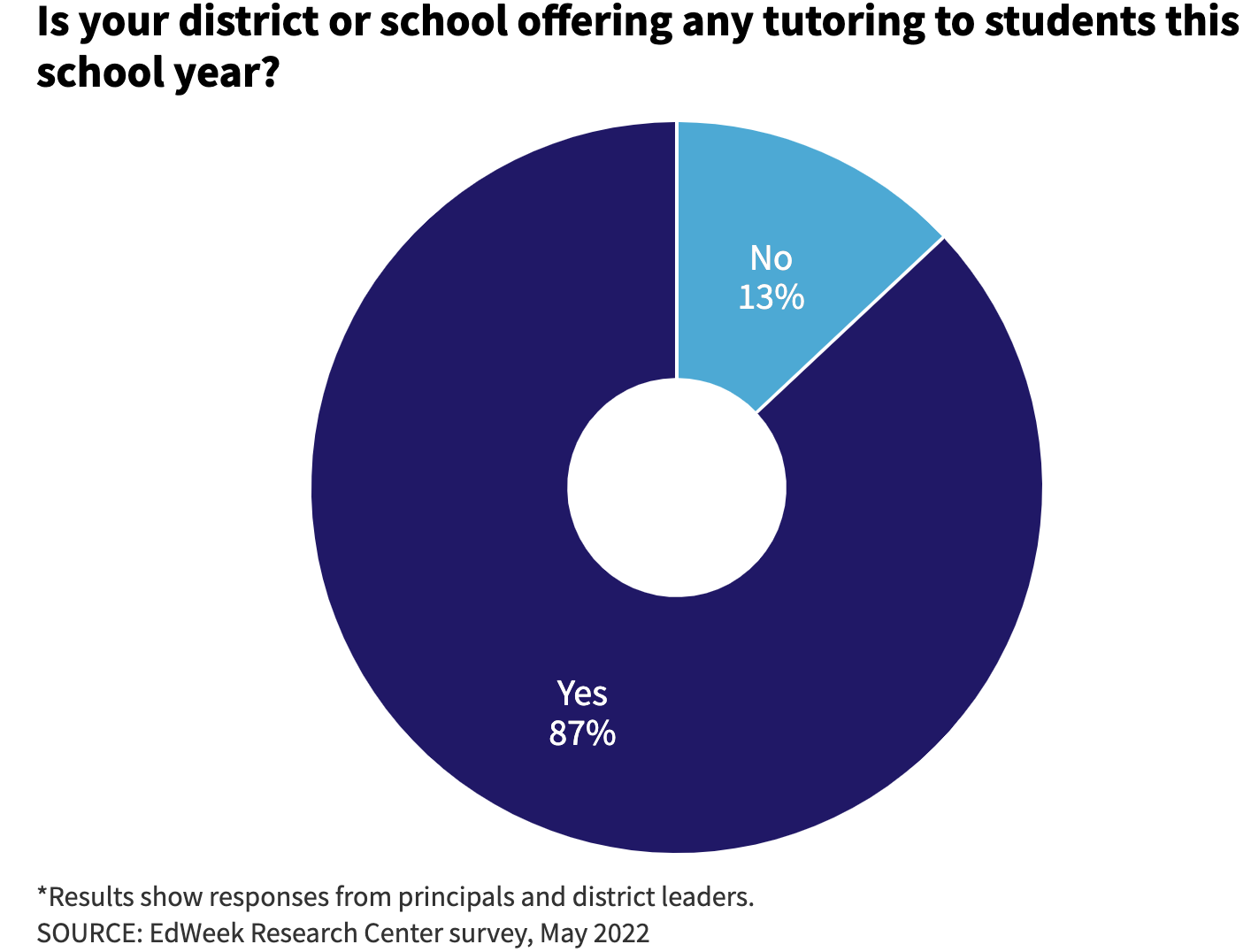
In the US, tutoring has always been a popular strategy for providing “extra help,” but following the school closures, tutoring is emerging as a more integral part of schooling across the US. According to a Education Week survey of school leaders and teachers in 1,287 districts at the end of the 2021-22 school year, almost 90% of those responding said that their school or district was offering some kind of tutoring (interesting, only 75% said that they “somewhat agreed” or “completely agreed” that “tutoring is an effective intervention for students in my district or school”).  Backing up those numbers, by the spring of 2022, estimates suggest that districts had dedicated over $1.7 billion in Federal funding to tutoring-related efforts and predicted spending could reach 3.6 billion by 2024. Correspondingly, the Department of Education reported that in the 2023-24 school year, more than four out of five schools reported offering tutoring programs, ranging from traditional after-school homework help to intensive tutoring. 

The Rise of Tutoring and Where It Falls Short, in Charts, Education Week

A whole series of funding initiatives have contributed to this widespread use of tutoring. With (unusual) bipartisan support, Congress and the Biden administration included support for tutoring in the package of $123 billion in emergency federal aid to schools. The U.S. Secretary of Education, Miguel Cardona, has urged schools to use their funds to provide at least 90 minutes of weekly tutoring to students most affected by the pandemic. Furthermore, in 2022, the Biden administration launched the National Partnership for Student Success – a three-year effort to create a coalition of organizations to “recruit, screen, train, support, and engage an additional 250,000 caring adults in roles serving as tutors, mentors, student success coaches, wraparound service coordinators, and post-secondary transition coaches”.

Private funders are also supporting tutoring efforts by establishing Accelerate, a new organization dedicated to developing and scaling affordable “high-impact” tutoring programs across the country. With funding from The Bill & Melinda Gates Foundation, Arnold Ventures, and the Overdeck Family Foundation, Accelerate set out to raise at least 100 million dollars to develop a network and make grants to support some of the most innovative tutoring models. According to later reports, Accelerate has provided 10 million dollars to 31 organizations developing “innovative” tutoring models and a million dollars to five different states to establish support and “infrastructure” for integrating tutoring into the regular school day that can serve as a model for other states.

States and cities have also participated in increasing the number of tutoring programs available around the country. New Hampshire’s approach includes offering a Yes, Every Student scholarship providing $1,000 for private tutoring from “state-approved educators” for “any young person whose education was negatively impacted by the pandemic.”  New Hampshire Education Commissioner Frank Edelblut described the reaction to the program this way: “When I explain the program to [parents], they become very excited, like, ‘Oh, this is great. In some cases, they’re almost like, ‘It’s too good to be true. How can this possibly be?’”

“When I explain the program to [parents], they become very excited, like, ‘Oh, this is great. In some cases, they’re almost like, ‘It’s too good to be true. How can this possibly be?’”

–New Hampshire Education Commissioner Frank Edelblut Quoted in ‘Too Good to Be True’: NH Gives Students $1,000 for Tutoring, The74

 Tennessee has launched a three-year tutoring project called Tennessee Accelerating Literacy and Learning Corps (TN ALL Corps), expected to cost almost 200 million dollars. The initiative hopes to serve 150,000 in 79 districts students who are just below proficiency in reading or math. In Texas in 2021, the state legislature passed a bill requiring schools to provide at least 30 hours of tutoring for students who did not pass the state tests in math or reading in grades three, five, or eight. To help meet the ensuing demand for tutoring, the Texas Education Agency established the Vetted Texas Tutor Corps, which seeks to offer support for over one million students by reviewing and approving eligible tutoring providers and offering a High Impact Tutoring Toolkit. 

In Ohio, most families now qualify for $1,000 to pay for tutoring. Through its Afterschool Child Enrichment program, called ACE, the Ohio State Department of Education supports educational activities for students who “experienced learning disruptions during the COVID-19 pandemic.” In Ohio’s case, however, families who meet the income restrictions can use those funds for a range of activities, including summer camps, language and music lessons, and after-school programs, in addition to tutoring. 

Next week: “Predictable challenges and possibilities for effective tutoring at scale – Scanning the news on the emergence of tutoring programs after the school closures (Part 2)

Giving Thanks for Education Around the World 2023

Each year during Thanksgiving week in the US, IEN highlights ways to support organizations we have featured throughout the year that make a difference in the educational experiences of children around the world. This year we emphasize ways to donate to organizations working to respond to the needs of children around the world and to organizations developing innovative ways to support learning, such as those featured in our post from last week on the HundrED Global Collection for 2024.

Global organizations responding to children’s needs:

UNICEF; Donate Here

Save the Children; Donate Here

Plan International; Donate Here

Childhood Education International; Donate Here

Innovative organizations from the HundrED Global Collection 2024:

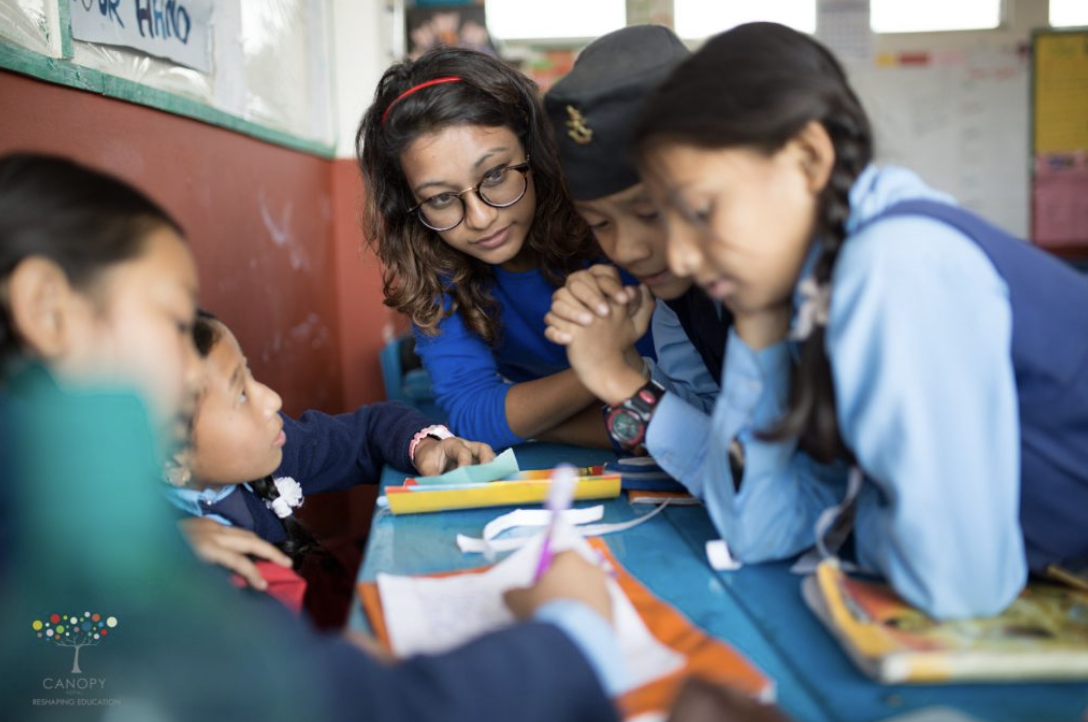
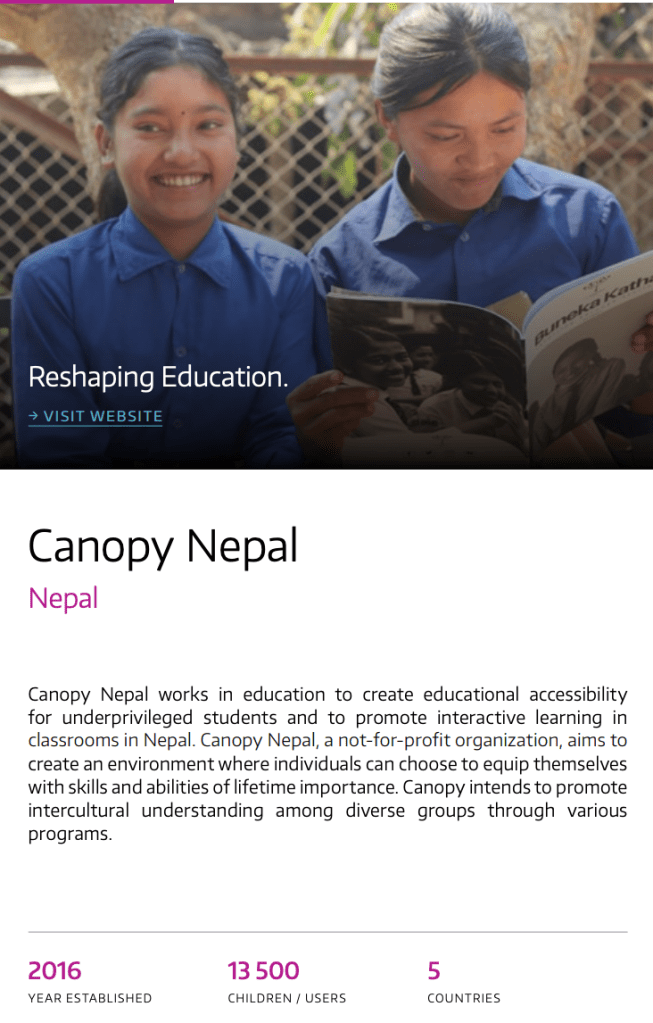
Canopy Nepal; Donate Here

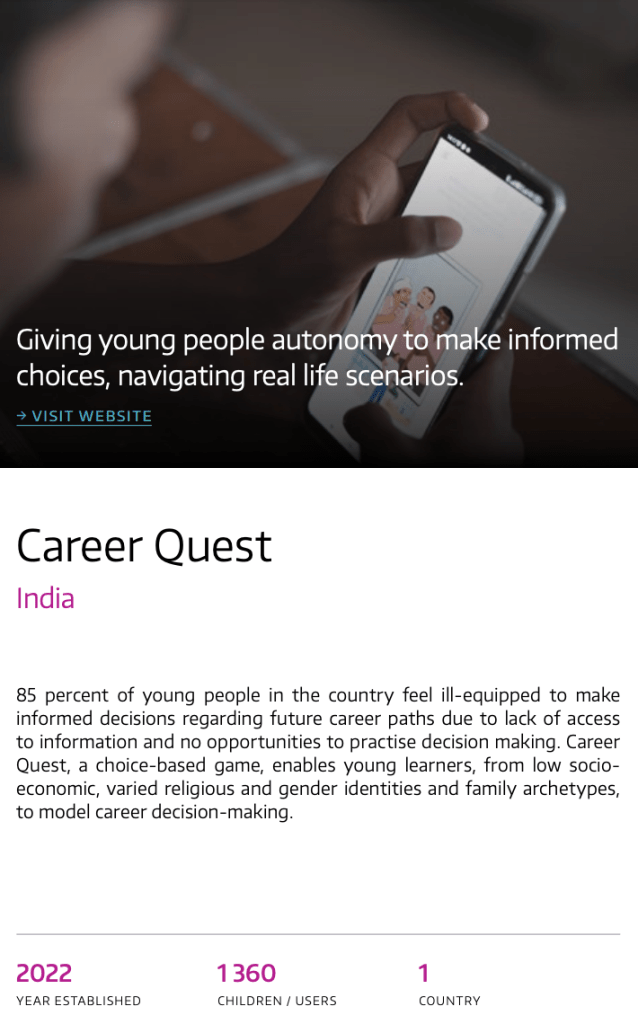
Career Quest (India); Donate Here

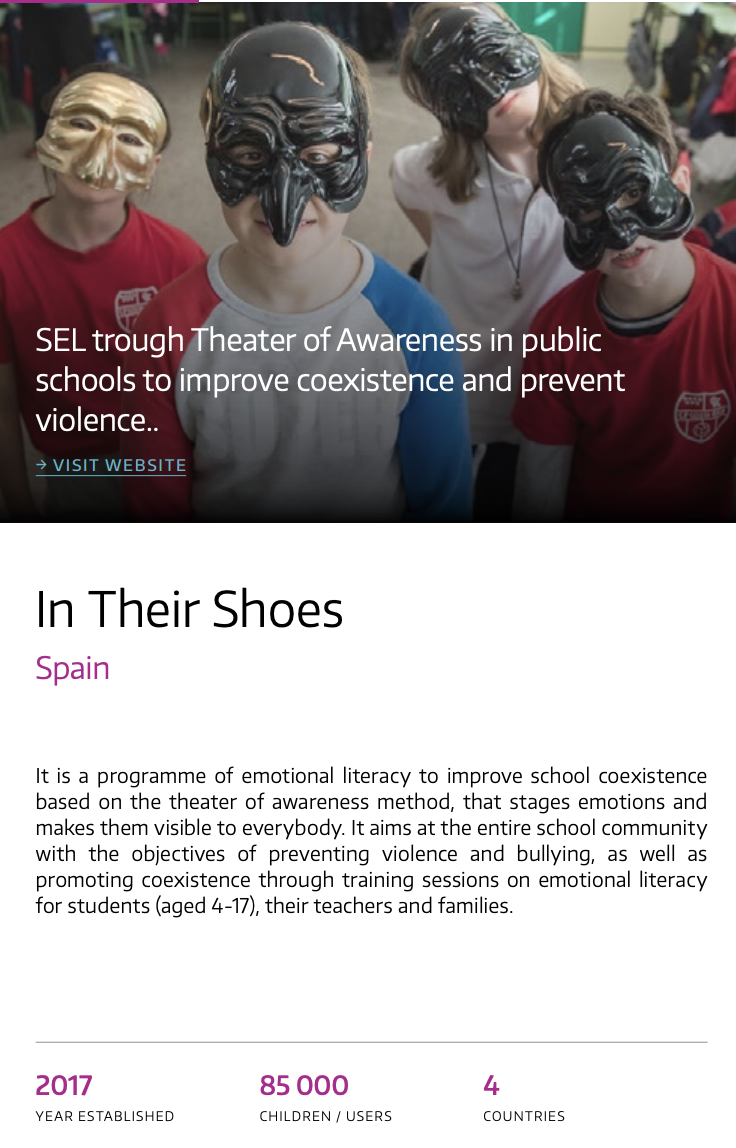
In their Shoes (Spain); Donate Here

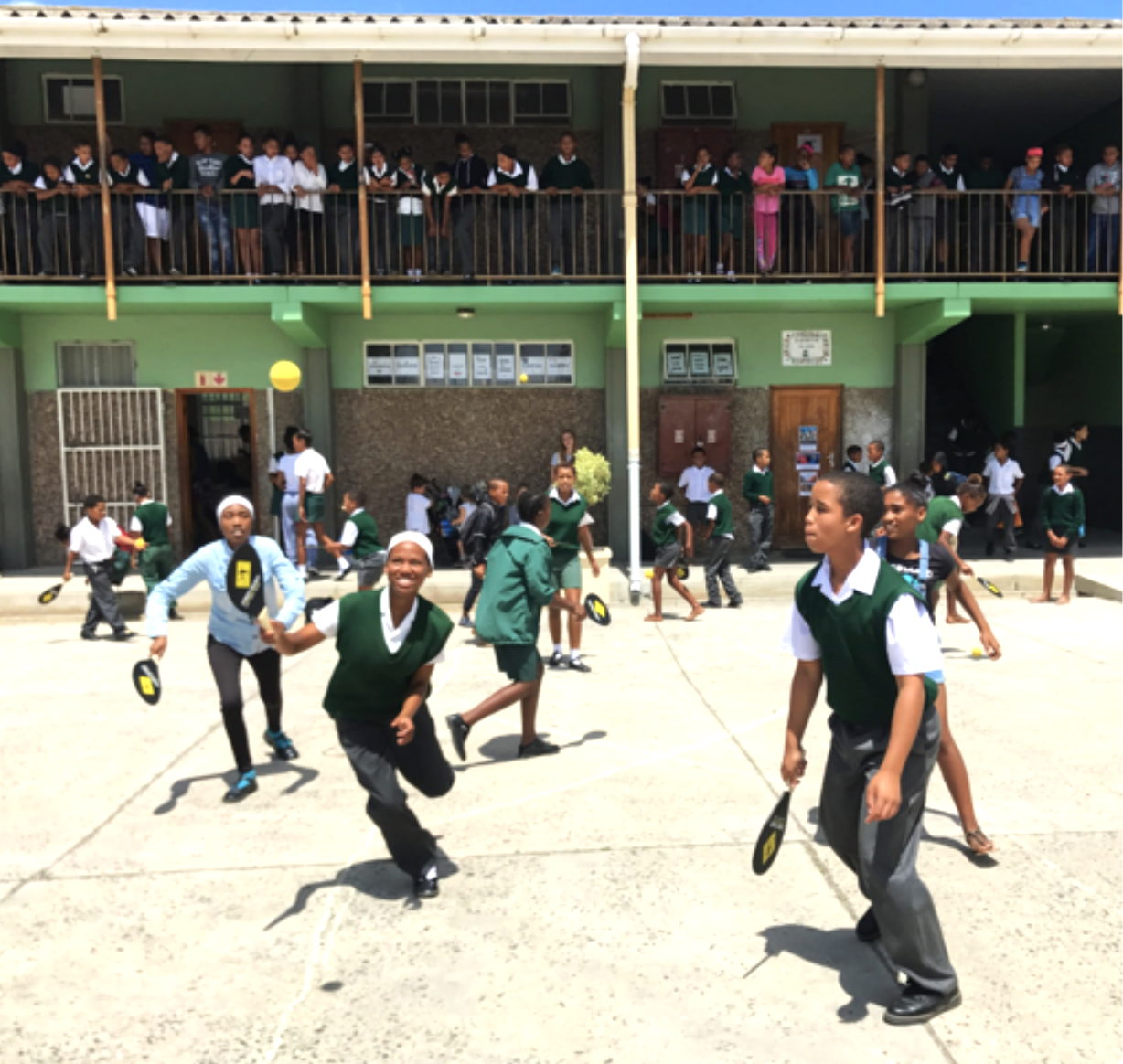
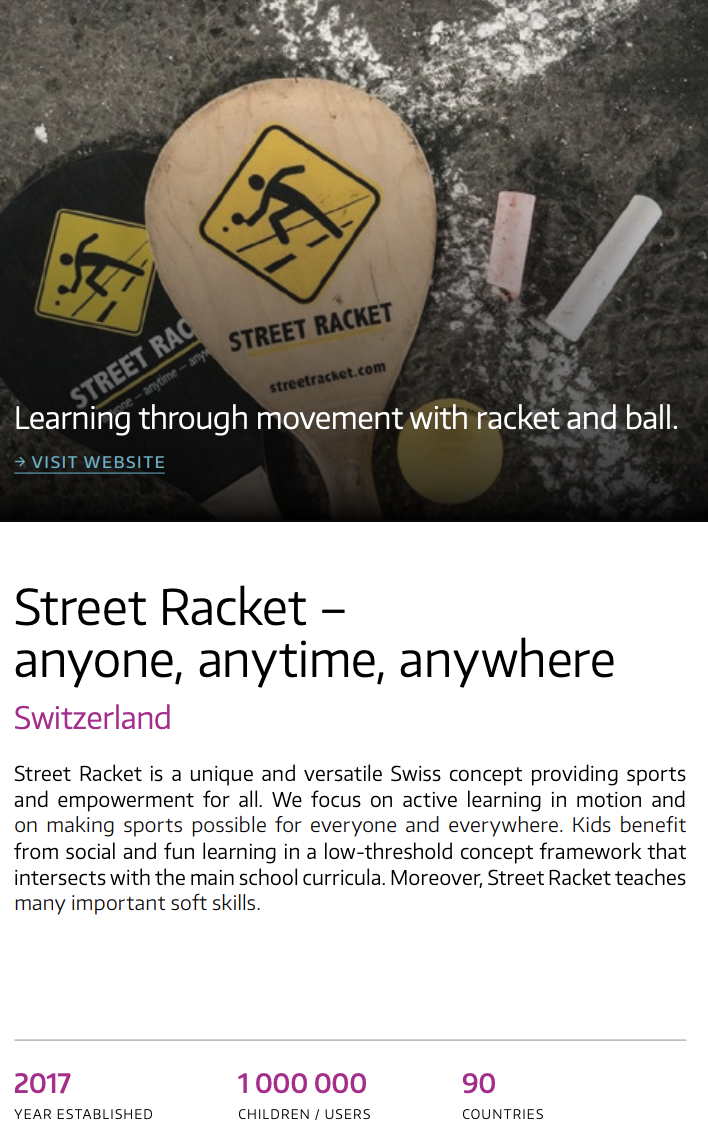
Street Racket (Switzerland); Donate Here

Accelerated Learning Recovery Program (Central America); Donate Here

aSELerate (India); Donate Here

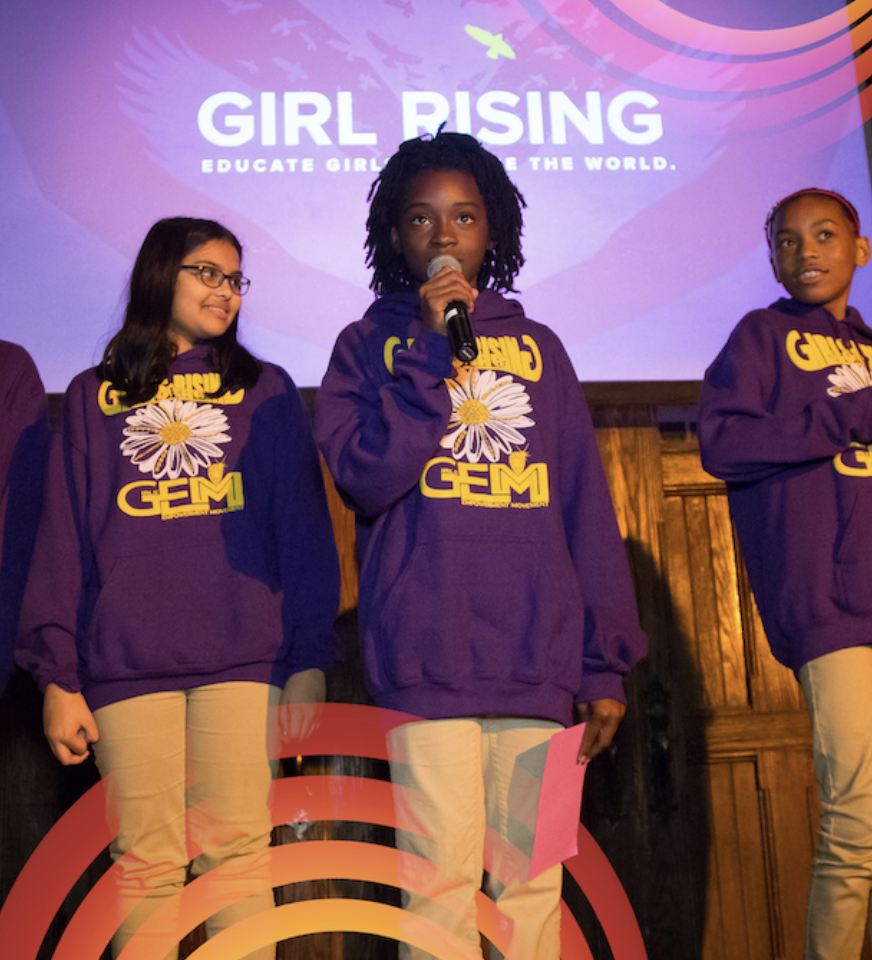
Girl Rising (United States); Donate Here

Around the world in education innovations: The HundrED Global Collection for 2024

Around the world in education innovations: The HundrED Global Collection for 2024

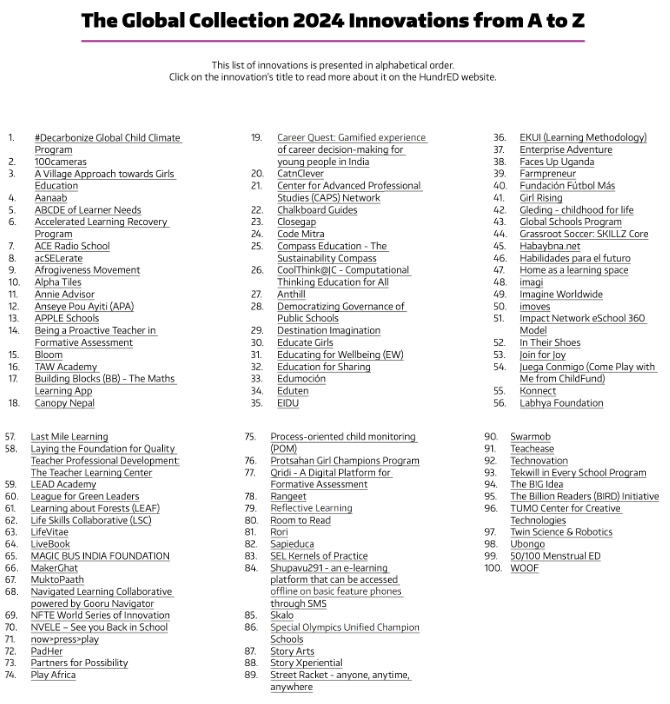
This week’s post highlights the latest additions to the HundrED Global collection of education innovations and shares links to some of the panels from the HundrED Innovation Summit held in Helsinki in the beginning of November. HundrED was established in 2016 to highlight the importance of innovation in education, and since that time it has been adding 100 education innovations a year to their global collection. Along with the announcement of this year’s innovations, the Summit included presentations and panel discussions that are available to stream online, How can education innovations change systems? (with Olli-Pekka Heinonen, Leslie Udwin, Asmaa Alfadala, Marjo Kyllönen and Lauren Ziegler) and Embracing the Messy Middle: Examples from the Field (with Jorge Elô, Janica Magat, Md. Shefatul Islam, and Romana Kropilova, moderated by IEN Founder Thomas Hatch).

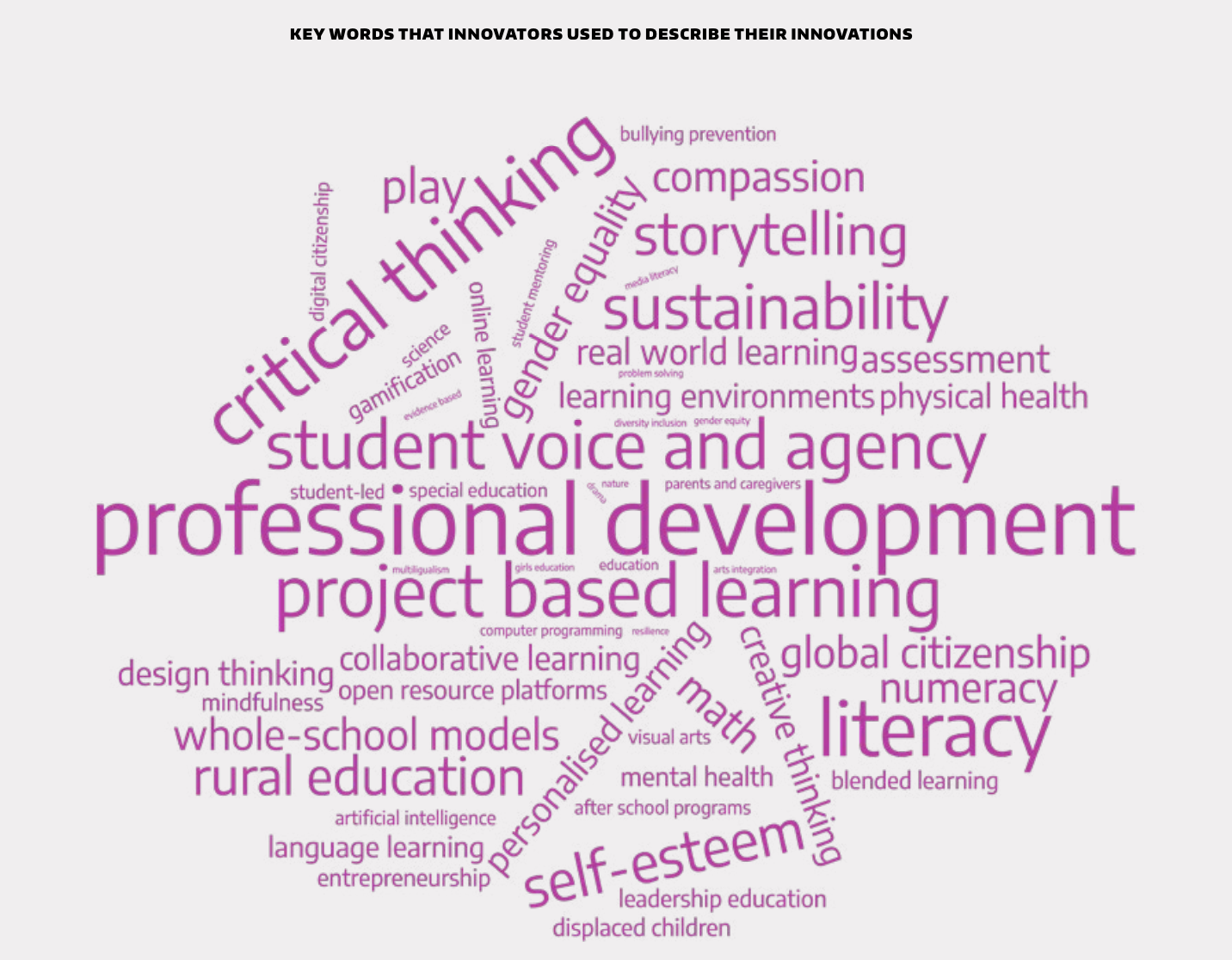
         What is happening in the world of education innovation? HundrED’s report on the latest 100 innovations in education added to their global collection reflects the explosion of work in education technology as well as interest in AI spawned by the release last fall of ChatGPT. The 22 innovations focusing on Ed Tech and 4 on AI make up over 25% of the 2024 collection. Recent concerns about health in the wake of the COVID-19 school closures are also reflected in the collection as 10 different innovations focus on some aspect of wellbeing such as mental health, self-esteem, compassion, physical health, and mindfulness. At the same time, concerns about long-standing issues are also reflected in the inclusion of thirteen innovations designed to support professional development and thirteen dedicated to addressing “future skills” such as critical thinking.  

This year’s innovations have been established in 47 different countries, with the most coming from Asia (32%), including more than half from India. 62% of the innovations are in operation in two or more countries, and one, Girl Rising, operates in 144 countries.

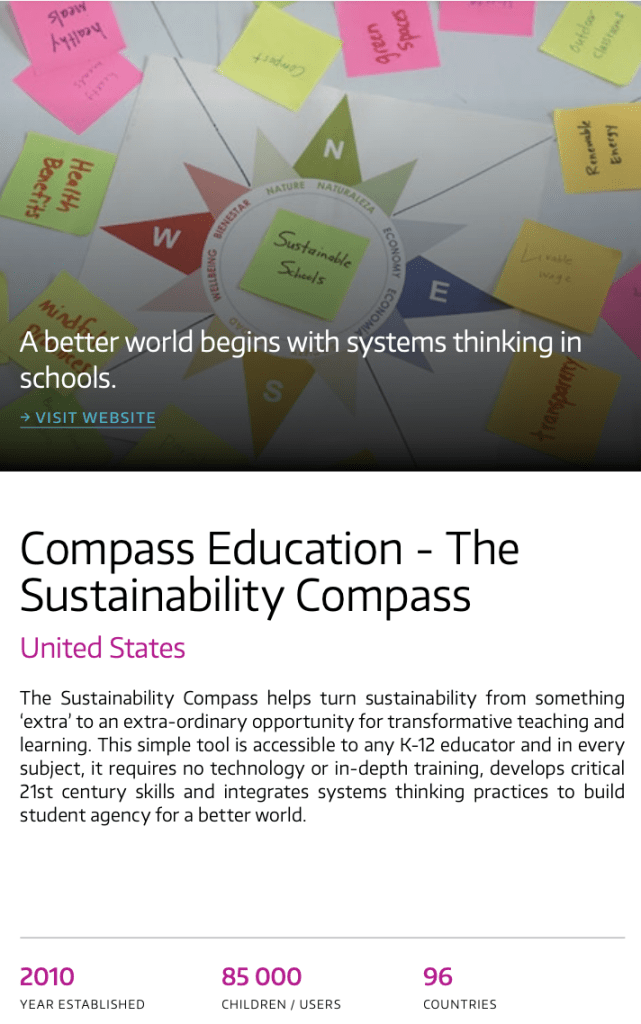
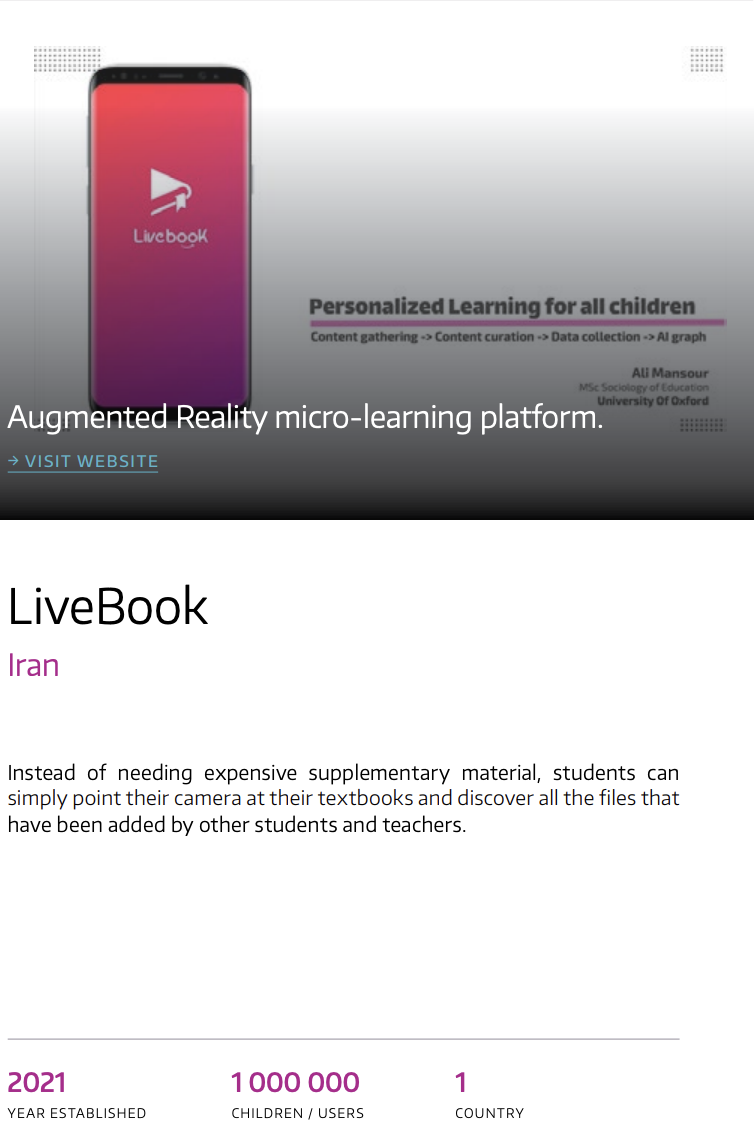
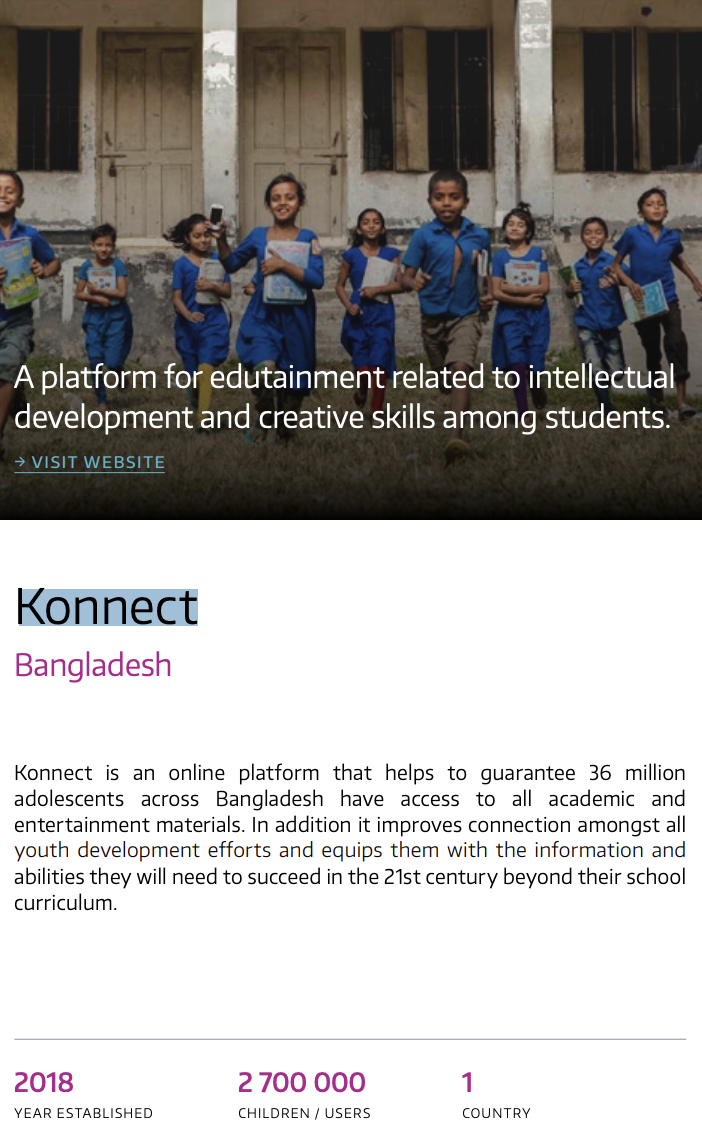
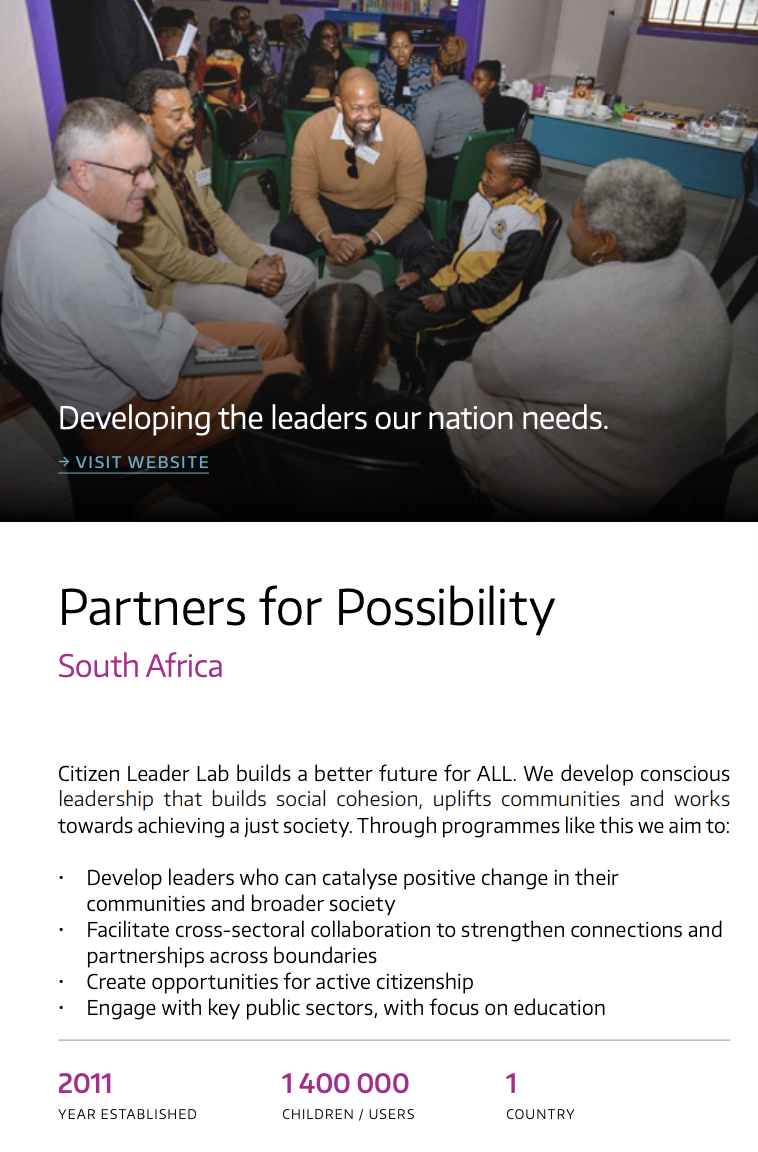
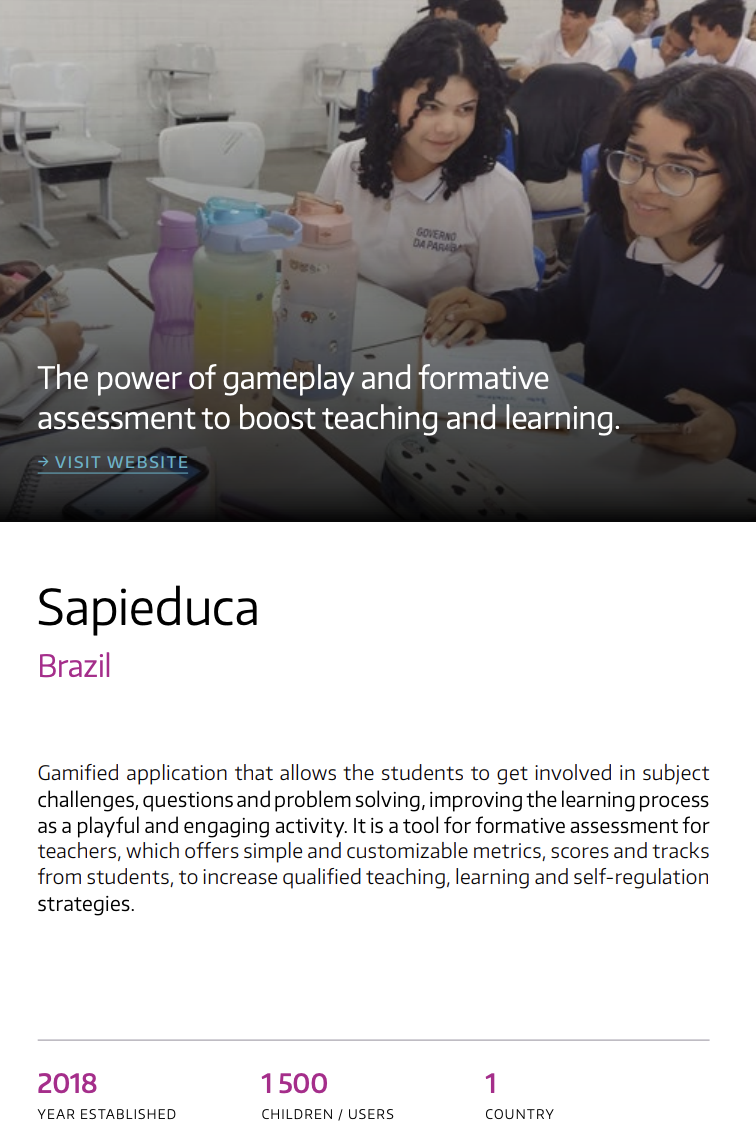
This year’s selections for the global collection include: Canopy Nepal; Career Quest (India); Sustainability Compass from Compass Education; Konnect (Bangladesh); Livebook (Iran); In their Shoes (Spain); Partners for Possibility (South Africa); Sapieduca (Brazil); Street Racket (Switzerland);

Leveraging Teacher Leadership for Innovation and Equity: Lead the Change Interview with Justin Reich

In this month’s Lead the Change interview, Justin Reich reflects on his work on educational systems improvement by targeting the instructional core through adaptive design models. Reich is an associate professor of digital media in the Comparative Media Studies/Writing department at MIT and the director of the Teaching Systems Lab. He is the author of Iterate: The Secret to Innovation in Schools and Failure to Disrupt: Why Technology Alone Can’t Transform Education, and he is the host of the TeachLab Podcast. He earned his doctorate from the Harvard Graduate School of Education and was the Richard L. Menschel HarvardX Research Fellow. The LtC series is produced by Alex Lamb and colleagues from the Educational Change Special Interest Group of the American Educational Research Association. A pdf of the fully formatted interview is available on the LtC website.

Justin Reich: I’ve had the great privilege of doing a little bit of work with AERA Past President Rich Milner. In a webinar in 2021, Rich explained that twenty years ago he felt isolated and off the beaten path in his work on advancing racial equity in schools. Then, he expressed his excitement at the current surge of interest in these crucial issues. The field caught up to where Rich had been for many years. His welcoming frame reminds me that some work in educational change and improvement hasn’t always centered these issues, and there are other scholars who have been building in this domain for many years. So, as any of us take up this “call to action” to dismantle injustice and construct possibility, we’d do very well to look back on prior bodies of research to discover what we can learn from folks who have been doing the work for some time. 

Justin Reich

When you ask about “steps,” it reminds me of some of the research that I did for Iterate. Over the last decade, human-centered design has developed and become more prevalent, as has the field of “Design Justice,” the name of a book by my colleague Sasha Costanza-Chock. And, of course, human centered design has encountered the same turn to anti-racism/ anti-oppression that education reform and many other humanistic endeavors have in recent years. My question was this: In design models that take design justice seriously, does this entail new “steps” in design processes, or new attitudes, frames, and moves within existing steps? In Plan-Do-Study-Act or Design Based Implementation Research or ideo/d.school style Design Thinking, does design justice show up as a new “step” or as modifications to existing phases? My investigation revealed the near universal consensus is that there isn’t a “justice” step. It’s a set of values, mindsets, and actions that affect all the parts of our work.

All that’s to say, in improvement cycles, there probably isn’t a “justice step” or an “anti-racist step” but rather a commitment to those principles throughout our work. 

JR: A distinctive feature about improvement work in schools is that the changes that matter most happen in what Richard Elmore called the instructional core, the place where teachers, students, and the resources for learning connect. Schools have lots of other parts–HVAC systems, busses, cafeterias, parking lots, standardized tests, intercoms, and on and on–but if you are interested in improving learning, the action is in the instructional core. 

Schools have lots of other parts–HVAC systems, busses, cafeterias, parking lots, standardized tests, intercoms, and on and on– but if you are interested in improving learning, the action is in the instructional core.

The work that teachers do in this instructional core is astonishingly varied and fine grained. On any given school day, we teach kids to sound out diphthongs, tie their shoes, stand in line, factor polynomials, convert carbohydrates to ATP in the Krebs Cycle, conjugate Spanish verbs, hit a shuttlecock with a badminton racket, how to have sex safely, why they should not have sex until marriage, to obey their government, to challenge their government, and on and on and on. So if you are a superintendent with an idea like, “let’s use formative assessment more frequently to guide our instruction,” and you want the school system to use those assessments weekly, then, functionally, you’ve just placed an order for 45 weeks of assessment multiplied by 13 grades multiplied by the number of subjects that you teach in your district. These are not interchangeable assessments: if someone makes a great formative assessment about factoring polynomials it probably won’t help you in evaluating students sounding out diphthongs. In fact, a formative assessment in your earth science unit on meteorology may not help you much in the next unit on plate tectonics.  

The only people in the system numerous enough to generate the variety of specific, contextual innovations needed to implement a straightforward change like “add more formative assessment” are teachers. There are simply not enough coaches, TOSAs, APs, principals, central office people, etc. to do that work. So, this is my first point: teacher leadership is absolutely essential to innovation. The only people who can make the fine-grained modifications to each local classroom context are teachers. 

So how do teachers choose to adopt new practice? How do they pick up new innovation? If you ask them, as John Diamond did in his article “Where the Rubber Meets the Road” they will tell you their main source of inspiration is “other teachers.” So, every change leadership or innovation problem is actually a peer learning problem. 

When you put these two stylized facts together—that teacher leadership is essential to generating innovation and teacher peer learning is essential to scaling innovation, in my mind, you have the basic model for the conditions of innovation. Want new things? Teachers will have to build and adapt them. Want new things to spread and scale? There need to be time and space for teacher to teacher peer learning. Even when you see things that look top down, like some of the science of reading initiatives going on, look under the hood and you’ll see this same basic process. A small cohort of enthusiastic teachers chooses to adopt a new practice, while the bulk are patient pragmatists–participating in limited compliance until they see results and learn from their peers. 

In Iterate, I call this the Cycle of Experiment and Peer Learning, and it’s the core model that I use to explain how schools change, and how we can think about supporting that change. 

If there were known, immediate, dependable, effective steps to improve educational environments or to make them more equitable, we would do them! Even things that work well in one place, do not easily translate to new spaces. They need to be broken apart, reassembled, and grafted into their new environment. 

So, to me, “immediate change to more equitably serve students” is not a realistic option. There is only the slow, steady, shoulder-to-the-wheel work of tinkering and incremental improvement. I happen to think iterative cycles of experiment, testing, feedback, and sharing are great ways of doing this shoulder to the wheel work, but there are other more linear models as well. 

Change takes time! Start today!

JR: I have a few thoughts in Iterate about this.  One is to take joy seriously, and to cultivate environments where faculty sincerely enjoy working with each other, because it’s fun. With the incentives and career ladders that we have in schools, and with the demands we have on teachers contracted time, work on systems improvement essentially takes place during teacher discretionary time. Maybe they’ll make schools better. Or maybe they’ll grade or go home and play with their kids. In my experience, the schools where faculty effectively collaborate with each other are places where the teachers really enjoy their time working together to make schools better. So, joy, enjoyment, satisfaction matter. 

On the flipside, we need to acknowledge that all change involves loss. Doing new things involves saying good-bye to old things. Launching new ideas requires leaving old practice behind. That means experienced teachers needing to grieve as they say goodbye to old practices. Even when there is a certain joy in picking up something new, there needs to be time to mourn what we leave behind. Robert Evans The Human Side of Change has good ideas on this.

Take joy seriously and cultivate environments where faculty sincerely enjoy working with each other because it’s fun...the schools where faculty effectively collaborate with each other are places where the teachers really enjoy their time working together to make schools better. So, joy, enjoyment, satisfaction matter. 

I also share some research in Iterate that my colleague Peter Senge did with folks at the MIT Sloan School of Management and others. I like to tell the story this way. Peter and colleagues are trying to figure out how to make firms better. Where does work get done in firms? In teams. What do teams do? Well, fundamentally, they communicate and collaborate. What are some of the best predictors of effective communication? One turns out to be “the quality of listening.” Typically, we listen to hear moments in a conversation where we can break in with our ideas, or we listen to see if people agree or disagree with us. But we can also choose to listen to sincerely understand the perspective of others– not to wait to say our next piece, but to really hear another person out. I love this story because these nerdy MIT guys look at firms and economic success and they identify “the quality of listening” as an essential element of success.  But of course, the other thing to do is to pay teachers more, which is probably the best way to show and offer support. 

JR: There are many folks who know a lot more about the field than I do; in some respects, I approach it much more like a practitioner than a researcher. As an observer of the field, I’m excited about growing interest in issues of racial injustice. I’m also heartened by a general consensus across multiple models–design based implementation research, networked improvement communities, some of Peter Senge’s work on Learning Organizations, and others– about how schools get better. I don’t think Iterate pushes a whole lot of new ground forward in terms of theory or principles, it’s really about getting these ideas to educators in an accessible format. Put another way, we know a lot about the broad contours of how effective school improvement can work: the core challenges are how to implement these sound ideas in the infinite variety of contexts and specifics. Even if we don’t have a map for every context, we have a pretty good compass. 

[W] e know a lot about the broad contours of how effective school improvement can work: the core challenges are how to implement these sound ideas in the infinite variety of contexts and specifics. Even if we don’t have a map for every context, we have a pretty good compass.

To me the most exciting thing about this particular moment for working in school change is this: while the pandemic was devastating in many respects for schools, teachers, and students, it also showed how incredibly malleable schools are. Everything we thought was fixed turned out to be contingent–schedules, buildings, routines, busses, grades. As a teacher in Madison, Wisconsin told me, “We know how to change. We’ve been changing every three weeks for the past 18 months.” Teachers are tired and beaten down, but I think this newfound sense of possibility remains a latent seed that we can cultivate and help grow. 

Questioning Educational Borders: Jordan Corson on Reconceptualizing Education for Newcomer Students

In this week’s post, Jordan Corson shares some of the experiences and research with “youth on the move” that are captured in his latest book, Reconceptualizing Education for Newcomer Students (Teachers College Press, 2023). Corson is an assistant professor of education and affiliated faculty member of the M.A. in Holocaust and Genocide Studies at Stockton University. He is also a co-author with Thomas Hatch and Sarah Gerth van den Berg of The Education We Need for a Future We Can’t Predict (Corwin, 2021). Corson’s previous posts include: Who and What Counts in Education? A Conversation with Jordan Corson. A previous version of this post appeared on the Teachers College Press Blog.

As schools tell it, the history of immigration and schooling in the U.S. is a story of two paths: exclusion or assimilation. From the 19th century and early 20th century  to present day, schools have commonly operated as places of oppression for immigrant students. Success—or perhaps educational survival—here depends on a capacity to conform to inherently oppressive structures. In beautiful instances, though, schools can realize the dream of making public, democratic places that serve communities. That cherish students’ voices. That nurture and care, making schools a welcoming refuge. That provoke intellectual curiosity bound up in dynamic linguistic and cultural practices. Such places center students’ identities. Joy bursts from their walls. Here, language is not something to acquire but something to do. Even as students struggle, these schools find ways of better including youth and helping them succeed.

For youth “on the move” – a term that highlights the importance of rethinking migration, nationality, and the borders we researchers and policymakers place on immigrant youth — this kind of educational structure can be found in newcomer schools. Newcomer schools are a model of public school specifically designed to affirm the linguistic and cultural identities of youth on the move who have recently arrived to a new place. In recent years, researchers and educators have attended to and championed this school model as one of educational possibility.

This kind of cherished educational environment sits at the center of my book, Reconceptualizing Education for Newcomer Students: Valuing Learning Experiences Inside and Outside of School.  Building on the work of scholars and educators like Monish Bajaj, Daniel Walsh, Lesley Bartlett, and Gabriela Martínez aims to champion affirmative forms of schooling and to show the powerful educational possibilities born of supporting youth on the move. At the same time, though, the questions I pose, wander from asking how schools might improve or how school systems might better include youth on the move to ask: Why are youth on the move considered educational “problems” in the first place? Why have policymakers and researchers historically framed kids, especially those from marginalized communities, as “problems” for schools to solve? Why has the solution been to make of school a rigidly bordered place where students “access” education? Along with these questions about youth on the move in schools, I also explore educational life beyond the boundaries of schooling.

To explore these questions, I look at the history of immigration and schooling in New York City. Beyond the mountainous history of oppressive education, a history of including and “solving the problem” of educating youth on the move shows the way education systems have made sense of youth on the move and created different systems to include them with the “melting pot” or “kaleidoscope” of the United States. This history is also bundled up in critiquing how school has both come to be a place of borders and have a monopoly on education. I explore these histories from an institutional perspective, but histories of communities building schools, demanding policy changes, and challenging oppressive orders puncture a smooth, institutional narrative.

Along with this historical inquiry, I veer from school entirely by presenting an ethnographic study of education in everyday life with nine youth from a newcomer school in New York City. Even in culturally and linguistically affirmative schools, youth still become marginalized, labeled “at-risk” of dropping out, and their educational lives become defined by what happens in school. Of course, education is always happening. Learning, creating, and figuring out the world happen outside of school and often without school as a reference point. Therefore, I asked: What might happen if we moved with youth into everyday life, leaving behind the language and logics of school? Instead of thinking about something like academic outcomes, what if we studied within everyday educational practices themselves? What if the only understanding of learning was the pleasure experienced in the learning process?

To that end, I spent a year with the youth who participated in this project, hanging out in school, clubs, and museums. We wandered New York City, riding subways, exploring parks, checking out summer basketball games, or chatting in cafes. Whether inside of school or outside of school, youth and I explored wondrous educations that were not concerned with school or dominant systems. They lost themselves in memory as they described learning photography in the Dominican Republic. Or, they navigated their own form of language education while creating plurilingual rap lyrics. Youth participants asked themselves and each other what kind of people they wanted to become and what they owed each other. Education is not, as they regularly demonstrated, something concerned with access or outcomes, but about living and changing the world.

I started research for this book in the middle of the Trump presidency. Even in the “sanctuary” of New York City, danger permeated every corner of everyday educational life. As much as this project was filled with laughter and play, the carceral systems that define the U.S. made it dangerous for youth participants to simply learn or express themselves in public places. A few years later, U.S. policy and xenophobic action entwine and continue along an infuriatingly predictable trajectory. The current “migrant crisis” is only the latest moment in a long history of a country that chooses to impose violent borders, think of people on the move as “problems,” and considers education through this same bordering logic.

Understanding these relentless issues, I hope to contribute to the kinds of work that center youth voices and challenge deficit narratives that overwhelm conversations about immigration and immigration. Moreover, I hope to does so in a way that does not bolster educational research or school systems but  disrupts them at their very roots. Youth on the move should not have to prove that they deserve to belong to schools or any other institution in the U.S. As one participant told me, “I should get these things because I’m a human.” Instead, researchers and policymakers should question the borders we have made in schools and elsewhere.

Transforming the Educational Landscape Through Challenging Eurocentric Norms: Lead the Change Interview with Taeyeon Kim

In this month’s Lead the Change (LtC) interview, Taeyeon Kim shares her work in raising the voices of marginalized Asian American and Pacific Islander (AAPI) scholars in the field of educational leadership. Her research places emphasis on the intersection of leadership and policy. Before serving as an Assistant Professor of Educational Administration at the University of Nebraska-Lincoln, she completed her Ph.D. in Educational Administration at Michigan State University. The LtC series is produced by Alex Lamb and colleagues from the Educational Change Special Interest Group of the American Educational Research Association. A pdf of the fully formatted interview is available on the LtC website.

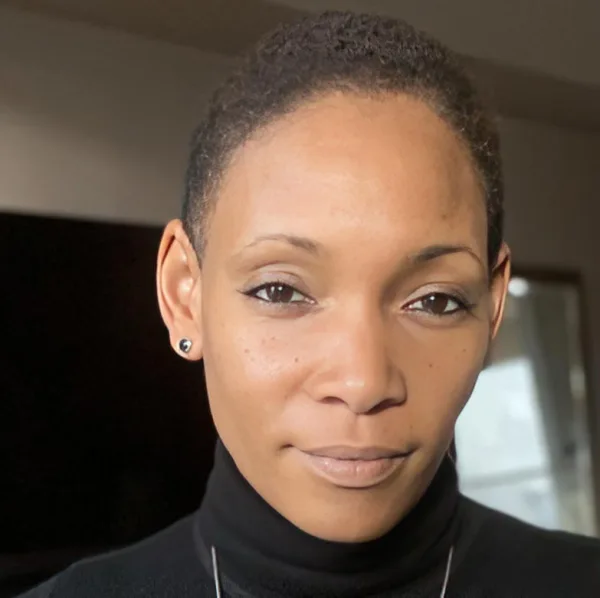
Teayeon Kim

Lead the Change (LtC): The 2024 AERA theme is “Dismantling Racial Injustice and Constructing Educational Possibilities: A Call to Action.” This theme charges researchers and practitioners with confronting racial injustice directly while imagining new possibilities for liberation. The call urges scholars to look critically at our global past and look with hope and radicalism towards the future of education. What specific responsibility do educational change scholars have in this space? What steps are you taking to heed this call?

Taeyeon Kim (TK): When I think about the 2024 AERA theme in the context of educational change, it’s all about asking ourselves, “What kind of changes are we striving for and how do we get there?” This year’s AERA theme strongly encourages us to focus on transforming the educational landscape, which has long been marred by racism and White supremacy, into a more humane and liberating space.

In response, it’s crucial for scholars in the field of educational change to take responsibility for harnessing our collective knowledge to create more equitable education systems. Traditional approaches to change, usually labeled as “reform” and “improvement” in education, have often been driven by accountability policies rooted in neoliberal thinking (See critique from Au, 2022; Lipman, 2007; Tuck, 2013). Many educational change scholars have pushed back against this trend, exploring system perspectives (Fullan, 2015), professional capital (Hargreaves & Fullan, 2012), social justice (Flórez Petour & Rozas Assael, 2020; Rincón-Gallardo, 2018), and organizational learning (Mulford, 2005) as valuable tools for driving change. At the same time, it is essential to reevaluate these approaches through a critical lens and align them with more recent scholarship on disrupting institutional racism and Whiteness (Diamond & Gomez, 2023; Irby, 2022; Ishimaru & Galloway, 2021; Pailey, 2020; Ray, 2019).

As a leadership scholar, I see my role through three interconnected strands in my scholarship. First, my research focuses on reexamining policy through the lens of equity-centered leadership practices. This work closely aligns with my role as an educator, where I frequently emphasize the concept of the “administrative posture of neutrality” (Khalifa, 2020, p. 47). This concept underscores how administrators often concentrate solely on quantifiable factors and Khalifa (2020) warns that this tendency allows leaders “to avoid and deny racialized claims held against them by focusing on indisputable factors and maintain full control of the discourse around the school” (pp. 46-48). Through my research, I shed light on how policy mandates and rules shape administrators’ actions and how these,
sometimes inadvertently, perpetuate racism and White supremacy. This perspective informs my teaching as many of my students are aspiring educators looking to take on administrative roles. I take seriously my
responsibility of supporting them to critically analyze the system, imagine new possibilities for liberation, and empower marginalized students.

My research also amplifies the voices of racialized communities. For instance, in a recent collaborative inquiry (Kim et al., 2023), I had the opportunity to revisit and make sense of my own experiences as a racialized individual in the U.S. My co-authors and I challenged systemic racism and White supremacy by
collectively sharing counter narratives from Asian American communities. Another example is that I’ve been working closely with other Asian American and Pacific Islander (AAPI) scholars, to convene AAPI-focused sessions the University Council of Educational Administration (UCEA) convention meetings. Despite being one of the fastest-growing populations in the U.S. (Budiman & Ruiz, 2021), research on this topic in P-12 leadership has been limited. Throughout these efforts, I aim to normalize and center the voices of marginalized AAPI communities in the field of educational leadership while challenging White and Eurocentric norms in research and practice.

Furthermore, as a transnational immigrant scholar, I bring a global perspective to understanding racism. I acknowledge that racism operates differently in various parts of the world, often intertwined with imperialism, colonization, and capitalism in the global history. These historical factors have left a
lasting impact on many countries that were colonized and Global South. This transnational view enables me to explore multiple dimensions in shaping social construction of race and racism. While in the United States, racialized groups are often categorized as people of color, in other places like East Asian
countries, nationality and ethnicity play a significant role in shaping perceptions of race (See N.Y. Kim 2008, 2015; Yu, 2022). Consequently, I’m committed to promoting cross-cultural dialogues about racial injustice and “equity grammar” (Kim et al., 2023, p. 9).

LtC: In your work, you apply critical lenses and interrogate commonly used educational terms and
narratives to examine how educational leaders navigate accountability landscapes. What are some of the major lessons the field of Educational Change can learn from your work and experience?

TK: In my research on the intersection of leadership and policy, I’ve delved into the concept of “accountability.” While typically associated with responsibility, the term has taken on various meanings across different fields, leading to an expansive operational definition. Within education policy, accountability serves both as a means and an end goal (Suspitsyna, 2010). However, I’ve observed that the prevailing discourse on accountability, shaped by large policy initiatives like Every Student Succeed Act (ESSA), tends to emphasize high-stakes policies, at the expense of relational aspects of accountability working in P-12 schools. This led me to investigate how leaders in practice perceive and enact accountability in their day-to-day roles.

My research in this area urges Educational Change scholars to consider whose viewpoints are driving transformative changes. Drawing from my background as a former elementary school teacher in South Korea and a current leadership scholar, I focus on equity-driven leaders’ perspectives. Recognizing the power dynamics between policymakers at the top and practitioners implementing accountability
efforts for diverse stakeholders, I frame accountability based on how policies are enacted and how these professionals operate within their contexts. Informed by policy sociology (Ball, 1993, 2015) and the idea of street-level bureaucracy (Lipsky, 2010), my research resists confining accountability within predefined policy scripts (See Kim, 2022, 2023). My framing of policy from the viewpoints of leaders also aligns with my methodological approaches to understand accountability. I use qualitative methods inspired by portraiture (Lawrence-Lightfoot & Davis, 1997), which blends elements of phenomenology and ethnography. This approach enables me to reveal rich, contextualized narratives that shed light on the
intricate challenges of accountability enactment in school settings. These examples underline the importance not only of the nature of changes being pursued, but also whose interpretations hold significance. Recent trends in the field of Educational Change emphasize the importance of including voices from communities and students, providing deeper insights into fundamental questions about change and its implementation through policies.

Moreover, my research accentuates the human facet of leading change. In my Harvard Educational Review paper, I theorize the “human side of accountability” (Kim, 2023, p. 313). This concept spotlights the leadership space where school principals grapple with the dual pressures of meeting student needs and adhering to policy mandates while minimizing inadvertent harm to marginalized students. This might involve complying with the law and policy mandates they disagree with for job continuity. Navigating such complexities necessitates ethical decision-making and a dedication to rebuilding trust and prioritizing underserved students. Given the unpredictable and multifaceted nature of implementing
changes, I argue that leaders must adopt a multidimensional comprehension of the change process, grounded in values of equity and social justice, to ensure sustainable and meaningful changes. With COVID-19 and rapid technological advancement, our educational landscapes have become infused with AI and technology-induced transformations. Within this context, my research also prompts
questions to educational change scholars: How can we incorporate these non-human (or posthuman) elements into the endeavor of “humanizing” leadership for driving change?

LtC: In some of your recent work, you use AsianCrit to examine your experiences as a Korean woman living in the racialized context of the United States. This deeply personal and incredibly important piece shares the narratives of fellow early career scholars in higher ed as well. How might your insights help us realize inclusion and justice in higher education and K-12?

TK: In light of the profound impacts of COVID-19 on Asian American communities and the surge of Asian Hate crimes, my inquiry team of five early career Korean American faculty members explored our racialized experiences in the U.S. We approached this inquiry through the lens of AsianCrit (Iftikar & Museus, 2018; Museus & Iftikar, 2014), which is a subgroup of critical race theory (CRT) (See Kim et al., 2023). We initially formed a reading group to deepen our understanding of AsianCrit. Over time, this group organically transformed into an identity-informed peer-mentoring space, where we came to recognize the immense value of collaborative inquiry and collective storytelling. There are two significant
contributions our research makes in the pursuit of inclusion and justice.

First, our research underscores the utility of CRT, particularly AsianCrit, in empowering Asian-immigrant or international students as they navigate the process of “Asianization.” This term refers to the process of racially marginalized individuals in the U.S. becoming “Asian” due to the influence of Whit supremacy and nativist racism that shape our daily lives (Iftikar & Museus, 2018; Museus & Iftikar, 2014). Our study shows that AsianCrit can be a valuable tool for Asian Americans and Asians living in the U.S. to challenge the multiple labels placed upon Asian Americans through discourses like the model minority myth, yellow peril, and perpetual foreigner. Additionally, our stories provide insight for other racial groups to understand the systemic racism and biases that affect Asian communities in the U.S.

Our work also extends the AsianCrit scholarship by adding a layer of transnationality to AsianCrit, emphasizing an intersectional understanding of identities. As we found the images of Asian Americans being constructed by Western gaze, we argue that the existing AsianCrit scholarship does not fully address experiences and voices of the first-generation Asian immigrants and/or newcomers in the U.S. (Kim et al., 2023). In this way, our research aligns with decolonial efforts to challenge the prevailing Black-White framing of racialized experiences in building coalition for social justice and solidarity (See
Liou & Boveda, 2022). We urge leaders in K-12 and higher education to acknowledge the hybridity and complexities within the umbrella terms created to categorize racialized groups, such as Asian American, AAPI, and BIPOC.

Second, in fostering a sense of belonging and inclusion, my research suggests that higher education systems should recognize the value of identity-based communities where scholars can establish their scholarly positions, challenge multiple layers of marginalization, and foster solidarity and healing (hooks,
2003). We noticed that opportunities for discussing our racial identities were scarce during our graduate school experiences. Even though we often collaborate in academia, the support from the system often prioritizes research quantification and “funding” (Yoon & Templeton, 2019). Contrary to university Diversity Equity Inclusion (DEI) statements, international students, especially non-native English speakers, are sometimes viewed through a deficit lens (Wang & Sun, 2021) and seen merely as revenue
sources (Yao & Mwangi, 2022). Our research prompts essential questions: What does “diversity” truly mean? For whom? How can we create genuine support networks? In navigating these questions, it’s worth noting that peer-mentoring can provide enhanced chances for collaboratively building knowledge and fostering relationality. Unlike traditional mentoring, peer mentoring fosters equitable partnerships and creates a “third space” (Gutiérrez, 2008) where members can feel safe to share and revisit themselves. This ultimately can contribute to racial identity development toward solidarity.

LtC: Educational Change expects those engaged in and with schools, schooling, and school systems to spearhead deep and often difficult transformation. How might those in the field of Educational Change best support these individuals and groups through these processes?

TK: There are various approaches to consider, and one valuable insight I’d like to share is rooted in the scholarship that views leadership as organizing, moving away from the traditional heroic and individualistic approaches that still dominate the field of educational leadership, even within discussions of social justice leadership (Kim & Mauldin, 2022). To shift this mindset and challenge the status quo, as
highlighted by Ethan Chang in the Lead the Change issue of February 2022, it’s crucial to reconceptualize leadership as a praxis of organizing (Ishimaru, 2013). This means building systems and partnerships that prioritize equity and solidarity with those who are most affected by the changes we seek to implement. Embracing power “with” approaches (Loomer, 1976) to lead change is instrumental in creating a space for a more nuanced perspective on the challenges we face and the potential solutions. By adopting these power “with” approaches to leadership, I think the field can foster discussions about the types of systems that can be most effective and how these systems can be utilized to promote more
equitable educational experiences. This shift in perspective has the potential to open up new avenues for dialogue and action, ultimately contributing to a more just and inclusive educational landscape.

LtC: Where do you perceive the field of Educational Change is going? What excites you about Educational Change now and in the future?

TK: To answer this question, let me start by reflecting on some key moments in my life that resonate with the field of Educational Change. One standout memory goes back over a decade when I first delved into the second edition of the Handbook of Educational Change. I was captivated by the interdisciplinary nature of the theories and their application to empirical evidence across various educational contexts. This experience had a profound impact on me, leading me to choose the analysis of professional capital as the topic for my Masters’ thesis. Another significant moment occurred at the art museum in Toronto during the Educational Change SIG meeting at the 2019 AERA conference. I found myself surrounded by scholars from different regions and with diverse disciplinary backgrounds. We sat together, engaging in dynamic conversations about the essence of change in education – not just the “how” but also the
“why.” During this meeting, I had the privilege of connecting with both established leaders and enthusiastic students based in Toronto, further enhancing my perspective on educational change. More recently, the COVID-19 pandemic has prompted Educational Change scholars to generate knowledge and innovative ideas, challenging the conventional grammar of schooling. This collective effort was exemplified in the special issue titled “The Changes We Need: Education Post COVID-19,” in which I had the opportunity to contribute an essay informed by a project in Korea.

Reflecting on these moments, it becomes evident that Educational Change is a field that thrives on partnerships and foundational knowledge. It is open to embracing diverse perspectives and has strong capacities to organize and foster changes that prioritize equity and justice, transcending geographical
and epistemological boundaries. In fact, the Journal of Educational Change has published papers that delve into racism in global settings (e.g., Arber, 2003; Rizvi, 2003; Tomlinson, 2003) and critical examinations of biases within educational practices and policies (e.g., Gatimu, 2009; Giroux & Schmidt, 2004). I envision Educational Change as a field that should revisit these foundational principles and actively engage with the latest theoretical advancements in the realm of racial equity to
advance knowledge and practice. By embracing an equity- and justice-oriented mindset with a
sense of urgency, Educational Change can become a catalyst for critical hope (Freire, 2021) in driving meaningful and transformative changes in education.

References

Arber, R. E. (2003). The Presence of an-other: The prescience of racism in post-modern times. Journal of Educational Change, 4(3), 249–268. https://doi.org/10.1023/b:jedu.0000006163.10946.13

Au, W. (2022). Unequal by design: High-stakes testing and the standardization of inequality. Routledge.

Ball, S. J. (1993). What is policy? Texts, trajectories and toolboxes. The Australian Journal of Education Studies13(2), 10-17. https://doi.org/10.1080/0159630930130203

Ball, S. J. (2015). What is policy? 21 years later: Reflections on the possibilities of policy research. Discourse: Studies in the cultural politics of education36(3), 306-313. https://doi.org/10.1080/01596306.2015.1015279

Budiman, A. & Ruiz, N. G. (2021). Asian Americans are the fastest-growing racial or ethnic group in the U. S. Retrieved from https://pewrsr.ch/3tbjILO

Chang, E. (2022, Feb). Lead the Change Series Q & A with Ethan Chang. Lead the Change Series, 126, 1-9. Retrieved from https://www.aera.net/Portals/38/docs/SIGs/SIG155/Lead%20the%20Change_EC_Feb%202022.pdf?ver=ExiALXp7L6gxlYoYk-NIOg%3d%3d

Diamond, J. B., & Gomez, L. M. (2023). Disrupting White supremacy and anti-Black racism in educational organizations. Educational Researcher, https://doi.org/10.3102/0013189×231161054 

Flórez Petour, M. T., & Rozas Assael, T. (2020). Accountability from a social justice perspective: Criticism and proposals. Journal of Educational Change, 21(1), 157–182. https://doi.org/10.1007/s10833-019-09361-3

Freire, P. (2021). Pedagogy of hope: Reliving pedagogy of the oppressed. Bloomsbury Publishing.

Fullan, M. (2015). The new meaning of educational change. Teachers College Press.

Gatimu, M. W. (2009). Undermining critical consciousness unconsciously: Restoring hope in the multicultural education idea. Journal of Educational Change, 10(1), 47–61. https://doi.org/10.1007/s10833-008-9087-5

Giroux, H. A., & Schmidt, M. (2004). Closing the Achievement Gap: A Metaphor for Children Left Behind. Journal of Educational Change, 5(3), 213–228. https://doi.org/10.1023/b:jedu.0000041041.71525.67

Gutiérrez, K. D. (2008). Developing a sociocritical literacy in the third space. Reading Research Quarterly, 43(2), 148–164. https://doi.org/10 .1598/RRQ.43.2.3

hooks, b. (2003). Rock my soul: Black people and self-esteem. Washington Square Press.

Iftikar, J. S., & Museus, S. D. (2018). On the utility of Asian critical (AsianCrit) theory in the field of education. International Journal of Qualitative Studies in Education, 31(10), 935–949. https://doi.org/10 .1080/09518398.2018.1522008

Irby, D. (2022). Stuck improving: Racial equity and school leadership. Harvard Education Press

Ishimaru, A. (2013). From heroes to organizers: Principals and education organizing in urban school reform. Educational Administration Quarterly, 49(1), 3-51. https://doi.org/10.1177/0013161X12448250

Ishimaru, A. M., & Galloway, M. K. (2021). Hearts and minds first: Institutional logics in pursuit of educational equity. Educational Administration

Quarterly57(3), 470-502. https://doi.org/10.1177/0013161X20947459

Khalifa, M. (2020). Culturally responsive school leadership. Harvard Education Press.

Kim, N. Y. 2008. Imperial citizens: Koreans and race from Seoul to LA. Stanford, CA: Stanford University Press.

Kim, N. Y. 2015. The United States arrives: Racialization and racism in post-1945 South Korea. In Race and Racism in Modern East Asia (Vol. II): Interactions, Nationalism, Gender and Lineage, edited by R. Kowner, W. Demel, 274–295. Boston/the Netherlands: Brill

Kim, T. (2022). Reimagining accountability through educational leadership: Applying the metaphors of “agora” and “bazaar”. Educational Management Administration & Leadership. Online Advanced. https://doi.org/10.1177/17411432221132100 

Kim, T. (2023). The human side of accountability: Dilemmas of reaching all learners. Harvard Educational Review93(3), 313-341. https://doi.org/10.17763/1943-5045-93.3.313

Kim, T., & Mauldin, C. (2022). Troubling unintended harm of heroic discourses in social justice leadership. Frontiers in Education.  https://doi.org/10.3389/feduc.2022.796200

Lawrence-Lightfoot, S., & Davis, J. H. (1997). The art and science of portraiture. Jossey-Bass.

Lipman, P., & Haines, N. (2007). From accountability to privatization and African American exclusion: Chicago’s “Renaissance 2010”. Educational policy21(3), 471-502. https://doi.org/10.1177/0895904806297734

Liou, D. D., & Boveda, M. (2022). The coloniality of false racial binaries: Intersectional consciousness as antiracist expectations for multiracial coalition-building. Educational Studies – AESA, 58(3), 368–385. https://doi.org/10.1080/00131946.2022.2033751

Lipsky, M. (2010). Street-level bureaucracy: Dilemmas of the individual in public service. Russell Sage Foundation.

Loomer, B. (1976). Two conceptions of power. Process Studies, 6(1), 5–32.

Mulford, B. (2005). Organizational learning and educational change. In Extending educational change: International handbook of educational change (pp. 336-361). Dordrecht: Springer Netherlands.

Museus, S. D., & Iftikar, J. (2014). An Asian critical theory (AsianCrit). In M. Y. Danico (Ed.), Asian American society: An encyclopedia (pp. 95–98). SAGE Publications and Association for Asian American Studies. 

Pailey, R. N. (2020). De‐centring the ‘white gaze’of development. Development and Change51(3), 729-745. https://doi.org/10.1111/dech.12550

Ray, V. (2019). A theory of racialized organizations. American Sociological Review84(1), 26-53. https://doi.org/10.1177/0003122418822335

Rincón-Gallardo, S. (2018). Social Justice: Section Introduction. In Future Directions of Educational Change (pp. 11-15). Routledge.

Rincón-Gallardo, S. (2020). Educational change as social movement: An emerging paradigm from the global south. Journal of Educational Change21(3), 467-477.

Rizvi, F. (2003). Globalization and the cultural politics of race and educational reform. Journal of Educational Change4(3), 209.-2011. https://doi.org/10.1023/B:JEDU.0000006274.28470.68

Suspitsyna, T. (2010). Accountability in American education as a rhetoric and a technology of governmentality. Journal of Education Policy25(5), 567-586. https://doi.org/10.1080/02680930903548411

Tomlinson, S. (2003). Globalization, race and Education: Continuity and Change. Journal of Educational Change, 4(3), 213–230. https://doi.org/10.1023/b:jedu.0000006161.69737

Tuck, E. (2013). Neoliberalism as nihilism? A commentary on educational accountability, teacher education, and school reform. Journal for Critical Education Policy Studies11(2), 324-347. https://doi.org/http://dx.doi.org/10.1177/117718011300900407

Wang, X., & Sun, W. (2021). Unidirectional or inclusive international education? An analysis of discourses from U.S. international student services office websites. Journal ofDiversity in Higher Education, 15(5), 617–629. https://doi.org/10.1037/dhe000035

Yao, C. W., & Mwangi, C. A. G. (2022). Yellow Peril and cash cows: The social positioning of Asian international students in the USA. Higher Education, 1-18. https://doi.org/10.1007/s10734-022-00814-y

Yoon, H. S., & Templeton, T. N. (2019). The practice of listening to children: The challenges of hearing children out in an adult-regulated world. Harvard Educational Review, 89(1), 55–84. https://doi.org/10 .17763/1943-5045-89.1.55

Yu, J. (2022). The racial learning of Chinese international students in the US: a transnational perspective. Race Ethnicity and Education, Online Advanced. https://doi.org/10.1080/13613324.2022.2106878
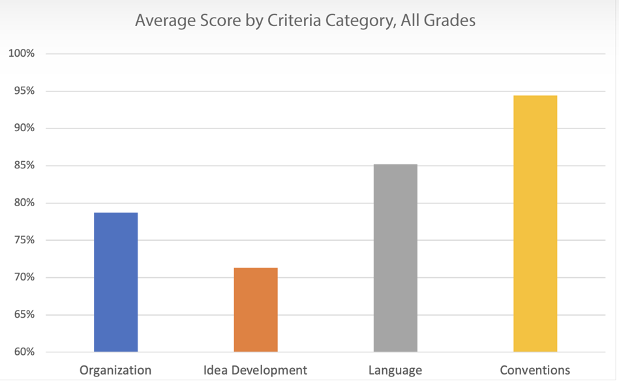
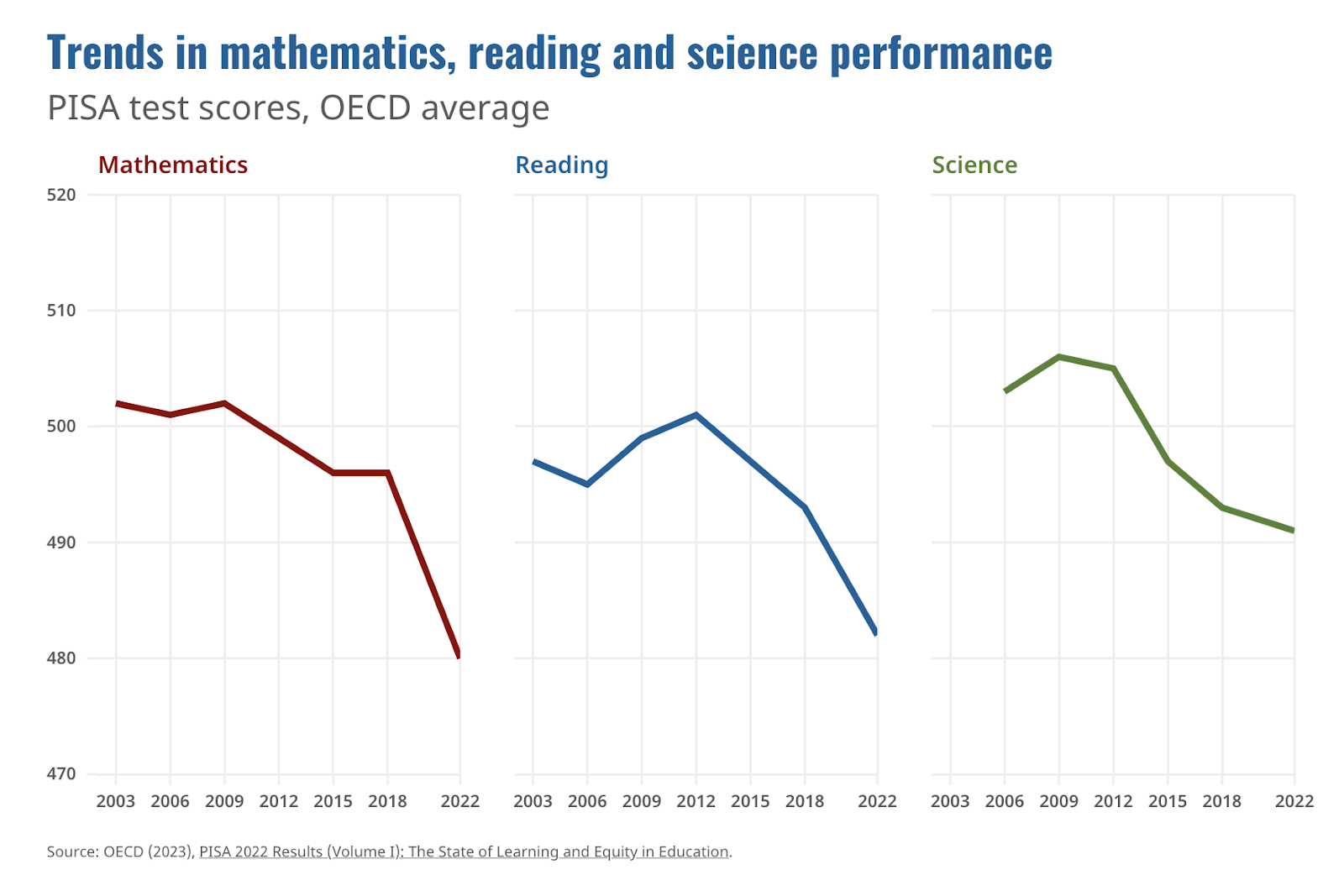
Can Waves of Funding Help Dutch Students “Catch-up”? An Interview with Melanie Ehren on the Educational Response to the COVID-19 Pandemic in the Netherlands (Part 2)

In the second part of this two-part interview, Melanie Ehren talks with Thomas Hatch about the five “waves of funding” designed to help the Dutch education system respond to the learning challenges created by the COVID-19 pandemic and related school closures. The first part of this interview focused on the initial school closures and the suspension of exams in the Netherlands. Ehren is Professor and Director of Research of LEARN! at Vrije Universiteit Amsterdam. This interview is one in a series exploring what can change in schools after the pandemic? Previous interviews and posts have looked at developments in Italy, PolandFinlandNew Zealand, South Africa, and Vietnam. Other blog posts from Melanie Ehren include A view from the Netherlands: Melanie Ehren on school closures and the pandemic; Lead the Change Interview with Melanie Ehren; A call to action in the Netherlands: Addressing rising inequality in a decentralized system.

Thomas Hatch (TH): You and your colleagues spent a considerable amount of time studying how the Dutch government has used a series of funding initiatives to help schools and students in the Netherlands recover from the pandemic. Can you give a sense of these “waves” of funding and how schools and school networks used them?

Melanie Ehren (ME): The Dutch government provided funding to help schools respond to COVID pandemic in five different “waves,” with the first wave in July, 2020, after the initial school closures. At first, consistent with the decentralized Dutch system, schools and local school boards could decide on the type of “catch-up” approach to pursue and which pupils were eligible for the additional support. However, after the first round of funding there was considerable negative press about the unfocused nature of the approaches and the fact that some of them had little, if anything, to do with instruction. For example, in one meeting, I heard some people complaining about a school that used the funds to take their students on a trip to an amusement park (like Disney-land), with the rationale that children had experienced such socio-emotional suffering that they needed a break and a chance to re-establish their relationships with peers and their teachers.

After the initial round, the requirements for the funding were tightened and schools had to use student achievement results to target students with “learning loss” and to choose from a ‘menu of effective interventions’ to help them catch-up.  This menu was modelled directly on a “Toolkit” developed in England to ensure that schools used “catch up” approaches that had some “evidence of effectiveness.” The first version of this was what the Dutch called a “menu card,” which was essentially the English toolkit translated into Dutch.

The “Toolkit” created by the Education Endowment Foundation used in England and the Dutch version based on the English model

I think this move was made because the government felt that schools were not very evidence informed in their thinking about what interventions and programs to implement in the first wave. In fact, when we interviewed schools that had applied for funding about why they picked a particular intervention – asking things like “why are you thinking that this program might lead to improved outcomes for this particular groups?” – many of them had a hard time answering. In some cases, the decisions appeared to be based on professional expertise and their previous experiences of what had worked or didn’t work well for their students. But some schools also told us they were choosing these programs out of convenience or building on partnerships with external agencies that were already in place. For example, they might say “this is a tutoring agency we’ve worked with before; we’ve had good results with them, so we thought that that might be a good way to use the funding” or “this is something that we know we can organize for our school.”

For this second wave of funding, we studied the applications of schools and found that the schools planned to focus mainly on three types of outcomes:

  1. School performance (primary education: language and arithmetic; secondary education: core subjects)
  2. Well-being/social-emotional development of pupils
  3. Learning skills

Despite these plans, we found that many schools actually ended up using the funding quite differently. For example, a school might have planned to spend the funds on after school tutoring; on providing additional remedial instruction at the start of the school day; or on having additional teachers in the classroom.  But then when it came time for implementation, another issue or need might have emerged or  they might have found they couldn’t secure additional teachers. Overall, schools were really struggling to organize these programs as planned because of the constant disruptions to in-person teaching and then there was a second lockdown so they were constantly changing and revising. I also had many conversations with school leaders who said “we did not apply for this funding, because we need more time to actually think about what makes sense for our kids.” We detailed some of this at the time in a blog post “Catch-up and support programmes in primary and secondary education.”

Over time, the government did add more background information and context to the menu to help schools to use the information to make choices. For example, the new version produced by the Ministry of Education, Culture & Science (which they referred to as an “Intervention card improving basic skills“) included links to guidance and support for choosing and using the guidance and urged the schools to consider the demands of their own context, stating: “it is important how your school implements a chosen intervention. For a concrete step-by-step plan, you place each approach in the context of your school: does this approach suit the education you provide, your students and the issues you face? The professionalism and autonomy of the teacher are paramount here.” All of this has led to much more emphasis on evidence-based and evidence-informed work in schools, and particularly how the government can support that. That’s another consequence of the pandemic in the Netherlands, I think: A belief that we need to build more capacity in schools for using research evidence to improve education.

TH: What’s happening now and what’s likely to happen in the future? 

ME: Building on the catch-up schemes, the national government has developed a broader funding scheme – the National Program for Education – that is continuing to help schools, particularly schools with a high level of deprivation, to improve reading, writing, and literacy. This program provides an additional investment of 8.5 billion for 2.5 years for the entire education system. This National Program offers funding to improve education in these basic areas, and schools are expected to use the same approach as under the catch-up funding: the schools have to identify children who need additional support and use the menu card to decide on what kind of interventions are effective. But the national program of education has a much wider infrastructure to improve basic skills, including support teams that are initiated by the Ministry of Education to work with schools, but all around this idea of evidence-informed interventions.

Get started with the NP Education” [translated] a graphic depicting how Dutch schools should select, implement and monitor “catch-up” programs.

Despite the huge amount of funding there have been a lot of critiques of the national government, given the short time span in which the money has to be spent, which doesn’t allow schools to implement more sustainable solutions to improve education and learning outcomes. The funding for example doesn’t allow schools to hire additional staff as these would have to be offered permanent employment which cannot be guaranteed with temporary funding.

Given that the most pressing problems in our education system are teacher shortages, high inequality and a decline in student outcomes in literacy and numeracy, there is an understanding that a long-term investment and program of reform is required to improve education. The short-term catch-up programs seem to have done relatively well in getting students back on track, but they have not been able to buck the wider trends in declining outcomes and increasing shortages of teachers.

In some ways, all of this a natural consequence of problems coming out of the school closures, but it’s reinforced by the fact that the Netherlands’ performance has been declining in international surveys like PISA at the same time that inequality has been increasing. That’s also something that the Dutch Inspector of Education has reported on in their annual reports. All of these reports have been alerting people to the facts that children are not reading at home and that reading scores are declining, and that’s having an effect on other outcomes. All of these things come together in the drive towards trying to improve basic skills.

TH: Can you talk a little about how the response in NL compares to those in other systems you’re familiar with, particularly the UK? 

ME: During the pandemic, the Netherlands had a decentralized approach to allow schools to choose a contextually appropriate response to school closures within a centralized funding framework. This is different from other countries such as the UK that saw a highly centralized roll-out of a tutoring programme. Now, however, we are seeing a much more centralized approach to improving education. Recently an ‘interdepartmental investigation into education (IBO Koersen op kwaliteit en kansengelijkheid) was published with a range of proposals for stronger governmental coordination/control over education to reduce inequality and enhance learning outcomes, including more centralized coordination of the curriculum, compulsory assessments, more inspection, enhancing evidence-informed work in schools (including through an application for funding to hire a school support team to work with a school). Given the Netherlands’ tradition of high autonomy and freedom of education, this is being described as ‘a committed and responsible government’, but it is essentially a move towards greater centralized control.

TH: Have you seen any particularly innovative or promising new practices or policies that have grown out of the COVID response? 

ME: Schools are much better equipped to move to online learning when needed. With the train strikes we had in some regions last year, schools closed again but they have been able to take advantage of the new infrastructure and teachers’ skills to teach online. In Higher Education there is some discussion of having a COVID-generation of students (who also talk about themselves in these words) who sometimes find it difficult to engage in on-campus education and feel they should have more support.

Teacher shortages are also increasing and this is partially attributed to the high levels of stress and workload during the pandemic and reduction of the status of teachers in society and the cost of living in relation to teachers’ salaries. Our most recent research also suggests that there may be an increase in the number of teachers working on private contracts (through recruitment agencies). The amount of temporary funding for catch-up programmes and the National Education Program may also lead to an increase in private agencies and what some are calling “edubusinesses,” but I have not yet seen the evidence on this.

Related Resources & Articles:

Subsidie en basisteams voor scholen om basisvaardigheden te verbeteren [English: Subsidies and basic teams for schools to improve basic skills], Rijksoverheid

Eerste inzichten over inhaalprogramma`s in het po en vo [English: Catch-up and support programmes in primary and secondary education], LEARN!

Informatie voor onderwijsprofessionals [English: Information for Professionals], LEARN!

Rapport De Staat van het Onderwijs 2021 [English: Report on The State of Education 2021], Inspectie van het Onderwijs

Rapport De Staat van het Onderwijs 2022 [English: Report on The State of Education 2022], Inspectie van het Onderwijs