Category Archives: Covid-19

Innovations in providing children with food and nutrition:  Scanning the headlines for new ways to support students’ health and wellbeing after the pandemic (Part 2)

In part 2 of this two-part post, Sierra Bickford scans recent news and research on education to list some of the innovative approaches schools and communities have developed to make sure all students got the food and nutrients they need during and after the school closures of the COVID-19 pandemic. Part 1 outlined the essential role access to food and nutrition plays in supporting healthy development for students both in the US and around the world.  These posts are part of IEN’s ongoing coverage of what is and is not changing in schools and education following the school closures of the pandemic. For more on the series, see “What can change in schools after the pandemic?”  For examples of micro-innovations in other areas, see IEN’s coverage of new pathways for access to college and careers and new  developments in tutoring: Building Student Relationships Post-Pandemic in School and Beyond; Still Worth It? Scanning the Post-COVID Challenges and Possibilities for Access to Colleges and Careers in the US (Part 1); New Pathways into Higher Education and the Working World? Scanning the Post-COVID Challenges and Possibilities for Access to Colleges and Careers in the US (Part 2)Tutoring takes off and Predictable challenges and possibilities for effective tutoring at scale.

The school closures of the COVID-19 pandemic disconnected children around the world to critical sources of food, including school meals. Fortunately, educators, community members and others have developed a host of new mechanisms, resources, and partnerships to make sure children get access to healthy and healthier meals. These “micro-innovations” include new ways to work with community partners, including farmers, nonprofits, chefs, and local vendors and local ingredients to improve nutrition, strengthen regional economies, and increase student engagement. Other developments include using centralized kitchens and new policies and regulations to increase production and lower barriers to access. A few notable efforts also show how several countries have reworked funding structures to sustainably scale school meal programs. All these initiatives are helping to reduce costs, elevate meal quality, and ensure every child can eat with dignity and ease.

How to Use Community Partners and Local Ingredients

  • Zambia: Schools across Zambia are receiving funding from the One Hectare Program to support student run gardens and greenhouses. These gardens help supply school meals and make the community less vulnerable to drought and famine; it functions not only as extra food but also an opportunity to learn. The gardens are taken care of by the students who learn valuable skills such as “drip irrigation, organic sack gardening, and environmental protection.”
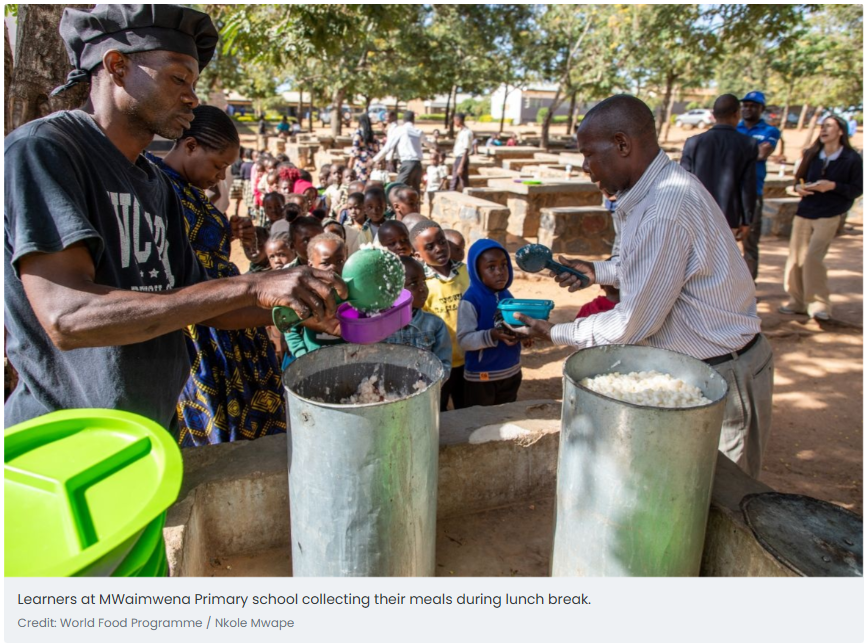
  • Kenya: In 2024, Kenya launched its national chapter of the school meals coalition and created a meals program that focuses on relying more on regional resources by employing local farmers growing region specific foods such as sorghum, cowpeas and potatoes. This not only increases the nutritional value of school meals but also supports local small business farmers. In collaboration with the Ministry of Health and the World Food Programme, the Ministry of Education is also developing a national menu guide in order to encourage the production of more sustainable and diverse meals.
  • France: Legislation has been passed to accelerate the transition to a more sustainable and healthier diet. Regulations put in place since 2021 include requirements for certain percentages of ingredients to be purchased from local and sustainable sources and specify some meal content for school lunch programs. For example, “out of 20 meals, children must be offered no more than four starters with a fat content of 15% or more; at least four fish-based meals (or a dish containing 70% fish or more), and at least 8 whole-fruit desserts.”
  • Hawai’i: The State Department of Education created a pilot meals program, the ’Aina Pono Farm to School initiative. Through the pilot program, students at schools such as Mililani High School in Oahu were able to sample various healthy, less processed dishes and give their personal feedback on menu choices. As a result, students ate far more of the meals on offer, reducing food overproduction at the school by 20%.
  • Tasmania: Schools in Tasmania are outsourcing at least one day of food preparation to local charity. Loaves and Fishes get produce from local vendors and cook the food either on or off site. These schools are selected through a competitive application process.
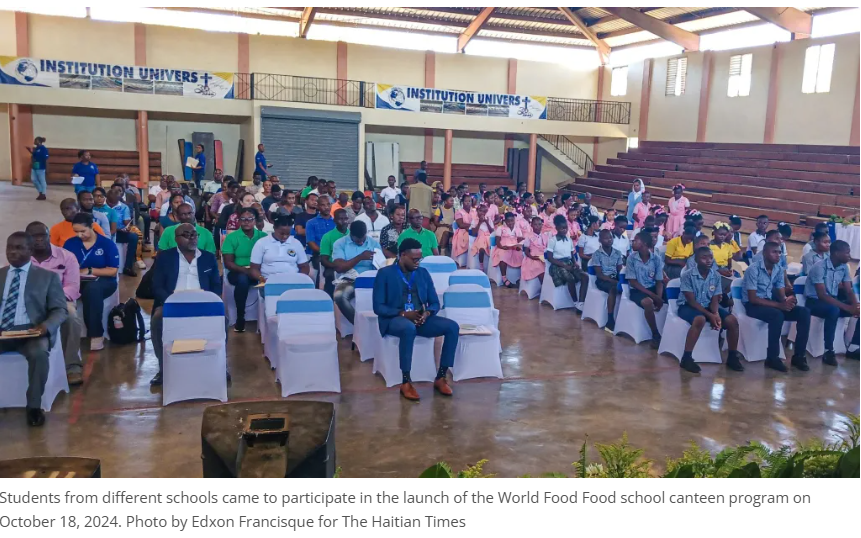
  •  Haiti: Local farmers in Haiti’s Northeast strengthen nutrition and economy by supplying food to school canteens. The World Food Program purchases up to 9,990 tons of local produce to support struggling farmers and supply school meals to approximately 15,000 students across 200 schools with local nutritious food.
  • New York City: The “Chefs in the Schools” initiative brings in local professional chefs to create nutritious cost effective menus for schools. The chefs also provide training for staff.
  • Canada: Canada’s first national school food program, funded by 1 Billion dollars in federal funds, is rolling out amid rising need, with provinces and local providers striving to expand hot meal offerings despite funding gaps, aging infrastructure and growing demand from families struggling with food costs.

Using Centralized Kitchens:

  • France: Centralized kitchens in France prepare 6,000 to 10,000 servings a day of high-quality food following strict food safety protocols. This cuts down on cost and increases quality.
  • Hawai’i: The Hawaiʻi’s Farm to School Action Plan connects schools with local farms to provide fresh, nutritious meals, support farmers, and promote sustainable food systems through a regional kitchen model and community collaboration. 
  • Sweden: A pilot program transforming school canteens with student-designed spaces, surplus-produce energy bars, and sustainability initiatives has boosted engagement and healthy eating while highlighting the need for long-term investment and multi-agency collaboration to sustain its success. 

Lowering barriers to food 

  • Africa: Food4Education (F4E) is transforming school feeding in Africa through a sustainable, locally sourced model that provides nutritious, affordable meals while supporting local farmers and communities. By 2030, they aim to feed 1 million Kenyan children daily and help other African governments feed 2 million more, creating a scalable blueprint to end classroom hunger across the continent.
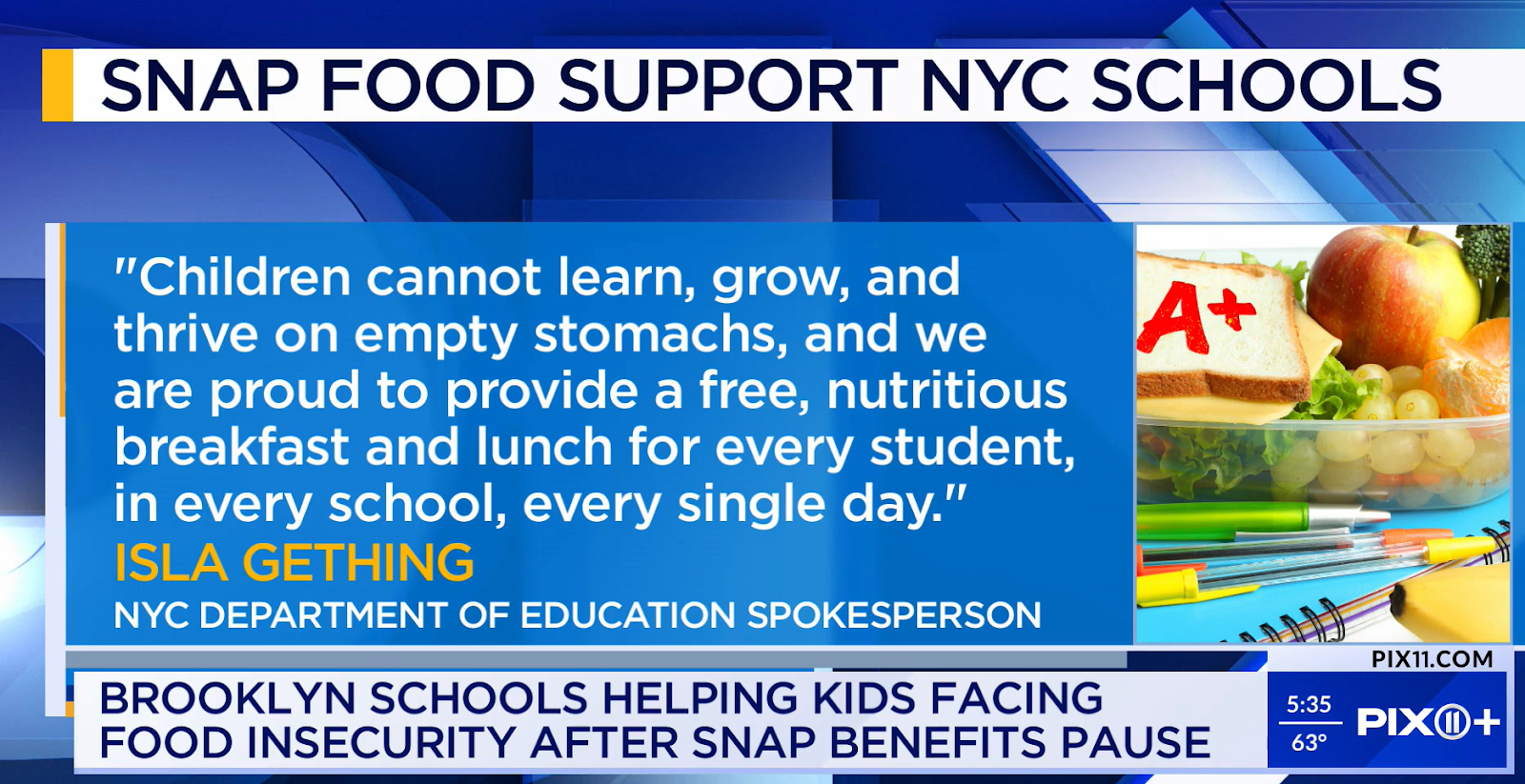
  • New York City: In response to rising concerns about federal budget cuts to SNAP, the Supplemental Nutrition Assistance Program, a school in Brooklyn has partnered closely with the community organization El Puente and other stakeholders to support their students.
  • Colorado: All Colorado public school students will continue to have access to free school meals after voters approved two state referendums on November 5th, 2025, one of which — Proposition MM — will raise state income taxes for those earning an annual income of $300,000 or more.
  • United States: A streamlined certification structure has been implemented for a summer food assistance program launched last year. In the first year, some families missed out on Summer food benefits because of confusing enrollment, limited outreach, and short deadlines, despite the program proving highly effective for those who received it. To address the problem, more families will be enrolled automatically, if they are on certain public benefit programs, including free and reduced price school lunch.
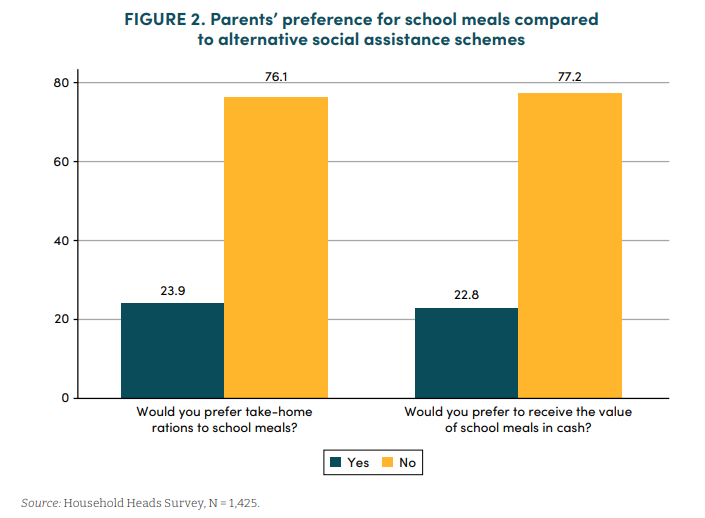
  • Ghana: The Ghana School Feeding Programme has found most Ghanaian caregivers prefer on-site school meals over cash or take-home rations, with their choices shaped by program satisfaction, time constraints, and local food prices, suggesting school feeding programs could be more effective by tailoring modalities to regional and household needs.
  • United States: Starting in the 2027–28 school year, the USDA will ban online processing “junk fees” for students eligible for free or reduced-price school meals, aiming to expand the policy in the future to ensure all children can access healthy school meals without extra charges.
  • California: Schools are offering food trucks to boost lunch participation. Called the Cruisin’ Cafe, the food truck gets more seventh- and eighth-grade students to eat lunch during school. Students won’t have to pay anything for their meals or walk across campus to get lunch at the cafeteria.
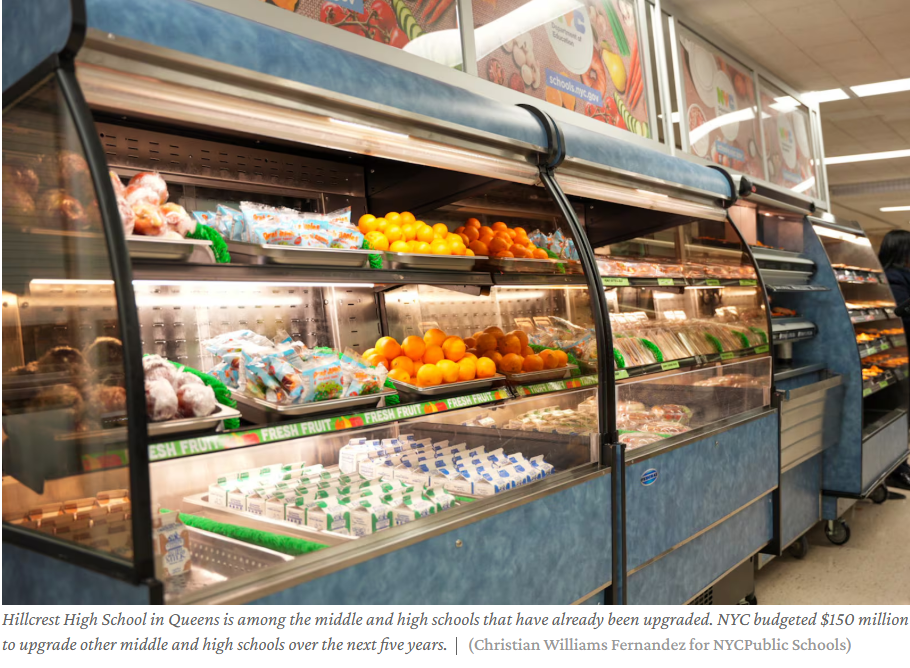
  • New York City: New York City is investing $150 million to expand modern, café-style cafeteria upgrades to more schools after seeing that redesigned dining spaces boosted student participation in school meals and helped reduce stigma amid rising child food insecurity.
  • United States: Districts are using the federal Community Eligibility Provision to offer free school meals by strategically clustering schools to maximize reimbursement, clearly communicating and reassessing eligibility data each year, and boosting revenue through expanded breakfast programs like breakfast-in-the-classroom or breakfast-after-the-bell. 

Changing Financing Systems

  • Bolivia: Since 2000, the government in Bolivia has supported what has come to be called the Complementary School Meals Program. By 2019, with investments of more than 100 million US dollars, the program provides school meals to more than 2.2 million students –  almost 80% of all school-age children and youth. To fund the program, the government has turned to taxing natural resources, specifically hydro carbons, program. 
  • Mozambique: In Mozambique, $40 million in debt service payments were channeled to school meals by using debt swaps and broader debt relief strategies to redirect repayments toward national education and nutrition priorities. 
Access to food and school meals in the US and around the world: Scanning the headlines for new ways to support students’ health and development after the pandemic (Part 1)

One of the many repercussions from the COVID-19 pandemic was a world-wide hit to students’ health and wellbeing. In particular, proper nutrition and food insecurity was greatly affected by the pandemic and the lockdowns as many students around the world could not get food and food related support at their schools. In Part 1 of this two part series, Sierra Bickford takes stock of the impact school nutrition programs have globally and highlights the effects of these high-impact interventions. Part 2 will scan recent news and research to find  some of the many micro-innovations – new developments in practices, structures, and resources in different contexts – that have been implemented to combat this rise in student food insecurity. These posts are part of IEN’s ongoing coverage of what is and is not changing in schools and education following the pandemic school closures. For more on the series, see “What can change in schools after the pandemic?”  For related examples of micro-innovations in other areas, see IEN’s coverage micro-innovations to strengthen student relationships, to increase access to college and careers and to improve tutoring: Building Student Relationships Post-Pandemic in School and Beyond; Still Worth It? (Part 1); New Pathways into Higher Education and the Working World? (Part 2)Tutoring takes off and Predictable challenges and possibilities for effective tutoring at scale.

Food insecurity, particularly among children, was one of the critical problems exacerbated by the COVID-19 pandemic and the related societal shutdowns. Estimates suggest that, during the pandemic, the number of people experiencing food insecurity doubled from about 135 million to more than 270 million. In India alone, household food insecurity skyrocketed from 21% in December 2019 to 80% in August 2020, at the same time that diet quality decreased. By the end of 2021, the UN warned that over 43 million people in 38 countries, including Ethiopia, Somalia, South Sudan, Afghanistan, and Yemen, were at risk of experiencing famine or famine-like conditions.

Even in wealthier countries household food insecurity increased substantially. In the United States, that meant a rise in households experiencing food insecurity from 11% in 2018 to 38% in March 2020.  In a report from 2020, the US Census’s Household Pulse Survey estimated the rates of food insecurity had doubled overall, and tripled among households with children. In the wake of the pandemic, school systems, despite vastly different conditions and challenges in different contexts, are working to reestablish nutrition programs and create new strategies to get children access to nutritious balanced meals.

The impact of school based nutrition worldwide

Across the world, school meals have been shown to be a worthwhile intervention with high positive impact on health and learning outcomes. In high income countries, such as those in the United Kingdom, access to nutritious school meals are associated with lower obesity rates. In Sweden, school meals with regulated nutrition requirements have been shown to increase educational attainment, health outcomes, and income across lifetime. One study found that low income families with children in Sweden who received free school meals increased their lifetime income by 6%. The effects that these interventions have on European health care costs estimate “that the return from investment in school meal programs is at least sevenfold, up to a possible €34 for every €1 spent.”   

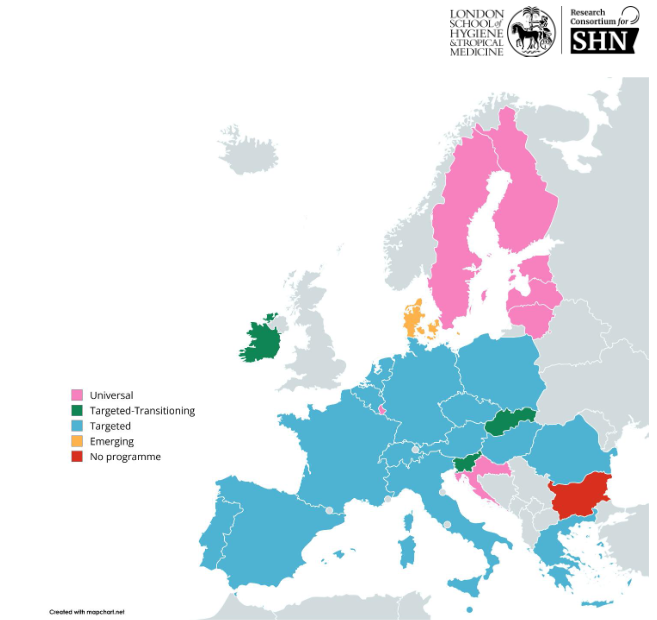
Graphic depicting which European Countries have an official, nationwide program for school meal provisioning

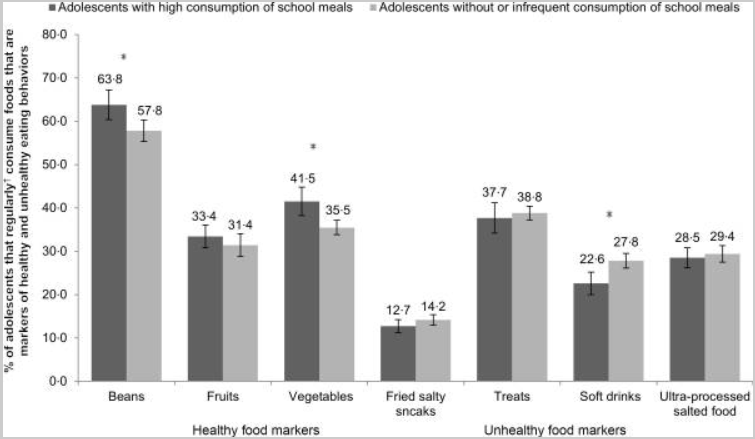
Data from low and middle income countries also support the implementation of free school meals,  particularly for increasing attendance and retention. In Burkina Faso female students who were given take-home food attended school at least 90% of the time. Similarly in Bangladesh, the introduction of free fortified biscuits “increased enrollment by 14% and reduced school dropout by 7%.” Nutrition programs in low and middle income countries have been shown to positively affect learning outcomes as well. In India, access to free school meals is associated with higher cognitive outcomes and an 18% increase in literacy test scores. As in the United Kingdom, in Brazil students who were being supplied meals at school were more likely to reduce their intake of unhealthy foods and increase the presence of nutritious food in their diet, which leads to better health outcomes.

Figure shows the regular consumption of healthy and unhealthy food markers according to consumption of school meals; from School meals consumption is associated with a better diet quality of Brazilian adolescents: results from the PeNSE 2015 survey

The impact of school based nutrition in the United States

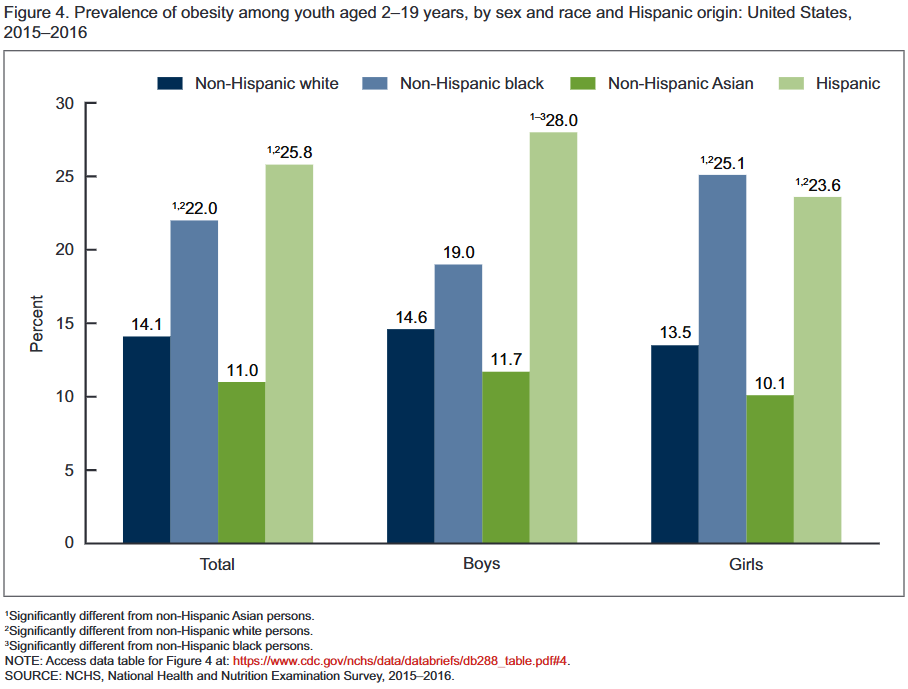
In the US, the National School Lunch Program has long been the primary vehicle for supporting students’ nutritional needs. Around 95% of US elementary, middle, and high schools take part in the program and about 75% of the meals provided through it go to children from low-income families who qualify for free or reduced-price lunches. Students who consistently consumed these meals were more often from low-income households and more likely to be non-Hispanic Black or Hispanic compared to those who didn’t participate. As a consequence, the program is one key means of addressing  nutritional and health inequalities in the US, where non-Hispanic black and Hispanic children are more likely to be overweight or obese and have lower quality diets than white children. 

School meals matter: federal policy can improve children’s nutrition and health (Jia et al. 2020) – PMC↗

In fact, US students who eat school meals daily ate less saturated fat and sugar than students not eating school meals and had less prevalence of obesity.  In addition, in the US, school meals help to reduce food insecurity, and, in some cases, provide up to half of a child’s daily energy intake. Studies from the US show that left unaddressed, food insecurity and a lack of nutritious food can interfere with students academic and cognitive development and can have a negative impact on their social development and behavior in school.  

Despite this evidence, the budget bill promoted by the US administration and passed by Congress this past summer reduces funding for federal health and food programs. Estimates from the School Nutrition Association suggest that the bill could create a ripple effect of food insecurity for American children. This ripple effect will include fewer children automatically being eligible for SNAP and school lunch programs as well as fewer schools being able to enroll in Community Eligibility Provision. Nonetheless, even as these cuts are being made, schools and communities across the US and around the world are continuing to develop new ways of reaching more and more children and families and increasing access to higher quality and healthier food.

Next Week:  Innovations in providing children with food and nutrition:  Scanning the headlines for new ways to support students’ health and wellbeing after the pandemic (Part 2)

New Frontiers for Educational Improvements in India? Critical educational issues in India post-pandemic (Part 2)

What are the critical education issues facing India following the school closures of the pandemic? What are some of the practices and initiatives that could serve as building blocks for improving one of the largest educational systems in the world? Haakon Huynh explores these questions in the second part of a two-part series on K-12 education improvement efforts in India. The first part looked at some of the long-standing barriers hindering the development of India’s educational system. For previous posts related to education in India see: From a “wide portfolio” to systemic support for foundational learning: The evolution of the Central Square Foundation’s work on education in India (Part 1 and Part 2); and Sameer Sampat on the context of leadership & the evolution of the India School Leadership Institute.

Beyond the largely school-based, academic concerns of foundational learning and increasing access to colleges and careers, four other interwoven issues – including chronic absence, mental health, nutrition and sustainability – have been receiving increasing attention in the aftermath of COVID-19 related pandemic in India. The discussion of these issues illustrate both the critical challenges as well as the kinds of initiatives and innovations that are already being pursued that can give hope for the future in India and beyond. 

Chronic absenteeism: When enrollment isn’t enough

For some time, the Indian government has focused on increasing enrollment, but in recent years, chronic absenteeism may have taken over as a critical issue. In fact, the Annual Status of Education Report (ASER) 2024 shows that enrollment now exceeds 98% among 6–14-year-olds. Encouragingly, early childhood enrollment has also risen significantly, and digital access among adolescents has become nearly universal. At the same time, data from ASER 2021 showed that over 20% of rural primary school children were not attending school at all even after reopening, and school-level data reported that 21% of schools had fewer than half their students attending regularly, though the extent of absences varied extensively by region. In some states, absence rates were slightly more than 10%, but in places like Bihar, West Bengal and Madhya Pradesh they ranged from 40% to 50%. In rural Telangana 75% of students missed 10 % or more of all school days and more than 50% missed 15% or more.

As in the United States and other countries, poor attendance and chronic absenteeism in India are connected to negative learning outcomes and increased chances of dropping out, particularly for already disadvantaged populations (National Collaborative on Education and Health, 2015; Uppal et al., 2010). Although research in India has been limited, common factors contributing to absences include disinterest in school, illness, weather, transportation, work demands, family obligations, (Malik, 2013) poor peer relations and being overage  (Shah, 2021). Girls also have a  lower attendance rate than boys, reflecting cultural and gender-related issues such as menstruation, child marriage, household responsibilities, and societal expectations (Raj et al., 2019). Although programs like mid-day meal offerings can increase attendance for part of the day, students may still leave after lunch, so that even students who are counted in a morning roll-call may still miss a substantial part of the school day. Complicating matters, most schools in India still rely on a manual system for tracking attendance which makes it difficult to collect, review, and act on the data in a timely way at the school level, and a lack of digitization means it’s difficult to aggregate and analyze the data across schools. All of which means reporting of attendance is subject to fraud and manipulation.

Responding to some of these specific issues, one pilot effort in ten schools – the Chronic Absenteeism Assessment Project (CAAP) – in the state of Telangana developed a way to measure student attendance using a fingerprint scanner connected to a tablet which allowed data to be analyzed relatively quickly. Beyond the technology, this approach included the development of “Education Extension Workers” (EEWs) who could follow-up with absent students and their families, investigate the reasons for absences, and respond appropriately. 

Mental health: Entering the mainstream?

Although attendance and chronic absence began receiving attention before the pandemic, mental health has been a neglected and often taboo topic. None of India’s 22 languages have words for “mental health,” “depression,” or many other mental illnesses, yet a national survey in 2016 documented 50 derogatory terms used for people suffering mental illnesses. At the same time, even before the pandemic, India had one of the highest suicide rates in Asia. Furthermore, according to the same national survey, over 80% of those who did report mental health problem could not access adequate treatment – not surprising given that India only had three psychiatrists for every million people and even fewer psychologists (in contrast, the US has almost 400 psychiatrists and psychologists for every million people). 

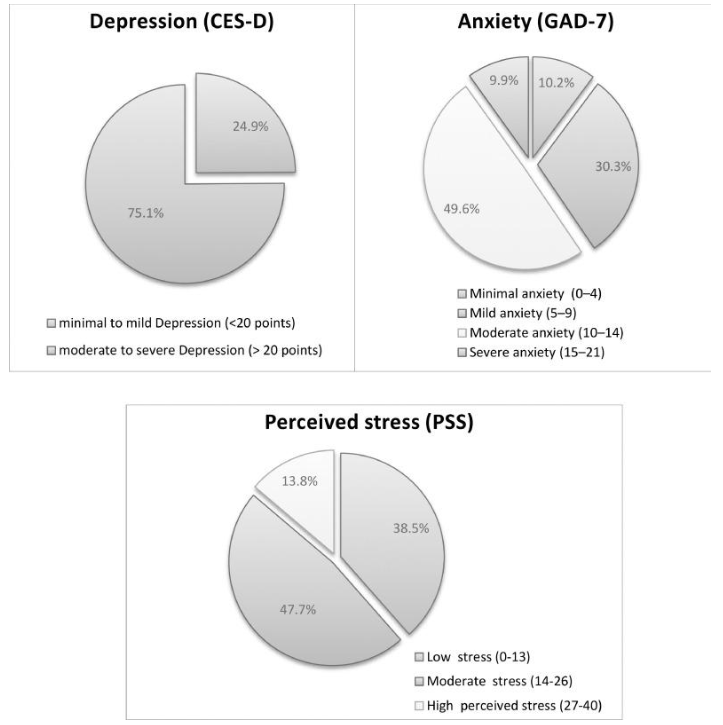
The pandemic and associated lockdowns only made the situation worse. Even by the middle of 2020, surveys were suggesting that as many as 40% of participants reported suffering mental health problems and more than 65% of mental health professionals surveyed reported in increase in self-harm behaviors among their patients. By 2021, the mental health of Indian university students had worsened significantly, with over 75% experiencing moderate to severe depression and nearly 60% experiencing moderate to severe anxiety. School counselors have also noted rising mental health concerns, with one study reporting that counselors are dealing with challenges ranging from heightened anxiety and social isolation to increased aggression and cyberbullying.

 These increases, however, also may reflect a growing willingness to recognize, report and seek treatment for mental health issues. Furthermore, as early as 2020, the Indian government launched the Manodarpan initiative to provide psychosocial support for students, families, and educators. Among other things, the initiative provides counseling resources, a national helpline, and school-based mental health programs.   

Source: The Manodarpan Website

Attention to socio-emotional learning is also growing in some schools in India as approaches like “feelings check-ins” are supported by programs like the Simple Education Foundation and Apni Shala. This practice invites students to begin the school day by identifying and sharing how they feel, often using a simple visual chart or prompt. Other initiatives include POD Adventures, a smartphone-based mental health intervention co-developed with Indian adolescents. Among other components, the app prompts youth to identify their feelings, name the source of their stress, and plan responses. 

A group of children looking at a book

AI-generated content may be incorrect.
Source: HundrED

Nutrition: India’s triple burden

Nutrition is another concern receiving more attention post pandemic. India faces a so-called “triple burden” of undernutrition, micronutrient deficiency, and obesity. About 6% of children are overweight or obese and over 65% are anemic

Although some progress had been made on these health issues, the pandemic set that work back.  Disruptions to India’s food systems included interruptions of food programs, reduced access to healthy foods, and increased costs. Illustrating the challenges, the COVID-19 lockdown in the state of Karnataka led to the suspension of the Mid-Day Meal (MDM), iron–folic acid (IFA) supplements, and deworming programs. In turns, those disruptions likely contributed to increases in the rates of children who were underweight from about 30% in 2017 to 45% in 2021 while anemia rates nearly doubled from 21% to 40% during the pandemic. 

These disruptions, however, along with government and civil society awareness campaigns may also have brought greater attention to these issues in recent years. Even before the pandemic, the Ministry of Education sought to support children’s nutrition and healthy eating by implementing School Nutrition (Kitchen) Gardens. That national program, launched in 2019, recommends that every class spend one to two hours per week in the school’s garden and encourage the integration of garden activities into the school curriculum. The produce from these gardens is intended to supplement school meals, supporting both nutrition and experiential learning. 

Although India has issued national guidelines mandating school nutrition gardens in all schools, progress has been uneven. Some states have taken it further by encouraging families to develop their own gardens. The Nutrition Garden program, implemented in rural areas of the states of Tamil Nadu and Odisha, trained families to cultivate diverse vegetables and offered structured nutrition education. In a similar program in rural schools in in the state of Andhra Pradesh, a 2025 study found that after receiving gardening kits and nutrition education through their government schools, students established kitchen gardens at home and increased their vegetable consumption by 90%. 

Sustainability: Preparing for a warmer planet

Climate change has also emerged as both a critical challenge but also a potential driver of innovation in education in India. In 2019, India was ranked number seven among a list of the countries affected by the changing environment, but 65% of the Indian population had not heard of climate change. As one step in raising awareness about the issue, India’s 2020 National Education Policy (NEP), emphasized the need for environmental education in schools and suggested a shift from content-based learning to skill-based learning in climate education. At the same time, some Indian universities have emerged as global leaders in sustainability with India being the best-represented nation in the 2024 Times Higher Education Impact Rankings assessing universities’ contributions to each of the 17 United Nations sustainable development goals (SDGs). Institutions such as Saveetha Institute, Shoolini University, and JSS Academy are ranked among the world’s top performers, contributing to clean energy (SDG7), health (SDG3), and sanitation (SDG6). 

Although the costs can be prohibitive, architects in India have also been exploring sustainable schools designed explicitly to respond to and take advantage of the environmental conditions in their local contexts. One of those schools serves a desert township in Ras that houses families of those working in a cement plant. To minimize the impact of the harsh sun and make the structure as energy-efficient as possible, the architects created a fragmented layout of sheltered and semi-enclosed spaces to maximize shade and ventilation. A Central Board of Secondary Education school run by the Rane Foundation in a rural village of Tamil Nadu relied on local and recycled materials to create a design that eliminates the need for air-conditioning. Another private, international school in Bengaluru sought to take advantage of its setting near a national park to cultivate respect and curiosity in the natural environment. To do so, the design creates both inside and outside learning spaces and allows students to get perspectives on the trees and plantings from multiple perspectives. 

A collage of different buildings

AI-generated content may be incorrect.
Sustainable schools (top left to bottom right) designed for a desert climate in Ras, Rajasthan; for rural Tamil Nadu, and for a natural setting in Bengalaru

The green economy’s rapid expansion and the promise of high-paying jobs in fields like renewable energy and environmental policy have also contributed to a surge in the numbers of students interested in sustainability education.  Supporting those interests, several initiatives seek to engage students in learning about and promoting sustainable practices. For example, the Green School Initiative involves over 35,000 students, more than a 1000 teachers across 110 schools in supporting student-led efforts to promote sustainability in their local communities. In addition to providing environmentally-based curricula, the Initiative sponsors action projects and capacity-building activities related to the UN’s Sustainable Development Goals, particularly in areas of Energy, Water, Forests & Biodiversity, and Waste. 

The Green Schools Programme and other efforts support student engagement in issues of sustainability by giving them the opportunity to both study and grade their schools on their environmental performance. For example, Birla Vidya Niketan a school of 4,000 students in New Delhi has become known for its attention to sustainability and its student-led electricity audits. By appointing student monitors to ensure fans and lights are switched off when classrooms are empty, the school promotes peer-led accountability in daily energy use. The chosen students complete simple forms to track behavior and encourage energy-saving habits among classmates. To assess impact, the school analyzes changes in its electricity bills. Principal Minakshi Kushwaha emphasized the role of peer education, noting that students are more receptive to feedback from fellow students than from teachers alone. Another public school in Delhi, RK Puram, involves students in energy audits and also involves them in projects related to renewable energy and waste management that build on the school’s commitment to developing sustainable facilities. Demonstrating the international power of these efforts, student audits and related projects can also be found in the  PowerSave Schools Program in Southern California in the Let’s Go Zero campaign in the UK

Common denominators and synergies?

The challenges of mental health, chronic absence, nutrition, and sustainability are deeply rooted and disproportionately impact the most marginalized; but these are not isolated challenges. The challenges interconnect and build on each other creating a set of barriers that can undermine learning and development. Although the complexity and scale of the education system in India compounds the challenges, coordinated efforts to address these critical challenges could also provide cascading benefits in the largest education system in the world. 

Pushing the boundaries of the conventional school: Indrek Lillemägi talks about the development of a new upper secondary school in Tallinn, Estonia 

What’s involved in launching a new school? This week, Indrek Lillemägi looks back on his experiences working on the development of a new upper secondary school, Tallinna Pelgulinna Riigigümnaasium, that opened in Tallinn, Estonia in the fall of 2023. Previously Lillemägi was the founding principal of a private school in Tallinn, the Emili Kool (named for Jean Jacques Rouseau’s book Emile, or On Education) that opened in 2016. In the first part of this two part interview, Lillemägi discusses some of the key steps in the development of the upper secondary school and some of the lessons he learned from his earlier experiences in establishing the Emili Kool. In the second part of the interview, Lillemägi describes what it was like to lead the Emili Kool through the first part of the COVID pandemic in Estonia. 

This interview is one in a series exploring what has and has not changed in education since COVID. Previous interviews and posts have looked at developments in ItalyPolandFinlandNew Zealand, the Netherlands, South Africa, and Vietnam. This interview with Lillemägi was conducted by Thomas Hatch in May of 2023, a few months before the Pelgulinna Riigigümnaasium opened. The interview has been edited for length and clarity. 

Thomas Hatch (TH): Can you give us a sense of what it’s been like to develop a new upper secondary school in Estonia? What were some key milestones or challenges leading up to your opening in September of 2023? 

Indrek Lillemägi (IL):  We started with a little over 400 students in the 10th grade in the fall of 2023. We will add an 11th grade this year, and a 12th grade next year, and we will end up with a school with about 400 students in each grade at the upper secondary level. So it will be a big school, with more than a thousand students.

But this new school is part of a longer story because it’s one of a series of new State-run gymnasiums or upper secondary schools that the Ministry of Education has created in some municipal centers over the past 10 years as populations decreased. But Tallinn is another story because their population is increasing, without enough places in upper secondary schools, so three new gymnasiums were approved. The Ministry of Education then hired me along with two other new headmasters to create the schools together, so I’m not working alone. We worked in the same room every day, and we did a lot of things together. We’ve hired people together. We’ve developed communications together. We’ve done a lot of bureaucracy together. We’ve shared a lot, but we also had our own communities to serve.  Of course, we are also different as principals and as humans, and we have different things we believe in, so the schools are pretty different. But in the process, we were together.

A collage of different images of a building

Description automatically generated
The construction of the school was completed in August 2023. It is the largest wooden building in Estonia.

TH: These state-run gymnasiums will function along with the upper secondary schools run by the municipalities? 

IL:  Yes, exactly. We are the extra ones, and none of the municipal schools will close because of us. But, after 5-6 years when student numbers decrease again, the municipality may have to make some tough decisions, and they may have to close some schools.

For the new schools, the Ministry gave us full autonomy. They just said “this is the budget; this will be the new school building of yours; and these are the regulations.” We were given full leadership autonomy to build our schools. It’s enormous trust that they had in us. I don’t think that’s possible in any other country.  We also had the full support from the Ministry of Education. We had all the lawyers, all the experts, helping us. 

When I first started writing down the strategy for building a new school, I tried to understand what’s going on? What’s going in education in Tallin? Of course I had some knowledge, but I had time to really talk to people, different school heads, different teachers, and parents and also with the local community where my school would be located. I tried to understand what’s missing because I really believe that strong educational systems are heterogeneous. Students and parents should be able to choose their school according to their values or principles. So I  didn’t want to copy the “best school.” 

TH: Were the regulations specific to the new schools or are you referring to the general regulations?

IL: Just the general regulations. But I have to say, we were even pushed to try out the borders of the regulations or touch the “grey zone.” I think the Minister of Education sees us as being able to try out more new things, and then our experience can either be transferred to other places or they can be taken as a lesson. 

TH: How did they push you or encourage you to take those risks? 

IL: It wasn’t anything official, but it was through our weekly meetings with some of the those involved with the management of state schools. The schools include the new state gymnasiums but most of the schools that are managed directly by the state are schools for students with special needs or vocational schools.  

TH: So from there, what was your journey?

IL: From there, I tried to combine three things. One was what I was hearing from the local community in Northern Tallinn where the school would be. They tend to be very socially active, and the local citizens want to be involved. Second, a lot of students told me about the challenges in their lives that do not have any part in their education. Mostly, the students talked about stresses related to climate issues and their mental health. They said, “these are big things in my life, but I don’t deal with these things at school.” These stories from the students really influenced me.  

Then of course there were my own passions and things that I am interested in. When I started writing down what kind of school I would like to have, I wrote down that the focus of the new school would be about dealing with the problems that do not have easy solutions – questions of climate and the environment and questions of democracy and how to build strong democratic institutions. I set these as the focus points of the school. Of course, I didn’t write down any specific details about the curriculum; I just wrote down the principles for myself. Now, the values of our school are based partly on these principles. 

Then when I was hiring the head teacher, I showed the candidates the paper with the principles, and I asked them: “Would you like to work for that?” A lot of people applied for this position, and I hired someone who had been working last nine years in Netherlands in an International School. After she moved back to Estonia, we started working together and talking together about the curriculum about the learning methods, and about the other focus points of our school. Eventually, we hired a team of eleven people who worked on building everything from the curriculum to the bureaucracy. We then started hiring the rest of the staff when we started dealing with student applications and everything else. 

TH: What are the focus points of the other schools?

IL:  Ours is democracy and environment, solving complex problems. One school that’s located near the Technical University in Tallinn focuses on technology and science, and the third school third focuses on self-expression.

We also met with the heads of the other two new schools to talk about what could bring these three new schools together. We decided that, for all of them, the curriculum would allow students to create their own individual learning paths. We wanted our students to be able to put together their own curriculum and to have much more choice compared to the average school. Because of that, we created a network of courses that could be shared between these three schools. Now, the students of one school can take courses at the other two schools as well. These are elective or “selective” courses. Some are online, but many are in-person. Most of the selective courses are on Thursdays when students can move between schools, and when students can choose which courses to take or what internships or other activities to participate in. That means we have to coordinate our schedules with local universities, vocational schools, and NGOs as well. But now, on Thursdays, our students can move around the city between morning course time and afternoon time. If a student goes to the university, they stay there half the day.  The other days are more conventional with 70-minute lessons. Less conventional is an 80-minute midday break when students again have more responsibility for deciding how to use their time. In addition to lunch, they can use the time to rest, to do group or individual work, or go the gym or on walks. 

TH: Are there other unusual aspects to your school day?

IL: The first two weeks don’t follow the regular schedule. Students go through an onboarding program where we take them through a narrative arc that goes from the Big Bang to civilization’s end. They build relationships and learn about the school’s approach and theory of knowledge – how different fields do research and gain knowledge. It’s a completely different two-week program than most students have had before.  The other two schools have a similar onboarding approach, though it’s slightly shorter. Teachers from all three schools worked together to develop the approach. 

We also have mentoring groups in which a teacher meets with a group of about 18 students which is smaller than the average class size. The mentoring groups have weekly lessons to reflect on social-emotional and group challenges. The mentors are the regular subject teachers, but we also provide them with special training.  These kinds of mentor groups are becoming more common in the state gymnasiums.

TH: What were some of the key lessons from your work founding the Emili School that you brought to your work with this school? 

IL: This may sound like a cliches, but of course, the relationships are the most important. Everything in education starts from building relationships, first with one student. Then building a strong community and strong relationships with the local parents, grandparents, local NGO’s, local businesses, and so on. I knew these things, but I didn’t have the experience of how to involve all these people, how to make them understand everyday life in a school and the challenges in a new school.

TH: What were some of the things you learned to do to help build those relationships?

IL:  One of the key lessons was that I started being more and more honest. In the beginning, I felt responsible for “selling” the school – I talked a lot about the vision and ideas. But, later, I also started talking honestly about the challenges, the  difficulties, even the problems we faced. I began to understand that being honest built much stronger relationships, so people who joined our community were not disappointed later on – they had the transparent view before joining.

TH: What were one or two of the biggest challenges you faced when you were starting that school? 

IL: Probably that private education in Estonia is uncommon – less than 5% of students go to private schools. So parents think “private school” means a paradise school with no problems. The challenge was that in the beginning we were a normal school with the same challenges and growing pains all new organizations have. As I started telling a more honest story, with open school days where parents and community members could visit, I think they began to see and appreciate the hard work and emotions teachers go through, and they developed a better appreciation for the work the school was doing.  

TH: Was there a particular issue parents were surprised about, or was it just in general they expected perfection?

IL:  Probably the emotions throughout the school day was something they talked a lot about, especially in primary school. There’s someone crying; someone’s sad; someone’s telling a story about their weekend – it’s full of emotions.  And they saw the teachers trying to be really empathetic, trying to support all the students – the sad ones, the crying ones – and I think that was surprising to them. And I think parents often expect teachers to have free time during breaks. But especially in a starting school with new methods, we were doing a lot of preparation and a lot of reflecting and learning together. Parents expected teachers to have more free time than they actually did.

TH: Can you share a bit about how you planned to assess student outcomes and your progress in developing the school? 

IL: That’s a big topic!  We’re bringing many innovations together like much more collaborative teaching. As an example, in the 10th grade we have two “pillars” – one for natural sciences and one for cultural studies. In the natural sciences, the biology teacher, geography teacher, physics teacher, chemistry teacher, they all work together. We have also changed the national curriculum by changing the order of the learning outcomes so it’s more much more integrated than usual. Teachers often just follow the textbooks but the textbooks in different fields don’t go together very well. Some of the topics are really similar in geography, in physics and chemistry, but they are learned in different times in the different fields so students have trouble putting the big picture together. Our science teachers worked together for almost a year before the school opened, and they’ve done a lot of work reordering the national curriculum learning outcomes. That means they have to design assessments that align to those more interdisciplinary learning outcomes. It all starts from the dialogue and from feedback based on these learning outcomes. 

Besides descriptive feedback, we use percentages from 0-100 rather than letter grades. But what’s different is that the students get one percentage for all the sciences, not a separate percentage for each subject.  All of this influences the learning process because the teachers have to work together to create the final assessment or final project; they assess it together; and they plan together.  

But at the end of 12th grade, the regulations still require us to give the students marks in each of the subjects. We do use pre-tests in the subjects, some of these are provided by the State, but the pre-tests and final subject tests are just for reflection for the students and teachers, they don’t influence their school marks in each pillar. 

TH: How did other schools in Tallinn react to your planning to develop these new State gymnasiums?

IL: There been different emotions.  We heard that some Directors or Head Teachers told their teams some horror stories about us, but some of them were really supportive. Some of the Directors have asked us to come to their schools to explain everything about the school to the students, so really different approaches. 

Next Week: Leading a school in a context of uncertainty: Indrek Lillemägi discusses the COVID-19 school closures in Tallinn, Estonia

2023 in Review: Scanning the End-Of-The-Year Education Headlines

To look back on some of the key education issues and stories from 2023, Thomas Hatch shares IEN’s annual roundup of the end-of-the-year headlines from many of the sources on education news and research that we follow. For comparison, take a look at IEN’s scans of the headlines looking back in 202120202019 part 1, and 2019 part 2. The next post will look to 2024 by pulling together some of the education predictions for the coming year.

Reviews of education stories in 2023 highlighted:

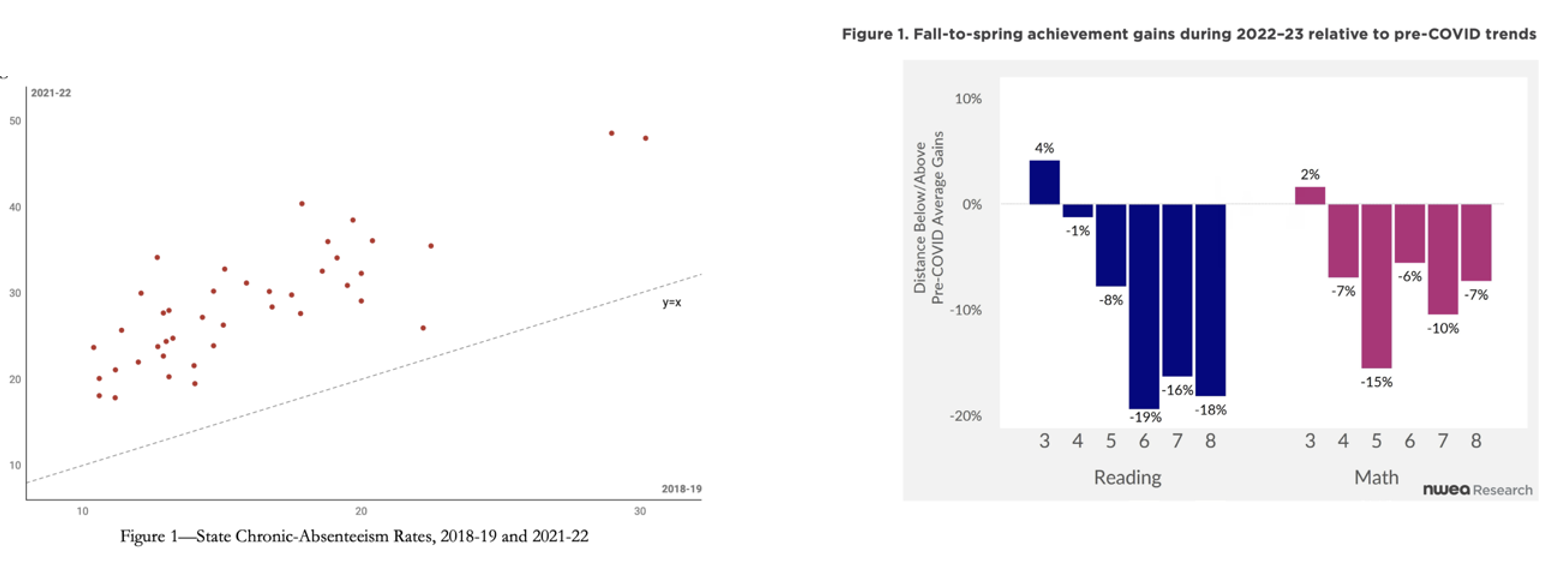
  • The continuing impact of the COVID-19 pandemic on student achievement, student absences, teacher shortages, and other aspects of student and teachers’ health and well-being
  • Pandemic recovery initiatives and concerns about a “fiscal cliff” that may cut off funding for those initiatives.
  • Developments in education technology and particularly the potential impact of artificial intelligence following the launch of ChatGPT in 2022
  • Advocacy for the “science of reading” and foundational learning in literacy and numeracy
  • Persistent concerns including inadequate education funding, inequities in educational performance and opportunities, and the challenges of innovation in assessment and instruction.

A Capture of Moments, Danna Ramirez, New York Times

What High School Is Like in 2023: 25 Essays, Poems, Videos, Photos, a Graph, a GIF, and a Diorama That
Reflect Students and Teachers’ Lives in School
, New York Times

Our Top Photos of the Year, Education Week

Key issues and trends

Funding, free school meals, education choice and student loan debt were among the policy topics lawmakers tackled in this year’s legislative sessions

The Top 10 Education Trends for 2023, National Conference of State Legislators

an unusual early childhood experiment up close; wrestling with large datasets to better understand education trends; getting over a fear of math to cover efforts to revolutionize the teaching of calculus; and, yes, talks with professors struggling with adjusting teaching to the presence of AI chatbots

Looking back on the biggest education trends of 2023, EdSurge

The 7 most memorable education stories of 2023, The Grade

from what AI can (and can’t) do to the neuroscience of brain synchrony

17 Articles About Students & Schools We Wish We Had Published in 2023, The74

The 10 Most Significant Education Studies of 2023, Edutopia

10 Education Studies You Should Know From 2023: new insights on social media, ChatGPT, math, and other topics, Education Week

These are some of the education questions Chalkbeat answered through data in 2023, Chalkbeat

Six Problems Philanthropy Barely Tried to Solve in 2023, Inside Philanthropy

2023 in education charts!

“School absenteeism is out of control” & “Catch up learning hit a wall,” The74

14 Charts that Changed the Way We Looked at America’s Schools in 2023, The74

The Teaching Profession in 2023 (in Charts), Education Week

Global and local reviews

Our top 5 education result stories of 2023, Global Partnership for Education

“changes range from advanced technical programs to revamped school initiatives and innovative examination methods”

Year in review: Five Key Changes In The Education Sector In Rwanda in 2023 , The New Times

“The Central Board of Secondary Education (CBSE) announced significant changes in 2023, including updated marking-schemes and increased number of exams that candidates can take.”

5 Important Changes Announced By The Central Board Of Secondary Education In India This Year, The Times of India

The top education issues in Massachusetts that captured our attention in 2023, WBUR

New Leaders, COVID Spending, Bus Troubles: 6 Chalkbeat Chicago Stories That Defined 2023, Chalkbeat Chicago

Chronic absenteeism, Democratic control, a fiscal cliff: These were Michigan’s big education themes of 2023, Chalkbeat Detroit

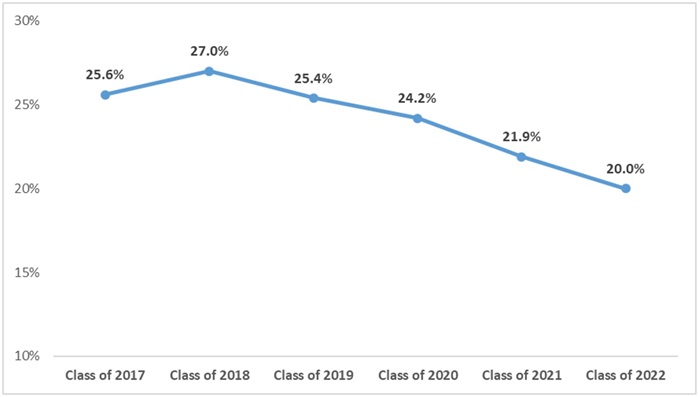
Students meeting state remediation-free standards on the ACT or SAT, class of 2017 to 2022, Thomas B. Fordham Institute

Ohio’s sluggish pandemic recovery in 2023 as seen through six charts, Thomas B. Fordham Institute

— Thomas Hatch