Technical capital – adequate funding, facilities, curriculum materials, and assessments
Human capital – well-prepared, well-supported, and well-respected educators
Social capital – shared understanding and strong connections and relationships among educators, policymakers, community members and between schools and the education sector and other parts of the society.
In Vietnam, a more limited budget and a much larger population have made it harder to produce and sustain high-quality facilities, a well-prepared and supported workforce, and a tightly connected and coherent education system. Nonetheless, the Vietnamese education system has been able to draw on and develop some key aspects of technical, human, and social capital that have contributed to the establishment of a system that provides almost universal access to education through 9th grade at a relatively high level of effectiveness.
Technical capital: Funding, Facilities, and Textbooks
In terms of funding, the Vietnamese government demonstrated its commitment to education by increasing public spending on education from about 1% of GDP in 1990 to about 3.5% in 2006. Those investments were essential for the construction of large numbers of new primary and lower secondary schools in the 1990s and for the production and distribution of free textbooks for students whose families could not afford them. In turn, these efforts contributed to the substantial increases in enrollment and access to education during that time.
Vietnam has continued that financial commitment to education by spending nearly 20% of its budget (almost 5% of its GDP) on education from 2011 – 2020, a level of spending higher than countries like the US and even Singapore. That commitment was put into a law passed in 2019 that stipulates that the government should spend at least 20% of its budget on education moving forward, though it has not quite reached that level. Notably, the government commitment has included an investment in equity as Vietnam allocates more spending per capita to disadvantaged provinces and municipalities and pays higher salaries to teachers serving in those areas.
Government-produced textbooks have also played a critical role in the evolution of Vietnam’s education system. These textbooks served as the “de facto” curriculum for some time, with teachers trained to deliver the content in the textbooks and large classes of students moving through the textbooks in a lock-step fashion. Like “managed instruction” approaches that have raised test scores and achievement levels in some districts in the US, textbooks produced by the government with centrally established learning goals may have provided the rapidly increasing student population with access to a common educational experience aligned to conventional assessments and international tests. As a history of the education system in Vietnam explained it, the replacement of textbooks at all school levels in the early 1990s “brought consistency to general education across the nation.”
Human Capital: Respect for teachers and teachers’ expertise
In Vietnam, explanations of the development of the educational system often cite the respect for teachers and their work and dedication as critical factors in the development of the education system. Notably, in OECD’s 2018 TALIS survey of teachers and teaching 92% of Vietnamese teachers report feeling valued by society, some of the highest rates among all OECD countries and astoundingly high compared to the OECD average of 26%. By comparison, slightly over 70% of teachers in Singapore (#2 in the rankings) and slightly less than 60% of teachers in Finland say they feel valued by society. In addition, 93% of teachers in Vietnam reported that teaching was their first choice of career (versus an average of 67% of teachers in other OECD countries). Correspondingly, teacher absenteeism is virtually unknown in Vietnam.
92% of Vietnamese teachers report feeling valued by society…astoundingly high compared to the OECD average of 26%. By comparison, slightly over 70% of teachers in Singapore (#2 in the rankings) and slightly less than 60% of teachers in Finlandsay they feel valued by society.
There is also some evidence to suggest that, overall, teachers in Vietnam have a relatively high level of expertise. For example, data from the Young Lives project shows that primary school math teachers’ pedagogical skills are the one school variable that explains a significant amount of the difference in the gap between the scores of students in Vietnam and their counterparts in India and Peru. Furthermore, the variance in the effects that teachers have on their students’ learning is much smaller in Vietnam than it is in many other countries, suggesting that there are relatively few really bad teachers.
Social capital: Shared values, common commitment, and relationships
Along with Asian countries like China and Singapore, Vietnam shares Confucian traditions that have placed high value on education for hundreds of years. That commitment to education has also been a critical part of the economic and social development of Vietnam over the last half century of the 20th Century. In 1945, for example, Ho Chi Minh declared Vietnam’s future depended on the education of its children, and that same year, the government issued decrees announcing a call for “anti-illiteracy” campaigns and the establishment of literacy classes for farmers and workers. Shortly thereafter, 75 thousand literacy classes with nearly 96 thousand teachers were serving 2 and a half million people.
The intertwining of education and national development was also evident in the 1980’s as Vietnam’s shift towards a more market-based economy aligned well with the interests of international NGO’s like the World Bank and the Asia Development Bank. These and other international organizations have provided crucial funding and guidance for economic and educational development in Vietnam since the 1990’s.
Those I talked to in Vietnam also emphasized the importance of the commitment to education that parents demonstrate in their support for schools. Vietnam’s education minister in 2015, put it succinctly: “Vietnamese parents can sacrifice everything, sell their houses and land just to give their children an education,”
“Vietnamese parents can sacrifice everything, sell their houses and land just to give their children an education,”
Importantly, students also demonstrate a belief in the power of education and respect for their teachers. 94% of the Vietnamese students surveyed as part of the PISA tests in 2015 agreed with the statement that “It is worth making an effort in math, because it will help us to perform well in our desired profession later on in life,” and surveys from the latest PISA test in 2022 showed that the proportion of class time teachers in Vietnam have to spend keeping order in the primary classroom (9%) is one of the smallest among all participating countries.
Along with these shared values and commitments, Vietnam also appears to have developed some strong relationships between educators, government officials, and community leaders and parents. Attention to these relationships may have played a particularly valuable role in the effort to extend and support schooling in rural ethnic minority areas. Phương Minh Lương, who has worked and conducted research with several ethnic minority communities, explained it to me this way: “That is the power of the collective or what we might call the ‘power with.’ There’s close coordination between authorities at grassroots levels and schools, with monthly meetings between the village or what we call the commune authorities and school leadership and educators. These include school officials like the headmaster and representatives of mass organizations like the Women’s Union, Youth Union, and Study Promotion Associations at the village level. These meetings are organized by the commune authorities, and they discuss all the problems related to the life of the local people in the village and in the school. Then if there is a problem, like there are children who have dropped out, then the authorities can support the school in that area and they can come to see what are the reasons these children dropped out, and are there any solutions to get these children back to school.”
“That is the power of the collective. There’s close coordination between authorities and schools, with monthly meetings between the village or what we call the commune authorities and school leadership and educators.”
Reflecting on the extent and impact of this coordination, Lương described instances in which educators or village heads travel significant distances to meet parents and students in their homes, and, when necessary, provide transportation to help the students get back to school. Illustrating the shared cross-sector commitment, another interviewee reported that in some mountainous regions, parents who live far from the local schools can send their children to temporarily live at border army posts where soldiers then transport the students safely to the local school.
Later this month: Challenges and opportunities for learning and development in Vietnam: Can Vietnam transform the conventional model of schooling (Part 3)?
What’s surprising about Vietnam’s educational system? For many, it’s Vietnam’s high performance on the PISA tests often used to gauge educational quality. Since 2012, Vietnam’s 15-year-olds have had some of the highest average PISA scores in reading, math, and science in comparison to other developing economies. Average math scores, in particular, are comparable to or better than the average scores of some of the richest economies in the world, including the United States. In addition, according to the OECD, 34% of Vietnamese students were “among the most disadvantaged students who took the PISA test in 2022,” yet their average score in mathematics was one of the highest for students of similar socio-economic backgrounds, and the gap between the students in the highest and lowest socio-economic categories was smaller than the OECD average.
As surprising as those results might be, as someone who has been studying “higher“ and “lower“ performing education systems such as Finland and Singapore, several other aspects of Vietnam’s educational system stand out as well:
Vietnam has achieved near universal education at a relatively high level of quality in a country with almost 100 million people – roughly 10 times the populations of Finland and Singapore combined.
Despite these differences, some, though not all, of the key factors that support high system performance in Finland and Singapore seem to apply in Vietnam.
Vietnam has already launched major initiatives to shift the entire education system to focus on competency-based goals and more student-centered instruction, a move that “high performing” systems like Finland and Singapore are still trying to figure out how to make.
All of this has been achieved in a country with 54 different ethnic groups, where the city of Hanoi, on its own, has a larger population than all of Singapore and where the budget is about 22 Billion USD, compared to about 95 Billion USD in Finland.
In another 20 years, will Vietnam be leading the way in transforming the conventional model of schooling that has dominated education for more than 100 years? To explore this question, in the first part of this series of posts, I share some of my observations about the key developments in the Vietnamese education system over the past thirty years.
“Will Vietnam be leading the way in transforming the conventional model of schooling that has dominated education for more than 100 years?“
Improvements in enrollment and access to schooling for all students
As many countries with developing education systems continue to try to provide access to education for all students, Vietnam has achieved school enrollment rates near 100% in kindergarten, primary, and lower secondary schools. A significant amount of that growth took place in less than 20 years, between 1990 and 2012. Enrollment in secondary schools in particular tripled in only 14 years, rising from about 23% in 1992 to almost 75% by 2006. Although secondary school enrollment remains a concern, as there has been only a slight increase since then, the mean years of schooling for adults in Vietnam is still higher than expected, given its per capita income.
Evidence of Educational Quality & Equity: PISA and beyond
Although many countries are working to expand access to schooling, educational quality remains a critical concern around the world. But the results of the 2012 PISA tests suggests that Vietnam has been able to increase both access and quality significantly. Those results showed that by 2014, Vietnam’s 15-year-olds were 17th in math and 19th in reading out of 65 countries. More astoundingly, that performance made Vietnam an outlier – performing significantly higher in both reading and math than other education systems with a comparable GDP.
These striking outcomes garnered considerable attention and generated a number of critiques that have raised legitimate concerns about the accuracy of the results. Notably, students who drop out of school in Vietnam after 9th grade are not included in the sample taking the PISA test, inflating the average PISA scores. In addition, one report suggests that some Vietnamese students participating in the PISA tests have been encouraged to do their best to “bring Vietnam honor,” and in one case, students received t-shirts identifying them as PISA participants. At the same time, this report concludes that, although these problems could have had some effect on Vietnam’s scores, statistical adjustments for those issues “do not change the overall finding that Vietnam’s PISA performance was exceptional” and that it substantially outperformed other countries of similar income levels.
Several other sources of data confirm the significant growth in Vietnamese students’ educational performance. First of all, by 2019, 96% of the population over 15 could read and write. Vietnam’s own tests of mathematics and language in 2001 and 2007 also show what analysts describe as “very large increases over six years.” Comparisons with other developing education systems in India, Peru, and Ethiopia carried out by the Young Lives project show that the scores of the Vietnamese students continue to grow significantly over time, leading to the conclusion that a year of primary school in Vietnam is “considerably more productive in terms of quantitative skill acquisition” than a year of schooling in the other countries. As a consequence, in Vietnam, almost 19 out of every 20 10-year-olds can add four-digit numbers, and 85% can subtract fractions – proportions of correct answers similar to many OECD countries and substantially higher than those in other countries with similar GDP.
Although there are still some differences in the enrollments and performance of students from different ethnic minority groups, particularly at the upper secondary level, Vietnamese education policy and funding explicitly recognize the rights of all students to learn their own language and preserve their cultures. Article 11 of the Vietnamese Constitution states: “Every ethnic group has the right to use its own language and system of writing, to preserve its national identity, to promote its fine customs, habits, traditions and culture.” In addition, Phuong Luong, a researcher from Vietnam National University and the Vietnam National Institute of Educational Sciences estimates that the Vietnamese government has over 130 different policies to support ethnic minorities, including 10 key policies on introduction of ethnic minority languages and cultures into curriculum; more than 20 policies for financial support/scholarships, exemption or reduction of tuition fees, housing and accommodations for ethnic minority students; and five different policies for recruiting ethnic minority teachers. Most recently, the Vietnamese government has implemented regulations abolishing school fees for public education from preschool to high school. Previously, even public schools charged families fees for things like uniforms, textbooks, and other purposes. Although estimated to cost the government about 1.3 billion USD, these new regulations, along with new limits on costly supplementary tutoring sessions, are designed to ease the financial burdens of education for all students, particularly those from disadvantaged backgrounds.
Next week: Building the capacity for high quality education at scale: Can Vietnam transform the conventional model of schooling (Part 2)
Sustaining Productive Teacher Collaborations: Infrastructures Across International Contexts – Bryant Jensen (BJ), Brigham Young University, Amanda Datnow (AD), University of California, San Diego, Sarah Woulfin (SW), University of Texas at Austin
Lead the Change (LtC): What are some of the ideas you hope the field of Educational Change and the audience at American Education Research Association (AERA) can learn from your work related to practice, policy, and scholarship?
BJ, AD, & SW: We hope the session audience will take at least three ideas from our session. First, that instructional infrastructures matter a great deal in realizing and sustaining productive collaborations among teachers. They include, for example:
● A regular time and place for small teams of teachers to plan and study their practice (Borko, 2004; Gallimore et al., 2009);
● Common pacing and instructional aims (Garet et al., 2001; Supovitz, 2002);
● Peer facilitation of team meetings (Andrews-Larson et al., 2017); and
“Instructional infrastructures matter a great deal in realizing and sustaining productive teacher collaboration.”
Chapman et al. show how conditions across Dundee schools shaped the collective agency of teachers and school leaders alike. They provided opportunities for building trust among collaborating teachers and shared beliefs in themselves and in their schools which can influence the sustainability of equitable practice. Drawing on Sarason’s (1972) idea of “settings,” Jensen et al. illustrate the nested nature of instructional infrastructure to sustain improvement. In their ten-year case study, teacher teams in a middle school were led by peer teacher leaders; teacher leaders met monthly to debrief, plan, and prepare their team meetings; and settings for teacher leaders were organized by school administrators who also maintained a monthly setting. This system of settings sustained instructional change from the bottom up and top down; student academic performance gains on state tests over a ten-year period demonstrate sustainability.
Second, sustaining and scaling productive collaborations for equity in teaching and learning are related but distinct. In previous research, Tappel et al. (2022) showed how sustainability concerns the continuity, integration, and adaptability of change, whereas scale is about expansion and replication of change–to reach more teachers and students. In our session, Lefstein’s paper—an account of expanding a teacher collaboration program in Israel from 11 teams in 4 schools in the first year to 458 teams in 158 schools in the fifth year—illustrates tensions between sustainability and scale. He shows how smaller-scale change in Israel was more feasible because external resources enabled the infrastructure teachers needed whereas large-scale change was much less effective at sustaining change because existing infrastructures were poorly equipped to support the collaborative learning processes that researchers and designers sought to cultivate.
Third, sustainability should consider the perspectives and experiences of teachers. In their paper, Datnow and colleagues show that teachers change their routine ways of interacting and talking together as they change in the ways they think—about students, about teaching, and about collaborating. Infrastructures to sustain productive collaboration, they argue, should acknowledge how teachers’ thinking and practice develop and change over the course of reform. In their qualitative analysis of teacher and administrator data from four schools across four years, the authors identify institutional impediments or threats to teachers becoming more collaborative: accountability pressures, complex team dynamics, and the conclusion of capacity-building support provided by their research project.
Dr Amanda Datnow
Dr Bryant Jensen
Dr Sarah Woulfin
Resilient pathways: Toward political theories of action for achieving educational equity – Aireale J. Rodgers (AR), University of Wisconsin-Madison, Heather N. McCambly (HM), University of Pittsburgh, Román Liera (RL), Montclair State University
Lead the Change (LtC): What are some of the ideas you hope the field of Educational Change and the audience at American Education Research Association (AERA) can learn from your work related to practice, policy, and scholarship?
AR, HM, & RL: Given the precarity of this sociopolitical moment and people’s varied sensemaking around it, we understand and appreciate the urge toward action. So often, educational change work focuses on doing something differently. Indeed, now is a moment where bold action is required. Yet, lessons from radical organizer-educators like Kelly Hayes and Mariame Kaba (2023) teach us that a move to action without critical reflection and collective organizing won’t free us. At worst, moving too quickly to action can rebirth the same system in a different form.
“A move to action without critical reflection won’t free us.”
So rather than move directly to action, our intention with this symposium is to provide AERA members with an opportunity to explore where we should persist and where we might break from common theories of change toward equity and liberation in higher education. Through empirical cases focused on ethnic based community organizations (Hailu, 2025), Boards of Trustees (Rall, 2025), faculty cluster hiring (McCambly et al., 2025), and scholarly papers exploring the permanence of racism (Tichavakunda, 2025) and the fallacy of white supremacy (Davis III et al., 2025) in postsecondary institutions, we offer a generative pause to consider the often tacit and unspoken logics that guide our actions in an attempt to better name and collectively restrategize for future change efforts.
Dr Aireale J. Rodgers
Dr Heather McCambly
Dr Román Liera
Teacher-Led Learning Circles: Professional Learning for Teachers’ Use of Formative Assessment to Improve Students’ Learning – Carol Campbell (CC), University of Edinburgh, Chris DeLuca (CD), Nathan Rickey (NR) & Danielle LaPointe-McEwan (DL), Queen’s University, Martin Henry (MH), Education International
Lead the Change (LtC): What are some of the ideas you hope the field of Educational Change and the audience at American Education Research Association (AERA) can learn from your work related to practice, policy, and scholarship?
CC, CD, NR, DL, MH: The research and practices connected to the Teacher-Led Learning Circles project offer hope for the powerful combination of effective professional learning for teacher leadership and the use of formative assessment to benefit students’ learning. It has long been established that teacher quality and teaching quality are central to educational change (Barber & Mourshed, 2007; Darling-Hammond et al., 2017; Education International and UNESCO, 2019; OECD, 2021; Thompson, 2021). Similarly, the potential of formative assessment and feedback has been integral to educational change, for example, in developments stemming from the seminal review by Black and Wiliam (1998) with the Assessment Reform Group, establishing foundational principles for assessment for learning (AfL). Through the experiences and evidence from seven countries participating across four continents in the Teacher-Led Learning Circles project, overarching lessons identified in our final report (Campbell et al., 2024a, 2024b) include:
While sustained education renewal would require comprehensive educational change at the systems level, we found that professional learning can contribute to successful change efforts at the local level when:
● Supporting teachers in identifying and focusing on goals linked to their students’ needs and for teachers’ own professional learning needs. These twin goals can enhance both student agency and teacher leadership.
● Differentiating for teachers’ professional contexts and experiences and for their goals and approaches to formative assessment, including further differentiation with changing experiences over time.
● Offering quality content. However, quality of content needs to be balanced with quantity and differentiated to be relevant and practical.
● Providing active and collaborative professional learning opportunities. Supports for collaboration across geographical contexts is necessary and requires attention to both availability of online and in-person activities.
● Ensuring adequate resources such as funding to support access to expert resources, including facilitators, and time for professional development.
● Combined with system leadership, including teacher unions. Growth in teachers’ leadership, confidence, skills, and practices was beneficial, with impacts within and beyond their schools. It is also essential to engage and educate formal school leaders.
Moreover, we found that for change efforts were more likely to successfully reach the classroom through the use of formative assessment that:
● Involves a suite of highly interconnected practices that are all aimed at supporting student learning. The heart of the formative assessment process—i.e., teachers and students interpreting and using evidence of student learning to guide and promote learning—can be accessed and encouraged in multiple ways.
● Are adapted for local contexts and assessment systems. Formative assessment can operate within a variety of assessment cultures, even if specific practices are operationalized differently within these contexts.
● Occur across a range of teaching contexts, regardless of access to technology. When students had consistent access to devices and reliable internet connections, this could support formative assessment. Yet similar formative assessment practices were reported by teachers whose classes had limited or no access to devices or the internet.
● Is intentionally integrated into teachers’ pedagogical practices in their classrooms. In some cases, teachers’ strategies did not integrate or maximize the potential of formative assessment to further benefit students’ learning.
‘Even-handed treatment of all sides’: A critical policy analysis of Massachusetts anti-discriminatory school committee proposals – Erin Nerlino (EN), Clark University, & Lauren Funk (LF), Boston University
Lead the Change (LtC): What are some of the ideas you hope the field of Educational Change and the audience at American Education Research Association (AERA) can learn from your work related to practice, policy, and scholarship?
EN & LF: By engaging in this work, we aim to enhance the knowledge that the field of Educational Change and the audience at AERA have about how some threats to equal education and student belonging occur locally within cities, towns, and school district communities. While much attention has rightly been focused on states that have more widespread discriminatory laws in place, such as Florida and Texas (Johnson, 2020), local communities in states such as Massachusetts are also facing divisive and discriminatory policies. Educators, parents, students, and community members are organizing in response to resist such policies in many districts; however, an increasing number of these discriminatory and divisive policies are arising (Feingold et al., 2023). We hope to shed light on the communal threat that these policies pose and break the silos of individual districts facing these policies to share resources, strategies, and experiences in successfully resisting.
“Threats to equal education and student belonging occur locally within cities, towns, and school district communities.”
Furthermore, much of the language and concepts used in these policies can initially seem benign, suggesting that all viewpoints are just and reasonable. For example, the four policies under study in this work use words and phrases such as “neutral,” “unbiased,” and “even-handed treatment of all sides.” These phrases assert the false idea that presenting all sides of a social policy issue constitutes neutrality and that neutrality itself is ideal and not taking a position. Many of the underlying implications impact already vulnerable student populations and hamper the efforts of educators. To refer back to the previously-mentioned phrase of an “even-handed treatment of all sides” as an example, this assertion opens up the classroom as a space that has the potential to deny students’ identities as it allows for individuals to voice problematic ideas based on race, sexual orientation, religion, social class, etc., in the name of covering “all sides” of an issue. By elucidating some of the problematic language, we hope to prepare fellow allies in practice, policy, and scholarship to productively challenge ideas that might threaten the belonging of all students in schools.
Dr. Erin Nerlino
Dr. Lauren Funk
The implications of educational change on socioeconomically disadvantaged students – Elif Erberk (EE) Van Yuzuncu Yil University, & Yasar Kondakci (YK) Middle East Technical University
Lead the Change (LtC): What are some of the ideas you hope the field of Educational Change and the audience at American Education Research Association (AERA) can learn from your work related to practice, policy, and scholarship?
EE & YK: This study critically evaluates the impact of educational reforms on socioeconomically disadvantaged students and invites both policymakers and practitioners (e.g., teachers and principals) to tailor measures that mitigate the negative impact of the reform on those students. The active involvement of teachers and principals in the design phase of the reform, empowering them during the implementation by providing additional resources, and granting decision-making latitude to contextualize the implementation in socioeconomically disadvantaged areas are practices highlighted by the teachers and principals. However, specific recommendations are made for policymakers, who are encouraged to demonstrate participatory and democratic practices during the design phase of the reform. Additionally, fostering a collaborative climate and inviting both internal (teachers and principals) and external (e.g., universities, labor unions) stakeholders to contribute to the design and implementation of reforms is vital for diminishing the impact on socio-economically disadvantaged students.
“Policymakers are encouraged to demonstrate participatory and democratic practices during the desire phase of the reform.”
Lead the Change (LtC): What are some of the ideas you hope the field of Educational Change and the audience at American Education Research Association (AERA) can learn from your work related to practice, policy, and scholarship?
AB & IB: Our work offers valuable contributions to the practice of teacher education. Teacher education curricula should respond to the cyclical nature of educational change, preparing teachers for shifts in pedagogical trends and the potential return of seemingly outdated practices. Instead of presenting a singular “best-practice” model, teacher education programs should equip pre-service teachers with the adaptability and critical thinking skills to navigate fluctuating pedagogical paradigms. For example, this could involve teaching both content-centered and student-centered methods and conducting simulations to help teachers practice adjusting their approach based on different classroom scenarios. This also necessitates supporting prospective teachers in forming a strong professional identity and developing reflexive skills. Curricula could integrate historical analysis and context-awareness practices, enabling teachers to understand the deeper social and political forces that shape educational policy and practices in their local context. Our study’s [Historical changes in teacher education in Israel: An analysis of professional perceptions from 1960 to 2020] findings underscore the importance of teachers’ adaptive expertise in responding to changing societal conditions and emerging needs. Teacher training should equip prospective teachers with versatile knowledge and skills to adapt to various contexts and specific learners while preserving their established pedagogic creed.
The study also contributes to educational policymaking. Given the cyclical nature of educational reform, it is crucial to focus education policy on incremental, sustainable improvements rather than rapid, radical shifts that may prove unsustainable. This requires developing adaptable teacher education policies that respond to shifts in societal values and priorities without abandoning fundamental principles of educational equity and justice. A “one-size-fits-all” approach is unlikely to succeed; effective policy requires adapting to specific contexts and addressing the unique needs and challenges of national systems. The long-term perspective necessary to address cyclical patterns demands a shift from short-term policy cycles to long-term planning horizons. Policymakers must avoid pursuing quick fixes and instead focus on fostering sustained, systemic changes that can withstand shifts in ideology and priorities. This might involve establishing broader cross-sectoral collaborations that include policymakers, teacher educators, researchers, and community stakeholders.
“Policymakers must avoid pursuing quick fixes and instead focus on fostering sustained, systemic changes that can withstand shifts in ideology and priorities.”
Lastly, our work contributes to the relatively limited body of scholarship that explores the historical path dynamics of educational change (e.g., Berkovich, 2019; Hargreaves & Goodson, 2006), shedding light on the interplay between past trends and present educational challenges. Our 60-year study highlights the significance of adopting a long-term perspective to understand educational shifts. Researchers would also benefit from examining the nuanced sociopolitical circumstances that mobilize, stabilize, and destabilize educational changes within specific contexts. We encourage a comparative analysis of long-term cyclical patterns in other national contexts to determine the scope and applicability of the cyclical model in diverse settings.
Ayelet Becher, PhD
Izhak Berkovich, PhD
Developing the Korean version of the equity scenario survey: Pilot study – Sojung Park (SP), Nicholas S. Bell (NB), Elizabeth Slusarz (ES), University at Albany, State University of New York
Lead the Change (LtC): What are some of the ideas you hope the field of Educational Change and the audience at American Education Research Association (AERA) can learn from your work related to practice, policy, and scholarship?
SP, NB, & ES: Our study [Developing the Korean version of the Equity Scenario Response Survey] highlights a critical gap between teacher candidates’ self-perceived readiness to address racism and ableism in the classroom (as seen in quantitative data) and their actual preparedness (as revealed by scenario-based responses). To examine these discrepancies, we employed the Korean-adapted Equity Scenario Response Survey (ESRS-K)—a scenario-based tool derived from the ESRS (Bell & Codding, 2021)—which we translated and culturally tailored to capture equity-related dilemmas specific to Korean classrooms.
From a policy perspective, our results offer a roadmap for educational leaders in South Korea and other societies facing similar demographic shifts. Policymakers should leverage these findings to set clearer teacher certification requirements or require mandatory equity modules in teacher education curricula. By explicitly targeting racism, ableism, and related forms of discrimination, policy reforms can foster inclusive practices throughout national teaching standards.
“Policymakers should leverage these findings to set clearer teacher certification requirements or require mandatory equity modules in teacher education curricula.“
In terms of scholarly contributions, our research applies QuantCrit [a theory that uses quantitative methods in ways consistent with the tenets of Critical Race Theory] in a novel way, both theoretically and methodologically. Adapting the ESRS for a Korean setting not only refines its cultural relevance but also expands the global discourse on equity assessment tools. This contextualized application of QuantCrit can guide teacher education in other rapidly diversifying contexts, offering a model for how researchers and practitioners might evaluate teacher readiness in settings undergoing similar demographic changes.
Taken together, our work bridges theory—Critical Race Theory (CRT) through QuantCrit—and practice in the form of teacher training and classroom realities. We invite the AERA community to critically examine how traditional self-report measures can be supplemented with tools like scenario-based assessments. These tools uncover the complexities of equity education, moving beyond surface-level self-perceptions to provide deeper insights into candidates’ readiness to enact equitable practices.
Nicholas Bell, PhD
Elizabeth Slusarz, PhD student
Sojung Park, PhD
Are team meetings a place for teacher learning? An ‘in situ’ analysis of meeting practices – Enikö Zala-Mezö (EZ), Zurich University of Teacher Education, & Amanda Datnow (AD) University of California San Diego
Lead the Change (LtC): What are some of the ideas you hope the field of Educational Change and the audience at American Education Research Association (AERA) can learn from your work related to practice, policy, and scholarship?
EZ & AD: In our paper, we address the question: How does professional learning—which is similar to “collective trial and error” in Haslanger’s (2023, p. 169) wording—unfold in team meetings in schools? We describe meeting practices ‘in situ’. Driven by practice theory (Reckwitz, 2002), ‘in situ’ means we focus on daily practices in schools as the unit of analysis. We analyze detailed audio-recorded data gathered in team meetings in three Swiss schools and two different teams within each school. We attend to discourse sequences with potential for knowledge generation, where future practices or new insights are produced. We build on the definition of generative sequences from Beech et al. (2010): “engagement between two or more people that goes beyond the trivial, which changes some meanings or processes and/or creates some new knowledge” (p. 1342). In other words, we are looking for instances in which educators engage in deeper discussions that are characterized by inquiry and problem solving.
A non-generative discussion would be one in which the team does not engage issues of teaching and learning in much depth and jumps to quick solutions, such as blaming students for their underachievement.
Our analysis reveals that, in the Swiss schools we studied, educators often organize highly structured meetings with full agendas that last around an hour (with some exceptions). These meetings tend to have very short sequences discussing up to 12 topics, which limits opportunities for deeper understanding, and joint learning. The generative aspect of the discourse was found to be low in many cases, yielding few opportunities for teacher learning. Additionally, the high level of structuring activities (introducing, summarizing, coordinating the discussion), along with the dominant role of the meeting leaders (who often have the lion’s share of speech time) and full agendas, suggests an underlying bureaucratic approach to team meetings. Managing organizational tasks tends to overshadow the learning opportunities for teachers, emphasizing administrative concerns over collaborative learning or reflective discussions. This structure implies that the primary focus of the meetings is on fulfilling organizational needs rather than fostering meaningful, collaborative learning experiences for the educators involved.
We believe these findings have important implications for research and practice. Our hope is to raise the consciousness of educational leaders, teachers, and external partners about the discourse in team meetings. Teacher collaboration meetings are expected to be a vehicle of educational improvement (Vescio et al., 2008; Lefstein et al., 2020), and our analysis suggests they could be much more generative of learning than they presently are. There is of course no recipe for changing practices; rather, shifts happen through continuous inquiry, a trial-and-error process drawn on educators’ deep professional knowledge. The research community could also play a role through gathering and sharing micro-analytic data of meeting practices and conditions and partnering with educators in an inquiry process.
“Our hope is to raise the consciousness of educational leaders, teachers, and external partners about the discourse in team meetings.“
“It’s not always about college”: Teachers’ sense-making around the shifting purpose of high school —Aaron Leo (AL) & Kristen Wilcox (KW), University at Albany (SUNY)
Lead the Change (LtC): What are some of the ideas you hope the field of Educational Change and the audience at American Education Research Association (AERA) can learn from your work related to practice, policy, and scholarship?
AL & KW:NYKids’ research offers a unique contribution to the field of Educational Change considering we are investigating schools which have sustained above-predicted outcomes for an extended time. As all schools are unique, our findings are not meant to be copied and pasted onto every location; instead, we view the lessons learned from positive outlier schools as a partial roadmap which can inspire and inform educators grappling with challenges in their own particular school-community contexts. Moreover, our qualitative approach provides a way to hear directly from educators as they describe, in their own words, their unique school and community ecologies, the obstacles they have encountered, and the particular policies, practices, and programs they have designed to overcome them. Our full dataset from the seven participating schools include: 70 interviews, 43 focus groups, 361 collected documents, and field notes taken during four school tours.
“As all schools are unique, our findings are not meant to be copied and pasted onto every location.”
One aspect common to the positive outlier schools we studied was an effort to make curriculum relevant, engaging, and responsive – especially in the wake of the COVID-19 pandemic and related school closures. For instance, at Lafayette Jr.-Sr. High School, educators have worked to ensure that the sizeable population of students from the Native American Onondaga Nation were provided culturally relevant activities and were represented in the school’s activities, appearance, and values. This process took many forms such as flying the Onondaga flag outside the school, creating a section in the school library featuring Native American authors, and working with a Native American liaison and My Brothers’ Keeper Coordinator to foster positive connections between the school and Onondaga community. At Fillmore, educators also developed culturally responsive approaches, but these looked different in a rural locale with a long history of agriculture. In this context, educators reinstated the Future Farmers of America program and provided hands-on opportunities for students to care for plants and animals on school grounds. To engage their students, Fillmore teachers worked together to create cross-disciplinary lessons and project-based learning opportunities.
We feel that these findings are of high value to the field of Educational Change as they provide examples of educators working to identify and address challenges in varied contexts. As our improvement hub has been supported by the state for over two decades, our research, and research-based tools have attracted the attention of the New York State Department of Education and have been highlighted by our advisory board member organizations including the New York State Council of School Superintendents, The New York State School Boards Association and several others that in turn influence policy in our state.
Kristen Campbell Wilcox, PhD
Aaron Leo, PhD
Call for efficacy: Changes in prior learning assessment (PLA) measures in the Florida college system — Giang-Nguyen T. Nguyen (GN) & Carla Thompson (CT), University of West Florida, Rashmi Sharma (RS), Western Illinois University
Lead the Change (LtC): What are some of the ideas you hope the field of Educational Change and the audience at American Education Research Association (AERA) can learn from your work related to practice, policy, and scholarship?
GN, CT, & RS: The researchers hope that AERA and the field of educational change could be the space to share research that directly impacts the students of the underserved community. The audience at AERA could learn about the current landscape of prior learning assessment (PLA) in Florida. This one segment of research from Florida has far-reaching implications beyond the US. By shedding light on PLA, the researchers hope that the participants from other states and internationally can advocate for transparency and support the community college students. Moreover, the audience at AERA could make the change by being the change they want to see in practice.
“The audience at AERA could make the change by being the change they want to see in practice.”
The researchers are advocating for uniform and sustainable policies at the state level guided by federal guidelines as a critical step in ensuring equitable access to PLA opportunities for community college students. The researchers are hoping that the participants will engage in scholarly discussion about the following implications of the research and provide their insights and actionable suggestions:
Sustainability in Education Systems. Researchers hope to see a shift in thinking about the sustainability of educational reforms related to educational practices and policies. We are advocating for creating a system for continuous improvement on PLA for community college students, where changes could be implemented and evaluated regularly to take into account the needs of different groups of students.
Bridging research to practice. Research shows that students have limited access to PLA information so it is important to provide multiple avenues of information for easy access. Using evidence from the research to inform the practice, the researchers propose changes at the state and federal level policies that involve multiple stakeholder groups.
State-Level Uniformity. Advocate for state-level uniform policies that ensure consistency across institutions, making it easier for students to understand and access PLA opportunities. Such policies can standardize some processes like credit evaluation, eligibility criteria, and application procedures. State mandates can require institutions to make PLA information readily available through multiple channels, such as websites, orientation sessions, social media, and advising services.
Federal Guidelines as a Framework. Federal guidelines can establish minimum standards to ensure that PLA policies promote equity, inclusion, and access for all students, particularly those from underserved communities. The federal government can incentivize states to adopt uniform PLA policies by tying funding or grants to comply with these guidelines. Federal guidelines can encourage states to adopt reciprocity agreements, ensuring that PLA credits earned in one state are recognized in others, thereby supporting student mobility.
Collaboration Across Stakeholders.Encourage collaboration among educators, policymakers, and advocacy organizations to align state policies with federal guidelines. There is a need to consider local needs and provide professional development opportunities to ensure administrators and faculty are well-equipped to implement uniform PLA policies effectively.
Carla Thompson, PhD
Rashmi Sharma, PhD
Giang-Nguyen Nguyen, PhD
Youth and institutional change: The impact of student protests on curricula transformation in higher education — Tafadzwa Tivaringe (TT), Spencer Foundation
Lead the Change (LtC): What are some of the ideas you hope the field of Educational Change and the audience at American Education Research Association (AERA) can learn from your work related to practice, policy, and scholarship?
TT: A key insight from this work [with students in higher education in South Africa and the US] is that practical efforts to facilitate institutional change that are rooted in research stand a better chance of delivering on the promise of transformation. For example, my work finds that while there was a statistically significant increase in course offerings that aligned with students’ demands for more social justice curricula, sentiment analysis of the syllabi of those classes in both country’s colleges demonstrated that a significant proportion adopted neutral framings on the subject. Furthermore, while colleges in both countries adopted courses that had titles and/or course descriptions that referenced social justice, most of the goals of those courses did not involve pedagogical outcomes that explicitly involve addressing injustice. This was despite explicit student demands for curricula transformation that includes ethical commitments to social justice during the #FeesMustFall and #BlackLiveMatter protests (Nyamnjoh, 2016; Taylor, 2016; Tivaringe & Kirshner, 2024). These findings show that there is a gap between students’ input and institutional responses that, if not fully understood, undermines our collective capacity to deepen equity within higher education institutions.
My research underscores a growing call by many educational change scholars on the importance of centering the experiences of those most affected in the policy process (Furlong & Cartmel, 2006; Henry et al., 2013). Too often, policies and programs designed to support people marginalized in the policy making process fail to take their input seriously. This can lead to a false sense of redress and repair. Even more, it can erroneously shift attribution of bad outcomes to individuals, rather than a proper interrogation of the inadequacies of said policies in achieving desired outcomes.
Lastly, there is often a discomfort with the use of quantitative and computational methods in educational change. I must admit that this skepticism is not without cause: those tools have historically been used to stall and/or attack efforts to advance social justice in education (DiGarcia et al., 2018; Dixon-Román, 2017). However, by leveraging a combination of text-mining machine learning algorithms and longitudinal structural equation models to examine the impact of student protests in South Africa and the United States, I join a growing group of critical scholars (e.g., de Freitas & Dixon-Román, 2016; Lukito & Pruden, 2023) who believe and indeed demonstrate that sustainable and effective research on educational change ought to include such tools in its repertoire. Additionally, given the global nature of inequities, it is imperative that reparative efforts learn across contexts. Yet, as we have argued in our work (Kirshner et al., 2021; Tivaringe & Kirshner, 2021) insights in the field of education are disproportionately drawn from the global North. As such, insights that could be critical in learning how to deepen social justice are marginalized. My conference paper offers one instantiation of a comparative approach that, while neither perfect nor exhaustive, ensures that change efforts are informed by both local and global insights.
Working to dismantle enduring educational inequity: Actions and beliefs of equity-minded educational leaders — Betty Alford (BA), Liane Hypolite (LH), California State Polytechnic University
BA & LH: [In our studies] through interviews, the voices of equity-focused leaders provided examples of practices that contributed to remedying past inequities and attaining a more just future in education.
Lead the Change (LtC): What are some of the ideas you hope the field of Educational Change and the audience at American Education Research Association (AERA) can learn from your work related to practice, policy, and scholarship?
BA & LH: Through interviews, the voices of equity-focused leaders provided examples of practices that contributed to remedying past inequities and attaining a more just future in education… We hope the audience at AERA is inspired by the commitment demonstrated by these educational leaders to enact equity focused policies and use these policies to make positive changes for achieving the equity-focused goals. Their actions and words serve as examples of how analysis of community needs, an openness to change and inquiry, a commitment to culturally responsive pedagogy and equity-focused leadership, and engagement in reflection and ongoing learning can contribute to positive change. These educational leaders were knowledgeable of issues that have been identified in the research literature of the importance of asset not deficit-based approaches, authenticity as a leader, students of diverse ethnic groups seeing themselves in the curriculum and school initiatives, parent engagement, and fostering sustained dialogue amongst collaborative groups to bring about change (Gurr et al., 2019; Fullan, 2016; Johnson, et al., 2017; Radd et al., 2021).
“Sustained professional development was one way that practices, policy, and scholarship merged to contribute positively to equity-focused change efforts.”
Successful, focused leadership for equity and social justice in these districts included increasing Board members’ understanding of needs and involvement in listening sessions and professional development. In both districts, educational leaders emphasized that the focus was strongly supported by the superintendents’ ongoing attention to process as well as to implementation. As an educational leader stressed, “The superintendent always asks, ‘What was your process for reaching this decision?” The process was always to include involving multiple individuals in the decision making. In both districts, resources were provided to fund sustained professional development opportunities on developing the equity focus. For example, in one district, the Board and administrative teams took part in multi-week leadership development sessions. In the other district, teachers and educational administrators and teachers on special assignment participated in ten days of summer professional development to prepare for offering ethnic studies in the school followed by monthly professional development sessions throughout the year. This sustained professional development was one way that practices, policy, and scholarship merged to contribute positively to equity-focused change efforts in the schools.
Betty Alford, PhD, California State Polytechnic University
Liane Hypolite, PhD, California State Polytechnic University
Leading change: School leaders’ support for culturally and linguistically diverse students amidst emerging multiculturalism — Soon-young Oh (SO) Michigan State University
Lead the Change (LtC): What are some of the ideas you hope the field of Educational Change and the audience at American Education Research Association (AERA) can learn from your work related to practice, policy, and scholarship?
SO: This study illuminates how school leadership can support culturally and linguistically diverse students [CLD] students in societies [like Korea] that are only beginning to experience multicultural shifts. By examining school leaders’ strategies at the intersection of practice, policy, and scholarship, my research highlights key considerations for the field of educational change.
In practice, the research reveals how school leaders in Korea reframe existing cultural values to create more inclusive environments. Confucian values and hierarchical structures have traditionally shaped educational leadership and organizational culture, emphasizing social harmony, respect for authority, and collectivism (Lee, 2001). Some scholars have noted that such cultural foundations, when rigidly applied, can make it difficult to address individual differences, as they often prioritize group cohesion over personal identity (Nukaga, 2003). However, this study finds that school leaders in Korea are actively reinterpreting these values to support CLD students. Rather than reinforcing conformity, they leveraged collective harmony to create spaces where CLD and non-CLD students could naturally interact and build cross-cultural friendships. They also promoted bilingual learning by integrating students’ home languages into school-wide initiatives while maintaining an emphasis on group cohesion.
From a policy perspective, my findings suggest that effective educational change requires greater flexibility in policy design. Current approaches to multicultural education often assume that schools can apply standardized strategies (Alghamdi, 2017; Banks et al., 2016), but the schools in my study emphasized the importance of locally adaptive policies. Some leaders prioritized linguistic support programs, while others focused on strengthening partnerships with families and communities. These varying approaches highlight the need for policies that empower school leaders to shape multicultural education in ways that are responsive to their specific school contexts.
In terms of scholarship, this research contributes to ongoing efforts to expand educational leadership theories beyond Western-centric models. Much of the existing literature on school leadership in multicultural settings, such as Khalifa et al. (2016), has been developed in societies with long histories of diversity (e.g., Cuéllar et al., 2020), but my study illustrates how school leaders in newly diversifying contexts navigate educational change. Rather than imposing pre-existing frameworks, this research advocates for a more nuanced, globally inclusive perspective that acknowledges the diverse ways in which school leadership practices emerge across different cultural landscapes.
“This research contributes to ongoing efforts to expand educational leadership theories beyond Western-centric models.”
By bridging these insights across practice, policy, and scholarship, my research advances the conversation on how school leaders can meaningfully support CLD students in societies where multiculturalism is still evolving.
Soon-young Oh, PhD candidate, Michigan State University
Leading collaborative educational change: Lessons from the Hong Kong context — Paul Campbell (PC) University of Hong Kong
Lead the Change (LtC): What are some of the ideas you hope the field of Educational Change and the audience at American Education Research Association (AERA) can learn from your work related to practice, policy, and scholarship?
PC: One of the challenges in researching relational practices such as collaboration, leadership, and governance is achieving definitional agreement. Towards this end, I consider common conceptual characteristics provided in existing literature to offer some definitions.
Collaboration can be understood as a process of joint work around a shared focus (Ainscow et al., 2006; Henneman et al., 1995), where individuals share connected domains of expertise (John-Steiner et al., 1998), commit to sharing this expertise, and use it to think, plan, decide, and act based on a shared understanding of social norms, expectations, and behaviors needed for successful collaboration (Cilliers, 2000). This conceptualization highlights the importance of considering the dimensions of people, structure, and culture in understanding the forms, drivers, and influences on collaboration.
Leadership can be examined through a broader critical lens, focusing on what it means to lead, be a leader, and exercise leadership (Courtney et al., 2021). Leadership can be understood as a relational practice of influence, underpinned by personal and professional values, and focused on pursuing a shared vision for practice and outcomes (Bush & Glover, 2014).
Governance, on the other hand, can be understood as the standards, incentives, information, and accountability that guide policy and practice in schools and systems (Lewis & Pettersson, 2009). Governance can be exercised through networks at various scales, spanning local, national, and global contexts, intersecting public, private, and philanthropic sectors (Milner et al., 2020). Forms of self-governance, characterized by the development of shared norms, values, and trust, can also enable and sustain collaborative change (Sullivan & Skelcher, 2002).
Considering these definitions in relation to insights from my critical policy analysis and interviews with Hong Kong principals, there are a few key lessons that the field of educational change could take from my work to foster a more inclusive and effective collaborative educational change. My work suggests that, in leading collaborative educational change, school and system leaders should consider certain participatory and socio-cultural dynamics. Key participatory dynamics include the nature and construction of a participative culture and strong communication mechanisms in governance arrangements that influence the process and outcomes of change. Socio-cultural dynamics to consider include the purposes behind collaboration, the role of individual values, beliefs, and identities in engaging in collaborative educational change, and the transparency of purposes, processes, and outcomes.
“My work suggests that, in leading collaborative educational change, school and system leaders should consider certain participatory and socio-cultural dynamics.”
Careful consideration of who is involved in change processes, their roles, and clarity of what guides practice and decision-making, including individual values and beliefs, can lead to more meaningful and sustainable outcomes from collaborative educational change. Regarding organizational dynamics, leaders need to understand and act on policy drivers at macro- and meso-levels and contextual characteristics at the micro level of systems. Opportunities for community members to engage in interaction, sensemaking, and exchange processes during periods of change, supported by clear communication channels and frameworks for decision-making and evaluation, can lead to better outcomes of collaborative change efforts.
Paul Campbell, EdD, University of Hong Kong
Transforming challenges into success: Perspectives on successful school principalship practices — Rong Zhang (RZ), University of Alabama
Lead the Change (LtC): What are some of the ideas you hope the field of Educational Change and the audience at American Education Research Association (AERA) can learn from your work related to practice, policy, and scholarship?
RZ: Through my research, I hope to contribute meaningful insights to ongoing conversations in the field. First and foremost is the understanding that leadership practices must be adaptive and responsive to the unique contexts in which they are enacted. While it’s easy to advocate for certain leadership frameworks, my research highlights the importance of tailoring strategies to local conditions—whether that’s addressing the needs of immigrant students, navigating centralized or decentralized governance structures, or fostering equity in culturally diverse communities.
One of the most compelling findings from my study is that successful school leadership isn’t one-size-fits-all. While certain practices, such as building shared visions, fostering collaborative cultures, and improving instructional programs, are common across contexts, how these practices are implemented varies significantly. For example, principals in centralized education systems, like China, often work within top-down administrative structures, while those in decentralized systems, like the U.S., have more autonomy to engage stakeholders and drive innovation. Understanding these differences is crucial for policymakers and practitioners aiming to apply leadership frameworks effectively.
“Successful leadership isn’t one-size-fits-all.”
Another idea I hope to share is the power of relational leadership in driving meaningful change. Across the cases I’ve studied, the most successful principals were those who prioritized relationships—with teachers, students, parents, and community members. These leaders recognized that trust, collaboration, and shared purpose are foundational to improving outcomes, especially in disadvantaged schools. For scholars, this underscores the need for research that not only identifies best practices but also explores how those practices can be adapted to foster equity and inclusivity.
Lastly, I hope to contribute to conversations about how research can better inform policy. My study demonstrates the value of using cross-national data to identify both universal and context-specific strategies, offering policymakers a more nuanced understanding of what works in different settings. By sharing these insights, I aim to help bridge the gap between research and practice, encouraging evidence-based approaches that are both practical and impactful.
This week’s Lead the Change (LtC) interviews explore the power of partnerships, networks and collaboration for supporting system improvement. This is the first in a series of posts that will featuring excerpts of interviews with presenters participating in the Educational Change Special Interest Group sessions at the upcoming Annual Conference of the American Educational Research Association in Denver in April. This post includes presenters from the session titled: “Organizing Systemic Change in Education: Leveraging Partnerships, Networks and Teacher Collaboration.” These interviews are part of the Lead the Change series produced by Elizabeth Zumpe and colleagues from AERA’s Educational Change Special Interest Group. The full interviews can be found on the LtC website.
Networks for Knowledge Brokers: A Typology of Support-Seeking Behaviors — Anita Caduff (AC) University of Michigan, Alan Daly (AD) & Marie Lockton (ML) University of California San Diego, Martin Rehm (MR) University of Southern Denmark
Lead the Change (LtC): What are some of the ideas you hope the field of Educational Change and the audience at American Education Research Association (AERA) can learn from your work related to practice, policy, and scholarship?
AC, AD, ML, & MR: Our research offers important insights into the field of Educational Change, particularly for practitioners, policymakers, and scholars interested in understanding the critical role of knowledge brokers in improving education for all learners. Knowledge brokers do not operate in isolation; instead, they are embedded within relational ecosystems that provide access to various forms of support, such as financial resources, infrastructure, strategic advice, capacity building, networking, and knowledge mobilization. We define knowledge mobilization as the movement of knowledge and resources to where they will be most useful through a multidirectional process that supports the co-construction and use of knowledge. By examining how knowledge brokers navigate these ecosystems and engage in support-seeking behaviors, our study highlights three major contributions to practice, policy, and scholarship.
“Knowledge brokers do not operate in isolation.”
To begin with, we surfaced seven distinct knowledge broker profiles based on their social network dynamics and support-seeking behaviors: (1) networked strategist, (2) resource-driven strategist, (3) balanced strategist, (4) capacity-centered networker, (5) self-sufficient mobilizer, (6) balanced mobilizer, and (7) well-funded all-rounder. For example, the self-sufficient mobilizer operated without any financial support to sustain their operations; they focused solely on knowledge mobilization and strategic advice. In contrast, the well-funded all-rounder had high levels of support in all dimensions: infrastructure and finances, strategic advice, networking, and knowledge mobilization. Understanding these profiles helps the field to have a better grasp on the activities of these important educational actors as well as to support knowledge brokers in designing tailored strategies to enhance their effectiveness based on their unique circumstances and needs.
Additionally, the study surfaced three significant tensions that influence knowledge brokers’ support-seeking behaviors. For example, knowledge brokers often compete for scarce resources (e.g., grants) while recognizing the potential benefits of collaboration to achieve shared goals (i.e., the tension between competition and collaboration). Further, brokers balance efforts to create immediately observable, focused outcomes with aspirations for broader, systemic, and long-term impact. The third tension that emerged was between autonomy and interdependence. While autonomy enables alignment with internal organizational goals, interdependence with partners offers access to critical resources but sometimes requires compromising on internal priorities. For example, a knowledge broker may rely on their partners for funding, networks, and expertise and, as a result, occasionally need to cater to the external demands of these partners. These tensions highlight knowledge brokers’ complex balancing act and underscore the importance of creating policies and practices that encourage collaboration, sustainable funding, and alignment between short- and long-term goals.
By mapping knowledge brokers’ relational ecosystems and differences in support-seeking behavior and tensions, this study shifts the focus away from knowledge brokers alone to include the supports they leverage in their broader relational ecosystems. As such, this study suggests that knowledge mobilization is not exclusively an attribute of the knowledge brokers, but is influenced by, and distributed within, a wider knowledge mobilization ecosystem. This reframing opens new avenues for research and practice, including questions about how brokers’ ecosystems influence their effectiveness and how to strengthen these ecosystems. This shift in perspective encourages researchers and practitioners to consider not only the actions of knowledge brokers but also the systemic supports and partnerships that enable their work.
From left to right: Anita Caduff, Ph.D., Marie Lockton, Ed.D., Alan J. Daly, Ph.D., & Martin Rehm, Ph.D.
Reimagining the role of broker teachers in cross-sector partnerships — Chun Sing Maxwell Ho (CH) The Education University of Hong Kong, Haiyan Qian (HQ) The Chinese University of Hong Kong, Chiu Kit Lucas Liu (CL) University of Oxford
Lead the Change (LtC): What are some of the ideas you hope the field of Educational Change and the audience at American Education Research Association (AERA) can learn from your work related to practice, policy, and scholarship?
CH, HQ, & CL: This research highlights the transformative power of Hong Kong school–university partnerships (SUPs) in reshaping middle leaders (ML) within schools, offering valuable insights for practice, policy, and scholarship in educational change. We demonstrate how SUPs enhance MLs’ connectivity and brokerage across the school, promoting a layered and collaborative leadership structure. This finding aligns with previous research that highlights the importance of distributed leadership in fostering school improvement. For instance, Leithwood et al. (2020) argue that effective school principals distribute their leadership to engage both formal and informal teacher leaders, thereby enhancing their influence through interactions with others. Similarly, Spillane and Kim (2012) emphasize that leaders enact practices differently according to the school context, which supports the notion that SUPs can tailor development activities to meet specific needs. Furthermore, Bryant and Walker (2024) suggest that principal-designed structures can significantly enhance middle leaders’ professional learning, which is consistent with our findings on the positive impact of SUPs on MLs’ connectivity and brokerage.
“Our findings underscore the necessity for policies supporting sustained, context-specific leadership development.”
Key takeaways include the importance of designing SUPs to foster reflective dialogue and interaction among all school members, thereby nurturing an inclusive, interdisciplinary learning community. Schools can involve interdisciplinary projects where teachers from different subject areas worked together with university researchers to develop integrated curricula. These projects encouraged teachers to engage in reflective dialogue about their teaching methods and explore new ways to connect different subjects. By working together, teachers were able to create a more cohesive and interdisciplinary learning environment for students, promoting a culture of collaboration and continuous improvement (Ho et al., 2024). Our findings underscore the necessity for policies supporting sustained, context-specific leadership development and integrating university resources to facilitate these changes. For scholars, this study provides a model for examining the effects of leadership training on organizational dynamics, emphasizing the role of middle leaders in driving school improvement and fostering a collaborative professional culture.
Chun Sing Maxwell Ho, EdD
Lucas Chiu-kit Liu, Masters Student
Haiyan Qian, PhD
Transforming school systems to support adolescent learning and well being: Evidence from four California districts — Sarah M. Fine (SF) University of California San Diego, Santiago Rincon-Gallardo (SR) Liberating Learning
Lead the Change (LtC): What are some of the ideas you hope the field of Educational Change and the audience at American Education Research Association (AERA) can learn from your work related to practice, policy, and scholarship?
SF & SR: The first takeaway is that there is a growing number of spaces of vitality and deep learning in California’s high schools, but these remain mainly outside the academic core. The local education agencies (LEAs) in our sample are leveraging new funding to expand and transform Career and Technical Education (CTE) courses into incredibly vibrant places for applied learning. Most LEAs we have visited in California are working successfully to de-stigmatize CTE, to disrupt patterns of social reproduction, and to add “high skill, high wage” pathways for all. Young people are incredibly alive and engaged in these courses, doing work ranging from building fully functional tiny homes for unhoused populations in their community to producing, running, and broadcasting live shows for their school and the larger community, to designing and testing rovers that can explore Jupiter’s moons. Visual and performing arts are also incredibly vital spaces. In less optimistic news, in many of the systems we visited, the academic core seems to have been left on life support, with many classes still featuring low-complexity tasks, teacher-centered instruction, and traditional assessments. This is consistent with research and theory on the remarkable power of the default culture of schooling to maintain the dynamics within the pedagogical core stable despite deliberate attempts to change it (Elmore, 1996; Mehta & Fine, 2019; Tyack & Cuban, 1995) Linked Learning, an approach to student learning that intentionally and strategically links together student’s personal purpose with hands-on, immersive learning opportunities, and disciplined knowledge, is a promising but generally immature effort to connect the vitality that characterizes CTE to core academic classes.
A second takeaway is about the importance of steadiness, systemness, and symmetry when undertaking system-level work to improve adolescent learning and wellbeing. To draw on the work of our shared mentor Richard Elmore (2004), all of the LEAs in our sample were engaged in impressively steady work, developing a clear set of goals and then pursuing those goals over the long haul without succumbing to mission creep or being buffeted by changes in the political winds. In most of the systems that we visited, we also encountered strong evidence of what Michael Fullan (2025) calls systemness – meaning, a broad range of stakeholders (parents, educators, leaders, learners, even crossing-guards) recognized their roles in shaping and enacting the goals of the system. And finally, most of the leaders in the sample clearly recognized the importance of what Sarah and Jal Mehta (2019) call symmetry, e.g.an overall stance and set of values and beliefs about learning that applies both to young people and to adults.
“Successful system transformation requires deprioritizing old academic obsessions.”
Last but not least, our work suggests that successful system transformation requires deprioritizing old academic obsessions. In many of the systems that we visited, there has been a strategic and courageous decision to de-prioritize or eliminate the programs and metrics connected to “the old game” of No Child Left Behind-style academic achievement. One district, for example, decided to deprioritize state standardized tests, while another phased out all Advanced Placement courses and replaced them with dual enrollment opportunities. Elsewhere, system leaders have started to move attention away from California’s college and career readiness indicators, focusing more on the quality of student engagement and learning every day in schools, as well as on indicators of lifelong learning.
This month’s Lead the Change (LtC) interview features the new leaders of the Educational Change Special Interest Group of the American Educational Research Association, Patricia Virella, Tayeon Kim, Lauren Bailes, and Elizabeth Zumpe. This week IEN shares excerpts from those interviews focusing on the connections between their work and the work of the SIG and the wider field of educational change. The LtC series is produced by Elizabeth Zumpe and sponsored by the Educational Change SIG. A pdf of the full interview will be available on the LtC website.
Lead the Change Interview with Patricia Virella
Lead the Change (LtC): What are some of the ideas that you hope the field of Educational Change can learn from your work to inform practice, policy, and scholarship?
Patricia Virella (PV): Over the past year, I prioritized immersing myself in school environments, spending approximately 30 days actively engaging with students, teachers, and staff. This hands-on experience allowed me to gain profound insights into the unique challenges that students are facing in today’s educational landscape, including mental health issues, ongoing crises, and persistent inequities. Witnessing the resilience and joy demonstrated by students in the face of these challenges was incredibly inspiring. It reinforced the importance of understanding the realities of schooling in the present moment. All of us must pause and truly comprehend the current state of education before forging ahead with our plans and initiatives. This firsthand exposure has deepened my commitment to advocating for comprehensive support systems that address the multifaceted needs of students and educators alike. It has also fueled my passion for promoting holistic approaches to education that prioritize well-being and equity. I am driven to leverage these insights to inform my work and to champion initiatives that empower schools to create environments where every student can thrive.
LtC: What excites you about the field of Educational Change, and how might we further those ideas through the work of the Educational Change SIG?
PV: The idea of change is inherently exhilarating. While change often implies embracing entirely new approaches, I also ponder whether it involves a return to foundational concepts and theories that have yet to manifest their full potential, such as liberation, transformation, and experiential learning. This dual perspective prompts me to consider how we, as a collective of academics, can effectively support change that embodies the spirit of equity. I recognize that achieving equity can sometimes feel elusive, but it does not have to remain this way. My commitment to exploring the multifaceted nature of change and equity has deepened my resolve to advocate for inclusive and transformative practices within academic and institutional settings. By critically examining the intersections of change and equity, I am dedicated to fostering environments where all individuals have equal opportunities to thrive and contribute meaningfully. I am driven to channel these reflections into actionable strategies that promote systemic change and advance the realization of equity within educational and academic spheres.
Dr. Patricia M. Virella is an Assistant Professor in the Department of Educational Leadership at Montclair State University. Dr. Virella’s research focuses on implementing equity-oriented leadership through leader responses, organizational transformation and preparation. Dr. Virella also studies equity-oriented crisis leadership examining how school leaders can respond to crises without further harming marginalized communities.
Lead the Change Interview with Taeyeon Kim
LtC: What are some of the ideas that you hope the field of Educational Change can learn from your work to inform practice, policy, and scholarship?
TK: My research offers several contributions to the field of Educational Change, focusing on three main areas: revisiting policy through the voices of equity leaders, critically examining policies and systems by centering racially and linguistically marginalized communities, and promoting cross-cultural dialogue using transnational and decolonial perspectives. Given that my work was previously featured in the Lead the Change series (See the Lead the ChangeOctober issue of 2023), I would like to highlight some insights from my recent publication on leadership learning.
As a leadership educator, I view learning as a core tenet of leading educational change. My scholarship on educational leadership and policy has led me to explore how to guide meaningful learning for aspiring leaders who pursue equity and social justice. My recent work, published in the Journal of School Leadership (Kim & Wright, 2024), presents a conceptual-pedagogical framework that on guides students through emotional discomfort when learning about inequities and injustice. This research underscores the importance of emotion in learning, which can drive change at both individual and social levels. When negative emotions are not properly addressed and processed, meaningful learning cannot occur, undermining leaders’ efforts to redress inequities, injustice, and harm. However, with appropriate guidance, emotional discomfort can be a valuable source for transformative learning and changes (see Mezirow 1997). Traditional scholarship on educational change often relies on rationalistic approaches; however, my recent study emphasizes the role of emotions and the holistic aspects of learning in effecting change. It also highlights the crucial role of facilitators and educators in developing equity leaders.
Thus, my work reveals that effective leadership learning involves addressing the emotional dimensions of learning about social justice issues. By integrating these emotional and holistic aspects, educational leaders can foster more profound and lasting changes in their practice, policy, and scholarship. This approach can help prepare leaders, better equipping them to navigate and address the complex challenges of inequity and injustice in education.
LtC: What excites you about the field of Educational Change, and how might we further those ideas through the work of the Educational Change SIG?
TK: The field of Educational Change is particularly exciting due to its emphasis on partnerships and interdisciplinary approaches, and its appreciation for international perspectives. As a transnational scholar, I often notice that AERA’s discourse tends to be US-centric and predominantly features scholarly thoughts and contexts published in English. This observation underscores the importance of the Educational Change SIG’s foundations and history, as it can potentially extend the boundaries of our educational scholarship.
To advance the field, I urge educational change scholars to critically engage with issues of geopolitics, coloniality, and global whiteness (e.g., Chen, 2010; Mignolo, 2008; Leonardo, 2002) that influence knowledge creation and dissemination. When we embrace “interdisciplinary” and “international” perspectives, it is crucial to interrogate whose knowledge is being prioritized and how it is being represented.
“To advance the field, I urge educational change scholars to critically engage with issues of geopolitics, coloniality, and global whiteness.”
With our new leadership team, I aim to extend the field of Educational Change through several focuses. First, I urge the field to integrate diverse onto-epistemological understandings. The field can benefit significantly from including non-Western, indigenous, and other marginalized ways of being and thinking. By incorporating these perspectives, we can challenge the dominance of Eurocentric paradigms and enrich our understanding of educational practices and policies. Second, educational change scholars need to consider the power dynamics involved in knowledge production and dissemination. This means questioning who has access to academic platforms, whose voices are amplified, and whose are marginalized. Future activities organized by the Educational Change SIG could better support multilingual scholarship and inclusive platforms that are accessible to scholars from various regions and backgrounds, ensuring that a variety of voices are heard and valued. This will eventually promote cross-cultural and transnational collaborations. Finally, integrating critical theories such as postcolonial theory, critical race theory, and feminist theory can provide valuable lenses through which to examine and address systemic inequities in education. These theories can help scholars and practitioners understand the historical and structural factors that perpetuate educational inequalities and identify pathways to more just and equitable educational systems.
By taking these steps, the Educational Change SIG can play a pivotal role in promoting a more inclusive and globally informed approach to educational change, ensuring that the field continues to evolve and respond to the complex needs of educational communities worldwide.
Taeyeon Kim is an assistant professor in the department of Educational Administration at the University of Nebraska Lincoln. Her scholarship explores intersections of policy and leadership, with a particular focus on how educational leadership can challenge unjust systems and humanize educational practices to empower marginalized students and communities.The Educational Change SIG would like to acknowledge and congratulate Taeyeon Kim as the recipient of the 2024 Educational Change SIG Emerging Scholar Award. Her work was featured in the Lead the Change in October, 2023.
Lead the Change InterviewLauren Bailes
LtC: What are some of the ideas that you hope the field of Educational Change can learn from your work to inform practice, policy, and scholarship?
LB: I aim to share with the field a clear emphasis on systems change for equity, especially in the ways we think about who leaders are. My research focuses on identifying the systems, practices, and mindsets that perpetuate inequities in the careers of educational leaders. Most of my work problematizes the notion of ‘pipelines,’ especially in educational leadership and how career experiences like preparation, promotion, and evaluation are differentially distributed by race and gender (e.g., Bailes & Guthery, 2020; Bailes et al., 2023). When we consider careers to be pipelines, we might wrongly believe those pipelines are neutral, and that everyone has an equal chance of entering or flowing through the pipeline. That is fundamentally untrue: Women and People of Color, as well as people with intersectional identities, experience sorting at every career juncture, even when they are equivalently qualified relative to white or male peers. Further, these career inequities often result in adverse outcomes for faculty and students—especially faculty and students of color.
“Most of my work problematizes the notion of ‘pipelines,’ especially in educational leadership and how career experiences like preparation, promotion, and evaluation are differentially distributed by race and gender.”
A second thing I hope to share is the critical importance of partnering with current practitioners and myriad ways of incorporating their perspectives to deepen, clarify, and implement approaches to and findings of research. The profound systems changes required to shift unjust organizational practices are unlikely to come only from the academy. While research like mine can and does inform practice, I value, seek, and incorporate the perspectives of folks who have experienced injustice in their career trajectories. They are uniquely capable of showing me what I might be missing and how to better capture and learn from what they have experienced or what they know might work to change the system. I also want to be clear that there is much I am still learning from colleagues in this SIG and throughout our field. I’m looking forward to deepening those connections and bringing my own learning to bear on my research and partnership efforts to shift systems in service of equity.
LtC: What excites you about the field of Educational Change, and how might we further those ideas through the work of the Educational Change SIG?
LB: I think there is a broad appetite—among researchers, policymakers, practitioners, and families—for change in education. That appetite often results in misguided and harmful movements toward neoliberalism, isolationism, or the erosion of schooling as a public good, but there may be opportunity for broad and supportive coalitions for some of the interventions, innovations, and structures that do preserve and enhance equitable and accessible education for every student.
Lauren P. Bailes is an associate professor of education leadership in the School of Education at the University of Delaware, where she is the coordinator of UD’s EdD in Educational Leadership. After teaching middle school language arts in New York City, she earned her doctorate at The Ohio State University. Now, she researches school leadership preparation, promotion, and evaluation; school organizational characteristics; and the intersection of school leadership and policy. Lauren’s favorite days are still the ones spent in schools alongside teachers and leaders.
Lead the Change Interview withElizabeth Zumpe
LtC: What are some of the ideas that you hope the field of Educational Change can learn from your work to inform practice, policy, and scholarship?
EZ: Prevailing ideas about Educational Change tend to come from scholars and policymakers who work far from the realities of schools. Too often, these ideas rest upon wildly false assumptions about existing capacities in schools, overlooking how many operate amid chronic adversity. Chronic adversity occurs when schools regularly face inadequate resources to meet their community’s needs, unproductive pressures to improve, and a lack of support for the profession. When designed from afar, educational reforms tend to presume that school challenges stem from educators’ ‘lack’ of motivation or competence and that improvement thus depends upon intensive intervention from the outside.
My research offers a different perspective: school improvement amid adversity as a struggle to develop collective agency (Zumpe, 2024). Agency is an inherent driver of human motivation and of educational improvement. But agency can become constrained when people are regularly subjected to demands for which they do not have adequate resources and experience inevitable failure.
As part of one RPP described above, I collaborated closely with a school facing challenging circumstances (Zumpe, 2024). At the start of our collaboration, we realized that our partnership’s theory of action had not considered this school’s needs and context. Across years of being labeled as ‘failing’ and facing daily struggles to ‘reach’ students and cover classrooms, the school’s leaders had tried various initiatives to improve. However, most of their efforts faltered and sputtered out, leaving conflict and cynicism behind. By their own account, the faculty struggled with the “basics” to get along well enough to launch and sustain improvement.
When the school’s leadership team invited me to help, I tried to capture their efforts to develop a foundational capability to work together to solve problems, which I called collective agency. Through participant observation with several work groups, I traced how their collective agency became enabled and what shut it down. I also launched and studied a new group using action research.
Comparing groups, I found that efforts to develop collective agency collapsed when educators faced overwhelming and complex problems for which they could see no solutions within reach. In these situations, they avoided their problems, pointed fingers at each other, and expressed a sense of helplessness that nothing could be done. On the flip side, efforts to develop collective agency surged when someone charged the group to ‘do something,’ and when this initiative was combined with a simple solution that the group felt they had the capacity to enact. In these situations, members affirmed each other, perceived the group’s potential for success, and pulled together to make progress towards addressing a problem.
These findings suggest a need for policies and reforms aimed at enabling school improvement in the ‘next level of work’ (City et al., 2010). To do this, we need to partner with educators in challenging circumstances to define and frame goals for improvement within reach and incrementally build organizational problem-solving capacity. Policymakers and scholars need to recognize educators as partners in research and development, without whom our educational system cannot remedy or repair.
LtC: What excites you about the field of Educational Change, and how might we further those ideas through the work of the Educational Change SIG?
EZ: I find hope in the growing number of education researchers seeking answers to existential questions about the role of research in education. Many educators and scholars are deeply concerned about the future of our planet and our democratic values. Looking around at the pernicious grip of racism, the fracturing of civic values, and the erosion of our public education system, many scholars are asking, how does our research relate to this? What are we – as scholars– doing about it? Out of our collective angst comes a growing willingness to expand how we think about academic research and to innovate.
I am excited by the growing number of scholars, especially early career scholars, working to build a more humanistic and justice-forward academic culture. Within our Educational Change SIG and scholarly communities working in RPPs and continuous improvement in education, I am inspired by efforts to actively build a culture in which academics care about each other as people, carry our status with humility, open ourselves to be vulnerable as learners, and treat social impact as a core value.
To further those ideas, I think the Educational Change SIG should reimagine how we organize and schedule AERA sessions with the intention involving more PK-12 practitioners. One way the SIG can do this is to develop a conference call and session formats that encourage and elevate practitioners’ voices and expertise. The SIG might consider offering sponsored conference registration awards for presenting practitioners. The SIG executive committee can also advocate with AERA to schedule specially designated conference sessions for practitioners that are held during after work hours.
I think the Educational Change SIG should support the diversification of our membership and international learning as a facilitator of cross-national and trans-global exchange. One way to do this is by furthering our existing partnerships with the International Congress for School Effectiveness and Improvement (https://www.icsei.net/about-icsei/) and journals that explicitly seek scholarship with an international perspective, including the Journal for Educational Change. I would also like to see our SIG do more to promote and support international participation in AERA and other remote events for scholarly exchange throughout the year.
Elizabeth Zumpe is an assistant professor in the Department of Educational Leadership and Policy Studies at the University of Oklahoma. A former K-12 public school teacher for over a decade with National Board Certification, Elizabeth holds a Ph.D. in Education from the University of California, Berkeley.
References
Freire, P. (1970). Pedagogy of the oppressed. Herder and Herder.
Virella, P., & Liera, R. (2024). Nice for what? The contradictions and tensions of an urban district’s racial equity transformation. Education Sciences, 14(4), 420.
Chen, K. H. (2010). Asia as method: Toward deimperialization. Duke University Press.
del Carmen Salazar, M. (2013). A humanizing pedagogy: Reinventing the principles and practice of education as a journey toward liberation. Review of Research in Education, 37(1), 121-148.
Kim, T., & Mauldin, C. (2022). Troubling unintended harm of heroic discourses in social justice leadership. Frontiers in Education, https://doi:10.3389/feduc.2022.796200
Kim, T., & Wright, J. (2024). Navigating emotional discomfort in developing equity-driven school leaders: A conceptual-pedagogical framework. Journal of School Leadership, 10526846241254050.
Leonardo, Z. (2002). The souls of white folk: Critical pedagogy, whiteness studies, and globalization discourse. Race Ethnicity and Education, 5(1), 29–50. doi:10.1080/13613320120117180
Mezirow J. (1997). Transformative learning: Theory to practice. New Directions for Adult and Continuing Education, 1997(74), 5–12.
Mignolo, W. D. (2008). The geopolitics of knowledge and the colonial difference. In M. Moraña, E. Dussel & C. Jáuregui (Ed.), Coloniality at large: Latin America and the postcolonial debate
Bailes, L. P., Ahmad, S., Saylor, M., & Vitale, M. N. (2023). Quality or control: High-needs principals’ perceptions of a PSEL-based evaluation system. Journal of Research on Leadership Education, 18(4), 622-648.
Bailes, L. P., & Guthery, S. (2020). Held down and held back: Systematically delayed principal promotions by race and gender. Aera Open, 6(2), 2332858420929298.
City, E. A., Elmore, R. F., Fiarman, S. E., & Teitel, L. (2009). Instructional rounds in education (Vol. 30). Cambridge, MA: Harvard Education Press.
J., & Steup, L. (2021). Research-practice partnerships in education: The state of the field. William T. Grant Foundation.
Mintrop, R., & Zumpe, E. (2019). Solving real life problems of practice and education leaders’ school improvement mind-set. American Journal of Education, 125(3), 295-344.
Mintrop, R., Zumpe, E., Jackson, K., Nucci, D.,& Norman, J. (2022). Designing for deeper learning: Challenges in schools and school districts serving
In this month’s Lead the Change (LtC) interview Nicole Patterson shares her experiences as a principal working to create equitable opportunities and sustain educational change for her students. Patterson recently completed her Doctoral degree in Educational Leadership at Saint Joseph’s University. She has worked as a teacher, instructional coach, assistant principal, and is currently a principal — all within inner-city communities.The LtC series is produced by Alex Lamb and colleagues from the Educational Change Special Interest Group of the American Educational Research Association. A pdf of the fully formatted interview is available on the LtC website.
Lead the Change (LtC): The 2024 AERA theme is “Dismantling Racial Injustice and Constructing Educational Possibilities: A Call to Action.” This theme charges researchers and practitioners with confronting racial injustice directly while imagining new possibilities for liberation. The call urges scholars to look critically at our global past and look with hope and radicalism towards the future of education. What specific responsibility do educational change scholars have in this space? What steps are you taking to heed this call?
Nicole Patterson: Educational change scholars have a responsibility to ensure they operate with a sense of urgency as they advocate for sustainable change for those entrusted in our care. In short, this looks like educational scholars staying updated on the latest research on racial injustices, applying these findings to their everyday work, committing to the feeling of discomfort, and understanding change is often on the other side of this feeling.
Nicole Patterson
My latest research titled, Taking a Knee (Patterson, 2022) is connected to the 2024 AERA theme of “Dismantling Racial Injustice and Constructing Educational Possibilities: A Call to Action” by examining the level of cultural competence and awareness of structural inequities educators used in their daily teaching practice of Black and Brown students.
“Taking a Knee” is a phrase with various meanings. To some, taking a knee was perceived as a disrespectful act to the flag of the United States of America. To some, taking a knee was a stand against an American history of oppression and injustice. Forothers, the phrase represents the lack of regard for human life evidenced by the Minneapolis police officer’s murder of George Floyd. The difference between these aforementioned perspectivesis that oftentimes when Black and Brown people take a stand to uplift and overcome the plight and oppression that they’ve experienced for over 400 years by promoting their natural given birth right to live without oppression and within a life full of joy, opportunities, and advancement, the intent is misconstrued. Individuals without awareness of the plight of Black and Brown people, in turn, can intentionally or unintentionally use the same behavior of continuous oppression to crucify the dreams and ambitions of Black and Brown people, and this process can be defined as cognitive dissonance.
“Overt and covert acts of violence and disservice represent the need for increased levels of cultural competence for all educators.”
For me “Taking a Knee” represents the consistent murder of Black and Brown people through police brutality and how such events mirror the treatment of Black and Brown children in the United States’ educational system. We are currently amid two global pandemics, the COVID-19 pandemic and the pandemic of Social Injustice. The pandemic of Social Injustice in America begins in 1619 when chains were worn instead of masks and the only viable vaccine was the risk of traveling the underground railroad with Harriet Tubman. We see evidence of this pandemic in the field of education when educators unintentionally and intentionally “kneel” on the necks of Black and Brown students, sucking the breath of air, knowledge, passion, and opportunity from Black and Brown youth. These overt and covert acts of violence and disservice represent the need for increased levels of cultural competence for all educators including educators who mean well but show levels of cognitive dissonance by participating in actions they previously stated they would not. Educators need to engage in reflectionand engage in the process of unlearning and relearning or dismantling and constructing a system full of possibilities.
LtC:As a principal and scholar, you bridge research and practice through your work in both spheres. What are some of the major lessons the field of Educational Change can learn from your work and experience?
NP: It is truly a blessing to serve in the capacity as school principal and scholar. I truly did not understand the blessing until I was within my dissertation work. I felt such liberation in the access to relevant information to inform my practice as an educator. Lessons I have acquired along the way are:
● Power of relationships
● Advocacy
● Consistent Action
Relationships have been the greatest lesson in this sphere. Meeting like-minded individuals and others that challenge perspectives has been an asset to my overall paradigm in education. These relationships have afforded me the privilege to get into the spaces and places of those who came before me. These relationships have also allowed me to lift those up that come after me to bring them into the same spaces and places as I was. I often say, “relationships are worth more than money.” The power of a relationship can take you so much further than any dollar amount. My professional and personal relationships have allowed me to develop into the scholar- practitioner that I am today. I will continue to reach back and support those as was done for me.
“Each day as scholar-practitioners we are either moving closer to a more equitable system or further away.”
As a scholar-practitioner I have found my voice as an advocate in my field. Understanding and having the level of discernment on when and what to advocate for is paramount. This season and growth in advocacy that did not occur until I realized the power and privilege I have as a Black female educator. In other words, although I have intersections of race and gender, I still have a privilege regarding access to educational advancement and financial means to attain schooling. Understanding this, I use my education to empower and educate others. On a daily basis, the power of advocacy is a lesson learned and utilized to ensure I continue to pave the way for the students and families that are so deserving of an educational and life experience that is oftentimes not equitable.
Last, consistent action! One of my favorite quotes is, “What you do every day matters more than what you do every once in a while.” This quote applies to all areas of life, and while I typically reference this regarding my health and fitness journey, these words hold true in service in the educational field. Each day as scholar-practitioners we are either moving closer to a more equitable system or further away; I do not believe that anything stays the same. With this mindset, I am committed to ensuring consistency in all that I do for educational advancement. I am also cognizant of those who are constantly watching what I do and say. I need to model leadership to empower those in my care.
“Each day as scholar- practitioners we are either moving closer to a more equitable system or further away.”
LtC: In some of your recent work, you investigate how teachers and administrators lead for learning and cultural proficiency during times of disruption. How might your findings help inform our understanding of professional development, educational justice, and educational change more broadly?
NP: My research allowed the space for educators to evaluate their sense of cultural competency on a pre-existing Cultural Competence Self-Assessment for Teachers (Adapted fromLindsey, Robins & Terrell [2009] Cultural Proficiency: A Manual for School Leaders). This survey paired teacher voices to the interpretation of their score to their daily instructional pedagogy. Once the teacher was provided their numerical cultural competence score, the teacher was able to answer a series of questions to bring life to that number. Their responses were able to transition a number to words and experience of current teaching practice based upon their belief systems and lived experiences. The findings and lived experiences display that there is a clear need for educators to be aware of their level of cultural competence and differences with those they interact with. My recent work reviewed cultural competence in the context of three structural inequities: healthcare, housing, and education and all three of these structural inequities show the need for cultural competence of educators and individuals.
The implications for practice of school leaders and classroom teachers are as follows:
use cultural competence as an umbrella for the development of teachers,
provide consistent relationship building opportunities,
fund programs focused on financial literacy and entrepreneurship to reach diverse populations of post-secondary student interest
use embedded/required instructional materials that reflect student cultures and address current/future structural inequities that will mutate from current ones
stay up to date on the digital world and provide students with needed resources
mentor teachers in the field to address and develop understanding of their bias/feelings,
codify a process to continue the work of educators self-assessing their cultural competence and awareness of structural inequities.
Through the findings of this work, a new process emerged that will assist educators, researchers, and students to gain an understanding of their cultural competence level and awareness of structural inequities.
This process of authentic self-assessment must takeplace for sustainable change within the educational system. This process allows educators to self-assess where they currently stand with cultural competence and structural inequities and where they think they can continue to grow and develop to make a difference through their instructional practice.
From Patterson 2022
LtC: Educational Change expects those engaged in and with schools, schooling, and school systems to spearhead deep and often difficult transformation. How might those in the field of Educational Change best support these individuals and groups through these processes?
NP: Prior to supporting those who are in our care, we have to first understand and evaluate the change we are asked to spearhead and transform. Individuals in our care are in an organizational structure. It is important that teachers use this self-assessment on a continuous basis and that reflection take place at all levels to enact sustainable change. Connected to self-assessment, there must be collaboration and support systems for leaders facilitating these transformation efforts. Leaders are chameleons, and we must adapt to the needs of those we support but also use wisdom in the supports we are in need of. At times, support for leaders can be as simple and impactful as a listening ear, mentorship, and self-care,to name a few examples.
Expectations, accountability, and support are the key ingredients to needed educational change of academic and life outcomes for marginalized communities. Additionally, in order to evoke change we must include those whom the change will impact in the conversation. I often think of the saying, “nothing for me, without me.” Courageous conversations must happen at the individual and group level to ensure we are uplifting the voices of those who are involved in the change process. Everyone wants to be heard. Everyone also wants to be a part of something bigger than themselves. This can be achieved through transparency, consistent communication, and partnership during the transformational process.
LtC: Where do you perceive the field of Educational Change is going? What excites you about Educational Change now and in the future?
NP: Hope is amazing and the strongest thing to hold on to! I hope that with the rise of advocacy for cultural competence and access to relevant research, the field of education will truly become a space that benefits all the children we are blessed to serve. I am excited and encouraged by the youth! Working with such brilliant, bold, and brave students on a daily basis excites and inspires me to continue to work for educational change. The innovation, creativity, and relentlessness of our youth is a joy to experience as an educator and leader. I am encouraged by the advocacy I see young people engage in, by the multiple ways success is defined for them, and the no fear mindset that allows them to go for the goals they desire without a fear of failure. I am encouraged that as current scholar-practitioners we can contribute to the future success of students by keeping an open mind and holding onto hope. Hope is one of the most powerful things this world has to offer. Maintaining a growth mindset is needed to experience the true value of hope and dealing this hope to others.
I foresee continuous growth in the areas of educational technology. I am curious to see how artificial intelligence will continue to influence education. Currently, there are several systems that are being used by scholar-practitioners and students regarding artificial intelligence. I can only hope that as the times continue to change, schools will be ahead of the curve by providing opportunities and spaces to educate students and educators on how to best use these various technologies. I hope to see a major change in the mandates regarding curriculum and instruction to focus on financial literacy requirements, fostering entrepreneurship, courses in social emotional well-being, and courses that teach conflict resolution/self-regulation. These courses are especially imperative in Black and Brown communities where we see and experience tragedy due to gun violence on a daily basis.
Last, at the policy level, I hope to see change connected to continuous efforts to encourage and uplift the Black vote. These are the views of the silent majority and reflect the importance of the future of elections for us and our children. I am fully aware that this process is not an immediate one and will take strategic and intentional advocacy, collaboration, and resistance. I am also fully aware that the students, families, and individuals for whom we continue this heart work, will bring about a promising future for those that come after them.
References:
Guerra, P. L., & Wubbena, Z. C. (2017). Teacher beliefs and classroom practices cognitive dissonance in high stakes test-influenced environments. Issues in Teacher Education, 26(1), 35-51.
Lindsey, R. B., Robins, K. N., & Terrell, R. D. (2009). Cultural proficiency: A manual for school leaders (3rd ed.). Corwin Press
McGrath, A. (2020). Bringing cognitive dissonance theory into the scholarship of teaching and learning: Topics and questions in need of investigation. Scholarship of Teaching and Learning in Psychology, 6(1), 84-90. 10.1037/stl0000168
Patterson, N. (2022). Taking a knee: A mixed methods study evaluating awareness of structural inequities and levels of cultural competence of middle school in-service teachers of Black and Brown students (Publication No. 28967538) [Doctoral dissertation, Saint Joseph’s University]. Saint Joseph’s University ProQuest Dissertations Publishing


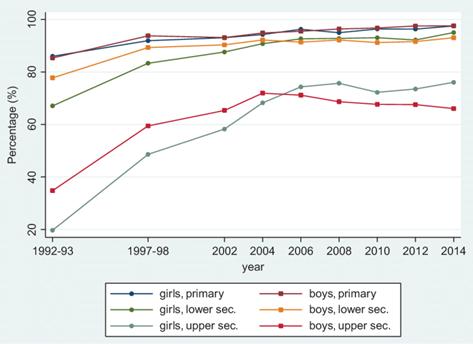
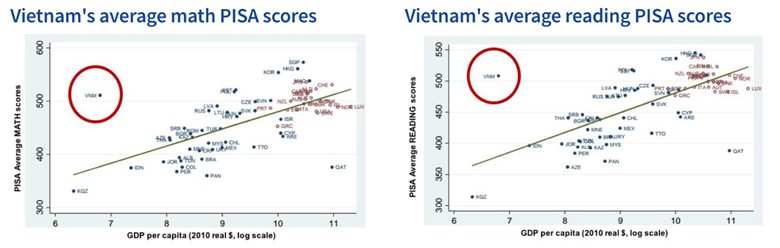




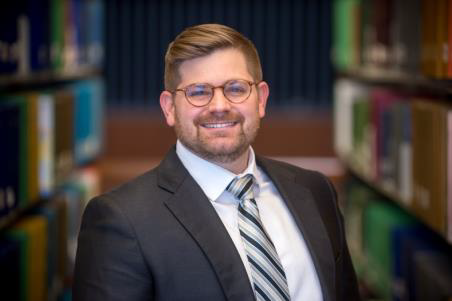

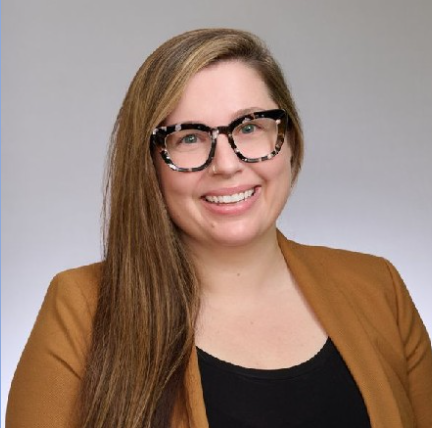






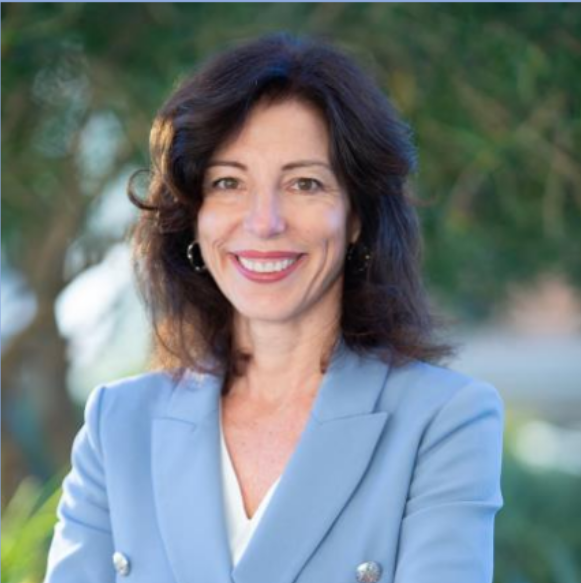



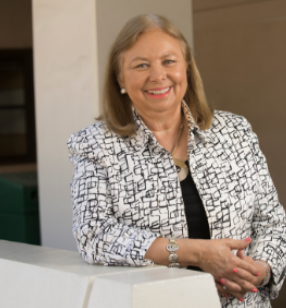
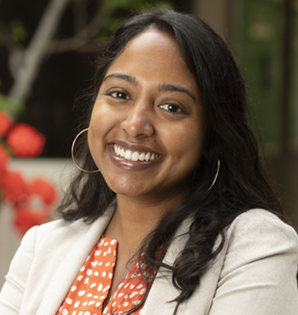

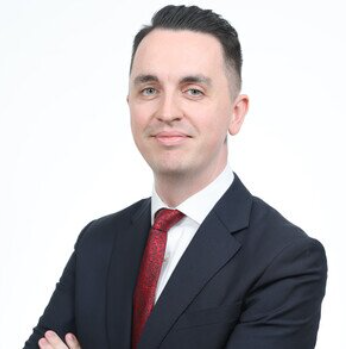

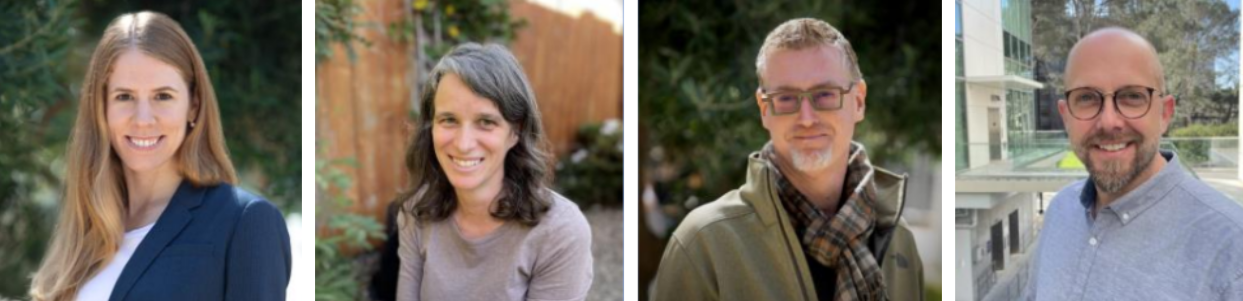






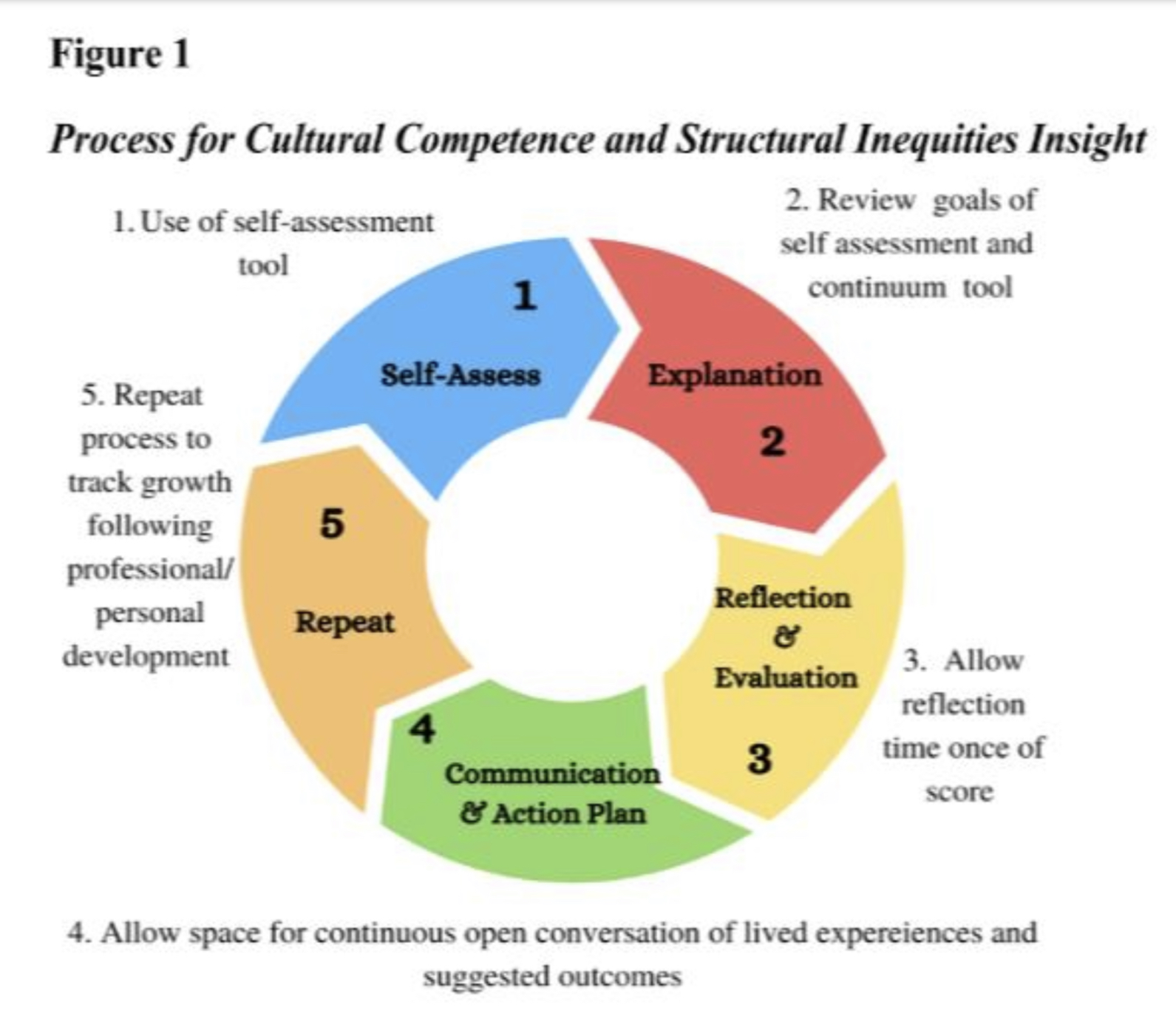

 International Education News