Category Archives: Lead the Change

Justice-Oriented Educational Change Through Community-Led Solutions: A Conversation with Edwin Nii Bonney

In November’s Lead the Change (LtC) interview Edwin Nii Bonney emphasizes that educational research and practice must “look back” by acknowledging colonial legacies and marginalized histories while “looking forward” by centering Indigenous, vulnerable, and community voices. His work highlights deep listening, intergenerational collaboration, and community-designed solutions as essential to dismantling deficit narratives and creating equitable educational systems. The LtC series is produced by Elizabeth Zumpe and colleagues from the Educational Change Special Interest Group of the American Educational Research Association. A PDF of the fully formatted interview will be available on the LtC website.

Lead the Change (LtC): The 2026 AERA Annual Meeting theme is “Unforgetting Histories and Imagining Futures: Constructing a New Vision for Educational Research.” This theme calls us to consider how to leverage our diverse knowledge and experiences to engage in futuring for education and education research, involving looking back to remember our histories so that we can look forward to imagine better futures. What steps are you taking, or do you plan to take, to heed this call? 

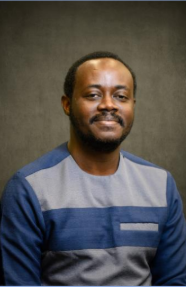
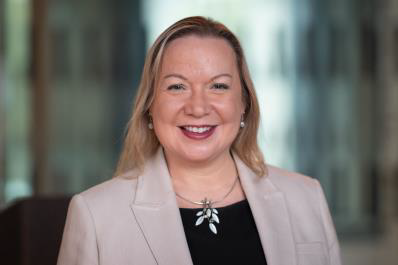
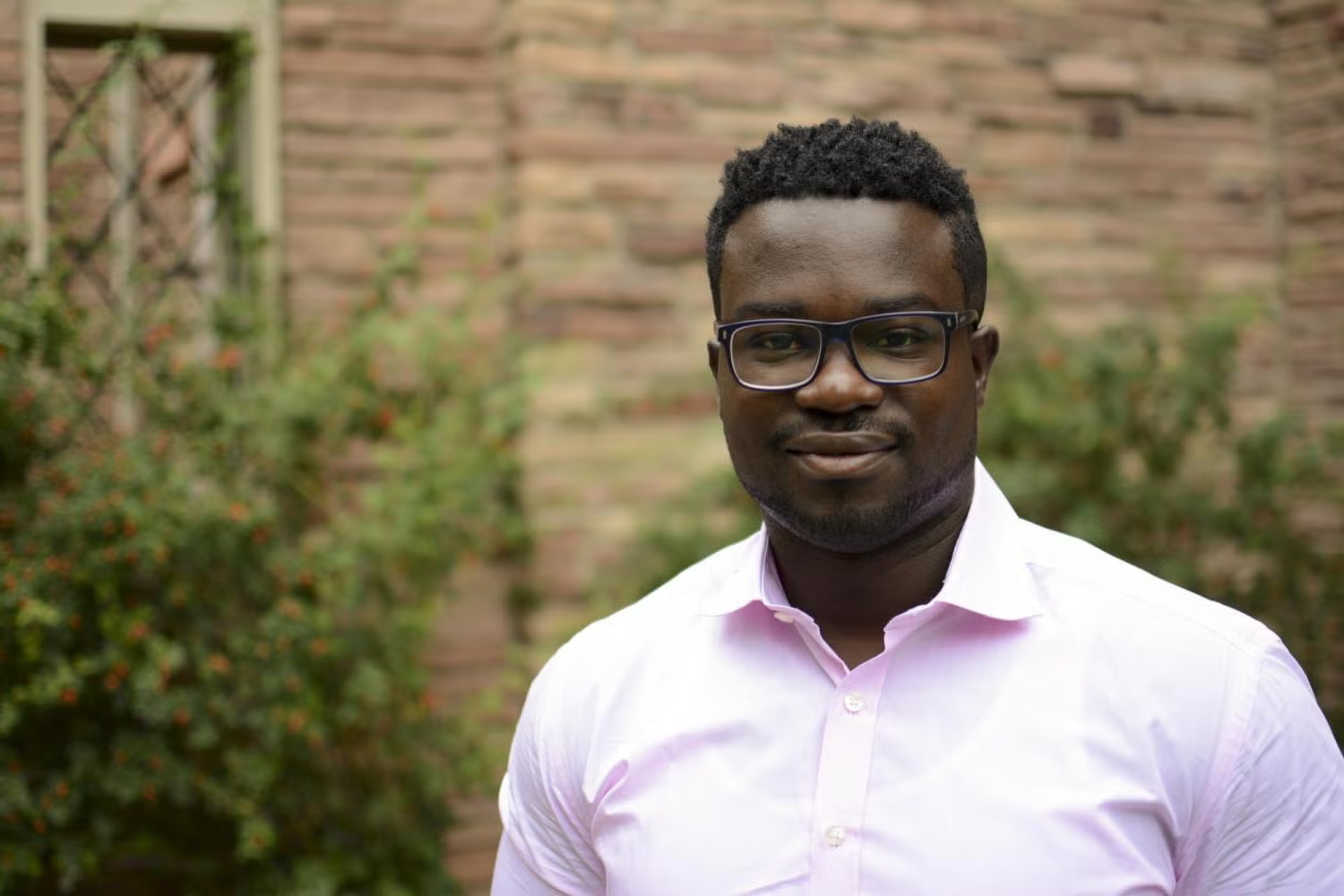
Dr. Edwin Nii Bonney

Edwin Nii Bonney (ENB): As someone who grew up in Ghana and went through K–12 and college there, I have come to appreciate the wisdom of my elders. That wisdom, often carried in proverbs and the principle of Sankofa, reminds us to look back and learn from the past so that we do not repeat its mistakes. In my scholarship, I wrestle with the reality that educational systems remain deeply embedded in coloniality. We are still grappling with the legacies of colonialism especially in the global South, and those legacies have not disappeared (Bonney, 2022). They persist in the languages we speak and use to instruct students, the books we read, our perceptions of ourselves, our standards of beauty, and even our justice systems (Bonney, 2023; Bonney et al., 2025a). Colonialism continues to shape much of who we are and how our societies function. It is essential that we acknowledge that the legacies of colonialism are still with us. It was not that long ago, and its effects continue to reverberate in our educational systems and beyond. 

Having lived and schooled in four different countries, I have come to realize that in every society there are marginalized and vulnerable groups. The dominant discourses in any context, whether social, cultural, or educational, are often so pervasive that marginalized voices, ideas, and ways of knowing are easily erased or silenced. Indigenous wisdom, local knowledge, and community customs are frequently pushed aside. This understanding shapes how I approach my scholarship. We must continually examine how educational leadership, policies, and practices have historically and presently marginalize the ways of being, speaking, and doing of those who are not part of dominant groups. Whether in the United States, Ghana, or elsewhere, there are always minoritized voices whose perspectives are excluded from how education is designed and enacted. Because of that, I believe it is vital to ask how we center the ways of speaking, knowing, and being of Indigenous, marginalized, and vulnerable communities in education. How do we ensure that their experiences and insights shape what we study, how we study it, and how we interpret what we learn?

In my own scholarship and service, I see my role as coming alongside communities and families, not as an expert above them but as a partner who recognizes them as experts of their own experiences. They understand the root causes of the challenges they face and often hold the wisdom to identify meaningful solutions. In Bonney et al. (2025a) in listening to students who had not been able to obtain passing grades in Math, many of them, after retaking the exam multiple times, I learned that they struggled to understand and make sense math concepts taught in English. They felt like failures until they went against the norm as experts of their own experiences to learn in their native languages. Learning in their own native language according to these students brought them success on the first try even though the system told them it was impossible. As we think about the future of education and research, we must keep asking: whose voices are missing from the table? Whose perspectives are absent from the design process? Which families are not engaged in our schools, and how do we empower them to participate fully? We must always ask who we are not serving well and how we can do better. When we look back at history, we see that we have not always served everyone equitably. Therefore, it must remain at the forefront of our work in education to ask, whose voices are we still not hearing?

LtC: What are some key lessons that practitioners and scholars might take from your work to foster better educational systems for all students?

ENB: Much of the work I do alongside educational leaders, students, and families begin with listening. It starts with listening deeply to the experiences of different groups and how they encounter systems of oppression. This kind of listening is to not to defend or to critique but to learn from their perspectives, their realities, and their ways of knowing and being. The next principle is building relationships across generations and forming coalitions among groups who are affected by similar problems of practice or systems of oppression. When these coalitions come together around community-informed problems and community-designed solutions, we are better able to address the issues that matter most to them. In Bonney et al. (2025b), I share about a community-based organization that brings together everyone in their village from as young as seven years to as old as 80 years. The organization gathers the elders to recount stories about the history of their community in their native language. The young people record and document the oral history and then create plays in their native language, where they dramatize the stories on digital media and on stage to be a resource for local schools because there were no resources to teach their native language other than English. This community led movement was in decreasing use of their native language. Communities understand their own challenges, and when they help design the solutions, those solutions are more authentic, effective, and sustainable (Costanza-Chock, 2020). Through these relationships and through genuine listening, we can begin to challenge deficit discourses and narratives that blame individuals instead of systems for the inequities we see in education. Deficit thinking overlooks structural causes and often misplaces responsibility. But lasting change requires us to shift our attention to the systems, policies, and practices that create and sustain inequity. 

Change in education will come only through broad coalitions that include not only researchers and educational leaders but also students, teachers, families, community members, elders and even naysayers. Their knowledge, lived experiences, and cultural wisdom are essential for reimagining a more just and equitable educational future. As we engage in this work, it is important to keep asking which solutions are working, for whom, and under what conditions (Hinnant-Crawford, 2025). Sometimes a solution may appear successful in one area but create unintended problems in another. When that happens, we must be ready to respond quickly to stop any harm. Change is not static; it is a continuous and reflective process. At the heart of this work is a simple but powerful truth: we must be intentional about involving those most affected by the problems we aim to address. We must center community expertise, engage families and students as co-creators of change, and together expose even small variations in outcomes for students as opportunities to learn. Finally, we must continue to seek out and listen to the voices and stories of those still impacted by systems of oppression or persistent inequities. Because meaningful change in education begins with listening, building relationships and broad coalitions that endure when we work together to challenge inequitable systems and co-create a more just future. These are the foundational blocks to a justice-oriented improvement approach to undo oppressive systems in education.

LtC: What do you see the field of Educational Change heading, and where do you find hope for this field for the future?

ENB: The nature of change is that it always comes with uncertainty. Sometimes that uncertainty can bring frustration on one hand or excitement on the other. We can never fully know what the future holds or what the field might look like. We cannot predict what new policies, reforms, or interventions will emerge, or what discourses will shape the field. What I do know is that we can always look back to learn. We can recognize that, as a society and as a field, there are things we’ve done well and others we have not. One of our core goals must be to serve all children well. That means preparing researchers, educational practitioners, students, and teachers so that we can meet the diverse needs of all types of learners. It also means continuing to prepare teachers for a field that is increasingly complex with diverse students who have diverse needs. It also means preparing educational leaders to create inclusive and collaborative environments that enable teachers and staff to do their best work to serve students equitably. 

So, although there is uncertainty about the future, one thing we can hold on to is that we know what we value and how to prepare for that future, whatever it looks like. More than what gives me hope is what energizes me. In Bonney et al., (2024) we created an edited volume, to center and hear from educational practitioners on the front lines and how they work with students, teachers, parents, and community to tackle problems of practice in their local schools and districts. In times of uncertainty, the best people to hear from are those on the front lines. Working alongside with these scholars, educational leaders, and practitioners, in the trenches trying to figure out how to serve all students well makes me expectant that things will change continuously for the better. They’re asking critical questions: How do we better support our teachers? How do we solve problems of practice? How do we address discipline issues or chronic absenteeism? How do we engage families more effectively? How do we reduce the overrepresentation of Black and Brown students in special education? How do we increase their representation in gifted and Advanced Placement courses? These are the kinds of questions that inspire hope for the future. Even though the future may be uncertain, we can still prepare for said future. Personally, I am not as concerned about where the field of educational change is heading but rather about preparing my students and practitioners for today’s challenges. I believe that the same justice-oriented and community-centered approach to solving today’s problems will help us address the problems of tomorrow.

Teaching in the Age of Generative AI: Lead the Change Interview with Bernardo Feliciano

In October’s Lead the Change (LtC) interview Bernardo Feliciano’s discusses his work through the AITeach Co-design Lab at UMass Lowell; this work brings educators, researchers, and technologists together to co-create strategies and tools for teaching in this age of AI. The LtC series is produced by Elizabeth Zumpe and colleagues from the Educational Change Special Interest Group of the American Educational Research Association. A PDF of the fully formatted interview will be available on the LtC website.

Lead the Change (LtC): The 2026 AERA Annual Meeting theme is “Unforgetting Histories and Imagining Futures: Constructing a New Vision for Educational Research.” This theme calls us to consider how to leverage our diverse knowledge and experiences to engage in futuring for education and education research, involving looking back to remember our histories so that we can look forward to imagine better futures. What steps are you taking, or do you plan to take, to heed this call? 

Bernardo Feliciano (BF): Currently I am working with colleagues to build a co-design lab that brings together educators from very different contexts to develop approaches to teaching and learning in a world where generative AI is a reality. The lab is called the AITeach Co-design Lab @ UMass Lowell. (The hyperlink goes to one of many one-pagers we have been developing for partners representing different disciplines and sectors).

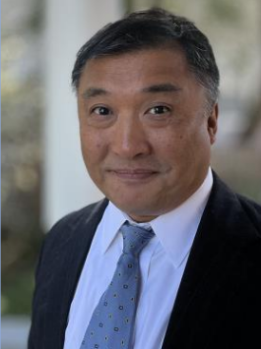
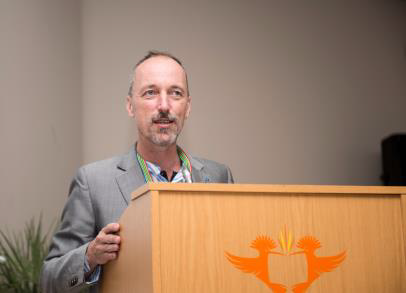
Bernardo A. Feliciano, Ph.D.

In the AITeach Co-design Lab, as collaborators we aim to create a structured space where we as a diverse group of educators, researchers, and technologists co-develop practical tools, strategies, and prototypes that respond to the reality of generative AI in education. The intention is not only to design usable products but also to study how to structure co-design itself to help schools navigate AI’s challenges and opportunities. In our co-design sessions, educators, researchers, and technology build spaces where we can address challenges in education and AI that are too complex for any one actor to solve (Snowden & Boone, 2007; Senge, 1990). The Lab functions as a structured environment where we can bring our problems of practice, iterate on small pilots, and use those cycles to build local capacity rather than waiting for top-down policy.

As an adjunct professor, I am also teaching a class on family and community engagement with schools. These roles constantly remind me that people bring distinct personal, professional, and institutional histories into every space. For me, futuring is less about projecting a single vision of “Education with a capital E” and more about the relational, actor-to-actor work of helping people shape their futures from the personal, professional, and institutional histories they inherit. That’s the direction my work is taking me.

The way I approach this is by convening diverse groups around developing tangible projects. The process matters as much as the specific product, whether it’s a research article, curriculum binder, a chatbot teaching/learning companion prototype, or a strategy for helping parents connect to schools. What is essential is how people can communicate their histories, connecting, adapting, negotiating, and reworking them to address problems in the present into a viable future. The varied personal and institutional histories participants bring are neither external resources to be tapped nor barriers to be overcome, but active materials in our negotiation of effective, situated teaching and learning. Innovation emerges as members work through these histories, adapting them in relation to one another to meet particular needs. I may not care whether my own work is labeled research, practice, or a mix of both, but as co-designers we must respect each other’s perspectives, even as those perspectives shift through negotiation. AI brings this into focus. At its core, AI is an immense bank or reservoir of the past, trained on and providing access to what is already known or has already been done. The future is not contained in the AI itself—nor can it be left to AI to imagine for us. The future comes from how we draw on that past to build something meaningful with and for the people in front of us. We explore generative AI as both a design partner and an object of study. Co-designers prototype tools like tutoring agents or parent communication bots, while also interrogating what it means to teach with, against, or around AI in everyday classrooms.

Of course, I have to use my own history, experience, and learning as a researcher, teacher, administrator, entrepreneur, and non-profit professional to leverage the network of histories that generative AI offers. But more than before, I can inform, contextualize, and connect the convening and teaching I do now with the work of so many more people and peoples (to some extent) who came before.

LtC: What are some key lessons that practitioners and scholars might take from your work to foster better educational systems for all students?

BF: One lesson is that teachers cannot be treated as passive implementers of someone else’s design. Too often, educational change is imagined as developing a curriculum or program in one place and distributing it everywhere. That assumes context does not matter and is peripheral rather than integral to learning and teaching. Our relationship to knowledge is always relational and always contextual.

Education has always lived in the complex space where cause and effect are only clear in hindsight (Snowden & Boone, 2007). Simon (1973) describes these as ill-structured domains existing in a state of dynamic heterogeneity in which diverse elements and relationships continually shift, preventing stable equilibrium and requiring ongoing adaptation (Pickett et al., 2017). Ill-structured problems cannot be solved by importing outside solutions but only by negotiation among those struggling with them. I do not believe that educational change—or improvement—comes from a fixed product or process delivered with fidelity. It is an ongoing process of learning through which people shape what they inherit—choosing what to keep, what to adapt, what to reject, and what to forget. It is a process I have found universally involves dynamics of local alliances, conflicts, and negotiations. The lesson I take from this is that if you want to improve schooling, you have to engage with the people who are doing the teaching and learning.

Working on my dissertation underscored this point. I wrote about using one-on-one meetings in a researcher-practitioner partnership to organize co-designing a computer science (CS) curriculum for middle schools. My experience brought home to me that there is no such thing as “shared understanding.” What emerges is never a single, final agreement but alignment good enough to act together, sustained through negotiation as perspectives shift. For example, teachers and researchers sometimes differed on how much detail a lesson plan should contain. Some wanted highly specified steps, others only broad outlines. Rather than force uniformity, we kept both versions and moved forward. That flexibility allowed the work to continue without pretending the difference had been resolved.

My work with different kinds of organizations has shown me how funding and infrastructure shape what is possible. This point is kind of obvious but still seems to bear repeating. Creativity and goodwill are not enough without sustainable and intentional support. For example, in the CS Pathways partnership, we shifted from MIT App Inventor to Code.org’s App Lab during remote learning. That solved one problem but created new ones around district procurement and accounts, showing how infrastructure shapes outcomes. In our recent Lab kickoff meeting, one participant noted that even when AI-enabled data tools existed, district procurement rules blocked their use — showing how funding and infrastructure filter what is possible.

At the same time, I saw that students’ and teachers’ own histories can be powerful resources for change, if we work out how to support them as they need to be supported.  In one part of the CS Pathways project, students framed their app design around civic issues in their community, such as neighborhood safety and access to resources. Their lived experiences pushed the curriculum beyond abstract coding skills into work that mattered locally. This reframed computer science as a civic as well as a technical practice and shaped how we sequenced and supported instruction in those classes. 

LtC: What do you see the field of Educational Change heading, and where do you find hope for this field for the future?

BF: In my experience, the field often moves toward building monoliths: “the system,” “the conceptual framework,” “the workforce,” “education technology.” Instead of these monoliths, we need to work with lesson plans and pacing decisions that make up “the system,” the overlapping frameworks that guide practice rather than a single “conceptual framework,” the varied teacher and student histories that constitute “the workforce,” and the specific tools and artifacts, from binders to chatbots, that become “education technology.” Monoliths can make things easier to talk about but also risk obscuring the negotiations and translations that are inseparable from those very systems. These relational dynamics are not add-ons. They are the system itself, as much as the actors are (Latour, 2005).  As in the earlier example of teachers’ differing preferences for lesson plan detail, the system took shape through the negotiation itself, not through a fixed agreement imposed from outside.

I would like to see the field shift toward paying closer attention to the actor-to-actor interactions and dimensions. That is where change takes shape: when people with different histories and contexts negotiate how to carry those histories forward. I see promising work moving in this direction: Playlab.ai’s participatory approach to AI tool-building, Victor Lee’s co-design of AI curricula with teachers, Penuel and Gallagher’s (2017) and Coburn et al.’s  (2021) and others’ emphasis on research–practice partnerships , and Bryk et al.’s (2015) improvement science cycles. The Cynefin co-design principles we are enacting in AITeach — probe, sense, respond — are themselves evidence of a field moving toward valuing negotiation and adaptation over fixed models (Snowden & Boone, 2007).

This is also where I find hope. In my dissertation research, I have seen how a small change in the structure of a meeting can reshape how colleagues relate to one another. Having a teacher go first in one-on-one meetings shifted the dynamic, allowing their concerns to set also frame a negotiation rather being a response to requirements. I have seen middle school students reframe ideas in ways that exceeded what I could have planned, such as attempting to build an app to help students and teachers share resources more effectively in school. Students translated apps they were familiar with into tools for their own purposes, which required reimagining instruction around their designs rather than trying to make pre-existing apps seem interesting. This approach may cause an instructional headache but least it provided an authentic motivation for learning an aspect of coding.

Some might call this the interest or work “micro-level,” but I avoid that term because it suggests hierarchies and fixed layers. I prefer to describe it as the translational dimension: the ongoing work of shaping futures from inherited histories by deciding what to keep, what to adapt, and what to let go.

Teachers, Teaching and Educational Change in Brazil, Côte d’Ivoire, Ghana, Israel, Malaysia, Scotland, South Korea, Switzerland, and the US: Lead the Change Interviews (Part 7)

Teacher led learning circles, teacher collaboration, and tacit and unspoken logics of educational change take center stage in the last post with excerpts of Lead the Change interviews with presenters from the Annual Conference of the American Educational Research Association this week. These excerpts are from three symposia sponsored by the Educational Special Interest Group. For previous posts featuring presentations at this year’s AERA conference see Part 1 “Leveraging Partnerships, Networks and Teacher Collaboration for Educational Change,” Part 2 “Leaders, Leadership Practices, and Educational Change in the US, Korea, and Hong Kong: Lead the Change Interviews (Part 2),” Part 3 “Educational Transformation in Schools and Colleges in the US and South Africa: Lead the Change Interviews (Part 3),” Part 4 Teacher Education, Teacher Certification, and Teacher Meetings in Israel, Korea, Switzerland and the US: Lead the Change Interviews (Part 4), Part 5 “Anti-discrimination policies in Massachusetts and socioeconomic education reform in Türkiye,” and Part 6 “Critical Consciousness, Digital Equity, and Critical Unschooling in the United States: Lead the Change Interviews.” The Lead the Change interviews are  produced by Elizabeth Zumpe and colleagues from AERA’s Educational Change Special Interest Group. The full interviews can be found on the LtC website


Sustaining Productive Teacher Collaborations: Infrastructures Across  International Contexts – Bryant Jensen (BJ), Brigham Young University, Amanda Datnow (AD), University of California, San Diego, Sarah Woulfin (SW), University of Texas at Austin 

Lead the Change (LtC): What are some of the ideas you hope the field of Educational Change and the audience at American Education Research Association (AERA) can learn from your work related to practice, policy, and scholarship?

BJ, AD, & SW: We hope the session audience will take at least three ideas from our session. First, that instructional infrastructures matter a great deal in realizing and sustaining productive collaborations among teachers. They include, for example:

● A regular time and place for small teams of teachers to plan and study their practice (Borko, 2004; Gallimore et al., 2009);

● Common pacing and instructional aims (Garet et al., 2001; Supovitz, 2002);

● Peer facilitation of team meetings (Andrews-Larson et al., 2017); and

● Protocols to guide teacher inquiry (Little and Curry, 2009; Segal, 2018).

Chapman et al. show how conditions across Dundee schools shaped the collective agency of teachers and school leaders alike. They provided opportunities for building trust among collaborating teachers and shared beliefs in themselves and in their schools which can influence the sustainability of equitable practice. Drawing on Sarason’s (1972) idea of “settings,” Jensen et al. illustrate the nested nature of instructional infrastructure to sustain improvement. In their ten-year case study, teacher teams in a middle school were led by peer teacher leaders; teacher leaders met monthly to debrief, plan, and prepare their team meetings; and settings for teacher leaders were organized by school administrators who also maintained a monthly setting. This system of settings sustained instructional change from the bottom up and top down; student academic performance gains on state tests over a ten-year period demonstrate sustainability.

Second, sustaining and scaling productive collaborations for equity in teaching and learning are related but distinct. In previous research, Tappel et al. (2022) showed how sustainability concerns the continuity, integration, and adaptability of change, whereas scale is about expansion and replication of change–to reach more teachers and students. In our session, Lefstein’s paper—an account of expanding a teacher collaboration program in Israel from 11 teams in 4 schools in the first year to 458 teams in 158 schools in the fifth year—illustrates tensions between sustainability and scale. He shows how smaller-scale change in Israel was more feasible because external resources enabled the infrastructure teachers needed whereas large-scale change was much less effective at sustaining change because existing infrastructures were poorly equipped to support the collaborative learning processes that researchers and designers sought to cultivate.

Third, sustainability should consider the perspectives and experiences of teachers. In their paper, Datnow and colleagues show that teachers change their routine ways of interacting and talking together as they change in the ways they think—about students, about teaching, and about collaborating. Infrastructures to sustain productive collaboration, they argue, should acknowledge how teachers’ thinking and practice develop and change over the course of reform. In their qualitative analysis of teacher and administrator data from four schools across four years, the authors identify institutional impediments or threats to teachers becoming more collaborative: accountability pressures, complex team dynamics, and the conclusion of capacity-building support provided by their research project.

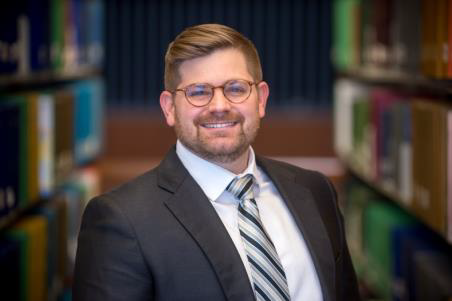
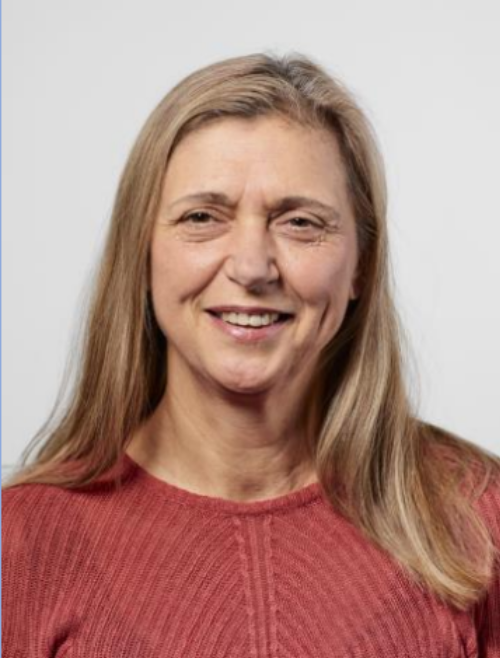
Dr Amanda Datnow
Dr Bryant Jensen
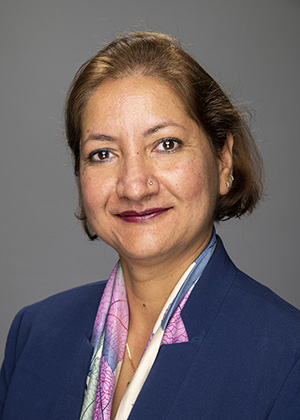
Dr Sarah Woulfin

Resilient pathways: Toward political theories of action for achieving educational equity – Aireale J. Rodgers (AR), University of Wisconsin-Madison, Heather N. McCambly (HM), University of Pittsburgh, Román Liera (RL), Montclair State University

Lead the Change (LtC): What are some of the ideas you hope the field of Educational Change and the audience at American Education Research Association (AERA) can learn from your work related to practice, policy, and scholarship?

AR, HM, & RL: Given the precarity of this sociopolitical moment and people’s varied sensemaking around it, we understand and appreciate the urge toward action. So often, educational change work focuses on doing something differently. Indeed, now is a moment where bold action is required. Yet, lessons from radical organizer-educators like Kelly Hayes and Mariame Kaba (2023) teach us that a move to action without critical reflection and collective organizing won’t free us. At worst, moving too quickly to action can rebirth the same system in a different form.

So rather than move directly to action, our intention with this symposium is to provide AERA members with an opportunity to explore where we should persist and where we might break from common theories of change toward equity and liberation in higher education. Through empirical cases focused on ethnic based community organizations (Hailu, 2025), Boards of Trustees (Rall, 2025), faculty cluster hiring (McCambly et al., 2025), and scholarly papers exploring the permanence of racism (Tichavakunda, 2025) and the fallacy of white supremacy (Davis III et al., 2025) in postsecondary institutions, we offer a generative pause to consider the often tacit and unspoken logics that guide our actions in an attempt to better name and collectively restrategize for future change efforts.

Dr Aireale J. Rodgers
Dr Heather McCambly
Dr Román Liera

Teacher-Led Learning Circles: Professional Learning for Teachers’ Use of Formative Assessment to Improve Students’ Learning – Carol Campbell (CC), University of Edinburgh, Chris DeLuca (CD), Nathan Rickey (NR) & Danielle LaPointe-McEwan (DL), Queen’s University, Martin Henry (MH), Education International

Lead the Change (LtC): What are some of the ideas you hope the field of Educational Change and the audience at American Education Research Association (AERA) can learn from your work related to practice, policy, and scholarship?

CC, CD, NR, DL, MH: The research and practices connected to the Teacher-Led Learning Circles project offer hope for the powerful combination of effective professional learning for teacher leadership and the use of formative assessment to benefit students’ learning. It has long been established that teacher quality and teaching quality are central to educational change (Barber & Mourshed, 2007; Darling-Hammond et al., 2017; Education International and UNESCO, 2019; OECD, 2021; Thompson, 2021). Similarly, the potential of formative assessment and feedback has been integral to educational change, for example, in developments stemming from the seminal review by Black and Wiliam (1998) with the Assessment Reform Group, establishing foundational principles for assessment for learning (AfL).
Through the experiences and evidence from seven countries participating across four continents in the Teacher-Led Learning Circles project, overarching lessons identified in our final report (Campbell et al., 2024a, 2024b) include:

While sustained education renewal would require comprehensive educational change at the systems level, we found that professional learning can contribute to successful change efforts at the local level when:

Supporting teachers in identifying and focusing on goals linked to their students’ needs and for teachers’ own professional learning needs. These twin goals can enhance both student agency and teacher leadership.

Differentiating for teachers’ professional contexts and experiences and for their goals and approaches to formative assessment, including further differentiation with changing experiences over time.

Offering quality content. However, quality of content needs to be balanced with quantity and differentiated to be relevant and practical.

Providing active and collaborative professional learning opportunities. Supports for collaboration across geographical contexts is necessary and requires attention to both availability of online and in-person activities.

Ensuring adequate resources such as funding to support access to expert resources, including facilitators, and time for professional development.

Combined with system leadership, including teacher unions. Growth in teachers’ leadership, confidence, skills, and practices was beneficial, with impacts within and beyond their schools. It is also essential to engage and educate formal school leaders.

Moreover, we found that for change efforts were more likely to successfully reach the classroom through the use of formative assessment that:

Involves a suite of highly interconnected practices that are all aimed at supporting student learning. The heart of the formative assessment process—i.e., teachers and students interpreting and using evidence of student learning to guide and promote learning—can be accessed and encouraged in multiple ways.

Are adapted for local contexts and assessment systems. Formative assessment can operate within a variety of assessment cultures, even if specific practices are operationalized differently within these contexts.

Occur across a range of teaching contexts, regardless of access to technology. When students had consistent access to devices and reliable internet connections, this could support formative assessment. Yet similar formative assessment practices were reported by teachers whose classes had limited or no access to devices or the internet.

Is intentionally integrated into teachers’ pedagogical practices in their classrooms. In some cases, teachers’ strategies did not integrate or maximize the potential of formative assessment to further benefit students’ learning.

Nathan Rickey
Dr Danielle LaPointe-McEwan
Dr Carol Campbell
Martin Henry
Dr Christopher DeLuca

Critical Consciousness, Digital Equity, and Critical Unschooling in the United States: Lead the Change Interviews (Part 6)

This week’s post includes excerpts from interviews with presenters discussing “Redefining leadership and equity in evolving educational spaces” at the Annual Conference of the American Educational Research Association next week. For previous posts featuring presentions at this year’s AERA conference see Part 1 “Leveraging Partnerships, Networks and Teacher Collaboration for Educational Change,” Part 2 “Leaders, Leadership Practices, and Educational Change in the US, Korea, and Hong Kong: Lead the Change Interviews (Part 2),” Part 3 “Educational Transformation in Schools and Colleges in the US and South Africa: Lead the Change Interviews (Part 3),” Part 4 Teacher Education, Teacher Certification, and Teacher Meetings in Israel, Korea, Switzerland and the US: Lead the Change Interviews (Part 4), and Part 5 “Anti-discrimination policies in Massachusetts and socioeconomic education reform in Türkiye.” The Lead the Change interviews are  produced by Elizabeth Zumpe and colleagues from AERA’s Educational Change Special Interest Group. The full interviews can be found on the LtC website


Action spaces to support teaching critical consciousness: Risk-taking within professional learning communities – Christina L. Dobbs, Boston University – Madora Soutter, Villanova University – Daren Graves, Simmons University – Elianny C. Edwards, College of the Holy Cross – Scott Seider, Brianna C. Diaz, Babatunde Alford, Kaila Daza, Sarah E. Fogelman, Trang U. Le, Alexandra Honeck, Hannah Choi, Yuwen Shen, & Hehua Xu, Boston College.

Lead the Change (LtC): What are some of the ideas you hope the field of Educational Change and the audience at American Education Research Association (AERA) can learn from your work related to practice, policy, and scholarship?

CD, MS, DG, EE, SS, BD, BA, KD, SF, TL, AH, HC, YS, & HX: We will present a project from the past several years called the Critical Crew Project. This project sought to teach middle grade students about critical consciousness (Freire, 1973), the ability to challenge and navigate oppressive forces, and to document how those schools used professional learning community (PLC) spaces to learn and teach critical consciousness with students during advisory meetings….We learned a great deal across this project about systems of multi-level change to build support for learning at a range of levels. Teachers needed space and support to learn about teaching critical consciousness that had structure without prescription. Our approach of having flexible tools with lots of space for specialization for contexts and particular students seemed to resonate with teachers. We found also that, as university partners, we served as conduits to research and other materials for PLCs and to use their feedback for refining the work, without being overly directive about the project. We also learned about producing a range of work products as a result of the project – academic papers, curricular materials, videos from classrooms, etc. – which has helped us push different levers, such as publishing research or presenting teacher workshops or building curriculum and participate in different conversations as a result of the work.

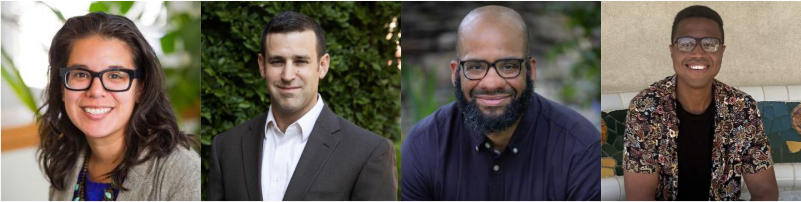
From Left to Right: Dr Christina Dobbs, Dr Scott Seider, Dr Daren Graves, Babatunde Alford

From Left to Right: Brianna Diaz, Dr Elianny Edwards, Kaila Daza

From Left to Right: Dr Trang Le, Alexandra Honeck, Hannah Choi
From Left to Right: Sarah Fogelman, Hehua Xu, and Dr Madora Soutter

Digital Equity and Inclusion: Insights into Educational Change and School Initiated Improvements – Christopher Sanderson, University of Arizona 

Lead the Change (LtC): What are some of the ideas you hope the field of Educational Change and the audience at American Education Research Association (AERA) can learn from your work related to practice, policy, and scholarship?

CS: My research offers insights into the challenges and strategies facing K-12 school districts in their efforts to promote digital equity and inclusion, providing valuable lessons for practice, policy, and scholarship. My work emphasizes the importance of integrating digital tools and providing professional development for educators to address disparities effectively. For example, I highlight the need for further training to bridge digital literacy fissures. From a policy perspective, I encourage sustained district-level planning and collaboration to tackle systemic barriers, such as the expiration of temporary programs like the CARES Act and ACP (Federal Communications Commission, n.d.; US Department of Education, 2024). Digital equity must be treated as a long-term priority rather than a short-term response to crises like the COVID-19 pandemic (Petersen, 2024).  

I also emphasize holistic definitions of digital equity and inclusion, which include access to affordable internet, devices, and the necessary digital skills. Collaborative approaches are essential, and I focus on engaging administrators, teachers, parents, and community members in co-creating solutions to foster a shared vision of digital equity and inclusion. My research highlights the importance of addressing systemic inequities and recognizing biases in policy and practice. For instance, I noted that federal programs often exclude K-12 schools, advocating for tailored, inclusive, sustainable, district-level strategies (National Telecommunications and Information Administration, 2024).  

My work offers frameworks to explore the intersections of digital inclusion, systemic inequities, and community collaboration in educational change. It contributes to the growing body of literature on digital equity by providing insights into how schools can navigate barriers to ensure every student has the tools for success. Focusing on localized, context-driven solutions and collaborative efforts, this research aims to inform and create more equitable learning environments that address both immediate needs and long-term goals. This study may support school districts in assessing their progress toward digital equity and inclusion, offering recommended actions for transformative change. Through the collection and analysis of data, districts can identify patterns and make informed decisions on future steps.  

The findings from this study can serve as a catalyst for action-oriented planning beyond its conclusion. The ultimate goal is to develop actionable strategies that help school districts achieve equitable student access. While an outsider can only begin to grasp the challenges students, communities, and schools face regarding technology access, internet connectivity, and digital skills development, addressing these barriers requires strategic, locally driven planning. Schools are complex and diverse, with digital equity and inclusion needs varying from one site to another. For example, one school might require more digital literacy training for caregivers, while another may need additional internet hotspots to ensure students can access devices outside school hours. 

Dr Christopher Sanderson

Achieving Excellence Academy: Critical  Unschooling and the Promise of a  Humanizing Education – Dr. María del Carmen Salazar & Nadia Saldaña-Spiegle, University of Denver, Ashlea Skiles, Denver Public Schools

Lead the Change (LtC): What are some of the ideas you hope the field of Educational Change and the audience at American Education Research Association (AERA) can learn from your work related to practice, policy, and scholarship?

MS, NS, AS: One of the central contributions of this research is the expansion of the concept of critical unschooling. We, the researchers, extend this concept by conceptualizing “home-based” as one’s sense of “home” which is inclusive of home culture, community, native language, intersectional identities, history, heritage, ancestors, and ultimately, of one’s full humanity. We, the researchers, put the concept of critical unschooling on the ground and bring to live a real-world example in an educational setting with secondary students and teachers of color. This is an important contribution to the field because it extends theory into practice.

Another important contribution of this research is that student voices are centered and the concept of critical unschooling is shaped by their experiences and insights. One of the most impactful findings is how students redefine excellence as a result of the Achieving Excellence Academy (AEA). As an example, one student stated, “Excellence is not just holding onto your goals, it’s going after and representing yourself, and reflecting yourself in your goals.” Another student emphasized, “Before, I only thought about excellence athletically and academically, but after this program, I think it’s cultural too…pride in your own culture, accepting other people’s cultures, and being woke.” The AEA expanded students’ perceptions of excellence to include a focus on their well-being and cultural pride. Moreover, teachers of color extended this concept into teaching and learning by sharing how they enacted critical unschooling.

Dr María del Carmen Salazar
Nadia Saldaña-Spiegle
Ashlea Skiles

Anti-discrimination policies in Massachusetts and socioeconomic education reform in Türkiye

In Part 5 of the Lead the Change (LtC) interviews, IEN shares excerpts from interviews with the presenters discussing “Critical analysis of policy and school reform: Reimagining more just futures” at the upcoming Annual Conference of the American Educational Research Association.  For the other posts featuring presenters from this year’s AERA conference see Part 1 “Leveraging Partnerships, Networks and Teacher Collaboration for Educational Change,” Part 2 “Leaders, Leadership Practices, and Educational Change in the US, Korea, and Hong Kong: Lead the Change Interviews (Part 2),” Part 3 “Educational Transformation in Schools and Colleges in the US and South Africa: Lead the Change Interviews (Part 3),” Part 4 Teacher Education, Teacher Certification, and Teacher Meetings in Israel, Korea, Switzerland and the US: Lead the Change Interviews (Part 4). These interviews are a part of a series produced by Elizabeth Zumpe and colleagues from AERA’s Educational Change Special Interest Group. The full interviews can be found on the LtC website


‘Even-handed treatment of all sides’: A critical policy analysis of Massachusetts anti-discriminatory school committee proposals – Erin Nerlino (EN), Clark University, & Lauren Funk (LF), Boston University

Lead the Change (LtC): What are some of the ideas you hope the field of Educational Change and the audience at American Education Research Association (AERA) can learn from your work related to practice, policy, and scholarship?

EN & LF: By engaging in this work, we aim to enhance the knowledge that the field of Educational Change and the audience at AERA have about how some threats to equal education and student belonging occur locally within cities, towns, and school district communities. While much attention has rightly been focused on states that have more widespread discriminatory laws in place, such as Florida and Texas (Johnson, 2020), local communities in states such as Massachusetts are also facing divisive and discriminatory policies. Educators, parents, students, and community members are organizing in response to resist such policies in many districts; however, an increasing number of these discriminatory and divisive policies are arising (Feingold et al., 2023). We hope to shed light on the communal threat that these policies pose and break the silos of individual districts facing these policies to share resources, strategies, and experiences in successfully resisting.

Furthermore, much of the language and concepts used in these policies can initially seem benign, suggesting that all viewpoints are just and reasonable. For example, the four policies under study in this work use words and phrases such as “neutral,” “unbiased,” and “even-handed treatment of all sides.” These phrases assert the false idea that presenting all sides of a social policy issue constitutes neutrality and that neutrality itself is ideal and not taking a position. Many of the underlying implications impact already vulnerable student populations and hamper the efforts of educators. To refer back to the previously-mentioned phrase of an “even-handed treatment of all sides” as an example, this assertion opens up the classroom as a space that has the potential to deny students’ identities as it allows for individuals to voice problematic ideas based on race, sexual orientation, religion, social class, etc., in the name of covering “all sides” of an issue. By elucidating some of the problematic language, we hope to prepare fellow allies in practice, policy, and scholarship to productively challenge ideas that might threaten the belonging of all students in schools.

Dr. Erin Nerlino 
Dr. Lauren Funk

The implications of educational change on socioeconomically disadvantaged students – Elif Erberk (EE) Van Yuzuncu Yil University, & Yasar Kondakci (YK) Middle East Technical University

Lead the Change (LtC): What are some of the ideas you hope the field of Educational Change and the audience at American Education Research Association (AERA) can learn from your work related to practice, policy, and scholarship?

EE & YK: This study critically evaluates the impact of educational reforms on socioeconomically disadvantaged students and invites both policymakers and practitioners (e.g., teachers and principals) to tailor measures that mitigate the negative impact of the reform on those students. The active involvement of teachers and principals in the design phase of the reform, empowering them during the implementation by providing additional resources, and granting decision-making latitude to contextualize the implementation in socioeconomically disadvantaged areas are practices highlighted by the teachers and principals. However, specific recommendations are made for policymakers, who are encouraged to demonstrate participatory and democratic practices during the design phase of the reform. Additionally, fostering a collaborative climate and inviting both internal (teachers and principals) and external (e.g., universities, labor unions) stakeholders to contribute to the design and implementation of reforms is vital for diminishing the impact on socio-economically disadvantaged students. 

Dr Yasar Kondakci
Dr Elif Erberk

Teacher Education, Teacher Certification, and Teacher Meetings in Israel, Korea, Switzerland and the US: Lead the Change Interviews (Part 4)

This week IEN shares Part 4 of the Lead the Change (LtC) series interviewing presenters participating in the Educational Change Special Interest Group sessions at the upcoming Annual Conference of the American Educational Research Association. This post includes presenters from the session titled: “Equity-minded leaders transforming the global educational landscape.” For Part 1 see “Leveraging Partnerships, Networks and Teacher Collaboration for Educational Change,” Part 2 “Leaders, Leadership Practices, and Educational Change in the US, Korea, and Hong Kong: Lead the Change Interviews (Part 2)” and Part 3 “Educational Transformation in Schools and Colleges in the US and South Africa: Lead the Change Interviews (Part 3).” These interviews are part of the Lead the Change series produced by Elizabeth Zumpe and colleagues from AERA’s Educational Change Special Interest Group. The full interviews can be found on the LtC website


Historical changes in teacher education in Israel: An analysis of professional perceptions from 1960 to 2020 – Ayelet Becher (AB) & Izhak Berkovich (IB), The Open University of Israel

Lead the Change (LtC): What are some of the ideas you hope the field of Educational Change and the audience at American Education Research Association (AERA) can learn from your work related to practice, policy, and scholarship?

AB & IB: Our work offers valuable contributions to the practice of teacher education. Teacher education curricula should respond to the cyclical nature of educational change, preparing teachers for shifts in pedagogical trends and the potential return of seemingly outdated practices. Instead of presenting a singular “best-practice” model, teacher education programs should equip pre-service teachers with the adaptability and critical thinking skills to navigate fluctuating pedagogical paradigms. For example, this could involve teaching both content-centered and student-centered methods and conducting simulations to help teachers practice adjusting their approach based on different classroom scenarios. This also necessitates supporting prospective teachers in forming a strong professional identity and developing reflexive skills. Curricula could integrate historical analysis and context-awareness practices, enabling teachers to understand the deeper social and political forces that shape educational policy and practices in their local context. Our study’s [Historical changes in teacher education in Israel: An analysis of professional perceptions from 1960 to 2020] findings underscore the importance of teachers’ adaptive expertise in responding to changing societal conditions and emerging needs. Teacher training should equip prospective teachers with versatile knowledge and skills to adapt to various contexts and specific learners while preserving their established pedagogic creed. 

The study also contributes to educational policymaking. Given the cyclical nature of educational reform, it is crucial to focus education policy on incremental, sustainable improvements rather than rapid, radical shifts that may prove unsustainable. This requires developing adaptable teacher education policies that respond to shifts in societal values and priorities without abandoning fundamental principles of educational equity and justice. A “one-size-fits-all” approach is unlikely to succeed; effective policy requires adapting to specific contexts and addressing the unique needs and challenges of national systems. The long-term perspective necessary to address cyclical patterns demands a shift from short-term policy cycles to long-term planning horizons. Policymakers must avoid pursuing quick fixes and instead focus on fostering sustained, systemic changes that can withstand shifts in ideology and priorities. This might involve establishing broader cross-sectoral collaborations that include policymakers, teacher educators, researchers, and community stakeholders. 

Lastly, our work contributes to the relatively limited body of scholarship that explores the historical path dynamics of educational change (e.g., Berkovich, 2019; Hargreaves & Goodson, 2006), shedding light on the interplay between past trends and present educational challenges. Our 60-year study highlights the significance of adopting a long-term perspective to understand educational shifts. Researchers would also benefit from examining the nuanced sociopolitical circumstances that mobilize, stabilize, and destabilize educational changes within specific contexts. We encourage a comparative analysis of long-term cyclical patterns in other national contexts to determine the scope and applicability of the cyclical model in diverse settings.

Ayelet Becher, PhD
Izhak Berkovich, PhD

Developing the Korean version of the equity scenario survey: Pilot study – Sojung Park (SP), Nicholas S. Bell (NB), Elizabeth Slusarz (ES), University at Albany, State University of New York

Lead the Change (LtC): What are some of the ideas you hope the field of Educational Change and the audience at American Education Research Association (AERA) can learn from your work related to practice, policy, and scholarship?

SP, NB, & ES: Our study [Developing the Korean version of the Equity Scenario Response Survey] highlights a critical gap between teacher candidates’ self-perceived readiness to address racism and ableism in the classroom (as seen in quantitative data) and their actual preparedness (as revealed by scenario-based responses). To examine these discrepancies, we employed the Korean-adapted Equity Scenario Response Survey (ESRS-K)—a scenario-based tool derived from the ESRS (Bell & Codding, 2021)—which we translated and culturally tailored to capture equity-related dilemmas specific to Korean classrooms.

From a policy perspective, our results offer a roadmap for educational leaders in South Korea and other societies facing similar demographic shifts. Policymakers should leverage these findings to set clearer teacher certification requirements or require mandatory equity modules in teacher education curricula. By explicitly targeting racism, ableism, and related forms of discrimination, policy reforms can foster inclusive practices throughout national teaching standards.

In terms of scholarly contributions, our research applies QuantCrit [a theory that uses quantitative methods in ways consistent with the tenets of Critical Race Theory] in a novel way, both theoretically and methodologically. Adapting the ESRS for a Korean setting not only refines its cultural relevance but also expands the global discourse on equity assessment tools. This contextualized application of QuantCrit can guide teacher education in other rapidly diversifying contexts, offering a model for how researchers and practitioners might evaluate teacher readiness in settings undergoing similar demographic changes.

Taken together, our work bridges theory—Critical Race Theory (CRT) through QuantCrit—and practice in the form of teacher training and classroom realities. We invite the AERA community to critically examine how traditional self-report measures can be supplemented with tools like scenario-based assessments. These tools uncover the complexities of equity education, moving beyond surface-level self-perceptions to provide deeper insights into candidates’ readiness to enact equitable practices.

Nicholas Bell, PhD
Elizabeth Slusarz, PhD student
Sojung Park, PhD

Are team meetings a place for teacher learning? An ‘in situ’ analysis of meeting practices – Enikö Zala-Mezö (EZ), Zurich University of Teacher Education, & Amanda Datnow (AD) University of California San Diego

Lead the Change (LtC): What are some of the ideas you hope the field of Educational Change and the audience at American Education Research Association (AERA) can learn from your work related to practice, policy, and scholarship?

EZ & AD: In our paper, we address the question: How does professional learning—which is similar to “collective trial and error” in Haslanger’s (2023, p. 169) wording—unfold in team meetings in schools? We describe meeting practices ‘in situ’. Driven by practice theory (Reckwitz, 2002), ‘in situ’ means we focus on daily practices in schools as the unit of analysis. We analyze detailed audio-recorded data gathered in team meetings in three Swiss schools and two different teams within each school. We attend to discourse sequences with potential for knowledge generation, where future practices or new insights are produced. We build on the definition of generative sequences from Beech et al. (2010): “engagement between two or more people that goes beyond the trivial, which changes some meanings or processes and/or creates some new knowledge” (p. 1342). In other words, we are looking for instances in which educators engage in deeper discussions that are characterized by inquiry and problem solving. 

A non-generative discussion would be one in which the team does not engage issues of teaching and learning in much depth and jumps to quick solutions, such as blaming students for their underachievement.  

Our analysis reveals that, in the Swiss schools we studied, educators often organize highly structured meetings with full agendas that last around an hour (with some exceptions). These meetings tend to have very short sequences discussing up to 12 topics, which limits opportunities for deeper understanding, and joint learning. The generative aspect of the discourse was found to be low in many cases, yielding few opportunities for teacher learning. Additionally, the high level of structuring activities (introducing, summarizing, coordinating the discussion), along with the dominant role of the meeting leaders (who often have the lion’s share of speech time) and full agendas, suggests an underlying bureaucratic approach to team meetings. Managing organizational tasks tends to overshadow the learning opportunities for teachers, emphasizing administrative concerns over collaborative learning or reflective discussions. This structure implies that the primary focus of the meetings is on fulfilling organizational needs rather than fostering meaningful, collaborative learning experiences for the educators involved.  

We believe these findings have important implications for research and practice. Our hope is to raise the consciousness of educational leaders, teachers, and external partners about the discourse in team meetings. Teacher collaboration meetings are expected to be a vehicle of educational improvement (Vescio et al., 2008; Lefstein et al., 2020), and our analysis suggests they could be much more generative of learning than they presently are. There is of course no recipe for changing practices; rather, shifts happen through continuous inquiry, a trial-and-error process drawn on educators’ deep professional knowledge. The research community could also play a role through gathering and sharing micro-analytic data of meeting practices and conditions and partnering with educators in an inquiry process.  

Amanda Datnow, PhD
Enikö Zala-Mezö, PhD

Educational Transformation in Schools and Colleges in the US and South Africa: Lead the Change Interviews (Part 3)

In part 3 of this month‘s Lead the Change (LtC) interviews, IEN shares excerpts from interviews with the presenters discussing “Equity-minded leaders transforming the global educational landscape,” at the upcoming Annual Conference of the American Educational Research Association. These presenters will address topics like quantifying superficial institutional social justice policies in universities and the importance of rejecting copy paste reform models in grade schools. These interviews are a part of a series featuring presentations sponsored by the Educational Change Special Interest Group produced by Elizabeth Zumpe and colleagues from AERA’s Educational Change Special Interest Group. The full interviews can be found on the LtC website. For Part 1 see “Leveraging Partnerships, Networks and Teacher Collaboration for Educational Change and Part 2 “Leaders, Leadership Practices, and Educational Change in the US, Korea, and Hong Kong: Lead the Change Interviews (Part 2)


“It’s not always about college”: Teachers’ sense-making around the shifting purpose of high school —Aaron Leo (AL) & Kristen Wilcox (KW), University at Albany (SUNY)

Lead the Change (LtC): What are some of the ideas you hope the field of Educational Change and the audience at American Education Research Association (AERA) can learn from your work related to practice, policy, and scholarship?

AL & KW: NYKids’ research offers a unique contribution to the field of Educational Change considering we are investigating schools which have sustained above-predicted outcomes for an extended time. As all schools are unique, our findings are not meant to be copied and pasted onto every location; instead, we view the lessons learned from positive outlier schools as a partial roadmap which can inspire and inform educators grappling with challenges in their own particular school-community contexts. Moreover, our qualitative approach provides a way to hear directly from educators as they describe, in their own words, their unique school and community ecologies, the obstacles they have encountered, and the particular policies, practices, and programs they have designed to overcome them. Our full dataset from the seven participating schools include: 70 interviews, 43 focus groups, 361 collected documents, and field notes taken during four school tours.

One aspect common to the positive outlier schools we studied was an effort to make curriculum relevant, engaging, and responsive – especially in the wake of the COVID-19 pandemic and related school closures. For instance, at Lafayette Jr.-Sr. High School, educators have worked to ensure that the sizeable population of students from the Native American Onondaga Nation were provided culturally relevant activities and were represented in the school’s activities, appearance, and values. This process took many forms such as flying the Onondaga flag outside the school, creating a section in the school library featuring Native American authors, and working with a Native American liaison and My Brothers’ Keeper Coordinator to foster positive connections between the school and Onondaga community. At Fillmore, educators also developed culturally responsive approaches, but these looked different in a rural locale with a long history of agriculture. In this context, educators reinstated the Future Farmers of America program and provided hands-on opportunities for students to care for plants and animals on school grounds. To engage their students, Fillmore teachers worked together to create cross-disciplinary lessons and project-based learning opportunities. 

We feel that these findings are of high value to the field of Educational Change as they provide examples of educators working to identify and address challenges in varied contexts. As our improvement hub has been supported by the state for over two decades, our research, and research-based tools have attracted the attention of the New York State Department of Education and have been highlighted by our advisory board member organizations including the New York State Council of School Superintendents, The New York State School Boards Association and several others that in turn influence policy in our state.

Kristen Campbell Wilcox, PhD
Aaron Leo, PhD

Call for efficacy: Changes in prior learning assessment (PLA) measures in the Florida college system — Giang-Nguyen T. Nguyen (GN) & Carla Thompson (CT), University of West Florida, Rashmi Sharma (RS), Western Illinois University

Lead the Change (LtC): What are some of the ideas you hope the field of Educational Change and the audience at American Education Research Association (AERA) can learn from your work related to practice, policy, and scholarship?

GN, CT, & RS: The researchers hope that AERA and the field of educational change could be the space to share research that directly impacts the students of the underserved community. The audience at AERA could learn about the current landscape of prior learning assessment (PLA) in Florida. This one segment of research from Florida has far-reaching implications beyond the US. By shedding light on PLA, the researchers hope that the participants from other states and internationally can advocate for transparency and support the community college students. Moreover, the audience at AERA could make the change by being the change they want to see in practice.  

The researchers are advocating for uniform and sustainable policies at the state level guided by federal guidelines as a critical step in ensuring equitable access to PLA opportunities for community college students. The researchers are hoping that the participants will engage in scholarly discussion about the following implications of the research and provide their insights and actionable suggestions: 

  1. Sustainability in Education Systems. Researchers hope to see a shift in thinking about the sustainability of educational reforms related to educational practices and policies. We are advocating for creating a system for continuous improvement on PLA for community college students, where changes could be implemented and evaluated regularly to take into account the needs of different groups of students. 
  2. Bridging research to practice. Research shows that students have limited access to PLA information so it is important to provide multiple avenues of information for easy access. Using evidence from the research to inform the practice, the researchers propose changes at the state and federal level policies that involve multiple stakeholder groups. 
  3. State-Level Uniformity. Advocate for state-level uniform policies that ensure consistency across institutions, making it easier for students to understand and access PLA opportunities. Such policies can standardize some processes like credit evaluation, eligibility criteria, and application procedures. State mandates can require institutions to make PLA information readily available through multiple channels, such as websites, orientation sessions, social media, and advising services.
  4. Federal Guidelines as a Framework. Federal guidelines can establish minimum standards to ensure that PLA policies promote equity, inclusion, and access for all students, particularly those from underserved communities. The federal government can incentivize states to adopt uniform PLA policies by tying funding or grants to comply with these guidelines. Federal guidelines can encourage states to adopt reciprocity agreements, ensuring that PLA credits earned in one state are recognized in others, thereby supporting student mobility.
  5. Collaboration Across Stakeholders. Encourage collaboration among educators, policymakers, and advocacy organizations to align state policies with federal guidelines. There is a need to consider local needs and provide professional development opportunities to ensure administrators and faculty are well-equipped to implement uniform PLA policies effectively.
Carla Thompson, PhD
Rashmi Sharma, PhD
Giang-Nguyen Nguyen, PhD

Youth and institutional change: The impact of student protests on curricula transformation in higher education — Tafadzwa Tivaringe (TT), Spencer Foundation

Lead the Change (LtC): What are some of the ideas you hope the field of Educational Change and the audience at American Education Research Association (AERA) can learn from your work related to practice, policy, and scholarship?

TT: A key insight from this work [with students in higher education in South Africa and the US] is that practical efforts to facilitate institutional change that are rooted in research stand a better chance of delivering on the promise of transformation. For example, my work finds that while there was a statistically significant increase in course offerings that aligned with students’ demands for more social justice curricula, sentiment analysis of the syllabi of those classes in both country’s colleges demonstrated that a significant proportion adopted neutral framings on the subject. Furthermore, while colleges in both countries adopted courses that had titles and/or course descriptions that referenced social justice, most of the goals of those courses did not involve pedagogical outcomes that explicitly involve addressing injustice. This was despite explicit student demands for curricula transformation that includes ethical commitments to social justice during the #FeesMustFall and #BlackLiveMatter protests (Nyamnjoh, 2016; Taylor, 2016; Tivaringe & Kirshner, 2024). These findings show that there is a gap between students’ input and institutional responses that, if not fully understood, undermines our collective capacity to deepen equity within higher education institutions. 

My research underscores a growing call by many educational change scholars on the importance of centering the experiences of those most affected in the policy process (Furlong & Cartmel, 2006; Henry et al., 2013). Too often, policies and programs designed to support people marginalized in the policy making process fail to take their input seriously. This can lead to a false sense of redress and repair. Even more, it can erroneously shift attribution of bad outcomes to individuals, rather than a proper interrogation of the inadequacies of said policies in achieving desired outcomes. 

Lastly, there is often a discomfort with the use of quantitative and computational methods in educational change. I must admit that this skepticism is not without cause: those tools have historically been used to stall and/or attack efforts to advance social justice in education (DiGarcia et al., 2018; Dixon-Román, 2017). However, by leveraging a combination of text-mining machine learning algorithms and longitudinal structural equation models to examine the impact of student protests in South Africa and the United States, I join a growing group of critical scholars (e.g., de Freitas & Dixon-Román, 2016; Lukito & Pruden, 2023) who believe and indeed demonstrate that sustainable and effective research on educational change ought to include such tools in its repertoire. Additionally, given the global nature of inequities, it is imperative that reparative efforts learn across contexts. Yet, as we have argued in our work (Kirshner et al., 2021; Tivaringe & Kirshner, 2021) insights in the field of education are disproportionately drawn from the global North. As such, insights that could be critical in learning how to deepen social justice are marginalized. My conference paper offers one instantiation of a comparative approach that, while neither perfect nor exhaustive, ensures that change efforts are informed by both local and global insights.

Tafadzwa Tivaringe, PhD

Leaders, Leadership Practices, and Educational Change in the US, Korea, and Hong Kong: Lead the Change Interviews (Part 2)

This week IEN shares part 2 of our Lead the Change (LtC) series interviewing presenters participating in the Educational Change Special Interest Group sessions at the upcoming Annual Conference of the American Educational Research Association. This post includes presenters from the session titled: “Equity-minded leaders transforming the global educational landscape.” For Part 1 see “Leveraging Partnerships, Networks and Teacher Collaboration for Educational Change.”  These interviews are part of the Lead the Change series produced by Elizabeth Zumpe and colleagues from AERA’s Educational Change Special Interest Group. The full interviews can be found on the LtC website

Working to dismantle enduring educational inequity: Actions and beliefs of equity-minded educational leaders — Betty Alford (BA), Liane Hypolite (LH), California State Polytechnic University

BA & LH: [In our studies] through interviews, the voices of equity-focused leaders provided examples of practices that contributed to remedying past inequities and attaining a more just future in education.

Lead the Change (LtC): What are some of the ideas you hope the field of Educational Change and the audience at American Education Research Association (AERA) can learn from your work related to practice, policy, and scholarship?

BA & LH: Through interviews, the voices of equity-focused leaders provided examples of practices that contributed to remedying past inequities and attaining a more just future in education… We hope the audience at AERA is inspired by the commitment demonstrated by these educational leaders to enact equity focused policies and use these policies to make positive changes for achieving the equity-focused goals. Their actions and words serve as examples of how analysis of community needs, an openness to change and inquiry, a commitment to culturally responsive pedagogy and equity-focused leadership, and engagement in reflection and ongoing learning can contribute to positive change. These educational leaders were knowledgeable of issues that have been identified in the research literature of the importance of asset not deficit-based approaches, authenticity as a leader, students of diverse ethnic groups seeing themselves in the curriculum and school initiatives, parent engagement, and fostering sustained dialogue amongst collaborative groups to bring about change (Gurr et al., 2019; Fullan, 2016; Johnson, et al., 2017; Radd et al., 2021).

Successful, focused leadership for equity and social justice in these districts included increasing Board members’ understanding of needs and involvement in listening sessions and professional development.  In both districts, educational leaders emphasized that the focus was strongly supported by the superintendents’ ongoing attention to process as well as to implementation.  As an educational leader stressed, “The superintendent always asks, ‘What was your process for reaching this decision?” The process was always to include involving multiple individuals in the decision making.  In both districts, resources were provided to fund sustained professional development opportunities on developing the equity focus.  For example, in one district, the Board and administrative teams took part in multi-week leadership development sessions. In the other district, teachers and educational administrators and teachers on special assignment participated in ten days of summer professional development to prepare for offering ethnic studies in the school followed by monthly professional development sessions throughout the year.  This sustained professional development was one way that practices, policy, and scholarship merged to contribute positively to equity-focused change efforts in the schools.

Betty Alford, PhD, California State Polytechnic University
Liane Hypolite, PhD, California State Polytechnic University

Leading change: School leaders’ support for culturally and linguistically diverse students amidst emerging multiculturalism — Soon-young Oh (SO) Michigan State University

Lead the Change (LtC): What are some of the ideas you hope the field of Educational Change and the audience at American Education Research Association (AERA) can learn from your work related to practice, policy, and scholarship?

SO: This study illuminates how school leadership can support culturally and linguistically diverse students [CLD] students in societies [like Korea] that are only beginning to experience multicultural shifts. By examining school leaders’ strategies at the intersection of practice, policy, and scholarship, my research highlights key considerations for the field of educational change.

In practice, the research reveals how school leaders in Korea reframe existing cultural values to create more inclusive environments. Confucian values and hierarchical structures have traditionally shaped educational leadership and organizational culture, emphasizing social harmony, respect for authority, and collectivism (Lee, 2001). Some scholars have noted that such cultural foundations, when rigidly applied, can make it difficult to address individual differences, as they often prioritize group cohesion over personal identity (Nukaga, 2003). However, this study finds that school leaders in Korea are actively reinterpreting these values to support CLD students. Rather than reinforcing conformity, they leveraged collective harmony to create spaces where CLD and non-CLD students could naturally interact and build cross-cultural friendships. They also promoted bilingual learning by integrating students’ home languages into school-wide initiatives while maintaining an emphasis on group cohesion.

From a policy perspective, my findings suggest that effective educational change requires greater flexibility in policy design. Current approaches to multicultural education often assume that schools can apply standardized strategies (Alghamdi, 2017; Banks et al., 2016), but the schools in my study emphasized the importance of locally adaptive policies. Some leaders prioritized linguistic support programs, while others focused on strengthening partnerships with families and communities. These varying approaches highlight the need for policies that empower school leaders to shape multicultural education in ways that are responsive to their specific school contexts.

In terms of scholarship, this research contributes to ongoing efforts to expand educational leadership theories beyond Western-centric models. Much of the existing literature on school leadership in multicultural settings, such as Khalifa et al. (2016), has been developed in societies with long histories of diversity (e.g., Cuéllar et al., 2020), but my study illustrates how school leaders in newly diversifying contexts navigate educational change. Rather than imposing pre-existing frameworks, this research advocates for a more nuanced, globally inclusive perspective that acknowledges the diverse ways in which school leadership practices emerge across different cultural landscapes.

By bridging these insights across practice, policy, and scholarship, my research advances the conversation on how school leaders can meaningfully support CLD students in societies where multiculturalism is still evolving.

Soon-young Oh, PhD candidate, Michigan State University

Leading collaborative educational change: Lessons from the Hong Kong context — Paul Campbell (PC) University of Hong Kong

Lead the Change (LtC): What are some of the ideas you hope the field of Educational Change and the audience at American Education Research Association (AERA) can learn from your work related to practice, policy, and scholarship?

PC: One of the challenges in researching relational practices such as collaboration, leadership, and governance is achieving definitional agreement. Towards this end, I consider common conceptual characteristics provided in existing literature to offer some definitions. 

Collaboration can be understood as a process of joint work around a shared focus (Ainscow et al., 2006; Henneman et al., 1995), where individuals share connected domains of expertise (John-Steiner et al., 1998), commit to sharing this expertise, and use it to think, plan, decide, and act based on a shared understanding of social norms, expectations, and behaviors needed for successful collaboration (Cilliers, 2000). This conceptualization highlights the importance of considering the dimensions of people, structure, and culture in understanding the forms, drivers, and influences on collaboration.

Leadership can be examined through a broader critical lens, focusing on what it means to lead, be a leader, and exercise leadership (Courtney et al., 2021). Leadership can be understood as a relational practice of influence, underpinned by personal and professional values, and focused on pursuing a shared vision for practice and outcomes (Bush & Glover, 2014). 

Governance, on the other hand, can be understood as the standards, incentives, information, and accountability that guide policy and practice in schools and systems (Lewis & Pettersson, 2009). Governance can be exercised through networks at various scales, spanning local, national, and global contexts, intersecting public, private, and philanthropic sectors (Milner et al., 2020). Forms of self-governance, characterized by the development of shared norms, values, and trust, can also enable and sustain collaborative change (Sullivan & Skelcher, 2002).

Considering these definitions in relation to insights from my critical policy analysis and interviews with Hong Kong principals, there are a few key lessons that the field of educational change could take from my work to foster a more inclusive and effective collaborative educational change. My work suggests that, in leading collaborative educational change, school and system leaders should consider certain participatory and socio-cultural dynamics. Key participatory dynamics include the nature and construction of a participative culture and strong communication mechanisms in governance arrangements that influence the process and outcomes of change. Socio-cultural dynamics to consider include the purposes behind collaboration, the role of individual values, beliefs, and identities in engaging in collaborative educational change, and the transparency of purposes, processes, and outcomes. 

Careful consideration of who is involved in change processes, their roles, and clarity of what guides practice and decision-making, including individual values and beliefs, can lead to more meaningful and sustainable outcomes from collaborative educational change. Regarding organizational dynamics, leaders need to understand and act on policy drivers at macro- and meso-levels and contextual characteristics at the micro level of systems. Opportunities for community members to engage in interaction, sensemaking, and exchange processes during periods of change, supported by clear communication channels and frameworks for decision-making and evaluation, can lead to better outcomes of collaborative change efforts.

Paul Campbell, EdD, University of Hong Kong

Transforming challenges into success: Perspectives on successful school principalship practices — Rong Zhang (RZ), University of Alabama

Lead the Change (LtC): What are some of the ideas you hope the field of Educational Change and the audience at American Education Research Association (AERA) can learn from your work related to practice, policy, and scholarship?

RZ: Through my research, I hope to contribute meaningful insights to ongoing conversations in the field. First and foremost is the understanding that leadership practices must be adaptive and responsive to the unique contexts in which they are enacted. While it’s easy to advocate for certain leadership frameworks, my research highlights the importance of tailoring strategies to local conditions—whether that’s addressing the needs of immigrant students, navigating centralized or decentralized governance structures, or fostering equity in culturally diverse communities.

One of the most compelling findings from my study is that successful school leadership isn’t one-size-fits-all. While certain practices, such as building shared visions, fostering collaborative cultures, and improving instructional programs, are common across contexts, how these practices are implemented varies significantly. For example, principals in centralized education systems, like China, often work within top-down administrative structures, while those in decentralized systems, like the U.S., have more autonomy to engage stakeholders and drive innovation. Understanding these differences is crucial for policymakers and practitioners aiming to apply leadership frameworks effectively.

Another idea I hope to share is the power of relational leadership in driving meaningful change. Across the cases I’ve studied, the most successful principals were those who prioritized relationships—with teachers, students, parents, and community members. These leaders recognized that trust, collaboration, and shared purpose are foundational to improving outcomes, especially in disadvantaged schools. For scholars, this underscores the need for research that not only identifies best practices but also explores how those practices can be adapted to foster equity and inclusivity.

Lastly, I hope to contribute to conversations about how research can better inform policy. My study demonstrates the value of using cross-national data to identify both universal and context-specific strategies, offering policymakers a more nuanced understanding of what works in different settings. By sharing these insights, I aim to help bridge the gap between research and practice, encouraging evidence-based approaches that are both practical and impactful.

Rong Zhang, PhD candidate, University of Alabama

Leveraging Partnerships, Networks and Teacher Collaboration for Educational Change: Lead the Change Interviews (Part 1)

This week’s Lead the Change (LtC) interviews explore the power of partnerships, networks and collaboration for supporting system improvement. This is the first in a series of posts that will featuring excerpts of interviews with presenters participating in the Educational Change Special Interest Group sessions at the upcoming Annual Conference of the American Educational Research Association in Denver in April. This post includes presenters from the session titled: “Organizing Systemic Change in Education: Leveraging Partnerships, Networks and Teacher Collaboration.”  These interviews are part of the Lead the Change series produced by Elizabeth Zumpe and colleagues from AERA’s Educational Change Special Interest Group. The full interviews can be found on the LtC website

Networks for Knowledge Brokers: A Typology of Support-Seeking Behaviors — Anita Caduff (AC) University of Michigan, Alan Daly (AD) & Marie Lockton (ML) University of California San Diego, Martin Rehm (MR) University of Southern Denmark

Lead the Change (LtC): What are some of the ideas you hope the field of Educational Change and the audience at American Education Research Association (AERA) can learn from your work related to practice, policy, and scholarship?

AC, AD, ML, & MR: Our research offers important insights into the field of Educational Change, particularly for practitioners, policymakers, and scholars interested in understanding the critical role of knowledge brokers in improving education for all learners. Knowledge brokers do not operate in isolation; instead, they are embedded within relational ecosystems that provide access to various forms of support, such as financial resources, infrastructure, strategic advice, capacity building, networking, and knowledge mobilization. We define knowledge mobilization as the movement of knowledge and resources to where they will be most useful through a multidirectional process that supports the co-construction and use of knowledge. By examining how knowledge brokers navigate these ecosystems and engage in support-seeking behaviors, our study highlights three major contributions to practice, policy, and scholarship.

To begin with, we surfaced seven distinct knowledge broker profiles based on their social network dynamics and support-seeking behaviors: (1) networked strategist, (2) resource-driven strategist, (3) balanced strategist, (4) capacity-centered networker, (5) self-sufficient mobilizer, (6) balanced mobilizer, and (7) well-funded all-rounder. For example, the self-sufficient mobilizer operated without any financial support to sustain their operations; they focused solely on knowledge mobilization and strategic advice. In contrast, the well-funded all-rounder had high levels of support in all dimensions: infrastructure and finances, strategic advice, networking, and knowledge mobilization. Understanding these profiles helps the field to have a better grasp on the activities of these important educational actors as well as to support knowledge brokers in designing tailored strategies to enhance their effectiveness based on their unique circumstances and needs.

Additionally, the study surfaced three significant tensions that influence knowledge brokers’ support-seeking behaviors. For example, knowledge brokers often compete for scarce resources (e.g., grants) while recognizing the potential benefits of collaboration to achieve shared goals (i.e., the tension between competition and collaboration). Further, brokers balance efforts to create immediately observable, focused outcomes with aspirations for broader, systemic, and long-term impact. The third tension that emerged was between autonomy and interdependence. While autonomy enables alignment with internal organizational goals, interdependence with partners offers access to critical resources but sometimes requires compromising on internal priorities. For example, a knowledge broker may rely on their partners for funding, networks, and expertise and, as a result, occasionally need to cater to the external demands of these partners. These tensions highlight knowledge brokers’ complex balancing act and underscore the importance of creating policies and practices that encourage collaboration, sustainable funding, and alignment between short- and long-term goals.
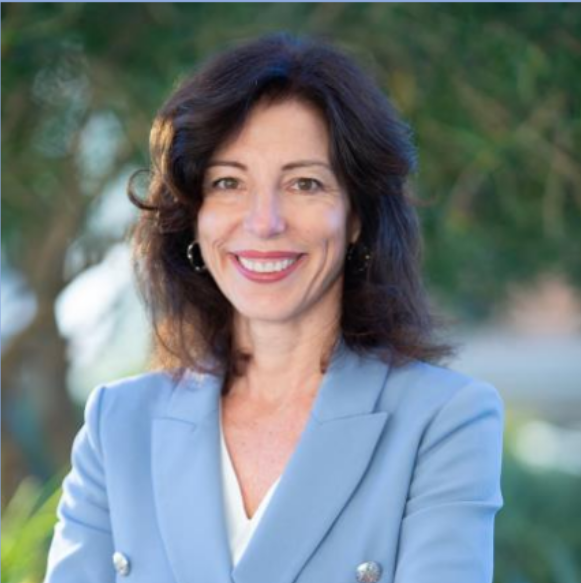
By mapping knowledge brokers’ relational ecosystems and differences in support-seeking behavior and tensions, this study shifts the focus away from knowledge brokers alone to include the supports they leverage in their broader relational ecosystems. As such, this study suggests that knowledge mobilization is not exclusively an attribute of the knowledge brokers, but is influenced by, and distributed within, a wider knowledge mobilization ecosystem. This reframing opens new avenues for research and practice, including questions about how brokers’ ecosystems influence their effectiveness and how to strengthen these ecosystems. This shift in perspective encourages researchers and practitioners to consider not only the actions of knowledge brokers but also the systemic supports and partnerships that enable their work.

From left to right: Anita Caduff, Ph.D., Marie Lockton, Ed.D., Alan J. Daly, Ph.D., & Martin Rehm, Ph.D.

Reimagining the role of broker teachers  in cross-sector partnerships — Chun Sing Maxwell Ho (CH) The Education University of Hong Kong, Haiyan Qian (HQ) The Chinese University of Hong Kong, Chiu Kit Lucas Liu (CL) University of Oxford  

Lead the Change (LtC): What are some of the ideas you hope the field of Educational Change and the audience at American Education Research Association (AERA) can learn from your work related to practice, policy, and scholarship?

CH, HQ, & CL: This research highlights the transformative power of Hong Kong school–university partnerships (SUPs) in reshaping middle leaders (ML) within schools, offering valuable insights for practice, policy, and scholarship in educational change. We demonstrate how SUPs enhance MLs’ connectivity and brokerage across the school, promoting a layered and collaborative leadership structure. This finding aligns with previous research that highlights the importance of distributed leadership in fostering school improvement. For instance, Leithwood et al. (2020) argue that effective school principals distribute their leadership to engage both formal and informal teacher leaders, thereby enhancing their influence through interactions with others. Similarly, Spillane and Kim (2012) emphasize that leaders enact practices differently according to the school context, which supports the notion that SUPs can tailor development activities to meet specific needs. Furthermore, Bryant and Walker (2024) suggest that principal-designed structures can significantly enhance middle leaders’ professional learning, which is consistent with our findings on the positive impact of SUPs on MLs’ connectivity and brokerage.

Key takeaways include the importance of designing SUPs to foster reflective dialogue and interaction among all school members, thereby nurturing an inclusive, interdisciplinary learning community. Schools can involve interdisciplinary projects where teachers from different subject areas worked together with university researchers to develop integrated curricula. These projects encouraged teachers to engage in reflective dialogue about their teaching methods and explore new ways to connect different subjects. By working together, teachers were able to create a more cohesive and interdisciplinary learning environment for students, promoting a culture of collaboration and continuous improvement (Ho et al., 2024). Our findings underscore the necessity for policies supporting sustained, context-specific leadership development and integrating university resources to facilitate these changes. For scholars, this study provides a model for examining the effects of leadership training on organizational dynamics, emphasizing the role of middle leaders in driving school improvement and fostering a collaborative professional culture.

Chun Sing Maxwell Ho, EdD
Lucas Chiu-kit Liu, Masters Student
Haiyan Qian, PhD

Transforming school systems to support adolescent learning and well being: Evidence from four California districts — Sarah M. Fine (SF) University of California San Diego, Santiago Rincon-Gallardo (SR) Liberating Learning

Lead the Change (LtC): What are some of the ideas you hope the field of Educational Change and the audience at American Education Research Association (AERA) can learn from your work related to practice, policy, and scholarship?

SF & SR: The first takeaway is that there is a growing number of spaces of vitality and deep learning in California’s high schools, but these remain mainly outside the academic core. The local education agencies (LEAs) in our sample are leveraging new funding to expand and transform Career and Technical Education (CTE) courses into incredibly vibrant places for applied learning. Most LEAs we have visited in California are working successfully to de-stigmatize CTE, to disrupt patterns of social reproduction, and to add “high skill, high wage” pathways for all. Young people are incredibly alive and engaged in these courses, doing work ranging from building fully functional tiny homes for unhoused populations in their community to producing, running, and broadcasting live shows for their school and the larger community, to designing and testing rovers that can explore Jupiter’s moons. Visual and performing arts are also incredibly vital spaces. In less optimistic news, in many of the systems we visited, the academic core seems to have been left on life support, with many classes still featuring low-complexity tasks, teacher-centered instruction, and traditional assessments. This is consistent with research and theory on the remarkable power of the default culture of schooling to maintain the dynamics within the pedagogical core stable despite deliberate attempts to change it (Elmore, 1996; Mehta & Fine, 2019; Tyack & Cuban, 1995)  Linked Learning, an approach to student learning that intentionally and strategically links together student’s personal purpose with hands-on, immersive learning opportunities, and disciplined knowledge, is a promising but generally immature effort to connect the vitality that characterizes CTE to core academic classes.

A second takeaway is about the importance of steadiness, systemness, and symmetry when undertaking system-level work to improve adolescent learning and wellbeing. To draw on the work of our shared mentor Richard Elmore (2004), all of the LEAs in our sample were engaged in impressively steady work, developing a clear set of goals and then pursuing those goals over the long haul without succumbing to mission creep or being buffeted by changes in the political winds. In most of the systems that we visited, we also encountered strong evidence of what Michael Fullan (2025) calls systemness – meaning, a broad range of stakeholders (parents, educators, leaders, learners, even crossing-guards) recognized their roles in shaping and enacting the goals of the system. And finally, most of the leaders in the sample clearly recognized the importance of what Sarah and Jal Mehta (2019) call symmetry, e.g.an overall stance and set of values and beliefs about learning that applies both to young people and to adults.

Last but not least, our work suggests that successful system transformation requires deprioritizing old academic obsessions. In many of the systems that we visited, there has been a strategic and courageous decision to de-prioritize or eliminate the programs and metrics connected to “the old game” of No Child Left Behind-style academic achievement. One district, for example, decided to deprioritize state standardized tests, while another phased out all Advanced Placement courses and replaced them with dual enrollment opportunities. Elsewhere, system leaders have started to move attention away from California’s college and career readiness indicators, focusing more on the quality of student engagement and learning every day in schools, as well as on indicators of lifelong learning.

Sarah M. Fine, Ed.D.

Santiago Rincón-Gallardo, Ed.D.

Towards a Collaborative, Open-Minded, Respectful Community of Global Learning: Lead the Change Interview with Tracy X. P. Zou

In the latest Lead the Change (LtC) interview, Tracy X. P. Zou discusses her efforts to develop a collaborative approach to scholarship and to incorporate global, international, and intercultural dimensions into the teaching and learning. Zou is an assistant professor in the Department of Educational Administration and Policy at the Chinese University of Hong Kong. The LtC series is produced by Elizabeth Zumpe and colleagues from the Educational Change Special Interest Group of the American Educational Research Association. A pdf of the fully formatted interview is available on the LtC website.

Lead the Change (LtC): The 2025 AERA theme is “Research, Remedy, and Repair: Toward Just Education Renewal.”  This theme urges scholars to consider the role that research can play in remedying educational inequality, repairing harm to communities and institutions, and contributing to a more just future in education. What steps are you taking, or do you plan to take, to heed this call? 

Tracy Zou (TZ):  I believe that cultivating collaborations can be a meaningful approach to addressing inequality, repairing harm, and contributing to a more just future by giving voice to important stakeholders to enhance the relevance and impact of educational change research. In many education change projects in higher education, faculty members and students are only informed about, not involved in, the change. Such projects do not usually lead to a desirable impact on teaching and learning practices. To be impactful, changes need to be initiated with people, not imposed on them. 

Globally, many scholars are calling for a collaborative approach to scholarship, but in practice, we encounter many barriers, including faculty members’ heavy workload. Faculty face increasing demands to generate more research more quickly and with higher impact. This means that, in many parts of the world, including Hong Kong where I am based, engaging in educational change is less rewarded than doing research. Against this backdrop, much of my research has involved teaching and learning-focused collaborations among faculty members and between faculty members and students. My studies have included research on students as partners (SaP) and faculty member collaborations for cultivating communities of practice. 
The SaP study (Zou et al., 2023a) involved working with 43 undergraduates as partners in three research projects across two research-intensive universities in Hong Kong. SaP is considered challenging in Asia because it requires an equal relationship in teacher-student collaborations, and there is typically a larger power distance in many Asian regions. We show SaP is achievable in Hong Kong with proper alignment between SaP project designs and the student partners’ roles. Conducive designs include involving students in project configuration, providing them with peer collaboration opportunities, and designing project topics that interest the larger student community. We found that faculty who were previously skeptical about collaborating with students as ‘equals’ came to see the potential and became inspired to experiment with this practice.

In a faculty member collaboration study (Zou et al., 2022; 2023b), I investigated four government-funded cross-institutional teaching enhancement projects involving faculty from six universities in Hong Kong and Mainland China. While these collaborations aimed to bring systemic changes to teaching practices and curriculum design, we encountered various challenges including heavy workload of faculty members and incompatible credit systems in different universities. Our findings show that creatively aligning the larger project outcomes with the priorities of the institutions or departments of individual faculty members can tackle some of these challenges. Achieving this alignment requires faculty members to adjust elements of the larger project outcomes to match local needs and negotiate with the research team about new ways of achieving the planned outcomes. In this process, faculty members have opportunities to exercise considerable leadership at a local level.  These findings suggest a possibility of breaking down inequities in higher education by providing means for faculty—especially teaching-track faculty at research-intensive universities—to have voice and provide leadership in large-scale projects on educational change. 

I believe that this research on collaboration can enable a more equal and just educational system in two ways. First, the research involves carefully designed interventions that bring small, yet important collaborative initiatives that have the potential to be scaled up, introducing changes developed from the bottom up. Additionally, the findings provide implications that can encourage similar projects for a wider impact collectively. 

LtC: Your work has involved collaborative approaches to researching how teachers and students in higher education develop professional capacity and problem solving skills. What are some of the major lessons that practitioners and scholars of Educational Change can learn from your work and experience?

TZ: The most important lesson that can be learned from my research on collaborative approaches is that faculty members should involve students in educational change, trust them, and provide them with autonomy and freedom to experiment. This is easier said than done. One challenge is that project funding mechanisms, at least those in Hong Kong, tend to hold faculty members accountable if project outcomes deviate from the proposal. In some of my projects, faculty members have been concerned that giving students the autonomy to make decisions would be risky. 

However, our findings showed that giving students autonomy typically enhances their engagement. In a project about students’ learning experiences during the COVID-19 pandemic, we involved students as co- researchers starting from the project planning stage, giving them voice in defining the specific topic and the scope of the research (e.g., what aspects of learning, which groups of students to be researched), designing the methodologies, and constructing the budget. These are tasks that are not typically handled by students, but we found that students became extremely committed to the project as they focused on the matters that were most relevant and exciting to them. For example, one group of students investigated the impact of the pandemic on international students studying in Hong Kong from developing countries and revealed how financial and resource constraints influenced students’ learning and well-being. 

Another important lesson learned is about proper and flexible project designs. Collaborative endeavors cannot be fully predicted up front and often require revision and re-direction in project outcomes. Our research findings provide evidence for the need for embedding flexibility in the research design.

Thirdly, my research suggests that practitioners, scholars, and grant-makers interested in collaborative research need to allow creativity in conveying the project outcomes. If you want to involve students, for example, you might find that students are less enthused about or academically prepared for writing rigorous reports—which scholars and grant-makers might typically expect as a project outcome—but can get excited about making a short video and creating memes to demonstrate their learning. Allowing creativity empowers students to use their expertise rather than being required to conform to traditional methods. 

Finally, regarding projects and initiatives that involve collaborations among faculty members, my research suggests that intervention designers, researchers, and grant-makers need to take into consideration the holistic professional development needs of the faculty members involved and build those needs into the design of the collaborative initiatives. For example, the collaborative projects could take into account how the research can result in learning and artifacts that might become part of participating members’ portfolios that they may need for longer-term career development. It is important to note that an equal and respectful relationship is the key to any collaborative professional capacity building.

LtC: One major strand of your work has focused on the internationalization of teaching and curriculum in higher education. What might practitioners and scholars take from this work to foster better school systems for all students?

TZ: Internationalization of teaching and the curriculum concerns the incorporation of global, international, and intercultural dimensions into the teaching and learning processes and the curriculum (Leask, 2015). It is basically about creating an open-minded, respectful community of global learning that aims to benefit all students. The notion of internationalization is sometimes misunderstood as merely developing intercultural skills or including international examples in teaching material. Internationalization fundamentally involves not only acknowledging other cultures but also deeper transformational work to become critically aware of one’s own identity and the cultural and political assumptions underpinning our curriculum and teaching practice. 

In my research, facilitating internationalization of teaching and the curriculum starts from understanding how faculty members make sense of the concept of internationalization and how they relate it to their courses and programs (Zou et al., 2020). This initial step helps build a common understanding between academic/educational developers and faculty or practitioners, engaging everyone in an open and critical discussion. For example, we discussed with a journalism faculty member about what it looks like to be an ethical and professional journalist in a global world, and which parts of the curriculum prepare students (or not) for the relevant attributes. We reached a consensus that, while there are international learning opportunities in the existing curriculum, they remain insufficient. This understanding allowed for further discussion on what actions to take. 

Furthermore, we found that educational developers should start these conversations by connecting internationalization efforts with specific faculty members’ disciplines. This connection is important because our study (Zou et al., 2023c) shows that faculty members from different disciplines engage internationalization differently according to what is seen as ‘knowing’ and ‘being’ in their disciplines. For example, in hard disciplines such as science, learners are expected to acquire foundational scientific knowledge before they can develop the identity of a scientist. In soft disciplines such as humanities, ‘knowing’ is achieved as learners use their own perspectives and experiences to make sense of the content. Accordingly, internationalization of the curriculum in hard disciplines may make more sense at a later stage of the learning process, such as through a capstone. In contrast, soft disciplines may productively leverage students’ diverse cultural experiences throughout their programs to develop multiple perspectives and critical thinking. Situating internationalization in disciplinary contexts also allows for deeper learning beyond superficial approaches such as language and skills training, becoming embedded in students’ development of professional identities and civic capacity to work and live together with people from different backgrounds. 

The SaP concept discussed earlier can also contribute to internationalization of teaching and the curriculum. Faculty members and scholars of Educational Change can consider involving students in collaboratively re-designing teaching materials and curricula, such as by asking students to share which topics inspire them and how they prefer to learn these topics. It is important to involve students from all backgrounds, particularly with representatives from local communities as well as from abroad, to build an open-minded, inclusive, and respectful community in which every student can find their place and thrive. 

LtC: Educational Change expects those engaged in and with schools, schooling, and school systems to spearhead deep and often difficult transformation. How might those in the field of Educational Change best support these individuals and groups through these processes?

TZ: Indeed, transformation is often difficult. Resistance to change is common in many school systems. I believe those in the field of Educational Change can offer support by encouraging more diversity in the formats through which we share our knowledge about transformation in various contexts at various scales and forms. For example, typically, the research field prefers journal articles written in the educational research genre. However, my previous 6-year experiences of editing a teaching and learning e-newsletter in a research-intensive university in Hong Kong taught me that some faculty members have important educational change expertise to share but lack skills and time to publish in venues designed for educational research. To encourage more diverse authors and perspectives, the journal, International Journal for Academic Development, for which I serve as an associate editor, welcomes ‘reflection on practice,’ a shorter piece (1,000-1,500 words) about the authors’ conceptualizations and reflections on academic development practices in their work contexts. This format offers a platform for practitioners to share their practices and thoughts, which helps engage more stakeholders and move the field towards a more inclusive space. 

The Educational Change field can also offer support by creating collaborative spaces that bring scholars and educators from different disciplines and cultures together. The space could be physical or virtual. What is important is to define a shared area of interest and create attractive themes within that area. Some scholars might describe these spaces as communities of practice (Wenger, 1998). In my own collaborative research with faculty members from different disciplines, including science, social science, engineering, and business, we cultivated many synergies when we focused on themes (e.g., undergraduate research, SaP) that interested all of us. Many of my research ideas emerged from the collaborative process, and some of my collaborators found my ideas useful to their teaching enhancement or course development. 

LtC: Where do you perceive the field of Educational Change is going? What excites you about Educational Change now and in the future? 

TZ: I am excited about how the field of Educational Change is changing and growing towards a focus on more just and sustainable futures. In recent years, I have noticed more studies that focus on disadvantaged and marginalized groups and communities (e.g., Walker, 2023; Zumpe, 2023) that did not receive much attention before. Stronger criticality can be seen in these studies as scholars work to challenge the dominance of certain theories and assumptions. I think these changes are necessary to move the field forward. 

What I feel most excited about Educational Change now is that change initiatives and research about them more often involve teachers’ and students’ engagement and development. When an educational change initiative starts and records even a small achievement, I have seen that the experience of success and the involvement of participants in the success lead to more conducive student learning and teacher satisfaction from the work. As a researcher, I feel proud to design effective interventions that generate positive changes or at least some insights about how to make improvement in the next implementation. 

I am excited about the huge potential of scholarship about Educational Change to elevate the quality of education at all levels. In this complex world, changes are inevitable, and the field of Educational Change can prepare students and teachers to adapt to changes, solve problems, and innovate through designing interventions that are supported by theories and attuned to the local contexts. For example, we know that the emergence of generative artificial intelligence (GenAI) and other technological advancement will bring substantial changes to educational experiences. In the absence of support and knowledge about how to adapt to and incorporate these technological advances, there might be undesirable consequences such as students uncritically relying on GenAI and failing to achieve intended learning outcomes. Scholars of Educational Change should work collaboratively with teachers from all backgrounds to design learning experiences and assessments that are valid and meaningful in a GenAI-mediated world. 

That said, I also see that there is still much room to improve in the field of Educational Change. Many scholars and practitioners in disadvantaged areas suffer from resource shortages that create systemic barriers for educational change to happen and for their work to be seen and valued. I believe that the field of Educational Change needs to cultivate inclusion and open-mindedness to diverse perspectives and different practices. We especially need to recognize how practices that are established in developed regions may involve significant learning and innovations to establish in more marginalized or under-resourced contexts. An open-mindedness is needed to keep the field moving towards a more just world. 

References

Leask, B. (2015). Internationalizing the curriculum. Routledge.Walker, M. (2023). Towards just futures: A capabilitarian approach to transforming undergraduate learning outcomes. Cambridge Journal of Education53(4), 533-550. https://doi.org/10.1080/0305764X.2023.2189227

Wenger, E. (1998). Communities of Practice:Learning, Meaning, and Identity. Cambridge University Press.

Zou, T.X.P., Chu, B., Law, L., Lin, V., Ko, T.,Yu, M., & Mok, P. (2020). University teachers’ conceptions of internationalisation of the curriculum: A phenomenographic study. Higher Education80, 1–20. https://doi.org/10.1007/s10734-019-00461-w

Zou, T.X.P., Hounsell, D., Parker, Q.A., &Chan, B.Y.B. (2023b). Evaluating the impact of cross-institutional teaching enhancement collaborations using a professional capital framework. Journal of Professional Capital and Community, 9(1)68-82https://doi.org 10.1108/JPCC-03-2023-0021

Zou, T.X.P., Kochhar-Lindgren, G., Hoang, A.P., Lam, K., Barry, T. J., & Leung, L. Y. Y. (2023a). Facilitating students as partners: Co-researching with undergraduates in Asian university contexts. Educational Reviewhttps://doi.org/10.1080/00131911.2023.2246674

Zou, T.X.P., Law, L. Y. N., & Chu, B.C.B.(2023c). Are some disciplines ‘hard to engage’? A cross-disciplinary analysis of university teachers’ approaches to internationalization of the curriculum. Higher Education Research & Development, 42(5), 1267-1282. https://doi.org/10.1080/07294360.2023.2217092

Zou, T.X.P., Parker, Q.A., & Hounsell, D.(2022). Cross-institutional teaching enhancement and distributed leadership: An empirical study informed by activity theory. Journal of Higher Education Policy and Management, 44(3), 276-292. https://doi.org/10.1080/1360080X.2021.2002791

Zumpe, E. (2023). School improvement at thenext level of work: The strugglefor collective agency in a school facing adversity. Journal of Educational Changehttps://doi.org/10.1007/s10833-023-09500-x