Tag Archives: Educational change

Equity, Inclusion and Educational Change: The Lead the Change Interview with Patricia Virella

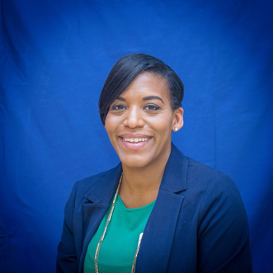
This week, Patricia Virella discusses her work on equity, inclusion and educational change in the December Lead the Change (LtC) interview. Virella is an Assistant Professor at Montclair State University who focuses on urban educational leadership. The LtC series is produced by the Educational Change Special Interest Group of the American Educational Research AssociationJennie Weiner, Chair; Olga O. Fellus, Program Chair; Corinne Brion, Secretary/Treasurer; Alexandra Lamb, Series Editor; Cynthia Wise, Social Media Coordinator. A pdf of the fully formatted interview is available on the LtC website.
Lead the Change: The 2022 AERA theme is Cultivating Equitable Education Systems for the 21st Century and charges researchers and practitioners with dismantling oppressive education systems and replacing them with antiracist, equity, and justice-oriented systems. To achieve these goals, researchers must engage in new methodologies, cross-disciplinary thinking, global perspectives, and community partnerships to respond to the challenges of the 21st century including the COVID-19 Pandemic and systemic racism among other persistent inequities. Given the dire need for all of us to do more to dismantle oppressive systems and reimagine new ways of thinking and doing in our own institutions and education more broadly, what specific responsibility do educational change scholars have in this space? What steps are you taking to heed this call? 

Patricia Virella: I think, for me, the idea of dismantling oppressive systems comes with a collective agreement that the systems in place ARE, in fact, oppressive in nature. I’ve observed, in some of the research I’ve read, researchers ignoring this important and blatant fact in their work. For me, when I am writing or teaching, I always try to embed something that addresses oppressive systems and include how equity, diversity, and inclusion should be part of school leadership or research implementation to encourage change. I draw on a variety of texts such as the canon of critical education work as well as Courageous Conversations by Singleton (2014), bell hooks, Toni Morrison and Paulo Friere. I also talk a lot with my dear friend Jonathan Foy who is on the ground continuously challenging what equity and inclusion looks like in the NYC Public Schools. He always tells me that I have to enter into the conversations around equity with a genuine curiosity and understanding that this work is progressive and demands careful attention to how we move the needle. As a collective group of scholars, we have to all agree that educational change happens through risks and bold actions. Audre Lorde (2018) said “the master’s tools will never dismantle the master’s house.” Change cannot happen if we continue to do the same things as a field. Meaning, if we are seeking true social justice and liberation, we must liberate and open up the ways we research, where we research, and admit to the white supremacist nature of academe. I recently read an article about how a librarian developed citation templates for Indigenous oral teachings (Kornei, 2021). This is the change and inclusion we need to move the field along, inclusion of the diverse ways people make meaning of the world to capture it authentically in our research. Furthermore, there is no change if scholars use methodologies that maintain the status-quo of our inequitable society. One example is when I work with other scholars and they may say “but I’m not a critical scholar,” my response to them is “but are you here to transform this system?” Criticality is one element, and equity is much bigger than one element, and they are not mutually exclusive. But also, isn’t our job as scholars to always be critical and examine the world so we can make dutiful change? Equity is necessary because some population will always be excluded, thus you cannot rest on one identification or classification as a researcher (i.e.: a critical scholar). We must always fight to bring the oppressed as Freire (1970) said and stoke the fires of liberation. Otherwise, as a scholar, you are helping to maintain the systems of oppression designed for exclusion. Change takes bold risks and equity and inclusion must be at the heart of the work researchers, policymakers, and leaders do.

Change takes bold risks and equity and inclusion must be at the heart of the work researchers, policymakers, and leaders do.

LtC: Given some of your work examining educational policymaking in Puerto Rico, what are some of the major lessons the field of Educational Change can learn from your work and experience?

PV: I love researching Puerto Rico because there is so much happening on the island that needs to be highlighted, and there is a huge gap in the literature that uses Puerto Rico as the setting. Most people have no idea that Puerto Rico is the 3rd biggest US school district if you add the territories to the continental rankings. Puerto Rico is a geopolitically and socio-politically complex space given its political status with the United States as an unincorporated territory. This complexity makes Puerto Rico appear to be a very different context than any stateside school district, but there are many similarities to New York, Chicago and L.A. school districts. Thus, the field can learn from Puerto Rico’s education system. Specifically, we need to understand the challenges, the oppression, the bountiful culture and the fight for authenticity in the face of neoliberalism – which I believe many urban districts are constantly battling.
One thing I think educational change as a field can learn from my work is how policies implemented in Puerto Rico affect a population in an unincorporated territory that is clearly delineated as a “postcolonial” space, and yet still has many of the functions of being under colonial rule. That complexity, in and of itself, is something we can learn from. As a field, we’re narrowing our scope in deleterious ways by not looking at where these policies are taking place and where there are spaces of experimentation that can further educational change. Finally, the rich traditions, history, and orgullo (pride in Spanish – but we always say orgullo in PR) of Puerto Rico should be seen as strengths, and researchers should consider how these strengths support students in Puerto Rico. There’s a lot we can learn from Puerto Rico and by not studying it, it leaves a blind spot in understanding educational change across the entirety of the United States and its territories as well as globally.

LtC: In some of your recent work examining equity- oriented principal leadership during a crisis, you highlight the importance of an equity-orientation from both individuals and systems in order to fully support students. In the current political climate, how might districts support the development of equity-oriented leaders?

PV: I think this is a very interesting question because what I find is that districts generally have a very clear sense, at least on paper, of what they want as far as equity in their districts. They have a mission statement that talks about equity oriented pedagogical practices or disability services for their students, or they may have diverse curricula that includes lgbtqia+ perspectives as well as diverse racial and cultural perspectives. But where I don’t see districts going far enough is in how they help their leaders to enact equity-oriented leadership practices. That really comes down to the individual leaders and what their values are and how those values come out in their leadership. For example, I found in my research that school leaders act equitably based on their values and beliefs about social justice in schools. The data suggested that the equity-oriented responses were not driven from district initiatives or even what the principals learned in their preparation programs. This is inherently problematic because, in my mind, equity should always be part of a leader’s lens. So, what you see is a disconnect between an espoused theory of equity and a theory in action or use – of principals who lead equitably. This disconnect explains a little of why I saw so much variance in how leaders responded to a crisis in equity-oriented ways. I argue that again, as a field, we need to prepare leaders through an equity-oriented lens and develop their ability to execute equity-oriented leadership in concretized actions and activities.

“Equity should always be part of a leader’s lens.”

If school leaders don’t believe in equity- oriented leadership, that’s not a viable option because our children live in a diverse world and deserve an equity-oriented learning experience and setting. Thus, one thing I’m currently working on, and I’m very excited about, is how we train leaders in an equity-oriented leadership model that moves away from simply focusing on their personal values. Equity situated transformation is about the district getting clear about what an equity-oriented leader does, how they respond to crises, and how they respond to the day-to-day challenges of leading a school. Also, it’s important for districts to give leaders, who are equity-oriented and doing the work in this space, trust to continue on the path they are on and perhaps even become models of what equity-oriented leadership concretely looks like. In one study (Virella & Woulfin, 2021), I found the highest level of equity orientation was this idea of modeling equity so the leader is showing the faculty and the district what equity looks
like. This framing is based in Galloway and Ishimaru’s (2017) work. One participant was incredibly bold and challenged the district’s equity orientation calling attention to the fact that the mission statement in her district said that they are an equity-oriented mission-driven school; however, when the participant looked at, and peeled back, the layers of what that looks like in their schools it was just lip service. And so, instead of being chastised by the district for questioning the status quo, this leader was bolstered by the district and ended up leading an entirely new school under this equity-oriented model.

LtC: Educational Change expects those engaged in and with schools, schooling, and school systems to spearhead deep and often difficult transformation. How might those in the field of Educational Change best support these individuals and groups through these processes?

PV: I think about this a lot because the work that I do specifically, researching how equity-oriented leadership intersects with crisis leadership in schools, is incredibly difficult. I think oftentimes scholars walk into schools to encourage diversity, equity, inclusion, and access and yet this may be the first time these difficult conversations are happening for those schools. And so, how do researchers and leaders, as a collective, debrief and share best practices and really think about both the impact we’re having on the schools and the emotional and cognitive toll this work has on us? As a Black woman who is an Afro-Latina doing this type of equity work and having these difficult conversations, I’m confronting racism right at the head. It is not always blatant racism, but rather passive aggressive racism because the participants are disengaged from learning about the nuance of POC, or they don’t find value in the culture of POC, or they have a Eurocentric notion of what intellectual curiosity looks like and how that appears in students. There are times where as a group of scholars we have to find a way for us to unpack what’s happening so that we can keep marshaling change in schools. It’s particularly important for scholars to support the next generation as they navigate the academy. One way I’ve found to do this is to create an authentic community. I have been very fortunate to work with professors such as Dr. Sarah Woulfin, Dr. Ramon Goings, Dr. Monica Byrne-Jimenez, Dr. Roman Liera, Dr. Jennie Weiner, and Dr. Blanca Vega to name a few who help me develop my writing so I can be my authentic self. To pay this forward, I have developed http://myacademicwritingroutine.com/ to support future scholars who are championing to make the world more equitable and bring out voices of the subaltern. It is also a space to learn how to develop writing routines with academia in mind and break down the Ivory Tower (Freire, 1970) where so many of us are held back or kept away. I want this space to be a place where scholars can converge, learn from one another and feel they can do the work that they feel will transform and liberate their field.

LtC: Where do you perceive the field of Educational Change is going? What excites you about Educational Change now and in the future?

PV: Right now, I think there’s a lot of opportunity for educational change and there are some discourses around racial and social justice, equity, and inclusion across scholars and school communities. There is great work discussing decolonizing educational research from Leigh Patel in her book Decolonizing Educational Research: From Ownership to Answerability (Patel, 2015) and from Venus Evans-Winters
(2020), and Introduction to Intersectional Qualitative Research (Esposito & Evans-Winters, 2021. These are important because we must challenge white, Eurocentric research methods. We also need to bolster voices like Rosa L. River-McCutchen who wrote Radical Care: Leading for Justice in Urban Schools (2021). So, this path of research excites me, but what I worry about is the way that education, as
a field, has ebbs and flows. When I look at the research and I see how much large urban districts are surveyed, researched, and quantified, I worry that, as scholars, we are researching for our benefit and not researching for the greater good of the children in urban communities, for the families who have to go through so much to get a fair shake because of the rampant racism in our country. What I hope to see in the future is scholars en masse asking, how does this research help to dismantle these oppressive systems? I want that to be on the minds of all researchers, not just critical scholars, not just ed change
scholars. We need to be really thinking, not necessarily about the scholarly metrics of our work, but of the possibility of transformation and liberation of schools and children as Paulo Freire would see it. Researchers, leaders, and policy makers must help to liberate oppressed communities and honor their inherent value.

References

Esposito, J., & Evans-Winters, V. E. (2022). Introduction to intersectional qualitative research. Sage. 

Freire, P. (1970). Pedagogy of the oppressed. Continuum. 

Galloway, M. K., & Ishimaru, A. M. (2017). Equitable leadership on the ground: Converging on high-leverage practices. Education Policy Analysis Archives, 25 (2). https://doi.org/10.14507/epaa.25.2205

Kornei, K. (2021, November 10). Academic Citations Evolve to Include Indigenous Oral Teachings. Retrieved from https://eos.org/articles/academic-citations-evolve-to-include-indigenous-oral-teachings 

Lorde, A. (2018). The Master’s Tools Will Never Dismantle the Master’s House. Penguin Classics.

Patel, L. (2016). Decolonizing educational research: From ownership to answerability. Routledge.

Rivera-McCutchen, R. L. (2021). Radical care: Leading for justice in urban schools. Teachers

College Press.

Singleton, G. E. (2014). Courageous conversations about race: A field guide for achieving equity in schools. Corwin Press.

Virella, P. M., & Woulfin, S. (2021). Leading after the storm: New York City principal’s deployment of equity-oriented leadership post-Hurricane Maria. Educational Management Administration & Leadership. https://doi.org/10.1177/17411432211022778.
Education and Innovation 2021: The WISE Education Summit

The 2021 WISE Summit hosted thousands of education stakeholders and innovators from around the globe for a discussion of the current state and the future of education. Featured sessions included the importance of STEM for the next generation (Gitanjali Rao), the role of philanthropy (Naza Alakija) and girl empowerment through media (Jessica Posner Odede).

The 3-day WISE summit has been held every 2 years since 2009 as part of an effort to revitalize education and provide a global platform for the development of new ideas and solutions. Under the theme: “Generation Unmute: Reclaiming Our Future Through Education,” sessions were built around five thematic tracks: 

  1. Leading for the Future: Transforming Education to Thrive in a World of Uncertainty
  2. Mute/Unmute: Edtech and the Promise of Personalized Learning
  3. Learning to Be Well: Putting Social and Emotional Learning at the Heart of Education
  4. Learning for Life: Bridging the Education to Employment Gap through Equity and Inclusion
  5. From Globalization to Glocalization: Leveraging the Creative Potential of Local Learning Ecosystems

This year’s 2021 WISE Prize for Education Laureate Wendy Kopp was recognized by WISE for her contribution to quality education through creating Teach For All, a diverse global network building collective leadership in classrooms and communities and sharing solutions across borders to ensure all children can fulfil their promise.

Additionally, each year, the WISE Awards recognize and promote six successful and innovative projects that are addressing global educational challenges. These projects represent a growing resource of expertise and sound educational practice, such as:

https://www.wise-qatar.org/project/the-happiness-curriculum/

The Delhi Government’s Happiness Curriculum, India

Dream and Dream partnered with the Delhi government to include social emotional learning in the school curricula. The Happiness Curriculum aims to address the well-being and happiness of students with a strong emphasis on mindfulness, self-awareness, critical thinking, reflection & other social-emotional skills.

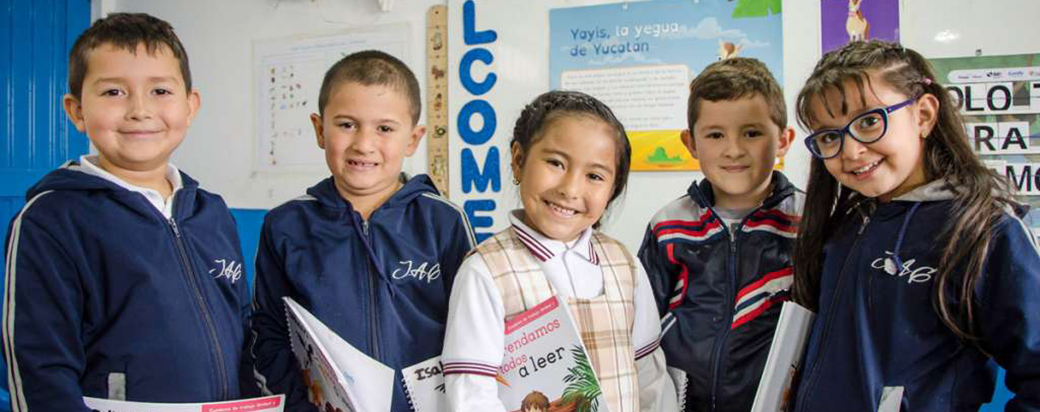
https://www.wise-qatar.org/project/lets-all-learn-to-read/

Let’s All Learn to Read, Colombia

The Luker Foundation is a comprehensive and innovative model for learning literacy for elementary school students. Using face-to-face and digital strategies such as:

https://www.wise-qatar.org/project/onebillion/

onebillion, United Kingdom

onebillion children delivers a comprehensive numeracy and literacy software, known as onecourse, to adapt to the level of any child, providing personalized learning sessions with no need for login.

https://www.wise-qatar.org/project/profuturo-digital-education-program/

ProFuturo Digital Education Program, Spain

The Telefonica Foundation and “la Caixa” Foundation focuses on teacher training and support, to help them strengthen their teaching practice, their capacity to manage the classroom, and their digital skills so they can integrate technology in the classroom and offer the best education to their students.

https://www.wise-qatar.org/project/taleemabad/

Taleemabad, Pakistan

The Orenda Project offers a highly localized and contextualized animated series aligned with the National Curriculum of Pakistan that teaches children English, Urdu, Maths and Science across the K-6 spectrum.

https://www.wise-qatar.org/project/trauma-informed-schools/

Trauma Informed Schools, Turkey

The Maya Vaikh Foundation aims to promote trauma-informed education within Turkish public schools and transform these schools into a safe space for children suffering from traumatic experiences. The intervention applies a multi-pronged approach targeting the children and the entire community surrounding them, including their caregivers, teachers, school administrators and school counsellors.

Related links:

Everyone speaks the language of football, Street Child United CEO says at 2021 WISE Summit, The Peninsula

2021 WISE Prize for Education is presented to Wendy Kopp, CEO of Teach For All, Yahoo Finance

‘Generation Unmute’: WISE education summit convenes in Doha, Aljazeera

WISE calls for innovative solutions for education, The Peninsula

‘Education needs to be changed in design and delivery’, Gulf Times

Academic experts discuss future of education in post-Covid-19 scenario, Gulf Times

The ARC Education Project: Rethinking Secondary Examinations and Credentials

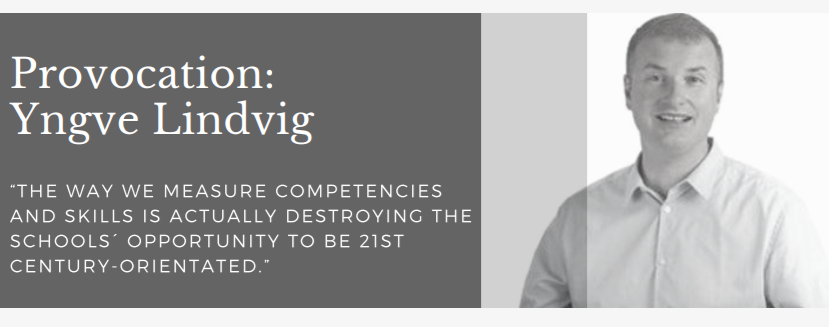
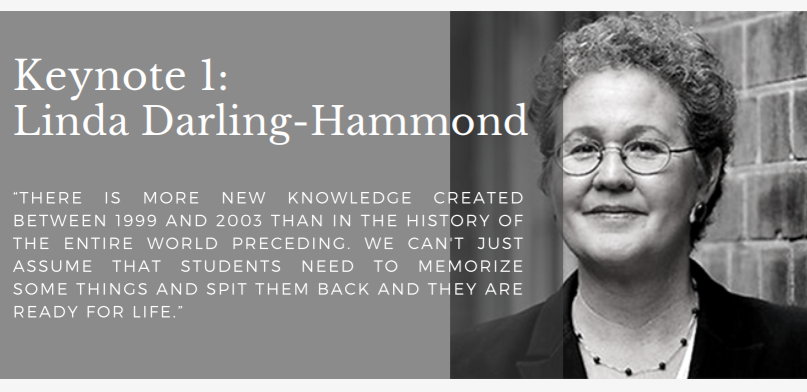
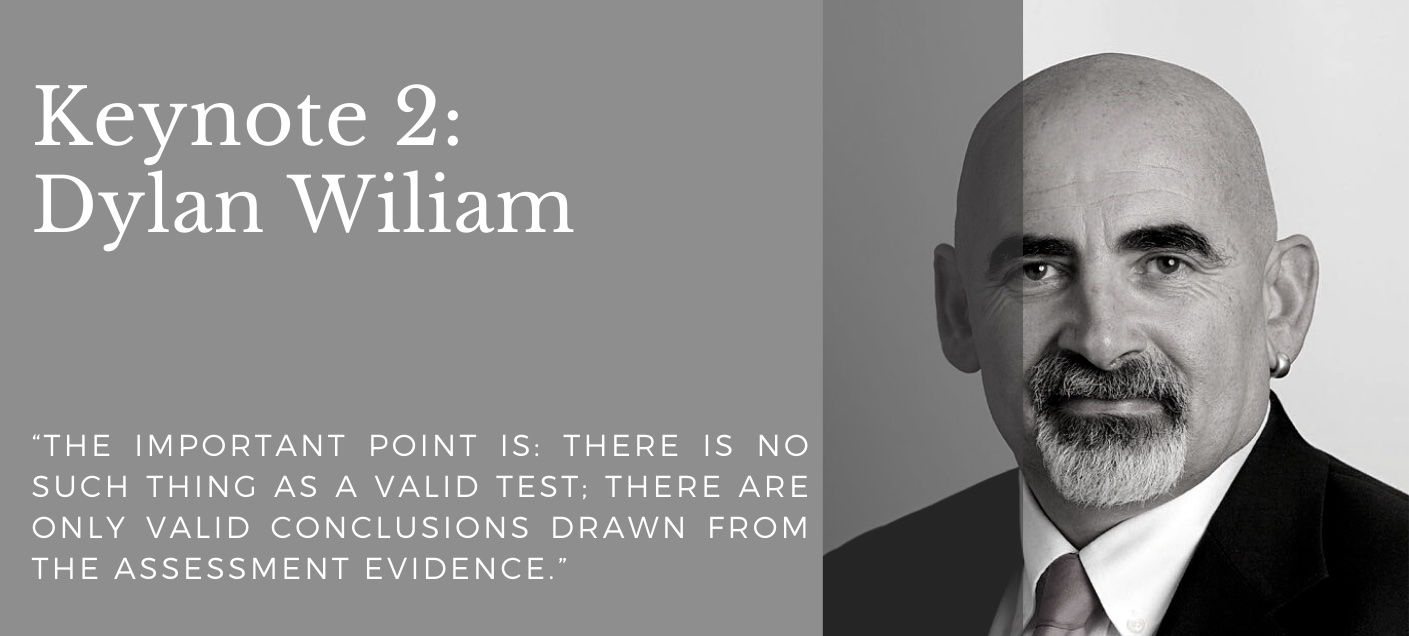
On November 9th 2021, the ARC Education Project hosted its bi-monthly ThoughtMeet (TM) event on ‘Rethinking secondary examinations and credentials.’ ARC Talks were provided by ARC co-founder Yngve Lindvig (CEO of LearnLab), as well as global thought leaders Dr. Linda Darling-Hamond (Charles E. Ducommun Professor of Education Emeritus at Stanford University) and Dr. Dylan Wiliam (Emeritus Professor of Educational Assessment at the University of London). This article highlights the key ideas and issues that were discussed by the ARC TM participants, representatives from the seven ARC member systems and its global partners. A detailed description from the November meeting can be found here; additional videos and other resources can be found here. The Atlantic Rim Collaboratory (ARC) is an international policy learning network that was established in 2016 to advance educational change based on eight guiding principles: equity, excellence, inclusion, wellbeing, democracy, sustainability, human rights, and professionally run systems.

What is the key problem with secondary examinations and credentials today? 

With the coronavirus pandemic disrupting formal schooling for millions of students across the globe, the assessment of student learning remains a major challenge for education systems. Since 2020, there has been widespread interruption and cancellation of high-stakes national and graduating professional examinations, which has had an impact on student progression, certification, qualification and graduation (UNESCO, 2020; World Bank, 2020). This has left many education systems in a unique situation to explore new and alternative assessment approaches. In an effort to support ARC member systems in ways to rethink secondary examinations and credentials, the November 9th ARC ThoughtMeet challenged participants to consider: What kind of assessment do we need, and can we have in the future?

What’s been learned?

One of the key issues raised during the TM was that all assessment tools and methods have problematic elements and much depends on their purpose, use and context. As Wiliam highlighted in his ARC talk, “There is no perfect assessment system, there are always trade-offs and the big idea is: What trade-offs are you making?”  Specifically, the type of assessment used by education systems has meanings, social consequences and effects for members. They help us know something about students and send messages to all stakeholders about what is considered valuable.

As Darling-Hammond points out, many of the high-stakes assessment policies currently in place are linked to systemic inequity and bias. For example, she described how the high-stakes SAT in the United States of America has become “a better predictor of race than it is of success in college.” For Darling-Hammond, more meaningful assessment methods focus on ‘learning ability,’ which she describes as the abilities to transfer and apply knowledge; analyze, evaluate, weigh and balance; communicate and collaborate; take initiative; find and use resources; plan and implement; self-manage and improve; as well as learn to learn. As such, performance assessments are gaining attention in a number of international education systems as a means to not only strengthen secondary education but also to better prepare students to succeed in post-secondary tasks. Yet, as Wiliam reminds us, there are also trade-offs when moving to use more authentic performance assessments. As he notes, there is an element of ‘luck’ around the particular type of performance assessment students are given, which brings in a degree of unreliability, referred to as person-task interactions in psychometrics.

What are the implications for policy/practice? 

As noted earlier, Wiliam invites us to be aware that assessment improvement always includes making trade-offs. Although some aspects will be better when implementing a change, others will worsen. It is therefore important to understand why things are the way they are in a particular system. Moreover, the politicization of assessment has led to money and resource allocation for high-stakes testing, and to decisions made by politicians rather than by education professionals. Thus, public education systems and post-secondary institutions need to work together to co-construct solutions and desired assessment outcomes. Additionally, Yngve Lindvig reminds us in his provocation that large-scale national exams are not measuring what they should and are in fact destroying schools’ opportunity to foster creativity, deep learning and problem-solving among students. He argues that locally-tailored, trusted, formative assessment systems, with clear goals, should be designed with the help of teachers and education experts. Darling-Hammond points out that there are several systems exploring alternative and innovative approaches to qualifications assessment that are being co-created between educators and policy leaders. For example, the Reimagining College Access (RCA) initiative in the US is a national effort to advance the use of high-quality performance assessments and evaluate students’ ability and agency through course completion, portfolios and a defense of ideas before a committee. Wiliam also reminds us that assessment developers should not do the work of curriculum philosophers. Curriculum content should be clear in order for assessment design to be a value free endeavor. He proposes a principled approach to assessment design (distributed, synoptic, extensive, manageable, trusted) with clearly defined underlying constructs, useful in the context where it will be implemented.

What’s next?

Like previous ARC TMs, this event stimulated thinking and provoked further questions for participants. A more detailed capture of the discussion can be found in the summary document. The summary also includes a number of questions to spark future discussions on assessment, secondary examinations and credentials, such as:

  • How do we make assessment relevant for the 21st-century skills we wish to promote?
  • What does a principled and decolonized approach to assessment design look like? How can we examine the voices that have been and continue to be marginalized and excluded in assessment processes?
  • How can systems make high-stakes assessment an experience of deep learning? Can it be an engaging and motivating process for students, while also assessing the skills and learning abilities of students?
  • What role does technology play in assessment, such as formative real-time assessment tools, digital portfolios, etc?
  • How can we move beyond the one measure of achievement and/or aptitude in the decision-making of high-stakes assessment?

— Mariana Domínguez González, Trista Hollweck & Daphne Varghese

Initial provocation by Yngve Lindvig: 

Progressive Pedagogy and Seamless Technology 

Yngve Lindvig’s provocation challenges systems to consider how to empower teacher and student voices in assessments, steer away from the practice of “teaching to the test”, and consider the benefits of using digital learning tools to collect data as a means to increase formative assessment and reduce summative assessments. He also urges policymakers to involve educators in the decision-making process.

Presentation by Linda Darling-Hammond: 

Whither Secondary Assessment? 

In this ARC Talk Linda Darling-Hammond challenges current assessment practices and offers “learning ability” as an alternative approach to measure student achievement. She outlines what she means by learning ability and provides examples from international education systems.

Other helpful resources relating to Linda Darling-Hammond’s presentation: 

Presentation by Dylan Wiliam: 

Rethinking secondary examinations and credentials

Dylan Wiliam reminds us that assessment systems are never perfect. Rather, they are contextual and all potential changes can lead to both positive and negative effects. In this ARC Talk he describes what he means by a principled approach to assessment desi

Other helpful resources relating to Dylan Wiliam’s presentation:

About the Atlantic Rim Collaboratory

The Atlantic Rim Collaboratory (ARC) is an international policy learning network that was established in 2016 to advance educational change based on eight guiding principles: equity, excellence, inclusion, wellbeing, democracy, sustainability, human rights, and professionally run systems. Headquartered at the University of Ottawa (Ontario, Canada) since 2019, ARC brings together senior public officials (i.e ministers and deputy ministers of education), professional association leaders (i.e. unions and inspectorates) and other key stakeholders from its seven education member systems (Iceland, Ireland, Nova Scotia, Saskatchewan, Scotland, Uruguay and Wales), global partners (International Confederation of Principals) and international experts and scholars to discuss, debate and exchange knowledge about educational policy issues and to formulate responses suited to their contexts. One of the founding ideas behind ARC is to tear down the walls between countries and regions, as well as between educational researchers and politicians, in order to pursue the most fundamental ideas of what it means to be educated in today’s world for the mutual benefit of all ARC-systems and future generations of students worldwide. Every year, ARC members meet at the annual Summit hosted by one of the member systems. However, since 2020, in addition to a virtual summit, ARC has also hosted bi-monthly virtual ARC ThoughtMeets (TMs) for its members. The TM outreach series was designed to stimulate and support a global educational movement for equitable, inclusive and sustainable educational solutions to COVID-19.

Education Innovations Around the World: The HundrED Global Collection for 2022

The 2022 HundrED Innovation Summit introduced HundrED’s latest collection of 100 education innovations and featured discussions on family engagement (Greg Behr, Rebecca Wintrhop, Lassi Leponiemi, Crystal Green), fostering social emotional skills (Crystal Green, Paul Frisoli), and conversations on leadership and equity, learning environments and a variety of other topics.

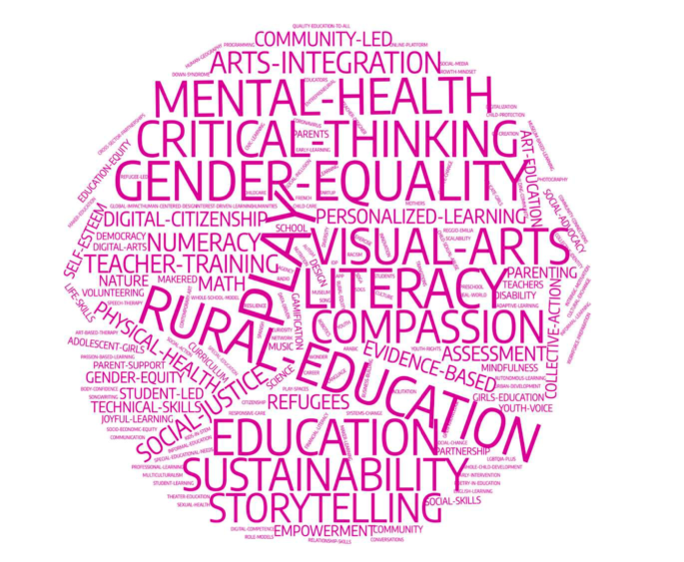
HundrED has been curating these collections every year since 2016 as part of an effort to support the spread of “pedagogically sound, ambitious innovations” in multiple contexts. In their report on the 2022 Global Collection, Crystal Green and Clara García Millán described the latest collection as including many innovations in “areas where there is often a lack of—or a gap—in traditional school education; for example, collaborative learning, creativity, critical thinking, play, etc.”  This year’s innovations come from 43 different countries with 57% from the Global South and 43% from the Global North.

This year’s innovations addressed a wide range of topics with 20% focusing on professional development or collaborative learning:

  • 20% Professional Development
  • 20% Collaborative Learning
  • 19% Creative Thinking
  • 16% Play
  • 15% Project Based Learning
  • 12% Real World Learning
  • 12% Parents and Caregivers
  • 11% Learning Environments
  • 11% Gender Equality
  • 11% Rural Education
  • 10% Literacy
  • 10% Mental Health
  • 10% Global Citizenship
  • 10% Visual Arts
  • 10% Critical Thinking

The evaluation process encompassed 2,204 reviews by 150 academics, educators, innovators, funders and HundrED staff with 100 innovations selected as the most impactful and scalable education innovations today including:

Learning about Forests (LEAF), Denmark

LEAF is a not-for-profit organization established in 2000. It is implemented in 26 countries, reaching a total of 10,038 schools, and has resulted in the planting of 84,243 trees. LEAF encourages environmental education through a project-based and real world learning approach. 

http://www.youtube.com/watch?v=I9_dS6IcsRw

Innovamat, Spain

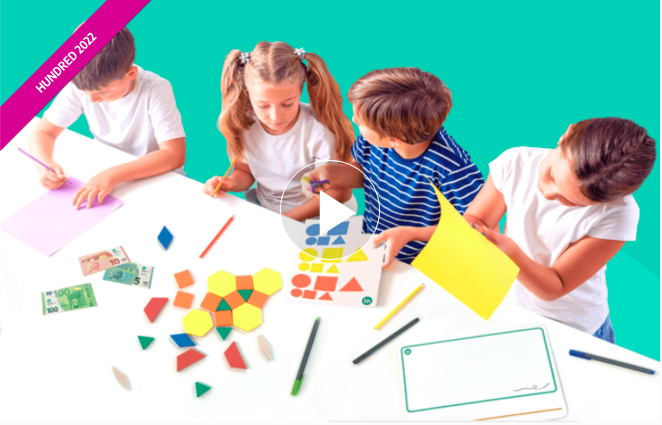
Innovamat reimagines math through manipulative material and dynamic lessons focused on problem-solving, communication skills, and critical thinking. Since its establishment in 2017, Innovamat has reached over 200,000 students and more than 12,000 teachers.

https://www.youtube.com/watch?v=kRCT4oiYdF0

Teach2030, United Kingdom

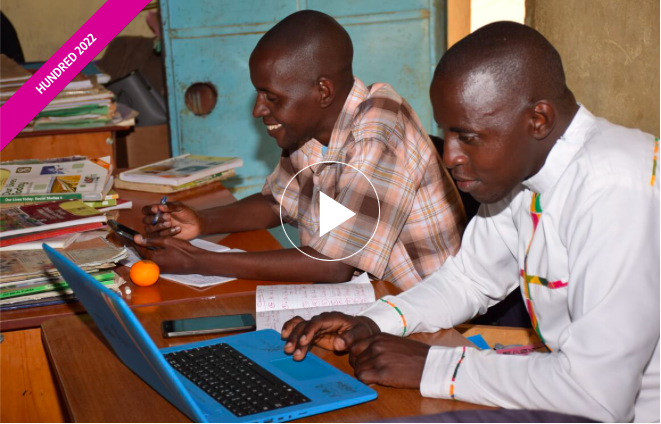
Teach2030 offers easy-to-use, easy-to-scale digital professional development courses to teachers in developing countries. The platform minimizes technical challenges by offering courses with less than 50MB. The program has supported 10,000 teachers from over 40 countries.

https://www.youtube.com/watch?v=Zsf3o559d-A

Slam Out Loud, India

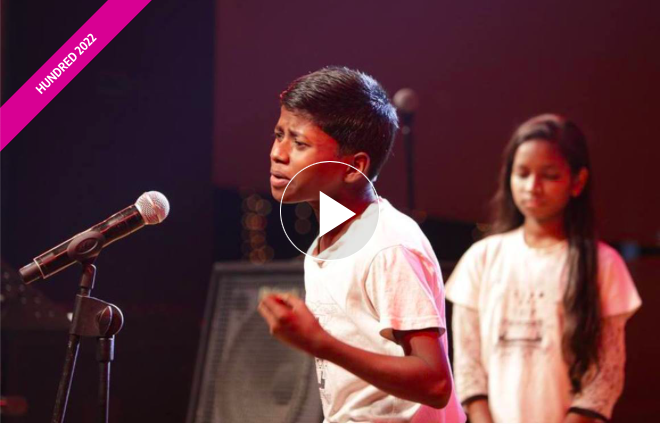
Through a five year program, Slam Out Loud places professional artists in classrooms to help build creative confidence skills like communication, critical thinking and empathy in children from disadvantaged communities. Currently, Slam Out Loud has supported 950 villages across Uttar Pradesh, Rajasthan, and Maharashtra reaching out to 50,000 children.

https://www.youtube.com/watch?v=zG_TICrkTRw

Semillas de Apego, Colombia

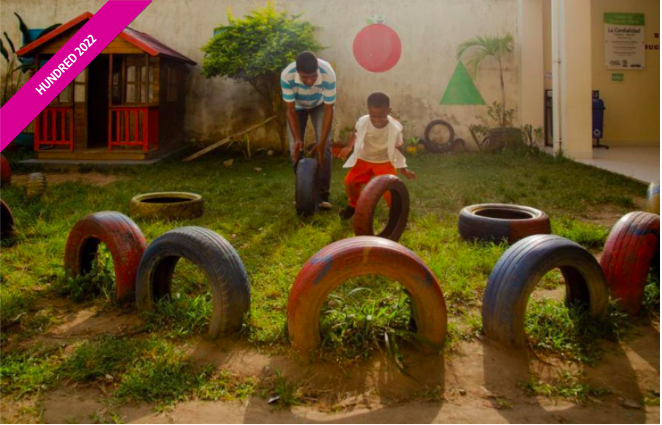
Semillas de Apego is a group-based psychosocial program for caregivers with children in their early childhood, that promotes healthy child-parent attachments as a pathway for a proper development among children exposed to violence. The program helps children reach their full potential, by fostering caregivers’ mental health and their capacity to become a source of emotional protection.

https://hundred.org/en/innovations/semillas-de-apego#20661fce

Nube Lab, Chile

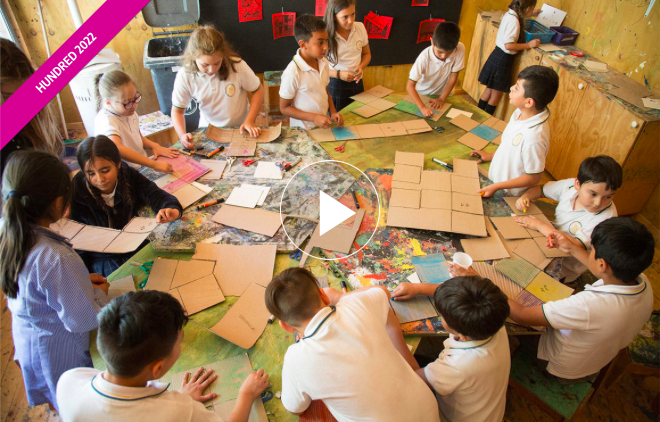
Nube was launched in 2012 in Chile with the aim of bringing Contemporary Art to Education. Through collaborative creation strategies, artists-professors, designers and researchers develop resources to enhance a transformative educational experience based on contemporary art, offering concrete solutions to develop sustainable, interdisciplinary and a context-based education.

https://www.youtube.com/watch?v=1zGTeficJuE

Chili Padi Academy, Indonesia

Chili Padi Academy aims to solve complex environmental and social challenges via an environmental leadership and accelerator program for senior high school students in Southeast Asia. The program nurtures a community of environmental leaders invested in collaboration and the healthy development of the region.

https://www.youtube.com/watch?v=pwQoUO4f9ss

Giving Thanks Around The World 2021

With tomorrow’s Thanksgiving holiday in the US, we wanted to highlight opportunities to support some of the organizations that have been part of IEN posts this year as well as those featured in The Education We Need for a Future We Can’t Predict which came out this spring. These organizations provide just a small sample of the many people and programs that are making a difference across the globe.

Children’s Aid

IEN post: Beyond any one school: Abe Fernandez on the development of community schools and collective impact in New York City (Part 1)

Donate Here

Citizen Schools (Massachusetts, New York, and California)

Donate Here

IkamvaYouth (South Africa)

Donate Here

Kliptown Youth Program (South Africa)

Donate Here

New Visions for Public Schools (New York City)

Donate Here

Public Works

IEN post: Ways with Learning: Conversations with Shirley Brice Heath About Nonformal Education

Donate Here

Second Chance (Ethiopia, Liberia, and Lebanon)

Donate Here

Teaching Matters (New York City)

Donate Here

The Beam Center (Brooklyn, New York)

Donate Here

The Citizens Foundation (Pakistan)

Donate Here

Wordworks (South Africa)

Donate Here

Oppression, Trust, and the Development of Change Leadership: The Lead the Change Interview with Morgaen Donaldson

This week, Morgaen Donaldson discusses her work on the development of educators, policy and educational change in the November Lead the Change (LtC) interview Donaldson is Associate Dean for Research at the Neag School of Education, Director of the Center for Education Policy, Analysis, Research and Evaluation, and the Philip E. Austin Endowed Professor of Education Leadership and Policy at the University of Connecticut. The LtC series is produced by the Educational Change Special Interest Group of the American Educational Research AssociationJennie Weiner, Chair; Olga O. Fellus, Program Chair; Corinne Brion, Secretary/Treasurer; Alexandra Lamb, Series Editor; Cynthia Wise, Social Media Coordinator. A pdf of the fully formatted interview is available on the LtC website.

Lead the Change: The 2022 AERA theme is Cultivating Equitable Education Systems for the 21st Century and charges researchers and practitioners with dismantling oppressive education systems and replacing them with anti-racist, equity, and justice-oriented systems. To achieve these goals, researchers must engage in new methodologies, cross-disciplinary thinking, global perspectives, and community partnerships to respond to the challenges of the 21st century including the COVID-19 Pandemic and systemic racism among other persistent inequities. Given the dire need for all of us to do more to dismantle oppressive systems and reimagine new ways of thinking and doing in our own institutions and education more broadly, what specific responsibility do educational change scholars have in this space? What steps are you taking to heed this call?   

Morgaen Donaldson: Educational change scholars are vital to the effort to dismantle oppressive systems and reimagine new ways of thinking and doing in our own institutions. Educational change is about new principles and processes of operating, and it seems to me that scholars in this space often think and act with this mindset. For me, this work means trying to think of new ways to conceptualize problems and solutions across various disciplines or domains. For example, when confronting a problem in the workplace, I examine individuals’ needs, motivations, and incentives as well as organizational structures and cultures in identifying possible paths forward. I love this work; I’ve always loved puzzles and big, complex challenges without easy solutions. Conceptualizing new ways of thinking and doing is exciting. Trying to shift the culture and structure of our higher education institutions to embrace these novel approaches is often frustrating and takes a clear vision and great leadership skills. Within the organizations with which I am affiliated, I try to ask the question “Why not?” more often than the question “Why?” For example, my colleagues and I recently moved our Center for Education Policy Analysis, Research, and Evaluation out of a department and into the Neag School of Education writ large. In discussing our new mission, committee members advocated for including explicit partnerships with community members. At first, I shied away from this idea. It sounded too difficult and time-consuming for a center focused on policy research. With urging from one of my colleagues, I started asking why not involve community members? After all, they feel acutely policies’ impact (or lack thereof). Yes, it requires faculty members to think and act differently, but maybe this is exactly what we ought to be doing.  I also try to spend time examining problems before I start conceptualizing ways to address these challenges.

Dismantling oppressive systems is even more difficult because the layers of these systems are multi-faceted and oppression pervades and refracts through them. Educational change scholars must examine how oppression functions through these layers and commit to challenging and eliminating oppression at all levels, from the societal, to the organizational, to the inter-personal, to the intra-personal. This is hard and continuous work and scholars must commit to working over a lifetime to eradicate this oppression. Within my work, I try to keep equity in the forefront of my decision-making. I try to ask about how my actions will recreate, erode, or upend oppressive systems. Our actions and inactions often have inequitable reverberations, and I am working on anticipating the impact of my words and choices on equity and making decisions and consciously advance equity through my voice and my actions

LtC: Given your work focused on teacher and now principal evaluation and the challenge of ensuring the organizational and institutional infrastructure and capacity to engage in this work with fidelity and to ensure better outcomes for adult and student learning alike, what are some of the major lessons the field of Educational Change can learn from your work and experience?   

MD: I think policymakers, practitioners, and researchers are often looking for simple answers to complex problems. When I started my book on teacher evaluation (Multidisciplinary Perspectives on Teacher Evaluation), I was interested in learning what could help teacher evaluation make a difference in teachers’ instruction and students’ learning. Was it better feedback? More observations? More opportunity for structured reflection? Peer review? I learned that the answer to the complex problems plaguing teacher evaluation was in itself complex and somewhat unglamorous. My work uncovered that the best way to improve teacher evaluation is working over months and years to develop a clear, strong vision of effective teaching and deep learning and then maintain that focus across all initiatives in the school. Schools that lead with a strong vision of teaching and learning and incorporate teacher evaluation as one arm of their efforts towards these ends wind up implementing teacher evaluation relatively robustly. Schools that set aside everything to focus only on teacher evaluation generally do not do it that well. When schools prioritize good teaching and deep learning and this vision pervades everything the school does, teacher evaluation ends up working well.

“When schools prioritize good teaching and deep learning and this vision pervades everything the school does, teacher evaluation ends up working well.”

More recently, my colleagues and I conducted a five-year study of principal evaluation in three states. We have learned a great deal from this project. Overall, we found that about half of districts implemented principal evaluation as part of a suite of activities meant to bolster school leadership. In these districts, both district leaders and principals reported that principal evaluation helped them develop as leaders. In the other half of districts, principal evaluation was said to have marginal effects on practice, or effects only for the struggling principals. We further found that principals report more positive effects of principal evaluation when they perceive their principal evaluation system to support their intrinsic motivation. Lastly, we found that district leaders tend to implement principal evaluation differently in higher- and lower-performing districts. In higher-performing districts, leaders tend to implement evaluation processes organically, with little attention to the evaluation rubric or weights, but maintain a focus on instructional leadership. Their counterparts in lower-performing districts enact the processes as specified in the state guidelines and district policies but widen their lens beyond instructional leadership to include managerial, logistical, and community-oriented leadership (Donaldson et al., 2021; Mavrogordato et al., under review).

Ltc: In some of your recent work on teacher evaluation, you highlight the need for better understanding of whether and how evaluation can lead to improved teacher practices. Given your findings regarding the need for trust between evaluators and teachers and the development of social capital, what do you see as the most needed changes to policy/practice to address these issues in the field, in educators’ daily practice and interactions with colleagues and students alike?   

MD: Trust is essential for the success of every organization. It may be even more important for schools, given the segmented, egg crate structure of the organization (Lortie, 1975) and the fact that its chief purpose is to guide the learning and development of other people’s children. Moreover, in the case of teacher evaluation, lack of trust has often hampered its implementation and dampened any positive effects. Trust is central to teacher evaluation and the broader success of efforts to improve teaching and learning in schools. 

“Trust is essential for the success of every organization.”

So how could trust among teachers and between teachers and school leaders be deepened?  For one, schools can provide more opportunities for teachers and leaders to struggle together and in partnership about thorny problems of practice. When teachers and leaders come together on equal footing to examine a problem from multiple perspectives and in different dimensions, everyone plays a role in coming to a shared understanding of the problem and a shared commitment to solving it. Collaboration around problem-diagnosis and problem-solving can build a partnership among teachers and between teachers and leaders that also fosters trust along the way.

Trust between educators and caregivers is also incredibly important. I think this may be the relationship that is most in need of enhancements to trust. In preschool and the early grades, schools are generally welcoming to parents and caregivers, but parental/caregiver involvement gradually wanes as children grow older (Murray, McFarland-Piazza, & Harrison, 2015). To build trust, schools could open their doors to caregivers on a more regular basis, inviting parents into classroom lessons, asking students to share work and involve parents in creating projects. This will build trust between teachers and parents/caregivers and also help educators learn more about students’ families, which can then inform their teaching. There is a lot of work to be done in this area.

LtC: Educational Change expects those engaged in and with schools, schooling, and school systems to spearhead deep and often difficult transformation. How might those in the field of Educational Change best support these individuals and groups through these processes?    

MD: There are two ways that scholars in the field of Educational Change could better support these individuals who are spearheading deep and difficult transformation. First, I think scholars of Educational Change and other researchers need to work harder to translate their research into practice and reflect practice in their research design and methods. To me, the impact of my scholarship in schools and school districts is more important than the number of times it is cited. I think the field could and should do a much better job identifying topics that are meaningful to practitioners and communicating findings to the world of practice much more deliberately through ongoing engagement with the field. Educational Change scholars can also advocate that the practical impact of scholarly work should be recognized and rewarded in university promotion and tenure decisions. Second, I think scholars in the field of Educational Change have a responsibility to study and understand what it takes for individuals to make change and investigate the toll on these changemakers. COVID-19 has heightened our collective awareness of the challenges facing educators and the day-to-day struggles that many of them experience. I think the field of Educational Change should pay more attention to the resources and experiences of change leaders and examine the consequences of playing this role for them, their health, and their careers.

LtC: Where do you perceive the field of Educational Change is going? What excites you about Educational Change now and in the future?

MD: COVID-19 exacerbated the inequity and inequality that has plagued education systems worldwide. I think it is becoming more difficult for defenders of the status quo; the evidence that students and schools are struggling is stark. After a year and a half with educators and students struggling mightily to engage in a version of schooling, education cannot afford to start up again with “business as usual.” This provides a window for Educational Change scholars to reconceptualize how school and schooling are done. Educational Change scholars can and should partner with practitioners to envision and enact a new system that addresses persistent and pronounced inequities in schooling inputs and outcomes. No one would wish COVID-19 to have occurred, but Educational Change scholars have an opportunity to speak up and share their knowledge about how schools could radically reconfigure how education is done to provide greater benefits to students.

References

Donaldson, M.L. (2020). Multidisciplinary Perspectives on Teacher Evaluation: Understanding the Research and Theory. New York: Routledge.

Donaldson, M.L., Mavrogordato, M. Dougherty, S. & Youngs, P. (2021). Doing the ‘real’ work”: How superintendents’ sensemaking shapes principal evaluation policies and practices. AERA Open, 7(1).

Lortie, D. C. (1975). Schoolteacher: A sociological study. University of Chicago Press.

Mavrogordato, M., Youngs, P., Donaldson, M., & Dougherty, S.  (under review). “Principals experiences with principal evaluation in 22 small and mid-sized districts.”

Murray, E., McFarland-Piazza, L., & Harrison, L. J. (2015). Changing patterns of parent–teacher communication and parent involvement from preschool to school. Early child development and care185(7), 1031-1052.

Surprise, Controversy, and the “Double Reduction Policy” in China

This week, Aidi Bian shares her perspective on what’s been happening in China since the announcement by the Chinese government of major changes in the education system there. Bian is a bilingual math teacher and form tutor at HD Ningbo School, which belongs to a private educational group with 5 campuses in Beijing, Shanghai, Ningbo, Qingdao and Nanjing. She has previously reported on “New Gaokao in Zhejiang China: Carrying on with Challenges” and contributed to “AI and education in China

Surprise and controversy came with the announcement of a new “Double Reduction Policy” for China’s education system in late August. The policy, Opinions on Further Reducing the Burden of Homework and Off-Campus Training for Compulsory Education Students, was released by the highest office of the central government. The document requires a reduction in the burdens for students created by homework and off-campus tutoring programs. This contributed to what some have described as the downfall of the tutoring industry in China, estimated to be worth more than 400 billion RMB. The central government determined that the academic stress and pressure in education is having an irreversible, harmful influence on the next generation of the country and concluded that it must take harsh action to change the situation by administrative force.

The central government determined that the academic stress and pressure in education is having an irreversible, harmful influence on the next generation of the country and concluded that it must take harsh action to change the situation by administrative force.

China has long been known for high academic pressure in elementary and secondary education. Parents put great emphasis on academic achievement of their children from the first day of school (even from kindergarten) to win the fierce competition of entering good colleges. Recent years have witnessed a rapid expansion of the private tutoring industry with the help of the internet (especially online tutoring after COVID). This in turn has created further anxiety for parents who are constantly bombarded with advertisements for tutoring. The explosive growth of the tutoring sector has created a vast market, forcing many families to invest in tutoring training either willingly or under peer pressure. In some way, the educational cost of raising children has become so high that young couples refuse to have more than one child, creating big problems for a government that wants parents to have more children to relieve the challenges of a rapidly aging population. Along with an ongoing emphasis on test scores, the demands of heavy schoolwork and tutoring raise concerns about students’ physical and mental health. The Double Reduction policy is aimed at addressing these issues, freeing families from the economic burden of educating a child and protecting the physical and mental health of the next generation.

The Double Reduction policy includes the following key points:

  • Reduce the amount and time of school homework (specific time limits for written homework were listed for different grades).
  • Provide after school care for students by requiring schools to offer after-school services (such as extracurricular activities and evening self-study) to keep students in school until parents get off from work.
  • Strictly regulate private tutoring, including banning tutoring during weekends and winter/summer breaks, forbidding tutoring companies from going public, and preventing school teachers from providing any tutoring service.
  • Outlaw frequent formal exams and rankings in schools.

Some families welcomed the policy in relief while others seemed to get even more anxious as they feel compelled to pay more money to find private tutors or to take on the burden of tutoring their children themselves. Some parents also worried that if they have no way to keep their children occupied with studying, their children will spend more time on the internet, watching videos and playing games. To ensure the enforcement of the policy, local governments have been encouraged to report violations and infractions, which has caused some conflicts among students, parents and teachers. The policy was effectively enforced over the past months. Yet, the strong demand for tutoring remains constant, with parents afraid to risk their children’s future given the fierce competition for the best scores, the best schools, and the best educational supports and resources.

The policy was effectively enforced over the past months. Yet, the strong demand
for tutoring remains constant, with parents afraid to risk their children’s future
given the fierce competition for the best scores, the best schools, and the best
educational supports and resources.

Although not part of the “Double Reduction”, related policies were also implemented around the same time to address the broader goal of educational equality. One new policy sought to address the problem that in some big cities parents will buy expensive houses just to get into an area where their children can enroll in the best schools. To that end, local governments are now pursuing a “random draw” to decide which schools children go to. To further promote equality, some cities also began to implement a teacher rotation program. The best teachers and principals are required to move to other local schools so that students in different areas of the city have equal access to high quality education from experienced educators. With all the efforts, the government is aiming for a high-quality in-school education and restrict the wild growth of after-school competition.

– Aidi Bian

Related links:

China Releases “Double Reduction” Policy in Education Sector

Will ‘double reduction’ policy lead to fairer education?

China’s new private tutoring rules put billions of dollars at stake

China’s crackdown on tutoring leaves parents with new problems

Beijing’s Top Teachers Will Rotate Shifts Across Schools

Beijing to Rotate Teachers to Promote Educational Fairness

Youth, Partnerships, and the Future of Educational Change: Q and A with Kolbrún Pálsdóttir

This month’s Lead the Change (LtC) interview presents a conversation with Kolbrún Pálsdóttir about her work inside and outside of schools. Pálsdóttir is the Dean and an Associate professor at the School of Education, University of Iceland. Before becoming a teacher and researcher in 2007, she was an educator and department leader at Reykjavík and took an active role in the development of out-of-school centres for young school-aged children. The LtC series is produced by the Educational Change Special Interest Group of the American Educational Research AssociationJennie Weiner, Chair; Olga O. Fellus, Program Chair; Corinne Brion, Secretary/Treasurer; Alexandra Lamb, Series Editor; Cynthia Wise, Social Media Coordinator. A pdf of the fully formatted interview is available on the LtC website.

LtC: The 2022 AERA theme is Cultivating Equitable Education Systems for the 21st Century and charges researchers and practitioners with dismantling oppressive education systems and replacing them with anti-racist, equity, and justice-oriented systems. To achieve these goals, researchers must engage in new methodologies, cross-disciplinary thinking, global perspectives, and community partnerships to respond to the challenges of the 21st century including the COVID-19 Pandemic and systemic racism among other persistent inequities.  Given the dire need for all of us to do more to dismantle oppressive systems and reimagine new ways of thinking and doing in our own institutions and education more broadly, what specific responsibility do educational change scholars have in this space? What steps are you taking to heed this call?   

Kolbrún Pálsdóttir: I strongly believe that the educational system(s) created within societies are the key for a better future. In fact, that is one of the main reasons why I was drawn into the field of education, as a student, a professional, an educator, a researcher, a teacher and a collaborator. Looking at our education system in Iceland during the COVID-19 pandemic, it is apparent that vulnerable students were hit the hardest (Pálsdóttir, 2020; Pálsdóttir et al., 2021), as they were unable to access school resources and support during pandemic restrictions and school closings. Although very few K-12 schools had to close in Iceland, due to effective pandemic responses, access to both schools and leisure-care programs were more limited as were the services they provided. 

I am an extended education researcher and a leader, and through my professional life I have always explored how individuals flourish and develop in both formal and non-formal social settings. As a research field, extended education focuses on the important role out-of-school and extra-curricular activities play in children’s and youth’s learning and development. In my work, I have set out to examine how partnership can be developed between educators from different professions, such as teachers and out-of-school-personnel, and their practices can become aligned to better serve students on their education paths. A cross-disciplinary approach is, in my view, the most fruitful way forward for us, both as individuals and communities, to tackle and develop realistic responses to serious local and global challenges. As a professional in out-of-school programs in Reykjavík, I quickly realized how important the informal setting of the out-of-school program was to support the social inclusion of all children. My research shows that participation in the out- of-school programs is particularly important for students who, for myriad reasons, struggle in school, for example because Icelandic is not their first language, or because they have strengths that are situated on the periphery of formal school learning (Pálsdóttir, 2012, 2017). These challenges are particularly important to educators today as Iceland has transformed into a multi-cultural society within the space of few decades. For example, since 2000, the immigrant population in Iceland has risen from 2.6% to 13.5%. We now have schools in Reykjavik where the majority of students for whom Icelandic is not their first language. 

When it comes to educating educators and teachers, it is important to “walk the talk,” practice what we preach. Equity is one of the guiding values of the University of Iceland (UI), and at the School of Education (SoE). We are proud of our increasingly diverse student population. Our educational two-year diploma program for young people with intellectual disability is one of a kind in Iceland and creates a dynamic and critical dialogue on both educational access and the essence of higher education (see Stefánsdóttir & Björnsdóttir, 2016). The SoE also offers both an undergraduate and graduate program in International Studies Education which is taught in English. It is a popular program drawing students from all over the hemisphere as well as Icelandic students with immigrant backgrounds (Halldórsdóttir & Gollifer, 2018). Our teacher education programs have a growing body of immigrant students, particularly in early education and pre-school staff in Iceland include many with an immigrant background. Currently, our aim is to offer Icelandic courses as a part of our five-year teacher program. A new law on teacher education (2019) stipulates that certified teachers should be able to teach in Icelandic. Given the dire need to create a more diverse workforce within our schools, it is a priority to make teacher education more accessible for immigrant students.

For example, the way some of my pioneer colleagues at the University of Iceland managed to create access to higher education to a student group previously excluded, (i.e. developmentally disabled students), is amazing and transforms our ideas of higher education, making it an inclusive social practice. Of course, there are obstacles and challenges to consider and overcome. An important first step is to look at education more holistically than the “conventional” process of schooling, and to involve students and their families on their own terms in the educational endeavor.

Lead the Change: A theme in your work is the need to listen, respect and respond to children’s voices in their educational experiences, what would be some of the major lessons the field of Educational Change can learn from your work and experience? 

KP: Since my own experiences as a student, I have been concerned with how educators can be better equipped to help every individual flourish. Like many, I have witnessed countless unused opportunities to empower young people, whether in or outside the classroom, and I argue that many of those missed opportunities can be traced to adults tending to see young people as incapable and/or not skilled enough to be involved in decision-making. As a doctoral student, I became fascinated by the idea of how childhood is socially constructed and changes over time and place (see for example James & Prout, 1990/2015). Childhood studies became one of the theoretical lenses through which I explored the socially contextual practices of out-of-school programs in Reykjavík and its connection to schooling. Thus, children were one of my main sources of information as they gave their accounts, both verbally and through drawings on their experiences of leisure and school (Pálsdóttir, 2012; 2019). In retrospect, I could have taken an even more radical approach to involve the children in the research process, for example by becoming co-researchers. Today, participatory educational research with children is an acknowledged method and increasingly used to inform educational policy (see for example Cohen et. al., 2020 from the US context). 

At the time of my doctoral thesis, however, it was considered progressive, at least in the Icelandic context, to consider children’s perspectives as a valuable part of educational research. I have learned that it is hard to move forward and create a dynamic and effective educational process without considering the perspectives of young people who have skills, experiences, and insights that are of great value. Young people tell us how they navigate sometimes unequal education paths through our school system, how social media shapes their lives and experiences, and how the current global challenges, such as global warming, migration, poverty, and war, affects their understanding of themselves and their place in the future. Bringing young people to the table is not only a way to get their views, but also a method to empower them and develop their character and social skills.

It gives youth a sense of belonging to have their voice heard, something that students too rarely experience within school but more often in out-of-school programs, as was evident in my doctoral research. This sense of purpose, sense of belonging is one of the pre-requisites for believing in yourself and achieving one’s goals (Pálsdóttir et al., forthcoming).

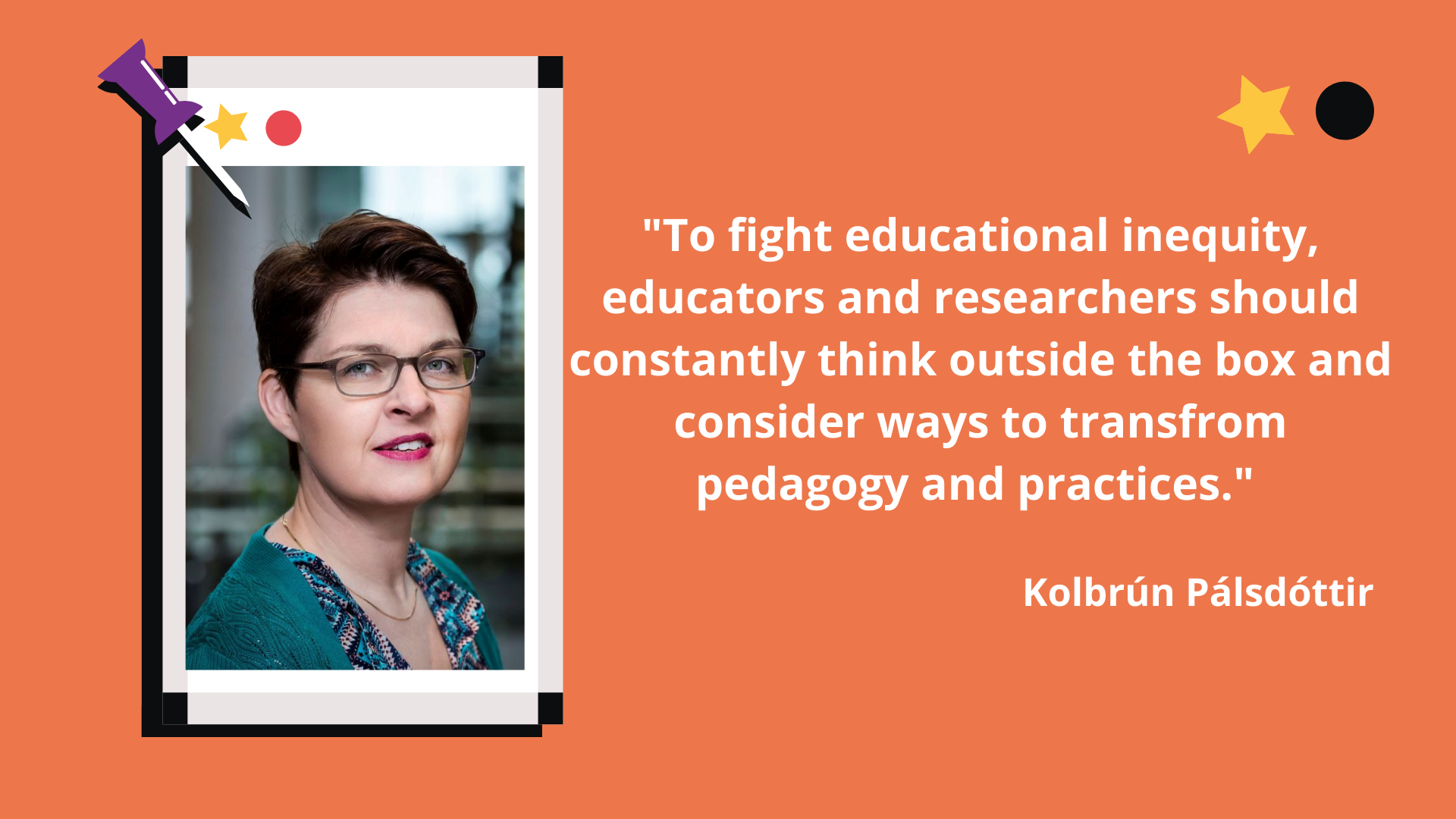
“Bringing young people to the table is not only a way to get their views, but also a method to empower them and develop their character and social skills.”

LtC: In some of your recent work responding to the COVID-19 crisis, you call on the educational community to embrace innovation and inventiveness to “strengthen the fabric of society.” What might this look like in action? What do you see as the most needed changes to policy/practice in the field, in educators’ daily practice and interactions with colleagues and students to facilitate a better path forward?  

KP: The COVID-19 pandemic has certainly tested the core fabric of our global societies and local communities. It has been fascinating to witness the collective responses of professionals, whether within health, welfare, or education, all of whom who have been under tremendous pressure during this time. There are three areas where educators and scholars should focus to align their resources and build foundations for the future:

Community partnerships are the key to strengthen our institutions and set up holistic support for our students and their families. I am proud of the Icelandic education system and the way government, health authorities, and the education sector joined forces to minimize the disruption of students’ lives and their education. One of the positive learnings that can be drawn is that education and learning can take place in various ways as many teachers used digital and social mediums to connect to their students and create multi-fold learning platforms. I was also proud of the Icelandic education academic community who set up a response coalition webpage in April of 2020 to provide recommendations and tools on how parents and educators could support the learning and well-being of children during the pandemic.

Educational practices need to be made relevant to students and revolve around current issues, rather than remote future skills. For many reasons, the COVID-19 pandemic creates new opportunities to rethink our current practices. During the pandemic, some upper-secondary students reported they had more opportunities for independent study and felt empowered to use diverse mediums and learning sources for their school projects. Thinking about what really matters and what ultimately is the goal of education: to empower each individual to flourish and become an active participant in society – should encourage teachers to listen to students´ voices and use both formal and informal methods to activate and support individual learning. One important pandemic lesson is that Teachers need to be flexible and adaptive and continue to use diverse platforms for interactive learning to take place. This is such a complex endeavor and becomes impossible without government support, local resources, and professional authority and freedom of teachers and other educational professionals. 

“Teachers need to be flexible and adaptive and continue to use diverse platforms for interactive learning to take place.”

Educational innovation is crucial to better equip our students and teachers to set up creative solutions to current and future challenges. Here we need to think about not only digital and technical innovation, but also about social innovation, which includes restructuring our organization of previous social practices, developing new approaches and organizational structures, such as setting up educational infrastructures (alignment) between schools, out-of-school programs and homes. My main worry centers around how we can prevent the “system” from sliding right back on its previous path. It is important that we do not spend time trying only to fill in blanks from 2020. Rather we need to focus on what our students learned during the pandemic, not least about our global context and collective humanitarian issues.

LtC: Educational Change expects those engaged in and with schools, schooling, and school systems to spearhead deep and often difficult transformation. How might those in the field of Educational Change best support these individuals and groups through these processes?    

KP: First and foremost, I think educators need to be ambitious and courageous to go in new directions and that educational administrators´ key role should be to create a culture and infrastructure that fuels professional learning, teamwork, and innovation. Such a culture rests on the professional leadership of educational professionals which needs to be respected and nurtured through continuous professional development and collaboration as part of the work duties. In my leadership role as dean of the School of Education, I consider it my core duty to work with my colleagues to set up partnerships between diverse stakeholders: students in Iceland, parents, teachers and educators, municipalities, industries, the government, and the public. By collaborating with Reykjavík educational authorities, we have linked researchers and professionals to collaborate on research, innovation, and development projects in education; we have set up collaboration with a non-profit association who organizes educational programs for young people with mental health issues; we have organized educational programs for parents with the National Parent Association; and more. Our gains from these partnerships are tremendous and are clearly visible, as we have had an increase in student attainment. Study programs too have been enriched with the expertise of educational professionals who have joined our forces to invite students to get to know the current challenges and opportunities of our schools and community programs. 

Creating this reciprocal relationship between academics and those currently engaged in educational practices at different school levels, in leisure programs, and other social contexts has been at the heart of our mission and will continue to be so.

Education research is an interdisciplinary endeavor and calls for researchers with diverse academic and professional backgrounds.The researcher´s role is to shed light on and analyze the educational system, the educational process, students’ outcomes, and social and cultural contexts. The findings of this interdisciplinary research should feed into policy and practices through multi-faced processes and both formal and informal partnerships. The implementation of change should come from within the educational system and is mainly in the hands of teachers, educators, and school leaders. 

LtC: Where do you perceive the field of Educational Change is going? What excites you about Educational Change now and in the future? 

KP: There has certainly been an increase in global awareness of the importance of the education system for societies to flourish, as international comparative databases such as PISA, have been developed and OECD countries compete for higher rankings. Comparative data on student learning outcomes creates an incentive to discuss student outcomes, but also to discuss the educational system and the overarching goals of education. However, at the same time the strong global push towards managerialism, accountability, and efficiency PISA has created in education is questionable, to say the least. It has fed an illusioned belief that there exists one model or one method out there, that can fit all students and their needs. 

It is often overlooked that educational “truths” need to be interpreted and explored through social contextual lenses, such as cultural structure and values, and through the realities and experiences of people and communities. It is important to remember that the core aim of education should always be to help every individual to flourish and to be able to participate in society. We are facing complex challenges that call for both global and local responses. The pandemic has certainly reminded us that nature can uproot our daily lives and change them in unexpected ways. Many nations are also facing complex challenges stemming from human and/or natural causes. Icelanders, for example, need to be prepared to adapt their lives to earthquakes and eruptions, and we are now witnessing our magnificent glaciers melt away at an extreme rate due to global warming. My hope is that we continue to strengthen our education institutions to foster the multifold and amazing capabilities of our students, so they can sensibly and passionately work together to create better societies.

Reference

Cohen, A.K., Ozer, E.J., Abraczinskas, M., Voight, A., Kirshner, B. and Devinney, M. (2020). Opportunities for youth participatory action research to inform school district decisions, Evidence & Policy, 16(2), 317–329, DOI: 10.1332/174426419X15649816542957 

Halldórsdóttir Gudjonsson, B.E. & Gollifer, S.E. (2018). A view towards internationalisation at the University of Iceland: Lessons learned from the International studies in Education Programme. Netla, https://hdl.handle.net/20.500.11815/1623

James, A. & Prout, A. (Eds.) (1990/2015 2nd ed.). Constructing and reconstructing childhood. Contemporary issues in the sociological study of childhood. Falmer Press.

Pálsdóttir, Kolbeinsson and Gunnþórsdóttir, (forthcoming). Belonging in the school: Factors affecting the perception of primary school students. Netla.

Pálsdóttir, K. (2020). Lessons from a Pandemic. The Educational System Evolving in the Time of COVID-19. The Delta Kappa Gamma Bulletin, 86(5), pp. 7-9.

Pálsdóttir, K., Arnarsson, A.M & S. Kristjánsdóttir. (2020). Reynsla stjórnenda félagsmiðstöðva og frístundaheimila á tímum samkomubanns vegna COVID-19 vorið 2020. [The perspectives of leisure-program leaders at the time of restrictions due to COVID-19]. Netla, http://netla.hi.is/serrit/2020/menntakerfi_heimili_covid19/08.pdf. DOI: https://doi.org/10.24270/serritnetla.2020.15

Pálsdóttir, K. (2019). Connecting school and leisure-time centres. Children as brokers. In Dockett, S., Perry, B. & Einarsdóttir J. (Eds.). Listening to children’s advice about starting school and school age care (pp. 99-115). Routledge, Taylor & Francis Group.

Pálsdóttir, K. (2017) Integrated learning in schools: An Icelandic case study, Journal of Professional Capital and Community, 2(4), pp.215-228.

Pálsdóttir, K. & Kristjánsdóttir, K. (2017). Leisure-time centres for 6-9-year-old children in Iceland; Policies, practices and challenges. International Journal for Research on Extended Education, 5 (2-2017), pp. 211-216. https://doi.org/10.3224/ijree.v5i2.08

Pálsdóttir, K. (2016). Hin hugsandi sjálfsvera. Formlegt og óformlegt nám skoðað í ljósi heimspeki Páls Skúlasonar. [The Reflective Being-for-itself. Formal and informal learning examined in the light of Páll Skúlason´s philosophy]. Netla, https://netla.hi.is/serrit/2016/menntun_mannvit_og_margbreytileiki_greinar_fra_menntakviku/009.pdf

Pálsdóttir, K. (2012). Care, learning and leisure: The organisational identity of afterschool centres for six- to nine-year old children in Reykjavik (unpublished doctoral thesis). University of Iceland, School of Education. http://hdl.handle.net/1946/16754

Stefánsdóttir, G.V & Björnsdóttir, K. (2016). ‘I am a college student’ Postsecondary education for students with intellectual disabilities. Scandinavian Journal of Disability Research. http://www.tandfonline.com/doi/full/10.1080/15017419.2015.1114019

Owning educational change in Korean schools: Three driving forces behind sustainable change (Excerpt)

“Can the innovative educational changes imposed by the pandemic be sustained for the long-term?” That’s the question that Taeyeon Kim, Minseok Yang, and Sunbin Lim ask in the third commentary in a series launched by Corrie Stone-Johnson and the Journal of Educational Change. This question builds on the first commentary in that series by Yong Zhao and Jim Watterston – “The changes we need post-Covid” and the second “What can change in schools after the pandemic?” by Thomas Hatch. This week’s post provides an excerpt from the third commentary, highlighting they key lessons and implications from the pandemic experiences of educators in the Korean context. The full commentary can be found in the November issue of the Journal of Educational Change.

The COVID-19 pandemic has altered multiple aspects of everyday life, especially those requiring personal interactions and daily routines. As a result, the core practices of things like schooling and student learning have had to be fundamentally revised. Schools across the world have thus adopted policies and practices to facilitate virtual learning, which have forced educators to quickly learn how to design and enact online lessons with limited resources (United Nations, 2020). Schools have invented and established these routines as the “new normal,” all while navigating a persistent level of uncertainty. Although COVID-19 has highlighted and exacerbated the digital divide as well as social inequalities like economic and racial injustice (United Nations, 2020), scholars and educators have argued that this disruption also presents an opportunity for the equitable redesign of school systems (Zhao, 2020).
With massive vaccination efforts, schools are now preparing to go back to “normalcy” for post-COVID-19 education (see Durston et al., 2021; Meckler & George,2021). In reflecting on the many innovations schools have made during COVID-19 (e.g., online and blended learning, individualized support), it is important to consider Zhao and Watterston’s (2021) argument that the educational changes imposed by the pandemic may be unsustainable for the long-term.

While superficial changes in schooling made during the pandemic may not be sustainable, this essay offers a counter-narrative from the Korean context, in which educators re-constructed policies and teaching practices to fill the educational vacuum caused by COVID-19. The lessons we address here build on 23 Zoom interviews (including 17 individual interviews and six focus groups) conducted throughout the 2020 school year with Korean teachers, school and district leaders, and parents across the country. As education researchers residing in the US during the pandemic who previously worked as Korean school teachers, we wanted to present stories of how Korean schools implemented online and hybrid classes without largescale school closures and how educators made meaning of the changes forced by COVID-19.

“While superficial changes in schooling made during the pandemic may not be sustainable, this essay offers a counter-narrative from the Korean context, in which educators re-constructed policies and teaching practices to fill the educational vacuum caused by COVID-19”

What was most striking to us was the ownership of educational change reflected in the educators’ narratives. This sense of ownership can be understood as a “mental or psychological state of feeling owner of an innovation” that enables educators to understand how changes are applied and their specific roles in initiating these changes (Ketelaar et al., 2012, p. 5). In navigating and reflecting on the pandemic’s unexpected challenges, they placed themselves at the center of efforts to realize “future education.” Teachers and leaders thereby perceived educational innovations as both a short-term reaction to the pandemic and as sustainable transformations to lead in the long run. This sentiment was apparent in their responses to the sudden onset of COVID-19, as well as in their approach to schooling a year into the pandemic. For the Korean educators we interviewed, “back to school” does not mean back to pre-pandemic schooling of the past. Although we do not generalize their responses as “the Korean case,” our surveys of news articles, books, and online teacher communities in Korea indicate strong aspiration for changes stemming from critiques of pre-pandemic education.

Behind the ownership of sustainable changes: Three driving forces

Throughout the research process, we consistently asked what led the Korean educator participants to take ownership of school changes. As an irresistible force (Stone- Johnson, 2021), COVID-19 has imbued education communities with a sense of urgency and purpose to collectively revise school systems…Echoing the argument that COVID-19 catalyzed the realization of school reforms (Kim et al., in press), we identified three macro-level driving forces in participants’ stories that enabled transformations in Korean schools:

  • Policy discourse about “future education”
  • Professional teaching cultures
  • Using bureaucratic administration creatively

Lessons learned: Suggestions for back to school with COVID‑19

  • Offer a shared space for diverse policy actors
  • Adopt hybrid governance to coordinate resources
  • Balance commitments to others and self‑care

The COVID-19 pandemic has shaken the structure and practices of education systems around the world. It forced schools to change their core activities from the bottom up and create new ideas and systems to support student learning. Schooling during the pandemic has thus necessarily revealed challenges that must be addressed (e.g., widening achievement gaps), but it also surfaced opportunities for challenging the “old grammar of schooling” in how Korean educators took ownership of educational changes to collectively envision better ways of schooling during and after COVID-19.

“Schooling during the pandemic has thus necessarily revealed challenges that must be addressed (e.g., widening achievement gaps), but it also surfaced opportunities for challenging the “old grammar of schooling” in how Korean educators took ownership of educational changes to collectively envision better ways of schooling during and after COVID-19.”


School Improvement, Educational Inequality, and Politics: A Conversation with Beth E. Schueler

This month’s Lead the Change (LtC) interview features Beth E. Schueler, an Assistant Professor of Education and Public Policy at the University of Virginia. She studies education policy, politics, and inequality with a focus on efforts to improve low-performing K-12 schools and districts and previously worked on legislative affairs at the New York City Council.  The LtC series is produced by the Educational Change Special Interest Group of the American Educational Research AssociationJennie Weiner, Chair; Olga O. Fellus, Program Chair; Corinne Brion, Secretary/Treasurer; Alexandra Lamb, Series Editor; Cynthia Wise, Social Media Coordinator. A pdf of the fully formatted interview is available on the LtC website.

Lead the Change: The 2022 AERA theme is Cultivating Equitable Education Systems for the 21st Century and charges researchers and practitioners with dismantling oppressive education systems and replacing them with anti-racist, equity, and justice-oriented systems. To achieve these goals, researchers must engage in new methodologies, cross-disciplinary thinking, global perspectives, and community partnerships to respond to the challenges of the 21st century including the COVID-19 Pandemic and systemic racism among other persistent inequities. Given the dire need for all of us to do more to dismantle oppressive systems and reimagine new ways of thinking and doing in our own institutions and education more broadly, what specific responsibility do educational change scholars have in this space? What steps are you taking to heed this call? 

Beth E. Schueler: The pandemic, high-profile anti-Black police violence, and threats to the health of our democracy have had me, like many other scholars, questioning whether my research priorities are the right ones to make the greatest contribution toward promoting race- and class-based equity. Recent events have only reaffirmed my belief that greater attention to the politics of education is critical to making progress toward these goals. For example, politics played a comparable, if not larger, role in shaping post-COVID school reopening plans than public health factors, with some comparisons showing partisanship to be a stronger predictor of in-person learning offerings than case rates. There continue to be substantial differences in parental preferences for learning modality by race while we know not all modes are equally effective. There are strong partisan and racial/ethnic differences in opinion over how much time should be devoted to studying the causes and consequences of racism and inequality in schools. 

In many ways, educational inequality is a product of political inequality. For instance, it is difficult to revamp Title I federal education funding formulas when those who benefit from the status quo have greater political influence than those who are getting the short end of the stick—often low-income, Black, indigenous, and Hispanic families. It is difficult to get these students appropriate resources when adults in their communities are underrepresented in elected office, at least in part due to disenfranchisement of various sorts, and when voter turnout in local school board elections is so low as to not represent the public interest. It is impossible to implement and sustain public policy that effectively mitigates social inequality if there is not the political support for those reforms. Therefore, I am doubling down on a research agenda that seeks to understand the relationship between political and educational inequality with the goal of helping justice-oriented leaders learn how to effectively navigate the politics of education to implement policies that sustainably promote equity.

One challenge for me—and I would guess other educational change scholars—has been finding the right balance between keeping my head down to make progress on this research agenda while also being open to the need to periodically rethink, refresh, overhaul or even abandon aspects of that agenda based on new learnings, awareness, or shifting trends. There is sometimes a temptation to switch course entirely based on current events but there is also a danger in doing so without thought and intentionality. After all, most of us got into this field in the first place because we care deeply about fighting educational and social inequality, so there is likely value in our ongoing projects. Successful efforts to dismantle oppressive systems require sustained attention over the long run. High-quality research takes time. A key part of the battle is about maintaining an unwavering commitment to racial and economic injustice by “putting our heads down” and doing the work, day in and day out.

“Successful efforts to dismantle oppressive systems require sustained attention over the long run.”

The challenge is to keep up that long-term persistence without getting complacent and while being open to recognizing when we are devoting our energy in the wrong direction. Educational change scholars have a responsibility to stay the course on worthy projects but also to “put our heads up” periodically to make sure we are not wasting time on low-impact endeavors, to be aware of new evidence that could change our perspective or priorities, or to recognize action or inaction we are taking that, worst case, contributes to upholding the oppressive systems we seek to dismantle. This is a difficult balance to strike because the time horizons for producing high-quality research are long while the need to fight racial and economic injustice is urgent. I cannot claim to have found the perfect balance, but I am always trying to find it and welcome constructive critique or advice from colleagues who share a commitment to equity.

LtC: Given some of your work focused on the political viability of school takeover and turnaround for low-performing schools, specifically the model in Lawrence that yielded positive results for students, what are some of the major lessons the field of Educational Change can learn from your work and experience?     

BES: Lawrence, Massachusetts represents a rare case of districtwide takeover and turnaround where things went well both in terms of the policy effects and politics. Leaders were able to generate meaningful academic gains in the early years and there was much less opposition and more support for the reforms than a stereotypical case of takeover. The public narrative around improving low-performing schools and systems has been notably gloomy in recent years. In contrast, one of the major lessons from Lawrence is that it is indeed possible to dramatically improve outcomes in a politically viable way for low-income children of color in low-performing educational contexts. 

How were leaders able to improve outcomes? Half of the gains in math and all the gains in ELA were concentrated among children who participated in “acceleration academy” (sometimes called “vacation academy”), small-group programs where talented teachers work with a small group of roughly ten struggling students in a single subject over a weeklong vacation break. I have since replicated these findings with a field experiment of a similar program in Springfield, Massachusetts. These programs have high-potential for supporting students who lost learning time due to COVID-19 disruptions and are more affordable than high-dosage tutoring programs (which tend to be highly effective but challenging to implement widely due to cost). The remaining gains in Lawrence were due to a package of reforms (and it is hard to disentangle what mattered most) involving funding being pushed from the central office to schools, greater school-level autonomy (tailored to schools based on strengths and needs), extended learning time, data use, and a focus on improving administrator and educator quality.  

How were leaders able to generate political support for reforms? Part of the explanation had to do with the context in which reforms were implemented. The public perceived not only low-performance but also mismanagement, and this led to more openness to dramatic change (a finding we have replicated with national public opinion data). The district was medium in size, allowing leaders to get their feet on the ground in all schools and tailor reforms at the school-level. The teachers union and district leaders were willing to collaborate with each other. The majority of teachers were white and came from outside the district, so there was not a lot of overlap between the teaching force and the majority-Hispanic local community, making it difficult for the union to mobilize parents to oppose reforms. 

There were also ways the leaders designed, implemented, and framed their policy choices to minimize opposition and increase support. I describe this as a “third way” approach (Schueler, 2019)—blending the favored ideas from the traditionalist and reform perspectives in education politics to overcome criticism from either side. For instance, leaders focused on bolstering academic expectations and instruction, and on fleshing out extra-curricular offerings meant to support whole-child well-being. Leaders handed over a small number of schools to be managed by charter groups and one school to the teachers union, showing a willingness to work with groups on both sides of major education policy debates. They did not formally convert any schools to charter status, however. Even those schools that were managed by charter operators retained neighborhood-based student assignment and a unionized teaching force, addressing concerns of the charter critics. Leaders replaced nearly half of the school principals in the early years of reform but only actively replaced ten percent of the teaching force and deployed notably strong pro-teacher rhetoric. They implemented a merit-based career ladder while simultaneously giving nearly all teachers a salary increase in the process. The case provides a proof point that it is possible to overcome polarized debates in education policy to implement politically viable change.  

“Lawrence provides a proof point that it is possible to overcome polarized debates in education policy to implement politically viable change.”

LtC: In some of your recent work examining the effects of state takeover of school districts nationwide, you find that takeover does not lead to improved student academic performance. Given your findings and the heterogeneity of takeover models and outcomes, why do you think takeover persists as an improvement mechanism and how might successful models, like those in Lawrence, be brought to scale in more districts nationwide?

BES: Having studied a rare positive case of state takeover and turnaround, I wanted to understand whether the Lawrence experience was an outlier. In a subsequent study, we examined the average effect nationwide of state takeover on academic outcomes and inputs. We found no evidence of positive effects and some evidence of disruption in the early years of takeover, particularly in ELA. We conclude that, despite the positive Lawrence experience, leaders should be very cautious about deploying takeover as a mechanism for improving achievement outcomes, particularly in contexts that are very different from those in which takeovers have previously been successful. More specifically, takeover appears least likely to generate academic improvements in majority-Black communities and in districts that are not among the very lowest performing in the country. 

My guess is that takeover persists (and indeed has increased as an improvement strategy over time), despite this evidence, in part because research does not provide a ton of easy answers for how to improve low-performing school systems. Given education is not mentioned in the U.S. Constitution, states are responsible for school district performance. Therefore, it is somewhat understandable that states would feel a responsibility to take action when a district has been low performing for many years, and especially in cases where there is evidence of mismanagement or corruption. However, again, some of the research that I have contributed to suggests that there are also political factors at play. We find that takeover is more common in contexts where states are paying a larger share of educational expenses, and in majority-Black districts regardless of academic performance. While our study does not provide definitive evidence of intentional racial targeting, it is certainly consistent with such a story. Furthermore, in work on public opinion, we find high levels of support for state takeover among members of the public as a whole, but lower levels of support among teachers and those in low-performing districts most likely to be under threat of takeover. Therefore, statewide pressures can lead to takeover despite local opposition. 

How can successful models of district improvement be brought to scale? If and when considering state takeover, leaders should pay careful attention to local contextual factors that have historically predicted the success of takeover reforms on average, including the racial/ethnic makeup of the district, the extent of academic underperformance, and the political landscape.  The contexts ripe for these types of reforms are rare and therefore state leaders should be cautious about using this authority. For instance, they should be especially careful about takeovers of majority-Black districts and districts that are not among the very lowest performing in the country. Leaders should also consider research on the most effective reforms for improving low-performing schools and districts, such as extended learning time and efforts to improve teacher quality. Many of these reforms could be undertaken in the absence of state takeover. 

LtC: Educational Change expects those engaged in and with schools, schooling, and school systems to spearhead deep and often difficult transformation. How might those in the field of Educational Change best support these individuals and groups through these processes?    

BES: In my view, one of the biggest barriers to educational improvement is that it is very difficult for educational leaders (or anyone for that matter) to admit that they do not actually know what works. The political dynamics incentivize certainty and on a micro-level it is hard to acknowledge that what we are doing for the kids we care about might not be best for them. However, research and learning requires an acceptance that there is something to learn. Educational change scholars can support leaders through this process by encouraging a culture of continuous learning in which it is not only acceptable but expected to admit that we don’t always know what works. This is at the heart of the research enterprise.

“Research and learning requires an acceptance that there is something to learn.

I recently partnered with an organization to study a phone-based tutoring intervention delivered in the context of Kenya while students were engaged in remote learning due to COVID-19. We were surprised when our research revealed that the well-intentioned program had actually negatively impacted math performance among some groups of students by causing them to spend less time studying with family members at home. It is therefore fortunate that the organization had the humility to rigorously study the intervention, so that it could improve its future offerings and so that the field could learn about the importance of carefully designing interventions to align with best practice and of targeting programs to groups of students most likely to benefit. These learnings should help maximize impact and minimize unintended consequences, particularly of inevitable upcoming efforts to address lost learning time due to COVID-19. My hope is that the field of educational change can play a role in encouraging research and learning in these unprecedented times. 

LtC: Where do you perceive the field of Educational Change is going? What excites you about Educational Change now and in the future? 

BES: Two things come to mind. First, I am encouraged by the recent interest and enthusiasm around individualized instructional approaches—such as high-dosage tutoring and small-group instruction—to supporting students who have experienced COVID-related learning disruptions. It is the right time for these programs to gain traction, not only because a large and rigorous body of evidence indicates that they can improve academic outcomes in a range of subjects and grade levels, but also because these more personalized programs have the potential to support students’ social and emotional well-being and to help them reconnect with schools and teachers after a time of relative isolation. That said, we have a lot to learn about how to modify these programs for the given context and how to implement them in ways that will mitigate rather than reinforce inequality, such as through careful targeting that avoids stigmatizing students in need of support. 

The second future direction for the field that excites me is the renewed interest in civic education. Given politics shapes policy, it is paramount that schools play a role in developing students’ abilities to effectively participate in collective decision-making, particularly students from groups that have historically been disenfranchised or otherwise excluded from the political process. In my view, these civic competencies include the ability to make a complete argument supported by reasoning and evidence, the ability to critically interrogate others’ arguments, media literacy, social perspective taking, and civic engagement. I am energized to see the field thinking about how to incorporate these competencies into measures of school quality and to cultivate these skills, particularly in ways that will reduce the political inequalities that are at the root of so many of our most pressing social challenges. 

References

Brenneman, R. (2021). Poll: Calif. Voters worried about pandemic’s impact on K-12 students. https://rossier.usc.edu/poll-calif-voters-worried-about-pandemics-impact-on-k-12-students/

Schueler, B., Goodman, J. & Deming, D. (2017). Can states take over and turnaround around school districts? Evidence from Lawrence, Massachusetts. Educational Evaluation and Policy Analysis, 39(2), 311-332. 

Schueler, B. (2019). A third way: The politics of school district takeover and turnaround in Lawrence, Massachusetts. Educational Administration Quarterly, 55(1), 116-153. 

Schueler, B. (2020). Making the most of school vacation: A field experiment of small group math instruction. Education Finance and Policy, 15(2), 310-331. 

Schueler, B. (2020). Summer “vacation academies” can narrow coronavirus learning gaps. Education Next. https://www.educationnext.org/summer-vacation-academies-narrow-coronavirus-learning-gaps-springfield/

Schueler, B. & West, M. (2019). Federalism, race, and the politics of turnaround: U.S. public opinion on improving low-performing schools and districts. Annenberg Institute Working Paper No. 19-129. 

Schueler, B. & Bleiberg, J. (In Press). Evaluating education governance: Does state takeover of school districts affect student achievement? Journal of Policy Analysis and Management. Also Annenberg Institute Working Paper No. 21-411.

Schueler, B., Asher, C., Larned, K., Mehrotra, S. & Pollard, C. (2020). Improving low-performing schools: A meta-analysis of impact evaluation studies. Annenberg Institute Working Paper No. 20-274. 

Schueler, B. & Rodriguez-Segura, D. (2021). A cautionary tale of tutoring hard-to-reach students in Kenya. Annenberg Institute Working Paper No. 21-432. 

Robinson, C., Kraft, M., Loeb, S., & Schueler, B. (2021). Accelerating student learning with high-dosage tutoring. EdResearch for Recovery Design Principles Series.