IEN’s roundup of predictions for education in 2026 anticipates an accelerating impact for AI, further calls for school and system transformation, and continuing resistance and challenges for educational reform from changing conditions and political pressures. Last week’s post focused on reviews of some of the key issues and top trends experienced by schools and education systems in 2025. For New Year’s predictions for education from previous years see: 2025, 2024, 2023,2022, 2021 part 1, 2021 part 2, and 2020.
“As India’s higher education system stands at a critical inflection point, shaped by rapid technological change, policy reforms and the demand for inclusion and global competitiveness, the HT Education Summit 2025 is set to bring together some of the most influential voices driving this transformation.”
“…she [Education Minister Fadhlina Sidek] said the initiative includes the creation of dedicated reading spaces in preschools to encourage parental involvement through reading activities.”
“The same technology that allows big companies to run with far fewer people also lowers the barriers to entry for people who want to create value on their own.“
“As generative AI technologies evolve, educators are moving away from fears about AI-enabled cheating and are embracing the idea that AI can open new doors for teaching and learning.”
“Enrollment concerns, growing school choice competition, data privacy and new federal policy priorities are among a slew of challenges facing public schools.”
“K-12 public schools have been through the wringer thanks to a trio of unprecedented disruptions that have rocked teachers and students alike. And in 2026, these high-stakes battles will likely continue.”
This week’s post highlights education innovations from the 2026 Global Collection curated by HundrED. HundrED was established in 2015 to support the identification and implementation of scalable education innovations worldwide. Since 2017, HundrED has celebrated the annual global collection at an Innovation Summit, which this year was held in conjunction with the WISE summit. To see how this year’s collection of innovation comparesto previous years, see the IEN posts on the HundrED Global Collection for 2025, 2024, 2023, 2022, 2021, & 2019.
HundrED’s Global Collection for 2026 featured one hundred solutions from six continents selected from more than 800 submissions. The report on the 2026 Global Collection noted that common themes among year’s innovations were access to education, equity, wellbeing, and creativity as well as a 100 percent increase in the number of innovations using some form of educational technology. Some of the panels from the Innovation Summit discussed key findings from the report and introduced this year’s innovations.
One of the many repercussions from the COVID-19 pandemic was a world-wide hit to students’ health and wellbeing. In particular, proper nutrition and food insecurity was greatly affected by the pandemic and the lockdowns as many students around the world could not get food and food related support at their schools. In Part 1 of this two part series, Sierra Bickford takes stock of the impact school nutrition programs have globally and highlights the effects of these high-impact interventions. Part 2 will scan recent news and research to find some of the many micro-innovations – new developments in practices, structures, and resources in different contexts – that have been implemented to combat this rise in student food insecurity. These posts are part of IEN’s ongoing coverage of what is and is not changing in schools and education following the pandemic school closures. For more on the series, see “What can change in schools after the pandemic?” For related examples of micro-innovations in other areas, see IEN’s coverage micro-innovations to strengthen student relationships, to increase access to college and careers and to improve tutoring: Building Student Relationships Post-Pandemic in School and Beyond; Still Worth It? (Part 1); New Pathways into Higher Education and the Working World? (Part 2); Tutoring takes off and Predictable challenges and possibilities for effective tutoring at scale.
Food insecurity, particularly among children, was one of the critical problems exacerbated by the COVID-19 pandemic and the related societal shutdowns. Estimates suggest that, during the pandemic, the number of people experiencing food insecurity doubled from about 135 million to more than 270 million. In India alone, household food insecurity skyrocketed from 21% in December 2019 to 80% in August 2020, at the same time that diet quality decreased. By the end of 2021, the UN warned that over 43 million people in 38 countries, including Ethiopia, Somalia, South Sudan, Afghanistan, and Yemen, were at risk of experiencing famine or famine-like conditions.
“Estimates suggest that, during the pandemic, the number of people experiencing food insecurity doubled from about 135 million to more than 270 million.”
Even in wealthier countries household food insecurity increased substantially. In the United States, that meant a rise in households experiencing food insecurity from 11% in 2018 to 38% in March 2020. In a report from 2020, the US Census’s Household Pulse Survey estimated the rates of food insecurity had doubled overall, and tripled among households with children. In the wake of the pandemic, school systems, despite vastly different conditions and challenges in different contexts, are working to reestablish nutrition programs and create new strategies to get children access to nutritious balanced meals.
The impact of school based nutrition worldwide
Across the world, school meals have been shown to be a worthwhile intervention with high positive impact on health and learning outcomes. In high income countries, such as those in the United Kingdom, access to nutritious school meals are associated with lower obesity rates. In Sweden, school meals with regulated nutrition requirements have been shown to increase educational attainment, health outcomes, and income across lifetime. One study found that low income families with children in Sweden who received free school meals increased their lifetime income by 6%. The effects that these interventions have on European health care costs estimate “that the return from investment in school meal programs is at least sevenfold, up to a possible €34 for every €1 spent.”
“The effects that these interventions have on European health care costs estimate “that the return from investment in school meal programs is at least sevenfold, up to a possible €34 for every €1 spent.”’
Data from low and middle income countries also support the implementation of free school meals, particularly for increasing attendance and retention. In Burkina Faso female students who were given take-home food attended school at least 90% of the time. Similarly in Bangladesh, the introduction of free fortified biscuits “increased enrollment by 14% and reduced school dropout by 7%.” Nutrition programs in low and middle income countries have been shown to positively affect learning outcomes as well. In India, access to free school meals is associated with higher cognitive outcomes and an 18% increase in literacy test scores. As in the United Kingdom, in Brazil students who were being supplied meals at school were more likely to reduce their intake of unhealthy foods and increase the presence of nutritious food in their diet, which leads to better health outcomes.
The impact of school based nutrition in the United States
In the US, the National School Lunch Program has long been the primary vehicle for supporting students’ nutritional needs. Around 95% of US elementary, middle, and high schools take part in the program and about 75% of the meals provided through it go to children from low-income families who qualify for free or reduced-price lunches. Students who consistently consumed these meals were more often from low-income households and more likely to be non-Hispanic Black or Hispanic compared to those who didn’t participate. As a consequence, the program is one key means of addressing nutritional and health inequalities in the US, where non-Hispanic black and Hispanic children aremore likely to be overweight or obese and have lower quality diets than white children.
Despite this evidence, the budget bill promoted by the US administration and passed by Congress this past summer reduces funding for federal health and food programs. Estimates from the School Nutrition Association suggest that the bill could create a ripple effect of food insecurity for American children. This ripple effect will include fewer children automatically being eligible for SNAP and school lunch programs as well as fewer schools being able to enroll in Community Eligibility Provision. Nonetheless, even as these cuts are being made, schools and communities across the US and around the world are continuing to develop new ways of reaching more and more children and families and increasing access to higher quality and healthier food.
Teachers’ workloads, AI use, and the status of the teaching profession overall are among the key issues highlighted by the media sources that covered the recent release of OECD’s Teaching and Learning International Survey (TALIS) 2024. In this second part of a two-part post, IEN rounds up some of the headlines that discuss the results for different countries. Part 1 provided a summary of OECD’s results, and Part 2 will For comparison, see previous coverage of the release of the results of TALIS 20218 (Volume 1; Volume 2).
“…98% of Albanian teachers are satisfied with their profession, while only 3% experience high levels of stress—the lowest rate compared to the OECD average of 19%.”
“Artificial intelligence, in this particular case, can likely contribute significantly to reducing the teacher’s workload. Because if it is used appropriately and efficiently, it can streamline many processes such as receiving information, reviewing in-class assignments, grading exams, and organizing activities.”
“Despite higher satisfaction with salaries, the profession suffers from low social recognition. Only 22% of teachers feel that society values their work, and only 15% of educators perceive recognition from political representation.”
“The growing diversity in schools and the increasing need for student support are reflected in teachers’ professional learning needs. Areas for development included using artificial intelligence, teaching students with special education needs, supporting students’ social and emotional development, and teaching in multicultural or multilingual settings.”
“Icelandic teachers are among the most dissatisfied with their pay: only 19% are content with their salaries, compared with an average of one third across the OECD.”
“Half — or 53% — of new teachers in Latvia may leave the profession within the next five years, according to the initial results of the OECD Teaching and Learning International Survey.”
“Education Minister Erica Stanford acknowledged the findings, noting that 62% of graduate teachers lack confidence in teaching the content of all the subjects they handle, and 54% are unsure of how to teach these subjects effectively using proper pedagogical approaches.”
“It has been found that the stress South Korean teachers experience due to parental complaints and students’ verbal violence is among the highest globally.”
“Nine out of ten upper secondary school teachers like their job, and the proportion who expect to stay in the profession has increased. But Swedish teachers also testify to stress and chaos.”
“[N]early 30% of U.S. teachers report frequent on-the-job stress, compared to less than 20% for OECD countries on average. U.S. teachers were also more likely to report that teaching had taken a toll on their mental and physical health. U.S. lower secondary teachers worked on average more than 45 hours a week in 2024, nearly five hours more than the OECD average.”
90% of teachers around the world say they are satisfied with their jobs, but many also face an increased workload that challenges their work life balance. In this two part post, IEN explores these and other findings from OECD’s Teaching and Learning International Survey (TALIS) 2024. Part 1 provides a summary of OECD’s results, and Part 2 will round up some of the headlines that highlight the results from different countries. For comparison, see previous coverage of the release of the results of TALIS 20218 (Volume 1; Volume 2).
“Most teachers are happy in their jobs,” declared the OECD, but demographic and technological changes contribute to increasing demands on teachers around the world. Those are two of the take-aways from the report on the results of the 2024 TALIS survey. Launched first in 2008 with a survey of 23 countries, OECD has also carried out the survey of teachers and school leaders in 2013 and 2018 to compare educator’s perceptions, working conditions, and learning environments. In 2024, around 280,000 educators from 55 education systems participated in the survey. Among the other key findings in 2024:
Job satisfaction
On average, almost 9 out of 10 teachers report that they are satisfied with their jobs.
In South Africa, teacher satisfaction has risen by 8% since 2018
In Colombia, 90% of teachers say they would become a teacher again.
Value of the teaching profession
Around 2 out of 3 teachers say they are valued by parents and guardians, but with significant variations:
Over 90% of teachers feel valued in Vietnam Saudi Arabia, United Arab Emirates, Uzbekistan
Less than 50% of teachers feel valued in French-speaking Belgium, Croatia, France, and Japan
Saudi Arabia, Bulgaria and Denmark have increased the share of teachers who feel valued by almost 20%
Age
The average age of teachers across the OECD is 45 years-old, but:
More than half of teachers are 50 or older in Estonia, Hungary, Latvia, Lithuania
The average age of teachers is 38 or 39 in Türkiye, Morocco, the United Arab Emirates and Uzbekistan
Workload and stress
Roughly half of teachers report excessive administrative work as a source of work-related stress
The share of female teachers reporting stress “a lot” in their work is 21% compared to 15% for male teachers.
Japanese teachers work almost 55 hours a week (down from 60 hours a week in 2018, the highest in the world).
Teachers’ sources of stress are more closely linked to constant, unsupported change than to resource shortages
The amount of time spent maintaining discipline has increased in almost all education systems since 2018
About 1 in 5 five teachers, on average, report significant disruptive noise and disorder in their classrooms.
More than half of teachers in Brazil report such disruptions, compared to about a third of teachers in Chile, Finland, Portugal and South Africa
Less than 5% of teachers in in Albania, Japan and Shanghai (China) report facing such disruptions
Preparation
Almost 4 out of 5 teachers participated in regular teacher preparation programs to obtain their initial qualification, but:
More than half of teachers in Australia, Costa Rica, Kazakhstan, Romania, Saudi Arabia and South Africa, do not follow the regular path through teacher education
Almost half of teachers in Australia and almost a third of teachers in Iceland completed “fast-track” or specialized teacher education program
Source: OECD, TALIS 2024
Teacher evaluation and support
Almost 90% of teachers work in schools where they are formally evaluated at least once a year by school leaders, and:
65% of teachers are engaged in post-evaluations discussions about how to improve their teaching.
Slightly less than half of teachers are offered “development or training” plans, ranging from over 90% of teachers in Bahrain and Kazakhstan to under 15% in Iceland.
A little over 10% of teachers participate in programs where they are offered financial incentives and less than 5% participate in programs that include potential sanctions.
Almost half of teachers’ report that being held responsible for students’ achievement is a source of significant stress:
Over 70% of teachers in Latvia, Lithuania, Portugal and South Africa report such stress
Less than a third of teachers in Finland, Hungary, Iceland and Kazakhstan report this stress
Source: OECD, TALIS 2024
Roughly 20% of teachers, on average, participate in mentorship programs:
Almost 80% of teachers in Shanghai (China) report having an assigned mentor and over 60% of teachers with high self-efficacy report exchanging materials with peers, more than double the percentage of teachers with low
In systems like Uzbekistan over two-thirds of teachers with high self-efficacy report observing other teachers’ classes and providing feedback
AI and online learning
1 in 3 teachers, on average, report using AI in their work:
Roughly three-quarters of teachers in Singapore and the United Arab Emirates (UAE) use AI
Fewer than 20% of teachers in France and Japan use AI
Over 15% of teachers, on average, work in schools where at least one class was taught hybrid, but:
Over 80% of teachers in Singapore, and over 45% of teachers in Israel and the UAE report working schools where at least one class was taught hybrid or online
Next week: High satisfaction, high demands, and changing demographics: Scanning the headlines on the results of the TALIS 2024 (Part 2)
In this month’s Lead the Change (LtC) interview, Taylor Strickland reflects on her research into teachers’ workplace conditions and the professional status of teaching. Strickland is a 4th-year doctoral student and research assistant in the Learning, Leadership, and Education Policy Program at the University of Connecticut’s Neag School of Education Policy Analysis, Research, and Evaluation. Her research uses sociological and organizational theories to study teaching as a profession, the impacts of policy on teachers’ work, and how workplace conditions shape teacher attrition and equity in under-resourced schools.The LtC series is produced by Elizabeth Zumpe and colleagues from the Educational Change Special Interest Group of the American Educational Research Association. This year, the Ed Change SIG recognized Strickland’s work with their Graduate Student Award.A PDF of the fully formatted interview will be available on the LtC website.
Lead the Change (LtC):The 2026 AERA Annual Meeting theme is “Unforgetting Histories and Imagining Futures: Constructing a New Vision for Educational Research.” This theme calls us to consider how to leverage our diverse knowledge and experiences to engage in futuring for education and education research, involving looking back to remember our histories so that we can look forward to imagine better futures. What steps are you taking, or do you plan to take, to heed this call?
Taylor Strickland: My scholarship approaches schools foremost as workplaces and teachers as professionals, a perspective too often overlooked in education research and policy. This perspective is especially urgent amid mounting attacks at federal and state levels on the financial foundations of public schooling and waning student enrollment (Goldstein, 2025; Mervosh & Goldstein, 2025a; Mervosh & Goldstein, 2025b). This financial and enrollment crisis is occurring while the number of graduates entering a teaching career, and on-the -job satisfaction of teaching, are at a 50 year all time low (Kraft & Lyon, 2024). Since the 1980s, researchers have warned that the workplace conditions of teachers are not suitable to attract and retain the highly qualified teachers that our system demands (Ingersoll, 2001; Johnson, 2006; Rosenholtz, 1989). Quite sadly, it seems their warnings have come to bear their bitter fruit, and we are starting to taste the consequences on a scale that can no longer be ignored (Kraft & Lyon, 2024).
Source: UConn Website
Heeding this year’s AERA call to look “back to remember our histories so that we can look forward to imagine better futures,” I reflect on the history of teaching as a profession (Simon & Johnson, 2015; Sorensen & Ladd, 2020). From the conception of public schooling in the United States, the notion of “teaching as a profession” ran against the grain of traditional ideas. The gold standard examples for professions have long been considered law and medicine (Evetts, 2011), whose occupational values include lengthy training and careers and autonomy over their practice (Evetts, 2011; Lortie, 1975). Public schools, by contrast, were first conceived as a public good designed to educate white working class and European immigrant children to be moral, democratic citizens and workers (Goldstein, 2015). The white, mostly female teachers who were put in charge of this endeavor were notably temporary—not expected to pursue life-long professions—and trained quickly with an emphasis on classroom management essentials (Goldstein, 2015). Female teachers were contractually required to leave their teaching posts if marrying and/or becoming pregnant (Apple, 1985; Goldstein, 2015). Unlike professional autonomy recognized in the ‘gold standard’ professions, teachers—as Ingersoll and Collins (2018) describe—function more as middle-women/men, “which may seem similar to professional-like autonomy, but in reality are “highly constrained by larger school-wide [, district, state, and federal] decisions, over which teachers have little control or influence” (p. 168). In sum, the job of teaching from its conception has been decidedly de-professionalized and transient, or what Lortie (1975) describes as a semi-profession.
“The job of teaching from its conception has been decidedly de-professionalized and transient.”
When a job, such as teaching, is not treated as a profession (Evetts, 2011), where lengthy training, degrees, and resultant expertise do not translate to autonomy of practice and respect, it is societally de-professionalized and de-valued (Ingersoll & Collins, 2018), which has great implications for the workplace environments of its employees (Ingersoll & Collins, 2018; Milner, 2013). Susan Moore Johnson and colleagues (2012) developed a measurement framework for nine key elements of the workplace conditions of teachers. Notably, six of the nine elements are related to autonomy of practice, influence in school decision making, and trust/respect of teacher expertise. Unsurprisingly, researchers found that when workplace conditions improve from the lowest quartile, teachers’ transfer intentions drop sharply (Johnson et al., 2012). These findings are quite meaningful given national trends showing that teachers—who have historically had limited professional autonomy and influence—experienced further declines in decision-making power across all key school governance categories between 1993 and 2012 (Ingersoll & Collins, 2018), with more recent research suggesting a continuing downward trend (Kraft & Lyon, 2024). It is then no wonder that the prestige of teaching, interest in the profession, and teachers’ job satisfaction are at a 50-year low (Kraft & Lyon, 2024), given the continued erosion of teachers’ professional status and workplace conditions.
LtC: What are some key lessons that practitioners and scholars might take from your work to foster better educational systems for all students?
TS: In seeking to envision a better future for the professional status and workplace conditions of teachers, I interrogate how reform is implemented in schools and how it impacts the work and professional status of teachers. My qualifying paper and upcoming dissertation focus on the novel concept of “time cultures”—the normative patterns in how time is perceived, valued, and utilized within school teams. The research examines the influence of time cultures on teacher engagement in school improvement. In an era of growing teacher work intensification marked by increasing workload, time pressure, and task complexity for teachers (Creagh et al., 2023), understanding time as a cultural construct helps to reveal how teachers experience and respond to these pressures. Increased task complexity, time pressure, and policy churn—commonplace for the 21st century teacher—are often associated with burnout (Lawrence et al., 2019), declining workplace satisfaction (Creagh et al., 2023), and teacher shortages (Diliberti & Schwartz, 2023; Harbatkin et al., 2025; Martin et al., 2012; Redding & Nguyen, 2023). Notably, work intensification and its impacts on teacher satisfaction and retention are felt most severely by teachers in schools with larger populations of historically educationally underserved students, including English learners, low-income, lower academic achievement, and racially marginalized students – including Black, Hispanic, and Native American students (Creagh et al., 2023; Goldhaber et al., 2023; Simon & Johnson, 2015). At the same time that the demands on teachers have become increasingly complex and intense, the profession has become simultaneously de-skilled and de-professionalized. An era of accountability and neoliberalism—characterized by a constant cycle of reform initiatives and top-down control over teachers’ work (Creagh et al., 2023; Hargreaves, 1992; Hargreaves & Shirley, 2009)—has contributed to the de-professionalization of teaching, declining workplace satisfaction, and teacher shortages.
My work seeks to gain teachers’ firsthand experiences with constant reform cycles and their impact on their professional standing and work. I do this using a previously unused framework in the education literature—the sociology of work time (SWT) (Perlow, 1999). The SWT recognizes time cultures as multi-dimensional and aids in building a more complete picture of teachers’ construction of time cultures through the analysis of the reciprocal exchange between the temporal context (i.e., characteristic ordering, duration, and tempo of practice), the social context, and work-interaction patterns of teachers. This framework honors the expertise of teachers by seeking to understand how their leadership and policy reform experiences intersect with the cultural-time norms of their teams in their unique contexts.
For instance, my qualifying paper shows how the time culture of a math team, tasked with imposed reforms, shaped its attitudes and willingness to implement policy. These findings further indicate that reduced influence in school decision-making may lead teacher teams to reinterpret policy directives to be in alignment with their time culture, thereby reducing the implementation fidelity. The lesson that I hope to share with my work is that education leaders at all levels need to involve teachers—the people who are actually tasked with implementing improvement initiatives – with policy design and implementation. And to better involve teachers, leaders need to understand how teachers use and value their time, so that initiated reforms are seen as useful and sustainable. This would not only better align policy to local realities but would also go a long way in repairing the professional status of teachers.
LtC: What do you see the field of Educational Change heading, and where do you find hope for this field for the future?
TS: Looking back at the history of the teaching “profession,” we see that fundamentally the teaching role was not designed to be an occupation with professional status. The lack of professional status values and practices within the teaching field has eroded the workplace conditions of teachers to the point that teacher shortages are at an unsustainable high and interest in this career pathway is at an all-time low (Kraft & Lyon, 2024; Nguyen et al., 2024). Given this dour assessment of the teaching field, where do I find hope and what can be done to look forward to and imagine a better future?
Quite honestly, I fear the direction in which the teaching field is heading—and has been heading for some time now. To find hope, I must imagine a future where there is a fundamental cultural shift in how our society, government, states, districts, and school leaders respect the professional status of teachers. For this type of transformational cultural change to occur we will need education researchers and leaders at every level—from academia to individual schools—to work together to dismantle the deep-seated structures that have driven down the prestige, appeal, and professional standing of teaching to historic lows. State departments of education should advocate for, and districts should move towards, “revers[ing] the trend of top-down control over teachers’ practices and develop meaningful career ladders” (Kraft & Lyon, 2024, p. 1227). They should also prioritize increasing teacher pay and lowering the cost of degrees in education. Big ships turn slowly—but time is of the essence. We need to attract, train, and retain the best quality educators for our children. Without meaningful changes to how we value and support teaching, we risk a future where too few choose to enter or remain in the classroom.
References
Apple, M. (1985). Teaching and “women’s work”: A comparative historical and ideological analysis. Teachers College Record, 86(3), 455–473.
Creagh, S., Thompson, G., Mockler, N., Stacey, M., & Hogan, A. (2023). Workload, work intensification and time poverty for teachers and school leaders: A systematic research synthesis. Educational Review, 1–20. https://doi.org/10.1080/00131911.2023.2196607
Goldhaber, D., Falken, G., & Theobald, R. (2023). What do teacher job postings tell us about school hiring needs and equity? (CALDER Working Paper No. 282-0323). CALDER Center.
Goldstein, D. (2015). The teacher wars: A history of America’s most embattled profession. Vintage.
Harbatkin, E., Nguyen, T. D., Strunk, K. O., Burns, J., & Moran, A. J. (2025). Should I Stay or Should I Go (Later)? Teacher Intentions and Turnover in Low-Performing Schools and Districts Before and During the COVID-19 Pandemic. Education Finance and Policy, 1–38. https://doi.org/10.1162/edfp_a_00447
Hargreaves, A. (1992). Time and teachers’ work: An analysis of the intensification thesis. Teachers College Record, 94(1), 87–108.
Ingersoll, R. M. (2001). Teacher Turnover and Teacher Shortages: An Organizational Analysis. American Educational Research Journal, 38(3), 499–534. https://doi.org/10.3102/00028312038003499
Johnson, S. M., Kraft, M. A., & Papay, J. P. (2012). How Context Matters in High-Need Schools: The Effects of Teachers’ Working Conditions on Their Professional Satisfaction and Their Students’ Achievement. Teachers College Record, 114(10), 1–39. https://doi.org/10.1177/016146811211401004
Kraft, M. A., & Lyon, M. A. (2024). The Rise and Fall of the Teaching Profession: Prestige, Interest, Preparation, and Satisfaction Over the Last Half Century. American Educational Research Journal, 61(6), 1192–1236. https://doi.org/10.3102/00028312241276856
Lawrence, D. F., Loi, N. M., & Gudex, B. W. (2019). Understanding the relationship between work intensification and burnout in secondary teachers. Teachers and Teaching: Theory and Practice, 25(2), 189–199.https://doi.org/10.1080/13540602.2018.1544551
Lortie, D. C. (1975). Schoolteacher: A sociological study. Chicago, IL: University of Chicago Press.
Martin, N. K., Sass, D. A., & Schmitt, T. A. (2012). Teacher efficacy in student engagement, instructional management, student stressors, and burnout: A theoretical model using in-class variables to predict teachers’ intent-to-leave. Teaching and Teacher Education, 28(4), 546–559. https://doi.org/10.1016/j.tate.2011.12.003
Milner, H. R. (2013). Policy Reforms and De-Professionalization of Teaching. National Education Policy Center. https://eric.ed.gov/?id=ED544286
Nguyen, T. D., Lam, C. B., & Bruno, P. (2024). What Do We Know About the Extent of Teacher Shortages Nationwide? A Systematic Examination of Reports of U.S. Teacher Shortages. AERA Open, 10, 23328584241276512. https://doi.org/10.1177/23328584241276512
Perlow, L. A. (1999). The time famine: Toward a sociology of work time. Administrative Science Quarterly, 44(1), 57–81. https://doi.org/10.2307/2667031
Redding, C., & Nguyen, T. (2023). Teacher working conditions and dissatisfaction before and during the COVID-19 pandemic. EdWorkingPaper: 23-830. Annenberg Institute at Brown University. https://doi.org/10.26300/04xa-zz07
Rosenholtz, S. J. (1989). Teacher’s workplace: The social organization of schools. Longman.
Simon, N. S., & Johnson, S. M. (2015). Teacher Turnover in High-Poverty Schools: What We Know and Can Do. Teachers College Record, 117(3).
In the second part of this month’s Lead the Change (LtC) interview, Kemi A. Oyewole discusses her experiences researching institutional and organizational conditions that shape K-12 education policy. Oyewole is a Provost’s Postdoctoral Fellow at the University of Pennsylvania Graduate School of Education. Her research focuses on collaborative methods and civic education that can promote social justice.The LtC series is produced by Elizabeth Zumpe and colleagues from the Educational Change Special Interest Group (SIG) of the American Educational Research Association. This year, the Ed Change SIG recognized Oyewole’s work with their Graduate Student Award. A PDF of the fully formatted interview will be available on the LtC website.
Lead the Change (LtC):The 2026 AERA Annual Meeting theme is “Unforgetting Histories and Imagining Futures: Constructing a New Vision for Educational Research.” This theme calls us to consider how to leverage our diverse knowledge and experiences to engage in futuring for education and education research, involving looking back to remember our histories so that we can look forward to imagine better futures. What steps are you taking, or do you plan to take, to heed this call?
Kemi Oyewole: The current moment of political, anti-intellectual aggression towards the public sector has led many of us to see bleak immediate futures for education. Further, a flurry of executive orders from the Trump administration has been so overwhelming that it has distracted many of its opponents to the point of inaction. In the first 100 days of his second term (January 20, 2025 to April 29, 2025), the president issued directives that sought to limit educational, health, and sports opportunities for trans youth (EO 14168, 14187, 14201); prohibit policies that address racial disparities in school discipline (EO 14280); halt K-12 and higher education institutions’ diversity initiatives (EO 14173, 14190); and close the Department of Education (EO 14242). In the words of Toni Morrison (1975), “It’s important, therefore, to know who the real enemy is, and to know the function, the very serious function of racism is distraction. It keeps you from doing your work.” Beyond racism, other systems of oppression similarly seek to disrupt the advancement of marginalized people. However, powerful histories of resistance remind us that there are viable ways to move forward in the face of authoritarian pressure.
Source: University of Pennsylvania Website
“Powerful histories of resistance remind us that there are viable ways to move forward in the face of authoritarian pressure.”
There are many examples of resistance across the globe, especially in the Global South where people have contended with colonialism and its vestiges. I draw upon my identity as a Black American to highlight ways the resistance of enslaved Black people speaks to their futuring. While disproportionate attention is paid to violent revolts, enslaved people resisted by many means. These include marronage (i.e., escape from slavery to form independent communities), emancipation certified by legal documents, military service, work refusal, and sabotage (Helg, 2019). Despite the brutality they experienced, these enslaved people dreamed of freedom and used many means to pursue it. Their many strategies suggest that there is immense room for futuring—there are innumerable paths to a more just educational system. We are called to dream expansively and make space for others to do so as well.
While there is value in pausing to make time for futuring (i.e., imagining or dreaming; Kelley, 2002; Oyewole et al., 2023), we must not stop there. A commitment to educational change suggests we must do the hard, often frustrating, work of bringing emancipatory futures to pass. Within my research, my futuring benefits from engaging educators. For example, teaching students through the COVID-19 pandemic offered teachers a different sense of the futures enabled by educational technology (and its limitations). Thus, I seek to incorporate practitioner insights through collaborative, participatory research methods (The Collaborative Education Research Collective, 2023). However, engaging in-service educators in research requires flexible research agendas, timelines, and design. These collaborative methods require a departure from the status quo, a worthwhile shift because valuing educators as co-inquirers allows my futuring to be informed by current educational conditions. Ideally, these methods also offer participants a humanizing, reflective, professional development experience.
ebonyjanice (2023) argues that Black women’s contribution to movement work includes dreaming, resting, playing, seeking bliss, and pursuing wholeness. She celebrates the hard-fought dreaming of enslaved Black people while offering a new vision:
“‘Dreaming’ is a form of radical resistance because it calls us to a conscious stillness, which manifests itself as ease in the body. Ease, in a Black body, is revolutionary because Black people have not, historically, as a result of chattel slavery, had access to ease in our bodies. Dreaming, however, subverts a global anti-Black unease that actively works to commodify Black bodies. Plainly, dreaming is radical resistance because the fantastic hegemonic imagination (Townes, 2006) cannot function with Black bodies at rest.” (p. 8)
I embody her sentiment by allowing my futuring for education to come from a place of rest rather than frenzy. And to imagine educational systems that create conditions of peace and healing for Black girls—trusting that their wellness will benefit all learners (Guinier & Torres, 2002).
My vision of educational research is informed by the multifaceted resistance of enslaved Black Americans, my current practice of collaborative research, and Black women’s relentless pursuit of rest.
LtC: What are some key lessons that practitioners and scholars might take from your work to foster better educational systems for all students?
KO: My research emphasizes the value of collective action for stimulating educational change. Despite its promise, collaborative efforts can falter when there is a lack of consensus around their scope and goals. Further, attention is needed to ensure the routines embedded in collaborative endeavors do not perpetuate educational injustice (Diamond & Gomez, 2023; Hinnant-Crawford et al., 2023). My recent research examines these dynamics in professional learning networks (PLNs).
My dissertation project centered on a school district PLN of school-based instructional coaches. The network of 45 coaches met once a month in person (though meetings shifted online during the Covid-19 pandemic shift to distance learning). My social network analysis showed that coaches share advice on instructional strategies, data use practices, or workplace challenges with about five colleagues in the network. My interview and survey data suggests that coaches valued the space because it gave them an opportunity to connect with role-alike peers. These relationships were especially meaningful to participants because these coaches were normally the only person at their school in the liminal space of not being a classroom teacher, but also not being an administrator. These findings stress the value of routines that facilitate educators connecting with each other beyond their local communities of practice. A cross-school PLN can build participants’ pedagogical knowledge, strengthen their professional identity, and expand their professional network (Oddone et al., 2019). These benefits suggest that beyond-school collaboration is both a tool for developing educator skills and affirming their professional status. The warmth and enthusiasm I felt when observing this PLN made me appreciate the need to invest in rejuvenating spaces for educators.
Though PLNs have immense potential, much of their value stems from purposeful participation and strategic facilitation. It is powerful to create professional spaces that adaptably meet educator needs. However, PLNs have to find a balance between organic interpersonal engagement and directed professional exchange. For example, my longitudinal social network analysis found that coaches shared advice with peers who worked at similar schools, had similar self-efficacy appraisals, or joined the network at similar times. While these relationships provided coaches information that was applicable to their local context, it could come at the expense of being exposed to ideas from different environments. I also found that experienced coaches were less likely to share advice with others in the PLN.
Observation and interview data suggest that it is because after many years, these coaches were not getting as much value from the network. Their experiences point to the need for differentiation in coach professional development. Each finding highlights the challenges and opportunities of intentionally curating PLNs.
My emphasis on collaboration presents many promising research directions. First, I am excited about the ways that studying collaboration and PLNs avails itself to social network analysis (Rodway, 2018). Not only can this network analysis be done for research purposes, it can also be an active process that promotes educators reflecting on their own relationships and environments (Kothari et al., 2014). Second, there are opportunities to better identify the routines that support the resource sharing aims of in-person, or otherwise synchronous (e.g., a Zoom meeting), PLNs. Focusing research on these settings acknowledges that these meetings have different demands and opportunities than social media PLNs. Third, I highlight the need for more research on instructional coaching. While instructional coaching has exploded in prominence, it is heterogeneously enacted (Coburn & Woulfin, 2012; Kane & Rosenquist, 2019). Better understanding coach practices offers us a valuable perspective on educational change.
LtC: What do you see the field of Educational Change heading, and where do you find hope for this field for the future?
KO: As the United States government decreases the resources it devotes to public education, educational change will rely on more local actions. In the face of authoritarian surveillance and punishment, I expect that changes to promote just educational systems will become more covert. Though the loose coupling between dictated educational policy and enacted educational practice can prove challenging for progressive top-down reforms (Anderson & Colyvas, 2021), it can be an advantage when regressive policies are imposed. So, I expect that just educational change will not be codified, but spread in ways akin to grassroots activist and labor movements.
Another factor that will influence educational change is the United States’ projected 8% decline in K-12 enrollment from 2019 to 2030 (Irwin et al., 2024). These structural changes in the student population and fewer federal dollars devoted to education suggest that educational change efforts may have to be more focused in their scope and demands. Of course, there is also a need to strike a balance between what one feels is cynical, optimistic, or realistic. I am personally working to strike that balance—dreaming while being practical enough not to be dismayed whenever I see the news.
My hope is that researchers of educational change will support burgeoning grassroots efforts by conducting their scholarship in concert with students, teachers, families, community organizations, and others close to educational practice. Such research involves more participatory approaches, including design research that supports partners creating solutions to problems of practice while considering contemporary constraints. Collaborative approaches require research designs that are adaptable to rapidly changing conditions. Such flexibility is a departure from traditional research methods, but suggests implications beyond those that can be drawn from tightly controlled conditions.
I am incredibly grateful to be in community with researchers and practitioners passionate about educational change, even in a climate that is so hostile to improving schools for all children. While I can get discouraged that my locus of control is small, “small is good, small is all” (brown, 2017, p. 37).
References
Anderson, E. R., & Colyvas, J. A. (2021). What sticks and why? A MoRe institutional framework for education research. Teachers College Record: The Voice of Scholarship in Education, 123(7), 1–34. https://doi.org/10.1177/016146812112300705
Coburn, C. E., & Woulfin, S. L. (2012). Reading coaches and the relationship between policy and practice. Reading Research Quarterly, 47(1), 5–30. https://doi.org/10.1002/RRQ.008
Diamond, J. B., & Gomez, L. M. (2023). Disrupting white supremacy and anti-Black racism in educational organizations. Educational Researcher, 0013189X2311610. https://doi.org/10.3102/0013189X231161054
ebonyjanice. (2023). All the Black girls are activists: A fourth wave womanist pursuit of dreams as radical resistance. Row House.
Guinier, L., & Torres, G. (2002). The miner’scanary: Enlisting race, resisting power, transforming democracy. Harvard University Press.
Helg, A. (2019). Slave no more: Self-liberationbefore abolitionism in the AMericas. University of North Carolina Press.
Hinnant-Crawford, B., Lett, E. L., & Cromartie, S. (2023). IMPROVECRIT: Using critical race theory to guide continuous improvement. In E. R. Anderson & S. D. Hayes (Eds.), Continuous improvement: A leadership process for school improvement (pp. 105–124). Information Age Publishing.
Irwin, V., Bailey, T. M., Panditharatna, R., & Sadeghi, A. (2024). Projections of education statistics to 2030 (NCES 2024-034). National Center for Education Statistics. https://nces.ed.gov/pubsearch/pubsinfo.asp?pubid=2024034
Kane, B. D., & Rosenquist, B. (2019). Relationships between instructional coaches’ time use and district- and school-level policies and expectations. American Educational Research Journal, 56(5), 1718–1768. https://doi.org/10.3102/0002831219826580
Kelley, R. D. G. (2002). Freedom dreams: Theblack radical imagination. Beacon Press.
Kothari, A., Hamel, N., MacDonald, J.-A., Meyer, M., Cohen, B., & Bonnenfant, D. (2014). Exploring community collaborations: Social network analysis as a reflective tool for public health. Systemic Practice and Action Research, 27(2), 123–137. https://doi.org/10.1007/s11213-012-9271-7
Oddone, K., Hughes, H., & Lupton, M. (2019). Teachers as connected professionals. The International Review of Research in Open and Distributed Learning, 20(3). https://doi.org/10.19173/irrodl.v20i4.4082
Oyewole, K. A., Karn, S. K., Classen, J., & Yurkofsky, M. M. (2023). Equitable research-practice partnerships: A multilevel reimagining. The Assembly: A Journal for Public Scholarship on Education, 5(1), 40–59.
Rodway, J. (2018). Getting beneath the surface: Examining the social side of professional learning networks. In C. Brown & C. L. Poortman (Eds.), Networks for learning: Effective collaboration for teacher, school and system improvement (pp. 171–193). Routledge.
The Collaborative Education Research Collective. (2023). Towards a field for collaborative education research: Developing a framework for the complexity of necessary learning. The William and Flora Hewlett Foundation.
Townes, E. M. (2006). Womanist ethics andthe cultural production of evil. Palgrave Macmillan.
In this month’s Lead the Change (LtC) interview, Román Liera designs his research program to study racial equity and organizational change in higher education. Liera is an Assistant Professor of Higher Education in the Department of Educational Leadership at Montclair State University. His current research projects focus on understanding how racism operates in doctoral student socialization, the academic job market, faculty hiring, reappointment, tenure and promotion, presidential hiring, and racial equity professional development. The LtC series is produced by Elizabeth Zumpe and colleagues from the Educational Change Special Interest Group of the American Educational Research Association. This year, the Ed Change SIG recognized Liera’s work with one of two Emerging Scholar Awards.A PDF of the fully formatted interview will be available on the LtC website.
Lead the Change (LtC):The 2026 AERA Annual Meeting theme is “Unforgetting Histories and Imagining Futures: Constructing a New Vision for Educational Research.” This theme calls us to consider how to leverage our diverse knowledge and experiences to engage in futuring for education and education research, involving looking back to remember our histories so that we can look forward to imagine better futures. What steps are you taking, or do you plan to take, to heed this call?
Source: Montclair State University
Román Liera: I appreciate the theme and the question because the current anti-DEI attacks are not new and have provided an opportunity to reflect on what has been done in the past and a gut check that what is being done has not been enough to advance racial equity and justice. In studying racial equity and organizational change, I have had several opportunities to collaborate and partner with administrators, faculty, and staff taking action to create more equitable hiring practices. I have also been collaborating with other scholars who have been creative and innovative in theorizing racial equity and organizational change.
“We highlight how senior leaders, administrators, faculty, and staff leverage racialized expertise as hiring capital.”
In working with leaders and practitioners who are taking actions towards change, I have learned from and with change agents who are nearing retirement or beginning their higher education careers. Listening to those who have been in higher education for decades and referring to similar instances regarding attacks on DEI in the past (e.g., the Civil Rights era) has helped me affirm that my work not only matters but also makes a difference in the face of attacks on race-focused change efforts. At the same time, working with those newer to the field has helped me slow down to acknowledge that what we have been doing has not been enough to create equitable and inclusive educational organizations.
In addition to collaborating with change agents from diverse identities and career trajectories, I am theorizing and studying how we can continue to disrupt deeply rooted forms of racism in educational organizations. An area that I have been investigating is the racial inequities in the professoriate (e.g., underrepresentation of faculty of color), particularly in recruiting, hiring, and tenure and promotion practices. For example, along with Drs. Heather McCambly and Aireale Rodgers, we designed a study on faculty cluster hiring at six research one universities. A goal was to understand how administrators, faculty, and staff leaders framed and implemented cluster hiring initiatives to disrupt how whiteness informed faculty recruitment and hiring routines, practices, decisions, and evaluations. We recently published a manuscript in the Journal of Higher Education titled “Analyzing the Purposes and Mechanisms of Faculty Cluster Hiring Initiatives to Promote Racial Equity.” In the paper, which is funded by the Alfred P. Sloan Foundation, we highlight how senior leaders, administrators, faculty, and staff leverage racialized expertise—expertise focused on addressing racial inequities and injustices—as hiring capital.
Our participants emphasized that faculty cluster hiring initiatives aimed to broaden the expertise of faculty across departments and the university, enabling them to address critical societal issues related to equity and justice. In doing so, they were also being intentional not to trigger racist stereotypes among administrators and faculty that the cluster hiring was code for hiring underqualified faculty of color. On the contrary, the faculty cluster hiring initiatives raised the criteria because the evaluation criteria included what departments typically sought and what the cluster was focused on. Moreover, these change agents also leveraged cluster hiring lines to challenge practices that perpetuate racial inequities, such as requiring academic departments to assess their retention practices to access a cluster faculty line. Our participants reflected AERA’s theme because they relied on the past of their organizations to make decisions about creating more equitable and inclusive campuses for People of Color.
LtC: What are some key lessons that practitioners and scholars might take from your work to foster better educational systems for all students?
RL: As we learned through the faculty cluster hiring study mentioned above, initiatives to promote racial equity must go beyond reallocating resources. That is, having systemic and deep-level change requires more than monetary support and changes to hiring criteria. Although we found that change agents were strategic and responsive to the racialized history of their campuses, they used their political capital to situate faculty cluster hiring as an initiative that promoted the status of their university’s intellectual enterprise. For example, to legitimize the cluster initiatives, they aligned them with university-level missions to address and, in many instances, lead the advancement of equity and justice. However, in many cases, they left intact how whiteness operated in departments that did not have the infrastructure and people to promote racial equity. That is, faculty with expertise in racial equity and justice, who often were faculty of color, were brought into departments that expected them to take on the load of racial equity issues in their departments, which went beyond their scholarly contributions to the field. I echo what we recommend in the paper: I sympathize with the precarity (e.g., having to work in organizations that hamper agency, especially agency to address racial equity issues) higher education faces, but also remind leaders that race-focused initiatives like faculty cluster hiring hold promise for promoting racial equity, and it is legally defensible because it is about transforming structures and cultures and not about hiring based on racial identities. As extensive research has convincingly found (Gonzales et al., 2025; Liera & Hernandez, 2021; White-Lewis, 2020), racial biases and ideologies are deeply embedded in recruitment, hiring, promotion, and tenure practices that, when left undisrupted, whiteness will continue to be the baseline for what and who we deem valuable in the academy. More so than ever, today is not the time to be neutral if we genuinely care about creating more equitable and just futures.
LtC: What do you see the field of Educational Change heading, and where do you find hope for this field for the future?
RL: I will draw on the AERA 2026 theme and AERA President Winn’s comments to describe the program theme. One of the questions she asked educators was to “take a long path approach by thinking and feeling beyond our individual life spans… to the impact we will have on future generations of students, educators, and education researchers” (Wallach, 2022, p. 10 as cited by Winn, 2025 paragraph 3). Admittedly, when I initially sat with this question, I had a hard time imagining the future outside my lifespan. However, I made sense of it by taking a step back and reflecting on my research approach, as well as my relationships with educational practitioners, leaders, and researchers, which helped me frame my response to the question.
Educational change requires us to be comfortable with imagining the future beyond our lifespans. For example, in 2022, Dr. Steve Desir and I theorized about the equity-minded organization. Not long after we published our paper (Liera & Desir, 2023), Dr. Kevin McClure interviewed us about our collective work on organizational change and racial equity, as well as the equity-minded organization, for his now-published book, “The Caring University: Reimagining the Higher Education Workforce after the Great Resignation.” He asked us if there was a university or college that we would consider to be an equity-minded organization. We said no, but we have several examples of educational organizations that reflect aspects of an equity-minded organization, and we wanted to provide a framework for the possibilities of a more just and equitable future. As Dr. McClure did, based on extensive literature, original data collection, and expert interviews, Steve and I were able to theorize about a future possibility by leaning into our experiential, theoretical, and methodological differences to imagine what we want future generations to experience.
In short, I am hopeful for the future of educational change because educators are leaning into community to imagine more equitable and just organizations for future generations (see Dr. Patricia Virella’s book Crisis as Catalyst as an example of hope and equity for the future).
References
Gonzales, L. D., Bhangal, N., Stokes, C., & Rosales, J. (2025). Faculty hiring: Exercising professional jurisdiction over epistemic matters. Journal of Higher Education, 96(1), 28–53. https://doi.org/10.1080/00221546.2024.2301915.
Liera, R., & Desir, S. (2023). Taking equity-mindedness to the next level: The equity-minded organization. Frontiers in Education, 8. https://doi.org/10.3389/feduc.2023.1199174.
Liera, R., & Hernandez, T. E. (2021). Color-evasive racism in the final stage of faculty searches: Examining search committee hiring practices that jeopardize racial equity policy. The Review of Higher Education, 45(2), 181–209. https://doi.org/10.1353/rhe.2021.0020.
McCambly, H. N., Liera, R., Rodgers, A. J., & Park, B. M. (2025). Analyzing the purposes and mechanisms of faculty cluster hiring initiatives to promote racial equity. The Journal of Higher Education. https://doi.org/10.1080/00221546.2025.2546765.
McClure, K. R. (2025). The caring university: Reimagining the higher education workplace after the great resignation. John Hopkins Press.
Virella, P. M. (2025). Crisis as catalyst: Equity-oriented school leadership during difficult times. Harvard Ed Press. White-Lewis, D. (2020). The facade of fit in faculty search processes. Journal ofHigher Education, 91(6), 833–857. https://doi.org/10.1080/00221546.2020.1775058.
In this month’s Lead the Change (LtC) interview, Stephen MacGregor draws from his experience researching knowledge mobilization as a mechanism for educational change, with an emphasis on leadership practices within increasingly complex education systems. MacGregor is an Assistant Professor and Director of Experiential Learning at the University of Calgary’s Werklund School of Education. His research focuses on three interrelated strands of inquiry: (1) mapping relational networks between universities and K–12 schools, (2) exploring positive leadership in nurturing professional capital and community, and (3) co-producing knowledge to bridge education theory and practice. The LtC series is produced by Elizabeth Zumpe and colleagues from the Educational Change Special Interest Group of the American Educational Research Association. This year, the Ed Change SIG recognized MacGregor’s work with one of two Emerging Scholar Awards.A PDF of the fully formatted interview will be available on the LtC website.
Lead the Change (LtC):The 2026 AERA Annual Meeting theme is “Unforgetting Histories and Imagining Futures: Constructing a New Vision for Educational Research.” This theme calls us to consider how to leverage our diverse knowledge and experiences to engage in futuring for education and education research, involving looking back to remember our histories so that we can look forward to imagine better futures. What steps are you taking, or do you plan to take, to heed this call?
Source: University of Calgary Website
Stephen MacGregor: I see the call to “unforget” as an imperative to intentionally surface the institutional, policy, and community narratives that have shaped current possibilities for teaching, learning, and leadership. Much of my research and leadership has been motivated by this orientation, particularly in projects that examine how educational systems respond to and often resist new ideas, and how practitioners navigate the attendant dynamics.
“I aim to counteract tendencies to erase dissenting voices or inconvenient histories.”
One step I am taking is to more deliberately position historical analysis alongside contemporary policy and practice studies in my research (e.g., MacGregor & Friesen, 2025; MacGregor et al., 2022, 2024). In my recent and ongoing research into multi-tiered systems of support (MTSS) and social-emotional learning implementation in Alberta schools, for example, my colleagues and I examine the present-day enactment of new initiatives as well as trace how prior reform cycles, funding shifts, and governance structures have left their imprint on current efforts. The historical grounding deepens our understanding of why certain approaches gain traction, why others fade, and what legacies of inequity persist beneath what can often be surface-level change.
Equally, my scholarship on knowledge mobilization in educational leadership has highlighted how selective memory (i.e., what is remembered, forgotten, or deemed irrelevant) shapes the evidence that informs decision-making. Through collaborative work with system leaders to design processes that make research use more transparent and inclusive, I aim to counteract tendencies to erase dissenting voices or inconvenient histories (e.g., experiences with failure and what can be learned from them). This has included creating tools and frameworks that explicitly prompt leaders to consider historical precedents and the perspectives of communities that have long envisioned and pursued their own futures for education, often outside formal institutional channels.
In my role as Director of Experiential Learning at the Werklund School of Education (University of Calgary), I am working to integrate a longer-term, historically grounded perspective into the design of learning experiences for undergraduate and graduate students. This means helping future and current practitioners see educational challenges as part of longer trajectories shaped by policy and shifting social priorities. To that end, I am building local and international partnerships that connect our students with varied educational histories and contexts (e.g., multiple international teaching placements through the Teaching Across Borders program). This work also involves embedding reflective and archival practices into experiential learning. I ask participants in our initiatives to document their experiences in ways that attend to historical influences (e.g., speaking with practitioners about prior reform efforts, exploring changes in governance or community engagement over time). My aim is for these experiences to leave participants better prepared to design and lead educational opportunities that are responsive to both the past they inherit and the future they help shape.
Looking ahead, I plan to expand my research on how system leaders and policymakers draw on history, explicitly or implicitly, when justifying decisions and setting priorities. I am especially interested in how prevailing narratives within leadership discourse and policy texts shape which forms of evidence are privileged and which innovations are recognized. Moreover, I aim to support leadership practices and research use that are historically informed and attentive to marginalized perspectives.
LtC: What are some key lessons that practitioners and scholars might take from your work to foster better educational systems for all students?
SM: A consistent lesson from my research is that fostering better school systems for all students requires a shift from viewing change as a series of isolated initiatives to understanding it as an iterative, relational process. Educational change is seldom straightforward; it unfolds amid fluctuating policy landscapes, evolving priorities, and the complexities of daily practice. When leaders and practitioners treat each initiative as if it exists in a vacuum and without regard for prior efforts, contextual constraints, or the cumulative impact on educators and learners, they risk repeating past missteps and missing opportunities to build on existing strengths.
From my MTSS research, another lesson is that systems must attend to implementation drivers (Fixsen et al., 2015) as the key organizational and human supports that make new practices possible in schools and thus that enable change efforts to take root and grow. These include competency drivers such as targeted professional learning and coaching; organization drivers such as supportive policies, data systems, and resource alignment; and leadership drivers that guide decision making in response to challenges. Where these drivers are deliberately cultivated in concert, educators are better positioned to adapt initiatives for their own contexts and ensure they serve the needs of their students.
Another lesson relates to the role of failure in system improvement. Too often, unsuccessful reforms are quietly set aside without deliberate reflection, resulting in the same pitfalls being encountered repeatedly. My research points to the value of structured learning from failure, which means creating processes that allow for analysis of what went wrong or failed to produce the intended outcomes, identifying underlying mechanisms, and generating insights for future action (MacGregor & Friesen, 2025). This reframing of failure as a legitimate and even necessary part of improvement strengthens adaptive capacity. It also shifts organizational culture toward openness, candour, and a willingness to iterate rather than abandon promising work prematurely.
Finally, across my work in schools, international partnerships, and higher education settings, I have seen that strong, trust-based relationships are essential for the two previous lessons to function at their best. Competency, organization, and leadership drivers all depend on the mutual respect and shared ownership that develop when schools and broader systems engage as genuine partners. Moreover, relationships provide the foundation for honest conversations that allow people to name challenges directly and work together on responses that matter.
For practitioners, these lessons might spark reflection on ways to anchor new initiatives in an understanding of local context and history, strengthen the drivers that support implementation, build habits of learning from setbacks, and invest in relationships as a foundation for change. For scholars, they might prompt thinking about how to design research that examines the drivers of educational change in action and supports their development, which could offer knowledge that is attentive to the realities and contexts where change is being pursued.
LtC: What do you see the field of Educational Change heading, and where do you find hope for this field for the future?
SM: I see the field of educational change continuing to wrestle with complexity while becoming more deliberate in how it integrates various forms of knowledge and expertise. There is a growing recognition that meaningful change depends on aligning policy, practice, and community engagement in ways that are contextually grounded and historically informed. I am hopeful for continued attention to strengthening the foundational conditions (e.g., coherent governance structures, stable funding streams, and collaborative professional learning) that allow promising approaches to take root and adapt over time.
I also anticipate deeper commitments to equity-informed leadership, with systems increasingly recognizing that meaningful change cannot happen without addressing the structural inequities that shape educational experiences. Among many approaches, this could involve more substantive power sharing with communities, particularly those whose knowledge has historically been overlooked or marginalized. It could also involve embedding processes for shared decision-making and transparency into the everyday work of schools and systems.
What gives me hope is the growing body of scholarship and practice that treats relationships as the core infrastructure of educational change. I see this in system leaders who intentionally create spaces for dialogue that can bridge ideological divides, in educators who invite students and families into co-design processes, in cross-sector partnerships that build locally relevant solutions, and in research-practice networks that enable long-term collaboration across institutions and jurisdictions (e.g., Hubers, 2020; Rechsteiner et al., 2024; van den Boom Muilenburg et al., 2022). I am also encouraged by how scholars and practitioners are integrating multiple ways of knowing and thus valuing both rigorous research and the lived experience of educators, students, and communities. I am hopeful that we are moving beyond asking “what works?” by appending that question with “for whom, under what conditions, and with what consequences?”(Boaz et al., 2019).
References
Boaz, A., Davies, H., Fraser, A., & Nutley, S. (Eds.). (2019). What works now? Evidence-in- formed policy and practice. Policy Press.
Fixsen, D., Blase, K., Naoom, S., & Duda, M. (2015). Implementation drivers: Assessing best practices. National Implementation Science Network.
Hubers, M. D. (2020). Paving the way for sustainable educational change: Reconceptualizing what it means to make educational changes that last. Teaching and Teacher Education, 93. https://doi.org/10.1016/j.tate.2020.103083.
Rechsteiner, B., Kyndt, E., Compagnoni, M., Wullschleger, A., & Maag Merki, K. (2024). Bridging gaps: A systematic literature review of brokerage in educational change. Journal of Educational Change, 25(2), 305–339. https://doi.org/10.1007/s10833-023-09493-7.
van den Boom-Muilenburg, S. N., Poortman, C. L., Daly, A. J., Schildkamp, K., de Vries, S., Rodway, J., & van Veen, K. (2022). Key actors leading knowledge brokerage for sustainable school improvement with PLCs: Who brokers what? Teaching and Teacher Education, 110. https://doi.org/10.1016/j.tate.2021.103577.
MacGregor, S., & Friesen, S. (2025). Reframing failure: Lessons from educational leaders facilitating multi-tiered systems of support. Journal of Professional Capital and Community. Advance online publication. https://doi.org/10.1108/JPCC-09-2024-0168.
MacGregor, S., Friesen, S., Turner, J., Domene, J. F., McMorris, C., Allan, S., Mesner, B., & Sumara, D. (2024). The side effects of universal school-based mental health supports: An integrative review. Review of Research in Education, 48, 28–57.
Action spaces to support teaching critical consciousness: Risk-taking within professional learning communities – Christina L. Dobbs, Boston University – Madora Soutter, Villanova University – Daren Graves, Simmons University – Elianny C. Edwards, College of the Holy Cross – Scott Seider, Brianna C. Diaz, Babatunde Alford, Kaila Daza, Sarah E. Fogelman, Trang U. Le, Alexandra Honeck, Hannah Choi, Yuwen Shen, & Hehua Xu, Boston College.
Lead the Change (LtC): What are some of the ideas you hope the field of Educational Change and the audience at American Education Research Association (AERA) can learn from your work related to practice, policy, and scholarship?
CD, MS, DG, EE, SS, BD, BA, KD, SF, TL, AH, HC, YS, & HX: We will present a project from the past several years called the Critical Crew Project. This project sought to teach middle grade students about critical consciousness (Freire, 1973), the ability to challenge and navigate oppressive forces, and to document how those schools used professional learning community (PLC) spaces to learn and teach critical consciousness with students during advisory meetings….We learned a great deal across this project about systems of multi-level change to build support for learning at a range of levels. Teachers needed space and support to learn about teaching critical consciousness that had structure without prescription. Our approach of having flexible tools with lots of space for specialization for contexts and particular students seemed to resonate with teachers. We found also that, as university partners, we served as conduits to research and other materials for PLCs and to use their feedback for refining the work, without being overly directive about the project. We also learned about producing a range of work products as a result of the project – academic papers, curricular materials, videos from classrooms, etc. – which has helped us push different levers, such as publishing research or presenting teacher workshops or building curriculum and participate in different conversations as a result of the work.
“Teachers needed space and support to learn about teaching critical consciousness that had structure without prescription.”
From Left to Right: Dr Christina Dobbs, Dr Scott Seider, Dr Daren Graves, Babatunde Alford
From Left to Right: Brianna Diaz, Dr Elianny Edwards, Kaila Daza
From Left to Right: Dr Trang Le, Alexandra Honeck, Hannah Choi
From Left to Right: Sarah Fogelman, Hehua Xu, and Dr Madora Soutter
Digital Equity and Inclusion: Insights into Educational Change and School Initiated Improvements – Christopher Sanderson, University of Arizona
Lead the Change (LtC): What are some of the ideas you hope the field of Educational Change and the audience at American Education Research Association (AERA) can learn from your work related to practice, policy, and scholarship?
CS: My research offers insights into the challenges and strategies facing K-12 school districts in their efforts to promote digital equity and inclusion, providing valuable lessons for practice, policy, and scholarship. My work emphasizes the importance of integrating digital tools and providing professional development for educators to address disparities effectively. For example, I highlight the need for further training to bridge digital literacy fissures. From a policy perspective, I encourage sustained district-level planning and collaboration to tackle systemic barriers, such as the expiration of temporary programs like the CARES Act and ACP (Federal Communications Commission, n.d.; US Department of Education, 2024). Digital equity must be treated as a long-term priority rather than a short-term response to crises like the COVID-19 pandemic (Petersen, 2024).
I also emphasize holistic definitions of digital equity and inclusion, which include access to affordable internet, devices, and the necessary digital skills. Collaborative approaches are essential, and I focus on engaging administrators, teachers, parents, and community members in co-creating solutions to foster a shared vision of digital equity and inclusion. My research highlights the importance of addressing systemic inequities and recognizing biases in policy and practice. For instance, I noted that federal programs often exclude K-12 schools, advocating for tailored, inclusive, sustainable, district-level strategies (National Telecommunications and Information Administration, 2024).
My work offers frameworks to explore the intersections of digital inclusion, systemic inequities, and community collaboration in educational change. It contributes to the growing body of literature on digital equity by providing insights into how schools can navigate barriers to ensure every student has the tools for success. Focusing on localized, context-driven solutions and collaborative efforts, this research aims to inform and create more equitable learning environments that address both immediate needs and long-term goals. This study may support school districts in assessing their progress toward digital equity and inclusion, offering recommended actions for transformative change. Through the collection and analysis of data, districts can identify patterns and make informed decisions on future steps.
The findings from this study can serve as a catalyst for action-oriented planning beyond its conclusion. The ultimate goal is to develop actionable strategies that help school districts achieve equitable student access. While an outsider can only begin to grasp the challenges students, communities, and schools face regarding technology access, internet connectivity, and digital skills development, addressing these barriers requires strategic, locally driven planning. Schools are complex and diverse, with digital equity and inclusion needs varying from one site to another. For example, one school might require more digital literacy training for caregivers, while another may need additional internet hotspots to ensure students can access devices outside school hours.
“The ultimate goal is to develop actionable strategies that help school districts achieve equitable student access.”
Dr Christopher Sanderson
Achieving Excellence Academy: Critical Unschooling and the Promise of a Humanizing Education – Dr. María del Carmen Salazar & Nadia Saldaña-Spiegle, University of Denver, Ashlea Skiles, Denver Public Schools
Lead the Change (LtC): What are some of the ideas you hope the field of Educational Change and the audience at American Education Research Association (AERA) can learn from your work related to practice, policy, and scholarship?
MS, NS, AS: One of the central contributions of this research is the expansion of the concept of critical unschooling. We, the researchers, extend this concept by conceptualizing “home-based” as one’s sense of “home” which is inclusive of home culture, community, native language, intersectional identities, history, heritage, ancestors, and ultimately, of one’s full humanity. We, the researchers, put the concept of critical unschooling on the ground and bring to live a real-world example in an educational setting with secondary students and teachers of color. This is an important contribution to the field because it extends theory into practice.
Another important contribution of this research is that student voices are centered and the concept of critical unschooling is shaped by their experiences and insights. One of the most impactful findings is how students redefine excellence as a result of the Achieving Excellence Academy (AEA). As an example, one student stated, “Excellence is not just holding onto your goals, it’s going after and representing yourself, and reflecting yourself in your goals.” Another student emphasized, “Before, I only thought about excellence athletically and academically, but after this program, I think it’s cultural too…pride in your own culture, accepting other people’s cultures, and being woke.” The AEA expanded students’ perceptions of excellence to include a focus on their well-being and cultural pride. Moreover, teachers of color extended this concept into teaching and learning by sharing how they enacted critical unschooling.
“Before, I only thought about excellence athletically and academically, but after this program, I think it’s cultural too…pride in your own culture, accepting other people’s cultures, and being woke.”



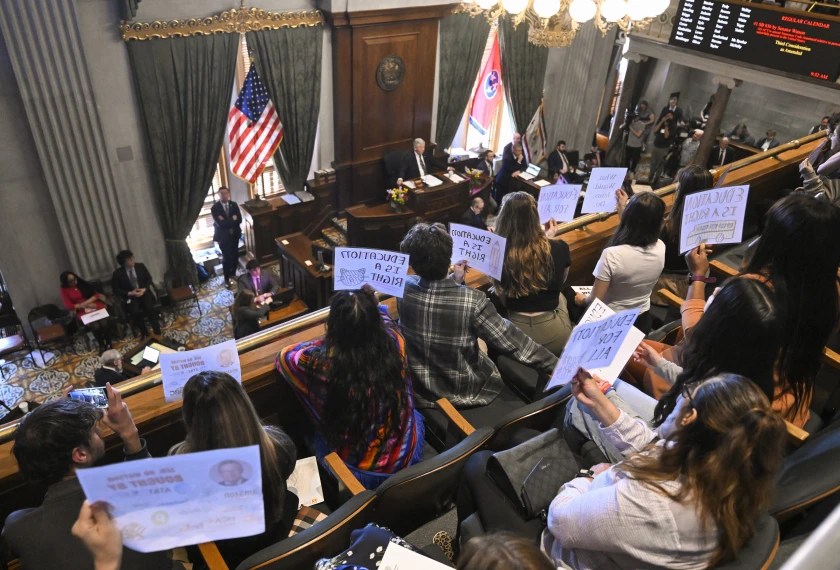


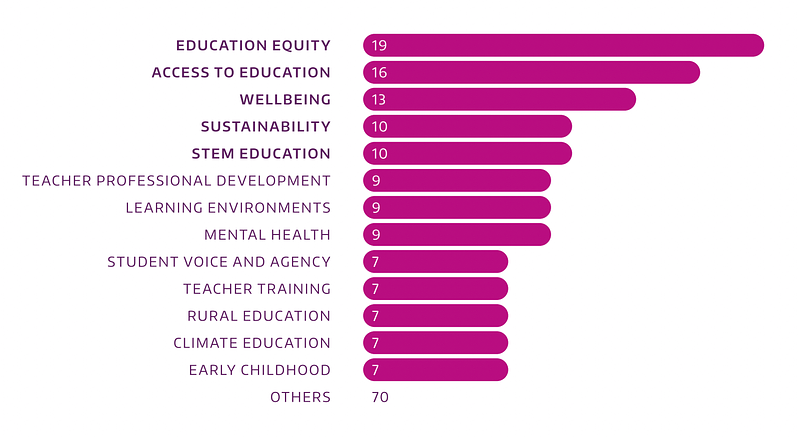
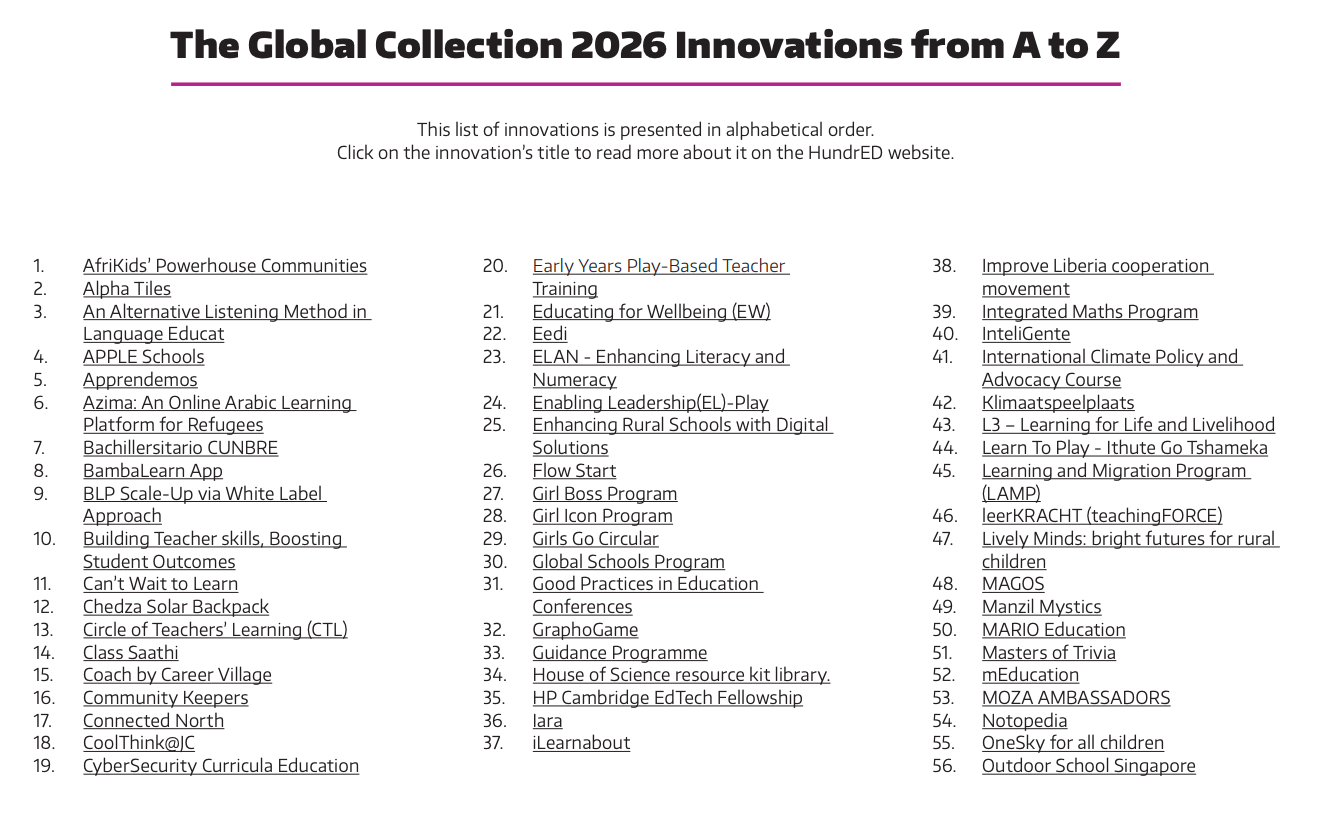


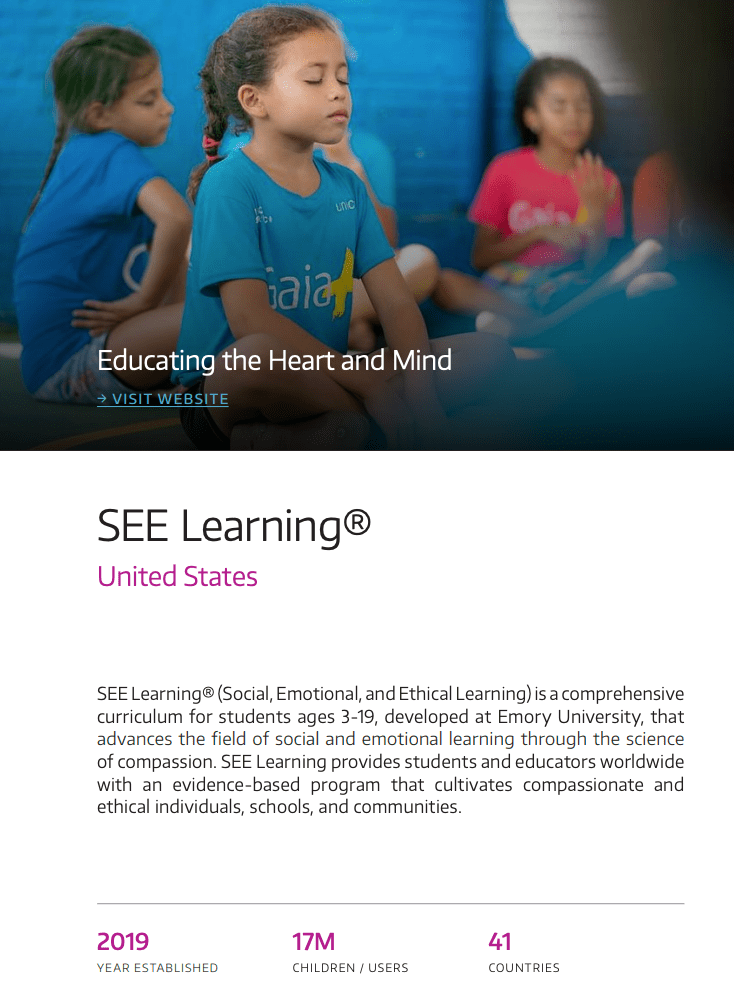


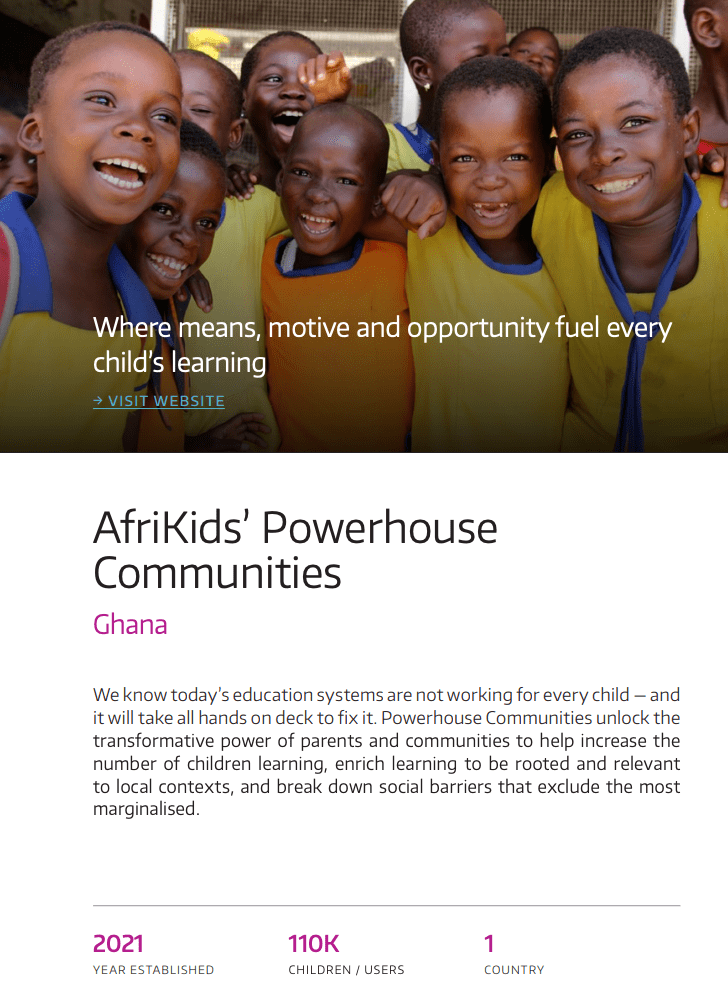
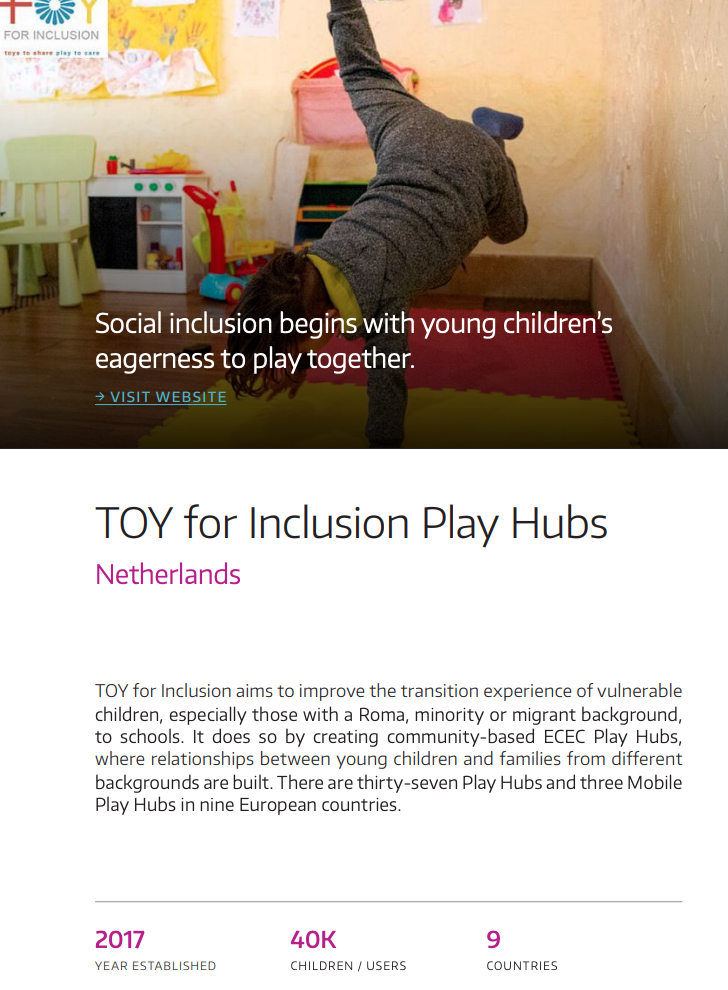
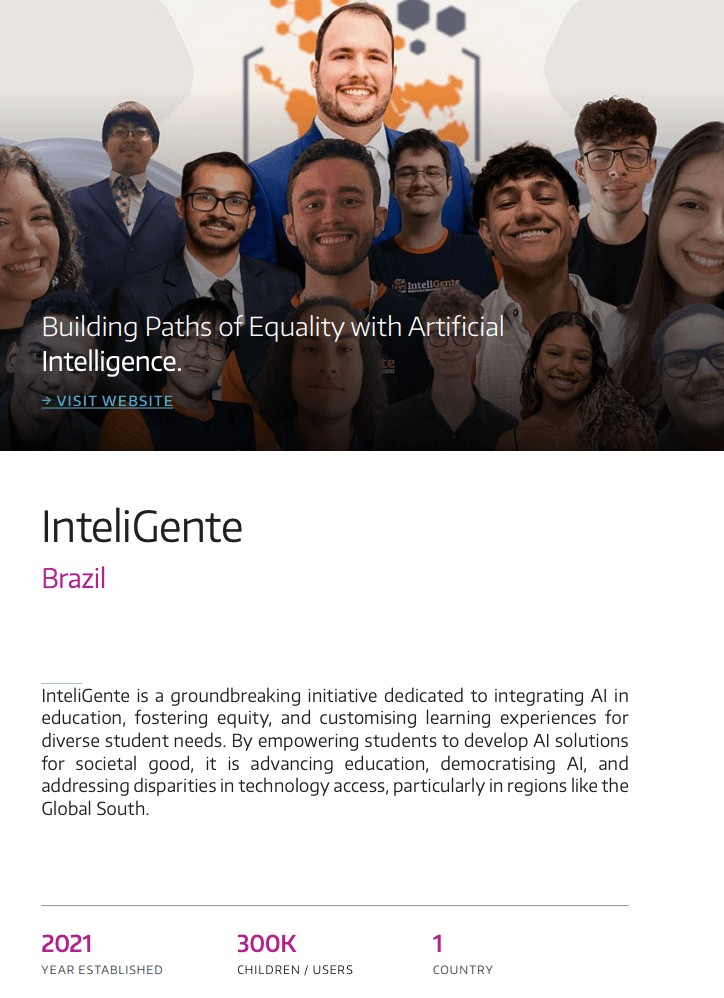
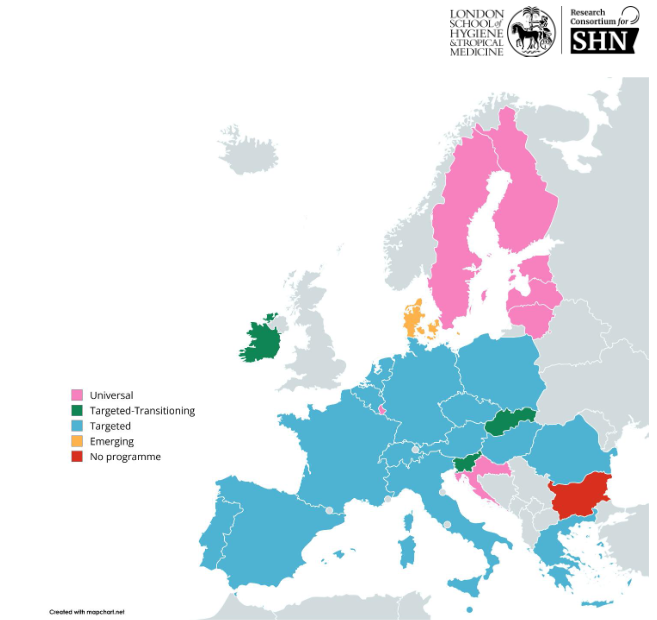
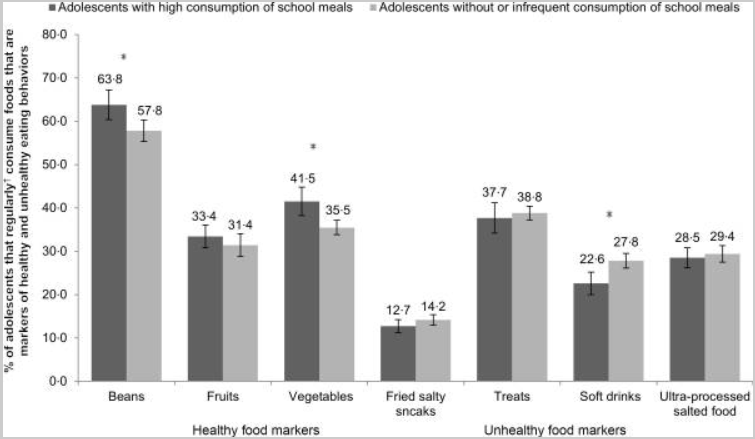
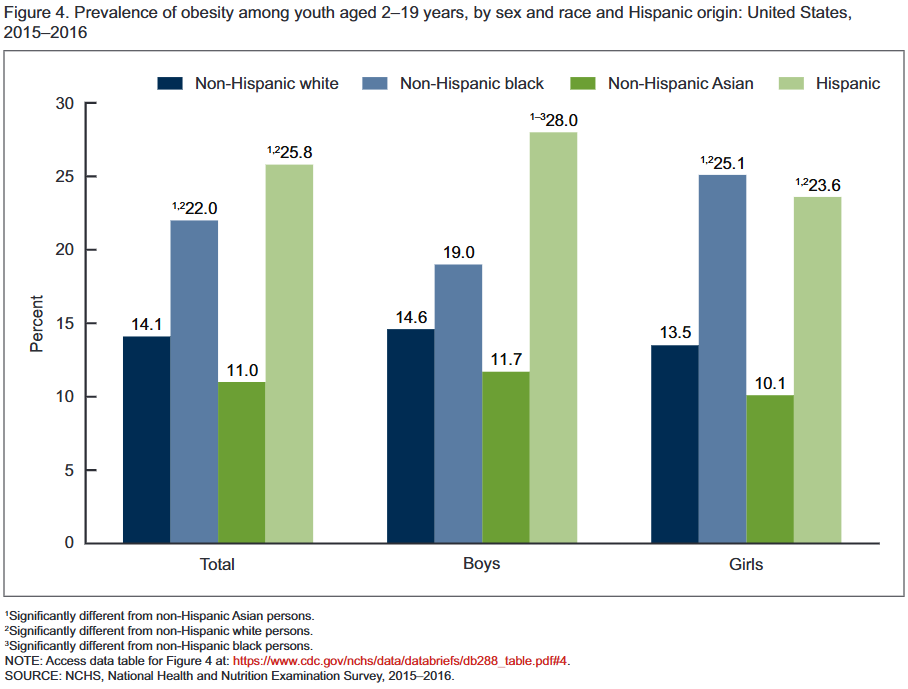
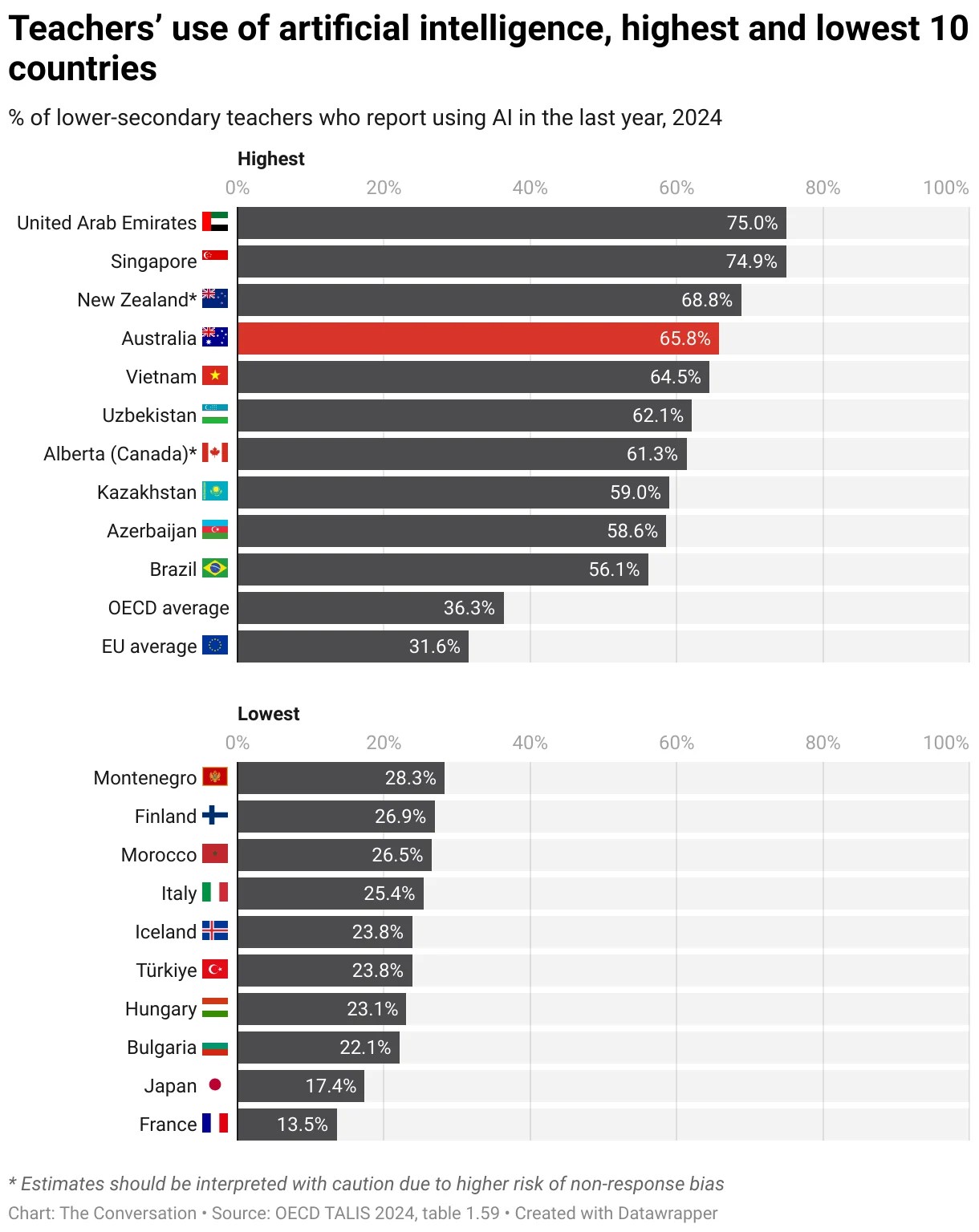
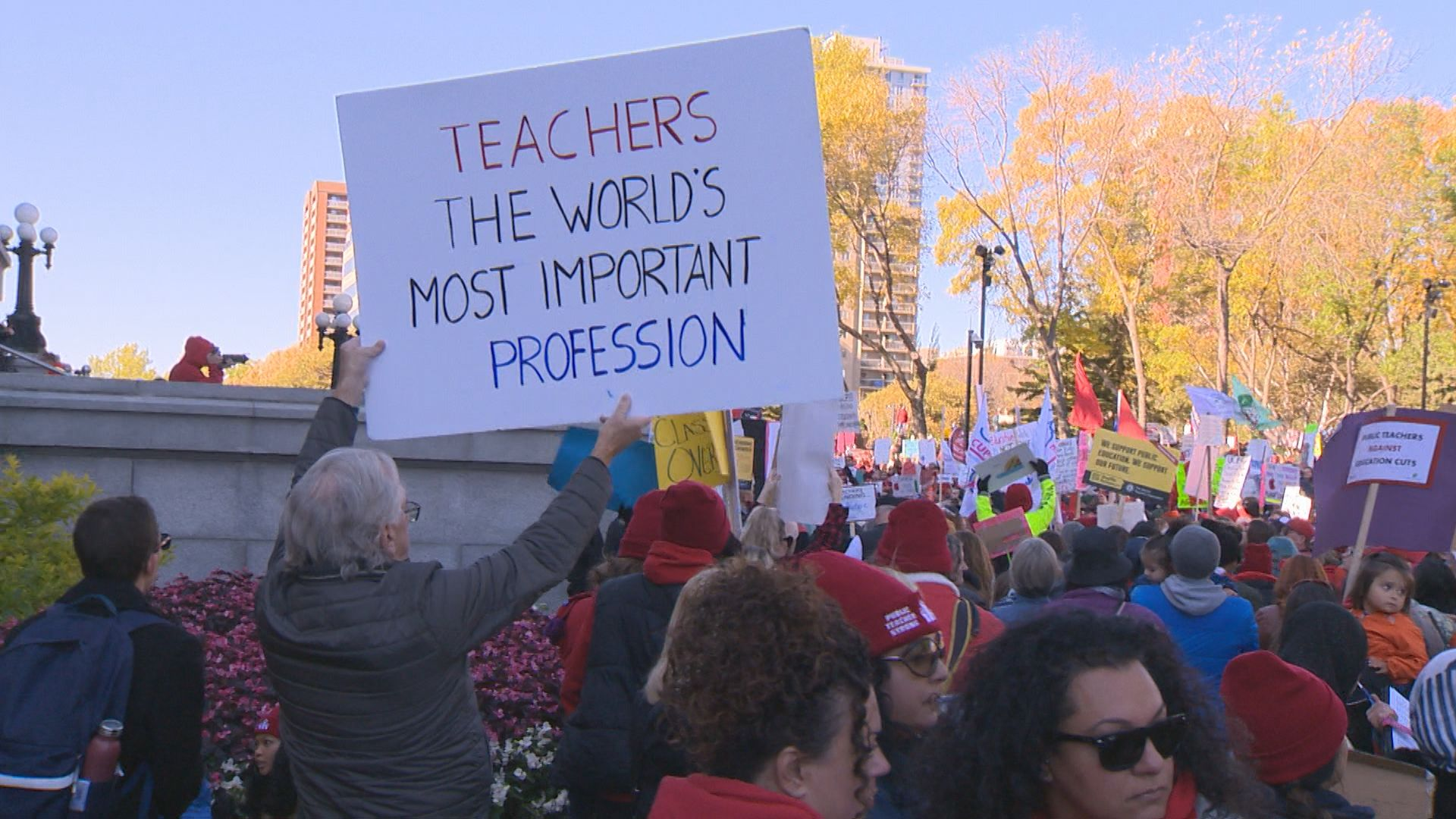
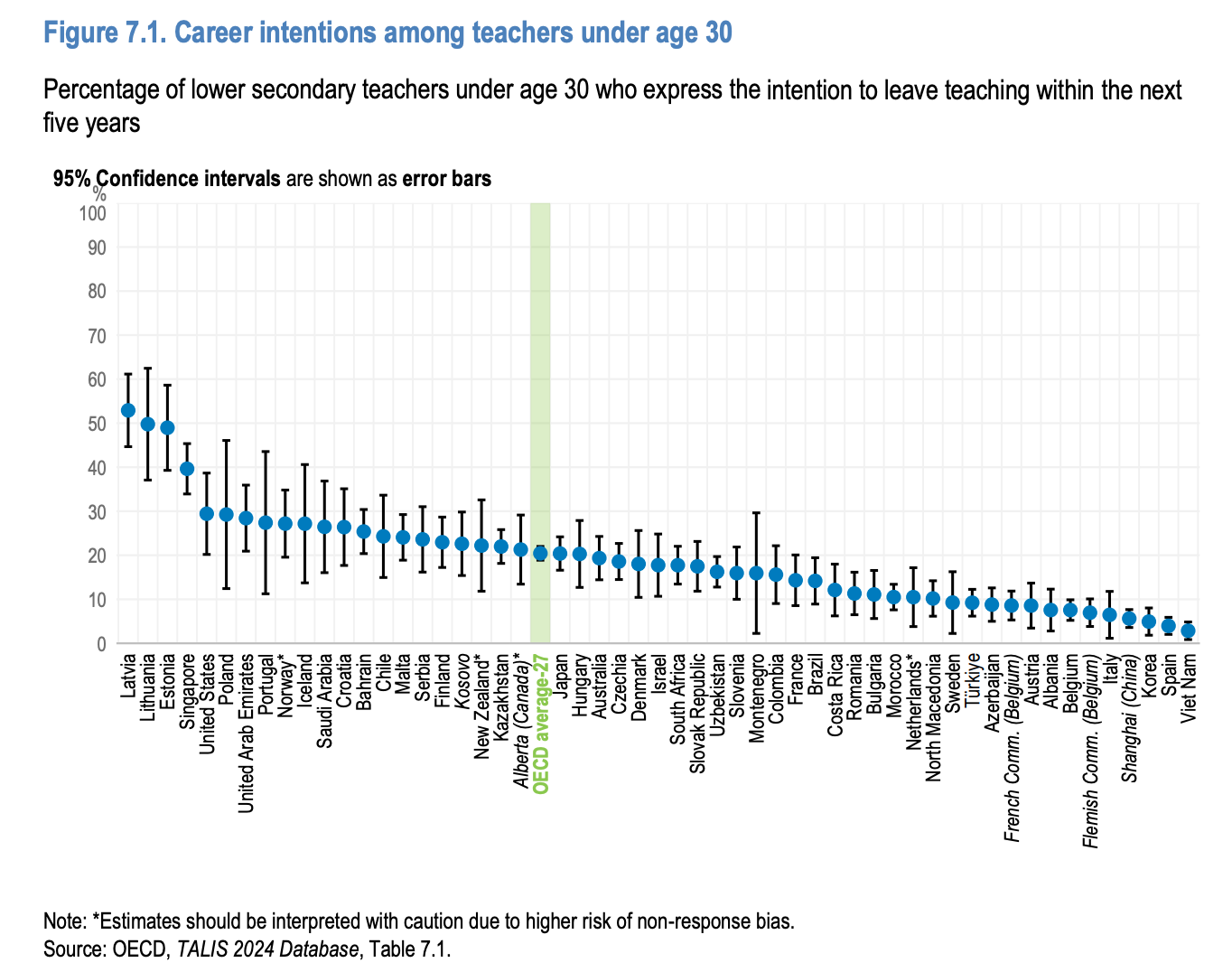
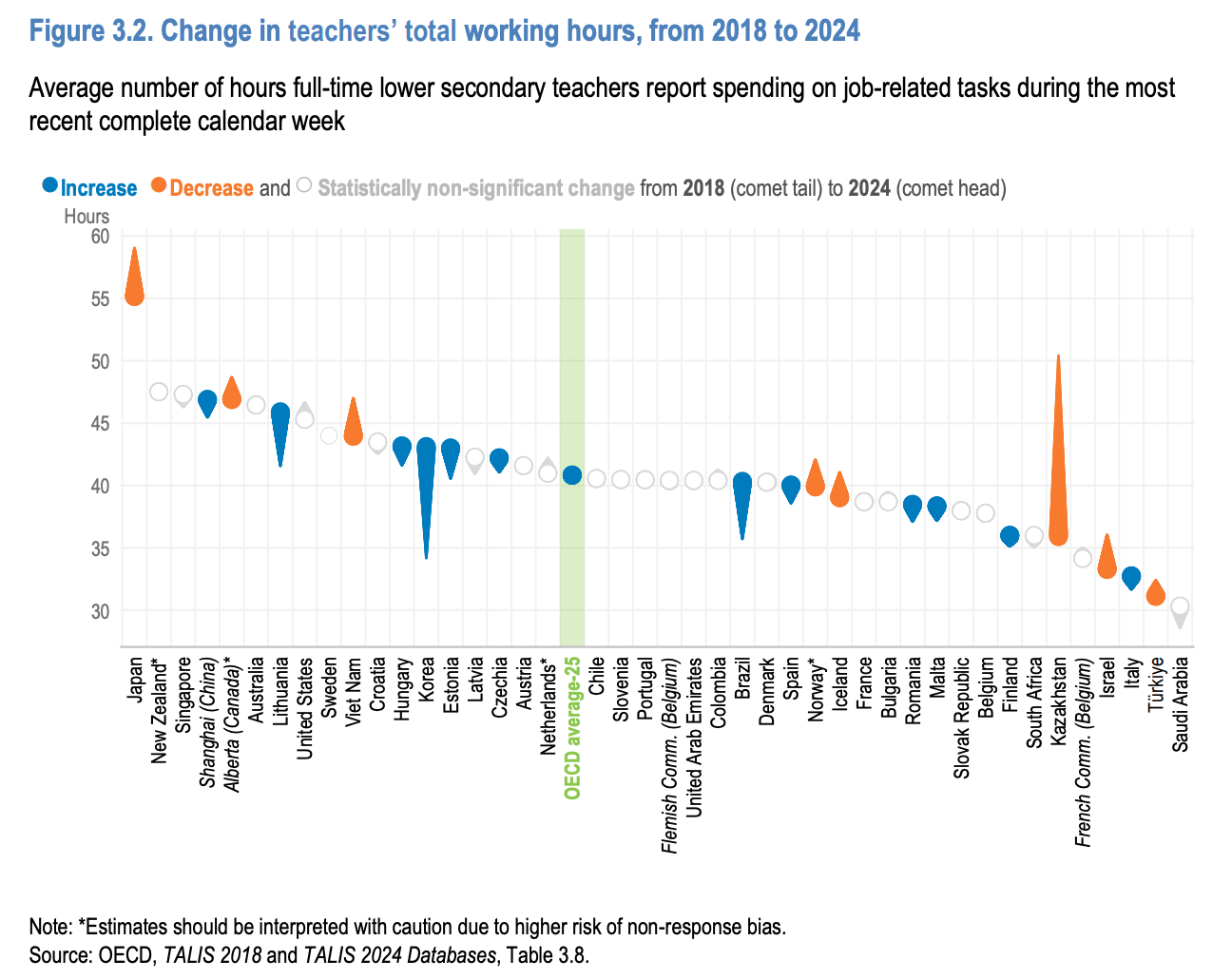


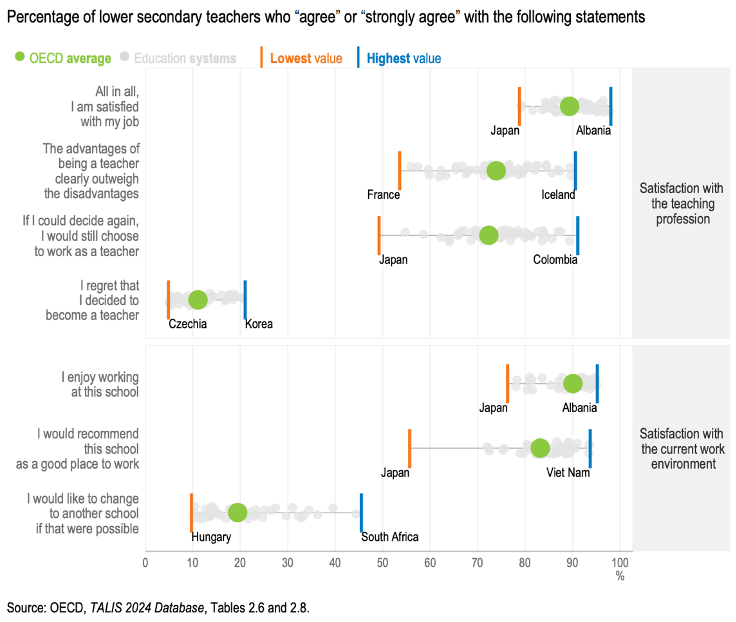
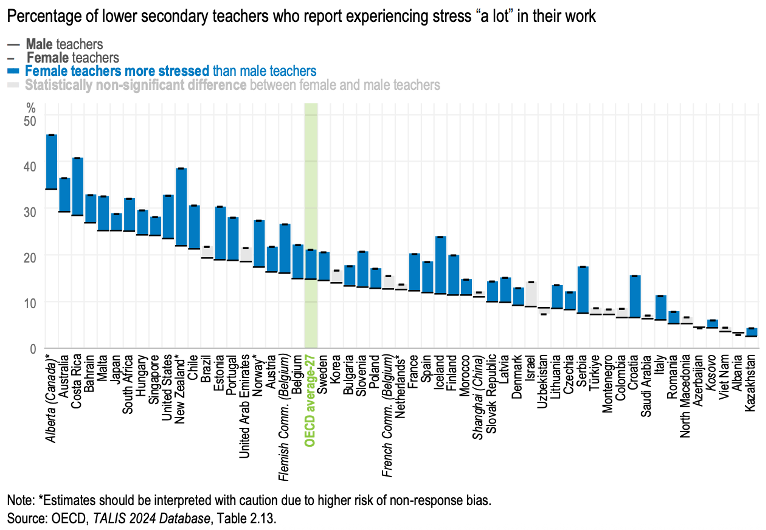
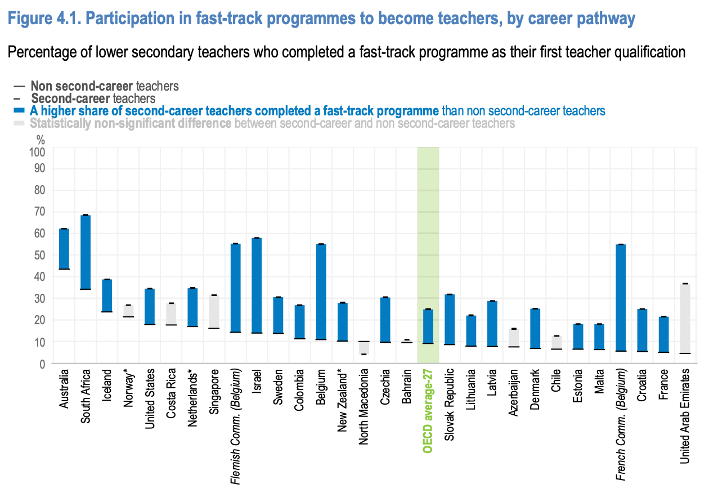
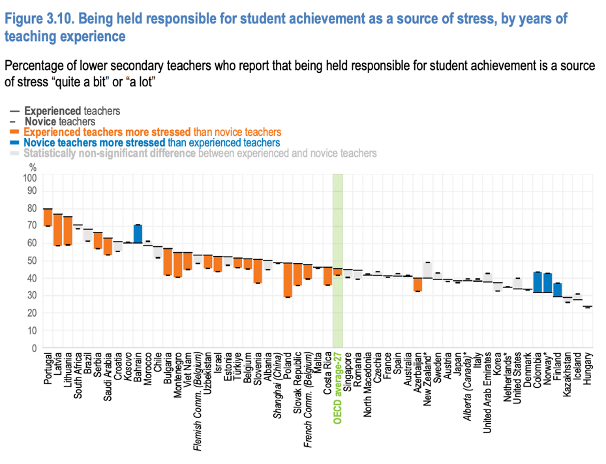


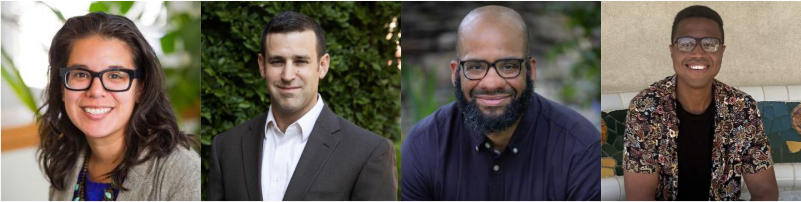







 International Education News