Dennis Shirley & Andy Hargreaves (DS/AH): Our book started with collaborative research we conducted in the Canadian province of Ontario when the Ministry of Education had for the first time made student well-being and inclusion a policy priority. We were surprised by how frequently educators brought up the topic of students’ identities as part of the way they were promoting well-being. Educators told us that they were transforming their pedagogies and curricula to address the needs of their Indigenous, learning disabled, and LGBTQ+ students, in particular. As we were in the throes of starting to write the book, there was then an outbreak of culture wars and identity politics. We had been studying something inclusive that, in some ways, had become divisive and we now realized that our research had something of value to say about all this. We hope that our book will help us get beyond the polarized time of outrage and indignation in which we now find ourselves.
IEN: What did you learn in working on this book that you didn’t know before?
DS/AH: We already knew that it always matters to engage with those who are different from us. What we weren’t entirely clear about is just how complex identity issues are for young people now. It’s inevitable that when dealing with issues of representation, there will be some box ticking, or homi\ng in only on the oppressed aspects of people’s identities. However, that just scratches the surface of identity matters today.
For instance, in a recent Canadian presentation that one of us made, there was one black person in a room of white people. Having his racial identity affirmed mattered to him, but he is also a gay American photographer living in Canada who restores old Lambretta scooters with his partner. In circumstances like this it is essential to create openings where people can reveal and share their identities on their own terms.The Age of Identity adds to the literature on intersectionality with the idea of “conflicting intersectionality.” This refers to the ways one can be an oppressor in some respects and oppressed in others. It means that dividing groups rather than actions into mutually exclusive categories of oppressors and oppressed can be misleading and often provokes a backlash.
[D]ividing groups rather than actions into mutually exclusive categories of oppressors and oppressed can be misleading and often provokes a backlash.
IEN: What’s happened since you completed the book?
DS/AH: A lot. The October 7 terrorist attack in Israel, the ensuing war in Gaza, and the horrific casualties have polarized educators and pushed yet more identity issues onto the front pages. It’s easy to reduce the conflict to simple binaries: Jews versus Arabs, Judaism against Islam, Israelis versus Hamas, colonizers versus the colonized, and so on. This has led to all kinds of demonization, reciprocal name-calling, and silencing in our schools and higher education institutions.
At the same time, reason and reconciliation show some signs of breaking out in other parts of the world. Following the advocacy of a Conservative politician who lost her son to suicide, the Canadian province of Ontario, has made mental health a compulsory subject in the high school curriculum. Meanwhile, the Conservative government in England has issued Draft Guidance on Gender Questioning Children for schools that is being broadly received as promising and practical, if not yet perfect, because it makes determined efforts to reconcile the rights and concerns of different groups. These efforts include the security and integrity of transgender students, the protection of safe spaces for cisgender girls, and parents’ rights to know about their children’s movements towards transition and self-identification in school. The guidance also supports educators’ professional judgments about when and how best to inform parents, while alerting school staff to circumstances where parents and other caregivers may be abusive, neglectful, or transphobic.
Our challenge in these times is to try to see past the simplifications and the caricatures that have spread intolerance in our school and college campuses, to acknowledge the full humanity of others. There’s more to everyone than meets the eye. Education has a key role to play because it should assist us all to open our minds and our hearts to one another. We hope that our book makes a contribution to this effort.
Our challenge in these times is to try to see past the simplifications and the caricatures that have spread intolerance in our school and college campuses, to acknowledge the full humanity of others.
IEN: What are a few of the key implications for policy/practice?
DS/AH: We need new narratives of inclusion and new tools that create a sense of belonging. Many approaches focus too much on who or what is responsive to this group or that group and not enough on the idea that what is essential for some kids is often good for all of them. Likewise, a lot of culturally responsive teaching can devolve into promotion of particular identities, rather than adopting the larger principle of embracing the whole child in a whole school. In general, we advocate much more self-determined learning, in which students can discover for themselves what’s important to their own and each other’s identity. In the book, we provide strategies and tools that will help educators understand colleagues, parents, and students who are different from them more effectively. It’s essential today to manage debates and differences about identity issues with civility and dignity.
IEN: What’s next — what are you working on now?
DS/AH: We are working with groups and systems to help them address identity issues and to increase students’ sense of belonging in their schools. There’s a lot of good work going on by dedicated professionals, even in those US states where educators’ freedom to teach about racism and sexism is circumscribed. We hope that by opening up space to talk about the full scope of what it means to be fully human that we can find ways of addressing controversial topics and promoting students’ identities at one and the same time.
We hope that by opening up space to talk about the full scope of what it means to be fully human that we can find ways of addressing controversial topics and promoting students’ identities at one and the same time.
We also have other projects that we’re working on. Dennis is writing up research on the interaction of educational change, technological innovation, and the future of work that he conducted as a Richard von Weizsäcker Fellow of the Robert Bosch Academy in Berlin. Andy is starting on a second edition of Professional Capital, with Michael Fullan, and is continuing to lead the Atlantic Rim Collaboratory, an international network of policy makers, educators, and researchers committed to advancing human rights in education.
In spite of the many challenges, we find this to be an exciting time to be in education. We continue to draw inspiration from the many colleagues and students around the world who are drawn to our indispensable profession.
This week’s post features the work of Amelia Peterson and Maria Teresa Tatto.They are two of the participants in this month’s issue of Lead the Change (LtC), which brings together interviews with four members of a virtual convening on Education System (Re)Building for Equity and Social Justice in Teaching and Learning organized by Amanda Datnow, Vicki Park, Don Peurach, and Jim Spillane, with the support of the Spencer Foundation. Last week’s post featured the work of participants Phương Minh Lương and Tine S. Prøitz. The convening, with virtual meetings in May and June of 2023, was designed to help establish “a cross-national community of scholars whose members take appreciative, critical, and practical perspectives on advancing educational access, quality, and equity by (re)building education systems.” To continue the discussions begun during the convenings, we invite those attending the Annual Meeting of the American Educational Research Association in April to join the conversation with Minahil Assim, Thomas Hatch, Phương Minh Lương, Don Peurach, and Tine Prøitz at a symposium for AERA’s Educational Change Special Interest Group – Equity and Educational Transformation in a Cross-National Perspective. The LtC series is produced by Alex Lamb and colleagues from the Educational Change Special Interest Group of the American Educational Research Association. A pdf of the fully formatted interview is available on the LtC website.
Amelia Peterson
Lead the Change (LtC): The 2024 AERA theme is “Dismantling Racial Injustice and Constructing Educational Possibilities: A Call to Action.” Can you tell us how your work on educational transformation responds to this call?
Amelia Peterson (AP): My research and writing considers two different forms of educational transformations – top down (or “zoomed out”) policy changes and bottom-up (or “zoomed in”) activities at the student and school level. The phrases “zoomed out” and “zoomed in” highlight that a key challenge of dealing with change at scale is abstraction: what is lost from our tacit understandings of equity and justice when we abstract out to make principles or policy for unidentifiable people.
In terms of “zoomed out” policy changes, I have studied how rethinking high school diplomas (what, internationally, we would call upper secondary qualification reform) can change the goals of formal schooling. In my past research I studied how reforms of the 90s and 2000s often replicated inequitable divisions rather than transforming them. Yet, some reforms did lead to models that really combined ‘academic’ and ‘vocational’ education – and with them disrupted associated racial and social stratifications (Peterson, 2020). I am now involved in a policy and practice group called Rethinking Assessment which is focused on possibilities of qualification reform in England and the UK.
In term of the “zoomed in” activity required for these policy changes to make a difference at the student and school level, I have worked with a group of co-researchers to ask: to what extent can approaches such as continuous improvement, teacher inquiry and design-led methods sustain and scale? (Yurkofsky et al., 2020). We are currently working on a book, tentatively titled Design Meets the Real World and one topic we engage with extensively is what kind of conditions and preparation are necessary for these methods to actually disrupt patterns of equity.
LtC:How do you define and operationalize equity (and/or social justice) in your work?
AP: ‘Operationalization’ in its fullest sense is a key concern for me as my pressing work is not research but institution-building. The London Interdisciplinary School (LIS) is a new higher education institution that attempts to bridge some of the divides we see in the sector: between ‘elite’ and open-access; between academic and vocational; and between the Arts and Sciences. In my work at LIS, for the most part, I can be “zoomed in”, trying to realize equity and justice for individual students. As we construct and re-construct our own policies, however, we also require a more “zoomed out” view. In this, I approach equity from a sociological perspective that considers structure and stratification: inequity – as opposed to just difference – is created by reinforcing structures (or feedback loops) that leave little room for agency. A key concern here is with the way prior wealth or lack thereof creates a reinforcing loop. Especially for students who are having to support themselves whilst studying, everything about their educational experience is more challenging, in a reinforcing way. This is a major problem in the context of a cost-of-living crisis in London and stagnant student loan provision in England.
Inequity – as opposed to just difference – is created by reinforcing structures (or feedback loops) that leave little room for agency.
At LIS, we also try to operationalize equity through assessment. Our school and higher education systems currently provide people with very unequal conditions and opportunities to signal and demonstrate their strengths. This informs the way we approach assessment design at LIS, but as we have been working within the norms of UK higher education, there is still much progress we could make here.
LtC:What is a core issue/challenge you are grappling with in your work related to systems and/or equity and social justice?
AP: I share my core challenge with many other educators: how can we foster the emancipatory potential of education in a context where educational performance is the shared metric of societal competition? In other words, how can we balance the demands of freedom and meritocracy?
This is a compelling time to address this dilemma because the dominance of meritocratic thinking seems to be slipping. Pandemic lockdowns created a breakdown in productivity cultures; scandals and crises have undermined some traditional signals of merit, whilst populism has shown the potential of alternative routes to power. Yet, societal competition is just as real as it has ever been, and so there are major risks to any shift from the norms and institutional arrangement that shaped meritocracies. These risks may be worth taking, however, if there are possibilities for different kinds of relationships between individuals and their education, and between schools, society, and work.
These risks may be worth taking, however, if there are possibilities for different kinds of relationships between individuals and their education, and between schools, society, and work.
The core questions I grapple with are: Is it feasible to undermine the traditional signals of educational success (tests, credentials), whilst still promoting the values and ideals that education would ideally foster, such as capabilities, truth, beauty, goodness? Should we just continue in the quest for better signals, or should we try to imagine some quite different way of incentivising and structuring personal and collective investment in education?
LtC: What can researchers and practitioners of educational change learn from your work?
AP: From the London Interdisciplinary School, I hope that researchers and practitioners see the potential for new thinking about what we teach, as well as how and why. In our teaching, we try to balance the practical demands of what it takes to get things done and make changes with the academic demands of what’s required to really comprehend and use complex concepts and skills. This makes for a very demanding curriculum but one in which our students are thriving. They come to us from many different educational pathways and are a testament to the ingenuity and perseverance of young people, when they set real demands. They make me continuously hopeful.
More generally, I hope that others will have more chances to learn from my work over the next year as I put emphasis back onto informal and formal publishing. The recent convening discussed at the start was a welcome opportunity to re-engage with a community of scholars who are working on similar questions in different ways. I do believe this is a moment when we can collectively forge different ideals of the relationship between education and societies, and of what we owe each other and our planet, and I look forward to continuing to work with others on that goal.
Maria Teresa Tatto
Lead the Change (LtC): You were a participant in a recent convening to share and examine work around the world on equity, social justice, and educational transformation, and The 2024 AERA theme is “Dismantling Racial Injustice and Constructing Educational Possibilities: A Call to Action.” Can you tell us how your work on educational transformation responds to this call?
Maria Theresa Tatto (MTT): Principles of justice and equity are the driving force of my work. I study how the intersection of research, policy, and practice can result in more equitable and widely accessible high-quality educational opportunities for marginalized populations. I investigate policy and its effects on education systems, including education reform implementation at the macro, meso, and micro levels, nationally and internationally, within a comparative framework. I mainly look at the impact of educational policy on practice, including the shaping of curriculum and instruction, teaching and learning, and teacher education, as barometers of more significant societal changes and as mediated by organizational and governance structures across economic, political, and cultural/social contexts. I use quantitative and qualitative methods and participatory and reflective approaches to inquiry. My work is characterized by rigorous, collaborative, reflective, capacity-building, and policy-oriented research to generate policy/practice-usable knowledge among colleagues across various country contexts.
LtC: How do you define and operationalize equity (and social justice) in your work?
MTT: In Empowering Teachers for Equitable and Sustainable Education: Action Research, Teacher Agency, and Online Community (Tatto & Brown, in press), I define equity as “the state, quality or ideal of being just, impartial and fair” (AECF, 2014, p.5). According to the Oxford English Dictionary (2023), equity is synonymous with fairness and justice, with fair resource distribution taking individual variations into account. To guarantee that everyone has the same chance of success, various forms of support would be needed for differences that currently marginalize individuals. A more ambitious aim would be to create just systems where equity is sustained long-term. Sustainable justice would seek to create equity in systems as well as individuals. Through the years, societies have introduced systemic reform in education to provide equitable access to education, such as free primary and secondary public education (Cohen & Methta, 2017). At the same time and notwithstanding the significant success of these reforms, inequities persist, sometimes exacerbated by local policies affecting schools and classrooms that limit access to valuable opportunities to learn based on race, language, or other characteristics that do not represent the culture or values of majority or dominant populations. Teachers and school personnel are seen as essential in offering access to opportunities to learn and helping maintain equity in classrooms; however, in many instances, educators are not prepared to teach culturally and linguistically diverse populations. Regional and local policies also restrict teachers. For instance, as of 2023, Arizona is the only state in the U.S. with English-only education legislation still in effect through its law known as Proposition 203, which poses obstacles to equitable education for English language learners (ELLs), especially immigrants and their teachers. “Justice can take equity one step further by fixing the systems in a way that leads to long-term, sustainable, equitable access for generations to come” (Erdmann, 2021, p.1). Consequently, “teaching for equity and justice requires educators having a systemic and structural understanding of the inequities in our society, a personal commitment to challenging these injustices, and provoking or facilitating a local response” (Sadler, 2023, p. 1). In our forthcoming book, we describe an M.Ed. in Global Education designed to help teachers and educators learn how to engage in action research for equity. I direct this program with the support of Arizona State University faculty. The program aims to enable teachers to collect valid evidence to challenge policies and school cultures perpetuating inequities.
Teachers and school personnel are essential in offering access to opportunities to learn and helping maintain equity in classrooms; however, in many instances, educators are not prepared to teach culturally and linguistically diverse populations. National, regional, and local policies also restrict teachers’ attempts at creating equitable classrooms.
LtC: What is a core issue/challenge you are grappling with in your work related to systems equity and social justice?
I see effective teacher education and development as an equity and fairness issue—future teachers enroll in teacher education expecting to be prepared to be education professionals, and parents enroll their children in schools expecting that well-prepared teachers will teach them—all children with no exceptions. Lack of well-prepared, knowledgeable teachers affects teaching and instruction: how teachers interpret and implement the curriculum and how well they can address the needs of their students in an intellectually ambitious and humane way. Such a vision has proven difficult to realize in the U.S. and other countries, with notable and worth-studying exceptions. My work attends to these concerns by focusing on several core issues:
How can teacher education systems prepare knowledgeable and effective future and early career teachers?
My scholarship on the outcomes of teacher education, teacher learning, and transitions into teaching is manifest in two large international research projects focusing on teacher education, teacher learning, and transitions into teaching [the Teacher Education and Development Study in Mathematics (TEDS-M), and the First Five Years of Mathematics Teaching – Proof-of-Concept Study (FIRSTMATH)]. The projects involved collaborating with colleagues in 17 and 12 countries, investigating system-level policies affecting elementary and secondary teachers’ preparation, knowledge acquisition, and teaching methods. The findings revealed that highly knowledgeable mathematics teachers exist in systems that have developed robust accreditation systems and require future teachers to demonstrate deep knowledge of their subject and pedagogy. However, teachers often lack knowledge of teaching culturally diverse students and critical tools to promote equity (e.g., formative assessment and action research) (Tatto et al., 2012; Tatto et al., 2018; Tatto et al., 2020).
How can teacher educators and teachers contribute strong evidence to shape the field and inform effective policies and practices in teaching and teacher education?
My work on the links between research, policy, and practice in pursuing equity in teacher education resulted in a joint collaborative project with colleagues in the Department of Education at the University of Oxford, England. Our studies explored the impact of market models in education on the preparation of future teachers in the U.S. and England, revealing that the goals of teacher preparation have shifted from a humanistic curriculum to a test-based approach, causing teachers to compromise between student needs and accountability demands and negatively affecting teacher recruitment and retention (Tatto et al., 2018). A follow-up study sought to understand the intersection and evolution of knowledge, policy, and practice in teacher education across nations, showing that resistance or acceptance of market approaches is mediated by the management of accountability systems in each nation (Tatto & Menter, 2019).
How can teacher educators and teachers contribute strong evidence to shape the field and inform effective policies and practices in teaching and teacher education?
An essential challenge teacher education programs face is helping teachers develop applied research skills to monitor and improve their practice to effectively foster equitable access to learning opportunities. My work in this area encourages the education profession to attend to diverse epistemologies, theoretical perspectives, and methodologies to enrich teacher education, teaching, and learning (Tatto, 2021a). Another key challenge is helping teachers learn how to implement responsive teaching strategies (e.g., formative assessments) to prevent students from falling behind. The argument here is that the accountability movement has diminished the importance of teachers’ knowledge and implementation of responsive teaching strategies (e.g., formative assessment). These findings should prompt the profession to reimagine action research and assessment’s role in teacher education for adequate and equitable teaching and learning (Tatto, 2021 a, c).
How do we find synergies between local needs to educate all students and global movements in education to offer teacher preparation for sustainable, equitable practices?
Substantial synergies to promote inclusive and equitable quality education opportunities for all learners can be obtained by exploring the potential of promising global movements such as UNESCO’s Sustainable Development Goals (SDG4). This would require the profession to agree on definitions and measurements of global indicators for successful, equitable teacher education, teaching, and learning by moving from easy-to-measure indicators to more meaningful ones. Such an effort would require a thoughtful examination of professionalism in teaching and teacher education (Tatto, 2021b). In my work, I use psychological and sociological frameworks to explore how recontextualizing agents struggle to dominate the construction and interpretation of professionalism in teaching, concluding that the education field must develop the capacity to ensure teachers’ professional learning, informed by use-inspired research and an inquiry culture in university-based teacher education programs (Tatto, 2021b; Tatto, 2021c).
LtC: What can researchers and practitioners of educational change learn from your work?
MTT: I aim to provide insights for scholars and practitioners studying equity-oriented educational reform via my contributions to the comparative study of pre-service teacher education, focusing on collaborative capacity development and evidence-based decision-making. My work on teacher education systems examines the challenges and possibilities of promoting equity in teacher education and teaching. My research emphasizes the need to rethink the future of teacher education curricula to support professionalism in the education field.
My work also highlights the complexity and interconnectedness of teacher education programs, such as differences in programs’ nature and effects, the socializing effect of normative cohesive teacher education on teachers’ beliefs, and challenges associated with education reform, including understanding how such reforms affect teachers’ perceptions of roles, practices, and goals of education. (Tatto, 1996; Rodriguez, Tatto, et al., 2018).
My research suggests solutions for the problems various national teacher education programs face, emphasizing the need for national and regional policies that support programs’ collaborative curricular change and strengthen teachers’ knowledge, research skills, and collaboration networks.
I also stress the importance of resolving contradictions and conflicts surrounding education reform through well-informed practice and policy. By focusing on these topics, I hope to provide insightful analysis of possible solutions to the intricate problems that teacher education systems face worldwide.
About the Interviewees:
Dr. Amelia Peterson is Associate Professor and Head of Learning and Teaching at the London Interdisciplinary School, where she leads work developing new curricula based around the integration of Arts and Sciences. She was previously part of the first cohort of Harvard University’s PhD in Education, where her dissertation focused on assessment and qualification reforms. She has taught in a variety of settings including a large UK secondary school and at the London School of Economics, and has worked on education projects both in the UK and internationally, including for the World Innovation Summit on Education (WISE), the OECD, and the Brookings Institution. She is on the Advisory Group of Rethinking Assessment and for many years was a facilitator for the Global Education Leaders’ Partnership.
Maria Teresa Tatto is a renowned comparative education expert at Arizona State University, focusing on teacher education systems and the intersection of research, policy, and practice to create more equitable and accessible educational opportunities for disadvantaged populations. She has created a theoretical framework to analyze the relationships between teacher preparation research, policy, and practice and has authored 17 books, over 100 journal articles, and book chapters. Tatto is a former president of the Comparative and International Education Society, an Honorary Research Fellow at the University of Oxford, a Fellow of Kellogg College, Oxford, an Honorary Visiting Professor at the UCL – IoE, and a Visiting Professor at the University of Bath, England. She is also a Fellow of the American Educational Research Association.
References (AP):
Peterson, A. (2020). The Road Less Travelled: The Decline of Vocational Pathways and Variety of Hybridization Across Four Countries, 1995-2016 [Harvard University]. https://dash.harvard.edu/handle/1/37365787
Yurkofsky, M. M., Peterson, A., Mehta, J. D., Horwitz-Willis, R., & Frumin, K. (2020). Research on continuous improvement: Exploring the complexities of managing educational change. Review of Research in Education, 44(1), 403–433. https://doi.org/10.3102/0091732X20907363
Cohen, D. K., & Mehta, J.D. (2017). Why reform sometimes succeeds: Understanding the conditions that produce reforms that last. American Educational Research Journal, 54(4), 644-690. https://doi.org/10.3102/0002831217700078
Tatto, M. T. & Brown, L. (Eds.) (in press). Empowering Teachers for Equitable and Sustainable Education: Action Research, Teacher Agency, and Online Community. Routledge.
Tatto, M. T. (in press). Empowering Teachers for Sustainable and Equitable Education: Program Philosophy, Theoretical Bases, and Pedagogy. In M.T. Tatto & L. Brown (Eds.), Empowering Teachers for Equitable and Sustainable Education: Action Research, Teacher Agency, and Online Community. Routledge (in press).
Tatto, M.T. & Brown, L. (Eds.), Empowering Teachers for Equitable and Sustainable Education: Action Research, Teacher Agency, and Online Community. Routledge (in press).
Tatto, M.T. (1996). Examining values and beliefs about teaching diverse students: Understanding the challenges for teacher education. Educational Evaluation and Policy Analysis, 18, 155-180. https://doi.org/10.2307/1164554
Tatto, M.T. (1998). The influence of teacher education on teachers’ beliefs about purposes of education, roles, and practice. Journal of Teacher Education, 49, 66-77. https://doi.org/10.1177/0022487198049001008
Tatto, M.T. (1999). The socializing influence of normative cohesive teacher education on teachers’ beliefs about instructional choice. Teachers and Teaching, 5, 111-134. https://doi.org/10.1080/1354060990050106
Tatto, M.T. (2021b). Comparative Research on teachers and teacher education: Global perspectives to inform UNESCO’S SDG 4 Agenda. Oxford Review of Education, 47 (1), 25-44. http://dx.doi.org/10.1080/03054985.2020.1842183
This week’s post features the work of Phương Minh Lương and Tine S. Prøitz. They are two of the participants in this month’s issue of Lead the Change, which brings together interviews with four members of a virtual convening on Education System (Re)Building for Equity and Social Justice in Teaching and Learning organized by Amanda Datnow, Vicki Park, Don Peurach, and Jim Spillane, with the support of the Spencer Foundation. Next week’s post will feature interviews with two other participants, Amelia Peterson and Maria Teresa Tatto.The convening, with virtual meetings in May and June of 2023, was designed to help establish “a cross-national community of scholars whose members take appreciative, critical, and practical perspectives on advancing educational access, quality, and equity by (re)building education systems.” To continue the discussions begun during the convenings, we invite those attending Annual Meeting of the American Educational Research Association in April to join the conversation with Minahil Assim, Thomas Hatch, Phương Minh Lương, Don Peurach, and Tine Prøitz at a symposium for AERA’s Educational Change Special Interest Group – Equity and Educational Transformation in a Cross-National Perspective. The LtC series is produced by Alex Lamb and colleagues from the Educational Change Special Interest Group of the American Educational Research Association. A pdf of the fully formatted interview is available on the LtC website.
Phương Minh Lương
Lead the Change (LtC):The 2024 AERA theme is “Dismantling Racial Injustice and Constructing Educational Possibilities: A Call to Action.” Can you tell us how your work on educational transformation responds to this call?
Phương Minh Lương (PHL): I have contributed to Vietnam’s educational transformation for the past 23 years as a researcher, teacher and social activist. I have participated in a number of studies addressing educational reform and equity in educational access for disadvantaged children including Research on Improving System of Education in Vietnam (2017-2023) and a national study on developing high-quality human resources for ethnic minorities in Vietnam through pre-service and in-service training systems (2023-2025). These research projects involve close collaboration with policy makers from the Ministry of Education and Training and have informed the country’s educational policies and contributed to curriculum and intervention programs for educational quality improvement, particularly for disadvantaged groups.
I have also drawn on this research to develop equity-driven curriculum with an emphasis on achieving Sustainable Development Goal No 4. This work involved specific efforts to educate both master’s students and undergraduates to become agents of change through courses like human rights and national policies, human rights and social justice, civil society organizations, community development, and world of gender.
As a social activist, I have initiated a series of community development projects and a field research internship for both Vietnamese and international students. These projects have been conducted in cooperation between Hanoi University and some non-government organizations such as Aid et Action, Plan International, and Action on Poverty. Via these projects, we have gradually fueled students’ sense of responsibility and accountability of securing wellbeing for less advantaged communities in Vietnam and worldwide.
As a teacher educator, I have provided in-service training courses for teachers at different educational levels. With funding from International non-government organizations like ActionAid International Vietnam, Save the Children, and UNICEF, we have jointly developed culturally relevant teaching methods and textbooks for ethnic minority students in disadvantaged areas in Vietnam. All in all, social justice and equity are deeply imbued in my work. The intersection of research, teaching and service-learning projects has supported the achievement of access to a more equitable, inclusive, and quality education for disadvantaged students in Vietnam.
The intersection of research, teaching and service-learning projects has supported access to a more equitable, inclusive, and quality education for disadvantaged students in Vietnam.
LtC:How do you define and operationalize equity (and/or social justice) in your work?
PHL: Recognition means treating cultural claims as if they are a question of morality and justice. In this sense, education needs to ensure that all students’ claims of respect, dignity, and esteem are seen as equal individual rights. Here, recognition is treated as “one fairly specific form of moral and political relations between the state and its citizens” (Patten, 2017, p. 163). The paradigm of recognition can encompass not only movements aiming to revalue unjustly devalued identities but also deconstructive tendencies rejecting the “essentialism” of traditional identity politics (Fraser & Honneth, 2003).
Redistribution concerns the distribution of economic opportunities and resources considering cultural identities and differences. As such, it “encompasses not only class-centered political orientations… but also socioeconomic transformation or reform as the remedy for gender and racial-ethnic injustice” (Fraser & Honneth, 2003, p. 12). Accordingly, inequity includes both deprivation (being denied an adequate financial resource) or marginalisation (being confined to an undesirable or poorly allocated budget). Representation encompasses authoritative engagement and active participation in decision-making for a certain group in society. Recognition is reflected in the ‘representation’ dimension in which claims and power positions of different individuals and groups are acknowledged equally by having their voices heard and by their participation in any policies and programs related to their benefits and rights (Fraser & Honneth, 2003). This means that representation can be examined in terms of sex, ethnicity, socioeconomic status, and location of participants in the education system.
Although equity and justice are recognized in Vietnam’s legal framework at the institutional level, they have not been operationalized effectively at the organizational and individual levels.
From this perspective, the concept of justice is seen to secure sustainable equity for all in systems where those in power are held accountable for equal treatment for all, while rights-holders are empowered to actively claim their deserved equal rights and opportunities.
With this understanding of equity and justice, I’ve undertaken research, teaching and development projects with a constructivist and human right-based approach. In that approach, both those in power and rights-holders are empowered to address the structural inequities in the system in terms of redistribution, recognition and representation, and the development of their personal commitments and capacities.
LtC: What is a core issue/challenge you are grappling with in your work related to systems and/or equity and social justice?
PHL: Although equity and justice are recognized in our legal framework at the institutional level, they have not been operationalized effectively at the organizational and individual levels. At the organizational level, for example, the Educational Management Information System (EMIS) has been quite weak in Vietnam. As a consequence, it has been difficult to collect and analyse the ethnicity related information/data needed to address equity in terms of financing/ budgeting and investments/ procurement/ bidding procedures. This situation makes it difficult for me and others to carry out research that generates adequate knowledge and data for developing effective policies and practices related to equitable access to quality and inclusive education.
At the individual level, we need a better professional development and pre-service and in-service teacher training system so that teachers can learn how to secure equity and justice in their work. For instance, as lecturers, we have not been trained to use formative assessments effectively to make sure students from different backgrounds, particularly those from disadvantaged groups, do not fall behind. As a result, it is understandable that our policy makers and practitioners in the educational system do not have the capacity to put the legal framework of equity and justice into practice effectively.
LtC: What can researchers and practitioners of educational change learn from your work?
PHL: In Vietnam’s educational system, we promote equity and justice in ways relevant to our socio-cultural & political context. One of the most effective ways to transform our system is to engage policymakers and concerned stakeholders in our research, teaching and community development projects. For example, my research on equity in educational access for children of migrant workers in the industrial zones in Vietnam provides findings for my courses like “Human Development and Sustainable Development Goals” and “Social Policies.” Within these courses, we cooperated with the United Nations Development Program (UNDP) to deliver a Responsible Business Communication Campaign to advocate for companies to secure the equal right to quality education for children of their migrant workers.
I am also active in networks with international scholars from the USA, UK, Germany, Australia, and Japan in research and teaching related to equity and justice issues on both a national and global scale. These collaborations enable me to see equity and justice from different perspectives and in different contexts and helps me to develop a socio-culturally relevant concept of equity and justice within Vietnam’s context. This puts equity and justice forward as principles and goals that can be achieved with collective action in a synergy and socio-cultural ecology of concerned stakeholders.
Tine S. Prøitz
Lead the Change (LtC): You were a participant in a recent convening to share and examine work around the world on equity, social justice, and educational transformation, and The 2024 AERA theme is “Dismantling Racial Injustice and Constructing Educational Possibilities: A Call to Action.” Can you tell us how your work on educational transformation responds to this call?
Tine S. Prøitz (TSP): My work relates to the conference theme through investigations of how education systems are developed in education policy and in practice with an aim to provide equal educational possibilities for all students. My work primarily focuses on the education systems of Norway and Sweden that have traditionally been associated with welfare systems characterized by universal rights including free access to public education. These countries rank high on comparative measures on equity in education (Blossing et al., 2014) and are considered successful in equal access to education and learning opportunities for all (Frønes et al. 2022). Even so, international studies show that the Nordic countries are experiencing increasing inequalities along several dimensions where socio-economic status and other background factors influence student’s academic achievement (Frønes et al 2022). As a result, many are asking if the Nordic countries can maintain a ‘School for All’ in the face of increasing diversities and social inequalities, globalization and other changing conditions (Lundahl, 2016; Telhaug et al., 2006).
Can Nordic countries maintain a ‘School for All’ with increasing diversities and social inequalities, globalization and other changing conditions?
Furthermore, the differences among the Nordic countries in terms of the degree of privatization, demographic characteristics and the governing of schools indicates that a rise in inequality relates to complex issues. In an ongoing comparative and mixed method research project (CLASS-Comparisons of leadership autonomy in school districts and schools) I am working with colleagues in Norway, Sweden and Germany to look into some of the complexity. We focus on how the relationships between education leaders in municipalities, school districts and in schools open or close education opportunities for all. By studying how educational leaders work with inclusion and assessment can help to reveal how education opportunities for students are constructed differently under varied framings of education systems.
We are also studying structures for collaborative knowledge development in education. Here equality is interesting in terms of how actors in education in different contexts can become involved in the nexus between education policy and practice (Prøitz et al. 2023). I am currently looking into new ways of working in research practice partnerships (RPPs). In these studies, we are exploring how to challenge traditional asymmetrical power relations and hierarchical structures by, for example, valuing practitioner´ experience-based knowledge equally with research based knowledge without compromising scientific quality.
We are exploring how to challenge traditional asymmetrical power relations and hierarchical structures by, for example, valuing practitioners´ experience-based knowledge equally as research-based knowledge without compromising scientific quality.
LtC:How do you defineand operationalize equity (and/or social justice) in your work?
TSP: Taking a systems perspective involves the investigation of what education systems consist of and also how different system elements can influence what practitioners do, in terms of creating and limiting opportunities for action. From such a perspective, equity can be understood: as equity in terms of opportunity and choice; access and admission; results and outcomes; and treatment and adaption. In the Nordic setting, historically, equity has been viewed as everybody being the same, but today’s approach to equity tends to treat everyone as unique, with a focus on equivalence and the appraisal of individual autonomy, diversity, and merit (Aasen 2007; Prøitz & Aasen 2017). In the CLASS-project, we are looking at what approach to equity is promoted in policy and in the practice of education leaders.
In the Nordic setting, equity in education has traditionally been understood as everybody being the same, while today’s understanding of equity tends to consider everybody as unique and is more of a question of equivalence and the appraisal of individual autonomy, diversity, and merit.
In the context of RPPs we are emphasizing the concept of equality in participation and involvement between all partners of the research practice partnerships. Equal here refer to having the same powers to be involved in decision making about common aims and goals, but without having to be involved in all parts of the research activities. Partners in RPPs often have different roles and competences of varied relevance in the stages of the work of the RPP (Prøitz & Rye 2023).
LtC: What is a core issue/challenge you are grappling with in your work related to systems and/or equity and social justice?
TSP: The recent developments in the Nordic countries challenge basic ideas of the Nordic education model as a universal welfare good for all students (Telhaug et al. 2006); it also puts the “one public school for all” principle under pressure and thereby the national curriculum and the national quality development system as well (Dieude 2023). Consequently, our research takes as a core issue how public education systems develop and handle education opportunity for all under changing circumstances. These changing circumstances include more heterogenic and diversified populations with new expectations, more individual rights-oriented students and parents, teachers striving to handle more complex student populations with varied needs, and governments with different focus and shifting conceptions of equity. Our CLASS-studies of education leader autonomy, so far shows how the recognition of a growing number of individual rights challenges education leaders´ autonomy as they try to secure the rights of all students. Preliminary findings also show that education leaders experience more autonomy when it comes to supporting the involvement and participation of all students in schools, an issue high on the agenda in both policy and in practice and one that takes a lot of education leaders´ time and attention. Issues that I grapple with right now in these concrete studies include the classic question of how today’s public education system can balance the needs of the individual with the broader needs of the collective and the society. From a more long-term perspective, although I highly value the idea of a public education systems for all, I wonder: is a public education system for all a realistic idea for the future? If so, what will it take to sustain it?
Is public education systems for all a realistic idea for the future? If so what will it take to sustain it?
LtC: What can researchers and practitioners of educational change learn from your work?
TSP: I hope that the work I’ve shared in publications and in meetings with scholars, teachers, school leaders, administrators, and policymakers can inspire a renewed discussion of what education systems we construct and what we need to do to build sustainable systems with education opportunities for all. I hope to raise awareness and debate on what we mean by equity as well as by equivalence in today’s education systems. Building on the Nordic model’s more traditional meanings of equity in terms of opportunity and results does not seem to meet the challenges of today. Identifying further steps and potential solutions for more equitable education systems will require collaborations between researchers and practitioners. I hope that the work on RPPs may contribute to ways of working more closely together for educational change.
About the Interviewees:
PhươngMinhLương is a lecturer and coordinator of the Master Program of Global Leadership of Vietnam Japan University (Vietnam National University). She is also a collaborating researcher with the Vietnam National Institute of Educational Sciences (Ministry of Education and Training). Her expertise and work focuses on Education, Development and Sustainability, specifically, securing human rights, equity and social justice, wellbeing and sustainable development for People, Family, and Community through theories of recognition, agency development, and socio-cultural ecological transformation. She has been a trainer of teachers and educational managers related to teaching methods and sustainable development issues for the past 18 years for several international non-governmental organizations. Her publications have primarily focused on internationalization and intercultural competence in higher education, green skills and labour market, equity, justice and sustainable developments.
Tine S. Prøitz is a professor of education science at the University of South-Eastern Norway. Her research interests are in the fields of education policy and education practice, education systems studies, and comparative studies with an emphasis on actor relations and actor collaborations. Prøitz is currently the principal investigator of the CLASS-Comparisons of leadership autonomy in school districts and schools project and she is the vice dean of research at the Faculty of Humanities, Sports and Educational Sciences.
References (PHL):
Fraser, N. (2003), Social justice in the age of identity politics: Redistribution, recognition, and participation. In N. Fraser & A. Honneth (Eds.), Redistribution or recognition? A political-philosophical exchange (pp. 7-109). Verso.
Fraser, N., & Honneth, A. (Eds.). (2003). Redistribution or recognition? A political-philosophical exchange (pp. 7- 109). Verso.
Patten, A. (2017). Equal recognition: The moral foundations of minority rights. Princeton University Press.
References (TSP):
Aasen, P. (2007). Equality in Educational Policy: A Norwegian Perspective. In Teese, Lamb & Duru-Bellat (eds.) International studies in educational inequality, theory and policy (pp. 460-475). Dordrecht: Springer Netherlands.
Blossing, U., Imsen, G., & Moos, L. (2014). Nordic schools in a time of change. In U. Blossing, G. Imsen, & L. Moos (Eds.), The Nordic education model. A ‘school for all’ encounters neo- liberal policy (pp. 1–14). Dordrecht, The Netherlands: Springer.
Dieudè, A. (2023). Private school policy and practice in Norway: Governing private schools: State funding and standardisation. Phd-thesis University of South-Eastern Norway.
Frønes, T. S., Pettersen, A., Radišić, J., & Buchholtz, N. (2020). Equity, equality and diversity in the Nordic model of education (p. 412). Springer Nature.
Lundahl, L. (2016). Equality, inclusion and marketisation of Nordic education: Introductory notes. Research in Comparative and International Education, 11(1), 3–12.
Prøitz, T. S., & Rye, E. (2023). Actor Roles in Research–Practice Relationships: Equality in Policy–Practice Nexuses. In Prøitz, T. S., Aasen, P., & Wermke, W. (eds.)From Education Policy to Education Practice: Unpacking the Nexus (pp. 287-304). Cham: Springer International Publishing.
Prøitz, T. S., & Aasen, P. (2017). Making and re-making the Nordic model of education. In The Routledge handbook of Scandinavian politics (pp. 213-228). Routledge
Prøitz, T. S., Aasen, P., & Wermke, W. (2023). Education policy and education practice nexuses. In Prøitz, T. S., Aasen, P., & Wermke, W. (eds.) From Education Policy to Education Practice: Unpacking the Nexus (pp. 1-16). Cham: Springer International Publishing.
Telhaug, A.O., Asbjørn Mediås, O., & Aasen, P. (2006). The Nordic model in education: Education as part of the political system in the last 50 years. Scandinavian journal of educational research, 50(3), 245-283.
IEN: In the first part of our interview, you talked about the goals and key elements of the Toda City education reforms, but can you tell us a bit about what you learned in the process?
Hirokazu Yokota: Through dialogues with educators in Toda City, I learned that they have a mixed feeling toward this aggressive education reform. Although change is necessary, some might regard it as the negation of their past – sometimes successful – practices. That reminds me of the PISA shock around 2003; when Japan’s ranking substantially fell in the midst of the implementation of a child-centered learning reform, and the addition of a significant amount of learning content with the revision of the Courses of Study (national curriculum standard). Rather than throwing away past things altogether, we should not forget the spirit of “continue past things and pioneer the future while developing them.”
For example, whether it’s ICT education or generative AI or anything new, teachers will not change their practices no matter how many times they are told by Boards of Educations or principals until they understand it’s necessary and beneficial to them. Therefore, we put so much effort into letting teachers actually use ICT in professional development opportunities and experience the merit of it. Then, they became strong promoters.
Whether it’s ICT education or generative AI or anything new, teachers will not change their practices no matter how many times they are told by BOEs or principals until they understand it’s necessary and beneficial to them.
Another important thing was that because there are more and more young teachers who tend to lack a common foundation for teaching and learning, we were faced with the need to re-emphasize the Subject Education (“S” of our SEEP Project). That’s why we created the Plan for Strengthening Subject Education in May 2023. The key concept here is that student learning is analogous to teacher learning. So, in order to realize individually optimized and collaborative learning for students, we, through professional development and other means, need to provide these learning opportunities for teachers.
The last big issue is absenteeism. The figures released last October show we hit a record high of 299,048 – with a remarkable increase of 22.1% from the previous year. In order to tackle this problem, in March 2022, we published the Toda-Version Alternative Plan, which aims at an education where nobody will be left behind. What we’re essentially doing is to prepare choices of various learning places. In the last fiscal year, because the number of absentees at the elementary level has been rapidly increasing, we set up in-school support rooms (“Palette Room”) in all the 12 elementary schools for students who are experiencing challenges in the classroom. Depending on their situation, they can choose to participate in classroom lessons virtually from the Palette Room or physically during the day. Also, when some students cannot stay in their classroom due to their developmental issues, they can visit the Palette Room to cool themselves down before returning to their classroom. I also saw an immigrant student, who cannot understand Japanese well, spend some time at the Palette Room to receive one-on-one instruction for a few months, and after then they can keep up with classroom lessons and stop using the Palette Room. In short, students, in consultation with teachers, have the freedom to use this room whenever it fits for them.
Additionally, we expanded our education center and established a student support room that accommodates junior high school students in a high school. Furthermore, with the help of a non-profit, we also set up an online education center in the metaverse for children who mostly stay at home and cannot go outside. Our policy measures are unparalleled to any municipal BOE in Japan, and have gotten a lot of attention from the media (including in Forbes, NHK News Web, and the MEXT website).
IEN: What advice do you have for others who might want to pursue a similar approach, whether in Japan or other parts of the world?
Hirokazu Yokota: I understand that it is very, very difficult to change others. In order to make transformational change in education for students, we should be mindful that change must start with us adults. The typical relationship between the BOE and schools is resistant to these changes, with the board urging schools to make visible changes while educators in schools are fed up with new things imposed from above. We as a BOE wanted to change this image. Thus, the BOE changed first by going outside of the education circle and bringing new movements of the society into our office. This is because in order to implement our SEEP project (as is mentioned in the last post), there is no way but to collaborate with private companies, public sectors and research institutions. At the beginning, BOE officers stopped trying to provide all the contents by themselves, collected raw materials in collaboration with outsiders, “cooked” with these, and then, in a sense, provided schools with the “cuisine” (e.g. BOE reached out to private companies that have contents of programming education, created a curriculum in collaboration with them, and implement it in schools). Gradually, as principals understood that they can do these new things without being threatened, schools became cooks themselves with raw materials provided by the BOE (e.g. schools adjusted their annual curriculum plan so that they can provide programming education in a more coherent way). In this way, principals gradually began to see the benefits and started to change themselves, then this change also spread out to teachers and finally classrooms. Although one teacher can change his or her practice, when it comes to systemic change, I don’t think the transformation comes from the right to the left. It should happen the other way around – BOEs should change first. Additionally, I’m sometimes surprised by the fact that schools, in addition to being cooks, even prepare raw materials by themselves (e.g. some schools reach out to outside experts on programming education without BOE’s involvement, and invite them to their in-school professional development session) . Because there are so many “cooks” in the education governance, which means each stakeholder tries to intervene in school reform in an incoherent way, our approach of giving autonomy to schools while providing support is indispensable.
In addition, what makes education policy complicated is its governance system. Also in Japan, there are many reformists who say “Our schools are broken. Let’s fix it.” However, as there are more and more cooks in the kitchen, making coherent and sustainable policies becomes more challenging. That’s why we as a BOE have so much respect for school principals and give them considerable autonomy so that they, with the deepest understanding of individual students, can be engaged in school reform themselves. I believe that school can be reformed only from within and truly important education reforms should happen from schools, not from MOE or BOEs. In order to realize that, management by BOE should shift from “one-size-fits-all control” to “individual support” and BOEs should be institutions that accompany schools and support their self-propulsion.
School can be reformed only from within, and truly important education reforms should happen from schools, not from MOE or BOEs. In order to realize that, management by BOE should shift from “one-size-fits-all control” to “individual support,” and BOEs should be institutions that accompany schools and support their self-propulsion.
IEN: What’s next? What are you working on or hoping to work on now?
Hirokazu Yokota: When I had looked at this Toda City before I joined as a deputy superintendent, I had the impression that it’s essentially a top-down reform with strong leadership from the superintendent. However, after being assigned by the Education Ministry to work here, I realized that I was mistaken. Although the BOE was running alone at the beginning of this reform (Stage 1), we’re now in Stage 2 (accompaniment) – many people within the BOE and schools have the same reform vision as the superintendent, and the BOE accompanies schools so that they can do cooking with raw materials provided by the BOE. Now, I have a feeling that we’re stepping into Stage 3 (self-propulsion) in which schools can prepare raw materials from scratch. What strikes me is that all the 18 schools in our jurisdiction are becoming leading schools that welcome visits from outsiders, as opposed to only a few leading schools and many other old-fashioned ones.
Through a dialogue with schools, I noticed that there are many things that schools want to do if and only if they have more money. Actually, my division’s budget accounts for only 4% of the total education budget of Toda City. With this budget constraint, what I came up with is essentially fundraising by the BOE. We ask our schools to submit ambitious reform proposals, and rather than expecting individual schools to do all the fundraising for their initiatives, we as a BOE collect money for them. We collected 5 million yen in the last fiscal year, and we distributed it to each school to implement. Although an exception for now, I believe this approach will also spread gradually, as the financial condition of governments has become even more challenging recently, and it will continue to be challenging in the future.
In this 2-part interview, Hirokazu Yokota provides an inside look at a municipality-led educational reform effort in Japan. In the first part, he describes the background and key elements of the initiative from his perspective as deputy superintendent and director for education policy at the Toda City Board of Education. The second part of the interview will focus on what he’s learned from his experience with the initiative as he returns in April to his regular posting as a government officer at the Japanese Ministry of Education, Culture, Sports, Science and Technology. Mr. Yokota has previously written about his experiences as a parent and educator during the pandemic (A view from Japan: Hirokazu Yokota on school closures and the pandemic) and his work as a policymaker and government officer at Japan’s Digital Agency (A view from Japan (part 2): Hiro Yokota on parenting, education and the new Digital Agency in Japan).The graphics included in these posts are drawn from a slide show on Education Reform in Toda City. For further information on the Today City reforms see the slide show or contact Hiro via Linkedin.
IEN: At the time of your previous post, you were working at the newly established Digital Agency, government of Japan. What brought you to Toda City?
Hirokazu Yokota: As I mentioned in the first post, I am a government officer at the Ministry of Education, Culture, Sports, Science and Technology. At a certain point in our career, most of the Ministry officers are delegated to local governments to better bridge policy and practice. The term usually varies from two to three years, and after returning to the Ministry they are supposed to further polish their policy making and implementation skills with more knowledge of what’s occurring at the ground. Although most of my colleagues have been delegated to prefectural BOEs, I’m currently serving as a deputy superintendent and director for education policy at Toda City BOE – a municipality in Saitama prefecture (20 minutes from the Tokyo metropolitan area by train, Toda City has 12 elementary and 6 junior high schools with some 12,000 students.
IEN: What’s the issue you have been working on?
Hirokazu Yokota: I’m basically trying to change the “grammar of schooling” – you can see what one of our schools is doing in the video “Creating Your Future @ STEAM Lab”. As we talked about in in your class on School Change and you address in your last book “The Education We Need for a Future We Can’t Predict,” it’s disappointingly difficult to transform the “technical core” – classroom instruction – of schooling, and most of the times micro-innovations, rather than reforms targeted at the entire school systems, take place in ecological “niches.” In Japan, one device per student was distributed with the subsidy from the Ministry to all the students in elementary and junior high schools during Covid-19. However, there is still too much pressure on one-way, teacher-led classroom instruction throughout this country, and I’m personally afraid this new and powerful ICT tool is not as utilized at schools as initially expected.
In this regard, Toda City is an exception as you can see from the STEAM video. The turning point was when Tsutomu Togasaki, a former school principal, assumed superintendency in 2015. Back then, he articulated four concepts of education reform; (1) develop abilities that are hard to be substituted by AI, (2) utilize knowledge resources in collaboration with companies, public sectors and research institutions, (3) get away from education that solely relies on“experience, intuition, and spirit” and focus on “objective evidence,” and (4) utilize educational data so that instruction/student guidance etc. will be based on evidence that is corroborated by research.
In order to realize this vision, we’ve implemented the Toda City SEEP Project composed of Subject (subject education), Edtech, EBPM (evidence-based policy making), and PBL (project-based learning). And it’s my primary responsibility now to move this ambitious reform into the next phase while narrowing the gap between policy and practice and building the capacity for educators.
IEN: What do you think are the root causes of this problem?
Hirokazu Yokota: Changing the status quo is always an uncomfortable step. In the context of Japan, which is a relatively high performer in PISA and TIMSS, some educators regard aggressive education reforms such as ours as something that may undermine their past success. At the outset of our reform in Toda City (8 years ago), the superintendent found that there was a lot of pushback from school principals and others. Even the city council members, who were generally pro-reform, had some resistance to what they saw as his “radical” vision.
Undeterred, Mr. Togasaki continued to say that “in order to bring the movement of the ever-changing society into the classroom, BOE prepares raw materials for a variety of learning and human resources. Schools are expected to make the most of them for lesson improvement, in-school PD, and workshops”. He even went on to say it is extremely insincere (for educators) not to try to understand the society where students will dive into after graduation from school, and we should make school a learning place where children can feel the future. “Avoiding risks is the greatest risk, “ he warned, and he welcomed an ambitious challenge (even if it is 60 points out of 100) rather than a mediocre practice (that is 90 points). These are the words now I can hear from principals and other school staff, which means the superintendent’s vision has permeated into the ground over the eight years.
“we should make school a learning place where children can feel the future. ‘Avoiding risks is the greatest risk,’ he warned, and he welcomed an ambitious challenge (even if it is 60 points out of 100) rather than a mediocre practice (that is 90 points).” – Tsutomu Togasaki, Superintendent of Toda City
There were two important policy levers that have supported this reform. The first is the ICT device distribution through the GIGA School Initiative. We had a clear intention to use this new tool for the purpose of transforming teacher-led instruction into student-centered learning. Additionally, in contrast with other municipalities that said “let young teachers use ICT first,” we started with veteran teachers, knowing that the use of ICT will spread throughout the school much faster once they see veteran teachers, with solid instructional design, use ICT effectively. This strategy worked out very well.
The second was unexpectedly COVID-19. It attacked our city exactly when we started to implement PBL. However, it did not slow down, and actually accelerated PBL. Since students could not do what they took for granted – from school excursion to learning face-to-face with classmates and teachers -, they, with a sense of urgency and ownership, started to engage in problem-solving by themselves. For example, since students could not go on a school trip, they made project mapping on the wall of the gymnasium at their school in order to experience a campfire (as if they were actually on a trip site). Additionally, in order to make PBL an authentic learning experience, ICT is an indispensable tool – from creating presentation slides together to conducting a questionnaire to getting feedback from outsiders online.
IEN: With these policy reforms already in place, what did you do first to tackle the problem?
Hirokazu Yokota: I started out by listening to educators here – visiting schools one by one and meeting principals, head teachers etc. where they are. Through these candid conversations, although I was building future policy directions – study (1) lesson, (2) student guidance, and (3) class/school management scientifically (which is directly related to my former task at the Digital Agency that I described in my last blog post, the Roadmap on the Utilization of Data in Education ), I had a feeling that educators on the ground are still in the stage of utilizing ICT and not necessarily ready for a next step of utilizing data from there.
For the first direction (study lesson scientifically), we sought to promote data-driven lesson study toward the realization of proactive, interactive, and deep learning, as is stipulated in the new national curriculum standard (Courses of Study). Therefore, as a common language to transform teacher-led instruction into student-centered instruction, we shared with schools the Toda City Version SAMR model.
Although all the schools were in the Substitution or Augmentation Phase back then, the timing and specific tools of students using ICT was still controlled by the teacher. By letting go of control and giving students the handle of learning, we can move onto the Modification Phase, which is the first step of changing the “grammar of schooling.” Whenever I visited classrooms, I used this model as something like the Danielson Rubric for classroom instruction, not to evaluate teachers but to have an understanding of where we are and clarify room for lesson improvement.
IEN: What challenges did you encounter?
Hirokazu Yokota: Regarding the aforementioned three future policy directions, there were few policies in place for the second (study student guidance scientifically) and third (study class/school management scientifically). And actually, I noticed that teachers have a fear of being evaluated when we implement the first direction (make lessons etc. evidence-based). On the other hand, I noticed that because absenteeism, especially for elementary school students, has been increasing rapidly, detecting early signs of absenteeism by data utilization is actually in greater need for educators (second direction). Moreover, although school leadership is indispensable for these policy reforms, we did not have a common language – lenses or perspectives – to reflect on school management (third direction). So there was definitely a great deal of policy need in these two directions, which urged me to create new reforms in order to realize “an education where nobody will be left behind.”
IEN: What changes did you make?
Hirokazu Yokota: For the second direction of studying student guidance scientifically, I started a new initiative to establish the Education Comprehensive Database that will consolidate data related to children from the BOE and other departments at the city hall. Essentially, we are asking are there any signs of absenteeism, bullying etc. that appear in advance, that we could address? Our main hypothesis here is that, if we connect and analyze a variety of data relating to children, we might be able to detect early indicators of absenteeism and provide support accordingly. The number of absentees has been increasing nationally for ten years in a row, and just hit a record high of some 299,048 (22.1% increase from the previous year). This upward trend is similar in our city, with the number of absentees in elementary school increasing rapidly, but our hope is that this database will serve as something like the Early Warning Indicator Systems in US schools.
Establishing such a database is very laborious, including deciding on which data to use, arranging ID’s for all the data, considering ways to collect and store the data (including digitization of paper information), and devising protective measures for private information, access control, and ethical guidelines. In collaboration with private companies, we are now coming close to completion and moving into the phase of actually using this database with schools.
For the third direction of studying class/school management scientifically, based on the discussion with principals, head teachers and others over some 40 hours, I drafted the Toda City Version School Management Rubric. I believe that our city is the first in Japan to publish such a rubric. Our basic concept here is to provide feedback on school management just like providing feedback on classroom instruction for continuous improvement. As you can see from the slide below, each element of this rubric is verbalized as “a challenging goal” – to be accomplished if and only if school management staff make concerted and intentional efforts over the time. For example, although most of the schools articulate their school visions, there are few schools that have intentional systems to make the vision referred to by teachers and children a common language (No.1 – school management staff as a visionary). Additionally, there are some teachers who engage in transformational practices in every school, but spreading this “good practice” throughout the school is extremely difficult (No.2 – school management staff who lead curriculum designers). With this rubric, the BOE and school management staff have common ground to talk about where we are, what we are doing and what we are not, and what we can do together for further improvement.
To be continued in “Hiro Yokota on aggressive education reforms to change the ‘grammar of schooling’ in Toda City (part 2)
This week, Thomas Hatch shares IEN’s annual scan of headlines that are trying to anticipate key trends and development for education in the New Year. For comparison, review the previous scans of the “looking ahead” headlines from 2022, 2021 part 1, 2021 part 2, and 2020. Last week’s post featured articles that looked back on the key issues and stories from 2023; previous posts looking back on the year in education also can be found for 2022, 2021, 2020, and 2019 part 1, 2019 part 2.
In some ways, the predictions for schools and education in 2024 reflect “more of the same” – continuing discussions of the influence of technology and AI on education; the impact of the COVID-19 pandemic on attendance, academic outcomes, and wellbeing; the challenges of education financing as pandemic funding runs out; and problems caused by teacher shortages and divisive politics:
This is a critical year as the nation grapples with the long-term effects of the pandemic amid a technological revolution, a still-unfolding refugee crisis, and a presidential election that could intensify political tensions.
Educators should expect debates over school choice, teacher pay measures, artificial intelligence, and standardized testing in state legislatures and on Capitol Hill in 2024
Budget projections will be easier and more reliable, at least for the calendar year, as the economy continues settling fairly smoothly to a slower pace with inflation easing and interest rates drifting down with it… absent the usual unforeseeables like new wars, oil shocks and pandemics — public finance is returning to something resembling business as usual.
One of the biggest forces impacting education in 2024 will be labor shortages—and not just in the classroom. Pressures on the wider U.S. workforce caused by a lack of employees with the requisite skills will drive more collaboration between K12 schools and employers… It will also drive a surge in popularity in career and technical education programs.
“While the rest of us are buying gym memberships we probably won’t use, school leaders are facing far more ambitious New Year’s resolutions: regaining academic ground, tightening those belts, weathering divisive politics, and ensuring more students show up to class.”
“New York’s Board of Regents has called for increased investments in the state’s information technology infrastructure, a bolstered educator pipeline, and additional money to update the state’s learning standards.”
“AI is the phrase on everyone’s lips heading into 2024, with 19 education technology experts believing its advantages will range from virtual tutors and faster student feedback to engaging, compelling presentations and better data analysis for teachers. Other predictions include more immersive and multisensory learning experiences, flexible learning locations, and leveraging and reaching community-based help groups.”
To look back on some of the key education issues and stories from 2023, Thomas Hatch shares IEN’s annual roundup of the end-of-the-year headlines from many of the sources on education news and research that we follow. For comparison, take a look at IEN’s scans of the headlines looking back in 2021, 2020, 2019 part 1, and 2019 part 2. The next post will look to 2024 by pulling together some of the education predictions for the coming year.
Reviews of education stories in 2023 highlighted:
The continuing impact of the COVID-19 pandemic on student achievement, student absences, teacher shortages, and other aspects of student and teachers’ health and well-being
Pandemic recovery initiatives and concerns about a “fiscal cliff” that may cut off funding for those initiatives.
Developments in education technology and particularly the potential impact of artificial intelligence following the launch of ChatGPT in 2022
Advocacy for the “science of reading” and foundational learning in literacy and numeracy
Persistent concerns including inadequate education funding, inequities in educational performance and opportunities, and the challenges of innovation in assessment and instruction.
A Capture of Moments, Danna Ramirez, New York Times
an unusual early childhood experiment up close; wrestling with large datasets to better understand education trends; getting over a fear of math to cover efforts to revolutionize the teaching of calculus; and, yes, talks with professors struggling with adjusting teaching to the presence of AI chatbots
“The Central Board of Secondary Education (CBSE) announced significant changes in 2023, including updated marking-schemes and increased number of exams that candidates can take.”
IEN will be taking a break over New Year’s and returning in January with our annual post scanning the education headlines for stories looking back at last year and looking ahead with predictions for the new year. In the meantime, please revisit some of our most viewed stories of the year along with some of the interviews that we did. We hope you have a restful, peaceful, and healthy New Year!
“ChatGPT’s strength in language and conventions show that it is a clear writer, capable of crafting fluent, grammatically sound prose. The chatbot either met or exceeded standards in both these categories for all 27 essays submitted.The AI has the most room for improvement in its development of ideas. The graders’ written feedback reveals that it sometimes fails to support its claims with reasons or evidence and, in a few instances, makes assertions that are flat out false.” – Michael B. Horn & Daniel Curtis from “To Teach Better Writing Don’t Ban ChatGPT. Instead, Embrace It”
In this month’s Lead the Change interview, Jordon Corson shares his research on how education systems can be transformed to reflect the experiences of students with diverse backgrounds and work towards goals of liberation. Many of his reflections are captured in his latest book, Reconceptualizing Education for Newcomer Students (Teachers College Press, 2023). Corson is an assistant professor of education and affiliated faculty member of the M.A. in Holocaust and Genocide Studies at Stockton University. He is also a co-author with Thomas Hatch and Sarah Gerth van den Berg of The Education We Need for a Future We Can’t Predict (Corwin, 2021). The LtC series is produced by Alex Lamb and colleagues from the Educational Change Special Interest Group of the American Educational Research Association. A pdf of the fully formatted interview is available on the LtC website.
Lead the Change:The 2024 AERA theme is “Dismantling Racial Injustice and Constructing Educational Possibilities: A Call to Action.” This theme charges researchers and practitioners with confronting racial injustice directly while imagining new possibilities for liberation. The call urges scholars to look critically at our global past and look with hope and radicalism towards the future of education. What specific responsibility do educational change scholars have in this space? What steps are you taking to heed this call?
Jordon Corson: I think the field of educational change needs to fundamentally shift understandings of, and approaches to, research, reform, and much else. In one sense, stepping back and rethinking what is meant by educational change and who is enacting change gets at how things are carved up and structured in schools and research. Even after many years of critiquing this isolated, hierarchical way of doing things, it’s still a common setup to find a teacher who knows a thing at the front of a classroom and students who have to learn that thing lined up in rows. Then, there’s a researcher sitting in the back to make sense of what’s happening. Historians and educational change folks have beautifully explored the persistence of this architecture in schools (though I would love to read more about how educational researchers also become stuck within their own structures, a “grammar of educational research”). Additionally, and I’m far from the first person to suggest this, the division of teacher from learner or researcher from practitioner is part of a racist, colonial system where marginalized youth are framed only as the subjects of research or teaching (I’m thinking of Leigh Patel’s 2015 book, for instance). That division also ignores and suppresses what is already happening in classrooms, where teachers and students engage in research all the time. They produce complex knowledge that challenges common approaches to educational change. All of this organizing and theorizing is pushed to the side when change only means researchers or policymakers finding ways to “fix” or “improve.” So, in terms of confronting racial injustice, I think teachers, students, and researchers might come to see the work of liberation as a collective project that emerges from below.
Jordan Corson
Shifting understandings of change would thus also ask researchers and policymakers to become more critical of the kinds of work in which we engage. Looking through the literature on educational change there are so many papers that evaluate the efficacy of a certain reform or policy. They ask questions like, “Did this work?” “What other reform might be more effective?” Instead, I think one task of scholars is to question these reforms themselves. I’m a bit late to the party, but I’ve just started Bettina Love’s (2023) new book, Punished for Dreaming, which looks at the impact of decades of certain kinds of educational change efforts on Black children. The language of improvement and change often blurs the radical possibilities of listening to dreams and studying with other possibilities for structuring education work.
On the other hand, in shifting understandings of educational change, I think there is a lot of political work to be done around contesting change efforts. When I think of impactful educational change, I think of the successful work to impose anti-Black, transphobic, and xenophobic curriculum in schools. Every week, my student teachers and I are forced to grapple with relentless efforts to change public schools into things that are whiter, more private, and defunded. It’s here that I come to the question about how I’m heeding the call to look with hope and radicalism. As a teacher educator and scholar, I think my core responsibility is to think with teachers as they join the powerful work that communities and schools are already doing to reimagine and work toward more liberatory worlds.
I think my core responsibility is to think with teachers as they join the powerful work that communities and schools are already doing to reimagine and work towards more liberatory worlds.
LtC:In much of your work, you use ethnography to examine spaces outside of schools that provide education and offer vital lessons for those working in and studying schools. What are some of the major lessons practitioners and scholars of Educational Change can learn from your work and experience?
JC: This is a bit of a contradictory answer, but I think it’s both that school and everyday life need to speak to each other more and that school needs to leave everyday life alone. For the first one, there are so many beautiful projects that connect educational life in formal spaces to other kinds of education. Whether connected learning (Ito et al., 2013), which looks at broadening access to learning opportunities while strengthening social supports for learning, or the many thoughtful, creative, and critical ways that scholars have taken up funds of knowledge, where Moll et al. (1992) show the vibrant life of households and communities, school and nonformal education can and should be connected. On the other side of things, though, I hold deep concerns about how school can consume other ways of thinking and being. Two things I have found in my research are how a “schooled” way of thinking and acting wash over everyday life and how everyday educational practices that challenge the logics and formations of schooling quickly become precarious, even in culturally affirmative educational spaces. When youth and I walked around New York City, I still found them doing things like raising their hands to prove that they knew an answer, even when they were just chatting with friends. In school, the second educational practices didn’t fit into the broader function of schooling, it became a problem. Students’ funds of knowledge needed to fit into schooling structures that demand rigid outcomes and measurable results.
My point here is that something like funds of knowledge shouldn’t only be about improving student achievement. If cultural life that moves outside of school is so important, it should be about radically changing what schools look like and what purposes they serve rather than simply incorporating students into existing structures. I’m thinking here of ethnic studies programs. I teach a class called Education, Genocide, Liberation, which looks at the different roles schools have played across time and place. For their final project, students take on a case study that shows how education acts as a force for genocide, liberation, social reproduction, and much else. Groups this semester studied a number of radical educational projects, including the Young Lords, Black Panthers, and the Chicano Movement. They also looked at some of the ethnic studies programs that have taken shape within and from these movements. As we studied these histories, students were just blown away. Students kept saying things like, “Wait, school can be like this?” These weren’t programs about better including students in schools. It wasn’t just that students saw themselves represented in the curriculum. They were the curriculum.
It wasn’t just that students saw themselves represented in the curriculum. They were the curriculum.
Learning like that which comes from ethnic studies also shows how school and everyday life don’t exist in some kind of binary. It’s not like school is some oppressive monster and other kinds of education are inherently liberatory. This idea may seem obvious, but I think it’s also really important to protect schools as places of possibility. The youth with whom I have worked often found school to be a refuge, even when they struggled there. I’m not a fan of borders, but I think all of this is to say that there are lessons here of creating schools from the bottom up and making schools with fluid boundaries that also limit their reach into everyday life.
LtC: In your new book, Reconceptualizing Education for Newcomer Students, you call for educational systems to leverage theexperiences of immigrant students to foster more inclusive educational practices. What might practitioners and scholars take from this work to foster better school systems for all students?
JC: I don’t necessarily have specific steps so much as a question of how scholars and practitioners might rethink who and what counts in education. A major lesson I took away from this project is that the machinery of schooling is not very good at slowing down. I started the project during the Trump presidency. I wrote the book during the uprisings of 2020 and the first two years of COVID. Of course, some things changed. Schools are always changing. But, the big structures stayed the same. For me, this gets back to a question of what change means and where it comes from. Especially working in New York City, there is just this ongoing piling of reform atop reform, creating an ever-growing heap of policies without really listening to the radical change work that’s already happening. Change has so often come from communities in New York City. Bilingual education, for example, emerged from ongoing fights for educational rights. But, these changes so often come about through struggles against a system that wants only to trudge along a linear path.
The school in which I conducted research is designed to educate immigrant-origin students through culturally and linguistically affirmative approaches. I describe in the book all kinds of radical practices that youth took up and that might contribute to remaking schools rather than continuing along this same path. They engaged in educational practices not bound to specific learning outcomes or measurable objectives. They studied with joy and presence. Of course, teachers and students also pushed for different material conditions. Yet they weren’t just sitting around waiting for new inclusion policies. I wonder what might happen if researchers and practitioners thought of intellectual educational life not as something that they work toward but something already present. What if teachers could listen to and join in on the playful, speculative, education work that leaves behind the confines of achievement?
There are major issues here of responsibility. At this school, as with so many others, there were some tricky visits from an administrator followed by a shift in the curriculum to a certain kind of academic rigor. To this question of a better school system, I think about how teachers and students might be responsible for collectively caring for each other and their community rather than meeting the demands of an administrator. Ultimately, I don’t see it as a leveraging of immigrant-origin students’ knowledge to better include them in this machinery of schooling but rather a rethinking of what schools do, how, and for whom.
LtC:Educational Change expects those engaged in and with schools, schooling, and school systems to spearhead deep and often difficult transformation. How might those in the field of Educational Change best support these individuals and groups through these processes?
JC: Most of my knowledge about this field comes from my work with Professor Tom Hatch and Sarah van den Berg. In our book, The Education We Need for a Future We Can’t Predict, we looked at what we call “spandrels of opportunity” and micro-innovations happening in schools and nonformal spaces around the world. These concepts explore how change occurs on different scales, with different conditions, and for different purposes. It’s often about what’s happening in niches.
Like my previous answer, these kinds of changes are already happening all around us. I think the best way to support those engaged in this kind of work is to promote their work and support the kinds of conditions that will allow their efforts to flourish. It’s hard to choose just one out of all of the organizations we wrote about in the book, but it was thrilling to visit the Beam Center in Brooklyn. They have this massive studio where kids can tinker and build things. It’s a laboratory for kids to play and learn by doing. Beam also sustains great school partnerships where they facilitate arts, science, and all kinds of project-based learning work.
From another perspective, I think researchers are positioned to support long struggles of educational change. I’m thinking here of this current moment in U.S. public schools. Like many areas, New Jersey, which is where my university is located, is dealing with the newest iteration of a teacher “crisis.” As people keep pointing out, though, it’s really an issue of support, investment, and care for teachers and schools, one that is connected to histories of unions and communities fighting for public schools. The situation has led the state of New Jersey to finally listen to ongoing efforts from unions and abandon the edTPA. Now, they’re even peeling back the Praxis. And paying student teachers! As much as my students and I have celebrated these hard-fought wins for teachers, changes have not come with structural support. A $3,000 stipend means a great deal when you’re a working-class student asked to be full time student teacher. But then you have decades of trying to be a teacher while underpaid, overworked, and constantly blamed. All of that is just to say that researchers studying educational change can do a lot in moments like this one. We can situate terms like “crisis” and show how it’s been repeatedly used in the history of U.S. schools. We can use our work to subvert and oppose standardized barriers like Praxis exams. And, we can participate in political organizing efforts. It’s all about where we locate ourselves, how we commit to these kinds of change efforts, and how we remain answerable to the communities with whom we work.
It’s all about where we locate ourselves, how we commit to these kinds of change efforts, and how we remain answerable to the communities with whom we work.
LtC: Where do you perceive the field of Educational Change is going? What excites you about Educational Change now and in the future?
JC: That’s such a great question and, as someone more situated in the fields of anthropology of education and curriculum theory, I have perhaps a different perspective. It seems like Educational Change is a big field that is constantly moving in many directions. Having said that, it’s exciting to see scholars pushing beyond the boundaries of schooling and thinking about education in new ways. As I just mentioned, educational change is happening at different scales. It’s happening in different spaces. And, it’s happening with different understandings of change that go beyond academic achievement. As a quick example, in preparing for this interview, I was reading some recent work in The Journal of Educational Change. There’s one article by Wortham, Shim, Kim, and Shirley (2023) that explores a progressive education approach in South Korea called the Hyukshin school. The piece grapples with tensions between pushing toward achievement and student well-being. I think we as scholars will have to be careful with how we approach these topics lest they simply become incorporated into dominant logics. But, it’s wonderful to see educational change taken up as something not just bound to academic outcomes.
I’m also excited to think about the ways the field might intersect with social movements. I love seeing schooling and education’s role in revolutionary projects. This idea really comes out in a course I teach called Schools of the Future. We spend the first few weeks asking how schools came to look the way they do and exploring the constraints on change. But then, we move around the world and look at all these radically different school models. Students love to look at Forest Schools in Denmark or Summerhill/Free Schools and their anti-hierarchical democratic project. Beyond changes within larger systems, a lot of my students gravitate toward educational projects that change entire societal structures like the Rojava Revolution, a Kurdish liberation movement. Education has been a key aspect of this revolutionary political movement that centers radical democracy, feminism, and ecology. While I don’t think what’s happening in Rojava can or should be translated to the northeast U.S., studying this project opens up new ways of thinking about the possibilities of change and, once more, what we even mean when we talk about educational change.
References
Corson, J. (2023). Reconceptualizing education for newcomer students: Valuing learning experiences inside and outside of school. Teachers College Press.
Hatch, T., Corson, J., & van den Berg, S. G. (2021). The education we need for a future we can′ t predict. Corwin.
Ito, M., Gutiérrez, K., Livingstone, S., Penuel, B., Rhodes, J., Salen, K., … & Watkins, S. C. (2013). Connected learning: An agenda for research and design. Digital Media and Learning Research Hub.
Love, B. L. (2023). Punished for dreaming: How school reform harms Black children and how we heal. St. Martin’s Press.
Moll, L., Amanti, C., Neff, D., & Gonzalez, N. (2006). Funds of knowledge for teaching: Using a qualitative approach to connect homes and classrooms. In Funds of knowledge (pp. 71-87). Routledge.
Patel, L. (2015). Decolonizing educational research: From ownership to answerability. Routledge.
Tyack, D. B., & Cuban, L. (1997). Tinkering toward utopia: A century of public school reform. Harvard University Press.
Wortham, S., Shim, C., Kim, D., & Shirley, D. (2023). Can Korea have academic achievement plus well-being? The case of Hyukshin schools. Journal of Educational Change, 1-23.
Dramatic score declines dominated the headlines reporting on the release of the latest PISA scores, with many sources highlighting the impacts of the COVID-19 pandemic on teaching and learning. Some reports focused particularly on math scores, which, in a number of cases, experienced the most drastic drops from the 2018 results. In some instances, reports noted that some education systems (like the US) were able to rise up in the rankings because their scores did not decline as much as others. A few headlines also emphasized issues such as low levels school belonging for migrant students, increased student anxiety and reduced psychosocial well-being, and the effects of income inequality on score results. Numerous critiques have identified serious issues with the PISA findings and their use (see for example Two decades of havoc: A synthesis of criticism against PISA or PISA: Mission Failure and PISA Mission Failure), but for context on the reporting on PISA, this year’s scan of the headlines reporting on the release of the 2022 Program for International Student Assessment (PISA) results can be compared to IEN’s previous PISA coverage, including: Around the World in PISA 2018 Headlines, and Headlines Around the World 2015 Edition.
Global
“Eighteen countries and economies performed above the OECD average in mathematics, reading and science in 2022. Between 2018 and 2022, mean performance in mathematics across OECD countries fell by a record 15 points. Reading fell 10 points, twice the previous record, whereas science performance did not change significantly. On average, reading and science trajectories had been falling for a decade, though math had remained stable between 2003-2018. Colombia, Macao (China), Peru and Qatar improved in all three subjects on average since they began to take part in PISA.”
“The average international mathematics score fell by 15 points since the 2018 tests, the equivalent of three-quarters of a year of learning, reading fell by the equivalent of half a year, with only science scores remaining more or less the same.”
“In Colombia the decline was smaller (8 points less in mathematics, 3 in reading and 2 in science), but it is still significant given the complexities due to the confinements that teachers and students faced during the pandemic in a country with profound inequalities. . Colombia retained the best performance achieved compared to the results of 2006, when it participated for the first time in the test.”
“Finnish 15-year-olds saw their mean score in mathematical literacy – the main focus of the latest assessment – decline by 23 points from 2018 to 484 points, 12 points higher than the mean score of pupils across the OECD.”
“The general state of global education has been slammed by the first PISA performance assessment report since the pandemic. German students fared particularly badly, but those in Asia performed highly.”
“Hong Kong pupils have dropped out of the top 10 to 11th place for mother tongue literacy in the Programme for International Student Assessment. But in a related study, Hong Kong ranked second worldwide in terms of effectiveness in digital learning and educational equity”
“The economic condition of the students’ families is the most influential data in Mexican education. The gap in the evaluations is 58 points between rich and poor , although it is much smaller than in the rest of the OECD countries, where the difference is 93.”
“This country’s 15-year-olds’ average scores in the PISA dropped a disastrous 15 points in maths to 479 points, their science and reading scores fell just 4-5 points to 504 and 501 points respectively, and the gap between rich and poor students grew.”
“Singapore was ranked No. 1 for mathematics, science and reading in the Programme for International Student Assessment (Pisa) 2022. Compared with 2018, Singapore students who took part in Pisa 2022 maintained their performance in mathematics and improved substantially in science, but their performance declined slightly in reading.”
“Spanish students in the last year of secondary education have dropped 8 points in mathematics compared to the previous edition, in 2018 – in which they already fell a lot -, until they remain at 473. They have gone back three in reading comprehension, to 474. And they have risen two points in science, to 485. The global setback has been, however, of such caliber…that Spain had never been so close to the average of both organizations.”
“Taiwan maintained student well-being and math performance across all social groups, with 87 percent of Taiwanese students reporting a sense of belonging at school, which improved from 85 percent in 2018, the report said.”
“For the first time ever, Dubai private schools have ranked among the top 14 in the world in mathematics, science and reading in the most recent cycle of the Programme for International Student Assessment (PISA), exceeding the National Agenda target of top 15.”
“In the first comparable global results since the coronavirus pandemic, 15-year-olds in the United States scored below students in similar industrialized democracies like the United Kingdom, Australia and Germany, and well behind students in the highest-performing countries such as Singapore, South Korea and Estonia — continuing an underperformance in math that predated the pandemic.”
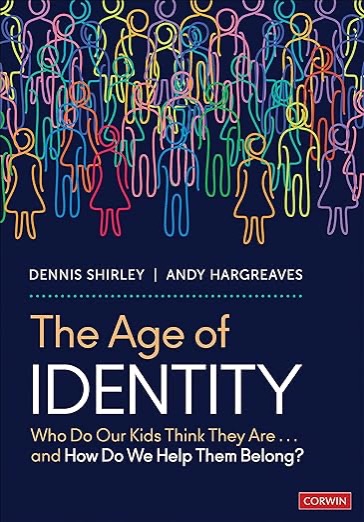
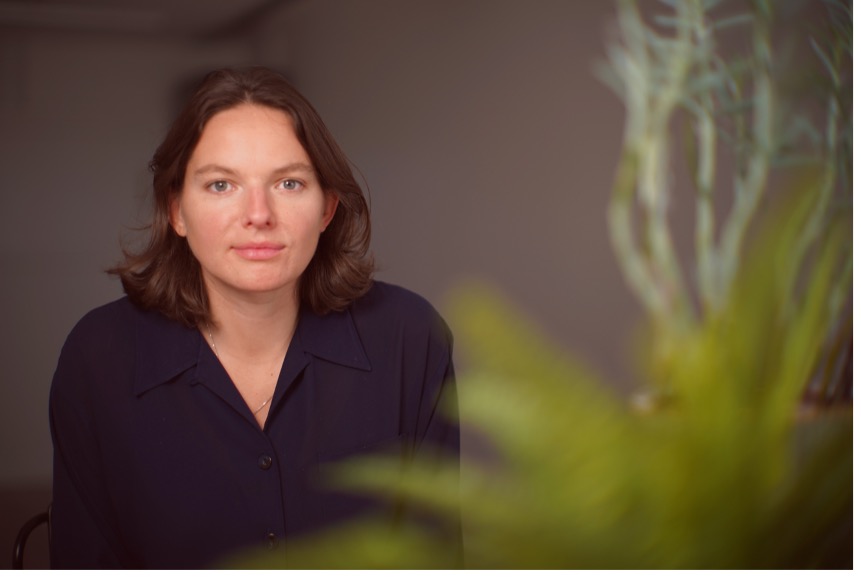
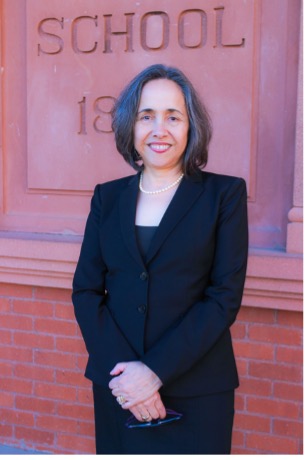
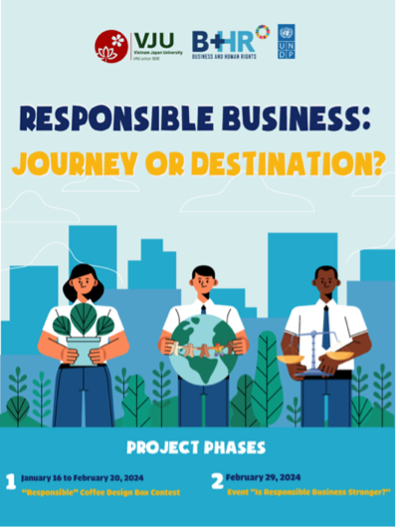

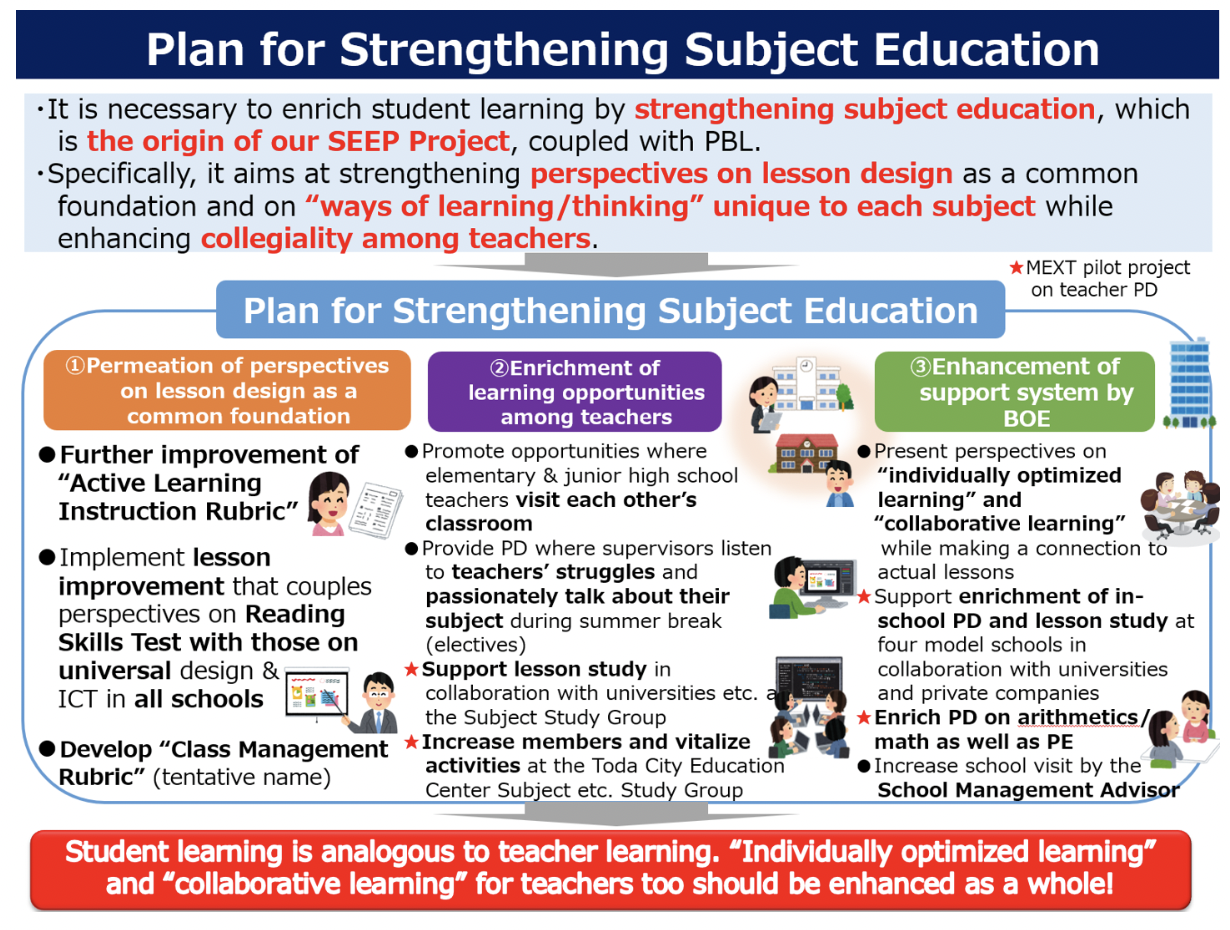
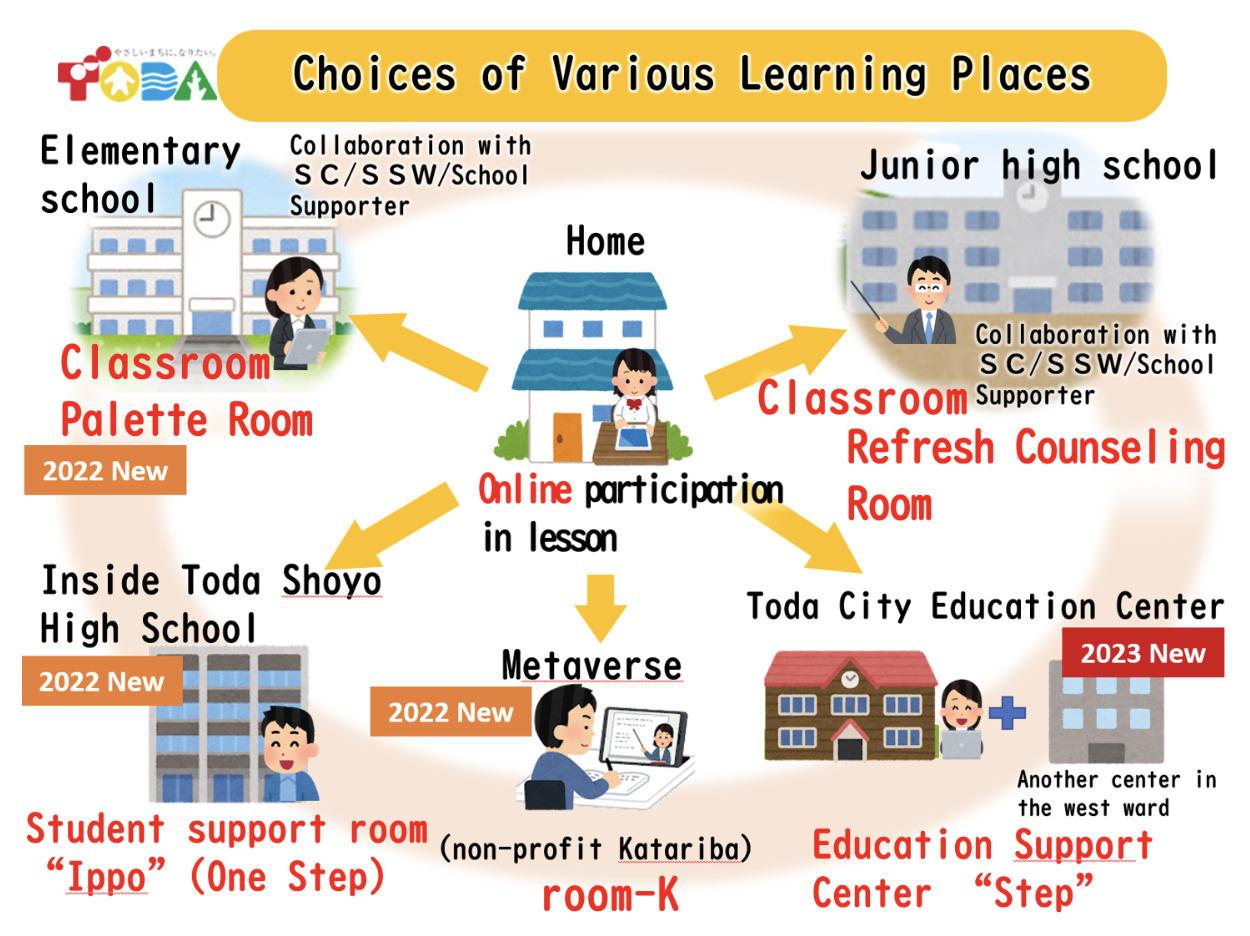
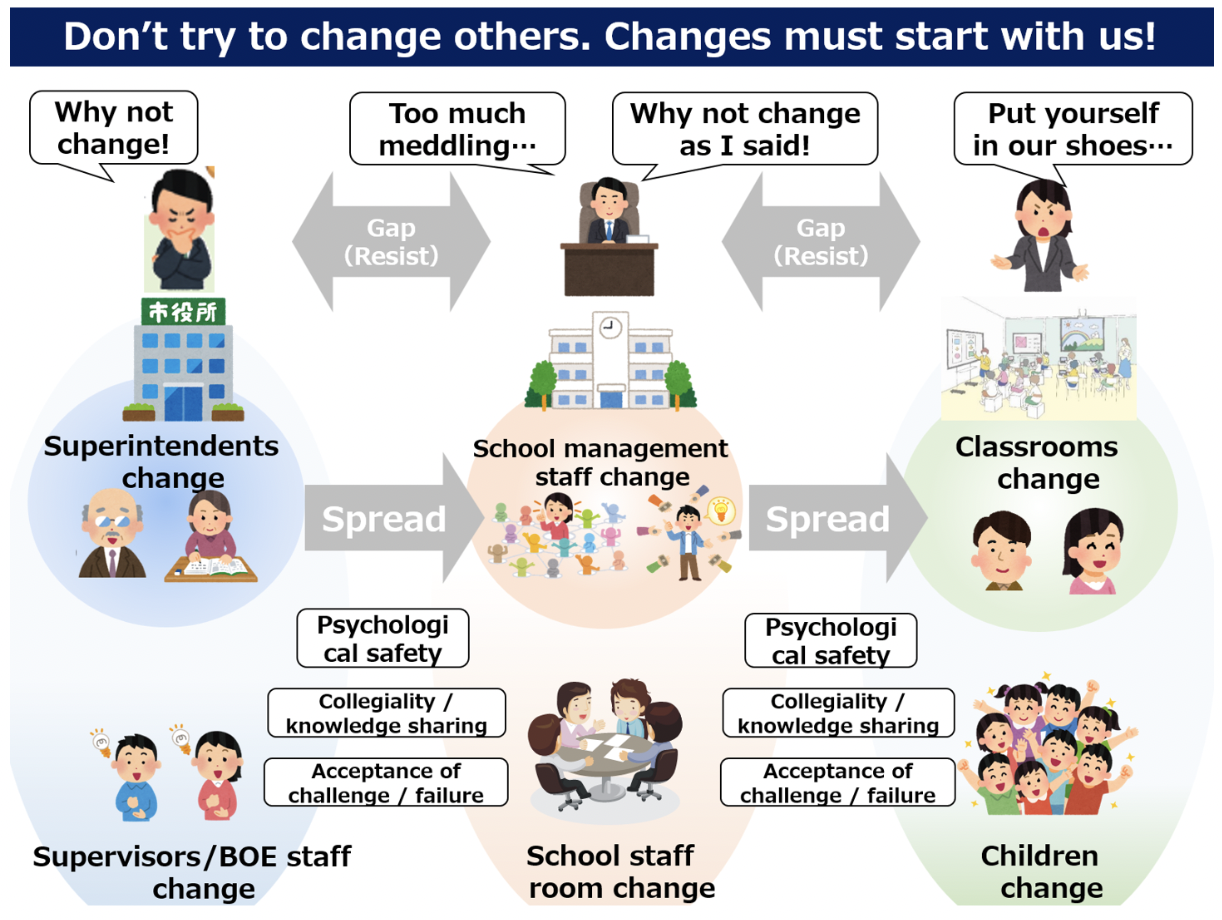
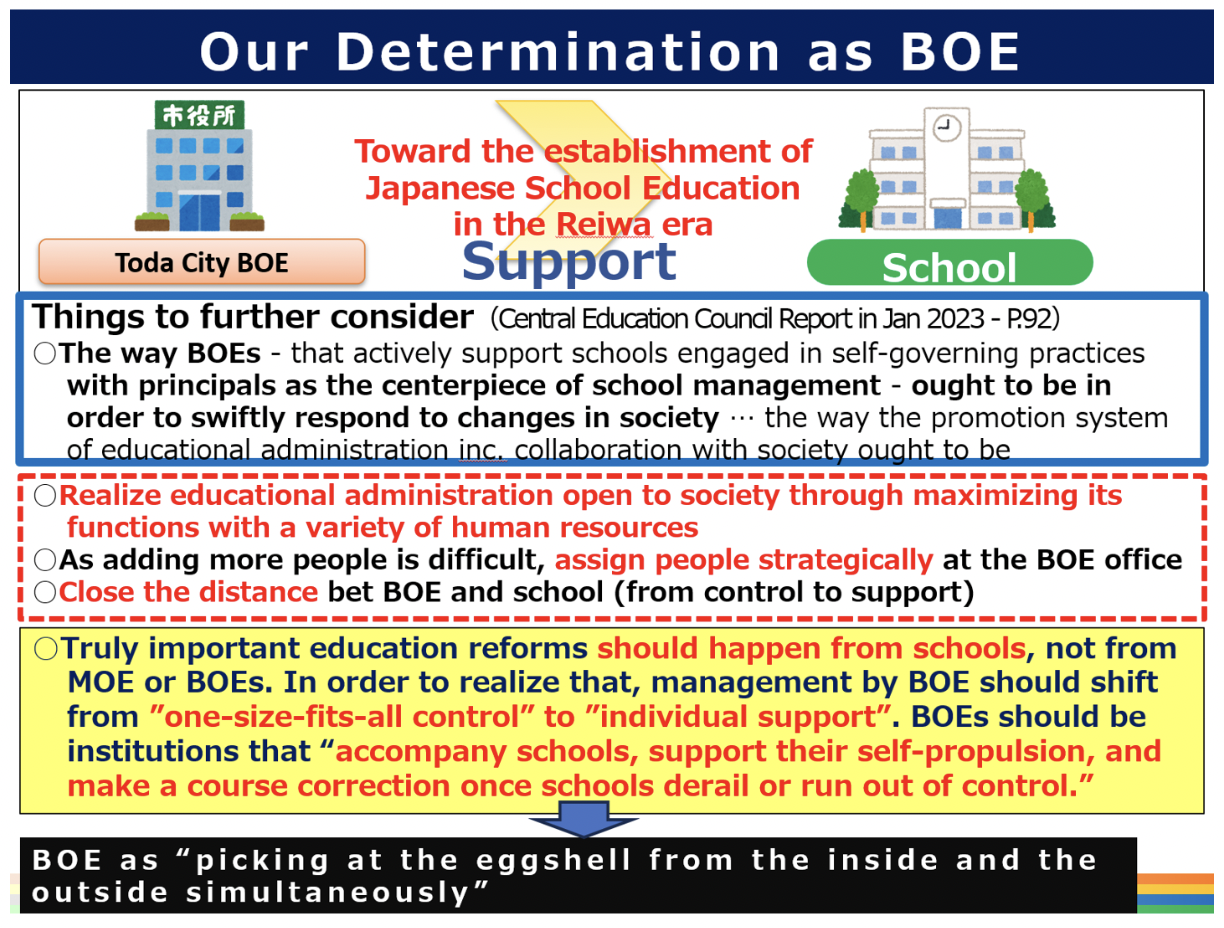
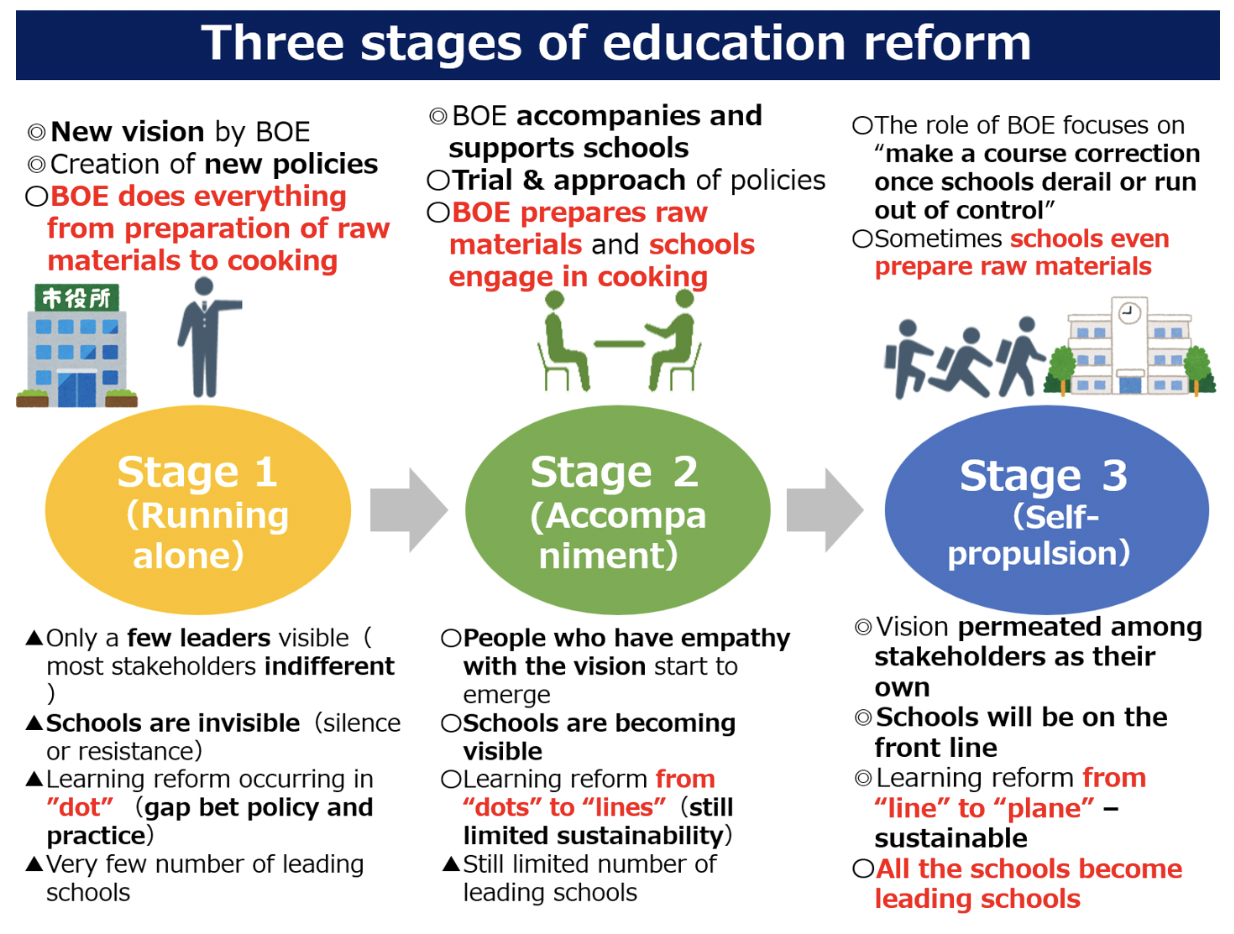


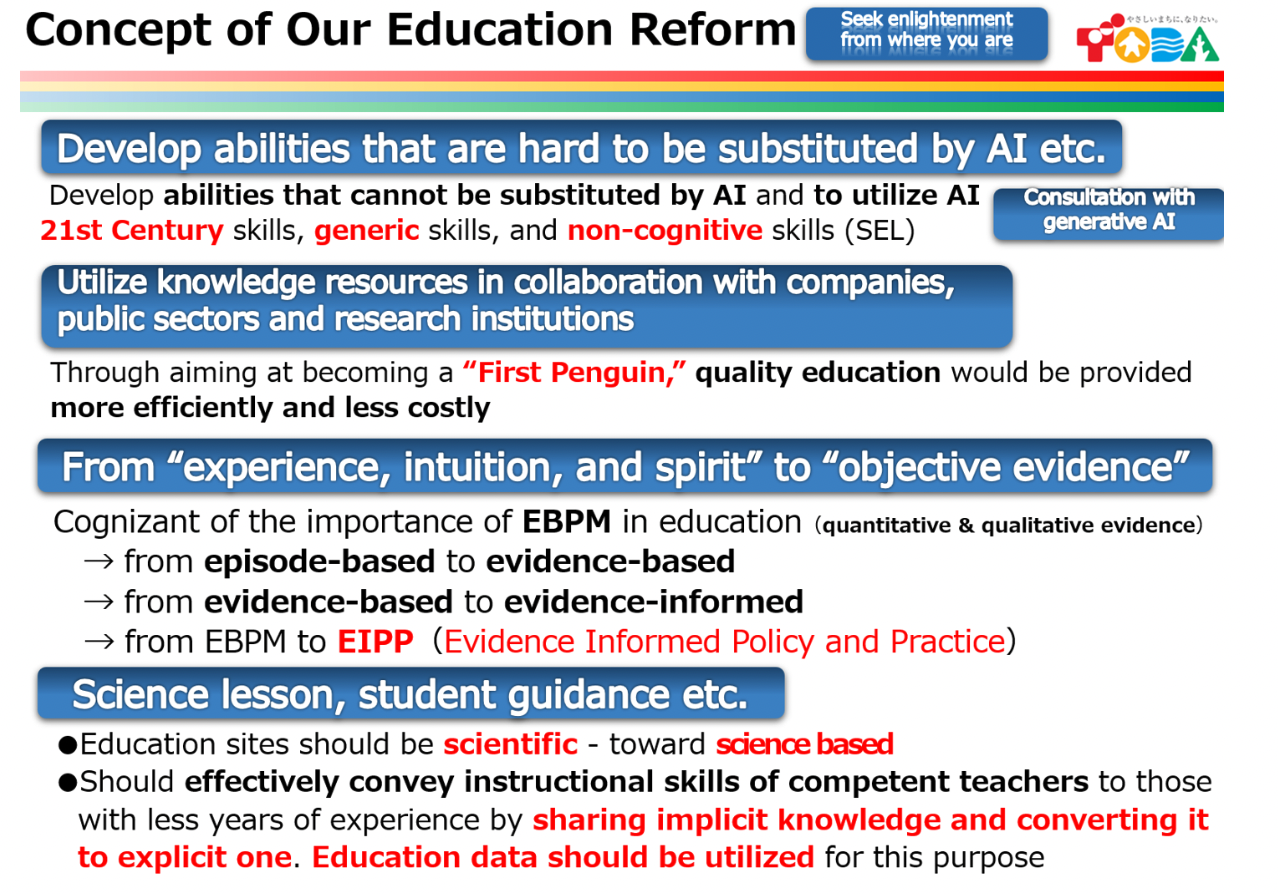
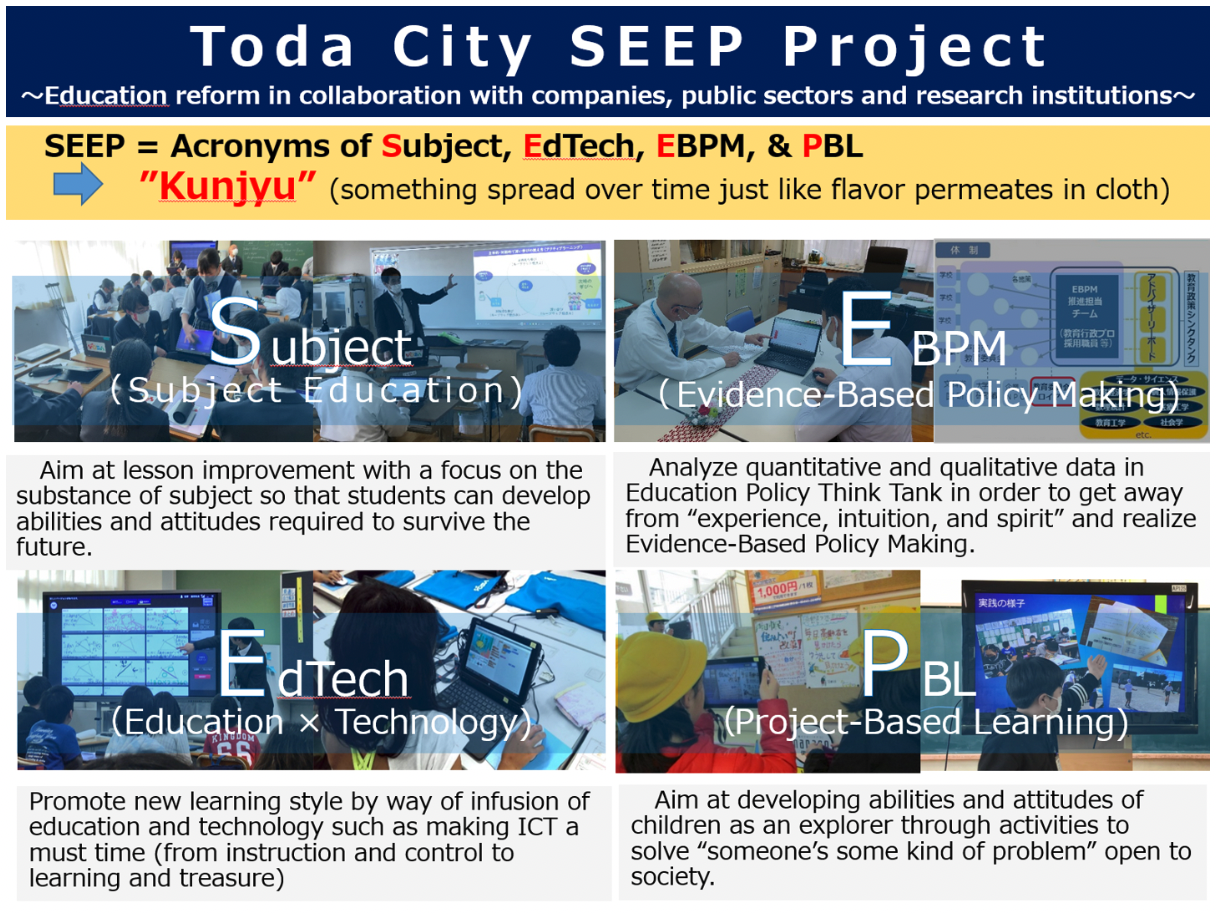
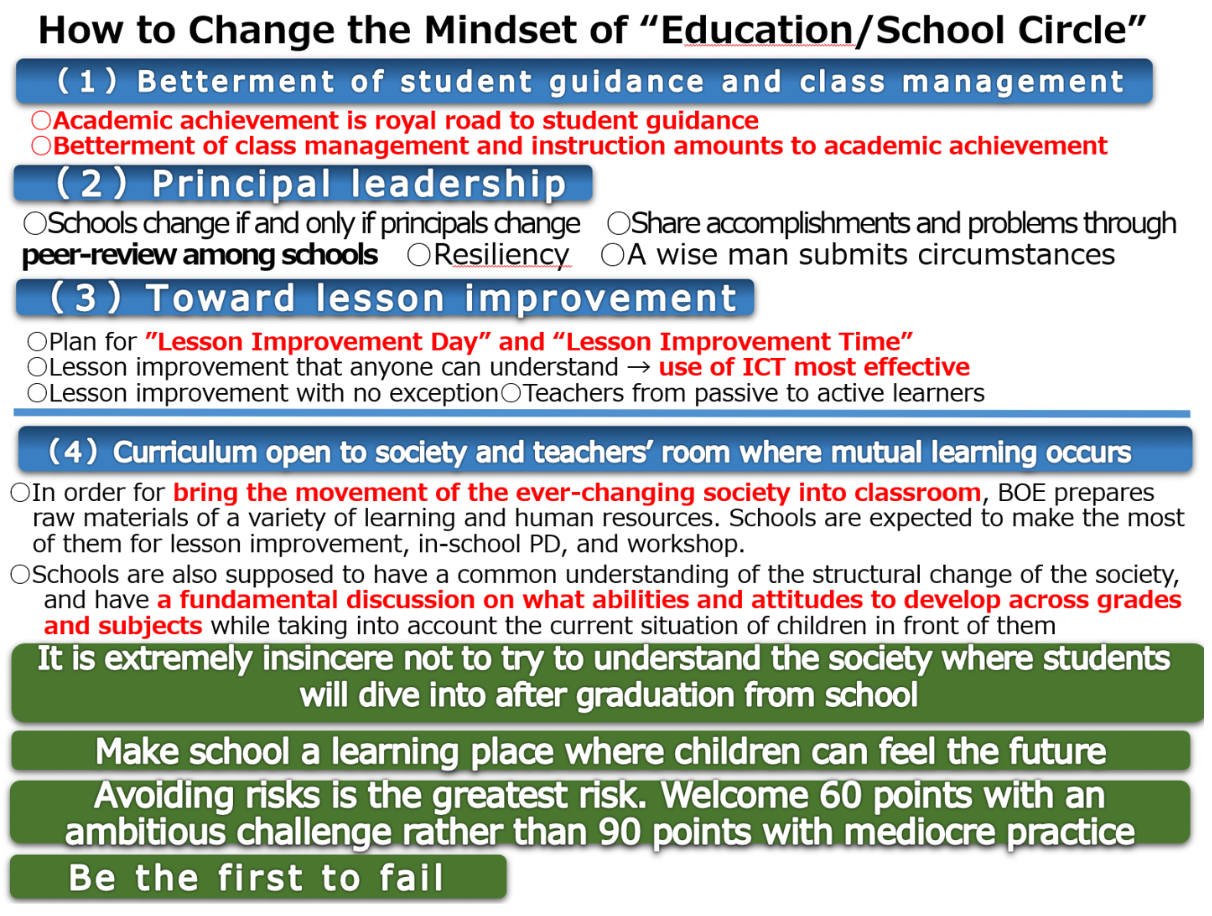
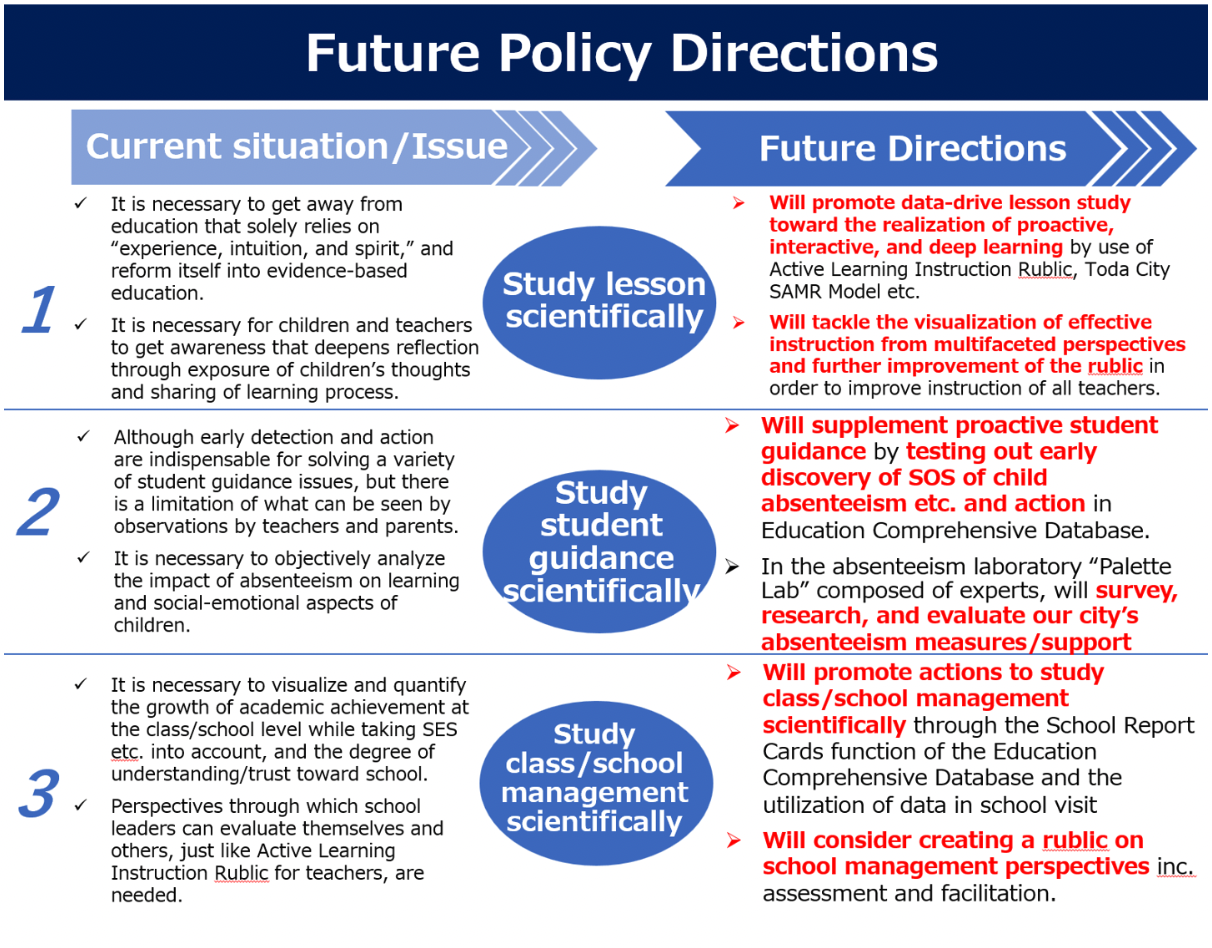
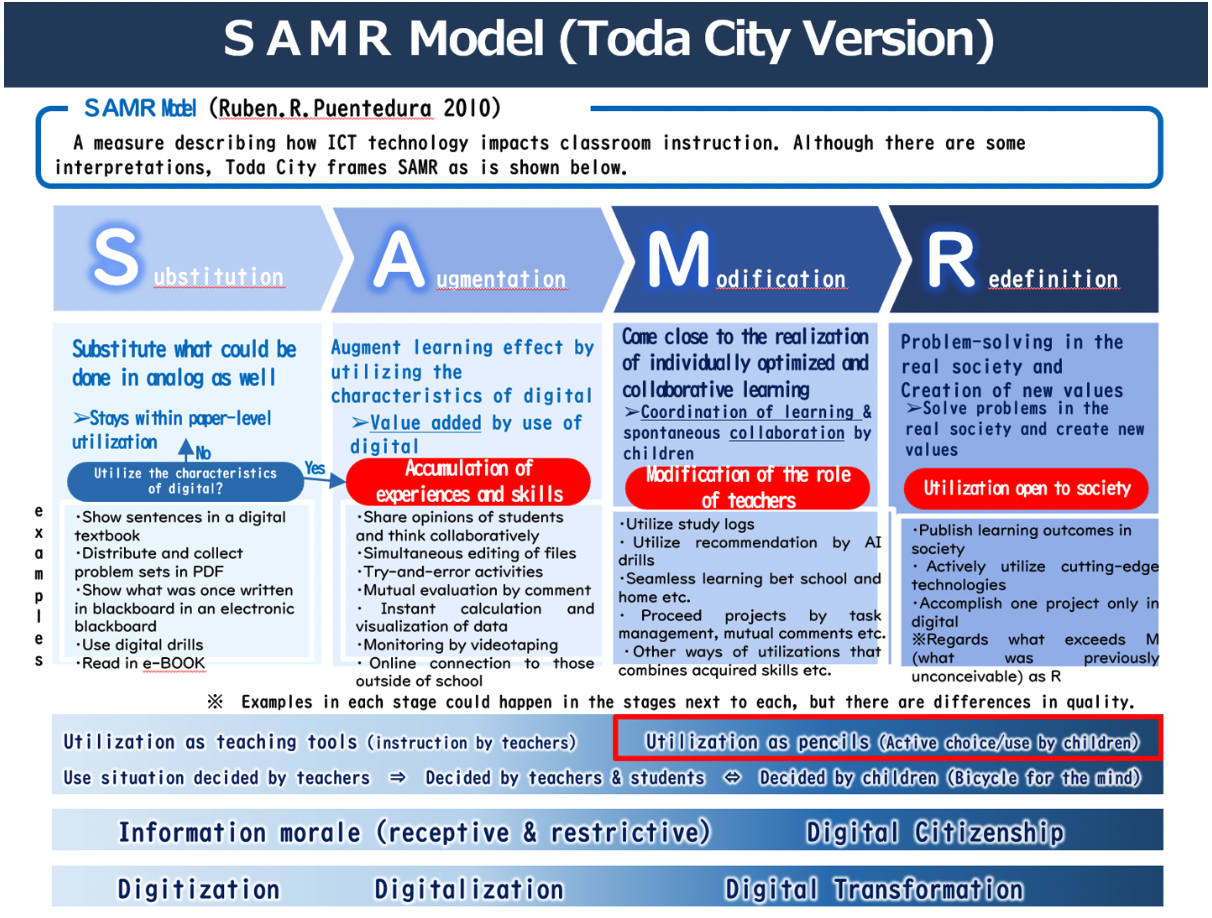
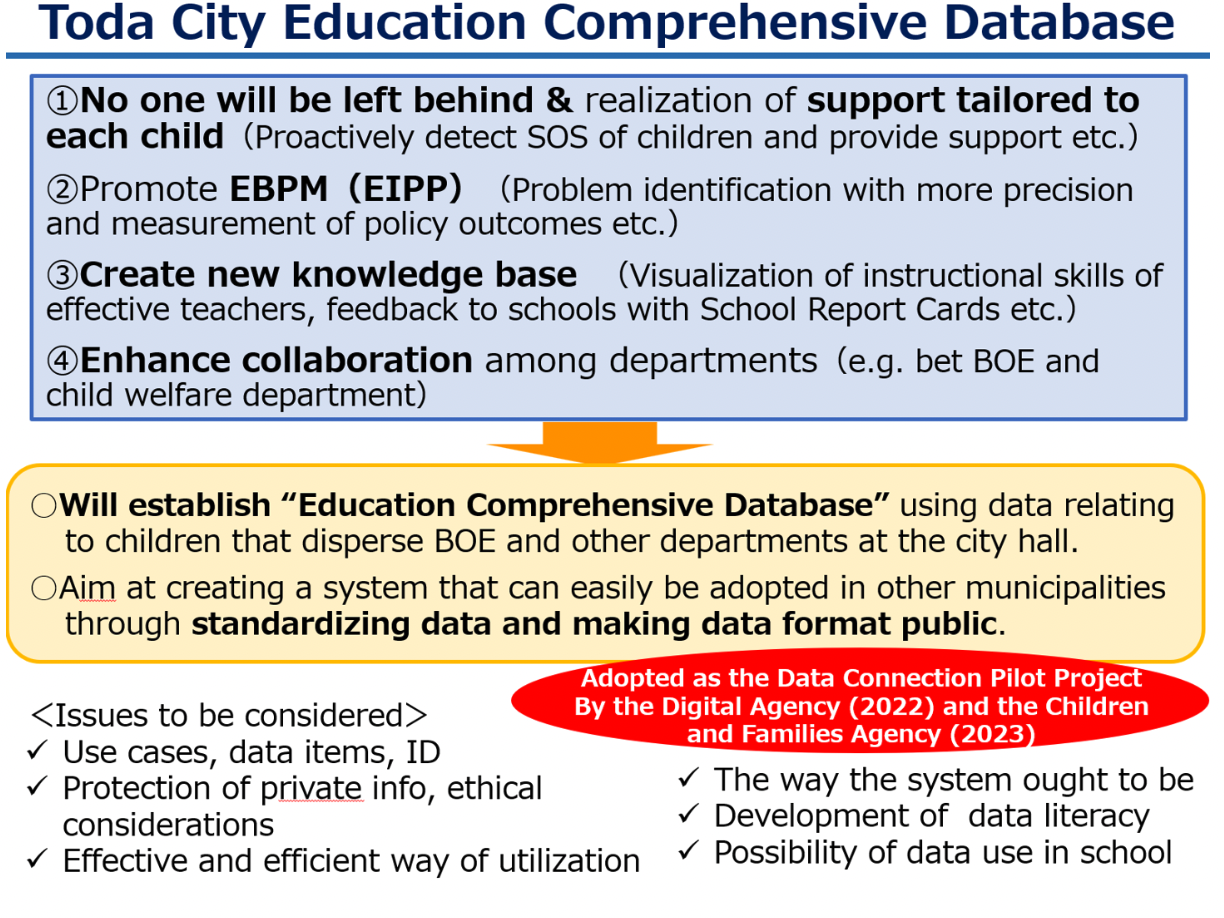
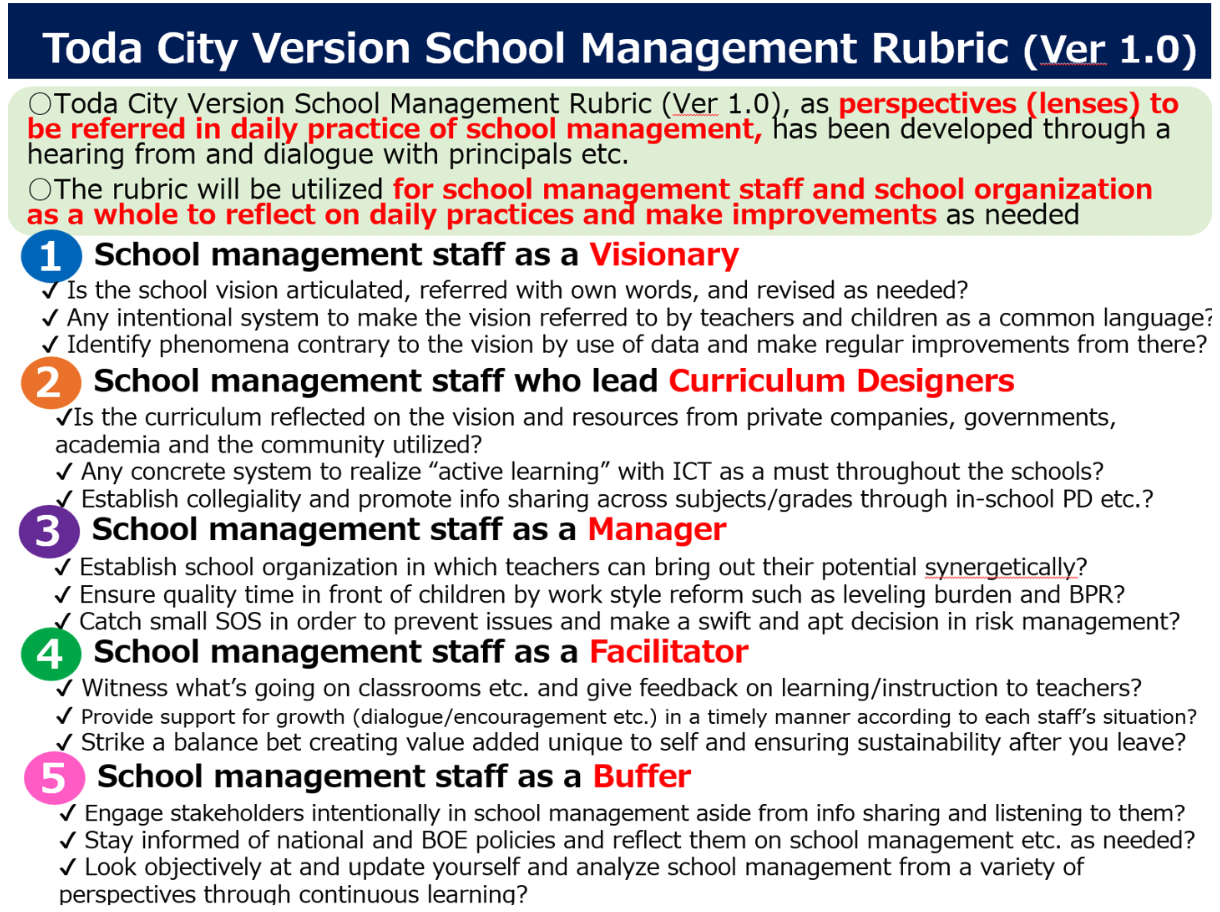


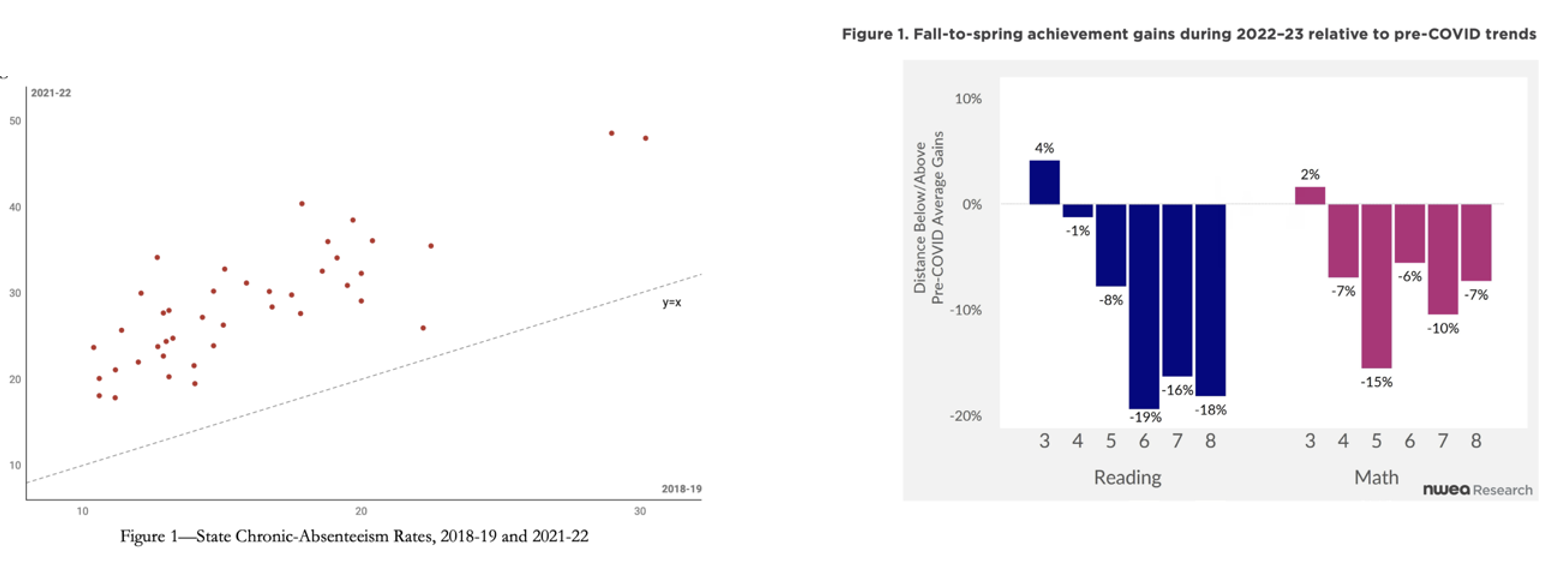
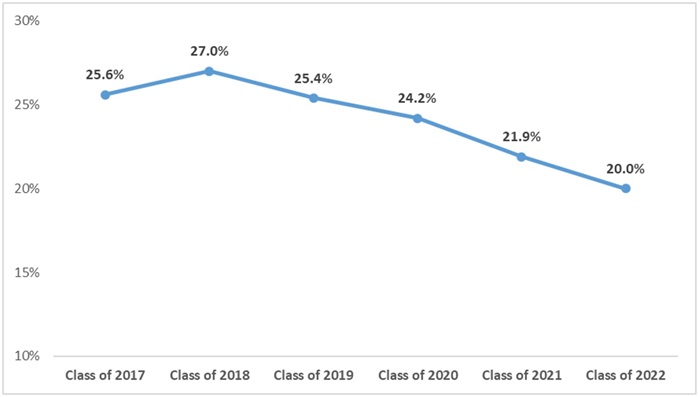
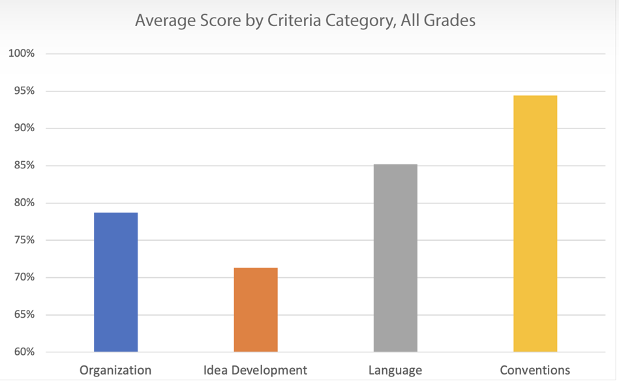
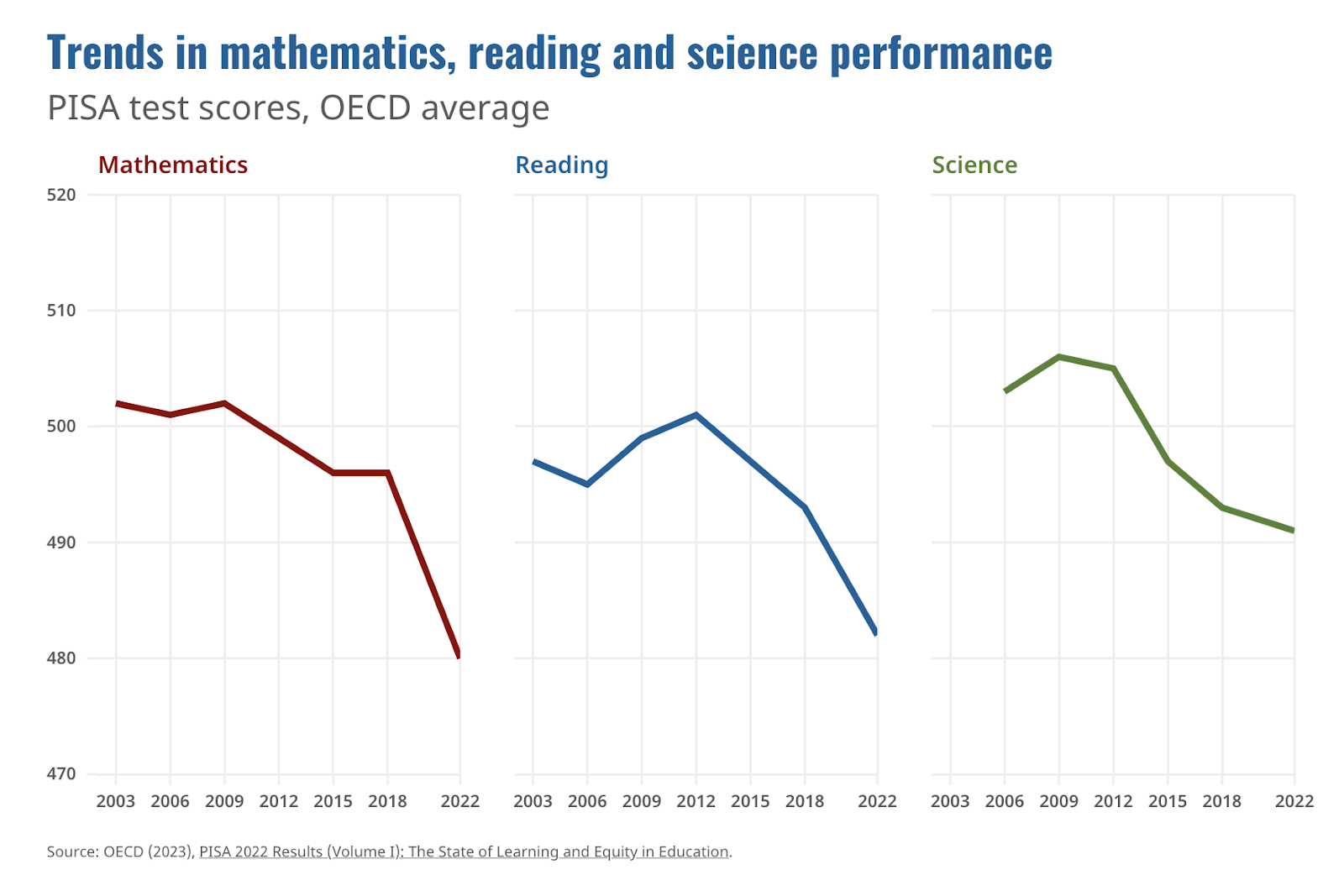
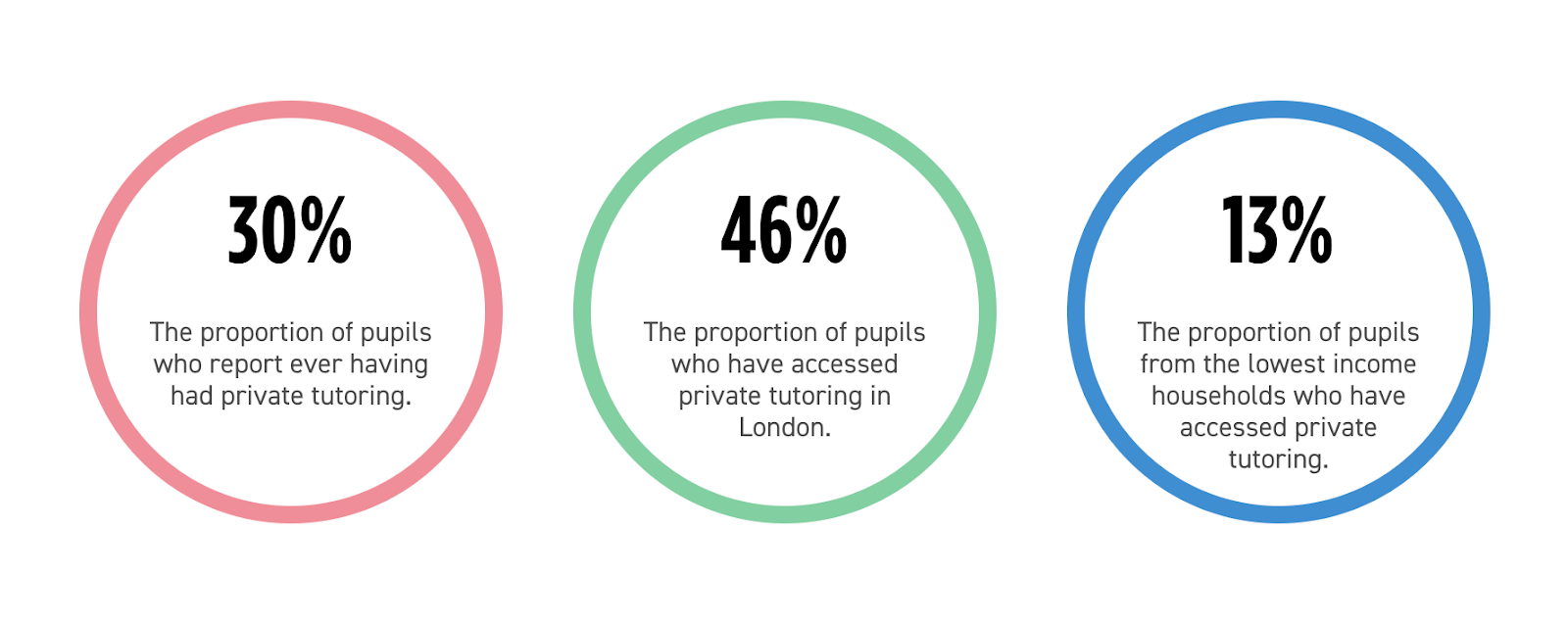
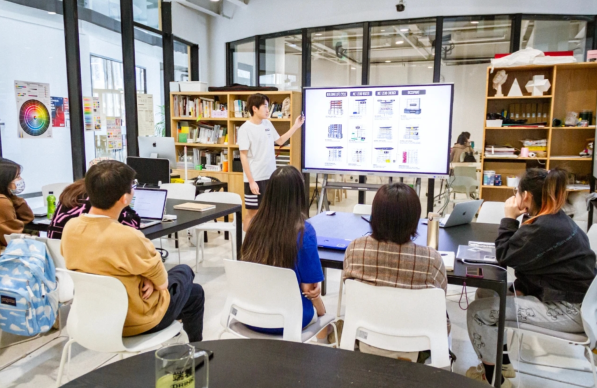
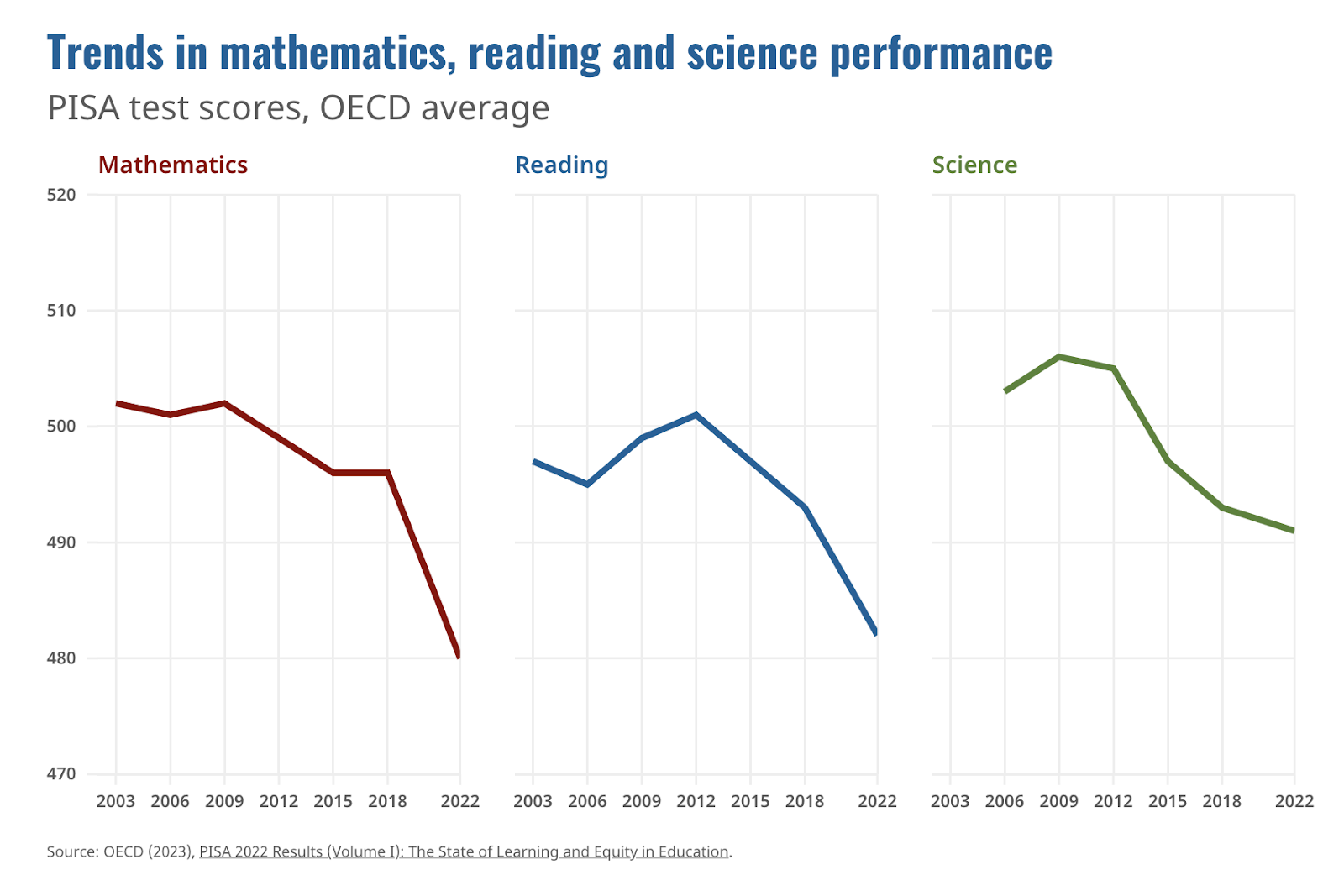

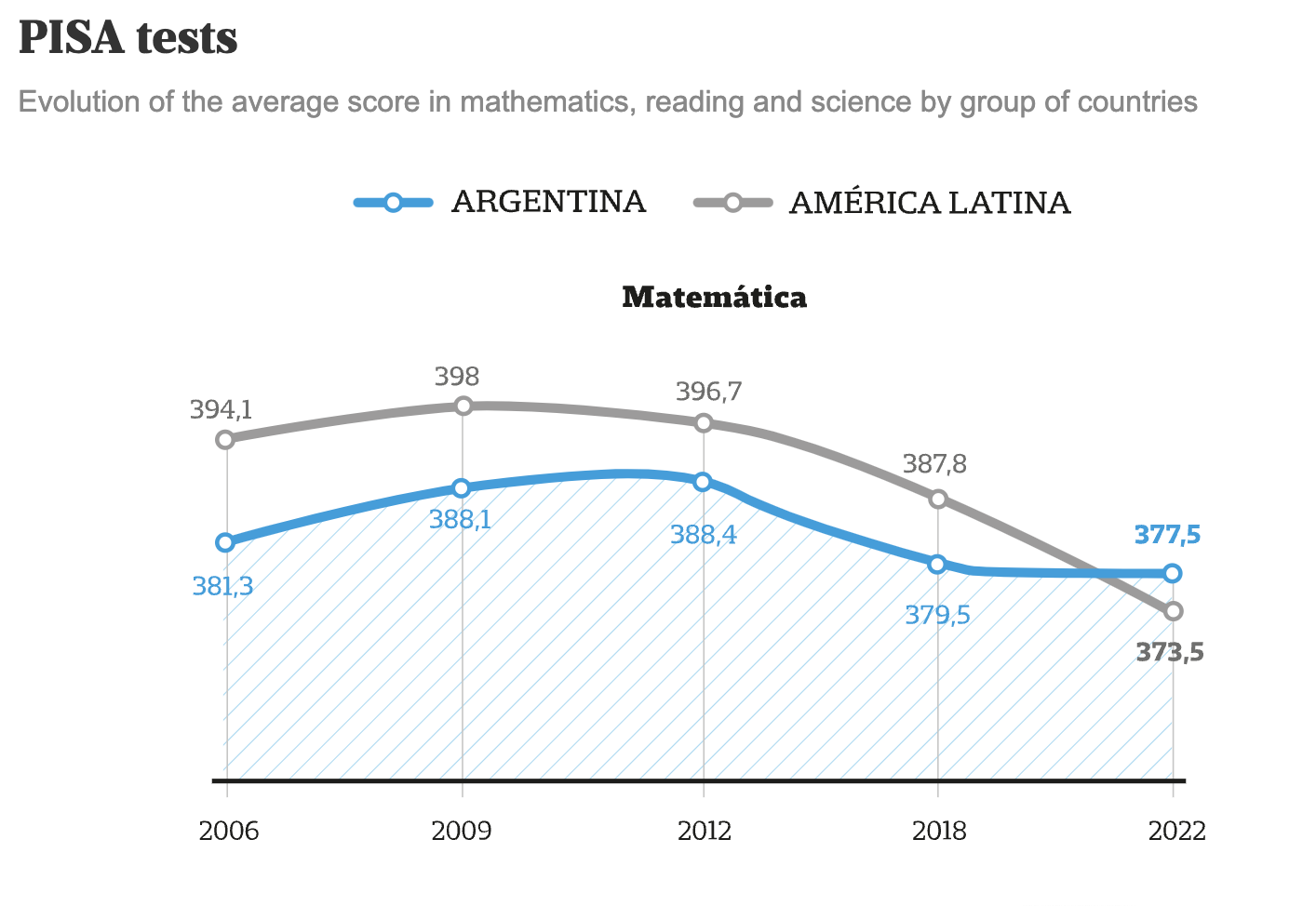
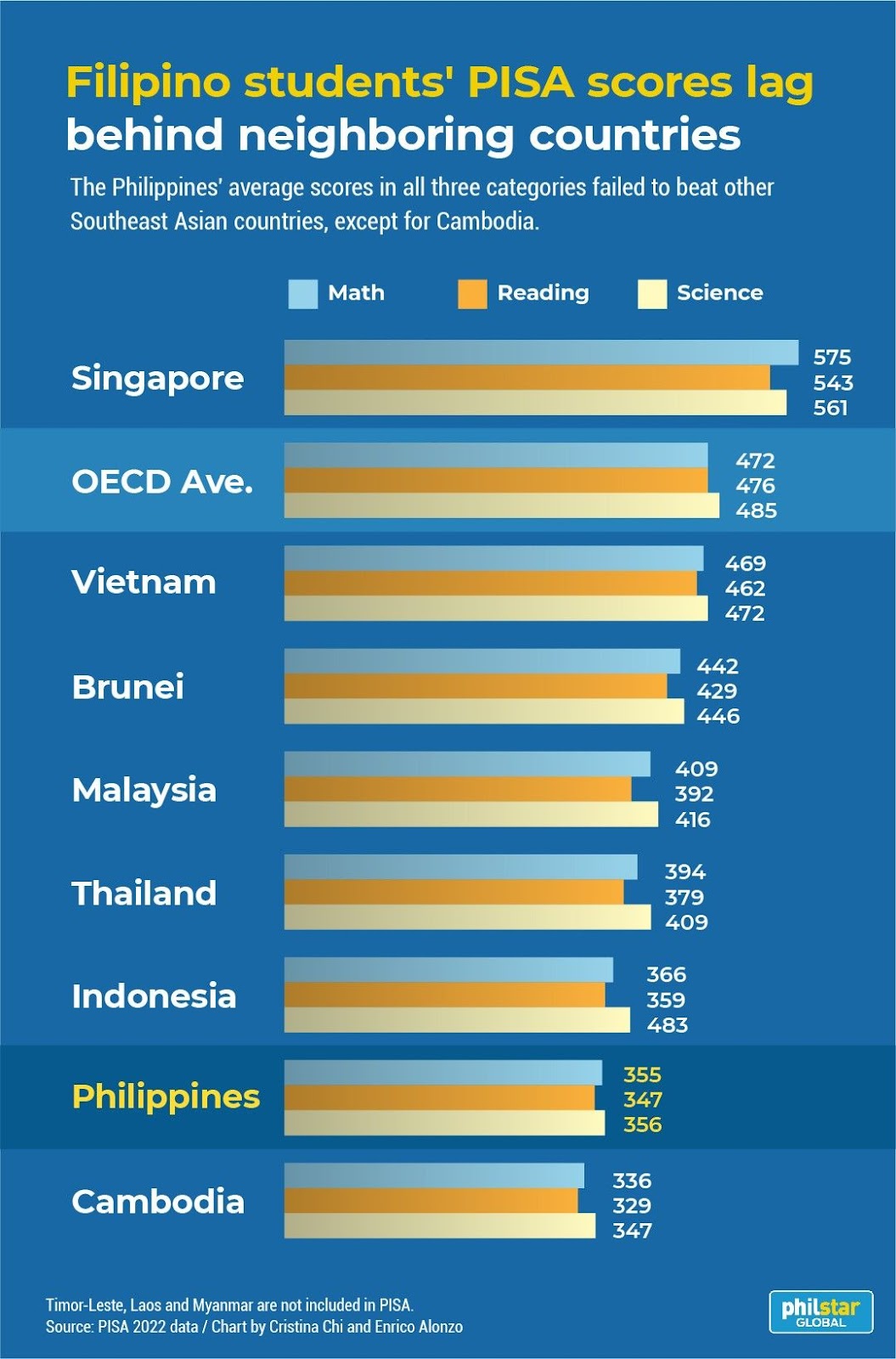


 International Education News