Tag Archives: Covid-19

Innovations in providing children with food and nutrition:  Scanning the headlines for new ways to support students’ health and wellbeing after the pandemic (Part 2)

In part 2 of this two-part post, Sierra Bickford scans recent news and research on education to list some of the innovative approaches schools and communities have developed to make sure all students got the food and nutrients they need during and after the school closures of the COVID-19 pandemic. Part 1 outlined the essential role access to food and nutrition plays in supporting healthy development for students both in the US and around the world.  These posts are part of IEN’s ongoing coverage of what is and is not changing in schools and education following the school closures of the pandemic. For more on the series, see “What can change in schools after the pandemic?”  For examples of micro-innovations in other areas, see IEN’s coverage of new pathways for access to college and careers and new  developments in tutoring: Building Student Relationships Post-Pandemic in School and Beyond; Still Worth It? Scanning the Post-COVID Challenges and Possibilities for Access to Colleges and Careers in the US (Part 1); New Pathways into Higher Education and the Working World? Scanning the Post-COVID Challenges and Possibilities for Access to Colleges and Careers in the US (Part 2)Tutoring takes off and Predictable challenges and possibilities for effective tutoring at scale.

The school closures of the COVID-19 pandemic disconnected children around the world to critical sources of food, including school meals. Fortunately, educators, community members and others have developed a host of new mechanisms, resources, and partnerships to make sure children get access to healthy and healthier meals. These “micro-innovations” include new ways to work with community partners, including farmers, nonprofits, chefs, and local vendors and local ingredients to improve nutrition, strengthen regional economies, and increase student engagement. Other developments include using centralized kitchens and new policies and regulations to increase production and lower barriers to access. A few notable efforts also show how several countries have reworked funding structures to sustainably scale school meal programs. All these initiatives are helping to reduce costs, elevate meal quality, and ensure every child can eat with dignity and ease.

How to Use Community Partners and Local Ingredients

  • Zambia: Schools across Zambia are receiving funding from the One Hectare Program to support student run gardens and greenhouses. These gardens help supply school meals and make the community less vulnerable to drought and famine; it functions not only as extra food but also an opportunity to learn. The gardens are taken care of by the students who learn valuable skills such as “drip irrigation, organic sack gardening, and environmental protection.”
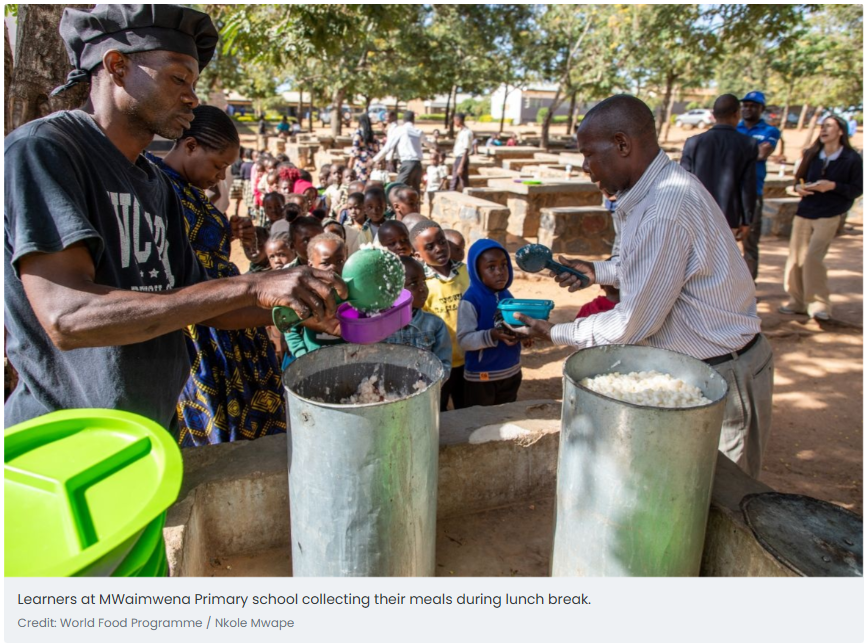
  • Kenya: In 2024, Kenya launched its national chapter of the school meals coalition and created a meals program that focuses on relying more on regional resources by employing local farmers growing region specific foods such as sorghum, cowpeas and potatoes. This not only increases the nutritional value of school meals but also supports local small business farmers. In collaboration with the Ministry of Health and the World Food Programme, the Ministry of Education is also developing a national menu guide in order to encourage the production of more sustainable and diverse meals.
  • France: Legislation has been passed to accelerate the transition to a more sustainable and healthier diet. Regulations put in place since 2021 include requirements for certain percentages of ingredients to be purchased from local and sustainable sources and specify some meal content for school lunch programs. For example, “out of 20 meals, children must be offered no more than four starters with a fat content of 15% or more; at least four fish-based meals (or a dish containing 70% fish or more), and at least 8 whole-fruit desserts.”
  • Hawai’i: The State Department of Education created a pilot meals program, the ’Aina Pono Farm to School initiative. Through the pilot program, students at schools such as Mililani High School in Oahu were able to sample various healthy, less processed dishes and give their personal feedback on menu choices. As a result, students ate far more of the meals on offer, reducing food overproduction at the school by 20%.
  • Tasmania: Schools in Tasmania are outsourcing at least one day of food preparation to local charity. Loaves and Fishes get produce from local vendors and cook the food either on or off site. These schools are selected through a competitive application process.
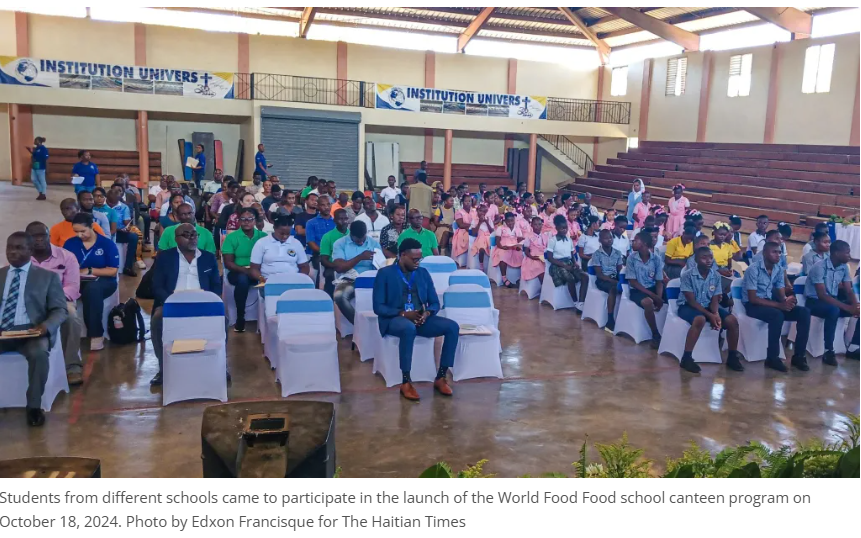
  •  Haiti: Local farmers in Haiti’s Northeast strengthen nutrition and economy by supplying food to school canteens. The World Food Program purchases up to 9,990 tons of local produce to support struggling farmers and supply school meals to approximately 15,000 students across 200 schools with local nutritious food.
  • New York City: The “Chefs in the Schools” initiative brings in local professional chefs to create nutritious cost effective menus for schools. The chefs also provide training for staff.
  • Canada: Canada’s first national school food program, funded by 1 Billion dollars in federal funds, is rolling out amid rising need, with provinces and local providers striving to expand hot meal offerings despite funding gaps, aging infrastructure and growing demand from families struggling with food costs.

Using Centralized Kitchens:

  • France: Centralized kitchens in France prepare 6,000 to 10,000 servings a day of high-quality food following strict food safety protocols. This cuts down on cost and increases quality.
  • Hawai’i: The Hawaiʻi’s Farm to School Action Plan connects schools with local farms to provide fresh, nutritious meals, support farmers, and promote sustainable food systems through a regional kitchen model and community collaboration. 
  • Sweden: A pilot program transforming school canteens with student-designed spaces, surplus-produce energy bars, and sustainability initiatives has boosted engagement and healthy eating while highlighting the need for long-term investment and multi-agency collaboration to sustain its success. 

Lowering barriers to food 

  • Africa: Food4Education (F4E) is transforming school feeding in Africa through a sustainable, locally sourced model that provides nutritious, affordable meals while supporting local farmers and communities. By 2030, they aim to feed 1 million Kenyan children daily and help other African governments feed 2 million more, creating a scalable blueprint to end classroom hunger across the continent.
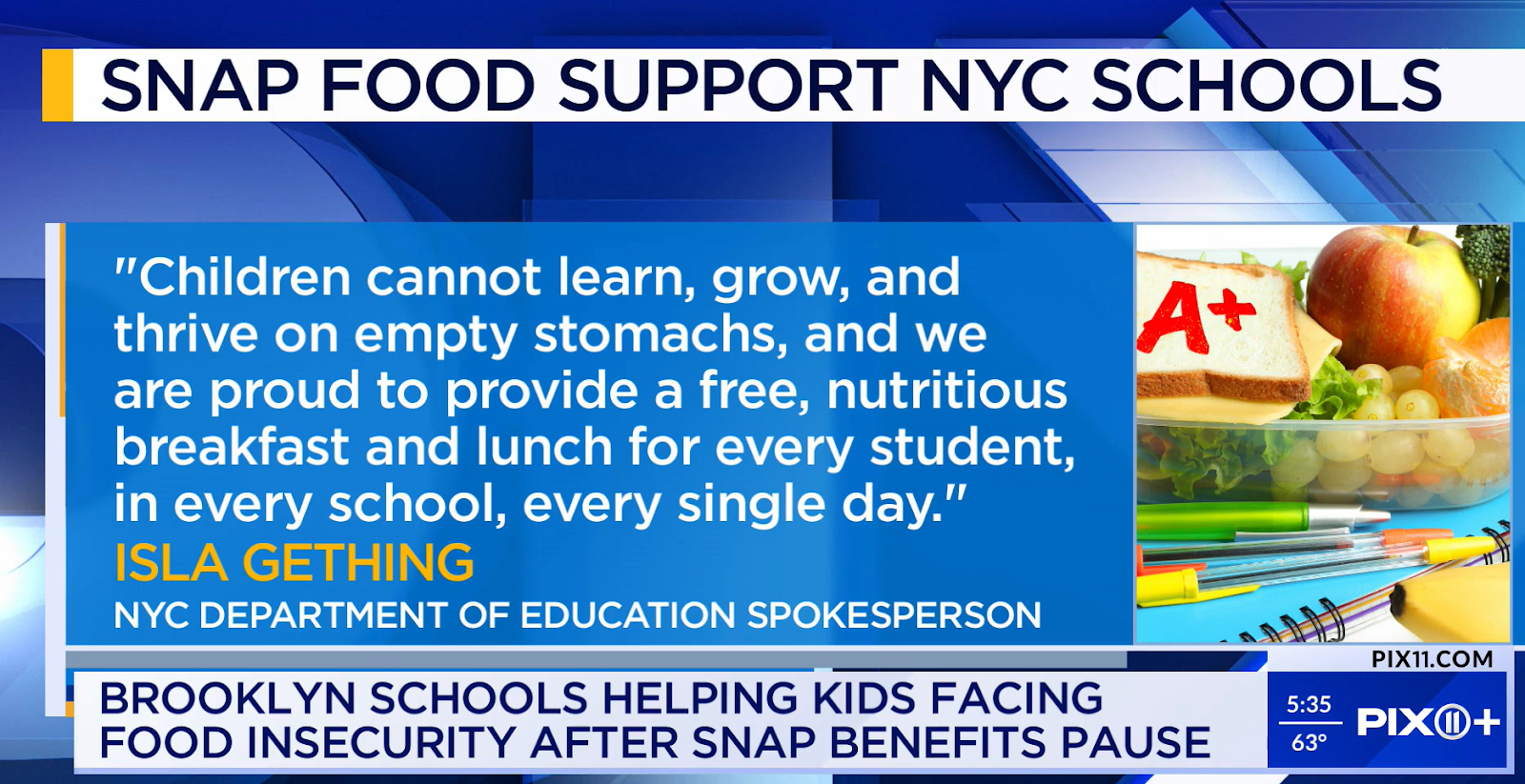
  • New York City: In response to rising concerns about federal budget cuts to SNAP, the Supplemental Nutrition Assistance Program, a school in Brooklyn has partnered closely with the community organization El Puente and other stakeholders to support their students.
  • Colorado: All Colorado public school students will continue to have access to free school meals after voters approved two state referendums on November 5th, 2025, one of which — Proposition MM — will raise state income taxes for those earning an annual income of $300,000 or more.
  • United States: A streamlined certification structure has been implemented for a summer food assistance program launched last year. In the first year, some families missed out on Summer food benefits because of confusing enrollment, limited outreach, and short deadlines, despite the program proving highly effective for those who received it. To address the problem, more families will be enrolled automatically, if they are on certain public benefit programs, including free and reduced price school lunch.
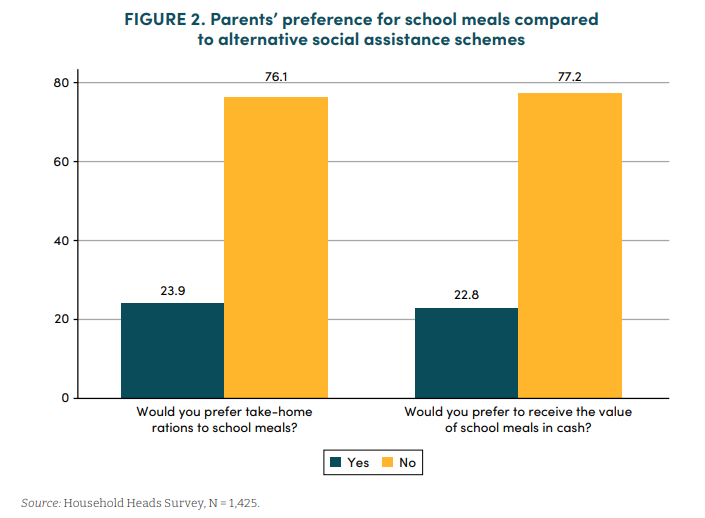
  • Ghana: The Ghana School Feeding Programme has found most Ghanaian caregivers prefer on-site school meals over cash or take-home rations, with their choices shaped by program satisfaction, time constraints, and local food prices, suggesting school feeding programs could be more effective by tailoring modalities to regional and household needs.
  • United States: Starting in the 2027–28 school year, the USDA will ban online processing “junk fees” for students eligible for free or reduced-price school meals, aiming to expand the policy in the future to ensure all children can access healthy school meals without extra charges.
  • California: Schools are offering food trucks to boost lunch participation. Called the Cruisin’ Cafe, the food truck gets more seventh- and eighth-grade students to eat lunch during school. Students won’t have to pay anything for their meals or walk across campus to get lunch at the cafeteria.
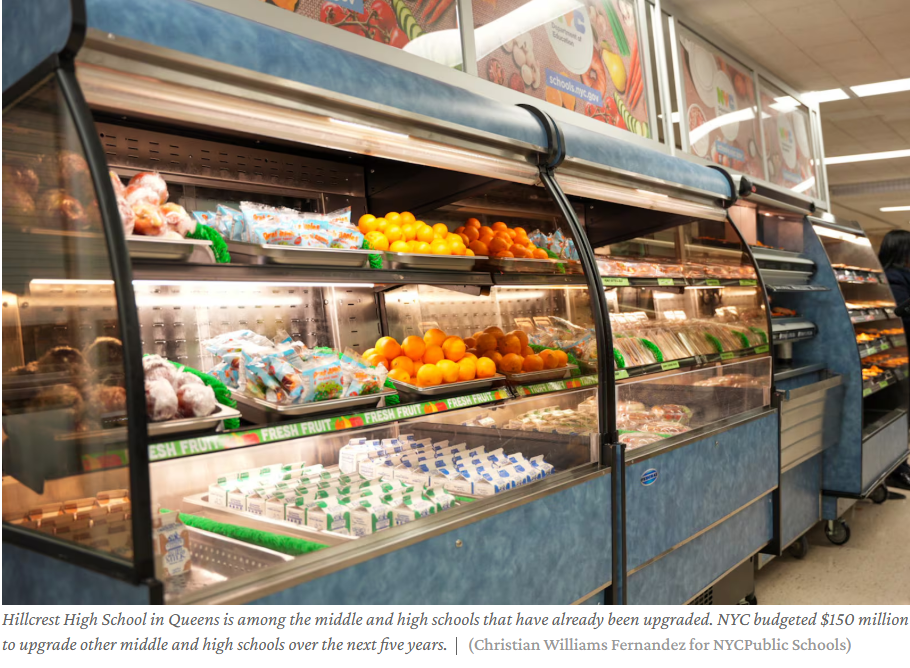
  • New York City: New York City is investing $150 million to expand modern, café-style cafeteria upgrades to more schools after seeing that redesigned dining spaces boosted student participation in school meals and helped reduce stigma amid rising child food insecurity.
  • United States: Districts are using the federal Community Eligibility Provision to offer free school meals by strategically clustering schools to maximize reimbursement, clearly communicating and reassessing eligibility data each year, and boosting revenue through expanded breakfast programs like breakfast-in-the-classroom or breakfast-after-the-bell. 

Changing Financing Systems

  • Bolivia: Since 2000, the government in Bolivia has supported what has come to be called the Complementary School Meals Program. By 2019, with investments of more than 100 million US dollars, the program provides school meals to more than 2.2 million students –  almost 80% of all school-age children and youth. To fund the program, the government has turned to taxing natural resources, specifically hydro carbons, program. 
  • Mozambique: In Mozambique, $40 million in debt service payments were channeled to school meals by using debt swaps and broader debt relief strategies to redirect repayments toward national education and nutrition priorities. 
Access to food and school meals in the US and around the world: Scanning the headlines for new ways to support students’ health and development after the pandemic (Part 1)

One of the many repercussions from the COVID-19 pandemic was a world-wide hit to students’ health and wellbeing. In particular, proper nutrition and food insecurity was greatly affected by the pandemic and the lockdowns as many students around the world could not get food and food related support at their schools. In Part 1 of this two part series, Sierra Bickford takes stock of the impact school nutrition programs have globally and highlights the effects of these high-impact interventions. Part 2 will scan recent news and research to find  some of the many micro-innovations – new developments in practices, structures, and resources in different contexts – that have been implemented to combat this rise in student food insecurity. These posts are part of IEN’s ongoing coverage of what is and is not changing in schools and education following the pandemic school closures. For more on the series, see “What can change in schools after the pandemic?”  For related examples of micro-innovations in other areas, see IEN’s coverage micro-innovations to strengthen student relationships, to increase access to college and careers and to improve tutoring: Building Student Relationships Post-Pandemic in School and Beyond; Still Worth It? (Part 1); New Pathways into Higher Education and the Working World? (Part 2)Tutoring takes off and Predictable challenges and possibilities for effective tutoring at scale.

Food insecurity, particularly among children, was one of the critical problems exacerbated by the COVID-19 pandemic and the related societal shutdowns. Estimates suggest that, during the pandemic, the number of people experiencing food insecurity doubled from about 135 million to more than 270 million. In India alone, household food insecurity skyrocketed from 21% in December 2019 to 80% in August 2020, at the same time that diet quality decreased. By the end of 2021, the UN warned that over 43 million people in 38 countries, including Ethiopia, Somalia, South Sudan, Afghanistan, and Yemen, were at risk of experiencing famine or famine-like conditions.

Even in wealthier countries household food insecurity increased substantially. In the United States, that meant a rise in households experiencing food insecurity from 11% in 2018 to 38% in March 2020.  In a report from 2020, the US Census’s Household Pulse Survey estimated the rates of food insecurity had doubled overall, and tripled among households with children. In the wake of the pandemic, school systems, despite vastly different conditions and challenges in different contexts, are working to reestablish nutrition programs and create new strategies to get children access to nutritious balanced meals.

The impact of school based nutrition worldwide

Across the world, school meals have been shown to be a worthwhile intervention with high positive impact on health and learning outcomes. In high income countries, such as those in the United Kingdom, access to nutritious school meals are associated with lower obesity rates. In Sweden, school meals with regulated nutrition requirements have been shown to increase educational attainment, health outcomes, and income across lifetime. One study found that low income families with children in Sweden who received free school meals increased their lifetime income by 6%. The effects that these interventions have on European health care costs estimate “that the return from investment in school meal programs is at least sevenfold, up to a possible €34 for every €1 spent.”   

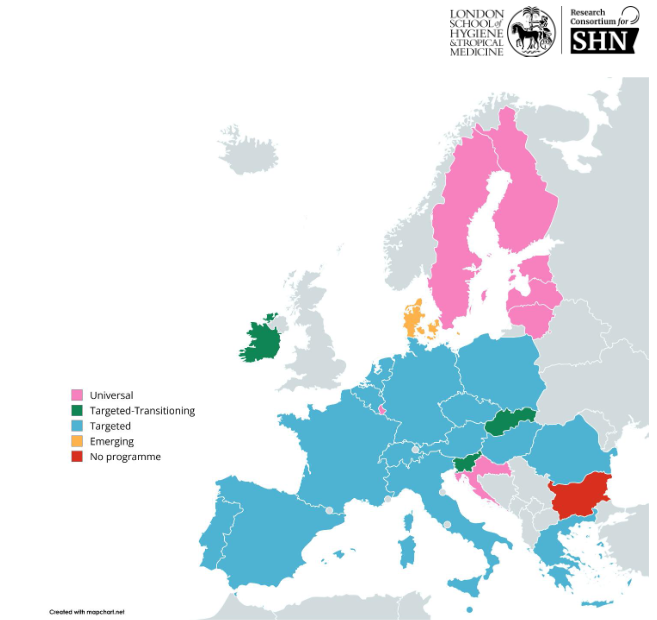
Graphic depicting which European Countries have an official, nationwide program for school meal provisioning

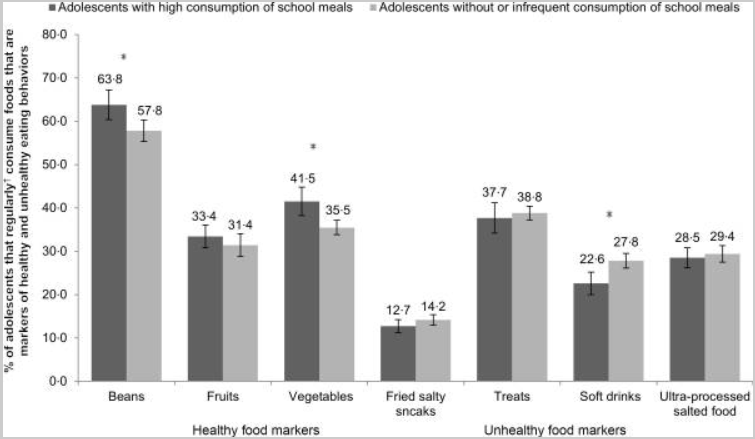
Data from low and middle income countries also support the implementation of free school meals,  particularly for increasing attendance and retention. In Burkina Faso female students who were given take-home food attended school at least 90% of the time. Similarly in Bangladesh, the introduction of free fortified biscuits “increased enrollment by 14% and reduced school dropout by 7%.” Nutrition programs in low and middle income countries have been shown to positively affect learning outcomes as well. In India, access to free school meals is associated with higher cognitive outcomes and an 18% increase in literacy test scores. As in the United Kingdom, in Brazil students who were being supplied meals at school were more likely to reduce their intake of unhealthy foods and increase the presence of nutritious food in their diet, which leads to better health outcomes.

Figure shows the regular consumption of healthy and unhealthy food markers according to consumption of school meals; from School meals consumption is associated with a better diet quality of Brazilian adolescents: results from the PeNSE 2015 survey

The impact of school based nutrition in the United States

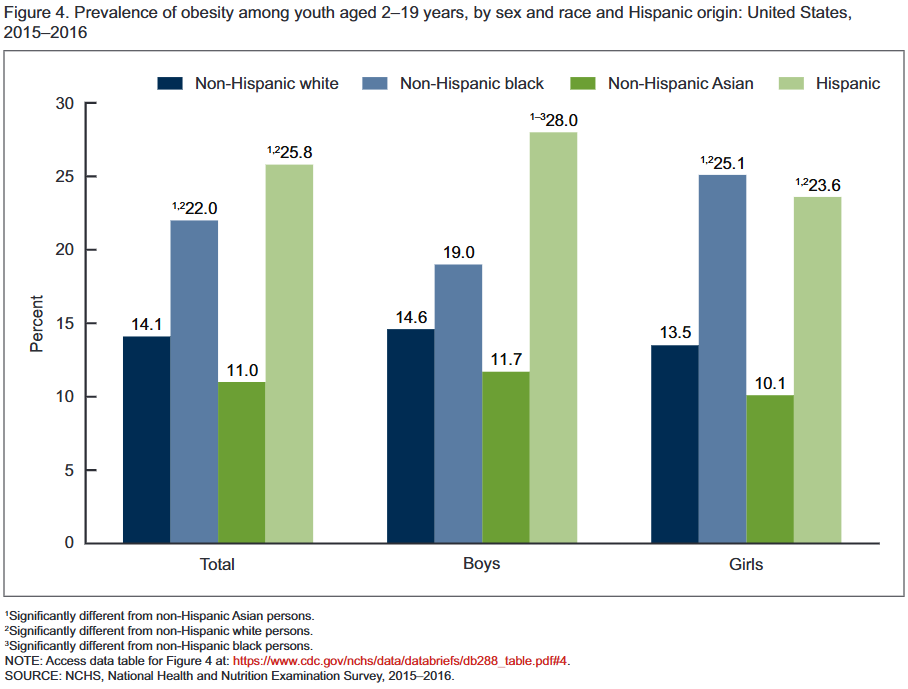
In the US, the National School Lunch Program has long been the primary vehicle for supporting students’ nutritional needs. Around 95% of US elementary, middle, and high schools take part in the program and about 75% of the meals provided through it go to children from low-income families who qualify for free or reduced-price lunches. Students who consistently consumed these meals were more often from low-income households and more likely to be non-Hispanic Black or Hispanic compared to those who didn’t participate. As a consequence, the program is one key means of addressing  nutritional and health inequalities in the US, where non-Hispanic black and Hispanic children are more likely to be overweight or obese and have lower quality diets than white children. 

School meals matter: federal policy can improve children’s nutrition and health (Jia et al. 2020) – PMC↗

In fact, US students who eat school meals daily ate less saturated fat and sugar than students not eating school meals and had less prevalence of obesity.  In addition, in the US, school meals help to reduce food insecurity, and, in some cases, provide up to half of a child’s daily energy intake. Studies from the US show that left unaddressed, food insecurity and a lack of nutritious food can interfere with students academic and cognitive development and can have a negative impact on their social development and behavior in school.  

Despite this evidence, the budget bill promoted by the US administration and passed by Congress this past summer reduces funding for federal health and food programs. Estimates from the School Nutrition Association suggest that the bill could create a ripple effect of food insecurity for American children. This ripple effect will include fewer children automatically being eligible for SNAP and school lunch programs as well as fewer schools being able to enroll in Community Eligibility Provision. Nonetheless, even as these cuts are being made, schools and communities across the US and around the world are continuing to develop new ways of reaching more and more children and families and increasing access to higher quality and healthier food.

Next Week:  Innovations in providing children with food and nutrition:  Scanning the headlines for new ways to support students’ health and wellbeing after the pandemic (Part 2)

New Frontiers for Educational Improvements in India? Critical educational issues in India post-pandemic (Part 2)

What are the critical education issues facing India following the school closures of the pandemic? What are some of the practices and initiatives that could serve as building blocks for improving one of the largest educational systems in the world? Haakon Huynh explores these questions in the second part of a two-part series on K-12 education improvement efforts in India. The first part looked at some of the long-standing barriers hindering the development of India’s educational system. For previous posts related to education in India see: From a “wide portfolio” to systemic support for foundational learning: The evolution of the Central Square Foundation’s work on education in India (Part 1 and Part 2); and Sameer Sampat on the context of leadership & the evolution of the India School Leadership Institute.

Beyond the largely school-based, academic concerns of foundational learning and increasing access to colleges and careers, four other interwoven issues – including chronic absence, mental health, nutrition and sustainability – have been receiving increasing attention in the aftermath of COVID-19 related pandemic in India. The discussion of these issues illustrate both the critical challenges as well as the kinds of initiatives and innovations that are already being pursued that can give hope for the future in India and beyond. 

Chronic absenteeism: When enrollment isn’t enough

For some time, the Indian government has focused on increasing enrollment, but in recent years, chronic absenteeism may have taken over as a critical issue. In fact, the Annual Status of Education Report (ASER) 2024 shows that enrollment now exceeds 98% among 6–14-year-olds. Encouragingly, early childhood enrollment has also risen significantly, and digital access among adolescents has become nearly universal. At the same time, data from ASER 2021 showed that over 20% of rural primary school children were not attending school at all even after reopening, and school-level data reported that 21% of schools had fewer than half their students attending regularly, though the extent of absences varied extensively by region. In some states, absence rates were slightly more than 10%, but in places like Bihar, West Bengal and Madhya Pradesh they ranged from 40% to 50%. In rural Telangana 75% of students missed 10 % or more of all school days and more than 50% missed 15% or more.

As in the United States and other countries, poor attendance and chronic absenteeism in India are connected to negative learning outcomes and increased chances of dropping out, particularly for already disadvantaged populations (National Collaborative on Education and Health, 2015; Uppal et al., 2010). Although research in India has been limited, common factors contributing to absences include disinterest in school, illness, weather, transportation, work demands, family obligations, (Malik, 2013) poor peer relations and being overage  (Shah, 2021). Girls also have a  lower attendance rate than boys, reflecting cultural and gender-related issues such as menstruation, child marriage, household responsibilities, and societal expectations (Raj et al., 2019). Although programs like mid-day meal offerings can increase attendance for part of the day, students may still leave after lunch, so that even students who are counted in a morning roll-call may still miss a substantial part of the school day. Complicating matters, most schools in India still rely on a manual system for tracking attendance which makes it difficult to collect, review, and act on the data in a timely way at the school level, and a lack of digitization means it’s difficult to aggregate and analyze the data across schools. All of which means reporting of attendance is subject to fraud and manipulation.

Responding to some of these specific issues, one pilot effort in ten schools – the Chronic Absenteeism Assessment Project (CAAP) – in the state of Telangana developed a way to measure student attendance using a fingerprint scanner connected to a tablet which allowed data to be analyzed relatively quickly. Beyond the technology, this approach included the development of “Education Extension Workers” (EEWs) who could follow-up with absent students and their families, investigate the reasons for absences, and respond appropriately. 

Mental health: Entering the mainstream?

Although attendance and chronic absence began receiving attention before the pandemic, mental health has been a neglected and often taboo topic. None of India’s 22 languages have words for “mental health,” “depression,” or many other mental illnesses, yet a national survey in 2016 documented 50 derogatory terms used for people suffering mental illnesses. At the same time, even before the pandemic, India had one of the highest suicide rates in Asia. Furthermore, according to the same national survey, over 80% of those who did report mental health problem could not access adequate treatment – not surprising given that India only had three psychiatrists for every million people and even fewer psychologists (in contrast, the US has almost 400 psychiatrists and psychologists for every million people). 

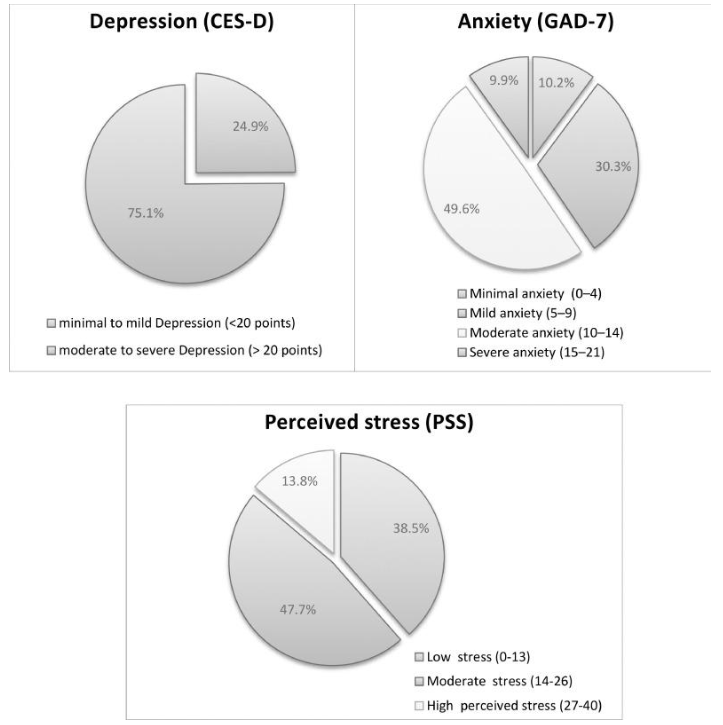
The pandemic and associated lockdowns only made the situation worse. Even by the middle of 2020, surveys were suggesting that as many as 40% of participants reported suffering mental health problems and more than 65% of mental health professionals surveyed reported in increase in self-harm behaviors among their patients. By 2021, the mental health of Indian university students had worsened significantly, with over 75% experiencing moderate to severe depression and nearly 60% experiencing moderate to severe anxiety. School counselors have also noted rising mental health concerns, with one study reporting that counselors are dealing with challenges ranging from heightened anxiety and social isolation to increased aggression and cyberbullying.

 These increases, however, also may reflect a growing willingness to recognize, report and seek treatment for mental health issues. Furthermore, as early as 2020, the Indian government launched the Manodarpan initiative to provide psychosocial support for students, families, and educators. Among other things, the initiative provides counseling resources, a national helpline, and school-based mental health programs.   

Source: The Manodarpan Website

Attention to socio-emotional learning is also growing in some schools in India as approaches like “feelings check-ins” are supported by programs like the Simple Education Foundation and Apni Shala. This practice invites students to begin the school day by identifying and sharing how they feel, often using a simple visual chart or prompt. Other initiatives include POD Adventures, a smartphone-based mental health intervention co-developed with Indian adolescents. Among other components, the app prompts youth to identify their feelings, name the source of their stress, and plan responses. 

A group of children looking at a book

AI-generated content may be incorrect.
Source: HundrED

Nutrition: India’s triple burden

Nutrition is another concern receiving more attention post pandemic. India faces a so-called “triple burden” of undernutrition, micronutrient deficiency, and obesity. About 6% of children are overweight or obese and over 65% are anemic

Although some progress had been made on these health issues, the pandemic set that work back.  Disruptions to India’s food systems included interruptions of food programs, reduced access to healthy foods, and increased costs. Illustrating the challenges, the COVID-19 lockdown in the state of Karnataka led to the suspension of the Mid-Day Meal (MDM), iron–folic acid (IFA) supplements, and deworming programs. In turns, those disruptions likely contributed to increases in the rates of children who were underweight from about 30% in 2017 to 45% in 2021 while anemia rates nearly doubled from 21% to 40% during the pandemic. 

These disruptions, however, along with government and civil society awareness campaigns may also have brought greater attention to these issues in recent years. Even before the pandemic, the Ministry of Education sought to support children’s nutrition and healthy eating by implementing School Nutrition (Kitchen) Gardens. That national program, launched in 2019, recommends that every class spend one to two hours per week in the school’s garden and encourage the integration of garden activities into the school curriculum. The produce from these gardens is intended to supplement school meals, supporting both nutrition and experiential learning. 

Although India has issued national guidelines mandating school nutrition gardens in all schools, progress has been uneven. Some states have taken it further by encouraging families to develop their own gardens. The Nutrition Garden program, implemented in rural areas of the states of Tamil Nadu and Odisha, trained families to cultivate diverse vegetables and offered structured nutrition education. In a similar program in rural schools in in the state of Andhra Pradesh, a 2025 study found that after receiving gardening kits and nutrition education through their government schools, students established kitchen gardens at home and increased their vegetable consumption by 90%. 

Sustainability: Preparing for a warmer planet

Climate change has also emerged as both a critical challenge but also a potential driver of innovation in education in India. In 2019, India was ranked number seven among a list of the countries affected by the changing environment, but 65% of the Indian population had not heard of climate change. As one step in raising awareness about the issue, India’s 2020 National Education Policy (NEP), emphasized the need for environmental education in schools and suggested a shift from content-based learning to skill-based learning in climate education. At the same time, some Indian universities have emerged as global leaders in sustainability with India being the best-represented nation in the 2024 Times Higher Education Impact Rankings assessing universities’ contributions to each of the 17 United Nations sustainable development goals (SDGs). Institutions such as Saveetha Institute, Shoolini University, and JSS Academy are ranked among the world’s top performers, contributing to clean energy (SDG7), health (SDG3), and sanitation (SDG6). 

Although the costs can be prohibitive, architects in India have also been exploring sustainable schools designed explicitly to respond to and take advantage of the environmental conditions in their local contexts. One of those schools serves a desert township in Ras that houses families of those working in a cement plant. To minimize the impact of the harsh sun and make the structure as energy-efficient as possible, the architects created a fragmented layout of sheltered and semi-enclosed spaces to maximize shade and ventilation. A Central Board of Secondary Education school run by the Rane Foundation in a rural village of Tamil Nadu relied on local and recycled materials to create a design that eliminates the need for air-conditioning. Another private, international school in Bengaluru sought to take advantage of its setting near a national park to cultivate respect and curiosity in the natural environment. To do so, the design creates both inside and outside learning spaces and allows students to get perspectives on the trees and plantings from multiple perspectives. 

A collage of different buildings

AI-generated content may be incorrect.
Sustainable schools (top left to bottom right) designed for a desert climate in Ras, Rajasthan; for rural Tamil Nadu, and for a natural setting in Bengalaru

The green economy’s rapid expansion and the promise of high-paying jobs in fields like renewable energy and environmental policy have also contributed to a surge in the numbers of students interested in sustainability education.  Supporting those interests, several initiatives seek to engage students in learning about and promoting sustainable practices. For example, the Green School Initiative involves over 35,000 students, more than a 1000 teachers across 110 schools in supporting student-led efforts to promote sustainability in their local communities. In addition to providing environmentally-based curricula, the Initiative sponsors action projects and capacity-building activities related to the UN’s Sustainable Development Goals, particularly in areas of Energy, Water, Forests & Biodiversity, and Waste. 

The Green Schools Programme and other efforts support student engagement in issues of sustainability by giving them the opportunity to both study and grade their schools on their environmental performance. For example, Birla Vidya Niketan a school of 4,000 students in New Delhi has become known for its attention to sustainability and its student-led electricity audits. By appointing student monitors to ensure fans and lights are switched off when classrooms are empty, the school promotes peer-led accountability in daily energy use. The chosen students complete simple forms to track behavior and encourage energy-saving habits among classmates. To assess impact, the school analyzes changes in its electricity bills. Principal Minakshi Kushwaha emphasized the role of peer education, noting that students are more receptive to feedback from fellow students than from teachers alone. Another public school in Delhi, RK Puram, involves students in energy audits and also involves them in projects related to renewable energy and waste management that build on the school’s commitment to developing sustainable facilities. Demonstrating the international power of these efforts, student audits and related projects can also be found in the  PowerSave Schools Program in Southern California in the Let’s Go Zero campaign in the UK

Common denominators and synergies?

The challenges of mental health, chronic absence, nutrition, and sustainability are deeply rooted and disproportionately impact the most marginalized; but these are not isolated challenges. The challenges interconnect and build on each other creating a set of barriers that can undermine learning and development. Although the complexity and scale of the education system in India compounds the challenges, coordinated efforts to address these critical challenges could also provide cascading benefits in the largest education system in the world. 

2023 in Review: Scanning the End-Of-The-Year Education Headlines

To look back on some of the key education issues and stories from 2023, Thomas Hatch shares IEN’s annual roundup of the end-of-the-year headlines from many of the sources on education news and research that we follow. For comparison, take a look at IEN’s scans of the headlines looking back in 202120202019 part 1, and 2019 part 2. The next post will look to 2024 by pulling together some of the education predictions for the coming year.

Reviews of education stories in 2023 highlighted:

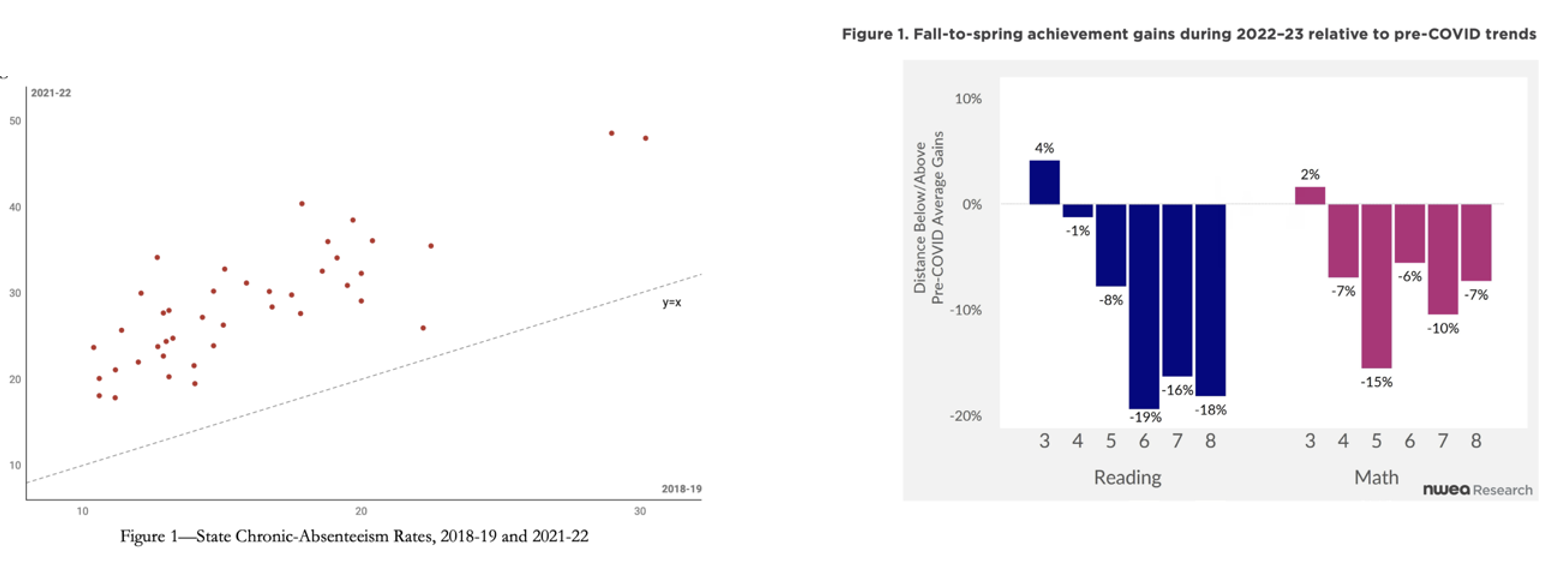
  • The continuing impact of the COVID-19 pandemic on student achievement, student absences, teacher shortages, and other aspects of student and teachers’ health and well-being
  • Pandemic recovery initiatives and concerns about a “fiscal cliff” that may cut off funding for those initiatives.
  • Developments in education technology and particularly the potential impact of artificial intelligence following the launch of ChatGPT in 2022
  • Advocacy for the “science of reading” and foundational learning in literacy and numeracy
  • Persistent concerns including inadequate education funding, inequities in educational performance and opportunities, and the challenges of innovation in assessment and instruction.

A Capture of Moments, Danna Ramirez, New York Times

What High School Is Like in 2023: 25 Essays, Poems, Videos, Photos, a Graph, a GIF, and a Diorama That
Reflect Students and Teachers’ Lives in School
, New York Times

Our Top Photos of the Year, Education Week

Key issues and trends

Funding, free school meals, education choice and student loan debt were among the policy topics lawmakers tackled in this year’s legislative sessions

The Top 10 Education Trends for 2023, National Conference of State Legislators

an unusual early childhood experiment up close; wrestling with large datasets to better understand education trends; getting over a fear of math to cover efforts to revolutionize the teaching of calculus; and, yes, talks with professors struggling with adjusting teaching to the presence of AI chatbots

Looking back on the biggest education trends of 2023, EdSurge

The 7 most memorable education stories of 2023, The Grade

from what AI can (and can’t) do to the neuroscience of brain synchrony

17 Articles About Students & Schools We Wish We Had Published in 2023, The74

The 10 Most Significant Education Studies of 2023, Edutopia

10 Education Studies You Should Know From 2023: new insights on social media, ChatGPT, math, and other topics, Education Week

These are some of the education questions Chalkbeat answered through data in 2023, Chalkbeat

Six Problems Philanthropy Barely Tried to Solve in 2023, Inside Philanthropy

2023 in education charts!

“School absenteeism is out of control” & “Catch up learning hit a wall,” The74

14 Charts that Changed the Way We Looked at America’s Schools in 2023, The74

The Teaching Profession in 2023 (in Charts), Education Week

Global and local reviews

Our top 5 education result stories of 2023, Global Partnership for Education

“changes range from advanced technical programs to revamped school initiatives and innovative examination methods”

Year in review: Five Key Changes In The Education Sector In Rwanda in 2023 , The New Times

“The Central Board of Secondary Education (CBSE) announced significant changes in 2023, including updated marking-schemes and increased number of exams that candidates can take.”

5 Important Changes Announced By The Central Board Of Secondary Education In India This Year, The Times of India

The top education issues in Massachusetts that captured our attention in 2023, WBUR

New Leaders, COVID Spending, Bus Troubles: 6 Chalkbeat Chicago Stories That Defined 2023, Chalkbeat Chicago

Chronic absenteeism, Democratic control, a fiscal cliff: These were Michigan’s big education themes of 2023, Chalkbeat Detroit

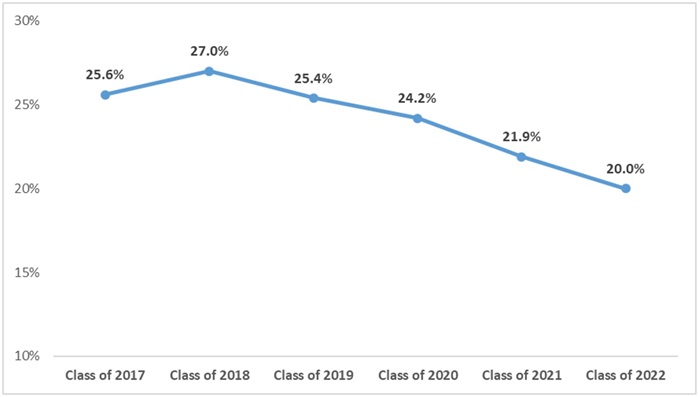
Students meeting state remediation-free standards on the ACT or SAT, class of 2017 to 2022, Thomas B. Fordham Institute

Ohio’s sluggish pandemic recovery in 2023 as seen through six charts, Thomas B. Fordham Institute

— Thomas Hatch

Italy’s response to the COVID-19 school closures from a comparative persepctive – A Conversation with Barbara Gross (Part 2)

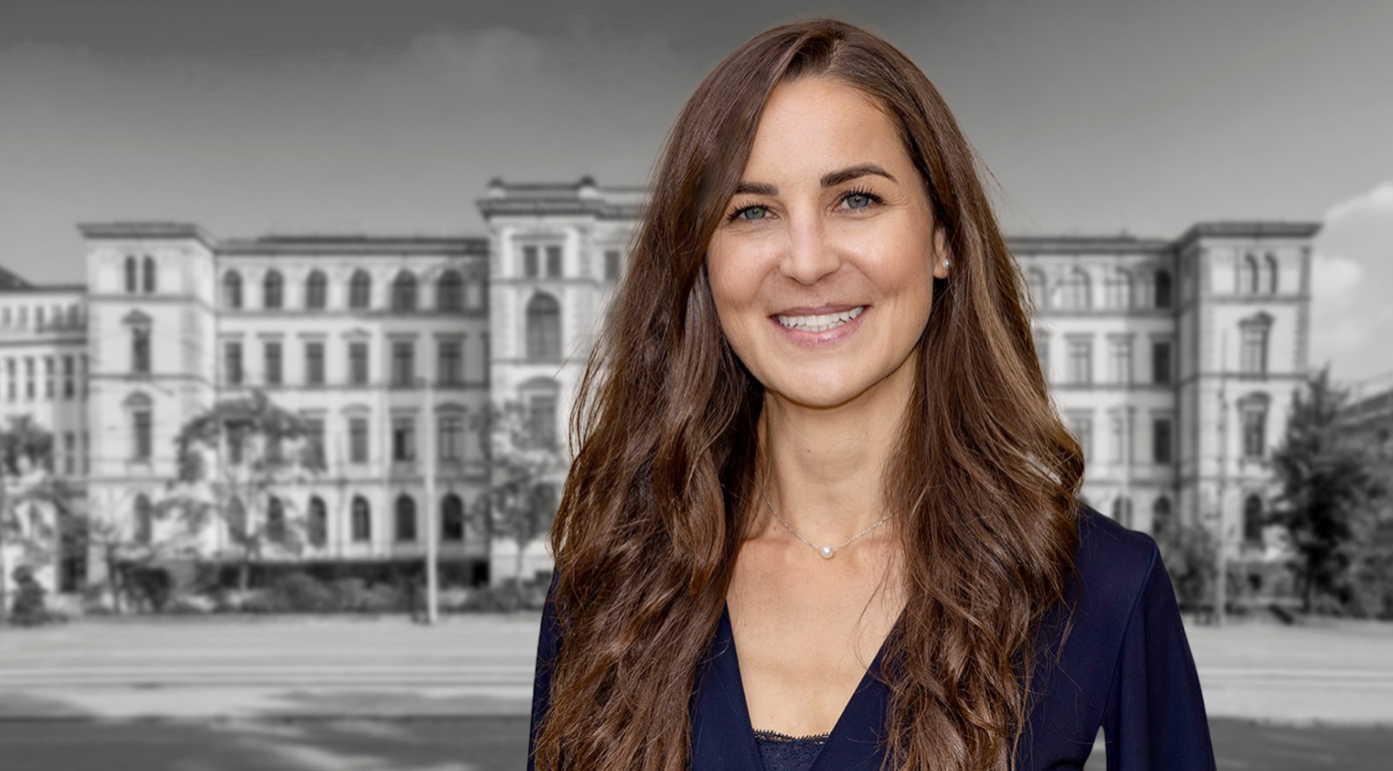
In Part 2 of this interview Barbara Gross talks with Thomas Hatch about the effects of the school closures on Italian schools and discusses some her comparative studies with colleagues in Austria, England, and Germany during the height of the COVID-19 pandemic. Part 1 focuses on Gross’ research and observations of the immediate response to the school closures in Bozen-Bolzano, a multi-lingual region in Northern Italy.  Gross is currently Junior Professor in Educational Science with a Focus on Intercultural Education at the Faculty of Philosophy at the Chemnitz University of Technology in Germany. Until October of 2022, she was an Assistant Professor at the Free University of Bozen-Bolzano, in Northern Italy. Some of Gross’ work explores this linguistic diversity as Italian is the language of instruction in Italian language schools and taught as a second language in German-language schools; German is the language of instruction in German-language schools and taught as a second language in Italian-language schools (Further Language Learning in Linguistic and Cultural Diverse Contexts: A Mixed Methods Research in a European Border Region). Because of the right to schooling in these official languages teacher education also has to prepare future teachers to work in the respective systems(Approaches to Diversity: Tracing Multilingualism in Teacher Education in South Tyrol, Italy).

This interview is one in a series exploring what has and has not changed in education since COVID. Previous interviews and posts have looked at developments in PolandFinlandNew ZealandSouth Africa, and Vietnam.

Thomas Hatch: What about now? Have their been changes in terms of the uses of technology and “digitization”? Is that something that’s still going on or that is a focus for professional development during the summer? 

Barbara Gross: The focus on digitalization was also there in the beginning of the pandemic and that’s an emphasis that’s continuing. But there was very different handling of this depending on the capacity of the school and the capacity of the teachers. The teachers often had to have their own devices, and they had to have digital competencies. The response depended on the individual effort of teachers, not just what the government expected teachers to do. 

TH: Were there other issues that the government tried to address? 

BG: They thought about trying to be innovative with buildings and facilities. In fact, they bought a lot of chairs during this period. The aim was to provide chairs with wheels, but soon it emerged that to ensure for social distancing that wasn’t really helpful. There were also some governmental decisions about how to use funding which weren’t always supported by the community or by teachers.

TH: What about other repercussions from the pandemic? Are there particular concerns around education that have emerged or is it more like the pandemic is over and we’re moving on?

BG: What is still discussed are teachers’ and students’ digital competencies. In addition, there have been some concerns about student learning and also about drop-out rates. There were higher dropouts because students didn’t see the necessity any more of going back to school. This is especially a problem for students from families who are already marginalized. There are also reports stating that students from families with the lowest levels of economic resources decided not to go to a secondary school or to a university, but instead to do more vocational training. So there has been some “catch-up” discussion, particularly about having longer school hours or schooling on Saturdays, or adding school time in June. But there were also many voices that were opposed to this, and one of the things we’ve written about is that learning isn’t so linear, so just adding more school hours doesn’t necessarily mean you are adding more learning. We know that learning is much more complex. We can’t just say “you lost 10 hours, so now we’ll give you 10 more back.”

There was also some data that children from vulnerable families were not getting enough healthy food or getting as many support services during the COVID lockdown as they were before. Many of those children before COVID went to school and afterschool all day and got a proper meal at lunch; but during COVID, when the schools were closed, they didn’t have those services either and that affected their health. There have also been a lot of reports about the wellbeing of all students and how they missed out on all the social aspects of schools. The consequences are likely to continue to affect their lives. 

TH: Can you tell me a little bit about the comparative research you’ve done about how different education systems are talking about and responding to the COVID crisis in education? 

BG: In our comparative research we looked at educational policy responses to the pandemic in countries like Italy, Austria, Germany and England. We’ve seen it’s all about trust and what research governments trust. The priorities have been on health, security, and on the economy so policymakers have been listening to the medical experts and economists. Educational research has not been referred to and included very much. For example, in Italy we’ve seen that a lot of women have lost their jobs because of the pandemic, so now there’s more interest in having more early childhood services and more interest in creating special programs for enhancing specific competencies for women. 

We’ve also seen that differences among countries depending on how states define who is “vulnerable” or “in need.”  For example, we have seen that the focus in Italy has been on inclusive schooling. From the 70’s on, Italy has had schools for all, including children with disabilities or learning difficulties. During COVID, in the discussions of which students needed support, there was a focus on making sure that students with disabilities and learning difficulties got extra support, but it was mostly left up to the teachers to figure out how to give them more attention or other kinds of support. In Italy, there was not as much focus on other aspects of diversity, for example, on children whose home language is different from the language of instruction, and, compared to other countries, less focus in Italy on socioeconomically disadvantaged learners.

TH: And how did the Italian response compare to what you saw in other countries?

BG: In Italy, the reopening of schools was more delayed, as there wasn’t as much of a focus on reopening as there was in England, Germany and Austria. In Germany and Austria, for example, there were re-openings at least for some students in May of 2020. There were also differences in terms of who was considered “vulnerable.” In Germany, there was more of a focus on immigrant students and less on students with special educational needs. In Austria, in the government documents we see the focus on linguistic diversity and the children who did not speak German. They argued that if these students didn’t go to school, then they would not learn to speak German, and the consequences would be severe. 

There were also differences in terms of digitization. Both England and Austria were well-prepared before the COVID outbreak, but Germany was not. In Germany digitization overall is still an issue, and there were discussions about it during the pandemic. In Italy, they were aware of the digital gap so the focus during COVID was on filling this gap. In terms of “catch-up,” we’ve also seen that equality was prioritized of equity. After the first wave, in Germany, England and Italy there was a discussion about who was most in need, but then when it came to actually giving support, no differentiation in the provision of support measures was made. Of course, this is also a source of inequality – equity does not come with equality. 

We also found in our work in Italy and Austria that schools have also learned from COVID that they have to emphasize wellbeing, particularly the social aspects of wellbeing and students’ relationships with their peers. If those relationships are missing, if students can’t go to school, they don’t have the same opportunities to develop their social competencies. We found that how the schools and teachers in different countries have responded to that depends on how “output oriented” they are – how much they focus on producing particular outcomes. For example, we’ve seen a stronger output-orientation in England than Italy.  But in all the countries, one of the main messages of the pandemic in education has been that already existing difficulties exacerbated.

The Response To The COVID-19 School Closures In Italy  – A Conversation with Barbara Gross (Part 1)

In this interview, Barbara Gross talks with Thomas Hatch about her research with schools in Italy and what she observed during the COVID-19 related school closures. Gross is currently Junior Professor in Educational Science with a Focus on Intercultural Education at the Faculty of Philosophy at the Chemnitz University of Technology in Germany. Until October of 2022, she was an Assistant Professor at the Free University of Bozen-Bolzano, in Northern Italy. Bozen-Bolzano is in South Tyrol, a region bordering Austria, where almost 70% of the population speaks German as their primary language. Some of Gross’ work explores this linguistic diversity as Italian is the language of instruction in Italian language schools and taught as a second language in German-language schools; German is the language of instruction in German-language schools and taught as a second language in Italian-language schools (Further Language Learning in Linguistic and Cultural Diverse Contexts: A Mixed Methods Research in a European Border Region). Because of the right to schooling in these official languages teacher education in the region also has to prepare future teachers to work in each system (Approaches to Diversity: Tracing Multilingualism in Teacher Education in South Tyrol, Italy).This interview is one in a series exploring what has and has not changed in education since COVID. Previous interviews and posts have looked at developments in PolandFinlandNew Zealand, South Africa, and Vietnam.

Thomas Hatch: Can you share a little about what happened in schools in Italy when the COVID-19 pandemic erupted, and then how the education system there has responded?

Barbara Gross: Obviously, Italy was one of the first societies to feel the effects of COVID so the schools closed very early, with the first school closures in Europe taking place in Northern Italy on the 21st of February, 2020. Then, because Italy has a centralized education system, the decision was made to close schools and universities nationwide on March 4, but initially they only announced a closure until March 15th. The governments’ decision to close the schools focused on protecting the health of children and young people, and they ultimately decided to leave schools closed until September 2020. I assume the long lockdown was influenced by the fact that there are a lot of schools in Italy with small classrooms and a lack of teachers which made it difficult for social distancing and for staffing smaller groups.

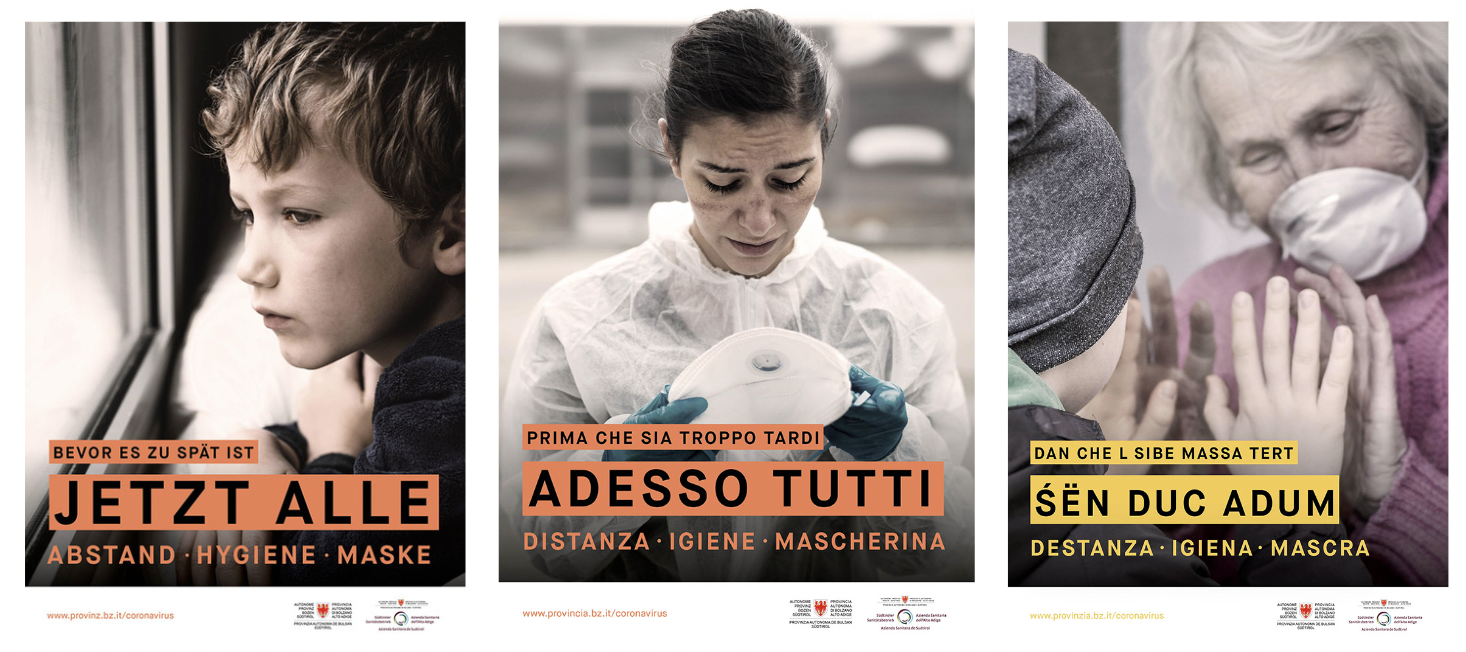
Bozen-Bolzano Province started a multilingual campaign, “before it is too late,” to sensitize citizens to the risks of the COVID-19 pandemic

When the government closed schools, they also announced there should be an immediate switch to online teaching, but in Italy there is something called “school autonomy” and within it “didactic autonomy,”which meant that schools also had autonomy to decide how to deal with online teaching and remote teaching. School autonomy took effect in 2000, and within the School Autonomy Regulations there are rules regulating teaching autonomy (art. 4) and organisational autonomy (art. 5). The application of these rules is the direct responsibility of the school, which implements them with flexible criteria, but respecting the families’ freedom of educational choice and, in any case, recognising and valuing diversity, promoting the potential of each pupil, and adopting all the initiatives useful for achieving educational success. The educational institutions ensure the implementation of remedial and support, continuity and school and career guidance initiatives for pupils. On the basis of autonomy, educational institutions can change the annual number of hours of teaching disciplines (subjects) by a quota of 20%.

In terms of the response to the closures, generally, the tendency was for schools to go to remote teaching immediately and to do a lot of online teaching.  That was a challenge, because neither the teachers nor the children were well prepared for the transition. It was difficult also in some regions where the internet connections still are not very good. In those areas, the Ministry of Education encouraged teachers to contact children via phone if they didn’t have access to the internet or to send materials to children or parents. Locally, there were also a schools where teachers would leave materials for the students and then return to pick up the work that the parents brought back to the school after the students worked on them In some primary schools, it went on like that until the end of the 2020 school year so those schools never even had remote teaching. However, some schools reopened for children whose parents had to go back to work, and the government did discuss opening up some “catch-up programs” during the summer, but the teachers’ unions said that the health of teachers also had to be safeguarded.  That’s why schools didn’t open up again until September, 2020.

TH:  What about other aspects of the response? Was there a local or regional effort to get people connected or to get them devices?

BG: Because the internet access in some places was so sporadic, getting everyone devices wasn’t really a viable solution. But there were funds for devices, especially for what they considered “vulnerable children.” However, from the beginning of the outbreak the decision was to leave the schools closed to protect the health of children, so the focus wasn’t really on education. The expertise that was considered was always the expertise of medical experts. Then the government started to consider the economy and opening up businesses, and it wasn’t until after that that they thought about education.

[F]rom the beginning of the outbreak the decision was to leave the schools closed to protect the health of children, so the focus wasn’t really on education. The expertise that was considered was always the expertise of medical experts. Then the government started to consider the economy and opening up businesses, and it wasn’t until after that that they thought about education.

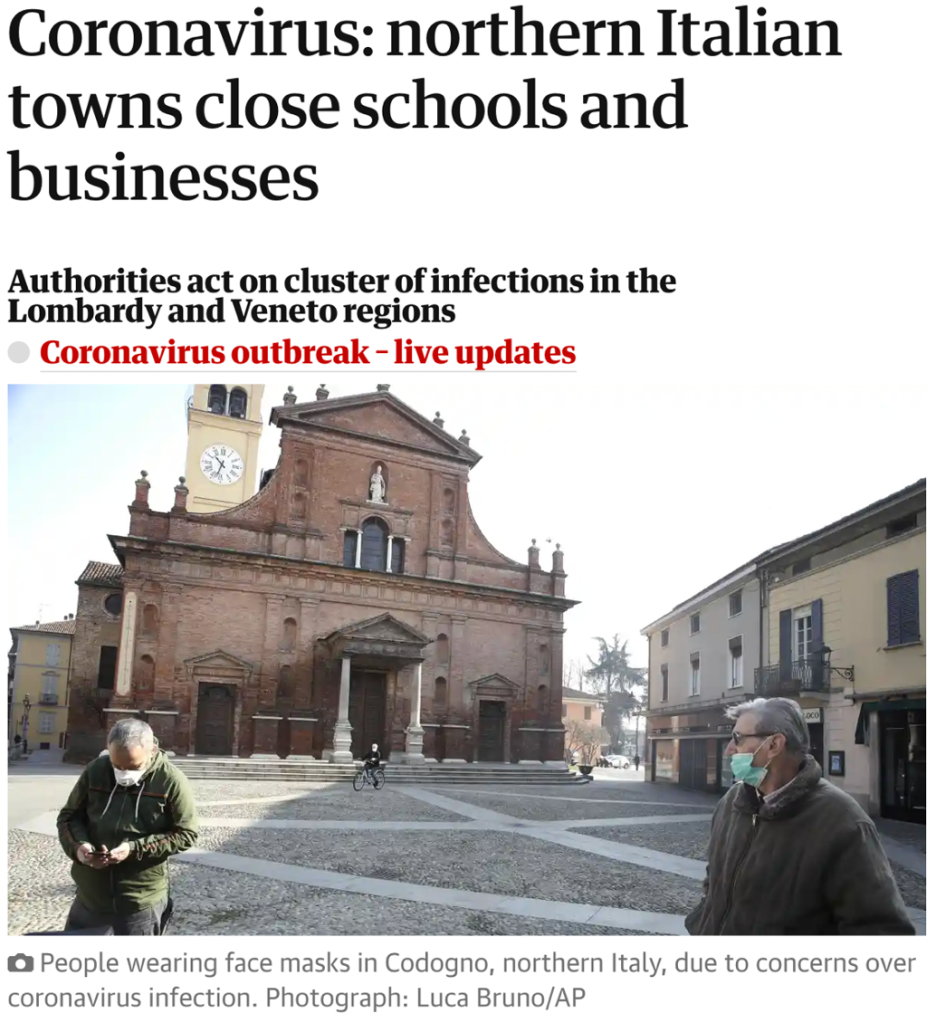
The Guardian depicts the effects of COVID-19 in Northern Italy

TH:  And what happened with the exams during the closures?

BG: Generally, the government had a very pragmatic way of dealing with exams, stating that grading should not disadvantage learners. In high schools, for example, exit exams for graduating students were simplified, and in the composition of the final grade, the oral part received a higher weight; however, the oral part was held in person, with social distancing.  For younger students, you can see from the data that students’ grades for the year were higher than normal. That probably reflects the concern about inequality and not wanting to penalize students who didn’t have the support to study at home or to get the help they would have gotten in schools. They didn’t want the students’ grades during the closures to hold anyone back.  

TH:  What happened when the schools came back in person in September 2020?

BG: After the schools reopened, there was no other national shutdown, but in the spring of 2021 there were some local school closures. Again, these decisions were made at the national level, in response to data health, for example, on the number of cases in a particular area. When the students did come back in September 2020, schools in certain regions tried different kinds of social distancing. Some had different entrances and exits. Some schools also continued with hybrid education, having some students in class at school and some at home online at the same time. There was also priority placed on keeping schools open for younger children, to try to make sure they can be in school, every day, in person, but then for secondary school students, it was more of a hybrid mixture.

In terms of other changes, primary schools in my area in South Tyrol introduced a new period of  “self-organized learning” during the first hour of the school day. This was supposed to allow for flexible entrances – and thus lower the risk for infections – and, at the same time, help students to adjust to going back to school and catch up on possible learning losses.

“As far as the newly introduced learning format of self-organized or independent learning is concerned, around 80 percent of the teachers and pupils in primary and secondary schools stated that they got along well with the learning format of self-organized or independent learning. A similar picture emerges for parents and guardians: 82 percent believe that their child coped well with this learning period. A point of criticism in connection with self-organized learning is that, especially in primary school, the pupils were often given too few challenging tasks in this learning area. It was also criticized that the use of digital media was limited at this school level.”

From the School year 2020/21: External evaluation of the South Tyrolean Provincial Administration

The national government also took other steps, for example, they were very committed to enhancing or fostering the wellbeing of students. Even though Italy doesn’t normally have school psychologists, they provided funding so that schools could get a psychologist or find other ways to support students and even teachers and parents, if needed – the aim was preventing and treating negative consequences that emerged during COVID-19. That was a national decision, and it meant that schools had a right to a certain number of hours of support from a psychologist in 2022 – however, they also discussed the need for a permanent  systemic introduction of the function of psychologists in educational institutions.

References

Gross, B., Kelly, P., & Hofbauer, S. (2022). ‘Making up for lost time’: neoliberal governance and educational catch-up for disadvantaged students during the COVID-19 pandemic in Italy, Germany and England. Zeitschrift für Diversitätsforschung und -management 2, 161-174. doi: 10.3224/zdfm.v7i2.04

Kelly, P., Hofbauer, S., & Gross, B. (2021). Renegotiating the public good: Responding to the first wave of COVID-19 in England, Germany and Italy. European Educational Research Journal, 20(5), 584-609. doi: 10.1177/14749041211030065

Francesconi, D., Gross, B., & Agostini, E. (2021). The role and facets of wellbeing during the first wave of the COVID-19 pandemic: A qualitative analysis of Austrian and Italian educational policy. Psihološka istraživanja, 24(2),141-162. doi: 10.5937/PSISTRA24-32602

Gross, B., Francesconi, D., & Agostini, E., (2021). Ensuring equitable opportunities for socioeconomically disadvantaged students in Italy and Austria during the first wave of the COVID-19 pandemic: A qualitative analysis of educational policy documents. Italian Journal of Educational Research, 27, 27-39. doi: 10.7346/sird-022021-p27

School Closures, Internet Access and Remote Instruction in Vietnam:  A Conversation with Chi Hieu Nguyen (Part 1)

This week, Chi Hieu Nguyen talks with Thomas Hatch about the after effects and developments in education in Vietnam following the COVID-19 school closures. Nguyen is the CEO, and co-founder of Innovative Education Group (IEG). Innovative Education Group is an umbrella group of more than 10 education ventures. The interview includes a brief discussion of IEG’s work before Nguyen discusses what happened in Vietnam’s schools following the COVID-19 outbreak, how the education system has responded and what has happened since.

Thomas Hatch: Before we talk about the school closures, can you give us a sense of the kind of work you and your colleagues at IEG do in Vietnam?

Chi Hieu Nguyen: We serve the entire spectrum of the education landscape in Vietnam. We work with policymakers, researchers, school leaders, teachers, parents, and students, and each venture tackles a different problem. We manage education consulting companies but we also run full scale K-12 school systems; we’re involved in publishing, assessment, online learning models, and after school learning models, and even a nonprofit foundation to rebuild public schools in remote areas or provide scholarships and mentorship to underprivileged college students. But the majority of my work focuses on K-12 schools in terms of building new schools, upgrading schools, and transforming old schools. I focus mainly on the academic operation side.

The School Closures in Vietnam

Thomas Hatch: Can you give us a sense of what happened in schools in Vietnam after the COVID-19 outbreak?

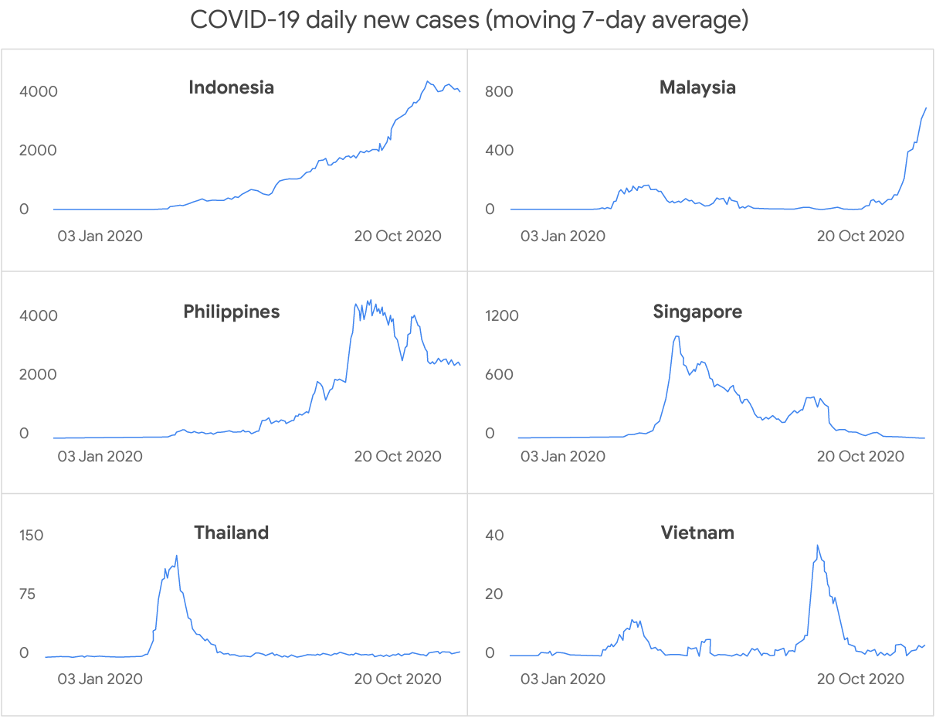
Chi Hieu Nguyen: I think Vietnam is a very interesting case. If you look at the data, for example, in South Asia in general, during COVID-19, Vietnam had a longer stretch of lockdown compared to other countries because we were quite late in getting vaccinations going. So the closures started in March 2020, and, in total, we were probably online for a year and a half, and, at least for certain areas, it could be longer.

Thomas Hatch: Was that a government-wide shutdown? Was there any discussion or planning up to it? Or was it one day the schools were open, and the next day they were closed and online?

Chi Hieu Nguyen: In Vietnam it’s usually a top-down decision of the Government to shut down. But this time, it wasn’t uniform across the country. They started shutting things down depending on where the outbreak took place. Shutdowns could also happen based on the district. For example, there are 16 districts, and when a district had an outbreak, that district got shut down, and the others districts could stay open. So the school system operated in a very flexible way, but only in the beginning.  Then there was an intense period with the biggest outbreaks in summer and fall of 2020. That’s when pretty much the entire country got shut down, including the schools. Then, as we recovered, opening schools was really based on the city again – which had the highest amount of a percentage of vaccination and things like that. But the Government decided to have a target of 100% vaccination, and that is the reason why when it got back to normal it was pretty much every city and every province that came back to normal schooling. That happened around February–March of 2022. It was almost 2 years or a year and a half on and off, but mostly off.

Source: WHO & Google, Temasek and Bain, e-Conomy SEA 2020

Thomas Hatch: Who was making the decision about closing down schools? Was it the central government who would essentially say, okay, if you have an outbreak, you need to close? Or was it up to the local officials?

Chi Hieu Nguyen: It was the local authorities. Each province or municipality made those decisions depending on the outbreak. The central government gave a very general directive, but it was the authority of the province or the city that made the decision to shut down.

Thomas Hatch: Is that typical of decision making in the Vietnamese education system? Or is it usually more centrally controlled than that?

Chi Hieu Nguyen:  Over time, they have tended to give more leeway for local authorities to make the decisions. In 2018, after many years, we had an entire revamp of the national curriculum. That revamp produced the first competency-based curriculum nationally. But before that there was only a “one textbook” approach. That meant that, before 2018, for the entire public school system, we used the same textbook. From 2018 onwards, there’s a set of textbooks to choose from, so there’s a lot more leeway and flexibility for schools in different districts and different provinces and cities. It’s still a centrally controlled system, but there is increasing flexibility for the local authority to make those decisions. Over the past 5 or 6 years, there’s certainly more loosening of regulations to support the growth of the private sector as well, but it’s more obvious in education.

“Like a Survival Instinct” – The Initial Response to the School Closures

Thomas Hatch: What was the first step, the first reaction in terms of the school closures? Was it that people said, “oh my, we’re going to have to teach online and nobody has broadband access? And nobody has computers?”

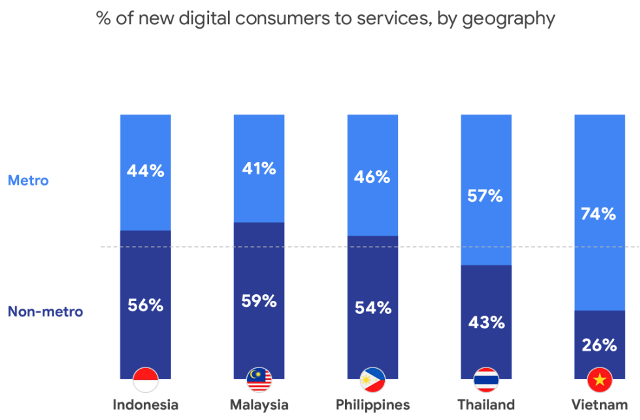
Chi Hieu Nguyen: That’s really what it was. It was like a survival instinct. Everyone got online as much as they could. It’s actually accelerated the speed of adoption of technology and the Internet in a lot of schools. Many people and schools got online quickly, within about one or 2 months. But in contrast to many other Asian countries, in Vietnam, most of the new adoption of the Internet and digital devices — almost 75% — were in the metro areas. That means that in terms of the continuity of education, the metro areas did pretty well, but that the gap between the metro areas and rural areas widened because of COVID-19. For the Metro areas, COVID was a big kick that got a lot of people online, and now there are a lot of new digital products and services that are available. But in my work, even now, we still have to provide computers and teachers to teach online for students in the most remote area of Vietnam.

Source: Google, Temasek and Bain, e-Conomy SEA 2020

Thomas Hatch: That’s a pretty incredible increase in digital use in the metro areas. How was that response possible? Was it led by the Government? Or by local authorities? Or business?

Chi Hieu Nguyen: For private schools, the schools did it themselves, but I think the local education departments were also very responsive. For example, my province, the leadership of the public schools didn’t even need to wait for the local government or the central government to decide. They got students connected very quickly. I think there’s also that agility in the teachers. It’s a very young generation of teachers in Vietnam, and many of them are technologically enabled in their daily life. I think there’s just this passion in Vietnamese teachers in general that might have helped even in more rural areas where there was less internet penetration and technology is very limited. But, overall, I think the infrastructure was in place except for the very poorest areas. Vietnam is a very fast adopter of technology in general, and we saw that kind of a quick transformation in education. Students at most of the schools I know, both private and public schools, get online very quickly within just about 2 months.

Vietnam is a very fast adopter of technology in general, and we saw that kind of a quick transformation in education. Students at most of the schools I know, both private and public schools, get online very quickly within just about 2 months.

Thomas Hatch: What about devices? Did the schools have to hand out devices or did kids have enough mobile phones?

Chi Hieu Nguyen: Phones are something very common in Vietnam. Vietnam is a very e-commerce economy so the infrastructure is there. Almost every house has a smartphone with a data plan connected with the Internet.  I think it’s only with those with the lowest incomes or in the most remote areas where infrastructure is not strong enough. The majority of the country is pretty much connected.

Managing through Remote Instruction

Thomas Hatch: Then what? What were some of the first steps in terms of making sure that remote education would be effective? Was it training teachers in zoom and things like that? Was it creating a curriculum? And was that done centrally at the national level or at the local level?

Chi Hieu Nguyen: For one thing, the Ministry of Education worked together with the national television station to produce learning programs for every subject from grade 1 all the way to grade 12, so that even when students didn’t have internet they could actually watch the TV and learn the programs. But at schools, the effort was focused on just getting kids online and using the internet as a medium to get connected with students within the first, maybe 6 months to 9 months. There was not much of any conversation about teaching methods. But then, towards the end of 2020, and for most of 2021, there were more conversations and conferences about pedagogies, methods, and how to use technology. There was also new explosion of technological products and services in 2021. But for the first 6 months it was pretty much just getting online as much as possible.

Thomas Hatch: That’s very helpful. It’s really interesting the way you describe the COVID-19 response in phases, with an explosion of edtech technologies and things that teachers could use. It wasn’t necessarily focused on pedagogy. Can you give some examples of some of the more interesting edtech developments from your perspective?

Chi Hieu Nguyen: In just about 2 months it seemed like Zoom or Microsoft Teams were in every school. Then in 2021 Microsoft education came in, and suddenly there was an explosion in the number of teachers going for Microsoft education training to become a Microsoft Education Expert or to learn how to use the entire suite of packages and services. Google education followed as well. Vietnamese parents in general are also very keen on learning English with technology, and suddenly there is an explosion of pronunciation apps, reading apps, grammar apps, tons of this. There’s even an investment company translating the entire Khan Academy in Vietnamese.

For me, I also started using ClassIn. It’s a product from China, and it’s a platform that was built for the classroom. It’s different from things like Zoom that were designed as platforms for meetings and were hijacked into the classroom. On Zoom, for example, if you want to us another education tool, you have to ask students to switch platforms: “Okay, let’s go to Padlet” or you have to share a screen. And the moment you share a screen, with limited broadband, you often can’t stream a video or anything. Everything is just disrupted. But ClassIn brought everything together in one platform. You have a blackboard. You have a timer. You can store your video and your lesson plan, or whatever you want to share in ClassIn. Even if the students have very low broadband, they can still watch the video without distraction. It’s called like an online-offline model.

Thomas Hatch: But are schools still using these technologies and online tools?

Chi Hieu Nguyen: There are different aspects. Schools are more aware that something like COVID-19 could happen again and disrupt everything, so they’ve converted from paper-based into more digital resources. Now you see Vietnamese schools are starting to think about learning management systems like Canvas and everything digital lives there.

Schools are more aware that something like COVID-19 could happen again and disrupt everything, so they’ve converted from paper-based into more digital resources.

The second aspect is the way they approach the lessons. There now might be a combination between online activities and in person activities. The students before class, during class, and after class spend a lot of time on the digital platform, and of course, in class, they have discussions and they have in-person activities. The third aspect is that classroom organization may be more flexible. It’s no longer just one teacher and the entire class. You can have the class study from a different location, doing something for a field trip and then have a class study online, for example. You can start to invite teachers from all over the world to teach and start to explore other possibilities. Of course, you see this most at pioneering schools. One I’m involved in is The Olympia Schools, a private K-12 school system that is a part of our school network. They’ve started talking about deeper learning, about virtual reality, how to take advantage of AI and virtual reality. Now they’ve started to bring ChatGPT into daily teaching as well so there is almost no resistance to the wave of technology anymore because of that COVID-19. Now they have that mentality that we have to be very agile with every new technology coming out.  I think every city, in every major city in Vietnam, there should be about 4 or 5 schools like that. They are really pushing the boundaries, and they become like model schools that others can learn from.

Headlines Around the World: PIRLS 2021 International Reading Results Edition

This week, IEN scans the headlines for the results of the 2021 PIRLS reading assessment. For related scans from other international tests see Around the World in PISA 2018 Headlines; Headlines around the world: PIRLS (2016)  Results; Headlines Around the World TIMSS 2015 Edition; TIMSS and PIRLS 2011.

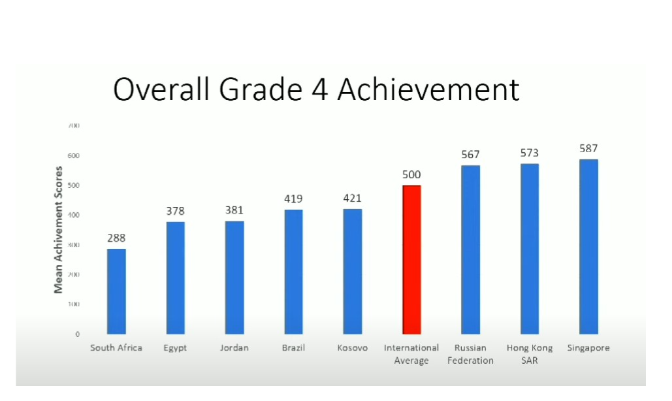
The release of the PIRLS 2021 4th grade reading results provides another opportunity for education systems to see if and how the COVID-19 pandemic and school closures affected students’ test performance.  In addition to collecting data in the middle of what the PIRLS report called the “COVID-19 disruption,” the latest implementation of PIRLS also entailed a transition to “an innovative digital assessment with 23 colorful and engaging texts delivered to students using a new group adaptive design.” The 2021 PIRLS also included a questionnaire that provided information about the challenges participating schools and students faced during the pandemic, which can help put the results in context.

In all, 57 countries and 8 benchmarking entities participated in PIRLS 2021, providing data from about 400,000 students, 380,000 parents, 20,000 teachers, and 13,000 schools.  According to the report, “in general there are downward trends in PIRLS 2021that likely are evidence of the assessment taking place during the COVID-19 pandemic.” 

“in general there are downward trends in PIRLS 2021that likely are evidence of the assessment taking place during the COVID-19 pandemic.” 

As we have with previous PISA and TIMMS results, IEN scanned the headlines to see what media outlets in different parts of the world are emphasizing. Predictably, many of the headlines focus on rankings, often noting sharp rises and drops in performance. In this case, the headlines tout high performance in countries like England – rising to #4 in the rankings — but the reporting also acknowledges that rises like these reflect  “significant drops” in outcomes in some countries (like Finland and Poland) that are likely associated with the challenges of the COVID-19 pandemic and the fact that some previously highly-ranked countries did not participate this time due to COVID. (At the same time, the headlines in Poland note that Poland, along with Finland, are still at the top of the rankings in the EU.)

In our google search scans, we found a number of headlines from media in the UK, Australia, and parts of Europe, with perhaps the largest number of headlines decrying South Africa’s dismal results. Although headlines in Brazil framed results there in negative terms, Nic Spaull pointed out that South Africa might actually do well to learn from Brazil, given that the results for 4th graders there suggest the that they were 3 years ahead of their peers in South Africa. Notably, no headlines from the US showed up in any of our scans.

Australia

Victorian students’ reading scores went backwards amid long remote learning period, international study showsThe Guardian

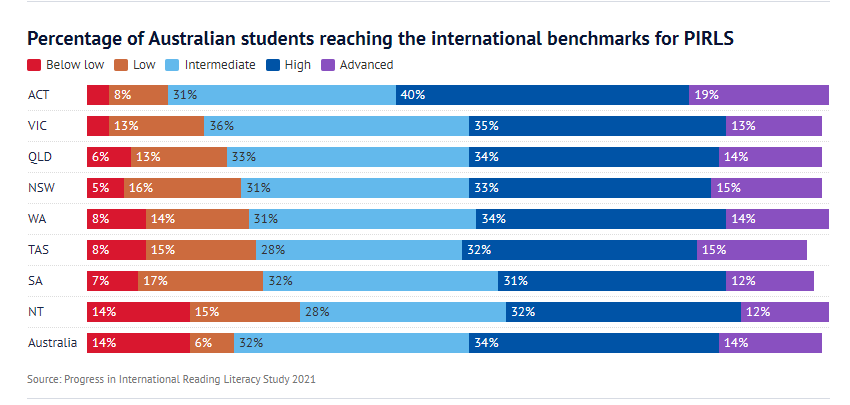
Students from disadvantaged backgrounds, in remote areas and First Nations students also lagged behind the national average

Year 4 reading outcomes steady despite Covid disruptions – major studyThe Educator Online

Falling through the cracks’: NSW boys fail to keep up with girls in readingThe Sydney Morning Herald

Brazil

Brazil lags behind Uzbekistan and Kosovo in a reading assessment for elementary school studentsThe Rio Times

Canada

Students in Alberta outperformed several other Canadian provinces in reading scores during pandemicCTV News

England

PIRLS 2021: England rises up rankings, and 8 more findingsSchools Week

The country achieved an average reading score of 558, one point below the score when the tests were last held in 2016

Reading ability of children in England scores well in global surveyThe Guardian

English children are the most literate in Europe and shoot up the leaderboard to become fourth best in the world when it comes to their reading skills, study showsDaily Mail

Europe

European countries score well in international reading rankingsEuronews

France

Reading comprehension: France still falling short of European averageLe Monde

Germany

Germany: Reading skills below European average, and droppingDW

Hong Kong

Hong Kong Primary Four pupils take third spot in reading survey of 57 countries and territories around the worldSouth China Morning Post

Hong Kong students achieve remarkable results in International Reading Literacy StudyDimsum Daily

92% of Hong Kong P4 students were at or above the Intermediate International Benchmark, higher than the global average of 75%. The results also showed that 21% of the students were high achievers in reading literacy at the Advanced International Benchmark, which was only attained by 7% of students worldwide.”

Ireland

Ireland’s 10-year-olds outperform internationally in readingRTE

Italy

The results of the 2021 IEA-PIRLS international survey were presented todayItaly 24

Poland

Poland tops EU in ranking of children’s reading abilityNotes from Poland

Scotland

Scots ‘in dark’ over pupils’ reading as global study results publishedThe Herald

Serbia

Serbian children achieve excellent PIRLS literacy scoreSerbian Monitor

Singapore

Singapore’s Primary 4 pupils are world’s best in readingThe Straits Time

Spain

The problem sinking Spain in reading comprehension rankingsWorld Nation News

South Africa

South Africa’s massive reading problemBusiness Tech

SA produces one of worst global reading results among over 50 countriesnews 24

South African children come last in international reading assessmentThe Rep

Sweden

Swedish reading skills fell in 2021 despite decision to keep schools openThe Local

A view from Poland (Part 2) – Jacek Pyżalski discusses the effects of the COVID-19 pandemic on students, teachers and wellbeing

In the second part of this three-part interview, Jacek Pyżalski draws from his own research to discuss the effects of the COVID-19 pandemic on the well-being of students and teachers in Poland and discusses some specific steps that teachers and schools could take to support their students. In Part 1, Pyżalski provides an overview of the school closures in Poland and how the education system responded to the COVID-19 pandemic.  Part 3 will focus on how the Polish education system has responded to the influx of refugees caused by Russia’s war on Ukraine. Jacek Pyżalski is the Professor in the Faculty of Educational Studies (Adam Mickiewicz University in Poznan). He is experienced in researching the problems connected to social and educational aspects of ICT usage by children and adolescents. He was a pioneer in Poland in the field of cyberbullying research, and he has extensively studied the impact of crisis remote education on wellbeing of students, teachers and parents.

Thomas Hatch: I want to turn now to what you’ve learned in your research in terms of the effects of the pandemic and school closures on teachers and students in Poland. Are there a couple of things that you want to highlight?

Jacek Pyżalski: The information is that it touched not only the students, but all the other groups. When we did our research in the thirty-two schools, we used a couple of indicators of mental health and also dynamic indicators. For example, “Do you feel better, worse or the same as before the pandemic?” Although people were mostly publicly talking about the young generation, when we used the same indicators for all three groups – parents, students, and teachers – for mental and physical health the teachers felt the worst, then the  parents, and then the students. So in some indicators adults were touched by the situation more severely than young people (Polish teachers’ stress, well-being and mental health during COVID-19 emergency remote education).

The second thing is it’s not justified to say that everybody in each group was touched the same. For young people, I would say that about 1 in 5 or 1 in 6 [about 15-20%] were touched severely. A lot of them were more or less indifferent as if nothing happened. But for 1 in 20, this was almost a blessed time, and they reported a lot of advantages. Some people wondered how in such an apocalyptic time anyone could have responded this way, but we found it was very consistent.  In all the questions we asked, there seemed to be the same group of 4-5% percent of people saying “I feel better”; “I have a better relationship with my peers”; “I’ve got a better relationship with this student.”

it’s not justified to say that everybody in each group was touched the same. For young people, I would say that about 1 in 5 or 1 in 6 [about 15-20%] were touched severely. A lot of them were more or less indifferent as if nothing happened. But for 1 in 20, this was almost a blessed time, and they reported a lot of advantages.

We said, “What’s going on here?” And we went deeper. When I was meeting teachers, I asked “Do you have any students who are getting better?” Nearly all the teachers could think of such students. I asked the details, “Who is in this group?” and I learned there were young people who were totally withdrawn, socially withdrawn, before the school closures; they would never say a word during the lesson before the school closed. Now with the computer mediated communication, it was easier for them to respond to their teacher. There were also some young people who were the target of school bullying, and this was a time when they were physically protected. They could be cyber bullied, but it’s easier to be protected physically. Additionally, some students from the autism spectrum were able to adjust the volume and the pace for example. There was a lot of diversity in this group. For these kinds of students, the threat was to go back. To go back and to sit at the table in the class means they could lose everything they had achieved. For example, you are not talking before the pandemic. You started talking and being active in education and in contact. What does it mean that you go back to the state you were before the pandemic when you go back to school? Some said this not a lot of people, but still it’s real people that are coming back, and for them, it was a real threat. As a result, when I was preparing the teachers for reopening, I was also saying “identify those students and give them specific support, because those are the ones that need the support the most.” 

There were some other general things we learned about. Everyone was saying that peer relations generally declined, but really it was about 50% of young people who said so. About 40% of students said their peer relations were the same, the same level and quality as before the pandemic. Why? One thing was that they were using computer mediated communication but the contact was not always that different. Some were meeting physically outside school for instance. There was also this five percent saying my relationships are better than before. It was the same with teacher-student relations. It was not everybody that said those relations declined a lot, the majority stayed the same. It was interesting, and in our research we found correlations between the quality of the important peer and student-teacher relationships and the mental health indicators. Those who said their relations declined suffered from lower indicators of mental health in many respects. So if anybody asked me, what would you do? I would invest in the quality of relations because this seems to be a factor that most profoundly impacts the well-being and mental health status of young people.

[I]f anybody asked me, what would you do? I would invest in the quality of relations because this seems to be a factor that most profoundly impacts the well-being and mental health status of young people.

Thomas Hatch: Earlier you mentioned the book you and your colleagues wrote: Education in the time of Covid-19: With distance to what we do as the teachers. Can you tell me about some of the advice you gave and the work you did to help teachers respond to the pandemic?

Jacek Pyżalski: We were really very practical in the book. We said let’s start with wellbeing, with contact with the students. What are some small things you can do in the lesson, not only to teach, but to create and keep the community in the classroom? We were really focusing not only on the teacher as the producer of the lessons, but as the context. Of course, it was not only us, there were also big NGOs supporting schools. For example, this book was followed by a series of webinars that went deeper into each chapter. Live, during the webinars, we might have 4,000 participants, and when we looked the next day we might see that it was opened by 60,000 people. It was so needed.  People were so lost in this new reality and were looking for solutions to achieve basic educational goals. There were a lot of these kinds of initiatives. People were organizing things like workshops where teachers would present some techniques and methodologies they used to keep the classroom together or to engage the students online.

People were also having a lot of problems, specific problems. For example, I would say one of the problems I heard many times from teachers of all levels was the issue of young people switching off the cameras. Some teachers were very angry about this, because for them, that was a sign that the students were not engaged and they wanted to withdraw from the lessons. But for me, it was not clear. So, with a colleague at my University, we asked our students anonymously if they were for or against switching off their camera. We were interested in the justification of both answers. What we learned was that those who were switching off their cameras were not just those who were lazy or who wanted to disengage, but they had many other reasons. For example I remember one student wrote something like: “I’ve got a scar on my cheek and normally it’s not seen in the physical classroom. But online, it’s magnified, and everyone can see it. So if I switch on my camera, I’ll think about nothing else.” Or young people said, “my home situation is not okay, and during the lesson someone could come in and scream or do something strange and everyone would witness it.” We learned that not everything is as easy as it seems. The most important thing during the pandemic was to have this kind of feedback, and to get the learners’ perspective, because sometimes we, as teachers, force our own understanding of what’s going on and it’s not necessarily true. It’s better to go deeper with other perspectives.

Thomas Hatch: Did you do a webinar that focused on how to deal with turning off the camera? Did you have a particular recommendation on how teachers could deal with students turning off the cameras?

Jacek Pyżalski: Yes, I had a lot of recommendations. The starting point is diagnosis, really asking how it looks in the student’s microenvironment. Then I would talk with teachers about things like using a step by step approach. They could ask their students, “Okay, if I’m talking directly to you, please switch the camera on.” That’s easier than having it on all the time. Some of the students also gave the argument that if everybody switched on their cameras and they see everybody moving, it’s harder to concentrate. So, step by step, and sometimes to find something funny. For example, tell the students “tomorrow, let’s have everyone wear something yellow. Maybe what I’m saying is very plain, and very modest, but actually those small things matter.

Also, I told them that it’s not that easy to make big generalizations like, “remote education is not engaging students.” For example, you can give a task like recording an interview with your grandmother, publishing it, and then listening to them and discussing them as a class. Or when we are teaching new vocabulary in a foreign language, go to the kitchen and take a photo of some equipment, and then we could create a PowerPoint Presentation together, showing photos with subtitles we’ve written underneath in Spanish, or any language. Generally, our message for the teachers was that remote education is what you make it. You can make it work based on your educational goals.

Our message for the teachers was that remote education is what you make it. You can make it work based on your educational goals.

Thomas Hatch: Despite some concerns about well-being in the US, I don’t think there has been as much talk about teacher-student and peer relationships, though I suspect we might find these same kinds of results. These relationship factors might help explain some of the findings related to learning loss. Have there been discussions of learning loss in Poland?

Jacek Pyżalski: There were a few threads of this discussion, including how to measure it. There was a big pressure on lowering the standards for the exam, because they said, “Okay, it’ll be impossible to use the same standards as in traditional learning.” They did some of this, and then they learned there was some loss. Another thing was the issue of assessment, that it’s not fair because you can cheat. It might not be mirroring the real situation because of this.

There has also been a big general discussion about whether you can do online education that is at the same level of traditional education. There was also the big question, to what extent should we use online education afterwards at all levels of education (university, secondary, primary, kindergarten, levels). We are so “zoom fatigued” that young people have problems with this. They use it too much, they use it at night, they use it all the time, they are multitasking. There are some indicators of this lack of digital wellbeing. We also had an interesting finding that these indicators were sometimes even more prevalent in teachers than they were in students. What is normally understood as the younger generation’s problem is also ours. So if you ask me about the most important factors for the wellbeing of all interested, I would first name the quality of important relations, and the second one, the quality of digital wellbeing.

So how do we tackle ICT? How do we tackle technology in our life in terms of multitasking and the length of what we are doing? This was also for teachers, things like work-home balance, there were a lot of factors. Not only Poland, but a lot of countries, took care of young people forgetting that the mental health of teachers is also really impacting young people even though we know there is a connection. You cannot aim for high quality wellbeing for young people without thinking about how the teachers feel, the teachers emotions, and how the teachers cope. I think it was neglected.

You cannot aim for high quality wellbeing for young people without thinking about how the teachers feel, the teachers’ emotions, and how the teachers cope.

Thomas Hatch: This is really fascinating. Are there any other promising innovations from the Covid era in schools or other lessons that you think we should remember?

Jacek Pyżalski: Oh, yes. I think there are some hybrid methodologies like design thinking, projects or some things like innovative usage of technologies for cooperation or technologies for producing some common things by the students. But I would say that the COVID situation was really a kind of cold-water bucket on the heads of Utopian people who thought that just digitizing education would be a big step into the future. They learned that that technology itself is nothing, and I think we learned, and we are more realistic about what technology can do, what it cannot do, and how to use it. I think that those who are wise should have learned – and I know that some of them have learned – that we really have to learn how to use technology.

References

Pyżalski, J., & Poleszak, W. (2022). Polish teachers’ stress, well-being and mental health during COVID-19 emergency remote education–a review of the empirical data. Lubelski Rocznik Pedagogiczny, 41 (2), 25-40.

Scanning the headlines for results from OECD’s Education at a Glance: October 2022 Edition

This week, IEN scans the headlines of stories reporting on OECD’s Education at a Glance for 2022. OECD’s Education at a Glance 2022 provides an annual overview of comparative education statistics. The scan includes aspects of the report emphasized by media outlets around the world. See IEN’s Education at a Glance 2021 Scan and Education at a Glance 2019 Scan for comparison.

The unparalleled growth in tertiary education was the focal point of this year’s Education at a Glance report. The OECD notes women now make up the majority of young adults with a tertiary degree, at 57% compared to 43% for males. Across all 25-34 year olds, tertiary education has become the most common educational attainment level, which the OECD attributes to the labor-market advantages tertiary degrees provide. The indicators in the report included student participation, progress, and outcomes, as well as the resources countries invested in tertiary education. Additionally, the report explored educational outcomes from the second year of the COVID-19 pandemic, described by OECD as “a return to normalcy.” Correspondingly, many of the headlines, both those discussing the report in general and highlighting results from particular countries, focused on the results related to tertiary education. As in the past, a number of headlines emphasized problems that the report revealed (Australia; Finland; Ireland; Israel; Italy; Japan) with only a few highlighting more positive findings (Portugal; Spain). 

Figure 1: Trends in the share of tertiary-educated 25-34 year-olds (2000 and 2021), OECD

International 

Education at a Glance 2022: Higher Education Still Pays Off, OECD and NCEE

We must grow multiple pathways to success through an array of post-secondary options, including, of course, the rich array of some baccalaureate options and apprenticeships. ” – Amy Loyd, President of the Kentucky Council on Postsecondary Education

Tertiary education rates reach record high, with more efforts, Mirage News

“The share of young adults with advanced qualifications across the OECD, driven by the growing need for advanced skills in labor markets, reached a record 48% of 25-34 year-olds in 2021, compared to just 27% in 2000. Shares of tertiary educated 25-34 year olds are highest in Korea (69.3%) and Canada (66.4%), according to a new OECD report.”

Many students choosing useless decrees over learning skills, OECD official says, The National

“We have large shares of young people choosing degrees that actually may not exist when they graduate.” – Andreas Schleicher, OECD director for Education and Skills

Education at a Glance: Addressing the need to build a more effective and equitable education system, International Education

“Only three countries reported mainstreaming all four aspects of the SDG 4.7.1 on Global Citizenship Education and Education for Sustainable Development which includes policies, curricula, teacher education, and assessment, (Brazil, France, and Spain).”

Australia 

Australia’s public education funding went backwards during COVID pandemic, ABC

“The latest OECD Education at a Glance report shows Australian public education expenditure was cut by nearly 2 per cent from 2019 to 2020, by comparison the OECD average rose by around 1.5 per cent.”

Finland

OECD comparison: educational attainment of Finnish young people fallen below average, Finnish Ministry of Education

“In 2000, the proportion of highly educated younger adults in Finland was among the highest in the OECD countries, in the same league as the United States and South Korea. In 2021, instead, Finland’s position had dropped well below the OECD average, ranking at the level of Chile and Turkey.”

Ireland 

Ireland is worst in OECD for education spending as percentage of GDP, report finds, The Irish Times
“Ireland spends less than 36 other developed countries on its education system, when spending is measured as a portion of countries’ gross domestic product (GDP), according to a new report from the OECD.”

Israel 

The OECD report: about a quarter of the young Israelis are neither working nor in school, Globes

“According to the report, the rate of young people neither working nor in school (NEET) is considered quite high in Israel, standing at 22%, compared to 16% in the OECD average.”

Italy

OECD says 34.6% of 25-29-yr-olds in Italy are NEETS [Not in Education, Employment or Training], ANSA

“The proportion of young people in Italy who are not in education, employment or training (NEET) has increased significantly since the start of the COVID-19 pandemic… the proportion of 25-to-29-year-olds who are NEETS climbed to 31.7% in 2020 and then rose further to 34.6% in 2021.”

Figure 2: Trends in the share of NEETs among 18-24 year-olds (2019 and 2021, annual date), OECD

Japan

Japan ranked last in women staff in tertiary education: OECD, The Japan Times

“Japan had the lowest share of female staff in tertiary education in 2020 among 32 comparable member countries of the Organization for Economic Cooperation and Development, at 30%…Women represent 45% of academic professionals across OECD countries on average.”

New Zealand 

How NZ education compares to other OECD countries, RNZ

“The number of young New Zealanders with tertiary qualifications had grown in the past 10 years, but not as much as in most other OECD nations… In New Zealand the percentage of 25 to 34-year-olds with tertiary qualifications rose 16 percentage points from 29 percent in 2000 to 45 percent in 2021.”

Portugal

University graduates in Portugal earn more than double salaries of those that left school at 18, Portugal Resident 

“The findings appear to show that graduates everywhere receive higher salaries in the workplace than colleagues without degrees – particularly in Portugal where they can end up earning double the salaries of less qualified counterparts. The report cites Information Technology and Communication as the sector in Portugal paying the highest salaries.”

Scotland 

How do Scottish head teacher salaries compare?, TES

“Scottish head teachers tend to be paid more than the average earned by their counterparts in countries such as Finland, New Zealand and France – but they lag behind heads in England, new figures show.”

Spain

Nearly 50% of Spanish Students Aged 25-34 have a Higher Education Degree, Erudera News

“This was an increase of 8.4 points more than in 2011 and nearly 15 points or 34 percent compared to 2000. Moreover, the figure is above the average for the OECD countries, where the percentage is 46.9 percent, and also above the average for 22 EU countries (45.9 percent), Erudera.com reports.”

Switzerland

Vocational training drives tertiary qualification rise in Switzerland 
“The proportion of 25- to 34-year-olds with a tertiary qualification has doubled in Switzerland within 20 years, and at a faster pace than many other countries, according to an OECD study. A key factor in this: Swiss-style higher vocational training and degrees for apprentices.”

United States

U.S. Teachers work more hours than their global peers. Other countries are catching up. EducationWeek 

“U.S. elementary school teachers’ work hours haven’t changed much since 2019, but at more than 1,000 a year on average, American educators work more than 200 more hours than their peers worldwide.”