Tag Archives: education

How Do You Build a Learning Ecosystem? Gregg Behr on the Evolution and Expansion of Remake Learning and Remake Learning Days (Part 2)

What does it take to expand support for learning in and across communities? In the second part of this 2-part interview, Gregg Behr talks about the development of the first Remake Learning Days in Pittsburgh, Pennsylvania and how they spread to community-wide efforts in 15 different regions in 4 countries. In 2007, Behr, the executive director of The Grable Foundation, founded Remake Learning as a network of educators, scientists, artists, and makers supporting future-driven opportunities for children and youth in Pittsburgh. Celebrating its 10th edition this month. Remake Learning Days began in 2016 as a local learning festival with hands-on learning events for children of all ages at libraries, schools, parks, museums, and other community spaces. Behr is also the author with Ryan Rydzewski of When You Wonder, You’re Learning, sharing the science behind the  work and words of Fred Rogers and Mister Rogers Neighborhood, a well-known television show that ran for over thirty years.  This interview has been edited for length and clarity.

TH:  Let’s turn to one of the activities that I think has become a signature of your work – Remake Learning Days. What were some of the critical “aha’s” in their development? 

GB: The first “aha” happened in one of the human centered design sessions. In Pittsburgh, we had a firm called Maya Design, and they had a retreat room surrounded by whiteboards where they would facilitate these amazing sessions. In 2015, we convened about 30 people, including folks who came from the White House Office of Science and Technology Policy. We were asking these big questions about how far Remake Learning had come and where we might go – asking, essentially, how do you build out a learning ecosystem? What would that look like? It was during that session that it became clear that the network was serving professionals like teachers and afterschool directors, librarians, and designers really well, but that we weren’t really designed to serve parents, families and caregivers. There was a clear “aha” that if we didn’t seriously engage with these members of our community, we’d risk being incredibly faddish, and we started wrestling with what we could do to engage this group. There wasn’t an obvious way to just plug parents and families into our different programs and activities, but through this user design process two things came to light. One was that someone talked about how open houses were one of the singular moments when parents, families and caregivers really come to schools and engage with educators, as surface level as it might be. Then totally separately, someone talked about how, at least in Pittsburgh, we have lots of neighborhood festivals like the Pickle Festival, the Perogie Festival, etc. I can’t even remember who it was, but someone said “Hey, what if we put these two ideas together? This idea of neighborhood festivals with the idea of an open house?” And so we started to talk about having a kind of festival of open houses of all of these places for kids and learning that had been built over the past couple of years. At that point, we had dozens, if not hundreds of makerspaces. We had STEM labs. We began to wonder what might happen if there was a chance for parents, families and caregivers together with their kids to get into all of these spaces and to get beyond their schools and to go into into the Carnegie Museum of Art or whatever it might be. That was the germ of the idea of what became Remake Learning Days, but I can’t even recall what it was called initially. 

A screenshot of a website

AI-generated content may be incorrect.

Within a year, we had the first Remake Learning Days in 2016 because all sorts of organizations said they wanted to participate. There were more 250 events over the course of about nine days. 25,000 people came out in that very first year! That was the second aha – seeing all of those people come out and realizing “Oh, there’s something here!” The other big realization was that there were 250 events that were self-organized: they did it and they weren’t paid to do it. Clearly something had traction, in 2025 in Pittsburgh, we’ll celebrate 10th edition of Remake Learning Days. 

TH: That’s an incredible story. In 2019, other cities in the US and in other countries started hosting their own Remake Learning Days: How did they start to spread? 

GB: The same people from the White House Office of Science and Technology Policy challenged Remake Learning to document its work in what became the Playbook. In fact, someone from that Office left the White House to work with the Sprout Fund in designing the Playbook. The basic idea behind the Playbook was to create something that would be as helpful to people and organizations in Pittsburgh as it would be to Flint, Michigan or Oklahoma City. After seeing how the Remake Learning Days had taken hold in Pittsburgh, we started looking for financial support to develop the Playbook. We got some funding primarily from the Carnegie Corporation of New York, and created what we initially called a toolkit that communities could use to host their own Remake Learning Days.  At the time, Remake Learning was deeply involved with other national organizations and associations that were involved with STEM, the maker movement, and other things like that. We just put the toolkit out there to say, “Who else might want to host Remake Learning Days?” And that’s how they began to spread. 

TH: As I understand it, you’ve tried to let these Remake Learning Days grow and spread more or less on their own?  Are there any particular lessons you’ve learned, either any lessons you’ve learned, either vicariously or from your interactions with those in other communities? 

GB: In terms of letting them spread, yes and no. We’ve tried to provide just enough guardrails so that, if a Martian comes down and goes to Remake Learning Days in Pittsburgh and then Doncaster, England and then southern Wisconsin, it would seem like these things are connected.  If Remake Learning Days are going to be successful, you have to have that connection, but they also have to feel contextualized in these different places. 

Along the way, the team has learned a thousand lessons. They’re going to continue to iterate as they look ahead to years 11 and 12, but like so many other community-based initiatives, you need to have that “backbone” organization; you have to have that clear champion who’s going to lead the work. In one instance, there was an amazing woman who made Remake Learning Days happen where she lived. But after she left, it hasn’t been the same thing. It was so tied to one person and one organization that it just didn’t stick; so we’ve learned that lesson. We’ve also learned the lesson that sometimes things have beginnings and ends. Chattanooga and Chicago hosted phenomenal Remake Learning Days, and they met the needs of the Public Education Foundation in Chattanooga and the Chicago Learning Exchange. But they plateaued in their utility, and both said, essentially, “We’ve loved this, but we’re not going to continue with this,” and we’ve learned that’s totally fine. We’ve seen places like Sarasota and Doncaster completely adopt this approach; raise lots of local money; and Remake Learning Days are now integral to their local efforts. If we were to shut down Remake Learning here in Pittsburgh, they would continue on in some of these other places. We’ve learned all sorts of lessons about leadership, about local financing, about making it local so people feel connected to it. It’s not just a franchise that someone imports; the Remake Learning team has worked hard in terms of monthly meetings and all sorts of things to make sure there’s quality control for successful festivals. 

A group of people standing outside

AI-generated content may be incorrect.
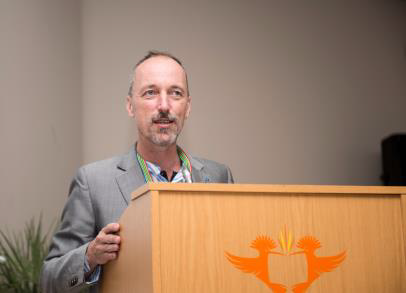
Gregg Behr at a Remake Learning event (photo: Ben Filio)

TH: I didn’t realize how much work the Remake Learning team is putting into these. I thought you put the Playbook out there, and then just let people use it. But you actually have a team that coordinates with these other places, and in a sense sanctions these other events, and says, “Yes, these are Remake Learning Days. This is one of our partner events”? 

GB: Again, the answer is yes and no. Everything that Remake Learning has done, maybe to its detriment, is through Creative Commons licensing, so people have used the Remake Learning Network playbook and also the Remake Learning Days toolkit to their own effect. In New Hampshire, they have used the playbook to support the development of their local learning networks but never with any formal coordination with Remake Learning— – and that’s okay. Places like Qatar have had “Doha Learning Days” and have used the Remake Learning Days playbook. I’d say it’s a loosely sanctioned process. But then there are two producers of Remake Learning Days, and they in turn work with the team in Sarasota or the team in Doncaster, or wherever it may be. 

TH: How does that work? Does Sarasota have to pay the producers or are they providing pro bono services to the places that want to do it? 

GB: Yes, they have a remarkable team supported by The Patterson Foundation in Sarasota; and, for Sarasota and elsewhere, Remake Learning has borne the costs for some of the regional and national marketing, because with an event like this, the most significant costs are marketing. 

TH: Have you run into challenges where you wish that some place wouldn’t call their events Remake Learning Days? 

GB: There have been some challenges along the way, with some places that want to call it something else like “STEM Days,” and the team has had some tough conversations with some cities, saying if we’re going to be part of this, then there are a few things you need to do. Some cities have just said, “We’re going to have our own thing.”  There are also challenges around quality control and questions about what kinds of events to connect with.  There are now some pop-up festivals which have been hugely successful.  People have staged events in Tel Aviv and Antarctica, but sometimes these are singular events on a particular day, and they’re branded and connected to Remake Learning Days, and they’re on the website, but it’s not a multi-day festival the way it is in Sarasota or southern Wisconsin or Kansas City. 

Dates are also difficult. Even with the pop-up events, Remake Learning Days have had a set date range, something like April 23rd through May 23rd. For example, the six regions in Pennsylvania that now host Remake Learning days, they all happen at the same time. That is very deliberate, and they are coordinated statewide. But in 

Tennessee, they valued Remake Learning Days, but May didn’t work for them because of state testing, and it turns out that May is not a great time for Remake Learning Days in Uruguay. That raises the question: does it have to be around the same dates around the world for it to be called Remake Learning Days? The team is wrestling with a whole bunch of questions like this as they go forward. They’re trying to provide greater flexibility while maintaining quality control. 

TH: Can you say anything more about the next steps or the challenges ahead for Remake Learning Days and Remake Learning? 

GB: In terms of challenges, like a lot of these things, no one ever imagined there being a 10th edition. But even with that, ongoing fundraising is a challenge. Yet, for corporate funders, sponsoring an event like Remake Learning Days is a lot easier than sponsoring a network. For fundraising, it certainly helps that they have built up a body of data, including qualitative evidence – write-ups and videos – to support it. Quantitative data, too! For example, they worked with Heather Weiss, who led the Harvard Family Research Project to document their impact on parents. Their goals included helping parents understand how learning is being remade; helping parents understand how they can support their own kids if they find their kids are lit up by art and design or coding or maker-centered programs; and building up demand among parents so they might go to school board meetings, parent-teacher conferences, or their local library to ask questions about these approaches to learning that are clearly lighting up their kids. Heather’s work demonstrated that parents were gaining familiarity with STEAM and new approaches to learning and building their interest and support for those approaches.  

Looking toward the future, I think we’ll see fewer sites that host Remake Learning Days, but they will be more embraced by their region, with significant regional funding. In addition to seeing that in southern Wisconsin, on the west coast of Florida, and Doncaster, the Pennsylvania Department of Education has invested significantly in Remake Learning Days and different units from the state government are also providing in-kind support. I think we may see more changes like that where public funding also helps to drive further engagement and support from local and state governments.  

TH: Looking to the future, let’s return to Remake Learning in Pittsburgh. What do you think it will take to sustain and deepen this work overall?  Are there particular problems that have to be addressed or changes that have been made? 

GB: There are always lots of answers to a question like that!  One thing we have to address is leadership. The leadership has evolved over the years. When it was time for the Sprout Fund to sunset, and they wrapped up their work, we hired what amounted to a director for Remake Learning, and there have been a number of directors since that time, each of whom has held the position for at least two or three years. But incredibly, it wasn’t until around 2014 or 2015 that we convened what we call the Remake Learning Council. This is a council of CEOs, learning scientists, leaders of cultural institutions and others who meet regularly with the director and the Remake Learning team and provide advice and support.  Of course, the people in these roles change positions all the time. There are new museum directors, new superintendents and so on. We have to pay attention to that churn and make sure we have the right people and the right support, and that’s a great leadership challenge. It’s also what makes Remake Learning sustainable – it’s crucial to have a large number of leaders across the community who value this work, who are contributing to the design of it and advancing it. 

Relatedly, Remake Learning, if you can believe it, has never been its own separate 501 (c) (3) [which would allow it to be a charitable organization collecting tax exempt donations]. That’s because part of the strategy in the beginning was to demonstrate that this was not going to be something that competed for funding with other charitable organizations, like museums and some of our other charitable partners. Instead, Remake Learning has been fiscally sponsored by other organizations, and I think that’s been a real benefit – so that the focus could be the work itself. Initially, Remake Learning was fiscally sponsored by the Sprout Fund; then it was fiscally sponsored by our regional association of grantmakers called Grantmakers of Western Pennsylvania. It’s currently fiscally sponsored by the Allegheny Intermediate Unit, our region’s educational service agency. But we always have to check in on our structure: Do we have the right home? Do we have the right governance? That’s an ongoing challenge for the network. 

Another challenge with any organization that reaches 20 years is that you’ve got people who’ve been involved for nearly 20 years, and there are people who just joined two weeks ago. We have to keep the work fresh and relevant for the newcomers as much as for the veterans. This is a programmatic challenge.  It’s hard to keep things fresh for most everyone involved. As one example of “keeping things fresh,” Remake Learning started in the past few years to distribute what they call Moonshot Grants. Regionally, I think they’ve spent about three or four million dollars in grants to local organizations and schools that are really trying to push the edge of what constitutes great learning, especially as such much around us is changing. That’s one example that’s kept the work really fresh. 

Remake Learning has also really leaned into some of its national and international partnerships, which has pushed its work forward. Just last week Remake Learning announced ten national moonshot grants, which came out of the Forge Futures Summit, which brought together organizations involved in learning ecosystems from around the US, and even a few other places worldwide. This speaks to the spread and the tension: Remake Learning is committed to being a regional organization and it has to continue to do basic things brilliantly at the regional level. It’s not a national or international organization, but it sometimes has – or could have – a national and international role to play. That’s what Remake Learning Days have done, and Remake Learning is figuring out how to do that as a network while not distracting ourselves from our core mission regionally. 

TH: Can you say a bit more about what Remake Learning has done internationally? 

GB: Remake Learning has partnerships with a number of international organizations including HundrED in Finland, Big Change out of London, OECD, and the Global Education Leadership Partnership.  Just as an example, Remake Learning got connected to Big Change pre-pandemic because they had done a report and Remake Learning ended up being one of their case studies. Now Remake Learning and Big Change are funding a loose federation of international organizations that meet almost monthly. Along with Remake Learning and Big Change, it includes Learning First out of Bermuda, People for Education in Canada, Learning Creates Australia, Innovation Unit, Zizi Afrique in Kenya, Fundacio Bonfill in Spain, Educate! in Uganda, and Dream a Dream out of India. You’ve got people who represent different geographies. In some cases, they are more metropolitan like Remake Learning, but in others are more nationwide, like Uganda Educate! The first meeting focused on Bermuda’s transforming education system. The second one was a showcase of some of the work in Australia. It’s become a global learning community.

Something’s Happening Here: Gregg Behr on the Evolution and Expansion of Remake Learning and Remake Learning Days (Part 1)

What does it look like when an entire community supports children’s learning and development? In this 2-part interview, Gregg Behr talks about the origins of Remake Learning and how the expansion of Remake Learning Days has helped to catalyze similar community-wide efforts in several other cities and regions around the world. In 2007, Behr, the executive director of The Grable Foundation, founded Remake Learning as a network of educators, scientists, artists, and makers supporting future-driven learning opportunities for children and youth in Pittsburgh, Pennsylvania. Remake Learning Days began in 2016 as a local learning festival with hands-on learning events for children of all ages at libraries, schools, parks, museums, and other community spaces. Celebrating its 10th edition this month, Remake Learning Days have now expanded to 15 different regions in four countries. Behr is also the author with Ryan Rydzewski of When You Wonder, You’re Learning, sharing the science behind the  work and words of Fred Rogers and Mister Rogers Neighborhood, a well-known television show that ran for over thirty years.  This interview has been edited for length and clarity.  

Thomas Hatch (TH): What were some of the key developments and “Aha” moments in your early work at the Grable Foundation and with Remake Learning? 

Gregg Behr (GB): I joined the Grable Foundation as Executive Director 19 years ago in 2006. I followed on the heels of an exceptional executive director, Susan Brownlee, who had led this organization extraordinarily well. By all accounts, the trustees were incredibly pleased with where the foundation was and where it was going. That meant I came into a position as a leader saying, “How do you build on excellence?” To try to answer that question, I spent time out in the community just connecting with people with whom the Foundation had been working. Meeting with teachers, meeting with librarians, and meeting with others involved in the out-of-school space. I asked them, “What could we do that would be helpful to you?” I heard things like “I’m just not connecting with kids the way that I used to.” This was fall of 2006 and at the time I was 32 years old, and at first, I just thought, “Oh, this is just experienced people saying something like ‘the kids these days…”.  But then I began to notice who was saying these things, and I realized I was hearing this from people in different age groups. Some had just started their work, others were 30 years into their careers, and they were all literally saying that kids are different this year than they were last year. I thought that was strange. It was if something was happening seismically in kids’ lives. Sitting here in 2024 it feels naive to say these things, but looking back, in 2006, there were massive changes underway in kids’ lives. They were consuming information differently, producing information differently, seeking affirmation differently, developing identities differently. There was, in fact, something different happening in their lives.

That recognition sparked something and got me asking questions like, if it’s true that something different is happening, how do we support schools and other sites of learning in different ways?  Then, I had a meeting with a colleague at the Entertainment Technology Center at Carnegie Mellon University, and I began to realize that there were a whole lot of other people asking questions about kids and learning but that weren’t traditional educators. They were designers, artists; they were gamers and what we now call “makers.” I started meeting with those folks and began to wonder what would happen if you brought these people together? So I organized a meeting at a breakfast place called Pamela’s. It was just a dozen people, and I was very purposeful inviting 12 individuals from 12 very different fields, including – as examples – a teacher, a gamer, and someone in museum exhibit design. 

It was one of those things where I scheduled it for an hour for, and it ended up going on for 2 or 2 and a half hours. At the end, everyone said, “Oh, my gosh! I can think of 2 or 3 colleagues that ought to be part of this conversation about education locally.” Then I just started convening more of these meetings. I used an email subject line that said “Kids + Creativity,” just giving it a name. Then people started saying “Oh, that’s the Kids and Creativity meeting!” That continued for a couple of years, and it just kept growing and growing. It went from pancakes to bagels, and then we did a “Gong Show” like event in the basement of the Children’s Museum. After that, people at an organization called the Sprout Fund got involved. They were a community foundation-like organization that served as a “think-and-do” tank in our region. They had a 5 C’s model (Convene and Catalyze; Communicate; Coordinate;  Champion) that we still use today that they used to organize these meetings and give some coherence to this growing network of people and organizations.  They said “It will take the grant maker (me!) out of the center to see if there’s a “there there.”

A person on stage with a large screen

AI-generated content may be incorrect.
Gregg Behr presenting about Remake Learning (photo: Howard Lipan)

This story speaks to a number of aha’s. It was an aha recognizing that something different was happening in kid’s lives — that the learning sciences and evidence from neural mapping now tell us was true. It was an aha and realization that we needed to think differently about who ought to be part of the conversation. There was an aha that this 5 C’s model that was originally used to attract and retain talent could be applied to help us build this network of folks involved in education generally and learning innovation in particular. The other aha was the power in shifting from talking about education to talking about learning; a simple thing in some ways, but at the time, it was profound because education conveyed schooling, whereas learning had this much bigger open sense that kids are learning in lots of places. That speaks to the power of words as well. I didn’t come up with the phrase “Remake Learning,” someone at the Sprout Fund came up with it, but, in retrospect, I think the reason that the name Remake Learning has stuck all these years is that using “remake” suggested that we don’t have to transform everything. We don’t have to blow everything up. You don’t have to get rid of everything that you’ve done for your entire professional life or what you studied. There may be some things that are timeless and classic, but we need to remake it for who today’s kids are. That name also wasn’t wedded to any particular thing like STEM or STEAM or maker education or digital learning. It captured all of those things, and it turned out to be a good umbrella for different approaches, different pedagogies, different frameworks, different words that people were using as they thought about innovation and learning in and out of school. That was another important aha. 

A close-up of a black and white website

AI-generated content may be incorrect.

TH: What were some of the challenges you encountered and some of the changes you made as things developed from there? 

GB: Early on, it was important for this new intermediary – Remake Learning – to build trust and demonstrate this isn’t a zero-sum game. It’s not as if the Grable Foundation or other funders are going to now start funding this to the exclusion of other things. Then the folks at the Sprout Fund, in particular, really learned how to work well with other intermediaries in the early childhood space, the mentoring space, and the out of school time space, to see and recognize the work already going on and build on it. For example, they built on things like the Allegheny Partners for Out of School Time. It meant figuring out how something like Remake Learning builds on that work and doesn’t compete with it or replace it. We use words like “partnership” and “collaboration” pretty freely, but it’s really hard work to build trust among people and organizations. 

TH: Yes, it’s really hard work!  Do you have any examples, from the work with your partners, that helps to show what worked for you in building partnerships? 

GB: I suppose it’s not rocket science, but for one thing, we were really deliberate and very intentional about communications. We took advantage of our position in philanthropy and convened leaders of the key organizations at least quarterly so that there was transparency in our communications. We would always meet with food and other things to build relationships and get to know each other a little better, and we tried to engage in genuine conversations to say, “Here’s what we’re doing” and “How do we really help each other?” Just being really deliberate and reaching out to the Allegheny Partners and others to say “Hey, we’re thinking about an event on September 23rd.” Lots and lots of little ordinary things that would engender trust. Then people feel like, “Oh, I’m being heard.” Being deliberate about inviting leaders of organizations to be part of review committees, to create real, community-based participatory review committees for grant making. All of those simple, ordinary things repeated and done in a rhythm helped the Remake Learning team avoid some key problems. It’s a very human, relational enterprise to build out a network. 

TH: I think time and rhythm are really important. How do you plan for that? Did you have in your mind that this is going to take five years or ten years? 

GB: It’s interesting that you ask this question because I think rhythm is often overlooked. If Doncaster, England calls us or Fremont, California, calls, I always talk about the rhythm. I think the rhythm sets expectation. Like every spring we’re going to host Remake Learning Days. Every fall, there’s a Remake Learning assembly, which is kind of like our “State of the Union.” There are four meet ups every month. You can expect communications to come out every Friday. It’s not haphazard — all of the little things create expectations and make it easier for people to connect. thing. Kids need rhythm in their schools. but it’s also important for organizations, for cities, for regions to have a rhythm. Like this is our birthday. This is when we’re going back to school. For the network, creating a rhythm and being deliberate and intentional about it builds a culture; it builds tradition; it builds relationships. It builds all of those things. 

There are a couple other things that I think kept Remake Learning grounded. One of them is that many times over the course of nearly 20 years, Remake Learning has hired consultants well trained in human centered design. They’ve convened members of the Remake Learning network for half-day or daylong retreats or other gatherings so that Remake Learning can ask “how are we doing? “How might we do things better?”  It’s ongoing strategic management with a real sense of human-centered design in it, regularly checking-in with the broader community. 

TH: So often funders and others are focused on the short-term – on generating outcomes in two or three years, but part of what I’m taking away from what you’re saying is that you weren’t focused on a specific time frame; you were focused on creating a set of activities and events that could be sustained to support activity over time, into the future. 

GB: Yes, and I would add that the focus was more about a mindset, an idea. It was about a movement to think about learning across a landscape that supports young people’s passions and interests. The events, the activities, the grants, the communications are all in support of changing mindsets about learning.

TH: But that also entails a foundation, an organization, and people that are willing to say, “We’ll support these activities into the foreseeable future” rather than to say, “We’ll give you a three-year grant.”

GB: Yes, that is true. Remake Learning’s been lucky, and my work at the Grable Foundation plays a significant role in this, but beyond the Grable Foundation, we’ve had support from lots of other funders. Along the way, there have also been many one year and three year grants and other kinds of support for Remake Learning. But because of the steadiness of the support, Remake. Learning has always been able to budget years ahead. That’s very powerful; it’s never had to budget year to year.  

A collage of kids in lab coats

AI-generated content may be incorrect.
A collage of kids playing with toys

AI-generated content may be incorrect.

Kids in Remake Learning activities (photos: Ben Filio)

TH: What kind of advice do you give other people about how to establish that kind of support? Especially in a context where funders may be more inclined to give a grant for a three-year project than to provide core backbone funding for as long as it’s required. 

GB: I might win a Nobel Prize for philanthropy if I could answer that question! I use the phrase “make yourself lucky” occasionally, but there’s no doubt that you need some funder or, ideally, funders – whether they are individuals, corporations, philanthropies, or municipalities – to recognize that a network or an intermediary organization needs multi-year, discretionary, unrestricted support. Period. That’s the bottom line. If a funder doesn’t get that, you’re in trouble. 

TH: Are there things you’ve done – generating evidence of impact or sharing information – that have helped convince funders to provide that kind of support? 

GB: We use a lot of analogous and proxy examples. When we thought about Remake Learning initially, and its focus on relevant, engaging, equitable learning across our community, the easiest argument to make was to say, “look at what we’ve done collectively in philanthropy in the early childhood space over the past 20 years: we’ve built an intermediary that, in turn, supports hundreds of early learning centers. Look at what we’ve done in the out-of-school time space. Look what we’ve done in arts education space.” We really used those other examples – like the Campaign for Grade Level Reading – to say “these are the types of results we should anticipate when we create a network of schools, museums, libraries, other sites of learning committed to future facing, future driven learning.”

TH: You’ve been doing this work on Remake Learning for twenty-plus years now, but, early on, were there any developments or things you looked at that told you were headed in the right direction or that helped you convince other people to get on board? 

GB: Yes, and I wish we had more, but for one thing, we looked at data from individual organizations. I’ll give you two examples. The Elizabeth Forward School District was deeply involved in Remake Learning early on. They began rethinking how they approach professional development and learning. They sent their administrative teams to go see what was happening at some innovative places here in Pittsburgh at Carnegie Mellon; they went to visit the Quest School in New York City, and to see a media space in Chicago. Then they started reimagining how to use their own spaces. They built a classroom that mimicked the Entertainment Technology Center (ETC) and they were at the forefront of reimagining what school libraries could look like. In pretty short order they started to see some improvements in traditional measures, including math scores and reading scores. Their dropouts went from about 28 or 29 kids a year to 0 or 1. They saw the number of families choosing charter school drop by two thirds. They also suddenly found there was a new energy; there was an agency. People wanted to be in the school, and students were performing at higher levels. At the same time, the Carnegie Libraries of Pittsburgh, like the public libraries in Chicago were at the forefront of imagining what teen spaces might look like. They brought in filmmakers and hip-hop artists alongside librarians, and they filled the shelves not only with books, but also with games and hardware and software. In pretty short order, they saw a two-fold increase of teens coming to the library. There was a massive increase of kids coming back to the library because, in that Mimi Ito way, they wanted to hang out and they wanted to mess around. Then, lo and behold, in the short term, there was something like an 18% increase in book circulation among those kids. Again, traditional measures. So clearly, things were happening, and we could point to those two and lots of other examples. 

Next week: How do you Build a Learning Ecosystem? Gregg Behr on the evolution and expansion of Remake Learning and Remake Learning Days (Part 2)

Teachers, Teaching and Educational Change in Brazil, Côte d’Ivoire, Ghana, Israel, Malaysia, Scotland, South Korea, Switzerland, and the US: Lead the Change Interviews (Part 7)

Teacher led learning circles, teacher collaboration, and tacit and unspoken logics of educational change take center stage in the last post with excerpts of Lead the Change interviews with presenters from the Annual Conference of the American Educational Research Association this week. These excerpts are from three symposia sponsored by the Educational Special Interest Group. For previous posts featuring presentations at this year’s AERA conference see Part 1 “Leveraging Partnerships, Networks and Teacher Collaboration for Educational Change,” Part 2 “Leaders, Leadership Practices, and Educational Change in the US, Korea, and Hong Kong: Lead the Change Interviews (Part 2),” Part 3 “Educational Transformation in Schools and Colleges in the US and South Africa: Lead the Change Interviews (Part 3),” Part 4 Teacher Education, Teacher Certification, and Teacher Meetings in Israel, Korea, Switzerland and the US: Lead the Change Interviews (Part 4), Part 5 “Anti-discrimination policies in Massachusetts and socioeconomic education reform in Türkiye,” and Part 6 “Critical Consciousness, Digital Equity, and Critical Unschooling in the United States: Lead the Change Interviews.” The Lead the Change interviews are  produced by Elizabeth Zumpe and colleagues from AERA’s Educational Change Special Interest Group. The full interviews can be found on the LtC website


Sustaining Productive Teacher Collaborations: Infrastructures Across  International Contexts – Bryant Jensen (BJ), Brigham Young University, Amanda Datnow (AD), University of California, San Diego, Sarah Woulfin (SW), University of Texas at Austin 

Lead the Change (LtC): What are some of the ideas you hope the field of Educational Change and the audience at American Education Research Association (AERA) can learn from your work related to practice, policy, and scholarship?

BJ, AD, & SW: We hope the session audience will take at least three ideas from our session. First, that instructional infrastructures matter a great deal in realizing and sustaining productive collaborations among teachers. They include, for example:

● A regular time and place for small teams of teachers to plan and study their practice (Borko, 2004; Gallimore et al., 2009);

● Common pacing and instructional aims (Garet et al., 2001; Supovitz, 2002);

● Peer facilitation of team meetings (Andrews-Larson et al., 2017); and

● Protocols to guide teacher inquiry (Little and Curry, 2009; Segal, 2018).

Chapman et al. show how conditions across Dundee schools shaped the collective agency of teachers and school leaders alike. They provided opportunities for building trust among collaborating teachers and shared beliefs in themselves and in their schools which can influence the sustainability of equitable practice. Drawing on Sarason’s (1972) idea of “settings,” Jensen et al. illustrate the nested nature of instructional infrastructure to sustain improvement. In their ten-year case study, teacher teams in a middle school were led by peer teacher leaders; teacher leaders met monthly to debrief, plan, and prepare their team meetings; and settings for teacher leaders were organized by school administrators who also maintained a monthly setting. This system of settings sustained instructional change from the bottom up and top down; student academic performance gains on state tests over a ten-year period demonstrate sustainability.

Second, sustaining and scaling productive collaborations for equity in teaching and learning are related but distinct. In previous research, Tappel et al. (2022) showed how sustainability concerns the continuity, integration, and adaptability of change, whereas scale is about expansion and replication of change–to reach more teachers and students. In our session, Lefstein’s paper—an account of expanding a teacher collaboration program in Israel from 11 teams in 4 schools in the first year to 458 teams in 158 schools in the fifth year—illustrates tensions between sustainability and scale. He shows how smaller-scale change in Israel was more feasible because external resources enabled the infrastructure teachers needed whereas large-scale change was much less effective at sustaining change because existing infrastructures were poorly equipped to support the collaborative learning processes that researchers and designers sought to cultivate.

Third, sustainability should consider the perspectives and experiences of teachers. In their paper, Datnow and colleagues show that teachers change their routine ways of interacting and talking together as they change in the ways they think—about students, about teaching, and about collaborating. Infrastructures to sustain productive collaboration, they argue, should acknowledge how teachers’ thinking and practice develop and change over the course of reform. In their qualitative analysis of teacher and administrator data from four schools across four years, the authors identify institutional impediments or threats to teachers becoming more collaborative: accountability pressures, complex team dynamics, and the conclusion of capacity-building support provided by their research project.

Dr Amanda Datnow
Dr Bryant Jensen
Dr Sarah Woulfin

Resilient pathways: Toward political theories of action for achieving educational equity – Aireale J. Rodgers (AR), University of Wisconsin-Madison, Heather N. McCambly (HM), University of Pittsburgh, Román Liera (RL), Montclair State University

Lead the Change (LtC): What are some of the ideas you hope the field of Educational Change and the audience at American Education Research Association (AERA) can learn from your work related to practice, policy, and scholarship?

AR, HM, & RL: Given the precarity of this sociopolitical moment and people’s varied sensemaking around it, we understand and appreciate the urge toward action. So often, educational change work focuses on doing something differently. Indeed, now is a moment where bold action is required. Yet, lessons from radical organizer-educators like Kelly Hayes and Mariame Kaba (2023) teach us that a move to action without critical reflection and collective organizing won’t free us. At worst, moving too quickly to action can rebirth the same system in a different form.

So rather than move directly to action, our intention with this symposium is to provide AERA members with an opportunity to explore where we should persist and where we might break from common theories of change toward equity and liberation in higher education. Through empirical cases focused on ethnic based community organizations (Hailu, 2025), Boards of Trustees (Rall, 2025), faculty cluster hiring (McCambly et al., 2025), and scholarly papers exploring the permanence of racism (Tichavakunda, 2025) and the fallacy of white supremacy (Davis III et al., 2025) in postsecondary institutions, we offer a generative pause to consider the often tacit and unspoken logics that guide our actions in an attempt to better name and collectively restrategize for future change efforts.

Dr Aireale J. Rodgers
Dr Heather McCambly
Dr Román Liera

Teacher-Led Learning Circles: Professional Learning for Teachers’ Use of Formative Assessment to Improve Students’ Learning – Carol Campbell (CC), University of Edinburgh, Chris DeLuca (CD), Nathan Rickey (NR) & Danielle LaPointe-McEwan (DL), Queen’s University, Martin Henry (MH), Education International

Lead the Change (LtC): What are some of the ideas you hope the field of Educational Change and the audience at American Education Research Association (AERA) can learn from your work related to practice, policy, and scholarship?

CC, CD, NR, DL, MH: The research and practices connected to the Teacher-Led Learning Circles project offer hope for the powerful combination of effective professional learning for teacher leadership and the use of formative assessment to benefit students’ learning. It has long been established that teacher quality and teaching quality are central to educational change (Barber & Mourshed, 2007; Darling-Hammond et al., 2017; Education International and UNESCO, 2019; OECD, 2021; Thompson, 2021). Similarly, the potential of formative assessment and feedback has been integral to educational change, for example, in developments stemming from the seminal review by Black and Wiliam (1998) with the Assessment Reform Group, establishing foundational principles for assessment for learning (AfL).
Through the experiences and evidence from seven countries participating across four continents in the Teacher-Led Learning Circles project, overarching lessons identified in our final report (Campbell et al., 2024a, 2024b) include:

While sustained education renewal would require comprehensive educational change at the systems level, we found that professional learning can contribute to successful change efforts at the local level when:

Supporting teachers in identifying and focusing on goals linked to their students’ needs and for teachers’ own professional learning needs. These twin goals can enhance both student agency and teacher leadership.

Differentiating for teachers’ professional contexts and experiences and for their goals and approaches to formative assessment, including further differentiation with changing experiences over time.

Offering quality content. However, quality of content needs to be balanced with quantity and differentiated to be relevant and practical.

Providing active and collaborative professional learning opportunities. Supports for collaboration across geographical contexts is necessary and requires attention to both availability of online and in-person activities.

Ensuring adequate resources such as funding to support access to expert resources, including facilitators, and time for professional development.

Combined with system leadership, including teacher unions. Growth in teachers’ leadership, confidence, skills, and practices was beneficial, with impacts within and beyond their schools. It is also essential to engage and educate formal school leaders.

Moreover, we found that for change efforts were more likely to successfully reach the classroom through the use of formative assessment that:

Involves a suite of highly interconnected practices that are all aimed at supporting student learning. The heart of the formative assessment process—i.e., teachers and students interpreting and using evidence of student learning to guide and promote learning—can be accessed and encouraged in multiple ways.

Are adapted for local contexts and assessment systems. Formative assessment can operate within a variety of assessment cultures, even if specific practices are operationalized differently within these contexts.

Occur across a range of teaching contexts, regardless of access to technology. When students had consistent access to devices and reliable internet connections, this could support formative assessment. Yet similar formative assessment practices were reported by teachers whose classes had limited or no access to devices or the internet.

Is intentionally integrated into teachers’ pedagogical practices in their classrooms. In some cases, teachers’ strategies did not integrate or maximize the potential of formative assessment to further benefit students’ learning.

Nathan Rickey
Dr Danielle LaPointe-McEwan
Dr Carol Campbell
Martin Henry
Dr Christopher DeLuca

Critical Consciousness, Digital Equity, and Critical Unschooling in the United States: Lead the Change Interviews (Part 6)

This week’s post includes excerpts from interviews with presenters discussing “Redefining leadership and equity in evolving educational spaces” at the Annual Conference of the American Educational Research Association next week. For previous posts featuring presentions at this year’s AERA conference see Part 1 “Leveraging Partnerships, Networks and Teacher Collaboration for Educational Change,” Part 2 “Leaders, Leadership Practices, and Educational Change in the US, Korea, and Hong Kong: Lead the Change Interviews (Part 2),” Part 3 “Educational Transformation in Schools and Colleges in the US and South Africa: Lead the Change Interviews (Part 3),” Part 4 Teacher Education, Teacher Certification, and Teacher Meetings in Israel, Korea, Switzerland and the US: Lead the Change Interviews (Part 4), and Part 5 “Anti-discrimination policies in Massachusetts and socioeconomic education reform in Türkiye.” The Lead the Change interviews are  produced by Elizabeth Zumpe and colleagues from AERA’s Educational Change Special Interest Group. The full interviews can be found on the LtC website


Action spaces to support teaching critical consciousness: Risk-taking within professional learning communities – Christina L. Dobbs, Boston University – Madora Soutter, Villanova University – Daren Graves, Simmons University – Elianny C. Edwards, College of the Holy Cross – Scott Seider, Brianna C. Diaz, Babatunde Alford, Kaila Daza, Sarah E. Fogelman, Trang U. Le, Alexandra Honeck, Hannah Choi, Yuwen Shen, & Hehua Xu, Boston College.

Lead the Change (LtC): What are some of the ideas you hope the field of Educational Change and the audience at American Education Research Association (AERA) can learn from your work related to practice, policy, and scholarship?

CD, MS, DG, EE, SS, BD, BA, KD, SF, TL, AH, HC, YS, & HX: We will present a project from the past several years called the Critical Crew Project. This project sought to teach middle grade students about critical consciousness (Freire, 1973), the ability to challenge and navigate oppressive forces, and to document how those schools used professional learning community (PLC) spaces to learn and teach critical consciousness with students during advisory meetings….We learned a great deal across this project about systems of multi-level change to build support for learning at a range of levels. Teachers needed space and support to learn about teaching critical consciousness that had structure without prescription. Our approach of having flexible tools with lots of space for specialization for contexts and particular students seemed to resonate with teachers. We found also that, as university partners, we served as conduits to research and other materials for PLCs and to use their feedback for refining the work, without being overly directive about the project. We also learned about producing a range of work products as a result of the project – academic papers, curricular materials, videos from classrooms, etc. – which has helped us push different levers, such as publishing research or presenting teacher workshops or building curriculum and participate in different conversations as a result of the work.

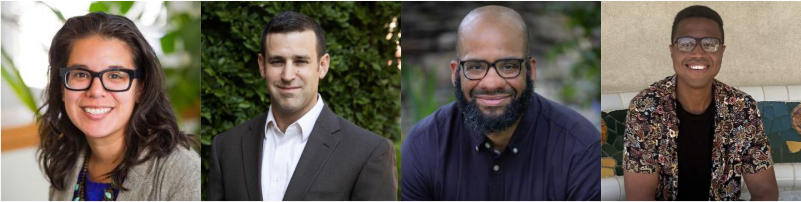
From Left to Right: Dr Christina Dobbs, Dr Scott Seider, Dr Daren Graves, Babatunde Alford

From Left to Right: Brianna Diaz, Dr Elianny Edwards, Kaila Daza

From Left to Right: Dr Trang Le, Alexandra Honeck, Hannah Choi
From Left to Right: Sarah Fogelman, Hehua Xu, and Dr Madora Soutter

Digital Equity and Inclusion: Insights into Educational Change and School Initiated Improvements – Christopher Sanderson, University of Arizona 

Lead the Change (LtC): What are some of the ideas you hope the field of Educational Change and the audience at American Education Research Association (AERA) can learn from your work related to practice, policy, and scholarship?

CS: My research offers insights into the challenges and strategies facing K-12 school districts in their efforts to promote digital equity and inclusion, providing valuable lessons for practice, policy, and scholarship. My work emphasizes the importance of integrating digital tools and providing professional development for educators to address disparities effectively. For example, I highlight the need for further training to bridge digital literacy fissures. From a policy perspective, I encourage sustained district-level planning and collaboration to tackle systemic barriers, such as the expiration of temporary programs like the CARES Act and ACP (Federal Communications Commission, n.d.; US Department of Education, 2024). Digital equity must be treated as a long-term priority rather than a short-term response to crises like the COVID-19 pandemic (Petersen, 2024).  

I also emphasize holistic definitions of digital equity and inclusion, which include access to affordable internet, devices, and the necessary digital skills. Collaborative approaches are essential, and I focus on engaging administrators, teachers, parents, and community members in co-creating solutions to foster a shared vision of digital equity and inclusion. My research highlights the importance of addressing systemic inequities and recognizing biases in policy and practice. For instance, I noted that federal programs often exclude K-12 schools, advocating for tailored, inclusive, sustainable, district-level strategies (National Telecommunications and Information Administration, 2024).  

My work offers frameworks to explore the intersections of digital inclusion, systemic inequities, and community collaboration in educational change. It contributes to the growing body of literature on digital equity by providing insights into how schools can navigate barriers to ensure every student has the tools for success. Focusing on localized, context-driven solutions and collaborative efforts, this research aims to inform and create more equitable learning environments that address both immediate needs and long-term goals. This study may support school districts in assessing their progress toward digital equity and inclusion, offering recommended actions for transformative change. Through the collection and analysis of data, districts can identify patterns and make informed decisions on future steps.  

The findings from this study can serve as a catalyst for action-oriented planning beyond its conclusion. The ultimate goal is to develop actionable strategies that help school districts achieve equitable student access. While an outsider can only begin to grasp the challenges students, communities, and schools face regarding technology access, internet connectivity, and digital skills development, addressing these barriers requires strategic, locally driven planning. Schools are complex and diverse, with digital equity and inclusion needs varying from one site to another. For example, one school might require more digital literacy training for caregivers, while another may need additional internet hotspots to ensure students can access devices outside school hours. 

Dr Christopher Sanderson

Achieving Excellence Academy: Critical  Unschooling and the Promise of a  Humanizing Education – Dr. María del Carmen Salazar & Nadia Saldaña-Spiegle, University of Denver, Ashlea Skiles, Denver Public Schools

Lead the Change (LtC): What are some of the ideas you hope the field of Educational Change and the audience at American Education Research Association (AERA) can learn from your work related to practice, policy, and scholarship?

MS, NS, AS: One of the central contributions of this research is the expansion of the concept of critical unschooling. We, the researchers, extend this concept by conceptualizing “home-based” as one’s sense of “home” which is inclusive of home culture, community, native language, intersectional identities, history, heritage, ancestors, and ultimately, of one’s full humanity. We, the researchers, put the concept of critical unschooling on the ground and bring to live a real-world example in an educational setting with secondary students and teachers of color. This is an important contribution to the field because it extends theory into practice.

Another important contribution of this research is that student voices are centered and the concept of critical unschooling is shaped by their experiences and insights. One of the most impactful findings is how students redefine excellence as a result of the Achieving Excellence Academy (AEA). As an example, one student stated, “Excellence is not just holding onto your goals, it’s going after and representing yourself, and reflecting yourself in your goals.” Another student emphasized, “Before, I only thought about excellence athletically and academically, but after this program, I think it’s cultural too…pride in your own culture, accepting other people’s cultures, and being woke.” The AEA expanded students’ perceptions of excellence to include a focus on their well-being and cultural pride. Moreover, teachers of color extended this concept into teaching and learning by sharing how they enacted critical unschooling.

Dr María del Carmen Salazar
Nadia Saldaña-Spiegle
Ashlea Skiles

Teacher Education, Teacher Certification, and Teacher Meetings in Israel, Korea, Switzerland and the US: Lead the Change Interviews (Part 4)

This week IEN shares Part 4 of the Lead the Change (LtC) series interviewing presenters participating in the Educational Change Special Interest Group sessions at the upcoming Annual Conference of the American Educational Research Association. This post includes presenters from the session titled: “Equity-minded leaders transforming the global educational landscape.” For Part 1 see “Leveraging Partnerships, Networks and Teacher Collaboration for Educational Change,” Part 2 “Leaders, Leadership Practices, and Educational Change in the US, Korea, and Hong Kong: Lead the Change Interviews (Part 2)” and Part 3 “Educational Transformation in Schools and Colleges in the US and South Africa: Lead the Change Interviews (Part 3).” These interviews are part of the Lead the Change series produced by Elizabeth Zumpe and colleagues from AERA’s Educational Change Special Interest Group. The full interviews can be found on the LtC website


Historical changes in teacher education in Israel: An analysis of professional perceptions from 1960 to 2020 – Ayelet Becher (AB) & Izhak Berkovich (IB), The Open University of Israel

Lead the Change (LtC): What are some of the ideas you hope the field of Educational Change and the audience at American Education Research Association (AERA) can learn from your work related to practice, policy, and scholarship?

AB & IB: Our work offers valuable contributions to the practice of teacher education. Teacher education curricula should respond to the cyclical nature of educational change, preparing teachers for shifts in pedagogical trends and the potential return of seemingly outdated practices. Instead of presenting a singular “best-practice” model, teacher education programs should equip pre-service teachers with the adaptability and critical thinking skills to navigate fluctuating pedagogical paradigms. For example, this could involve teaching both content-centered and student-centered methods and conducting simulations to help teachers practice adjusting their approach based on different classroom scenarios. This also necessitates supporting prospective teachers in forming a strong professional identity and developing reflexive skills. Curricula could integrate historical analysis and context-awareness practices, enabling teachers to understand the deeper social and political forces that shape educational policy and practices in their local context. Our study’s [Historical changes in teacher education in Israel: An analysis of professional perceptions from 1960 to 2020] findings underscore the importance of teachers’ adaptive expertise in responding to changing societal conditions and emerging needs. Teacher training should equip prospective teachers with versatile knowledge and skills to adapt to various contexts and specific learners while preserving their established pedagogic creed. 

The study also contributes to educational policymaking. Given the cyclical nature of educational reform, it is crucial to focus education policy on incremental, sustainable improvements rather than rapid, radical shifts that may prove unsustainable. This requires developing adaptable teacher education policies that respond to shifts in societal values and priorities without abandoning fundamental principles of educational equity and justice. A “one-size-fits-all” approach is unlikely to succeed; effective policy requires adapting to specific contexts and addressing the unique needs and challenges of national systems. The long-term perspective necessary to address cyclical patterns demands a shift from short-term policy cycles to long-term planning horizons. Policymakers must avoid pursuing quick fixes and instead focus on fostering sustained, systemic changes that can withstand shifts in ideology and priorities. This might involve establishing broader cross-sectoral collaborations that include policymakers, teacher educators, researchers, and community stakeholders. 

Lastly, our work contributes to the relatively limited body of scholarship that explores the historical path dynamics of educational change (e.g., Berkovich, 2019; Hargreaves & Goodson, 2006), shedding light on the interplay between past trends and present educational challenges. Our 60-year study highlights the significance of adopting a long-term perspective to understand educational shifts. Researchers would also benefit from examining the nuanced sociopolitical circumstances that mobilize, stabilize, and destabilize educational changes within specific contexts. We encourage a comparative analysis of long-term cyclical patterns in other national contexts to determine the scope and applicability of the cyclical model in diverse settings.

Ayelet Becher, PhD
Izhak Berkovich, PhD

Developing the Korean version of the equity scenario survey: Pilot study – Sojung Park (SP), Nicholas S. Bell (NB), Elizabeth Slusarz (ES), University at Albany, State University of New York

Lead the Change (LtC): What are some of the ideas you hope the field of Educational Change and the audience at American Education Research Association (AERA) can learn from your work related to practice, policy, and scholarship?

SP, NB, & ES: Our study [Developing the Korean version of the Equity Scenario Response Survey] highlights a critical gap between teacher candidates’ self-perceived readiness to address racism and ableism in the classroom (as seen in quantitative data) and their actual preparedness (as revealed by scenario-based responses). To examine these discrepancies, we employed the Korean-adapted Equity Scenario Response Survey (ESRS-K)—a scenario-based tool derived from the ESRS (Bell & Codding, 2021)—which we translated and culturally tailored to capture equity-related dilemmas specific to Korean classrooms.

From a policy perspective, our results offer a roadmap for educational leaders in South Korea and other societies facing similar demographic shifts. Policymakers should leverage these findings to set clearer teacher certification requirements or require mandatory equity modules in teacher education curricula. By explicitly targeting racism, ableism, and related forms of discrimination, policy reforms can foster inclusive practices throughout national teaching standards.

In terms of scholarly contributions, our research applies QuantCrit [a theory that uses quantitative methods in ways consistent with the tenets of Critical Race Theory] in a novel way, both theoretically and methodologically. Adapting the ESRS for a Korean setting not only refines its cultural relevance but also expands the global discourse on equity assessment tools. This contextualized application of QuantCrit can guide teacher education in other rapidly diversifying contexts, offering a model for how researchers and practitioners might evaluate teacher readiness in settings undergoing similar demographic changes.

Taken together, our work bridges theory—Critical Race Theory (CRT) through QuantCrit—and practice in the form of teacher training and classroom realities. We invite the AERA community to critically examine how traditional self-report measures can be supplemented with tools like scenario-based assessments. These tools uncover the complexities of equity education, moving beyond surface-level self-perceptions to provide deeper insights into candidates’ readiness to enact equitable practices.

Nicholas Bell, PhD
Elizabeth Slusarz, PhD student
Sojung Park, PhD

Are team meetings a place for teacher learning? An ‘in situ’ analysis of meeting practices – Enikö Zala-Mezö (EZ), Zurich University of Teacher Education, & Amanda Datnow (AD) University of California San Diego

Lead the Change (LtC): What are some of the ideas you hope the field of Educational Change and the audience at American Education Research Association (AERA) can learn from your work related to practice, policy, and scholarship?

EZ & AD: In our paper, we address the question: How does professional learning—which is similar to “collective trial and error” in Haslanger’s (2023, p. 169) wording—unfold in team meetings in schools? We describe meeting practices ‘in situ’. Driven by practice theory (Reckwitz, 2002), ‘in situ’ means we focus on daily practices in schools as the unit of analysis. We analyze detailed audio-recorded data gathered in team meetings in three Swiss schools and two different teams within each school. We attend to discourse sequences with potential for knowledge generation, where future practices or new insights are produced. We build on the definition of generative sequences from Beech et al. (2010): “engagement between two or more people that goes beyond the trivial, which changes some meanings or processes and/or creates some new knowledge” (p. 1342). In other words, we are looking for instances in which educators engage in deeper discussions that are characterized by inquiry and problem solving. 

A non-generative discussion would be one in which the team does not engage issues of teaching and learning in much depth and jumps to quick solutions, such as blaming students for their underachievement.  

Our analysis reveals that, in the Swiss schools we studied, educators often organize highly structured meetings with full agendas that last around an hour (with some exceptions). These meetings tend to have very short sequences discussing up to 12 topics, which limits opportunities for deeper understanding, and joint learning. The generative aspect of the discourse was found to be low in many cases, yielding few opportunities for teacher learning. Additionally, the high level of structuring activities (introducing, summarizing, coordinating the discussion), along with the dominant role of the meeting leaders (who often have the lion’s share of speech time) and full agendas, suggests an underlying bureaucratic approach to team meetings. Managing organizational tasks tends to overshadow the learning opportunities for teachers, emphasizing administrative concerns over collaborative learning or reflective discussions. This structure implies that the primary focus of the meetings is on fulfilling organizational needs rather than fostering meaningful, collaborative learning experiences for the educators involved.  

We believe these findings have important implications for research and practice. Our hope is to raise the consciousness of educational leaders, teachers, and external partners about the discourse in team meetings. Teacher collaboration meetings are expected to be a vehicle of educational improvement (Vescio et al., 2008; Lefstein et al., 2020), and our analysis suggests they could be much more generative of learning than they presently are. There is of course no recipe for changing practices; rather, shifts happen through continuous inquiry, a trial-and-error process drawn on educators’ deep professional knowledge. The research community could also play a role through gathering and sharing micro-analytic data of meeting practices and conditions and partnering with educators in an inquiry process.  

Amanda Datnow, PhD
Enikö Zala-Mezö, PhD

Educational Transformation in Schools and Colleges in the US and South Africa: Lead the Change Interviews (Part 3)

In part 3 of this month‘s Lead the Change (LtC) interviews, IEN shares excerpts from interviews with the presenters discussing “Equity-minded leaders transforming the global educational landscape,” at the upcoming Annual Conference of the American Educational Research Association. These presenters will address topics like quantifying superficial institutional social justice policies in universities and the importance of rejecting copy paste reform models in grade schools. These interviews are a part of a series featuring presentations sponsored by the Educational Change Special Interest Group produced by Elizabeth Zumpe and colleagues from AERA’s Educational Change Special Interest Group. The full interviews can be found on the LtC website. For Part 1 see “Leveraging Partnerships, Networks and Teacher Collaboration for Educational Change and Part 2 “Leaders, Leadership Practices, and Educational Change in the US, Korea, and Hong Kong: Lead the Change Interviews (Part 2)


“It’s not always about college”: Teachers’ sense-making around the shifting purpose of high school —Aaron Leo (AL) & Kristen Wilcox (KW), University at Albany (SUNY)

Lead the Change (LtC): What are some of the ideas you hope the field of Educational Change and the audience at American Education Research Association (AERA) can learn from your work related to practice, policy, and scholarship?

AL & KW: NYKids’ research offers a unique contribution to the field of Educational Change considering we are investigating schools which have sustained above-predicted outcomes for an extended time. As all schools are unique, our findings are not meant to be copied and pasted onto every location; instead, we view the lessons learned from positive outlier schools as a partial roadmap which can inspire and inform educators grappling with challenges in their own particular school-community contexts. Moreover, our qualitative approach provides a way to hear directly from educators as they describe, in their own words, their unique school and community ecologies, the obstacles they have encountered, and the particular policies, practices, and programs they have designed to overcome them. Our full dataset from the seven participating schools include: 70 interviews, 43 focus groups, 361 collected documents, and field notes taken during four school tours.

One aspect common to the positive outlier schools we studied was an effort to make curriculum relevant, engaging, and responsive – especially in the wake of the COVID-19 pandemic and related school closures. For instance, at Lafayette Jr.-Sr. High School, educators have worked to ensure that the sizeable population of students from the Native American Onondaga Nation were provided culturally relevant activities and were represented in the school’s activities, appearance, and values. This process took many forms such as flying the Onondaga flag outside the school, creating a section in the school library featuring Native American authors, and working with a Native American liaison and My Brothers’ Keeper Coordinator to foster positive connections between the school and Onondaga community. At Fillmore, educators also developed culturally responsive approaches, but these looked different in a rural locale with a long history of agriculture. In this context, educators reinstated the Future Farmers of America program and provided hands-on opportunities for students to care for plants and animals on school grounds. To engage their students, Fillmore teachers worked together to create cross-disciplinary lessons and project-based learning opportunities. 

We feel that these findings are of high value to the field of Educational Change as they provide examples of educators working to identify and address challenges in varied contexts. As our improvement hub has been supported by the state for over two decades, our research, and research-based tools have attracted the attention of the New York State Department of Education and have been highlighted by our advisory board member organizations including the New York State Council of School Superintendents, The New York State School Boards Association and several others that in turn influence policy in our state.

Kristen Campbell Wilcox, PhD
Aaron Leo, PhD

Call for efficacy: Changes in prior learning assessment (PLA) measures in the Florida college system — Giang-Nguyen T. Nguyen (GN) & Carla Thompson (CT), University of West Florida, Rashmi Sharma (RS), Western Illinois University

Lead the Change (LtC): What are some of the ideas you hope the field of Educational Change and the audience at American Education Research Association (AERA) can learn from your work related to practice, policy, and scholarship?

GN, CT, & RS: The researchers hope that AERA and the field of educational change could be the space to share research that directly impacts the students of the underserved community. The audience at AERA could learn about the current landscape of prior learning assessment (PLA) in Florida. This one segment of research from Florida has far-reaching implications beyond the US. By shedding light on PLA, the researchers hope that the participants from other states and internationally can advocate for transparency and support the community college students. Moreover, the audience at AERA could make the change by being the change they want to see in practice.  

The researchers are advocating for uniform and sustainable policies at the state level guided by federal guidelines as a critical step in ensuring equitable access to PLA opportunities for community college students. The researchers are hoping that the participants will engage in scholarly discussion about the following implications of the research and provide their insights and actionable suggestions: 

  1. Sustainability in Education Systems. Researchers hope to see a shift in thinking about the sustainability of educational reforms related to educational practices and policies. We are advocating for creating a system for continuous improvement on PLA for community college students, where changes could be implemented and evaluated regularly to take into account the needs of different groups of students. 
  2. Bridging research to practice. Research shows that students have limited access to PLA information so it is important to provide multiple avenues of information for easy access. Using evidence from the research to inform the practice, the researchers propose changes at the state and federal level policies that involve multiple stakeholder groups. 
  3. State-Level Uniformity. Advocate for state-level uniform policies that ensure consistency across institutions, making it easier for students to understand and access PLA opportunities. Such policies can standardize some processes like credit evaluation, eligibility criteria, and application procedures. State mandates can require institutions to make PLA information readily available through multiple channels, such as websites, orientation sessions, social media, and advising services.
  4. Federal Guidelines as a Framework. Federal guidelines can establish minimum standards to ensure that PLA policies promote equity, inclusion, and access for all students, particularly those from underserved communities. The federal government can incentivize states to adopt uniform PLA policies by tying funding or grants to comply with these guidelines. Federal guidelines can encourage states to adopt reciprocity agreements, ensuring that PLA credits earned in one state are recognized in others, thereby supporting student mobility.
  5. Collaboration Across Stakeholders. Encourage collaboration among educators, policymakers, and advocacy organizations to align state policies with federal guidelines. There is a need to consider local needs and provide professional development opportunities to ensure administrators and faculty are well-equipped to implement uniform PLA policies effectively.
Carla Thompson, PhD
Rashmi Sharma, PhD
Giang-Nguyen Nguyen, PhD

Youth and institutional change: The impact of student protests on curricula transformation in higher education — Tafadzwa Tivaringe (TT), Spencer Foundation

Lead the Change (LtC): What are some of the ideas you hope the field of Educational Change and the audience at American Education Research Association (AERA) can learn from your work related to practice, policy, and scholarship?

TT: A key insight from this work [with students in higher education in South Africa and the US] is that practical efforts to facilitate institutional change that are rooted in research stand a better chance of delivering on the promise of transformation. For example, my work finds that while there was a statistically significant increase in course offerings that aligned with students’ demands for more social justice curricula, sentiment analysis of the syllabi of those classes in both country’s colleges demonstrated that a significant proportion adopted neutral framings on the subject. Furthermore, while colleges in both countries adopted courses that had titles and/or course descriptions that referenced social justice, most of the goals of those courses did not involve pedagogical outcomes that explicitly involve addressing injustice. This was despite explicit student demands for curricula transformation that includes ethical commitments to social justice during the #FeesMustFall and #BlackLiveMatter protests (Nyamnjoh, 2016; Taylor, 2016; Tivaringe & Kirshner, 2024). These findings show that there is a gap between students’ input and institutional responses that, if not fully understood, undermines our collective capacity to deepen equity within higher education institutions. 

My research underscores a growing call by many educational change scholars on the importance of centering the experiences of those most affected in the policy process (Furlong & Cartmel, 2006; Henry et al., 2013). Too often, policies and programs designed to support people marginalized in the policy making process fail to take their input seriously. This can lead to a false sense of redress and repair. Even more, it can erroneously shift attribution of bad outcomes to individuals, rather than a proper interrogation of the inadequacies of said policies in achieving desired outcomes. 

Lastly, there is often a discomfort with the use of quantitative and computational methods in educational change. I must admit that this skepticism is not without cause: those tools have historically been used to stall and/or attack efforts to advance social justice in education (DiGarcia et al., 2018; Dixon-Román, 2017). However, by leveraging a combination of text-mining machine learning algorithms and longitudinal structural equation models to examine the impact of student protests in South Africa and the United States, I join a growing group of critical scholars (e.g., de Freitas & Dixon-Román, 2016; Lukito & Pruden, 2023) who believe and indeed demonstrate that sustainable and effective research on educational change ought to include such tools in its repertoire. Additionally, given the global nature of inequities, it is imperative that reparative efforts learn across contexts. Yet, as we have argued in our work (Kirshner et al., 2021; Tivaringe & Kirshner, 2021) insights in the field of education are disproportionately drawn from the global North. As such, insights that could be critical in learning how to deepen social justice are marginalized. My conference paper offers one instantiation of a comparative approach that, while neither perfect nor exhaustive, ensures that change efforts are informed by both local and global insights.

Tafadzwa Tivaringe, PhD

Leaders, Leadership Practices, and Educational Change in the US, Korea, and Hong Kong: Lead the Change Interviews (Part 2)

This week IEN shares part 2 of our Lead the Change (LtC) series interviewing presenters participating in the Educational Change Special Interest Group sessions at the upcoming Annual Conference of the American Educational Research Association. This post includes presenters from the session titled: “Equity-minded leaders transforming the global educational landscape.” For Part 1 see “Leveraging Partnerships, Networks and Teacher Collaboration for Educational Change.”  These interviews are part of the Lead the Change series produced by Elizabeth Zumpe and colleagues from AERA’s Educational Change Special Interest Group. The full interviews can be found on the LtC website

Working to dismantle enduring educational inequity: Actions and beliefs of equity-minded educational leaders — Betty Alford (BA), Liane Hypolite (LH), California State Polytechnic University

BA & LH: [In our studies] through interviews, the voices of equity-focused leaders provided examples of practices that contributed to remedying past inequities and attaining a more just future in education.

Lead the Change (LtC): What are some of the ideas you hope the field of Educational Change and the audience at American Education Research Association (AERA) can learn from your work related to practice, policy, and scholarship?

BA & LH: Through interviews, the voices of equity-focused leaders provided examples of practices that contributed to remedying past inequities and attaining a more just future in education… We hope the audience at AERA is inspired by the commitment demonstrated by these educational leaders to enact equity focused policies and use these policies to make positive changes for achieving the equity-focused goals. Their actions and words serve as examples of how analysis of community needs, an openness to change and inquiry, a commitment to culturally responsive pedagogy and equity-focused leadership, and engagement in reflection and ongoing learning can contribute to positive change. These educational leaders were knowledgeable of issues that have been identified in the research literature of the importance of asset not deficit-based approaches, authenticity as a leader, students of diverse ethnic groups seeing themselves in the curriculum and school initiatives, parent engagement, and fostering sustained dialogue amongst collaborative groups to bring about change (Gurr et al., 2019; Fullan, 2016; Johnson, et al., 2017; Radd et al., 2021).

Successful, focused leadership for equity and social justice in these districts included increasing Board members’ understanding of needs and involvement in listening sessions and professional development.  In both districts, educational leaders emphasized that the focus was strongly supported by the superintendents’ ongoing attention to process as well as to implementation.  As an educational leader stressed, “The superintendent always asks, ‘What was your process for reaching this decision?” The process was always to include involving multiple individuals in the decision making.  In both districts, resources were provided to fund sustained professional development opportunities on developing the equity focus.  For example, in one district, the Board and administrative teams took part in multi-week leadership development sessions. In the other district, teachers and educational administrators and teachers on special assignment participated in ten days of summer professional development to prepare for offering ethnic studies in the school followed by monthly professional development sessions throughout the year.  This sustained professional development was one way that practices, policy, and scholarship merged to contribute positively to equity-focused change efforts in the schools.

Betty Alford, PhD, California State Polytechnic University
Liane Hypolite, PhD, California State Polytechnic University

Leading change: School leaders’ support for culturally and linguistically diverse students amidst emerging multiculturalism — Soon-young Oh (SO) Michigan State University

Lead the Change (LtC): What are some of the ideas you hope the field of Educational Change and the audience at American Education Research Association (AERA) can learn from your work related to practice, policy, and scholarship?

SO: This study illuminates how school leadership can support culturally and linguistically diverse students [CLD] students in societies [like Korea] that are only beginning to experience multicultural shifts. By examining school leaders’ strategies at the intersection of practice, policy, and scholarship, my research highlights key considerations for the field of educational change.

In practice, the research reveals how school leaders in Korea reframe existing cultural values to create more inclusive environments. Confucian values and hierarchical structures have traditionally shaped educational leadership and organizational culture, emphasizing social harmony, respect for authority, and collectivism (Lee, 2001). Some scholars have noted that such cultural foundations, when rigidly applied, can make it difficult to address individual differences, as they often prioritize group cohesion over personal identity (Nukaga, 2003). However, this study finds that school leaders in Korea are actively reinterpreting these values to support CLD students. Rather than reinforcing conformity, they leveraged collective harmony to create spaces where CLD and non-CLD students could naturally interact and build cross-cultural friendships. They also promoted bilingual learning by integrating students’ home languages into school-wide initiatives while maintaining an emphasis on group cohesion.

From a policy perspective, my findings suggest that effective educational change requires greater flexibility in policy design. Current approaches to multicultural education often assume that schools can apply standardized strategies (Alghamdi, 2017; Banks et al., 2016), but the schools in my study emphasized the importance of locally adaptive policies. Some leaders prioritized linguistic support programs, while others focused on strengthening partnerships with families and communities. These varying approaches highlight the need for policies that empower school leaders to shape multicultural education in ways that are responsive to their specific school contexts.

In terms of scholarship, this research contributes to ongoing efforts to expand educational leadership theories beyond Western-centric models. Much of the existing literature on school leadership in multicultural settings, such as Khalifa et al. (2016), has been developed in societies with long histories of diversity (e.g., Cuéllar et al., 2020), but my study illustrates how school leaders in newly diversifying contexts navigate educational change. Rather than imposing pre-existing frameworks, this research advocates for a more nuanced, globally inclusive perspective that acknowledges the diverse ways in which school leadership practices emerge across different cultural landscapes.

By bridging these insights across practice, policy, and scholarship, my research advances the conversation on how school leaders can meaningfully support CLD students in societies where multiculturalism is still evolving.

Soon-young Oh, PhD candidate, Michigan State University

Leading collaborative educational change: Lessons from the Hong Kong context — Paul Campbell (PC) University of Hong Kong

Lead the Change (LtC): What are some of the ideas you hope the field of Educational Change and the audience at American Education Research Association (AERA) can learn from your work related to practice, policy, and scholarship?

PC: One of the challenges in researching relational practices such as collaboration, leadership, and governance is achieving definitional agreement. Towards this end, I consider common conceptual characteristics provided in existing literature to offer some definitions. 

Collaboration can be understood as a process of joint work around a shared focus (Ainscow et al., 2006; Henneman et al., 1995), where individuals share connected domains of expertise (John-Steiner et al., 1998), commit to sharing this expertise, and use it to think, plan, decide, and act based on a shared understanding of social norms, expectations, and behaviors needed for successful collaboration (Cilliers, 2000). This conceptualization highlights the importance of considering the dimensions of people, structure, and culture in understanding the forms, drivers, and influences on collaboration.

Leadership can be examined through a broader critical lens, focusing on what it means to lead, be a leader, and exercise leadership (Courtney et al., 2021). Leadership can be understood as a relational practice of influence, underpinned by personal and professional values, and focused on pursuing a shared vision for practice and outcomes (Bush & Glover, 2014). 

Governance, on the other hand, can be understood as the standards, incentives, information, and accountability that guide policy and practice in schools and systems (Lewis & Pettersson, 2009). Governance can be exercised through networks at various scales, spanning local, national, and global contexts, intersecting public, private, and philanthropic sectors (Milner et al., 2020). Forms of self-governance, characterized by the development of shared norms, values, and trust, can also enable and sustain collaborative change (Sullivan & Skelcher, 2002).

Considering these definitions in relation to insights from my critical policy analysis and interviews with Hong Kong principals, there are a few key lessons that the field of educational change could take from my work to foster a more inclusive and effective collaborative educational change. My work suggests that, in leading collaborative educational change, school and system leaders should consider certain participatory and socio-cultural dynamics. Key participatory dynamics include the nature and construction of a participative culture and strong communication mechanisms in governance arrangements that influence the process and outcomes of change. Socio-cultural dynamics to consider include the purposes behind collaboration, the role of individual values, beliefs, and identities in engaging in collaborative educational change, and the transparency of purposes, processes, and outcomes. 

Careful consideration of who is involved in change processes, their roles, and clarity of what guides practice and decision-making, including individual values and beliefs, can lead to more meaningful and sustainable outcomes from collaborative educational change. Regarding organizational dynamics, leaders need to understand and act on policy drivers at macro- and meso-levels and contextual characteristics at the micro level of systems. Opportunities for community members to engage in interaction, sensemaking, and exchange processes during periods of change, supported by clear communication channels and frameworks for decision-making and evaluation, can lead to better outcomes of collaborative change efforts.

Paul Campbell, EdD, University of Hong Kong

Transforming challenges into success: Perspectives on successful school principalship practices — Rong Zhang (RZ), University of Alabama

Lead the Change (LtC): What are some of the ideas you hope the field of Educational Change and the audience at American Education Research Association (AERA) can learn from your work related to practice, policy, and scholarship?

RZ: Through my research, I hope to contribute meaningful insights to ongoing conversations in the field. First and foremost is the understanding that leadership practices must be adaptive and responsive to the unique contexts in which they are enacted. While it’s easy to advocate for certain leadership frameworks, my research highlights the importance of tailoring strategies to local conditions—whether that’s addressing the needs of immigrant students, navigating centralized or decentralized governance structures, or fostering equity in culturally diverse communities.

One of the most compelling findings from my study is that successful school leadership isn’t one-size-fits-all. While certain practices, such as building shared visions, fostering collaborative cultures, and improving instructional programs, are common across contexts, how these practices are implemented varies significantly. For example, principals in centralized education systems, like China, often work within top-down administrative structures, while those in decentralized systems, like the U.S., have more autonomy to engage stakeholders and drive innovation. Understanding these differences is crucial for policymakers and practitioners aiming to apply leadership frameworks effectively.

Another idea I hope to share is the power of relational leadership in driving meaningful change. Across the cases I’ve studied, the most successful principals were those who prioritized relationships—with teachers, students, parents, and community members. These leaders recognized that trust, collaboration, and shared purpose are foundational to improving outcomes, especially in disadvantaged schools. For scholars, this underscores the need for research that not only identifies best practices but also explores how those practices can be adapted to foster equity and inclusivity.

Lastly, I hope to contribute to conversations about how research can better inform policy. My study demonstrates the value of using cross-national data to identify both universal and context-specific strategies, offering policymakers a more nuanced understanding of what works in different settings. By sharing these insights, I aim to help bridge the gap between research and practice, encouraging evidence-based approaches that are both practical and impactful.

Rong Zhang, PhD candidate, University of Alabama

Responding to Local Conditions: The Evolution of Fundación Escuela Nueva’s Approach to Teaching & Learning in Rural Colombia and Beyond

What does it take to support effective teaching and learning in rural Colombia? That was the question that the founders of Fundación Escuela Nueva (FEN) set out to address in the 1970’s. Since that time, FEN´s flagship program, Escuela Nueva, has encompassed an innovative approach to learning that has expanded in Colombia as well as other parts of the world, including Vietnam, Zambia, and El Salvador. To get a better understanding of Escuela Nueva’s evolution and the lessons learned along the way, Jonathan Beltrán Alvarado spoke with Laura Vega, Ed.D., Head of Community Connections and Training at Fundación Escuela Nueva (FEN). 

This post summarizes that conversation and draws on slides from a presentation Dr. Vega made at Teachers College, Columbia University, in November 2024.  Fundación Escuela Nueva Volvamos a la Gente (FEN) is a non-profit organization created to develop, strengthen, and expand the implementation of the Escuela Nueva model. Last November, Fundación Escuela Nueva was one of three organizations to receive a 2024 Best Practice Prize from the Jacobs Foundation for “their effective application of scientific evidence, use of a clear results framework, and potential for scaling and implementation around the world.”

Vicky Colbert and colleagues designed the Escuela Nueva model in 1976 as a specific response to the difficult conditions for education in rural Colombia. At that time, schools struggled with high dropout rates and low academic achievement, reinforcing negative perceptions of the capabilities of the students, teachers, and their communities. Amid the country’s ongoing internal conflicts, many students experienced trauma and low self-esteem along with their troubles in schools. In a pre-internet world, teachers and principals in these communities worked in isolation, with few resources, little support, and weak school-community relationships. 

Compounding the isolation, many teachers had limited pre-service training and were not prepared for handling multi-grade classrooms, an everyday necessity in small schools located in the sparsely populated countryside. As Dr. Laura Vega explained, “It is pretty isolating when you are a rural teacher. In many, many areas, you are on your own. That is hard, and it was even harder fifty years ago.”  Beyond the isolation, Vega described a number of other challenges for rural education at that time: “insufficient time for effective learning, rigid calendars, rigid evaluation, a very rigid system of promotion. Of course, not enough materials for children, but those materials and the pedagogy weren’t appropriate either. There was an emphasis on memorization, not on comprehension, and the curriculum didn’t make any sense for the students and for the teachers….”

At the time, rural education in many countries of Latin America, including Colombia, was shaped by the Escuela Unitaria (Unitary School) model promoted worldwide by UNESCO in the 60s to provide education in rural areas. The Unitary School offered primary education in schools where a single teacher worked with all grades through the use of self-instructional materials and individualized learning cards. Colombia was one of the countries where this approach was tested, alongside other experiences that used a variety of methodologies to pursue a similar aim. The approach, however, came in the form of whole-class instruction. As Vega put it, that meant “teachers were responsible for adapting generic materials, and while they could use any books or resources available, this wasn’t effective.” 

A book cover with a map

Description automatically generated

This challenge motivated Escuela Nueva founder Vicky Colbert and her colleagues to try to use the limited resources to transform the Escuela Unitaria model into an approach more responsive to the context’s conditions, addressing key technical limitations of its design. Alongside many pedagogic innovations in the learning experience, both for children and teachers, the new approach included a structured and comprehensive curriculum that fulfilled government education guidelines and provided learning materials to facilitate teachers’ and students’ work. As Vega explained, Escuela Nueva’s innovation emerged in a local context of meaning and experience with tested practices. “It’s not something that no one ever thought of before,” Vega said, “it’s re-organizing things that already exist and using them in a new way.” 

A close-up of a chart

AI-generated content may be incorrect.

The Escuela Nueva model

This approach to learning involves a shift from traditional whole-class instruction to child-centered, active learning where students work in small groups. To achieve this, FEN developed a series of learning guides that ease rural teachers’ access to high-quality learning materials and allow them to work effectively with multiple grade levels and students to learn at their own pace. As Colbert described it in Scaling Innovation: The Escuela Nueva Story:  “A learning guide is like a hybrid between a textbook, a workbook and the guide of the teacher, all in one, but directed to the student, not to the teacher. Here, what we wanted to do was empower the students. We designed the materials very, very concrete, simple, pragmatic learning materials for children very focused on questioning — higher level thinking skills. We gave a structure to their learning process. The children started working individually, in pairs and in groups, dialoguing among themselves, constructing knowledge together.”

Democratic participation is built into daily school life in the Escuela Nueva approach through a student government that allows children to serve in concrete roles and offers real agency in shaping their learning environment. The model also positions teachers as facilitators, not lecturers, and supports them in making that transition by providing specialized training, ongoing support in the process, and professional development opportunities. Escuela Nueva also deliberately draws on the communities’ funds of knowledge, making families active participants in their children’s education rather than passive observers of a curriculum created with urban schools in mind. 

These elements are drawn together as part of what Escuela Nueva describes as four interconnected components: curricular, teacher training, school-community, and administrative. 

  • Curricular: focusing on developing effective learning environments and relevant content and processes through an active and participatory methodology. It promotes student-centered learning, the development of basic competencies (cognitive and socio-emotional), cooperative and personalized learning, continuous and qualitative assessment, and flexible promotion. Learning guides, rather than traditional textbooks, form the core classroom resource, designed as self-directed, reusable materials that guide students through structured thinking.
  • Teacher training: focusing on the professional development of teachers to improve their pedagogical practices and their role as facilitators of learning. Teachers receive comprehensive training through in-situ, intensive, and experiential workshops. Additionally, they participate in micro-centers (teacher learning circles) to build communities of practice that foster exchange and collaboration. 
  • School & Community: aiming to strengthen the relationship between the school and the community, promoting the active participation of parents and other local stakeholders in the educational process. The model positions students and families as knowledge creators, employing diverse pedagogical strategies to reinforce cultural identity and strengthen community connections. It encourages an open-school model where the community is actively involved in learning and contributes to students’ social and cultural development.
  • Administrative: seeking to ensure leadership and administrative support to enable adequate learning environments and ensure the long-term sustainability of the model. It builds trust and ownership among the school community and facilitates the connections between classroom learning and local community life.
A diagram of a curriculum system

AI-generated content may be incorrect.

A number of studies have examined the impact of Escuela Nueva’s approach, with some showing improvements in language and math skills and others showing benefits for students in the development of democratic valuesprosocial behavior, and self-awareness. The model has also demonstrated its ability to transform teaching practices in rural settings and emergency situations where traditional approaches have struggled. The micro-centros and leaders’ networks have also helped to break the isolation that often characterizes rural education and have contributed to the development of more positive attitudes among teachers. Beyond the classroom walls, Escuela Nueva has engaged families and community members in the educational process, encouraging them to take an active part in student learning, contributing their knowledge and experiences in the classroom, not just in attending meetings. 

Escuela Nueva’s adaptations and expansions

As part of its mission and commitment to innovation and evidence-based practices, Fundación Escuela Nueva (FEN) has adapted elements and strategies of the Escuela Nueva model to cater to the needs of diverse contexts and populations, resulting in new programs and initiatives. For example:

  • Escuela Activa Urbana (Urban Active School): adapts EN strategies to urban contexts with one teacher per grade.
  • Círculos de Aprendizaje (Learning Circles): focuses on out-of-school and highly vulnerable children and youth (e.g., displaced & migrant children); this program supports students’ transition to the mainstream educational system.
  • Online campus: provides teachers’ professional development and support.
  • SAI (Ancestral Indigenous Knowledge): aims to strengthen the intercultural approach and integration of ancestral indigenous knowledge into everyday practices. 

In addition to these adaptations to the Escuela Nueva model, the organization has worked in scaling and expanding the approach in culturally different countries such as Mexico and Vietnam. In general, for FEN, scaling to a new context involves several key steps, including: 

  1. Building awareness through country research and finding appropriate local partners. As part of that process, beyond reading about the model, partners are expected to visit and experience Escuela Nueva in action. 
  2. Conducting a pilot project.
  3. Engaging in an adaptation or “contextualization” phase where FEN works with local partners and teachers to tailor and contextualize the learning guides and other strategies.
  4. Gradually expanding the model – starting with one school, then two, then three, while providing continuous support. This support is primarily directed at local partners rather than individual teachers.

While recognizing the importance of context, Vega stressed that taking a systemic approach is a key lesson from FEN’s efforts to scale the model. As she explained, “When implementing the model in different countries like Vietnam or Mexico, it’s imperative to maintain this systemic process. You cannot implement isolated pieces – a bit of training here, learning guides there, or just thinking about student tools. The process must be comprehensive; otherwise, you won’t achieve anything resembling the Escuela Nueva model.”

Vega also emphasized that the successful expansion of Escuela Nueva hinges on finding the right local partner. To that end, FEN has worked with various types of partners, from ministries of education to NGOs and international organizations, each bringing different knowledge, strengths, and challenges. Government partnerships offer ample reach but can be vulnerable to administrative changes and low sustainability, while NGOs may provide dedicated focus but face resource constraints. But whoever the local partner is, as Vega stated, “The local partner essentially becomes your extension in that country.” 

FEN´s next steps

Most recently, FEN has focused on deepening its impact rather than expanding further. This strategic choice reflects the belief that educational transformation is not a short-term project but a long-term commitment that requires sustained attention to quality and network building. All of which can take three to five years or more to show substantial results. That work includes strengthening assessment practices, enhancing teacher training, expanding support systems, and building internal capacity. The organization is also exploring new ways in which its programs, strategies, and model can more intentionally support gender equity, intercultural education, project-based learning, and the development of a growth mindset among students.

As it works to deepen its impact, FEN continues to focus on reorganizing existing educational elements into a coherent system rooted in a local context rather than reinventing education from scratch. In the process, the model demonstrates that educational transformation doesn’t always require massive investment or revolutionary new ideas but takes careful attention to how the different components of the educational process can work together systemically to create networks of people who understand and value what they are doing.  

Leveraging Partnerships, Networks and Teacher Collaboration for Educational Change: Lead the Change Interviews (Part 1)

This week’s Lead the Change (LtC) interviews explore the power of partnerships, networks and collaboration for supporting system improvement. This is the first in a series of posts that will featuring excerpts of interviews with presenters participating in the Educational Change Special Interest Group sessions at the upcoming Annual Conference of the American Educational Research Association in Denver in April. This post includes presenters from the session titled: “Organizing Systemic Change in Education: Leveraging Partnerships, Networks and Teacher Collaboration.”  These interviews are part of the Lead the Change series produced by Elizabeth Zumpe and colleagues from AERA’s Educational Change Special Interest Group. The full interviews can be found on the LtC website

Networks for Knowledge Brokers: A Typology of Support-Seeking Behaviors — Anita Caduff (AC) University of Michigan, Alan Daly (AD) & Marie Lockton (ML) University of California San Diego, Martin Rehm (MR) University of Southern Denmark

Lead the Change (LtC): What are some of the ideas you hope the field of Educational Change and the audience at American Education Research Association (AERA) can learn from your work related to practice, policy, and scholarship?

AC, AD, ML, & MR: Our research offers important insights into the field of Educational Change, particularly for practitioners, policymakers, and scholars interested in understanding the critical role of knowledge brokers in improving education for all learners. Knowledge brokers do not operate in isolation; instead, they are embedded within relational ecosystems that provide access to various forms of support, such as financial resources, infrastructure, strategic advice, capacity building, networking, and knowledge mobilization. We define knowledge mobilization as the movement of knowledge and resources to where they will be most useful through a multidirectional process that supports the co-construction and use of knowledge. By examining how knowledge brokers navigate these ecosystems and engage in support-seeking behaviors, our study highlights three major contributions to practice, policy, and scholarship.

To begin with, we surfaced seven distinct knowledge broker profiles based on their social network dynamics and support-seeking behaviors: (1) networked strategist, (2) resource-driven strategist, (3) balanced strategist, (4) capacity-centered networker, (5) self-sufficient mobilizer, (6) balanced mobilizer, and (7) well-funded all-rounder. For example, the self-sufficient mobilizer operated without any financial support to sustain their operations; they focused solely on knowledge mobilization and strategic advice. In contrast, the well-funded all-rounder had high levels of support in all dimensions: infrastructure and finances, strategic advice, networking, and knowledge mobilization. Understanding these profiles helps the field to have a better grasp on the activities of these important educational actors as well as to support knowledge brokers in designing tailored strategies to enhance their effectiveness based on their unique circumstances and needs.

Additionally, the study surfaced three significant tensions that influence knowledge brokers’ support-seeking behaviors. For example, knowledge brokers often compete for scarce resources (e.g., grants) while recognizing the potential benefits of collaboration to achieve shared goals (i.e., the tension between competition and collaboration). Further, brokers balance efforts to create immediately observable, focused outcomes with aspirations for broader, systemic, and long-term impact. The third tension that emerged was between autonomy and interdependence. While autonomy enables alignment with internal organizational goals, interdependence with partners offers access to critical resources but sometimes requires compromising on internal priorities. For example, a knowledge broker may rely on their partners for funding, networks, and expertise and, as a result, occasionally need to cater to the external demands of these partners. These tensions highlight knowledge brokers’ complex balancing act and underscore the importance of creating policies and practices that encourage collaboration, sustainable funding, and alignment between short- and long-term goals.

By mapping knowledge brokers’ relational ecosystems and differences in support-seeking behavior and tensions, this study shifts the focus away from knowledge brokers alone to include the supports they leverage in their broader relational ecosystems. As such, this study suggests that knowledge mobilization is not exclusively an attribute of the knowledge brokers, but is influenced by, and distributed within, a wider knowledge mobilization ecosystem. This reframing opens new avenues for research and practice, including questions about how brokers’ ecosystems influence their effectiveness and how to strengthen these ecosystems. This shift in perspective encourages researchers and practitioners to consider not only the actions of knowledge brokers but also the systemic supports and partnerships that enable their work.

From left to right: Anita Caduff, Ph.D., Marie Lockton, Ed.D., Alan J. Daly, Ph.D., & Martin Rehm, Ph.D.

Reimagining the role of broker teachers  in cross-sector partnerships — Chun Sing Maxwell Ho (CH) The Education University of Hong Kong, Haiyan Qian (HQ) The Chinese University of Hong Kong, Chiu Kit Lucas Liu (CL) University of Oxford  

Lead the Change (LtC): What are some of the ideas you hope the field of Educational Change and the audience at American Education Research Association (AERA) can learn from your work related to practice, policy, and scholarship?

CH, HQ, & CL: This research highlights the transformative power of Hong Kong school–university partnerships (SUPs) in reshaping middle leaders (ML) within schools, offering valuable insights for practice, policy, and scholarship in educational change. We demonstrate how SUPs enhance MLs’ connectivity and brokerage across the school, promoting a layered and collaborative leadership structure. This finding aligns with previous research that highlights the importance of distributed leadership in fostering school improvement. For instance, Leithwood et al. (2020) argue that effective school principals distribute their leadership to engage both formal and informal teacher leaders, thereby enhancing their influence through interactions with others. Similarly, Spillane and Kim (2012) emphasize that leaders enact practices differently according to the school context, which supports the notion that SUPs can tailor development activities to meet specific needs. Furthermore, Bryant and Walker (2024) suggest that principal-designed structures can significantly enhance middle leaders’ professional learning, which is consistent with our findings on the positive impact of SUPs on MLs’ connectivity and brokerage.

Key takeaways include the importance of designing SUPs to foster reflective dialogue and interaction among all school members, thereby nurturing an inclusive, interdisciplinary learning community. Schools can involve interdisciplinary projects where teachers from different subject areas worked together with university researchers to develop integrated curricula. These projects encouraged teachers to engage in reflective dialogue about their teaching methods and explore new ways to connect different subjects. By working together, teachers were able to create a more cohesive and interdisciplinary learning environment for students, promoting a culture of collaboration and continuous improvement (Ho et al., 2024). Our findings underscore the necessity for policies supporting sustained, context-specific leadership development and integrating university resources to facilitate these changes. For scholars, this study provides a model for examining the effects of leadership training on organizational dynamics, emphasizing the role of middle leaders in driving school improvement and fostering a collaborative professional culture.

Chun Sing Maxwell Ho, EdD
Lucas Chiu-kit Liu, Masters Student
Haiyan Qian, PhD

Transforming school systems to support adolescent learning and well being: Evidence from four California districts — Sarah M. Fine (SF) University of California San Diego, Santiago Rincon-Gallardo (SR) Liberating Learning

Lead the Change (LtC): What are some of the ideas you hope the field of Educational Change and the audience at American Education Research Association (AERA) can learn from your work related to practice, policy, and scholarship?

SF & SR: The first takeaway is that there is a growing number of spaces of vitality and deep learning in California’s high schools, but these remain mainly outside the academic core. The local education agencies (LEAs) in our sample are leveraging new funding to expand and transform Career and Technical Education (CTE) courses into incredibly vibrant places for applied learning. Most LEAs we have visited in California are working successfully to de-stigmatize CTE, to disrupt patterns of social reproduction, and to add “high skill, high wage” pathways for all. Young people are incredibly alive and engaged in these courses, doing work ranging from building fully functional tiny homes for unhoused populations in their community to producing, running, and broadcasting live shows for their school and the larger community, to designing and testing rovers that can explore Jupiter’s moons. Visual and performing arts are also incredibly vital spaces. In less optimistic news, in many of the systems we visited, the academic core seems to have been left on life support, with many classes still featuring low-complexity tasks, teacher-centered instruction, and traditional assessments. This is consistent with research and theory on the remarkable power of the default culture of schooling to maintain the dynamics within the pedagogical core stable despite deliberate attempts to change it (Elmore, 1996; Mehta & Fine, 2019; Tyack & Cuban, 1995)  Linked Learning, an approach to student learning that intentionally and strategically links together student’s personal purpose with hands-on, immersive learning opportunities, and disciplined knowledge, is a promising but generally immature effort to connect the vitality that characterizes CTE to core academic classes.

A second takeaway is about the importance of steadiness, systemness, and symmetry when undertaking system-level work to improve adolescent learning and wellbeing. To draw on the work of our shared mentor Richard Elmore (2004), all of the LEAs in our sample were engaged in impressively steady work, developing a clear set of goals and then pursuing those goals over the long haul without succumbing to mission creep or being buffeted by changes in the political winds. In most of the systems that we visited, we also encountered strong evidence of what Michael Fullan (2025) calls systemness – meaning, a broad range of stakeholders (parents, educators, leaders, learners, even crossing-guards) recognized their roles in shaping and enacting the goals of the system. And finally, most of the leaders in the sample clearly recognized the importance of what Sarah and Jal Mehta (2019) call symmetry, e.g.an overall stance and set of values and beliefs about learning that applies both to young people and to adults.

Last but not least, our work suggests that successful system transformation requires deprioritizing old academic obsessions. In many of the systems that we visited, there has been a strategic and courageous decision to de-prioritize or eliminate the programs and metrics connected to “the old game” of No Child Left Behind-style academic achievement. One district, for example, decided to deprioritize state standardized tests, while another phased out all Advanced Placement courses and replaced them with dual enrollment opportunities. Elsewhere, system leaders have started to move attention away from California’s college and career readiness indicators, focusing more on the quality of student engagement and learning every day in schools, as well as on indicators of lifelong learning.

Sarah M. Fine, Ed.D.

Santiago Rincón-Gallardo, Ed.D.

Tracking Trump: His actions on education 

With so much disinformation and deliberate disruption, it can be difficult to assess the impact of the raft of statements, policy changes and edicts issued since Trump took over the Federal government in January, particularly for an international readership. This week, IEN reposts the Hechinger Report‘s week-by-week list of actions aimed at reshaping education in the US, including the latest declaration from the just-confirmed Secretary of Education, Linda McMahon, that the Department of Education’ was preparing for its “final mission”, “a ‘disruption’ to the education system that would have a ‘profound impact.’This post was published originally by the Hechinger Report on February 19th and updated on March 5th.

Since taking office in late January, President Donald Trump has unleashed a flurry of orders and actions designed to reshape the federal government’s role in education. He has called the Education Department a “con job” and said he wants to close it “immediately.” That would take an act of Congress; but in the meantime, the administration has taken steps to transform the agency, overseeing what it said were hundreds of millions in cuts to education research, teacher training programs and other projects. The agency has also begun laying off employees, including in its Office for Civil Rights.

At the same time, the Trump administration is attempting to redefine what the federal government considers discrimination in schools and on college campuses. In letters and orders, the administration has tried to eliminate policies it describes as “woke” and to punish academic institutions it says discriminate against white and Asian people and others by taking into account race in hiring, housing, admissions and other practices. The Department of Education under Trump has also issued orders to ban transgender athletes from sports competitions and root out practices inclusive of transgender students.

In addition, the administration directed Immigration and Customs Enforcement that schools and colleges are no longer off-limits for its agents and threatened to punish education institutions for requiring Covid vaccinations. Many of the Trump administration’s actions are being challenged in court, and their impact on the education system remains uncertain.

We’ve compiled these actions below and will update this list as Trump’s second term unfolds. Let us know how the effects of these executive actions are unfolding in communities, child care centers, schools and colleges. Email us: editor@hechingerreport.org. Learn how to reach us securely here.

Week Seven (March 3)

Linda McMahon, the former wrestling executive and head of the Small Business Administration, was confirmed as Trump’s education secretary. At least one report says with her confirmation complete, the president will issue an order about “a plan to reallocate and reassign functions of the Department of Education.”

The Department of Health and Human Services, Department of Education and the U.S. General Services Administration, as part of the newly created Task Force to Combat Anti-Semitism, announced a review of Columbia University’s federal contracts for what the agencies described as possible Title VI violations. (Editor’s note: The Hechinger Report, which produced this article, is an independent unit of Columbia University’s Teachers College.

The Education Department said it was investigating a Washington State school district for allegedly permitting transgender male athletes to compete in girls’ sports.

Week Six (Feb. 24)

President Trump, in an executive order, designated English as the official language of the United States. More than 30 states have already passed legislation making English their official language, according to reporting from the Associated Press. Immigration advocates told The Washington Post they worried that the order could be used against schools that provide instruction in other languages to immigrant students.

The Department of Education released a “frequently asked questions” document following up on its earlier “Dear Colleague” letter threatening to pull funding from schools that engage in race-conscious practices. The letter notes, among other points, that the department does not control school curricula and states that celebrations of events such as Black History Month do not run afoul of the guidance as long as they are open to all.

The Education Department sent an email to employees offering buyouts ahead of what the agency described as a “very significant” reduction in force, several news outlets reported. Some employees noted that the offer of up to $25,000 amounted to less than they would receive in severance and unused leave compensation through a reduction in force order.

The Education Department unveiled its “End DEI” portal, which it described as a public portal for parents, students, teachers and others to submit complaints about diversity, equity and inclusion efforts and other activities it said amounted to discrimination on the basis of race or sex.

Peggy Carr, who led testing at the Department of Education, was put on leave, The Washington Post and other outlets reported. Carr had been appointed to a six-year term as commissioner of the National Center for Education Statistics, which administers the landmark test known as NAEP, in 2021.

The Department of Agriculture reinstated the 1890 National Scholars Program, a scholarship for rural students to attend historically Black colleges and universities, or HBCUs, after outcry over its suspension the previous week.

The Department of Government Efficiency, or DOGE, has cut some $18 million in grants from the Department of Labor’s Office of Apprenticeships, reports The Job newsletter. The grants were to provide employers with technical assistance on apprenticeships, among other work. The Labor Department also terminated its Advisory Committee on Apprenticeships.

Week Five (Feb. 17)

The Education Department announced more than $600 million in cuts to teacher training programs it said were educating teachers in “divisive ideologies.”

The department also canceled 18 grants totaling $226 million to a network of regional and national centers that provides materials and support to states and education systems. It accused the centers of promoting “race-based discrimination and gender-identity ideology.”

The department eliminated a Biden-era rule requiring federal review of how states approve and monitor certain authorizers of charter schools. Under the old rule, South Carolina had faced the loss of federal money because of what the Education Department had said was inadequate oversight of charter schools.

Also canceled was a long-term trend assessment for 17-year-olds, part of the National Assessment of Educational Progress, known as the Nation’s Report Card, or NAEP. A department spokesperson told the 74, which first reported the news, that that portion of the test had not been conducted since 2012 and was therefore not a “very effective longitudinal study.”

The department’s Office for Civil Rights initiated an investigation into the Maine Department of Education, and Maine School Administrative District #51, over allegations of transgender athletes competing in sports that align with their gender identity.

Read more: A dismal report card in math and reading

Week Four (Feb. 10)

An Education Department “Dear Colleague” letter threatened to withhold federal funds from schools, colleges and other education institutions that take into account race in their programs, training, admissions and other practices. The letter, which cited the 2023 Supreme Court decision striking down affirmative action in college admissions, said academic institutions that consider race in their practices are engaging in discrimination.

Trump, in a briefing, said, “The Department of Education is a big con job,” and “I’d like it to be closed immediately.” In her confirmation hearing the next day, Linda McMahon, the nominee for education secretary, seemed to support Trump’s calls to dismantle the Education Department. But she said funding for most programs would remain intact.

Read more: What might happen if the Department of Education were closed

The Education Department rescinded guidance from the Biden administration that name, image and likeness payments to college athletes had to comply with Title IX and be proportionate between men and women.

The department also sent letters to a collegiate and a high school athletic association urging them to strip awards it said had been “wrongfully credited” to transgender athletes. It further announced two investigations into other school athletic associations it said were in violation of Trump’s executive order banning transgender athletes from competition, and said it would investigate five Virginia school districts for permitting transgender students to use bathrooms and other facilities that align with their gender identity.

The Institute of Education Sciences, the Education Department’s research arm, saw major cuts, including the termination of 89 contracts it said totaled nearly $900 million. The actual total may be significantly smaller, as some of the grants, which included evaluations of how the government spends education funds and efforts to improve math and reading instruction, had already been paid out. Also canceled were census-like data collections that track student progress.

Read more: DOGE’s death blow to education research

In addition, the Education Department canceled $350 million in contracts and grants for regional educational laboratories, which provide technical assistance to schools, and four equity assistance centers. The department said those grants and contracts supported “wasteful and ideologically driven spending.”

The Trump administration’s efforts to lay off probationary employees hit agencies including the Department of Education and the Bureau of Indian Education. Education Department staff who lost their jobs reportedly included those in the Office for Civil Rights, communications, financial aid and the legal department.

The administration laid off dozens of employees at the Consumer Financial Protection Bureauincluding those responsible for responding to complaints from student borrowers. Staff had been set to start a new process for more efficiently getting students the help they needed.

Read more: Student loan borrowers misled by colleges were about to get relief. Trump fired people poised to help

Schools and universities that require students to be vaccinated against Covid face the loss of federal funding, under a new executive order.

The Education Department reversed Biden-era reporting requirements under the Carl D. Perkins Career and Technical Education Act of 2006 that it said were overly burdensome and subjected school districts to “bureaucratic red tape.”

The White House created the “Make America Healthy Again” commission, to be led by Health Secretary Robert F. Kennedy Jr., and charged it with evaluating the “prevalence of and threat posed” to children by antidepressants, antipsychotics, mood stabilizers, stimulants and weight-loss drugs.

Read more: How the science of vaccines is taught (or not) in U.S. schools

Week Three (Feb. 3)

Trump signed an executive order barring trans girls and women from participating in women’s sports, and withholding federal funding from entities that refuse to comply.

The Education Department announced it would investigate San Jose State University, the University of Pennsylvania and the Massachusetts Interscholastic Athletic Association for allowing trans athletes to participate on sports teams for women or girls.

Read more: ‘Just let me play sports’

The administration announced it would reduce to 15 percent the “indirect cost payments” that the National Institutes of Health includes in its research grants to universities, hospitals and research institutes. Those overhead costs help cover facilities and administrative expenses; some institutions said the cuts would cripple research.

The Education Department opened investigations into five universities where it said widespread antisemitic harassment had been reported: Columbia University; Northwestern University; Portland State University; The University of California, Berkeley; and the University of Minnesota, Twin Cities.

The Defense Department began restricting access to books and learning materials in the school system it oversees for the children of military families, citing the Trump administration’s crackdown on diversity, equity and inclusion programs, according to The Washington Post.

The Education Department updated the Free Application For Student Aid (FAFSA), which high school and college students use to apply for federal money to pay for college, to remove the ability to mark anything but male or female as a student’s gender. Students who have to make any correction to a form already submitted for the 2024-25 or 2025-26 academic year will have to also update this piece of the form, the Federal Student Aid office said.

Week Two (Jan. 27)

A far-reaching pause on the distribution of federal grants and loans across agencies, including the Education Department and Health and Human Services, which oversees Head Start, quickly led to confusion. Court orders have blocked the effort, and the White House said it had pulled back the memo, but some Head Start providers, among other entities, reported they still had limited or no access to federal funds weeks later.

The Office for Civil Rights opened an investigation into Denver Public Schools over a gender-inclusive bathroom. The school board voted in 2020 to require all district schools to have at least one all-gender bathroom.

Read more: At Moms for Liberty’s national summit, a singular focus on anti-trans issues

Notices were sent to about 50 Education Department staffers that they had been put on leave. The employees were reportedly dismissed because of their connection, however limited, to DEI work.   

Trump issued an executive order to eliminate what the White House called radical indoctrination in K-12 schools. The order said federal dollars would be stripped from schools where there is “illegal and discriminatory treatment and indoctrination, including based on gender ideology and discriminatory equity ideology.”

In a collection of actions to tackle antisemitismincluding cataloging complaints about the issue against K-12 schools and colleges and universities, the president said he “will quickly cancel the student visas of all Hamas sympathizers on college campuses” and order the Department of Justice to “quell pro-Hamas vandalism and intimidation, and investigate and punish anti-Jewish racism in leftist, anti-American colleges and universities.”

On school choice, an executive order directed the education secretary to issue guidance within 60 days about how states can use federal dollars to support K-12 educational choice initiatives. It also orders the heads of other agencies, including the Labor Department; Health and Human Services; the Department of Defense; and the Interior Department, which houses the Bureau of Indian Education, to review how grants and funding in their control can be used to send students to private or charter schools.

Read more: Arizona gave families public money for private schools. Then private schools raised tuition

The Education Department withdrew Biden administration rules about applications for federal charter school grant programs that it said “included excessive regulatory burdens and promoted discriminatory practices.” The agency also said it would quickly make available $33 million in federal grants for charter management organizations that it said had been stalled by the Biden administration.

Race-conscious admissions policies at military academies, explicitly left intact by the Supreme Court affirmative action ruling, were banned by the Defense Department. The agency also said it would ban the use of its resources and its employees’ time to host celebrations or events related to cultural awareness months, such as Black History Month or National Disability Employment Awareness Month, and identity-based clubs.

Read more: The Supreme Court affirmative action decision left a head-scratching exemption for military academies. Here’s why it matters

Rules governing how cases of sexual assault and harassment are handled at K-12 schools and colleges will revert to a version created in the first Trump administration, the Education Department said. Unlike rules set by the Biden administration, the 2020 rules set by then-Education Secretary Betsy DeVos did not extend Title IX protection to gender identity.

Data from across government websites was removed to comply with Trump’s executive order recognizing only two sexes, male and female. The Office of Personnel Management ordered agencies to remove websites and social media accounts that “inculcate or promote gender ideology.” Among the information removed was data from the Youth Risk Behavior Survey, maintained by the Centers for Disease Control and Prevention. The wide-ranging survey includes questions about youth sexual orientation and gender identity.

Week One (Jan. 20)

Trump issued a sweeping executive order banning DEI efforts in all federal agencies, covering personnel policies, federal contracting and grant-making processes, among other things. He also instructed federal institutions to investigate DEI “compliance” at colleges with endowments of more than $1 billion, giving them 120 days to complete their investigations. 

Read more: Facing legal threats, colleges back off race-based programs

He issued an executive order reversing Title IX protections for transgender people and declaring that the government recognizes only two sexes, male and female, assigned at birth. 

The Office for Civil Rights declared an end to investigations of book bans, dismissing 11 complaints from schools alleging that removing “age-inappropriate, sexually explicit, or obscene materials from their school libraries created a hostile environment for students.”

Read more: The magic pebble and a lazy bull: The book ban movement has a long timeline

Schools and colleges are no longer off-limits to ICE and other immigration enforcement agents, according to a directive from the Department of Homeland Security.

Read more: 1 in 5 child care workers is an immigrant. Trump’s deportations and raids have many terrified