Tag Archives: Learning

Challenges and opportunities for learning and development in Vietnam: Can Vietnam transform the conventional model of schooling (Part 3)?

How can education in Vietnam continue to improve despite questions about the quality of teaching, concerns about the coherence of the education system, and other issues? The third post in this 4-part series from Thomas Hatch explores some of the challenges as well as the opportunities that educators in Vietnam face as they try to shift the whole system to focus on competencies. For the other posts in this series on Vietnam, see part 1 on educational improvement at scale beyond PISA and part 2 on some of the key elements that have contributed to those improvements. Earlier posts related to Vietnam include Achieving Education for All for 100 Million People: A Conversation about the Evolution of the Vietnamese School System with Phương Minh Lương and Lân Đỗ Đức (Part 1); Looking toward the future and the implementation of a new competency-based curriculum in Vietnam: A Conversation about the Evolution of the Vietnamese School System with Phương Lương Minh and Lân Đỗ Đức (Part 2); The Evolution of an Alternative Educational Approach in Vietnam: The Olympia School Story (Part 1 and Part 2); and Engagement, Wellbeing, and Innovation in the Wake of the School Closures in Vietnam:  A Conversation with Chi Hieu Nguyen (Part 1 and Part 2).

Illustrating the complexity and contextual nature of educational change, some of the factors identified as critical in the evolution of other “higher performing” education systems do not apply in Vietnam. Somehow, the Vietnamese education system has improved substantially even though improving the qualifications of teachers and the quality and consistency of teacher preparation have been concerns for some time. At the same time, even as the PISA tests in 2012 were showing the world how much the Vietnamese education system had improved, the government was already developing initiatives to embrace new competency-based goals and student-centered instruction. To that end, among other changes, new competency-based textbooks began to roll-out in Vietnam during the pandemic, even as many other high-performing education systems struggle to make that major systemic shift. Given developments in the Vietnamese education system over the past 30 years, what are the challenges and possibilities for creating a competency-based education system moving forward? 

A group of books with cartoon characters

AI-generated content may be incorrect.
Covers of some grade 4 textbooks of Vietnam Education Publishing House (Photo: Vietnam Education Publishing House)

Improvement despite concerns about the teaching force, coherence, and corruption

The improvements in the Vietnamese education system in the 1990’s and 2000’s were made despite a series of persistent concerns about the quality of the teaching force that remain today. These issues include a low cut-off for entrance into teacher education and failure to attract good students into teaching along with substantial numbers of underqualified teachers. Furthermore, despite feeling valued, teachers in Vietnam are not well paid, with wages that are not competitive with those in other sectors. In fact, at the same time that the “Growing Smarter” report from the World Bank highlighted the importance of a highly qualified, well-paid teaching force, it also acknowledged that teachers are paid substantially less in Vietnam than they are in other “high-performing” education systems like Singapore.  Teachers are also paid less in Vietnam than they are in other Asian countries like Thailand, which perform much worse on international tests. 

Explanations of high education system performance also often highlight the importance of coherence and alignment among goals, strategies, and incentives across all aspects of the education system. In the case of Vietnam, the historical traditions and top-down structure of the bureaucracy fosters a culture of compliance that, for better and worse, can maintain a rigid focus on textbook-based learning and exam performance. At the same time, Vietnam has decentralized control over financing of education in particular, leading one analyst to suggest that Vietnam’s 63 provinces are almost like 63 different education systems, with weak links between financing, information-processing, and accountability. Lê Anh Vinh, Director of the Vietnam National Institute of Educational Sciences, and colleagues also named the fragmentation and poor connections among key aspects of Vietnam’s education system as a critical enduring problem. 

Corruption across sectors in Vietnam also remains a concern. Although measures of corruption show some improvements over the past ten years, Transparency International reports that as of 2023, Vietnam ranks 83rd out of 180 countries in corruption, slightly below the average, and 64% of those surveyed in Vietnam think corruption is a big problem. Transparency International also reported that in Vietnam there has also been “an explosion of competition for admission to ‘desired schools.’…As a result, corruption in enrollment for desired schools – particularly primary and junior secondary schools – has become rampant in Vietnam, threatening the affordability and accessibility of public education.” The textbook industry, central to the efforts to shift to the new focus on competence, has also been embroiled in a major scandal. 

Building blocks for a shift to competency-based learning? 

In a system long dominated by rote learning and teacher-directed instruction,  the implementation of a new curriculum and textbooks in Vietnam that began during the pandemic is not nearly as abrupt as many might expect. There has been a history of interest in and encouragement for the application of knowledge – not just the acquisition of knowledge – and to more active, student-centered pedagogies as far back as the 1980’s. As part of the Do Moi renovation efforts, Vietnam introduced a new set of textbooks and related policies that sought to support “a more practical and learner-centered education which was seen at the time as necessary for post-war social and economic recovery. Those initiatives recognized knowledge acquisition as important, but also advocated for the engagement of students in real-world activities, application of knowledge, and the holistic development of students.  

Shortly after the turn of the 21st Century, another reform plan put in place a different set of state-sanctioned textbooks that were to be based on newly developed curriculum frameworks (which Vietnam had never had before). This effort sought to balance knowledge acquisition and application by establishing educational aims in knowledge, skills and attitudes. Skills included those identified as relevant for students’ present and future lives such as conducting experiments, raising questions, and seeking information. In turn, teachers were encouraged to adapt their teaching to students’ needs and to use more active learning methods. 

By 2010, some policymakers from the Ministry of Education had also taken an interest in adopting the Escuela Nueva model of education, which had been developed and scaled up in Colombia. That model sought to promote students’ development through active engagement in learning using materials like self-paced learning guides and formative assessments. Piloting began in a few selected school districts, but, by 2016 tens of thousands of teachers and millions of students in Vietnam were using the model. Those experiences exposed the teachers and students involved to some of the key pedagogical ideas and practices reflected in the most recent curricular materials.

At the same time that the Escuela Nueva initiative was underway, the Vietnamese government was also developing the comprehensive plans to shift the whole system to a focus on competencies. Critical aims of these reforms included altering “the outdated teaching and learning methods – which were formerly structured around the transmission of knowledge and memorization of facts – with technology-based education to equip students with hands on skills necessary for the twenty-first century.” Along with the adoption of the competency-based curriculum in 2018 (with implementation begun in first grade in 2020), the government implemented a “one curriculum – multiple textbooks” policy freeing schools from the requirement to use the single set of state-sanctioned textbooks. This new policy was designed to give schools greater choice in selecting materials relevant for their students and their local context and more flexibility in determining the content to be taught by reducing compulsory subjects and adding optional and integrated subject and theme activities.

A group of people sitting at a table with books

AI-generated content may be incorrect.
Teachers in Vietnam studying new learning materials (Photo: Vietnam Education Publishing House)

In the most recent reforms, the Vietnamese government also made substantial changes in assessment and testing in order to take the focus off academic performance in conventional subjects and reduce the pressure on students. In primary classrooms, along with eliminating homework, the reforms replaced the grade-based evaluation system with oral and written feedback. At the high school level, the reforms created a single standardized exam to replace a long-criticized sequence of a six-subject exit exam followed about a month later by an SAT-like placement exam for college. 

Summing up the shift to expand the focus of the system beyond academics, at the end of 2024, the Minister of Education and Training, Nguyen Kim Son, stated that the goals of the systemic education reform efforts include developing “well-rounded individuals who know how to live happily and create happiness for themselves and others.” He went on to say: “When students engage in self-directed exploration, problem-solving, and discovery, they develop enthusiasm and are motivated to delve deeper. This progression – from knowing to understanding, from analyzing to applying and synthesizing – enhances their excitement and happiness as they master each level.”

Signs of a shift in (some) instruction? 

As has been the case almost everywhere, the large-scale efforts to transform conventional instruction in Vietnam have encountered considerable resistance and numerous challenges. A review of Escuela Nueva’s expansion to Vietnam by the World Bank, (one of the funders of the project) concluded that the program had a “positive” impact on children’s cognitive and non-cognitive achievement. However, other evaluations suggest that the effects were modest at best. For example, a more recent evaluation acknowledged some short-term positive outcomes, particularly for ethnic minority students, but, over the long-term, those effects appear to have faded away. Furthermore, observers reported that some teachers and students ended up mechanically following the steps in the learning guides – much as they had rigidly followed the textbooks the guides were supposed to replace. In addition, skeptical teachers continued to use traditional methods alongside the new approach, and some parents, concerned that their children were not learning, complained their children came home with “empty minds.” Critics and the press picked up on issues like these, leading to an explosion of negative coverage in the local and national press, with many schools stopping the project as a result. 

At the same time, even in the early piloting phase of the implementation of the Escuela Nueva model, there were some provinces where there were reports of “transformative impact.” An evaluation of from the Department of Education in a northern province with a large ethnic minority population was particularly enthusiastic: 

“Students who were dependent on teachers are now more independent, bold, confident, and excited to learn, and their learning results are better. Thanks to slower-paced learning, teachers have more time to pay attention to weak students, helping to reduce the percentage of weak students. For ethnic minority students, [the program] offered chances to participate in many activities and communicate (listen and speak) with friends in Vietnamese, and their Vietnamese learning results are more advanced. In particular, the new School Model has fundamentally changed the pedagogical activities of the school in the direction of self-discipline, self-management, democratization, and formation of necessary competencies and qualities of Vietnamese citizens.”

Another review of the comprehensive reforms noted similar challenges but also evidence of progress, stating: “When launched in 2014, the process has been challenged due to concerns about the feasibility by public opinion, schools, and teachers. However, after two years of implementation, there have been obvious changes in primary education. The guiding principles of learning and teaching at primary schools now are what the students learned and what they could do, rather than their grades.”  

Most recently, researchers have been analyzing videos of classroom practice in a small set of high schools across 10 provinces. Their preliminary analysis uncovered numerous instances in which teachers were using strategies like questioning, feedback and modeling to support students’ learning of skills like creative thinking and problem solving. They also found that teachers in high-performing classrooms provided more opportunities to discover new concepts and connect them to prior knowledge and experiences. They conclude that conventional instruction continues to dominate but add: “there may be more competency-focused learning than is often reported in research on Vietnamese education, and perhaps more than many policymakers know, given their ardent critiques of the education system that, they think, is tailored to memorization and testing.” 

Next Week: Next steps and critical challenges in the development of the Vietnamese education system: Can Vietnam transform the conventional model of schooling (Part 4)?

Teachers, Teaching and Educational Change in Brazil, Côte d’Ivoire, Ghana, Israel, Malaysia, Scotland, South Korea, Switzerland, and the US: Lead the Change Interviews (Part 7)

Teacher led learning circles, teacher collaboration, and tacit and unspoken logics of educational change take center stage in the last post with excerpts of Lead the Change interviews with presenters from the Annual Conference of the American Educational Research Association this week. These excerpts are from three symposia sponsored by the Educational Special Interest Group. For previous posts featuring presentations at this year’s AERA conference see Part 1 “Leveraging Partnerships, Networks and Teacher Collaboration for Educational Change,” Part 2 “Leaders, Leadership Practices, and Educational Change in the US, Korea, and Hong Kong: Lead the Change Interviews (Part 2),” Part 3 “Educational Transformation in Schools and Colleges in the US and South Africa: Lead the Change Interviews (Part 3),” Part 4 Teacher Education, Teacher Certification, and Teacher Meetings in Israel, Korea, Switzerland and the US: Lead the Change Interviews (Part 4), Part 5 “Anti-discrimination policies in Massachusetts and socioeconomic education reform in Türkiye,” and Part 6 “Critical Consciousness, Digital Equity, and Critical Unschooling in the United States: Lead the Change Interviews.” The Lead the Change interviews are  produced by Elizabeth Zumpe and colleagues from AERA’s Educational Change Special Interest Group. The full interviews can be found on the LtC website


Sustaining Productive Teacher Collaborations: Infrastructures Across  International Contexts – Bryant Jensen (BJ), Brigham Young University, Amanda Datnow (AD), University of California, San Diego, Sarah Woulfin (SW), University of Texas at Austin 

Lead the Change (LtC): What are some of the ideas you hope the field of Educational Change and the audience at American Education Research Association (AERA) can learn from your work related to practice, policy, and scholarship?

BJ, AD, & SW: We hope the session audience will take at least three ideas from our session. First, that instructional infrastructures matter a great deal in realizing and sustaining productive collaborations among teachers. They include, for example:

● A regular time and place for small teams of teachers to plan and study their practice (Borko, 2004; Gallimore et al., 2009);

● Common pacing and instructional aims (Garet et al., 2001; Supovitz, 2002);

● Peer facilitation of team meetings (Andrews-Larson et al., 2017); and

● Protocols to guide teacher inquiry (Little and Curry, 2009; Segal, 2018).

Chapman et al. show how conditions across Dundee schools shaped the collective agency of teachers and school leaders alike. They provided opportunities for building trust among collaborating teachers and shared beliefs in themselves and in their schools which can influence the sustainability of equitable practice. Drawing on Sarason’s (1972) idea of “settings,” Jensen et al. illustrate the nested nature of instructional infrastructure to sustain improvement. In their ten-year case study, teacher teams in a middle school were led by peer teacher leaders; teacher leaders met monthly to debrief, plan, and prepare their team meetings; and settings for teacher leaders were organized by school administrators who also maintained a monthly setting. This system of settings sustained instructional change from the bottom up and top down; student academic performance gains on state tests over a ten-year period demonstrate sustainability.

Second, sustaining and scaling productive collaborations for equity in teaching and learning are related but distinct. In previous research, Tappel et al. (2022) showed how sustainability concerns the continuity, integration, and adaptability of change, whereas scale is about expansion and replication of change–to reach more teachers and students. In our session, Lefstein’s paper—an account of expanding a teacher collaboration program in Israel from 11 teams in 4 schools in the first year to 458 teams in 158 schools in the fifth year—illustrates tensions between sustainability and scale. He shows how smaller-scale change in Israel was more feasible because external resources enabled the infrastructure teachers needed whereas large-scale change was much less effective at sustaining change because existing infrastructures were poorly equipped to support the collaborative learning processes that researchers and designers sought to cultivate.

Third, sustainability should consider the perspectives and experiences of teachers. In their paper, Datnow and colleagues show that teachers change their routine ways of interacting and talking together as they change in the ways they think—about students, about teaching, and about collaborating. Infrastructures to sustain productive collaboration, they argue, should acknowledge how teachers’ thinking and practice develop and change over the course of reform. In their qualitative analysis of teacher and administrator data from four schools across four years, the authors identify institutional impediments or threats to teachers becoming more collaborative: accountability pressures, complex team dynamics, and the conclusion of capacity-building support provided by their research project.

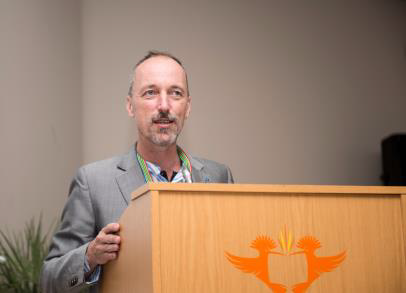
Dr Amanda Datnow
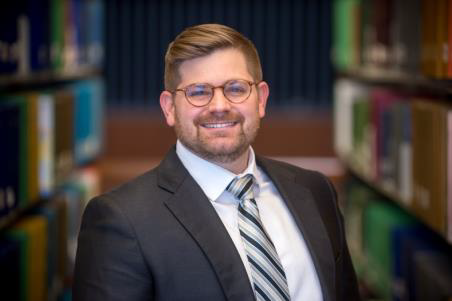
Dr Bryant Jensen
Dr Sarah Woulfin

Resilient pathways: Toward political theories of action for achieving educational equity – Aireale J. Rodgers (AR), University of Wisconsin-Madison, Heather N. McCambly (HM), University of Pittsburgh, Román Liera (RL), Montclair State University

Lead the Change (LtC): What are some of the ideas you hope the field of Educational Change and the audience at American Education Research Association (AERA) can learn from your work related to practice, policy, and scholarship?

AR, HM, & RL: Given the precarity of this sociopolitical moment and people’s varied sensemaking around it, we understand and appreciate the urge toward action. So often, educational change work focuses on doing something differently. Indeed, now is a moment where bold action is required. Yet, lessons from radical organizer-educators like Kelly Hayes and Mariame Kaba (2023) teach us that a move to action without critical reflection and collective organizing won’t free us. At worst, moving too quickly to action can rebirth the same system in a different form.

So rather than move directly to action, our intention with this symposium is to provide AERA members with an opportunity to explore where we should persist and where we might break from common theories of change toward equity and liberation in higher education. Through empirical cases focused on ethnic based community organizations (Hailu, 2025), Boards of Trustees (Rall, 2025), faculty cluster hiring (McCambly et al., 2025), and scholarly papers exploring the permanence of racism (Tichavakunda, 2025) and the fallacy of white supremacy (Davis III et al., 2025) in postsecondary institutions, we offer a generative pause to consider the often tacit and unspoken logics that guide our actions in an attempt to better name and collectively restrategize for future change efforts.

Dr Aireale J. Rodgers
Dr Heather McCambly
Dr Román Liera

Teacher-Led Learning Circles: Professional Learning for Teachers’ Use of Formative Assessment to Improve Students’ Learning – Carol Campbell (CC), University of Edinburgh, Chris DeLuca (CD), Nathan Rickey (NR) & Danielle LaPointe-McEwan (DL), Queen’s University, Martin Henry (MH), Education International

Lead the Change (LtC): What are some of the ideas you hope the field of Educational Change and the audience at American Education Research Association (AERA) can learn from your work related to practice, policy, and scholarship?

CC, CD, NR, DL, MH: The research and practices connected to the Teacher-Led Learning Circles project offer hope for the powerful combination of effective professional learning for teacher leadership and the use of formative assessment to benefit students’ learning. It has long been established that teacher quality and teaching quality are central to educational change (Barber & Mourshed, 2007; Darling-Hammond et al., 2017; Education International and UNESCO, 2019; OECD, 2021; Thompson, 2021). Similarly, the potential of formative assessment and feedback has been integral to educational change, for example, in developments stemming from the seminal review by Black and Wiliam (1998) with the Assessment Reform Group, establishing foundational principles for assessment for learning (AfL).
Through the experiences and evidence from seven countries participating across four continents in the Teacher-Led Learning Circles project, overarching lessons identified in our final report (Campbell et al., 2024a, 2024b) include:

While sustained education renewal would require comprehensive educational change at the systems level, we found that professional learning can contribute to successful change efforts at the local level when:

Supporting teachers in identifying and focusing on goals linked to their students’ needs and for teachers’ own professional learning needs. These twin goals can enhance both student agency and teacher leadership.

Differentiating for teachers’ professional contexts and experiences and for their goals and approaches to formative assessment, including further differentiation with changing experiences over time.

Offering quality content. However, quality of content needs to be balanced with quantity and differentiated to be relevant and practical.

Providing active and collaborative professional learning opportunities. Supports for collaboration across geographical contexts is necessary and requires attention to both availability of online and in-person activities.

Ensuring adequate resources such as funding to support access to expert resources, including facilitators, and time for professional development.

Combined with system leadership, including teacher unions. Growth in teachers’ leadership, confidence, skills, and practices was beneficial, with impacts within and beyond their schools. It is also essential to engage and educate formal school leaders.

Moreover, we found that for change efforts were more likely to successfully reach the classroom through the use of formative assessment that:

Involves a suite of highly interconnected practices that are all aimed at supporting student learning. The heart of the formative assessment process—i.e., teachers and students interpreting and using evidence of student learning to guide and promote learning—can be accessed and encouraged in multiple ways.

Are adapted for local contexts and assessment systems. Formative assessment can operate within a variety of assessment cultures, even if specific practices are operationalized differently within these contexts.

Occur across a range of teaching contexts, regardless of access to technology. When students had consistent access to devices and reliable internet connections, this could support formative assessment. Yet similar formative assessment practices were reported by teachers whose classes had limited or no access to devices or the internet.

Is intentionally integrated into teachers’ pedagogical practices in their classrooms. In some cases, teachers’ strategies did not integrate or maximize the potential of formative assessment to further benefit students’ learning.

Nathan Rickey
Dr Danielle LaPointe-McEwan
Dr Carol Campbell
Martin Henry
Dr Christopher DeLuca

Critical Consciousness, Digital Equity, and Critical Unschooling in the United States: Lead the Change Interviews (Part 6)

This week’s post includes excerpts from interviews with presenters discussing “Redefining leadership and equity in evolving educational spaces” at the Annual Conference of the American Educational Research Association next week. For previous posts featuring presentions at this year’s AERA conference see Part 1 “Leveraging Partnerships, Networks and Teacher Collaboration for Educational Change,” Part 2 “Leaders, Leadership Practices, and Educational Change in the US, Korea, and Hong Kong: Lead the Change Interviews (Part 2),” Part 3 “Educational Transformation in Schools and Colleges in the US and South Africa: Lead the Change Interviews (Part 3),” Part 4 Teacher Education, Teacher Certification, and Teacher Meetings in Israel, Korea, Switzerland and the US: Lead the Change Interviews (Part 4), and Part 5 “Anti-discrimination policies in Massachusetts and socioeconomic education reform in Türkiye.” The Lead the Change interviews are  produced by Elizabeth Zumpe and colleagues from AERA’s Educational Change Special Interest Group. The full interviews can be found on the LtC website


Action spaces to support teaching critical consciousness: Risk-taking within professional learning communities – Christina L. Dobbs, Boston University – Madora Soutter, Villanova University – Daren Graves, Simmons University – Elianny C. Edwards, College of the Holy Cross – Scott Seider, Brianna C. Diaz, Babatunde Alford, Kaila Daza, Sarah E. Fogelman, Trang U. Le, Alexandra Honeck, Hannah Choi, Yuwen Shen, & Hehua Xu, Boston College.

Lead the Change (LtC): What are some of the ideas you hope the field of Educational Change and the audience at American Education Research Association (AERA) can learn from your work related to practice, policy, and scholarship?

CD, MS, DG, EE, SS, BD, BA, KD, SF, TL, AH, HC, YS, & HX: We will present a project from the past several years called the Critical Crew Project. This project sought to teach middle grade students about critical consciousness (Freire, 1973), the ability to challenge and navigate oppressive forces, and to document how those schools used professional learning community (PLC) spaces to learn and teach critical consciousness with students during advisory meetings….We learned a great deal across this project about systems of multi-level change to build support for learning at a range of levels. Teachers needed space and support to learn about teaching critical consciousness that had structure without prescription. Our approach of having flexible tools with lots of space for specialization for contexts and particular students seemed to resonate with teachers. We found also that, as university partners, we served as conduits to research and other materials for PLCs and to use their feedback for refining the work, without being overly directive about the project. We also learned about producing a range of work products as a result of the project – academic papers, curricular materials, videos from classrooms, etc. – which has helped us push different levers, such as publishing research or presenting teacher workshops or building curriculum and participate in different conversations as a result of the work.

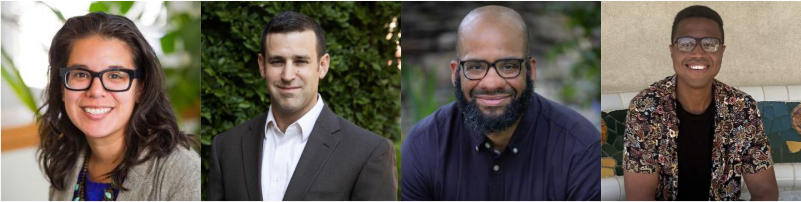
From Left to Right: Dr Christina Dobbs, Dr Scott Seider, Dr Daren Graves, Babatunde Alford

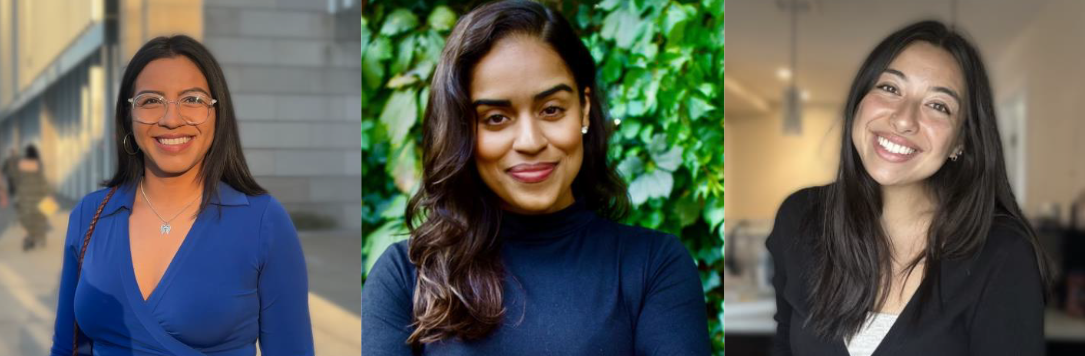
From Left to Right: Brianna Diaz, Dr Elianny Edwards, Kaila Daza

From Left to Right: Dr Trang Le, Alexandra Honeck, Hannah Choi
From Left to Right: Sarah Fogelman, Hehua Xu, and Dr Madora Soutter

Digital Equity and Inclusion: Insights into Educational Change and School Initiated Improvements – Christopher Sanderson, University of Arizona 

Lead the Change (LtC): What are some of the ideas you hope the field of Educational Change and the audience at American Education Research Association (AERA) can learn from your work related to practice, policy, and scholarship?

CS: My research offers insights into the challenges and strategies facing K-12 school districts in their efforts to promote digital equity and inclusion, providing valuable lessons for practice, policy, and scholarship. My work emphasizes the importance of integrating digital tools and providing professional development for educators to address disparities effectively. For example, I highlight the need for further training to bridge digital literacy fissures. From a policy perspective, I encourage sustained district-level planning and collaboration to tackle systemic barriers, such as the expiration of temporary programs like the CARES Act and ACP (Federal Communications Commission, n.d.; US Department of Education, 2024). Digital equity must be treated as a long-term priority rather than a short-term response to crises like the COVID-19 pandemic (Petersen, 2024).  

I also emphasize holistic definitions of digital equity and inclusion, which include access to affordable internet, devices, and the necessary digital skills. Collaborative approaches are essential, and I focus on engaging administrators, teachers, parents, and community members in co-creating solutions to foster a shared vision of digital equity and inclusion. My research highlights the importance of addressing systemic inequities and recognizing biases in policy and practice. For instance, I noted that federal programs often exclude K-12 schools, advocating for tailored, inclusive, sustainable, district-level strategies (National Telecommunications and Information Administration, 2024).  

My work offers frameworks to explore the intersections of digital inclusion, systemic inequities, and community collaboration in educational change. It contributes to the growing body of literature on digital equity by providing insights into how schools can navigate barriers to ensure every student has the tools for success. Focusing on localized, context-driven solutions and collaborative efforts, this research aims to inform and create more equitable learning environments that address both immediate needs and long-term goals. This study may support school districts in assessing their progress toward digital equity and inclusion, offering recommended actions for transformative change. Through the collection and analysis of data, districts can identify patterns and make informed decisions on future steps.  

The findings from this study can serve as a catalyst for action-oriented planning beyond its conclusion. The ultimate goal is to develop actionable strategies that help school districts achieve equitable student access. While an outsider can only begin to grasp the challenges students, communities, and schools face regarding technology access, internet connectivity, and digital skills development, addressing these barriers requires strategic, locally driven planning. Schools are complex and diverse, with digital equity and inclusion needs varying from one site to another. For example, one school might require more digital literacy training for caregivers, while another may need additional internet hotspots to ensure students can access devices outside school hours. 

Dr Christopher Sanderson

Achieving Excellence Academy: Critical  Unschooling and the Promise of a  Humanizing Education – Dr. María del Carmen Salazar & Nadia Saldaña-Spiegle, University of Denver, Ashlea Skiles, Denver Public Schools

Lead the Change (LtC): What are some of the ideas you hope the field of Educational Change and the audience at American Education Research Association (AERA) can learn from your work related to practice, policy, and scholarship?

MS, NS, AS: One of the central contributions of this research is the expansion of the concept of critical unschooling. We, the researchers, extend this concept by conceptualizing “home-based” as one’s sense of “home” which is inclusive of home culture, community, native language, intersectional identities, history, heritage, ancestors, and ultimately, of one’s full humanity. We, the researchers, put the concept of critical unschooling on the ground and bring to live a real-world example in an educational setting with secondary students and teachers of color. This is an important contribution to the field because it extends theory into practice.

Another important contribution of this research is that student voices are centered and the concept of critical unschooling is shaped by their experiences and insights. One of the most impactful findings is how students redefine excellence as a result of the Achieving Excellence Academy (AEA). As an example, one student stated, “Excellence is not just holding onto your goals, it’s going after and representing yourself, and reflecting yourself in your goals.” Another student emphasized, “Before, I only thought about excellence athletically and academically, but after this program, I think it’s cultural too…pride in your own culture, accepting other people’s cultures, and being woke.” The AEA expanded students’ perceptions of excellence to include a focus on their well-being and cultural pride. Moreover, teachers of color extended this concept into teaching and learning by sharing how they enacted critical unschooling.

Dr María del Carmen Salazar
Nadia Saldaña-Spiegle
Ashlea Skiles

Teacher Education, Teacher Certification, and Teacher Meetings in Israel, Korea, Switzerland and the US: Lead the Change Interviews (Part 4)

This week IEN shares Part 4 of the Lead the Change (LtC) series interviewing presenters participating in the Educational Change Special Interest Group sessions at the upcoming Annual Conference of the American Educational Research Association. This post includes presenters from the session titled: “Equity-minded leaders transforming the global educational landscape.” For Part 1 see “Leveraging Partnerships, Networks and Teacher Collaboration for Educational Change,” Part 2 “Leaders, Leadership Practices, and Educational Change in the US, Korea, and Hong Kong: Lead the Change Interviews (Part 2)” and Part 3 “Educational Transformation in Schools and Colleges in the US and South Africa: Lead the Change Interviews (Part 3).” These interviews are part of the Lead the Change series produced by Elizabeth Zumpe and colleagues from AERA’s Educational Change Special Interest Group. The full interviews can be found on the LtC website


Historical changes in teacher education in Israel: An analysis of professional perceptions from 1960 to 2020 – Ayelet Becher (AB) & Izhak Berkovich (IB), The Open University of Israel

Lead the Change (LtC): What are some of the ideas you hope the field of Educational Change and the audience at American Education Research Association (AERA) can learn from your work related to practice, policy, and scholarship?

AB & IB: Our work offers valuable contributions to the practice of teacher education. Teacher education curricula should respond to the cyclical nature of educational change, preparing teachers for shifts in pedagogical trends and the potential return of seemingly outdated practices. Instead of presenting a singular “best-practice” model, teacher education programs should equip pre-service teachers with the adaptability and critical thinking skills to navigate fluctuating pedagogical paradigms. For example, this could involve teaching both content-centered and student-centered methods and conducting simulations to help teachers practice adjusting their approach based on different classroom scenarios. This also necessitates supporting prospective teachers in forming a strong professional identity and developing reflexive skills. Curricula could integrate historical analysis and context-awareness practices, enabling teachers to understand the deeper social and political forces that shape educational policy and practices in their local context. Our study’s [Historical changes in teacher education in Israel: An analysis of professional perceptions from 1960 to 2020] findings underscore the importance of teachers’ adaptive expertise in responding to changing societal conditions and emerging needs. Teacher training should equip prospective teachers with versatile knowledge and skills to adapt to various contexts and specific learners while preserving their established pedagogic creed. 

The study also contributes to educational policymaking. Given the cyclical nature of educational reform, it is crucial to focus education policy on incremental, sustainable improvements rather than rapid, radical shifts that may prove unsustainable. This requires developing adaptable teacher education policies that respond to shifts in societal values and priorities without abandoning fundamental principles of educational equity and justice. A “one-size-fits-all” approach is unlikely to succeed; effective policy requires adapting to specific contexts and addressing the unique needs and challenges of national systems. The long-term perspective necessary to address cyclical patterns demands a shift from short-term policy cycles to long-term planning horizons. Policymakers must avoid pursuing quick fixes and instead focus on fostering sustained, systemic changes that can withstand shifts in ideology and priorities. This might involve establishing broader cross-sectoral collaborations that include policymakers, teacher educators, researchers, and community stakeholders. 

Lastly, our work contributes to the relatively limited body of scholarship that explores the historical path dynamics of educational change (e.g., Berkovich, 2019; Hargreaves & Goodson, 2006), shedding light on the interplay between past trends and present educational challenges. Our 60-year study highlights the significance of adopting a long-term perspective to understand educational shifts. Researchers would also benefit from examining the nuanced sociopolitical circumstances that mobilize, stabilize, and destabilize educational changes within specific contexts. We encourage a comparative analysis of long-term cyclical patterns in other national contexts to determine the scope and applicability of the cyclical model in diverse settings.

Ayelet Becher, PhD
Izhak Berkovich, PhD

Developing the Korean version of the equity scenario survey: Pilot study – Sojung Park (SP), Nicholas S. Bell (NB), Elizabeth Slusarz (ES), University at Albany, State University of New York

Lead the Change (LtC): What are some of the ideas you hope the field of Educational Change and the audience at American Education Research Association (AERA) can learn from your work related to practice, policy, and scholarship?

SP, NB, & ES: Our study [Developing the Korean version of the Equity Scenario Response Survey] highlights a critical gap between teacher candidates’ self-perceived readiness to address racism and ableism in the classroom (as seen in quantitative data) and their actual preparedness (as revealed by scenario-based responses). To examine these discrepancies, we employed the Korean-adapted Equity Scenario Response Survey (ESRS-K)—a scenario-based tool derived from the ESRS (Bell & Codding, 2021)—which we translated and culturally tailored to capture equity-related dilemmas specific to Korean classrooms.

From a policy perspective, our results offer a roadmap for educational leaders in South Korea and other societies facing similar demographic shifts. Policymakers should leverage these findings to set clearer teacher certification requirements or require mandatory equity modules in teacher education curricula. By explicitly targeting racism, ableism, and related forms of discrimination, policy reforms can foster inclusive practices throughout national teaching standards.

In terms of scholarly contributions, our research applies QuantCrit [a theory that uses quantitative methods in ways consistent with the tenets of Critical Race Theory] in a novel way, both theoretically and methodologically. Adapting the ESRS for a Korean setting not only refines its cultural relevance but also expands the global discourse on equity assessment tools. This contextualized application of QuantCrit can guide teacher education in other rapidly diversifying contexts, offering a model for how researchers and practitioners might evaluate teacher readiness in settings undergoing similar demographic changes.

Taken together, our work bridges theory—Critical Race Theory (CRT) through QuantCrit—and practice in the form of teacher training and classroom realities. We invite the AERA community to critically examine how traditional self-report measures can be supplemented with tools like scenario-based assessments. These tools uncover the complexities of equity education, moving beyond surface-level self-perceptions to provide deeper insights into candidates’ readiness to enact equitable practices.

Nicholas Bell, PhD
Elizabeth Slusarz, PhD student
Sojung Park, PhD

Are team meetings a place for teacher learning? An ‘in situ’ analysis of meeting practices – Enikö Zala-Mezö (EZ), Zurich University of Teacher Education, & Amanda Datnow (AD) University of California San Diego

Lead the Change (LtC): What are some of the ideas you hope the field of Educational Change and the audience at American Education Research Association (AERA) can learn from your work related to practice, policy, and scholarship?

EZ & AD: In our paper, we address the question: How does professional learning—which is similar to “collective trial and error” in Haslanger’s (2023, p. 169) wording—unfold in team meetings in schools? We describe meeting practices ‘in situ’. Driven by practice theory (Reckwitz, 2002), ‘in situ’ means we focus on daily practices in schools as the unit of analysis. We analyze detailed audio-recorded data gathered in team meetings in three Swiss schools and two different teams within each school. We attend to discourse sequences with potential for knowledge generation, where future practices or new insights are produced. We build on the definition of generative sequences from Beech et al. (2010): “engagement between two or more people that goes beyond the trivial, which changes some meanings or processes and/or creates some new knowledge” (p. 1342). In other words, we are looking for instances in which educators engage in deeper discussions that are characterized by inquiry and problem solving. 

A non-generative discussion would be one in which the team does not engage issues of teaching and learning in much depth and jumps to quick solutions, such as blaming students for their underachievement.  

Our analysis reveals that, in the Swiss schools we studied, educators often organize highly structured meetings with full agendas that last around an hour (with some exceptions). These meetings tend to have very short sequences discussing up to 12 topics, which limits opportunities for deeper understanding, and joint learning. The generative aspect of the discourse was found to be low in many cases, yielding few opportunities for teacher learning. Additionally, the high level of structuring activities (introducing, summarizing, coordinating the discussion), along with the dominant role of the meeting leaders (who often have the lion’s share of speech time) and full agendas, suggests an underlying bureaucratic approach to team meetings. Managing organizational tasks tends to overshadow the learning opportunities for teachers, emphasizing administrative concerns over collaborative learning or reflective discussions. This structure implies that the primary focus of the meetings is on fulfilling organizational needs rather than fostering meaningful, collaborative learning experiences for the educators involved.  

We believe these findings have important implications for research and practice. Our hope is to raise the consciousness of educational leaders, teachers, and external partners about the discourse in team meetings. Teacher collaboration meetings are expected to be a vehicle of educational improvement (Vescio et al., 2008; Lefstein et al., 2020), and our analysis suggests they could be much more generative of learning than they presently are. There is of course no recipe for changing practices; rather, shifts happen through continuous inquiry, a trial-and-error process drawn on educators’ deep professional knowledge. The research community could also play a role through gathering and sharing micro-analytic data of meeting practices and conditions and partnering with educators in an inquiry process.  

Amanda Datnow, PhD
Enikö Zala-Mezö, PhD

Leaders, Leadership Practices, and Educational Change in the US, Korea, and Hong Kong: Lead the Change Interviews (Part 2)

This week IEN shares part 2 of our Lead the Change (LtC) series interviewing presenters participating in the Educational Change Special Interest Group sessions at the upcoming Annual Conference of the American Educational Research Association. This post includes presenters from the session titled: “Equity-minded leaders transforming the global educational landscape.” For Part 1 see “Leveraging Partnerships, Networks and Teacher Collaboration for Educational Change.”  These interviews are part of the Lead the Change series produced by Elizabeth Zumpe and colleagues from AERA’s Educational Change Special Interest Group. The full interviews can be found on the LtC website

Working to dismantle enduring educational inequity: Actions and beliefs of equity-minded educational leaders — Betty Alford (BA), Liane Hypolite (LH), California State Polytechnic University

BA & LH: [In our studies] through interviews, the voices of equity-focused leaders provided examples of practices that contributed to remedying past inequities and attaining a more just future in education.

Lead the Change (LtC): What are some of the ideas you hope the field of Educational Change and the audience at American Education Research Association (AERA) can learn from your work related to practice, policy, and scholarship?

BA & LH: Through interviews, the voices of equity-focused leaders provided examples of practices that contributed to remedying past inequities and attaining a more just future in education… We hope the audience at AERA is inspired by the commitment demonstrated by these educational leaders to enact equity focused policies and use these policies to make positive changes for achieving the equity-focused goals. Their actions and words serve as examples of how analysis of community needs, an openness to change and inquiry, a commitment to culturally responsive pedagogy and equity-focused leadership, and engagement in reflection and ongoing learning can contribute to positive change. These educational leaders were knowledgeable of issues that have been identified in the research literature of the importance of asset not deficit-based approaches, authenticity as a leader, students of diverse ethnic groups seeing themselves in the curriculum and school initiatives, parent engagement, and fostering sustained dialogue amongst collaborative groups to bring about change (Gurr et al., 2019; Fullan, 2016; Johnson, et al., 2017; Radd et al., 2021).

Successful, focused leadership for equity and social justice in these districts included increasing Board members’ understanding of needs and involvement in listening sessions and professional development.  In both districts, educational leaders emphasized that the focus was strongly supported by the superintendents’ ongoing attention to process as well as to implementation.  As an educational leader stressed, “The superintendent always asks, ‘What was your process for reaching this decision?” The process was always to include involving multiple individuals in the decision making.  In both districts, resources were provided to fund sustained professional development opportunities on developing the equity focus.  For example, in one district, the Board and administrative teams took part in multi-week leadership development sessions. In the other district, teachers and educational administrators and teachers on special assignment participated in ten days of summer professional development to prepare for offering ethnic studies in the school followed by monthly professional development sessions throughout the year.  This sustained professional development was one way that practices, policy, and scholarship merged to contribute positively to equity-focused change efforts in the schools.

Betty Alford, PhD, California State Polytechnic University
Liane Hypolite, PhD, California State Polytechnic University

Leading change: School leaders’ support for culturally and linguistically diverse students amidst emerging multiculturalism — Soon-young Oh (SO) Michigan State University

Lead the Change (LtC): What are some of the ideas you hope the field of Educational Change and the audience at American Education Research Association (AERA) can learn from your work related to practice, policy, and scholarship?

SO: This study illuminates how school leadership can support culturally and linguistically diverse students [CLD] students in societies [like Korea] that are only beginning to experience multicultural shifts. By examining school leaders’ strategies at the intersection of practice, policy, and scholarship, my research highlights key considerations for the field of educational change.

In practice, the research reveals how school leaders in Korea reframe existing cultural values to create more inclusive environments. Confucian values and hierarchical structures have traditionally shaped educational leadership and organizational culture, emphasizing social harmony, respect for authority, and collectivism (Lee, 2001). Some scholars have noted that such cultural foundations, when rigidly applied, can make it difficult to address individual differences, as they often prioritize group cohesion over personal identity (Nukaga, 2003). However, this study finds that school leaders in Korea are actively reinterpreting these values to support CLD students. Rather than reinforcing conformity, they leveraged collective harmony to create spaces where CLD and non-CLD students could naturally interact and build cross-cultural friendships. They also promoted bilingual learning by integrating students’ home languages into school-wide initiatives while maintaining an emphasis on group cohesion.

From a policy perspective, my findings suggest that effective educational change requires greater flexibility in policy design. Current approaches to multicultural education often assume that schools can apply standardized strategies (Alghamdi, 2017; Banks et al., 2016), but the schools in my study emphasized the importance of locally adaptive policies. Some leaders prioritized linguistic support programs, while others focused on strengthening partnerships with families and communities. These varying approaches highlight the need for policies that empower school leaders to shape multicultural education in ways that are responsive to their specific school contexts.

In terms of scholarship, this research contributes to ongoing efforts to expand educational leadership theories beyond Western-centric models. Much of the existing literature on school leadership in multicultural settings, such as Khalifa et al. (2016), has been developed in societies with long histories of diversity (e.g., Cuéllar et al., 2020), but my study illustrates how school leaders in newly diversifying contexts navigate educational change. Rather than imposing pre-existing frameworks, this research advocates for a more nuanced, globally inclusive perspective that acknowledges the diverse ways in which school leadership practices emerge across different cultural landscapes.

By bridging these insights across practice, policy, and scholarship, my research advances the conversation on how school leaders can meaningfully support CLD students in societies where multiculturalism is still evolving.

Soon-young Oh, PhD candidate, Michigan State University

Leading collaborative educational change: Lessons from the Hong Kong context — Paul Campbell (PC) University of Hong Kong

Lead the Change (LtC): What are some of the ideas you hope the field of Educational Change and the audience at American Education Research Association (AERA) can learn from your work related to practice, policy, and scholarship?

PC: One of the challenges in researching relational practices such as collaboration, leadership, and governance is achieving definitional agreement. Towards this end, I consider common conceptual characteristics provided in existing literature to offer some definitions. 

Collaboration can be understood as a process of joint work around a shared focus (Ainscow et al., 2006; Henneman et al., 1995), where individuals share connected domains of expertise (John-Steiner et al., 1998), commit to sharing this expertise, and use it to think, plan, decide, and act based on a shared understanding of social norms, expectations, and behaviors needed for successful collaboration (Cilliers, 2000). This conceptualization highlights the importance of considering the dimensions of people, structure, and culture in understanding the forms, drivers, and influences on collaboration.

Leadership can be examined through a broader critical lens, focusing on what it means to lead, be a leader, and exercise leadership (Courtney et al., 2021). Leadership can be understood as a relational practice of influence, underpinned by personal and professional values, and focused on pursuing a shared vision for practice and outcomes (Bush & Glover, 2014). 

Governance, on the other hand, can be understood as the standards, incentives, information, and accountability that guide policy and practice in schools and systems (Lewis & Pettersson, 2009). Governance can be exercised through networks at various scales, spanning local, national, and global contexts, intersecting public, private, and philanthropic sectors (Milner et al., 2020). Forms of self-governance, characterized by the development of shared norms, values, and trust, can also enable and sustain collaborative change (Sullivan & Skelcher, 2002).

Considering these definitions in relation to insights from my critical policy analysis and interviews with Hong Kong principals, there are a few key lessons that the field of educational change could take from my work to foster a more inclusive and effective collaborative educational change. My work suggests that, in leading collaborative educational change, school and system leaders should consider certain participatory and socio-cultural dynamics. Key participatory dynamics include the nature and construction of a participative culture and strong communication mechanisms in governance arrangements that influence the process and outcomes of change. Socio-cultural dynamics to consider include the purposes behind collaboration, the role of individual values, beliefs, and identities in engaging in collaborative educational change, and the transparency of purposes, processes, and outcomes. 

Careful consideration of who is involved in change processes, their roles, and clarity of what guides practice and decision-making, including individual values and beliefs, can lead to more meaningful and sustainable outcomes from collaborative educational change. Regarding organizational dynamics, leaders need to understand and act on policy drivers at macro- and meso-levels and contextual characteristics at the micro level of systems. Opportunities for community members to engage in interaction, sensemaking, and exchange processes during periods of change, supported by clear communication channels and frameworks for decision-making and evaluation, can lead to better outcomes of collaborative change efforts.

Paul Campbell, EdD, University of Hong Kong

Transforming challenges into success: Perspectives on successful school principalship practices — Rong Zhang (RZ), University of Alabama

Lead the Change (LtC): What are some of the ideas you hope the field of Educational Change and the audience at American Education Research Association (AERA) can learn from your work related to practice, policy, and scholarship?

RZ: Through my research, I hope to contribute meaningful insights to ongoing conversations in the field. First and foremost is the understanding that leadership practices must be adaptive and responsive to the unique contexts in which they are enacted. While it’s easy to advocate for certain leadership frameworks, my research highlights the importance of tailoring strategies to local conditions—whether that’s addressing the needs of immigrant students, navigating centralized or decentralized governance structures, or fostering equity in culturally diverse communities.

One of the most compelling findings from my study is that successful school leadership isn’t one-size-fits-all. While certain practices, such as building shared visions, fostering collaborative cultures, and improving instructional programs, are common across contexts, how these practices are implemented varies significantly. For example, principals in centralized education systems, like China, often work within top-down administrative structures, while those in decentralized systems, like the U.S., have more autonomy to engage stakeholders and drive innovation. Understanding these differences is crucial for policymakers and practitioners aiming to apply leadership frameworks effectively.

Another idea I hope to share is the power of relational leadership in driving meaningful change. Across the cases I’ve studied, the most successful principals were those who prioritized relationships—with teachers, students, parents, and community members. These leaders recognized that trust, collaboration, and shared purpose are foundational to improving outcomes, especially in disadvantaged schools. For scholars, this underscores the need for research that not only identifies best practices but also explores how those practices can be adapted to foster equity and inclusivity.

Lastly, I hope to contribute to conversations about how research can better inform policy. My study demonstrates the value of using cross-national data to identify both universal and context-specific strategies, offering policymakers a more nuanced understanding of what works in different settings. By sharing these insights, I aim to help bridge the gap between research and practice, encouraging evidence-based approaches that are both practical and impactful.

Rong Zhang, PhD candidate, University of Alabama

Responding to Local Conditions: The Evolution of Fundación Escuela Nueva’s Approach to Teaching & Learning in Rural Colombia and Beyond

What does it take to support effective teaching and learning in rural Colombia? That was the question that the founders of Fundación Escuela Nueva (FEN) set out to address in the 1970’s. Since that time, FEN´s flagship program, Escuela Nueva, has encompassed an innovative approach to learning that has expanded in Colombia as well as other parts of the world, including Vietnam, Zambia, and El Salvador. To get a better understanding of Escuela Nueva’s evolution and the lessons learned along the way, Jonathan Beltrán Alvarado spoke with Laura Vega, Ed.D., Head of Community Connections and Training at Fundación Escuela Nueva (FEN). 

This post summarizes that conversation and draws on slides from a presentation Dr. Vega made at Teachers College, Columbia University, in November 2024.  Fundación Escuela Nueva Volvamos a la Gente (FEN) is a non-profit organization created to develop, strengthen, and expand the implementation of the Escuela Nueva model. Last November, Fundación Escuela Nueva was one of three organizations to receive a 2024 Best Practice Prize from the Jacobs Foundation for “their effective application of scientific evidence, use of a clear results framework, and potential for scaling and implementation around the world.”

Vicky Colbert and colleagues designed the Escuela Nueva model in 1976 as a specific response to the difficult conditions for education in rural Colombia. At that time, schools struggled with high dropout rates and low academic achievement, reinforcing negative perceptions of the capabilities of the students, teachers, and their communities. Amid the country’s ongoing internal conflicts, many students experienced trauma and low self-esteem along with their troubles in schools. In a pre-internet world, teachers and principals in these communities worked in isolation, with few resources, little support, and weak school-community relationships. 

Compounding the isolation, many teachers had limited pre-service training and were not prepared for handling multi-grade classrooms, an everyday necessity in small schools located in the sparsely populated countryside. As Dr. Laura Vega explained, “It is pretty isolating when you are a rural teacher. In many, many areas, you are on your own. That is hard, and it was even harder fifty years ago.”  Beyond the isolation, Vega described a number of other challenges for rural education at that time: “insufficient time for effective learning, rigid calendars, rigid evaluation, a very rigid system of promotion. Of course, not enough materials for children, but those materials and the pedagogy weren’t appropriate either. There was an emphasis on memorization, not on comprehension, and the curriculum didn’t make any sense for the students and for the teachers….”

At the time, rural education in many countries of Latin America, including Colombia, was shaped by the Escuela Unitaria (Unitary School) model promoted worldwide by UNESCO in the 60s to provide education in rural areas. The Unitary School offered primary education in schools where a single teacher worked with all grades through the use of self-instructional materials and individualized learning cards. Colombia was one of the countries where this approach was tested, alongside other experiences that used a variety of methodologies to pursue a similar aim. The approach, however, came in the form of whole-class instruction. As Vega put it, that meant “teachers were responsible for adapting generic materials, and while they could use any books or resources available, this wasn’t effective.” 

A book cover with a map

Description automatically generated

This challenge motivated Escuela Nueva founder Vicky Colbert and her colleagues to try to use the limited resources to transform the Escuela Unitaria model into an approach more responsive to the context’s conditions, addressing key technical limitations of its design. Alongside many pedagogic innovations in the learning experience, both for children and teachers, the new approach included a structured and comprehensive curriculum that fulfilled government education guidelines and provided learning materials to facilitate teachers’ and students’ work. As Vega explained, Escuela Nueva’s innovation emerged in a local context of meaning and experience with tested practices. “It’s not something that no one ever thought of before,” Vega said, “it’s re-organizing things that already exist and using them in a new way.” 

A close-up of a chart

AI-generated content may be incorrect.

The Escuela Nueva model

This approach to learning involves a shift from traditional whole-class instruction to child-centered, active learning where students work in small groups. To achieve this, FEN developed a series of learning guides that ease rural teachers’ access to high-quality learning materials and allow them to work effectively with multiple grade levels and students to learn at their own pace. As Colbert described it in Scaling Innovation: The Escuela Nueva Story:  “A learning guide is like a hybrid between a textbook, a workbook and the guide of the teacher, all in one, but directed to the student, not to the teacher. Here, what we wanted to do was empower the students. We designed the materials very, very concrete, simple, pragmatic learning materials for children very focused on questioning — higher level thinking skills. We gave a structure to their learning process. The children started working individually, in pairs and in groups, dialoguing among themselves, constructing knowledge together.”

Democratic participation is built into daily school life in the Escuela Nueva approach through a student government that allows children to serve in concrete roles and offers real agency in shaping their learning environment. The model also positions teachers as facilitators, not lecturers, and supports them in making that transition by providing specialized training, ongoing support in the process, and professional development opportunities. Escuela Nueva also deliberately draws on the communities’ funds of knowledge, making families active participants in their children’s education rather than passive observers of a curriculum created with urban schools in mind. 

These elements are drawn together as part of what Escuela Nueva describes as four interconnected components: curricular, teacher training, school-community, and administrative. 

  • Curricular: focusing on developing effective learning environments and relevant content and processes through an active and participatory methodology. It promotes student-centered learning, the development of basic competencies (cognitive and socio-emotional), cooperative and personalized learning, continuous and qualitative assessment, and flexible promotion. Learning guides, rather than traditional textbooks, form the core classroom resource, designed as self-directed, reusable materials that guide students through structured thinking.
  • Teacher training: focusing on the professional development of teachers to improve their pedagogical practices and their role as facilitators of learning. Teachers receive comprehensive training through in-situ, intensive, and experiential workshops. Additionally, they participate in micro-centers (teacher learning circles) to build communities of practice that foster exchange and collaboration. 
  • School & Community: aiming to strengthen the relationship between the school and the community, promoting the active participation of parents and other local stakeholders in the educational process. The model positions students and families as knowledge creators, employing diverse pedagogical strategies to reinforce cultural identity and strengthen community connections. It encourages an open-school model where the community is actively involved in learning and contributes to students’ social and cultural development.
  • Administrative: seeking to ensure leadership and administrative support to enable adequate learning environments and ensure the long-term sustainability of the model. It builds trust and ownership among the school community and facilitates the connections between classroom learning and local community life.
A diagram of a curriculum system

AI-generated content may be incorrect.

A number of studies have examined the impact of Escuela Nueva’s approach, with some showing improvements in language and math skills and others showing benefits for students in the development of democratic valuesprosocial behavior, and self-awareness. The model has also demonstrated its ability to transform teaching practices in rural settings and emergency situations where traditional approaches have struggled. The micro-centros and leaders’ networks have also helped to break the isolation that often characterizes rural education and have contributed to the development of more positive attitudes among teachers. Beyond the classroom walls, Escuela Nueva has engaged families and community members in the educational process, encouraging them to take an active part in student learning, contributing their knowledge and experiences in the classroom, not just in attending meetings. 

Escuela Nueva’s adaptations and expansions

As part of its mission and commitment to innovation and evidence-based practices, Fundación Escuela Nueva (FEN) has adapted elements and strategies of the Escuela Nueva model to cater to the needs of diverse contexts and populations, resulting in new programs and initiatives. For example:

  • Escuela Activa Urbana (Urban Active School): adapts EN strategies to urban contexts with one teacher per grade.
  • Círculos de Aprendizaje (Learning Circles): focuses on out-of-school and highly vulnerable children and youth (e.g., displaced & migrant children); this program supports students’ transition to the mainstream educational system.
  • Online campus: provides teachers’ professional development and support.
  • SAI (Ancestral Indigenous Knowledge): aims to strengthen the intercultural approach and integration of ancestral indigenous knowledge into everyday practices. 

In addition to these adaptations to the Escuela Nueva model, the organization has worked in scaling and expanding the approach in culturally different countries such as Mexico and Vietnam. In general, for FEN, scaling to a new context involves several key steps, including: 

  1. Building awareness through country research and finding appropriate local partners. As part of that process, beyond reading about the model, partners are expected to visit and experience Escuela Nueva in action. 
  2. Conducting a pilot project.
  3. Engaging in an adaptation or “contextualization” phase where FEN works with local partners and teachers to tailor and contextualize the learning guides and other strategies.
  4. Gradually expanding the model – starting with one school, then two, then three, while providing continuous support. This support is primarily directed at local partners rather than individual teachers.

While recognizing the importance of context, Vega stressed that taking a systemic approach is a key lesson from FEN’s efforts to scale the model. As she explained, “When implementing the model in different countries like Vietnam or Mexico, it’s imperative to maintain this systemic process. You cannot implement isolated pieces – a bit of training here, learning guides there, or just thinking about student tools. The process must be comprehensive; otherwise, you won’t achieve anything resembling the Escuela Nueva model.”

Vega also emphasized that the successful expansion of Escuela Nueva hinges on finding the right local partner. To that end, FEN has worked with various types of partners, from ministries of education to NGOs and international organizations, each bringing different knowledge, strengths, and challenges. Government partnerships offer ample reach but can be vulnerable to administrative changes and low sustainability, while NGOs may provide dedicated focus but face resource constraints. But whoever the local partner is, as Vega stated, “The local partner essentially becomes your extension in that country.” 

FEN´s next steps

Most recently, FEN has focused on deepening its impact rather than expanding further. This strategic choice reflects the belief that educational transformation is not a short-term project but a long-term commitment that requires sustained attention to quality and network building. All of which can take three to five years or more to show substantial results. That work includes strengthening assessment practices, enhancing teacher training, expanding support systems, and building internal capacity. The organization is also exploring new ways in which its programs, strategies, and model can more intentionally support gender equity, intercultural education, project-based learning, and the development of a growth mindset among students.

As it works to deepen its impact, FEN continues to focus on reorganizing existing educational elements into a coherent system rooted in a local context rather than reinventing education from scratch. In the process, the model demonstrates that educational transformation doesn’t always require massive investment or revolutionary new ideas but takes careful attention to how the different components of the educational process can work together systemically to create networks of people who understand and value what they are doing.  

Leading a school in a context of uncertainty: Indrek Lillemägi discussed the initial responses to the COVID-19 school closures in Tallinn, Estonia

What was it like to lead a school in Estonia through the school closures? This week, Indrek Lillemägi looks back on his experiences in the pandemic as leader of the Emili Kool (named for Jean Jacques Rouseau’s book Emile, or On Education), a private K-9 school that Lillemägi helped launch in 2016. In the first part of the interview, Lillemägi described how he applied what he learned at the Emili Kool as the founding principal of a new upper secondary school, Tallinna Pelgulinna Riigigümnaasium, that opened in Tallinn in the fall of 2023.

This interview is one in a series exploring what has and has not changed in education since COVID.  Previous interviews and posts have looked at developments in ItalyPolandFinlandNew Zealand, the Netherlands, South Africa, and Vietnam. This interview with Lillemägi was conducted by Thomas Hatch a few months before the Pelgulinna Riigigümnaasium opened. The interview has been edited for length and clarity

Thomas Hatch (TH): When you were the principal at the Emili Kool, you were responsible for guiding the school’s initial response to the spread of COVID-19 and the related restrictions. Can you first tell us about any directions you received about how to handle the emerging situation? 

Indrek Lillemägi (IL): Maybe a week before the government’s decision to close all the schools in Estonia we had a school crisis meeting and made our first decisions then. We had most e-learning systems set up already – Office 365, student accounts, online chats – so, overall, the transition went fairly well, though video lessons were messy at first. Months later, teachers described it as a really smooth transition since we had those systems in place already. We didn’t have to rush to find new solutions. 

Indrek Lillemägi, Principal at Tallinna Pelgulinna Riigigümnaasium

TH:   Was it common to have those systems in place in Estonia? I understand that in Finland it varied a lot.

IL:  It was the same in Estonia – some broad government directions but schools invented solutions. Our staff was pretty young so our teachers were very good with technology. They were already tech fans, and they were pretty innovative. But schools were in very different situations. I heard stories about some teachers who just threw up their hands and refused to do video lessons or digital assignments. 

TH: What were the broad government directions about initially – mostly health and safety?

IL: The initial regulations were about health and safety, staying home, things like that. It took time before they gave directions on curriculum and the schedule. Later, the Ministry of Education started publishing some directions about learning and studying, but they were not too directive, especially that first spring. I remember that some of the recommendations included do not leave any student behind and to find out if every student had internet access and a computer access so schools could provide devices to students if needed. As a private school, most of our students had computers, but some bigger families didn’t have enough. I think we only gave out computers to maybe every fourth or fifth student, and we had enough computers to give out ourselves. But many tech companies in Estonia also started helping schools get computers to students who needed them. I think most students who needed a computer got one that first spring.

Initially, schools didn’t have to do video lessons if they didn’t want to. Some teachers decided just to assign individual work and just have a reflection or something once a week. But people found that it didn’t work like that; schools needed to create an online learning environment. We started with video lessons, and then we added more and more lessons. But they were not lessons like in the classroom. It was more like individual work, with a teacher working as a mentor, helping out students one by one and explaining something important. 

The school vision and values posted on the Emili Kool website

TH: How did you make those decisions about instruction for the school? What guidance did you give teachers?

IL: In that first or second meeting we decided that we need to make a decision together, and it’s more important to make a decision than to leave things too flexible or too messy. We had a really solid structure of staff meetings, and we also decided together which apps we would use, how many letters we would send home each week, it was all written down for the teachers. As a small school, we were able to able to make the big decisions together with most teachers. Normally, many decisions are made by the leadership team, but these decisions were more collective, with all of us discussing things together early on.

TH: What was the decision on schedule/plan? Did you tell teachers they needed students online 9am-3pm?

IL: In the beginning, all the teachers had to meet their students at least two times per week, so all the students had at least two online lessons per day. And the student from each grade had morning gatherings or morning circles at 9 O’clock every day. The teachers met with the students; they looked at the schedule and their aims; and maybe they talked about their feelings. In some cases, maybe it was important to wake students up. After the online morning meetings, the students had much more free time or autonomous learning time, and then they were brought together again by a teacher at the end of the day teachers and students would gather together again at the end of the day.

TH: That’s interesting that the teachers were talking to the students about their feelings. Was that normal before COVID?

IL: Yes, that was normal. But we wanted to make the online learning as safe, socially and emotionally safe as possible for the students, and part of that was finding things pre-COVID that we could bring to the to the online version, and morning gatherings were one of those things. 

TH: Was the morning circle just for the primary students or all students? 

IL: Both. In the primary school, the students would meet with their homeroom teacher. At the lower secondary school, the students had different subject teachers, but we still have the class teacher system in Estonia so the lower secondary students would meet with their class teacher. The head of studies made the schedule at the beginning and end of the day, but the primary teachers could decide for themselves what do in the middle of the day. 

TH: What about parents? What information did you share with parents? 

IL: I actually have the recommendations that we sent to parents and students that first month. It was a Facebook post, but we also sent it to them directly. It’s from the 17th of March, 2020 — the first month of home learning. The first recommendation is about organizing a comfortable learning space. The second is to discuss and write down the rules of home studying; make a schedule with resting and active time; make a routine; and at the end of every day write down 3 “success stories.” 

TH: As I understand it, the Estonian government made the decision early on to get students back to school as soon as possible. As you moved into the next phases and particularly as you tried to get most students back in person in the fall, what were some of the biggest issues you had to deal with. 

IL: I think the fears of people was the biggest issue. Teachers had different fears; parents had different fears. Some people were really open to coming back together, learning together, but some people were really scared to come back. Of course, people had different situations. Some had grandparents or sick people at home, and they had to be more scared. Others were thinking about all the economic problems as a lot of the parents either lost their jobs or their businesses went down, so they were much more stressed. And some parents refused to bring their children back to school. I remember there were some mathematicians who sent the calculations and said it’s going to be really bad if we come together, and they had modeled everything out.   

As a private school, there were also lot of economic questions. Lots of people were in an uncertain situation, and they didn’t know if their salaries would be cut. In general, in Estonia not too many people had deep economic problems because the government still supported small businesses and they provided some salary compensation, but still there was a lot of uncertainty. 

We tried to deal with everything through lots of communication, explaining everything, and we tried to be as flexible as we could. Some families wanted their children to stay home, and, in the first year, even after we came back in person, we accepted that, and we developed individual plans for those students to work online. But later on, during the second COVID wave, we said “These are the rules of our school, and we will all come together,” and we didn’t make these individual plans anymore. 

TH: What were some of the issues you had with online learning? As a private school, since parents were paying, maybe you didn’t have too many issues with students disappearing, but were there issues of mental health and stress? 

IL: We didn’t really have issues with students disappearing, but we had some issues with home routines not being supportive enough – so some student might just sleep in the morning and not show up online.  But no students fully disappearing; we kept parent contacts. 

There were also some students who worked individually with our psychologists or social workers during the closures, and some students came into the school and worked alone in the classroom, while a psychologist worked in the next room. We helped to create routines for those students who couldn’t work at home for some reason. 

When school opened again, we found some increased stress and anxiety among students, but it was not too bad compared to before COVID.  I still remember when we came back to school it was actually like a new positive beginning. There were really positive vibes, particularly in the primary school, where the students’ strong relationships were in their families or in their school; they don’t have friends someplace else. So they came back to school and met their friends again. 

TH:  In the US and other parts of the world there has been a lot of talk about academic “learning loss.” Has there been any talk about “learning loss” in Estonia? 

IL: Yes, of course. For some of the students, their results went down. And for some students home learning actually helped, but that’s only for the academic part. we don’t know about the social part because the social skills and relationships are rarely measured. We thought for about one third of the students, home learning helped their academics; for one third, it didn’t matter; and for one third it was more difficult. Later on, when the students came back, we had the extra support for some students and some extra lessons. We also had summer learning camps. 

TH:  Who paid for the summer learning camps? 

IL: There was government funding for the summer learning camps, but  schools had a lot of autonomy for organizing them. So the camps in some schools were more focused on social skills, but we put the two things together. These were like social learning camps where the students just spent time together, but they could also learn their ABC’s again. 

TH: Were those primarily for the students who were struggling or could anybody come? 

IL: Anybody could come, but I remember we talked a lot about that: That even if a student is doing okay in mathematics and sciences, it doesn’t mean that that he or she doesn’t need this social part, because that was a big loss. 

TH:  You also said that the school gave students more individual work during remote learning than they had in the past. Have they continued any of that or have things just gone back to the way it was? 

IL: Yes, after I left, they started doing individual e-learning days about once a month. Of course, everyday life in the school was also affected by the COVID experience because all the online systems became a normal part of learning and studying, so all the online collaboration methods for writing together, for doing video presentations they became part of normal life as well. 

Pushing the boundaries of the conventional school: Indrek Lillemägi talks about the development of a new upper secondary school in Tallinn, Estonia 

What’s involved in launching a new school? This week, Indrek Lillemägi looks back on his experiences working on the development of a new upper secondary school, Tallinna Pelgulinna Riigigümnaasium, that opened in Tallinn, Estonia in the fall of 2023. Previously Lillemägi was the founding principal of a private school in Tallinn, the Emili Kool (named for Jean Jacques Rouseau’s book Emile, or On Education) that opened in 2016. In the first part of this two part interview, Lillemägi discusses some of the key steps in the development of the upper secondary school and some of the lessons he learned from his earlier experiences in establishing the Emili Kool. In the second part of the interview, Lillemägi describes what it was like to lead the Emili Kool through the first part of the COVID pandemic in Estonia. 

This interview is one in a series exploring what has and has not changed in education since COVID. Previous interviews and posts have looked at developments in ItalyPolandFinlandNew Zealand, the Netherlands, South Africa, and Vietnam. This interview with Lillemägi was conducted by Thomas Hatch in May of 2023, a few months before the Pelgulinna Riigigümnaasium opened. The interview has been edited for length and clarity. 

Thomas Hatch (TH): Can you give us a sense of what it’s been like to develop a new upper secondary school in Estonia? What were some key milestones or challenges leading up to your opening in September of 2023? 

Indrek Lillemägi (IL):  We started with a little over 400 students in the 10th grade in the fall of 2023. We will add an 11th grade this year, and a 12th grade next year, and we will end up with a school with about 400 students in each grade at the upper secondary level. So it will be a big school, with more than a thousand students.

But this new school is part of a longer story because it’s one of a series of new State-run gymnasiums or upper secondary schools that the Ministry of Education has created in some municipal centers over the past 10 years as populations decreased. But Tallinn is another story because their population is increasing, without enough places in upper secondary schools, so three new gymnasiums were approved. The Ministry of Education then hired me along with two other new headmasters to create the schools together, so I’m not working alone. We worked in the same room every day, and we did a lot of things together. We’ve hired people together. We’ve developed communications together. We’ve done a lot of bureaucracy together. We’ve shared a lot, but we also had our own communities to serve.  Of course, we are also different as principals and as humans, and we have different things we believe in, so the schools are pretty different. But in the process, we were together.

A collage of different images of a building

Description automatically generated
The construction of the school was completed in August 2023. It is the largest wooden building in Estonia.

TH: These state-run gymnasiums will function along with the upper secondary schools run by the municipalities? 

IL:  Yes, exactly. We are the extra ones, and none of the municipal schools will close because of us. But, after 5-6 years when student numbers decrease again, the municipality may have to make some tough decisions, and they may have to close some schools.

For the new schools, the Ministry gave us full autonomy. They just said “this is the budget; this will be the new school building of yours; and these are the regulations.” We were given full leadership autonomy to build our schools. It’s enormous trust that they had in us. I don’t think that’s possible in any other country.  We also had the full support from the Ministry of Education. We had all the lawyers, all the experts, helping us. 

When I first started writing down the strategy for building a new school, I tried to understand what’s going on? What’s going in education in Tallin? Of course I had some knowledge, but I had time to really talk to people, different school heads, different teachers, and parents and also with the local community where my school would be located. I tried to understand what’s missing because I really believe that strong educational systems are heterogeneous. Students and parents should be able to choose their school according to their values or principles. So I  didn’t want to copy the “best school.” 

TH: Were the regulations specific to the new schools or are you referring to the general regulations?

IL: Just the general regulations. But I have to say, we were even pushed to try out the borders of the regulations or touch the “grey zone.” I think the Minister of Education sees us as being able to try out more new things, and then our experience can either be transferred to other places or they can be taken as a lesson. 

TH: How did they push you or encourage you to take those risks? 

IL: It wasn’t anything official, but it was through our weekly meetings with some of the those involved with the management of state schools. The schools include the new state gymnasiums but most of the schools that are managed directly by the state are schools for students with special needs or vocational schools.  

TH: So from there, what was your journey?

IL: From there, I tried to combine three things. One was what I was hearing from the local community in Northern Tallinn where the school would be. They tend to be very socially active, and the local citizens want to be involved. Second, a lot of students told me about the challenges in their lives that do not have any part in their education. Mostly, the students talked about stresses related to climate issues and their mental health. They said, “these are big things in my life, but I don’t deal with these things at school.” These stories from the students really influenced me.  

Then of course there were my own passions and things that I am interested in. When I started writing down what kind of school I would like to have, I wrote down that the focus of the new school would be about dealing with the problems that do not have easy solutions – questions of climate and the environment and questions of democracy and how to build strong democratic institutions. I set these as the focus points of the school. Of course, I didn’t write down any specific details about the curriculum; I just wrote down the principles for myself. Now, the values of our school are based partly on these principles. 

Then when I was hiring the head teacher, I showed the candidates the paper with the principles, and I asked them: “Would you like to work for that?” A lot of people applied for this position, and I hired someone who had been working last nine years in Netherlands in an International School. After she moved back to Estonia, we started working together and talking together about the curriculum about the learning methods, and about the other focus points of our school. Eventually, we hired a team of eleven people who worked on building everything from the curriculum to the bureaucracy. We then started hiring the rest of the staff when we started dealing with student applications and everything else. 

TH: What are the focus points of the other schools?

IL:  Ours is democracy and environment, solving complex problems. One school that’s located near the Technical University in Tallinn focuses on technology and science, and the third school third focuses on self-expression.

We also met with the heads of the other two new schools to talk about what could bring these three new schools together. We decided that, for all of them, the curriculum would allow students to create their own individual learning paths. We wanted our students to be able to put together their own curriculum and to have much more choice compared to the average school. Because of that, we created a network of courses that could be shared between these three schools. Now, the students of one school can take courses at the other two schools as well. These are elective or “selective” courses. Some are online, but many are in-person. Most of the selective courses are on Thursdays when students can move between schools, and when students can choose which courses to take or what internships or other activities to participate in. That means we have to coordinate our schedules with local universities, vocational schools, and NGOs as well. But now, on Thursdays, our students can move around the city between morning course time and afternoon time. If a student goes to the university, they stay there half the day.  The other days are more conventional with 70-minute lessons. Less conventional is an 80-minute midday break when students again have more responsibility for deciding how to use their time. In addition to lunch, they can use the time to rest, to do group or individual work, or go the gym or on walks. 

TH: Are there other unusual aspects to your school day?

IL: The first two weeks don’t follow the regular schedule. Students go through an onboarding program where we take them through a narrative arc that goes from the Big Bang to civilization’s end. They build relationships and learn about the school’s approach and theory of knowledge – how different fields do research and gain knowledge. It’s a completely different two-week program than most students have had before.  The other two schools have a similar onboarding approach, though it’s slightly shorter. Teachers from all three schools worked together to develop the approach. 

We also have mentoring groups in which a teacher meets with a group of about 18 students which is smaller than the average class size. The mentoring groups have weekly lessons to reflect on social-emotional and group challenges. The mentors are the regular subject teachers, but we also provide them with special training.  These kinds of mentor groups are becoming more common in the state gymnasiums.

TH: What were some of the key lessons from your work founding the Emili School that you brought to your work with this school? 

IL: This may sound like a cliches, but of course, the relationships are the most important. Everything in education starts from building relationships, first with one student. Then building a strong community and strong relationships with the local parents, grandparents, local NGO’s, local businesses, and so on. I knew these things, but I didn’t have the experience of how to involve all these people, how to make them understand everyday life in a school and the challenges in a new school.

TH: What were some of the things you learned to do to help build those relationships?

IL:  One of the key lessons was that I started being more and more honest. In the beginning, I felt responsible for “selling” the school – I talked a lot about the vision and ideas. But, later, I also started talking honestly about the challenges, the  difficulties, even the problems we faced. I began to understand that being honest built much stronger relationships, so people who joined our community were not disappointed later on – they had the transparent view before joining.

TH: What were one or two of the biggest challenges you faced when you were starting that school? 

IL: Probably that private education in Estonia is uncommon – less than 5% of students go to private schools. So parents think “private school” means a paradise school with no problems. The challenge was that in the beginning we were a normal school with the same challenges and growing pains all new organizations have. As I started telling a more honest story, with open school days where parents and community members could visit, I think they began to see and appreciate the hard work and emotions teachers go through, and they developed a better appreciation for the work the school was doing.  

TH: Was there a particular issue parents were surprised about, or was it just in general they expected perfection?

IL:  Probably the emotions throughout the school day was something they talked a lot about, especially in primary school. There’s someone crying; someone’s sad; someone’s telling a story about their weekend – it’s full of emotions.  And they saw the teachers trying to be really empathetic, trying to support all the students – the sad ones, the crying ones – and I think that was surprising to them. And I think parents often expect teachers to have free time during breaks. But especially in a starting school with new methods, we were doing a lot of preparation and a lot of reflecting and learning together. Parents expected teachers to have more free time than they actually did.

TH: Can you share a bit about how you planned to assess student outcomes and your progress in developing the school? 

IL: That’s a big topic!  We’re bringing many innovations together like much more collaborative teaching. As an example, in the 10th grade we have two “pillars” – one for natural sciences and one for cultural studies. In the natural sciences, the biology teacher, geography teacher, physics teacher, chemistry teacher, they all work together. We have also changed the national curriculum by changing the order of the learning outcomes so it’s more much more integrated than usual. Teachers often just follow the textbooks but the textbooks in different fields don’t go together very well. Some of the topics are really similar in geography, in physics and chemistry, but they are learned in different times in the different fields so students have trouble putting the big picture together. Our science teachers worked together for almost a year before the school opened, and they’ve done a lot of work reordering the national curriculum learning outcomes. That means they have to design assessments that align to those more interdisciplinary learning outcomes. It all starts from the dialogue and from feedback based on these learning outcomes. 

Besides descriptive feedback, we use percentages from 0-100 rather than letter grades. But what’s different is that the students get one percentage for all the sciences, not a separate percentage for each subject.  All of this influences the learning process because the teachers have to work together to create the final assessment or final project; they assess it together; and they plan together.  

But at the end of 12th grade, the regulations still require us to give the students marks in each of the subjects. We do use pre-tests in the subjects, some of these are provided by the State, but the pre-tests and final subject tests are just for reflection for the students and teachers, they don’t influence their school marks in each pillar. 

TH: How did other schools in Tallinn react to your planning to develop these new State gymnasiums?

IL: There been different emotions.  We heard that some Directors or Head Teachers told their teams some horror stories about us, but some of them were really supportive. Some of the Directors have asked us to come to their schools to explain everything about the school to the students, so really different approaches. 

Next Week: Leading a school in a context of uncertainty: Indrek Lillemägi discusses the COVID-19 school closures in Tallinn, Estonia

Boundless Learning in an Early Childhood Center in Shenzen, China

This week, Thomas Hatch  shares pictures and reflections from a recent visit to the Shenzen Education Kindergarten, a public early childhood center in China. This post is the fourth in a series on early childhood education that includes an article describing what Hatch learned about the Sunshine Kindergartens in rural China as well as articles describing approaches to early childhood education in Norway and India.

Last month, in a public kindergarten in Shenzen China, I saw what learning looks like when 300 4-, 5-, and 6-year-olds work on their own and together in over 100 different activities in 20 indoor and outdoor play spaces spread over 3 floors in two buildings.

When I walked into the first classroom, a six foot tall tower of blocks greeted me at the door. Spread out beyond that tower, I could see a series of different construction centers the children could work in, each one equipped with metal, wood, Legos, cardboard, bricks, tiles, or another kind of building material.

The construction areas continued past an open wall where children in clear plastic slickers pumped water through a series of pipes in the rain.

That one vast room could have housed three or four of the kindergarten classrooms where I used to work, thirty years ago, in Somerville, Massachusetts. At the time, I was studying how the strengths and interests of four 6-year olds evolved over six months during free play. With Howard Gardner and my colleagues at Project Zero, we sought to equip classrooms with a number of different activities that would enable young children to develop a much wider range of abilities than they normally encountered in school.

But I never imagined anything like this.

Each room of the Shenzen Early Education Center was dedicated to a different pursuit: creativity, music, language, logic, nature, society, drama, and visual arts among others. Walking through each door revealed another treasure trove of paints, yarn, clay, pens, instruments, costumes, games, books, and all manner of materials, tools and resources.

Even the spaces between rooms and buildings overflowed with plants, seeds, microscopes, construction helmets, slides, pulleys, pendulums, giant TV screens, and anything else that might support the students’ explorations.

Clearly, it took significant investments to bring this vision to life. But what I saw relied primarily on two things – materials that are all around us and the time and care to think about how to use them to support young children’s development. Beyond the awe-inspiring facilities and resources, the educational infrastructure that underlay every room and learning center stood out. Although I could not be sure of everything that was said in a quick 2-hour visit, an interpreter and my Chinese friends and colleagues explained that after breakfast, children are given the choice of where to play, and after lunch and outdoor play, the children gather again to discuss and reflect on how they spend the day. I heard about the curriculum that guided the design that of every room and learning center, how it connected to the Chinese national early childhood curriculum, and what kind of scaffolding and support teachers could provide.

As Wang Xiang, head of the education center, explained to me in a letter following the visit:

In order to let children give full play to their autonomy, imagination and creativity, before the activities, teachers will organize children to have group discussions, introduce the areas and appreciate the works in the areas, share children’s life experiences, and let children discuss and determine the content they want to do and make work plans. Let children collect relevant materials, including books, pictures or video materials. We will also get families involved. Reading, consulting and on-site visits will be carried out at home. The daily conversation activities will help children sort out their activity ideas, encourage them to boldly realize their creative ideas, making each work full of challenges and creativity. Work is a process of continuous in-depth processing. Children’s works always exceed our imagination, bring us a lot of surprises and also make them gain a sense of satisfaction and achievement.

I heard that many teachers had studied the material, skills and concepts of the centers for which they took responsibility. I was told about the teacher education that all the teachers went through as well as the system of documentation the teachers used to record where the children played, how the children’s skills were developing, and where the children might want to spend more time.

And I heard about the app the school created with a technology firm that enabled the teachers to keep track of what the students were doing, document their development in different areas, and share it all with the parents.

I do not know, exactly how much independence the children have or how much the choices and beautiful products they made were guided by their teachers. I do not know what happens — or how parents respond — if the children are not spending time learning to read or count and are not developing in ways consistent with the traditional Chinese curriculum many of these children will encounter in first grade.

But the experience enabled me to imagine what could be going on anywhere, anytime, if the world once again becomes the place where students of all ages learn when education is no longer confined to school.

the experience enabled me to imagine what could be going on anywhere, anytime, if the world once again becomes the place where students of all ages learn when education is no longer confined to school.

It enabled me to see what learning looks like when children have access to so many of the materials and resources that are so often are left outside their classrooms.

What if education was like that for all? What if students have the opportunity, over the years, to gradually, safely, explore more and more of the world around them until school itself is no longer contained in a classroom in a building? Learning can spill out, with support and care, across the landscape, unconstrained.

Research Practice Partnerships, Improvement Science & Leadership: The Lead the Change Interview with Dave Osworth

In this month’s Lead the Change (LtC) interview, David Osworth draws from his experiences in a research practice partnership and his work with improvement science as he discusses how to support leaders and center equity and justice in research and practice. Osworth is an assistant professor in the department of Educational Leadership and Cultural Foundations at the University of North Carolina at Greensboro. His research focuses on race, class, and equity in educational leadership and policy. The LtC series is produced by Elizabeth Zumpe and colleagues from the Educational Change Special Interest Group of the American Educational Research Association. A pdf of the fully formatted interview is available on the LtC website.

Lead the Change (LtC): The 2025 AERA theme is “Research, Remedy, and Repair: Toward Just Education Renewal.”  This theme urges scholars to consider the role that research can play in remedying educational inequality, repairing harm to communities and institutions, and contributing to a more just future in education. What steps are you taking, or do you plan to take, to heed this call?

Source: UNC Greensboro Website

Dave Osworth (DO): I appreciate this year’s AERA theme. I think a common pitfall for the academy is to focus exclusively on the creation of new knowledge without thinking about how this knowledge is relevant to the everyday work of educators or can help to make schooling a more equitable space. I have at times been guilty of staying exclusively in the theoretical without thinking about the transition to the practical. AERA’s theme calls upon us to think about the ways in which our research can lead to action. 

One way that I am trying to respond to this call is by examining the ways in which research practice partnerships (RPP) may help to drive leadership capacity within a school district. For example, I have been part of an RPP between an R1 university and a large school district focused on fostering leadership capacity. RPPs are intended to be long term collaborations between researchers and practitioners involving boundary spanning through high levels of communication and the development of strong trust. With this RPP, like others, the research process is entwined with practice. Additionally, we have made sure that this partnership is very responsive to the needs of the district. As such we have found that at times it is important to be flexible and willing to explore how we might help address the additional needs of the district beyond the initial problem of practice. This flexibility has helped to support the longevity of the partnership and has resulted in new areas of work that supports the needs of the district while providing ample opportunity for university faculty to engage in scholarship.

 AERA’s theme also calls upon us to think about the historical contexts of education. It is easy to fall into a pattern of focusing on the present problem of practice without situating it historically. As a scholar, I identify with post-critical approaches (see Anders & Noblit, 2024). This means that, as I apply my scholarship to educational leadership and policy, I try to think about the specific context that has shaped a current problem of practice. In practice, this can involve infusing historiographic works into my literature reviews, using the history of education to inform the context of my current scholarship. For example, in one of my current studies, I am examining the discursive practices of state policy actors as they debate anti-LGBTQ policy in North Carolina. My co-author and I situate this within an historical framing to understand how these attacks against LGBTQ individuals aren’t necessarily “new” or “unprecedented” but are a form of retrenchment. Retrenchment refers to a process through which, after progress has been made with regards to “rights,” a countermovement brings in more oppressive policies that move that progress back (see Crenshaw, 1988). We argue that by situating work historically, we can identify patterns in which communities resisted these oppressive policies (Osworth & Edlin, in progress).

LtC: Your work has explored the policy implications of methods of continuous improvement, such as improvement science, that have been spreading in recent years. What are some of the major lessons that practitioners and scholars of Educational Change can learn from your work?

DO: Policymakers often think about improvement in terms of identifying what works in general, based upon randomized control trials (RCT), often seen as a gold standard in certain fields. This prototypical approach to research, however, may not always be possible and/or ethical in educational settings. Improvement science offers a different approach as a type of continuous improvement that aims to systematically solve complex problems of practice. The promise of improvement science lay in how it involves looking at the context of problems of practice and utilizing iterative approaches to address problems involving a feedback loop that allows interventions to be tested and adjusted (Bryk et al., 2015; Hinnant-Crawford, 2020). While traditional thoughts about improvement may assume that a “proven” intervention will be applied and if improvement does not occur it is because the intervention wasn’t done with fidelity. By contrast, improvement science recognizes the particularities of a problem within that specific context that must be considered to know how to solve it.

I have studied improvement science primarily in relation to its connection with the federal policy, the Every Student Succeeds Act (ESSA). ESSA, passed during the second Obama administration to replace No Child Left Behind, provides guidance to state education agencies about criteria are required to be included in their state accountability policies to be eligible for certain federal funding packages. In Cunningham and Osworth (2023), we classified 52 state accountability plans—this includes 50 states, Washington D.C. and Puerto Rico— based on their presence of improvement science language. We found that many state ESSA plans included language about “continuous improvement,” but this appeared more like a buzzword. Only a few highlighted specific improvement science approaches (e.g., Hawaii or Washington), and hence the true commitment to improvement science approaches within state education agencies was unclear (Cunningham & Osworth, 2023, 2024a). 

We argue that district leaders can leverage improvement science while aligning with many states’ expectations of continuous improvement. Improvement science recognizes the need for a context-specific approach to improvement (Cunningham & Osworth, 2024b). Because not all districts within a state are the same, district leaders can use improvement science to identify and address context-specific problems while meeting the requirements of state-level ESSA plans (Cunningham & Osworth, 2024a). 

LtC: Your research has examined leadership preparation in the context of research-practice partnerships. What might practitioners and scholars take from this work to foster better school systems for all students?

DO: Future school leaders need strong foundational preparation to develop confidence to be change agents to make schooling better for all children. In the RPP mentioned above, researchers at an R1 university collaborated with a large school district to intentionally design a leadership preparation program for a district-specific M.Ed. cohort at the university. As part of that RPP, in Osworth et al. (2023), I studied this leadership preparation effort using a powerful learning experiences (PLE) framework (see Cunningham et al., 2019; VanGronigen et al., 2019; Young et al., 2021). The PLE framework provides 10 characteristics that help to drive adult learning in leadership preparation programs. In this interview-based study, we found that the partnership specifically brought to the forefront certain PLEs—including providing authentic learning, building confidence, engaging in critical reflection, and sense making (Osworth et al., 2023). These results suggest that long-term and trusting partnerships like this may provide intentional access to practical experiences and supportive spaces that help to develop strong aspiring leaders. 

I think that one of the most salient takeaways is that a collaborative partnership like this can strengthen graduate programs’ relevance and fit to the specific needs of districts. Through our partnership, the M.Ed. program underwent a redesign in response to district feedback, involving revamped coursework that included changes to required readings and key assessments (Osworth et al., under review). While leadership curriculum stayed relevant to national standards, the cohort could make real-time connections to their district context collectively, drawing on similar frames of reference and allowing for greater confidence in how the course content related to the practice of school leadership. Furthermore, because the partnership is characterized by a high level of communication, faculty could incorporate district-specific examples using district data (Osworth et al., under review). 

Leadership matters in the context of student success and wellbeing (Grissom et al., 2021), and such partnerships provide opportunities for leaders to be prepared in a way that meets the needs of students. However, it is important to note that, to be effective, partnerships like this are time-intensive and require resources to be committed by both partnered organizations. For instance, attention to the needs of both organizations requires attention to multiple voices, which often involves a high level of planning and a time commitment by liaisons from both organizations (Osworth et al., under review).

LtC: Educational Change expects those engaged in and with schools, schooling, and school systems to spearhead deep and often difficult transformation. How might those in the field of Educational Change best support these individuals and groups through these processes? 

DO: The current policy landscape is quite hostile towards educators engaging in meaningful change, especially regarding work surrounding diversity, equity, and inclusion (DEI). In the current times, many educators are understandably worried about anti-DEI policies and their repercussions. These policies are often under the guise of attacking the teaching of critical race theory, that ultimately make it difficult to engage in DEI work. The law school at the University of California, Los Angeles has a center that is tracking these current policies (CRT Forward, 2025). While many of these policies are challenging for states to enforce, they often include threats to funding as recourse (Martínez et al., 2023). Whether real or imagined, such policies create a sense of surveillance, which can control individuals’ behavior and becomes coercive in nature (Foucault, 1995). 

To support educators committed to educational change, I think that scholars in the field of Educational Change need to be strategic in how we engage in work that centers equity. We need to continue to leverage tools from “controversial” theories (e.g., critical race theory, culturally responsive pedagogy, historical materialism, or humanizing pedagogies), but rethink about how we package them. We can help educators continue to center equity and justice without using the buzzwords so that they can navigate the current political landscape which has attacked allegedly controversial topics in school (CRT Forward, 2025). 

By avoiding triggering buzz words, however, the goal is not to give into, but guard against, the chilling effect that can come from such policies. There are individuals who would like to opt out of the work of meaningful educational change, who will find it easy to cite these policies as the reason to do so. We should ensure that educators continue to engage with data that shows the persistence of racial disparity in our public schools to be at the crux of the change that is needed in education. 

LtC: Where do you perceive the field of Educational Change is going? What excites you about Educational Change now and in the future? 

DO: I think the field of Educational Change, now more than ever, needs to double down on efforts to center equity at the heart of our work. Equity poses what social scientists have called “wicked problems,” describing societal problems that tend to be both complex and heavily contested (Rittel & Webber, 1973). Rittel and Webber (1973) argue that traditional science tends to be insufficient to figure out how to solve wicked problems. Such problems, rather, require a commitment from the field to engage with and shape the debates around them.

I am excited about the potential for collaborative and community-engaged work to tackle “wicked” problems in education. The backlash against DEI has become a key wicked problem that requires sustained engagement. The backlash targets all non-dominant identity groups; this includes ability, class, gender, language, race, and sexuality (to name a few). This period of retrenchment, as described above, can make it challenging to support all students in creating a more socially just schooling environment. I see a major purpose of my work, and the work of the field, to be to serve as resistance this retrenchment and continue to advance a justice-oriented agenda that serves our children and fulfills the democratic promise of our schools.

I’m also excited for the opportunities in Educational Change to engage in theoretically rich work that is also relevant to practice. An often-expressed concern is that theory and practice don’t align or that theory-heavy research cannot be applied practically. In contrast, I think many critical theories offer valuable analytic insights for navigating the current moment. Indeed, educational change is entering an exciting moment to engage in praxis— to reflect upon action to connect theory to practice. What excites me most is the opportunity to engage in praxis through conducting research that is theoretically deep and involves critical reflection on how we engage in action related to that theory.

References

Anders, A. D. & Noblit, G.W. (2024). Postcritical ethnography. In A.D. Anders & G.W. Noblit (Eds.) Evolutions in critical and postcritical ethnography: Crafting approaches (pp. 1-20). Springer.

Bryk, A.S. (2020). Improvement in action: Advancing quality in America’s schools. Harvard Education Press. 

Bryk, A.S., Gomez, L., Grunow, A., & LeMahieu, P.G. (2015). Learning to improve: How America’s schools get better at getting better. Harvard Education Press. 

Crenshaw, K. (1988). Race, reform, and retrenchment: Transformation and legitimation in antidiscrimination law. Harvard Law Review, 101(7), 1331-1387.

CRT Forward. (2025). CRT Forward. Retrieved from https://crtforward.law.ucla.edu/ 

Cunningham, K.M.W., VanGonigen, B.A., Tucker, P.D. & Young, M.D. (2019). Using powerful learning experiences to prepared school leaders. Journal of Research on Leadership Education, 14(1), 74-97.  https://doi.org/10.1177/1942775118819672 

Cunningham, K.M.W. & Osworth, D. (2023). A proposed typology of states’ improvement science focus in their state ESSA plans. Educational Policy Analysis Archives, 31(37), 1-21. https://doi.org/10.14507/epaa.31.7262

Cunningham, K.M.W. & Osworth, D. (2024a). Improvement science and the Every Student Succeeds Act: An analysis of the consolidated state plans. Leadership and Policy in Schools, 23(4), 955-972. https://doi.org/10.1080/15700763.2023.2264924

Cunningham, K.M.W. & Osworth, D. (2024b). Policy considerations for continuous improvement. In Anderson, E., Cunningham, K. M. W. & Eddy-Spicer, D. H. Leading continuous improvement in schools: Enacting leadership standards to advance educational quality and equity. https://doi.org/10.4324/9781003389279-13

Foucault, M. (1995). Discipline and Punish: The birth of the prison. Vintage Books. 

Grissom, J.A., Egalite, A.J. & Lindsay, C.A. (2021). How principals affect students and schools: A systematic synthesis of two decades of research. [White Paper] The Wallace Foundation, New York. 

Hinnant-Crawford, B. (2020). Improvement science in education: A Primer. Myers Education Press. 

Martínez, D.G., Osworth, D., Knight, D. & Vasquez Heilig, J. (2023). Southern hospitality: Democracy and school finance policy praxis in racist America. Peabody Journal of Education, 98(5), 482-499.

Osworth, D. & Cunningham, K.M.W. (2022). Improvement science and the Every Student Succeeds Act: An analysis of state guidance documents. Planning and Changing, 51(1/2), 3-19. 

Osworth, D., Cunningham, K.M.W, Hardie, S., Moyi, P., Osborne Smith, N. & Gaskins, M. (2023). Leadership preparation in progress: Evidence from a district-university partnership. Journal of Educational Administration, 61(6), 682-697. https://doi.org/10.1108/JEA-01-2023-0009

Osworth, D., Cunningham, K.M.W., Hardie, S., Moyi, P., Osborne Smith, N. & Gaskins, M. (Under Review). Boundary spanning, partnerships, and educational leadership: How a district-university partnership fostered organizational learning.

Osworth, D. & Edlin, M. (In Progress). The political construction of “don’t say gay”: A critical discourse analysis of North Carolina state legislators.

Rittel, H.W.J. & Webber, M.M. (1973). Dilemmas in a general theory of planning. Policy Sciences, 4(2), 155-169. 

VanGronigen, B.A., Cunningham, K.M.W., & Young, M.D. (2019). How exemplary educational leadership preparation programs hone the interpersonal-intrapersonal (i2) skills of future leaders. Journal of Transformative Leadership and Policy Studies, 7(2), 1-11.  https://doi.org/10.36851/jtlps.v7i2.503 

Young, M.D., Cunningham, K.M.W., VanGronigen, B.A., & O’Doherty, A. (2021). Transformational leadership preparation in a post-COVID world: U.S. perspectives. eJournal of Educational Policy, 21(1), 1-15.