With tomorrow’s Thanksgiving holiday in the US, we wanted to highlight opportunities to support some of the organizations that have been part of IEN posts this year as well as those featured in The Education We Need for a Future We Can’t Predict which came out this spring. These organizations provide just a small sample of the many people and programs that are making a difference across the globe.
This week, Morgaen Donaldson discusses her work on the development of educators, policy and educational change in the November Lead the Change (LtC) interview. Donaldson is Associate Dean for Research at the Neag School of Education, Director of the Center for Education Policy, Analysis, Research and Evaluation, and the Philip E. Austin Endowed Professor of Education Leadership and Policy at the University of Connecticut.The LtC series is produced by the Educational Change Special Interest Group of the American Educational Research Association; Jennie Weiner, Chair; Olga O. Fellus, Program Chair; Corinne Brion, Secretary/Treasurer; Alexandra Lamb, Series Editor; Cynthia Wise, Social Media Coordinator. A pdf of the fully formatted interview is available on the LtC website.
Lead the Change:The 2022 AERA theme is Cultivating Equitable Education Systems for the 21st Century and charges researchers and practitioners with dismantling oppressive education systems and replacing them with anti-racist, equity, and justice-oriented systems. To achieve these goals, researchers must engage in new methodologies, cross-disciplinary thinking, global perspectives, and community partnerships to respond to the challenges of the 21st century including the COVID-19 Pandemic and systemic racism among other persistent inequities.Given the dire need for all of us to do more to dismantle oppressive systems and reimagine new ways of thinking and doing in our own institutions and education more broadly, what specific responsibility do educational change scholars have in this space? What steps are you taking to heed this call?
Morgaen Donaldson: Educational change scholars are vital to the effort to dismantle oppressive systems and reimagine new ways of thinking and doing in our own institutions. Educational change is about new principles and processes of operating, and it seems to me that scholars in this space often think and act with this mindset. For me, this work means trying to think of new ways to conceptualize problems and solutions across various disciplines or domains. For example, when confronting a problem in the workplace, I examine individuals’ needs, motivations, and incentives as well as organizational structures and cultures in identifying possible paths forward. I love this work; I’ve always loved puzzles and big, complex challenges without easy solutions. Conceptualizing new ways of thinking and doing is exciting. Trying to shift the culture and structure of our higher education institutions to embrace these novel approaches is often frustrating and takes a clear vision and great leadership skills. Within the organizations with which I am affiliated, I try to ask the question “Why not?” more often than the question “Why?” For example, my colleagues and I recently moved our Center for Education Policy Analysis, Research, and Evaluation out of a department and into the Neag School of Education writ large. In discussing our new mission, committee members advocated for including explicit partnerships with community members. At first, I shied away from this idea. It sounded too difficult and time-consuming for a center focused on policy research. With urging from one of my colleagues, I started asking why not involve community members? After all, they feel acutely policies’ impact (or lack thereof). Yes, it requires faculty members to think and act differently, but maybe this is exactly what we ought to be doing. I also try to spend time examining problems before I start conceptualizing ways to address these challenges.
Dismantling oppressive systems is even more difficult because the layers of these systems are multi-faceted and oppression pervades and refracts through them. Educational change scholars must examine how oppression functions through these layers and commit to challenging and eliminating oppression at all levels, from the societal, to the organizational, to the inter-personal, to the intra-personal. This is hard and continuous work and scholars must commit to working over a lifetime to eradicate this oppression. Within my work, I try to keep equity in the forefront of my decision-making. I try to ask about how my actions will recreate, erode, or upend oppressive systems. Our actions and inactions often have inequitable reverberations, and I am working on anticipating the impact of my words and choices on equity and making decisions and consciously advance equity through my voice and my actions
LtC: Given your work focused on teacher and now principal evaluation and the challenge of ensuring the organizational and institutional infrastructure and capacity to engage in this work with fidelity and to ensure better outcomes for adult and student learning alike, what are some of the major lessons the field of Educational Change can learn from your work and experience?
MD: I think policymakers, practitioners, and researchers are often looking for simple answers to complex problems. When I started my book on teacher evaluation (Multidisciplinary Perspectives on Teacher Evaluation), I was interested in learning what could help teacher evaluation make a difference in teachers’ instruction and students’ learning. Was it better feedback? More observations? More opportunity for structured reflection? Peer review? I learned that the answer to the complex problems plaguing teacher evaluation was in itself complex and somewhat unglamorous. My work uncovered that the best way to improve teacher evaluation is working over months and years to develop a clear, strong vision of effective teaching and deep learning and then maintain that focus across all initiatives in the school. Schools that lead with a strong vision of teaching and learning and incorporate teacher evaluation as one arm of their efforts towards these ends wind up implementing teacher evaluation relatively robustly. Schools that set aside everything to focus only on teacher evaluation generally do not do it that well. When schools prioritize good teaching and deep learning and this vision pervades everything the school does, teacher evaluation ends up working well.
“When schools prioritize good teaching and deep learning and this vision pervades everything the school does, teacher evaluation ends up working well.”
More recently, my colleagues and I conducted a five-year study of principal evaluation in three states. We have learned a great deal from this project. Overall, we found that about half of districts implemented principal evaluation as part of a suite of activities meant to bolster school leadership. In these districts, both district leaders and principals reported that principal evaluation helped them develop as leaders. In the other half of districts, principal evaluation was said to have marginal effects on practice, or effects only for the struggling principals. We further found that principals report more positive effects of principal evaluation when they perceive their principal evaluation system to support their intrinsic motivation. Lastly, we found that district leaders tend to implement principal evaluation differently in higher- and lower-performing districts. In higher-performing districts, leaders tend to implement evaluation processes organically, with little attention to the evaluation rubric or weights, but maintain a focus on instructional leadership. Their counterparts in lower-performing districts enact the processes as specified in the state guidelines and district policies but widen their lens beyond instructional leadership to include managerial, logistical, and community-oriented leadership (Donaldson et al., 2021; Mavrogordato et al., under review).
Ltc: In some of your recent work on teacher evaluation, you highlight the need for better understanding of whether and how evaluation can lead to improved teacher practices. Given your findings regarding the need for trust between evaluators and teachers and the development of social capital, what do you see as the most needed changes to policy/practice to address these issues in the field, in educators’ daily practice and interactions with colleagues and students alike?
MD:Trust is essential for the success of every organization. It may be even more important for schools, given the segmented, egg crate structure of the organization (Lortie, 1975) and the fact that its chief purpose is to guide the learning and development of other people’s children. Moreover, in the case of teacher evaluation, lack of trust has often hampered its implementation and dampened any positive effects. Trust is central to teacher evaluation and the broader success of efforts to improve teaching and learning in schools.
“Trust is essential for the success of every organization.”
So how could trust among teachers and between teachers and school leaders be deepened? For one, schools can provide more opportunities for teachers and leaders to struggle together and in partnership about thorny problems of practice. When teachers and leaders come together on equal footing to examine a problem from multiple perspectives and in different dimensions, everyone plays a role in coming to a shared understanding of the problem and a shared commitment to solving it. Collaboration around problem-diagnosis and problem-solving can build a partnership among teachers and between teachers and leaders that also fosters trust along the way.
Trust between educators and caregivers is also incredibly important. I think this may be the relationship that is most in need of enhancements to trust. In preschool and the early grades, schools are generally welcoming to parents and caregivers, but parental/caregiver involvement gradually wanes as children grow older (Murray, McFarland-Piazza, & Harrison, 2015). To build trust, schools could open their doors to caregivers on a more regular basis, inviting parents into classroom lessons, asking students to share work and involve parents in creating projects. This will build trust between teachers and parents/caregivers and also help educators learn more about students’ families, which can then inform their teaching. There is a lot of work to be done in this area.
LtC:Educational Change expects those engaged in and with schools, schooling, and school systems to spearhead deep and often difficult transformation. How might those in the field of Educational Change best support these individuals and groups through these processes?
MD:There are two ways that scholars in the field of Educational Change could better support these individuals who are spearheading deep and difficult transformation. First, I think scholars of Educational Change and other researchers need to work harder to translate their research into practice and reflect practice in their research design and methods. To me, the impact of my scholarship in schools and school districts is more important than the number of times it is cited. I think the field could and should do a much better job identifying topics that are meaningful to practitioners and communicating findings to the world of practice much more deliberately through ongoing engagement with the field. Educational Change scholars can also advocate that the practical impact of scholarly work should be recognized and rewarded in university promotion and tenure decisions. Second, I think scholars in the field of Educational Change have a responsibility to study and understand what it takes for individuals to make change and investigate the toll on these changemakers. COVID-19 has heightened our collective awareness of the challenges facing educators and the day-to-day struggles that many of them experience. I think the field of Educational Change should pay more attention to the resources and experiences of change leaders and examine the consequences of playing this role for them, their health, and their careers.
LtC: Where do you perceive the field of Educational Change is going? What excites you about Educational Change now and in the future?
MD: COVID-19 exacerbated the inequity and inequality that has plagued education systems worldwide. I think it is becoming more difficult for defenders of the status quo; the evidence that students and schools are struggling is stark. After a year and a half with educators and students struggling mightily to engage in a version of schooling, education cannot afford to start up again with “business as usual.” This provides a window for Educational Change scholars to reconceptualize how school and schooling are done. Educational Change scholars can and should partner with practitioners to envision and enact a new system that addresses persistent and pronounced inequities in schooling inputs and outcomes. No one would wish COVID-19 to have occurred, but Educational Change scholars have an opportunity to speak up and share their knowledge about how schools could radically reconfigure how education is done to provide greater benefits to students.
References
Donaldson, M.L. (2020). Multidisciplinary Perspectives on Teacher Evaluation: Understanding the Research and Theory. New York: Routledge.
Donaldson, M.L., Mavrogordato, M. Dougherty, S. & Youngs, P. (2021). Doing the ‘real’ work”: How superintendents’ sensemaking shapes principal evaluation policies and practices. AERA Open, 7(1).
Lortie, D. C. (1975). Schoolteacher: A sociological study. University of Chicago Press.
Mavrogordato, M., Youngs, P., Donaldson, M., & Dougherty, S. (under review). “Principals experiences with principal evaluation in 22 small and mid-sized districts.”
Murray, E., McFarland-Piazza, L., & Harrison, L. J. (2015). Changing patterns of parent–teacher communication and parent involvement from preschool to school. Early child development and care, 185(7), 1031-1052.
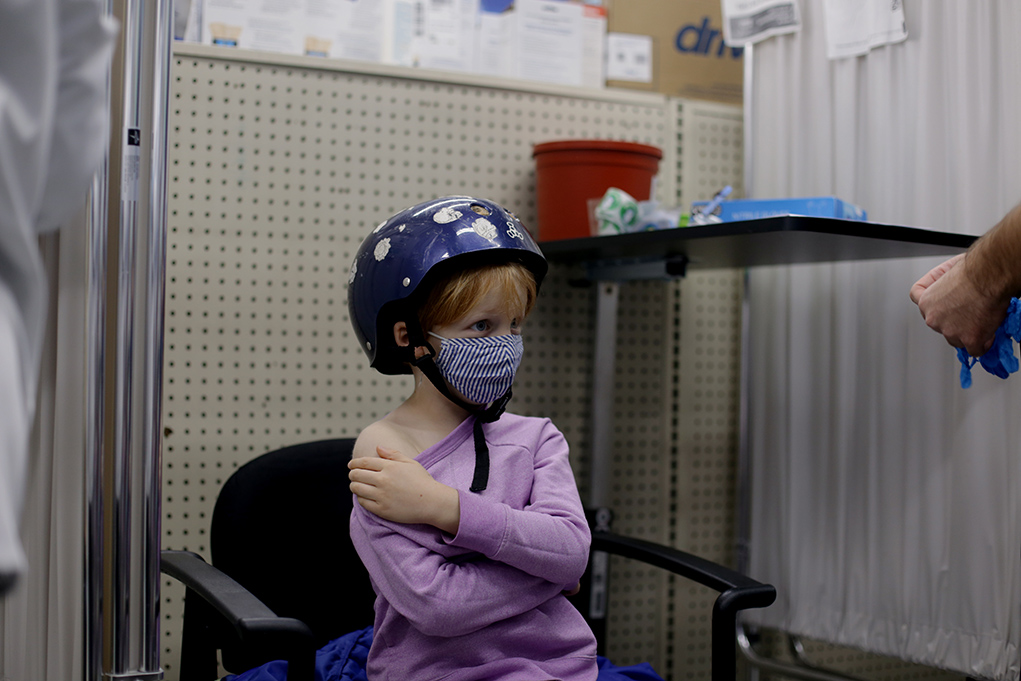
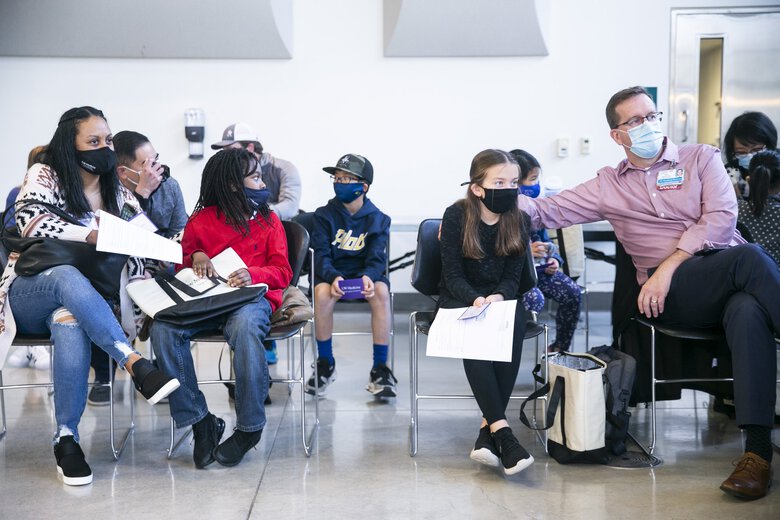
Nearly 3 in 10 parents of 5-11 year-olds (27%) are eager to get a vaccine for their younger child while a third say they will wait to see how the vaccine is working.
3 in 10 parents say they will definitely not get the vaccine for their 5-11 year-old (30%).
Parents are now 5-11 percentage points more likely to say they will “definitely not” get their children vaccinated.
53% of parents are worried their child may be required to get vaccinated for COVID-19 even if they don’t want them to.
To respond to the concerns, many states, counties and school districts have begun incentivizing parents to vaccinate their children, utilizing many approaches. Here’s a quick scan headlines that give a sense of the resources and responses to the vaccine rollout across the US:
“Children who get their shots at schools or at other city clinics across the five boroughs will be eligible for the $100 incentive that the city has offered since late-July to new vaccine recipients getting their shots at city-run sites.”
This week, Aidi Bian shares her perspective on what’s been happening in China since the announcement by the Chinese government of major changes in the education system there. Bian is a bilingual math teacher and form tutor at HD Ningbo School, which belongs to a private educational group with 5 campuses in Beijing, Shanghai, Ningbo, Qingdao and Nanjing. She has previously reported on “New Gaokao in Zhejiang China: Carrying on with Challenges” and contributed to “AI and education in China“
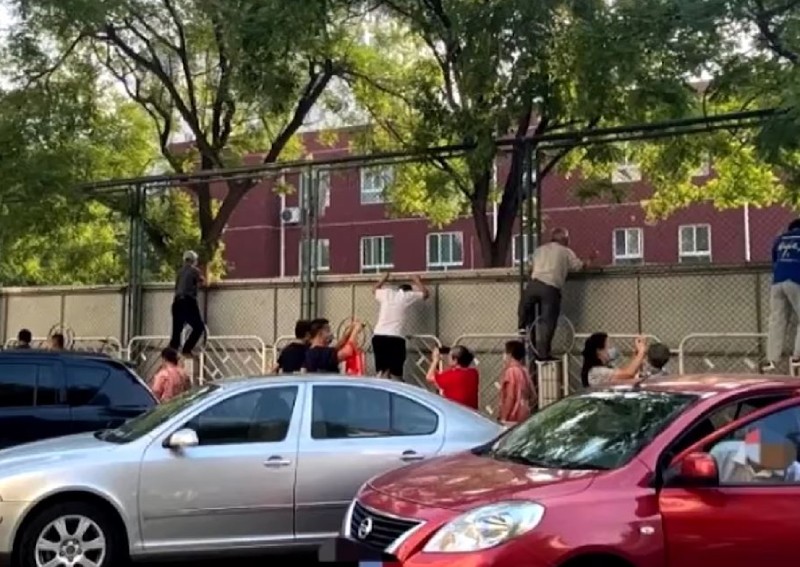
Surprise and controversy came with the announcement of a new “Double Reduction Policy” for China’s education system in late August. The policy, Opinions on Further Reducing the Burden of Homework and Off-Campus Training for Compulsory Education Students, was released by the highest office of the central government. The document requires a reduction in the burdens for students created by homework and off-campus tutoring programs. This contributed to what some have described as the downfall of the tutoring industry in China, estimated to be worth more than 400 billion RMB. The central government determined that the academic stress and pressure in education is having an irreversible, harmful influence on the next generation of the country and concluded that it must take harsh action to change the situation by administrative force.
The central government determined that the academic stress and pressure in education is having an irreversible, harmful influence on the next generation of the country and concluded that it must take harsh action to change the situation by administrative force.
China has long been known for high academic pressure in elementary and secondary education. Parents put great emphasis on academic achievement of their children from the first day of school (even from kindergarten) to win the fierce competition of entering good colleges. Recent years have witnessed a rapid expansion of the private tutoring industry with the help of the internet (especially online tutoring after COVID). This in turn has created further anxiety for parents who are constantly bombarded with advertisements for tutoring. The explosive growth of the tutoring sector has created a vast market, forcing many families to invest in tutoring training either willingly or under peer pressure. In some way, the educational cost of raising children has become so high that young couples refuse to have more than one child, creating big problems for a government that wants parents to have more children to relieve the challenges of a rapidly aging population. Along with an ongoing emphasis on test scores, the demands of heavy schoolwork and tutoring raise concerns about students’ physical and mental health. The Double Reduction policy is aimed at addressing these issues, freeing families from the economic burden of educating a child and protecting the physical and mental health of the next generation.
The Double Reduction policy includes the following key points:
Reduce the amount and time of school homework (specific time limits for written homework were listed for different grades).
Provide after school care for students by requiring schools to offer after-school services (such as extracurricular activities and evening self-study) to keep students in school until parents get off from work.
Strictly regulate private tutoring, including banning tutoring during weekends and winter/summer breaks, forbidding tutoring companies from going public, and preventing school teachers from providing any tutoring service.
Outlaw frequent formal exams and rankings in schools.
Some families welcomed the policy in relief while others seemed to get even more anxious as they feel compelled to pay more money to find private tutors or to take on the burden of tutoring their children themselves. Some parents also worried that if they have no way to keep their children occupied with studying, their children will spend more time on the internet, watching videos and playing games. To ensure the enforcement of the policy, local governments have been encouraged to report violations and infractions, which has caused some conflicts among students, parents and teachers. The policy was effectively enforced over the past months. Yet, the strong demand for tutoring remains constant, with parents afraid to risk their children’s future given the fierce competition for the best scores, the best schools, and the best educational supports and resources.
The policy was effectively enforced over the past months. Yet, the strong demand for tutoring remains constant, with parents afraid to risk their children’s future given the fierce competition for the best scores, the best schools, and the best educational supports and resources.
Although not part of the “Double Reduction”, related policies were also implemented around the same time to address the broader goal of educational equality. One new policy sought to address the problem that in some big cities parents will buy expensive houses just to get into an area where their children can enroll in the best schools. To that end, local governments are now pursuing a “random draw” to decide which schools children go to. To further promote equality, some cities also began to implement a teacher rotation program. The best teachers and principals are required to move to other local schools so that students in different areas of the city have equal access to high quality education from experienced educators. With all the efforts, the government is aiming for a high-quality in-school education and restrict the wild growth of after-school competition.
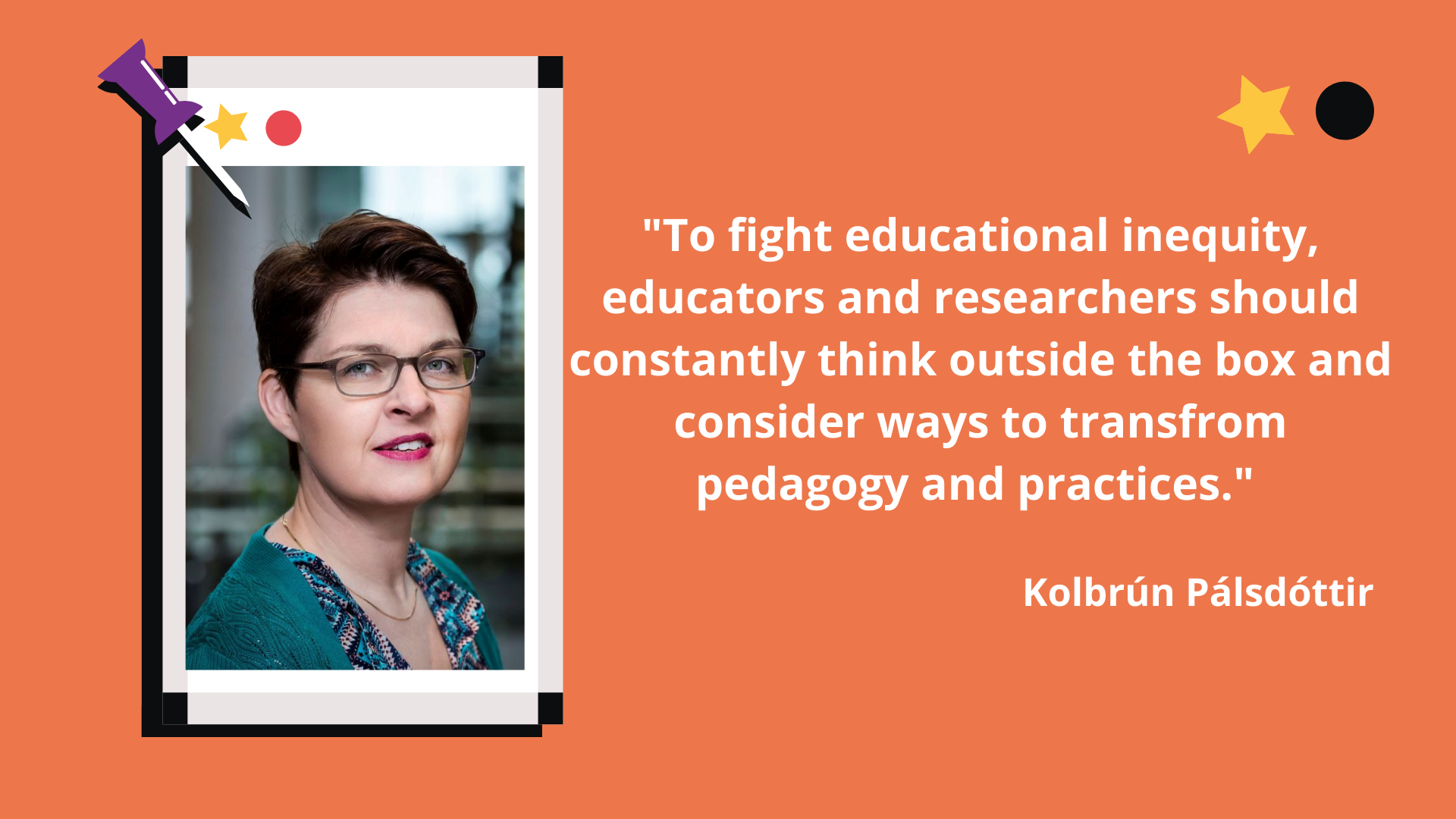
This month’s Lead the Change (LtC) interview presents a conversation with Kolbrún Pálsdóttirabout her work inside and outside of schools. Pálsdóttir is the Dean and an Associate professor at the School of Education, University of Iceland. Before becoming a teacher and researcher in 2007, she was an educator and department leader at Reykjavík and took an active role in the development of out-of-school centres for young school-aged children.The LtC series is produced by the Educational Change Special Interest Group of the American Educational Research Association; Jennie Weiner, Chair; Olga O. Fellus, Program Chair; Corinne Brion, Secretary/Treasurer; Alexandra Lamb, Series Editor; Cynthia Wise, Social Media Coordinator. A pdf of the fully formatted interview is available on the LtC website.
LtC:The 2022 AERA theme is Cultivating Equitable Education Systems for the 21st Century and charges researchers and practitioners with dismantling oppressive education systems and replacing them with anti-racist, equity, and justice-oriented systems.To achieve these goals, researchers must engage in new methodologies, cross-disciplinary thinking, global perspectives, and community partnerships to respond to the challenges of the 21st century including the COVID-19 Pandemic and systemic racism among other persistent inequities. Given the dire need for all of us to do more to dismantle oppressive systems and reimagine new ways of thinking and doing in our own institutions and education more broadly, what specific responsibility do educational change scholars have in this space? What steps are you taking to heed this call?
Kolbrún Pálsdóttir: I strongly believe that the educational system(s) created within societies are the key for a better future. In fact, that is one of the main reasons why I was drawn into the field of education, as a student, a professional, an educator, a researcher, a teacher and a collaborator. Looking at our education system in Iceland during the COVID-19 pandemic, it is apparent that vulnerable students were hit the hardest (Pálsdóttir, 2020; Pálsdóttir et al., 2021), as they were unable to access school resources and support during pandemic restrictions and school closings. Although very few K-12 schools had to close in Iceland, due to effective pandemic responses, access to both schools and leisure-care programs were more limited as were the services they provided.
I am an extended education researcher and a leader, and through my professional life I have always explored how individuals flourish and develop in both formal and non-formal social settings. As a research field, extended education focuses on the important role out-of-school and extra-curricular activities play in children’s and youth’s learning and development. In my work, I have set out to examine how partnership can be developed between educators from different professions, such as teachers and out-of-school-personnel, and their practices can become aligned to better serve students on their education paths. A cross-disciplinary approach is, in my view, the most fruitful way forward for us, both as individuals and communities, to tackle and develop realistic responses to serious local and global challenges. As a professional in out-of-school programs in Reykjavík, I quickly realized how important the informal setting of the out-of-school program was to support the social inclusion of all children. My research shows that participation in the out- of-school programs is particularly important for students who, for myriad reasons, struggle in school, for example because Icelandic is not their first language, or because they have strengths that are situated on the periphery of formal school learning (Pálsdóttir, 2012, 2017). These challenges are particularly important to educators today as Iceland has transformed into a multi-cultural society within the space of few decades. For example, since 2000, the immigrant population in Iceland has risen from 2.6% to 13.5%. We now have schools in Reykjavik where the majority of students for whom Icelandic is not their first language.
When it comes to educating educators and teachers, it is important to “walk the talk,” practice what we preach. Equity is one of the guiding values of the University of Iceland (UI), and at the School of Education (SoE). We are proud of our increasingly diverse student population. Our educational two-year diploma program for young people with intellectual disability is one of a kind in Iceland and creates a dynamic and critical dialogue on both educational access and the essence of higher education (see Stefánsdóttir & Björnsdóttir, 2016). The SoE also offers both an undergraduate and graduate program in International Studies Education which is taught in English. It is a popular program drawing students from all over the hemisphere as well as Icelandic students with immigrant backgrounds (Halldórsdóttir & Gollifer, 2018). Our teacher education programs have a growing body of immigrant students, particularly in early education and pre-school staff in Iceland include many with an immigrant background. Currently, our aim is to offer Icelandic courses as a part of our five-year teacher program. A new law on teacher education (2019) stipulates that certified teachers should be able to teach in Icelandic. Given the dire need to create a more diverse workforce within our schools, it is a priority to make teacher education more accessible for immigrant students.
For example, the way some of my pioneer colleagues at the University of Iceland managed to create access to higher education to a student group previously excluded, (i.e. developmentally disabled students), is amazing and transforms our ideas of higher education, making it an inclusive social practice. Of course, there are obstacles and challenges to consider and overcome. An important first step is to look at education more holistically than the “conventional” process of schooling, and to involve students and their families on their own terms in the educational endeavor.
Lead the Change:A theme in your work is the need to listen, respect and respond to children’s voices in their educational experiences, what would be some of the major lessons the field of Educational Change can learn from your work and experience?
KP: Since my own experiences as a student, I have been concerned with how educators can be better equipped to help every individual flourish. Like many, I have witnessed countless unused opportunities to empower young people, whether in or outside the classroom, and I argue that many of those missed opportunities can be traced to adults tending to see young people as incapable and/or not skilled enough to be involved in decision-making. As a doctoral student, I became fascinated by the idea of how childhood is socially constructed and changes over time and place (see for example James & Prout, 1990/2015). Childhood studies became one of the theoretical lenses through which I explored the socially contextual practices of out-of-school programs in Reykjavík and its connection to schooling. Thus, children were one of my main sources of information as they gave their accounts, both verbally and through drawings on their experiences of leisure and school (Pálsdóttir, 2012; 2019). In retrospect, I could have taken an even more radical approach to involve the children in the research process, for example by becoming co-researchers. Today, participatory educational research with children is an acknowledged method and increasingly used to inform educational policy (see for example Cohen et. al., 2020 from the US context).
At the time of my doctoral thesis, however, it was considered progressive, at least in the Icelandic context, to consider children’s perspectives as a valuable part of educational research. I have learned that it is hard to move forward and create a dynamic and effective educational process without considering the perspectives of young people who have skills, experiences, and insights that are of great value. Young people tell us how they navigate sometimes unequal education paths through our school system, how social media shapes their lives and experiences, and how the current global challenges, such as global warming, migration, poverty, and war, affects their understanding of themselves and their place in the future. Bringing young people to the table is not only a way to get their views, but also a method to empower them and develop their character and social skills.
It gives youth a sense of belonging to have their voice heard, something that students too rarely experience within school but more often in out-of-school programs, as was evident in my doctoral research. This sense of purpose, sense of belonging is one of the pre-requisites for believing in yourself and achieving one’s goals (Pálsdóttir et al., forthcoming).
“Bringing young people to the table is not only a way to get their views, but also a method to empower them and develop their character and social skills.”
LtC:In some of your recent work responding to the COVID-19 crisis, you call on the educational community to embrace innovation and inventiveness to “strengthen the fabric of society.” What might this look like in action? What do you see as the most needed changes to policy/practice in the field, in educators’ daily practice and interactions with colleagues and students to facilitate a better path forward?
KP: The COVID-19 pandemic has certainly tested the core fabric of our global societies and local communities. It has been fascinating to witness the collective responses of professionals, whether within health, welfare, or education, all of whom who have been under tremendous pressure during this time. There are three areas where educators and scholars should focus to align their resources and build foundations for the future:
Community partnerships are the key to strengthen our institutions and set up holistic support for our students and their families. I am proud of the Icelandic education system and the way government, health authorities, and the education sector joined forces to minimize the disruption of students’ lives and their education. One of the positive learnings that can be drawn is that education and learning can take place in various ways as many teachers used digital and social mediums to connect to their students and create multi-fold learning platforms. I was also proud of the Icelandic education academic community who set up a response coalition webpage in April of 2020 to provide recommendations and tools on how parents and educators could support the learning and well-being of children during the pandemic.
Educational practices need to be made relevant to students and revolve around current issues, rather than remote future skills. For many reasons, the COVID-19 pandemic creates new opportunities to rethink our current practices. During the pandemic, some upper-secondary students reported they had more opportunities for independent study and felt empowered to use diverse mediums and learning sources for their school projects. Thinking about what really matters and what ultimately is the goal of education: to empower each individual to flourish and become an active participant in society – should encourage teachers to listen to students´ voices and use both formal and informal methods to activate and support individual learning. One important pandemic lesson is that Teachers need to be flexible and adaptive and continue to use diverse platforms for interactive learning to take place. This is such a complex endeavor and becomes impossible without government support, local resources, and professional authority and freedom of teachers and other educational professionals.
“Teachers need to be flexible and adaptive and continue to use diverse platforms for interactive learning to take place.”
Educational innovation is crucial to better equip our students and teachers to set up creative solutions to current and future challenges. Here we need to think about not only digital and technical innovation, but also about social innovation, which includes restructuring our organization of previous social practices, developing new approaches and organizational structures, such as setting up educational infrastructures (alignment) between schools, out-of-school programs and homes. My main worry centers around how we can prevent the “system” from sliding right back on its previous path. It is important that we do not spend time trying only to fill in blanks from 2020. Rather we need to focus on what our students learned during the pandemic, not least about our global context and collective humanitarian issues.
LtC:Educational Change expects those engaged in and with schools, schooling, and school systems to spearhead deep and often difficult transformation. How might those in the field of Educational Change best support these individuals and groups through these processes?
KP: First and foremost, I think educators need to be ambitious and courageous to go in new directions and that educational administrators´ key role should be to create a culture and infrastructure that fuels professional learning, teamwork, and innovation. Such a culture rests on the professional leadership of educational professionals which needs to be respected and nurtured through continuous professional development and collaboration as part of the work duties. In my leadership role as dean of the School of Education, I consider it my core duty to work with my colleagues to set up partnerships between diverse stakeholders: students in Iceland, parents, teachers and educators, municipalities, industries, the government, and the public. By collaborating with Reykjavík educational authorities, we have linked researchers and professionals to collaborate on research, innovation, and development projects in education; we have set up collaboration with a non-profit association who organizes educational programs for young people with mental health issues; we have organized educational programs for parents with the National Parent Association; and more. Our gains from these partnerships are tremendous and are clearly visible, as we have had an increase in student attainment. Study programs too have been enriched with the expertise of educational professionals who have joined our forces to invite students to get to know the current challenges and opportunities of our schools and community programs.
Creating this reciprocal relationship between academics and those currently engaged in educational practices at different school levels, in leisure programs, and other social contexts has been at the heart of our mission and will continue to be so.
Education research is an interdisciplinary endeavor and calls for researchers with diverse academic and professional backgrounds.The researcher´s role is to shed light on and analyze the educational system, the educational process, students’ outcomes, and social and cultural contexts. The findings of this interdisciplinary research should feed into policy and practices through multi-faced processes and both formal and informal partnerships. The implementation of change should come from within the educational system and is mainly in the hands of teachers, educators, and school leaders.
LtC: Where do you perceive the field of Educational Change is going? What excites you about Educational Change now and in the future?
KP: There has certainly been an increase in global awareness of the importance of the education system for societies to flourish, as international comparative databases such as PISA, have been developed and OECD countries compete for higher rankings. Comparative data on student learning outcomes creates an incentive to discuss student outcomes, but also to discuss the educational system and the overarching goals of education. However, at the same time the strong global push towards managerialism, accountability, and efficiency PISA has created in education is questionable, to say the least. It has fed an illusioned belief that there exists one model or one method out there, that can fit all students and their needs.
It is often overlooked that educational “truths” need to be interpreted and explored through social contextual lenses, such as cultural structure and values, and through the realities and experiences of people and communities. It is important to remember that the core aim of education should always be to help every individual to flourish and to be able to participate in society. We are facing complex challenges that call for both global and local responses. The pandemic has certainly reminded us that nature can uproot our daily lives and change them in unexpected ways. Many nations are also facing complex challenges stemming from human and/or natural causes. Icelanders, for example, need to be prepared to adapt their lives to earthquakes and eruptions, and we are now witnessing our magnificent glaciers melt away at an extreme rate due to global warming. My hope is that we continue to strengthen our education institutions to foster the multifold and amazing capabilities of our students, so they can sensibly and passionately work together to create better societies.
Reference
Cohen, A.K., Ozer, E.J., Abraczinskas, M., Voight, A., Kirshner, B. and Devinney, M. (2020). Opportunities for youth participatory action research to inform school district decisions, Evidence & Policy, 16(2), 317–329, DOI: 10.1332/174426419X15649816542957
Halldórsdóttir Gudjonsson, B.E. & Gollifer, S.E. (2018). A view towards internationalisation at the University of Iceland: Lessons learned from the International studies in Education Programme. Netla, https://hdl.handle.net/20.500.11815/1623
James, A. & Prout, A. (Eds.) (1990/2015 2nd ed.). Constructing and reconstructing childhood. Contemporary issues in the sociological study of childhood. Falmer Press.
Pálsdóttir, Kolbeinsson and Gunnþórsdóttir, (forthcoming). Belonging in the school: Factors affecting the perception of primary school students. Netla.
Pálsdóttir, K. (2020). Lessons from a Pandemic. The Educational System Evolving in the Time of COVID-19. The Delta Kappa Gamma Bulletin, 86(5), pp. 7-9.
Pálsdóttir, K. (2019). Connecting school and leisure-time centres. Children as brokers. In Dockett, S., Perry, B. & Einarsdóttir J. (Eds.). Listening to children’s advice about starting school and school age care (pp. 99-115). Routledge, Taylor & Francis Group.
Pálsdóttir, K. (2017) Integrated learning in schools: An Icelandic case study, Journal of Professional Capital and Community, 2(4), pp.215-228.
Pálsdóttir, K. & Kristjánsdóttir, K. (2017). Leisure-time centres for 6-9-year-old children in Iceland; Policies, practices and challenges. International Journal for Research on Extended Education, 5 (2-2017), pp. 211-216.https://doi.org/10.3224/ijree.v5i2.08
Pálsdóttir, K. (2012). Care, learning and leisure: The organisational identity of afterschool centres for six- to nine-year old children in Reykjavik (unpublished doctoral thesis). University of Iceland, School of Education. http://hdl.handle.net/1946/16754
OECD’sEducation at a Glance 2021 provides annual international comparisons of education statistics. This year, the report focuses on equity and also highlights the measures countries have implemented to the educational response during the pandemic. This week’s scan reveals the aspects of the findings that media outlets around the world have emphasized. For a comparison, see IEN’s Education at a Glance scan from 2019.
Australia has the fourth highest level of reliance on parent out-of-pocket costs to fund pre-primary education and ranks 41 out of 44 OECD nations on preschool attendance in the year before school.
Austria achieved first place with 75.6% in the ranking of pupils who complete upper secondary level with a professional qualification. This value is well above the OECD average of 38.4% and also above the EU average of 43.5%.
About two-thirds of OECD member and partner countries reported increases in the budget allocated to primary schools to help them deal with the crisis in 2020. Compared to the previous year, Brazil had no changes in the education budget for primary education, both in 2020 and in 2021
Even in Finland, students with a lower socio-economic background are more likely to continue in vocational education than in upper secondary school after lower secondary school. Of those who chose vocational education, 59% of the parents had not completed a university degree, compared to 27% of students who chose upper secondary school.
...Hungary is one of the countries that provided targeted support to education actors during the epidemic, such as the state’s continued provision of free and discounted childcare and additional benefits for educators working in disadvantaged settlements for their work to prevent dropout.
The annual Education At A Glance 2021 report from the Organisation for Economic Co-operation and Development shows spending on education – ranging from primary to higher and further education – in Ireland accounts for 3.3 per cent of our GDP in 2018. This compares to an EU average of 4.4 per cent and is significantly behind top-performers such as Norway with 6.6 per cent
The report shows that during the Corona period, high schools in Israel were closed for more days than in OECD countries, as were middle schools. High schools were closed for 76 days compared to an average of 70 days in the OECD, and middle schools were closed for 93 days compared to 65 days. On average in other developed countries, however, primary schools and kindergartens were closed for fewer days – 52 primary days were closed compared to 58 in OECD countries, while kindergartens were closed for 36 days compared to 43 days in the OECD.
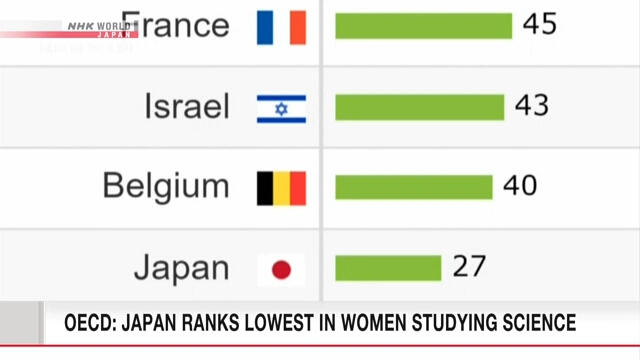
Stressing the high level of Japanese women’s knowledge and ability, the OECD noted the effects of the strong imposition of stereotypical images for women’s career options in Japan, and the lack of role models in science fields.
In Latvia, the unemployment rate among adults aged 25-34 without secondary education was 19.7% in 2020, which is six percentage points more than in the previous year. This was a higher increase than the OECD average, where the unemployment rate for young adults was 15.1% in 2020, two percentage points higher than in 2019.
In total, women make up less than 40 percent of students on vocational courses—this is more than five percent below the OECD average. Among Norway’s Nordic neighbours Finland has the highest proportion, 51 percent, of women studying vocational subjects followed by Denmark, 43 percent, and Sweden, 41 percent. However, depending on the subject, the gender disparity could vary massively. For example, women made up just 8 percent of people studying electrical engineering. This is around half the OCED average.
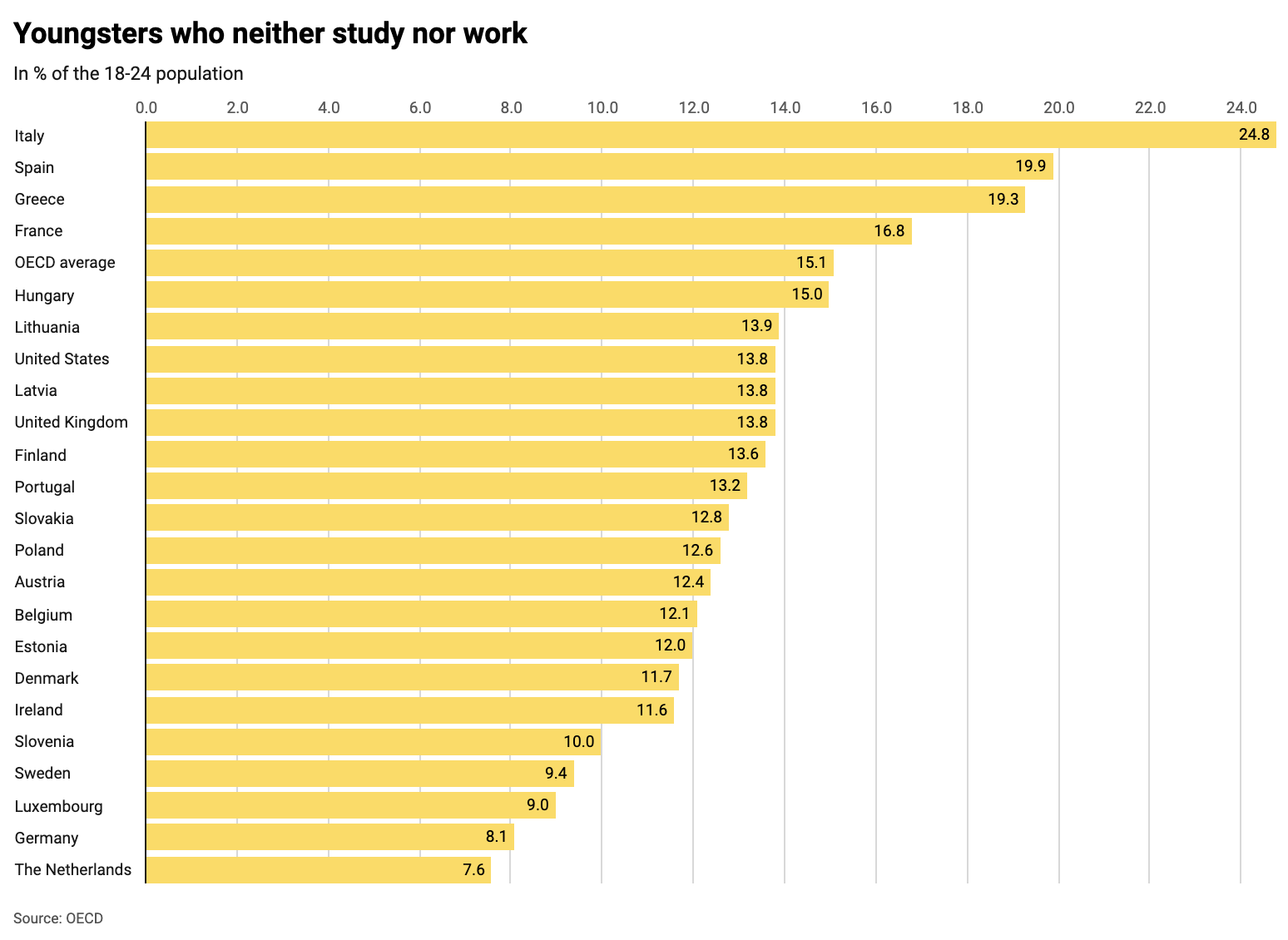
According to a new report, 19.9% of youngsters between the ages of 18 and 24 fell into the NEET category (neither in employment nor in education or training) in 2020 – a problem that was exacerbated by the coronavirus pandemic.
In Switzerland there have been concerns that some disadvantaged pupils fell through the learning net during the shutdown of schools in spring 2020 – by not having anywhere quiet to study, access to computers or not turning up to online lessons. Switzerland…was not among the countries that allocated additional funds to ensure resources targeted those who needed them the most.
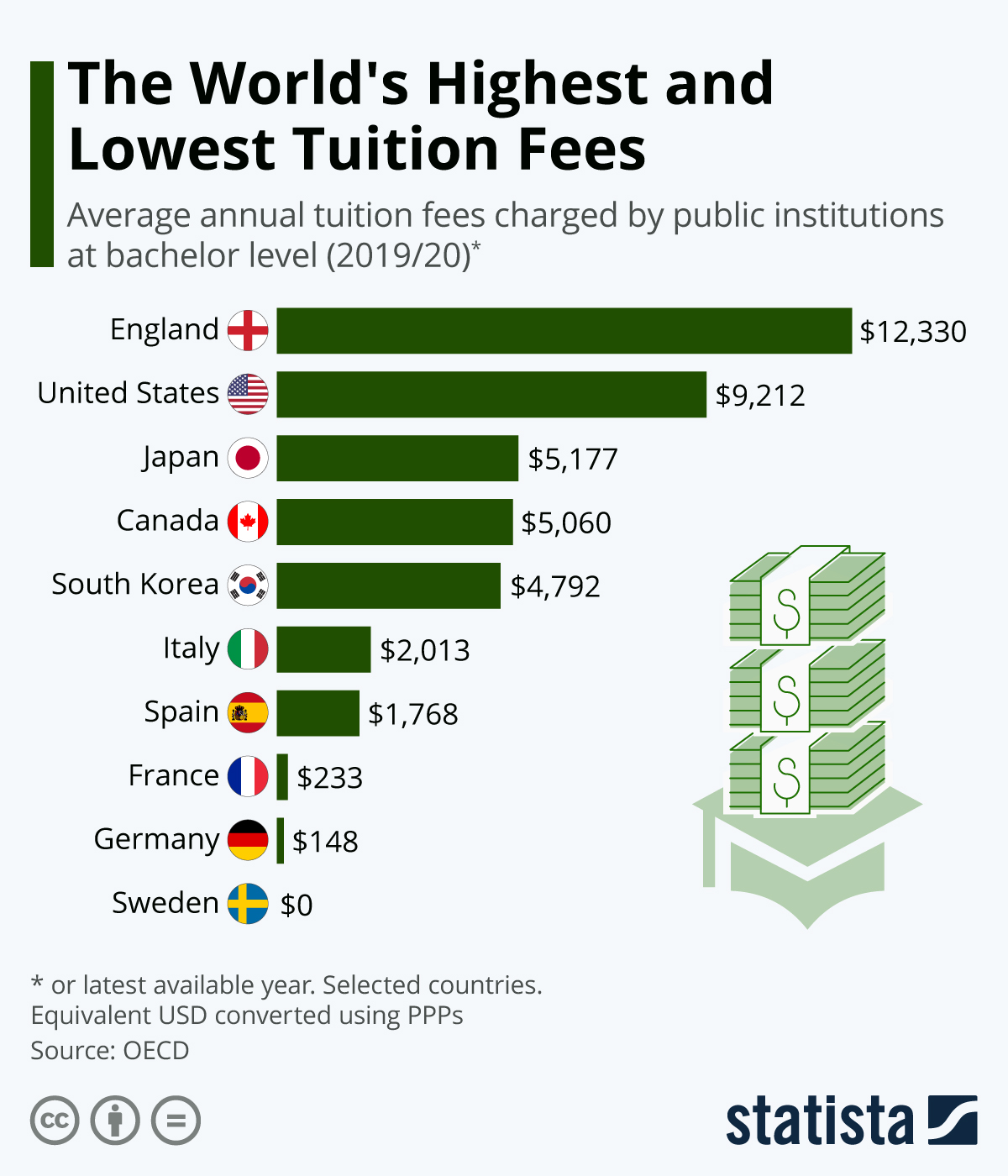
Universities in England can charge up to £9,250 per year for an undergraduate degree, and even more to overseas students. Scottish students do not pay tuition fees in Scotland, and Northern Irish students benefit from a lower tuition fee cap in Northern Ireland.
The COVID-19 pandemic has altered multiple aspects of everyday life, especially those requiring personal interactions and daily routines. As a result, the core practices of things like schooling and student learning have had to be fundamentally revised. Schools across the world have thus adopted policies and practices to facilitate virtual learning, which have forced educators to quickly learn how to design and enact online lessons with limited resources (United Nations, 2020). Schools have invented and established these routines as the “new normal,” all while navigating a persistent level of uncertainty. Although COVID-19 has highlighted and exacerbated the digital divide as well as social inequalities like economic and racial injustice (United Nations, 2020), scholars and educators have argued that this disruption also presents an opportunity for the equitable redesign of school systems (Zhao, 2020). With massive vaccination efforts, schools are now preparing to go back to “normalcy” for post-COVID-19 education (see Durston et al., 2021; Meckler & George,2021). In reflecting on the many innovations schools have made during COVID-19 (e.g., online and blended learning, individualized support), it is important to consider Zhao and Watterston’s (2021) argument that the educational changes imposed by the pandemic may be unsustainable for the long-term.
While superficial changes in schooling made during the pandemic may not be sustainable, this essay offers a counter-narrative from the Korean context, in which educators re-constructed policies and teaching practices to fill the educational vacuum caused by COVID-19. The lessons we address here build on 23 Zoom interviews (including 17 individual interviews and six focus groups) conducted throughout the 2020 school year with Korean teachers, school and district leaders, and parents across the country. As education researchers residing in the US during the pandemic who previously worked as Korean school teachers, we wanted to present stories of how Korean schools implemented online and hybrid classes without largescale school closures and how educators made meaning of the changes forced by COVID-19.
“While superficial changes in schooling made during the pandemic may not be sustainable, this essay offers a counter-narrative from the Korean context, in which educators re-constructed policies and teaching practices to fill the educational vacuum caused by COVID-19”
What was most striking to us was the ownership of educational change reflected in the educators’ narratives. This sense of ownership can be understood as a “mental or psychological state of feeling owner of an innovation” that enables educators to understand how changes are applied and their specific roles in initiating these changes (Ketelaar et al., 2012, p. 5). In navigating and reflecting on the pandemic’s unexpected challenges, they placed themselves at the center of efforts to realize “future education.” Teachers and leaders thereby perceived educational innovations as both a short-term reaction to the pandemic and as sustainable transformations to lead in the long run. This sentiment was apparent in their responses to the sudden onset of COVID-19, as well as in their approach to schooling a year into the pandemic. For the Korean educators we interviewed, “back to school” does not mean back to pre-pandemic schooling of the past. Although we do not generalize their responses as “the Korean case,” our surveys of news articles, books, and online teacher communities in Korea indicate strong aspiration for changes stemming from critiques of pre-pandemic education.
Behind the ownership of sustainable changes: Three driving forces
Throughout the research process, we consistently asked what led the Korean educator participants to take ownership of school changes. As an irresistible force (Stone- Johnson, 2021), COVID-19 has imbued education communities with a sense of urgency and purpose to collectively revise school systems…Echoing the argument that COVID-19 catalyzed the realization of school reforms (Kim et al., in press), we identified three macro-level driving forces in participants’ stories that enabled transformations in Korean schools:
Policy discourse about “future education”
Professional teaching cultures
Using bureaucratic administration creatively
Lessons learned: Suggestions for back to school with COVID‑19
Offer a shared space for diverse policy actors
Adopt hybrid governance to coordinate resources
Balance commitments to others and self‑care
The COVID-19 pandemic has shaken the structure and practices of education systems around the world. It forced schools to change their core activities from the bottom up and create new ideas and systems to support student learning. Schooling during the pandemic has thus necessarily revealed challenges that must be addressed (e.g., widening achievement gaps), but it also surfaced opportunities for challenging the “old grammar of schooling” in how Korean educators took ownership of educational changes to collectively envision better ways of schooling during and after COVID-19.
“Schooling during the pandemic has thus necessarily revealed challenges that must be addressed (e.g., widening achievement gaps), but it also surfaced opportunities for challenging the “old grammar of schooling” in how Korean educators took ownership of educational changes to collectively envision better ways of schooling during and after COVID-19.”
In the final part of this “Back to School” series, Thomas Hatch scans some of the headlines that describe critical issues in the new school year in many parts of the world. Part 1 links to articles with some lessons from last year and guidance for reopening schools this year. Part 2 draws together headlines that focus on the many challenges causing problems for schools in the US this year. Part 3 highlights headlines from states and cities in the US. Take a look at IEN’s “Back to School” headlines from 2020, from 2019, and from 2018 to see how this year compares.
In the third part of this “Back to School” series Thomas Hatch scans some of the headlines from states and cities around the US, most of which focus on concerns about COVID cases or related stories about vaccines, masks, and protests about them. Part 1 links to articles with some lessons from last year and guidance for reopening schools this year. Part 2 draws together headlines that focus on the many challenges causing problems for schools this year. Later posts will include school reopening headlines from other parts of the world as well. Take a look at IEN’s “Back to School” headlines from 2020, from 2019, and from 2018 to see how this year compares.
In the second part of this “Back to School” series, Thomas Hatch scans some of the headlines that highlight the many challenges that are contributing to problems at the start of the school year in the US. Part 1 links to articles with some lessons from last year and guidance for reopening schools this year. Later posts will include school reopening headlines from other parts of the world as well. Take a look at IEN’s “Back to School” headlines from 2020, from 2019, and from 2018 to see how this year compares.





 International Education News