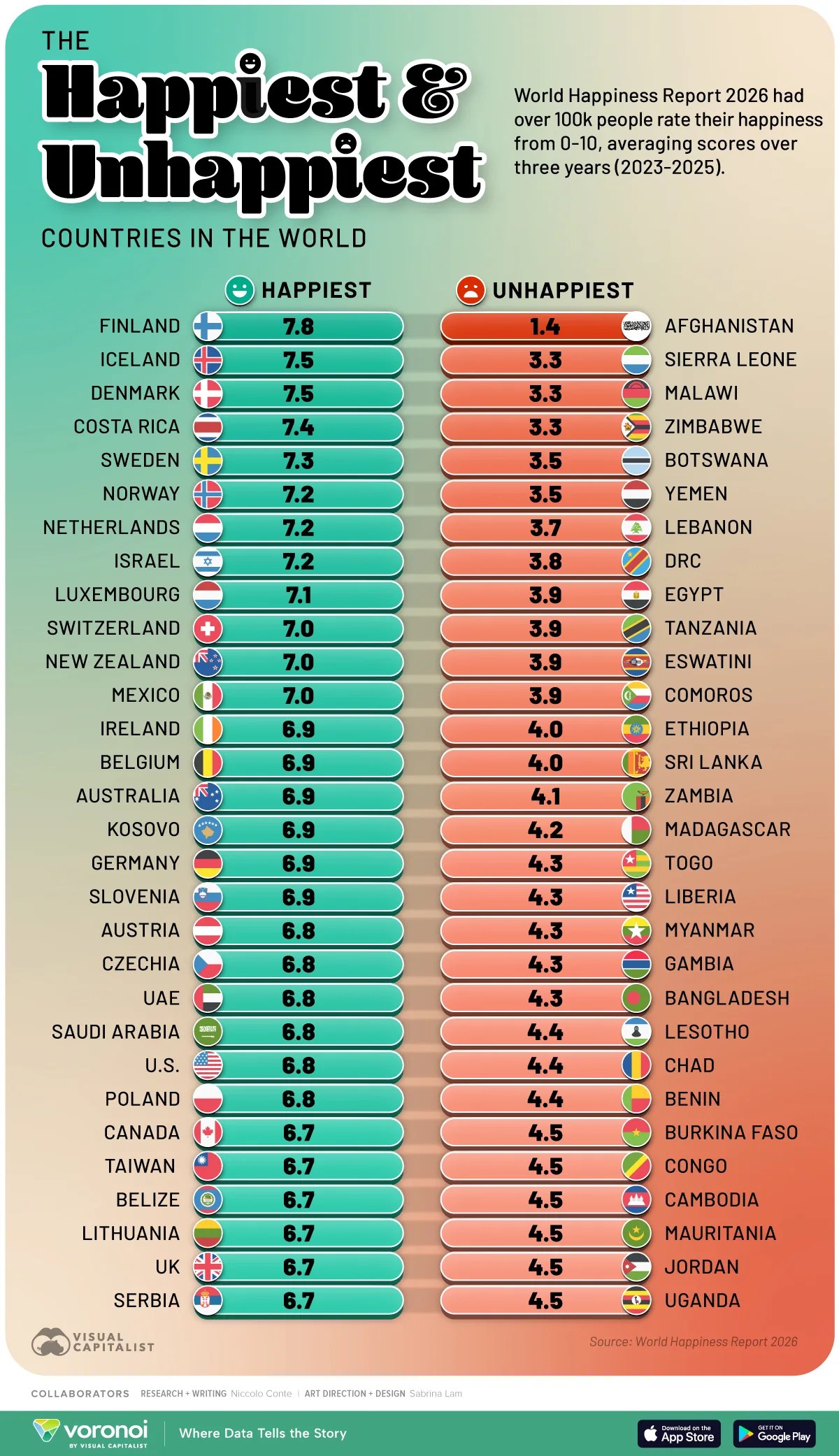
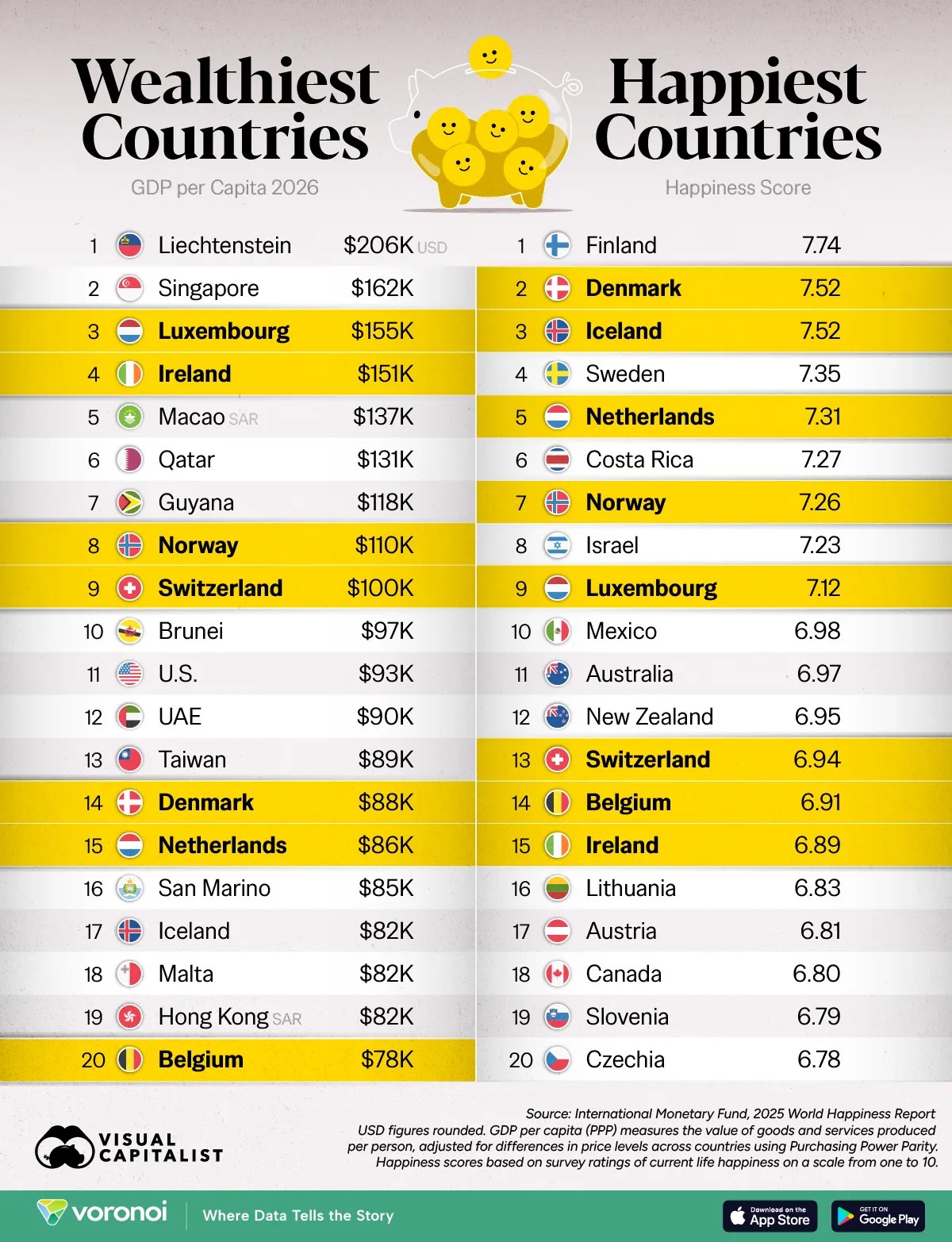
All five Nordic countries and Costa Rica occupy the top slots on the latest World Happiness Survey, but life satisfaction of those under 25 in English countries has dropped sharply in the past 10 years. What’s going on? This scan of the headlines from around the world gives a glimpse of the results from the latest World Happiness survey and explores the relationship between children’s social media use and happiness. For other recent stories from IEN about children’s wellbeing see: Could concerns about the academic pressure on students in China lead to real changes in conventional schooling? Stability & change in the education system in China (Part 4), Engagement, Wellbeing, and Innovation in the Wake of the School Closures in Vietnam: A Conversation with Chi Hieu Nguyen (Part 2); A view from Poland (Part 2) – Jacek Pyżalski discusses the effects of the COVID-19 pandemic on students, teachers and wellbeing; Thirteen insights into teacher wellbeing and mental health in England; Headlines around the world: PISA (2015) Well-Being Report
The 2026 rankings mark the second year in a row that none of the English-speaking countries appear in the top 10. The United States is at 23rd place, Canada is at 25th and Britain at 29th.
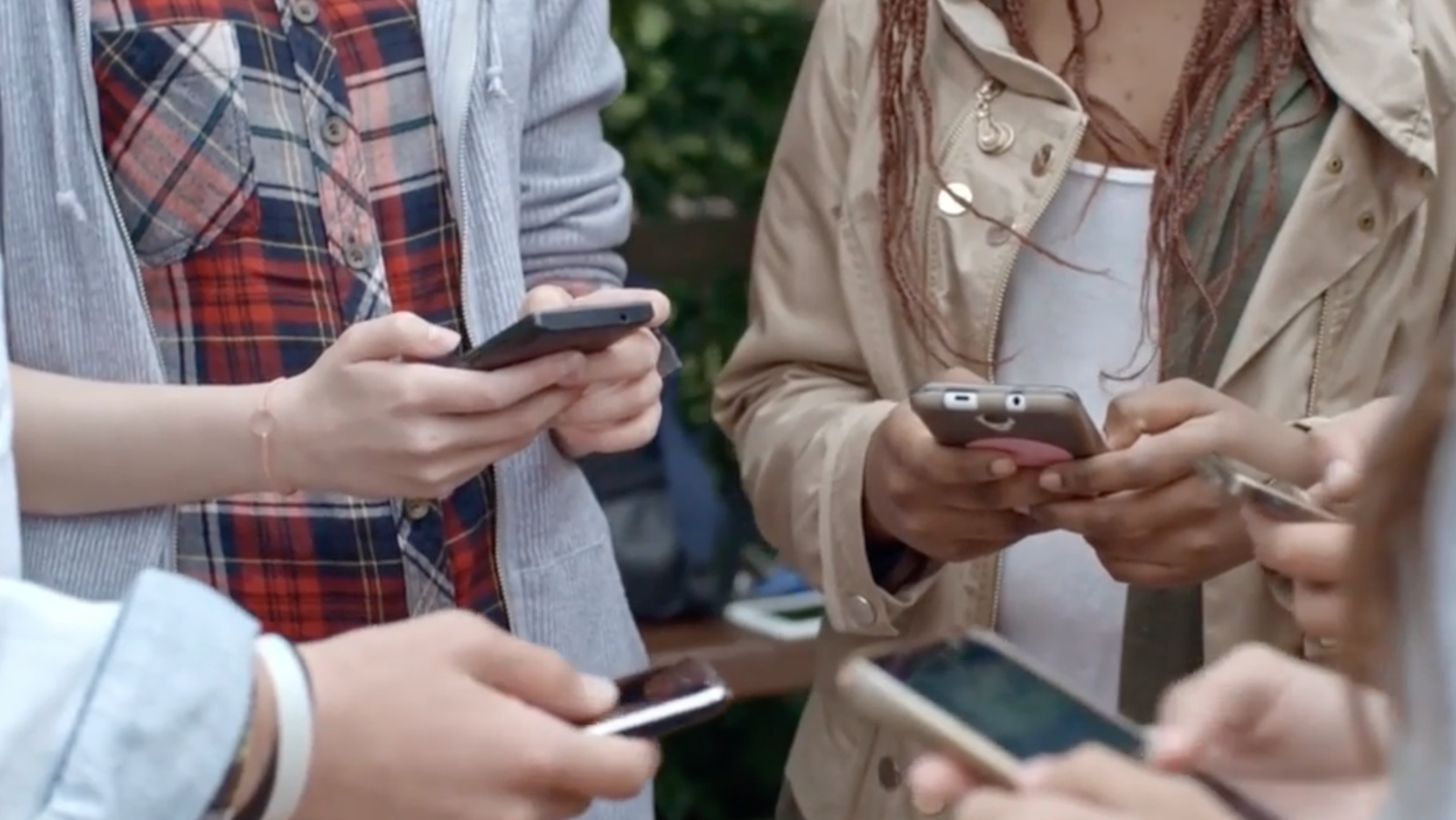
“Heavy social media use contributes to a stark decline in well-being among young people, with the effects particularly worrying in teenage girls in English-speaking countries and Western Europe, according to the World Happiness Report 2026.”
Canada slipped to 25th place after coming 18th last year, finishing behind the 23rd-ranked United States…In the 2015 report, Canada ranked fifth but has since steadily declined, with 25th place marking its lowest ranking since the report was launched in 2012.
“All five Nordic countries are in the top six, with Iceland and Denmark close behind Finland. In fourth place is Costa Rica, the highest ranking ever for a Latin American country. Sweden and Norway are in fifth and sixth places.”
The latest World Happiness Report has once again highlighted the stark contrast in happiness levels across South Asia. India, ranking 116th, trails behind its neighbouring country Pakistan, which sits at 104, and even war-affected nations such as Iran (97th). Other neighbours fared differently, with Bangladesh at 127, Sri Lanka at 134, Afghanistan at 147, and Nepal at 134.
“The report suggested that higher levels of social media usage was linked to lower wellbeing, particularly when use was heavy and more passive, such as browsing or “doom scrolling” rather than active communication.”
Can the changing economic, political, and demographic conditions in China combine with growing concerns about students’ mental health and wellbeing to create a more balanced education system? Thomas Hatch explores this question in the final post in a series that shares his reflections on his conversations with Chinese educators and visits to Chinese schools over the past two years. The first post in this series explored some of the “niches of possibility” within the conventional Chinese curriculum and schedule that may foster the development of more student-centered approaches. The second post reviewed changes in educational policy in China that may have created some additional flexibility for schools to pursue innovative educational approaches and reinforced exam pressures at the same time. The third post discussed how one experimental school is trying to take advantage of AI to support students’ learning and development and the fourth considered recent efforts to respond to growing concerns about students’ mental health.
The elite schools I visited in China demonstrate the kinds of innovative practices that can fit into the Chinese education system even with its exam-based focus and intense academic pressures. At the same time, the academic pressures continue to constrain any attempt to change instruction and spread more student-centered pedagogies on a wide scale. Although it seems that there may be no way out of the “trap” of increasing academic pressure, it’s also clear that the Chinese education systems has changed substantially over the past thirty years, in concert with significant developments in the demographic, economic, technological and political conditions in China. These realities left me wondering: Could China leverage the changing societal conditions to create more balanced educational experiences for future generations of students?
“Could China leverage changing societal conditions to create more balanced educational experiences for future generations of students?”
Changing conditions in China over the past 30 years
In China, the massive expansion of education at every level, and particularly the growth in the number of university places could have helped to lessen some of the exam-based pressure on students. However, those developments took place along with the massive growth in the Chinese population to over 1.3 billion people by 2010. At the same time, almost 800 million people have lifted themselves out of poverty and China’s middle class, now the largest in the world, includes over 500 million people. Even with the substantial increases in the number of colleges and universities, those developments mean that many more parents aspire to get their children into a handful of top institutions of higher education and many more students are competing for those limited places.
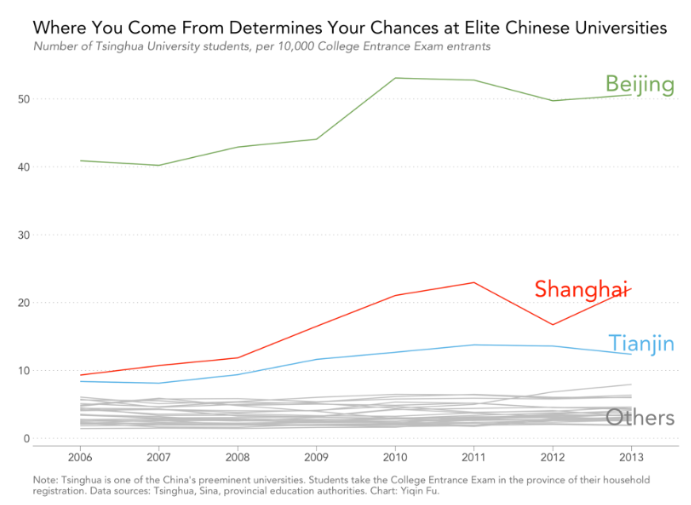
Further fueling the pressure is a substantial rural-urban divide, with students in rural areas experiencing much more difficult basic conditions and much less chance of getting a good education, getting a good score on the Gaokao, or getting into college. Although most villages had a primary school of some kind in the 1990’s, as birth rates fell and rural parents migrated to cities to take advantage of the economic opportunities, almost three-quarters of all primary schools – around 300,000 – were closed. As a consequence, some children have to travel long distances to school and others spend the school week at boarding schools, including what are estimated to be some 60 million “left-behind children” whose parents could not take them when they migrated to find work. As of 2015, there were about 100,000 boarding schools in rural China, with an estimated 33 million children living in them, including about 12% of primary school children and 50% of rural secondary school students. Crucially, the difficult conditions contribute to the gap between urban and rural students in high school completion and access to higher education.
Recent changes in birth rates, employment, and college enrollment
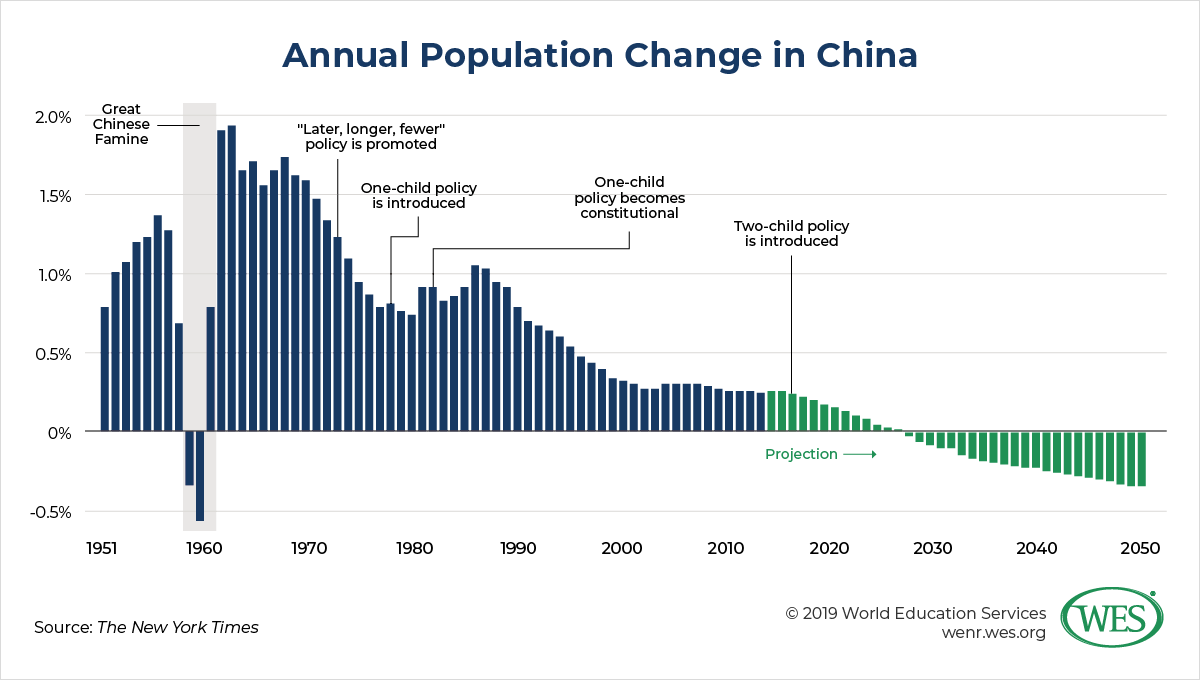
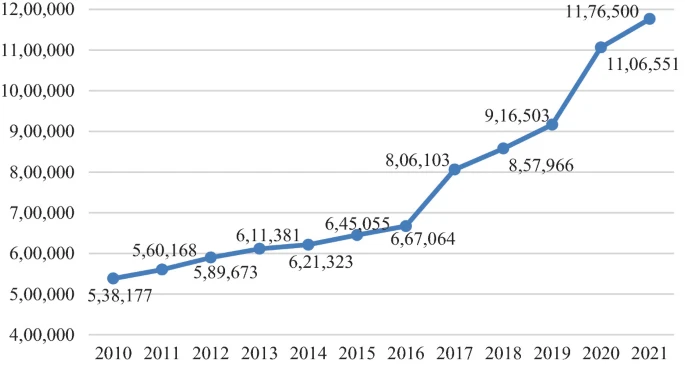
But conditions are changing again – fast. Births in China have now declined so much that the birth rate in 2023 was about half of what it was in 2015 only eight years earlier. The population decline in 2023 was also twice as large as it was in 2022, the first year the population dropped in 60 years. China’s economic growth has now slowed to one of its lowest rates in more than three decades; a real estate crisis has contributed to plunging house prices; and unemployment among youth has been so bad that in 2021 more than 70% of those 16 – 24 year-olds who were unemployed in Chinese cities had a college degree. By 2023, once the overall youth unemployment rate passed 21% China temporarily stopped reporting the figures. In 2024, with a new measure that excludes students, youth unemployment still stood at over 14%. At the same time, the expansion of higher education has continued while employment opportunities for post-secondary graduates have dropped. In 2024, only half of the 11.58 million graduates have gotten a job or gained admission to postgraduate study. Recognizing that problem, the Chinese government has encouraged universities to admit many more masters and doctoral students, leading enrollments in graduate programs to double between 2010 and 2021.
Unfortunately, the glut of college graduates, in turn, has contributed to diminished job prospects for many of those who worked so hard for good grades and high scores on the Gaokao. As one researcher at China’s National Institute of Education Sciences put it, college graduates should lower their expectations and look for jobs in sectors such as food or parcel delivery; other reports claimed masters degree recipients were taking on jobs like trash collectors. These changing circumstances challenge the very idea that schools are a vehicle for upward social mobility As one joke puts it: “The mortgage is nearly 10 million, the spouse does not work, and the second child is studying abroad. This is simply the three things that will cause the middle class to fall back into poverty.” Given these developments, some researchers see a recent drop in the number of graduate school applicants as a “return to rationality” Perhaps, the latest generation of Chinese students are beginning to recognize that postgraduate study can no longer guarantee them a better job.
“[S]tudents should lower their expectations and look for jobs in sectors such as food or parcel delivery“
Under these demographic and economic conditions, it’s possible to imagine scenarios where the seemingly inevitable increases in academic pressure and competition might subside somewhat. After years of urbanization that exacerbated the rural-urban gap in educational and economic prospects, a “reverse” migration and a redistribution of the population back to smaller cities and rural areas may be underway. Rural – urban migration had already slowed down before the COVID pandemic, and China’s statistics bureau reported that there were almost two and a half million fewer migrant workers in urban areas in 2021 than there were in 2019, with more migrants staying closer to home. That reversal has been aided by the development of the digital economy and opportunities for remote work as well as by longstanding restrictions that make it difficult, if not impossible for migrant workers to access housing, schooling for their children, and other benefits.
Taken together, these changes could encourage many more students and their families to stay where they are and to take advantage of the massive growth in higher education outside the major cities. With a decreasing population more distributed around the country there could be fewer students competing for an expanded number of places in colleges and universities. At the same time, if more youth recognize that academic competition is not yielding the access to elite universities or job prospects that previous generations expected – and they see that more studying does not necessarily lead to better results – academic pressure could subside further.
New developments in curriculum, technology, and assessment?
A new set of curriculum standards and new textbooks may also help to fuel this shift, providing a policy context that can encourage many schools to pursue more student-centered learning. As one description of the changes put it, beginning in 2024 with the initial introduction of new textbooks, “compulsory education will enter a new era in which new curriculum standards, new textbooks, and new classrooms are mutually compatible, from the past ‘educating for scores’ and ‘educating for abilities’ to the comprehensive deepening of ‘educating people.’”
[C]ompulsory education will enter a new era in which new curriculum standards, new textbooks, and new classrooms are mutually compatible, from the past “educating for scores” and “educating for abilities” to the comprehensive deepening of “educating people.”
The new curriculum and textbooks continue to highlight the learning of subjects but promote a change in focus from “fragmented class objectives” to more integrated and systematic unit objectives, a new emphasis on the transfer and application of knowledge, and a transition from “practicing questions to solving problems.” The math textbook, for example, has added two “mini-projects” for each semester that are supposed to take up at least 3 lessons. The changes in the English textbooks create another niche of possibility for more interdisciplinary and student-centered learning by spending less time on grammar and organizing each unit around theme-based projects. Changes being made in the questions for the Gaokao to focus more on applications of knowledge and on problem-solving rather than on memorization could play an important part in this shift.
Technological developments could also facilitate the development and spread of innovative practices by facilitating more personalized learning experiences and contributing to more powerful assessments. Although these new technologies and AI could be used to teach students more and more traditional content and skills more quickly, they could also help to make conventional instruction much more efficient. As the efforts of the teachers at the Suzhou Experimental Primary School demonstrated, AI could also create more space and time for student-centered learning experiences and to support the development of a much wider range of interests and abilities and student wellbeing. Of course, such technological development in schools depends on close cooperation between AI and tech companies and Chinese schools as well as the Chinese government’s continuing efforts to support digitization of schools and teaching in remote rural areas.
As I have argued in “The power of condensing the curriculum,” all of these demographic, economic, political, technological and educational changes could create the opportunity and incentives to reduce the time spent on exam preparation and create more balanced school experiences. All of these are enormous “if’s,” however. Predicting generational attitudes, in particular, is far from an exact science and certainly not something to count on. As Yong Zhao, a well-known expert on educational change and China told me in my interview with him before my first trip, “China will not drop the Gaokao,” and taking the “tang ping” route for many is a risk that could have consequences like social isolation, diminished economic potential, and a lower standard of living.
A perfect storm or just another typhoon? Changing society, changing beliefs, changing schools
In the end, real changes in the academic pressure, and expanding support for a wider range of abilities and student mental health and wellbeing in China, as in the US and education systems, depends on the “perfect storm” of changes in education policies, technologies, economic and demographic conditions, and changes in the deep-seated values and beliefs that sustain conventional school practices.
As important as the Gaokao may be, by the time I left China I was convinced that the Gaokao is just an expression and manifestation of a basic belief that those who score the highest, those who work the hardest, deserve the riches they accumulate. In that sense, China may not be that different from the United States, where that same kind of belief in individual achievement sustains a highly inequitable system and the conventional modes of instruction and schooling it relies on.
“[T]he Gaokao is just an expression and manifestation of a basic belief that those who score the highest, those who work the hardest, deserve the riches they accumulate.”
As Daniel Markovitz argues in The Meritocracy Trap, in the US, success in school and in life is generally seen as a product of an individual’s talent and effort. Similarly, failure – in terms of poor grades, the inability to get into a good college, get a good job, or make a good living – is often cast as a personal failing rather than a manifestation of systemic inequalities. From this perspective, those who score high on exams, secure admission to an elite college, become CEO’s or make billions of dollars deserve the rewards and riches they have attained. My conversations with many of my colleagues and many students in China seemed to echo these beliefs, as they noted that competitions and rankings, including the Gaokao, provide the best way to identify those who will be most successful despite the pressure and the problems it produces. Those beliefs also contribute to an internalization of failure and feelings of shame, with many students worrying that with poor performance in school or on the Gaokao they are letting their families down.
Changing any education system depends on understanding the complex interplay of historical, geographic, demographic, economic, political, and cultural conditions that produced the schools, policies, and practices that operate today. But it also means confronting those conditions, while embroiled in them. We can look for leverage and open up opportunities for people to expand their views, question their values and beliefs, and develop alternative points of view that might support the emergence of new institutions, structures, and practices over time. Perhaps these generational changes can support the emergence of a hybrid “East/West” approach to education that provides a better balance between a focus on academic achievement the development of a wider range of skills and students’ wellbeing.
“We can look for leverage and open up opportunities for people to expand their views, question their values and beliefs, and develop alternative points of view that might support the emergence of new educational institutions, structures, and practices over time.“
Can growing concerns about students’ mental health and wellbeing support the emergence of educational practices that combine a focus on academics with more student-centered pedagogies? In the fourth post of this five-part series, Thomas Hatch explores this question, prompted by his conversations with Chinese educators and visits to schools and universities in Beijing, Ningbo, and Dongguan. The first post in this series described the “niches of possibility” within the conventional Chinese curriculum and schedule where innovative schools are developing more student-centered approaches even within a heavily exam-based system. The second post discussed some of the changes in educational policies and regulations that created some flexibility within the system but may have contributed to academic pressures as well. The third post shared some examples of how teachers in a primary school in China are using AI to support students’ learning and engagement. The final post will discuss what can be learned from the ways that the Chinese education system has evolved over the past twenty-five years and how future changes couldallow for the emergenceof more student-centered instructional practices and more support for students’ wellbeing.
When I arrived in China for the first time in May of 2025, it was already clear that education in China has changed, in numerous ways, both in the last 40 years and just in the last few years as well. As I detailed in the second post in this series, those changes have included the achievement of near universal enrollment through lower secondary school, dramatic increases in the number of students enrolling in college, and new policies and practices governing the Gaokao itself. But I heard over and over again that even with the many changes students today face significantly more academic pressure that previous generations. In the end, I’m left wondering: can the seemingly ever-increasing academic pressure in China increase demands – and opportunities – for developing a balanced education system that supports academic development as well as students’ overall wellbeing?
‘[C]an the seemingly ever-increasing academic pressure in China increase demands – and opportunities – for developing a balanced education system that supports academic development as well as students’ overall wellbeing?
Academic pressure in China has gotten worse: The rise of “neijuan” and “tang ping”
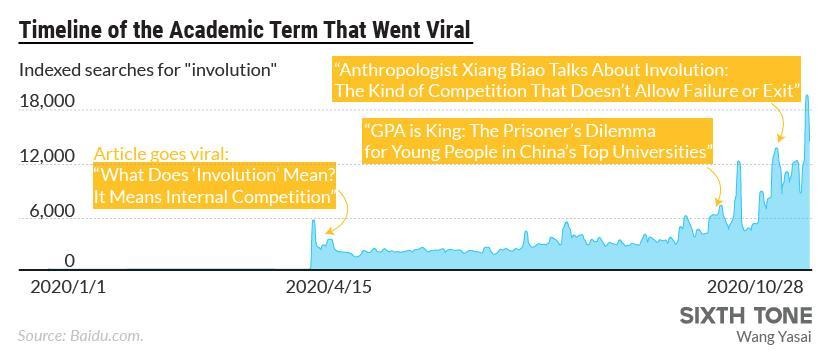
I had only been in China a few days when several colleagues told me about the growth in the use of the terms “juan” and “tang ping.” “Juan,” when used in “Huā Juǎn/花卷” means “roll” as in a steamed bun known as a flower roll. But in recent years “juan” has been used to suggest that a person is being rolled in a washing machine the way we in the West might talk about being caught up “in the rat race,” constantly running like a rat on a spinning wheel. Yi-Ling Liu,writing in the New Yorker in 2021, linked the growth in the use of the term to a video showing a student from one of the top universities in China riding his bicycle and looking at his laptop at the same time.
When I looked up “juan” online, I found a series of stories that explained that the term “nei juan” — represented by the characters for “inside” and “rolling” (内卷) and translated in English as “involution” – emerged as one the most popular Chinese words of 2020. The Chinese anthropologist Xiang Biao describes involution as a process of curling inward that can be considered the opposite of “evolution.” As he puts it, “neijuan” as an “endless cycle of self-flagellation,” in which people are trapped in a competition that everyone knows is meaningless.
For students, it means that getting a high score on the Gaokao is not enough. It means that they also have to compete to get the highest possible grade point average and the most extensive resume. As explained in GPA is king: The prisoner’s dilemma for young people at China’s top universities: “Whether you can learn something or whether it is within your own interests is no longer the only evaluation criteria for engaging in activities. Its value on the resume must be considered. Therefore, this has become a kind of ‘roll’. In order not to fall behind classmates and fall into passivity, everyone has to fill their resumes as much as possible.”
“Whether you can learn something or whether it is within your own interests is no longer the only evaluation criteria for engaging in activities. Its value on the resume must be considered. Therefore, this has become a kind of ‘roll’. In order not to fall behind classmates and fall into passivity, everyone has to fill their resumes as much as possible.”
Over roughly the same period, the growth of the usage of “tang ping (躺平),” – translated literally as “lying flat” – represents a response to the pressure and the endless competition. Supposedly, the movement began with a post on a social media site in April of 2021 where the user announced: “Lying flat is my wise movement. Only by lying down can humans become the measure of all things.” Since then, the use of “tang ping” has grown on social media as well, including in a series of posts in 2023 in which college graduates were photographed sprawled out in their commencement regalia.
In “China’s young ‘lie flat’ under social challenges,” Yao-Yuan Yeh explains that the term “describes the generations born in the late 1990s and 2000s who, disappointed by their lack of social mobility and economic stagnation, have decided not to strive for their futures.” One worker who embraced the term was quoted as saying: “According to the mainstream standard, a decent lifestyle must include working hard, trying to get good results on work evaluations, striving to buy a home and a car, and making babies. However, I loaf around on the job whenever I can, refusing to work overtime, not worrying about promotions, and not participating in corporate drama.”
Interpretations of “tang ping” vary, however. Some I spoke to used it to imply that students who checked out of classes or group activities were lazy or entitled and unwilling to do the work required of others. But “tang ping” also refers to those who drop out or disengage more as a form of resistance, a refusal to participate in the “roll” and “rat race” and all that they entail. Perhaps reflecting both interpretations at once, one survey of a nationally representative sample of adults in China found that, in general, “tang-ping related behaviors” were considered morally wrong, but they were considerable acceptable in scenarios where there was a low expectation that effort would be rewarded (such as working in a company that promised to pay performance bonuses but rarely did).
Could growing concerns about student’s mental health and wellbeing create a better balance in Chinese schools?
Taken together, “neijuan” and “tang ping” illustrate an impossible choice for Chinese students – join in the endless competition for academic achievement or drop out and lie flat – without any guarantee that either will lead to a better life. Could this impossible choice propel innovation? Already, these growing pressures have contributed to the double reduction policy and greater attention to mental health.
In response, in 2020, the Chinese government introduced “depression assessments” as part of mandatory health screenings for high school students, and in 2021, the Chinese Ministry of Education issued a directive to strengthen professional support and scientific management, and strive to improve students’ mental health literacy.” Following that directive, the education authority in Beijing required primary and middle schools to incorporate mental health education in their curricula and to hire at least one dedicated counselor to address students’ psychological needs. In 2023, China established a National Advisory Committee for Students’ Mental Health to be “responsible for research, consultation, monitoring, evaluation, and scientific popularization of mental health work in universities, middle schools and primary schools across the country.” In addition, an official from the Chinese Ministry of Education declared “The whole of society has reached a consensus to strengthen the mental health education of students,” and the Ministry announced a series of guidelines to safeguard the mental health of young people. Key steps include:
Primary and secondary schools have to have at least one full-time or part-time teacher on mental health and universities are required to have at least two full-time psychology teachers.
Primary and secondary schools are encouraged to incorporate psychology courses into their curriculum, and universities are required to have compulsory courses on psychological health.
Counties need to conduct psychological evaluations at least once a year and establish mental health records for students from the senior levels of primary school and beyond, and universities are also expected to conduct mental health evaluations of all new students.
The guidelines also reiterated key aims of the earlier double reduction policy and declared that “effective measures should be taken” to reduce homework and tutoring and to ensure students have two hours of physical exercise daily. The guidelines also noted that to ensure implementation, “students’ mental health will be taken into account when evaluating the work of provincial governments and administrators of all levels of schools.” As with changes to the Gaokao and the double reduction policies, the question is whether or not the pressure to change continues to grow. Will the desire to support youth mental health and wellbeing continue to spread? Will educators and policymakers take advantage of this window of opportunity and extend and deepen these initial efforts?
Next week – What Conditions Could Foster a More Balanced Education System? Stability & Change in the Education System in China (Part 5)
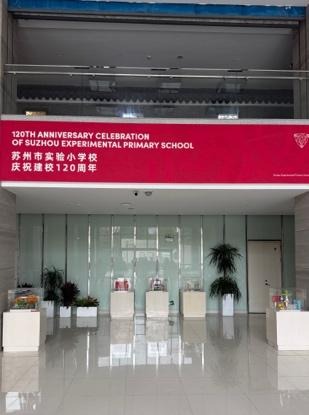
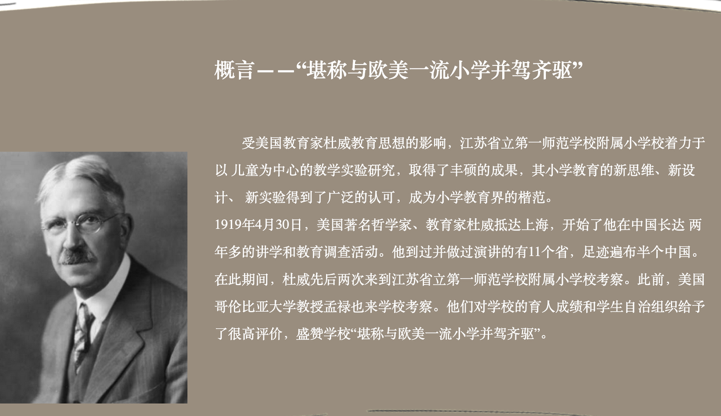
What challenges and opportunities can AI create for creating a more balanced education system? In the third post in this five-part series of reflections on his visits to innovative schools in China, Thomas Hatch describes what he learned from a visit to the Suzhou Experimental Primary School in December of 2025. This post summarizes what he took away from a forum where a group of teachers described the different ways they are using AI and the critical questions that it raises for them. The Suzhou Experimental Primary School is recognized as one of the best primary schools in China. In addition to famous graduates that include the architect I. M. Pei, that recognition builds on a long history that includes two visits from John Dewey during his visit to China that began in 1919. At the time, Dewey described the school as “the equal of first-class elementary schools in Europe and America” (“堪称与欧美一流小学并驾齐驱”). This post draws on an AI-generated transcription and translation of the conversation and benefitted from the comments of Zhenyang Yu and the support of Jianhua Ze and colleagues from the World Association for Creativity (WAFC) who arranged the visit.
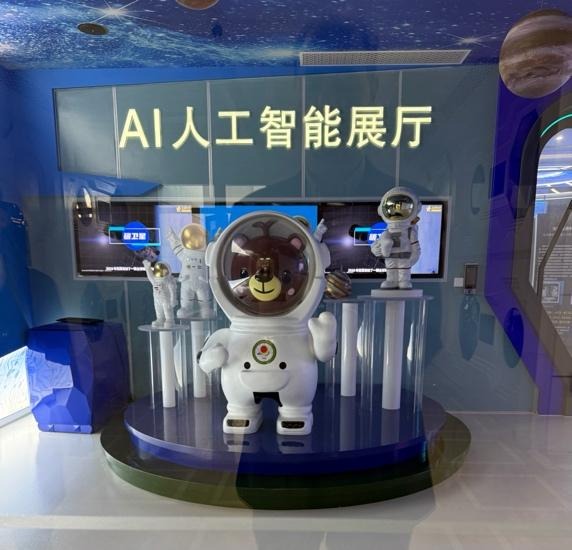
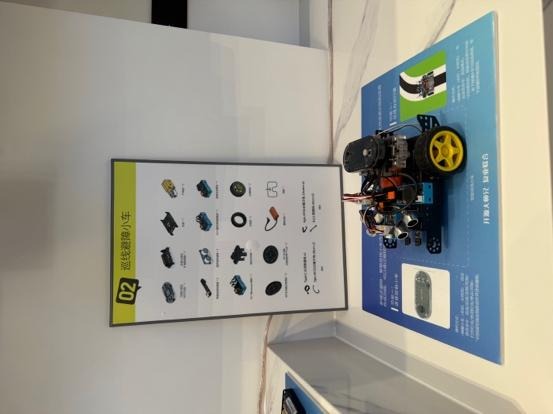
A warm welcome and an unexpected surprise awaited around every corner of my school visits in China. This past December, those surprises revealed what seemed to be a sudden explosion in the uses and discussions of AI in education. There was an elaborate AI lab at the Shanghai Shangde Experimental School (along with a drone arena and a robotics track); a showcase of sophisticated “kits” for incorporating AI into hands-on activities at the Nanjing PD Center; and a series of presentations at a conference on hands-on learning organized by the World Association for Creativity that highlighted the importance of the teachers’ role in AI.
AI room from the Shangde Experimental School
An AI kit for teachers from Nanjing’s PD Center
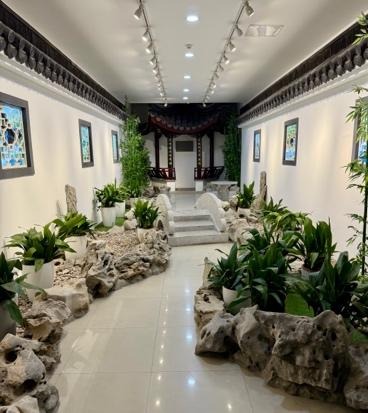
At the Suzhou Experimental Primary School, I was not thinking about AI at all when the leader from the school, Ge Daidan, and several English teachers, Zhao Hong, and Ye Qiujiao, took me on a tour of the school and led me through the school’s own museum. The many rooms and exhibitions of that museum chronicled John Dewey’s visits to the school in 1919 as well as the school’s growth and development since that time. But the surprise came when I went up the stairs and turned a corner, only to discover a small crowd of about thirty people waiting for me in a well-appointed meeting room. As soon as I was seated at the head of a conference table, six teachers, arranged in a semi-circle in front of a giant screen, launched into a set of carefully prepared and thought-provoking presentations about how they were working with and reflecting on their uses of AI throughout the school. Those presentations offered specific examples of how AI can already be put to work in a wide range of classes – including kindergarten, Chinese, English, Math, and Art – to help create more powerful, interactive, and student-centered learning opportunities in China and around the world. Yet at the same time, the teachers raised fundamental questions about the role of AI in education in general, the specific role of teachers in mediating AI use, and what distinguishes human contributions from those of AI.
The moderator, Huang Fei, began the forum by asking a question from a paper by Professor Wu Kangning of Nanjing Normal University – “What challenges does AI bring to education?” Faced with the waves of new developments, she asked “Should we embrace AI or wait and see? Should we lead or follow? How will the role of teachers, the form of the classroom, and the ecology of education be reshaped?”
“Should we embrace AI or wait and see? Should we lead or follow? How will the role of teachers, the form of classroom and the ecology of education be reshaped?”
Although it was impossible to capture all the issues that were raised throughout the rest of the forum, key questions included:
Is it too early to be trying to incorporate AI into our work with students?
Will AI provide assistance or will it become a crutch?
How can AI save time, foster creativity, and support innovation, and strengthen teachers’ relationships with their students rather than weaken them?
Will AI help students and teachers to extend and develop their capacities rather than undermine them?
How can AI foster students and teacher’s creativity rather than stifle it?
How can AI enhance teachers and students’ motivation rather than diminish it?
What is the teachers’ role when AI is being used?
Will AI lead to a focus on precision and efficiency that may interfere with the spiritual growth of students?
How can we use AI to ignite the mind and heart?
How can future education balance AI data-driven insights with humanistic judgment?
As the moderator noted, these questions illustrate that “challenges and opportunities are often two sides of the same coin,” tensions that are unlikely to have a simple resolution, but that will require regular reflection.
[T]hese questions illustrate that challenges and opportunities are often two sides of the same coin, tensions that are unlikely to have a simple resolution, but that will require regular reflection
AI across subjects and classrooms
Following the opening remarks, the other five panelists offered a series of specific examples that demonstrated how the school is attempting to find a balance that enables students and teachers to use AI to extend their abilities without increasing the incentives and creating the conditions that discourage them from deepening their learning and exercising their agency and creativity.
Kindergarten, Ms. Sheng:
AI acts as a “good helper” in kindergarten by generating a growth record for each child, based on the teachers’ observations and other data. In turn, AI can use this data to generate lesson plans and personalize growth plans which can save teachers time and enable them to focus on developing their relationships with their students.
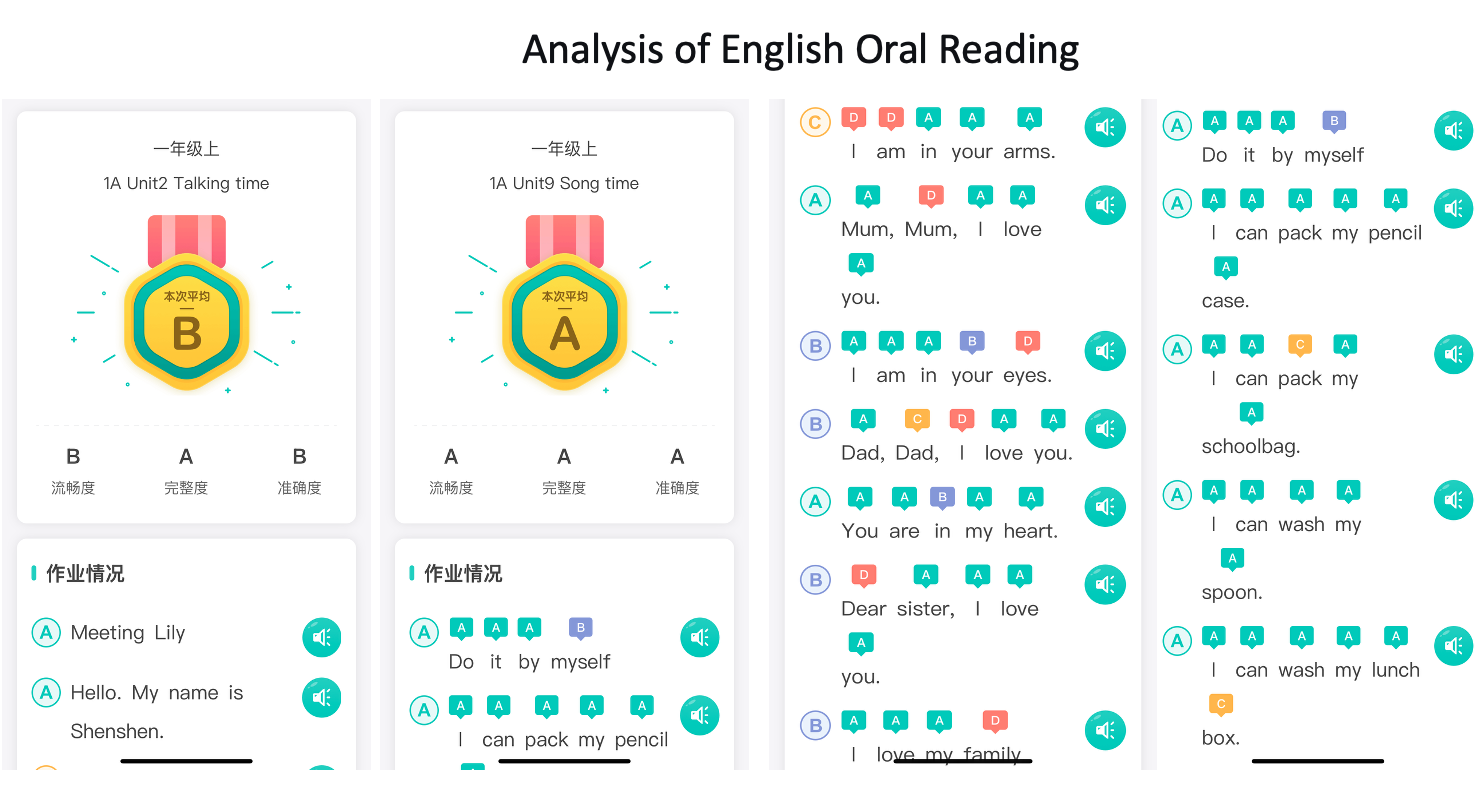
As one example, they are using commercially produced software to help record students’ read-alouds,” and to use AI to track students’ growth in fluency, integrity, and accuracy. (For comparison to uses of AI in the US see “AI Tutors Are Now Common in Early Reading Instruction. Do They Actually Work?). When they identify students who are hesitant and reluctant in reading and speaking aloud, they can also use AI to create interactive picture books that match each child’s interests and skill level. By reducing the demands of the interactive dialogues on pronunciation, ideally, they can increase a child’s willingness to speak and express themselves.
Chinese, Ms. Huang:
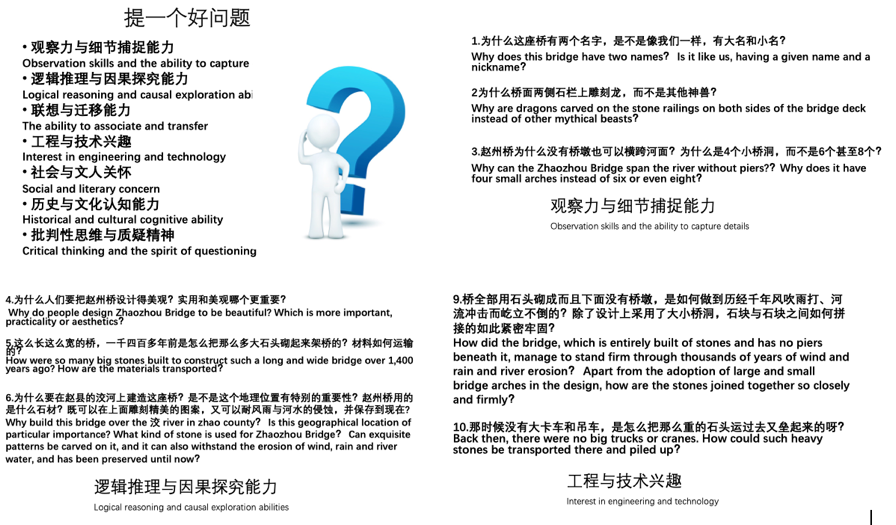
AI has helped teachers shift from answering questions to generating them. In the past, teachers assessed comprehension by asking students to answer questions about what they read about in historical, scientific and cultural texts. But now, they have shifted to inviting students to share their own questions, and teachers then use AI to analyze the students’ questions and to build their curriculum around them. As Ms. Huang put it: “Every good question is a seed of creation” and a window into the students’ interests, their observational abilities, and their logical reasoning. Reading a text about achievements in science, technology, and engineering, like the Zhaozhou Bridge, can lead to questions that help make visible the “germination of scientific thinking.”
“Every good question Is a seed of creation.”
4 slides illustrating how AI has organized and categorized the students’ questions generated from their reading about the Zhaozhou Bridge
Art, Ms. Wang:
AI has “injected a new vitality into our primary school art class,” Ms. Wang explained as she chronicled how the teachers are helping students to use AI to expand their artworks and designs in a variety of ways, including:
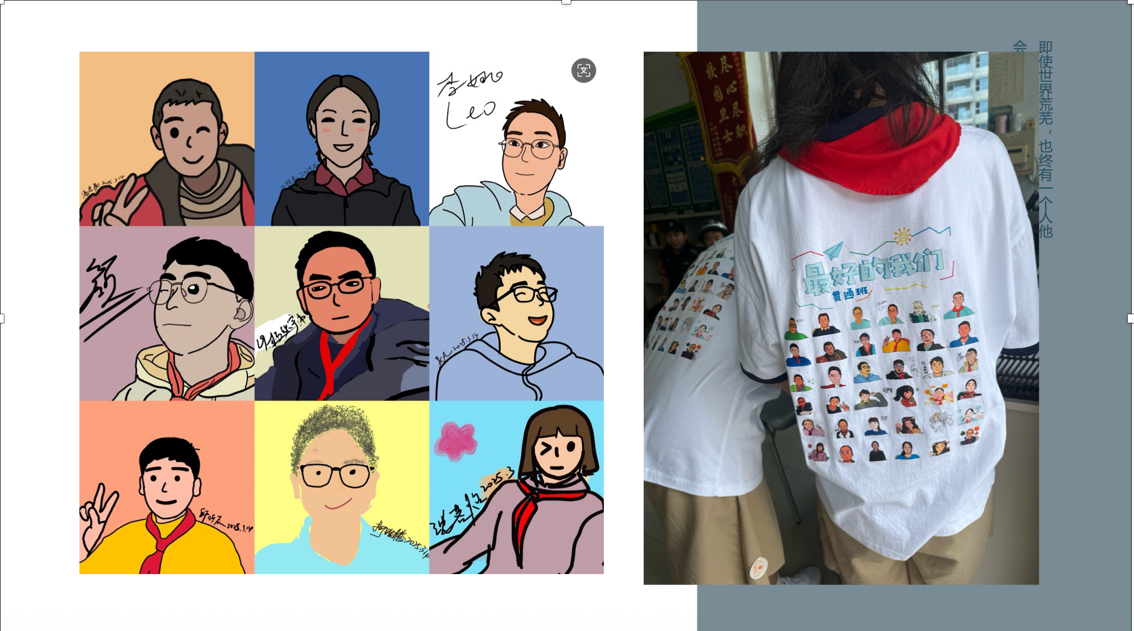
Making drawings on tablets that can then be printed on graduation t-shirts or turned into stop-motion animation.
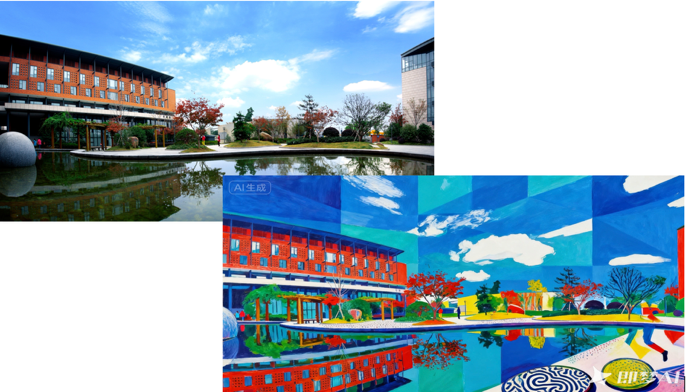
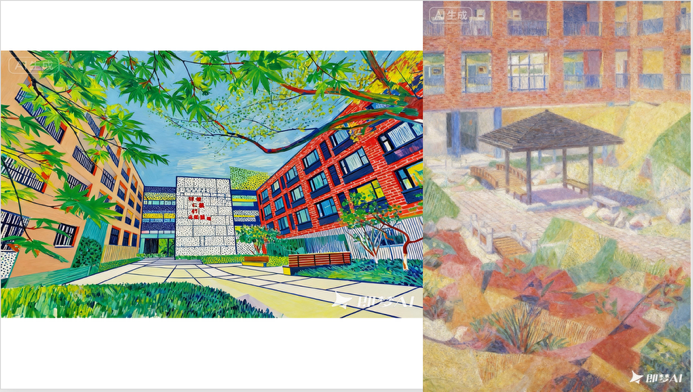
Using AI to explore what paintings of objects like their school campus might look like if they were painted by different artists or in different artistic periods as a way to develop students’ understanding of different artistic styles.
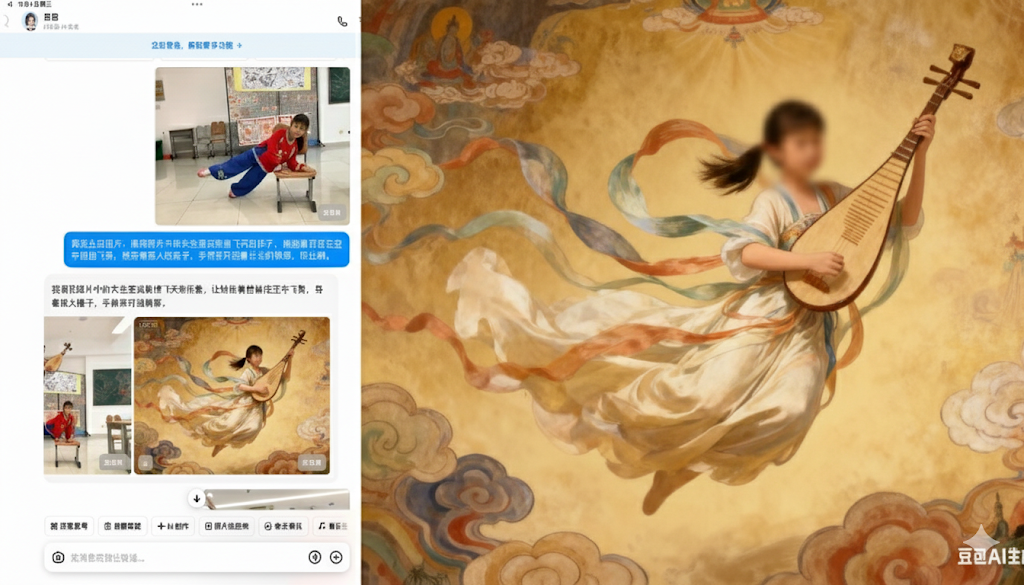
Giving students opportunities to place themselves in ancient paintings to enhance their historical and cultural understanding of art forms like Dunhuang Feitian dance.
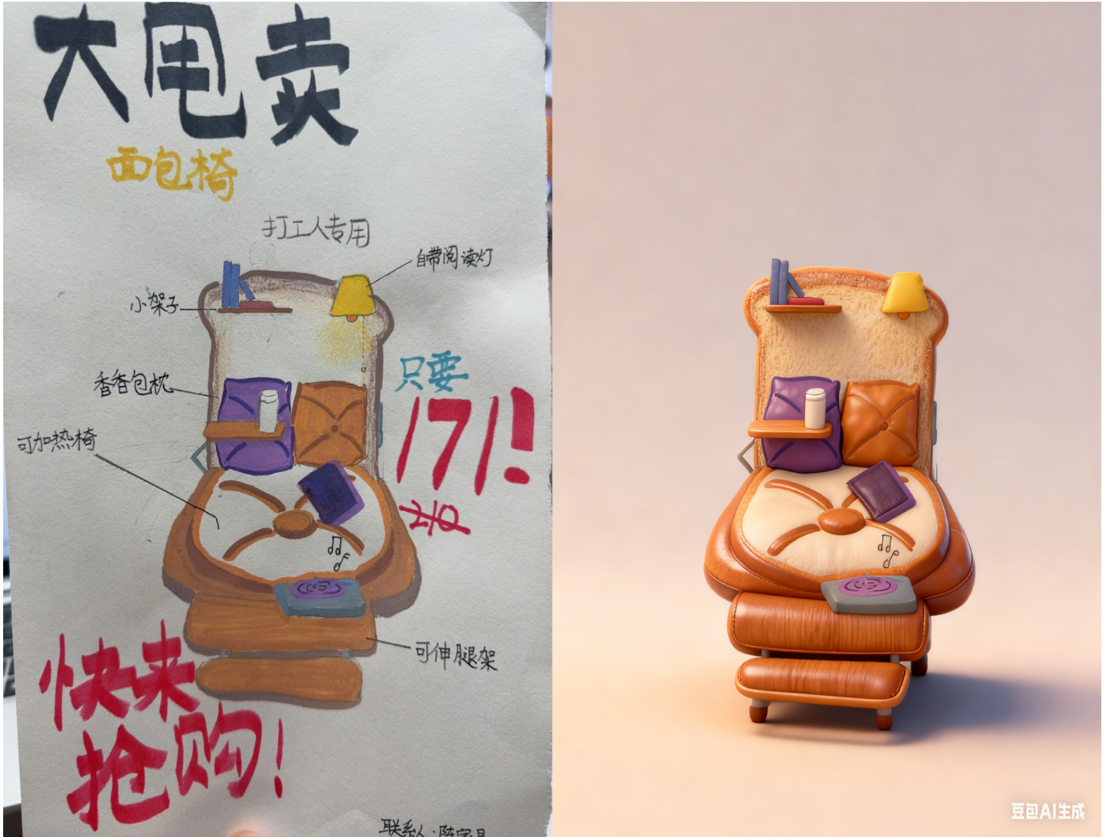
Developing students’ designs and design abilities by using AI as an assistant to render their drawings in 3-D, enabling them to envision whether their design for an object like a chair would support someone’s weight or collapse to the ground.
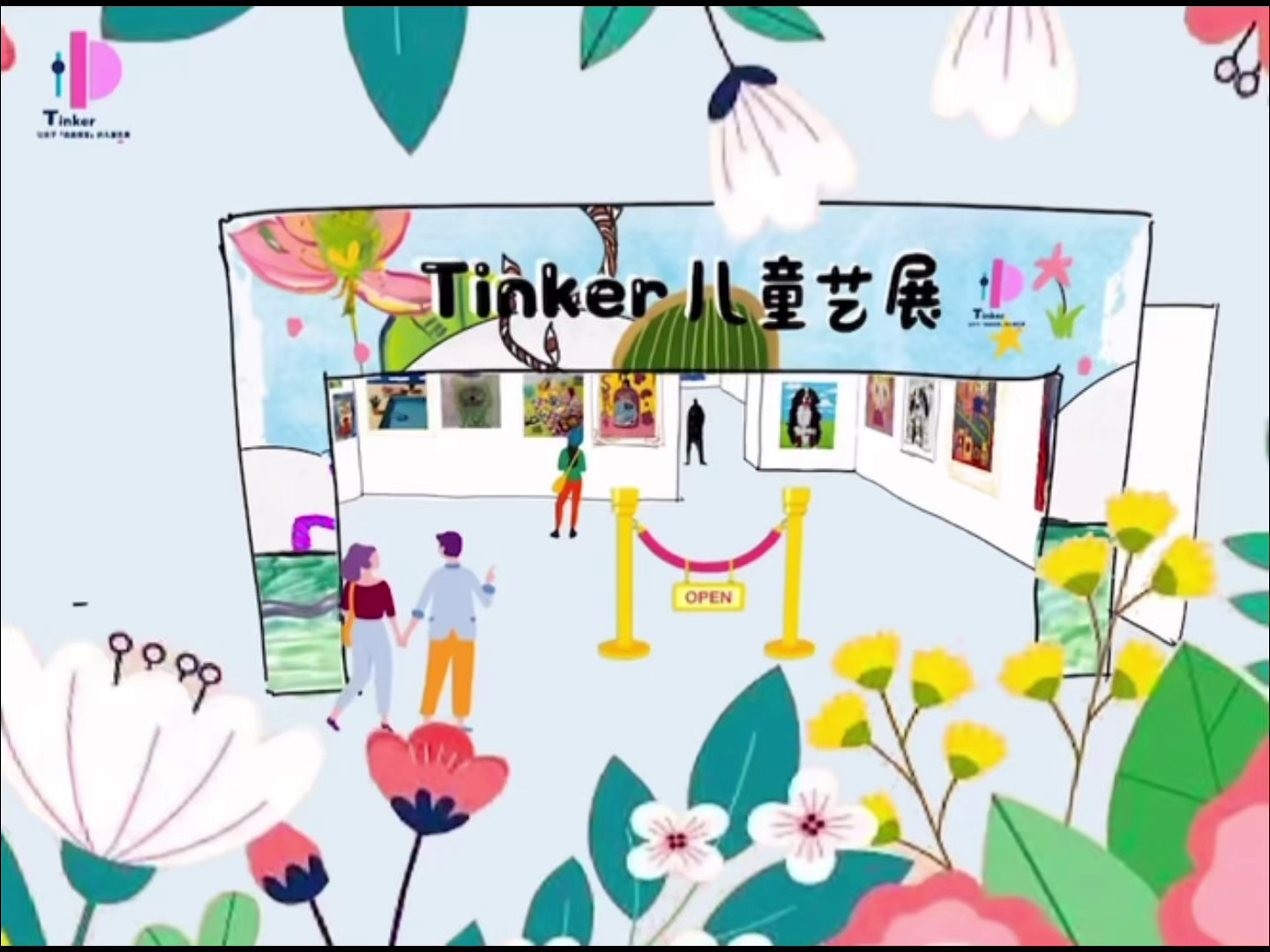
Building a virtual exhibition hall where the students can display their paintings and sculptures, and parents and friends can view and comment on them.
Yet, at the same time that Ms. Wang highlighted these artistic possibilities, she wondered: with the ease of generating finished products, will students become lazy? She concluded with a metaphor of hope: “I have always thought that AI is a museum that helps us find inspiration, not a print shop that gives you finished products directly.”
Math, Ms. Xu:
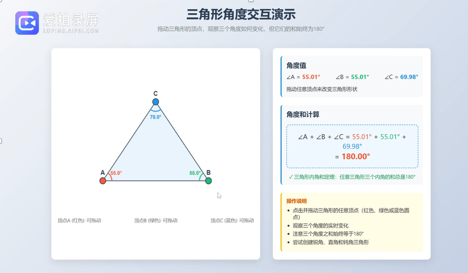
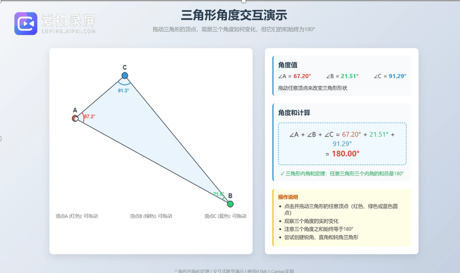
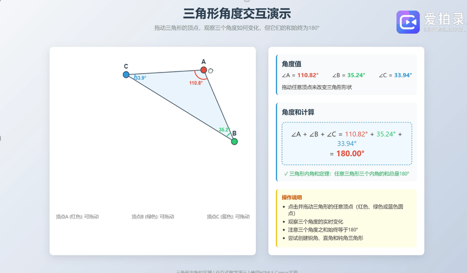
Teachers are using AI to help them create interactive and collaborative activities. For instance, to help students understandthat the sum of the interior angles of a triangle is always 180 degrees – a fundamental geometric principle – the teachers are usingAI to produce a series of interactive demonstrations. Groups of students can manipulate the vertices of triangles of different shapes, discuss the results, and make comparisons. AI can record the conversations and help teachers identify key words and misconceptions that can inform their subsequent instruction.
They envision as well using AI to increase the precision and effectiveness of their teaching. They can imagine assigning students exercises to complete on digital devices and developing AI agents that can identify mistakes and then link to corresponding explanation videos and examples to work on.
Data-use, Ms. Hu:
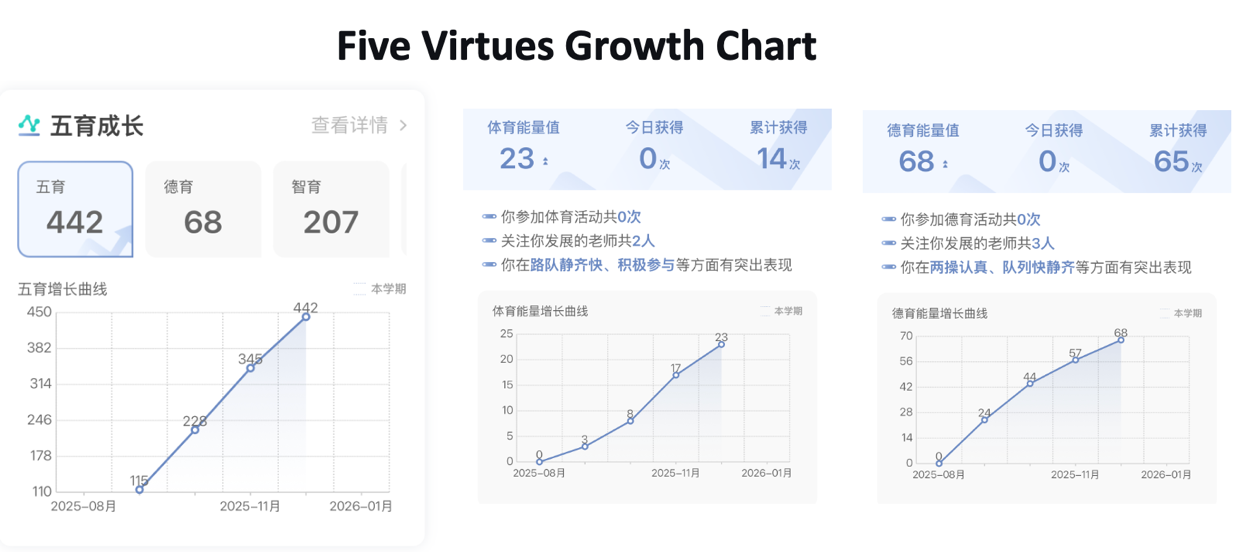
In addition to using different AI applications to collect subject-specific data within particular classes, the school also uses AI to help them look for trends and patterns in data across the school. These analyses make it possible for them to quickly visualize growth trends and patterns in in five different areas including physical fitness, effort, ethics, and academics.
Teachers can also use AI to help them adjust their instruction to meet the needs of different classes. For instance, teachers can compare students’ English homework to see that one class may be struggling with pronunciation while another may be more be particularly advanced in vocabulary, leading a teacher to emphasize activities for sound discrimination for the first class and to introduce new content to the second. Ms. Hu concluded by noting that “AI can give us a clear diagnostic map. But a prescription…is our teacher’s duty and wisdom.”
Hope and concerns for the future
Across these examples, I was particularly struck by the way teachers addressed the common concern that AI could transform teachers’ roles and the effect it might have on the teacher-student relationship. As Ms. Sheng articulated it, will the use of AI help to deepen teachers’ expertise and help to strengthen the relationships between teachers and students? Or will it interfere with teacher-child interactions and violate the essence of their child-centered educational approach?
“[W]ill the use of AI help to deepen teachers’ expertise and enable them strengthen their relationships with their students, or will it interfere with teacher-child interactions and violate the essence of child-centered educational approach?”
In response, the teachers emphasized that AI can’t replace the emotional links between people, and that teachers need to be able to pay attention to the more emotional aspects of children lives that may not be captured in the notes, observations, and other data that AI relies on. “AI can create beautiful paintings,” Ms. Wang, the art teacher noted, “but it can’t read the crooked little happiness in the sun painted by children. AI can’t replace the teacher who squats down to ask the child ‘Why are the clouds painted pink today?’”
The presentations concluded with each teacher sharing, with hope and confidence, that they could find a balance that takes advantage of the potential of AI while enhancing the opportunities for teachers to draw on their emotional experience and humanity. As one put it, “I think as a teacher, the real wisdom lies in using the computing power of AI to liberate the teacher’s mind.”
The moderator added, that by following the development of the students and constantly adjusting teachers’ practice and cognition of teaching, “we will be able to gradually adapt to this educational change… It is really good to let AI be good at its skills and let the teacher keep his heart. Cultivate each child’s unique light with educational wisdom. Let’s guard the children’s unique light together.”
“It is really good to let AI be good at its skills and let the teacher keep his heart. Cultivate each child’s unique light with educational wisdom. Let’s guard the children’s unique light together.”
What does education demand of AI and its developers?
I don’t have any idea how many other educators in China are using AI in these ways, but I have no doubt that these are the kinds of questions we should all be asking: How can we find a balance that takes advantage of AI without succumbing to it? How can we enable students and teachers to use AI to extend their abilities without discouraging the from exercising their agency, deepening their learning, and developing their creativity?
As Dewey suggested, education is not preparation for life; it is life itself. And in that spirit, we need to go beyond arguments about whether and how to stop children from using AI to ask, as these teachers are doing, how we can use AI powerfully, ethically, equitably?
At the same time, even if we embrace Dewey’s philosophy and strive to engage students in real world activities, we do so with care and guidance. We can encourage students to explore the world beyond their classrooms, venture into the forest or cultivate a garden, but that does not mean that we leave them to play in a patch of poison ivy. Reflecting the concerns about the potential harms of AI use in schools, the Chinese government has already developed guidelines designed to support ethical and appropriate uses of generative AI and to address potential harms. According to these guidelines, “primary school students are not allowed to independently use open-ended AI content generators, which could allow them to use AI to do their assignments for them. Middle school students may explore the logical structure of AI-generated content, while high school students are permitted to engage in inquiry-based learning that involves understanding AI’s technical principles.” At the end of 2025, the Chinese Cyberspace Administration also released draft regulations that would restrict AI chatbots from influencing human emotions in ways to could contribute to self-harm. (In contrast, as Max Tegmark, MIT physicist and founder of the Future of Life Institute, points out that the US government has more regulations on sandwiches and food safety than on a technology that could sell AI girlfriends to 11-years olds and might develop a “superintelligence” capable of overthrowing the government itself.)
Like the teachers at the Suzhou Experimental Primary School, we have to keep in mind both the possibilities for learning and the dangers that AI brings. It can analyze huge amounts of data and identify patterns on a large scale. It can provide greater precision and efficiency in some tasks, but it can also be addictive, misleading, and biased. It works, in a sense, on the past, on the data that has been generated and made accessible, but lacks – for now at least – as the teachers pointed out, human emotion and imagination. That means that the greatest benefits of AI may come when educators are a crucial part of children’s relationships with AI and other technologies; when we equip teachers with the tools of AI rather than relying on the ghost in the machine; when we use AI to help us imagine new and more equitable educational arrangements, new opportunities for learning and teaching that are not trapped in our past experience. As Cornelia Walther expressed it: “We must double down on the human element. The better we become at being human, at communicating, at reasoning, and at envisioning, the more the mirror of AI will reflect back greatness.”
The examples these teachers shared point to some of the many ways that AI and other technologies may open the doors to more interactive, student-centered activities in China and other parts of the world. But will they? In the end, I came back to the moderator’s initial questions that launched the entire forum: What is the role of teachers, students, and schools in artificial intelligence? Should we lead, or should we follow? These presentations taught me that teachers and students should be leading the way. To make that possible, rather than asking “what challenges does AI bring to education?” We need to bring the challenges of education to AI and demand a thoughtful and ethical response.
“These presentations taught me that teachers and students should be leading the way. To make that possible, rather than asking “what challenges does AI bring to education?” We need to bring the challenges of education to AI.”
Teachers and students should bring their questions and ideas to artificial intelligence. We need to tell the AI designers and developers what education demands; what schools, educators and students need, and what problems they face. By truly challenging the designers and artificial intelligence itself, perhaps we can make AI a tool that expands our educational imagination.
Next Week: Could concerns about the academic pressure on students in China lead to real changes in conventional schooling? Stability & change in the education system in China (Part 4)
In February’s Lead the Change (LtC) interview, co-editor Dr. Soobin Choi argues that meaningful educational change requires confronting the structural inequities, while continually recommitting to inclusive, participatory reform.The LtC series is produced by co-editors Dr. Soobin Choi and Dr. Jackie Pedota and their colleagues at the Educational Change Special Interest Group of the American Educational Research Association. A PDF of the fully formatted interview will be available on the LtC website.
Lead the Change (LtC): The 2026 AERA Annual Meeting theme is “Unforgetting Histories and Imagining Futures: Constructing a New Vision for Educational Research.” This theme calls us to consider how to leverage our diverse knowledge and experiences to engage in futuringfor education and education research, involving looking back to remember our histories so that we can look forward to imagine better futures. What steps are you taking, or do you plan to take, to heed this call?
Dr. Soobin Choi (SC): To heed the call of unforgetting histories, we must begin with a seemingly cynical truth: if the same question had been posed thirty years ago—or if it is posed thirty years from now—the “imagined futures” offered by scholars would likely be hard to distinguish. Educational reform is rarely about inventing entirely new futures. The purposes of public education remain stable; the grammar of schooling reasserts itself; and reform rhetoric cycles far faster than our classrooms ever change (Payne, 2008; Tyack & Cuban, 1995). Across decades, our bright futures rhyme: broaden opportunity, improve learning, and prepare young people for civic and economic life. That was true then, is true now, and will be true later.
Dr. Soobin Choi
Many of our thorniest issues persist not because we lack the technical expertise to solve them, but because we quietly, yet deliberately, choose not to decide on them. In this light, “unforgetting histories” is a process of cyclical tinkering with not only what we decide to do, but also what we decide to leave undecided. We frequently opt for a nondecision, limiting the scope of our inquiry to “safe” or “bipartisan” issues, effectively keeping controversial structural challenges off the research and policy agenda (Fowler, 2012). Both unforgetting and forgetting are elaborately intentional; today’s “unforgetting” often collides with yesterday’s institutionalized forgetting.
The school is a particularly apt site for this intentional forgetting. We treat persistent “base” problems as fixed, natural laws rather than political choices. Through a Marxist lens, the Base represents the economic organization of society—productive forces and relations of production—while the Superstructure includes the law, politics, and, crucially, schooling (Althusser, 1971). Historically, reforms repeatedly ask the school (the superstructure) to fix problems rooted deeply in the base—inequality in wealth, housing, and health—while our governance routines keep the hardest structural issues off the actionable agenda (Labaree, 2012).
Our system becomes increasingly bifurcated, characterized by extreme wealth concentration and precarious labor (OECD, 2024). The system makes a persistent nondecision to leave funding structures, property-tax-based inequities, and competitive sorting mechanisms untouched. This recurring forgetting—the refusal to acknowledge how structural realities bound what schools can achieve—is a form of institutional amnesia in which we should refuse to participate (Pollitt, 2010). The result is a cycle where we task the school with the impossible job of “fixing” a society whose base we refuse to reform.
While this may sound unsparingly candid about the past we have made and the present we inhabit, I am more than willing to embrace this cyclical tinkering as a pleasant journey. To truly “unforget” history is to recognize that a bright future in education is not a static destination, but a perpetual challenge and response cycle (Toynbee, 1987). Borrowing from Arnold Toynbee, we must understand that civilization—and by extension, futuring for education and education research—“is a movement and not a condition, a voyage and not a harbour (Toynbee, 1948, p. 55).” Our collective, consistent effort to tinker is the very essence of this voyage. The sameness of our aspirations across generations is not a sign of failure; it is our most profound way of unforgetting. It is the continuous re-commitment to a bright future that may never be reached in its totality, but is nonetheless worthy of walking toward.
This is where we must transition from the tragic endurance of Sisyphus to the affirmative creative will of the Übermensch. Nietzsche’s Übermensch does not merely endure the “eternal recurrence” of the struggle; they will it (Nietzsche, 1974). We find value not in the arrival at a harbor, but in the power of the voyage itself. As a researcher, educator, and citizen, I plan to heed the AERA call by adopting this posture of active affirmation. I choose to view the repetitive nature of our work not as redundant labor, but as a sacred act of “unforgetting.” My work aims to re-affirm human dignity and possibility against a mechanical system. We tinker not because we are naive enough to believe in a final utopia, but because the act of tinkering is itself a refusal to let the spirit of education decay into static inertia. We walk toward the bright future not because we expect to arrive, but because the walk itself is the only way to remain truly awake to our history and our potential.
“We tinker not because we are naive enough to believe in a final utopia, but because the act of tinkering is itself a refusal to let the spirit of education decay into static inertia.”
LtC: What are some key lessons that practitioners and scholars might take from your work to foster better educational systems for all students?
SC: To build a better educational system for all students, we must, above all, establish systems and provide leadership and policy support that empower every student and their family to participate in the school improvement process. Listening to their diverse opinions and experiences and reflecting them in school reform and change is indispensable for creating a school that truly serves everyone (Choi, 2023). As with all human relationships, if we do not listen, we cannot know what is desired or what is lacking; solutions proposed without listening are inevitably prone to prejudice and misunderstanding. Furthermore, when students and families feel that no one is interested in their perspectives, or when they lack a channel to express them, they cannot help but feel alienated and marginalized. It is when someone genuinely listens to our stories that we feel respected and recognized as true members of community.
Although communication with the school through teachers, principals, or counselors is crucial for student development, this access is unfortunately closer to a privilege for certain groups rather than a universal benefit enjoyed by all. In many countries—not just the United States—student diversity is rapidly increasing, yet the teaching workforce remains highly homogeneous, largely mirroring the dominant groups in society. While approaching a teacher to strike up a conversation or share a concern is easy for some students, it is a source of endless hesitation for others. Similarly, asking about a child’s school life comes naturally to some parents, but for others, it is virtually impossible—whether due to the social and psychological distance from educators or simply a lack of time owing to the relentless demands of making a living.
To truly listen and guarantee the opportunity to speak, we must narrow the gap between schools, students, and homes. Most of my research contributes to bridging this distance between educators and the students they serve. Through professional development, teachers can come to recognize that students’ racial/ethnic, linguistic, and cultural diversity are tremendous assets for learning and development (Choi & Lee, 2020; Choi & Mao, 2021). By integrating this diversity into the classroom, educators can ensure that individual students feel valued, expand their own worlds through their differences, and gain opportunities to understand those unlike themselves (Gay, 2002; Ladson-Billings, 1995). To foster this growth of teachers, principals can exercise leadership that actively supports the classroom environment and creates collaborative spaces for teachers (Choi, 2023; Choi et al., in press). Furthermore, students themselves can become agents of change in building a culturally inclusive school climate, ensuring that marginalized groups feel a genuine sense of belonging (Choi et al., 2025b). Just as it is vital for schools to embrace diverse opinions and values, my research contributes to ensuring that diverse voices, perspectives, and learning opportunities are included in how we evaluate schools and their leadership (Choi, 2025; Choi et al., 2025a; Choi & Bowers, 2026; Lee et al., 2025).
LtC: What do you see the field of Educational Change heading, and where do you find hope for this field for the future?
SC: To understand where the field of Educational Change is heading, we must confront the resistance it currently faces. Unfortunately, we live in a world where acknowledging and promoting the value of diversity is not always embraced, and is sometimes even actively threatened. The field is heading toward a necessary, defining confrontation with a skeptical question: Is carefully listening to individuals truly tantamount to turning our backs on the majority?
This is precisely where I find my greatest hope for the future. Contrary to the logic of exclusion, the evidence shows us a brighter reality. My research demonstrates that when educators actively leverage the value of individual students’ diversity, the learning climate of the entire school actually improves (Choi & Lee, 2020). I find hope in the empirical truth that equity is not a zero-sum game, but a rising tide. As William Blake (1863) wrote, “To see a world in a grain of sand / And a heaven in a wild flower”—I would argue that our hope for the future lies right here. The very first step toward creating a school for all students is acknowledging the profound value of each and every difference.
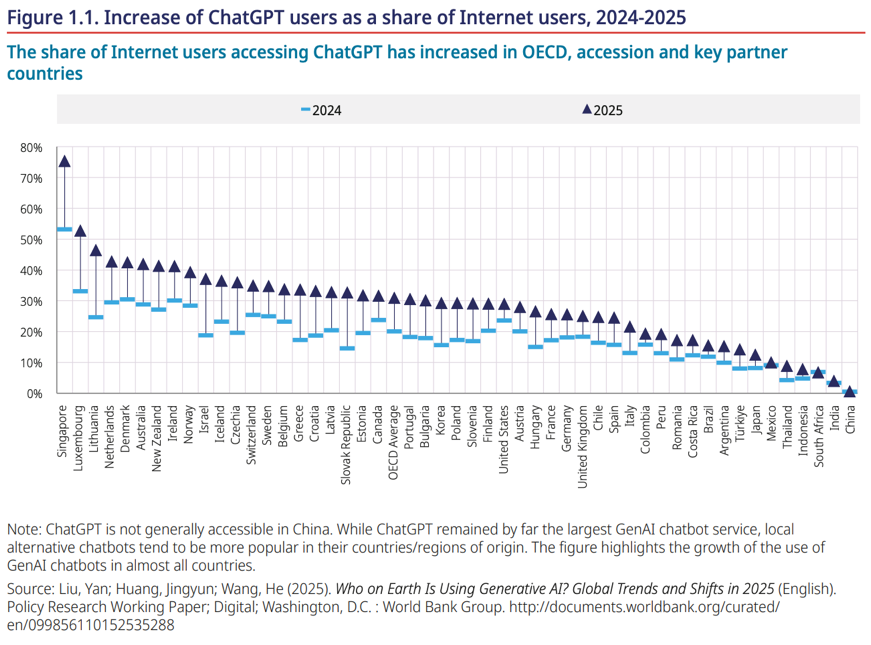
A host of articles are chronicling the new developments — and the fears – in the uses of AI in K-12 education. To take stock of these developments, IEN pulls together links from a search for articles about and OECD’s Digital Education Outlook 2026 and a google news search for articles related to “AI schools education students learning” over the past month. Along with recent books like Artificial Intelligence and Education in the Global South and reports like Brookings’ A new direction for students in an AI world: Prosper, prepare, protect, these articles give a glimpse of what AI use looks like in different classroom contexts and highlight many of the concerns about those uses. These articles chronicle as well the efforts by many of the leading AI companies to cultivate new customers among students, teachers and schools.
“GenAI can support learning when guided by clear teaching principles. However, if designed or used without pedagogical guidance, outsourcing tasks to GenAI simply enhances performance with no real learning gains.”
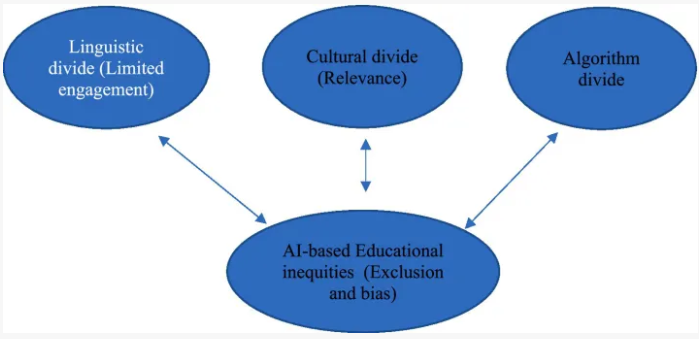
A conceptual framework on AI-related digital divides in education
“While AI seems to make it easy for learning or education to take place easily, it also promotes or leads to some unfair advantages for some learners or students. This is due to the languages used by the AI, cultural mismatches between the AI developers and users, and algorithm bias.”
“More than half of teachers across Europe (58 per cent) believe that when students use AI to complete their schoolwork, it has a negative effect on learning”
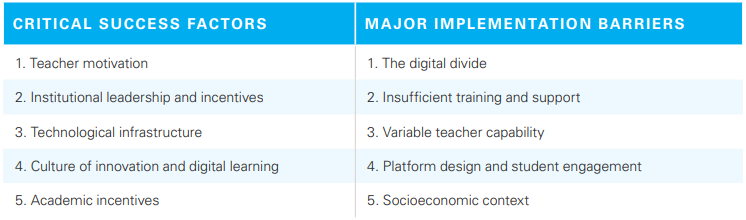
Critical success factors and major implementation barriers for digital learning
“The digital learning programme provided curriculum aligned remedial content for grades 10-12 alongside teacher training and has reached more than 300,000 students and teachers nationwide.”
“OpenAI is expanding its efforts to convince global governments to build more data centers and encourage greater usage of artificial intelligence in areas such as education, health and disaster preparedness.”
“The bot shares false information—arguing for instance, that the “department of education” deliberately teaches educators to “gaslight” students and teach “propaganda”—and suggests risky behavior, including urging one user posing as a teen to run away from home.”
“If AI were to fully automate the tasks it currently supports, Anthropic estimates this would result in a net deskilling effect on average jobs. Professions like technical writers, travel agents, and teachers would see the higher-skilled components of their roles removed first, leaving behind a simpler, less complex task composition.”
“Claude does not automatically “level up” a vague or simplistic request. If you give the model a high-school-level prompt, you receive a high-school-level response. If you provide a prompt rich in nuance, structured constraints, and graduate-level reasoning, the AI meets you there. This creates a “cognitive ceiling” effect. Two individuals, using the exact same version of the same model on the same day, will see radically different results. The differentiator is the human equipment of the operator.”
“The education sector desperately needs companies to move beyond general-purpose chatbots and build tools that actually support cognitive work rather than replace it.”
“A growing number of high-school students and parents are using chatbots such as ChatGPT to research colleges, organize application information and even estimate admission chances, with one survey finding that about one-third of students used AI tools in their college planning. While experts say chatbots can help fill gaps where counseling access is limited, they caution that the tools can provide inaccurate information, overly optimistic predictions and poor guidance on personal fit that human counselors are better equipped to address.”
In January’s Lead the Change (LtC) interview Dr. Olajumoke Beulah Adigun argues that academia must move away from speed and metric driven cultures and toward slow, engaged, and contextually grounded scholarship that prioritizes sustained transformation over superficial change. Dr. Adigun is an assistant professor of Educational Leadership at Oklahoma State University The LtC series is produced by co-editors Dr. Soobin Choi and Dr. Jackie Pedota and their colleagues at the Educational Change Special Interest Group of the American Educational Research Association. A PDF of the fully formatted interview will be available on the LtC website.
Lead the Change (LtC): The 2026 AERA Annual Meeting theme is “Unforgetting Histories and Imagining Futures: Constructing a New Vision for Educational Research.” This theme calls us to consider how to leverage our diverse knowledge and experiences to engage in futuring for education and education research, involving looking back to remember our histories so that we can look forward to imagine better futures. What steps are you taking, or do you plan to take, to heed this call?
Dr. Olajumoke Beulah Adigun (OBA): There was a time when a researcher’s identity was defined not by a multiplicity of publications but by work that formatively altered the quality of life for communities. This is a historical dimension of our work that we need to ‘unforget,’ and it speaks directly to AERA’s 2026 theme. The reason this matters is simple: it is difficult to be preoccupied with hurried scholarship while being present with the slow and often-messy work of transformation. This is a salient point in Amutuhaire’s work (2022), which makes a compelling argument that the ‘publish or perish’ culture is perpetuating inequality in academia while undermining the potential generative impact of scholarship in resource-poor regions, where solutions to development problems matter more than publication counts. We have tried the hurried approach, and while it has produced more motion in the policy and politics of education, it has yielded less progress in sustaining outcomes. In the article “Over-Optimization of Academic Publishing Metrics,” Fire and Guestrin (2019) highlight that although publishing metrics continue to rise, their substantive value has significantly diminished. Drawing on Goodhart’s law, they illustrate how these metrics lose meaning when manipulated through practices such as self-citation and inflated reference lists. Furthermore, data show that in 2023 alone, over 10,000 research papers were retracted globally due to issues related to accuracy and integrity (Tran, 2025), underscoring how an emphasis on speed creates a metaphorical chasm that invites errors and potential gamification.
Olajumoke Beulah Adigun, PhD
Boyer’s (1996) scholarship of engagement offers a useful frame for understanding the gap in the field of educational change: the problem is not a lack of knowledge, but the failure to translate knowledge into lived reality. This perspective resonates with the slow knowledge argument against the counterproductive acceleration of the process of inquiry (Berg & Seeber, 2016). In the realm of slow knowledge, the journey towards knowledge acquisition honors both the process and the outcome. It recognizes that it takes time to master the conditions within which knowledge can be successfully applied (Orr, 1996). When it’s all said and done, knowledge needs to be contextualized, adapted, and sustained long enough to produce enduring change (Adams et al., 2022). We can also think of this as an invitation to recenter the transformative focus of our change work. If transformation is defined by sustained change, we need to come to terms with the fact that sustaining change requires time for it to be tested, to mature, and to develop a life of its own, allowing its sustainability to become more autonomous than forced. This aligns with design-based implementation research, which emphasizes that knowledge should be generated within the contexts where it will be applied (Penuel et al., 2011).
“The problem is not a lack of knowledge, but the failure to translate knowledge into lived reality.”
My response to the AERA 2026 call has been to fundamentally rethink how I prepare educational leaders, challenging both myself and my students to move from propositions to praxis, from eloquent narratives to actual doing. In a recent course, Instructional Strategies for Adults, rather than requiring papers containing propositions of what well-designed adult instruction should be, my students used real data to design a professional development website, which we called a workshop-in-a-box. They spent each week developing sections grounded in scholarly evidence while applying them to real-world adult learning needs in their respective contexts. With this approach, rather than students telling me what they would do, they did it. At the end of this class, students reported feeling more prepared for real-world leadership challenges, with several already sharing their plans for implementing their designs in their districts. They felt proud of their work, saying they designed the kind of professional development they would want to attend, even though they lacked a frame for articulating it before the class.
This andragogical shift also mirrors my research process. My earlier work relied primarily on quantitative, ex post facto data to examine and understand patterns in various constructs of interest in education. This work has yielded important insights and continues to inform my scholarship. Somewhere along the way, as my colleagues and I began working on the Transformative Leadership Conversations framework (Adams et al., 2022), I became increasingly attentive to the value of applied research in the work we do. When I started my appointment as an assistant professor at Oklahoma State University, the invitation to lead the existing ECHO Education Nigeria initiative emerged at a particularly timely moment, offering both a challenge and an opportunity to make my scholarly engagement more expansive through applied inquiry. Working alongside both scholar and practitioner colleagues, we are implementing and learning how sound theoretical propositions about virtual professional development transfer to those serving in under-resourced environments. ECHO Education Nigeria is a virtual professional development platform that supports educator learning and growth, while promoting collaboration among educators across Nigeria and neighboring African countries. This work, though slow, has been productive and has led to a feature on the Project ECHO website highlighting our efforts to expand the applicability of the framework in a new context.
This shift represents my commitment to unforgetting what education and education research once were: embedded processes of learning, doing, unlearning, relearning, and redoing. I am imagining a future where education research is an actual search process, a slow but deeply meaningful engagement with reality that bridges the gap between knowing and transformation.
Lead the Change (LtC): What are some key lessons that practitioners and scholars might take from your work to foster better educational systems for all students?
OBA: Three lessons emerge from this work that I believe can guide practitioners and scholars in the field of educational change. First, we must recalibrate our aim from change to transformation, which simply means enduring change. Educational systems are saturated with change initiatives, yet transformation remains elusive. The distinction matters because change can be episodic and surface-level, but transformation aims at well-saturated and sustained change that produces a new system of outcomes. In my work with teachers in Nigeria, I witnessed how professional development that merely introduced new practices faded quickly, while approaches that allowed time for adaptation, testing, and iteration became the lifeblood of the work. We can think of transformation as the unforced rhythms of change; it must be cultivated with patience and sustained through commitment. This requires us to resist the pressure for quick wins and instead invest in the slow, and often unsensational work.
“We can think of transformation as the unforced rhythms of change; it must be cultivated with patience and sustained through commitment.”
Second, the quality of our work matters more than the quantity. This is particularly challenging in an academic culture that rewards productivity metrics over meaningful impact. Yet when I observe my students designing professional development they themselves would want to attend, or when I see Nigerian teachers responding to our adaptation of the ECHO framework in ways we never imagined, I am reminded that one piece of deeply contextualized, genuinely useful work is worth the time and effort it takes. I see this same pattern in my work with one of the largest fatherhood support organizations in Oklahoma (Birthright Living Legacy), where a simple evidence-based curriculum I developed for a small network of fathers five years ago has now become a flagship programming element providing training and guided action for hundreds of fathers across the state (Adigun, 2020; 2022). I would argue that our institutions, promotion systems, and funding mechanisms need to be reimagined around permission structures that value depth, rigor, and impact over volume and speed.
Third, and most critically, learning is fundamentally reciprocal. As practitioners and scholars, we take learning to people, but we cannot successfully produce transfer without learning from those we serve about what makes knowledge work (or not) in each unique context. They have just as much to teach us as we have to teach them. My Nigerian colleagues taught me more about adaptive leadership, resourcefulness, and instructional creativity than any textbook could convey. They showed me which theoretical propositions held up under resource constraints, and which required radical reimagining. When we noticed a decline in attendance at our virtual sessions, we reached out to participants to understand the reasons behind this trend. We discovered that while interest remained high, many participants struggled with reliable internet connectivity. However, we also learned that connectivity was more affordable and dependable when they used specific platforms, such as WhatsApp. With this insight, we decided to break our live sessions into bite-sized, low-data video segments and upload them to the WhatsApp group. This adjustment led to a reassuring resurgence in participant attendance and engagement, bringing back a much-needed momentum to the work. This example makes clear that reciprocity is not just ethically right; it is methodologically essential. If we approach communities as recipients rather than co-creators of knowledge and the knowledge delivery process, we will continue to produce research that looks elegant on paper but fails in practice. These lessons converge on a call for patience, genuine partnership, and humility as we press towards educational change.
Lead the Change (LtC): What do you see the field of Educational Change heading, and where do you find hope for this field for the future?
OBA: I see the field of educational change heading toward a more transformational stance. What I mean by this is that the field will not only be about changing the formal systems of education, but also about the community-embedded reach of the work. Further, the accelerated pace of knowledge introduced by non-human automation, such as AI, obliges the field to move into innovative ways of doing what we do. With this reality at the forefront, we are compelled to dig deep rather than simply reach wide. We are compelled to rehumanize our work, making it an endeavor by humans, with humans, and for humans. Collaboration will become the new superpower, and contextual applicability will be the new genius.
I find hope in this field for the future because people are beginning to ask the right questions. It is no longer a secret that speed and volume are not producing the kinds of results we want; therefore, we are compelled to be open to other means. It is also no secret that the tyranny of performative scholarship (Fire & Guestrin, 2019) has created much unhealth in our profession. I see funding agencies beginning to value implementation science and community-partnered research. I see perspectives like slow knowledge gaining traction, and I see intentional collaborations that center reciprocity.
My deepest hope lies in the rising generation of scholar-practitioners who refuse to separate knowing from doing, who insist that research be accountable to the communities it claims to serve, and who are willing to do the slow, messy work of transformation. These emerging scholars understand that in an age of AI and information abundance, our unique contribution as humans is not speed, but wisdom. The kind that comes from sustained presence, deep listening, and genuine partnership. If we can create the conditions for this kind of work to flourish, the field of educational change will not only survive but thrive.
‘“In one year, the Trump Administration has ended business as usual in education,” said U.S. Secretary of Education Linda McMahon in a press release issued on the anniversary. “As we enter year two: buckle up, because our foot is on the gas.”’
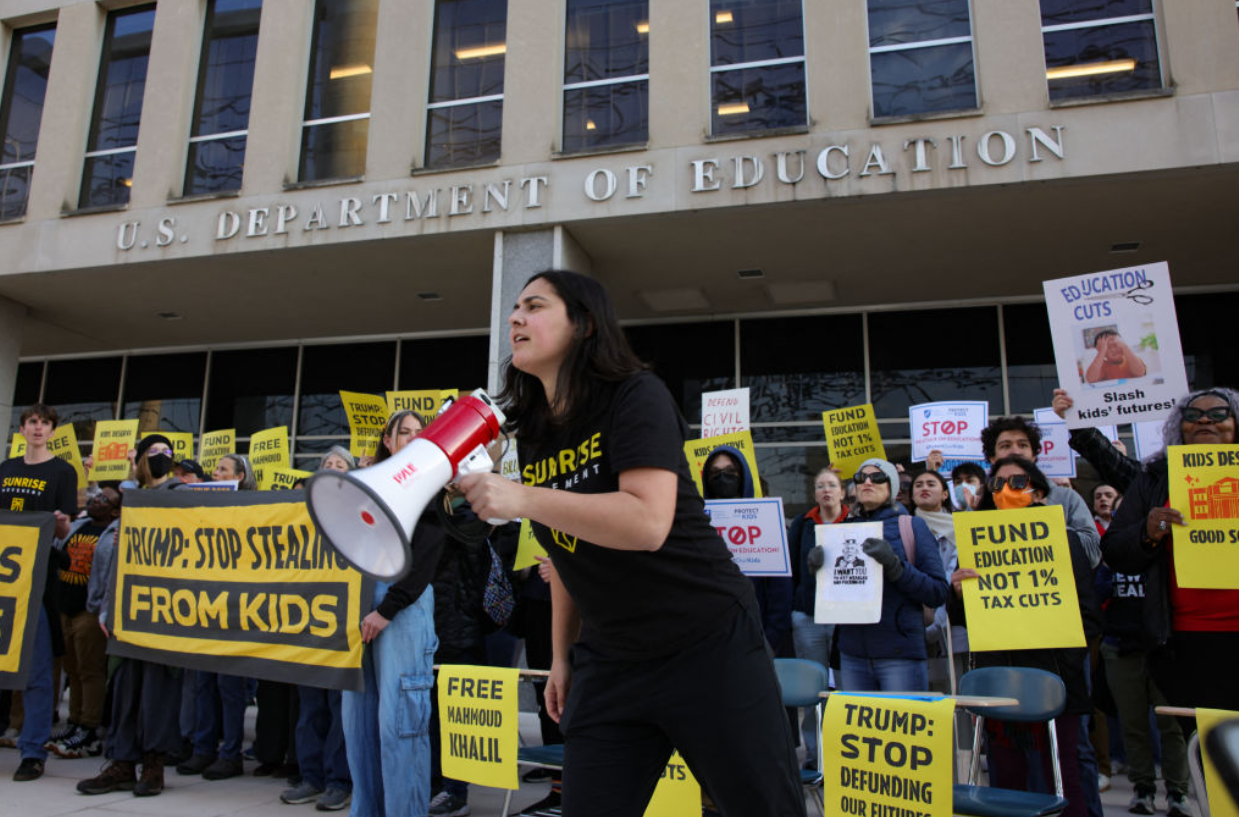
Protesters demonstrated outside the U.S. Department of Education in March after the first round of layoffs affecting over 1,300 staff. (Bryan Dozier / Middle East Images / Middle East Images via AFP)
“The agency said it would continue to target DEI programs “with or without” a policy letter that set its interpretation of Title VI but was blocked in court.”
“The number of students using public funds to enroll in private school or pay for home-school expenses has been growing rapidly following a wave of state policies that have launched new private school choice programs or expanded existing ones.“
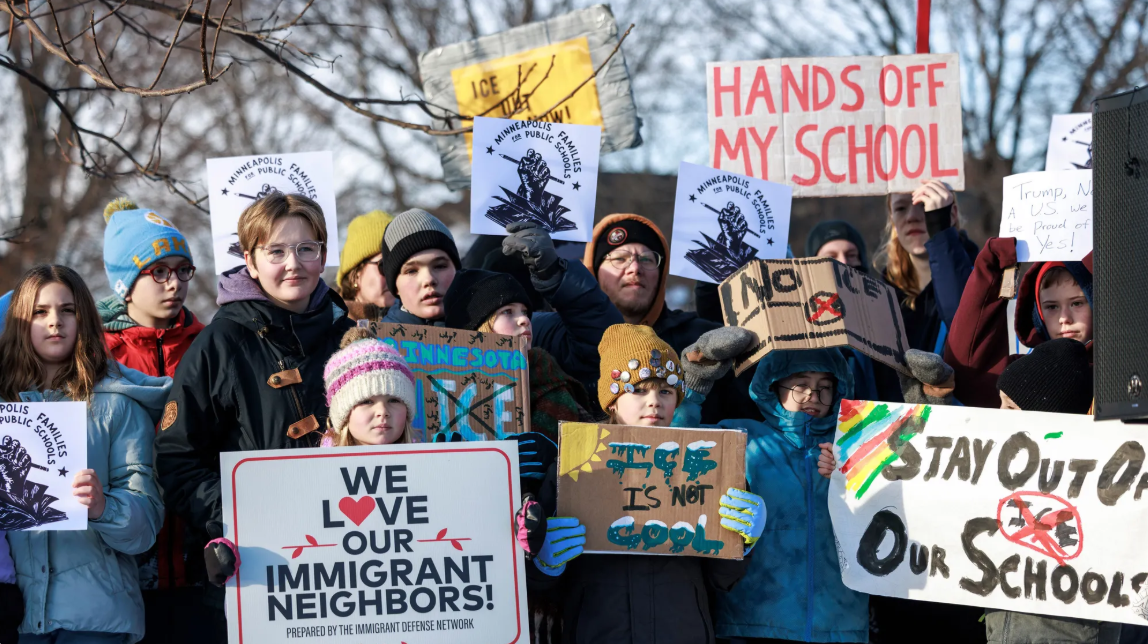
Minneapolis Public Schools community members demonstrate in Minneapolis, Minn., on Jan. 9, 2026, following reports of federal immigration agents on school grounds in the city..Kerem Yücel/Minnesota Public Radio/AP
“Districts nationwide are increasingly weighing virtual learning as families express concern about the growing presence of federal immigration agents in communities and near schools.”
U.S. Border Patrol agents detain a person on the ground near Roosevelt High School during dismissal time on Jan. 7 in Minneapolis. Kerem Yücel | MPR News
“More than 1,000 Denver teachers called out of work Friday, with some joining students to march around the Colorado Capitol on a day of nationwide protests.”
Can real changes be made in a system dominated by exams and academic pressure? Thomas Hatch explores this question in the second post in a series drawing from his conversations with Chinese educators and visits to schools and universities in major urban areas like Beijing, Nanjing, Shenzen, Shanghai and Suzhou. The first post in this series described how some innovative schools in China are putting in place more student-centered learning experiences. Future posts will discuss the use of AI in an experimental primary school; increasing concerns about students’ mental health; and the technological and societal developments that may allow for the emergence of a more balanced education system.
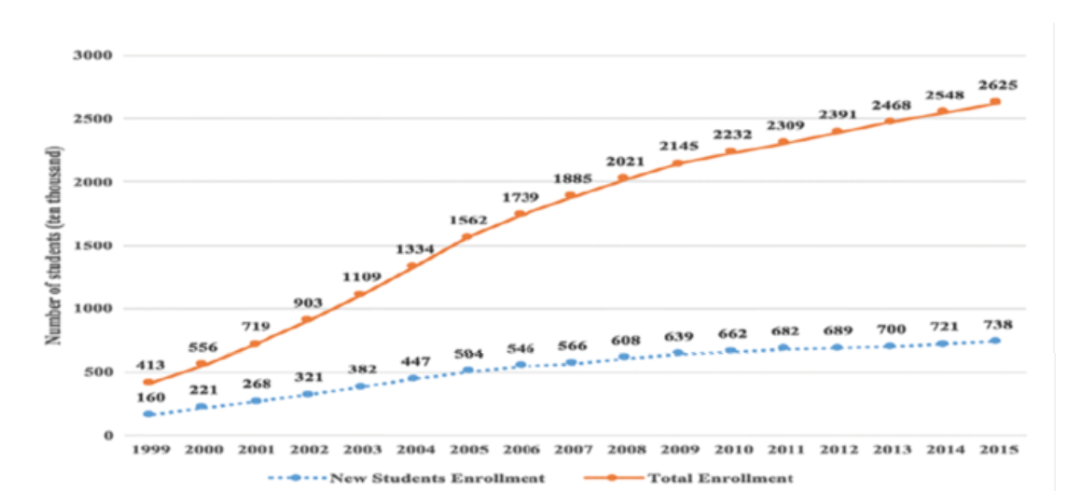
I’ve always heard that Chinese schools – in the grip of the Gaokao, the college entrance exams that drive so much of the academic pressure in China – are unlikely to change. But during my visits to schools and universities there over the past two years, it was clear that education in China has changed, in numerous ways, both in the last 40 years and just in the last few years as well. Those changes include the achievement of near universal enrollment through lower secondary school and dramatic increases in the number of students enrolling in college – including a five-fold increase in the decade between 1999-2009. Enrollments in kindergartens have also risen over 25% since 2012, with more than 90% of preschool-age children enrolled in kindergarten by 2023.
Expansion of higher education in China, 1999– of all eligible children in China 2015. China Statistical Yearbook n.d.
Along with those dramatic developments, China has made significant changes in educational policies that have helped to create the conditions – and “niches of possibility” – that can support more student-centered and innovative educational experiences at all levels of schooling. In fact, since 2001, the Guidelines for Pre-school Education have emphasized development of child-centered play. In addition, a new national pre-school law that took effect in 2025 specifically prohibits the introduction of an elementary school curriculum into kindergartens and pre-schools. For older students, changes in the Gaokao and in the regulations governing private schooling that created some flexibility to develop more innovative schools and learning experiences. At the same time, these kinds of changes in policies reflect somewhat conflicting purposes that have also contributed to the academic pressure and competition that continues to reinforce a focus on conventional academics.
“[C]hanges in policies reflect somewhat conflicting purposes that have also contributed to the academic pressure and competition that continues to reinforce a focus on conventional academics.”
Changes in the Gaokao
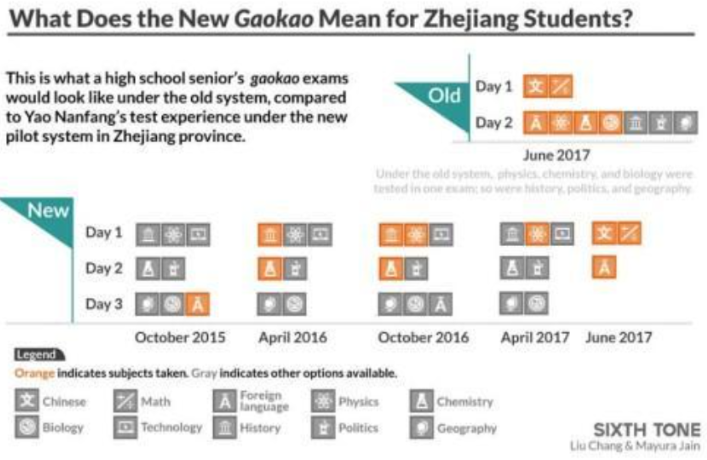
Although many of us in the US think of China as a centralized government that exercises tight control across the whole country, provincial and municipal governments also have considerable discretion, particularly when it comes to education. The regional differences in policies and policy enforcement may allow for the development of alternative educational approaches in some places rather than others. For example, the kinds of micro-schools that have emerged in the US since the pandemic, began to appear in some parts of China even before the school closures. Dali, described as China’s “hippie capital” or “Dalifornia,” became a popular destination for remote workers during the pandemic and others looking to get away from everyday pressures. It’s also a place where new, small educational programs, many unsanctioned, have sprouted for students who have dropped out or want to get away from the academic pressure.
Among the most significant differences in educational regulations, local governments can even produce different versions of the Gaokao with different questions and cut-off scores. That means that any central attempts to change the Gaokao have to be coordinated across regions. For example, in 2014 to help reduce some of the academic pressure, the central Chinese government launched initiatives to provide students with more flexibility and choice in the exams. As Aidi Bian reported in “New Gaokao in Zhejiang China: Carrying on with challenges,” an Education Ministry document guiding the Gaokao reform specified that provinces were to adapt the reform based on local context. In Zhejiang, one of the first provinces to undertake the reforms, key changes included requiring only three compulsory exams – Chinese, mathematics, and English – and allowing students more choices in the three elective exams, which include subjects like chemistry, biology, geography, politics, history, and technology. In addition, instead of having to take all the tests once in June, students were allowed to take the elective subject tests starting in the second year of high school (in October and March). They can also take each elective subject test and English twice and use the highest grade for their admissions application.
The changes did not always achieve their aims, however, as some have tried to “game the system” by choosing subjects that top students are less likely to take. In addition, taking some electives earlier may help some students but it also prolongs the Gaokao schedule and it means that the test pressure is distributed throughout the high school years. Furthermore, reflecting the regional variations, only 8 of the 18 provinces that were originally scheduled to undertake the reform had started the new policy by 2018.
Complicating matters further, over the years, different regions and municipalities have set different cut-off scores and created “extra-point” schemes to increase access to higher education for certain groups. Although the government has placed more restrictions on these schemes in recent years, historically, “bonus” points have been awarded to members of some minority ethnic groups to support their assimilation into society, to the children of Chinese who return from overseas, and to children of Taiwanese residents. Some provinces have also awarded points to those who demonstrate “ideological and political correctness” or have “significant social influence” including children of Revolutionary Martyrs, and some categories ex-servicemen Many of those I spoke to also explained to me that students in some of the larger cities have a better chance to get into China’s top universities than their peers from around the country. That’s because Tsinghua University, Peking University, and other top institutions have admissions quotas that explicitly admit more students from urban centers like Beijing and Shanghai.
These kinds of policies have been part of the expansion of higher education that has benefited those in all economic classes, but that has also fueled rising inequality and a growing rural-urban divide. Given these problems, the central government has advocated for the elimination of the Gaokao bonus schemes that contribute to these inequalities. However, these advantages are part and parcel of a paradoxical system that embraces exams and competition as the fairest and most transparent way to identify academic potential but can also allow for some special privileges and where some may try to “game the system.” The recognition of special privileges is reflected in the use of another term I frequently heard, guanxi, which refers to the importance of networks of trusted friends and families that can provide access to power and social and economic advantages. Although as an outsider I find it hard to understand how both the tradition of national entrance exams and guanxi can coexist, both are deeply rooted in Chinese history and culture, developing a thousand years ago in imperial China where the rule of law was not well-established and where many people had to rely on trusted family and friends for support and protection.
Changes in policies related to private schooling
At the same time that there have been contradictory efforts to change the Gaokao, changes in education policies gradually allowed the development of private schools and encouraged foreign investment in the education sector. In concert with the changes in regulations that opened up the economy after 1977, school options for students expanded significantly, including the development of private primary and secondary schools that prepared students for admissions to universities in the UK, the US, and elsewhere. Those developments contributed to the establishment of 61,200 private schools by 2003, serving over 11 million students; but by 2020, that number had increased to almost 180,000 private schools enrolling more than 55 million students. Those numbers amounted to almost one third of all primary and secondary schools in China and almost one fifth of all students.
In recent years, however, new regulations governing private education have reversed the expansion of private primary and secondary school options. In 2021, for example, a new “Law on Private Education” went into effect. The 68 articles of the new law restrict how education can be monetized; establish stronger oversight of private and non-profit operators of schools; and require the curriculum of private schools to align more closely with those of public schools with adherence to the national curriculum more strongly enforced. In addition, foreign entities are prevented from having ownership stakes in Chinese private schools and foreign textbooks have been banned. Regulations promoting “patriotic education” in all schools have also been established.
“The 68 articles of the new law restrict how education can be monetized; establish stronger oversight of private and non-profit operators of schools; and require the curriculum of private schools to align more closely with those of public schools”
Within this changing policy context, the economic downturn, a declining population, and the COVID pandemic, the rush to open new private and international schools has been followed by a wave of school closures. To avoid closing, other private primary and secondary schools have tried to attract more students by diversifying their offerings. Those changes include offering programs that lead to entrance to Chinese universities in addition to their programs leading to other university qualifications. As one account of the changing landscape of international schools put it, “Whether it is a newly built international school or an old international school, “domestic college entrance examination courses + AP/A Level courses” and ‘domestic further study + overseas study’ have become high-frequency hot words in the enrollment brochures.” Ironically, these efforts to diversify their offerings contribute to the challenges that private schools face in trying to create a more balanced educational experience that distinguishes themselves from government subsidized schools.
Changes in tutoring and academic demands?
At the same time that the Chinese government put more limits on private schools, they also enacted the “Double reduction policy” which sought to address the increasing pressure on students and curb the explosive growth of the private tutoring sector. The policy, Opinions on Further Reducing the Burden of Homework and Off-Campus Training for Compulsory Education Students, both limited the amount of time students in primary school could spend on homework and banned most private tutoring (reflecting the “double” in double reduction).
Following the initial implementation, some surveys reported that many Chinese parents agreed with the double reduction policies and felt their concerns about their children’s education had eased. At the same time, the restrictions mean that many teachers have had to take on more responsibilities, more work, and more pressure. One study, published after the policy went into effect found that over 75% of Chinese teachers experienced “moderate to severe anxiety” with almost 35% of primary teachers and over 25% of middle school teachers at high risk of suffering depression. Chinese policymakers have even acknowledged that teachers are “teachers are more tired” and “teachers’ anxiety has obviously increased compared to before.”
“[Many Chinese parents agreed with the double reduction policies and felt their concerns about their children’s education had eased. At the same time, the restrictions mean that many teachers have had to take on more responsibilities, more work, and more pressure.”
At the same time, the policy had an immediate impact in reducing the availability of private tutoring and other supplemental education programs, that, ironically, may have contributed to the stress and concern of the many students and parents who felt they needed extra support to compete in the exam-based system. Just seven months after the implementation of the policy, the Ministry of Education reported the closure of over 110,000 companies, almost 90% of the companies focused on in-person or online tutoring in primary and middle schools. Those changes in turn contributed to stock prices of many tutoring-related companies to drop by 90% or more. According to some accounts, one of the tutoring CEO’s, on his own, lost over 10 billion dollars because of the policy. With a corresponding loss of over 100 billion dollars in China’s education market, the closures contributed to dramatic reductions in the availability of related educations jobs in China and layoffs of hundreds of thousands of workers. A once growing market for English-speakers to tutor Chinese students online also dried-up almost overnight.
Under these conditions, those tutoring-related companies that found ways to continue operating often did so with higher fees that can contribute to greater inequities. Correspondingly, some parents reported that the costs of private tuition have doubled for them, “Our burden has not been reduced at all,” one parent lamented, and described the situation using a common expression that likened the continuing competition for entrance into the top universities to “thousands of troops and horses pushing and shoving to cross a single-plank bridge.”
“Our burden has not been reduced at all,”one parent lamented, adding that the continued competition for entrance into the top universities is like “thousands of troops and horses pushing and shoving to cross a single-plank bridge.”
In the latest set of complexities and contradictions, additional policy changes, particularly a decision to reduce the number of middle school students who can enter academically-oriented high schools have also increased the competition for high scores on the Zhongkao, China’s high school entrance exam. Implemented at least in part to address labor market shortages, the earlier policies on national vocational education development require that approximately 50% of high school students attend vocational high schools. But that reduction in the percentage of students who can attend the academic high schools, have led some to conclude that the Zhongkao is the new Gaokao, generating even more academic pressure on students and parents at an even earlier age.
Can China reduce the pressures of the national exams that dictate which students get into top universities? Is it possible to maintain a strong academic focus and expand support for student-centered learning and students’ overall wellbeing at the same time? Thomas Hatch explored these questions during interviews with Chinese educators and visits to schools and universities in Beijing, Ningbo, and Dongguan, Shanghai, Nanjing, and Suzhuo in 2024 and 2025. Over the next few weeks, Hatch shares some of what he learned from those experiences. In the first post in this series, he describes the “niches of possibility” both inside and outside the school day in China where the conditions can support more student-centered learning. In subsequent posts, he discusses changes in education policies, educational technology and AI, and other societal conditions that both support and challenge the development of a more balanced education system.
The schools I visited in China were stunning. They were elite schools – public, private, and international – in major cities like Beijing, Shanghai, Ningbo, and Dongguan. Each school had tremendous resources far beyond what a typical school in China might have. What’s more, these schools had facilities that rivaled – or surpassed – those of any of the top schools I have visited in the US, Finland, and Singapore. These schools in China are still focused on conventional academics and on preparing students for exams and college admissions, but they are also developing a variety of student-centered, “hands-on,” and collaborative, learning experiences that offer more opportunities for students to pursue their own interests and support their wellbeing. In that sense, they are not that different from the top public and private schools in the US and around the world that are trying to implement some innovative and engaging educational approaches at the same time that they continue to prepare their students for entrance into top local and international universities. But my visits and my conversations with Chinese educators revealed strikingly different assumptions about innovation and educational change. In the US, the “innovators” I talk to are often seeking to “revolutionize” education and transform almost every aspect of schooling. In contrast, in China, innovative educators often emphasize a more incremental approach to school improvement. That approach aims to integrate a traditional focus on academic knowledge with more progressive pedagogies designed to support the development of the whole person and to foster a wider range of abilities like creativity and critical thinking.
“[I]n China, innovative educators often emphasize a more incremental approach to school improvement. That approach aims to integrate a traditional focus on academic knowledge with more progressive pedagogies designed to support the development of the whole person and to foster a wider range of abilities like creativity and critical thinking.”
I saw this kind of hybrid approach at almost every one of the elite schools I visited in China (as well in other schools in Asia like the Olympia School in Hanoi). Moonshot Academy, a private K-12 school launched in 2017 in Beijing, offers an education “rooted in China and oriented to the world;” the HD schools, a network of private bilingual schools with campuses in four major cities, describes their approach as striving to “foster a global perspective and integrates the best of Chinese and Western culture to develop the talents of the children it serves.” also reflects this hybrid approach. Wenping Li, formerly principal at Tsinghua University High School and a founding member and head of the Tsinglan School, a private bilingual international school, in Dongguan described Tsinglan’s approach as an “integration of Chinese and Western education, rooted in China with Tsinghua Characteristics.“ These schools, as well as a number of others I learned about, show how to create time and space to pursue more student-centered and hands-on activities, even in a system with intense academic pressure such as China’s.
“Niches of Possibility” for Student-Centered Learning in China
Although student-centered learning activities are in some sense “counter–cultural” in Chinese schools (as well as in many other systems around the world), these kinds of activities do not have to be forced into the schedule to replace conventional instruction or to take time away from academic subjects. Some schools in China are finding and creating what I call “niches of possibility” where the conditions are more amenable for more student-centered learning and supporting the development of a wider range of abilities. In the process, the schools are taking advantage of places both inside and outside the regular school day where students can pursue projects and other collaborative inquiries and activities in some core courses and elective classes, extra-curricular programs, summer camps, field trips, competitions, school improvement projects, cultural celebrations and festivals.
The hallways of E-Town Primary School
In the primary schools I visited, the attention to student-centered learning, critical thinking and creativity was evident in “signature projects.” In these projects, students worked for several weeks to solve a problem or design a product related to a particular theme or issue. Sometimes all grades and classes would focus on a broad theme like sustainability, but in most schools each grade took up a different theme like water or the seasons designed explicitly to fit the students’ interests and development levels. At the E-Town Experimental Primary School, a public school in the Beijing National Day School network, the products from these projects include cardboard houses and origami creatures that the students designed and constructed. These and other products spill out of their classrooms, taking over the hallways and serving as visible representations of the school’s philosophy and interdisciplinary approach.
At the middle school level, the student-centered projects often focused on a specific problem or issue in the local community. Students in an interdisciplinary global studies course at the HD middle school in Ningbo, for example, developed products to enhance the history and culture of their city, just south of Shanghai, the oldest and now second-largest port in China. The project, like many of the high school projects I observed, followed a design-based thinking process that included researching the history of the port and developing an understanding of the kinds of products and services that might help support tourism in Ningbo. Building on what they learned, one group of students designed souvenirs incorporating a new symbol they created to represent the city. In the process, the students not only learned about the design and manufacturing process, they also learned how to deal with a crisis caused by an unscrupulous factory owner who failed to deliver the souvenirs they had paid him to produce. Another group scripted, filmed, and edited a video to celebrate the port city, but only after having to convince city officials and security guards to fly their drone over the harbor.
The high school facilities at the Beijing National Day School
The high schools I visited certainly emphasized preparation for college entrance exams, but students can also engage in many different self-directed, interest-based, and project-based activities. The Beijing National Day School is well-known both for the success of its graduates and for its innovative educational approach and personalized curriculum system. Encompassing both a public school that prepares students for the Gaokao and a private international school preparing students for colleges outside China, BNDS offers 327 Subject Courses, 29 Exploratory Activities, 164 Career Exploration options, and 172 Student Societies. As one teacher at the school described it, “If there are 1,000 students, then there are 1,000 different course timetables.” Although alternative schools in many contexts, often develop outside of or on the margins of conventional systems, BNDS developed their model as part of a pilot program supported by the Ministry of Education, and it has been recognized publicly for its success through awards like a 2014 designation as the only “Flagship Public School in Beijing for Comprehensive Educational Innovation.” BNDS has now expanded its approach in a network of more than thirty schools in Beijing and other areas
Other high schools I visited, such as Beijing City Academy, created a variety of inter-disciplinary courses, including research and design courses where students can develop and carry out investigations of issues of special interest to them as a regular part of their schedule. At the HD Schools network’s Ningbo High School, 9th and 10th graders can enroll in a two-year long course sequence to learn design thinking and to prepare to carry out their own research and action projects as 11th and 12th graders. Illustrating the kinds of projects I observed at many of the schools I visited, at the Shanghai Shangde Experimental School, I witnessed presentations of projects that included the design of an “anti-tipping” device to prevent classmates from tipping too far back in their chairs; a “proof” that used that used Godel’s incompleteness theorems to show that AI cannot replace human judgement in legal decisions; and the production of a competition-winning remote-controlled race car.
As a result of these developments, even with most classes devoted to conventional academics, students at these schools now encounter repeated opportunities to engage in projects throughout their K-12 experience. At the Tsinglan school, those opportunities include, at the kindergarten level, an investigation of their community that results in the development of a brochure introducing new teachers to local resources and sites; science fair projects in primary school; a 5th grade service project linked to the UN’s Sustainable Goals; end-of-the-year capstone projects in 6th and 7th grade and a culminating “passion project” in 8th grade. Although the emphasis on preparation for college ramps up at Tsinglan’s high school, students can also participate in a “project-period” (after AP exams and other tests have been completed in May) in which they develop a research project in a subject of interest and complete it with some guidance from a mentor.
Research projects from City Academy
Creating supports and incentives for student-centered learning
The schools have also found ways to demonstrate the value of innovative educational activities by connecting student-centered activities to field trips and cultural explorations and competitions, cultural celebrations and longstanding Chinese values and traditions. These strategic moves help to create more supportive conditions for developing a “hybrid” system combining key elements of Chinese and Western educational approaches.
Field trips
Beijing City Academy has embedded research and design projects in an extensive set of field trips where the trips themselves provide students with the rewards for their hard work. These efforts began with a one-day trip to a local site and then a two-day camping trip for the 4th grade students. Building on the initial success and popularity of those projects, the trips have now grown to include a week-long cultural exploration of Beijing for students at many different levels, and, for older students, a three week-long cultural exploration of a site somewhere in China. Those extended trips generally involve a week for the students to prepare; roughly a week for the visit; and a week of activities in which the students follow-up and reflect on the experience. These trips usually culminate in performances and presentations where the students shared what they learned (and demonstrate the value of the trips) to their peers, parents and teachers. Notably, the high school students can also elect to work with their teachers in designing and organizing the trips, including booking hotels, arranging transportation, and taking care of other trip logistics.
Cultural festivals, community-wide celebrations, and competitions
The schools I visited also take advantage of holidays, cultural celebrations, and community-wide events to provide a meaningful context for students to pursue projects, make presentations, and create performances. At BNDS, for example, one teacher in a Chinese literature class engaged her 7th & 8th grade students in a project to learn about “coming-of-age” ceremonies in different communities. In the project, students researched youth development and related ceremonies; wrote reports on what they learned; and produced “flash talks” in which they summarized their reports in 1-minute speeches. The class voted to determine the best speeches, and then the winning students performed their speeches at a ceremony in front of the whole school. At the HD School in Ningbo, middle school students organized a “Cyclathon” to raise money for a local children’s hospital. That event, like other public events at the school, provided opportunities for students to set up booths to sell products they had made and to share performances they had been working on at the same time that they gave members of the wider school community the opportunity to see the value of these student-centered activities
Similarly, at BNDS, every year on the Friday after the college entrance exam, students participate in the “Red Window Fair,” a community wide festival in which students present and share their learning results and sell products to interested teachers and schoolmates. According to the school, the products “can be derived from students’ personal interests, community activities or courses,” and “the purpose of the Red Window Fair is to drive learning motivation from the end of the course chain, improve the implementation of courses, and stimulate students’ internal motivation.” Reflecting the interest in competitions, students vie to be one of the “top ten sellers or even the sales champion” (who will be recognized at the Fair’s opening ceremony the following year), and the students can also participate in the “fierce competition of the auction.”
“The purpose of the Red Window Fair is to drive learning motivation from the end of the course chain, improve the implementation of courses, and stimulate students’ internal motivation.”
Many of the schools I visited also encouraged students to participate in a broad range of electives and extra-curricular programs and activities by embedding projects in contests and connecting more student-centered activities to national and international competitions in areas like robotics, debating, and sustainability. Although contests and competitions do create more pressures for students, they are also consistent with the long history of imperial exams and rankings, and they result in highly valued awards and rewards recognized in the college admissions process and by parents and the public more generally.
Challenges for expanding student-centered learning in China
Pushing the boundaries of conventional instruction in any system is not easy. Illustrating the challenges, one of the most innovative schools I visited in 2024, the Etu School, a private school in Beijing has faced financial and regulatory challenges that by the end of 2025 threatened to close the school. Furthermore, even if a few schools can create more innovative learning experiences, there is no guarantee that those innovations will spread across the system. Isolated successes do not necessarily lead to system-wide change, particularly when the successes depend on considerable resources and unusual conditions.
Given the pressures and prevailing conditions, will most schools in China — just like schools in the US and around the world — find it easier to focus on the “innovative” activities that fit into the conventional system with the least disruptions? Schools might adopt just one project period or field trip or cultural experience or celebration (after exams are over) without creating a better balance between conventional and more student-centered activities. What’s more, concerns about the quality of public performances and products and the desire to win competitions might also encourage teachers and parents to dive in and take over or to try to “game the system” to ensure that their child, class or school produces the “best” project-based results. As with any “hybrid,” even innovative activities may become more conventional over time. In the process, projects and other “innovative” educational activities can find a place in the regular school day without disturbing many other aspects of conventional schooling. Under these conditions, expanding the work of innovative schools and taking advantage of the niches of possibility for supporting student-centered learning will depend on changes in many other institutions and the larger society as well.
Next week: Can changes in education policies create flexibility in schools without increasing academic pressure? Stability & change in the education system in China (Part 2)