Politics, Policies, and Polarization: Scanning the 2024-25 Back-To-School Headlines in the US (Part 1)

As students in many parts of the northern hemisphere start a new school year, IEN begins our annual scan of the back-to-school headlines. This year, with the surge of interest in the presidential election since Kamala Harris became the democratic nominee, a number of news stories have focused on the election, the candidates, and their education policies. Harris’ choice of Tim Walz – a former teacher – to be her candidate for Vice-President contributed to a wave of stories about Walz and his record and even spawned stories about his wife Gwen Walz – also a former teacher – and other educators who are running for office. Several stories, most from Education Week, also explore whether and how teachers might try to address in their classrooms the election and the many controversial issues that divide and polarize Americans today.  Part 1 of our 2024-25 Back-to-School scan pulls together some of these election-related stories. Next week’s scan will provide a round-up of stories about many of the other issues that are in the news in the education sources that we follow as classes resume.

For some historical perspective on how the issues have evolved since the school closures of the COVID-19 pandemic, explore the back-to-school headlines from previous years:

Policies, Platforms & Issues

Decision Guide: What happens to education under Trump v. Harris, U.S. News

Harris-Walz and Trump-Vance tickets offer radically different visions of public education, EdSource

Education Policy: How Harris and Trump Differ on K-12, Higher Education and More, ABC News

4 Takeaways on What VP Picks Vance and Walz Mean for the Race to Come, PBS Newshour

Education Debates You’ll Likely Hear About in the Election, Explained, Education Week

Public education reform missing from 2024 presidential platforms, Axios

What education could look like under Trump and Vance, Hechinger Report

Trump’s Agenda47 on education: Abolish teacher tenure, universal school choice, patriotism, USA Today

Trump’s VP Pick: What We Know About JD Vance’s Record on Education, Education Week

Vance vs. Pence: How Trump’s VP picks compare on education,Thomas B. Fordham Institute

What Would Happen to K-12 in a 2nd Trump Term? A Detailed Policy Agenda Offers Clues, Education Week

The Great Project 2025 Freakout, Rick Hess, Education Week

Trump Vows Historic Cuts to Education Department in Second Term, Washington Examiner

Why ending the U.S. Department of Education is so alluring to the GOP — and so difficult, Chalkbeat

Republicans’ missing policy issue: Education, Thomas B. Fordham Institute

At Moms for Liberty National Summit, Trump Hardly Mentions Education, Education Week

Harris Could Set Democrats’ K-12 Agenda: By Reviving Ideas from 2020, The74

Where Does Kamala Harris Stand on Education? Inside the 2024 Democratic Platform, Education Week

What We Know About Kamala Harris’ Education Record, Education Week

Veep, Candidate, brat: Kamala Harris Fires Up Gen Z on Social Media, The74

Kamala Harris’ Potential VP Picks: Where They Stand on Education, Education Week

What education could look like under Harris and Walz, Hechinger Report

The Education Issue Americans Agree on That’s Not Good News for Teaching, Education Week

Long a Stranger to the Spotlight, Child Tax Credit Earns Embrace of Both Parties, The74

Millions of campaign dollars aimed at tilting school voucher battle are flowing into state races, AP

The Future of Property Taxes Is on Ballots This Fall. Why It Matters for SchoolsEducation Week

What Role Should the Federal Government Play in Education Policy? NEPC

Educators/Candidates

Harris chooses Minnesota Gov. Tim Walz, a former educator, as running mate, K-12 Dive

A Teacher in the White House: What Harris-Walz Could Mean for Education, Education Week

Tim Walz is Kamala Harris’ running mate. Here’s what he’s done for education in Minnesota, Chalkbeat)

Tim Walz, a Former Teacher, Is Kamala Harris’ Running Mate

The Freshman: How Tim Walz Went From the Classroom to Congress (from 2007), Education Week

8 Things to Know About Tim Walz, the Democratic Ticket’s Top Teacher, The74

Harris Pick Tim Walz Would Be First K-12 Teacher Since Lyndon Johnson to be VP, The74

How Teaching Shaped Tim Walz’ Politics, The Nation

‘Coaching and Politics’: What Coaches See in Tim Walz’s VP Candidacy, Education Week

Gwen Walz, wife of Harris’s VP pick Tim Walz, is also a longtime teacher, Washington Post

Tim Walz’s wife Gwen, a former teacher, is a ‘champion’ of college behind bars, USA Today

Are Educators a Natural Fit for Public Office? These Candidates Think So, EdSurge

Jan. 6 Protester, Former Supe Vie to Lead North Carolina’s Schools, The74

Teaching the election

Schools Are Now Political Battlegrounds. We’ve Been Here Before, Education Week

Why Most Teachers Won’t Be Talking About the Election in Their Classrooms, Education Week

Teaching the 2024 Election: Learning Opportunity or Landmine? Education Week

Big Ideas for Upending Polarization, Education Week

How Teachers Tackle 2024 Election Discussions, Education Week

11 Ways to Teach the 2024 Election With The New York Times, New York Times

Teaching Presidential Elections Isn’t Easy. How One Teacher Manages, Education Week

How Should Educators Approach the 2024 Election? Rick Hess, Education Week

IEN on Vacation

We’re off until the beginning of September, but will be back with new posts scanning the back to school and election related news as well as interviews and reflections on what’s happening in schools in Finland, China, and other parts of the world.

Towards a Collaborative, Open-Minded, Respectful Community of Global Learning: Lead the Change Interview with Tracy X. P. Zou

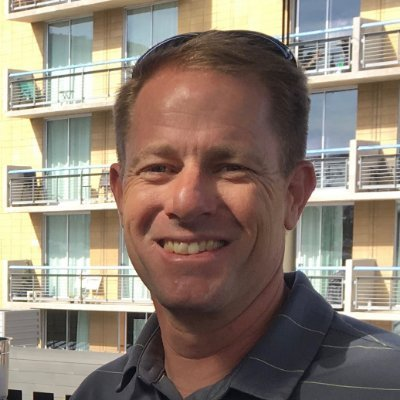
In the latest Lead the Change (LtC) interview, Tracy X. P. Zou discusses her efforts to develop a collaborative approach to scholarship and to incorporate global, international, and intercultural dimensions into the teaching and learning. Zou is an assistant professor in the Department of Educational Administration and Policy at the Chinese University of Hong Kong. The LtC series is produced by Elizabeth Zumpe and colleagues from the Educational Change Special Interest Group of the American Educational Research Association. A pdf of the fully formatted interview is available on the LtC website.

Lead the Change (LtC): The 2025 AERA theme is “Research, Remedy, and Repair: Toward Just Education Renewal.”  This theme urges scholars to consider the role that research can play in remedying educational inequality, repairing harm to communities and institutions, and contributing to a more just future in education. What steps are you taking, or do you plan to take, to heed this call? 

Tracy Zou (TZ):  I believe that cultivating collaborations can be a meaningful approach to addressing inequality, repairing harm, and contributing to a more just future by giving voice to important stakeholders to enhance the relevance and impact of educational change research. In many education change projects in higher education, faculty members and students are only informed about, not involved in, the change. Such projects do not usually lead to a desirable impact on teaching and learning practices. To be impactful, changes need to be initiated with people, not imposed on them. 

Globally, many scholars are calling for a collaborative approach to scholarship, but in practice, we encounter many barriers, including faculty members’ heavy workload. Faculty face increasing demands to generate more research more quickly and with higher impact. This means that, in many parts of the world, including Hong Kong where I am based, engaging in educational change is less rewarded than doing research. Against this backdrop, much of my research has involved teaching and learning-focused collaborations among faculty members and between faculty members and students. My studies have included research on students as partners (SaP) and faculty member collaborations for cultivating communities of practice. 

The SaP study (Zou et al., 2023a) involved working with 43 undergraduates as partners in three research projects across two research-intensive universities in Hong Kong. SaP is considered challenging in Asia because it requires an equal relationship in teacher-student collaborations, and there is typically a larger power distance in many Asian regions. We show SaP is achievable in Hong Kong with proper alignment between SaP project designs and the student partners’ roles. Conducive designs include involving students in project configuration, providing them with peer collaboration opportunities, and designing project topics that interest the larger student community. We found that faculty who were previously skeptical about collaborating with students as ‘equals’ came to see the potential and became inspired to experiment with this practice.

In a faculty member collaboration study (Zou et al., 2022; 2023b), I investigated four government-funded cross-institutional teaching enhancement projects involving faculty from six universities in Hong Kong and Mainland China. While these collaborations aimed to bring systemic changes to teaching practices and curriculum design, we encountered various challenges including heavy workload of faculty members and incompatible credit systems in different universities. Our findings show that creatively aligning the larger project outcomes with the priorities of the institutions or departments of individual faculty members can tackle some of these challenges. Achieving this alignment requires faculty members to adjust elements of the larger project outcomes to match local needs and negotiate with the research team about new ways of achieving the planned outcomes. In this process, faculty members have opportunities to exercise considerable leadership at a local level.  These findings suggest a possibility of breaking down inequities in higher education by providing means for faculty—especially teaching-track faculty at research-intensive universities—to have voice and provide leadership in large-scale projects on educational change. 

I believe that this research on collaboration can enable a more equal and just educational system in two ways. First, the research involves carefully designed interventions that bring small, yet important collaborative initiatives that have the potential to be scaled up, introducing changes developed from the bottom up. Additionally, the findings provide implications that can encourage similar projects for a wider impact collectively. 

LtC: Your work has involved collaborative approaches to researching how teachers and students in higher education develop professional capacity and problem solving skills. What are some of the major lessons that practitioners and scholars of Educational Change can learn from your work and experience?

TZ: The most important lesson that can be learned from my research on collaborative approaches is that faculty members should involve students in educational change, trust them, and provide them with autonomy and freedom to experiment. This is easier said than done. One challenge is that project funding mechanisms, at least those in Hong Kong, tend to hold faculty members accountable if project outcomes deviate from the proposal. In some of my projects, faculty members have been concerned that giving students the autonomy to make decisions would be risky. 

However, our findings showed that giving students autonomy typically enhances their engagement. In a project about students’ learning experiences during the COVID-19 pandemic, we involved students as co- researchers starting from the project planning stage, giving them voice in defining the specific topic and the scope of the research (e.g., what aspects of learning, which groups of students to be researched), designing the methodologies, and constructing the budget. These are tasks that are not typically handled by students, but we found that students became extremely committed to the project as they focused on the matters that were most relevant and exciting to them. For example, one group of students investigated the impact of the pandemic on international students studying in Hong Kong from developing countries and revealed how financial and resource constraints influenced students’ learning and well-being. 

Another important lesson learned is about proper and flexible project designs. Collaborative endeavors cannot be fully predicted up front and often require revision and re-direction in project outcomes. Our research findings provide evidence for the need for embedding flexibility in the research design.

Thirdly, my research suggests that practitioners, scholars, and grant-makers interested in collaborative research need to allow creativity in conveying the project outcomes. If you want to involve students, for example, you might find that students are less enthused about or academically prepared for writing rigorous reports—which scholars and grant-makers might typically expect as a project outcome—but can get excited about making a short video and creating memes to demonstrate their learning. Allowing creativity empowers students to use their expertise rather than being required to conform to traditional methods. 

Finally, regarding projects and initiatives that involve collaborations among faculty members, my research suggests that intervention designers, researchers, and grant-makers need to take into consideration the holistic professional development needs of the faculty members involved and build those needs into the design of the collaborative initiatives. For example, the collaborative projects could take into account how the research can result in learning and artifacts that might become part of participating members’ portfolios that they may need for longer-term career development. It is important to note that an equal and respectful relationship is the key to any collaborative professional capacity building.

LtC: One major strand of your work has focused on the internationalization of teaching and curriculum in higher education. What might practitioners and scholars take from this work to foster better school systems for all students?

TZ: Internationalization of teaching and the curriculum concerns the incorporation of global, international, and intercultural dimensions into the teaching and learning processes and the curriculum (Leask, 2015). It is basically about creating an open-minded, respectful community of global learning that aims to benefit all students. The notion of internationalization is sometimes misunderstood as merely developing intercultural skills or including international examples in teaching material. Internationalization fundamentally involves not only acknowledging other cultures but also deeper transformational work to become critically aware of one’s own identity and the cultural and political assumptions underpinning our curriculum and teaching practice. 

In my research, facilitating internationalization of teaching and the curriculum starts from understanding how faculty members make sense of the concept of internationalization and how they relate it to their courses and programs (Zou et al., 2020). This initial step helps build a common understanding between academic/educational developers and faculty or practitioners, engaging everyone in an open and critical discussion. For example, we discussed with a journalism faculty member about what it looks like to be an ethical and professional journalist in a global world, and which parts of the curriculum prepare students (or not) for the relevant attributes. We reached a consensus that, while there are international learning opportunities in the existing curriculum, they remain insufficient. This understanding allowed for further discussion on what actions to take. 

Furthermore, we found that educational developers should start these conversations by connecting internationalization efforts with specific faculty members’ disciplines. This connection is important because our study (Zou et al., 2023c) shows that faculty members from different disciplines engage internationalization differently according to what is seen as ‘knowing’ and ‘being’ in their disciplines. For example, in hard disciplines such as science, learners are expected to acquire foundational scientific knowledge before they can develop the identity of a scientist. In soft disciplines such as humanities, ‘knowing’ is achieved as learners use their own perspectives and experiences to make sense of the content. Accordingly, internationalization of the curriculum in hard disciplines may make more sense at a later stage of the learning process, such as through a capstone. In contrast, soft disciplines may productively leverage students’ diverse cultural experiences throughout their programs to develop multiple perspectives and critical thinking. Situating internationalization in disciplinary contexts also allows for deeper learning beyond superficial approaches such as language and skills training, becoming embedded in students’ development of professional identities and civic capacity to work and live together with people from different backgrounds. 

The SaP concept discussed earlier can also contribute to internationalization of teaching and the curriculum. Faculty members and scholars of Educational Change can consider involving students in collaboratively re-designing teaching materials and curricula, such as by asking students to share which topics inspire them and how they prefer to learn these topics. It is important to involve students from all backgrounds, particularly with representatives from local communities as well as from abroad, to build an open-minded, inclusive, and respectful community in which every student can find their place and thrive. 

LtC: Educational Change expects those engaged in and with schools, schooling, and school systems to spearhead deep and often difficult transformation. How might those in the field of Educational Change best support these individuals and groups through these processes?

TZ: Indeed, transformation is often difficult. Resistance to change is common in many school systems. I believe those in the field of Educational Change can offer support by encouraging more diversity in the formats through which we share our knowledge about transformation in various contexts at various scales and forms. For example, typically, the research field prefers journal articles written in the educational research genre. However, my previous 6-year experiences of editing a teaching and learning e-newsletter in a research-intensive university in Hong Kong taught me that some faculty members have important educational change expertise to share but lack skills and time to publish in venues designed for educational research. To encourage more diverse authors and perspectives, the journal, International Journal for Academic Development, for which I serve as an associate editor, welcomes ‘reflection on practice,’ a shorter piece (1,000-1,500 words) about the authors’ conceptualizations and reflections on academic development practices in their work contexts. This format offers a platform for practitioners to share their practices and thoughts, which helps engage more stakeholders and move the field towards a more inclusive space. 

The Educational Change field can also offer support by creating collaborative spaces that bring scholars and educators from different disciplines and cultures together. The space could be physical or virtual. What is important is to define a shared area of interest and create attractive themes within that area. Some scholars might describe these spaces as communities of practice (Wenger, 1998). In my own collaborative research with faculty members from different disciplines, including science, social science, engineering, and business, we cultivated many synergies when we focused on themes (e.g., undergraduate research, SaP) that interested all of us. Many of my research ideas emerged from the collaborative process, and some of my collaborators found my ideas useful to their teaching enhancement or course development. 

LtC: Where do you perceive the field of Educational Change is going? What excites you about Educational Change now and in the future? 

TZ: I am excited about how the field of Educational Change is changing and growing towards a focus on more just and sustainable futures. In recent years, I have noticed more studies that focus on disadvantaged and marginalized groups and communities (e.g., Walker, 2023; Zumpe, 2023) that did not receive much attention before. Stronger criticality can be seen in these studies as scholars work to challenge the dominance of certain theories and assumptions. I think these changes are necessary to move the field forward. 
What I feel most excited about Educational Change now is that change initiatives and research about them more often involve teachers’ and students’ engagement and development. When an educational change initiative starts and records even a small achievement, I have seen that the experience of success and the involvement of participants in the success lead to more conducive student learning and teacher satisfaction from the work. As a researcher, I feel proud to design effective interventions that generate positive changes or at least some insights about how to make improvement in the next implementation. 

I am excited about the huge potential of scholarship about Educational Change to elevate the quality of education at all levels. In this complex world, changes are inevitable, and the field of Educational Change can prepare students and teachers to adapt to changes, solve problems, and innovate through designing interventions that are supported by theories and attuned to the local contexts. For example, we know that the emergence of generative artificial intelligence (GenAI) and other technological advancement will bring substantial changes to educational experiences. In the absence of support and knowledge about how to adapt to and incorporate these technological advances, there might be undesirable consequences such as students uncritically relying on GenAI and failing to achieve intended learning outcomes. Scholars of Educational Change should work collaboratively with teachers from all backgrounds to design learning experiences and assessments that are valid and meaningful in a GenAI-mediated world. 
That said, I also see that there is still much room to improve in the field of Educational Change. Many scholars and practitioners in disadvantaged areas suffer from resource shortages that create systemic barriers for educational change to happen and for their work to be seen and valued. I believe that the field of Educational Change needs to cultivate inclusion and open-mindedness to diverse perspectives and different practices. We especially need to recognize how practices that are established in developed regions may involve significant learning and innovations to establish in more marginalized or under-resourced contexts. An open-mindedness is needed to keep the field moving towards a more just world. 

References

Leask, B. (2015). Internationalizing the curriculum. Routledge.Walker, M. (2023). Towards just futures: A capabilitarian approach to transforming undergraduate learning outcomes. Cambridge Journal of Education53(4), 533-550. https://doi.org/10.1080/0305764X.2023.2189227

Wenger, E. (1998). Communities of Practice:Learning, Meaning, and Identity. Cambridge University Press.

Zou, T.X.P., Chu, B., Law, L., Lin, V., Ko, T.,Yu, M., & Mok, P. (2020). University teachers’ conceptions of internationalisation of the curriculum: A phenomenographic study. Higher Education80, 1–20. https://doi.org/10.1007/s10734-019-00461-w

Zou, T.X.P., Hounsell, D., Parker, Q.A., &Chan, B.Y.B. (2023b). Evaluating the impact of cross-institutional teaching enhancement collaborations using a professional capital framework. Journal of Professional Capital and Community, 9(1)68-82https://doi.org 10.1108/JPCC-03-2023-0021

Zou, T.X.P., Kochhar-Lindgren, G., Hoang, A.P., Lam, K., Barry, T. J., & Leung, L. Y. Y. (2023a). Facilitating students as partners: Co-researching with undergraduates in Asian university contexts. Educational Reviewhttps://doi.org/10.1080/00131911.2023.2246674

Zou, T.X.P., Law, L. Y. N., & Chu, B.C.B.(2023c). Are some disciplines ‘hard to engage’? A cross-disciplinary analysis of university teachers’ approaches to internationalization of the curriculum. Higher Education Research & Development, 42(5), 1267-1282. https://doi.org/10.1080/07294360.2023.2217092

Zou, T.X.P., Parker, Q.A., & Hounsell, D.(2022). Cross-institutional teaching enhancement and distributed leadership: An empirical study informed by activity theory. Journal of Higher Education Policy and Management, 44(3), 276-292. https://doi.org/10.1080/1360080X.2021.2002791

Zumpe, E. (2023). School improvement at thenext level of work: The strugglefor collective agency in a school facing adversity. Journal of Educational Changehttps://doi.org/10.1007/s10833-023-09500-x

Mathematics test scores in some countries have been dropping for years, even as the subject grows in importance

Persistence, motivation, and digital device use are among the issues that may be affecting declining math scores, according to a survey of students around the world. This week IEN repost’s an article published originally through The Hechinger Report by Christina A. Samuels exploring the decline in math scores on the PISA test and the results of a related survey of students taking the PISA test.

The bottom line is troubling.

Scores on an international math test fell a record 15 points between 2018 and 2022 — the equivalent of students losing three-quarters of a school year of learning.

That finding may not be surprising considering the timing of the test. The world was still recovering from the disruptive effects of the global pandemic when the test, called the Program for International Student Assessment, or PISA, was administered.

But in many countries, the slide in math scores began years before Covid-19 and was even steeper than the international average. That includes some of the world’s largest and wealthiest countries, and others acclaimed for their education systems, such as Canada, France, Germany and Finland. Only a few school systems — Singapore, South Korea, Taiwan and Hong Kong — have been able to maintain their top results for the long haul.

Some of the scores set off another “PISA shock” — a term first used in Germany in 2000 when scores there were much lower than expected — that may change how mathematics is taught around the world.

Although there’s no single culprit behind the decline, PISA is more than a math test: It also includes a wide-ranging survey of the students who take the test, most of whom are around 15 years old and coming to the end of compulsory schooling in their countries. From their responses, and analysis by PISA researchers, several themes stand out, including disconnection from school and teachers, a lack of motivation and a sense that math does not clearly connect to their real lives.

Why motivation matters

PISA uses a series of word problems that assess how well students can use the math they’ve learned throughout their lives to solve problems they might face in the real world. For example, one question in the most recent test gives students the dimensions of a moving truck and then asks them to figure out how many boxes of a certain size can fit.

 Other problems require students to extract information from different types of data, such as a question that asks students to calculate which brand of car has the best value, taking into its price, fuel consumption, and resale value.

“Students need to have the confidence to try different things, and a level of persistence to do these kinds of problems,” said Joan Ferrini-Mundy, a mathematics educator and the president of the University of Maine. Ferrini-Mundy is also the co-chair of the PISA’s Mathematics Expert Group.

But nearly 1 in 4 students reported on the PISA survey that they gave up more than half the time when they were confronted with math that they didn’t understand. A little more than 40 percent said they never, or almost never, actively participated in group discussions in math class. And about 31 percent said they never or almost never asked questions when they didn’t understand the math they were being taught.

In Germany, where scores have dropped faster than those of many other PISA nations, researchers pointed to a collapsing interest in math as a subject that started around 2012, among other factors. Students reported less enjoyment, less interest and more anxiety around the topic, said Doris Lewalter, an educational researcher at the Technical University of Munich. They also were more likely to report that they saw fewer potential benefits from studying math.

Photo of students engaging in math in classroom

Miguel Castro, right, and Josue Andrate work on math problems in their Tulsa, Oklahoma classroom. The U.S. is among the countries with falling scores on international math tests, but the decline is not as steep compared to other nations.  Credit: Shane Bevel for The Hechinger Report

The effects of screen time

Students who reported spending up to an hour on devices for learning purposes scored 14 points higher than students who said they spent no time on digital devices for learning. But too much use of digital devices was a distraction, even indirectly. Students who said they were distracted at least some of the time in school by their peers using devices scored 15 points lower than students who reported that they never, or almost never, were distracted.

Outside the classroom, digital device use also matters when it comes to math scores. Students who spent more than an hour on weekdays surfing the web or on social networks scored between 5 and 20 points lower than peers who spent less than an hour on devices.

Sample PISA Question

Lack of real-world connection

On student surveys, only about a quarter of PISA-takers said they were asked “to think of problems from everyday life that could be solved with new mathematics knowledge we learned” for more than half or almost every lesson.

William Schmidt, a professor at Michigan State University and the founder and director of the Center for the Study of Curriculum Policy, has studied the seeming disconnect between math as it is taught, and math as it is used outside of school.

Schmidt examined the math textbooks of 19 countries, and said that about 15 percent of the computational problems in those books are word problems. But of those, only a tiny percentage — just over one-quarter of 1 percent — ask students to use math reasoning to solve a problem, in his view. An example might be determining how many items you can buy at a store for $52, given certain discounts and taking into account sales tax, he said.

Schmidt, also a member of the PISA math experts group, believes students should grapple with problems like this, which have the benefit of being more interesting as well.

“What we should be doing is exposing our children to real exercises that are real in their world and that have applications they would care about,” Schmidt said.

Good teachers are irreplaceable

Andreas Schleicher, who oversees PISA for the Organization for Economic Co-operation and Development, said the student surveys also showed the importance of teachers’ connection to their students. Math scores were 15 percentage points higher, on average, in places where students said they had good access to teacher help. Those students also felt more confident in their ability to learn on their own, and remotely.

On the 2022 survey, about 70 percent of students reported regularly receiving extra help from teachers, but that figure represents a drop of 3 percentage points from 2012.

“That was actually a surprise to me, that we see fewer students growing up with the notion that my teacher knows who I am, my teacher knows who I want to become, my teacher supports me,” Schleicher said. “Many students perceive education to be more transactional.”

A call to action

Finland’s fall, from a top performer in 2006 to just slightly above the OECD average in 2022, has been the most dramatic among previous high achievers. In math, the proportion of low achievers rose to 25 percent in 2022, from about 7 percent in 2000.

Finnish students’ achievements have been dropping gradually for two decades, and the trend is reflected in national evaluations, said Jenna Hiltunen, a researcher in mathematical pedagogy at the University of Jyvaskyla, who was part of the team that implemented PISA in Finland. “I wouldn’t say that we were surprised by the decline, but we were a little bit surprised by how large the decline was.”

Finnish math education experts cited reduced motivation in students and a disconnect between their life goals and how young people feel about school. It plans to invest 146 million euros — about $158 million in U.S. dollars — over the next three years in schools in disadvantaged areas, and it is adding one hour per week of math lessons for students in grades three to six, which is planned to begin in August 2025. Local authorities will decide which of those grades will get the extra hour.

“We think it’s important to highlight the importance of basic skills, and learning the fundamentals,” said Tommi Karjalainen, a senior ministerial adviser to the Finnish Ministry of Education and Culture and a former education researcher at the University of Helsinki.

In New Zealand, where math scores on international tests in the past decade have fallen steeply, a new government campaigned on bringing a “back to basics” approach to education. The government has mandated an hour of reading, writing and mathematics in school each day and has banned cellphones. A government-created advisory group has also suggested that the country move to a more traditional, explicit form of mathematics instruction, as opposed to inquiry methods that focus more on having students create their own mathematics learning, with teachers serving as guides.

In Bavaria, one of Germany’s 16 states, leaders announced in February a plan to add additional math and German lessons in the primary years, part of a “PISA Initiative.”

France is responding to its sliding scores by introducing more tracking. Starting in September, France will start testing middle school students to track them into different mathematics and French classes, based on their scores.

And educators are looking to different countries to learn the keys to their success. The former Soviet republic of Estonia, as one example, achieved the highest mathematics scores on the PISA of any other country in Europe.

The country of 1.4 million people has not focused on international math scores as a goal in itself, said Peeter Mehisto, co-author of “Lessons from Estonia’s Education Success Story: Exploring Equity and High Performance Through PISA.”

Instead, it has stopped separating students into groups based on their academic performance, a practice called “streaming” or “tracking.” Mehisto, an honorary research associate at the University of London Institute of Education, said that research shows that “low-track” students often end up alienated from school.

In the United States, in comparison to other countries, no one is talking about widespread changes because of these math scores. No centralized government agency controls curriculum, and the U.S. actually moved up in comparison to other nations because those other nations did so poorly.

Unlike the belief in some other countries, the U.S. scores “are not cause for huge alarm,” said Ferrini-Mundy, one of the PISA experts. “We have to pay attention to this, but it’s not a catastrophe.”

Frieda Klotz contributed reporting and Sarah Butrymowicz contributed research to this story.

This story was produced with support from the Education Writers Association Reporting Fellowship program.

This story about dropping math scores was produced by The Hechinger Report, a nonprofit, independent news organization focused on inequality and innovation in education.

Reimagining Coaching and Teachers’ Time: Scanning the News for Innovations in Teachers’ Professional Learning (Part 2)

This week, IEN’s managing editor Sarah Etzel continues a scan of recent news articles and research on post-pandemic developments in the teaching profession. In part two of the post, Etzel describes some of the initiatives to use technology to help to free-up time for teachers by reorganizing staffing and scheduling. Part one explored innovations in blended and remote teacher professional development models and the use of AI to provide feedback to teachers. 

What’s happened to teachers in the wake of the COVID-19 pandemic? On the one hand, in the US teacher vacancies appear to have grown substantially. One report released in the fall of 2023 showed 55,000 vacant teaching positions, an increase from 36,000 the previous year. On top of that, the report found that 270,000 teachers – almost 9% of the entire teaching force – are “underqualified,” either lacking full certification or teaching in a subject in which they are not certified. The National Center for Education Statistics also revealed that 86% of K-12 schools reported problems hiring new teachers in advance of the 2023-24 school year, and almost half of all public schools describing themselves as “understaffed.” On the other hand, the pandemic helped to stimulate experiments with new models for staffing and with virtual teachers that might help to address teacher shortages. 

Staffing Changes: Unconventional Teaching Roles

            Whether in-person or virtual, a small set of schools and organizations around the US are exploring what alternative teaching and staffing models for schools could look like. A report from FutureEd focusing on pandemic-inspired staffing strategies, for example, highlights the benefits of some co-teaching, team teaching, and mentor teaching models. Public Impact, working with a network of over 300 schools, has pioneered models designed to use teacher teams to enable teachers who have shown their effectiveness to reach more students. These “multi-classroom” leaders teach part-time and also lead small, collaborative teams of other teachers, paraprofessionals, and intern teachers in the same grade or subject. Cadence extends the reach of effective teachers by developing a national team of mentor teachers who deliver online lessons for a group of partner schools across the US. The teachers in the partner schools both learn from the mentor models and they can incorporate the lessons into the work with their own students. As Steven Wilson, a co-founder of Cadence, puts it: “It’s like being able to sit in the back of the room of the best teacher in the building for weeks at a time and see his or her moves and adapt them and make them your own.”

The FutureED report also emphasizes the potential of flexible class sizes, time blocks, and instructional cycles that allow for teachers to work with smaller groups of students outside of traditional grade-level and schedule constraints. As an example, the report highlights a particularly unusual approach from Kairos Academies in St. Louis that developed a seven-week schedule in which students attend school for five weeks, followed by two weeks off; staff have one week off, but use the other week to review data and plan for the next cycle. The report quotes, Gavin Schiffres, Kairos founder and CEO, describing what he sees as the advantages of the cycles; “With the cycle model, we operate in sprints, much like the technology industry. In a traditional calendar, you have kids in the building for such long stretches that as soon as there’s a break, everyone just wants to crash.” 

Drawing on interviews with a small group of leaders from six districts involved in staffing experiments, the Center on Reinventing Public Education issued a report on how unconventional teaching roles could help to make the profession more sustainable and increase teacher satisfaction in the process. Some of these roles include: 

  • Lead teacher: An individual who mentors a team of teachers (across content areas or grade levels) by developing curricula and co-teaching as necessary 
  • Empowered teacher: An individual who supports with school-level policies and sets learning targets 
  • Team teacher: An individual who teaches a large group of students (50-80) in collaboration with two to four other teachers 
  • Community learning guide: An individual who works with a group of educators and their students to create experiences grounded in students’ wider environment, community, or culture. 
  • Solo learning guide: An individual who independently teaches a small group students (5-15) in school or home contexts
  • Technical guide: An individual who leverages subject area expertise (e.g. robotics, architecture) to provide curriculum support and work with small groups of students 

According to the report, teachers in these roles shared that they experienced less stress and felt more motivated; working in diverse or team settings, teachers were able to share responsibilities, learn from each other, and feel connected to the purpose of teaching. Despite the potential, a review of the CRPE report from the National Education Policy Center cautions that it is too early to tell whether these kinds of staffing changes could be scaled effectively or whether they would have the desired impact. 

In order to address the shortage of teachers and support those that are in place, some schools in the US have also introduced models to support paraprofessionals to gain teaching credentials and become licensed teachers, while others have created pipelines for substitute teachers to gain teacher certifications. Beyond the US, organizations such as GPE KIX and UNICEF have been pioneering child-to-child teaching models, in which older students support the education of pre-primary learners, in areas where there are not enough teachers available (for past IEN coverage of peer-to-peer tutoring approaches, see: Education reform in MexicoAn interview with Dr. Santiago Rincón-Gallardo, and Bringing Effective Instructional Innovation to Scale through Social Movement in Mexico and Colombia).

Virtual teachers for in-person students

Along with developing new virtual and hybrid approaches for students to learn, during and after the pandemic, reports also note that some districts are spending millions of dollars on virtual teachers to fill-in when they can’t find the personnel they need in their local area. Among these, districts in Little Rock, ArkansasCharleston County, South CarolinaSan Jose, California, and Milwaukee Wisconsin have contracted with companies such as Elevate K-12Coursemojo, and Proximity Learning to address their teacher vacancies and to provide virtual instructors who zoom into their classes. These companies employ fully certified virtual teachers who provide “synchronized learning services” in a range of subjects. The virtual teachers interact with students completely through the online platforms, with, in some cases, in-person supervision provided by paraprofessionals or long-term substitute teachers. 

"live teaching" model

Elevate-K12’s model of “live teaching”, The 74

The benefits and drawbacks of these approaches are also being debated in the press. For some, these virtual options provide an alternative to other “quick fix” solutions that have been used to fill empty classrooms in the past, including hiring uncertified teachers, incentivizing military veterans to join the teaching force, or removing some degree requirementsAccording to the CEO of a San Jose charter school network that contracts with Coursemojo, this situation is not ideal, “but until we really, radically change the education profession here in the United States, we’re going to be looking at solutions like this.” Catherine Schumacher, Executive Director of Public Education Partners stated the importance of not shaming “districts for doing the absolute best they can do to get qualified teachers,” especially in a climate where “we have systematically underpaid…educators for years.”  

Other advocates argue that the subjects virtual teachers are teaching have historically been hard to fill, meaning many students did not have access to these educational opportunities, particularly in low-resource school districts. As the Milwaukee Public Schools talent management director put it: “when we talk equity and access, I want to ensure that if my students want to take pre-calc, if they want chemistry, if they want physics, that they have the opportunity to do so.” 

The cost-effectiveness of the virtual models also remains in question. For one school district in Milwaukee, Wisconsin, a contract with Elevate-K12 helped them fill 55 open positions at a cost of about $3.9 million, a savings from the $5 million it would have cost to hire that many in-person teachers. A district representative reported that they were able to save the $1.1 million because they did not have to provide benefits for Elevate K-12 teachers. In contrast, a school district in Charleston County, South Carolina that has used the virtual learning platform, Proximity found that these models were more expensive, as the schools needed to hire paraprofessionals to watch the students during the virtual classes. 

Critics point to the fact that there is not yet enough evidence to show that students are achieving positive learning outcomes under these models, but proponents such as Elevate K-12 founder Shaily Baranwal, argue that virtual teaching during Covid-19 took place under emergency circumstances and, with more time to prepare and focus on delivery methods, post-pandemic virtual teaching could be particularly effective. Critics also question whether students’ social experiences and sense of belonging will suffer when they have virtual teachers, and some wonder who will be held accountable for student learning under blended learning models (i.e. the paraprofessionals who are in class every day with the students, or the virtual teachers?). With all these uncertainties, many parents remain skeptical of this virtual  solution and question whether virtual teaching will be the best fit for their children. 

The bottom line? Freeing up time to teach? 

At the end of the day, the success of any of these “innovations” in professional learning depends on whether they can be put in place without adding to teachers already overloaded schedules and extensive set of responsibilities. Post-pandemic articles continue to highlight challenges like a lack of planning time for teachers and excessive time spent in staff meetings as well as hopes that AI may help address these issues by freeing up teachers’ teachers time from administrative tasks and helping teachers create differentiated assignmentsThrough a survey of 368 school-based employees across the U.S., AI-Equity found that 84% of those who used AI in the Daily/Weekly category reported they were “more excited about continuing education sector work because of AI,” compared to 52% of all respondents, while 94% of Daily/Weekly AI users shared that it made them more productive. According to research from MIT, AI can improve the performance of skilled workers in fields such as consulting by approximately 40%. A report from McKinsey and Co. estimates that teachers could free up 20-30% of their time by using AI and other technologies to support activities such as preparation, conducting evaluations and giving feedback, administrative duties, and professional development. The Christensen Institute argues that teachers may not use their reallocated time for increased student engagement without proper incentives, but freeing up teachers’ time could help to alleviate burnout and increase the attractiveness of the profession. 

How artificial intelligence will impact K-12 teachersMcKinsey

However, sources also caution that AI should not be viewed as a panacea for solving these issues, and in fact, may exacerbate some of the challenges that teachers face. As one teacher explained, the expectations developing lessons incorporating AI and other forms of technology “takes extreme planning, and that, we don’t have time for anymore.” Moreover, the increasing use of AI raises numerous questions about the potential impact on students’ learning and development. In particular, as Julia Freeland Fisher cautions, the education market doesn’t prioritize relationship building within its attainment metrics and so may fail to take into account AI’s impact on those relationships. Under those conditions, as Freeland Fisher put it, “the more commonplace that AI companions, coaches, and anthropomorphized bots in learning and support models are, the more fragile students’ social connectedness may become.”

Teacher Professional Development in the Post-COVID Landscape: Scanning the News for Innovations in Teachers’ Professional Learning (Part 1)

What are the possibilities for innovation in professional learning post-COVID? The COVID-19 pandemic exacerbated many of the long-standing challenges within the teaching profession but simultaneously created opportunities for improvement by accelerating the use of education technology (EdTech) and encouraging stakeholders to reimagine what teacher professional development (TPD), staffing, and teaching could look like. Over the next two weeks, IEN managing editor Sarah Etzel explores the possibilities for innovations in professional learning in this two-part post. The first part of this post describes some remote and hybrid approaches to professional development in use in refugee and crisis contexts even before the pandemic. It also includes an overview of recent news reports on new approaches to professional learning that involve efforts to use AI to provide feedback to teachers. Part 2 summarizes recent articles that discuss how blended and remote delivery models for students might shift the roles of teachers and introduce new avenues for teachers to manage their time and workloads.

Remote and hybrid professional development in refugee and crisis contexts

Even before the pandemic, educators in refugee and crisis contexts with limited access to resources and qualified staff were already exploring how fully remote and blended learning models might support teacher professional development. These efforts included programs that sought to deliver professional development programs via radio or mobile phones (primarily WhatsApp). In Uganda, STiR Education implemented a fully-remote, radio-based professional development program that took place over the course of two weeks and featured 30-minute radio lessons consisting of evidence-based instructional practices. The program combined these lessons with weekly support calls from district officials and follow-up materials for school leaders to support teachers. The radio programs were also shared via WhatsApp channels so that participating teachers could go back and access the lessons at any time. The project implementers found that these approaches helped to motivate teachers and supported their resilience, while also providing them with a sense of community through WhatsApp groups where they could discuss questions related to their specific classroom situations. Challenges included limited follow up, poor network connectivity, and varied levels of program accessibility across districts. Lessons learned pointed to the need to combine different approaches (radio coupled with the interactive WhatsApp component) and to engage stakeholders like school leaders to encourage them to support the programs. 

Countries like Malawi, Botswana, and Tanzania as well as in the Caribbean have also utilized programs relying on mobile phone messaging for professional development. One study of a sample of teachers involved in these programs found that the use of mobile phones “could be a scalable solution with rapid positive outcomes on teaching practices worth investing in,” and highlighted the benefits of community building through WhatsApp channels. At the same time, despite the widespread availability of WhatsApp, many teachers in these countries still don’t have mobile phones and network connectivity remains limited in some areas.

MOOC’s (Massive Open Online Courses) have provided another opportunity for either fully remote or blended learning for professional development. In Lebanon, teams from University College London and Lebanese American University worked with stakeholders in the community to identify key needs and priorities and then co-designed a MOOC, which incorporated local content by filming lessons of teachers working in area refugee camps. The completed course also included a blended component so that some teachers could receive two days of face-to-face training before they started the MOOC; two days of training during the course; and two days of training at the end. Participants were also given access to supplemental materials that they could download, such as lesson plans and models of good practice. Given that the teachers were not able to regularly travel to the university campus, having the virtual component made the course much more accessible to a wide range of teachers. At the same time, the face-to-face component turned out to be particularly helpful in clarifying teachers’ misconceptions around the digital tools, while the digital component allowed for greater flexibility and enabled them to learn from their peers who were undergoing similar challenges. 

Excerpts of MOOC from A Co-designed Blended Approach for Teacher Professional Development in Contexts of Mass Displacement

In Rwanda, teachers have been able to deepen their understanding of their subjects and related instructional practices through self-paced online learning modules and tailored in-person sessions that build upon teachers’ performance in the online components. The program includes an in-person orientation; online modules, with school-based mentors reviewing teachers progress through the modules; a bridging activity where teachers and school-based mentors complete a professional development needs assessment for their school; and a final in-person session where teachers come together with their peers and school-based mentors to build a professional development plan for their schools. In what the partners from the University of Rwanda and Education for Development (VVOB) describe as a staggered, flipped classroom model, in-person meetings help to cultivate community among participants and provide opportunities for practice. The flexibility of the virtual approach also allowed participants to focus more on the specific context of their own schools.

Figure 1: Model for Blended Learning CPD Program in Rwanda

Innovations in professional learning? The role of AI in coaching and feedback for teachers 

In addition to trying to take advantage of the possibilities for mobile and online learning that have emerged, several more recent initiatives are attempting to harness AI to provide feedback for teachers as districts seek alternatives to traditional coaching models (for previous IEN coverage of AI, see: ChatGPT on ChatGPT in education: Clear summaries and fake citationsBan It or Use It? Scanning the Headlines: The Chat GPT six month anniversary editionScanning the headlines for international perspectives on ChatGPT in schoolsWhat difference will AI make in schools?). Among those, TeachFX, is developing an AI platform where teachers can upload lesson recordings and receive quantified reports on their classroom interaction. In South Portland Maine, the platform provided teachers with personalized feedback on how often they talked, how many times they called on certain students, and how many times they used certain questioning techniques. For some teachers, the platform helped them to realize their implicit biases — for example, if they were disproportionately calling on white students who were fluent in English. Meanwhile, Urban Assembly, a network of 21 schools in NYC is working to develop AI coaching tools for its teachers. Similar to the TeachFX technology, these tools are expected to use natural language processing to identify trends in classroom interactions, including “positive,” “respectful” or “insulting” language. According to Urban Assembly CEO David Adams, the benefits of this kind of approach are clear: “It can take the instructional coaches hours to review a single video. That means teachers aren’t getting enough feedback, and they’re getting it less often than they should be.” 

Recent research on AI coaching models (also referred to as M-Powered Learning or machine-powered learning) includes two randomized controlled trials with tutoring programs. Results suggested that “students taught by instructors or tutors who accessed the feedback more frequently had more favorable perceptions of their learning experience” compared to students taught by those who did not engage with machine powered feedback. 

Concerns about the uses of AI for feedback for teachers often revolve around worries that it will replace in-person coaching, but AI proponents argue that this kind of technology could work in tandem with human coaches, allowing them to evaluate videos more efficiently. Other critiques center around the level of nuance these platforms will be able to provide and some question whether teachers will really take advantage of these services. Julie York, a teacher who uses TeachFX, shared the sign-up link with 80 of her colleagues and received zero interest. York believes that teachers may not want feedback on their instruction or may fear that districts could use the recordings punitively. Furthermore, the new technology raises concerns around data privacy and how the audio transcripts will be used beyond the coaching programs. 

Next week: Reimaging Coaching and Teachers’ Time: Scanning the News for Innovations in Teachers’ Professional Learning and Management (Part 2)

Aligning research with action and reflection: The Lead the Change Interview with Jackie Pedota

In this month’s Lead the Change (LtC) interview, Jackie Pelota discusses the role of research in remdying education inequality. Pelota is a Postdoctoral Associate in the Educational Leadership and policy department at the University of Texas at Austin. The LtC series is produced by Elizabeth Zumpe and colleagues from the Educational Change Special Interest Group of the American Educational Research Association. A pdf of the full interview will be available on the LtC website.

Lead the Change (LtC): The 2025 AERA theme is “Research, Remedy, and Repair: Toward Just Education Renewal.”  This theme urges scholars to consider the role that research can play in remedying educational inequality, repairing harm to communities and institutions, and contributing to a more just future in education. What steps are you taking, or do you plan to take, to heed this call?

Jackie Pedota (JP): At this pivotal moment, it is more crucial than ever to align our research with action and reflection, bridging the gap between theory and practice. Since Hamas’ attack on Israel on October 7th, 2023, Israel’s counterattack and invasion of Gaza has led to the death of over 30,000 mostly civilian Palestinians, including young children. Students, faculty, and others across campuses have shown their support for the Palestinian people in the aftermath. These overwhelmingly peaceful campus protests took a turn for the worse in April 2024 when they were met with aggressive tactics, retaliation by administrators (e.g., withholding degrees), and police violence. On April 24th, 2024, I witnessed this police violence against students and faculty first-hand at my own campus of the University of Texas at Austin, and it was horrifying.

Jackie Pedota

Students, primarily Arab, Muslim, Jewish, and other minoritized students, bravely stand at the forefront of ongoing protests, actively participating in democratic processes and demanding justice for the Palestinian people. These students work tirelessly to posit alternative futures, repair harm, and alleviate suffering. Yet, they have been met with unprecedented violence and harsh resistance from the very leaders and administrators who promised to support them–and who likely urged them to “change the world” in speeches when they first stepped onto campus at orientation. As an early career scholar and someone who aspires to hold a faculty position one day, it has been disheartening to witness this decoupling of academic researchers’ ideas from their everyday actions.

We in the Educational Change field can learn so much from these students if we listen to them. They are applying what they have learned. They are putting theory into practice to push for substantive change.  

Thus, we must ask ourselves: How can we, as scholars, produce research that creates more just, equitable, and liberatory educational systems? To better align these research aims with everyday actions, I think the bare minimum we all can do is to hold space to hear from these students, taking their concerns seriously and advocating via our institutional channels for leaders to drop disciplinary charges. I also believe it is important for me to use my privilege as a scholar to uplift these students’ experiences and, in my research, draw attention to the underlying driving force behind these institutional actions—the well-funded right-wing political infrastructure that is increasingly shaping policies and practices within higher education.

In the months leading up to the 2025 AERA annual meeting, I hope to see more students, faculty, scholars, and leaders stand in solidarity. If we truly believe in higher education’s role in sustaining a multi-racial democracy, we all should be finding ways to support these students—working with, not against them. We will be working for decades to repair the trust that has been shattered for so many students at colleges and universities across the country. However, we can start this work now. At AERA and beyond, there is hope that we, as Educational Change scholars, will answer the call to produce research while actively repairing our educational systems for those who have been most marginalized by these very systems.

LtC: Your work has involved examining increasing pressures from state legislation restricting teaching and scholarship focused on race and racial inclusion in higher education. What are some of the major lessons that practitioners and scholars of Educational Change can learn from your work and experience?

JP: Currently, I am studying how faculty are changing their practices in response to a wave of legislative efforts to curtail the curriculum, research, policies, and practices focused on diversity, equity, and inclusion (DEI) in higher education. As of May 24th, 2024, 85 bills have been introduced to state legislatures across the country, with 14 successfully passing into law, limiting racial inclusion efforts, free expression, and academic freedom (Lu et al., 2024). Ongoing efforts spearheaded by external right-wing organizations and think tanks, like the Manhattan Institute, represent a coordinated campaign to roll back long-fought civil rights advancements within higher education via the erosion of academic freedom (Kamola, 2024). 

Through interviews and observations over the last three years, my colleagues and I have found that, without adequate institutional support, many faculty change their teaching and research on race to protect themselves even when laws are not yet in effect (Pedota, 2023). In response to political and legal threats, faculty, particularly faculty of color, find themselves navigating a complex and shifting landscape with little to no guidance from senior leaders and department-level administrators (Pedota, 2023). Moreover, the communication and guidance faculty receive from higher education administration often reflect an overinterpretation of vague bill language (Reilly, 2024). This results in guidance that is more restrictive than necessary, a dynamic called repressive legalism (Garces et al., 2021). These overly cautious responses are partly driven by public university leaders fearing political backlash and funding cuts (Moody, 2023). 

When faculty are left alone to interpret and respond to these legal pressures, many act from a place of self-preservation and safety to ultimately suppress racial inclusion work otherwise protected under academic freedom (Pedota, 2023). As faculty of color are the most visible of targets for potential disciplinary action or professional attacks, they feel even more pressure to change their teaching approaches, cancel courses, remove course content, and pause research (Golden, 2023). Ultimately, proposed bills targeting race scholarship and DEI work, even when not enacted into laws, are taking a psychological toll, resulting in poor working environments and the loss of faculty from impacted states (Melhado, 2023; Pedota, 2023). These curricular impacts and departures substantially threaten higher education and democracy, as faculty of color play a vital role in cultivating critical thinking, innovation, and democratic participation (Milem et al., 2005).

Thus, there is an urgent need to affirm, support, and empower faculty, especially faculty of color, to uphold principles of academic freedom and racial inclusion. It is imperative for all faculty to be in solidarity and work as a collective to leverage and uphold academic freedom. My work thus offers timely insights that will benefit faculty as they navigate the current sociopolitical context. Notably, my prior and ongoing work demonstrates the need to create long-term ongoing structures and processes to better educate not just faculty but also college-level administrators on their rights and protections under academic freedom (Pedota, 2023). Previous studies confirm faculty’s uncertainties around academic freedom, highlighting the need to specifically bolster faculty of color’s understandings and access to its rights and protections (Hutchens & Miller, 2023; Kateeb et al., 2012; Rangel, 2020). 

The research also illuminates how external actors (e.g., advocacy organizations, civil rights groups, professional associations) are essential for bolstering faculty’s work. However, many faculty are unsure how to begin cultivating these connections, and faculty of color largely feel unsupported and unacknowledged by external actors’ efforts (Pedota, 2023). These external organizations should proactively work with faculty on the ground in impacted states to share information and build organizing capacity.

LtC: Your research has used participatory methods, including oral history, to examine dynamics of organizational change focused on racial equity in higher education institutions. What might practitioners and scholars take from this work to foster better school systems for all students?

JP: I have long been drawn to oral history as a methodology for transformational change. Oral history is the practice of gathering, preserving, and interpreting the unique, first-hand experiences and memories of individual people and communities involved in past events (Oral History Association, n.d.). Many organizations, like Voice of Witness, have pushed the field of oral history further with the goal to democratize storytelling, allowing communities to share their stories in their own words, illuminating contemporary issues in a deeply personal and impactful manner. This approach to oral history, which aligns most with my own, challenges harmful stereotypes, showcases the diversity of experiences, and positions those with lived experiences as experts on racial equity issues, fostering a greater understanding and empathy among listeners.

I have been involved with many local and national oral history projects over the past six years that mostly focused on the experiences of Latino/a/x individuals and communities. For instance, when the Black and Latino cultural centers at my undergraduate institution were at risk of being consolidated into one multicultural center, folks within the Samuel Proctor Oral History Program sprang into action to document and archive the rich and important histories of these spaces to combat this proposed erasure. These efforts amplified the voices of those who had experienced injustice firsthand at a predominantly white institution and underscored the essential role of these cultural centers in ensuring their histories and communities ultimately survive and thrive. In this way, deeply personal narratives, like those gathered through oral history, can be effective in highlighting and humanizing systemic issues within education.

Through my work, I have seen how oral history can promote racial equity by demonstrating storytelling as a powerful tool for social change. This approach to research promotes deeply listening to and learning from marginalized communities—communities that have been deliberately silenced or remain unheard. From my experience with the Voces of a Pandemic Oral History project through the Voces Oral History Center at the University of Texas at Austin, I learned that oral history requires an ethics-driven approach to storytelling to ensure narrators have power and choice in the storytelling process, viewing them as collaborators rather than subjects. 

In this oral history project, many narrators were still processing the hardship and trauma experienced during the COVID-19 global pandemic. Listening and learning from communities in this context required me to create and maintain a safe and brave space for folks and employ a trauma-informed approach to interviewing. For instance, interviewers must be cognizant of how trauma can manifest and be vigilant as they interview narrators, providing moments to breathe and be attentive to what that person needs at that moment. Voice of Witness’s Ethical Storytelling Principles and other resources like “Say It Forward: A Guide to Social Justice Storytelling” can provide guidance on these issues, ensuring that stories are told responsibly and respectfully. 

Ultimately, by using oral history to document and share powerful first-person testimonies, we can foster a more inclusive and equitable society, where the experiences and insights of those impacted by injustice are not only heard but valued and acted upon to promote change within education. As such, I believe that the many principles that undergird oral history have much to offer practitioners and scholars.

LtC: Educational Change expects those engaged in and with schools, schooling, and school systems to spearhead deep and often difficult transformation. How might those in the field of Educational Change best support these individuals and groups through these processes?

JP: Through my work with student affairs practitioners, college students, alumni, and advocacy organizations, I have learned that disrupting and transforming historically inequitable educational systems requires broad collaborative networks. It is not enough to solely work with people inside of P-20 educational systems, like students and administrators. Transformational work requires coalition building, brave leadership, and redistribution of resources to minoritized groups who remain disadvantaged by current organizational arrangements. To organize for transformational work, scholars must develop and leverage the influence and expertise of those within the broader community, such as families, community leaders, local non-profits, faith-based organizations, and national advocacy and civil rights groups.  

On January 1st, 2024, both HB 1 and SB 17 went into effect in Texas, banning the use of state funds for DEI-related efforts, including designated offices, trainings, and diversity statements in faculty hiring. Within this current restrictive context, I have seen the power that the broader community can have to pressure and influence policymakers and institutional leaders. I am part of a coalition of students, alums, faculty, unions, civil rights groups, advocacy organizations, professional associations, and grassroots collectives who work across Texas to combat the legislative efforts by state policymakers to undo decades of racial progress in an increasingly diverse state. In this work, I have witnessed how establishing networks and coalitions outside of formal educational spaces allows those working within these constrained and often oppressive systems to more freely exchange ideas, share experiences, and provide mutual support. Such spaces are especially important during a time when many students, staff, and faculty are receiving little to no information. This coalition has also fostered a sense of community and collective responsibility, making advocating for educational change less challenging and more empowering by knowing you have a group of committed folks behind you. 

I believe that scholars within the field of Educational Change should be seeking out and engaging in these kinds of civil rights coalitions and other similar community-based grassroots collectives. Scholars have an important role to play in such coalitions, sharing insights from their scholarship that could inform strategies and approaches for systems change. Transforming educational systems in our deeply divided and inequitable society is a long-term and ongoing process that will require fervent research-informed advocacy and activism for years to come. Ultimately, such change depends upon building a community and a critical mass of stakeholders invested in racial equity.

LtC: Where do you find hope and inspiration for the possibilities of Educational Change going forward?

JP: As someone who studies DEI efforts at this moment, I often feel like my work is a continual uphill battle just to end up in the same place I started. It requires constant effort just to hold our ground, leaving less time and energy for transformational advancements. Those who have been engaged in Educational Change work for a while likely understand these sentiments and can relate. And yet, there is always hope.

During times when Educational Change work feels particularly daunting and almost impossible, I draw hope and inspiration for grassroots activists in the South. I was born and raised in Miami and have lived in South and North Florida for most of my life. I have seen how media outlets and those on social media have characterized politics and policies in the state of Florida with little to no attention to the brave grassroots activism historically led by People of Color.

In the most difficult and dehumanizing of conditions, grassroots organizations like Dream Defenders have persevered to fight for change across Florida. Despite passed anti-DEI legislation, the folks at Dream Defenders remain steadfast in their #Cantbanus campaign, organizing school walkouts and legislative advocacy days to fight against political attacks on public education. Even within the current environment, the Dream Defenders believe change is possible. If they can believe this in the most challenging of environments, then so can I. Their efforts help me see change as a long-term project—where the movement for racial equity is about both the short and long game. The unwavering commitment of Southern activists reminds me that, despite the difficulties, our collective efforts in DEI and educational change can and will pave the way for a more equitable future.

References

Garces, L. M., Johnson, B., Ambriz, E., & Bradley, D. (2021). Repressive legalism: How postsecondary administrators’ responses to on-campus hate speech undermine a focus on inclusion. American Educational Research Journal, 58(5), 10321069.https://doi.org/10.3102/00028312211027586

Golden, D. (2023, January 3). ‘It’s making us more ignorant’. The Atlantic. https://www.theatlantic.com/ideas/archive/2023/01/ron-desantis-florida-critical-race-theory-professors/672507/ 

Hutchens, N. H., & Miller, V. (2023). Florida’s stop WOKE act: A wake-up call for faculty academic freedom. Journal of College and University Law48(1).  

Kamola, I. (2024, May). Manufacturing backlash: Right-Wing think tanks and legislative attacks on higher education, 2021-2023. American Association of University Professors. https://www.aaup.org/sites/default/files/Manufacturing_Backlash_final.pdf

Kateeb, I., Lewis, M., & Hamoush, S. (2012). Understanding the concept of academic freedom in North Carolina A&T State University. International Journal of Science in Society3(2), 9–22. https://doi.org/10.18848/1836-6236/CGP/v03i02/51322  Lu, A., Elias, J., June, A. W., Marijolovic, K., Roberts-Grmela, J., & Surovell, E. (2024, March 8). DEI legislation tracker. The Chronicle of Higher Educationhttps://www.chronicle.com/article/here-are-the-states-where-lawmakers-are-seeking-to-ban-colleges-dei-efforts

Melhado, W. (2023, September 7). Texas’ political environment driving faculty to leave, survey finds. The Texas Tribune. https://www.texastribune.org/2023/09/07/texas-higher-education-faculty-dei-tenure/

Milem, J. F., Chang, M. J., & Antonio, A. L. (2005). Making diversity work on campus: A research-based perspective (pp.1–39). Association American Colleges and University.   

Moody, J. (2023, March 30). The silence of Florida’s presidents. Inside Higher Edhttps://www.insidehighered.com/news/faculty-issues/academic-freedom/2023/03/30/silence-floridas-presidents 

Pedota, J. (2023). How faculty contend with threats to academic freedom and racial inclusion. UC National Center for Free Speech and Civic Engagementhttps://freespeechcenter.universityofcalifornia.edu/fellows-22-23/how-faculty-contend-with-threats-to-academic-freedom-and-racial-inclusion/  

Rangel, N. (2020). The stratification of freedom: An intersectional analysis of activist-scholars and academic freedom at U.S. public universities. Equity & Excellence in Education53(3), 365–381. https://doi.org/10.1080/10665684.2020.1775158   

Reilly, M.L. (2024, March 5). Anti-DEI bills rely

on vague language and self-censorship. Forbes.https://www.forbes.com/sites/meglittlereilly/2024/03/05/anti-dei-bills-rely-on-vague-language-and-self-censorship/?sh=287256fd1742

Lead the Change Interview with Patricia Virella, Tayeon Kim, Lauren Bailes, and Elizabeth Zumpe

This month’s Lead the Change (LtC) interview features the new leaders of the Educational Change Special Interest Group of the American Educational Research Association, Patricia Virella, Tayeon Kim, Lauren Bailes, and Elizabeth Zumpe. This week IEN shares excerpts from those interviews focusing on the connections between their work and the work of the SIG and the wider field of educational change. The LtC series is produced by Elizabeth Zumpe and sponsored by the Educational Change SIG. A pdf of the full interview will be available on the LtC website.

Lead the Change Interview with Patricia Virella

Lead the Change (LtC): What are some of the ideas that you hope the field of Educational Change can learn from your work to inform practice, policy, and scholarship?

Patricia Virella (PV): Over the past year, I prioritized immersing myself in school environments, spending approximately 30 days actively engaging with students, teachers, and staff. This hands-on experience allowed me to gain profound insights into the unique challenges that students are facing in today’s educational landscape, including mental health issues, ongoing crises, and persistent inequities. Witnessing the resilience and joy demonstrated by students in the face of these challenges was incredibly inspiring. It reinforced the importance of understanding the realities of schooling in the present moment. All of us must pause and truly comprehend the current state of education before forging ahead with our plans and initiatives. This firsthand exposure has deepened my commitment to advocating for comprehensive support systems that address the multifaceted needs of students and educators alike. It has also fueled my passion for promoting holistic approaches to education that prioritize well-being and equity. I am driven to leverage these insights to inform my work and to champion initiatives that empower schools to create environments where every student can thrive.

LtC: What excites you about the field of Educational Change, and how might we further those ideas through the work of the Educational Change SIG?

PV: The idea of change is inherently exhilarating. While change often implies embracing entirely new approaches, I also ponder whether it involves a return to foundational concepts and theories that have yet to manifest their full potential, such as liberation, transformation, and experiential learning. This dual perspective prompts me to consider how we, as a collective of academics, can effectively support change that embodies the spirit of equity. I recognize that achieving equity can sometimes feel elusive, but it does not have to remain this way. My commitment to exploring the multifaceted nature of change and equity has deepened my resolve to advocate for inclusive and transformative practices within academic and institutional settings. By critically examining the intersections of change and equity, I am dedicated to fostering environments where all individuals have equal opportunities to thrive and contribute meaningfully. I am driven to channel these reflections into actionable strategies that promote systemic change and advance the realization of equity within educational and academic spheres.

Patricia Virella

Dr. Patricia M. Virella is an Assistant Professor in the Department of Educational Leadership at Montclair State University. Dr. Virella’s research focuses on implementing equity-oriented leadership through leader responses, organizational transformation and preparation. Dr. Virella also studies equity-oriented crisis leadership examining how school leaders can respond to crises without further harming marginalized communities.

Lead the Change Interview with Taeyeon Kim

LtC: What are some of the ideas that you hope the field of Educational Change can learn from your work to inform practice, policy, and scholarship?

TK: My research offers several contributions to the field of Educational Change, focusing on three main areas: revisiting policy through the voices of equity leaders, critically examining policies and systems by centering racially and linguistically marginalized communities, and promoting cross-cultural dialogue using transnational and decolonial perspectives. Given that my work was previously featured in the Lead the Change series (See the Lead the ChangeOctober issue of 2023), I would like to highlight some insights from my recent publication on leadership learning.

As a leadership educator, I view learning as a core tenet of leading educational change. My scholarship on educational leadership and policy has led me to explore how to guide meaningful learning for aspiring leaders who pursue equity and social justice. My recent work, published in the Journal of School Leadership (Kim & Wright, 2024), presents a conceptual-pedagogical framework that on guides students through emotional discomfort when learning about inequities and injustice. This research underscores the importance of emotion in learning, which can drive change at both individual and social levels. When negative emotions are not properly addressed and processed, meaningful learning cannot occur, undermining leaders’ efforts to redress inequities, injustice, and harm. However, with appropriate guidance, emotional discomfort can be a valuable source for transformative learning and changes (see Mezirow 1997). Traditional scholarship on educational change often relies on rationalistic approaches; however, my recent study emphasizes the role of emotions and the holistic aspects of learning in effecting change. It also highlights the crucial role of facilitators and educators in developing equity leaders. 

Thus, my work reveals that effective leadership learning involves addressing the emotional dimensions of learning about social justice issues. By integrating these emotional and holistic aspects, educational leaders can foster more profound and lasting changes in their practice, policy, and scholarship. This approach can help prepare leaders, better equipping them to navigate and address the complex challenges of inequity and injustice in education.

LtC: What excites you about the field of Educational Change, and how might we further those ideas through the work of the Educational Change SIG?

TK: The field of Educational Change is particularly exciting due to its emphasis on partnerships and interdisciplinary approaches, and its appreciation for international perspectives. As a transnational scholar, I often notice that AERA’s discourse tends to be US-centric and predominantly features scholarly thoughts and contexts published in English. This observation underscores the importance of the Educational Change SIG’s foundations and history, as it can potentially extend the boundaries of our educational scholarship.

To advance the field, I urge educational change scholars to critically engage with issues of geopolitics, coloniality, and global whiteness (e.g., Chen, 2010; Mignolo, 2008; Leonardo, 2002) that influence knowledge creation and dissemination. When we embrace “interdisciplinary” and “international” perspectives, it is crucial to interrogate whose knowledge is being prioritized and how it is being represented.

With our new leadership team, I aim to extend the field of Educational Change through several focuses. First, I urge the field to integrate diverse onto-epistemological understandings. The field can benefit significantly from including non-Western, indigenous, and other marginalized ways of being and thinking. By incorporating these perspectives, we can challenge the dominance of Eurocentric paradigms and enrich our understanding of educational practices and policies. Second, educational change scholars need to consider the power dynamics involved in knowledge production and dissemination. This means questioning who has access to academic platforms, whose voices are amplified, and whose are marginalized. Future activities organized by the Educational Change SIG could better support multilingual scholarship and inclusive platforms that are accessible to scholars from various regions and backgrounds, ensuring that a variety of voices are heard and valued. This will eventually promote cross-cultural and transnational collaborations. Finally, integrating critical theories such as postcolonial theory, critical race theory, and feminist theory can provide valuable lenses through which to examine and address systemic inequities in education. These theories can help scholars and practitioners understand the historical and structural factors that perpetuate educational inequalities and identify pathways to more just and equitable educational systems.

By taking these steps, the Educational Change SIG can play a pivotal role in promoting a more inclusive and globally informed approach to educational change, ensuring that the field continues to evolve and respond to the complex needs of educational communities worldwide.

Taeyeon Kim

Taeyeon Kim is an assistant professor in the department of Educational Administration at the University of Nebraska Lincoln. Her scholarship explores intersections of policy and leadership, with a particular focus on how educational leadership can challenge unjust systems and humanize educational practices to empower marginalized students and communities.The Educational Change SIG would like to acknowledge and congratulate Taeyeon Kim as the recipient of the 2024 Educational Change SIG Emerging Scholar Award. Her work was featured in the Lead the Change in October, 2023.

Lead the Change Interview Lauren Bailes

LtC: What are some of the ideas that you hope the field of Educational Change can learn from your work to inform practice, policy, and scholarship?

LB: I aim to share with the field a clear emphasis on systems change for equity, especially in the ways we think about who leaders are. My research focuses on identifying the systems, practices, and mindsets that perpetuate inequities in the careers of educational leaders. Most of my work problematizes the notion of ‘pipelines,’ especially in educational leadership and how career experiences like preparation, promotion, and evaluation are differentially distributed by race and gender (e.g., Bailes & Guthery, 2020; Bailes et al., 2023). When we consider careers to be pipelines, we might wrongly believe those pipelines are neutral, and that everyone has an equal chance of entering or flowing through the pipeline. That is fundamentally untrue: Women and People of Color, as well as people with intersectional identities, experience sorting at every career juncture, even when they are equivalently qualified relative to white or male peers. Further, these career inequities often result in adverse outcomes for faculty and students—especially faculty and students of color. 

A second thing I hope to share is the critical importance of partnering with current practitioners and myriad ways of incorporating their perspectives to deepen, clarify, and implement approaches to and findings of research. The profound systems changes required to shift unjust organizational practices are unlikely to come only from the academy. While research like mine can and does inform practice, I value, seek, and incorporate the perspectives of folks who have experienced injustice in their career trajectories. They are uniquely capable of showing me what I might be missing and how to better capture and learn from what they have experienced or what they know might work to change the system. I also want to be clear that there is much I am still learning from colleagues in this SIG and throughout our field. I’m looking forward to deepening those connections and bringing my own learning to bear on my research and partnership efforts to shift systems in service of equity. 

LtC: What excites you about the field of Educational Change, and how might we further those ideas through the work of the Educational Change SIG?

LB: I think there is a broad appetite—among researchers, policymakers, practitioners, and families—for change in education. That appetite often results in misguided and harmful movements toward neoliberalism, isolationism, or the erosion of schooling as a public good, but there may be opportunity for broad and supportive coalitions for some of the interventions, innovations, and structures that do preserve and enhance equitable and accessible education for every student. 

Lauren Bailes

Lauren P. Bailes is an associate professor of education leadership in the School of Education at the University of Delaware, where she is the coordinator of UD’s EdD in Educational Leadership. After teaching middle school language arts in New York City, she earned her doctorate at The Ohio State University. Now, she researches school leadership preparation, promotion, and evaluation; school organizational characteristics; and the intersection of school leadership and policy. Lauren’s favorite days are still the ones spent in schools alongside teachers and leaders. 

Lead the Change Interview with Elizabeth Zumpe

LtC: What are some of the ideas that you hope the field of Educational Change can learn from your work to inform practice, policy, and scholarship?

EZ: Prevailing ideas about Educational Change tend to come from scholars and policymakers who work far from the realities of schools. Too often, these ideas rest upon wildly false assumptions about existing capacities in schools, overlooking how many operate amid chronic adversity. Chronic adversity occurs when schools regularly face inadequate resources to meet their community’s needs, unproductive pressures to improve, and a lack of support for the profession. When designed from afar, educational reforms tend to presume that school challenges stem from educators’ ‘lack’ of motivation or competence and that improvement thus depends upon intensive intervention from the outside. 

My research offers a different perspective: school improvement amid adversity as a struggle to develop collective agency (Zumpe, 2024). Agency is an inherent driver of human motivation and of educational improvement. But agency can become constrained when people are regularly subjected to demands for which they do not have adequate resources and experience inevitable failure.

As part of one RPP described above, I collaborated closely with a school facing challenging circumstances (Zumpe, 2024). At the start of our collaboration, we realized that our partnership’s theory of action had not considered this school’s needs and context. Across years of being labeled as ‘failing’ and facing daily struggles to ‘reach’ students and cover classrooms, the school’s leaders had tried various initiatives to improve. However, most of their efforts faltered and sputtered out, leaving conflict and cynicism behind.  By their own account, the faculty struggled with the “basics” to get along well enough to launch and sustain improvement. 

When the school’s leadership team invited me to help, I tried to capture their efforts to develop a foundational capability to work together to solve problems, which I called collective agency. Through participant observation with several work groups, I traced how their collective agency became enabled and what shut it down. I also launched and studied a new group using action research.

Comparing groups, I found that efforts to develop collective agency collapsed when educators faced overwhelming and complex problems for which they could see no solutions within reach. In these situations, they avoided their problems, pointed fingers at each other, and expressed a sense of helplessness that nothing could be done. On the flip side, efforts to develop collective agency surged when someone charged the group to ‘do something,’ and when this initiative was combined with a simple solution that the group felt they had the capacity to enact. In these situations, members affirmed each other, perceived the group’s potential for success, and pulled together to make progress towards addressing a problem.

These findings suggest a need for policies and reforms aimed at enabling school improvement in the ‘next level of work’ (City et al., 2010). To do this, we need to partner with educators in challenging circumstances to define and frame goals for improvement within reach and incrementally build organizational problem-solving capacity. Policymakers and scholars need to recognize educators as partners in research and development, without whom our educational system cannot remedy or repair.

LtC: What excites you about the field of Educational Change, and how might we further those ideas through the work of the Educational Change SIG?

EZ: I find hope in the growing number of education researchers seeking answers to existential questions about the role of research in education. Many educators and scholars are deeply concerned about the future of our planet and our democratic values. Looking around at the pernicious grip of racism, the fracturing of civic values, and the erosion of our public education system, many scholars are asking, how does our research relate to this? What are we – as scholars– doing about it? Out of our collective angst comes a growing willingness to expand how we think about academic research and to innovate.

I am excited by the growing number of scholars, especially early career scholars, working to build a more humanistic and justice-forward academic culture. Within our Educational Change SIG and scholarly communities working in RPPs and continuous improvement in education, I am inspired by efforts to actively build a culture in which academics care about each other as people, carry our status with humility, open ourselves to be vulnerable as learners, and treat social impact as a core value. 

To further those ideas, I think the Educational Change SIG should reimagine how we organize and schedule AERA sessions with the intention involving more PK-12 practitioners. One way the SIG can do this is to develop a conference call and session formats that encourage and elevate practitioners’ voices and expertise. The SIG might consider offering sponsored conference registration awards for presenting practitioners. The SIG executive committee can also advocate with AERA to schedule specially designated conference sessions for practitioners that are held during after work hours.

I think the Educational Change SIG should support the diversification of our membership and international learning as a facilitator of cross-national and trans-global exchange. One way to do this is by furthering our existing partnerships with the International Congress for School Effectiveness and Improvement (https://www.icsei.net/about-icsei/) and journals that explicitly seek scholarship with an international perspective, including the Journal for Educational Change. I would also like to see our SIG do more to promote and support international participation in AERA and other remote events for scholarly exchange throughout the year.

Elizabeth Zumpe

Elizabeth Zumpe is an assistant professor in the Department of Educational Leadership and Policy Studies at the University of Oklahoma. A former K-12 public school teacher for over a decade with National Board Certification, Elizabeth holds a Ph.D. in Education from the University of California, Berkeley.

References

Freire, P. (1970). Pedagogy of the oppressed. Herder and Herder.

Virella, P., & Liera, R. (2024). Nice for what? The contradictions and tensions of an urban district’s racial equity transformation. Education Sciences14(4), 420.

Chen, K. H. (2010). Asia as method: Toward deimperialization. Duke University Press.

del Carmen Salazar, M. (2013). A humanizing pedagogy: Reinventing the principles and practice of education as a journey toward liberation. Review of Research in Education37(1), 121-148.

Kim, T., & Mauldin, C. (2022). Troubling unintended harm of heroic discourses in social justice leadership. Frontiers in Educationhttps://doi:10.3389/feduc.2022.796200

Kim, T., & Wright, J. (2024). Navigating emotional discomfort in developing equity-driven school leaders: A conceptual-pedagogical framework. Journal of School Leadership, 10526846241254050.  

Leonardo, Z. (2002). The souls of white folk: Critical pedagogy, whiteness studies, and globalization discourse. Race Ethnicity and Education, 5(1), 29–50. doi:10.1080/13613320120117180 

Mezirow J. (1997). Transformative learning: Theory to practice. New Directions for Adult and Continuing Education, 1997(74), 5–12.

Mignolo, W. D. (2008).  The geopolitics of knowledge and the colonial difference. In M. Moraña, E. Dussel & C. Jáuregui (Ed.), Coloniality at large: Latin America and the postcolonial debate 

Bailes, L. P., Ahmad, S., Saylor, M., & Vitale, M. N. (2023). Quality or control: High-needs principals’ perceptions of a PSEL-based evaluation system. Journal of Research on Leadership Education18(4), 622-648.

Bailes, L. P., & Guthery, S. (2020). Held down and held back: Systematically delayed principal promotions by race and gender. Aera Open6(2), 2332858420929298.

City, E. A., Elmore, R. F., Fiarman, S. E., & Teitel, L. (2009). Instructional rounds in education (Vol. 30). Cambridge, MA: Harvard Education Press.

J., & Steup, L. (2021). Research-practice partnerships in education: The state of the field. William T. Grant Foundation.

Mintrop, R., & Zumpe, E. (2019). Solving real life problems of practice and education leaders’ school improvement mind-set. American Journal of Education125(3), 295-344.

Mintrop, R., Zumpe, E., Jackson, K., Nucci, D.,& Norman, J. (2022). Designing for deeper learning: Challenges in schools and school districts serving 

Scanning the headlines for creativity around the world: PISA Creative Thinking Assessment 2022

Can students think outside the box? That’s the question that OECD’s PISA test on creative thinking attempts to answer. This week, IEN shares a scan that pulls together the headlines from those countries where we found reports on the test results. IEN’s previous PISA scans include: Scores Plummet Around the World: Scanning the Headlines on the Release of the 2022 PISA Results; Headlines Around the World PISA 2015 Edition; Headlines around the world: PISA (2015) Collaborative Problem Solving; and Headlines around the world: PISA (2015) Well-Being Report

Despite attempting to assess an entirely different set of skills, the results of OECD’s 2022 test of creativity shows that the top scorers – Singapore, Korea, Canada, Australia, New Zealand, Estonia, and Finland –  are many of the same countries that score highest on the PISA tests of reading, math, and science. 

Other results highlighted in OECD’s report include: 

  • Roughly half of the students who excelled in creative thinking did not excel in academic domains.
  • Girls performed much better than boys; in terms of average performance, boys did not outperform girls on the creativity assessment in any participating system. 
  • Socio-economically advantaged students performed better than less advantaged peers, but the association between socio-economic status and performance is not as strong as it is in mathematics, reading and science.

OECD bases the test on a definition of creative thinking as “the competence to engage productively in the generation, evaluation, and improvement of ideas that can result in original and effective solutions, advances in knowledge, and impactful expressions of imagination.” OECD’s description of the assessment also notes that this definition focuses on “little c’ creativity” that “15-year-old students can reasonably demonstrate, and underlines that students need to learn how to engage productively in generating ideas, reflecting upon ideas by valuing their relevance and novelty, and iterating upon ideas until they reach a satisfactory outcome.”

Australia

Australian teenagers strong creative thinkers, ACER Discover

Oz students rank amongst world’s leading creative thinkers – but what does that mean?, EducationHQ

Belgium

Flemish pupils score well for creative thinking, VRT NWS News

England

“Secondary school students in England feel less able to express ideas at school and are less likely to report being able to take part in creative activities compared with their peers in many other countries, according to a major international assessment. And they are less likely to say that their teachers value creativity, according to the latest report from the Programme for International Student Assessment (Pisa) on creative thinking, from research carried out in 2022.”

Students in England less likely to say creativity is valued, TES

Finland

Finnish students excel in PISA creativity rankings, Yle News

Germany

“For 27% of students tested in Germany, the levels correspond to creative thinking skills that are strongly indicative of future success in the career world. Meanwhile, 22% were barely able to generate ideas for simple visual designs and written descriptions or find solutions to problems.”

Study finds German students rank middle of the pack in creative thinking, phys

German Youth Occupy Median Position in Global Assessment of Creative Thinking Based on Pisa Study, Aussiedlerbote

Hong Kong 

Hong Kong students score behind first-place Singapore in global study on creative thinking, South China Morning Post

Latest Pisa results show Hong Kong education stuck inside the box, South China Morning Post

Korea

“Korea scored above the OECD average in creative thinking in school environment and participation in creative school activities. The ministry said “We were able to confirm school efforts to improve the creative thinking skills of students.” On the nation’s low score in the creative thinking self-efficacy index, the ministry quoted the OECD as saying countries with higher scores in creative thinking tend to have lower indexes in self-efficacy.”

15-year-old students’ creative thinking ranked 2nd by OECD, korea.net

New Zealand

“Compared to other countries/economies, a relatively large proportion (39 percent) of Aotearoa New Zealand students were ‘top’ creative thinkers and most (86 percent) performed at or above baseline proficiency. “Expressing creativity through writing and social problem solving was a strength of Aotearoa New Zealand students, as was generating diverse and creative ideas. They did less well in scientific problem solving, visual expression and evaluating and improving ideas.”

NZ teens score highly for creative thinking, RNZ News

Philippines

PH students second to last in creative thinking —PISA, GMA News

“The Philippines’ score may be concerning, but some may have seen the writing on the wall long before the PISA results came out. Our educational system tends to emphasize creativity only at the preschool level, dramatically shifting to more traditional methods of education such as rote memorization and ‘right versus wrong’ approaches from First Grade onwards.” 

The Philippines ranked at the bottom of a global creative thinking test. How do we fix this?, adobo

Poland

Polish pupils outperform OECD average in creative thinking study, TVP World

Scotland

“New data suggests Scottish teachers are doing a good job of encouraging creative thinking – but the government’s decision to opt out of new Pisa test means evidence is limited”

Scotland absent from first Pisa report on creative thinking, TES Magazine

Serbia

Serbian students achieve substandard results on PISA’s creative thinking tests, Serbian Monitor

Singapore

Singapore’s 15-year-old students score top marks in OECD’s creative thinking test, The Straits Times

Singapore students top PISA study on creative thinking, despite not thinking of themselves as creative, CNA

United States

“The OECD had difficulty reviewing U.S. schools’ instructional practices for creativity and innovation, because practices differ significantly among states and districts, and did not release U.S. results.”

What Schools Can Learn From a Global Assessment on Creative Thinking, Education Week


Schools Don’t Change, but They’re Always Changing: A Conversation with Yong Zhao on the Evolution of the Chinese Education System (Part 2)

What’s changing in the China’s education system? What might change in the future? Those are some of the questions that Thomas Hatch asked Yong Zhao about in preparation for a visit to China last month. Zhao was born in China and now works all over the world, including in China, exploring the implications of globalization and technology on education. In part two of this interview, Zhao offers his impressions of recent changes in addressing students’ mental health and discusses the broader context of the Chinese education system and some of the challenges and opportunities for changes in the future. In the first part of the interview, Zhao shared his observations about some of the educational innovations he’s seen, and he’s been involved in China.

Thomas Hatch (TH): In the first part of our conversation, you shared a number of examples some new schools and educational developments in China. In other places like Finland, the US, and even in places like Vietnam and Singapore, I’ve also seen more attention to students’ mental health. Have you seen any initiatives related to supporting students’ healthy development or mental health and well-being in China?

Yong Zhao (YZ): I think that is happening because they’re adding more psychiatrists, more psychologists or “psychological teachers” to schools. Those never existed in China until recent years. So that’s a beginning. But also, traditionally, teachers of Chinese have had a responsibility for psychological support, though they may not have specific training for it. But the approach in Chinese culture is also different from the western way of constructing psychological and mental well-being. In the West, I think we sometimes misunderstand psychological issues because we just describe them, we measure them, we test them.  And we have a handbook that defines what’s considered mental health.  I’m quite worried about this. Is this a good thing to do? 

It’s similar with what’s considered special education in China. Asian countries definitely have a very different definition. There the term applies primarily to those who have a major disability. But now the Western movement of attending to ADHD and learning differences is slowly spreading, though they are not being addressed in schools.

TH: When you say you think that the approach to psychological well-being and health is different in China, how would you describe it?

 YZ: First, I’m not a researcher in that area, so I cannot describe it, but I’m very worried about the Western definition going into China and getting applied in that cultural context. I’ve always worried about what is China and what is the Western way of doing things? I’m struggling with this.

Yong Zhao

But one thing I want to emphasize is people always think I’m critical of China, but I’ve said, “I’m critical of everybody.” This is very important. I don’t think anyone has got it right. If someone had it right, we could retire.  And some people say, “you’re pro- America.” And the truth is, I’m more critical of American education than other places. I think there is an interesting question about whether the Western way is the right way of doing this. when you think about well-being, I’m not sure because when you look you can see there is widespread misuse of special education, misuse of mental health issues, and I think there are a lot of problems that arise with psychiatrists and psychoanalysts. Many things are happening

TH: One of my goals is to understand what’s changing within a Chinese context and to think about the cultural, economic, and geographical conditions or “affordances” and what they can tell us about the possibilities of educational change. Can you give us your sense of the Chinese conception of development overall and the purposes and aims that underlie Chinese education?

YZ: Right now, I think China is quite misunderstood. People are easily influenced by media stories. You and I started this conversation talking about how schools don’t change, but like Larry Cuban has said, changes are like a breath on the window in the wintertime. You breathe on the window, and something happens, but then you’re gone, and it’s gone. We need to keep that in mind. Schools do not change, but they’re always changing. This is what I love about it. It’s happening all the time. Every week, for example, I receive emails from someone who is discussing innovation somewhere.  Innovation is still there. But how come most schools don’t change? But schools actually do change because they do little things. When you refer back to the grammar of schooling, the grammar in schools hasn’t changed in a long time. But at the same time, there are activities that are changing. So, we need to consider how big a change is a change. That’s another thing to think about.

TH: Your comments about change and the grammar of schooling are fascinating because the “grammar” hasn’t changed, but only if you look back within the modern, industrial era. Because if you think back beyond 100 or 120 years — if you go back far enough – some key aspects of schooling have definitely changed. So, it’s a question of perspective.  If today, instead of trying to produce changes that we’re going to see tomorrow, we’re actually looking ahead to 40 or 50 years, we might be much more successful if we can be strategic in terms of enabling schools to shift over the long-term. As you look ahead and think about what could or what might happen in terms of Chinese education, do you see ways that it is changing or that it could change in the future?

YZ: What is going to happen in China? First of all, in any foreseeable future, China will not drop the Gaokao, the national exam to select students for university. The Chinese people value college credentials very much. I used to joke about how much Chinese love credentials. Even if they don’t know how to drive, they want to buy a driver’s license, they just want that damn thing. So that will not change. But the Chinese government has been trying very hard to adjust the numbers of students going to high schools and universities and to vocational high schools. Now, at the end of 9th grade, the students are divided into two groups by the Gaokao. It’s like the German system used to be. The highest scorers on the test go to the general high school and then they go to college. Another group goes to the vocational, technical high school, and then you go to the workforce. There’s a lot of problems with that, and right now they’ve changed the quotas so that more students are supposed to be sent to vocational schools. So, they’re trying to adjust that.

But my view is this. I think I wrote in my book “Who’s Afraid of the Big Bad Dragon” that in China, the big problem is that no matter what you do, people will think there is always one best college – for example, Tsinghua or Peking University – and you can only take in so many kids no matter what you do. So, no matter how you change the exam, there are only so many kids who can go in. That is a huge problem. So, the Gaokao will dominate for a long time, and you will have a lot of kids dropping out of the education system before 9th grade if they’re not getting on the path to the best universities. It’s just that, basically, there’s no point to stay in the system. So, that’s not going to change.

Who’s Afraid of the Big Bad Dragon, Book Cover

What is going to change? Is after school, weekends. I also think that because of the access to technology and the quick spread of AI, you will have a group of students who, in a sense, are already pre-selected to get into general high schools and to prepare for the colleges. But you will also have a lot of students who have decided “I’m not going to college. I can’t go to college.” Those places with those students might see some changes, and those schools that have those students are not visited and are not understood by people. You know, if you go to a county level, they have high schools, and those high schools don’t have the best students because the best students have been sent to the provincial capital. I don’t think people understand the experiences of those kids who aren’t going to college, what their life is, and you might see some significant changes in those places.

TH: That’s fascinating, and it connects with Clayton Christensen’s notion that disruptive innovation emerges when there are people who are unserved, and I think you’re identifying in China that there are students who in a sense are not served by their schools or colleges. It could be fascinating to see what might develop there, particularly given the development of technologies and the spread of internet and AI. 

YZ: There’s another thing that will affect China a lot, and that’s the drop-in birth rate. Right now, China is graduating over 11,000,000 college students, but the birth rate last year in China was closer to 9 million. As a result, a lot of elementary schools and kindergartens are closing because they don’t have enough students. But now there are groups of private colleges, smaller colleges, and they’re actually trying very hard to get kids in because that’s how they make money.  Imagine what would happen if you opened all those places and take in every kid into college?

Dr. Yong Zhao is a Foundation Distinguished Professor in the School of Education at the University of Kansas and a professor in Educational Leadership at the Faculty of Education, University of Melbourne in Australia. He previously served as the Presidential Chair, Associate Dean, and Director of the Institute for Global and Online Education in the College of Education, University of Oregon, where he was also a Professor in the Department of Educational Measurement, Policy, and Leadership. Prior to Oregon, Yong Zhao was University Distinguished Professor at the College of Education, Michigan State University, where he also served as the founding director of the Center for Teaching and Technology, executive director of the Confucius Institute, as well as the US-China Center for Research on Educational Excellence. He is an elected member of the National Academy of Education and a fellow of the International Academy of Education