‘“In one year, the Trump Administration has ended business as usual in education,” said U.S. Secretary of Education Linda McMahon in a press release issued on the anniversary. “As we enter year two: buckle up, because our foot is on the gas.”’
Protesters demonstrated outside the U.S. Department of Education in March after the first round of layoffs affecting over 1,300 staff. (Bryan Dozier / Middle East Images / Middle East Images via AFP)
“The agency said it would continue to target DEI programs “with or without” a policy letter that set its interpretation of Title VI but was blocked in court.”
“The number of students using public funds to enroll in private school or pay for home-school expenses has been growing rapidly following a wave of state policies that have launched new private school choice programs or expanded existing ones.“
Minneapolis Public Schools community members demonstrate in Minneapolis, Minn., on Jan. 9, 2026, following reports of federal immigration agents on school grounds in the city..Kerem Yücel/Minnesota Public Radio/AP
“Districts nationwide are increasingly weighing virtual learning as families express concern about the growing presence of federal immigration agents in communities and near schools.”
U.S. Border Patrol agents detain a person on the ground near Roosevelt High School during dismissal time on Jan. 7 in Minneapolis. Kerem Yücel | MPR News
“More than 1,000 Denver teachers called out of work Friday, with some joining students to march around the Colorado Capitol on a day of nationwide protests.”
In December’s Lead the Change (LtC) interview Dr. Latrice Marianno argues that meaningful educational improvement must be historically grounded and explicitly centered on equity and justice, not treated as a side effort within school improvement. Despite current challenges, she calls for collective, systems-focused approaches that dismantle structural barriers and urges educators and scholars to continually act as if radical transformation in education is possible. The LtC series is produced by Elizabeth Zumpe and colleagues from the Educational Change Special Interest Group of the American Educational Research Association. A PDF of the fully formatted interview will be available on the LtC website.
Lead the Change (LtC): The 2026 AERA Annual Meeting theme is “Unforgetting Histories and Imagining Futures: Constructing a New Vision for Educational Research.” This theme calls us to consider how to leverage our diverse knowledge and experiences to engage in futuring for education and education research, involving looking back to remember our histories so that we can look forward to imagine better futures. What steps are you taking, or do you plan to take, to heed this call?
Dr. Latrice Marianno (LM): Recently, I had the opportunity to attend the Association for the Study of Higher Education’s (ASHE) annual conference in Denver. During my time there, I visited the Museum for Black Girls and encountered this quote from Angela Davis above one of the exhibits: “You have to act as if it were possible to radically transform the world. And you have to do it all the time.” For me, this quote embodies the work before all of us. To heed this year’s call, I am continuing to deepen my work around equitable school improvement in a few ways.
Latrice Marianno, Ph.D.
First, I am ensuring that my work is continually grounded in the historical context that has produced and/or maintained the inequities we continually see in education. Critical policy genealogy, which focuses on understanding the origin and evolution of policies (Brewer, 2014; Meadmore et al., 2000), is something I have been drawn toward and intend to engage with more deeply. I find it critically important to understand how policies came to be and the issues those policies were intended to address as that insight can shed light on how educational policies create or maintain inequities. One example that illustrates the importance of understanding the histories of educational policies is the history of state teacher certification policies. While characterized as a policy aimed to enhance the professionalization of teachers (e.g., Hutt et al., 2018), requirements for teachers to pass exams to become certified have long reinforced inequities in access to entering the teaching profession (e.g., Carver-Thomas, 2018). Understanding the history of these policies means an awareness that these certification policies were popularized as a way to justify lower pay for Black educators and later the displacement of Black educators (e.g., Fultz, 2004; Tillman, 2004). Remembering our histories is a necessary foundation if we are to reimagine educational systems.
Second, I will continue focusing on interrogating systems, policies, and practices in educational spaces both in my teaching and scholarship. My work focuses on examining how school improvement systems can be reimagined and redesigned to better support educational leaders to engage in meaningful and justice-centered improvement. For example, Marianno et al. (2024) focuses on state-influenced school improvement plan templates and the extent to which educational leaders are prompted to think about and address inequities. This work opens a conversation regarding how this tool (i.e., school improvement templates) might be redesigned to support educational leaders to center equity in the school improvement planning process. Currently, I teach in a principal preparation program which has allowed me to continually engage with educators and aspiring educational leaders around what this could look like in practice. My teaching allows opportunities for me to learn from and alongside my students as we collectively think about the supports, tools, and professional learning that support educational leaders to think critically about equitable school improvement and act on those commitments in sustainable ways. For example, in my course on data-driven school improvement, we use Bernhardt’s (2017) program and process evaluation tool to prompt them to think about ways school policies and practices create or maintain inequities – an activity they have found useful in prompting them to notice and reflect on inequities within their schools and districts.
Finally, I am committed to supporting and engaging in collective futuring in educational spaces. This commitment means sharing my work in practitioner-friendly formats (e.g., policy reports, and/or practitioner journals like Educational Leadership or Phi Delta Kappan), rather than solely academic journals. This commitment also means continuing to challenge assumptions about what it means to improve a school and supporting educators and educational leaders to think critically about school improvement and educational justice as intertwined endeavors. To envision beyond our current system and imagine what could be. To “act as if it were possible to radically transform the world” and “to do it all the time.”
LiC: What are some key lessons that practitioners and scholars might take from your work to foster better educational systems for all students?
LM: Recently, my work has focused on understanding school improvement planning (SIP) processes and how educational leaders think about and work toward redressing inequities through those processes (Marianno, 2024; additional work forthcoming). Through this research, I found that educational leaders viewed equity as either an implicit part of school improvement planning or absent from that process, and that school leaders were not prompted to think about equity within the SIP process. These views and approaches undermined the district’s expressed equity focus by creating a disconnect between their policy intent and implementation. In my work, I argue for the need to explicitly connect equity with school improvement and begin to identify opportunities to center equity within a process that can often be thought of as parallel to school improvement rather than an integral part of those efforts.
“I argue for the need to explicitly connect equity with school improvement.”
Ultimately, I hope my work inspires folks to be transgressive – to push against the boundaries of what is typically considered improvement within the current educational system (e.g., lack of explicit focus on redressing inequities within improvement efforts). To continually question the assumptions that undergird our collective work in improving education for all students, especially those from historically marginalized backgrounds. To believe in radical transformation and work toward it in our pursuit of educational justice. Toward this end, there are a few key lessons I hope folks can take from my work which collectively emphasizes the importance of being systems-focused, centering the knowledge and experiences of marginalized students and communities, and then leveraging that knowledge to design more just futures.
First, there can be no educational improvement without a focus on redressing inequities. Too often equity is treated or understood like a side project rather than integral to the work of educational improvement (Marianno, 2024). However, as scholars like Gloria Ladson-Billings and Michael Dumas have argued, substantively improving education requires explicitly attending to the racism and antiblackness that shape the current educational system (Dumas, 2016; Ladson-Billings, 2006).
“Too often equity is treated or understood like a side project rather than integral to the work of educational improvement.”
Second, we must focus on reimagining our systems, policies, and practices toward educational justice (Welton et al., 2018). There has been a popular illustration that people, particularly in education, have used to describe equity. This illustration shows three individuals of varying heights standing outside of a fence watching a baseball game. One individual is tall enough to see over the fence without additional support while the other two need additional and varied support. While this illustration has multiple iterations, there is often a comparison between equality and equity in which equality represents everyone getting the same number of boxes to stand on, and equity representing everyone getting what they need to, in fact, see over the fence. The version that most resonates with me includes a visual representation of liberation as the removal of the fence. For me, this representation highlights how education broadly and schools specifically have been designed with particular people in mind (in this case the individual tall enough to see without additional support) and how the removal of the fence would serve everyone. I firmly believe that to ensure marginalized students have equitable and just educational opportunities, experiences, and outcomes, it is critical that our collective work (practitioners and scholars alike) focuses on removing the fences (i.e., barriers) that marginalize students and lead to inequities. Engaging in educational improvement in this way centers the experiences of marginalized students, such that educational spaces are designed with them in mind.
Finally, we must recognize the value of collective knowledge and experiences. Brandi Hinnant-Crawford (2020) notes that we need to “intentionally harvest the collective wisdom of many” to “envision better and plot a course for how to get there” (p. 43). That is, futuring for education requires honoring and valuing the knowledge and expertise of diverse stakeholders – teachers, educational leaders, students, and caregivers. In particular, we need to view students and caregivers as valuable partners who can aid in both addressing the educational problems schools are facing and support imagining an otherwise.
LtC: What do you see the field of Educational Change heading, and where do you find hope for this field for the future?
LM: Honestly, I’m not sure where I see the field of educational change heading. The current climate makes that picture a bit hazy for me. We’re in such a significant period of retrenchment with attacks on academic freedom in higher education, undermining of public education through funding cuts and dismantling the Department of Education, and backlash for anything remotely equitable or inclusive. It is disheartening, though unsurprising. This moment in our history reflects longstanding patterns in American history where movements toward justice are met with resistance and retrenchment. As Decoteau Irby’s (2021) work and the Angela Davis quote shared earlier both remind us, the current moment is a reminder that systems of oppression are constantly at work. We have to act as if we can radically transform the world all the time because systems of oppression are constantly mutating and reinventing. With that in mind, I do have hopes for the field moving forward.
I hope we move toward deeper recognition that equity and justice must be central to educational improvement, not a side project or parallel effort. This is the work. There is no meaningful school improvement work divorced from a focus on educational justice. In my own work, I’ve seen how educational leaders are often unclear about how to integrate equity into improvement work or treat equity as an implied focus undergirding their improvement efforts but in ways that actually undermine those efforts (Marianno, 2024). Specifically, district leaders viewed equity as an implied focus and foundation of all of their school improvement efforts. However, this approach led school leaders in that district to believe that equity was absent from the process altogether and left them unsure of where and how to integrate equity in their improvement efforts because it was not explicitly discussed. Moving forward, I hope we regard equity and justice as non-negotiables that guide how we define problems, reorganize educational systems, and measure the success of educational improvement efforts.
I hope we move toward a more historically grounded approach to school and systems improvement. To meaningfully redress inequities, we must understand how past policies and practices created the systems we currently have. Tracing policy histories, such as the racialized roots of teacher certification requirements or gifted education (e.g., Mansfield, 2016), reveal that many present-day inequities are not accidental, and reinforces the understanding that policies are not neutral. I hope the field continues to deepen its engagement with historical analysis, recognizing that remembering the past is essential for imagining futures that depart from it.
I hope the field continues to shift toward more systemic and collective approaches to educational improvement. When working with aspiring educational leaders in my course on data-driven school improvement and building on the work of scholars like Brandi Hinnant-Crawford (2020), I find they often leave the course with a better understanding of how school systems, policies, and practices shape disparities within their schools and districts and the importance and value of collective approaches to their improvement work. This is my hope for the field – that we engage these ideas not just intellectually but as part of our praxis.
Despite the current moment we’re in, I hope that both scholars and practitioners act as if radically transforming education is possible – and that they do it all the time.
This second part of IEN’s annual scan of the back-to-school stories brings together some of the headlines that focused on the effects of a flurry of executive orders and policy changes from Washington. The first part of the scan shared stories from outside the US, and, next week, we’ll review some of the other back-to-school headlines in the national and local press in the US.
“As 47 million students return to school in the coming weeks, district leaders say they’re experiencing an uncertainty they haven’t felt since the pandemic. It’s “the amount of information that’s coming to you all at once,” said Jeremy Vidito of the Detroit schools. He laid out a litany of hardships, including figuring out “what’s true, what’s not. Emergency orders. Budget cuts.” But this time, the federal government is the source of the unease, as the Trump administration seeks to reduce more spending.” — The74
“Department of Education sends guidance on private school kids obtaining federally-funded benefits, including one-on-one tutoring, counseling,” Fox News
“While the Trump administration has vowed to preserve NAEP, it has overseen major cuts to staff who work on it and the elimination of more than a dozen tests” — Hechinger Report
“The Trump administration wants to roll back rules for collecting data on state career and technical education programs instituted in the final days of the Biden administration and align the largest federal CTE program with the president’s first-day executive order making it federal policy to recognize only two sexes.” — Education Week
“The Trump administration has launched investigations into school districts in Chicago and Evanston over programs aimed at supporting Black students, saying that efforts such as hiring Black teachers, expanding Black history and antiracism training may violate civil rights law. Supporters say the initiatives address systemic inequities and improve student outcomes, while critics warn they could be dismantled in court battles likely to reach the Supreme Court.” —NYT
“Posters are displayed in a Los Angeles Unified high school health education classroom in 2018. The Trump administration told 40 states to remove references to gender identity from a federally funded sex ed program and stripped California of its funding when it refused to do so.” Source: ChalkBeat
This week, Mel Ainscow discusses some of the key insights from his new book Reforming Education Systems for Inclusion and Equity. Ainscow is Emeritus Professor, University of Manchester, Professor of Education, University of Glasgow, and Adjunct Professor at Queensland University of Technology.
What’s the greatest challenge facing education systems around the world? Finding ways of including and ensuring the progress of all children in schools. In economically poorer countries this is mainly about the millions of children who are not able to attend formal education. Meanwhile, in wealthier countries many young people leave school with no worthwhile qualifications, whilst others are placed in special provision away from mainstream education and some choose to drop out since the lessons seem irrelevant. Faced with these challenges, there is evidence of an increased interest internationally in the idea of making education more inclusive and equitable. However, the field remains confused as to the actions needed in order to move policy and practice forward.
What’s the greatest challenge facing education systems around the world? Finding ways of including and ensuring the progress of all children in schools.
Reforming education systems
Over the last thirty years or so I have had the privilege of working on projects aimed at the promotion of inclusion and equity within education systems, in my own country and internationally. This leads me to propose a radical way of addressing this important policy challenge. This thinking calls for coordinated and sustained efforts within schools and across education systems, recognising that improving outcomes for vulnerable learners is unlikely to be achieved unless there are changes in the attitudes, beliefs and actions of adults. All of this echoes the views of Michael Fullan, an internationally recognised expert on educational change, who argues: “If you want system change you have to change the system!”
“If you want system change you have to change the system!”
Inclusion and equity should be seen as principles that inform educational policies. These principles should influence all educational policies, particularly those that are concerned with the curriculum, assessment processes, teacher education, accountability and funding.
Barriers to the presence, participation and achievement of learners should be identified and addressed. Progress in relation to inclusion and equity requires a move away from explanations of educational failure that focus on the characteristics of individual children and their families, towards an analysis of contextual barriers to participation and learning experienced by learners within schools. In this way, those students who do not respond to existing arrangements come to be regarded as ‘hidden voices’ who can encourage the improvement of schools.
Schools should become learning communities where the development of all members is encouraged and supported. Reforming education systems in relation to inclusion and equity requires coordinated and sustained efforts within schools. Therefore, the starting point must be with practitioners: enlarging their capacity to imagine what might be achieved and increasing their sense of accountability for bringing this about. The role of school leaders is to create the organisational conditions where all of this can happen.
Partnerships between schools should be developed in order to provide mutual challenge and support. School-to-school collaboration can strengthen improvement processes by adding to the range of expertise made available. In particular, partnerships between schools have an enormous potential for fostering the capacity of education systems to respond to learner diversity. More specifically, they can help to reduce the polarisation of schools, to the particular benefit of those students who are marginalised at the edges of the system, and whose progress and attitudes are a cause for concern.
Families and other community partners should be encouraged to support the work of schools. The development of education systems that are effective for all children will only happen when what happens outside as well as inside a school changes. Area-based partnerships are a means of facilitating these forms of cooperation. School leaders have a crucial role in coordinating such arrangements, although other agencies can have important leadership roles.
Locally coordinated support and challenge should be provided based on the principles of inclusion and equity. The presence of experienced advisers who can support and challenge school-led improvement is crucial. There is an important role for governments in creating the conditions for making such locally led improvements happen and providing the political mandate for ensuring their implementation. This also means that those who administer local education systems have to adjust their priorities and ways of working in response to improvement efforts that are led from within schools.
Evidenceis the life-blood of inclusive educational development. Therefore, deciding what kinds of evidence to collect and how to use it requires considerable care, since, within education systems, what gets measured gets done. This trend is widely recognised as a double-edged sword precisely because it is such a potent lever for change. On the one hand, data are required in order to monitor the progress of children, evaluate the impact of interventions, review the effectiveness of policies, plan new initiatives, and so on. On the other hand, if effectiveness is evaluated on the basis of narrow, even inappropriate, performance indicators, then the impact can be deeply damaging.
The challenge, therefore, is to harness the potential of evidence as a lever for change, whilst avoiding these potential problems. This means that the starting point for making decisions about the evidence to collect should be with agreed definitions of inclusion and equity. In other words, we must measure what we value, rather than valuing what can more easily be measured. Therefore, evidence collected within the education system needs to relate to the presence, participation and achievement of all students.
“[I]nclusion and equity should not be seen as a separate policy. Rather, they should be viewed as principles that inform all national policies”
Implications
These ideas are guided by a belief thatinclusion and equity should not be seen as a separate policy. Rather, they should be viewed as principles that inform all national policies, particularly those that deal with the curriculum, assessment, school evaluation, teacher education and budgets. They must also inform all stages of education, from early years through to higher education. In this way inclusion and equity must not be seen as somebody’s job. Rather, it is reform agenda that must be the responsibility of everyone involved in providing education.
The pandemic disrupted educational services and exacerbated inequalities in India, but did it also create opportunities to improve education more broadly? In this 2-part series, Haakon Huynh explores some of the initiatives that aim to deliver more inclusive, high-quality education for the next generation in the world’s most populous nation. This week, part 1 outlines some of the enduring issues in education in India and shares a few examples of the programs and practices trying to address them. A second post will focus on some of the efforts to address concerns that are taking on increasing importance in India post-pandemic including chronic absence, mental health, nutrition, and sustainability. For previous posts related to education in India see: From a “wide portfolio” to systemic support for foundational learning: The evolution of the Central Square Foundation’s work on education in India (Part 1 and Part 2); and Sameer Sampat on the context of leadership & the evolution of the India School Leadership Institute.
On top of long-standing concerns about improving foundational learning, the school closures also heightened concerns about academic learning overall. The National Achievement Survey, for example, showed a significant decline in test scores, particularly in high school, as class 10 scores fell by about 13% in Mathematics, 18% in Science, and 9% in Social Science. A survey of students in 200 schools in Assam between 2018 – 2022 showed that, during the pandemic, students had lost the equivalent of nine months of learning in math and eleven months in language. A study in Tamil Nadu, in 2021 also found significant learning deficits (or about .7 standard deviations in math and almost .4 standard deviations in language) compared to similar students tested in 2019; however, in contrast to other countries like the US, some recovery took place relatively rapidly, as two-thirds of the deficit was made up within six months after school reopening.
NIPUN Bharat, Department of School Education & Literacy
Within this context, states and schools in India are pursuing a host of specific innovations aiming to support students’ ability to read, write and count. These include tech-enabled approaches supported by the Central Square Foundation like digital microlearning video modules delivered weekly to teachers and school leaders in Bihar and a Mentor mobile app used for real-time classroom observations. The HundrED collection of global innovations also features a number of resources and practices that have demonstrated some effectiveness in supporting foundational learning in India. Among them, Building Blocks, a maths app, provides over four hundred interactive games that children from grades 1 – 8 can explore at their own pace to supplement their instruction in school.
At the same time, limited access to computers and the internet in India – where just 4% of rural households own a computer – continue to constrain the reach of tech-dependent efforts to support foundational learning. As a result, other initiatives recognized as part of HundrED’s collection of global innovations are trying to develop approaches that do not rely on the internet. Building on the fact that a billion Indians watch nearly four hours of TV every day, BIRD (the Billion Reader’s Initiative) adds Same Language Subtitling (SLS) on mainstream entertainment on television & streaming platforms. TicTacLearn (TTL) endeavors to increase access to educational content through a free digital education platform that provides over 14,000 curriculum-aligned videos and assessments in seven Indian languages. While the videos are available on YouTube, TTL also distributes them via pen drives, making it possible to load the content onto school computers in remote areas with limited internet.
HundrED’s Global Collection this year also features the Raster Master Three-Generational (3G) Learning Model which shows what’s possible without reliance on the internet, television or other technologies. This initiative transforms unused walls in streets and courtyards into learning spaces for the “Teachers of the Street.” Painted with chalkboard paint, these walls provide a cost-effective, visible, and accessible platform for teaching letters, numbers, and basic lessons, which are often led by children themselves. Like the HopeHouseproject in Rwanda where secondary school students paint educational murals featuring world maps, alphabets, numbers in English and Kinyarwanda, these low-tech approaches are particularly well-suited to lowering the barrier to participation for first-generation learners and out-of-school children.
Increasing access to college and careers
Although India has rapidly expanded access to higher education, the pandemic has also intensified concerns about future readiness in India and helped to drive efforts to create new pathways into college and careers. In terms of access, a recent government press release highlights that between 2011–12 and 2021–22, enrollment in state public universities rose from 23.4 million to 32.4 million students, while private universities experienced a staggering 497% increase in enrollment.
These increases included significant gains in access to higher education among marginalized groups. According to the Ministry of Education, enrollment among indigenous communities rose by over 100%, among protected castes by more than 75%, and among Muslim minorities by 60%. The Gender Parity Index also improved from 0.87 in 2011–12 to 1.01 in 2021–22, meaning 1.01 women were enrolled for every man. At the same time, concerns about equity remain, particularly in private institutions that now account for over a quarter of all higher education enrollment. Private universities are not legally required to follow affirmative action mandates even though they often benefit from public support like land grants and tax exemptions. Under these conditions, the share of historically marginalized students in private higher education has increased moderately, but hasn’t kept pace with the increased access in public institutions. Furthermore, although increasing the diversity of the faculty might help to build the enrollment of students from historically marginalized backgrounds, only 4.1% of faculty in top-ranked private universities belong to protected caste communities; and faculty positions reserved for such communities in public institutions like Indian Institutes of Managements remain largely vacant with over 83% of these posts unfilled.
In addition to issues surrounding equity, as in other countries, there is a disconnect between the skills taught in academia and what’s in demand in industry. This has contributed to high levels of youth unemployment and estimates that only about half (51%) of Indian graduates are considered employable. This underemployment crisis is especially acute among highly educated youth. Two-thirds of India’s unemployed are young people with secondary or higher education, many of whom delay entering the job market while holding out for “white-collar” roles. Correspondingly, in sectors like healthcare and engineering a lack of alignment between curricula and labor market needs contributes to a situation where millions of trained graduates are unable to find meaningful employment. The current education system, critics argue, emphasizes degrees over real-world skills, leading to large pools of underutilized talent at a time when India is on the cusp of its so-called demographic dividend – the time where the largest part of its population is in working age.
The paradox of educated unemployment has become one of India’s most pressing post-pandemic challenges. According to the Periodic Labour Force Survey (2023–24), the unemployment rate among those with secondary education or higher stands at 6.5%, significantly higher than among those with less education, which is just about 1% for middle school graduates and just 0.2% for those with no formal education. The situation is especially dire for educated urban women, who face an unemployment rate of about 13%, more than double that of their male counterparts at 6%. Despite small year-on-year improvements, these figures show that more education no longer translates to better economic outcomes, and in fact, often exacerbates social inequality.
In one effort to address these challenges following the disruptions of the pandemic, The 2020 National Education Policy (NEP) introduced several innovations including academic credit banks, digital systems that allow students to accumulate and transfer credits earned across different institutions. By enabling learners to pause, resume, and combine coursework flexibly, these kinds of innovations could support more personalized pathways to completing degrees. The policy also places greater emphasis on vocational education aiming to expose at least 50% of learners to vocational education by 2025. Of course, putting these elements into policies is only one step, and it remains to be seen to what extent these policies will be implemented and exactly who might benefit.
Next week: New Frontiers for Educational Improvements in India?Critical educational issues in India post-pandemic (Part 2)
With so much disinformation and deliberate disruption, it can be difficult to assess the impact of the raft of statements, policy changes and edicts issued since Trump took over the Federal government in January, particularly for an international readership. This week, IEN reposts the Hechinger Report‘s week-by-week list of actions aimed at reshaping education in the US, including the latest declaration from the just-confirmed Secretary of Education, Linda McMahon, that the Department of Education’ was preparing for its “final mission”, “a ‘disruption’ to the education system that would have a ‘profound impact.’” This post was published originally by the Hechinger Report on February 19th and updated on March 5th.
Since taking office in late January, President Donald Trump has unleashed a flurry of orders and actions designed to reshape the federal government’s role in education. He has called the Education Department a “con job” and said he wants to close it “immediately.” That would take an act of Congress; but in the meantime, the administration has taken steps to transform the agency, overseeing what it said were hundreds of millions in cuts to education research, teacher training programs and other projects. The agency has also begun laying off employees, including in its Office for Civil Rights.
At the same time, the Trump administration is attempting to redefine what the federal government considers discrimination in schools and on college campuses. In letters and orders, the administration has tried to eliminate policies it describes as “woke” and to punish academic institutions it says discriminate against white and Asian people and others by taking into account race in hiring, housing, admissions and other practices. The Department of Education under Trump has also issued orders to ban transgender athletes from sports competitions and root out practices inclusive of transgender students.
In addition, the administration directed Immigration and Customs Enforcement that schools and colleges are no longer off-limits for its agents and threatened to punish education institutions for requiring Covid vaccinations. Many of the Trump administration’s actions are being challenged in court, and their impact on the education system remains uncertain.
We’ve compiled these actions below and will update this list as Trump’s second term unfolds. Let us know how the effects of these executive actions are unfolding in communities, child care centers, schools and colleges. Email us: editor@hechingerreport.org. Learn how to reach us securely here.
Week Seven (March 3)
Linda McMahon, the former wrestling executive and head of the Small Business Administration, was confirmed as Trump’s education secretary. At least one report says with her confirmation complete, the president will issue an order about “a plan to reallocate and reassign functions of the Department of Education.”
The Department of Health and Human Services, Department of Education and the U.S. General Services Administration, as part of the newly created Task Force to Combat Anti-Semitism, announced a review of Columbia University’s federal contracts for what the agencies described as possible Title VI violations. (Editor’s note: The Hechinger Report, which produced this article, is an independent unit of Columbia University’s Teachers College.
The Education Department said it was investigating a Washington State school district for allegedly permitting transgender male athletes to compete in girls’ sports.
Week Six (Feb. 24)
President Trump, in an executive order, designated English as the official language of the United States. More than 30 states have already passed legislation making English their official language, according to reporting from the Associated Press. Immigration advocates told The Washington Post they worried that the order could be used against schools that provide instruction in other languages to immigrant students.
The Department of Education released a “frequently asked questions” document following up on its earlier “Dear Colleague” letter threatening to pull funding from schools that engage in race-conscious practices. The letter notes, among other points, that the department does not control school curricula and states that celebrations of events such as Black History Month do not run afoul of the guidance as long as they are open to all.
The Education Department sent an email to employees offering buyouts ahead of what the agency described as a “very significant” reduction in force, several newsoutlets reported. Some employees noted that the offer of up to $25,000 amounted to less than they would receive in severance and unused leave compensation through a reduction in force order.
The Education Department unveiled its “End DEI” portal, which it described as a public portal for parents, students, teachers and others to submit complaints about diversity, equity and inclusion efforts and other activities it said amounted to discrimination on the basis of race or sex.
Peggy Carr, who led testing at the Department of Education, was put on leave, The Washington Post and other outlets reported. Carr had been appointed to a six-year term as commissioner of the National Center for Education Statistics, which administers the landmark test known as NAEP, in 2021.
The Department of Agriculture reinstated the 1890 National Scholars Program, a scholarship for rural students to attend historically Black colleges and universities, or HBCUs, after outcry over its suspension the previous week.
The Department of Government Efficiency, or DOGE,has cut some $18 million in grants from the Department of Labor’s Office of Apprenticeships, reports The Job newsletter. The grants were to provide employers with technical assistance on apprenticeships, among other work. The Labor Department also terminated its Advisory Committee on Apprenticeships.
Week Five (Feb. 17)
The Education Department announced more than $600 million in cuts to teacher trainingprograms it said were educating teachers in “divisive ideologies.”
The department also canceled 18 grants totaling $226 million to a network of regional and national centers that provides materials and support to states and education systems. It accused the centers of promoting “race-based discrimination and gender-identity ideology.”
The department eliminated a Biden-era rule requiring federal review of how states approve and monitor certain authorizers of charter schools.Under the old rule, South Carolina had faced the loss of federal money because of what the Education Department had said was inadequate oversight of charter schools.
Also canceled was a long-term trend assessment for 17-year-olds, part of the National Assessment of Educational Progress, known as the Nation’s Report Card, or NAEP. A department spokesperson told the 74, which first reported the news, that that portion of the test had not been conducted since 2012 and was therefore not a “very effective longitudinal study.”
The department’s Office for Civil Rights initiated an investigation into the Maine Department of Education, and Maine School Administrative District #51, over allegations of transgender athletes competing in sports that align with their gender identity.
An Education Department “Dear Colleague” letter threatened to withhold federal funds from schools, colleges and other education institutions that take into account race in their programs, training, admissions and other practices. The letter, which cited the 2023 Supreme Court decision striking down affirmative action in college admissions, said academic institutions that consider race in their practices are engaging in discrimination.
Trump, in a briefing, said, “The Department of Education is a big con job,” and “I’d like it to be closed immediately.” In her confirmation hearing the next day, Linda McMahon, the nominee for education secretary, seemed to support Trump’s calls to dismantle the Education Department. But she said funding for most programs would remain intact.
The Education Department rescinded guidance from the Biden administration that name, image and likeness payments to college athletes had to comply with Title IX and be proportionate between men and women.
The department also sent letters to a collegiate and a high schoolathletic association urging them to strip awards it said had been “wrongfully credited” to transgender athletes. It further announced two investigations into otherschool athletic associations it said were in violation of Trump’s executive order banning transgender athletes from competition, and said it would investigate five Virginia school districts for permitting transgender students to use bathrooms and other facilities that align with their gender identity.
The Institute of Education Sciences, the Education Department’s research arm, saw major cuts, including the termination of 89 contracts it said totaled nearly $900 million. The actual total may be significantly smaller, as some of the grants, which included evaluations of how the government spends education funds and efforts to improve math and reading instruction, had already been paid out. Also canceled were census-like data collections that track student progress.
In addition, the Education Department canceled $350 million in contracts and grants for regional educational laboratories, which provide technical assistance to schools, and four equity assistance centers. The department said those grants and contracts supported “wasteful and ideologically driven spending.”
The Trump administration’s efforts to lay off probationary employees hit agencies including the Department of Education and the Bureau of Indian Education. Education Department staff who lost their jobs reportedly included those in the Office for Civil Rights, communications, financial aid and the legal department.
Schools and universities that require students to be vaccinated against Covid face the loss of federal funding, under a new executive order.
The Education Department reversed Biden-era reporting requirements under the Carl D. Perkins Career and Technical Education Act of 2006 that it said were overly burdensome and subjected school districts to “bureaucratic red tape.”
The White House created the “Make America Healthy Again” commission, to be led by Health Secretary Robert F. Kennedy Jr., and charged it with evaluating the “prevalence of and threat posed” to children by antidepressants, antipsychotics, mood stabilizers, stimulants and weight-loss drugs.
The Education Department announced it would investigateSan Jose State University, the University of Pennsylvania and the Massachusetts Interscholastic Athletic Association for allowing trans athletes to participate on sports teams for women or girls.
The administration announced it would reduce to 15 percent the “indirect cost payments” that the National Institutes of Health includes in its research grants to universities, hospitals and research institutes. Those overhead costs help cover facilities and administrative expenses; some institutions said the cuts would cripple research.
The Education Department opened investigations into five universities where it said widespread antisemitic harassment had been reported: Columbia University; Northwestern University; Portland State University; The University of California, Berkeley; and the University of Minnesota, Twin Cities.
The Defense Department began restricting access to books and learning materials in the school system it oversees for the children of military families, citing the Trump administration’s crackdown on diversity, equity and inclusion programs, according to The Washington Post.
The Education Department updated the Free Application For Student Aid (FAFSA), which high school and college students use to apply for federal money to pay for college, to remove the ability to mark anything but male or female as a student’s gender. Students who have to make any correction to a form already submitted for the 2024-25 or 2025-26 academic year will have to also update this piece of the form, the Federal Student Aid office said.
Week Two (Jan. 27)
A far-reaching pause on the distribution of federal grants and loans across agencies, including the Education Department and Health and Human Services, which oversees Head Start, quickly led to confusion. Court orders have blocked the effort, and the White House said it had pulled back the memo, but some Head Start providers, among other entities, reported they still had limited or no access to federal funds weeks later.
The Office for Civil Rights opened an investigation into Denver Public Schools over a gender-inclusive bathroom. The school board voted in 2020 to require all district schools to have at least one all-gender bathroom.
Notices were sent to about 50 Education Department staffers that they had been put on leave. The employees were reportedly dismissed because of their connection, however limited, to DEI work.
Trump issued an executive order to eliminate what the White House called radical indoctrination in K-12 schools. The order said federal dollars would be stripped from schools where there is “illegal and discriminatory treatment and indoctrination, including based on gender ideology and discriminatory equity ideology.”
In a collection of actions to tackle antisemitism, including cataloging complaints about the issue against K-12 schools and colleges and universities, the president said he “will quickly cancel the student visas of all Hamas sympathizers on college campuses” and order the Department of Justice to “quell pro-Hamas vandalism and intimidation, and investigate and punish anti-Jewish racism in leftist, anti-American colleges and universities.”
On school choice,an executive order directed the education secretary to issue guidance within 60 days about how states can use federal dollars to support K-12 educational choice initiatives. It also orders the heads of other agencies, including the Labor Department; Health and Human Services; the Department of Defense; and the Interior Department, which houses the Bureau of Indian Education, to review how grants and funding in their control can be used to send students to private or charter schools.
The Education Department withdrew Biden administration rules about applications for federal charter school grant programsthat it said “included excessive regulatory burdens and promoted discriminatory practices.” The agency also said it would quickly make available $33 million in federal grants for charter management organizations that it said had been stalled by the Biden administration.
Race-conscious admissions policies at military academies, explicitly left intact by the Supreme Court affirmative action ruling, were banned by the Defense Department. The agency also said it would ban the use of its resources and its employees’ time to host celebrations or events related to cultural awareness months, such as Black History Month or National Disability Employment Awareness Month, and identity-based clubs.
Rules governing how cases of sexual assault and harassment are handled at K-12 schools and colleges will revert to a version created in the first Trump administration, the Education Department said. Unlike rules set by the Biden administration, the 2020 rules set by then-Education Secretary Betsy DeVos did not extend Title IX protection to gender identity.
Data from across government websites was removed to comply with Trump’s executive order recognizing only two sexes, male and female. The Office of Personnel Management ordered agencies to remove websites and social media accounts that “inculcate or promote gender ideology.” Among the information removed was data from the Youth Risk Behavior Survey, maintained by the Centers for Disease Control and Prevention. The wide-ranging survey includes questions about youth sexual orientation and gender identity.
Week One (Jan. 20)
Trump issued a sweeping executive order banning DEI efforts in all federal agencies, covering personnel policies, federal contracting and grant-making processes, among other things. He also instructed federal institutions to investigate DEI “compliance” at colleges with endowments of more than $1 billion, giving them 120 days to complete their investigations.
The Office for Civil Rights declared an end to investigations of book bans, dismissing 11 complaints from schools alleging that removing “age-inappropriate, sexually explicit, or obscene materials from their school libraries created a hostile environment for students.”
Schools and colleges are no longer off-limits to ICE and other immigration enforcement agents, according to a directive from the Department of Homeland Security.
As students in many parts of the northern hemisphere start a new school year, IEN begins our annual scan of the back-to-school headlines. This year, with the surge of interest in the presidential election since Kamala Harris became the democratic nominee, a number of news stories have focused on the election, the candidates, and their education policies. Harris’ choice of Tim Walz – a former teacher – to be her candidate for Vice-President contributed to a wave of stories about Walz and his record and even spawned stories about his wife Gwen Walz – also a former teacher – and other educators who are running for office. Several stories, most from Education Week, also explore whether and how teachers might try to address in their classrooms the election and the many controversial issues that divide and polarize Americans today. Part 1 of our 2024-25 Back-to-School scan pulls together some of these election-related stories. Next week’s scan will provide a round-up of stories about many of the other issues that are in the news in the education sources that we follow as classes resume.
For some historical perspective on how the issues have evolved since the school closures of the COVID-19 pandemic, explore the back-to-school headlines from previous years:
From transgender student rights to ‘woke’ curriculum, Harris and Trump offer two starkly different views on the federal government’s role in education.
Kamala Harris’s presidential race is taking on a life of its own on social media, particularly with Gen Z followers, who are responding to her perceived energy and authenticity with viral videos of her dancing, laughing and recounting her mother’s lessons.
A technocrat’s dream, the Child Tax Credit isn’t a subject you’d expect would receive much attention in the middle of a heated presidential race. But both the Harris and Trump campaigns have recently embraced proposals to expand the program, which offers relief to parents of kids under 17 years old. Democrats and Republicans both see the credit’s political appeal, but depending on the election outcome, neither party may hold enough power to enact its vision.
Tim Walz was a high school teacher and football coach from southern Minnesota. He had no political experience whatsoever, but he didn’t like the choices being made on Capitol Hill, and struggled to explain them to his social studies students.So Walz made a decision: He would run for Congress as a Democrat.
Tim Walz isn’t the only former educator running for elected office this year. In fact, a number of current teachers and school leaders will be on the ballot in November.
In this month’s Lead the Change (LtC) interview, Jackie Pelota discusses the role of research in remdying education inequality. Pelota is a Postdoctoral Associate in the Educational Leadership and policy department at the University of Texas at Austin. The LtC series is produced by Elizabeth Zumpe and colleagues from the Educational Change Special Interest Group of the American Educational Research Association. A pdf of the full interview will be available on the LtC website.
Lead the Change (LtC): The 2025 AERA theme is “Research, Remedy, and Repair: Toward Just Education Renewal.” This theme urges scholars to consider the role that research can play in remedying educational inequality, repairing harm to communities and institutions, and contributing to a more just future in education. What steps are you taking, or do you plan to take, to heed this call?
Jackie Pedota (JP): At this pivotal moment, it is more crucial than ever to align our research with action and reflection, bridging the gap between theory and practice. Since Hamas’ attack on Israel on October 7th, 2023, Israel’s counterattack and invasion of Gaza has led to the death of over 30,000 mostly civilian Palestinians, including young children. Students, faculty, and others across campuses have shown their support for the Palestinian people in the aftermath. These overwhelmingly peaceful campus protests took a turn for the worse in April 2024 when they were met with aggressive tactics, retaliation by administrators (e.g., withholding degrees), and police violence. On April 24th, 2024, I witnessed this police violence against students and faculty first-hand at my own campus of the University of Texas at Austin, and it was horrifying.
Students, primarily Arab, Muslim, Jewish, and other minoritized students, bravely stand at the forefront of ongoing protests, actively participating in democratic processes and demanding justice for the Palestinian people. These students work tirelessly to posit alternative futures, repair harm, and alleviate suffering. Yet, they have been met with unprecedented violence and harsh resistance from the very leaders and administrators who promised to support them–and who likely urged them to “change the world” in speeches when they first stepped onto campus at orientation. As an early career scholar and someone who aspires to hold a faculty position one day, it has been disheartening to witness this decoupling of academic researchers’ ideas from their everyday actions.
We in the Educational Change field can learn so much from these students if we listen to them. They are applying what they have learned. They are putting theory into practice to push for substantive change.
Thus, we must ask ourselves: How can we, as scholars, produce research that creates more just, equitable, and liberatory educational systems? To better align these research aims with everyday actions, I think the bare minimum we all can do is to hold space to hear from these students, taking their concerns seriously and advocating via our institutional channels for leaders to drop disciplinary charges. I also believe it is important for me to use my privilege as a scholar to uplift these students’ experiences and, in my research, draw attention to the underlying driving force behind these institutional actions—the well-funded right-wing political infrastructure that is increasingly shaping policies and practices within higher education.
“There is an urgent need to affirm, support, and empower faculty, especially faculty of color, to uphold principles of academic freedom and racial inclusion.”
In the months leading up to the 2025 AERA annual meeting, I hope to see more students, faculty, scholars, and leaders stand in solidarity. If we truly believe in higher education’s role in sustaining a multi-racial democracy, we all should be finding ways to support these students—working with, not against them. We will be working for decades to repair the trust that has been shattered for so many students at colleges and universities across the country. However, we can start this work now. At AERA and beyond, there is hope that we, as Educational Change scholars, will answer the call to produce research while actively repairing our educational systems for those who have been most marginalized by these very systems.
LtC:Your work has involved examining increasing pressures from state legislation restricting teaching and scholarship focused on race and racial inclusion in higher education. What are some of the major lessons that practitioners and scholars of Educational Change can learn from your work and experience?
JP: Currently, I am studying how faculty are changing their practices in response to a wave of legislative efforts to curtail the curriculum, research, policies, and practices focused on diversity, equity, and inclusion (DEI) in higher education. As of May 24th, 2024, 85 bills have been introduced to state legislatures across the country, with 14 successfully passing into law, limiting racial inclusion efforts, free expression, and academic freedom (Lu et al., 2024). Ongoing efforts spearheaded by external right-wing organizations and think tanks, like the Manhattan Institute, represent a coordinated campaign to roll back long-fought civil rights advancements within higher education via the erosion of academic freedom (Kamola, 2024).
Through interviews and observations over the last three years, my colleagues and I have found that, without adequate institutional support, many faculty change their teaching and research on race to protect themselves even when laws are not yet in effect (Pedota, 2023). In response to political and legal threats, faculty, particularly faculty of color, find themselves navigating a complex and shifting landscape with little to no guidance from senior leaders and department-level administrators (Pedota, 2023). Moreover, the communication and guidance faculty receive from higher education administration often reflect an overinterpretation of vague bill language (Reilly, 2024). This results in guidance that is more restrictive than necessary, a dynamic called repressive legalism (Garces et al., 2021). These overly cautious responses are partly driven by public university leaders fearing political backlash and funding cuts (Moody, 2023).
“Without adequate institutional support, many faculty change their teaching and research on race to protect themselves even when laws are not yet in effect.”
When faculty are left alone to interpret and respond to these legal pressures, many act from a place of self-preservation and safety to ultimately suppress racial inclusion work otherwise protected under academic freedom (Pedota, 2023). As faculty of color are the most visible of targets for potential disciplinary action or professional attacks, they feel even more pressure to change their teaching approaches, cancel courses, remove course content, and pause research (Golden, 2023). Ultimately, proposed bills targeting race scholarship and DEI work, even when not enacted into laws, are taking a psychological toll, resulting in poor working environments and the loss of faculty from impacted states (Melhado, 2023; Pedota, 2023). These curricular impacts and departures substantially threaten higher education and democracy, as faculty of color play a vital role in cultivating critical thinking, innovation, and democratic participation (Milem et al., 2005).
Thus, there is an urgent need to affirm, support, and empower faculty, especially faculty of color, to uphold principles of academic freedom and racial inclusion. It is imperative for all faculty to be in solidarity and work as a collective to leverage and uphold academic freedom. My work thus offers timely insights that will benefit faculty as they navigate the current sociopolitical context. Notably, my prior and ongoing work demonstrates the need to create long-term ongoing structures and processes to better educate not just faculty but also college-level administrators on their rights and protections under academic freedom (Pedota, 2023). Previous studies confirm faculty’s uncertainties around academic freedom, highlighting the need to specifically bolster faculty of color’s understandings and access to its rights and protections (Hutchens & Miller, 2023; Kateeb et al., 2012; Rangel, 2020).
The research also illuminates how external actors (e.g., advocacy organizations, civil rights groups, professional associations) are essential for bolstering faculty’s work. However, many faculty are unsure how to begin cultivating these connections, and faculty of color largely feel unsupported and unacknowledged by external actors’ efforts (Pedota, 2023). These external organizations should proactively work with faculty on the ground in impacted states to share information and build organizing capacity.
LtC: Your research has used participatory methods, including oral history, to examine dynamics of organizational change focused on racial equity in higher education institutions. What might practitioners and scholars take from this work to foster better school systems for all students?
JP: I have long been drawn to oral history as a methodology for transformational change. Oral history is the practice of gathering, preserving, and interpreting the unique, first-hand experiences and memories of individual people and communities involved in past events (Oral History Association, n.d.). Many organizations, like Voice of Witness, have pushed the field of oral history further with the goal to democratize storytelling, allowing communities to share their stories in their own words, illuminating contemporary issues in a deeply personal and impactful manner. This approach to oral history, which aligns most with my own, challenges harmful stereotypes, showcases the diversity of experiences, and positions those with lived experiences as experts on racial equity issues, fostering a greater understanding and empathy among listeners.
I have been involved with many local and national oral history projects over the past six years that mostly focused on the experiences of Latino/a/x individuals and communities. For instance, when the Black and Latino cultural centers at my undergraduate institution were at risk of being consolidated into one multicultural center, folks within the Samuel Proctor Oral History Program sprang into action to document and archive the rich and important histories of these spaces to combat this proposed erasure. These efforts amplified the voices of those who had experienced injustice firsthand at a predominantly white institution and underscored the essential role of these cultural centers in ensuring their histories and communities ultimately survive and thrive. In this way, deeply personal narratives, like those gathered through oral history, can be effective in highlighting and humanizing systemic issues within education.
Through my work, I have seen how oral history can promote racial equity by demonstrating storytelling as a powerful tool for social change. This approach to research promotes deeply listening to and learning from marginalized communities—communities that have been deliberately silenced or remain unheard. From my experience with the Voces of a Pandemic Oral History project through the Voces Oral History Center at the University of Texas at Austin, I learned that oral history requires an ethics-driven approach to storytelling to ensure narrators have power and choice in the storytelling process, viewing them as collaborators rather than subjects.
In this oral history project, many narrators were still processing the hardship and trauma experienced during the COVID-19 global pandemic. Listening and learning from communities in this context required me to create and maintain a safe and brave space for folks and employ a trauma-informed approach to interviewing. For instance, interviewers must be cognizant of how trauma can manifest and be vigilant as they interview narrators, providing moments to breathe and be attentive to what that person needs at that moment. Voice of Witness’s Ethical Storytelling Principles and other resources like “Say It Forward: A Guide to Social Justice Storytelling” can provide guidance on these issues, ensuring that stories are told responsibly and respectfully.
Ultimately, by using oral history to document and share powerful first-person testimonies, we can foster a more inclusive and equitable society, where the experiences and insights of those impacted by injustice are not only heard but valued and acted upon to promote change within education. As such, I believe that the many principles that undergird oral history have much to offer practitioners and scholars.
LtC:Educational Change expects those engaged in and with schools, schooling, and school systems to spearhead deep and often difficult transformation. How might those in the field of Educational Change best support these individuals and groups through these processes?
JP: Through my work with student affairs practitioners, college students, alumni, and advocacy organizations, I have learned that disrupting and transforming historically inequitable educational systems requires broad collaborative networks. It is not enough to solely work with people inside of P-20 educational systems, like students and administrators. Transformational work requires coalition building, brave leadership, and redistribution of resources to minoritized groups who remain disadvantaged by current organizational arrangements. To organize for transformational work, scholars must develop and leverage the influence and expertise of those within the broader community, such as families, community leaders, local non-profits, faith-based organizations, and national advocacy and civil rights groups.
On January 1st, 2024, both HB 1 and SB 17 went into effect in Texas, banning the use of state funds for DEI-related efforts, including designated offices, trainings, and diversity statements in faculty hiring. Within this current restrictive context, I have seen the power that the broader community can have to pressure and influence policymakers and institutional leaders. I am part of a coalition of students, alums, faculty, unions, civil rights groups, advocacy organizations, professional associations, and grassroots collectives who work across Texas to combat the legislative efforts by state policymakers to undo decades of racial progress in an increasingly diverse state. In this work, I have witnessed how establishing networks and coalitions outside of formal educational spaces allows those working within these constrained and often oppressive systems to more freely exchange ideas, share experiences, and provide mutual support. Such spaces are especially important during a time when many students, staff, and faculty are receiving little to no information. This coalition has also fostered a sense of community and collective responsibility, making advocating for educational change less challenging and more empowering by knowing you have a group of committed folks behind you.
I believe that scholars within the field of Educational Change should be seeking out and engaging in these kinds of civil rights coalitions and other similar community-based grassroots collectives. Scholars have an important role to play in such coalitions, sharing insights from their scholarship that could inform strategies and approaches for systems change. Transforming educational systems in our deeply divided and inequitable society is a long-term and ongoing process that will require fervent research-informed advocacy and activism for years to come. Ultimately, such change depends upon building a community and a critical mass of stakeholders invested in racial equity.
LtC: Where do you find hope and inspiration for the possibilities of Educational Change going forward?
JP: As someone who studies DEI efforts at this moment, I often feel like my work is a continual uphill battle just to end up in the same place I started. It requires constant effort just to hold our ground, leaving less time and energy for transformational advancements. Those who have been engaged in Educational Change work for a while likely understand these sentiments and can relate. And yet, there is always hope.
During times when Educational Change work feels particularly daunting and almost impossible, I draw hope and inspiration for grassroots activists in the South. I was born and raised in Miami and have lived in South and North Florida for most of my life. I have seen how media outlets and those on social media have characterized politics and policies in the state of Florida with little to no attention to the brave grassroots activism historically led by People of Color.
In the most difficult and dehumanizing of conditions, grassroots organizations like Dream Defenders have persevered to fight for change across Florida. Despite passed anti-DEI legislation, the folks at Dream Defenders remain steadfast in their #Cantbanus campaign, organizing school walkouts and legislative advocacy days to fight against political attacks on public education. Even within the current environment, the Dream Defenders believe change is possible. If they can believe this in the most challenging of environments, then so can I. Their efforts help me see change as a long-term project—where the movement for racial equity is about both the short and long game. The unwavering commitment of Southern activists reminds me that, despite the difficulties, our collective efforts in DEI and educational change can and will pave the way for a more equitable future.
References
Garces, L. M., Johnson, B., Ambriz, E., & Bradley, D. (2021). Repressive legalism: How postsecondary administrators’ responses to on-campus hate speech undermine a focus on inclusion. American Educational Research Journal, 58(5), 10321069.https://doi.org/10.3102/00028312211027586
Hutchens, N. H., & Miller, V. (2023). Florida’s stop WOKE act: A wake-up call for faculty academic freedom. Journal of College and University Law, 48(1).
Milem, J. F., Chang, M. J., & Antonio, A. L. (2005). Making diversity work on campus: A research-based perspective (pp.1–39). Association American Colleges and University.
Rangel, N. (2020). The stratification of freedom: An intersectional analysis of activist-scholars and academic freedom at U.S. public universities. Equity & Excellence in Education, 53(3), 365–381. https://doi.org/10.1080/10665684.2020.1775158
Lead the Change: The 2022 AERA theme is Cultivating Equitable Education Systems for the 21st Century and charges researchers and practitioners with dismantling oppressive education systems and replacing them with anti-racist, equity, and justice-oriented systems. To achieve these goals, researchers must engage in new methodologies, cross-disciplinary thinking, global perspectives, and community partnerships to respond to the challenges of the 21st century including the COVID-19 Pandemic and systemic racism among other persistent inequities. Given the dire need for all of us to do more to dismantle oppressive systems and reimagine new ways of thinking and doing in our own institutions and education more broadly, what specific responsibility do educational change scholars have in this space? What steps are you taking to heed this call?
Beth E. Schueler: The pandemic, high-profile anti-Black police violence, and threats to the health of our democracy have had me, like many other scholars, questioning whether my research priorities are the right ones to make the greatest contribution toward promoting race- and class-based equity. Recent events have only reaffirmed my belief that greater attention to the politics of education is critical to making progress toward these goals. For example, politics played a comparable, if not larger, role in shaping post-COVID school reopening plans than public health factors, with some comparisons showing partisanship to be a stronger predictor of in-person learning offerings than case rates. There continue to be substantial differences in parental preferences for learning modality by race while we know not all modes are equally effective. There are strong partisan and racial/ethnic differences in opinion over how much time should be devoted to studying the causes and consequences of racism and inequality in schools.
In many ways, educational inequality is a product of political inequality. For instance, it is difficult to revamp Title I federal education funding formulas when those who benefit from the status quo have greater political influence than those who are getting the short end of the stick—often low-income, Black, indigenous, and Hispanic families. It is difficult to get these students appropriate resources when adults in their communities are underrepresented in elected office, at least in part due to disenfranchisement of various sorts, and when voter turnout in local school board elections is so low as to not represent the public interest. It is impossible to implement and sustain public policy that effectively mitigates social inequality if there is not the political support for those reforms. Therefore, I am doubling down on a research agenda that seeks to understand the relationship between political and educational inequality with the goal of helping justice-oriented leaders learn how to effectively navigate the politics of education to implement policies that sustainably promote equity.
One challenge for me—and I would guess other educational change scholars—has been finding the right balance between keeping my head down to make progress on this research agenda while also being open to the need to periodically rethink, refresh, overhaul or even abandon aspects of that agenda based on new learnings, awareness, or shifting trends. There is sometimes a temptation to switch course entirely based on current events but there is also a danger in doing so without thought and intentionality. After all, most of us got into this field in the first place because we care deeply about fighting educational and social inequality, so there is likely value in our ongoing projects. Successful efforts to dismantle oppressive systems require sustained attention over the long run. High-quality research takes time. A key part of the battle is about maintaining an unwavering commitment to racial and economic injustice by “putting our heads down” and doing the work, day in and day out.
“Successful efforts to dismantle oppressive systems require sustained attention over the long run.”
The challenge is to keep up that long-term persistence without getting complacent and while being open to recognizing when we are devoting our energy in the wrong direction. Educational change scholars have a responsibility to stay the course on worthy projects but also to “put our heads up” periodically to make sure we are not wasting time on low-impact endeavors, to be aware of new evidence that could change our perspective or priorities, or to recognize action or inaction we are taking that, worst case, contributes to upholding the oppressive systems we seek to dismantle. This is a difficult balance to strike because the time horizons for producing high-quality research are long while the need to fight racial and economic injustice is urgent. I cannot claim to have found the perfect balance, but I am always trying to find it and welcome constructive critique or advice from colleagues who share a commitment to equity.
LtC: Given some of your work focused on the political viability of school takeover and turnaround for low-performing schools, specifically the model in Lawrence that yielded positive results for students, what are some of the major lessons the field of Educational Change can learn from your work and experience?
BES: Lawrence, Massachusetts represents a rare case of districtwide takeover and turnaround where things went well both in terms of the policy effects and politics. Leaders were able to generate meaningful academic gains in the early years and there was much less opposition and more support for the reforms than a stereotypical case of takeover. The public narrative around improving low-performing schools and systems has been notably gloomy in recent years. In contrast, one of the major lessons from Lawrence is that it is indeed possible to dramatically improve outcomes in a politically viable way for low-income children of color in low-performing educational contexts.
How were leaders able to improve outcomes? Half of the gains in math and all the gains in ELA were concentrated among children who participated in “acceleration academy” (sometimes called “vacation academy”), small-group programs where talented teachers work with a small group of roughly ten struggling students in a single subject over a weeklong vacation break. I have since replicated these findings with a field experiment of a similar program in Springfield, Massachusetts. These programs have high-potential for supporting students who lost learning time due to COVID-19 disruptions and are more affordable than high-dosage tutoring programs (which tend to be highly effective but challenging to implement widely due to cost). The remaining gains in Lawrence were due to a package of reforms (and it is hard to disentangle what mattered most) involving funding being pushed from the central office to schools, greater school-level autonomy (tailored to schools based on strengths and needs), extended learning time, data use, and a focus on improving administrator and educator quality.
How were leaders able to generate political support for reforms? Part of the explanation had to do with the context in which reforms were implemented. The public perceived not only low-performance but also mismanagement, and this led to more openness to dramatic change (a finding we have replicated with national public opinion data). The district was medium in size, allowing leaders to get their feet on the ground in all schools and tailor reforms at the school-level. The teachers union and district leaders were willing to collaborate with each other. The majority of teachers were white and came from outside the district, so there was not a lot of overlap between the teaching force and the majority-Hispanic local community, making it difficult for the union to mobilize parents to oppose reforms.
There were also ways the leaders designed, implemented, and framed their policy choices to minimize opposition and increase support. I describe this as a “third way” approach (Schueler, 2019)—blending the favored ideas from the traditionalist and reform perspectives in education politics to overcome criticism from either side. For instance, leaders focused on bolstering academic expectations and instruction, and on fleshing out extra-curricular offerings meant to support whole-child well-being. Leaders handed over a small number of schools to be managed by charter groups and one school to the teachers union, showing a willingness to work with groups on both sides of major education policy debates. They did not formally convert any schools to charter status, however. Even those schools that were managed by charter operators retained neighborhood-based student assignment and a unionized teaching force, addressing concerns of the charter critics. Leaders replaced nearly half of the school principals in the early years of reform but only actively replaced ten percent of the teaching force and deployed notably strong pro-teacher rhetoric. They implemented a merit-based career ladder while simultaneously giving nearly all teachers a salary increase in the process. The case provides a proof point that it is possible to overcome polarized debates in education policy to implement politically viable change.
“Lawrence provides a proof point that it is possible to overcome polarized debates in education policy to implement politically viable change.”
LtC: In some of your recent work examining the effects of state takeover of school districts nationwide, you find that takeover does not lead to improved student academic performance. Given your findings and the heterogeneity of takeover models and outcomes, why do you think takeover persists as an improvement mechanism and how might successful models, like those in Lawrence, be brought to scale in more districts nationwide?
BES: Having studied a rare positive case of state takeover and turnaround, I wanted to understand whether the Lawrence experience was an outlier. In a subsequent study, we examined the average effect nationwide of state takeover on academic outcomes and inputs. We found no evidence of positive effects and some evidence of disruption in the early years of takeover, particularly in ELA. We conclude that, despite the positive Lawrence experience, leaders should be very cautious about deploying takeover as a mechanism for improving achievement outcomes, particularly in contexts that are very different from those in which takeovers have previously been successful. More specifically, takeover appears least likely to generate academic improvements in majority-Black communities and in districts that are not among the very lowest performing in the country.
My guess is that takeover persists (and indeed has increased as an improvement strategy over time), despite this evidence, in part because research does not provide a ton of easy answers for how to improve low-performing school systems. Given education is not mentioned in the U.S. Constitution, states are responsible for school district performance. Therefore, it is somewhat understandable that states would feel a responsibility to take action when a district has been low performing for many years, and especially in cases where there is evidence of mismanagement or corruption. However, again, some of the research that I have contributed to suggests that there are also political factors at play. We find that takeover is more common in contexts where states are paying a larger share of educational expenses, and in majority-Black districts regardless of academic performance. While our study does not provide definitive evidence of intentional racial targeting, it is certainly consistent with such a story. Furthermore, in work on public opinion, we find high levels of support for state takeover among members of the public as a whole, but lower levels of support among teachers and those in low-performing districts most likely to be under threat of takeover. Therefore, statewide pressures can lead to takeover despite local opposition.
How can successful models of district improvement be brought to scale? If and when considering state takeover, leaders should pay careful attention to local contextual factors that have historically predicted the success of takeover reforms on average, including the racial/ethnic makeup of the district, the extent of academic underperformance, and the political landscape. The contexts ripe for these types of reforms are rare and therefore state leaders should be cautious about using this authority. For instance, they should be especially careful about takeovers of majority-Black districts and districts that are not among the very lowest performing in the country. Leaders should also consider research on the most effective reforms for improving low-performing schools and districts, such as extended learning time and efforts to improve teacher quality. Many of these reforms could be undertaken in the absence of state takeover.
LtC: Educational Change expects those engaged in and with schools, schooling, and school systems to spearhead deep and often difficult transformation. How might those in the field of Educational Change best support these individuals and groups through these processes?
BES: In my view, one of the biggest barriers to educational improvement is that it is very difficult for educational leaders (or anyone for that matter) to admit that they do not actually know what works. The political dynamics incentivize certainty and on a micro-level it is hard to acknowledge that what we are doing for the kids we care about might not be best for them. However, research and learning requires an acceptance that there is something to learn. Educational change scholars can support leaders through this process by encouraging a culture of continuous learning in which it is not only acceptable but expected to admit that we don’t always know what works. This is at the heart of the research enterprise.
“Research and learning requires an acceptance that there is something to learn.“
I recently partnered with an organization to study a phone-based tutoring intervention delivered in the context of Kenya while students were engaged in remote learning due to COVID-19. We were surprised when our research revealed that the well-intentioned program had actually negatively impacted math performance among some groups of students by causing them to spend less time studying with family members at home. It is therefore fortunate that the organization had the humility to rigorously study the intervention, so that it could improve its future offerings and so that the field could learn about the importance of carefully designing interventions to align with best practice and of targeting programs to groups of students most likely to benefit. These learnings should help maximize impact and minimize unintended consequences, particularly of inevitable upcoming efforts to address lost learning time due to COVID-19. My hope is that the field of educational change can play a role in encouraging research and learning in these unprecedented times.
LtC: Where do you perceive the field of Educational Change is going? What excites you about Educational Change now and in the future?
BES: Two things come to mind. First, I am encouraged by the recent interest and enthusiasm around individualized instructional approaches—such as high-dosage tutoring and small-group instruction—to supporting students who have experienced COVID-related learning disruptions. It is the right time for these programs to gain traction, not only because a large and rigorous body of evidence indicates that they can improve academic outcomes in a range of subjects and grade levels, but also because these more personalized programs have the potential to support students’ social and emotional well-being and to help them reconnect with schools and teachers after a time of relative isolation. That said, we have a lot to learn about how to modify these programs for the given context and how to implement them in ways that will mitigate rather than reinforce inequality, such as through careful targeting that avoids stigmatizing students in need of support.
The second future direction for the field that excites me is the renewed interest in civic education. Given politics shapes policy, it is paramount that schools play a role in developing students’ abilities to effectively participate in collective decision-making, particularly students from groups that have historically been disenfranchised or otherwise excluded from the political process. In my view, these civic competencies include the ability to make a complete argument supported by reasoning and evidence, the ability to critically interrogate others’ arguments, media literacy, social perspective taking, and civic engagement. I am energized to see the field thinking about how to incorporate these competencies into measures of school quality and to cultivate these skills, particularly in ways that will reduce the political inequalities that are at the root of so many of our most pressing social challenges.
Schueler, B., Goodman, J. & Deming, D. (2017). Can states take over and turnaround around school districts? Evidence from Lawrence, Massachusetts. Educational Evaluation and Policy Analysis, 39(2), 311-332.
Schueler, B. (2019). A third way: The politics of school district takeover and turnaround in Lawrence, Massachusetts. Educational Administration Quarterly, 55(1), 116-153.
Schueler, B. (2020). Making the most of school vacation: A field experiment of small group math instruction. Education Finance and Policy, 15(2), 310-331.
Schueler, B. & West, M. (2019). Federalism, race, and the politics of turnaround: U.S. public opinion on improving low-performing schools and districts. Annenberg Institute Working Paper No. 19-129.
Schueler, B. & Bleiberg, J. (In Press). Evaluating education governance: Does state takeover of school districts affect student achievement? Journal of Policy Analysis and Management. Also Annenberg Institute Working Paper No. 21-411.
Schueler, B., Asher, C., Larned, K., Mehrotra, S. & Pollard, C. (2020). Improving low-performing schools: A meta-analysis of impact evaluation studies. Annenberg Institute Working Paper No. 20-274.
Schueler, B. & Rodriguez-Segura, D. (2021). A cautionary tale of tutoring hard-to-reach students in Kenya. Annenberg Institute Working Paper No. 21-432.
Robinson, C., Kraft, M., Loeb, S., & Schueler, B. (2021). Accelerating student learning with high-dosage tutoring. EdResearch for Recovery Design Principles Series.
Last week, IEN focused on stories describing how educators were responding to the insurrection at the US Capitol. This week, with the inauguration of Joe Biden as the 46th President of the United States, we’ve collected headlines and links for a number of stories that center on what many expect to be a dramatic shift in US education policy. Some of the stories look back, assessing the tenure of Betsy Devos; many look ahead to examine what Miguel Cardona and the new administration might do; and a few look at the roles that Senators Lamar Alexander and Patty Murray and others have played and may play in education policy moving forward.
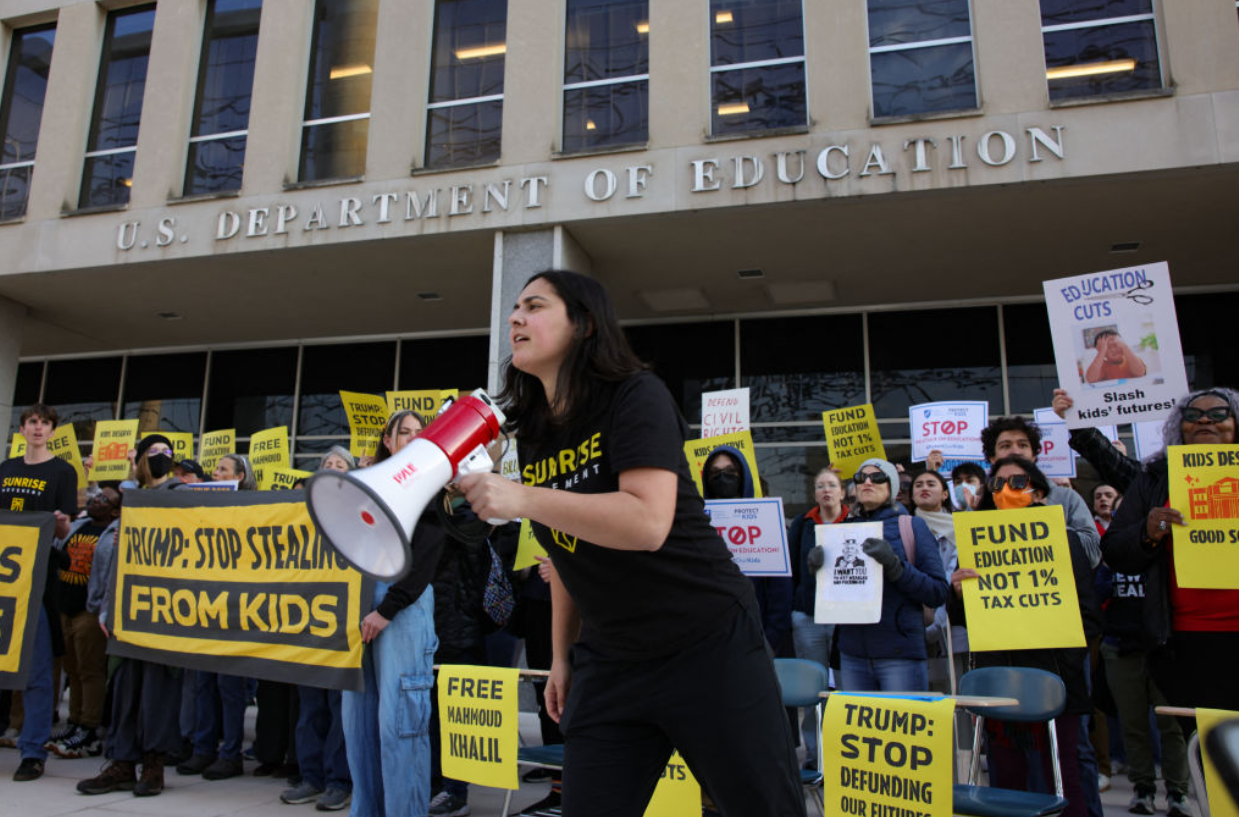
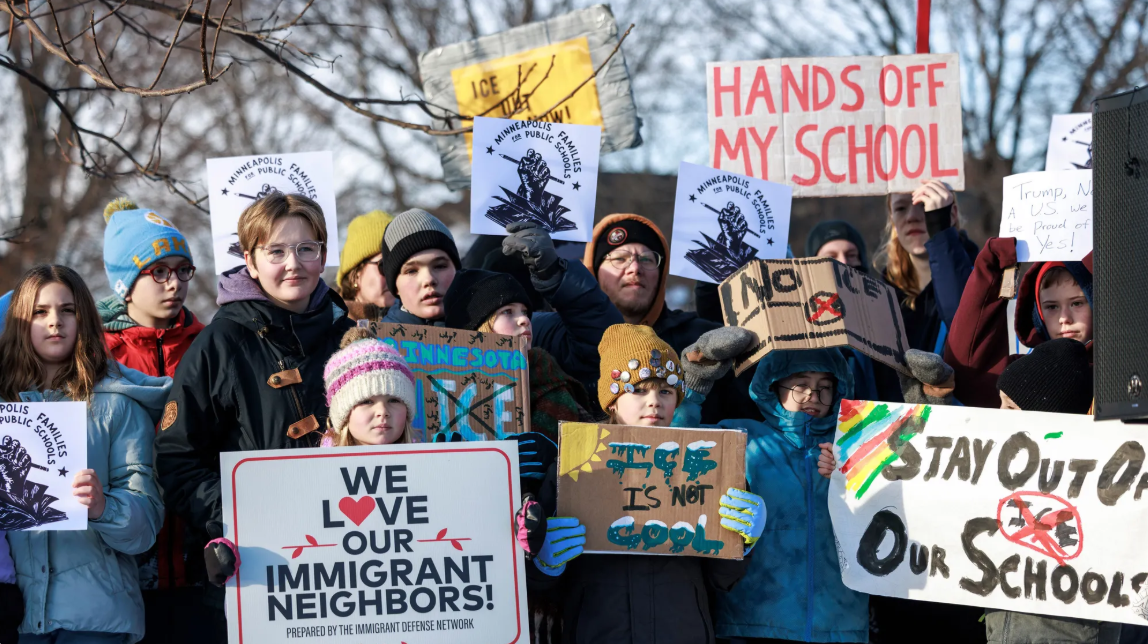
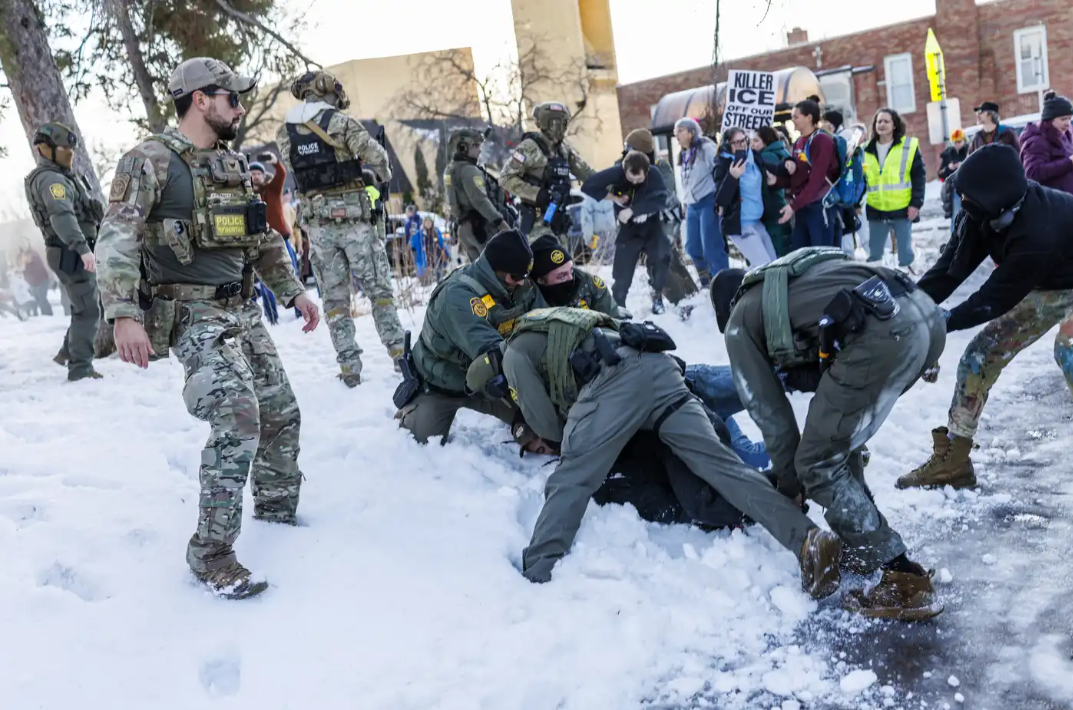







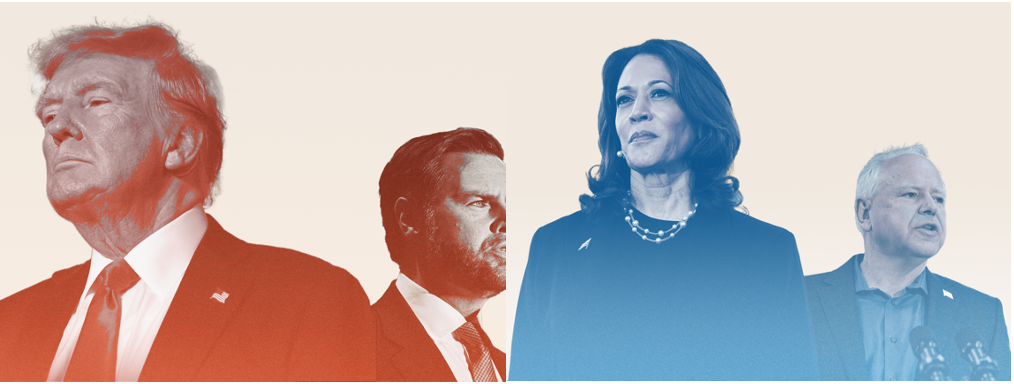
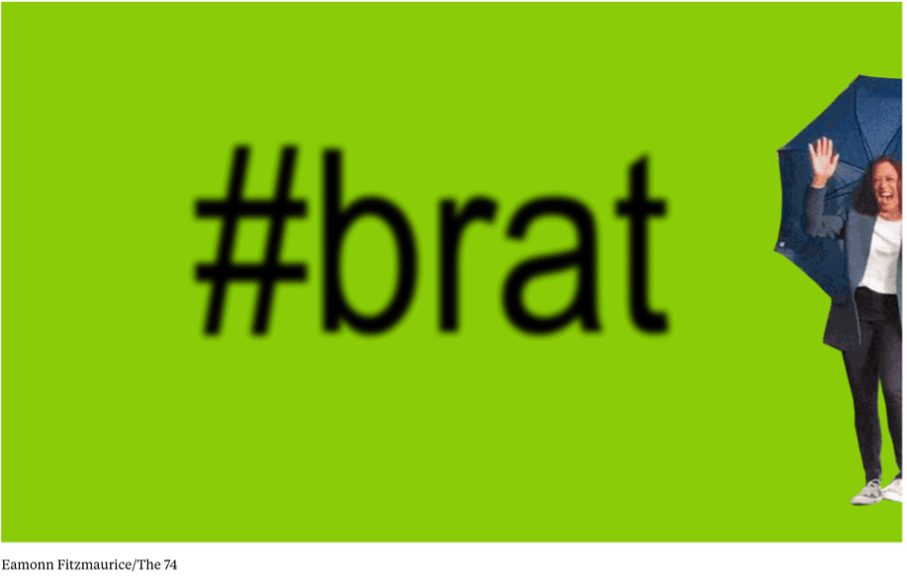




 International Education News