Category Archives: innovation

Confronting Structural Inequities in Educational Reform: Lead the Change Interview with Dr. Soobin Choi

In February’s Lead the Change (LtC) interview, co-editor Dr. Soobin Choi argues that meaningful educational change requires confronting the structural inequities, while continually recommitting to inclusive, participatory reform. The LtC series is produced by co-editors Dr. Soobin Choi and Dr. Jackie Pedota and their colleagues at the Educational Change Special Interest Group of the American Educational Research Association. A PDF of the fully formatted interview will be available on the LtC website.

Lead the Change (LtC): The 2026 AERA Annual Meeting theme is “Unforgetting Histories and Imagining Futures: Constructing a New Vision for Educational Research.” This theme calls us to consider how to leverage our diverse knowledge and experiences to engage in futuringfor education and education research, involving looking back to remember our histories so that we can look forward to imagine better futures. What steps are you taking, or do you plan to take, to heed this call? 

Dr. Soobin Choi (SC): To heed the call of unforgetting histories, we must begin with a seemingly cynical truth: if the same question had been posed thirty years ago—or if it is posed thirty years from now—the “imagined futures” offered by scholars would likely be hard to distinguish. Educational reform is rarely about inventing entirely new futures. The purposes of public education remain stable; the grammar of schooling reasserts itself; and reform rhetoric cycles far faster than our classrooms ever change (Payne, 2008; Tyack & Cuban, 1995). Across decades, our bright futures rhyme: broaden opportunity, improve learning, and prepare young people for civic and economic life. That was true then, is true now, and will be true later.
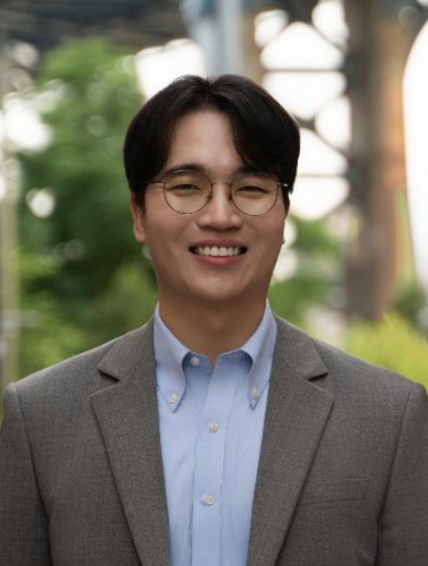
Dr. Soobin Choi

Many of our thorniest issues persist not because we lack the technical expertise to solve them, but because we quietly, yet deliberately, choose not to decide on them. In this light, “unforgetting histories” is a process of cyclical tinkering with not only what we decide to do, but also what we decide to leave undecided. We frequently opt for a nondecision, limiting the scope of our inquiry to “safe” or “bipartisan” issues, effectively keeping controversial structural challenges off the research and policy agenda (Fowler, 2012). Both unforgetting and forgetting are elaborately intentional; today’s “unforgetting” often collides with yesterday’s institutionalized forgetting.

The school is a particularly apt site for this intentional forgetting. We treat persistent “base” problems as fixed, natural laws rather than political choices. Through a Marxist lens, the Base represents the economic organization of society—productive forces and relations of production—while the Superstructure includes the law, politics, and, crucially, schooling (Althusser, 1971). Historically, reforms repeatedly ask the school (the superstructure) to fix problems rooted deeply in the base—inequality in wealth, housing, and health—while our governance routines keep the hardest structural issues off the actionable agenda (Labaree, 2012).

Our system becomes increasingly bifurcated, characterized by extreme wealth concentration and precarious labor (OECD, 2024). The system makes a persistent nondecision to leave funding structures, property-tax-based inequities, and competitive sorting mechanisms untouched. This recurring forgetting—the refusal to acknowledge how structural realities bound what schools can achieve—is a form of institutional amnesia in which we should refuse to participate (Pollitt, 2010). The result is a cycle where we task the school with the impossible job of “fixing” a society whose base we refuse to reform.

While this may sound unsparingly candid about the past we have made and the present we inhabit, I am more than willing to embrace this cyclical tinkering as a pleasant journey. To truly “unforget” history is to recognize that a bright future in education is not a static destination, but a perpetual challenge and response cycle (Toynbee, 1987). Borrowing from Arnold Toynbee, we must understand that civilization—and by extension, futuring for education and education research—“is a movement and not a condition, a voyage and not a harbour (Toynbee, 1948, p. 55).” Our collective, consistent effort to tinker is the very essence of this voyage. The sameness of our aspirations across generations is not a sign of failure; it is our most profound way of unforgetting. It is the continuous re-commitment to a bright future that may never be reached in its totality, but is nonetheless worthy of walking toward.

This is where we must transition from the tragic endurance of Sisyphus to the affirmative creative will of the Übermensch. Nietzsche’s Übermensch does not merely endure the “eternal recurrence” of the struggle; they will it (Nietzsche, 1974). We find value not in the arrival at a harbor, but in the power of the voyage itself. As a researcher, educator, and citizen, I plan to heed the AERA call by adopting this posture of active affirmation. I choose to view the repetitive nature of our work not as redundant labor, but as a sacred act of “unforgetting.” My work aims to re-affirm human dignity and possibility against a mechanical system. We tinker not because we are naive enough to believe in a final utopia, but because the act of tinkering is itself a refusal to let the spirit of education decay into static inertia. We walk toward the bright future not because we expect to arrive, but because the walk itself is the only way to remain truly awake to our history and our potential.

LtC: What are some key lessons that practitioners and scholars might take from your work to foster better educational systems for all students?

SC: To build a better educational system for all students, we must, above all, establish systems and provide leadership and policy support that empower every student and their family to participate in the school improvement process. Listening to their diverse opinions and experiences and reflecting them in school reform and change is indispensable for creating a school that truly serves everyone (Choi, 2023). As with all human relationships, if we do not listen, we cannot know what is desired or what is lacking; solutions proposed without listening are inevitably prone to prejudice and misunderstanding. Furthermore, when students and families feel that no one is interested in their perspectives, or when they lack a channel to express them, they cannot help but feel alienated and marginalized. It is when someone genuinely listens to our stories that we feel respected and recognized as true members of community.

Although communication with the school through teachers, principals, or counselors is crucial for student development, this access is unfortunately closer to a privilege for certain groups rather than a universal benefit enjoyed by all. In many countries—not just the United States—student diversity is rapidly increasing, yet the teaching workforce remains highly homogeneous, largely mirroring the dominant groups in society. While approaching a teacher to strike up a conversation or share a concern is easy for some students, it is a source of endless hesitation for others. Similarly, asking about a child’s school life comes naturally to some parents, but for others, it is virtually impossible—whether due to the social and psychological distance from educators or simply a lack of time owing to the relentless demands of making a living.

To truly listen and guarantee the opportunity to speak, we must narrow the gap between schools, students, and homes. Most of my research contributes to bridging this distance between educators and the students they serve. Through professional development, teachers can come to recognize that students’ racial/ethnic, linguistic, and cultural diversity are tremendous assets for learning and development (Choi & Lee, 2020; Choi & Mao, 2021). By integrating this diversity into the classroom, educators can ensure that individual students feel valued, expand their own worlds through their differences, and gain opportunities to understand those unlike themselves (Gay, 2002; Ladson-Billings, 1995). To foster this growth of teachers, principals can exercise leadership that actively supports the classroom environment and creates collaborative spaces for teachers (Choi, 2023; Choi et al., in press). Furthermore, students themselves can become agents of change in building a culturally inclusive school climate, ensuring that marginalized groups feel a genuine sense of belonging (Choi et al., 2025b). Just as it is vital for schools to embrace diverse opinions and values, my research contributes to ensuring that diverse voices, perspectives, and learning opportunities are included in how we evaluate schools and their leadership (Choi, 2025; Choi et al., 2025a; Choi & Bowers, 2026; Lee et al., 2025).

LtC: What do you see the field of Educational Change heading, and where do you find hope for this field for the future?

SC: To understand where the field of Educational Change is heading, we must confront the resistance it currently faces. Unfortunately, we live in a world where acknowledging and promoting the value of diversity is not always embraced, and is sometimes even actively threatened. The field is heading toward a necessary, defining confrontation with a skeptical question: Is carefully listening to individuals truly tantamount to turning our backs on the majority?

This is precisely where I find my greatest hope for the future. Contrary to the logic of exclusion, the evidence shows us a brighter reality. My research demonstrates that when educators actively leverage the value of individual students’ diversity, the learning climate of the entire school actually improves (Choi & Lee, 2020). I find hope in the empirical truth that equity is not a zero-sum game, but a rising tide. As William Blake (1863) wrote, “To see a world in a grain of sand / And a heaven in a wild flower”—I would argue that our hope for the future lies right here. The very first step toward creating a school for all students is acknowledging the profound value of each and every difference.
The HundrED Global Collection for 2026

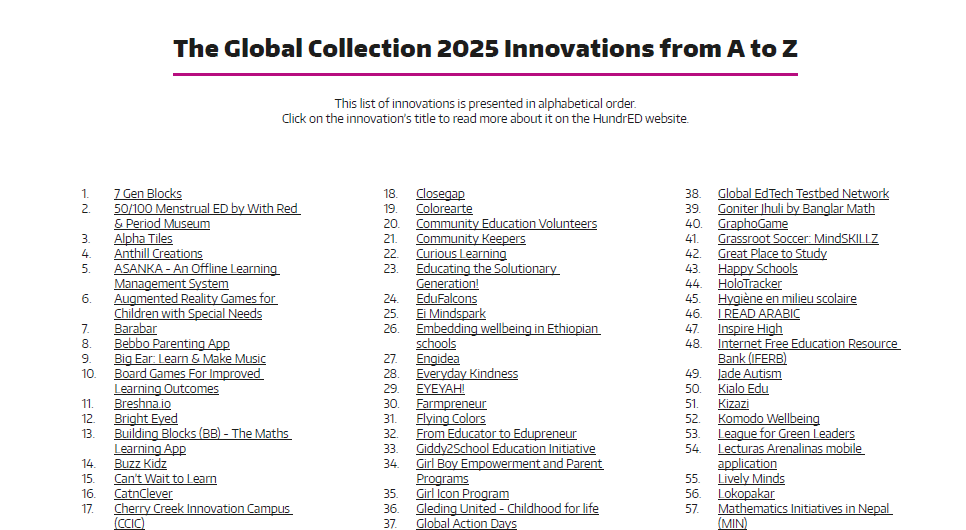
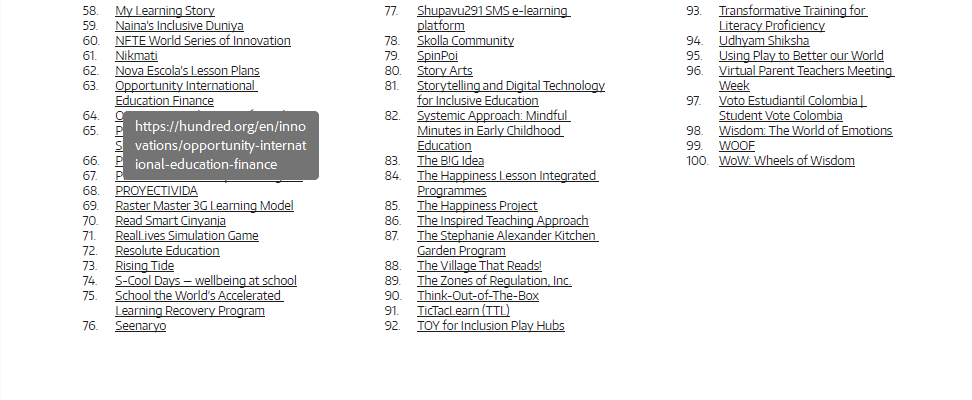
This week’s post highlights education innovations from the 2026 Global Collection curated by HundrED. HundrED was established in 2015 to support the identification and implementation of scalable education innovations worldwide. Since 2017, HundrED has celebrated the annual global collection at an Innovation Summit, which this year was held in conjunction with the WISE summit. To see how this year’s collection of innovation compares to previous years, see the IEN posts on the HundrED Global Collection for 2025, 2024, 2023, 2022, 2021, & 2019.

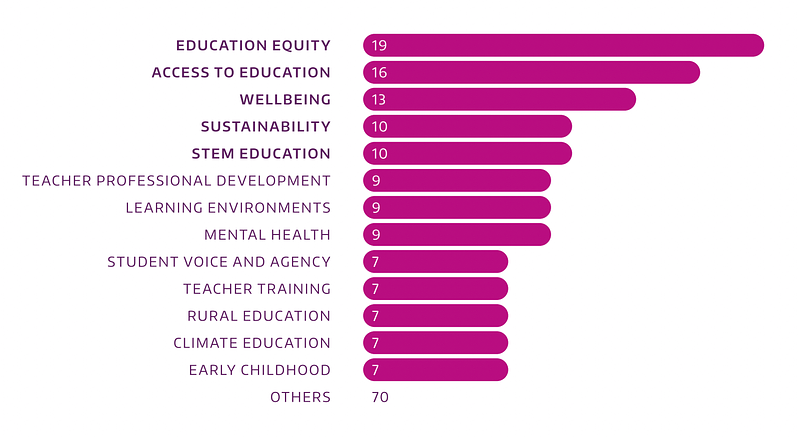
HundrED’s Global Collection for 2026 featured one hundred solutions from six continents selected from more than 800 submissions. The report on the 2026 Global Collection noted that common themes among year’s innovations were access to education, equity, wellbeing, and creativity as well as a 100 percent increase in the number of innovations using some form of educational technology. Some of the panels from the Innovation Summit discussed key findings from the report and introduced this year’s innovations.

Key focus areas of the Global Collection 2026

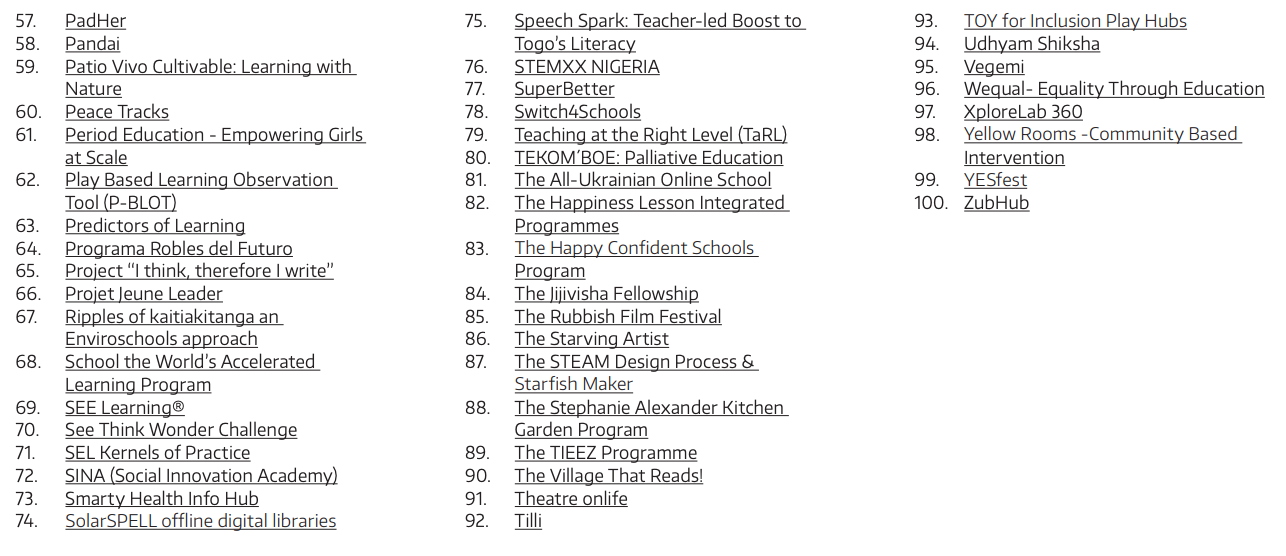
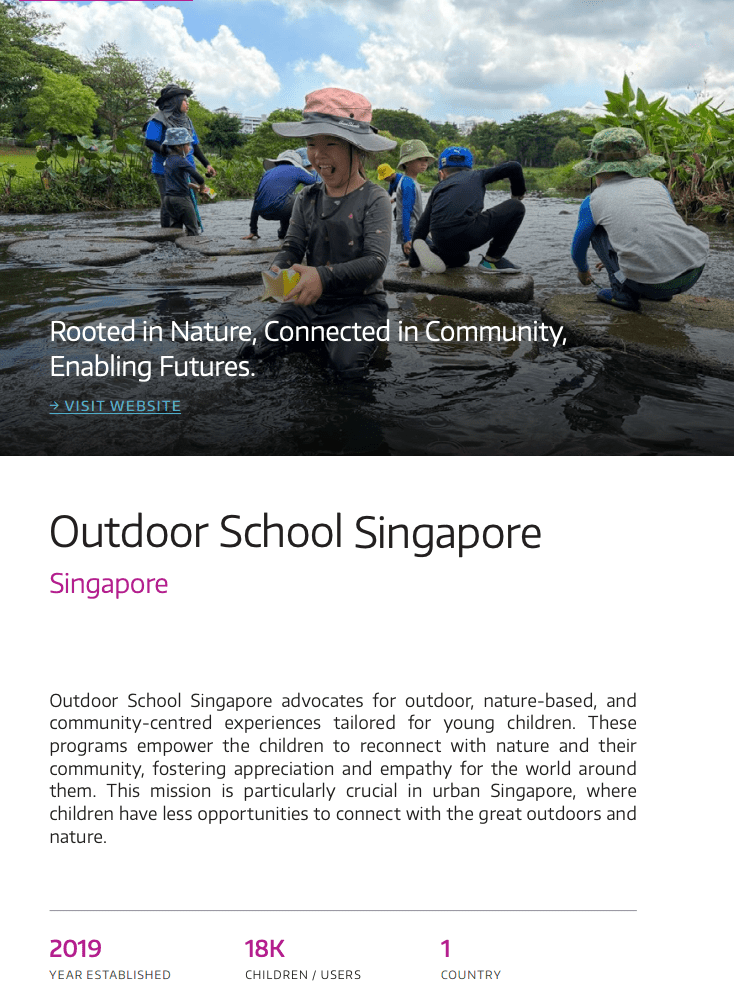
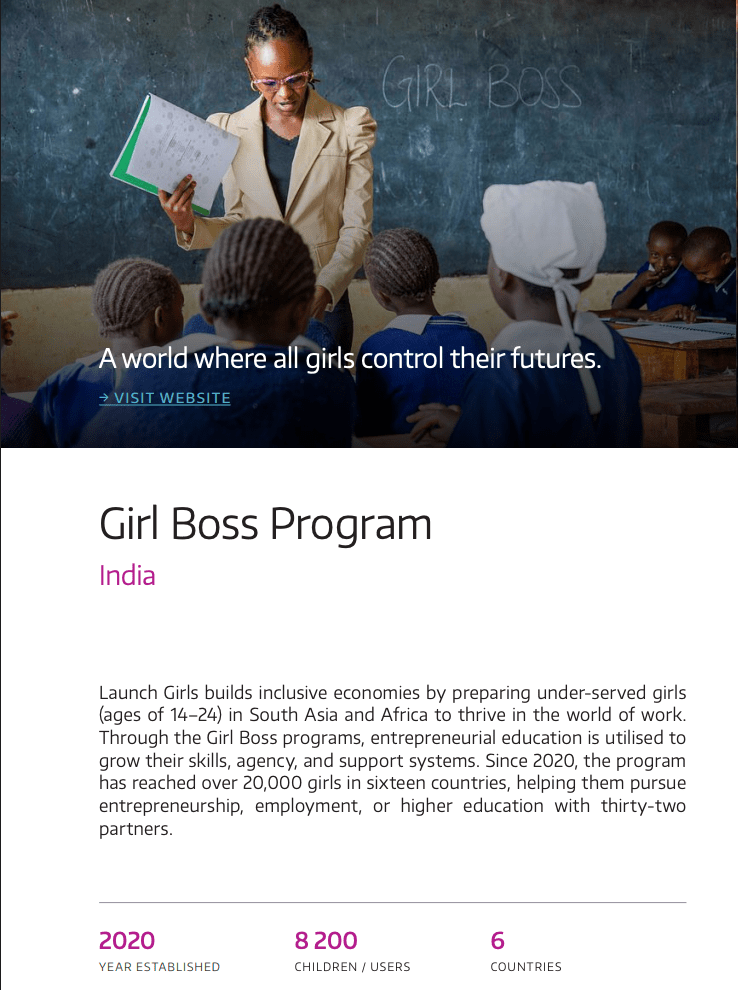
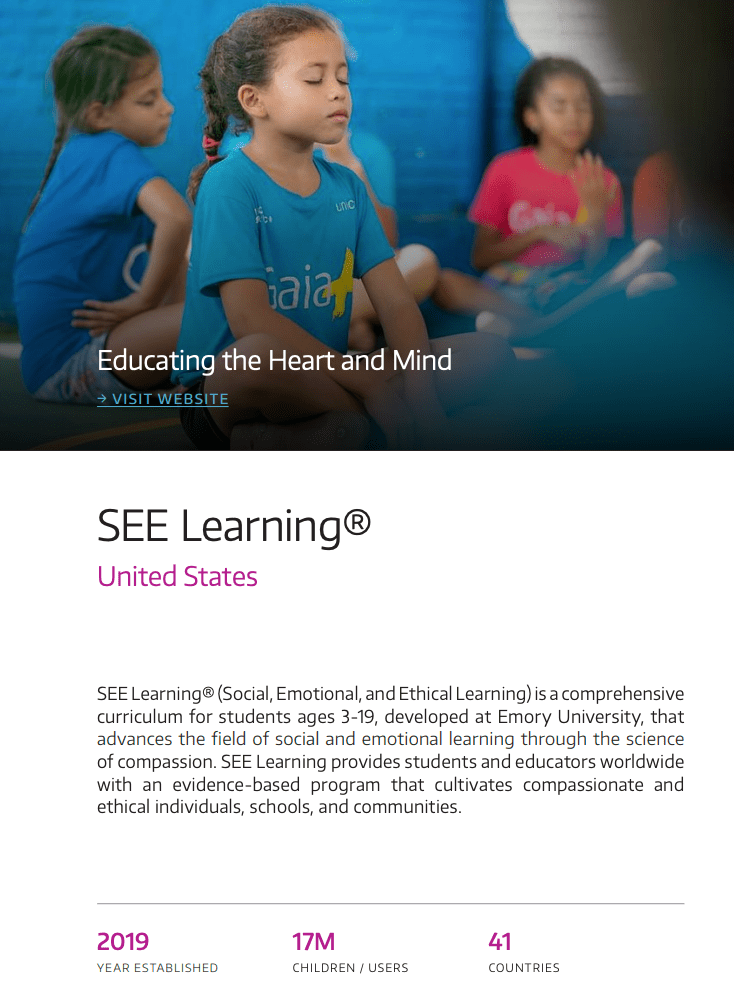
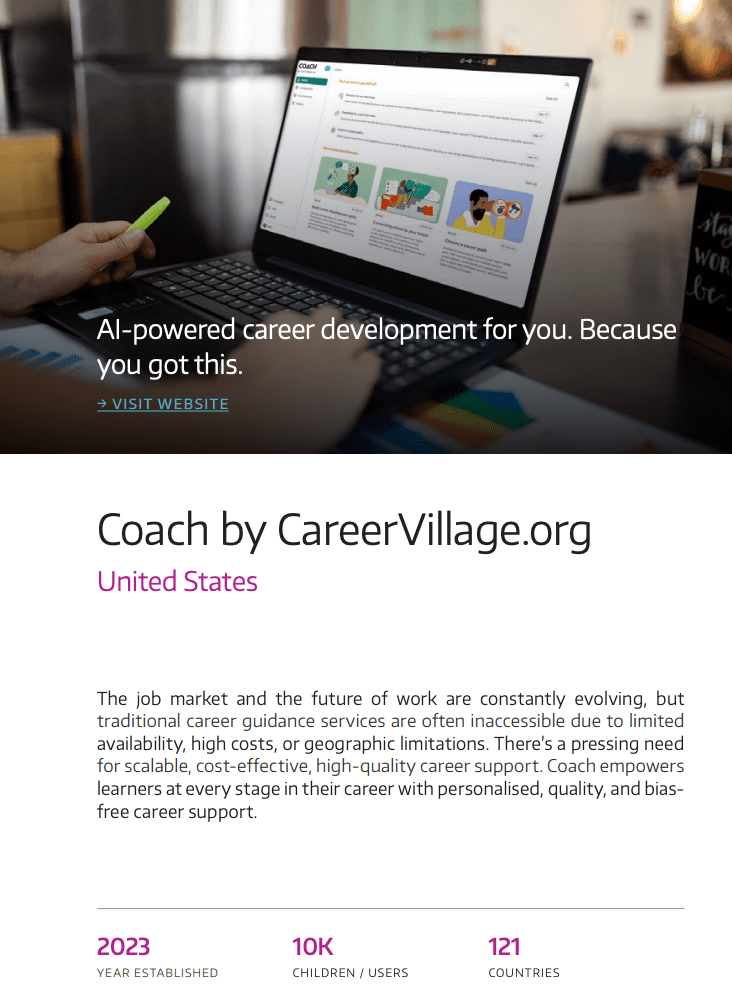
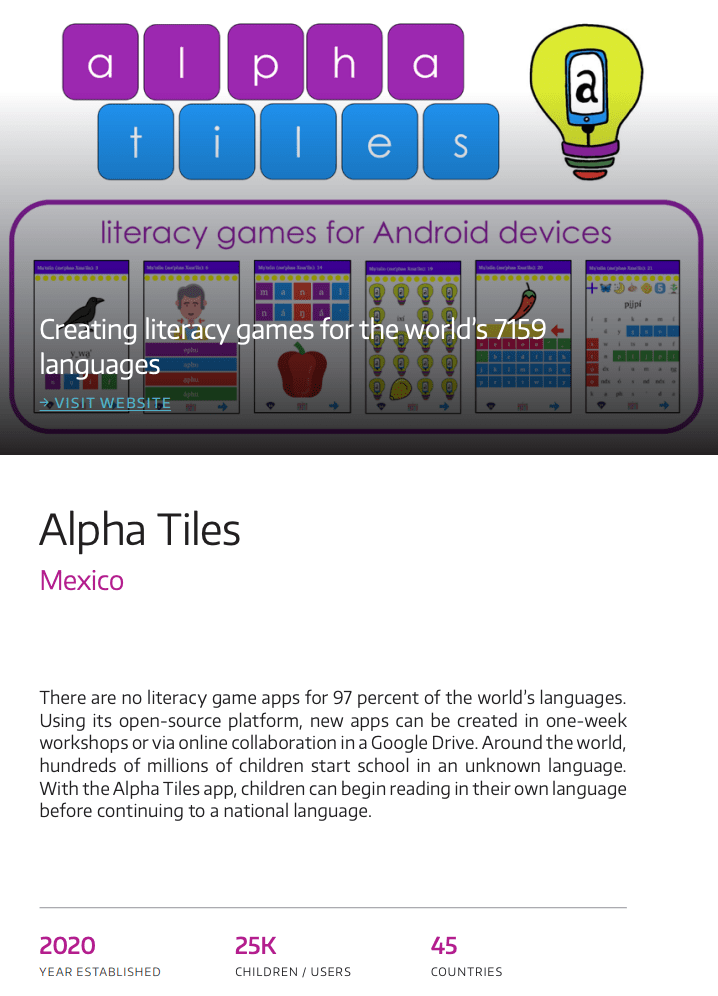
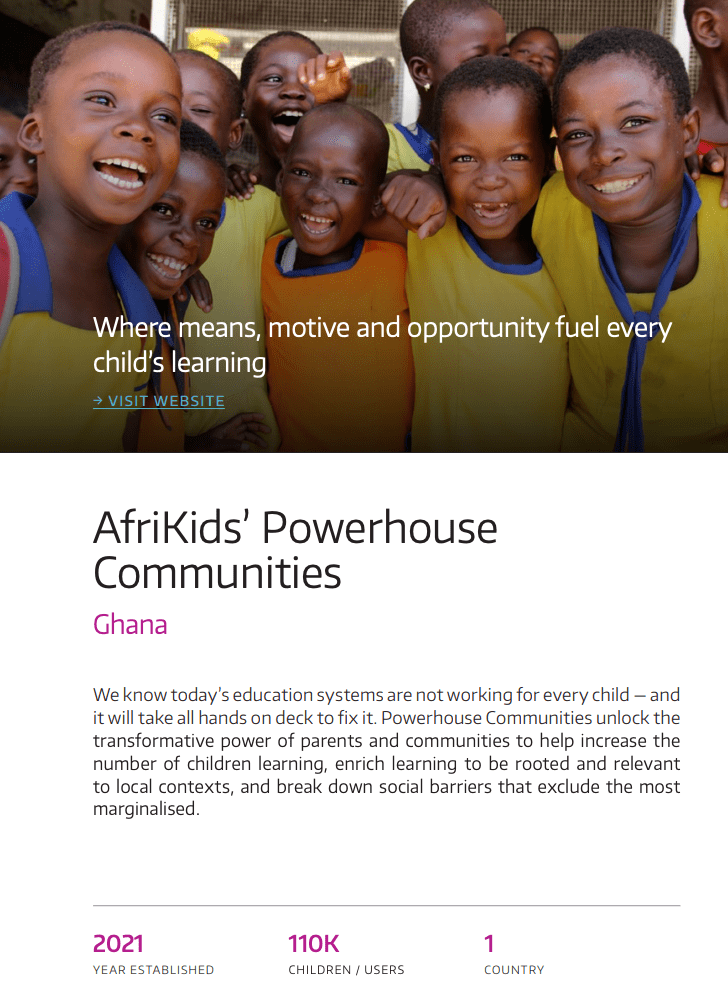
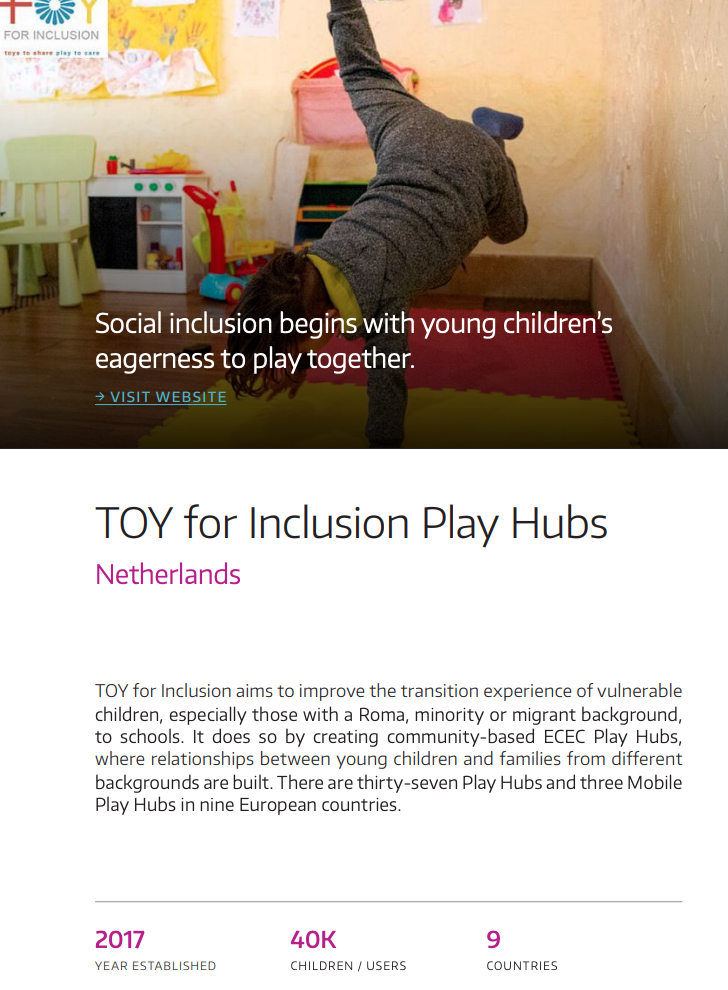
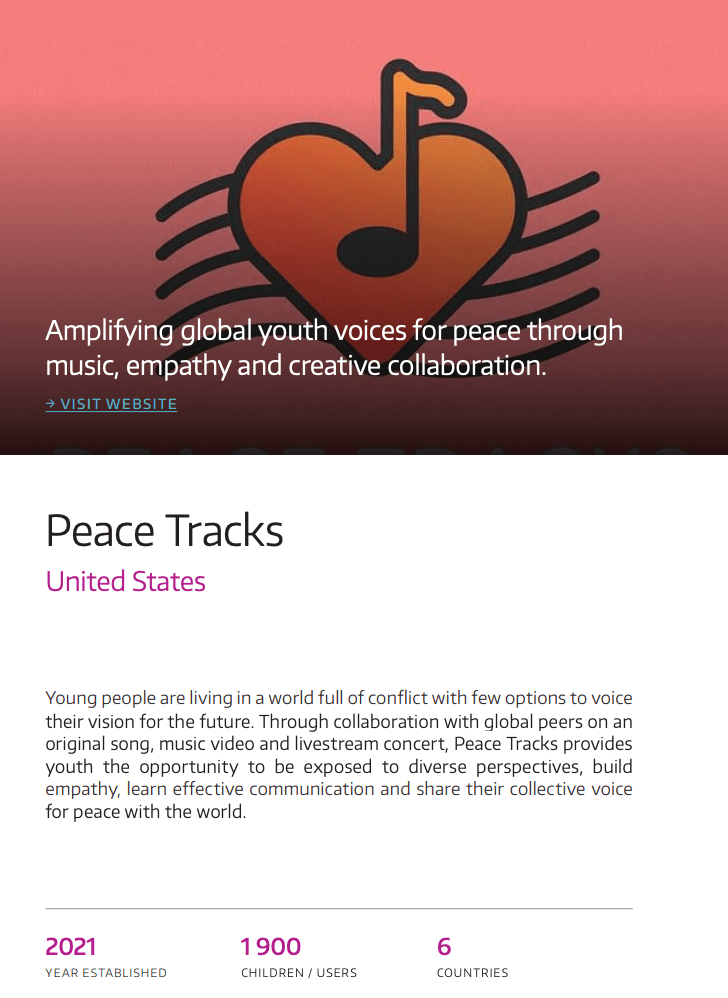
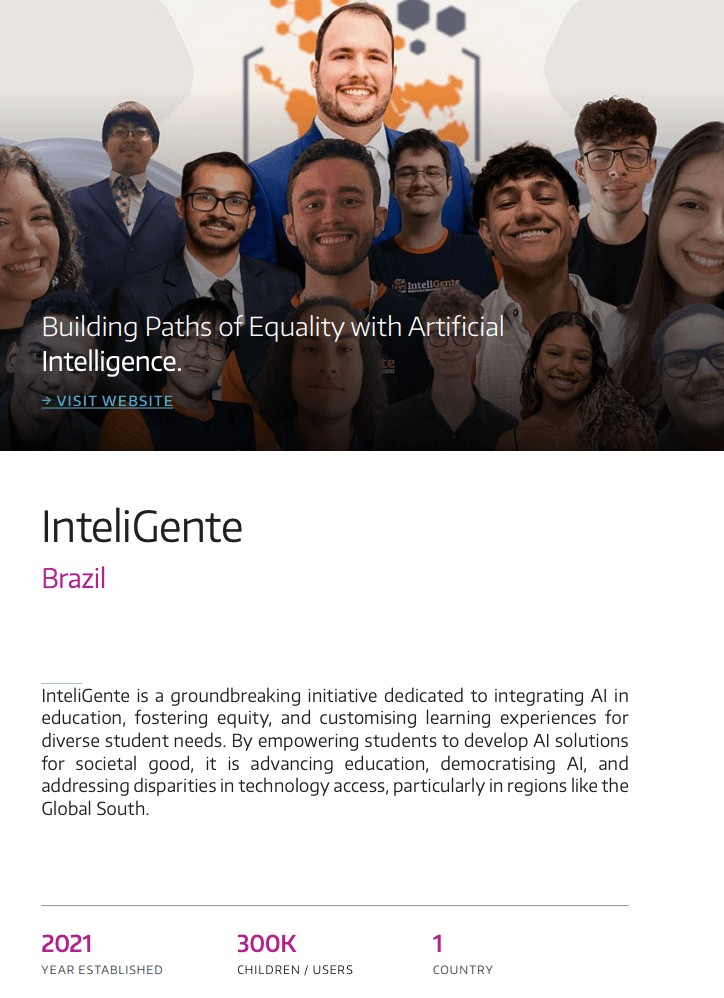
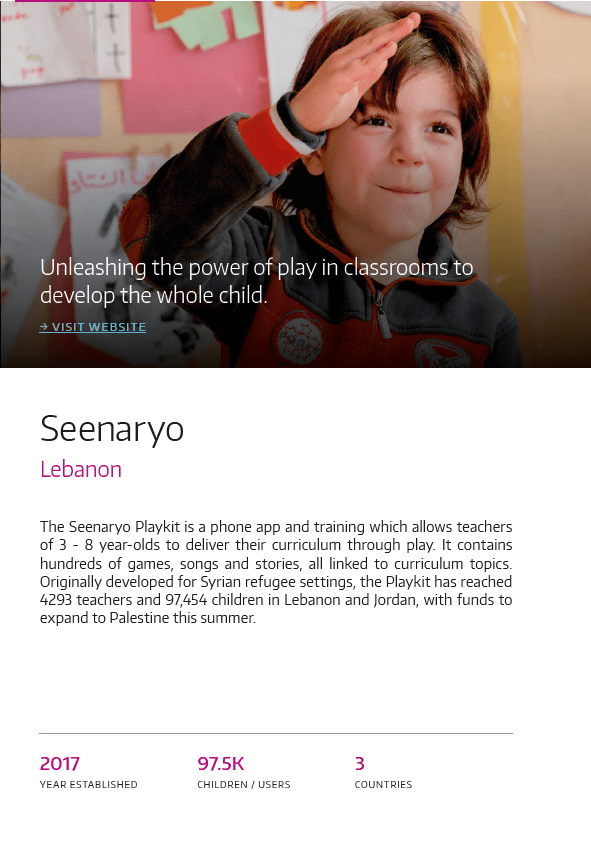
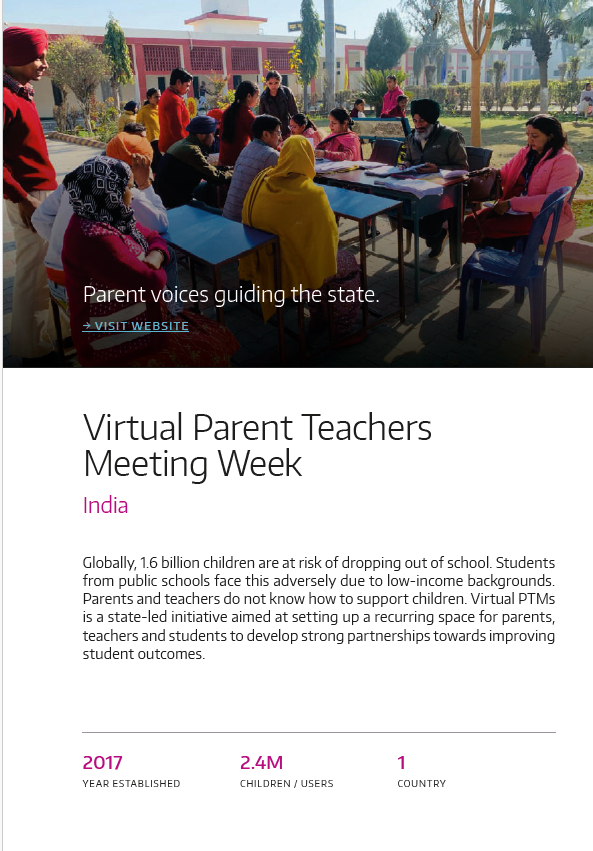
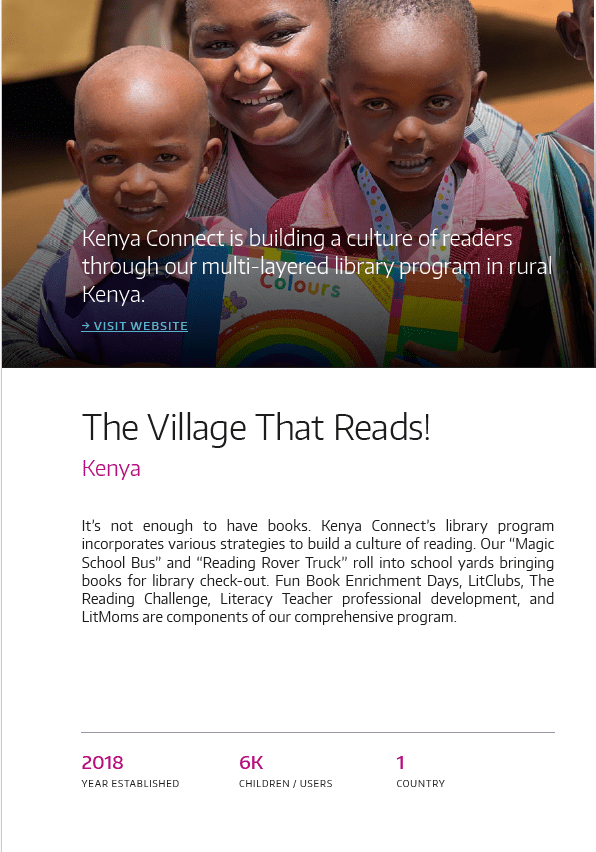
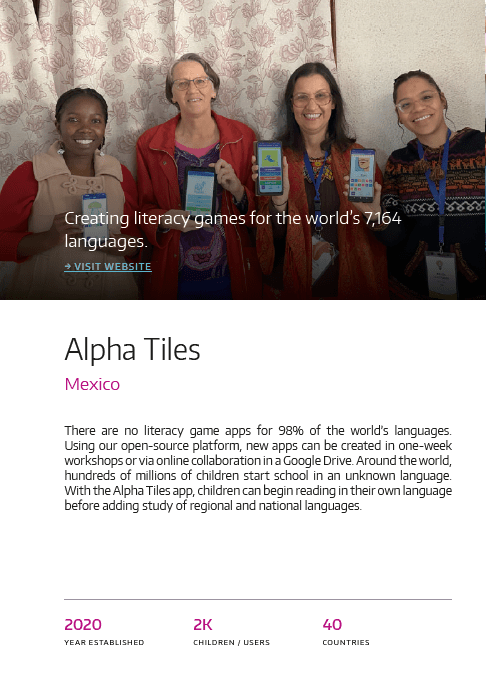
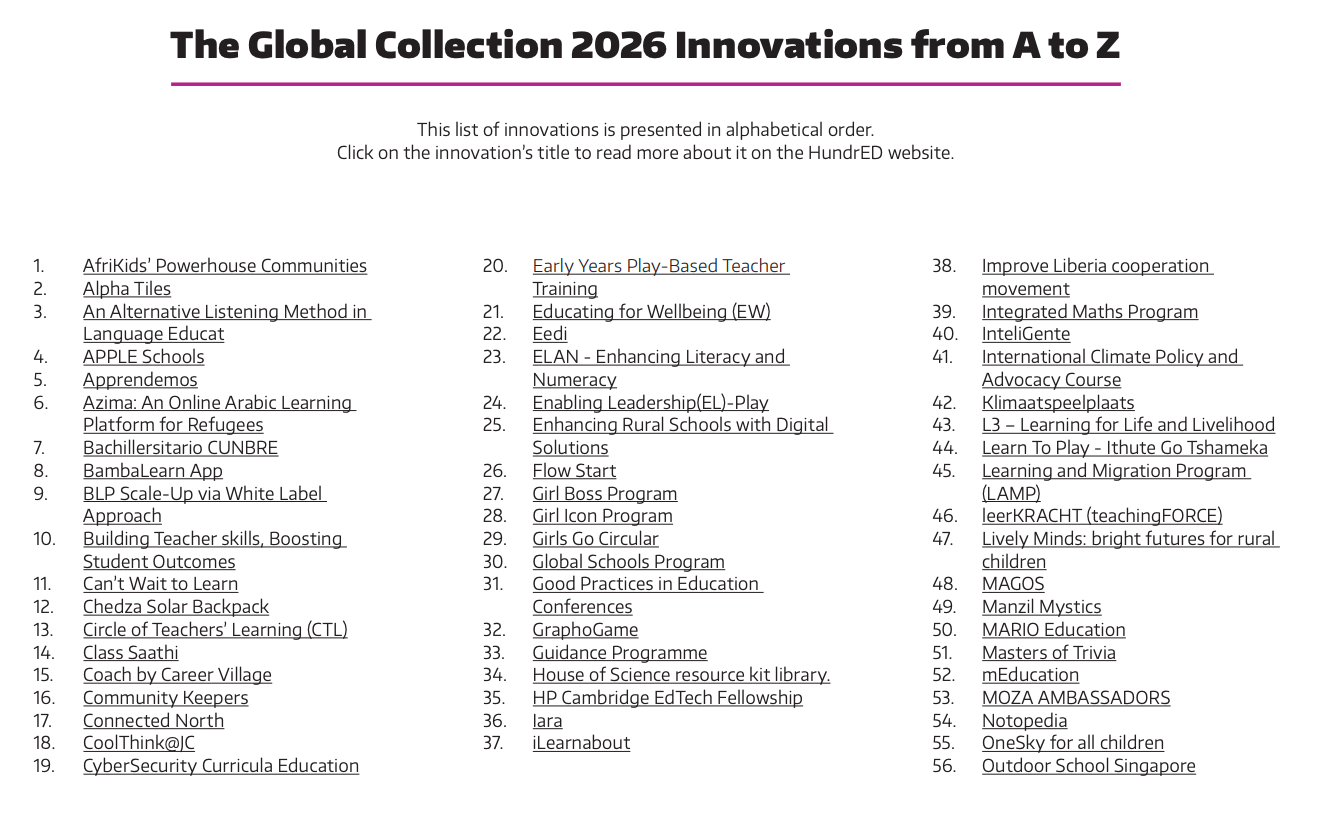
This year’s selections for the global collection include: Alpha Tiles (Mexico); Girl Boss Program (India); Outdoor School (Singapore); AfriKids’ Powerhouse Communities (Ghana); Inteligente (Brazil); TOY For Inclusion Play Hubs (Netherlands); Peace Tracks (United States).

Opportunities and Challenges in the Establishment of the Children and Families Agency and Other New Government Institutions: Hiro Yokota on the Development of a “Child-Centered Society” in Japan (Part 3)

In part 3 of this 3-part interview, Hirokazu Yokota shares his personal reflections on his experiences helping to establish the new Children and Families Agency (CFA) and, previously, the new Digital Agency. In Part 1, Yokota described the development of the CFA and the efforts to promote digital transformation in childcare, and in Part 2, he discusses some of CFA’s current initiative.   Yokota has followed a rare career path as a bureaucrat who belongs to the Japanese Ministry of Education, Culture, Sports, Science and Technology (MEXT), but who has repeatedly stepped out of the “education circle” to work in other agencies, including the Children and Families Agency, which was established in April 2023. In September 2021, Yokota was one of the charter members who helped launch Japan’s Digital Agency , and he went on to work as a Deputy Superintendent in Today City. Yokota has previously written about his experiences as a parent and educator during the pandemic as well as his work in the Digital Agency and in Toda City:  A view from Japan: Hirokazu Yokota on school closures and the pandemic;  Hiro Yokota on parenting, education and the new Digital Agency in Japan; and Hirokazu Yokota on aggressive education reforms to change the “grammar of schooling” in Toda City (part 1) and (part 2). Please note that Yokota is sharing his personal view on CFA and its policies, and his views do not represent the official views of the government. For further information contact him via Linkedin.

IEN: Can you share your personal take on the initiatives by CFA – how is it working? What have you found most exciting, most challenging? What’s next for the agency/society?

HY: It is precisely because these are newly established organizations that they are able to advance policies that would be difficult under the framework of existing institutions. For example, the number of staff at the Digital Agency increased from 571 at the time of its establishment in September 2021 to 1,013 as of July 2023. The government has set a goal of further expanding this to approximately 1,500 personnel. Similarly, the Children and Families Agency’s budget has grown significantly: from approximately JPY 4.8 trillion in FY2023, to approximately JPY 5.3 trillion in FY2024, and to approximately JPY 7.3 trillion in FY2025 with the launch of the “Children’s Future Strategy” (Kodomo Mirai Senryaku) and its “Acceleration Plan” (Kasokuka Plan). Thus, it now far exceeds the Ministry of Education, Culture, Sports, Science and Technology (MEXT) budget (approximately JPY 5.3 trillion in FY2024 and JPY 5.5 trillion in FY2025). Such dramatic increases in staffing and budgets were made possible precisely because these were newly created agencies. 

Also, last December we published “New Direction of Childcare Policy,” which details specific policy measures that should be taken in the next five years. There are so many workloads ahead, but I am very excited to take on these new tasks to fully realize the “child-centered society.”

Personally, during my time at the Digital Agency, I worked alongside many private-sector professionals, from developing priority plans for the realization of a digital society to promoting digital transformation in the fields of education and child-rearing. From them, I learned a great deal about flat information sharing and interactive meeting styles, which are common in the private sector. Later, when I was seconded to the Toda City Board of Education as Deputy Superintendent and Director of the Education Policy Office, I was able to take on many “zero-to-one” challenges — such as implementing the use of educational data in schools and piloting one-on-one meetings and reflection workshops to foster a flat organizational culture — things I might not have been able to do if I had remained in MEXT.

Now, as I lead digital transformation (DX) initiatives in the field of childcare at the Children and Families Agency, I feel that the “practical knowledge” I gained from my experiences at the Digital Agency and in Toda City is proving immensely valuable. As with the Digital Agency, we are advancing childcare DX projects with a mixed team of public- and private-sector personnel using a project-based approach. In this work, I constantly strive to serve as a bridge connecting “policy (systems)” and “technology (systems).” These two are two sides of the same coin: without a deep understanding of both, it is impossible to build effective structures. Given my background traversing the traditional bureaucratic divides between policy and systems, I believe that my ability to connect civil servants knowledgeable about policy and politics with private-sector experts skilled in technology is a unique value I bring. While minimizing risks, I find great purpose in leading the highly challenging task of building two entirely new national information systems in the childcare sector.

However, there is something I personally feel about the challenges faced by new organizations like the Digital Agency and the Children and Families Agency. In these organizations, the individuals who often receive public attention are those recruited from the private sector (e.g., the Digital Agency note and an article of CFA staff). Of course, I fully understand that highlighting these individuals is a necessary strategy to attract talented people from the private sector to public service. Still, it must not be forgotten that there are also many government officials—those who may not be in the spotlight—working diligently and persistently to realize a digital society and a child-centered society. During the foundational periods of these agencies, I witnessed firsthand many civil servants who unfortunately had to take leave due to overwork or mental stress. There were times when I blamed myself, wondering if I could have done more to support them. It is easy to criticize bureaucrats. That is precisely why I strongly hope that the media will shine more light on those government employees who, despite struggling to adapt to cultures different from their home ministries, are working earnestly for the public good in these new organizations. In the United States, there have been mass layoffs of federal employees. Precisely because of that, I believe that Japan should reaffirm its respect for civil servants who serve behind the scenes as the “unsung heroes” supporting public service.

Looking toward the future, at the Children and Families Agency, we are now challenging ourselves to directly listen to the voices of children and young people through various channels and reflect their opinions in policy. In doing so, I believe it is necessary to proactively reach out to “those whose voices are not being heard” — the children and young people who have not yet had the chance to sit at the policymaking table. Constantly being aware of who is not at the table and delivering support in a proactive (“push”) manner, combined with respect for civil servants working behind the scenes, will surely help make this country better.

Furthermore, it is extremely important to make the policy methods developed by the Digital Agency and the Children and Families Agency the new norm across all of Kasumigaseki (the Japanese government). When I shared new policy challenges that I was working on, I occasionally heard comments, even from those inside the government, such as, “You could only do that because you’re in a new agency like the Digital Agency or the Children and Families Agency.” I believe that kind of thinking is truly unfortunate. One day, when I return to MEXT, I want to prove that it is not because of the agency’s novelty, but because each and every civil servant, with a sense of purpose and a little courage, can make change happen.

Next Week: From foundational learning to colleges and careers: Critical educational issues in India post-pandemic (Part 1)

Something’s Happening Here: Gregg Behr on the Evolution and Expansion of Remake Learning and Remake Learning Days (Part 1)

What does it look like when an entire community supports children’s learning and development? In this 2-part interview, Gregg Behr talks about the origins of Remake Learning and how the expansion of Remake Learning Days has helped to catalyze similar community-wide efforts in several other cities and regions around the world. In 2007, Behr, the executive director of The Grable Foundation, founded Remake Learning as a network of educators, scientists, artists, and makers supporting future-driven learning opportunities for children and youth in Pittsburgh, Pennsylvania. Remake Learning Days began in 2016 as a local learning festival with hands-on learning events for children of all ages at libraries, schools, parks, museums, and other community spaces. Celebrating its 10th edition this month, Remake Learning Days have now expanded to 15 different regions in four countries. Behr is also the author with Ryan Rydzewski of When You Wonder, You’re Learning, sharing the science behind the  work and words of Fred Rogers and Mister Rogers Neighborhood, a well-known television show that ran for over thirty years.  This interview has been edited for length and clarity.  

Thomas Hatch (TH): What were some of the key developments and “Aha” moments in your early work at the Grable Foundation and with Remake Learning? 

Gregg Behr (GB): I joined the Grable Foundation as Executive Director 19 years ago in 2006. I followed on the heels of an exceptional executive director, Susan Brownlee, who had led this organization extraordinarily well. By all accounts, the trustees were incredibly pleased with where the foundation was and where it was going. That meant I came into a position as a leader saying, “How do you build on excellence?” To try to answer that question, I spent time out in the community just connecting with people with whom the Foundation had been working. Meeting with teachers, meeting with librarians, and meeting with others involved in the out-of-school space. I asked them, “What could we do that would be helpful to you?” I heard things like “I’m just not connecting with kids the way that I used to.” This was fall of 2006 and at the time I was 32 years old, and at first, I just thought, “Oh, this is just experienced people saying something like ‘the kids these days…”.  But then I began to notice who was saying these things, and I realized I was hearing this from people in different age groups. Some had just started their work, others were 30 years into their careers, and they were all literally saying that kids are different this year than they were last year. I thought that was strange. It was if something was happening seismically in kids’ lives. Sitting here in 2024 it feels naive to say these things, but looking back, in 2006, there were massive changes underway in kids’ lives. They were consuming information differently, producing information differently, seeking affirmation differently, developing identities differently. There was, in fact, something different happening in their lives.

That recognition sparked something and got me asking questions like, if it’s true that something different is happening, how do we support schools and other sites of learning in different ways?  Then, I had a meeting with a colleague at the Entertainment Technology Center at Carnegie Mellon University, and I began to realize that there were a whole lot of other people asking questions about kids and learning but that weren’t traditional educators. They were designers, artists; they were gamers and what we now call “makers.” I started meeting with those folks and began to wonder what would happen if you brought these people together? So I organized a meeting at a breakfast place called Pamela’s. It was just a dozen people, and I was very purposeful inviting 12 individuals from 12 very different fields, including – as examples – a teacher, a gamer, and someone in museum exhibit design. 

It was one of those things where I scheduled it for an hour for, and it ended up going on for 2 or 2 and a half hours. At the end, everyone said, “Oh, my gosh! I can think of 2 or 3 colleagues that ought to be part of this conversation about education locally.” Then I just started convening more of these meetings. I used an email subject line that said “Kids + Creativity,” just giving it a name. Then people started saying “Oh, that’s the Kids and Creativity meeting!” That continued for a couple of years, and it just kept growing and growing. It went from pancakes to bagels, and then we did a “Gong Show” like event in the basement of the Children’s Museum. After that, people at an organization called the Sprout Fund got involved. They were a community foundation-like organization that served as a “think-and-do” tank in our region. They had a 5 C’s model (Convene and Catalyze; Communicate; Coordinate;  Champion) that we still use today that they used to organize these meetings and give some coherence to this growing network of people and organizations.  They said “It will take the grant maker (me!) out of the center to see if there’s a “there there.”

A person on stage with a large screen

AI-generated content may be incorrect.
Gregg Behr presenting about Remake Learning (photo: Howard Lipan)

This story speaks to a number of aha’s. It was an aha recognizing that something different was happening in kid’s lives — that the learning sciences and evidence from neural mapping now tell us was true. It was an aha and realization that we needed to think differently about who ought to be part of the conversation. There was an aha that this 5 C’s model that was originally used to attract and retain talent could be applied to help us build this network of folks involved in education generally and learning innovation in particular. The other aha was the power in shifting from talking about education to talking about learning; a simple thing in some ways, but at the time, it was profound because education conveyed schooling, whereas learning had this much bigger open sense that kids are learning in lots of places. That speaks to the power of words as well. I didn’t come up with the phrase “Remake Learning,” someone at the Sprout Fund came up with it, but, in retrospect, I think the reason that the name Remake Learning has stuck all these years is that using “remake” suggested that we don’t have to transform everything. We don’t have to blow everything up. You don’t have to get rid of everything that you’ve done for your entire professional life or what you studied. There may be some things that are timeless and classic, but we need to remake it for who today’s kids are. That name also wasn’t wedded to any particular thing like STEM or STEAM or maker education or digital learning. It captured all of those things, and it turned out to be a good umbrella for different approaches, different pedagogies, different frameworks, different words that people were using as they thought about innovation and learning in and out of school. That was another important aha. 

A close-up of a black and white website

AI-generated content may be incorrect.

TH: What were some of the challenges you encountered and some of the changes you made as things developed from there? 

GB: Early on, it was important for this new intermediary – Remake Learning – to build trust and demonstrate this isn’t a zero-sum game. It’s not as if the Grable Foundation or other funders are going to now start funding this to the exclusion of other things. Then the folks at the Sprout Fund, in particular, really learned how to work well with other intermediaries in the early childhood space, the mentoring space, and the out of school time space, to see and recognize the work already going on and build on it. For example, they built on things like the Allegheny Partners for Out of School Time. It meant figuring out how something like Remake Learning builds on that work and doesn’t compete with it or replace it. We use words like “partnership” and “collaboration” pretty freely, but it’s really hard work to build trust among people and organizations. 

TH: Yes, it’s really hard work!  Do you have any examples, from the work with your partners, that helps to show what worked for you in building partnerships? 

GB: I suppose it’s not rocket science, but for one thing, we were really deliberate and very intentional about communications. We took advantage of our position in philanthropy and convened leaders of the key organizations at least quarterly so that there was transparency in our communications. We would always meet with food and other things to build relationships and get to know each other a little better, and we tried to engage in genuine conversations to say, “Here’s what we’re doing” and “How do we really help each other?” Just being really deliberate and reaching out to the Allegheny Partners and others to say “Hey, we’re thinking about an event on September 23rd.” Lots and lots of little ordinary things that would engender trust. Then people feel like, “Oh, I’m being heard.” Being deliberate about inviting leaders of organizations to be part of review committees, to create real, community-based participatory review committees for grant making. All of those simple, ordinary things repeated and done in a rhythm helped the Remake Learning team avoid some key problems. It’s a very human, relational enterprise to build out a network. 

TH: I think time and rhythm are really important. How do you plan for that? Did you have in your mind that this is going to take five years or ten years? 

GB: It’s interesting that you ask this question because I think rhythm is often overlooked. If Doncaster, England calls us or Fremont, California, calls, I always talk about the rhythm. I think the rhythm sets expectation. Like every spring we’re going to host Remake Learning Days. Every fall, there’s a Remake Learning assembly, which is kind of like our “State of the Union.” There are four meet ups every month. You can expect communications to come out every Friday. It’s not haphazard — all of the little things create expectations and make it easier for people to connect. thing. Kids need rhythm in their schools. but it’s also important for organizations, for cities, for regions to have a rhythm. Like this is our birthday. This is when we’re going back to school. For the network, creating a rhythm and being deliberate and intentional about it builds a culture; it builds tradition; it builds relationships. It builds all of those things. 

There are a couple other things that I think kept Remake Learning grounded. One of them is that many times over the course of nearly 20 years, Remake Learning has hired consultants well trained in human centered design. They’ve convened members of the Remake Learning network for half-day or daylong retreats or other gatherings so that Remake Learning can ask “how are we doing? “How might we do things better?”  It’s ongoing strategic management with a real sense of human-centered design in it, regularly checking-in with the broader community. 

TH: So often funders and others are focused on the short-term – on generating outcomes in two or three years, but part of what I’m taking away from what you’re saying is that you weren’t focused on a specific time frame; you were focused on creating a set of activities and events that could be sustained to support activity over time, into the future. 

GB: Yes, and I would add that the focus was more about a mindset, an idea. It was about a movement to think about learning across a landscape that supports young people’s passions and interests. The events, the activities, the grants, the communications are all in support of changing mindsets about learning.

TH: But that also entails a foundation, an organization, and people that are willing to say, “We’ll support these activities into the foreseeable future” rather than to say, “We’ll give you a three-year grant.”

GB: Yes, that is true. Remake Learning’s been lucky, and my work at the Grable Foundation plays a significant role in this, but beyond the Grable Foundation, we’ve had support from lots of other funders. Along the way, there have also been many one year and three year grants and other kinds of support for Remake Learning. But because of the steadiness of the support, Remake. Learning has always been able to budget years ahead. That’s very powerful; it’s never had to budget year to year.  

A collage of kids in lab coats

AI-generated content may be incorrect.
A collage of kids playing with toys

AI-generated content may be incorrect.

Kids in Remake Learning activities (photos: Ben Filio)

TH: What kind of advice do you give other people about how to establish that kind of support? Especially in a context where funders may be more inclined to give a grant for a three-year project than to provide core backbone funding for as long as it’s required. 

GB: I might win a Nobel Prize for philanthropy if I could answer that question! I use the phrase “make yourself lucky” occasionally, but there’s no doubt that you need some funder or, ideally, funders – whether they are individuals, corporations, philanthropies, or municipalities – to recognize that a network or an intermediary organization needs multi-year, discretionary, unrestricted support. Period. That’s the bottom line. If a funder doesn’t get that, you’re in trouble. 

TH: Are there things you’ve done – generating evidence of impact or sharing information – that have helped convince funders to provide that kind of support? 

GB: We use a lot of analogous and proxy examples. When we thought about Remake Learning initially, and its focus on relevant, engaging, equitable learning across our community, the easiest argument to make was to say, “look at what we’ve done collectively in philanthropy in the early childhood space over the past 20 years: we’ve built an intermediary that, in turn, supports hundreds of early learning centers. Look at what we’ve done in the out-of-school time space. Look what we’ve done in arts education space.” We really used those other examples – like the Campaign for Grade Level Reading – to say “these are the types of results we should anticipate when we create a network of schools, museums, libraries, other sites of learning committed to future facing, future driven learning.”

TH: You’ve been doing this work on Remake Learning for twenty-plus years now, but, early on, were there any developments or things you looked at that told you were headed in the right direction or that helped you convince other people to get on board? 

GB: Yes, and I wish we had more, but for one thing, we looked at data from individual organizations. I’ll give you two examples. The Elizabeth Forward School District was deeply involved in Remake Learning early on. They began rethinking how they approach professional development and learning. They sent their administrative teams to go see what was happening at some innovative places here in Pittsburgh at Carnegie Mellon; they went to visit the Quest School in New York City, and to see a media space in Chicago. Then they started reimagining how to use their own spaces. They built a classroom that mimicked the Entertainment Technology Center (ETC) and they were at the forefront of reimagining what school libraries could look like. In pretty short order they started to see some improvements in traditional measures, including math scores and reading scores. Their dropouts went from about 28 or 29 kids a year to 0 or 1. They saw the number of families choosing charter school drop by two thirds. They also suddenly found there was a new energy; there was an agency. People wanted to be in the school, and students were performing at higher levels. At the same time, the Carnegie Libraries of Pittsburgh, like the public libraries in Chicago were at the forefront of imagining what teen spaces might look like. They brought in filmmakers and hip-hop artists alongside librarians, and they filled the shelves not only with books, but also with games and hardware and software. In pretty short order, they saw a two-fold increase of teens coming to the library. There was a massive increase of kids coming back to the library because, in that Mimi Ito way, they wanted to hang out and they wanted to mess around. Then, lo and behold, in the short term, there was something like an 18% increase in book circulation among those kids. Again, traditional measures. So clearly, things were happening, and we could point to those two and lots of other examples. 

Next week: How do you Build a Learning Ecosystem? Gregg Behr on the evolution and expansion of Remake Learning and Remake Learning Days (Part 2)

The HundrED Global Collection for 2025

This week’s post highlights the 2025 HundrED Global Collection of education innovations and shares links to some of the panels from the HundrED Innovation Summit.  This year’s Global Collection featured one hundred solutions from six continents selected from more than 700 submissions. Major themes in this year’s collection were access to education, equity, wellbeing, and creativity as well as a 100 percent increase in the number of innovations using some form of educational technology. To see how this year’s collection of innovation compares to previous years, see the IEN posts on the HundrED Global Collection for 2024, 2023, 2022, 2021, & 2019.

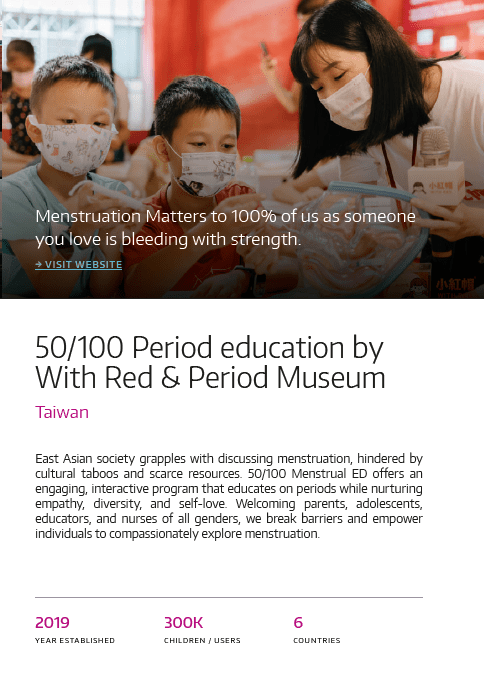
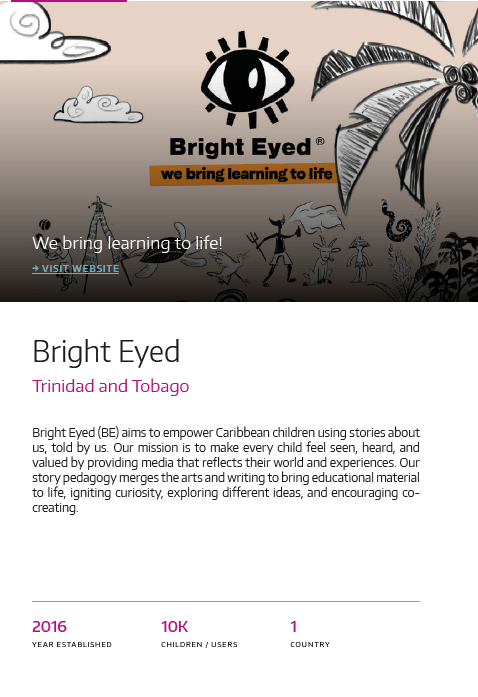
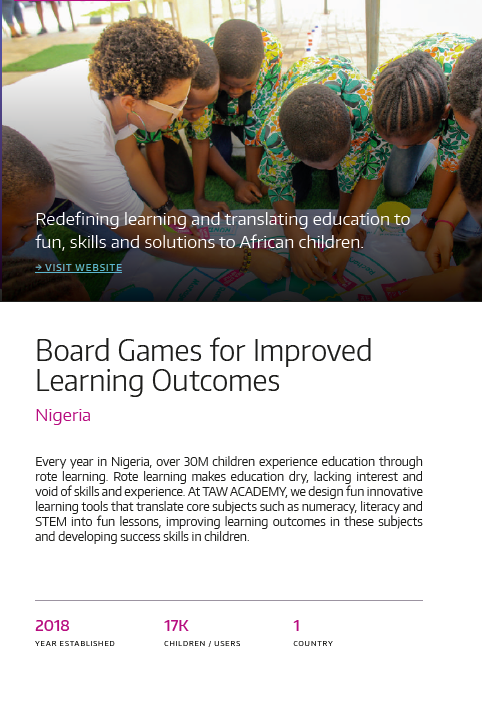
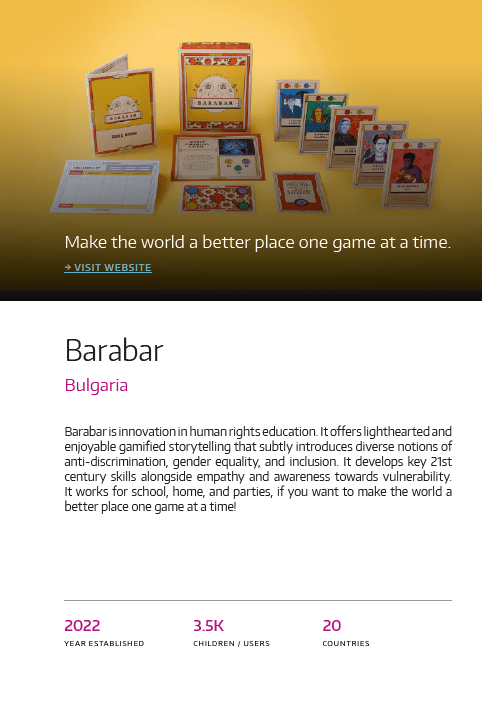
Images & excerpts from the the HundrED Global Collection 2025 report

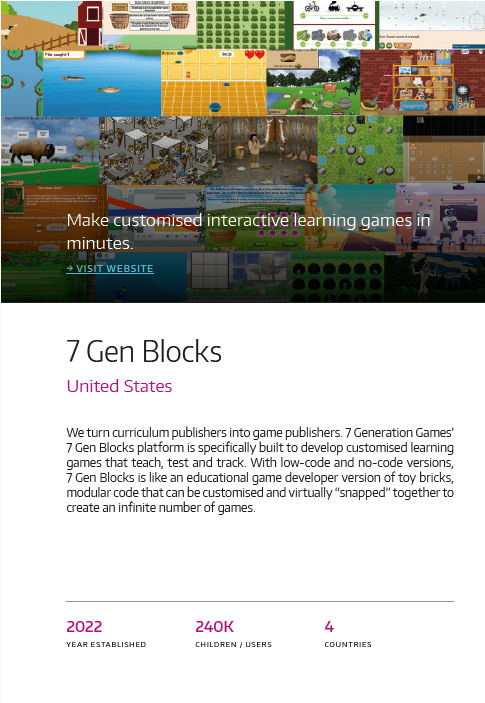
This year’s selections for the global collection include: Alpha Tiles (Mexico); 50/100 Period Education (Taiwan); Bright Eyed (Trinidad and Tobago); Board Games for Improved Learning Outcomes (Nigeria); Barabar (Bulgaria); 7 Gen Blocks (United States).