“The Ministry of Finance and the Public Service has granted approval for retired teachers and those who are on long-leave to fill areas of specialization where schools are not able to find adequate replacements.”
“Black-clad teachers in Budapest carried black umbrellas to protest stagnant wages and heavy workloads on the first day of school Thursday. Teachers’ union PSZ said young teachers earn a ‘humiliating’ monthly after-tax salary of just 500 euros (dollars) that has prompted many to walk away.”
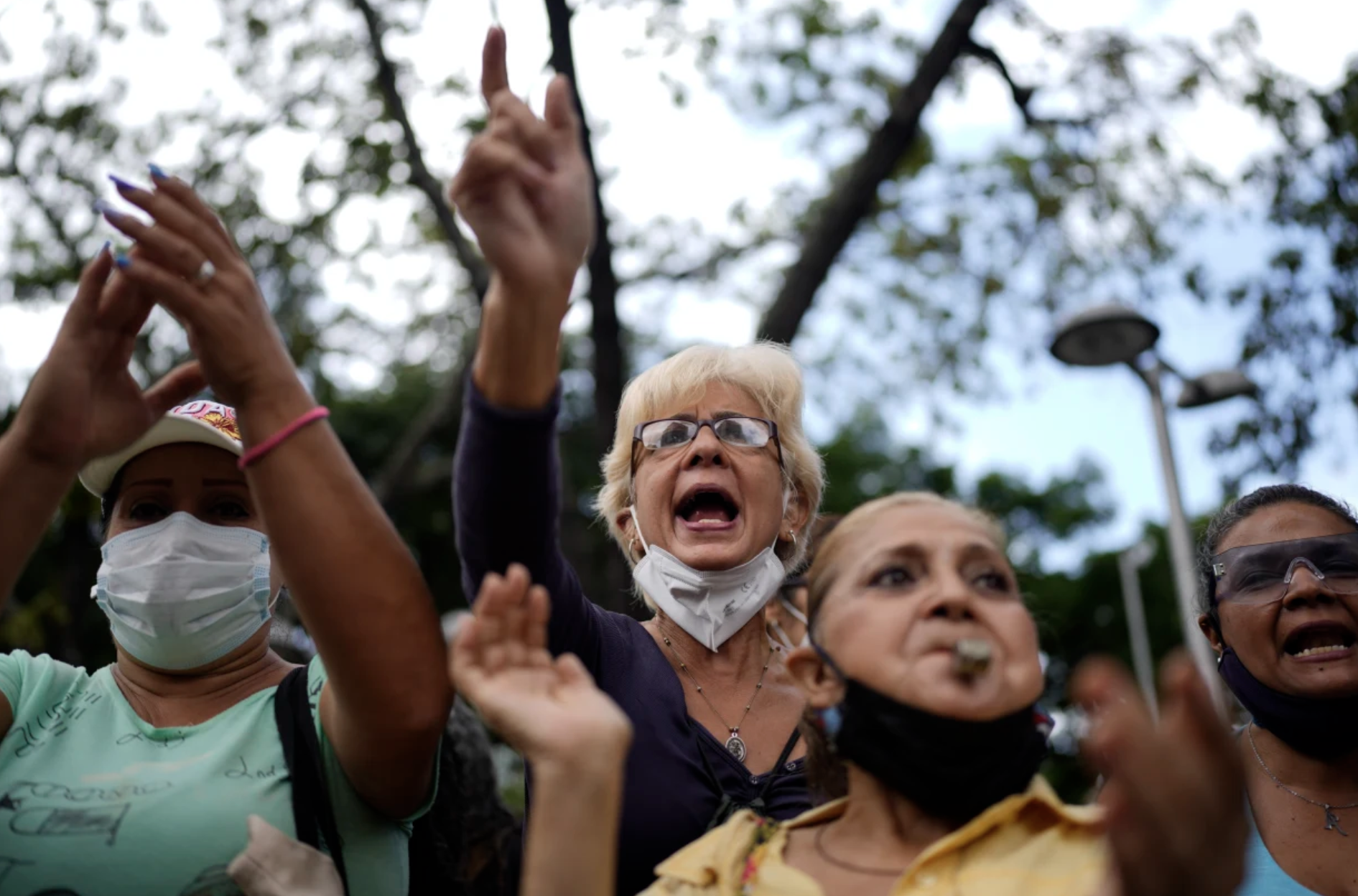
“Public school teachers across Venezuela had planned to use their annual vacation bonus to buy uniforms for their children, waterproof leaky roofs and get new prescription glasses“
Teacher shortages, at least the news about them, seems inescapable this year. For the next two weeks, we share many of the teacher shortage related stories that we encountered during our annual scan of back-to-school headlines. This week’s post focuses on articles from the US that discuss the shortage, describe the problems with the available data, and explore some of the efforts to deal with the challenges of hiring and retaining teachers; next week, Part 2 will draw together headlines about teacher shortages in other parts of the world.
As students headed back to school in the US in 2022, education news from many major education outlets raised concerns about shortages of teachers. Predictably, headlines describing a teacher shortage crisis were quickly followed by articles questioning whether there was a crisis at all. Matt Barnum, for example, noted both the reports describing a “catastrophic” teacher shortage as well as those expressing skepticism that there is sufficient evidence to support those claims (Is there a national teacher shortage? Here’s what we know and don’t know).
“The public narrative has gotten way ahead of the data and is even misleading in most cases,” Chad Alderman quoted in The Atlantic
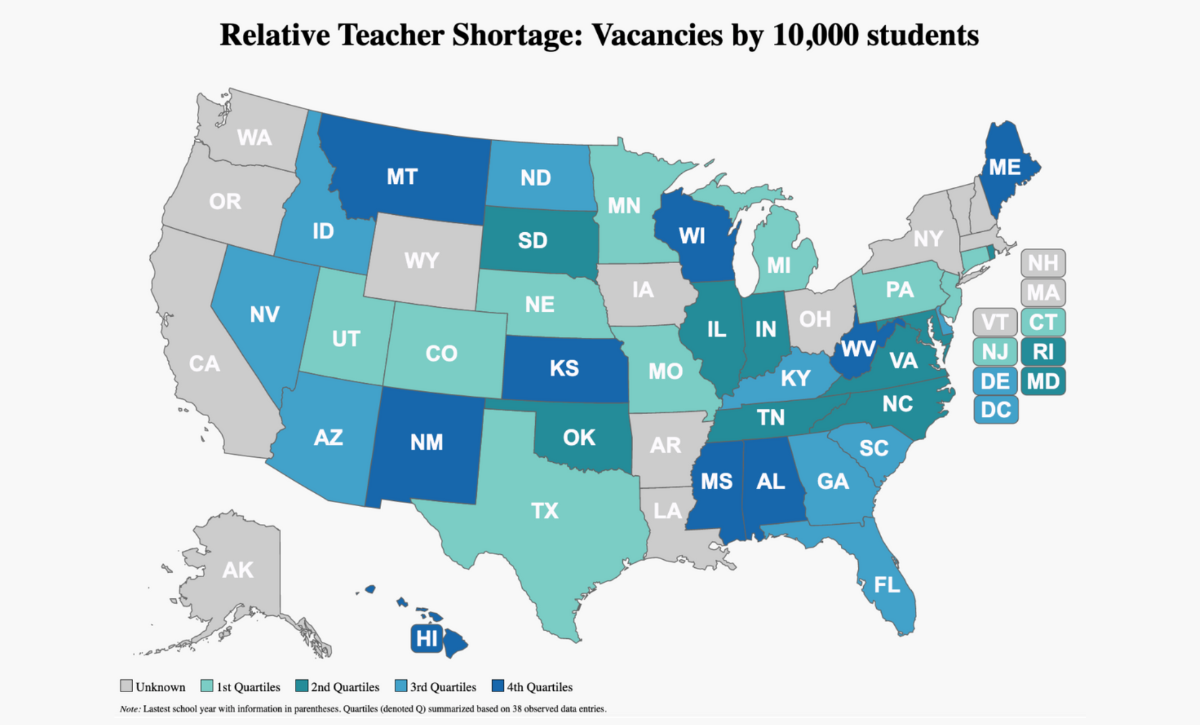
Scanning the stories from the US suggests that there are indeed many places where districts and schools are having difficulty finding teachers to fill available positions. But whether or not and how much of a shortage there is varies from place to place, and by differences in the nature of the position (National Teacher Shortage? New Research Reveals Different Realities Between States). One recent report from the Annenberg Institute estimates that 36,504 full-time teaching positions in the US are unfilled — but shortages are localized in nine states. As one of the report authors, Tuan D. Nguyen, described it to Marianna McMurdock of The74 “There are substantial vacant teacher positions in the United States. And for some states, this is much higher than for other states. … It’s just a question of how severe it is” (National Teacher Shortage? New Research Reveals Different Realities Between States). Joshua Bleiberg and Matthew A. Kraft add in another analysis published by the Annenberg Institute that a lack of up-to-date, consistent data also makes it hard to track any shortages and complicates efforts to explain what might be happening and why (Inconsistent Data Inflate Concerns of Teacher ‘Mass Exodus,’ Paper Argues).
There may be many reasons for teachers to quit. In particular, one survey showed that fifty-nine percent of teachers say they’re burned out, compared to 44 percent of other workers. But it’s not clear the extent to which the number of teachers leaving the profession is significantly greater than it has been previously. Richard Ingersoll and colleagues have long highlighted challenges of staffing schools, pointing to problems with retaining as well as hiring new teachers (NEPC Talks Education). Furthermore, the shortages of teachers are being reported at the same time there have been recent declines in student enrollment and an increase in hiring of teachers and other support staff that has come along with the influx of federal funding to combat the effects of the COVID-19 pandemic. “[I]s it useful to use the term shortage,” Derek Thompson wondered in The Atlantic, “when, compared with staff numbers before the pandemic, more teachers might be employed in America’s public schools right now than in 2019?” (There Is No National Teacher Shortage).
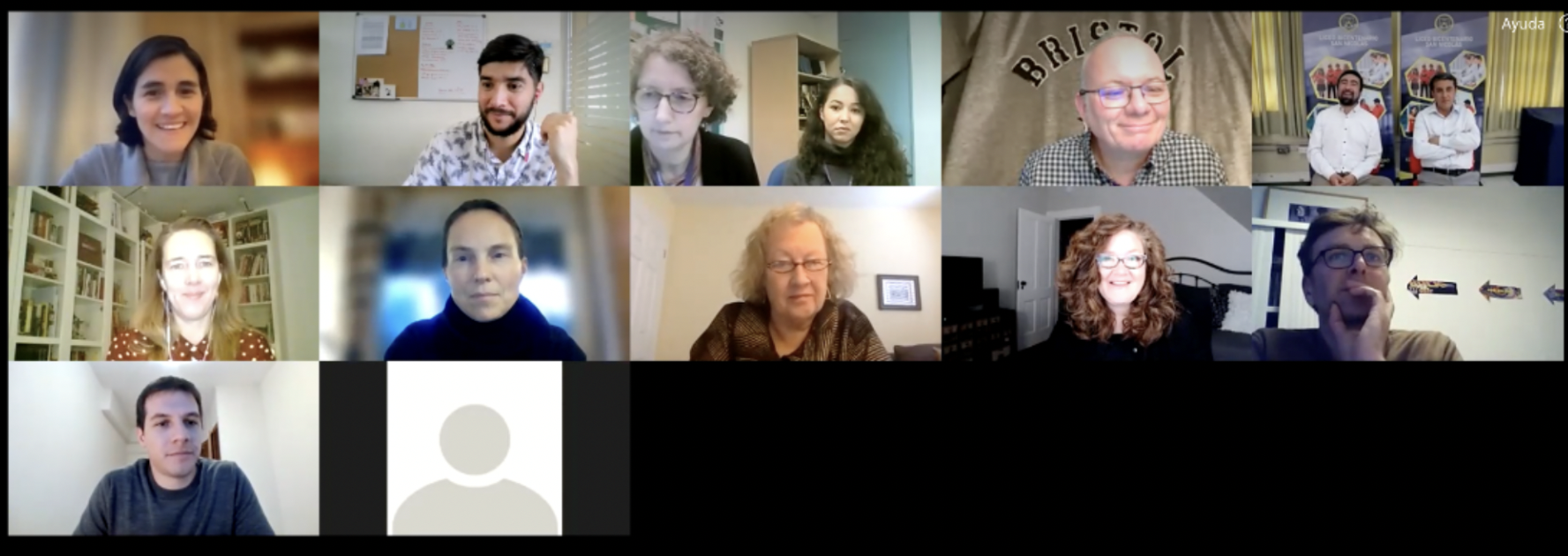
This week, IEN provides a glimpse of the “virtual school visits” offered as part of the 2022 (virtual) Conference of the International Congress on School Effectiveness and Improvement (ICSEI). This post is the first in a series that will be published once a month over the next few months. This post shares some of the insights from an ICSEI session discussing the virtual visits that participants made to Liceo Bicentenario San Nicolas from Chile and Easton CE Academic from Bristol, UK. This post provides a brief description of each school, key takeaways of school members from a virtual panel discussion, and the reflections from the coordinators of the virtual school visit. This post was produced by Alvaro Gonzalez (Universidad Católica Silva Henríquez, Chile) and Romina Madrid Miranda (University of Glasgow, Scotland).
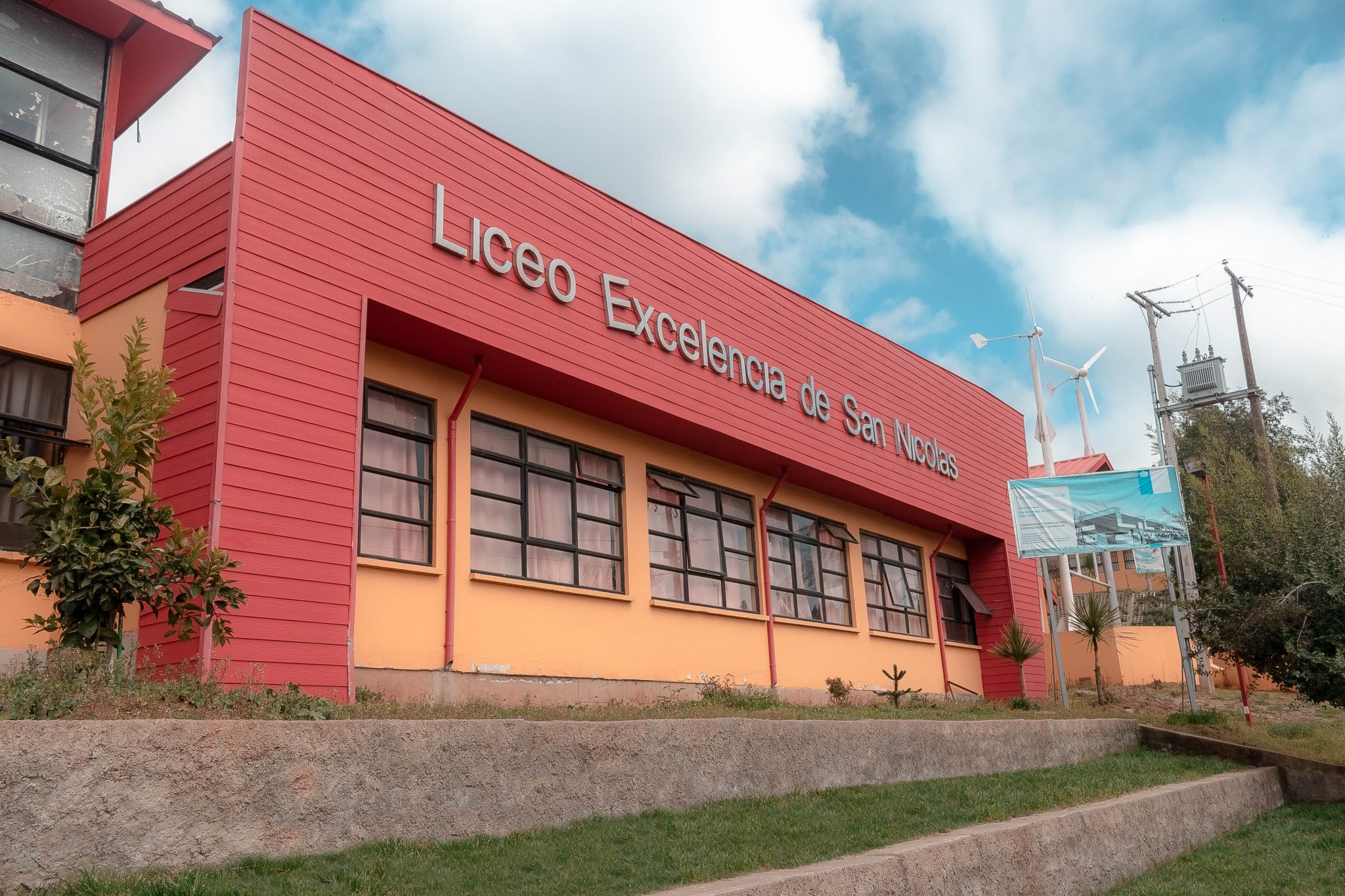
Liceo Bicentenario de Excelencia Polivalente San Nicolas (Chile)
Liceo San Nicolas Virtual School Visit (Chile)
The Liceo Bicentenario San Nicolás is a public school located in the rural town of San Nicolás, Ñuble region, in Chile. The school currently enrolls 2,505 students, from early childhood education to vocational and academic secondary education. Its educational project promotes an emancipatory, transformative, and innovative education, focused on the student, as a response to inequality and limited options for rural education. The interaction between professional autonomy, pedagogical innovation, and technology, has been key to improving school performance, school climate, self-efficacy and resilience, and the development of digital skills and competences of the 21st century, seeking to empower students to forge their own school trajectory and life project.
Easton CE Academy (UK)
Easton CE Academy Virtual School Visit (UK)
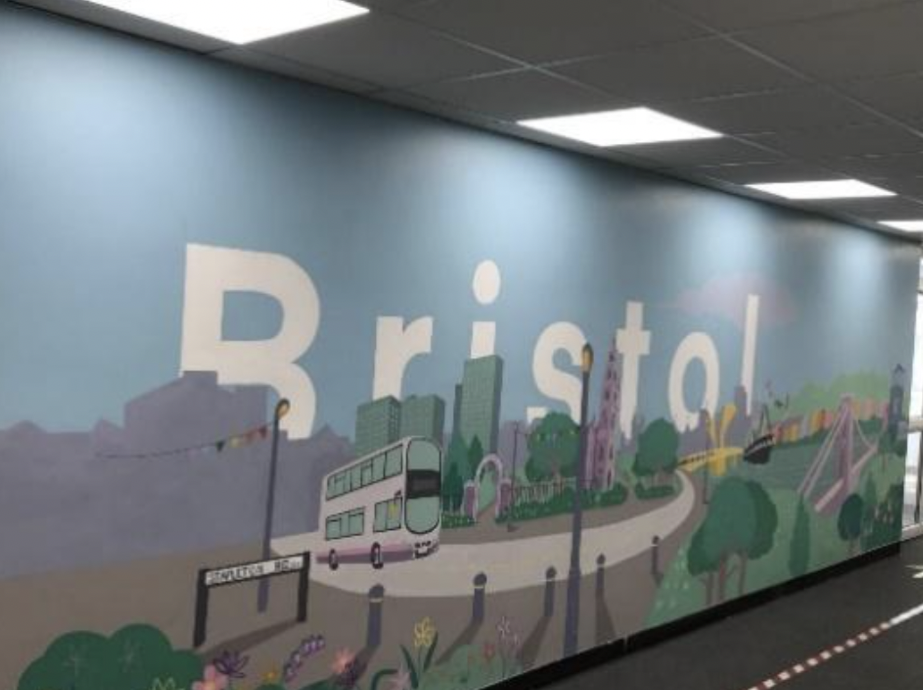
Easton CE Academy is a primary school that currently enrolls 450 pupils, from age 3-11 and serves a very diverse population. The school is in one of the most deprived areas of the UK, even though it is in the middle of the prosperous city of Bristol. Almost all of the children are learning English as an additional language, and 37 different languages are spoken in the school. To address some of the language barriers the school places a high value on oracy. Each lesson is planned with talking in mind, where teachers model ‘sentence stems’ so that children have a structure that helps them to fully participate in discussions. They have been recognized by the oracy work, which complements other subject areas such as English and Maths.
Key takeaways from educators from Liceo San Nicolas and Easton CE Academy
Marcos Caro, History and Geography teacher, Liceo Bicentenario San Nicolas –
As an institution it was a pleasant experience to be invited and participate of the ICSEI 2022 virtual conference. In our panel session with the Easton CE Academy from Bristol, UK, we reflected about the importance of ethnic and cultural diversity. Among the topics discussed, we were struck by their way of approaching the development of oral language competences with students with different cultural and ethnic backgrounds, producing spaces of dialogue, learning and mutual respect, irrespective of their background, making way for over 40 different languages in their school.
This is not so different to what goes on in our school in San Nicolás, where we welcome 2500 students every day, from diverse cultural, social, and economic backgrounds, offering them quality education through the teaching of foreign languages, dynamic and flexible groupings, open classrooms, where attention to diversity takes a central role in the academic development of our students. We observed Easton CE Academy places great value on language skills due to the diversity of cultures and nationalities of its students, which is very similar to the reality of schools in Chile.
“We were both clearly inspired to promote deep learning, forming global citizens equipped for the 21st century in a culture for peace, promoting collaboration in a stimulating and healthy environment.”
– Marcos Caro
Participating in the virtual school visit was relevant for us to showcase how we have built an environment safe and ready for learning, with students with similar educational needs as those of Easton. We were both clearly inspired to promote deep learning, forming global citizens equipped for the 21st century in a culture for peace, promoting collaboration in a stimulating and healthy environment.
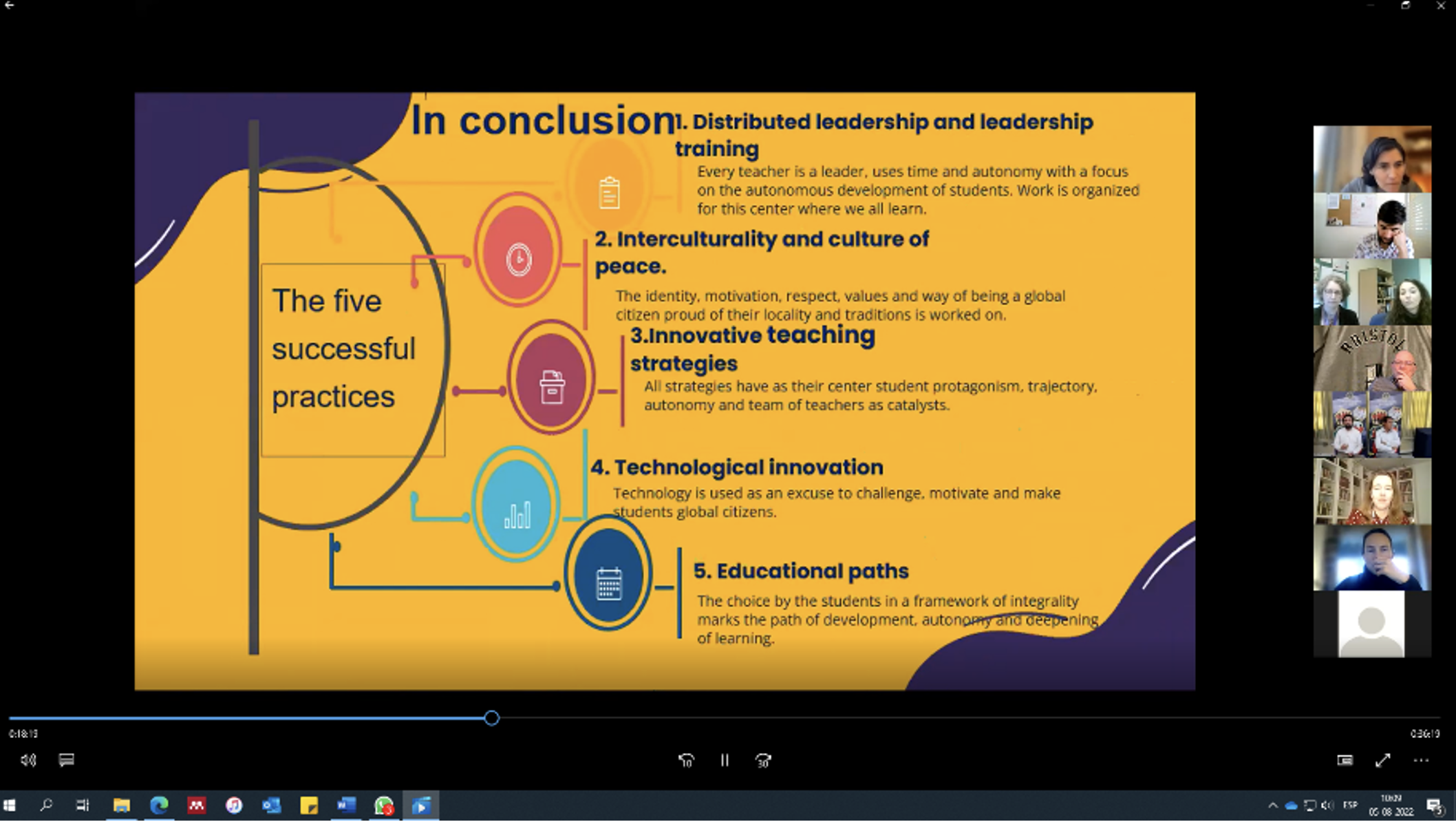
Slide depicting key practices developed at Liceo San Nicolas
Clare Welbourne, Head of School, Easton CE Academy
It was amazing to be part of ICSEI 2022 virtual conference even as we were still experiencing the effects of lockdown. In the visit we were able to reflect how the COVID pandemic had sharpened our minds as to the importance of promoting language and social skills for our children.
Participating in the virtual session with Liceo San Nicolas made us feel that we had travelled across the world and broadened our horizons. We were particularly excited to hear about the work of the Liceo and promoting the use of technology in education. This challenged us to go further in this respect, and we have now teamed up with a local secondary school to see how we can use collaborative documents to help our Key Stage Two children make progress in literacy. We have also begun to use ‘Widgit’ a symbol based assistive technology.
“This challenged us to go further in this respect, and we have now teamed up with a local secondary school to see how we can use collaborative documents to help our Key Stage Two children make progress in literacy.”
– Clare Welbourne
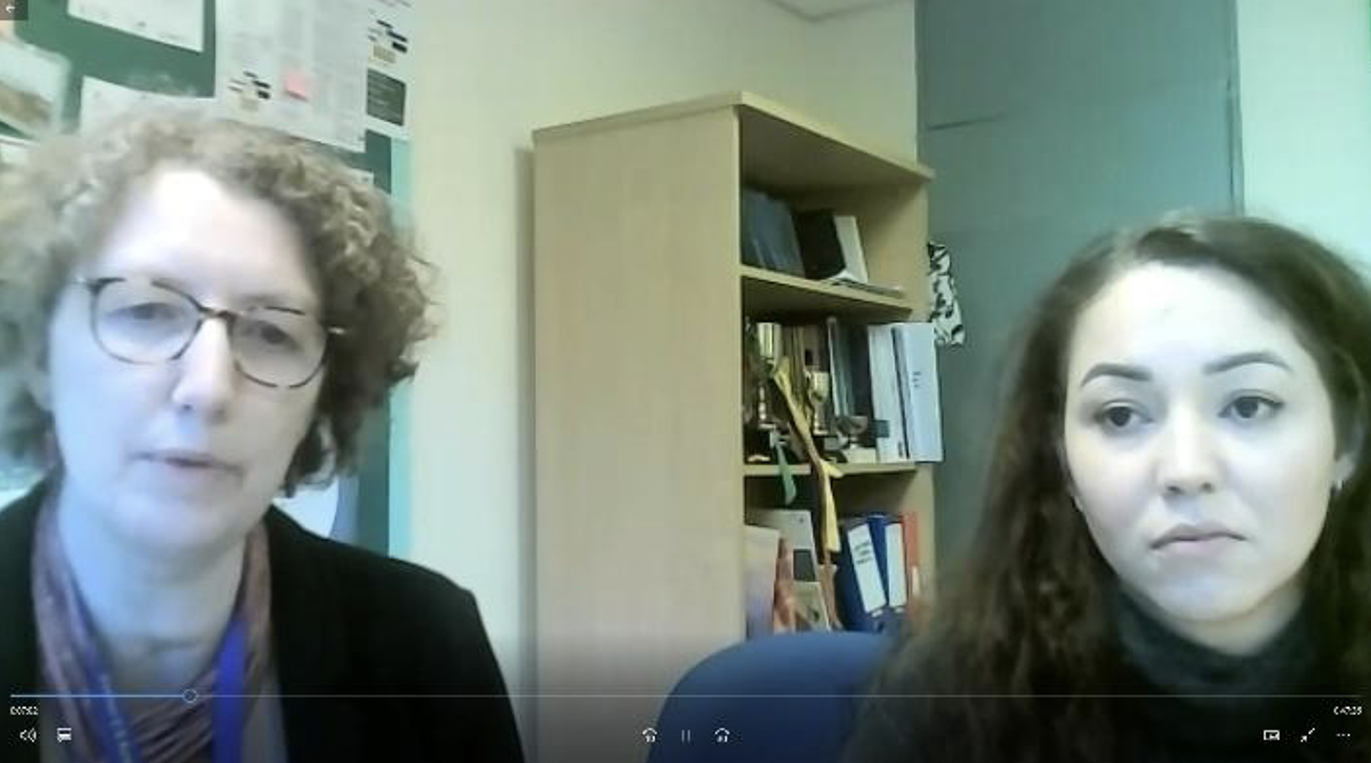
Clara Webourne & Fallon Saint Carreyett presenting at ICSEI 2022
We were impressed with the range and depth of activities on offer at Liceo San Nicolas and participating in the ICSEI conference gave us confidence that we are also offering our younger pupils a range of experiences. Sometimes it is as you talk about your practice, you can value it and see the next steps.
Reflections: “A commitment to promote equity by removing barriers for students’ success”
The experiences of both schools, presented and discussed during the panel session, reflect on the importance of offering a high-quality learning experience and having high expectations for students from communities that experience conditions of disadvantage. Despite the differences between the schools, both had a clear focus on the development of language skills to empower students to become global citizens. This focus has become more important given the context of the pandemic.
Easton Academy’s families are ethnically and culturally diverse, which led them to focus on developing oral language skills to support students’ engagement with the UK culture in the best way possible way. For its part, Liceo San Nicolás sees language skills development as an equity opportunity, as only some social groups in Chile have access, get exposed to and learn more than one or two languages. It allows them to provide their students with the kind of exposure that wealthier students are used to receiving.
Note on ICSEI Virtual School Visits: The International Congress for School Effectiveness and Improvement (ICSEI) held its 35th annual congress online in January 2022 due to the pandemic. Over many years of face-to-face conferences, participants have had the unique opportunity to visit local schools to gain first-hand experience with the host country’s education system, share ideas and insights from one system to another, and act as a catalyst for discussion and debate between colleagues from different countries during and after the visits. The Virtual School Visits sought to keep that purpose, with the added advantage of not being restricted to one host country, increasing the richness and diversity of insight, discussion, and collaboration beyond what was possible at a face-to-face congress.
In this month’s Lead the Change interview Preston Green highlights issues, challenges and opportunities for scholars to use legal theories and tools to pursue educational equity. Green is the John and Maria Neag Professor of Urban Education at the University of Connecticut, where he is also a professor of educational leadership and law. The LtC series is produced by Alex Lamb and colleagues from the Educational Change Special Interest Group of the American Educational Research Association. A pdf of the fully formatted interview is available on the LtC website
Lead the Change: The 2023 AERA theme is “Interrogating Consequential Education Research in Pursuit of Truth” and charges researchers and practitioners with creating and using education research to disrupt institutionalized forms of discrimination. The call urges scholars to challenge traditional methods of inquiry in order to create increasingly useful, responsive, and equity-oriented research that can be used by schools to develop informed policies and practices to better support students. Where does research focused on the legal principles and ramifications of particular policies fit in with the call? With educational change more broadly?
Preston Green: Scholars, through their research and advocacy, can help bring about the passage of laws that cause schools to adopt equitable policies and practices. School desegregation is an example. Indeed, the most famous instance of the power of research is the expert social science testimony co-authored by Dr. Kenneth Clark, which the Supreme Court cited in Brown v. Board of Education (Legal Defense Fund, 2022). To this day, scholars are conducting research that identifies the benefits of school desegregation and the policies that bring about desegregation, even though the judiciary is less supportive.
“Scholars, through their research and advocacy, can help bring about the passage of laws that cause schools to adopt equitable policies and practices.”
Additionally, educational research can encourage the passage of laws that cause schools to cease classroom practices that disproportionately harm minority groups. For example, scholars have documented the disparate suspension and expulsion rates experienced by Black students and students with disabilities. They have urged policymakers to use the legal tools at their disposal to guard against the educational practices that create these disparities. This effort helped lead to the U.S. Department of Education’s Office for Civil Rights (OCR) issuing a Dear Colleague Letter in 2014 that provided guidance for implementing disciplinary policies that do not unduly impact Black students. Although the Trump administration subsequently rescinded this guidance, the Biden administration is considering its reinstatement (Belsha, 2022). The Biden administration also issued federal guidance advising school districts to protect the civil rights of students with disabilities (Belsha, 2022). Researchers can continue to provide support for the adoption of policies and laws at both the federal and state levels that cause schools to develop disciplinary practices that do not unduly impact Black students.
Similarly, scholars can conduct research and develop legal theories that will protect LGBTQ+ students from discriminatory treatment and harassment. Due in part to their research and advocacy, the OCR issued a notice of interpretation declaring that Title IX, the federal statute that forbids sex discrimination by schools, encompasses “discrimination based on sexual orientation and gender identity” (U.S. Department of Education, 2021). However, the Supreme Court’s recent ruling in Carson v. Makin (2022), which held that Maine could not prohibit parents from using tuition assistance funds for education at parochial schools, is very concerning for LGBTQ+ students, parents, and teachers. Scholars can continue to play a role in this ongoing fight against discrimination.
With respect to educational change more broadly, research based on legal principles can help policymakers adopt laws that protect students and communities. Educational privatization is illustrative. Supporters of privatization have asserted that educational reforms, such as school vouchers and charter schools, will help minority communities obtain educational outcomes that have proven elusive in the traditional public-school setting. However, in exchange for these educational benefits—which are not guaranteed—students and communities may forfeit constitutional rights and community resources (Green & Connery, 2022). This example shows that scholars must be sure to study the possible legal tradeoffs posed by any broad proposal for educational change.
LtC: Recently, there have been a rash of Supreme Court decisions that have fundamentally reshaped American society and schools including, but not limited to, women’s rights to bodily autonomy, guns, the use of public funds for religious schooling, and shifting rules regarding prayer in schools. Your work examines how law shapes education broadlyand specifically. How might educational change scholars understand the impact of some of these rulings on the U.S. education system?
PG: Educational scholars should understand that the recent outbreak of Supreme Court decisions signals the Court’s willingness to reject decades of legal precedent. Legal precedent refers to the concept that court decisions serve as legal authority for deciding future cases with similar facts and issues (Legal Information Institute, 2020). Individuals and institutions come to rely on the protections and rights created by these decisions. Because of this reliance on precedent, many supporters of abortion were shocked by the Supreme Court’s Dobbs v. Jackson Women’s Health decision (2022), which overturned Roe v. Wade (1973). Justice Clarence’s Thomas’s concurrence, which declared that protections for birth control, same-sex intimacy, and same-sex marriage were also in danger, was even more stunning.
Similarly, the Court’s religion decisions this past term indicate that long-standing legal precedents in education are no longer safe. In Kennedy v. Bremerton School District (2022), the Court ruled that a school district violated the Free Exercise Clause by disciplining a public-school coach for praying after games in view of his players. Lupu and Tuttle (2022) explain that the Court’s decision ignored sixty years of precedent under the Establishment Clause, which gave schools the authority to police the “communication between a coach or teacher and those under their charge.” Instead, the Court implemented a rule requiring the Establishment Clause to be interpreted based on the historical understanding of the Founding Fathers. One can infer from this language that the Court might soon permit teachers to lead students in prayer (Lupu & Tuttle, 2022).
In addition to the concerns about LGBTQ+ discrimination discussed above, Carson v. Makin (2022) has major implications for charter schools. Charter schools are often defined as public schools that must operate in a secular manner. However, charter schools have many private characteristics, which could cause the Supreme Court to categorize them as a private school option. If the Court ruled this way, then states would have to provide funding for religious charter schools. Indeed, Justice Breyer raised this possibility in his dissenting opinion in the Carson case. States that disagree with this situation might respond either by capping the number of charter schools or dismantling this choice option altogether.
LtC: How can those educational scholars and practitioners who wish to take civic action against discriminatory legal precedent engage in such efforts effectively?
PG: Because of the solid conservative majority in the Supreme Court, it will be difficult for scholars and practitioners to challenge discriminatory practices in the federal courts. Therefore, they should also look to state law for protections. School finance litigation provides an example of this approach. After the Supreme Court ruled in San Antonio Independent School District v. Rodriguez in 1973 that the Equal Protection Clause permits school funding disparities created by local property taxation, plaintiffs then challenged school finance formulas through state courts. School finance scholars, educational historians, and legal theorists have provided the research that have helped attorneys push for increased resources for disadvantaged communities.
A school desegregation case, Sheff v. O’Neill (1996) also demonstrates how educational researchers can help litigators challenge discriminatory practices in state courts. After the Supreme Court ruled that de facto segregation – racial separation that is not caused by intentional governmental policies – did not violate the Constitution, the federal courts became a much less effective venue for combatting school segregation. Lead attorney John Brittain and his colleagues responded to this obstacle by convincing the Connecticut Supreme Court that de facto segregation violated the state constitution. Brittain supported this claim using expert testimony from educational scholars who showed the negative impact that school segregation had on Hartford’s urban schools.
LtC: What issues of law, education, policy, and change do you see as ripe for research in the coming months and years?
PG: One topic that is ripe for research is the relationship between race and school funding. Despite decades of school desegregation and school finance litigation, a report by the non-profit group EdBuild found that school districts serving predominantly nonwhite students received $23 billion less than white districts during the 2015–16 school year. According to the report, the average nonwhite district received $2,226 less than a white school district per student. Racial disparities remained even after controlling for wealth: Poor-white school districts still received around $1,500 more per student than their poor-nonwhite counterparts (cited by Green, Baker, and Oluwole 2021).
“Scholars and practitioners should also look to state laws for protections.”
Scholars have begun to explore the reasons for these disparities. Culprits include an array of local, state, and federal housing discrimination policies and practices over the course of more than a century (Baker, DiCarlo, & Green, 2022; Lukes & Cleveland, 2021). I sincerely hope that scholars help litigators develop legal strategies and policy solutions to tackle these disparities in the courts and through legislation.
References Baker, B., DiCarlo, M., & Green, P. (2022). Segregation and school funding: How housing discrimination reproduces unequal opportunity. Retrieved August 8, 2022 from https://www.shankerinstitute.org/segfunding
Dobbs v. Jackson Women’s Health, 142 U.S. 2228 (2022).
Green, P., Baker, B., & Oluwole, J. (2021). School finance, race, and reparations. Washington and Lee Journal of Civil Rights and Social Justice, 27, 484-558.
Green, P., & Connery, C. (2022). Beware of educational blackmail: How can we apply lessons from environmental justice to urban charter school growth? South Carolina Law Review, 73, 643-74.
Kennedy v. Bremerton Sch. Dist., 142 S.Ct. 2407 (2022).
Lukes, D., and Cleveland, C. (l2021). The lingering legacy of redlining on school funding, diversity, and performance (Annenberg Institute EdWorkingPaper: 21-363).
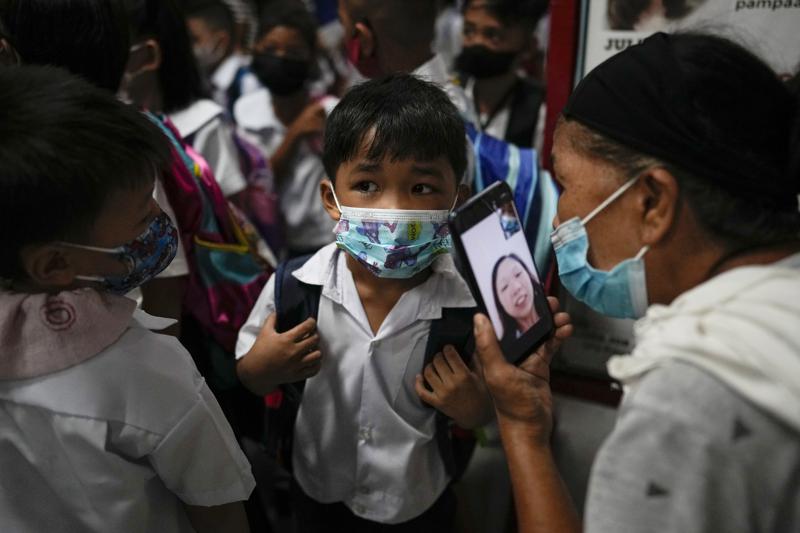
A return to school after the COVID closures and hopes for a “bounce back” characterize some of the back-to-school headlines; but in Ukraine and some parts of the developing world, many of the headlines focus on critical challenges including violence, war, floods and famine that are continuing to keep some students, particularly girls, out of school.
“[F]or many students here and around the world, especially girls, there is no excitement around supply shopping or reuniting with their friends again — because none of that will happen at all. Between schools staying closed over fears of a new COVID-19 wave and other barriers to getting an education, back-to-school doesn’t look quite as bright.” – Back to school? Think again, Plan International
“Every August a new cohort of students begin their apprenticeships across Switzerland. The appetite for vocational training remains strong despite the impact of Covid-19, with experts pointing to a return to pre-pandemic levels.”
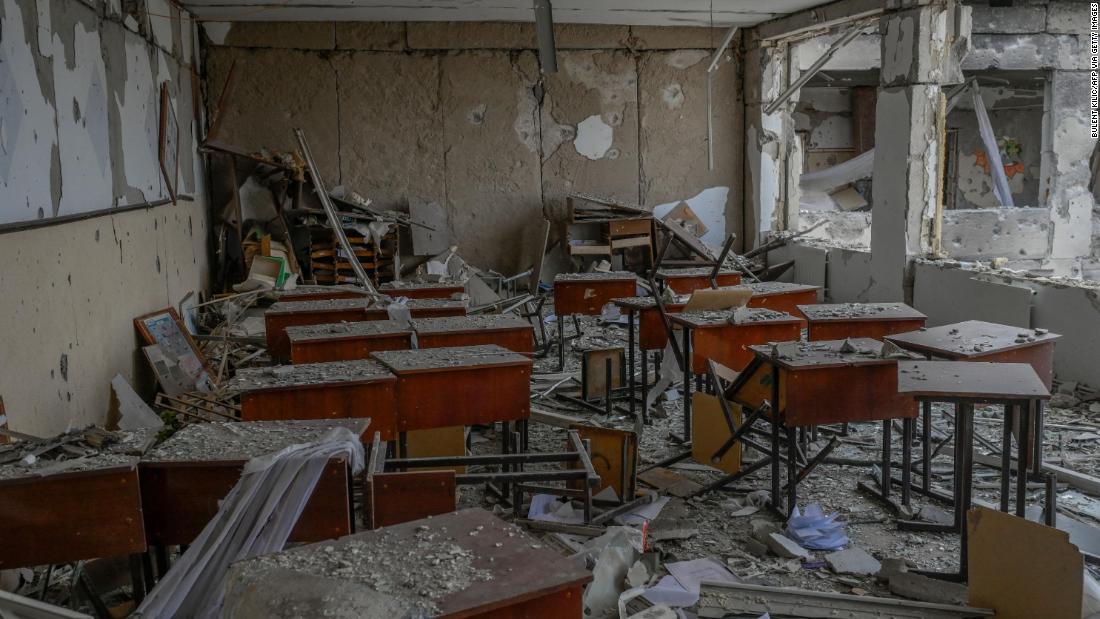
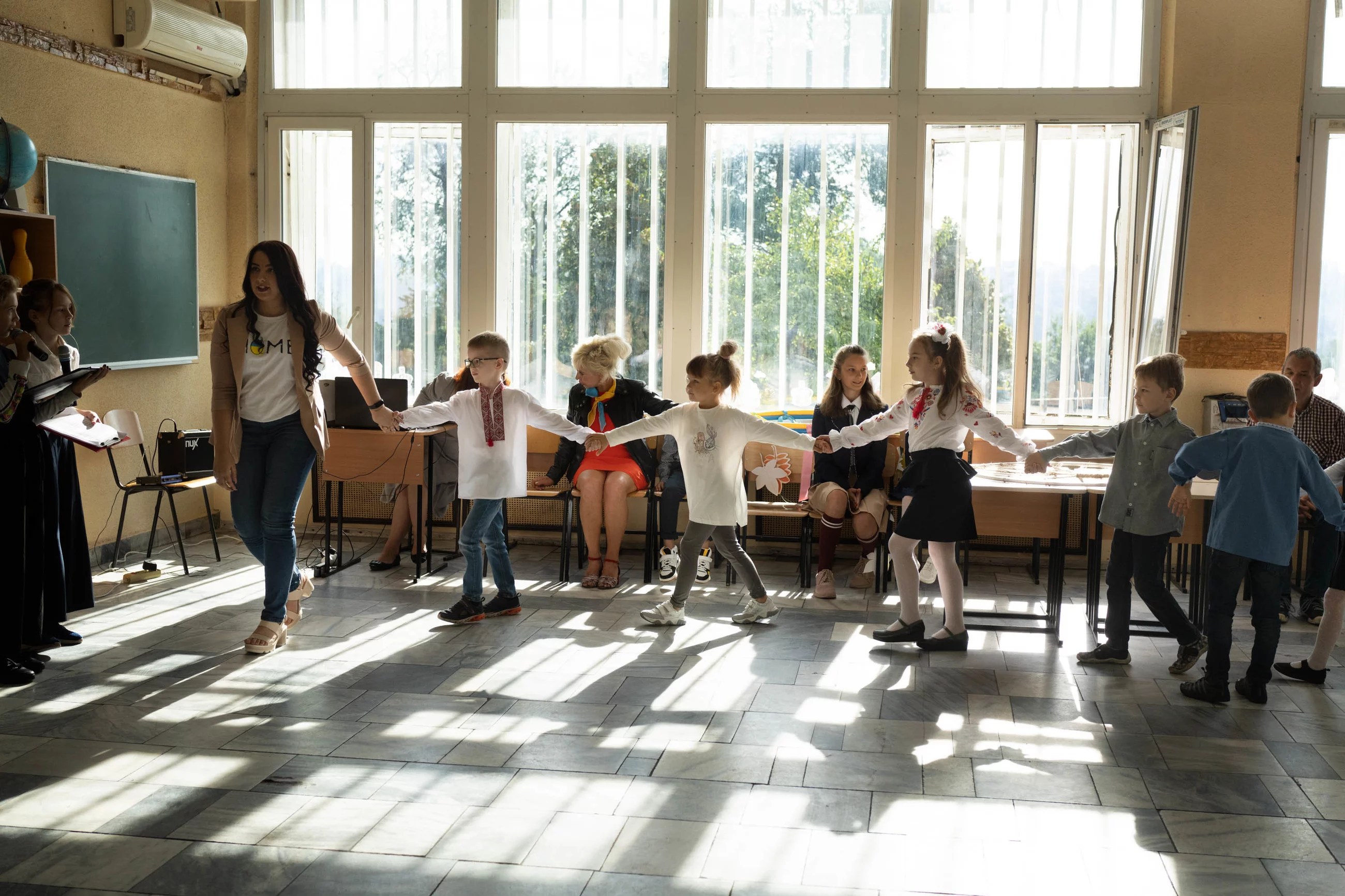
“The new school year is a day of celebration in Ukraine, where children dress up and give bouquets of flowers to their teachers. But Russia’s invasion has cast a shadow on the happy day. Now educational facilities across the country are racing to build bunkers and bomb shelters for returning students,” CNN
““Right now, I don’t even have a pencil for my children to start classes in September,” said Florena Delgado, who teaches first and fifth grades at two schools in one of the lowest-income neighborhoods of the capital, Caracas”- NBC News
“Over it” but also unable to escape it seems to capture the sentiment of many of the back-to-school stories that address the continuing impact of the COVID-19 pandemic on schools. A series of articles from the74 in particular highlight that although many schools and educators are making decisions to end closures, remote options, and masking, there also appears to be a recognition that those decisions could lead to more surges requiring schools to respond again. Education Week also highlighted how, in the US, those decisions have been supported with new guidelines from the Centers for Disease Control and the White House to help schools deal with the “new abnormal.”
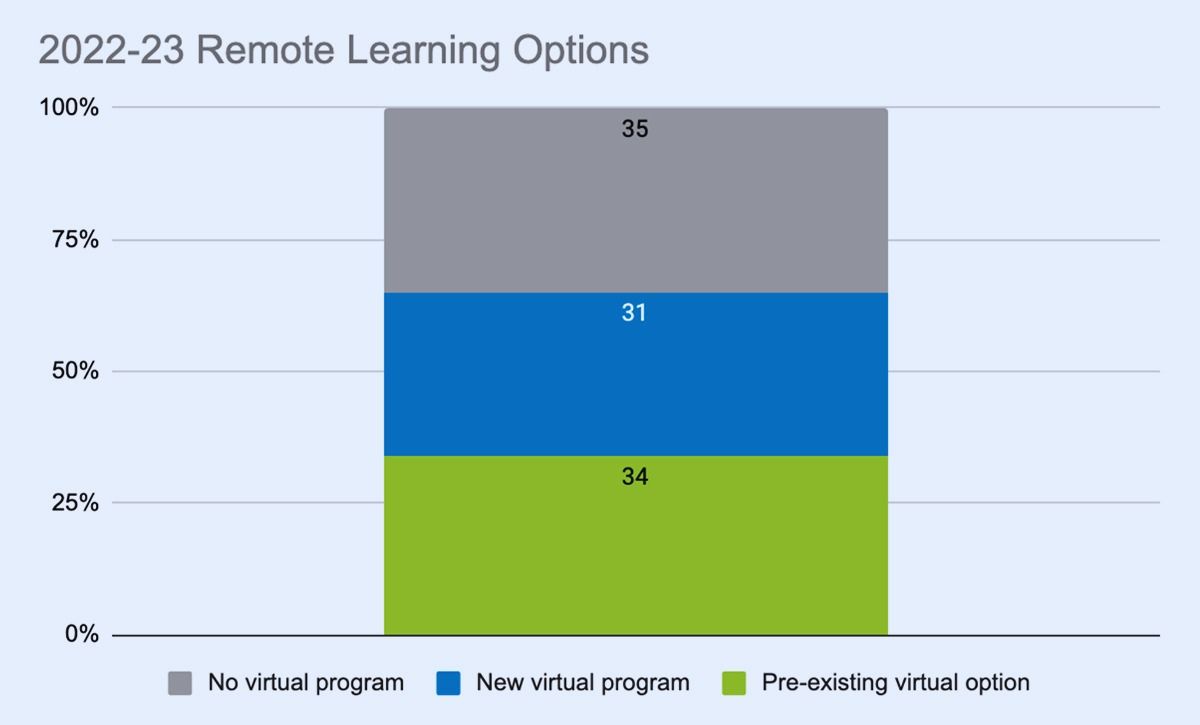
“According to a new review by the Center on Reinventing Public Education, the “approaches of America’s 100 largest districts suggest that most are jettisoning remote learning entirely, or reverting back to programs that existed before the pandemic forced them to swiftly provide all families with some sort of online option.”
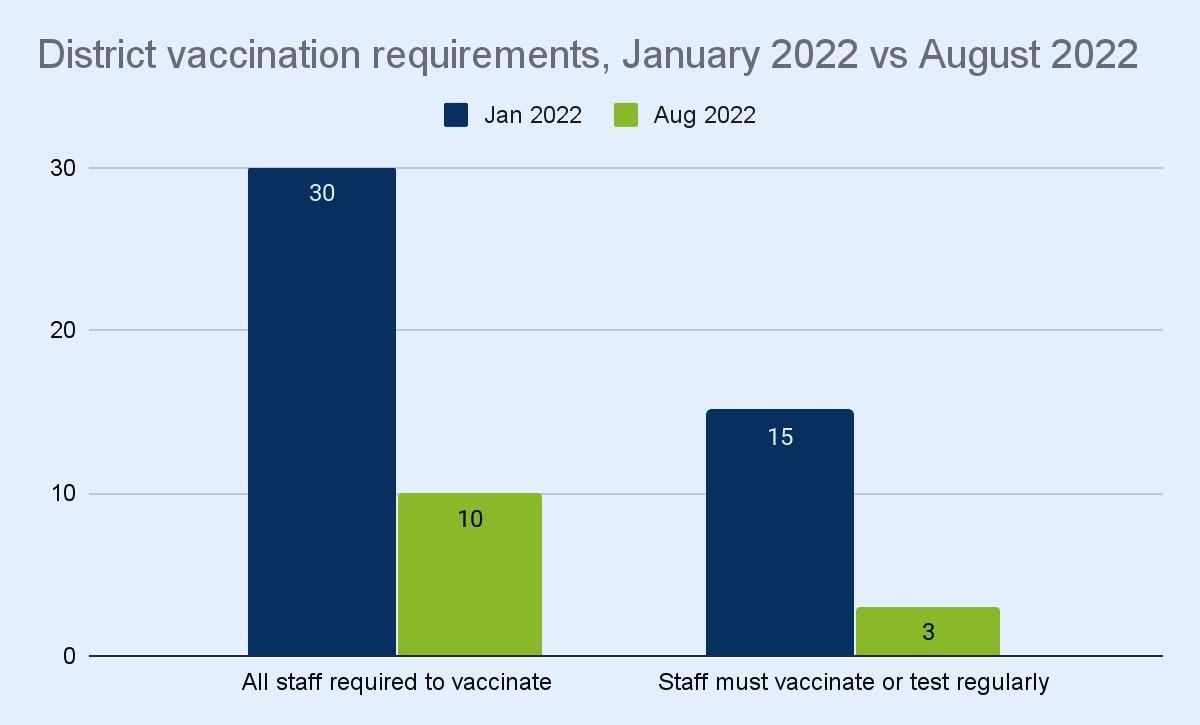
“As students return from summer vacation, school systems nationwide are scaling back COVID masking and quarantine requirements — in some cases, eliminating them altogether. Many are simply telling students to stay home if they have symptoms, much as they did before the pandemic.”
“The White House followed the CDC’s lead, de-emphasizing the importance of masking and quarantining and instead focusing on vaccinations, testing, and air quality as major prevention strategies.” – Education Week
“My biggest concern is that we’ve seen a ton of viral infections just over the summer,” says Magna Dias, MD, a Yale Medicine pediatrician. “So, when we get back to indoor settings with kids being together again, it could mean that we will see more infections happening—both with COVID-19 and with other viral infections.” – Yale Medicine
“It’s not going to be pretty, but it’s going to be better,” Lydia McNeiley, a college and career coordinator from Hammond Indiana, summed up the sentiments reflected in many US back-to-school stories this year. Quoted in an Education Week story on “Student Wellness Issues for Schools to Watch This Year”, McNeiley captured the mixed feelings expressed in many of the headlines.
“It’s not going to be pretty, but it’s going to be better,” Lydia McNeiley quoted in Education Week
Despite occasional optimism, for the most part, the talk of “re-imagining” schools has been replaced with stories about the realities of dealing with concerns about missing students, money, socio-emotional development, health, safety, and, particularly with the recent release of the latest results from the National Assessment of Educational Progress, learning.
Reports of some positive changes and offerings of hopeful advice are also pprinkled among the headlines For his part, US Education Secretary Cardona noted the importance of addressing issues like how to provide more support for teachers, but he also looks forward to a “return to normal:” “I’m really thrilled that students are feeling that back-to-school excitement the way it was before. It’s not back to school with a caveat.” (U.S. Secretary Cardona: how to fix teachers shortages, create safer schools, EdWeek).
“49.5 million students were enrolled in public schools in fall 2021…well below the 50.8 million students who were in public pre-K-12 before the pandemic began. Where are the other 1.3 million kids?” – Education Week
“Eighty-three percent of school district technology leaders report that they will expand their cybersecurity initiatives, with a majority (62 percent) also increasing their cybersecurity budgets…By contrast: in 2020, only 31 percent said they were increasing their cybersecurity budgets.” –Education Week
“Another year, another reason to cancel classes: soaring school heat worsened by faulty or non-existent air-conditioning. School closures due to heat are not new but they have been increasing significantly, with numbers doubling in cities such as Baltimore, Cleveland, Denver and Philadelphia”, – District Administration and Daily Kos.
“Sixty-one percent of principals and 37 percent of teachers surveyed by the RAND Corporation reported experiencing harassment about these politicized topics, which contributed to burnout, frequent job-related stress, and symptoms of depression…. And there are signs this contention has led to a chilling effect: 1 in 4 teachers have been told to stay away from conversations about political and social issues in class. Seventeen states have imposed bans and restrictions on how teachers can discuss racism and sexism, either through legislation or other avenues” –Education Week
IEN will be taking a break until the end of August, but in the meantime, please revisit some of our posts highlighting specific improvements that organizations like Fount for Nations, Van Ness Elementary School and Transcend, and the Central Square Foundation are making in schools and learning opportunities around the world. IEN returns in September with our annual scan of “back to school” headlines in the US and other parts of the world.
In this month’s Lead the Change Interview, Elizabeth Leisy Stosich talks about her work focusing on understanding how district, school, and teacher leaders can work together to strengthen the quality and equity of students’ learning opportunities and outcomes. Stosich is Assistant Professor and Associate Chair of the Division of Educational Leadership, Administration, and Policy at Fordham University. The LtC series is produced by Alex Lamb and colleagues from the Educational Change Special Interest Group of the American Educational Research Association. A pdf of the fully formatted interview is available on the LtC website
Lead the change (Ltc): The 2023 AERA theme is InterrogatingConsequential Education Research in Pursuit of Truth and charges researchers and practitioners with creating and using education research to disrupt institutionalized forms of discrimination. The call urges scholars to challenge traditional methods of inquiry in order to create increasingly useful, responsive, and equity-oriented research that can be used by schools to develop informed policies and practices to better support students. What specific responsibility do educational change scholars have in this space? What steps are you taking to heed this call?
Elizabeth Leisy Stosich (ELS): I appreciate how AERA’s theme this year urges us as scholars to take responsibility for critically considering not simply what we research but how we approach our research and the consequences of these decisions. As educational scholars, we are (hopefully) deeply invested in understanding and supporting meaningful improvements in schools and systems. Yet, as educators and scholars, one challenge we face is that we each bring our own biases to understanding problems in education and, correspondingly, the change that is needed. These biases can lead us to define problems and identify solutions in particular ways, ways that may not reflect the actual problem as experienced by those closest it. For example, as a scholar focused primarily on instructional improvement, I can be quick to identify problems as student learning challenges that require new professional learning for teachers and school leaders. When you’re a hammer, every problem requires a nail. For me and many of the educational leaders I work with, we can be quick to see each problem as simply requiring new or different teacher PD. We can also be slow to give up on ideas that we’ve deeply invested in even when they either are a poor fit for the problem or we see little evidence of authentic improvement.
As educational change scholars, I think a central aspect of centering equity and pursuing truth is to engage as partners with the stakeholders closest to the “change.” In improvement science this is often described as being “user” centered. When we partner with practitioners, we need to take time to carefully understand and define the problems we seek to address with our change efforts. These initial decisions have important implications for the change work we take up. I think we are much more likely to be successful in supporting meaningful change when we engage in shared problem diagnosis and solution identification as partners with educators and the students and communities they serve. Through this collaborative process, we can bring more diverse perspectives to defining the problems we center in our change efforts.
Ltc: In your work, you examine relationships between school leaders on decision-making teams and during policy implementation. What are some of the major lessons the field of Educational Change can learn from your work and experience?
ELS: In my own research (Stosich, 2020, 2021) as well as a number of large survey studies one thing stands out: principals think they are involving teachers in decision-making and teachers do not agree. Looking closely at decision-making in instructional leadership teams (ILTs), I found one explanation for this gap; principals typically involve teachers in decision-making only superficially. For example, principals may ask teachers to decide whether or not to move forward with a proposed initiative (e.g., Should we do lesson study?) rather than engaging them more fully as partners in problem diagnosis and solution identification (e.g., How could we work together to strengthen our instruction?).
This is a big problem for two reasons. First, truly engaging teachers as partners in decision-making is a powerful leadership practice because it allows for teachers to draw on their instructional expertise and knowledge of students and colleagues to inform the decision. Second, when principals and teachers make decisions together, principals gain teachers’ commitment for implementation as part of the decision-making process. When principals only engage teachers superficially in decision-making, they don’t benefit from teachers’ knowledge in shaping the decision and are unlikely to gain their commitment for implementing the proposed solution.
“Through this collaborative process, we can bring more diverse perspectives to defining the problems we center in our change efforts.”
Ltc: In your recent work investigating how educators experience policy shifts in high-accountability contexts, you find that policy alignment, thoughtful sequencing, slower pace, and extensive support can be helpful in creating successful change. How might your findings help scholars and practitioners imagine and implement policy changes more effectively?
ELS: I think we would benefit from paying greater attention to the larger environmental conditions we are creating for policy change. What are the conditions we are creating and what do they feel like for the educators responsible for policy implementation?
In a strategy activity in my book with Michelle Forman and Candice Bocala, The Internal Coherence Framework: Creating the Conditions for Continuous Improvement for Schools, we ask educators to reflect on the question: What does it feel like to be a teacher in this school? I think this question is essential in policy change. Do teachers feel like they are focused and engaged in sustained learning in an effort to implement a change that will result in meaningful benefits for students? Or are they overwhelmed by multiple initiatives with little time to really understand and apply new learning about these ideas in their classroom? We typically pair ambitious policy goals with pretty limited support for learning what changes are necessary to meet these goals. Changing practice is difficult and time-consuming work!
My research looking specifically at principals suggests that when principals acknowledge the challenge presented by new instructional policies and frame this challenge as one that requires learning to work with students and content in new ways, they are more likely to close the gap between current practice and policy goals than when they frame the challenge as one of simply executing new approaches (Stosich, 2017). As research from Amy Edmondson and others suggests, when we frame policy change as a “learning” rather than an “execution” challenge, we acknowledge that we don’t know everything we need to know to meet our goals for policy change and, thus, open ourselves to new learning and change. An execution challenge is more appropriate for routine changes, which are rarely the focus of policy change.
In my research with Emily Hodge on the Common Core (Hodge & Stosich, 2022), we found that when policies are introduced in rapid succession even those that are connected and reinforcing can be experienced by teachers and leaders as overwhelming and incoherent. This is particularly true when you introduce high-stakes accountability. We need a supportive environment for learning and change during policy implementation, one that provides the time and support necessary for learning and change before introducing accountability. This should include sustained, job-embedded opportunities for professional learning about the policy change and systems that reinforce and support this learning, such as aligned curriculum and assessment materials and ongoing, developmental feedback for teachers and school leaders.
“Learning is challenging but also rewarding—something we need to acknowledge and celebrate.”
Ltc: Educational Change expects those engaged in and with schools, schooling, and school systems to spearhead deep and often difficult transformation. How might those in the field of Educational Change best support these individuals and groups through these processes?
ELS: Be part of the change yourself! As scholars, we learn and change our thinking all the time (hopefully!) based on new understanding we gain from those with whom we study and work.
We need to share openly with our partners about how we are shifting our beliefs and practice and why. I think this modeling is important for reinforcing the idea that learning and change is an opportunity for growth and not simply an admission of weakness. Just this past fall I really shifted how I think about how people connect and develop relationships through improvement work after a comment from a member of our doctoral program led me to question some of my assumptions. I always assumed that we build the relationships that support our collaborative learning and improvement through working together towards shared goals. A student remarked with some surprise that we seemed to just “get right down to business” working on identifying and addressing problems of practice before really getting to know each other on a more personal level. This comment really struck a chord with me and led me to think more deeply about the very personal nature of change and what relationships could best support our collective change efforts. I tried to reflect openly about this change and how her thinking had changed my own during the course in hopes that this would encourage others to be open to change. I also thanked her—learning is challenging but also rewarding—something we need to acknowledge and celebrate.
Still, change can be personally challenging. Something I read in James Spillane’s (2004) book about standards implementation has stuck with me for a long time: when we ask people to learn new ways of doing familiar things, we risk damaging their self-concept. Essentially, when we ask people to change what they are already doing, we ask them to admit that what they have been doing wasn’t good enough and needs to change. This can feel a lot like telling me that I’m not good enough. I think the change process becomes less daunting when we share openly and model how we are changing our own beliefs and practices. This is important for people in all roles but particularly for leaders—are you asking others to be open to change without being open to change yourself? This creates an inhospitable environment for authentic learning and change, which requires acknowledging the limitations of our current knowledge and being open to new ideas and approaches.
Ltc: Where do you perceive the field of Educational Change is going? What excites you about Educational Change now and in the future?
ELS: I am excited about the more critical lenses educational leaders and scholars are bringing to their work in educational change. In doing so, there has been greater attention to not only issues of achievement and access but also issues of identity and power as part the focus of change. For instance, I’ve had the opportunity to learn from some very exciting work happening in a Bronx Community School District that involves networks of principals working together to address three equity-focused issues: reducing racial disproportionality in chronic absenteeism, strengthening culturally responsive-sustaining education (CRSE), and creating more affirming and inclusive school environments. In my view, chronic absenteeism is an access issue, while the district’s work on strengthening CRSE addresses issues of identity—including ensuring students’ identity is reflected in the curriculum—and power, as they teach students to understand and address systems of oppression. I am energized by the focus on more holistic, student-centered, and culturally responsive discussions of learning and change taking place in so many districts and schools.
My favorite recent book is Decoteau Irby’s Stuck improving: Racial equity and school leadership. One important lesson I took from his research on racial equity improvement is that centering Black and Brown people’s perspectives, what he describes as “Black and Brown people’s influential presence,” is essential for understanding problems and monitoring progress (and setbacks) with attention to the influence of race and racism. This involves much more than simply seeking out the perspectives of Black and Brown youth, educators, and community members on the change work at one point in time. Instead, it involves building the organization—the school or district—in ways that will ensure Black and Brown people are not only present but actively influencing our change work at every step—including the problems we identify, the decisions we make about how to work on them, and all our learning along the way.
References
Forman, M. L., Stosich, E. L., & Bocala, C. (2017). The internal coherence framework: Creating the conditions for continuous improvement in schools. Harvard Education Press.
Hodge, E. & Stosich, E. L. (2022). Accountability, alignment, and coherence: How educators made sense of complex policy environments in the Common Core era. Educational Evaluation and Policy Analysis. https://doi.org/10.3102/01623737221079650
Irby, D. J. (2021). Stuck improving: Racial equity and school leadership. Harvard Education Press.
Spillane, J. P. (2004). Standards deviation: How schools misunderstand educational policy. Harvard University Press.
Stosich, E. L. (2017). Leading in a time of ambitious reform: Principals in high-poverty urban elementary schools frame the challenge of the Common Core State Standards. Elementary School Journal, 117(4), 539-565. https://doi.org/10.1086/691585
Stosich, E. L. (2020). Central office leadership for instructional improvement: Developing collaborative leadership among principals and instructional leadership team members. Teachers College Record, 122(9). https://www.tcrecord.org/Content.asp?ContentId=23383 Stosich, E. L. (2021). “Are we an advisory board or a decision making entity?”: Teachers’ involvement in decision making in instructional leadership teams. Leadership and Policy in Schools, 1-19. https://doi.org/10.1080/15700763.2021.1995879
Do schools around the world show the same basic patterns of organization and instruction found in US schools and classrooms over the past 100 years? Larry Cuban explored this question in a series of speculative blog posts over the past few months. Cuban acknowledged the limitations of his unsystematic review of classroom photos he found on the internet, but Cuban’s reflections also serve as another opportunity to continue conversations about what has and hasn’t changed in schooling over time and across contexts. To that end, in this week’s post, Thomas Hatch pulls together some of Cuban’s observations and photos.
To what extent does the prevailing organization of the age-graded school and dominant teacher-centered way of instruction found in many U.S. public schools characterize schools and classrooms in other countries? Larry Cuban asked this question in a series of seven blog posts that began with Schooling in the U.S. and around the World (Part 1). He posed this question as one means of challenging his own observation of these patterns in the US, wondering, “perhaps I am incorrect because there are other ways to organize classrooms and teach elsewhere in the world of which I am ignorant. This latter possibility of my being unaware of other patterns in organizing schools and teaching approaches in other nations is one I want to explore. I may be incorrect in claiming these historic patterns of schooling and teaching in the U.S. are present in other nations.”
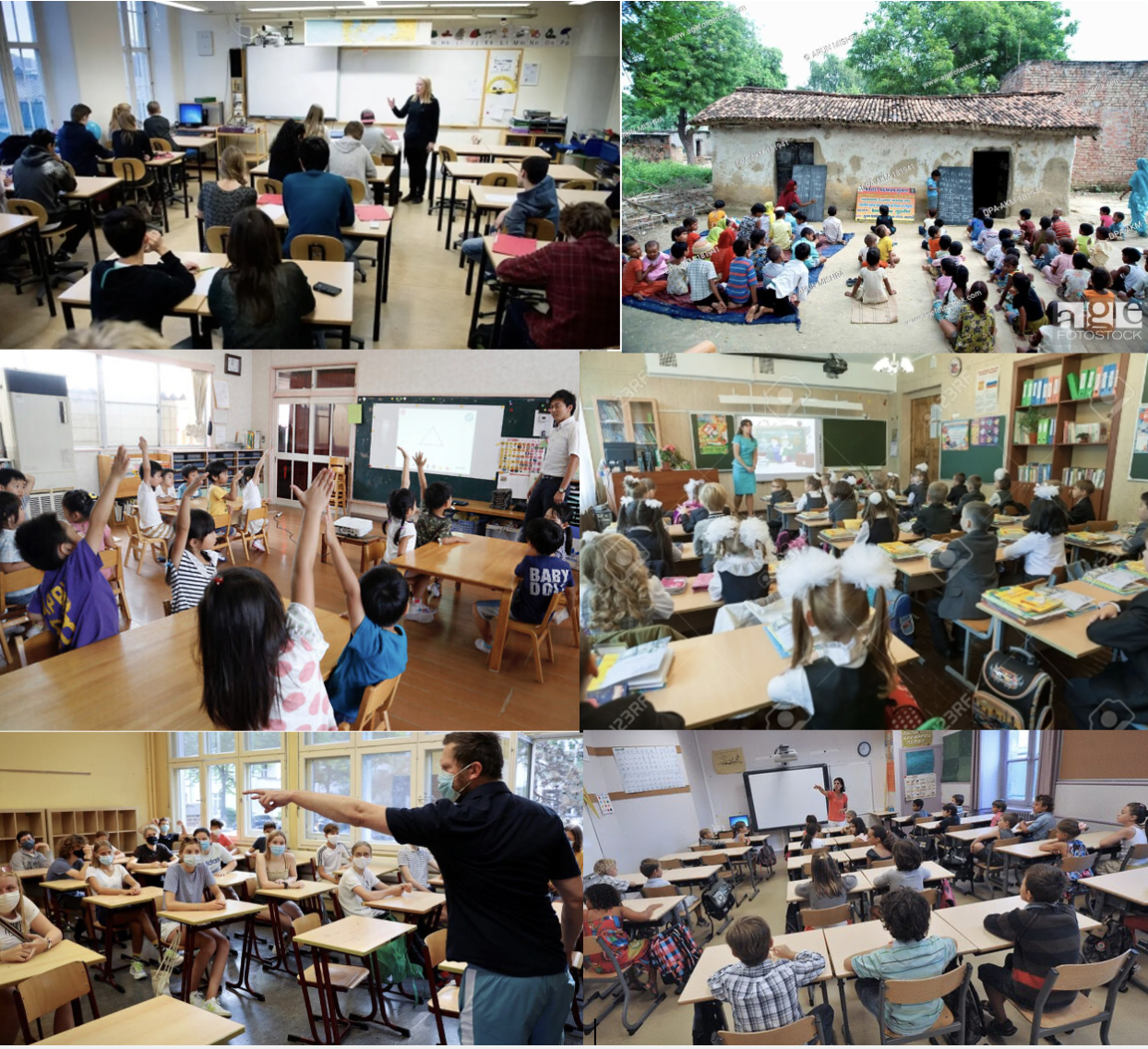
Cuban’s posts show photos with common images of students sitting in rows facing the front of a classroom:
Clockwise from top left: Sweden; Uttar Pradesh, India; Preschool in Japan (AP Photo/Yuri Kageyama); 1st grade in Russia; secondary school classroom in Germany; Second grade classroom in France
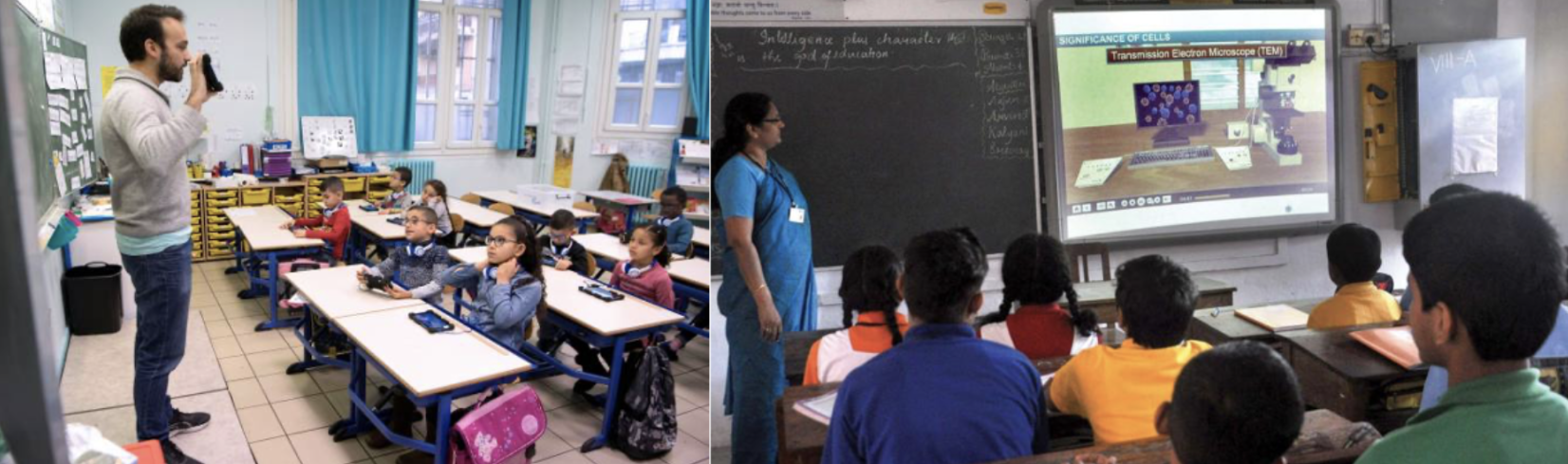
Some of those posts also show photos that feature both the same classroom organization that dominated US classrooms throughout the 20th Century and the display or use of new technologies invented at the beginning of the 21st Century:
Schoolchildren listen to a teacher showing how to use “GraphoLearn”, an application on a digital tablet, to learn to read, in a primary school in Marseille, France & classroom use of technology used in a pilot project in India
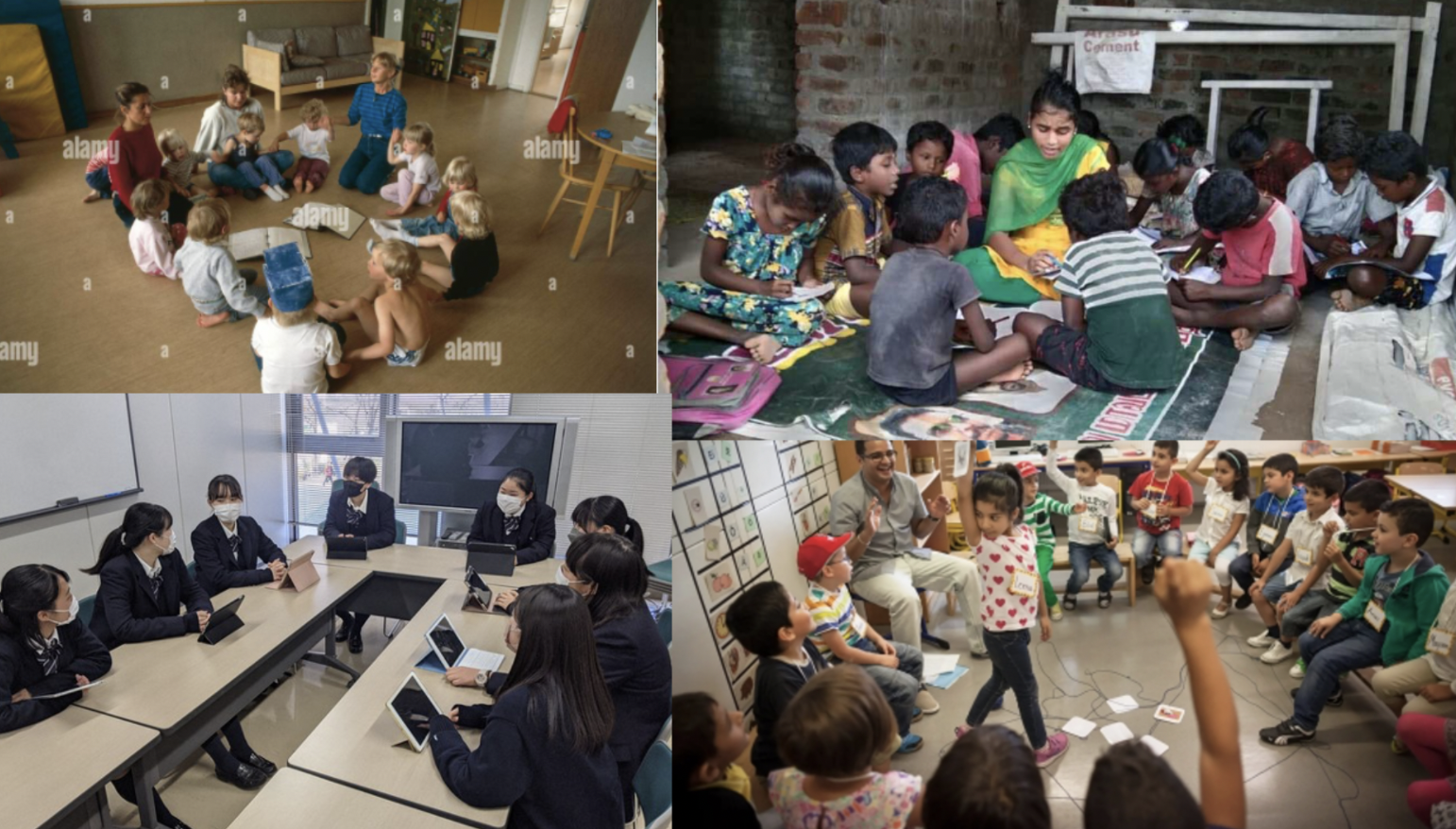
Along with the pictures of students in sitting in rows around the world, an occasional picture shows students and teachers seated in a circle:
Sweden; India; Japan; Germany (Gordon Welters for The New York Times)
While acknowledging the short-comings of his approach and inviting readers to challenge his generalizations, Cuban concluded “…similarities are obvious:
Every nation compels parents to send their sons and daughters to school up to a decade or more.
Every one pays the costs for schooling either directly or indirectly.
Every one is age-graded.
Every one publishes national (or state) curriculum standards for each elementary and secondary school subject.
Every one tests student performance in elementary and secondary school subjects.
Every one has at least one teacher for each classroom.
Some are national (or federal) systems and some are state-operated with the federal government and states splitting funding and supervisory responsibilities. All of these nations and their states set curriculum standards for each subject and administer tests to determine if schools and students are meeting those standards.
Some nations have centralized systems (e.g., France, Russia, Italy, Japan) where ministry officials make decisions for schools and some are decentralized (e.g., Canada, U.S. Norway) with states and local districts having a moderate degree of discretion to alter what national authorities require. Whether centralized or decentralized, individual schools in every nation have some autonomy in adapting national or state curriculum when organizing for instruction. Need I add that once they close their classroom doors, teachers also exercise discretion in teaching the lesson they planned for the students in front of them that day.
What needs to be stressed that these commonalities among nations in establishing and operating systems of schooling over the past century exist side-by-side with inevitable within-nation variations between rural and urban and wealthy and poor schools that exist. Both commonalities and variations influence the schooling and teaching that occurs daily.”










 International Education News