In the second post of a two-part series, Dulce Rivera Osorio explores what’s changing in schools by scanning news articles that report on educational “micro-innovations” developing by in the US and internationally by non-profit organizations, private companies, and states and education systems. In Part 1, Thomas Hatch introduced micro-innovations and then Rivera shared a number of examples of micro-innovations being made in instruction or school/district operations that have been described in media articles from the US. To learn more about the numerous proposals to change schools and “reimagine education” post-COVID, read IEN’s previous post: Is anything changing in US schools post-pandemic? Possibilities for rethinking time, place and supports for well-being.
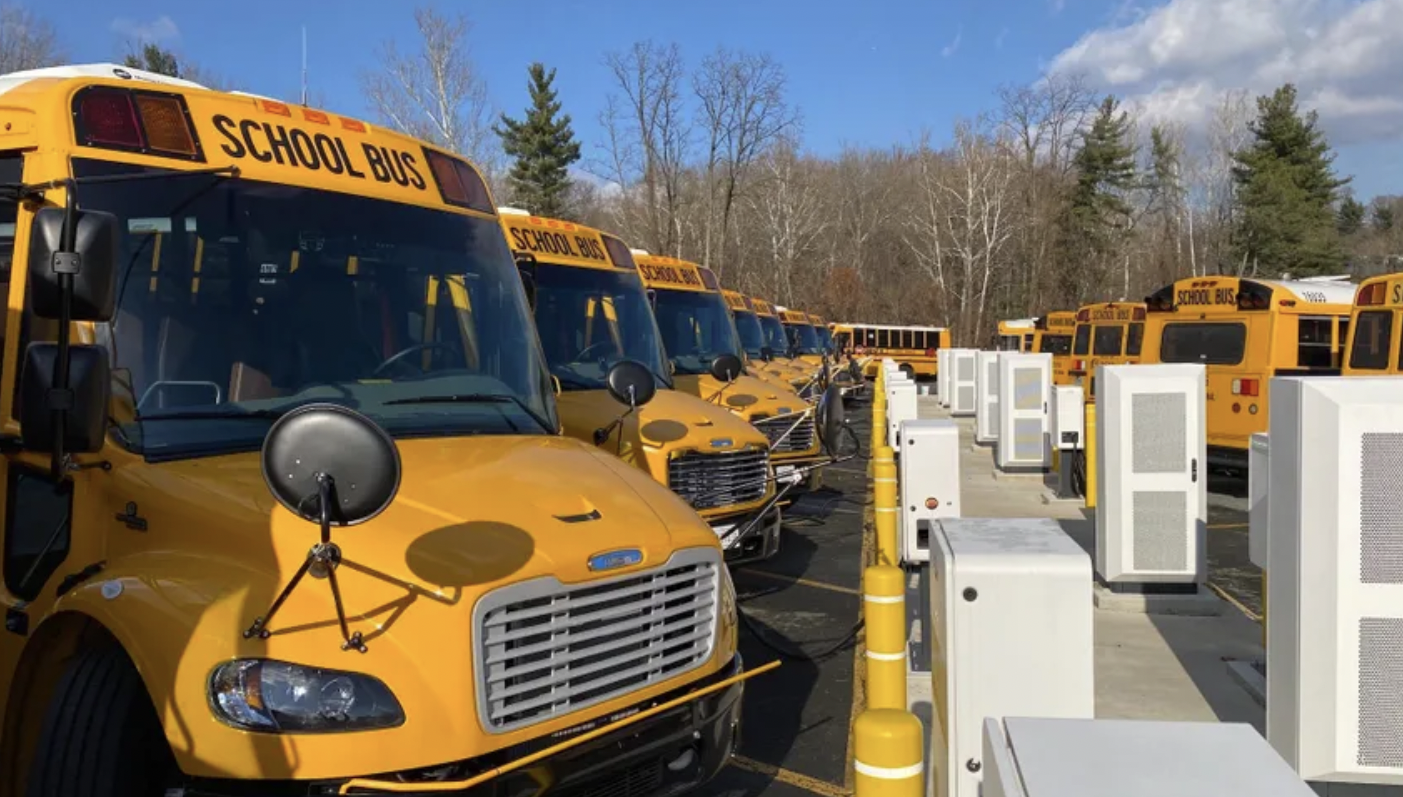
In addition to changes in structures, resources, and practices at the classroom and school/district level, news articles have discussed a variety of micro-innovations that have been introduced by nonprofits and private companies in the US. To give a sense of the variety of initiatives, companies like Highland Electric Fleets and Thomas Built Buses have worked with school districts to cover the upfront costs involved in shifting from conventional buses to electric buses (US schools can subscribe to an electric school bus fleet at prices that beat diesel).
Airbnb, working in partnership with the National Education Association, has developed an adaptation to their hosting approach that provides extra income to teachers based in the US who share their homes through Airbnb (NEA, Airbnb partnership aims to help teachers supplement income). Nonprofits like the YMCA and the Boys and Girls Clubs have provided before and after-school programs for some time, but during the school closures of the pandemic they helped provide child care, academic support and access to recreational and arts activities by implementing socially distanced “learning camps” in some parts of the country (New Players Fill Child-Care Gap as Schools Go Remote). The Boys and Girls Clubs have also been actively developing new programs to support career and workforce learning. As the The Hechinger Report describes, clubs in Indiana, Washington State, and Montana have been working with Transfr, a technology start-up, to use virtual reality to develop “immersive” career and workforce training simulations for manufacturing, carpentry, public safety, hospitality and automotive industries (Future of learning with virtual reality).
New policies and changes in policies are also encouraging districts and schools to develop new resources and mechanisms to support teachers and schools. In California, lawmakers made innovative changes in zoning policies that allow school districts to build staff housing on any property the district owns without requiring zoning changes from city or county officials (California removes hurdles to building teacher housing). At the national level in the US, federal agencies like the EPA are providing funding for states to take advantage of new technologies and developments that can both save schools money and support the environment (EPA nearly doubles funding to districts for clean school bus rebates). The passage of a $430 trillion spending package designed to address the global climate crisis includes a host of provisions that provide creative ways schools and districts can save money and support the planet. As a new guide from the Aspen Institute and the World Resources Institute (K12 Education and Climate Provisions in the Inflation Reduction Act) reports, districts can now get tax credits to support energy-reducing innovations in the form “direct pay” – cash payments to the district instead of through credits claimed by a third party that made the whole process problematic (Quick Hacks: How Schools Can Cut Costs and Help the Environment).
Outside the US, NGO’s, companies, and education systems are also looking for new ways to address issues as varied as a shortage of bus drivers, “remote learning,” and mother-tongue language instruction. In Australia and New Zealand, GoKid, a carpooling app, hopes to aid the shortage of school bus drivers by making carpooling more accessible and easier for parents (GoKid partners to address school transportation crisis). The app helps parents to find carpool partners in a school or school district by providing a rough location map of nearby families and suggesting optimized routes.
In India, as a recent Brookings report explains, the development of young mothers’ groups created new ways to support learning at home during school closures. With the support of the Pratham Education Foundation, groups of 4 – 6 mothers met weekly or fortnightly to share experiences and access “idea cards” sent via WhatsApp containing games, activities, and recipes. For children in grades three to six, youth volunteers led small groups of children in “mini learning camps” for one to two hours per day using simple instructional activities and materials made by the children. In Bangladesh, BRAC dealt with the school closures by creating “phone schools.” In these “schools,” locally-recruited and trained teachers conducted virtual classes in group calls with three to four children. BRAC reported that those calls reached over 180,000 students in more than 7,000 schools (The power of community as a catalyst to tackle disrupted learning).
With emerging evidence supporting the expansion of mother tongue instruction, South Africa has instituted policies to support mother tongue instruction in grades 1, 2, and 3, but now the Eastern Cape education department allows high school students who are taking the matric exams to answer using their home language (Policy options to crack the mother tongue versus English riddle in South African schools). That kind of development can encourage schools to offer mother-tongue instruction through grade 12. As provincial education official Fundile Gade put it, “China, Singapore and Germany use their own languages. English is a secondary language, like other languages, so it can’t be given preference as if pupils can’t learn and develop outside of English (Matric pupils to write exams in isiXhosa and Sotho at Eastern Cape schools).
In this two-part series, Dulce Rivera Osorio explores what’s changing in schools by scanning news articles that report on “micro-innovations” that teachers, schools and educational organizations are making to improve their educational structures and practices. In Part 1, Thomas Hatch introduces micro-innovations and then Rivera shares a number of examples of micro-innovations being made in instruction or school/district operations that have been described in media articles from the US. Part 2 will describe the micro-innovations at the state level; those being made by companies and nonprofits; and some examples from outside the US. To read more on the numerous proposals to change schools and “reimagine education” post-COVID, read IEN’s previous post: Is anything changing in US schools post-pandemic? Possibilities for rethinking time, place and supports for well-being.
Schools are changing, but those changes are often more subtle and more context-specific than many ambitious reform efforts hope. These smaller changes can be considered micro-innovations: adaptations and inventions new to the contexts in which they are developed. Micro-innovations include those aimed to help specific groups of students learn key concepts for particular disciplines (like a card game and app from Singapore that helps high school students learn key terms for introductory chemistry); an “activity-based pedagogy” from Second Chance that helps out-of-school students in Ethiopia and Liberia catch up to their peers in elementary schools; and the development of a system of vans to provide safe transportation to support the all-female staff central to the success of the schools created by the Citizen’s Foundation in Pakistan. Rather than hoping for some “disruptive innovation” or general approach to educational reform that will magically sweep across schools and education systems, a focus on micro-innovations highlights specific, concrete improvements that can be made right now to develop an infrastructure for more equitable and more powerful learning (for more examples, see “What can change in schools after the pandemic?”.
“Rather than hoping for some “disruptive innovation” or general approach to educational reform that will magically sweep across schools and education systems, a focus on micro-innovations highlights specific, concrete improvements that can be made right now to develop an infrastructure for more equitable and more powerful learning”
What counts as a micro-innovation? Micro-innovations include concrete and visible changes in the structures, practices, and resources of schools and other educational organizations that have the potential to increase the efficiency, effectiveness and equity of educational opportunities in particular contexts. As they are designed to respond to the constraints and opportunities in specific situations and settings, they should not be expected to be replicated across all contexts. However, they may be adapted in some related contexts, and they can help educators envision what might work in their own settings to address critical problems they may be facing.
– Thomas Hatch
Educational micro-innovations in the news
Along with the cascade of news about “learning loss” and the challenges of education today, over the past year, news and research in the US have also described a variety of examples of micro-innovations that have been developed at the classroom, school and district levels in the US. At the classroom level, articles have highlighted how teachers set a positive tone for the day by developing innovative ways of greeting students at their classroom doors (Positive Greetings at the Door: Evaluation of a Low-Cost, High-Yield Proactive Classroom Management Strategy) and how teachers craft questions to help students develop their vocabulary, particularly of scientific terms and concepts (How to Support Vocabulary Building in Science Classes). Research has also pointed to specific ways teachers can design and organize their classrooms including ways that even “symbolic features” of classrooms such as wall décor can influence student learning and sense of belonging in the classroom, “with far-reaching consequences for students’ educational choices and achievement” (Designing Classrooms to Maximize Student Achievement).
Schools are also showing their inventiveness in tackling the challenges that their students and families are facing. In Massachusetts, staff members in one school created ways to support the transition from hospital to classroom for students struggling with mental health (School mental health program eases transition from hospital to classroom). In California, staff members at a school took on a critical need for housing in their community by creating a homeless shelter to support some of their students and their families (A school created a homeless shelter in the gym and it paid off in the classroom). According to Maribel Chávez, a first grade teacher at the school, quoted in the Hechinger Report, “If the child is not stable, that’s a barrier to their education, so that’s why we felt like as an educational institution, we had a mandate.”
The Oakland school district invested about $40,000 to use the TalkingPoints translation app to communicate with parents who do not speak English (Translating a quarter of a million text messages for families). As a district English language coordinator described it, “Teachers love it and the families absolutely love it. They tell me it’s made a huge difference. Before, they felt hopeless at times because they couldn’t communicate with teachers or administration.”
This week’s post shares highlights from the HundrED Global Collection for 2023. This year’s collection includes innovations that emphasize teacher professional development, the development of skills for the 21st century, student mental health and wellbeing, as well as student agency and educational equity. The report was announced at the HundrED Innovation Summit 2022 where guest speakers also highlighted resilience, the role of creativity in educational futures, and innovations to bridge gaps through education.
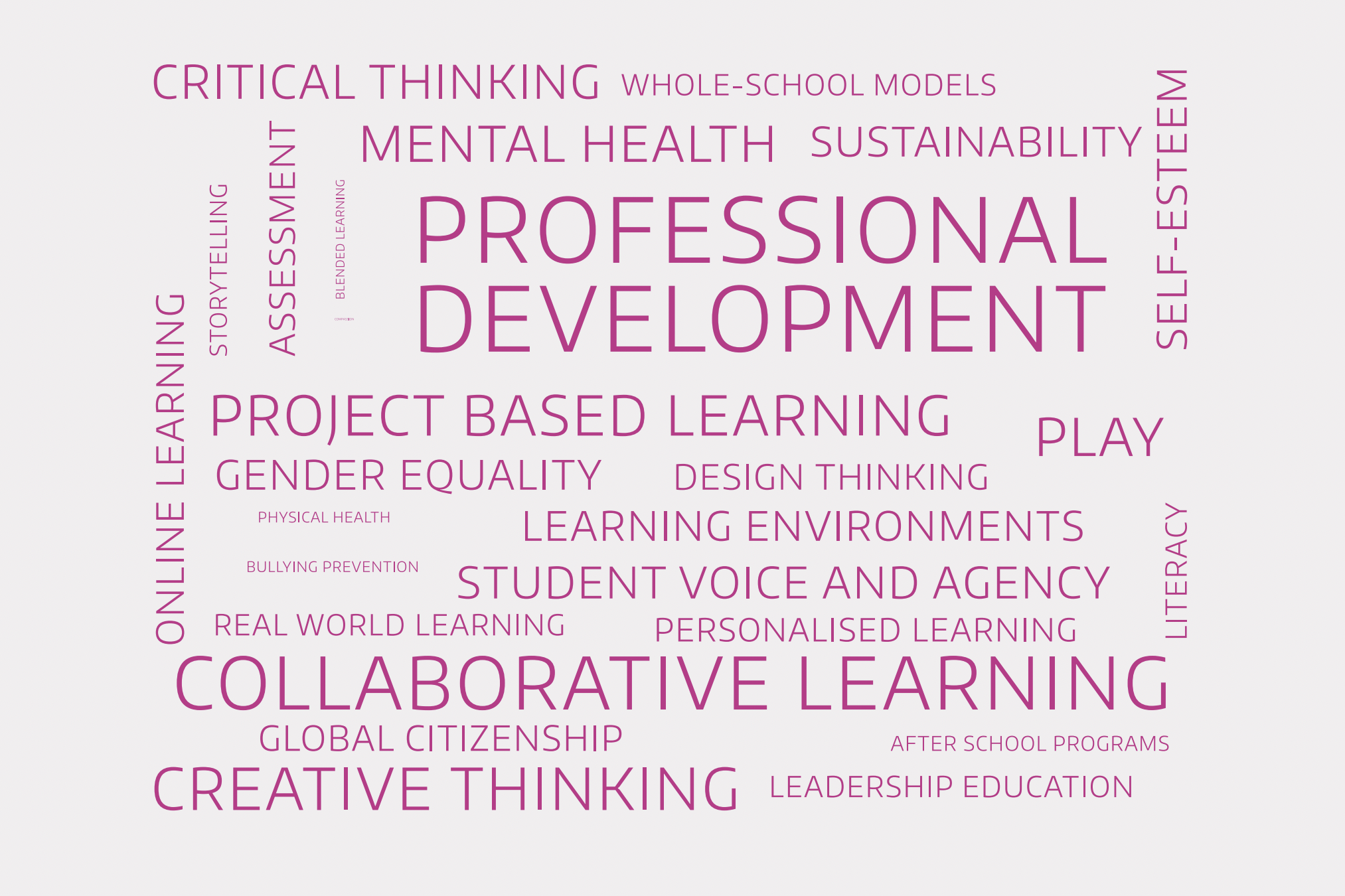
What kinds of educational innovations are taking off? Where can they be found? These are two of the questions that HundrED seeks to answer with their yearly collection of education innovations from all around the world. Since 2016, HundrED has been curating the annual collection in order to increase the recognition and visibility of educators working to spread child-centered, personalized, and passion-based educational initiatives that complement traditional forms of schooling. This year’s innovations address a variety of different goals to support teacher professional development and skills acquisition, recognizing the role of teachers in creating classroom environments, introducing new technology, and adapting methodological approaches; developing “soft skills” in social emotional learning, entrepreneurship, and global citizenship education to address the gap between traditional schooling and the demands of a rapidly changing world; fostering student agency while addressing mental health and wellbeing in a post-pandemic education landscape; and addressing equity in education, with a focus on gender, special needs, Indigenous education, and education for marginalized communities.
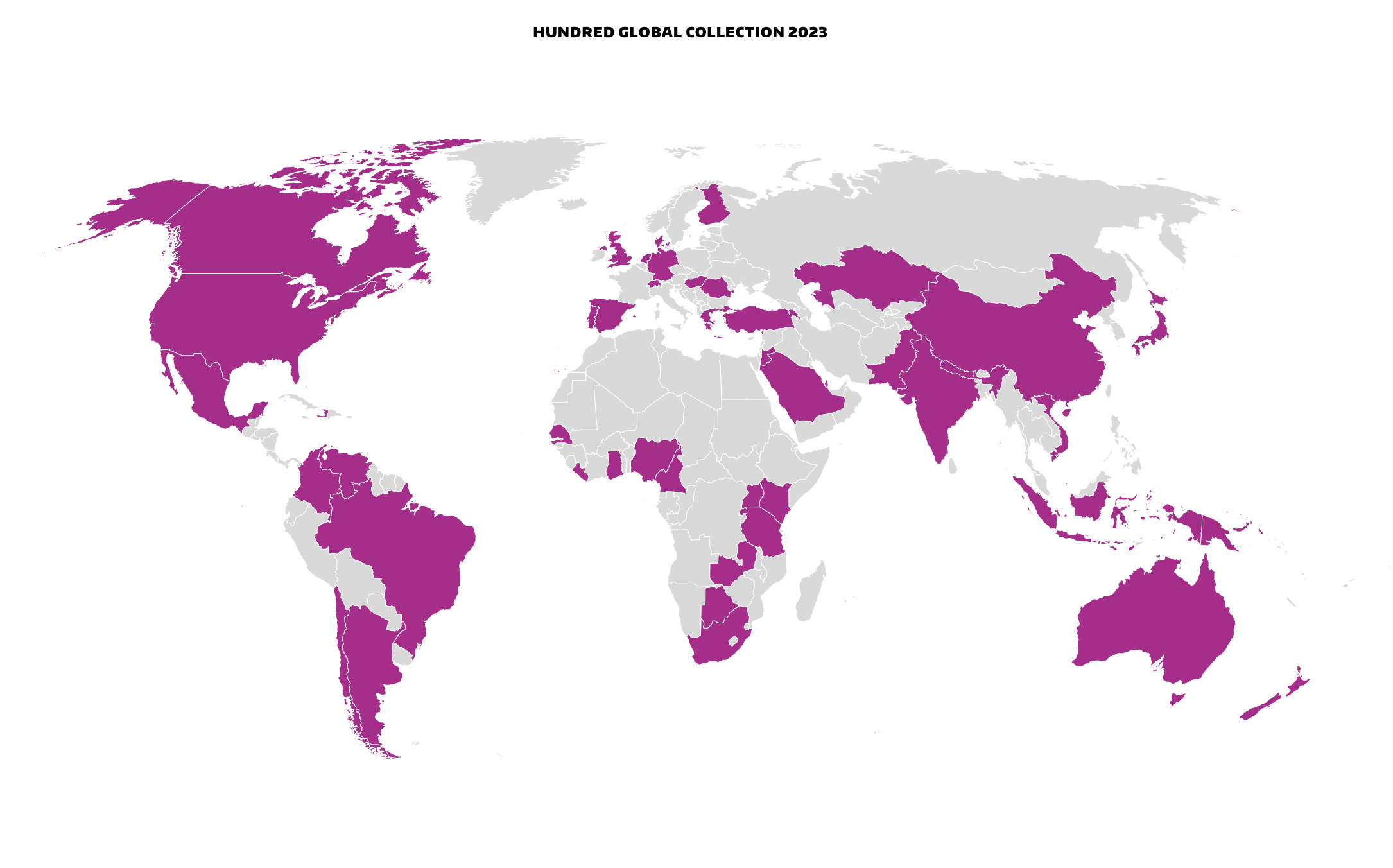
The innovations came from 54 countries around the world; 67.5% were from the Global South, while 34.3% were from the Global North.
HundrED’s team of 188 leaders, educators, academics, and funders evaluated 3,488 programs for their final selection. Programs that were highlighted in this year’s report were selected on the basis of scalability, impact, ability to create systems change, and measurability. The 100 innovations included Tec.la, acSELerate, Cybersmart Africa, Girl Rising, In their shoes, Masahati Children’s Club, opEPA, and Kidogo.
Tec.la trains teachers from diverse backgrounds and locations in Latin America to empower students with digital skills to meet the demands and opportunities of the 21st century. Since its founding in 2018, Tec.la has spread to 5 countries and reached over 2000 trainers through more than 100 workshops.
AcSELerate was founded in 2016 to create lasting change in social and emotional learning (SEL) processes to supplement traditional education practices. AcSELerate approaches SEL holistically by engaging parents, teachers, and students in its programs to improve school and home environments. The organization currently serves over 175,000 students, teachers, and parents within India.
CyberSmart Africa creates innovative ways of engaging students who attend school without electricity in Sub-Saharan Africa. It works to ensure content and instruction are up to date by supporting learners online and developing the professional networks of teachers. Established in 2008, the platform has over 1.25 million users throughout Sub-Saharan Africa.
Girl Rising creates videos to expose the barriers that girls face around the world due to poverty, gender violence, child marriage, and trafficking. The organization aims to illuminate what can happen when these barriers are dismantled and young people realize their capacities to create change. Founded in 2013, Girl Rising reaches 500,000 children in 144 countries across the world.
Since its founding in 2017, In Their Shoes had worked to prevent violence and instill emotional literacy in students through theater programs. These programs aim to make students aware of their own emotions and the emotions of others as well with the hope of promoting coexistence and ending bullying. In Their Shoes currently operates in Spain and Morocco, reaching 20,000 students.
Masahati Student Club is an after-school program that aims to foster well being in humanitarian contexts and build cohesive societies through education. The programs use sports, arts, and civils to foster inclusive and protective practices that support community development and quality education. Established in 2016, Masahati Children’s Club reaches 23,300 students in Jordan.
OpEPA uses a nature-based approach to activate holistic learning in students. The programs combine academic, social, emotional, and experiential learning through an approach that allows students to see the interconnected nature of their relationship to the earth. OpEPA has reached over 130,000 users since its founding in 2018. It operates in Colombia, the United States, and Chile.
Kidogo supports female entrepreneurs in Africa’s low-income communities to create innovative approaches to affordable early childhood education programs. Through Kidogo’s support, women are able to create micro-businesses to solve problems that directly impact early childhood education their communities. Established in 2015, Kidogo reaches 15,000 users in Kenya.
In this month’s Lead the Change interview Preston Green highlights issues, challenges and opportunities for scholars to use legal theories and tools to pursue educational equity. Green is the John and Maria Neag Professor of Urban Education at the University of Connecticut, where he is also a professor of educational leadership and law. The LtC series is produced by Alex Lamb and colleagues from the Educational Change Special Interest Group of the American Educational Research Association. A pdf of the fully formatted interview is available on the LtC website
Lead the Change: The 2023 AERA theme is “Interrogating Consequential Education Research in Pursuit of Truth” and charges researchers and practitioners with creating and using education research to disrupt institutionalized forms of discrimination. The call urges scholars to challenge traditional methods of inquiry in order to create increasingly useful, responsive, and equity-oriented research that can be used by schools to develop informed policies and practices to better support students. Where does research focused on the legal principles and ramifications of particular policies fit in with the call? With educational change more broadly?
Preston Green: Scholars, through their research and advocacy, can help bring about the passage of laws that cause schools to adopt equitable policies and practices. School desegregation is an example. Indeed, the most famous instance of the power of research is the expert social science testimony co-authored by Dr. Kenneth Clark, which the Supreme Court cited in Brown v. Board of Education (Legal Defense Fund, 2022). To this day, scholars are conducting research that identifies the benefits of school desegregation and the policies that bring about desegregation, even though the judiciary is less supportive.
“Scholars, through their research and advocacy, can help bring about the passage of laws that cause schools to adopt equitable policies and practices.”
Additionally, educational research can encourage the passage of laws that cause schools to cease classroom practices that disproportionately harm minority groups. For example, scholars have documented the disparate suspension and expulsion rates experienced by Black students and students with disabilities. They have urged policymakers to use the legal tools at their disposal to guard against the educational practices that create these disparities. This effort helped lead to the U.S. Department of Education’s Office for Civil Rights (OCR) issuing a Dear Colleague Letter in 2014 that provided guidance for implementing disciplinary policies that do not unduly impact Black students. Although the Trump administration subsequently rescinded this guidance, the Biden administration is considering its reinstatement (Belsha, 2022). The Biden administration also issued federal guidance advising school districts to protect the civil rights of students with disabilities (Belsha, 2022). Researchers can continue to provide support for the adoption of policies and laws at both the federal and state levels that cause schools to develop disciplinary practices that do not unduly impact Black students.
Similarly, scholars can conduct research and develop legal theories that will protect LGBTQ+ students from discriminatory treatment and harassment. Due in part to their research and advocacy, the OCR issued a notice of interpretation declaring that Title IX, the federal statute that forbids sex discrimination by schools, encompasses “discrimination based on sexual orientation and gender identity” (U.S. Department of Education, 2021). However, the Supreme Court’s recent ruling in Carson v. Makin (2022), which held that Maine could not prohibit parents from using tuition assistance funds for education at parochial schools, is very concerning for LGBTQ+ students, parents, and teachers. Scholars can continue to play a role in this ongoing fight against discrimination.
With respect to educational change more broadly, research based on legal principles can help policymakers adopt laws that protect students and communities. Educational privatization is illustrative. Supporters of privatization have asserted that educational reforms, such as school vouchers and charter schools, will help minority communities obtain educational outcomes that have proven elusive in the traditional public-school setting. However, in exchange for these educational benefits—which are not guaranteed—students and communities may forfeit constitutional rights and community resources (Green & Connery, 2022). This example shows that scholars must be sure to study the possible legal tradeoffs posed by any broad proposal for educational change.
LtC: Recently, there have been a rash of Supreme Court decisions that have fundamentally reshaped American society and schools including, but not limited to, women’s rights to bodily autonomy, guns, the use of public funds for religious schooling, and shifting rules regarding prayer in schools. Your work examines how law shapes education broadlyand specifically. How might educational change scholars understand the impact of some of these rulings on the U.S. education system?
PG: Educational scholars should understand that the recent outbreak of Supreme Court decisions signals the Court’s willingness to reject decades of legal precedent. Legal precedent refers to the concept that court decisions serve as legal authority for deciding future cases with similar facts and issues (Legal Information Institute, 2020). Individuals and institutions come to rely on the protections and rights created by these decisions. Because of this reliance on precedent, many supporters of abortion were shocked by the Supreme Court’s Dobbs v. Jackson Women’s Health decision (2022), which overturned Roe v. Wade (1973). Justice Clarence’s Thomas’s concurrence, which declared that protections for birth control, same-sex intimacy, and same-sex marriage were also in danger, was even more stunning.
Similarly, the Court’s religion decisions this past term indicate that long-standing legal precedents in education are no longer safe. In Kennedy v. Bremerton School District (2022), the Court ruled that a school district violated the Free Exercise Clause by disciplining a public-school coach for praying after games in view of his players. Lupu and Tuttle (2022) explain that the Court’s decision ignored sixty years of precedent under the Establishment Clause, which gave schools the authority to police the “communication between a coach or teacher and those under their charge.” Instead, the Court implemented a rule requiring the Establishment Clause to be interpreted based on the historical understanding of the Founding Fathers. One can infer from this language that the Court might soon permit teachers to lead students in prayer (Lupu & Tuttle, 2022).
In addition to the concerns about LGBTQ+ discrimination discussed above, Carson v. Makin (2022) has major implications for charter schools. Charter schools are often defined as public schools that must operate in a secular manner. However, charter schools have many private characteristics, which could cause the Supreme Court to categorize them as a private school option. If the Court ruled this way, then states would have to provide funding for religious charter schools. Indeed, Justice Breyer raised this possibility in his dissenting opinion in the Carson case. States that disagree with this situation might respond either by capping the number of charter schools or dismantling this choice option altogether.
LtC: How can those educational scholars and practitioners who wish to take civic action against discriminatory legal precedent engage in such efforts effectively?
PG: Because of the solid conservative majority in the Supreme Court, it will be difficult for scholars and practitioners to challenge discriminatory practices in the federal courts. Therefore, they should also look to state law for protections. School finance litigation provides an example of this approach. After the Supreme Court ruled in San Antonio Independent School District v. Rodriguez in 1973 that the Equal Protection Clause permits school funding disparities created by local property taxation, plaintiffs then challenged school finance formulas through state courts. School finance scholars, educational historians, and legal theorists have provided the research that have helped attorneys push for increased resources for disadvantaged communities.
A school desegregation case, Sheff v. O’Neill (1996) also demonstrates how educational researchers can help litigators challenge discriminatory practices in state courts. After the Supreme Court ruled that de facto segregation – racial separation that is not caused by intentional governmental policies – did not violate the Constitution, the federal courts became a much less effective venue for combatting school segregation. Lead attorney John Brittain and his colleagues responded to this obstacle by convincing the Connecticut Supreme Court that de facto segregation violated the state constitution. Brittain supported this claim using expert testimony from educational scholars who showed the negative impact that school segregation had on Hartford’s urban schools.
LtC: What issues of law, education, policy, and change do you see as ripe for research in the coming months and years?
PG: One topic that is ripe for research is the relationship between race and school funding. Despite decades of school desegregation and school finance litigation, a report by the non-profit group EdBuild found that school districts serving predominantly nonwhite students received $23 billion less than white districts during the 2015–16 school year. According to the report, the average nonwhite district received $2,226 less than a white school district per student. Racial disparities remained even after controlling for wealth: Poor-white school districts still received around $1,500 more per student than their poor-nonwhite counterparts (cited by Green, Baker, and Oluwole 2021).
“Scholars and practitioners should also look to state laws for protections.”
Scholars have begun to explore the reasons for these disparities. Culprits include an array of local, state, and federal housing discrimination policies and practices over the course of more than a century (Baker, DiCarlo, & Green, 2022; Lukes & Cleveland, 2021). I sincerely hope that scholars help litigators develop legal strategies and policy solutions to tackle these disparities in the courts and through legislation.
References Baker, B., DiCarlo, M., & Green, P. (2022). Segregation and school funding: How housing discrimination reproduces unequal opportunity. Retrieved August 8, 2022 from https://www.shankerinstitute.org/segfunding
Dobbs v. Jackson Women’s Health, 142 U.S. 2228 (2022).
Green, P., Baker, B., & Oluwole, J. (2021). School finance, race, and reparations. Washington and Lee Journal of Civil Rights and Social Justice, 27, 484-558.
Green, P., & Connery, C. (2022). Beware of educational blackmail: How can we apply lessons from environmental justice to urban charter school growth? South Carolina Law Review, 73, 643-74.
Kennedy v. Bremerton Sch. Dist., 142 S.Ct. 2407 (2022).
Lukes, D., and Cleveland, C. (l2021). The lingering legacy of redlining on school funding, diversity, and performance (Annenberg Institute EdWorkingPaper: 21-363).
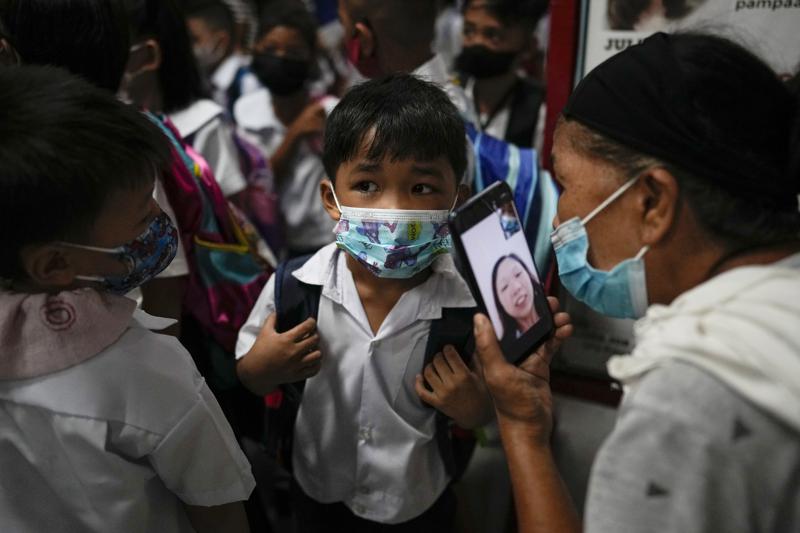
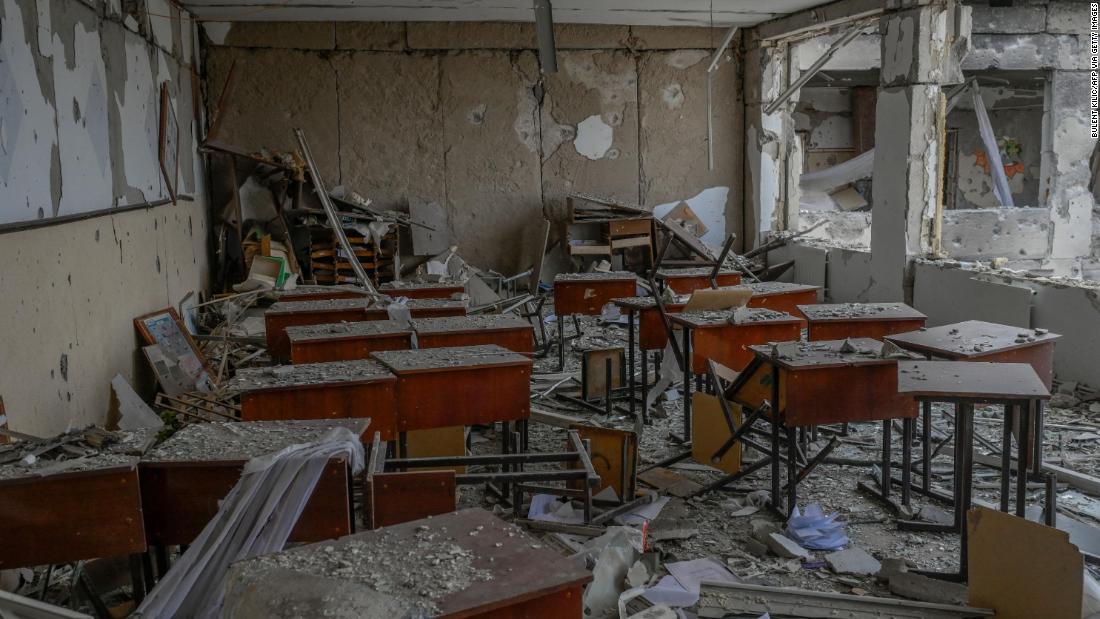
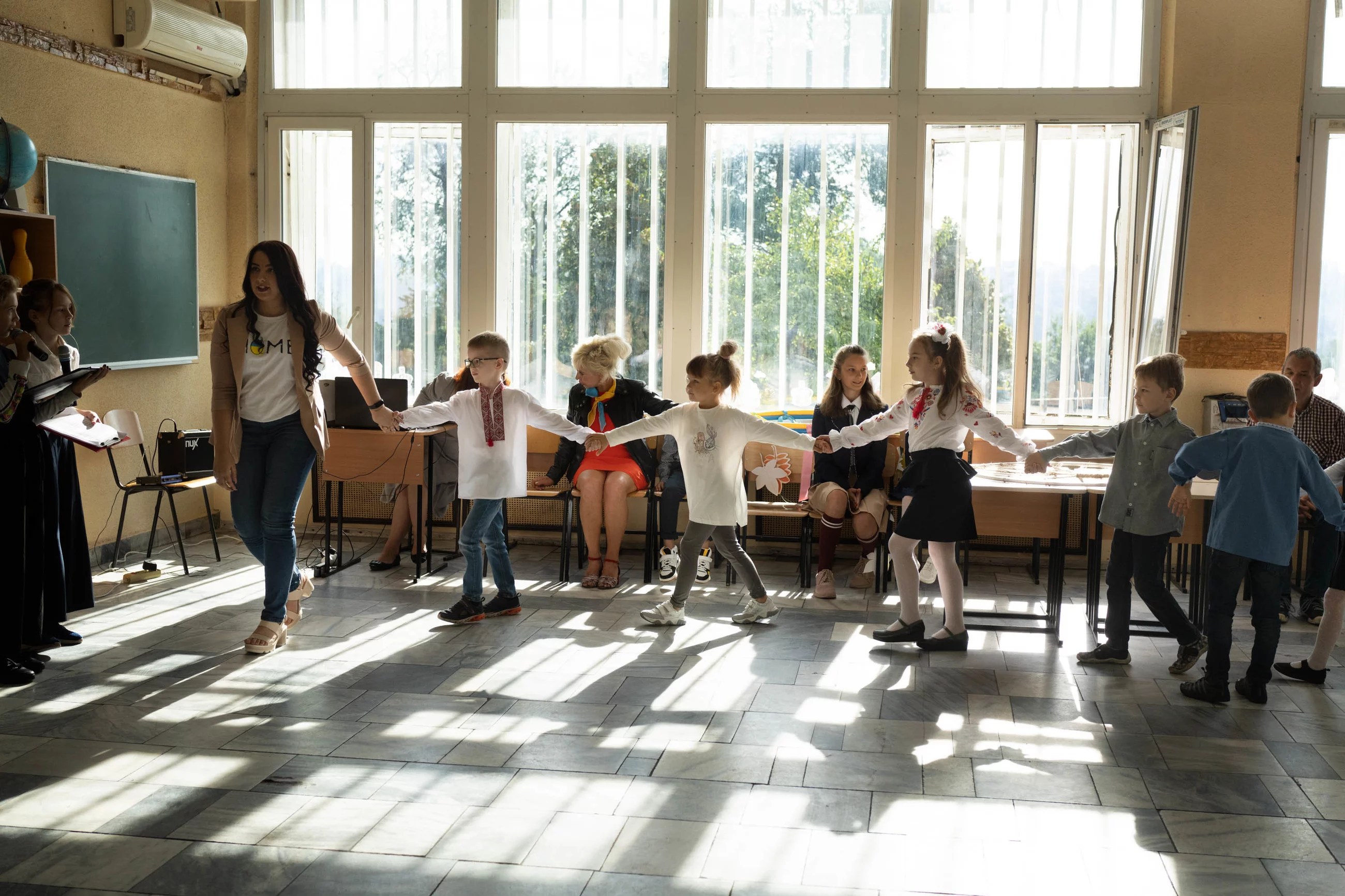
A return to school after the COVID closures and hopes for a “bounce back” characterize some of the back-to-school headlines; but in Ukraine and some parts of the developing world, many of the headlines focus on critical challenges including violence, war, floods and famine that are continuing to keep some students, particularly girls, out of school.
“[F]or many students here and around the world, especially girls, there is no excitement around supply shopping or reuniting with their friends again — because none of that will happen at all. Between schools staying closed over fears of a new COVID-19 wave and other barriers to getting an education, back-to-school doesn’t look quite as bright.” – Back to school? Think again, Plan International
“Every August a new cohort of students begin their apprenticeships across Switzerland. The appetite for vocational training remains strong despite the impact of Covid-19, with experts pointing to a return to pre-pandemic levels.”
“The new school year is a day of celebration in Ukraine, where children dress up and give bouquets of flowers to their teachers. But Russia’s invasion has cast a shadow on the happy day. Now educational facilities across the country are racing to build bunkers and bomb shelters for returning students,” CNN
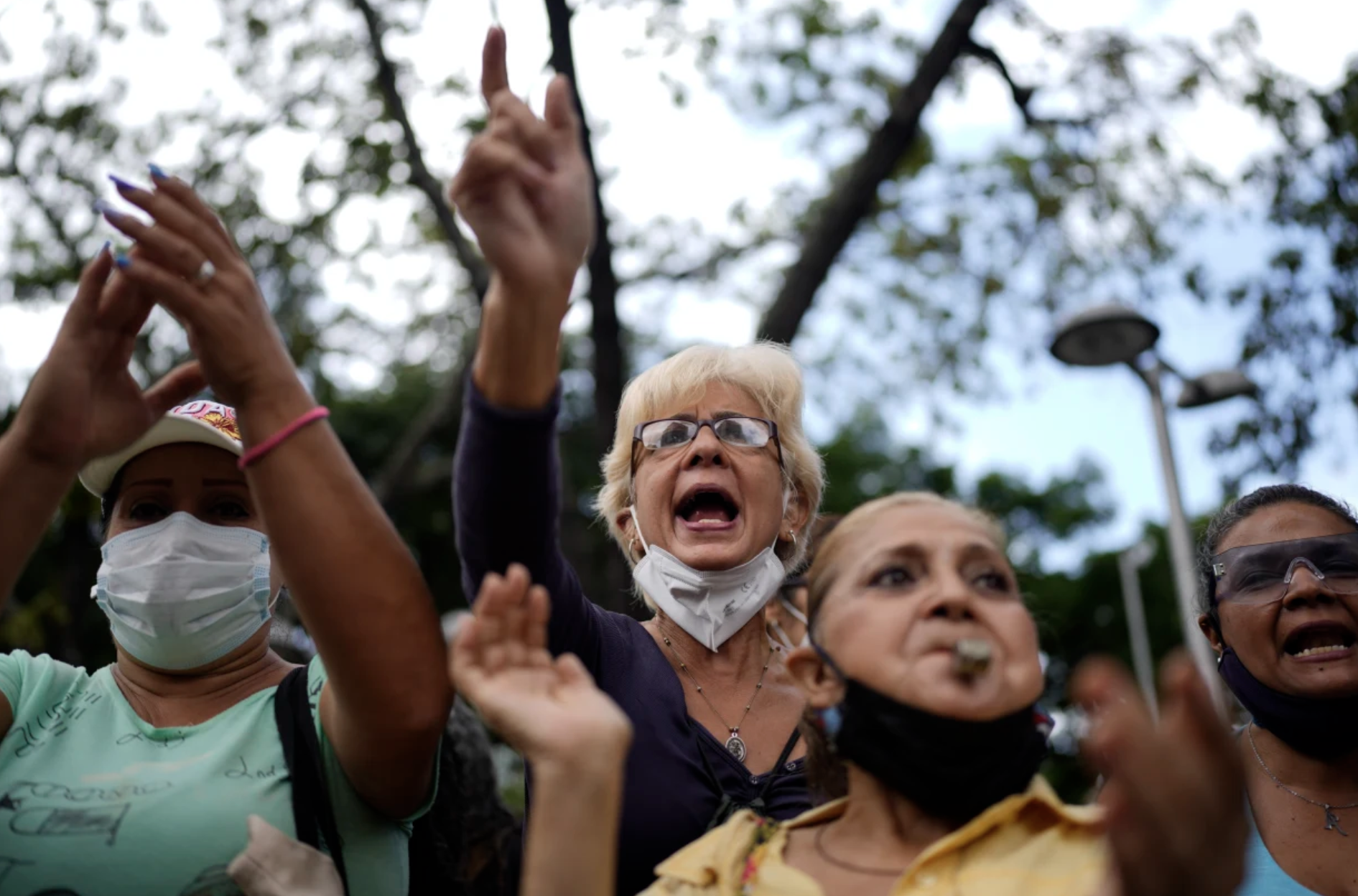
““Right now, I don’t even have a pencil for my children to start classes in September,” said Florena Delgado, who teaches first and fifth grades at two schools in one of the lowest-income neighborhoods of the capital, Caracas”- NBC News
“Over it” but also unable to escape it seems to capture the sentiment of many of the back-to-school stories that address the continuing impact of the COVID-19 pandemic on schools. A series of articles from the74 in particular highlight that although many schools and educators are making decisions to end closures, remote options, and masking, there also appears to be a recognition that those decisions could lead to more surges requiring schools to respond again. Education Week also highlighted how, in the US, those decisions have been supported with new guidelines from the Centers for Disease Control and the White House to help schools deal with the “new abnormal.”
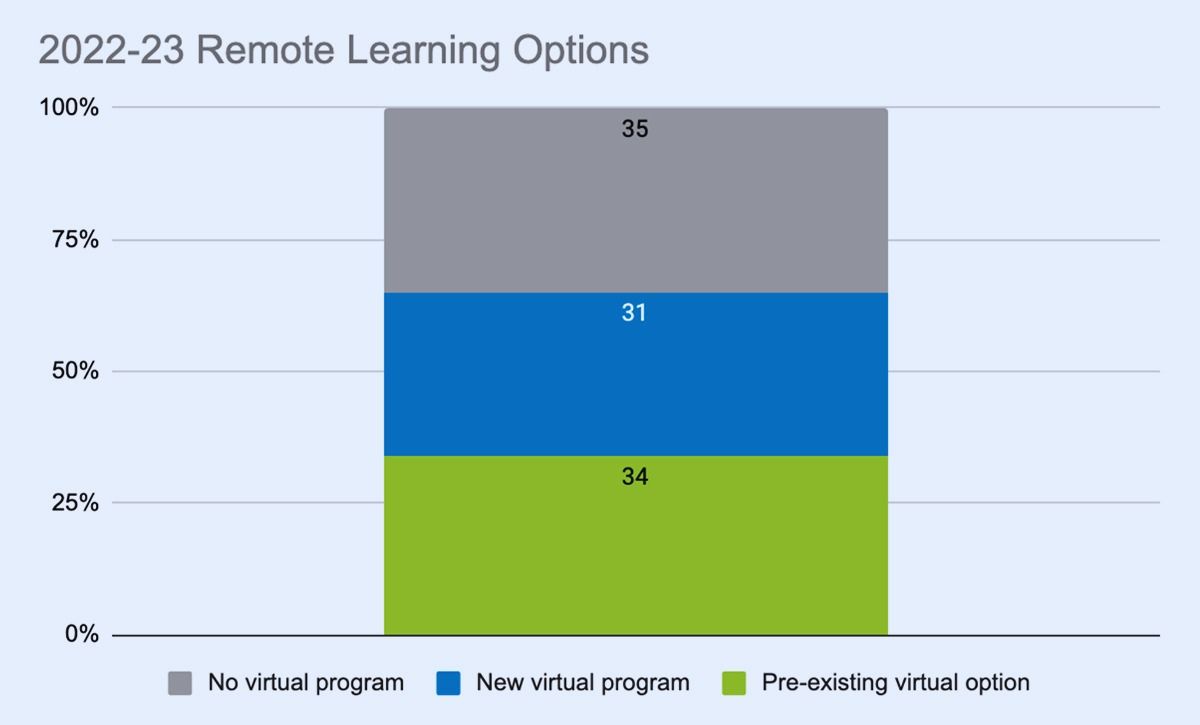
“According to a new review by the Center on Reinventing Public Education, the “approaches of America’s 100 largest districts suggest that most are jettisoning remote learning entirely, or reverting back to programs that existed before the pandemic forced them to swiftly provide all families with some sort of online option.”
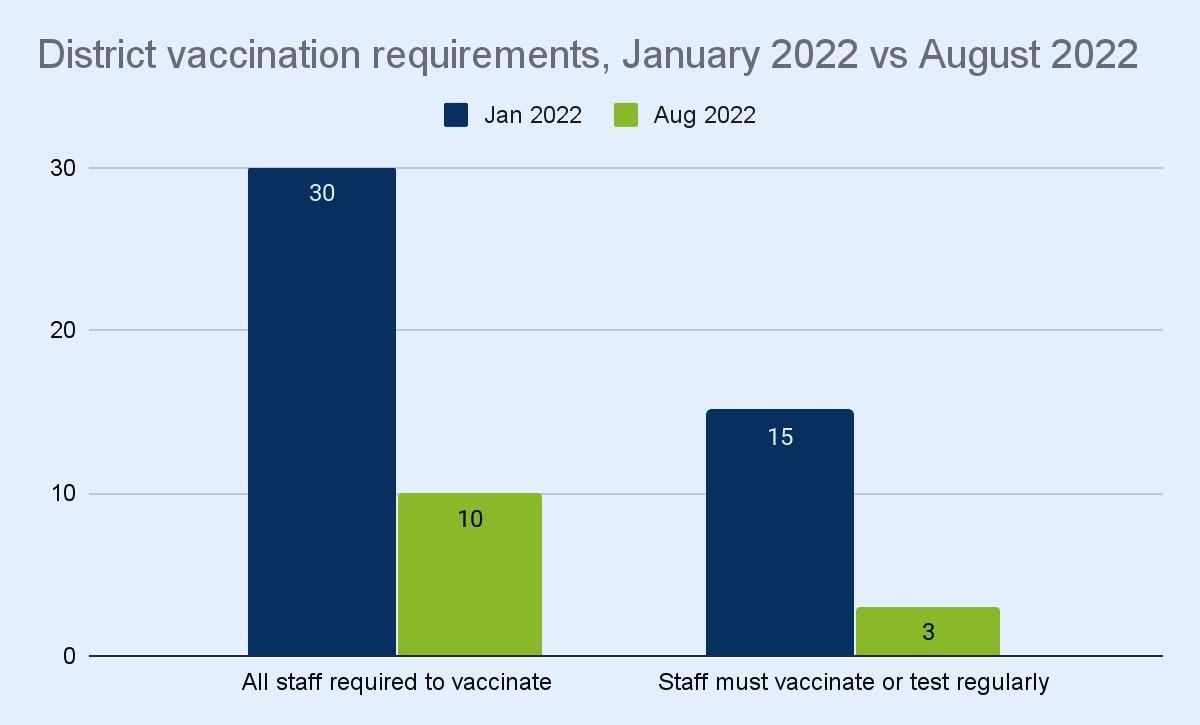
“As students return from summer vacation, school systems nationwide are scaling back COVID masking and quarantine requirements — in some cases, eliminating them altogether. Many are simply telling students to stay home if they have symptoms, much as they did before the pandemic.”
“The White House followed the CDC’s lead, de-emphasizing the importance of masking and quarantining and instead focusing on vaccinations, testing, and air quality as major prevention strategies.” – Education Week
“My biggest concern is that we’ve seen a ton of viral infections just over the summer,” says Magna Dias, MD, a Yale Medicine pediatrician. “So, when we get back to indoor settings with kids being together again, it could mean that we will see more infections happening—both with COVID-19 and with other viral infections.” – Yale Medicine
“It’s not going to be pretty, but it’s going to be better,” Lydia McNeiley, a college and career coordinator from Hammond Indiana, summed up the sentiments reflected in many US back-to-school stories this year. Quoted in an Education Week story on “Student Wellness Issues for Schools to Watch This Year”, McNeiley captured the mixed feelings expressed in many of the headlines.
“It’s not going to be pretty, but it’s going to be better,” Lydia McNeiley quoted in Education Week
Despite occasional optimism, for the most part, the talk of “re-imagining” schools has been replaced with stories about the realities of dealing with concerns about missing students, money, socio-emotional development, health, safety, and, particularly with the recent release of the latest results from the National Assessment of Educational Progress, learning.
Reports of some positive changes and offerings of hopeful advice are also pprinkled among the headlines For his part, US Education Secretary Cardona noted the importance of addressing issues like how to provide more support for teachers, but he also looks forward to a “return to normal:” “I’m really thrilled that students are feeling that back-to-school excitement the way it was before. It’s not back to school with a caveat.” (U.S. Secretary Cardona: how to fix teachers shortages, create safer schools, EdWeek).
“49.5 million students were enrolled in public schools in fall 2021…well below the 50.8 million students who were in public pre-K-12 before the pandemic began. Where are the other 1.3 million kids?” – Education Week
“Eighty-three percent of school district technology leaders report that they will expand their cybersecurity initiatives, with a majority (62 percent) also increasing their cybersecurity budgets…By contrast: in 2020, only 31 percent said they were increasing their cybersecurity budgets.” –Education Week
“Another year, another reason to cancel classes: soaring school heat worsened by faulty or non-existent air-conditioning. School closures due to heat are not new but they have been increasing significantly, with numbers doubling in cities such as Baltimore, Cleveland, Denver and Philadelphia”, – District Administration and Daily Kos.
“Sixty-one percent of principals and 37 percent of teachers surveyed by the RAND Corporation reported experiencing harassment about these politicized topics, which contributed to burnout, frequent job-related stress, and symptoms of depression…. And there are signs this contention has led to a chilling effect: 1 in 4 teachers have been told to stay away from conversations about political and social issues in class. Seventeen states have imposed bans and restrictions on how teachers can discuss racism and sexism, either through legislation or other avenues” –Education Week
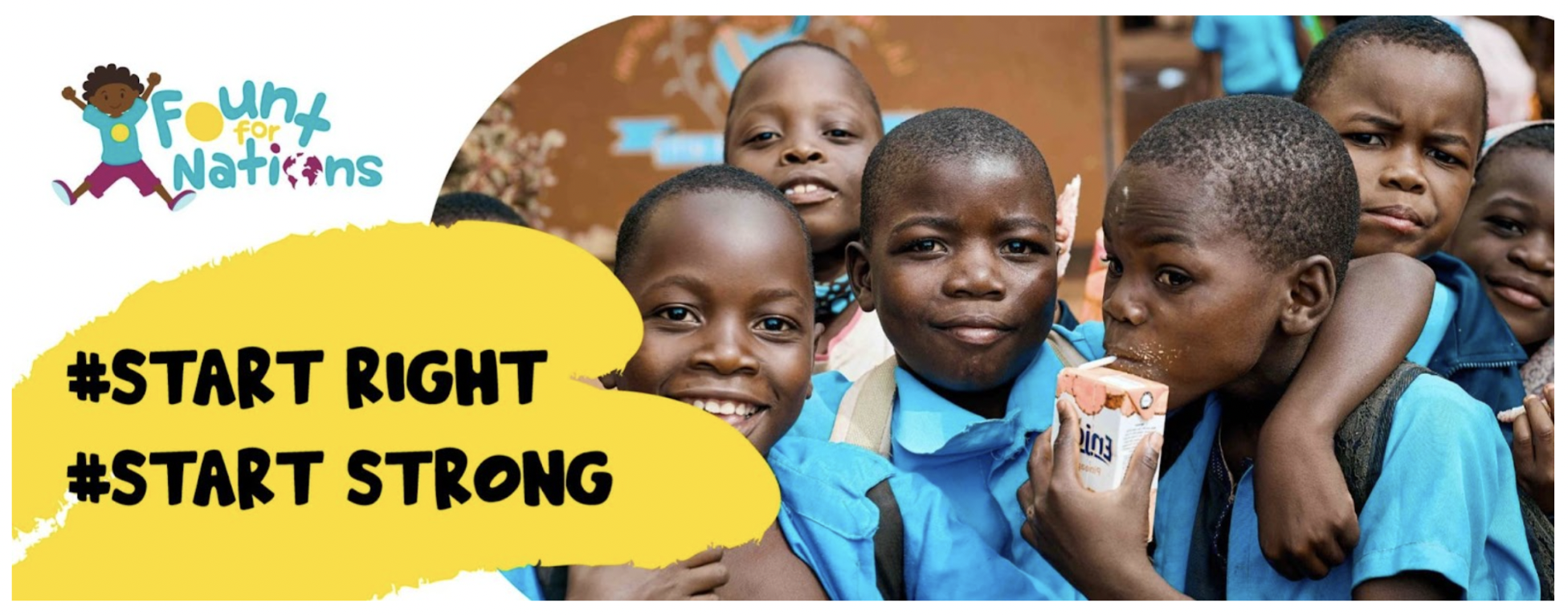
IEN will be taking a break until the end of August, but in the meantime, please revisit some of our posts highlighting specific improvements that organizations like Fount for Nations, Van Ness Elementary School and Transcend, and the Central Square Foundation are making in schools and learning opportunities around the world. IEN returns in September with our annual scan of “back to school” headlines in the US and other parts of the world.
Do schools around the world show the same basic patterns of organization and instruction found in US schools and classrooms over the past 100 years? Larry Cuban explored this question in a series of speculative blog posts over the past few months. Cuban acknowledged the limitations of his unsystematic review of classroom photos he found on the internet, but Cuban’s reflections also serve as another opportunity to continue conversations about what has and hasn’t changed in schooling over time and across contexts. To that end, in this week’s post, Thomas Hatch pulls together some of Cuban’s observations and photos.
To what extent does the prevailing organization of the age-graded school and dominant teacher-centered way of instruction found in many U.S. public schools characterize schools and classrooms in other countries? Larry Cuban asked this question in a series of seven blog posts that began with Schooling in the U.S. and around the World (Part 1). He posed this question as one means of challenging his own observation of these patterns in the US, wondering, “perhaps I am incorrect because there are other ways to organize classrooms and teach elsewhere in the world of which I am ignorant. This latter possibility of my being unaware of other patterns in organizing schools and teaching approaches in other nations is one I want to explore. I may be incorrect in claiming these historic patterns of schooling and teaching in the U.S. are present in other nations.”
Cuban’s posts show photos with common images of students sitting in rows facing the front of a classroom:
Clockwise from top left: Sweden; Uttar Pradesh, India; Preschool in Japan (AP Photo/Yuri Kageyama); 1st grade in Russia; secondary school classroom in Germany; Second grade classroom in France
Some of those posts also show photos that feature both the same classroom organization that dominated US classrooms throughout the 20th Century and the display or use of new technologies invented at the beginning of the 21st Century:
Schoolchildren listen to a teacher showing how to use “GraphoLearn”, an application on a digital tablet, to learn to read, in a primary school in Marseille, France & classroom use of technology used in a pilot project in India
Along with the pictures of students in sitting in rows around the world, an occasional picture shows students and teachers seated in a circle:
Sweden; India; Japan; Germany (Gordon Welters for The New York Times)
While acknowledging the short-comings of his approach and inviting readers to challenge his generalizations, Cuban concluded “…similarities are obvious:
Every nation compels parents to send their sons and daughters to school up to a decade or more.
Every one pays the costs for schooling either directly or indirectly.
Every one is age-graded.
Every one publishes national (or state) curriculum standards for each elementary and secondary school subject.
Every one tests student performance in elementary and secondary school subjects.
Every one has at least one teacher for each classroom.
Some are national (or federal) systems and some are state-operated with the federal government and states splitting funding and supervisory responsibilities. All of these nations and their states set curriculum standards for each subject and administer tests to determine if schools and students are meeting those standards.
Some nations have centralized systems (e.g., France, Russia, Italy, Japan) where ministry officials make decisions for schools and some are decentralized (e.g., Canada, U.S. Norway) with states and local districts having a moderate degree of discretion to alter what national authorities require. Whether centralized or decentralized, individual schools in every nation have some autonomy in adapting national or state curriculum when organizing for instruction. Need I add that once they close their classroom doors, teachers also exercise discretion in teaching the lesson they planned for the students in front of them that day.
What needs to be stressed that these commonalities among nations in establishing and operating systems of schooling over the past century exist side-by-side with inevitable within-nation variations between rural and urban and wealthy and poor schools that exist. Both commonalities and variations influence the schooling and teaching that occurs daily.”
In this month’s Lead the Change Interview, Elise Castillo reflects on the possibilities and limitations of efforts to study, learn about and support educational change. Castillo, a former English teacher, is currently an Assistant Professor of Educational Studies at Trinity College in Hartford, Connecticut. Her work critically examines school choice and integration policies and their potential role in advancing racially equitable and democratic public education. The LtC series is produced by Alex Lamb and colleagues from the Educational Change Special Interest Group of the American Educational Research Association. A pdf of the fully formatted interview is available on the LtC website
Lead the Change: The 2022 AERA theme is Cultivating Equitable Education Systems for the 21st Century and charges researchers and practitioners with dismantling oppressive education systems and replacing them with anti-racist, equity, and justice-oriented systems.To achieve these goals, researchers must engage in new methodologies, cross-disciplinary thinking, global perspectives, and community partnerships to respond to the challenges of the 21st century including the COVID-19 Pandemic and systemic racism among other persistent inequities. Given the dire need for all of us to do more to dismantle oppressive systems and reimagine new ways of thinking and doing in our own institutions and education more broadly, what specific responsibility do educational change scholars have in this space? What steps are you taking to heed this call?
Elise Castillo: I believe that one of the most important responsibilities we have as educational change scholars is to continuously examine the strengths and limitations of our conceptual frameworks, methodological approaches, and positionalities as researchers. What do our frameworks, methods, and positionalities enable us to see, and what may they obscure? How might critically examining these aspects of our research help to more strongly orient our work around equity?
During my graduate training, I read two articles that deeply impacted my thinking: Michelle Young’s 1999 article, “Multifocal Educational Policy Research: Toward a Method for Enhancing Traditional Educational Policy Studies,” and David Tyack’s 1976 article, “Ways of Seeing: An Essay on the History of Compulsory Schooling.” In their articles, Young and Tyack each examine a topic using multiple theoretical frameworks. Young investigates a school’s parent involvement policies through traditional and critical frameworks and methods, and Tyack examines the history of compulsory schooling through the lenses of political, organizational, and economic frameworks. Each of them highlights how different methodological and conceptual tools shape what we see and how we make sense of it. Young, in particular, argues that a multifocal approach, or combining multiple conceptual frames, can broaden our view and help us to see what only one framework may obscure.
As a researcher, I refer often to each of these pieces in considering the strengths and limitations of my methodological and conceptual approaches. In particular, I try to be intentional about designing projects using approaches that enable me to see how policies can advance, but also undermine, equity, particularly for communities of color and other historically underserved communities.
In my recent work, that has meant employing Critical Policy Analysis (Diem & Young, 2015), Critical Race Theory (Ladson-Billings & Tate, 1995), and theoretical and empirical literature from the politics of education (e.g., Ball, 2008; Lipman, 2011; Scott, 2011). These methodological tools enable me to examine the roles of race, politics, and power in shaping school choice and desegregation policy. And, as a qualitative researcher who often conducts interview-based research, I am continuously learning how best to engage with participants with empathy and integrity. One recent piece that has helped me think through these issues is Julissa Ventura and Stefanie Wong’s 2020 article, “Stepping Up and Stepping Back as Scholars of Color: Taking Care of Students and Ourselves in Troubling Times.” Here, Ventura and Wong discuss how they navigated their relationships with research participants, many of whom were from marginalized communities, around the time of the 2016 election, while also caring for their own well-being. I also love reading methodological appendices to books, and methods sections in papers, to learn about how other scholars, particularly women and scholars of color, navigate positionality and power.
LtC: Your recent work examines how progressive school choice efforts do and do not maintain their democratic and justice-oriented objectives in the larger neoliberal policy context. What are some of the major lessons the field of Educational Change can learn from your work and experience?
EC: One lesson I learned from my research is how important it is to situate policies and school reform efforts within their broader political and ideological contexts. Across my work, I specifically attend to the underlying context of market ideology, which privileges, among other things, individual advancement through competitive mechanisms, and has shaped education policy since at least the 1980s (Scott & Quinn, 2014).
For example, in studying New York City charter schools with racial and social justice missions, I found that even the most committed and mission-driven school leaders and educators, at times, compromise their equity and justice orientations to ensure their own organizational advancement and survival in a competitive market-based educational context (Castillo, 2020). Similarly, my research on school integration advocacy in New York City during Covid-19 with my collaborators Mira Debs and Molly Vollman Makris illustrates the challenge of advancing school integration within a political and policy context that has long privileged individualism and meritocracy. We found that, even amid the Covid-19 pandemic and nationwide racial justice demonstrations, which together prompted many public discussions about preserving the common good, ultimately, many stakeholders continue to view public schools as a mechanism for facilitating the private good, namely, individual advancement and mobility (Castillo et al., 2021; Labaree, 1997).
Finally, my work on middle-class, mostly second-generation Asian American families whose children attend magnet schools in metropolitan Hartford—schools that were created as a mechanism to advance desegregation—illustrates that most parents chose magnet schools not because they supported the political goal of desegregation, but rather, because they believed that diverse magnet schools would individually benefit their children, academically and socially (Castillo, 2022). In each of these examples, I see that efforts to advance racial equity, democracy, justice, and the public good are challenged by the ideology of the market, specifically its emphasis on individual advancement through competition.
“Many stakeholders continue to view public schools as a mechanism for facilitating the private good.”
LtC: In your study investigating desegregation in Hartford, Connecticut, you highlight the concerning invisibility of Asian American experiences and motivations in school choice conversations. How might your findings help scholars and practitioners think about and implement desegregation efforts in Hartford and beyond?
EC: The research on school choice, desegregation, and the intersection of the two issues, with some exceptions, often reinforces a binary between “students of color” and “white students,” and either makes no mention of Asian Americans, or, ambiguously groups them alongside white students. This pattern reflects the longstanding invisibility of Asian Americans broadly in education and social science research (Ocampo, 2018; Tseng, 2021). Additionally, the enduring model minority narrative, which positions Asian Americans as having overcome racism through hard work, implies that researchers and policymakers need not attend to the diverse experiences of Asian American students (Wu, 2015). I, too, have not explicitly attended to Asian American experiences in my own research until recently. Students, families, and other stakeholders who share my own racial and ethnic identity remained invisible as a topic worthy of inquiry to me as a researcher until late in my dissertation research, when, while observing a board meeting of a “diverse-by-design” charter school, I heard the principal casually remark on the challenge of recruiting Asian American students. This was a bit of a lightbulb moment for me as a school choice researcher: What schools were diverse Asian American students choosing, how and why were they making such choices, and what can their choices tell us about the possibilities for, and limitations to, advancing integration through school choice? And why haven’t school choice researchers explored these questions?
Upon completing my PhD in 2018, I have oriented my research agenda toward addressing these, and related, questions, in the contexts of metropolitan Hartford, Connecticut, and New York City. My research builds on the work of Stacey Lee (2006, 2009), OiYan Poon et al. (2019), and others, in highlighting the heterogeneity of Asian American identities and experiences with schools. Broadly, I find that Asian American students have varying levels of privilege in the school choice process, with important implications for school choice as a tool for facilitating desegregation (Castillo, 2022; Castillo & Debs, 2022).
“Efforts to advance racial equity, democracy, justice, and the public good are challenged by the ideology of the market.”
For example, some Asian American students are English learners; some are undocumented or from mixed-status families; and many hail from poor or working-class families. Given their limited resources and English fluency, some such families face barriers to navigating the array of school choice options, including selective public schools that “screen” students based on test scores and other factors. Interestingly, other such families invest their limited resources in test preparation to selective public schools, due to a perception that their children’s admission to such schools promises to lift their family out of poverty. We find that this perception partly explains the overrepresentation of Asian American students in New York City’s selective, or “specialized,” high schools (Castillo & Debs, 2022).
At the same time, numerous other Asian American students are from affluent families, speak English fluently, have parents who speak English fluently, and are U.S. citizens. These students and families often have more access to the information networks and resources needed to navigate the complex school choice process—including the resources necessary to move to suburban neighborhoods where the public schools are more highly resourced, as well as disproportionately white and affluent (Castillo, 2022).
As these examples illustrate, the heterogeneity of Asian American identities and experiences with school choice complicates the question of how Asian American students may benefit from, or are harmed by, an increasingly segregated school system. Better understanding the diversity of Asian American identities and schooling experiences is important for education researchers and policymakers, for two key reasons. First, as the 2020 Census results demonstrate, Asian Americans are the fastest growing immigrant group in the U.S. (Budiman & Ruiz, 2021). Thus, they will likely form a growing share of the public school population and profoundly shape the racial politics of school choice and desegregation policies in complex ways, raising new questions about how such policies may benefit or harm different segments of the diverse Asian American community. Second, the rise of anti-Asian violence and hate highlights the urgent need for us all to disrupt the longstanding invisibility of Asian Americans, pay attention to how diverse Asian Americans experience racism, and attend to the role schools can play in reinforcing or remedying such patterns.
“The rise of anti-Asian violence and hate highlights the urgent need for us all to disrupt the longstanding invisibility of Asian Americans.”
LtC: Educational Change expects those engaged in and with schools, schooling, and school systems to spearhead deep and often difficult transformation. How might those in the field of Educational Change best support these individuals and groups through these processes?
EC: At Trinity College, I teach undergraduate classes on education policy and school reform, with a focus on issues of racial and socioeconomic inequity in urban contexts. This can sometimes be challenging because the majority of students at Trinity whom I teach did not personally attend urban public schools, and in fact, many attended private or suburban public schools in majority-white and affluent communities. Nevertheless, particularly among students whom I have had the good fortune of teaching over multiple semesters, I am proud to say that I have seen a deep transformation in their thinking. I believe that one of the most important things that has supported my students’ transformation was the opportunity to build relationships with public school students, educators, and other educational stakeholders in Hartford.
Whereas Trinity is a predominantly white and privileged campus, Hartford, its urban locale, is home to communities that are predominantly poor, working-class, and of color. Like many urban colleges, Trinity has long had a complicated relationship with the city of Hartford and its residents (Baldwin, 2021). To address this ongoing issue, over the years, Trinity students and faculty, alongside Hartford community members, have worked to foster meaningful and mutually beneficial connections between the campus and the surrounding community. Inspired by my colleagues who have long been doing this work, I have endeavored to incorporate community-engaged learning components in my Educational Studies courses, where my students have the opportunity to learn from and with Hartford students and educators.
Although reading about and discussing issues of educational inequity and change are often productive experiences, these issues become much more tangible and urgent for my students when they can observe them playing out in the lives of our Hartford neighbors. Moreover, I believe that the process of building relationships with students and educators in Hartford is key to pushing my students to question the many deficit narratives that prevail about urban public schools and, in turn, develop greater empathy and understanding.
Therefore, across several of my classes, I incorporate small research projects and other assignments wherein students engage with students or educators in the community. I also endeavor to design such projects so that they are mutually beneficial for our community partners, such as by sharing the findings from students’ research projects and inviting their feedback. I have to shout-out my colleagues in Trinity’s Educational Studies Program and the Center for Hartford Engagement and Research for initiating and sustaining our partnerships with local public schools and other community stakeholders, and, in turn, making such relationship-building opportunities possible for our students.
“Educational change does not happen when our work lives only within academic spaces.”
LtC: Where do you perceive the field of Educational Change is going? What excites you about Educational Change now and in the future?
EC: It is often easy to feel that the future looks bleak. These are incredibly tough times for teachers, students, and others who care about educational equity. State legislatures are imposing restrictions on teaching about race, gender identity, and sexuality; undermining the safety and well-being of gender-expansive students; and doing little to protect students and educators—especially the most vulnerable—from the persistence of Covid-19.
Yet, in the face of these challenges, I am inspired by those who refuse to lose sight of the possibility for change. For example, in early May 2022, following many years of advocacy among students, educators, and other stakeholders, my current home state of Connecticut passed legislation requiring the incorporation of Asian American and Pacific Islander Studies in its state K–12 curriculum framework beginning in 2025–2026. This bill follows the passage of a similar bill requiring that public high schools in Connecticut offer courses in Black and Latinx Studies, which will be implemented beginning in Fall 2022. I believe that these bills signal growing recognition that a white-centric curriculum teaches an incomplete story, and that all students benefit from a curriculum that more strongly centers the experiences of people of color.
I am also excited about the many ways that Educational Change researchers are engaging and collaborating with those beyond the academy. I am inspired by scholars who are working alongside practitioners, policymakers, and other stakeholders to imagine what a more equitable and just school system looks like, and to enact such visions. For example, I am excited by the expansion of research-practice partnerships among university-based education researchers and public schools and districts. In addition, I see a growing effort among scholars to translate research findings to the broader public in an accessible and engaging manner. For instance, I am a member of the Connecticut chapter of the Scholars Strategy Network, which has recently partnered with a local news publication, The Connecticut Mirror, to feature op-ed essays authored by scholars on state-level policy issues. I know that AERA’s Division L and others have engaged in similar initiatives to train scholars in effective op-ed writing. Educational change does not happen when our work lives only within academic spaces, and I am excited about the growing numbers of ways scholars are sharing their work with stakeholders and partnering with communities to advance meaningful change.
References
Baldwin, D. L. (2021). In the shadow of the ivory tower: How universities are plundering our cities. Bold Type Books.
Castillo, E. (2020). A neoliberal grammar of schooling? How a progressive charter school moved toward market values. American Journal of Education, 126(4), 519–547. https://doi.org/10.1086/709513
Castillo, E. (2022). ‘More of the diversity aspect and less of the desegregation aspect’: Asian Americans and desegregation in metropolitan Hartford. Race Ethnicity and Education, 1–19. https://doi.org/10.1080/13613324.2022.2033196
Castillo, E., & Debs, M. (2022, April). Remedying invisibility: Asian American perspectives on school integration policy and advocacy in NYC. Paper accepted to Annual Meeting of the American Educational Research Association, San Diego, CA.
Castillo, E., Makris, M. V., & Debs, M. (2021). Integration versus meritocracy? Competing educational goals during the COVID-19 pandemic. AERA Open, 7, 233285842110657. https://doi.org/10.1177/23328584211065716
Diem, S., & Young, M. D. (2015). Considering critical turns in research on educational leadership and policy. International Journal of Educational Management, 29(7), 838–850. https://doi.org/10.1108/IJEM-05-2015-0060
Labaree, D. F. (1997). Public goods, private goods: The American struggle over educational goals. American Educational Research Journal, 34(1), 39–81. https://doi.org/10.2307/1163342
Lee, S. J. (2006). Additional complexities: Social class, ethnicity, generation, and gender in Asian American student experiences. Race Ethnicity and Education, 9(1), 17–28. https://doi.org/10.1080/13613320500490630Lee, S. J. (2009). Unraveling the “model minority” stereotype: Listening to Asian American youth (2nd ed.). Teachers College Press.
Lipman, P. (2011). The new political economy of urban education: Neoliberalism, race, and the right to the city. Routledge.
Poon, O. A., Segoshi, M. S., Tang, L., Surla, K. L., Nguyen, C., & Squire, D. D. (2019). Asian Americans, affirmative action, and the political economy of racism: A multidimensional model of raceclass frames. Harvard Educational Review, 89(2), 201–226. https://doi.org/10.17763/1943-5045-89.2.201
Scott, J. (2011). Market-driven education reform and the racial politics of advocacy. Peabody Journal of Education, 86(5), 580–599. https://doi.org/10.1080/0161956X.2011.616445
Scott, J., & Quinn, R. (2014). The politics of education in the post-Brown era: Race, markets, and the struggle for equitable schooling. Educational Administration Quarterly, 50(5), 749–763. http://eaq.sagepub.com/content/50/5/749.short
Ventura, J., & Wong, J.-H. S. (2020). Stepping up and stepping back as scholars of color: Taking care of students and ourselves in troubling times. International Journal of Qualitative Studies in Education, 33(2), 174–182. https://doi.org/10.1080/09518398.2019.1681541
Wu, E. D. (2015). The color of success: Asian Americans and the origins of the model minority. Princeton University Press.Young, M. D. (1999). Multifocal educational policy research: Toward a method for enhancing traditional educational policy studies. American Educational Research Journal, 36(4), 677–714. https://doi.org/10.3102/00028312036004677