Tag Archives: educational technology

Bringing a Tablet-Based Foundational Learning Program to all the Primary Schools in Malawi: Joe Wolf and Kira Keane on the Evolution of Imagine Worldwide (Part 1)

What does it take to scale a tablet-based foundational learning program to all the primary  schools in Malawi? In this 3-part interview, Joe Wolf and Kira Keane describe how Imagine Worldwide has approached that challenge and share some of what they have learned in the process.  The tablet-based program at the center of Imagine Worldwide’s work, developed by software partner onebillion, serves as a supplement for regular instruction, with each child in a school spending a targeted 150 minutes per week working independently on problems related to reading and mathematics. Imagine Worldwide partnered with the Government of Malawi to rollout the program in 500 primary schools in 2023-24, with the ultimate goal of expanding to all 6000 primary schools in Malawi, serving 3.8 million learners in standards [grades] 1-4 annually. Joe Wolf is the Co-CEO and Co-Founder of Imagine Worldwide and Kira Keane is the Director of Communications. (Photos/graphics are from Imagine Worldwide unless otherwise noted.)

TH: Can you describe for us some of the key steps or phases you went through as you developed your work to test and then to scale-up this tablet-based program in Malawi? 

Joe Wolf: The first phase of our work was all research oriented. We wanted to see if these learner-centric tablet models could work – were they really effective for children? – before asking under-resourced systems to spend time, energy, and capital on them. That meant we had a prolonged research phase that included nine randomized controlled trials. That was across different contexts, different languages, different implementation models, different countries – really exhaustively trying to prove that these solutions can, in fact, add significant value. 

The second phase was what we call “learning to scale:” What are the processes that need to be done repeatedly well to scale within these contexts? We purposely spread our work out across seven countries, with different implementation models, different implementation partners, different types of structures to really test what needs to be done repeatedly well so that these systems can adopt the work at scale. Then, only in the last three years, we’ve put the pedal down and said, “Okay, I think we’re ready to really think about scaling.” And we were only able to act on scaling thanks to the leadership of the government of Malawi, who saw the learning gains of our pilot programs and saw how this edtech intervention could support their national goals of improving foundational skills.  At that point in 2022, we served around 6000 children, but we increased it to about 700,000 children by the beginning of 2025. That’s a 100x increase in the last two years, which I think is a testament to the scalability of the model, the execution of the team, and the leadership of our government partners. 

A map of africa with a yellow circle

AI-generated content may be incorrect.

TH: What’s the third phase? Implementation? 

JW: I would say it’s scale plus continuous improvement. Now, our research is less efficacy oriented and more implementation oriented. How do we make it better and better and better? To address that, we have four levers we focus on: 

  • Access: How do we serve more and more children and make the solutions easier and easier to implement? 
  • Cost-effectiveness: How do we bring down the recurring costs to be as low as possible? We’ve brought costs down around 75% in the last five years, and we think there’s still room to go. Our key inputs are all highly deflationary, so we’re getting better economies of scale as we grow. Right now, we’re at about seven dollars (USD) per child per year. We think we can get that under five dollars (USD) as we get better economies of scale. 
  • Advocacy: How do we use data to improve the implementation model in the software so that the efficacy of the program continues to go up and up and up? It’s one of the beauties of technology that it can iterate and improve. You’re not building a building and putting in books and then five years later it’s deteriorated. We actually have the ability to use data to continuously improve through this flywheel of innovation.
  • Sustainability. How do we work with our government partners to build operational and financial sustainability?  And how do we do it starting day one, where we’re building the “muscles” within the existing education system, as opposed to the classic approach of starting off outside the system and then trying to hand it off to the system. Too often, if you haven’t done a good job of building that internal muscle, and then things fall apart. So we’ve really taken the system strengthening approach, acknowledging that there are capacity and infrastructure gaps within the countries where we work and that there are key functions that need to be built that don’t currently exist within some of these systems. We’ve tried to give it time so that, by the end of the implementation phase, the system has already been doing the work for an extended period of time. That way, you don’t have this fall off as you try to hand-off everything to the system itself.

Kira Keane: I just want to underscore a couple of points that Joe made. For Imagine, this notion of the continuous improvement loop, it’s not like we did things, something went wrong and we’re like, “Oh, we have to fix this.” This was an intentional design element from the very beginning: How do we get continuous feedback to improve both the software itself and the implementation model? And the other point is that our key question is “How do we serve as many children as possible?” The need is so immense and the population growth will be so intense over the next 10-15 years so we really need to be focused on scale. That means working with our government partners to aim for generational impact, really looking at country-wide scale, and focusing on how we design for that.

JW: I’ll add two more things to what Kira said. The ecosystem is exhausted by pilots – by small things that don’t scale, that don’t have evidence, that take a lot of time and resources. Scale from day one very much aligns with where the governments are. They have a big problem with the lack of foundational learning among their students, and they need big solutions. Little, tiny things are just distracting and take too much time and energy. The second thing is that we have positioned our organization to be temporary in nature, so our job is to put ourselves out of business as quickly as we possibly can. We don’t see these as “Imagine Worldwide” programs in Malawi or “Imagine Worldwide” in Sierra Leone. These are programs of the government in Malawi and of the government in Sierra Leone that we are helping to support. We’re helping to build capacity and infrastructure to build muscle within the systems. But as soon as the government is ready to maintain this on its own, we are more than pleased to step out of the way and to move on to the next challenge. I think that positioning is really important for the governments. It’s really important for the funders. It’s really important for us and our team. Too many times, an NGO establishes itself and 50 years later, the NGO is still there, doing the work. We need this work to be sustainable within existing systems. Part of that is a commitment for us to get out of the way. We have to believe in sovereignty and the power of governments to run themselves, while also acknowledging that the use of technology in a place like Malawi is new, and so there is going to be a period of time where we have to build some functions that do not currently exist.

TH: That certainly resonates with my experiences in the US where we’ve seen multiple improvement efforts collide in schools in ways that can actually undermine their capacity for improvement. What made Malawi a good context for you to work on scale-up?  

JW: The work in Malawi actually predates the partnership with Imagine. There was a program called “Unlocking Talent,” with the software developer onebillion that became our partner. The onebillion CEO went to Malawi, I think, 15 years ago, fell in love with the country, and developed the product. The first product they developed was in Chichewa, in Malawi. In other words, this was not developed in the West and then adapted to the context. This actually was developed within the Malawian context. We became a research partner to look at impact and to help do the RCT work. That has now evolved into a much more scalable model that we call the BeFIT Program. It’s serving standards [grades] one through four, whereas the first program was only standard two. 

A person holding a tablet

AI-generated content may be incorrect.
Key elements of the BeFIT program in Malawi

There have been a whole bunch of iterations along the way to develop our general approach, but it basically evolved by thinking about what it would take to actually scale the program much more cost effectively to many more students in more systems. If you look at the other places that we worked, you’ll see that we started with finding local partners, mostly local NGOs, some local social-oriented businesses, and then turned over a lot of the functions to those local partners to see what worked in different contexts. From that, we have built a series of centralized functions that we’re now drawing on in our country partnerships, as opposed to having it be completely decentralized. We learned a lot from the initial more decentralized exploration, but we’re now in the process of creating more standardization. Part of scaling depends on acknowledging that you can’t have fifty different bespoke operations. You need to have systems and standards and data systems. When you have 6000 children in Malawi, using a total of 1000 devices, you can do some things by hand; but now we’re trying to serve millions of children in Malawi, with hundreds of thousands of tablets. We now need data driven systems in order to be able to manage that equipment in the field. 

TH: Let’s follow the arc of that evolution in Malawi. What are some of the steps that were crucial to your learning and to the development of the model?

JW: In Malawi, we took seven or eight years to do the research and to get the right level of government buy-in to understand what was working. That included learning things like what’s the infrastructure for the typical school in Malawi? Just to give you the context, that means more than 100 children per teacher and inadequate levels of teacher training. There’s very rarely basic infrastructure in place, so no electricity and certainly no internet connectivity. That’s the reality of the average class in Malawi. So as you think about the components of our model that have emerged the first was what you would call the infrastructure component. We put solar power into all of our schools, addressing questions like: 

  • Where do solar panels go? 
  • How does the solar electricity feed a bank of lithium batteries? 
  • How do the tablets get stored and secured overnight so that they’re charged and they’re safe? 
  • How does all that equipment get distributed to children in a really efficient manner, so that you’re getting as much asset utilization as possible and as much learning time as possible? 

In the end, our research consistently shows that the number of minutes each student uses the content is directly correlated to the level of learning. So we’re addressing these 101 things that need to be done in terms of the infrastructure and operations to maximize that time on task. And that has to take into account that the school day and the school periods are very short in Malawi and you have a lot of children in the classroom. So even just getting kids in and out of a classroom is a lot harder than in many other contexts.

A group of children raising their hands

AI-generated content may be incorrect.
A classroom in Malawi

TH: You just described those complexities really effectively, but for those of us who aren’t familiar with the context, can you go into it even more deeply? What does it really take to get a program like this up and running at scale? 

JW: I think that in addition to a foundational learning organization, we are, in a lot of ways, also a supply chain logistics company. Learning gains are still our north star, but the reality is you’re talking about a phase one of BeFIT that involved launching the program in five hundred schools in five months across half of the country of Malawi, including very rural districts. So we have to deal with the logistics of getting five hundred secure storage cabinets into those schools. We have to deal with the logistics of getting 100,000 tablets distributed across those 500 schools and of getting the solar equipment put into 500 schools. That’s a significant operational lift, and you have to approach that with a level of rigor in terms of those key functions, if you’re going to be able to scale, and you’re going to be able to do that on time. And we had to do that on budget in the middle of a huge macro-economic meltdown in terms of currency and raw materials. In the grand scheme of things, once the equipment is in place, kids can get learning very, very quickly. There’s not a huge lift in terms of adult training. There’s not a huge lift in terms of the role of the adult in the model itself; the content has been built to be autonomous, meaning the child can be self-directed. The tablets themselves have been built to be very robust. A lot of enhancements have been made to make the tablet durable. There’s a long battery life so it can be used throughout the day. Every part of the tablet has been built with screws so that a component can be swapped out if something breaks. So every part of the context has been taken into account in order to get that equipment into the field and utilized. This is one of the big learnings: you have to start with the context in mind, and you have to start with the learning objectives in mind. You then make a series of software decisions, and then you make a series of hardware decisions. Too often in education, it goes the other direction, where people buy stuff, but then they haven’t really thought about what’s going to go on the stuff? What’s the training required? What are the charging and security components of it? What is our learning objective at the end of the day? You have to start with learning, move into the context, and think about all the infrastructure decisions that need to be made in order to make that learning possible in that context. 

KK: I think it’s also important to flag that in working on the logistics we included the government from day one. That means things like using the delivery trucks the government already had. Trying to manage that coordination may have been a little slower or less efficient in some ways, but too often people design an implementation model, put a bow on it, and then hand it to the government without including them from inception. 

Next Week: Building the Capacity to Improve and Sustain Foundational Learning Through Government and Local Partnerships in Malawi: Joe Wolf and Kira Keane on the Evolution of Imagine Worldwide (Part 2)

Opportunities and Challenges in the Establishment of the Children and Families Agency and Other New Government Institutions: Hiro Yokota on the Development of a “Child-Centered Society” in Japan (Part 3)

In part 3 of this 3-part interview, Hirokazu Yokota shares his personal reflections on his experiences helping to establish the new Children and Families Agency (CFA) and, previously, the new Digital Agency. In Part 1, Yokota described the development of the CFA and the efforts to promote digital transformation in childcare, and in Part 2, he discusses some of CFA’s current initiative.   Yokota has followed a rare career path as a bureaucrat who belongs to the Japanese Ministry of Education, Culture, Sports, Science and Technology (MEXT), but who has repeatedly stepped out of the “education circle” to work in other agencies, including the Children and Families Agency, which was established in April 2023. In September 2021, Yokota was one of the charter members who helped launch Japan’s Digital Agency , and he went on to work as a Deputy Superintendent in Today City. Yokota has previously written about his experiences as a parent and educator during the pandemic as well as his work in the Digital Agency and in Toda City:  A view from Japan: Hirokazu Yokota on school closures and the pandemic;  Hiro Yokota on parenting, education and the new Digital Agency in Japan; and Hirokazu Yokota on aggressive education reforms to change the “grammar of schooling” in Toda City (part 1) and (part 2). Please note that Yokota is sharing his personal view on CFA and its policies, and his views do not represent the official views of the government. For further information contact him via Linkedin.

IEN: Can you share your personal take on the initiatives by CFA – how is it working? What have you found most exciting, most challenging? What’s next for the agency/society?

HY: It is precisely because these are newly established organizations that they are able to advance policies that would be difficult under the framework of existing institutions. For example, the number of staff at the Digital Agency increased from 571 at the time of its establishment in September 2021 to 1,013 as of July 2023. The government has set a goal of further expanding this to approximately 1,500 personnel. Similarly, the Children and Families Agency’s budget has grown significantly: from approximately JPY 4.8 trillion in FY2023, to approximately JPY 5.3 trillion in FY2024, and to approximately JPY 7.3 trillion in FY2025 with the launch of the “Children’s Future Strategy” (Kodomo Mirai Senryaku) and its “Acceleration Plan” (Kasokuka Plan). Thus, it now far exceeds the Ministry of Education, Culture, Sports, Science and Technology (MEXT) budget (approximately JPY 5.3 trillion in FY2024 and JPY 5.5 trillion in FY2025). Such dramatic increases in staffing and budgets were made possible precisely because these were newly created agencies. 

Also, last December we published “New Direction of Childcare Policy,” which details specific policy measures that should be taken in the next five years. There are so many workloads ahead, but I am very excited to take on these new tasks to fully realize the “child-centered society.”

Personally, during my time at the Digital Agency, I worked alongside many private-sector professionals, from developing priority plans for the realization of a digital society to promoting digital transformation in the fields of education and child-rearing. From them, I learned a great deal about flat information sharing and interactive meeting styles, which are common in the private sector. Later, when I was seconded to the Toda City Board of Education as Deputy Superintendent and Director of the Education Policy Office, I was able to take on many “zero-to-one” challenges — such as implementing the use of educational data in schools and piloting one-on-one meetings and reflection workshops to foster a flat organizational culture — things I might not have been able to do if I had remained in MEXT.

Now, as I lead digital transformation (DX) initiatives in the field of childcare at the Children and Families Agency, I feel that the “practical knowledge” I gained from my experiences at the Digital Agency and in Toda City is proving immensely valuable. As with the Digital Agency, we are advancing childcare DX projects with a mixed team of public- and private-sector personnel using a project-based approach. In this work, I constantly strive to serve as a bridge connecting “policy (systems)” and “technology (systems).” These two are two sides of the same coin: without a deep understanding of both, it is impossible to build effective structures. Given my background traversing the traditional bureaucratic divides between policy and systems, I believe that my ability to connect civil servants knowledgeable about policy and politics with private-sector experts skilled in technology is a unique value I bring. While minimizing risks, I find great purpose in leading the highly challenging task of building two entirely new national information systems in the childcare sector.

However, there is something I personally feel about the challenges faced by new organizations like the Digital Agency and the Children and Families Agency. In these organizations, the individuals who often receive public attention are those recruited from the private sector (e.g., the Digital Agency note and an article of CFA staff). Of course, I fully understand that highlighting these individuals is a necessary strategy to attract talented people from the private sector to public service. Still, it must not be forgotten that there are also many government officials—those who may not be in the spotlight—working diligently and persistently to realize a digital society and a child-centered society. During the foundational periods of these agencies, I witnessed firsthand many civil servants who unfortunately had to take leave due to overwork or mental stress. There were times when I blamed myself, wondering if I could have done more to support them. It is easy to criticize bureaucrats. That is precisely why I strongly hope that the media will shine more light on those government employees who, despite struggling to adapt to cultures different from their home ministries, are working earnestly for the public good in these new organizations. In the United States, there have been mass layoffs of federal employees. Precisely because of that, I believe that Japan should reaffirm its respect for civil servants who serve behind the scenes as the “unsung heroes” supporting public service.

Looking toward the future, at the Children and Families Agency, we are now challenging ourselves to directly listen to the voices of children and young people through various channels and reflect their opinions in policy. In doing so, I believe it is necessary to proactively reach out to “those whose voices are not being heard” — the children and young people who have not yet had the chance to sit at the policymaking table. Constantly being aware of who is not at the table and delivering support in a proactive (“push”) manner, combined with respect for civil servants working behind the scenes, will surely help make this country better.

Furthermore, it is extremely important to make the policy methods developed by the Digital Agency and the Children and Families Agency the new norm across all of Kasumigaseki (the Japanese government). When I shared new policy challenges that I was working on, I occasionally heard comments, even from those inside the government, such as, “You could only do that because you’re in a new agency like the Digital Agency or the Children and Families Agency.” I believe that kind of thinking is truly unfortunate. One day, when I return to MEXT, I want to prove that it is not because of the agency’s novelty, but because each and every civil servant, with a sense of purpose and a little courage, can make change happen.

Next Week: From foundational learning to colleges and careers: Critical educational issues in India post-pandemic (Part 1)

Establishing the Children and Families Agency and Promoting Digital Transformation in Childcare: Hiro Yokota on the Development of a “Child-Centered Society” in Japan (Part 1)

To get a glimpse of Japan’s effort to create a “child-centered society,” Hirokazu Yokota shares what he’s learned from his experiences working at the Children and Families Agency (CFA). In the first part of this 3-part interview, Yokota describes the establishment of the CFA and the efforts to promote digital transformation in childcare. Parts 2 and 3 discuss the current initiatives of the CFA and Yokota’s personal reflections on his involvement in the development of new governmental institutions in Japan. Yokota has followed a rare career path as a bureaucrat who belongs to the Japanese Ministry of Education, Culture, Sports, Science and Technology (MEXT), but who has repeatedly stepped out of the “education circle” to work in other agencies, including the Children and Families Agency, which was established in April 2023. In 2021, Yokota was also one of the charter members helping to establish Japan’s Digital Agency , and he went on to work as a Deputy Superintendent in Toda City. Yokota has previously written about his experiences as a parent and educator during the pandemic as well as his work as a government official and administrator in: A view from Japan: Hirokazu Yokota on school closures and the pandemic;  Hiro Yokota on parenting, education and the new Digital Agency in Japan; and Hirokazu Yokota on aggressive education reforms to change the “grammar of schooling” in Toda City (part 1) and (part 2). Please note that Yokota is sharing his personal view on CFA and its policies, and his views do not represent the official views of the government. For further information contact him via Linkedin.

IEN: Can you tell us a bit about the Children and Families Agency and why it was established? 

Hiro Yokota: The Basic Policy on the New Framework for Promoting Child Policy – Establishment of the Children and Families Agency Aimed at Realizing a Child-Centered Society (Cabinet decision, December 21, 2021) stated a clear rationale for establishing this new agency:

“Now more than ever, we are at a critical crossroads: we must strongly advance child-related policies not only to curb the declining birthrate, but also to enhance the well-being of every child and ensure the sustainable development of society. With the best interests of the child always as the top priority, we aim to place children and child-related policies at the very heart of our society—an approach referred to as a “child-centered society” (kodomo mannaka shakai). From the perspective of children, we will take into account all environments surrounding them, guarantee their rights, and ensure that no child is left behind. As a society, we will support their healthy growth collectively. To realize this vision of a child-centered society, we are establishing a new central governing body: the Children and Families Agency (Kodomo Katei-chō).”

Based on this basic policy, the Basic Act on Children’s Policy and the Act Establishing the Children and Families Agency were submitted to and passed the Japanese Diet in June 2022, about one year prior to the establishment of the CFA (April 2023).

IEN: How did you come to work at the Children and Families Agency? 

HY: From April 2022 to March 2024, I served as a deputy superintendent and director for education policy at Toda City Board of Education Office in Saitama prefecture. More than three years had passed since I left my home ministry – the Ministry of Education, Culture, Sports, Science and Technology (MEXT) – so most everyone anticipated I would return to MEXT, as I mentioned in my previous article. However, that did not happen, and I was seconded again, this time to CFA, which was actually what I wished for. In order to change and make education better, I take a stance of getting intentionally out of the “education village” and trying to change the status quo from outside. 

IEN: Could you provide some examples of your primary work at the Children and Families Agency? 

HY: My division (Childcare Policy Division, Child Development Bureau) is mainly in charge of three policies related to early childhood education and care; connecting children to the childcare system; increasing support for childcare workers; and promoting the digital transformation in childcare.

Free Early Childhood Education and Care

In light of the need to address Japan’s declining birthrate and recognizing the vital role early childhood education plays in personality development and forming the foundation for compulsory education, the government introduced free early childhood education and care in October 2019. Under this initiative — as explained in the English-language pamphlet “What about my child?”— all children aged 3 to 5 can attend nursery schools, certified child centers (nintei kodomoen), or kindergartens free of charge. For children aged 0 to 2, households exempt from resident tax are eligible for free care. Others have to pay a fee for their first child, but the second child in the household receives a 50% reduction in fees, and care is fully subsidized for third and subsequent children.

Connecting All Children to the Early Childhood Education System (Kodomo Dare Demo Tsuuen Seido)

According to the “Children’s Future Strategy”  (Kodomo Mirai Senryaku), approved by the Cabinet on December 22nd 2023, many families — especially those with children aged 0 to 2, of whom about 60% are not enrolled in formal childcare — face anxiety and isolation in childrearing. In response, the government aims to support all children and families regardless of work status or lifestyle by enhancing access to high-quality early childhood environments. To achieve this, a new benefit called the Connecting All Children to ECEC System was established, allowing flexible, hourly use of childcare services within a monthly usage limit, without employment-related requirements. 

Improving Compensation and Staffing for Childcare Workers

To attract and retain dedicated childcare professionals, enhancing their working conditions is essential. As part of this effort, the FY2024 and FY2025 supplementary budget includes a significant 10.7% increase in personnel costs and, since 2012, total improvements have amounted to approximately 34%. While the average salary still lags behind that of all industries, the government’s recently published “New Directions in Childcare Policy” outlines a clear goal of achieving parity with national averages. Staffing standards are also being revised to improve safety and quality of childcare. For the first time in 76 years, the staff-to-child ratio for 4- and 5-year-olds is being improved from 1:30 to 1:25 through a new Enhanced Staffing Subsidy. Additionally, for the first time in over 50 years, for 1-year-olds a new subsidy has been introduced for facilities improving staffing from 1:6 to 1:5. To ensure that these improvements actually reach childcare sites, the revised Act on Child and Childcare Support also mandates greater transparency in financial operations. Childcare providers must annually report their staffing levels, salary data, and income/expenditure details to prefectural governors, who will then disclose key figures — such as model salaries and labor cost ratios — at both individual and aggregate levels. This transparency will help guide future improvements in standardized pricing.

Promoting Digital Transformation (DX) in Childcare
Currently, both childcare facilities and local governments face substantial administrative burdens. Facilities must prepare numerous documents for subsidy applications and audits, with formats varying across municipalities. Local government staff spend considerable time manually entering and checking information submitted by facilities, often needing follow-up in cases of errors or omissions. Parents also face burdens, including time-consuming information gathering, the need to call during operating hours to schedule visits, and handwritten application forms submitted in person — even during pregnancy or while caring for young children.


To resolve these issues, the Agency aims to reduce reliance on analog documentation through digital data-sharing and thereby free up time for childcare professionals to focus on children. For local governments, the goal is to reduce the workload associated with data entry and review, allowing staff to focus on improving the quality of care. For parents, we are working toward a seamless, one-stop digital experience for all steps of the childcare application process. 

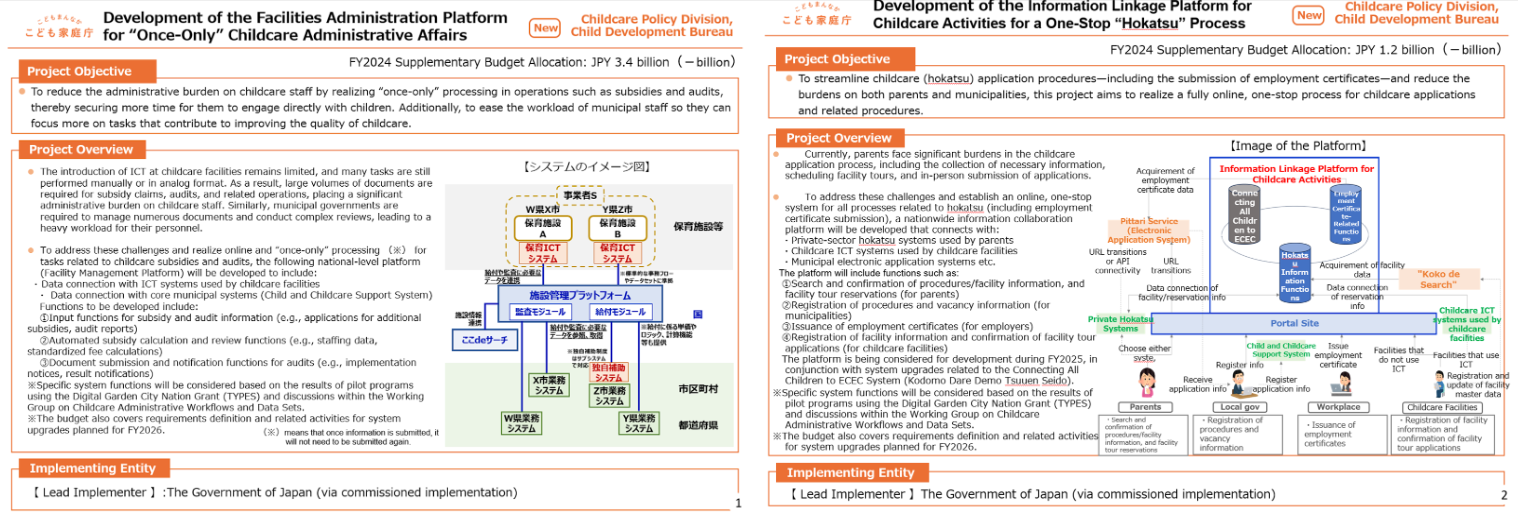
To that end, we are developing two key national platforms:

  • The Facilities Administration Platform on Childcare Administrative Affairs, which supports “Once Only” data entry for subsidy and audit-related procedures through integration with facility ICT systems and government backend systems. This will reduce duplicate submissions and streamline communication between facilities and municipalities.
  • The Information Linkage Platform for Childcare Activities, which connects parents, facilities, and local governments to enable end-to-end digital childcare procedures—such as information searches, visit reservations, and applications—via smartphone.
Plans for the Facilities Administration Platform on Childcare Administrative Affairs & Information Linkage Platform for Childcare Activities

By the end of FY2025, we aim to begin pilot operations for both platforms with nationwide rollout planned from FY2026 onward. Through all of these efforts, we aim to create an environment where the benefits of digital transformation are clearly understood by those on the ground; that enhance the attractiveness of the childcare profession for future generations; and that ultimately make the system easier and more convenient for all stakeholders.

To accelerate the digital transformation in childcare, we also launched a new initiative in FY2024: the Childcare ICT Lab Program. This program supports model projects at multiple sites across Japan, implemented in partnership with private-sector entities. 

Next Week: Centering Children and Youth in Policymaking: Hiro Yokota on the Development of a “Child-Centered Society” in Japan (Part 2)

How Do You Build a Learning Ecosystem? Gregg Behr on the Evolution and Expansion of Remake Learning and Remake Learning Days (Part 2)

What does it take to expand support for learning in and across communities? In the second part of this 2-part interview, Gregg Behr talks about the development of the first Remake Learning Days in Pittsburgh, Pennsylvania and how they spread to community-wide efforts in 15 different regions in 4 countries. In 2007, Behr, the executive director of The Grable Foundation, founded Remake Learning as a network of educators, scientists, artists, and makers supporting future-driven opportunities for children and youth in Pittsburgh. Celebrating its 10th edition this month. Remake Learning Days began in 2016 as a local learning festival with hands-on learning events for children of all ages at libraries, schools, parks, museums, and other community spaces. Behr is also the author with Ryan Rydzewski of When You Wonder, You’re Learning, sharing the science behind the  work and words of Fred Rogers and Mister Rogers Neighborhood, a well-known television show that ran for over thirty years.  This interview has been edited for length and clarity.

TH:  Let’s turn to one of the activities that I think has become a signature of your work – Remake Learning Days. What were some of the critical “aha’s” in their development? 

GB: The first “aha” happened in one of the human centered design sessions. In Pittsburgh, we had a firm called Maya Design, and they had a retreat room surrounded by whiteboards where they would facilitate these amazing sessions. In 2015, we convened about 30 people, including folks who came from the White House Office of Science and Technology Policy. We were asking these big questions about how far Remake Learning had come and where we might go – asking, essentially, how do you build out a learning ecosystem? What would that look like? It was during that session that it became clear that the network was serving professionals like teachers and afterschool directors, librarians, and designers really well, but that we weren’t really designed to serve parents, families and caregivers. There was a clear “aha” that if we didn’t seriously engage with these members of our community, we’d risk being incredibly faddish, and we started wrestling with what we could do to engage this group. There wasn’t an obvious way to just plug parents and families into our different programs and activities, but through this user design process two things came to light. One was that someone talked about how open houses were one of the singular moments when parents, families and caregivers really come to schools and engage with educators, as surface level as it might be. Then totally separately, someone talked about how, at least in Pittsburgh, we have lots of neighborhood festivals like the Pickle Festival, the Perogie Festival, etc. I can’t even remember who it was, but someone said “Hey, what if we put these two ideas together? This idea of neighborhood festivals with the idea of an open house?” And so we started to talk about having a kind of festival of open houses of all of these places for kids and learning that had been built over the past couple of years. At that point, we had dozens, if not hundreds of makerspaces. We had STEM labs. We began to wonder what might happen if there was a chance for parents, families and caregivers together with their kids to get into all of these spaces and to get beyond their schools and to go into into the Carnegie Museum of Art or whatever it might be. That was the germ of the idea of what became Remake Learning Days, but I can’t even recall what it was called initially. 

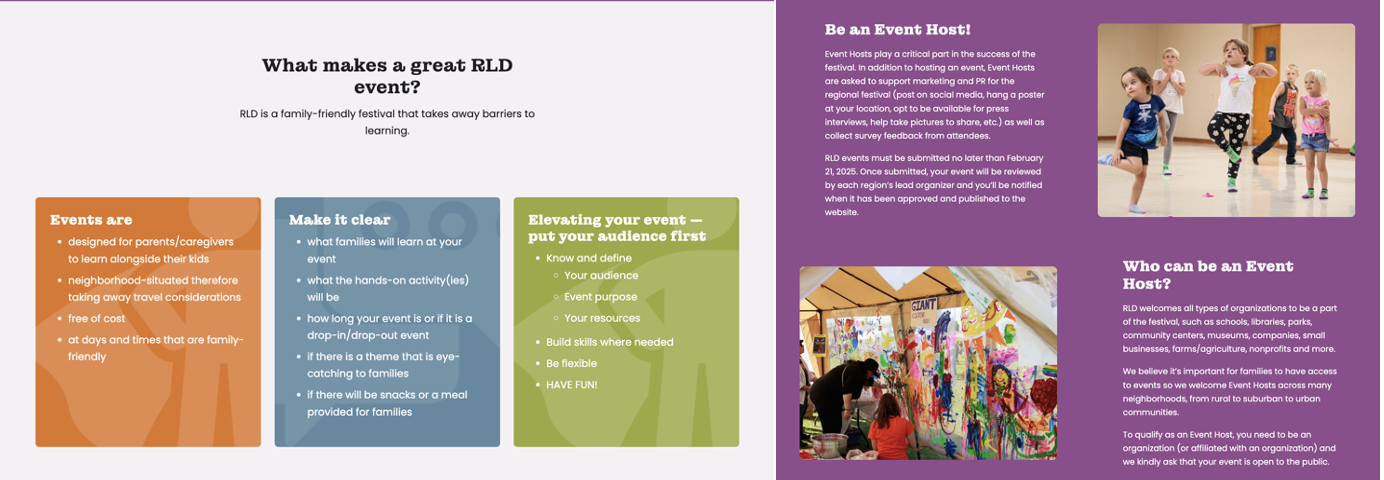
A screenshot of a website

AI-generated content may be incorrect.

Within a year, we had the first Remake Learning Days in 2016 because all sorts of organizations said they wanted to participate. There were more 250 events over the course of about nine days. 25,000 people came out in that very first year! That was the second aha – seeing all of those people come out and realizing “Oh, there’s something here!” The other big realization was that there were 250 events that were self-organized: they did it and they weren’t paid to do it. Clearly something had traction, in 2025 in Pittsburgh, we’ll celebrate 10th edition of Remake Learning Days. 

TH: That’s an incredible story. In 2019, other cities in the US and in other countries started hosting their own Remake Learning Days: How did they start to spread? 

GB: The same people from the White House Office of Science and Technology Policy challenged Remake Learning to document its work in what became the Playbook. In fact, someone from that Office left the White House to work with the Sprout Fund in designing the Playbook. The basic idea behind the Playbook was to create something that would be as helpful to people and organizations in Pittsburgh as it would be to Flint, Michigan or Oklahoma City. After seeing how the Remake Learning Days had taken hold in Pittsburgh, we started looking for financial support to develop the Playbook. We got some funding primarily from the Carnegie Corporation of New York, and created what we initially called a toolkit that communities could use to host their own Remake Learning Days.  At the time, Remake Learning was deeply involved with other national organizations and associations that were involved with STEM, the maker movement, and other things like that. We just put the toolkit out there to say, “Who else might want to host Remake Learning Days?” And that’s how they began to spread. 

TH: As I understand it, you’ve tried to let these Remake Learning Days grow and spread more or less on their own?  Are there any particular lessons you’ve learned, either any lessons you’ve learned, either vicariously or from your interactions with those in other communities? 

GB: In terms of letting them spread, yes and no. We’ve tried to provide just enough guardrails so that, if a Martian comes down and goes to Remake Learning Days in Pittsburgh and then Doncaster, England and then southern Wisconsin, it would seem like these things are connected.  If Remake Learning Days are going to be successful, you have to have that connection, but they also have to feel contextualized in these different places. 

Along the way, the team has learned a thousand lessons. They’re going to continue to iterate as they look ahead to years 11 and 12, but like so many other community-based initiatives, you need to have that “backbone” organization; you have to have that clear champion who’s going to lead the work. In one instance, there was an amazing woman who made Remake Learning Days happen where she lived. But after she left, it hasn’t been the same thing. It was so tied to one person and one organization that it just didn’t stick; so we’ve learned that lesson. We’ve also learned the lesson that sometimes things have beginnings and ends. Chattanooga and Chicago hosted phenomenal Remake Learning Days, and they met the needs of the Public Education Foundation in Chattanooga and the Chicago Learning Exchange. But they plateaued in their utility, and both said, essentially, “We’ve loved this, but we’re not going to continue with this,” and we’ve learned that’s totally fine. We’ve seen places like Sarasota and Doncaster completely adopt this approach; raise lots of local money; and Remake Learning Days are now integral to their local efforts. If we were to shut down Remake Learning here in Pittsburgh, they would continue on in some of these other places. We’ve learned all sorts of lessons about leadership, about local financing, about making it local so people feel connected to it. It’s not just a franchise that someone imports; the Remake Learning team has worked hard in terms of monthly meetings and all sorts of things to make sure there’s quality control for successful festivals. 

A group of people standing outside

AI-generated content may be incorrect.
Gregg Behr at a Remake Learning event (photo: Ben Filio)

TH: I didn’t realize how much work the Remake Learning team is putting into these. I thought you put the Playbook out there, and then just let people use it. But you actually have a team that coordinates with these other places, and in a sense sanctions these other events, and says, “Yes, these are Remake Learning Days. This is one of our partner events”? 

GB: Again, the answer is yes and no. Everything that Remake Learning has done, maybe to its detriment, is through Creative Commons licensing, so people have used the Remake Learning Network playbook and also the Remake Learning Days toolkit to their own effect. In New Hampshire, they have used the playbook to support the development of their local learning networks but never with any formal coordination with Remake Learning— – and that’s okay. Places like Qatar have had “Doha Learning Days” and have used the Remake Learning Days playbook. I’d say it’s a loosely sanctioned process. But then there are two producers of Remake Learning Days, and they in turn work with the team in Sarasota or the team in Doncaster, or wherever it may be. 

TH: How does that work? Does Sarasota have to pay the producers or are they providing pro bono services to the places that want to do it? 

GB: Yes, they have a remarkable team supported by The Patterson Foundation in Sarasota; and, for Sarasota and elsewhere, Remake Learning has borne the costs for some of the regional and national marketing, because with an event like this, the most significant costs are marketing. 

TH: Have you run into challenges where you wish that some place wouldn’t call their events Remake Learning Days? 

GB: There have been some challenges along the way, with some places that want to call it something else like “STEM Days,” and the team has had some tough conversations with some cities, saying if we’re going to be part of this, then there are a few things you need to do. Some cities have just said, “We’re going to have our own thing.”  There are also challenges around quality control and questions about what kinds of events to connect with.  There are now some pop-up festivals which have been hugely successful.  People have staged events in Tel Aviv and Antarctica, but sometimes these are singular events on a particular day, and they’re branded and connected to Remake Learning Days, and they’re on the website, but it’s not a multi-day festival the way it is in Sarasota or southern Wisconsin or Kansas City. 

Dates are also difficult. Even with the pop-up events, Remake Learning Days have had a set date range, something like April 23rd through May 23rd. For example, the six regions in Pennsylvania that now host Remake Learning days, they all happen at the same time. That is very deliberate, and they are coordinated statewide. But in 

Tennessee, they valued Remake Learning Days, but May didn’t work for them because of state testing, and it turns out that May is not a great time for Remake Learning Days in Uruguay. That raises the question: does it have to be around the same dates around the world for it to be called Remake Learning Days? The team is wrestling with a whole bunch of questions like this as they go forward. They’re trying to provide greater flexibility while maintaining quality control. 

TH: Can you say anything more about the next steps or the challenges ahead for Remake Learning Days and Remake Learning? 

GB: In terms of challenges, like a lot of these things, no one ever imagined there being a 10th edition. But even with that, ongoing fundraising is a challenge. Yet, for corporate funders, sponsoring an event like Remake Learning Days is a lot easier than sponsoring a network. For fundraising, it certainly helps that they have built up a body of data, including qualitative evidence – write-ups and videos – to support it. Quantitative data, too! For example, they worked with Heather Weiss, who led the Harvard Family Research Project to document their impact on parents. Their goals included helping parents understand how learning is being remade; helping parents understand how they can support their own kids if they find their kids are lit up by art and design or coding or maker-centered programs; and building up demand among parents so they might go to school board meetings, parent-teacher conferences, or their local library to ask questions about these approaches to learning that are clearly lighting up their kids. Heather’s work demonstrated that parents were gaining familiarity with STEAM and new approaches to learning and building their interest and support for those approaches.  

Looking toward the future, I think we’ll see fewer sites that host Remake Learning Days, but they will be more embraced by their region, with significant regional funding. In addition to seeing that in southern Wisconsin, on the west coast of Florida, and Doncaster, the Pennsylvania Department of Education has invested significantly in Remake Learning Days and different units from the state government are also providing in-kind support. I think we may see more changes like that where public funding also helps to drive further engagement and support from local and state governments.  

TH: Looking to the future, let’s return to Remake Learning in Pittsburgh. What do you think it will take to sustain and deepen this work overall?  Are there particular problems that have to be addressed or changes that have been made? 

GB: There are always lots of answers to a question like that!  One thing we have to address is leadership. The leadership has evolved over the years. When it was time for the Sprout Fund to sunset, and they wrapped up their work, we hired what amounted to a director for Remake Learning, and there have been a number of directors since that time, each of whom has held the position for at least two or three years. But incredibly, it wasn’t until around 2014 or 2015 that we convened what we call the Remake Learning Council. This is a council of CEOs, learning scientists, leaders of cultural institutions and others who meet regularly with the director and the Remake Learning team and provide advice and support.  Of course, the people in these roles change positions all the time. There are new museum directors, new superintendents and so on. We have to pay attention to that churn and make sure we have the right people and the right support, and that’s a great leadership challenge. It’s also what makes Remake Learning sustainable – it’s crucial to have a large number of leaders across the community who value this work, who are contributing to the design of it and advancing it. 

Relatedly, Remake Learning, if you can believe it, has never been its own separate 501 (c) (3) [which would allow it to be a charitable organization collecting tax exempt donations]. That’s because part of the strategy in the beginning was to demonstrate that this was not going to be something that competed for funding with other charitable organizations, like museums and some of our other charitable partners. Instead, Remake Learning has been fiscally sponsored by other organizations, and I think that’s been a real benefit – so that the focus could be the work itself. Initially, Remake Learning was fiscally sponsored by the Sprout Fund; then it was fiscally sponsored by our regional association of grantmakers called Grantmakers of Western Pennsylvania. It’s currently fiscally sponsored by the Allegheny Intermediate Unit, our region’s educational service agency. But we always have to check in on our structure: Do we have the right home? Do we have the right governance? That’s an ongoing challenge for the network. 

Another challenge with any organization that reaches 20 years is that you’ve got people who’ve been involved for nearly 20 years, and there are people who just joined two weeks ago. We have to keep the work fresh and relevant for the newcomers as much as for the veterans. This is a programmatic challenge.  It’s hard to keep things fresh for most everyone involved. As one example of “keeping things fresh,” Remake Learning started in the past few years to distribute what they call Moonshot Grants. Regionally, I think they’ve spent about three or four million dollars in grants to local organizations and schools that are really trying to push the edge of what constitutes great learning, especially as such much around us is changing. That’s one example that’s kept the work really fresh. 

Remake Learning has also really leaned into some of its national and international partnerships, which has pushed its work forward. Just last week Remake Learning announced ten national moonshot grants, which came out of the Forge Futures Summit, which brought together organizations involved in learning ecosystems from around the US, and even a few other places worldwide. This speaks to the spread and the tension: Remake Learning is committed to being a regional organization and it has to continue to do basic things brilliantly at the regional level. It’s not a national or international organization, but it sometimes has – or could have – a national and international role to play. That’s what Remake Learning Days have done, and Remake Learning is figuring out how to do that as a network while not distracting ourselves from our core mission regionally. 

TH: Can you say a bit more about what Remake Learning has done internationally? 

GB: Remake Learning has partnerships with a number of international organizations including HundrED in Finland, Big Change out of London, OECD, and the Global Education Leadership Partnership.  Just as an example, Remake Learning got connected to Big Change pre-pandemic because they had done a report and Remake Learning ended up being one of their case studies. Now Remake Learning and Big Change are funding a loose federation of international organizations that meet almost monthly. Along with Remake Learning and Big Change, it includes Learning First out of Bermuda, People for Education in Canada, Learning Creates Australia, Innovation Unit, Zizi Afrique in Kenya, Fundacio Bonfill in Spain, Educate! in Uganda, and Dream a Dream out of India. You’ve got people who represent different geographies. In some cases, they are more metropolitan like Remake Learning, but in others are more nationwide, like Uganda Educate! The first meeting focused on Bermuda’s transforming education system. The second one was a showcase of some of the work in Australia. It’s become a global learning community.

Something’s Happening Here: Gregg Behr on the Evolution and Expansion of Remake Learning and Remake Learning Days (Part 1)

What does it look like when an entire community supports children’s learning and development? In this 2-part interview, Gregg Behr talks about the origins of Remake Learning and how the expansion of Remake Learning Days has helped to catalyze similar community-wide efforts in several other cities and regions around the world. In 2007, Behr, the executive director of The Grable Foundation, founded Remake Learning as a network of educators, scientists, artists, and makers supporting future-driven learning opportunities for children and youth in Pittsburgh, Pennsylvania. Remake Learning Days began in 2016 as a local learning festival with hands-on learning events for children of all ages at libraries, schools, parks, museums, and other community spaces. Celebrating its 10th edition this month, Remake Learning Days have now expanded to 15 different regions in four countries. Behr is also the author with Ryan Rydzewski of When You Wonder, You’re Learning, sharing the science behind the  work and words of Fred Rogers and Mister Rogers Neighborhood, a well-known television show that ran for over thirty years.  This interview has been edited for length and clarity.  

Thomas Hatch (TH): What were some of the key developments and “Aha” moments in your early work at the Grable Foundation and with Remake Learning? 

Gregg Behr (GB): I joined the Grable Foundation as Executive Director 19 years ago in 2006. I followed on the heels of an exceptional executive director, Susan Brownlee, who had led this organization extraordinarily well. By all accounts, the trustees were incredibly pleased with where the foundation was and where it was going. That meant I came into a position as a leader saying, “How do you build on excellence?” To try to answer that question, I spent time out in the community just connecting with people with whom the Foundation had been working. Meeting with teachers, meeting with librarians, and meeting with others involved in the out-of-school space. I asked them, “What could we do that would be helpful to you?” I heard things like “I’m just not connecting with kids the way that I used to.” This was fall of 2006 and at the time I was 32 years old, and at first, I just thought, “Oh, this is just experienced people saying something like ‘the kids these days…”.  But then I began to notice who was saying these things, and I realized I was hearing this from people in different age groups. Some had just started their work, others were 30 years into their careers, and they were all literally saying that kids are different this year than they were last year. I thought that was strange. It was if something was happening seismically in kids’ lives. Sitting here in 2024 it feels naive to say these things, but looking back, in 2006, there were massive changes underway in kids’ lives. They were consuming information differently, producing information differently, seeking affirmation differently, developing identities differently. There was, in fact, something different happening in their lives.

That recognition sparked something and got me asking questions like, if it’s true that something different is happening, how do we support schools and other sites of learning in different ways?  Then, I had a meeting with a colleague at the Entertainment Technology Center at Carnegie Mellon University, and I began to realize that there were a whole lot of other people asking questions about kids and learning but that weren’t traditional educators. They were designers, artists; they were gamers and what we now call “makers.” I started meeting with those folks and began to wonder what would happen if you brought these people together? So I organized a meeting at a breakfast place called Pamela’s. It was just a dozen people, and I was very purposeful inviting 12 individuals from 12 very different fields, including – as examples – a teacher, a gamer, and someone in museum exhibit design. 

It was one of those things where I scheduled it for an hour for, and it ended up going on for 2 or 2 and a half hours. At the end, everyone said, “Oh, my gosh! I can think of 2 or 3 colleagues that ought to be part of this conversation about education locally.” Then I just started convening more of these meetings. I used an email subject line that said “Kids + Creativity,” just giving it a name. Then people started saying “Oh, that’s the Kids and Creativity meeting!” That continued for a couple of years, and it just kept growing and growing. It went from pancakes to bagels, and then we did a “Gong Show” like event in the basement of the Children’s Museum. After that, people at an organization called the Sprout Fund got involved. They were a community foundation-like organization that served as a “think-and-do” tank in our region. They had a 5 C’s model (Convene and Catalyze; Communicate; Coordinate;  Champion) that we still use today that they used to organize these meetings and give some coherence to this growing network of people and organizations.  They said “It will take the grant maker (me!) out of the center to see if there’s a “there there.”

A person on stage with a large screen

AI-generated content may be incorrect.
Gregg Behr presenting about Remake Learning (photo: Howard Lipan)

This story speaks to a number of aha’s. It was an aha recognizing that something different was happening in kid’s lives — that the learning sciences and evidence from neural mapping now tell us was true. It was an aha and realization that we needed to think differently about who ought to be part of the conversation. There was an aha that this 5 C’s model that was originally used to attract and retain talent could be applied to help us build this network of folks involved in education generally and learning innovation in particular. The other aha was the power in shifting from talking about education to talking about learning; a simple thing in some ways, but at the time, it was profound because education conveyed schooling, whereas learning had this much bigger open sense that kids are learning in lots of places. That speaks to the power of words as well. I didn’t come up with the phrase “Remake Learning,” someone at the Sprout Fund came up with it, but, in retrospect, I think the reason that the name Remake Learning has stuck all these years is that using “remake” suggested that we don’t have to transform everything. We don’t have to blow everything up. You don’t have to get rid of everything that you’ve done for your entire professional life or what you studied. There may be some things that are timeless and classic, but we need to remake it for who today’s kids are. That name also wasn’t wedded to any particular thing like STEM or STEAM or maker education or digital learning. It captured all of those things, and it turned out to be a good umbrella for different approaches, different pedagogies, different frameworks, different words that people were using as they thought about innovation and learning in and out of school. That was another important aha. 

A close-up of a black and white website

AI-generated content may be incorrect.

TH: What were some of the challenges you encountered and some of the changes you made as things developed from there? 

GB: Early on, it was important for this new intermediary – Remake Learning – to build trust and demonstrate this isn’t a zero-sum game. It’s not as if the Grable Foundation or other funders are going to now start funding this to the exclusion of other things. Then the folks at the Sprout Fund, in particular, really learned how to work well with other intermediaries in the early childhood space, the mentoring space, and the out of school time space, to see and recognize the work already going on and build on it. For example, they built on things like the Allegheny Partners for Out of School Time. It meant figuring out how something like Remake Learning builds on that work and doesn’t compete with it or replace it. We use words like “partnership” and “collaboration” pretty freely, but it’s really hard work to build trust among people and organizations. 

TH: Yes, it’s really hard work!  Do you have any examples, from the work with your partners, that helps to show what worked for you in building partnerships? 

GB: I suppose it’s not rocket science, but for one thing, we were really deliberate and very intentional about communications. We took advantage of our position in philanthropy and convened leaders of the key organizations at least quarterly so that there was transparency in our communications. We would always meet with food and other things to build relationships and get to know each other a little better, and we tried to engage in genuine conversations to say, “Here’s what we’re doing” and “How do we really help each other?” Just being really deliberate and reaching out to the Allegheny Partners and others to say “Hey, we’re thinking about an event on September 23rd.” Lots and lots of little ordinary things that would engender trust. Then people feel like, “Oh, I’m being heard.” Being deliberate about inviting leaders of organizations to be part of review committees, to create real, community-based participatory review committees for grant making. All of those simple, ordinary things repeated and done in a rhythm helped the Remake Learning team avoid some key problems. It’s a very human, relational enterprise to build out a network. 

TH: I think time and rhythm are really important. How do you plan for that? Did you have in your mind that this is going to take five years or ten years? 

GB: It’s interesting that you ask this question because I think rhythm is often overlooked. If Doncaster, England calls us or Fremont, California, calls, I always talk about the rhythm. I think the rhythm sets expectation. Like every spring we’re going to host Remake Learning Days. Every fall, there’s a Remake Learning assembly, which is kind of like our “State of the Union.” There are four meet ups every month. You can expect communications to come out every Friday. It’s not haphazard — all of the little things create expectations and make it easier for people to connect. thing. Kids need rhythm in their schools. but it’s also important for organizations, for cities, for regions to have a rhythm. Like this is our birthday. This is when we’re going back to school. For the network, creating a rhythm and being deliberate and intentional about it builds a culture; it builds tradition; it builds relationships. It builds all of those things. 

There are a couple other things that I think kept Remake Learning grounded. One of them is that many times over the course of nearly 20 years, Remake Learning has hired consultants well trained in human centered design. They’ve convened members of the Remake Learning network for half-day or daylong retreats or other gatherings so that Remake Learning can ask “how are we doing? “How might we do things better?”  It’s ongoing strategic management with a real sense of human-centered design in it, regularly checking-in with the broader community. 

TH: So often funders and others are focused on the short-term – on generating outcomes in two or three years, but part of what I’m taking away from what you’re saying is that you weren’t focused on a specific time frame; you were focused on creating a set of activities and events that could be sustained to support activity over time, into the future. 

GB: Yes, and I would add that the focus was more about a mindset, an idea. It was about a movement to think about learning across a landscape that supports young people’s passions and interests. The events, the activities, the grants, the communications are all in support of changing mindsets about learning.

TH: But that also entails a foundation, an organization, and people that are willing to say, “We’ll support these activities into the foreseeable future” rather than to say, “We’ll give you a three-year grant.”

GB: Yes, that is true. Remake Learning’s been lucky, and my work at the Grable Foundation plays a significant role in this, but beyond the Grable Foundation, we’ve had support from lots of other funders. Along the way, there have also been many one year and three year grants and other kinds of support for Remake Learning. But because of the steadiness of the support, Remake. Learning has always been able to budget years ahead. That’s very powerful; it’s never had to budget year to year.  

A collage of kids in lab coats

AI-generated content may be incorrect.
A collage of kids playing with toys

AI-generated content may be incorrect.

Kids in Remake Learning activities (photos: Ben Filio)

TH: What kind of advice do you give other people about how to establish that kind of support? Especially in a context where funders may be more inclined to give a grant for a three-year project than to provide core backbone funding for as long as it’s required. 

GB: I might win a Nobel Prize for philanthropy if I could answer that question! I use the phrase “make yourself lucky” occasionally, but there’s no doubt that you need some funder or, ideally, funders – whether they are individuals, corporations, philanthropies, or municipalities – to recognize that a network or an intermediary organization needs multi-year, discretionary, unrestricted support. Period. That’s the bottom line. If a funder doesn’t get that, you’re in trouble. 

TH: Are there things you’ve done – generating evidence of impact or sharing information – that have helped convince funders to provide that kind of support? 

GB: We use a lot of analogous and proxy examples. When we thought about Remake Learning initially, and its focus on relevant, engaging, equitable learning across our community, the easiest argument to make was to say, “look at what we’ve done collectively in philanthropy in the early childhood space over the past 20 years: we’ve built an intermediary that, in turn, supports hundreds of early learning centers. Look at what we’ve done in the out-of-school time space. Look what we’ve done in arts education space.” We really used those other examples – like the Campaign for Grade Level Reading – to say “these are the types of results we should anticipate when we create a network of schools, museums, libraries, other sites of learning committed to future facing, future driven learning.”

TH: You’ve been doing this work on Remake Learning for twenty-plus years now, but, early on, were there any developments or things you looked at that told you were headed in the right direction or that helped you convince other people to get on board? 

GB: Yes, and I wish we had more, but for one thing, we looked at data from individual organizations. I’ll give you two examples. The Elizabeth Forward School District was deeply involved in Remake Learning early on. They began rethinking how they approach professional development and learning. They sent their administrative teams to go see what was happening at some innovative places here in Pittsburgh at Carnegie Mellon; they went to visit the Quest School in New York City, and to see a media space in Chicago. Then they started reimagining how to use their own spaces. They built a classroom that mimicked the Entertainment Technology Center (ETC) and they were at the forefront of reimagining what school libraries could look like. In pretty short order they started to see some improvements in traditional measures, including math scores and reading scores. Their dropouts went from about 28 or 29 kids a year to 0 or 1. They saw the number of families choosing charter school drop by two thirds. They also suddenly found there was a new energy; there was an agency. People wanted to be in the school, and students were performing at higher levels. At the same time, the Carnegie Libraries of Pittsburgh, like the public libraries in Chicago were at the forefront of imagining what teen spaces might look like. They brought in filmmakers and hip-hop artists alongside librarians, and they filled the shelves not only with books, but also with games and hardware and software. In pretty short order, they saw a two-fold increase of teens coming to the library. There was a massive increase of kids coming back to the library because, in that Mimi Ito way, they wanted to hang out and they wanted to mess around. Then, lo and behold, in the short term, there was something like an 18% increase in book circulation among those kids. Again, traditional measures. So clearly, things were happening, and we could point to those two and lots of other examples. 

Next week: How do you Build a Learning Ecosystem? Gregg Behr on the evolution and expansion of Remake Learning and Remake Learning Days (Part 2)

Critical Consciousness, Digital Equity, and Critical Unschooling in the United States: Lead the Change Interviews (Part 6)

This week’s post includes excerpts from interviews with presenters discussing “Redefining leadership and equity in evolving educational spaces” at the Annual Conference of the American Educational Research Association next week. For previous posts featuring presentions at this year’s AERA conference see Part 1 “Leveraging Partnerships, Networks and Teacher Collaboration for Educational Change,” Part 2 “Leaders, Leadership Practices, and Educational Change in the US, Korea, and Hong Kong: Lead the Change Interviews (Part 2),” Part 3 “Educational Transformation in Schools and Colleges in the US and South Africa: Lead the Change Interviews (Part 3),” Part 4 Teacher Education, Teacher Certification, and Teacher Meetings in Israel, Korea, Switzerland and the US: Lead the Change Interviews (Part 4), and Part 5 “Anti-discrimination policies in Massachusetts and socioeconomic education reform in Türkiye.” The Lead the Change interviews are  produced by Elizabeth Zumpe and colleagues from AERA’s Educational Change Special Interest Group. The full interviews can be found on the LtC website


Action spaces to support teaching critical consciousness: Risk-taking within professional learning communities – Christina L. Dobbs, Boston University – Madora Soutter, Villanova University – Daren Graves, Simmons University – Elianny C. Edwards, College of the Holy Cross – Scott Seider, Brianna C. Diaz, Babatunde Alford, Kaila Daza, Sarah E. Fogelman, Trang U. Le, Alexandra Honeck, Hannah Choi, Yuwen Shen, & Hehua Xu, Boston College.

Lead the Change (LtC): What are some of the ideas you hope the field of Educational Change and the audience at American Education Research Association (AERA) can learn from your work related to practice, policy, and scholarship?

CD, MS, DG, EE, SS, BD, BA, KD, SF, TL, AH, HC, YS, & HX: We will present a project from the past several years called the Critical Crew Project. This project sought to teach middle grade students about critical consciousness (Freire, 1973), the ability to challenge and navigate oppressive forces, and to document how those schools used professional learning community (PLC) spaces to learn and teach critical consciousness with students during advisory meetings….We learned a great deal across this project about systems of multi-level change to build support for learning at a range of levels. Teachers needed space and support to learn about teaching critical consciousness that had structure without prescription. Our approach of having flexible tools with lots of space for specialization for contexts and particular students seemed to resonate with teachers. We found also that, as university partners, we served as conduits to research and other materials for PLCs and to use their feedback for refining the work, without being overly directive about the project. We also learned about producing a range of work products as a result of the project – academic papers, curricular materials, videos from classrooms, etc. – which has helped us push different levers, such as publishing research or presenting teacher workshops or building curriculum and participate in different conversations as a result of the work.

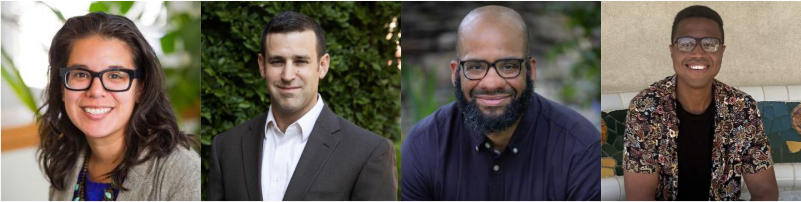
From Left to Right: Dr Christina Dobbs, Dr Scott Seider, Dr Daren Graves, Babatunde Alford

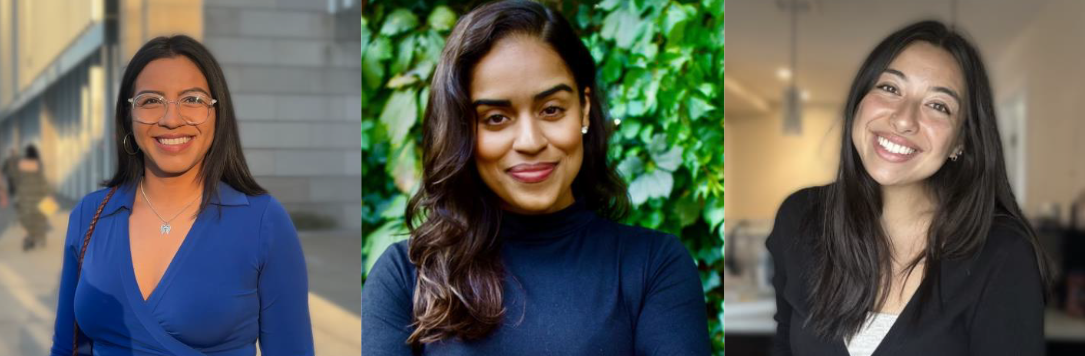
From Left to Right: Brianna Diaz, Dr Elianny Edwards, Kaila Daza

From Left to Right: Dr Trang Le, Alexandra Honeck, Hannah Choi
From Left to Right: Sarah Fogelman, Hehua Xu, and Dr Madora Soutter

Digital Equity and Inclusion: Insights into Educational Change and School Initiated Improvements – Christopher Sanderson, University of Arizona 

Lead the Change (LtC): What are some of the ideas you hope the field of Educational Change and the audience at American Education Research Association (AERA) can learn from your work related to practice, policy, and scholarship?

CS: My research offers insights into the challenges and strategies facing K-12 school districts in their efforts to promote digital equity and inclusion, providing valuable lessons for practice, policy, and scholarship. My work emphasizes the importance of integrating digital tools and providing professional development for educators to address disparities effectively. For example, I highlight the need for further training to bridge digital literacy fissures. From a policy perspective, I encourage sustained district-level planning and collaboration to tackle systemic barriers, such as the expiration of temporary programs like the CARES Act and ACP (Federal Communications Commission, n.d.; US Department of Education, 2024). Digital equity must be treated as a long-term priority rather than a short-term response to crises like the COVID-19 pandemic (Petersen, 2024).  

I also emphasize holistic definitions of digital equity and inclusion, which include access to affordable internet, devices, and the necessary digital skills. Collaborative approaches are essential, and I focus on engaging administrators, teachers, parents, and community members in co-creating solutions to foster a shared vision of digital equity and inclusion. My research highlights the importance of addressing systemic inequities and recognizing biases in policy and practice. For instance, I noted that federal programs often exclude K-12 schools, advocating for tailored, inclusive, sustainable, district-level strategies (National Telecommunications and Information Administration, 2024).  

My work offers frameworks to explore the intersections of digital inclusion, systemic inequities, and community collaboration in educational change. It contributes to the growing body of literature on digital equity by providing insights into how schools can navigate barriers to ensure every student has the tools for success. Focusing on localized, context-driven solutions and collaborative efforts, this research aims to inform and create more equitable learning environments that address both immediate needs and long-term goals. This study may support school districts in assessing their progress toward digital equity and inclusion, offering recommended actions for transformative change. Through the collection and analysis of data, districts can identify patterns and make informed decisions on future steps.  

The findings from this study can serve as a catalyst for action-oriented planning beyond its conclusion. The ultimate goal is to develop actionable strategies that help school districts achieve equitable student access. While an outsider can only begin to grasp the challenges students, communities, and schools face regarding technology access, internet connectivity, and digital skills development, addressing these barriers requires strategic, locally driven planning. Schools are complex and diverse, with digital equity and inclusion needs varying from one site to another. For example, one school might require more digital literacy training for caregivers, while another may need additional internet hotspots to ensure students can access devices outside school hours. 

Dr Christopher Sanderson

Achieving Excellence Academy: Critical  Unschooling and the Promise of a  Humanizing Education – Dr. María del Carmen Salazar & Nadia Saldaña-Spiegle, University of Denver, Ashlea Skiles, Denver Public Schools

Lead the Change (LtC): What are some of the ideas you hope the field of Educational Change and the audience at American Education Research Association (AERA) can learn from your work related to practice, policy, and scholarship?

MS, NS, AS: One of the central contributions of this research is the expansion of the concept of critical unschooling. We, the researchers, extend this concept by conceptualizing “home-based” as one’s sense of “home” which is inclusive of home culture, community, native language, intersectional identities, history, heritage, ancestors, and ultimately, of one’s full humanity. We, the researchers, put the concept of critical unschooling on the ground and bring to live a real-world example in an educational setting with secondary students and teachers of color. This is an important contribution to the field because it extends theory into practice.

Another important contribution of this research is that student voices are centered and the concept of critical unschooling is shaped by their experiences and insights. One of the most impactful findings is how students redefine excellence as a result of the Achieving Excellence Academy (AEA). As an example, one student stated, “Excellence is not just holding onto your goals, it’s going after and representing yourself, and reflecting yourself in your goals.” Another student emphasized, “Before, I only thought about excellence athletically and academically, but after this program, I think it’s cultural too…pride in your own culture, accepting other people’s cultures, and being woke.” The AEA expanded students’ perceptions of excellence to include a focus on their well-being and cultural pride. Moreover, teachers of color extended this concept into teaching and learning by sharing how they enacted critical unschooling.

Dr María del Carmen Salazar
Nadia Saldaña-Spiegle
Ashlea Skiles

Reimagining Coaching and Teachers’ Time: Scanning the News for Innovations in Teachers’ Professional Learning (Part 2)

This week, IEN’s managing editor Sarah Etzel continues a scan of recent news articles and research on post-pandemic developments in the teaching profession. In part two of the post, Etzel describes some of the initiatives to use technology to help to free-up time for teachers by reorganizing staffing and scheduling. Part one explored innovations in blended and remote teacher professional development models and the use of AI to provide feedback to teachers. 

What’s happened to teachers in the wake of the COVID-19 pandemic? On the one hand, in the US teacher vacancies appear to have grown substantially. One report released in the fall of 2023 showed 55,000 vacant teaching positions, an increase from 36,000 the previous year. On top of that, the report found that 270,000 teachers – almost 9% of the entire teaching force – are “underqualified,” either lacking full certification or teaching in a subject in which they are not certified. The National Center for Education Statistics also revealed that 86% of K-12 schools reported problems hiring new teachers in advance of the 2023-24 school year, and almost half of all public schools describing themselves as “understaffed.” On the other hand, the pandemic helped to stimulate experiments with new models for staffing and with virtual teachers that might help to address teacher shortages. 

Staffing Changes: Unconventional Teaching Roles

            Whether in-person or virtual, a small set of schools and organizations around the US are exploring what alternative teaching and staffing models for schools could look like. A report from FutureEd focusing on pandemic-inspired staffing strategies, for example, highlights the benefits of some co-teaching, team teaching, and mentor teaching models. Public Impact, working with a network of over 300 schools, has pioneered models designed to use teacher teams to enable teachers who have shown their effectiveness to reach more students. These “multi-classroom” leaders teach part-time and also lead small, collaborative teams of other teachers, paraprofessionals, and intern teachers in the same grade or subject. Cadence extends the reach of effective teachers by developing a national team of mentor teachers who deliver online lessons for a group of partner schools across the US. The teachers in the partner schools both learn from the mentor models and they can incorporate the lessons into the work with their own students. As Steven Wilson, a co-founder of Cadence, puts it: “It’s like being able to sit in the back of the room of the best teacher in the building for weeks at a time and see his or her moves and adapt them and make them your own.”

The FutureED report also emphasizes the potential of flexible class sizes, time blocks, and instructional cycles that allow for teachers to work with smaller groups of students outside of traditional grade-level and schedule constraints. As an example, the report highlights a particularly unusual approach from Kairos Academies in St. Louis that developed a seven-week schedule in which students attend school for five weeks, followed by two weeks off; staff have one week off, but use the other week to review data and plan for the next cycle. The report quotes, Gavin Schiffres, Kairos founder and CEO, describing what he sees as the advantages of the cycles; “With the cycle model, we operate in sprints, much like the technology industry. In a traditional calendar, you have kids in the building for such long stretches that as soon as there’s a break, everyone just wants to crash.” 

Drawing on interviews with a small group of leaders from six districts involved in staffing experiments, the Center on Reinventing Public Education issued a report on how unconventional teaching roles could help to make the profession more sustainable and increase teacher satisfaction in the process. Some of these roles include: 

  • Lead teacher: An individual who mentors a team of teachers (across content areas or grade levels) by developing curricula and co-teaching as necessary 
  • Empowered teacher: An individual who supports with school-level policies and sets learning targets 
  • Team teacher: An individual who teaches a large group of students (50-80) in collaboration with two to four other teachers 
  • Community learning guide: An individual who works with a group of educators and their students to create experiences grounded in students’ wider environment, community, or culture. 
  • Solo learning guide: An individual who independently teaches a small group students (5-15) in school or home contexts
  • Technical guide: An individual who leverages subject area expertise (e.g. robotics, architecture) to provide curriculum support and work with small groups of students 

According to the report, teachers in these roles shared that they experienced less stress and felt more motivated; working in diverse or team settings, teachers were able to share responsibilities, learn from each other, and feel connected to the purpose of teaching. Despite the potential, a review of the CRPE report from the National Education Policy Center cautions that it is too early to tell whether these kinds of staffing changes could be scaled effectively or whether they would have the desired impact. 

In order to address the shortage of teachers and support those that are in place, some schools in the US have also introduced models to support paraprofessionals to gain teaching credentials and become licensed teachers, while others have created pipelines for substitute teachers to gain teacher certifications. Beyond the US, organizations such as GPE KIX and UNICEF have been pioneering child-to-child teaching models, in which older students support the education of pre-primary learners, in areas where there are not enough teachers available (for past IEN coverage of peer-to-peer tutoring approaches, see: Education reform in MexicoAn interview with Dr. Santiago Rincón-Gallardo, and Bringing Effective Instructional Innovation to Scale through Social Movement in Mexico and Colombia).

Virtual teachers for in-person students

Along with developing new virtual and hybrid approaches for students to learn, during and after the pandemic, reports also note that some districts are spending millions of dollars on virtual teachers to fill-in when they can’t find the personnel they need in their local area. Among these, districts in Little Rock, ArkansasCharleston County, South CarolinaSan Jose, California, and Milwaukee Wisconsin have contracted with companies such as Elevate K-12Coursemojo, and Proximity Learning to address their teacher vacancies and to provide virtual instructors who zoom into their classes. These companies employ fully certified virtual teachers who provide “synchronized learning services” in a range of subjects. The virtual teachers interact with students completely through the online platforms, with, in some cases, in-person supervision provided by paraprofessionals or long-term substitute teachers. 

"live teaching" model

Elevate-K12’s model of “live teaching”, The 74

The benefits and drawbacks of these approaches are also being debated in the press. For some, these virtual options provide an alternative to other “quick fix” solutions that have been used to fill empty classrooms in the past, including hiring uncertified teachers, incentivizing military veterans to join the teaching force, or removing some degree requirementsAccording to the CEO of a San Jose charter school network that contracts with Coursemojo, this situation is not ideal, “but until we really, radically change the education profession here in the United States, we’re going to be looking at solutions like this.” Catherine Schumacher, Executive Director of Public Education Partners stated the importance of not shaming “districts for doing the absolute best they can do to get qualified teachers,” especially in a climate where “we have systematically underpaid…educators for years.”  

Other advocates argue that the subjects virtual teachers are teaching have historically been hard to fill, meaning many students did not have access to these educational opportunities, particularly in low-resource school districts. As the Milwaukee Public Schools talent management director put it: “when we talk equity and access, I want to ensure that if my students want to take pre-calc, if they want chemistry, if they want physics, that they have the opportunity to do so.” 

The cost-effectiveness of the virtual models also remains in question. For one school district in Milwaukee, Wisconsin, a contract with Elevate-K12 helped them fill 55 open positions at a cost of about $3.9 million, a savings from the $5 million it would have cost to hire that many in-person teachers. A district representative reported that they were able to save the $1.1 million because they did not have to provide benefits for Elevate K-12 teachers. In contrast, a school district in Charleston County, South Carolina that has used the virtual learning platform, Proximity found that these models were more expensive, as the schools needed to hire paraprofessionals to watch the students during the virtual classes. 
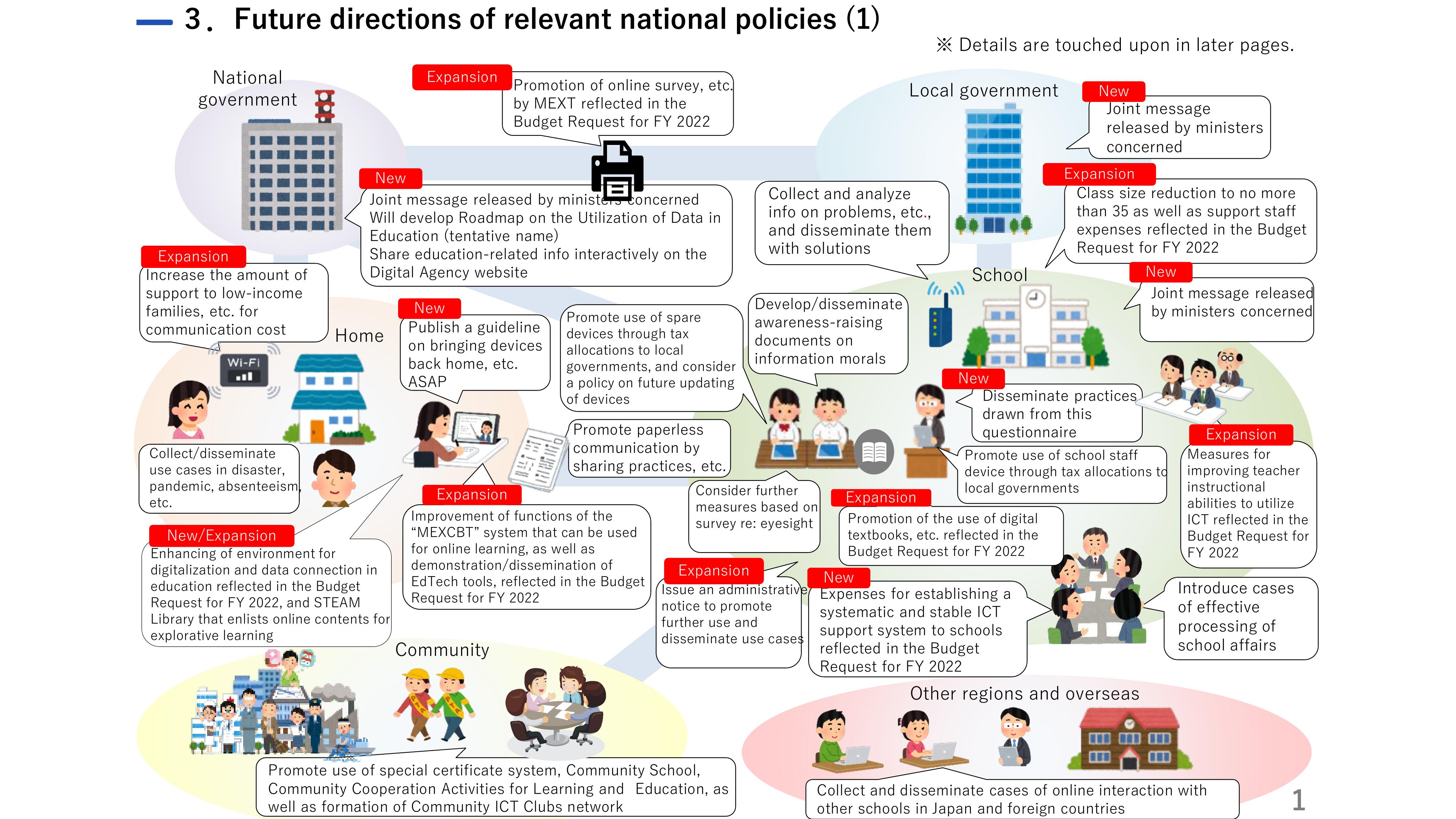
Critics point to the fact that there is not yet enough evidence to show that students are achieving positive learning outcomes under these models, but proponents such as Elevate K-12 founder Shaily Baranwal, argue that virtual teaching during Covid-19 took place under emergency circumstances and, with more time to prepare and focus on delivery methods, post-pandemic virtual teaching could be particularly effective. Critics also question whether students’ social experiences and sense of belonging will suffer when they have virtual teachers, and some wonder who will be held accountable for student learning under blended learning models (i.e. the paraprofessionals who are in class every day with the students, or the virtual teachers?). With all these uncertainties, many parents remain skeptical of this virtual  solution and question whether virtual teaching will be the best fit for their children. 

The bottom line? Freeing up time to teach? 

At the end of the day, the success of any of these “innovations” in professional learning depends on whether they can be put in place without adding to teachers already overloaded schedules and extensive set of responsibilities. Post-pandemic articles continue to highlight challenges like a lack of planning time for teachers and excessive time spent in staff meetings as well as hopes that AI may help address these issues by freeing up teachers’ teachers time from administrative tasks and helping teachers create differentiated assignmentsThrough a survey of 368 school-based employees across the U.S., AI-Equity found that 84% of those who used AI in the Daily/Weekly category reported they were “more excited about continuing education sector work because of AI,” compared to 52% of all respondents, while 94% of Daily/Weekly AI users shared that it made them more productive. According to research from MIT, AI can improve the performance of skilled workers in fields such as consulting by approximately 40%. A report from McKinsey and Co. estimates that teachers could free up 20-30% of their time by using AI and other technologies to support activities such as preparation, conducting evaluations and giving feedback, administrative duties, and professional development. The Christensen Institute argues that teachers may not use their reallocated time for increased student engagement without proper incentives, but freeing up teachers’ time could help to alleviate burnout and increase the attractiveness of the profession. 
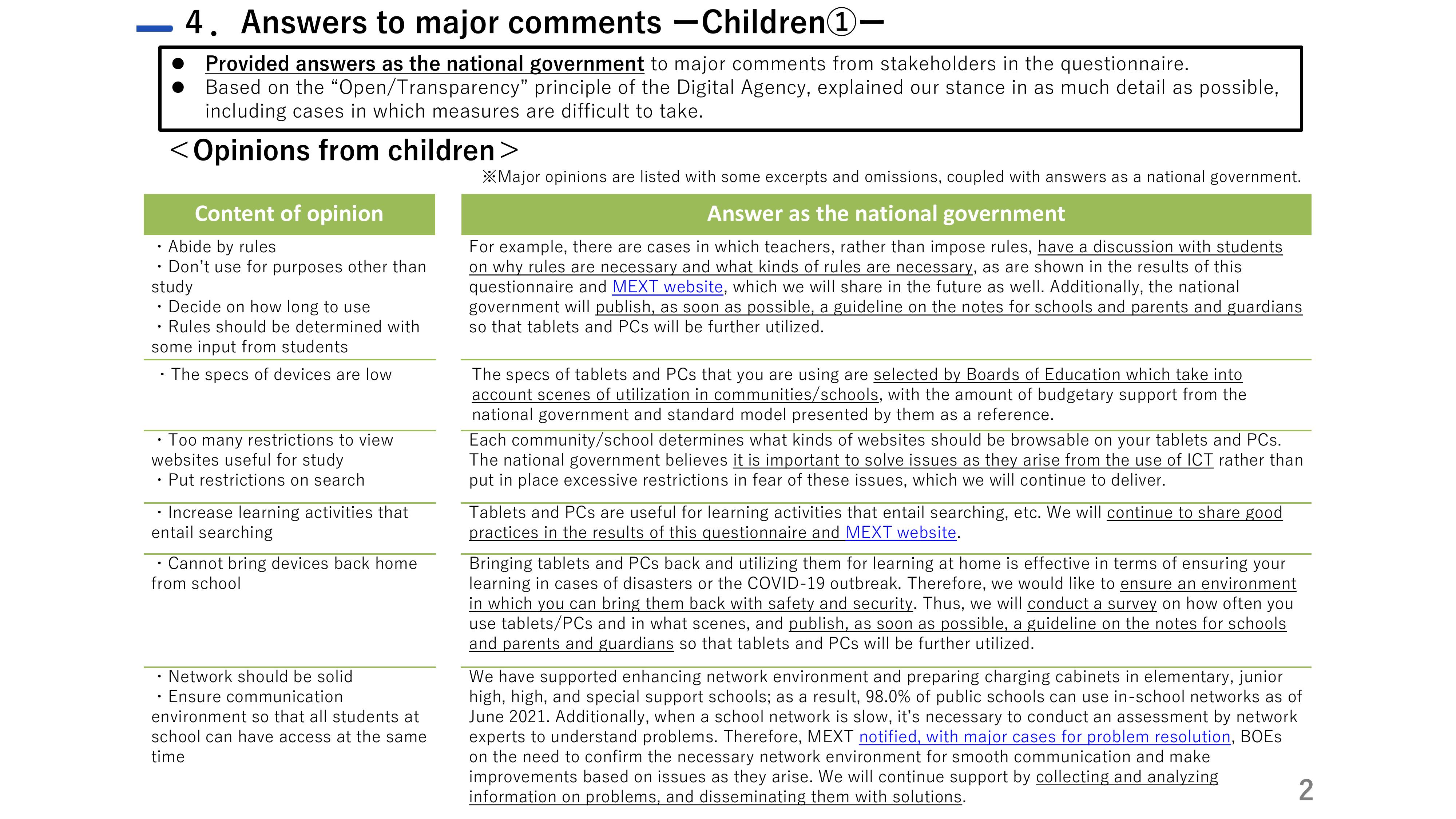
How artificial intelligence will impact K-12 teachersMcKinsey

However, sources also caution that AI should not be viewed as a panacea for solving these issues, and in fact, may exacerbate some of the challenges that teachers face. As one teacher explained, the expectations developing lessons incorporating AI and other forms of technology “takes extreme planning, and that, we don’t have time for anymore.” Moreover, the increasing use of AI raises numerous questions about the potential impact on students’ learning and development. In particular, as Julia Freeland Fisher cautions, the education market doesn’t prioritize relationship building within its attainment metrics and so may fail to take into account AI’s impact on those relationships. Under those conditions, as Freeland Fisher put it, “the more commonplace that AI companions, coaches, and anthropomorphized bots in learning and support models are, the more fragile students’ social connectedness may become.”

The Threat & Promise of Advanced Technology in Education: Reflections from the Atlantic Rim Collaboratory 

This week IEN shares key ideas and resources from two meetings of the Atlantic Rim Collaboratory (ARC) that engaged policymakers and education leaders in exploring the potential of AI in education. The meetings included an ARC pre-Summit ThoughtMeet with A Focus on Democracy & AI Advanced Technology (like ChatGPT) in Schools, and the annual in-person Summit in Oslo, Norway that included a “Focus on AI and Education”. ARC co-founder and Learnlab CEO, Yngve Lindvig, offered some provocations as well as an opportunity to play with ChatGPT. 
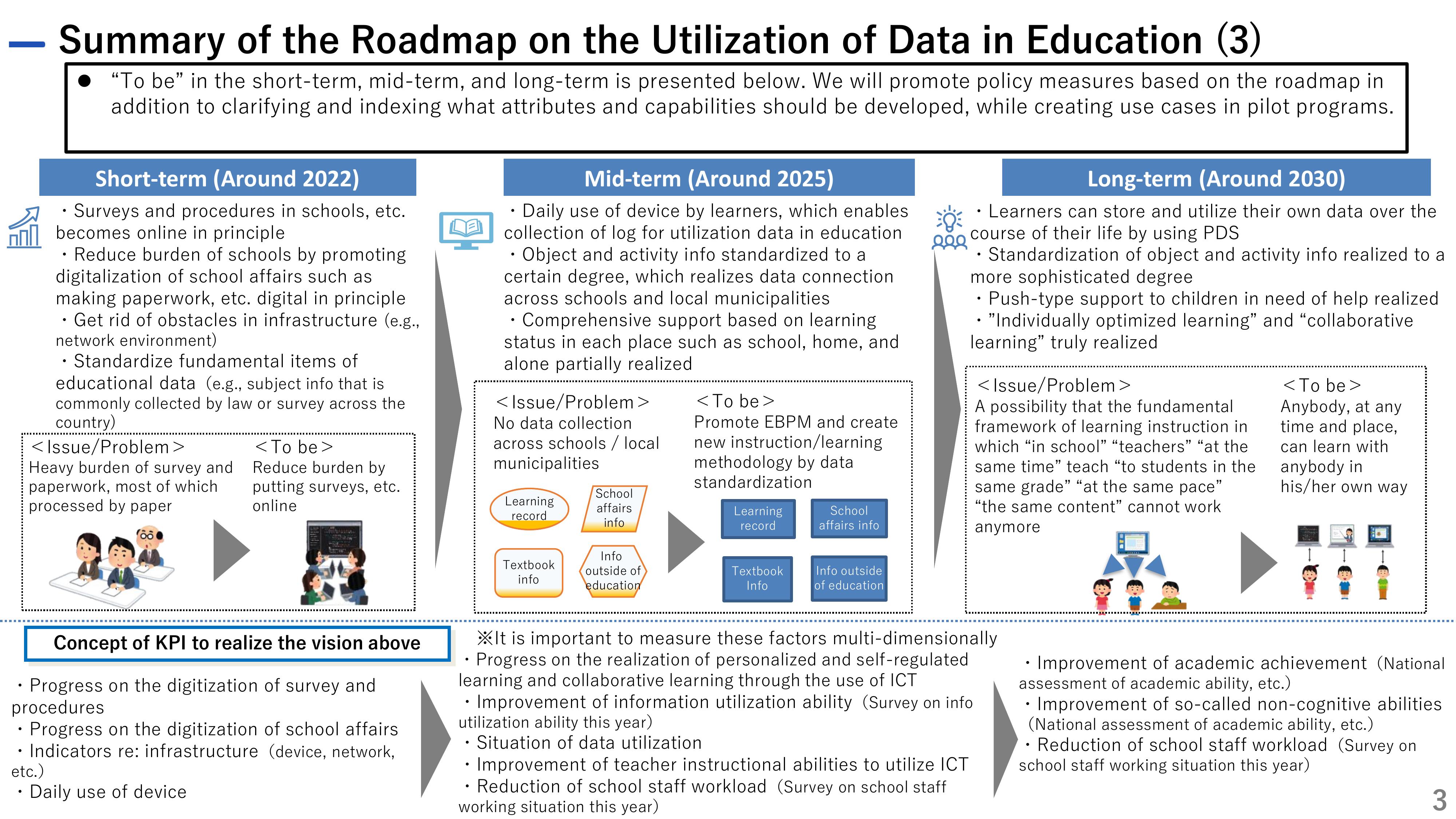
ARC brings together members of education systems and organizations such as Ireland, Iceland, Scotland, Uruguay, Wales, and the Canadian provinces of Nova Scotia, and Saskatchewan, and the International Confederation of Principals (ICP). Summaries and materials from previous ThoughtMeets are available on the ARC Education Project website. This article was written by Mariana Domínguez González, Sarah McGinnis & Trista Hollweck.  

Ready or not, advanced technology (like ChatGPT) is part of the educational landscape, Yngve Lindvig declared. Even as the debate continues on the possibilities and consequences for schools and higher education, educational leaders must make policy decisions on artificial intelligence in their systems that take into account key questions like: 

• How can we make sure that pedagogy drives technology and not the opposite?

• How do we make AI generated data relevant for teachers and students to support learning?

• How can teachers and students be data generators and critical users?

• How can teachers be their own data managers and have access to effective tools for data informed feedback in real time?

• How do we know the data we use is ethical and complies with General Data Protection Regulations (GDPR)

In this context, Lindvig argued, ChatGTP and advanced technology should be embraced, rather than feared, but in a thoughtful and reflective way. Although many governments and system leaders are concerned about the speed of change and a lack of control over AI, banning its use in schools and higher education is not the answer, he continued. AI has the possibilityto disrupt established instruction and assessment practices tosupport student learning in new and powerful ways, but its threats must not be taken lightly, he warned.

Addressing both threats and opportunities, Lindvig described how data-informed learning can be a critical element of effectiveAI use in schools, where data are generated by the students andare used in the learning situation. Since the origin of content in most data management systems is unknown, however, a number of risks must be considered when using AI generated data in schools. These include lack of diversity in content, creating an echo chamber of self-reinforcing opinions and sources, and promoting content that may not be aligned with priorities in educational systems. The main problem is that when a student uses AI generated data, the output is not derived from the student’s critical thinking, reflection, ideas, or product, but it is outsourced to a machine that disconnects the student from the learning. On the other hand, Lindvig explained, if you are able to make an AI-empowered solution within your system, controlled by your system, linked to the curriculum, tagged with curriculum goals, incorporating student feedback based on the intentions in the curriculum, then we have a system that could actually change something.
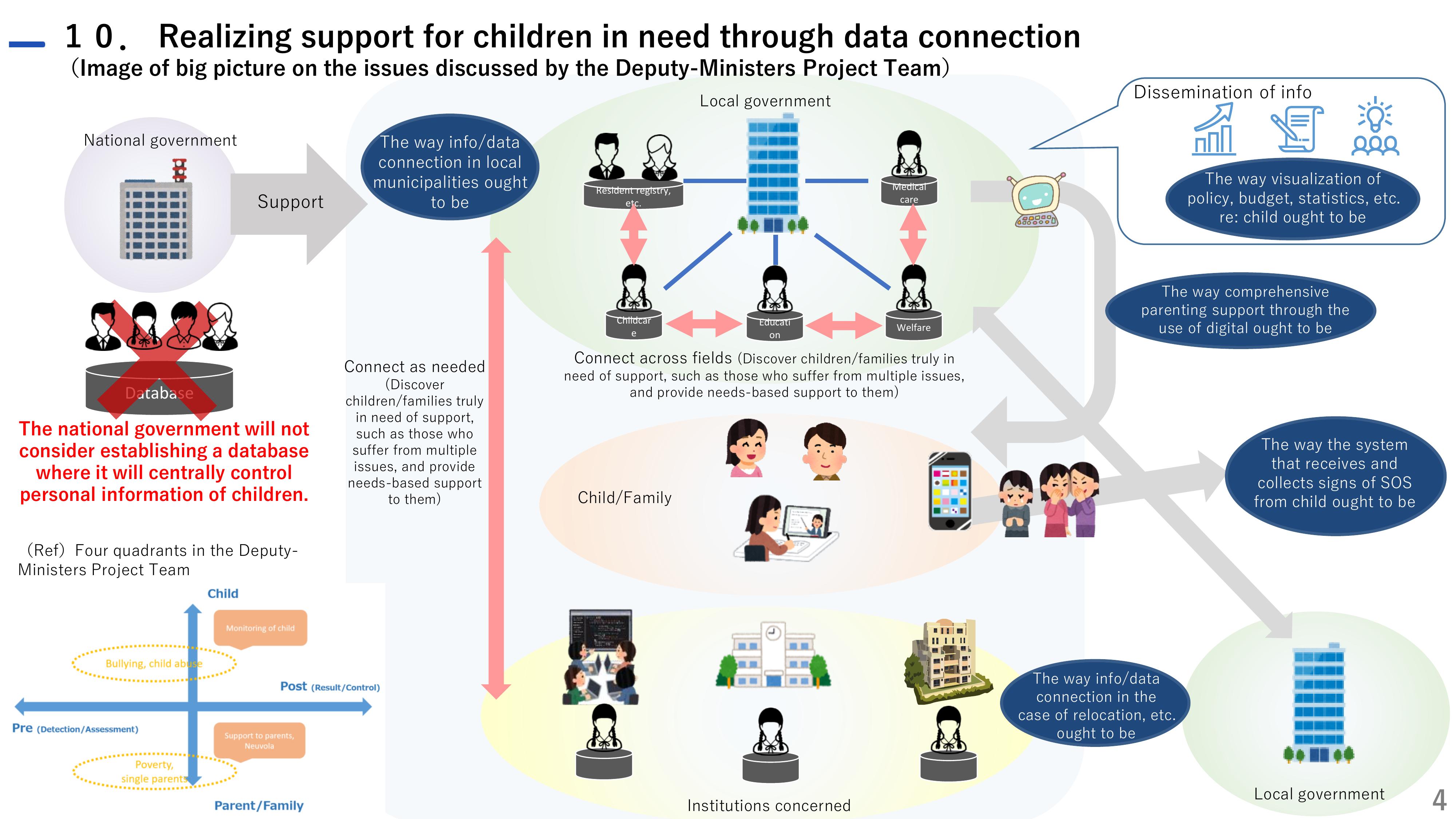
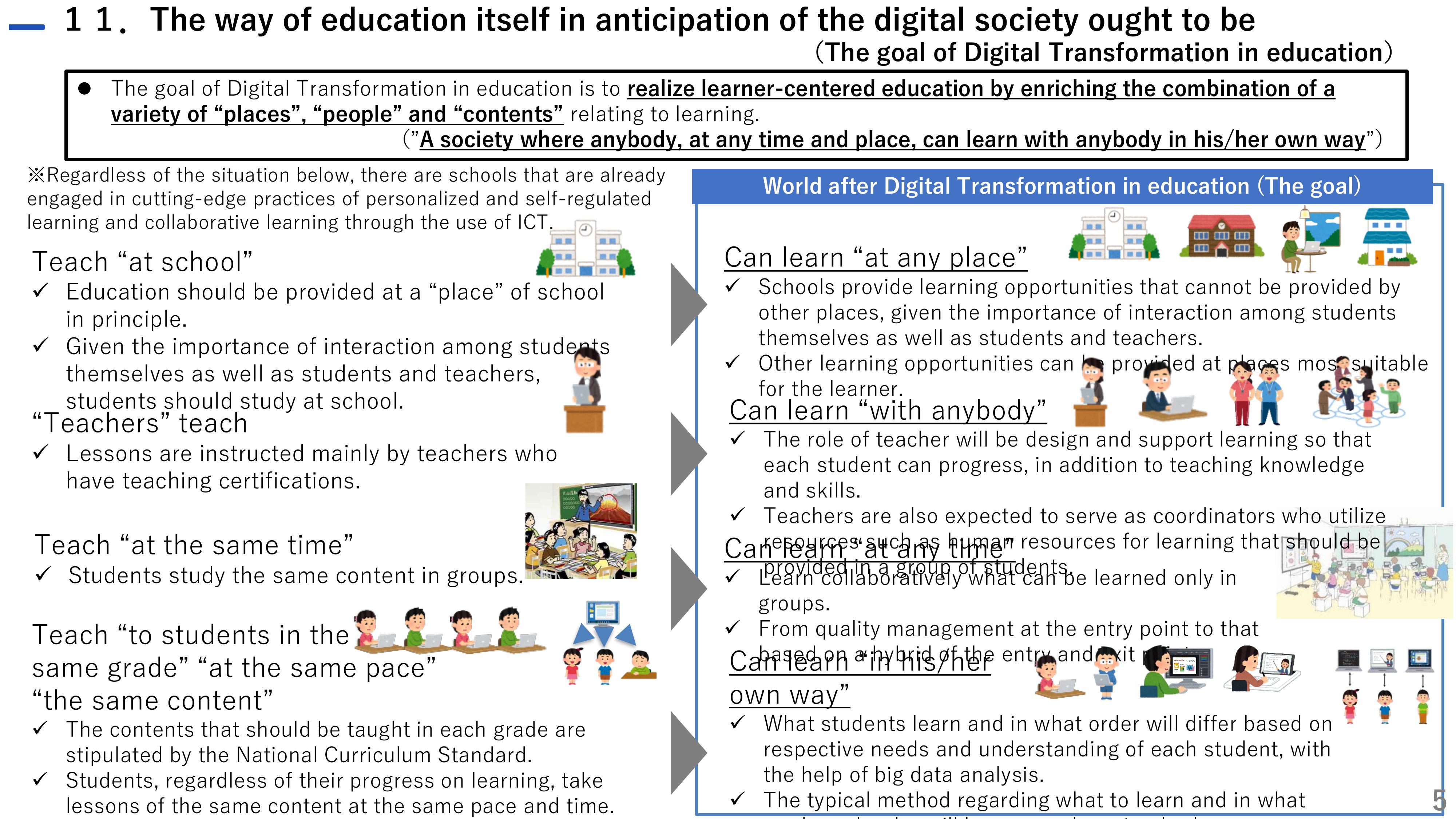
For Lindvig, perhaps one of the most powerful changes that AI could bring to education is a shift from more traditional assessment practices (such as essay writing and tests) to production-based formats where students must demonstrate their learning in multiple ways using a variety of multi-modal formats. When AI is assessing multi-modal products aligned with the goals that the teacher sets for the learning experience, then the teacher also gets something in return for using advanced technology. Additionally, AI used for assessment can engagestudent learning and provide immediate feedback within the classroom. Of note, AI implementation guided by teachers’ goals ensures that the feedback provided to students is aligned with the educational system’s curriculum and not “big tech” controlled algorithms.  After testing this type of AI implementation in Scandinavian schools in May and June, Lindvig noted that teachers reported that the AI feedback on student work was aligned with the values in the curriculum and that it provided them with more time to communicate with their students.

So where do system leaders start in order to implement an AI-empowered solution that is pedagogically relevant? According to Lindvig, systems should:

• Own the login platform, even if a company runs it for the system. 

• Control the student catalog which contains the data.

• Implement very strong General Data Protection Regulations, and decide –at a federal, provincial and/or municipal level- which applications are allowed to be used.

• Own the curriculum by making sure that the applications filter the information so that it includes only the content that is relevant and pertinent to the national/provincial curriculum.

ARC Pre Summit March 2023 Yngve Lindvig

Yngve Lindvig´s ARC Talk on The Promise & Threat of Advanced Technology in Education

Previous IEN posts from ARC include A Focus on (Imperfect) Leadership: Snapshots from the 9th ARC Education ThoughtMeetWell-Being, Social Emotional Learning (SEL) and the COVID-19 Pandemic: Snapshots from the 8th ARC Education Thoughtmeet; and The ARC Education Project: Rethinking Secondary Examinations and Credentials. Previous IEN posts on AI include: ChatGPT on ChatGPT in education: Clear summaries and fake citations (The ChatGPT six month anniversary edition Part 1)Ban It or Use It? Scanning the Headlines: The Chat GPT six month anniversary edition Part 2Scanning the headlines for international perspectives on ChatGPT in schools: The Chat GPT six month anniversary edition Part 3and What difference will AI make in schools? Scanning the headlines on Chat GPT’s six-month anniversary (Part 4).

Looking ahead in 2023: Scanning the predictions for education

This week, Thomas Hatch pulls together IEN’s annual collection of articles that look into the future of schools and education. Last week’s post featured articles reviewing key stories and developments from 2022 and you can also revisit posts looking back on previous years (2021, 2020, 2019 part 1, 2019 part 2) and looking to the future (2022, 2021 part 1, 2021 part 2, 2020).

2023 already seems to be shaping up to be the year of CHAT-GPT and AI in education so it is perhaps not a surprise that many forward-looking articles focus on educational technology, but some efforts are also attempting to anticipate the future for business, financing and philanthropy in education. Readers can also explore a few articles that anticipate key issues that will be on the agenda in a specific region (Ireland, California, Ohio), and you can even look to see whether the National Center for Education Statistics predictions for 2023 (made in 2016) have come true. Although the predictions in the articles overall suggest some reasons to be hopeful, the challenging economic conditions and a looming financial cliff in the US stemming from the influx of funding to combat the effects of the COVID-19 pandemic indicate some significant problems ahead. For other perspectives on the future, on January 25th, Getting Smart will be holding its annual “What’s Next in Learning?” town hall to explore innovations “driving the most equitable and scalable changes in education.”

With ChatGPT, Education May Never Be the Same, AEI

The Future of the High School Essay: We Talk to 4 Teachers, 2 Experts and 1 AI Chatbot, The 74

Imagining What Comes Next:  Schools Must Embrace the Looming Disruption of ChatGPT, The 74

How AI will change Education, Transcend Newsletter

4 K–12 Tech Trends to Follow in 2023, EdTech

“The biggest trends have an eye on physical security, virtual reality and a clear transition away from the front of the classroom as the focus.” 

37 predictions about edtech’s impact in 2023, eSchool News

Discover the Top Hurdles, Accelerators and Tech Enablers Driving K-12 Innovation in 2023, COSN

The three most important hurdles for education in 2023 will be attracting and retaining educators and IT professionals, designing effective digital ecosystems and digital equity.”

2023 State of Edtech Fundraising, Transcend Newsletter

6 Essential Predictions for the Education Market in 2023, EdWeek Market Brief

The public finance outlook for 2023: Prepare to slog, Governing

Disinflation and economic deceleration will dominate state and local budgets and investments. Cash is king, at least for a while. Payroll costs will outrace revenues. It’s going to be a year for muddling through.

Educators, buckle up: A bumpy economic ride lies ahead, District Administrator

We’re actually calling 2024-25 ‘the bloodletting’… Public education has not seen this sort of right-sizing, fiscal cliff, whatever you want to call it, of this magnitude at any time, including the last recession”—Marguerite Roza quoted in District Administrator

Philanthropy Trend Watch: A Few Ways the Sector Is Changing for the Better — and the Worse, Inside Philanthropy

Steal These Resolutions: 7 Experts Share How Schools Can Tackle Climate Change in 2023, Education Week

What’s next? Our predictions on the issues to dominate education in 2023, The Irish Times

California education issues to watch in 2023 — and predictions of what might happen, EdSource

Five predictions for Ohio education in 2023, Fordham Institute

Projections of Education Statistics to 2023, NCES

A view from Japan (part 2): Hiro Yokota on parenting, education and the new Digital Agency in Japan

This week’s post features a follow-up interview with Hirokazu Yokota, discussing his experiences during the COVID-19 pandemic in Japan, as a parent, education policymaker and now government officer at Japan’s newly established Digital Agency. Yokota was a principal architect of two recent policies: the Basic Act on the Formation of a Digital Society, which set basic principles to transform Japan by cross-ministerial policy making and passed the Japanese Diet on May 2021; and the Priority Policy Program for Realizing Digital Society, which include policy measures for the government to implement and got cabinet approval in December 2021. Recently, he published an article on school leadership in Japan in the International Journal of Leadership in Education. The post shares his own views and does not necessarily represent official views of DA and the Japanese government.

IEN: What has been happening with you and your family this year? How does this compare to what you told us in your previous post at the beginning of the pandemic (A view from Japan: Hirokazu Yokota on school closures and the pandemic)?

Hirokazu Yokota: Too many changes to remember, I would say… the positive thing is that I and my family are still doing well and safe, which is the most important. My working style has changed a lot. I still work from home two to three days a week, which means I have more time to spare with my kids. Almost every meeting, including the ones with the Minister, happens online, which was almost inconceivable pre-pandemic to me. The society now has more tolerance for that flexible style, as it found paper-based and face-to-face working style infeasible in the presence of this lasting pandemic.

The other side? My six-year-old daughter suddenly said she wanted to wear a mask on top of another and cried (she always wears one when going outside). She, by watching TV news etc., was kind of afraid of getting Omicron. I couldn’t just say getting it isn’t a big deal. Kids absorb and think much more from what they see in the world than we imagine. As a parent, I have to balance two seemingly-conflicting demands – providing my kids with real-life, authentic opportunities to interact with a variety of people, and preventing the infection of Covid-19 at the same time. This is a very challenging act of parenting, and to be honest, I have not found any solid answer here.

“As a parent, I have to balance two seemingly-conflicting demands – providing my kids with real-life, authentic opportunities to interact with a variety of people, and preventing the infection of Covid-19 at the same time. This is a very challenging act of parenting”

IEN: It’s interesting to see that you’re now working at a new governmental agency. What is the Digital Agency and what does it have to do with this pandemic?

HY: The Covid-19 pandemic was a wake-up call for Japan’s digital transformation. Management of the health crises was hampered by outdated and cumbersome administrative systems. Additionally, in the past, each ministry, agency, and local government has been promoting digitalization separately, which resulted in 1,700 local governments with 1,700 systems: procured and managed separately with dispersed responsibility. The COVID-19 pandemic highlighted the ineffectiveness of this practice.

As a response, in September 2020, then Prime Minister SUGA Yoshihide made the digitalization of Japan one of his top priorities. Accordingly, the Digital Agency (DA) was established at an incredible speed and launched in September 2021. DA has strong powers of comprehensive coordination, such as the power to make recommendations to other ministries and agencies.

What is particularly interesting is that of the about 600 DA officers, a third (some 200) are coming from the private sector, which creates a mixed organizational culture of thorough coordination of stakeholder interests in the public sector and agile/flexible decision making in the private sector. New challenges every day, but a very inspiring working environment. Given that I’ve mainly worked within the education sector it really helps to broaden my perspective.

IEN: In the field of education specifically, you previously mentioned that the Japanese government planned to implement “one device per student” initiative. What has worked, and what has been problematic?

HY: The Ministry of Education, Culture, Sports, Science and Technology (MEXT) has started the GIGA (Global and Innovative Gateway for All) School Program to make certain equitable and individually optimized learning by providing one computer per student and high-speed Internet for schools, which originally aimed at one device per student by the end of FY 2023. In the face of the COVID-19 crisis, it was accelerated and strengthened, with the distribution of one device per student almost completed by July 2021. About 461 billion yen (some 4 billion US dollars) in total was allocated for that purpose, which obviously was a huge investment.

However, when I collected voices from 217,000 students and 42,000 educators through an online questionnaire on this GIGA School Initiative in July 2021, it turned out that there were many problematic issues on the ground – including slow networks, slow digitalization of school affairs, school staff that never got devices, equipment that was too old or insufficient for use inside and outside of the classroom as well as insufficient support by experts. In terms of policy implementation, just distributing a subsidy does not necessarily guarantee that ICT devices are actually used, and there are many steps to be taken before these are put into daily use like pencils and notebooks.

In order to fill in this gap between policy and practice, the Digital Agency, with the ministries concerned, released a joint message to students and educators, and presented their responses in the form of future directions of relevant policies. Some of them actually led to subsequent supplementary budget items approved in December 2021.

Additionally, we took the comments from students and educators very seriously, and based on the “Open/Transparency” principle of DA, we explained our stance in as much detail as possible, including cases in which measures are difficult to take. This, I believe, is very meaningful as a new trial of policy refinement based on voices from the ground, where digital plays a significant role in reaching out to people/users.

IEN: This initiative is still in progress, but what’s next?

HY: Yes, when we think of three phases of digital transformation – (1) digitization, (2) digitalization, and (3) digital transformation, the current movement is mostly in phase (1) (digitization). However, the potential of digital technology goes far beyond taking paper and face-to-face processes and putting them online; it also lies in promoting student-centered learning as well as providing wraparound and push-type services to children by connecting a variety of data. Therefore, recently (in January 2022), DA and the ministries concerned published “Roadmap on the Utilization of Data in Education.” First, we set the mission of digitalization in education as “a society where anybody, at any time and place, can learn with anybody in his/her own way,” and established “three core goals” – enriching the (1) scope, (2) quality, and (3) combination of data – for realizing that mission. Issues and necessary measures, such as standardizing data in education, the way the creation of the platform in the field of education ought to be, determining rules/policies for the utilization of data in education, are clarified with a timeline.

Although most of the policy measures are supposed to be taken by MEXT, DA recently started a pilot project for realizing support for children in need (e.g. poverty, child abuse) through data connection across departments and organizations. As for now, when it comes to data in such fields as education, childcare, child welfare, medical care, etc., they are handled at different departments within the local government. Additionally, there are a variety of institutions concerned such as child consultation centers and schools, each of which, based on their respective role, engage in support for children by utilizing the information that they have. Unfortunately, this sometimes results in each organization/department working in silos without having a clear understanding of which children/families need priority support. For example, the “Child Development Monitoring System” in Minoh City, Osaka Prefecture, classifies children through (1) economic situation, (2) child rearing ability, (3) academic achievement, and (4) non-cognitive abilities, etc.; they then utilize the results for support and monitoring through case meetings, etc.. Building on such practices, we will support local governments by establishing a system for connecting data in education, child welfare, health etc. as needed, utilizing that data to discover children truly in need (e.g. poverty, child abuse) and providing push-type support to them.

IEN: Knowing that fundamentally changing education is such hard work – just like “Tinkering Toward Utopia” – what do you imagine for education in the future?

HY: We have to admit the possibility that the fundamental framework of learning instruction in which “in school” “teachers” “at the same time” teach “to students in the same grade” “at the same pace” “the same content” cannot work anymore. This is not because teachers are incapable of doing their jobs. This is because there are so many different needs that children have – from absenteeism, special needs, Japanese-language learners, poverty, to so-called gifted.

With that in mind, we set the goal of digital transformation in education as realizing learner-centered education by enriching the combination of a variety of “places”, “people” and “contents” relating to learning (”A society where anybody, at any time and place, can learn with anybody in his/her own way”). For example, teachers are also expected to serve as coordinators who utilize resources such as human resources for learning that should be provided to a group of students (“Can learn ‘with anybody’”). Additionally, assessment will move from measurement of student learning at the entry point (how much students learn) to that based on a hybrid of the entry and exit points (what attributes and abilities they acquire) (“Can learn “at any time””). Furthermore, what students learn and in what order will differ based on respective needs and understanding of each student, which can be helped with big data analysis (“Can learn “in his/her own way””). This is easier said than done, but MEXT recently set up a new special council composed of stakeholders to discuss concrete policy measures to realize this vision. I’m hopeful that Japanese education will be able to shift from an equality-oriented, lecture-style system to the one that embraces diversity (individually optimized learning and collaborative learning) without undermining our focus on equity.