Since the COVID-19 pandemic began, numerous proposals to “reimagine education” have been made. At IEN, we have been tracking both the news about those proposals for changing education and the discussions of what has (and has not) been changing in schools post-pandemic (see for example “What can change in schools after the pandemic?”). This week, Correne Reyes shares our latest scan of that news in the US and finds some media reports highlighting flexibility around “seat time;” increased attention to teacher wellbeing, and discussions of the ways online learning may serve as a substitute for classroom-based learning. A second scan will focus on educational changes reported in other parts of the world.
Rethinking Time in Schools?
The switch to remote learning in so many schools and districts prompted numerous proposals to rethink “seat time” – the conventional requirements for awarding credit based on the number of hours and days spent in classrooms. As Jonathan Alfuth put it , “While we agree that states must return to policies that ensure districts maximize the amount of time students spend on high-quality learning experiences, we also believe states must seize this unique moment to rethink the way in which they define instruction and credential learning.” These proposals argue for broadening definitions of what counts as “hours” of instruction, where instruction can take place, and how it can be measure (e.g. “How states are rethinking instructional time and attendance policies in the covid-19 era”; “Unlocking innovation in schools: Policies that create space for schools to better support their students”). Some states have begun reshaping their policies to adjust the barriers of seat time. For example, Minnesota proposed legislation that emphasizes personalized, competency-based education, which focuses on “outcomes—mapping to the pace of students’ mastery of knowledge and skills—instead of moving lockstep through time-based lessons and grades.” Arizona established an Instructional Time Model allowing school districts to adopt their own instructional hour requirements for attendance. Meanwhile, Washington created the mastery-based (or competency-based) credit as an option for high school students to earn credit for demonstration of learning on assessments that are tied to state learning standards.
Building support for Teacher & Student Well-Being?
Teachers have always served a pivotal role in responding to students’ wellbeing, but the pandemic is contributing to low morale and high burnout, and, as one study described it, “a critical need to allocate more attention and resources to support teacher psychological health by strengthening emotional support, autonomy, and teaching efficacy” “Elementary School Teacher Well-Being and Supportive Measures Amid COVID-19: An Exploratory Study”).
“It’s not for lack of want, it’s not for lack of ideas…It’s really a lack of available professionals who are willing and qualified to provide these kinds of services to help kids and families and ultimately educators.” Ronn Nozoe
What does it take to support the development of a diverse group of education leaders? Lauren Bailes discusses this and other key issues of educational change in In this month’s Lead the Change (LtC) interview. Bailes is an assistant professor in the School of Education at the University of Delaware who explores how organizational, social-cognitive, and leadership theory unite to promote the success of school leaders and K-12 students.The LtC series is produced by Alex Lamb and colleagues from the Educational Change Special Interest Group of the American Educational Research Association. A pdf of the fully formatted interview is available on the LtC website
Lead the Change: The 2022 AERA theme is Cultivating Equitable Education Systems for the 21st Century and charges researchers and practitioners with dismantling oppressive education systems and replacing them with anti-racist, equity, and justice-oriented systems. To achieve these goals, researchers must engage in new methodologies, cross-disciplinary thinking, global perspectives, and community partnerships to respond to the challenges of the 21st century including the COVID-19 Pandemic and systemic racism among other persistent inequities. Given the dire need for all of us to do more to dismantle oppressive systems and reimagine new ways of thinking and doing in our own institutions and education more broadly, what specific responsibility do educational change scholars have in this space? What steps are you taking to heed this call?
Lauren Bailes: Two things come to mind for me in response to this call. First, I’m trying to stay connected to practitioners and stakeholders in my local contexts as much as possible in order to listen and learn about their needs in the midst of a rapidly shifting set of systems. I recently had a conversation with a state education leader in Delaware and he asked me, “Do you ever worry that you’ll do research for forty years and you will have become irrelevant?” I told him that I think about that most days. I think, right now, my responsibility—and the way to preclude that irrelevance—is to tailor my work to the espoused needs of education leaders and practitioners around me. I try to conceive of my research agenda as a way to be of service; that necessarily entails collaboration, flexibility, and pivots—all of which definitely keep things current and engaging.
For me, this has certainly meant attending to meaningful research questions using high-quality methodological approaches and publishing in respected outlets, but I don’t want to stop there. One of my favorite moments of my career thus far was when one of my EdD students (a Black woman who was at that time an assistant principal) saw the assistant principal findings from my and a colleague’s AERA Open piece (Bailes & Guthery, 2020) in EdWeek and reached out to me to say, “Hey! This is you, right? This is everything I’ve been trying to say in my district!” This encapsulated so much for me: research has to be multilingual and speak the languages of our research colleagues and our practitioner colleagues. For Sarah and me, this has meant writing shorter summaries of our research in plain language with clear action steps which follow the peer-reviewed research articles. This is not new information, but I take this responsibility very seriously. I’ve also tried to take on some responsibility for leader preparation in my state—both through our EdD program and through other initiatives like the Governor’s Institute for School Leadership (GISL), which is a year-long executive style professional learning experience for third-year Assistant Principals who seek promotion in the school system. My colleague Bryan VanGronigen and I co-wrote the curriculum for the year, and I also teach in the program. The woman who contacted me about the EdWeek writeup graduated from our EdD program then spent a year with GISL and is now a district leader. For her and others like her—in our preparation programs and in our statewide leader supports—the job of translating research clearly in diverse outlets, is incredibly important, as is the practical enactment of what I find and espouse in research.
LtC: Your recent work examines the impact of “disappearing diversity” on the hiring of teachers of color. You have also examined the path to the principalship for assistant principals of color. What are some of the major lessons the field of Educational Change can learn from your work and experience examining the growing equity issues of school staffing?
LB: School staffing is the chief concern I hear among my practitioner colleagues. Whether it’s hiring a highly qualified teacher, finding someone to cover a special education classroom, identifying an instructional coach for the school’s one STEM teacher, or retaining a principal, staffing is at the forefront for many school leaders.
Staffing shortages are certainly not new to schools and the acuity of that challenge varies by context; in Delaware, for example, 41% of principals are eligible for retirement in the next five years. Throughout the educator pipeline, there is a profound need to get positions filled. But even in the midst of a staffing crisis, just filling positions is insufficient. We have to maintain focus on equitable and just practices associated with recruiting, hiring, developing, retaining, and promoting education professionals (Bailes & Guthery, 2021).
Having a racially diverse pool of educators is good for all students and not just students of color, even though we also know that students of color experience particular benefits when they are taught and led by people who look like them (e.g., Simon et al., 2015).
One thing that became clear to me as Dr. Sarah Guthery and I wrote about teacher hiring was that we lose so many teachers of color in their teacher preparation programs. Whether that’s due to the cost of those programs, biased systems of licensure and certification, or lack of support among predominantly white systems of preparation, we have to make teacher preparation not just attractive but feasible for people of color. These might include more incentives for early career teachers of color as well as induction supports.
“We have to maintain focus on equitable and just practices associated with recruiting, hiring, developing, retaining, and promoting education professionals.”
We know from literature, and from the experiences of our practitioner colleagues, that the challenges inherent to education careers are multiplied when those educators are the only or one of very few people of color in their organizations. So, networks and ‘taps’ matter a lot. It’s critically important that, as women and people of color indicate interest in school leadership, they are able to identify systems of support and mentorship to get them into those positions, to scaffold their skills as they move into leadership, and then take seriously their development in those positions in order to retain them.
Ltc: In your study of principal promotion in Texas, you find that Black assistant principals and women high school assistant principals have harder paths to the principalship than their White and male counterparts. What policies and practices can school systems put in place to ensure equitable promotion?
LB: There are a lot of things districts can do and they fall roughly into issues of perception and issues of preparation. It’s also important to note that our study has been replicated a couple of times and the exact promotion patterns vary in different contexts, so I strongly recommend getting familiar with those patterns in your context. However, some of the perceptions regarding the leadership of women and people of color persist across systems. One of the most interesting things that I learned in the process of writing that paper with Dr. Guthery was that, even though we did not find a difference in likelihood of promotion to the principalship for women, we found that women were far more likely to be promoted to principalships in elementary and middle schools than in high schools. Given that superintendents and other district-level leaders are often hired out of high schools, this renders a lot of women invisible for those promotions (and has lasting consequences for pay equity). Principals of lower schools may be perceived as less ‘tough’ or as having to contend with fewer complex organizational management issues and that’s just not true (see for example: Joy, 1998). This is a perception problem and one we can and should counter very directly.
“Efforts toward equitable principal promotion have to be paired with other issues of persistent segregation as well.”
Similarly, principal licensure exams function as a sorting mechanism for many principal candidates of color. Despite similar qualifications to their white peers, aspiring leaders of color may be removed from candidacy because of licensure exams. This is also an opportunity to use the Professional Standards for Educational Leaders (PSEL) in lieu of biased exams to enhance justice and equity within principal hiring and promotion practices. No standards are perfect, and they require careful training to be used well, but assessing principal candidates through the lens of standards rather than licensure exams may be one way to create more equitable access to school leadership for women and people of color.
Superintendents are best positioned to enact some of these reforms. They can call for audits, examine hiring records (including applicant pools that are often inaccessible to researchers), change job postings and hiring structures, and deploy resources for support and mentoring opportunities for people who are underrepresented in school leadership.
Finally, it’s important to recall that issues of segregation among education professionals do not occur in a vacuum—they’re influenced by racism, sexism, misogyny, and oppression throughout our systems of housing, medical care, higher education, and the list goes on. Efforts toward equitable principal promotion have to be paired with and are more likely to be successful as we concurrently attend to other issues of persistent segregation as well.
LtC: Educational Change expects those engaged in and with schools, schooling, and school systems to spearhead deep and often difficult transformation. How might those in the field of Educational Change best support these individuals and groups through these processes?
LB: I see a tremendous amount of curiosity and willingness to experiment among many of my collaborators—both researchers and practitioners. My conversations with local education leaders suggest that the inequities and challenges associated with schooling in the last two years are not new—they weren’t created by the pandemic—but they were instead thrown into stark relief by the pandemic. Researchers have one set of language and tools to name those challenges, and I’m consistently impressed when I see researchers expand their language, outlets, and tools to be more inclusive of practitioners.
Similarly, I’ve seen practitioners take on some really brave and creative work regarding equity, school discipline, community engagement, instruction, and cycles of school improvement and they’re looking for research partners to support that work. Our practitioner colleagues spent two years creating systems to do schooling with unthinkable constraints on staffing, resources, and technology, so they’re empowered to innovate in ways that previously seemed outside the ‘grammar’ of schooling.
“Get close to a school and support the shared work of the teachers, families, leaders, and students there.”
We’ve seen systems that are breaking new ground in leadership preparation, team teaching arrangements, and school-wide equity training. So if you’re looking for partnership opportunities, get close to a school and support the shared work of the teachers, families, leaders, and students there. Their work is accelerating, rather than slowing, towards justice and equity—often in spite of profound barriers associated with resources and policymaking.
LtC: Where do you perceive the field of Educational Change is going? What excites you about Educational Change now and in the future?
LB: I’m learning a lot from thought leaders in the conversation about CritQuant (critical approaches to quantitative methods). I employ a lot of administrative data and I’m keenly aware of their limitations and the ways in which the assumptions embedded in those data perpetuate oppressions along dimensions of race, class, and gender. Categories—like those that currently characterize quantitative data— are necessarily limiting and so I’m trying to think about ways to acknowledge meaningful differences in how individuals are treated by education systems (for example, people of color are less likely to be promoted from assistant principalships to principalships than are their white counterparts) while also exploring ways to think beyond the limitations of the categories in those data. I’m excited about the conversations in this space and the ways in which we have more opportunities for collaboration across theoretical and methodological boundaries.
I’m also really excited about the recent emphasis on PSEL Standard 3, which addresses equity. As I mentioned above, I think there’s a real appetite among schools for concrete and creative steps to increase equity in their schools at every level. Standard 3— which includes skills like cultural responsiveness, an emphasis on each child, and inclusive decision-making—is really brought to life in the other nine standards. For example, what does it look like to carry out inclusive decision-making with instructional faculty or with families? How do leaders enact cultural responsiveness in their communications with families? How do school discipline policies attend to the needs of each child? As I’ve worked with school leaders, the overwhelming refrain is something like, “I’m committed to equity—I just don’t quite know how to do it.” It seems like some clear direction on how to bring Standard 3 to life will offer them some purchase as they engage equity work in their own contexts. I’m so excited to be connected to more of that work, and I’m really optimistic that such clarity will contribute to overall school improvement.
Overall, I feel very lucky to be surrounded by talented, committed colleagues at University of Delaware and nationally as well as in our surrounding communities and schools. I’m consistently encouraged by their technical expertise, courage, and optimism, and I’m confident that educational change is possible as we learn from each other and continue to prioritize students.
Bailes, L. P., & Guthery, S. (2020). Held Down and Held Back: Systematically Delayed Principal Promotions by Race and Gender. AERA Open. https://doi.org/10.1177/2332858420929298
Bailes, L. P., & Guthery, S. (2021). Disappearing diversity and the probability of hiring a nonwhite teacher: Evidence from Texas. (EdWorkingPaper: 21-447). Annenberg Institute at Brown University. https://doi.org/10.26300/qvmz-gs17
Joy, L. (1998). Why are women underrepresented in public school administration? An empirical test of promotion discrimination. Economics of Education Review, 17(2), 193-204.
Simon, N. S., Johnson, S. M., & Reinhorn, S. K. (2015). The challenge of recruiting and hiring teachers of color: Lessons from six high-performing, high-poverty, urban schools. The Project on the Next Generation of Teachers. https://projectngt.gse.harvard.edu/publications/challenge-recruiting-and-hiring- teachers-color-lessons-six-high
The latest ThoughtMeet (TM) from the Atlantic Rim Collaboratory (ARC) featured conversations with Steve Munby and ARC delegates exploring “imperfect leadership.” Munby facilitates ARC events and is a member of the ARC Secretariat, and Visiting Professor at University College London Centre for Educational Leadership. Munby’s talk drew from his recently published book with co-author Marie-Claire Bretherton, Imperfect Leadership in Action: A practical book for school leaders who know they don’t know it all. This post highlights the key ideas and issues that were discussed in the meeting by representatives from the seven ARC member systems and its global partners. A summary, videos, and other resources from the March 25th ThoughtMeet: A Focus on Leadership. Summaries and materials from previous ThoughtMeets are available on the ARC Education Project website. This post was written by Mariana Domínguez González, and Daphne Varghese, ARC Research Assistants and Trista Hollweck, ARC Project Director.
“Nobody is ready for leadership. It is always a big step up. Imperfect leadership is neither a set of competencies to be mastered nor a body of knowledge to be memorized. It is a mindset to be embraced.”
Steve Munby
What is imperfect leadership? According to Steve Munby, imperfect leadership goes beyond how effectively a leader responds to ever-changing and dynamic work conditions to encompass who the leader is as a person– their personality, expertise, how they motivate others, respond to stress, etc. Leaders are not finished products; rather, they should strive to be endless learners which he describes as grown up & restless (as illustrated in the quadrants below). Munby reminded ARC delegates that “walking into a leadership role is a new playground for everyone. There is no such thing as perfect leadership when we step into a leadership role.” Thus, strong self-awareness is crucial for imperfect leadership.
Source: Quadrant taken from Steve Munby’s presentation: March 25th TM
In order for leaders to stay restless, Munby stressed the importance of developing and leading an open-to-learning culture. Leaders should review and reflect on events or situations that haven’t gone well, practice self-compassion, and use feedback processes (such as 360 degree feedback) in a focused and time-specific way to improve their leadership practices.
How can we help educators to improve and to develop as leaders? Munby stressed that all members in a team have the potential to be leaders. The key is to provide them with the confidence to step up and take a leadership role. Creating an imperfect leadership culture requires an investment in others, especially early career leaders. As the more experienced leaders, he explained “it is our responsibility to support the leadership development of others. We must support future leaders and provide them with opportunities to take on challenging tasks and feel supported to take risks. We also must be conscious to not reinforce one simple stereotypical view of leadership, but encourage potential leaders from diverse backgrounds and perspectives to lead.” Munby added that an imperfect leadership culture provides opportunities for experienced leaders to take on new and challenging roles in an effort to renew and re-energize them.
A Q&A panel discussion followed the ARC talk and delegates asked Munby about the role of diversity in leadership, the importance of co-leadership and distributed leadership models, how to deal with negative organizational cultures, as well as how to balance risk-taking and learning from one’s failures against stakeholder expectations:
What role do you think diversity plays in leadership? Munby noted that organizations need to go beyond the notion that diversity is solely about fairness. Rather, diversity creates better teams characterized by numerous perspectives and expertise. Organizations also need to steer away from a singular approach to leadership, as it can encourage specific group members to be leaders and deter others from stepping into a leadership role. Munby emphasized that conceptualizations of talent are narrow and fixed, and we need to find ways to challenge them.
How do we “row together” to create an expectation of sharing power and decision-making? Munby described how stakeholder engagement is an essential collaborative strategy for systems to develop imperfect leadership and promote progressive policy leadership.
How do leaders cope with negative organizational cultures? According to Munby, it is always important to try to find a way to internally influence the work culture. However, in some cases, if the negative culture becomes too fixed and unlikely to change, it may be best for the leader to switch to another workplace.
Follow-up reflection questions for system leaders:
What does imperfect leadership mean in a virtual post-Covid-19 context?
What is the difference between leadership and management?
How do we further develop adaptive leadership in our systems so that leaders are not only aware of their individual strengths and default styles but equally aware of how to respond when a situation needs a different approach?
How do leaders balance the system/political aspect as well as the personal side of leadership?
How do leaders manage the very real external pressures and expectations and also provide conditions for aspiring leaders to grow and make mistakes?
How do we prevent or avoid burnout in leaders at all levels? What kind of support is most needed?
About the Atlantic Rim Collaboratory:
The (ARC) is an international policy learning network that was established in 2016 to advance educational change based on eight guiding principles: equity, excellence, inclusion, wellbeing, democracy, sustainability, human rights, and professionally run systems.Headquartered at the University of Ottawa (Ontario, Canada) since 2019, ARC brings together senior public officials (i.e ministers and deputy ministers of education), professional association leaders (i.e. unions and inspectorates) and other key stakeholders from its seven education member systems (Iceland, Ireland, Nova Scotia, Saskatchewan, Scotland, Uruguay and Wales), global partners (International Confederation of Principals) and international experts and scholars to discuss, debate and exchange knowledge about educational policy issues and to formulate responses suited to their contexts. One of the founding ideas behind ARC is to tear down the walls between countries and regions, as well as between educational researchers and politicians, in order to pursue the most fundamental ideas of what it means to be educated in today’s world for the mutual benefit of all ARC-systems and future generations of students worldwide. Every year, ARC members meet at the annual Summit hosted by one of the member systems. However, since 2020, in addition to a virtual summit, ARC has also hosted bi-monthly virtual ARC ThoughtMeets (TMs) for its members. The TM outreach series was designed to stimulate and support a global educational movement for equitable, inclusive and sustainable educational solutions to COVID-19.
This week, IEN reposts part 2 of a series of blog posts in which Larry Cuban reflects on the endurance of “two dominant patterns of organizing schools and teaching lessons” in the US: the age-graded school and “teacher-centered instruction.”In part 2, Cuban begins exploring whether the patterns he has seen in the US appear in other countries, in this case France.The original post appeared on Larry Cuban’s Blog on May 7th.
In Part 1, I asked the question whether or not the ways that U.S. schools have organized (i.e., the age-graded school) and the dominant ways that teachers teach in American classrooms (i.e., teacher-centered instruction) are unique to the U.S. So in a series of posts over the next few weeks, I will sample how different nations organize their systems of schooling and offer photos of classrooms and descriptions of lessons to see how actual students and teachers appear.
The organization of schools in other countries and photos of lessons suggest a strong similarity to the U.S.’s age-graded structures and classroom organization. While diagrams of a nation’s schools are helpful to readers in getting a sense of how each country organizes their public schools and while snapshots do convey how classroom furniture is arrayed, the importance of wall clocks, and national flags, neither charts nor photos tell viewers the ways these teachers teach multiple lessons thereby revealing patterns in teaching. Finally, snapshots fail to show student learning since they capture a mere instant of what a class is doing. So charts and photos can inform but they have definite limits.
Another shortcoming to relying upon photos is that I may have used non-representative samples of a nation’s classrooms, given that I pulled photos from the Internet. But those photos are all I have at the moment. I do invite readers to offer other photos and text that challenge the generalizations I make about school structures, given the limited evidence I offer.
In this post, I will focus on one country–France–and offer photos of “typical” public school classrooms over the past few years including the aftermath of the Covid-19 pandemic.
France has a centralized system of schooling for its 13 million students. A Ministry of Education establishes the curriculum for all levels of schooling and allocates both staff and funds to the 31 regions or academies headed by a rectuerresponsible to the national Ministry of Education.
The historically high degree of uniformity in curriculum and instruction has lessened in recent years as the Ministry of Education has delegated to local regions, curricular discretion. Moreover, local variation in schooling and classroom lessons–Brittany in the northeast of France and Marseilles on the Mediterranean Sea–Inescapably exists.
In France, education is compulsory for children between the ages of three and 16 and consists of four levels:
Students are required to attend school from age six to sixteen. All schooling between kindergarten and university is free except for private schools where parents pay fees. Seventeen percent of French children attend private schools.
Schools open in September and end in June with two weeks of vacation every few months. Also, most French schools are open Monday, Tuesday, Thursday, and Friday. Wednesdays are often a half-day. The school day usually runs from eight AM to four PM. French students usually have over an hour for lunch and many go home to eat.
Class sizes in public schools vary. For instance, in primary grades, one teacher and a teaching assistant typically will be in charge of 25 children; in secondary school, teachers commonly have 30 or more students.
Even with these similar features, there are differences in schooling across France (e.g., urban/rural, small/large schools, heavily immigrant/mostly middle and upper middle class, public/private). Thus, what some authorities call a “typical” lesson may simply be what they believe (or want to believe) is a common instance of classroom teaching. Readers should keep that in mind.
Here are a few photos of “typical” elementary and secondary classrooms in France.
This week, Thomas Hatch continues his conversation with Keptah Saint Julien about the development of a Whole Child School Model at the Van Ness Elementary School, a District of Columbia Public School. In Part 1, Saint Julien talked about the beginnings of the Whole School Model, and some of the core components. Part 2 discusses some of the specific strategies for working with students who need additional support and some of the ways the model has changed over time. Keptah Saint Julien is a partner at Transcend with over a decade of experience in urban education. Saint Julien now works with her colleagues at Transcend to share the model in a Whole Child Collaborative in D.C. and in schools in Transcend’s national network.To support that work, Transcend recently received a $4 million dollar grant to study and scale the model in the DCPS and in Aldine ISD, in Texas.
Thomas Hatch: Last time, you talked about some of the key components that characterize the Whole Child School Model, can you talk a bit about the CARE plus and Boost strategies designed for students who need additional support?
Keptah Saint Julien: For some students, CARE isn’t enough. They need additional supports to help them to be successful. For this we have both CARE Plus and BOOST. CARE plus means using CARE strategies with greater frequency or intensity (e.g. if a student needs more connections, they get extra connecting activities during the day, etc), but it also incorporates classroom strategies that teachers can implement to help these students. They may be academic, social or emotional.
CARE plus classroom strategies
We also have what is called TLC (Time, Love, and Connection), which gives students who need additional connection a daily opportunity to check in with an adult that they trust. BOOST also encompasses specific interventions like structured recess. Van Ness incorporated this practice for students who were being unsafe with their bodies. It’s important that every student has recess. Physical activity is an important way to alleviate stress. But if a student gets into an altercation, a staff member will pick up the students and take them to a space where they first talk about what happened. The staff member sits on the ground at the same level as the students, and then makes sure the students understand why they are in structured recess while giving the students a space to express their frustrations. At Van Ness, the staff member is usually a “behavior technician” who works to foster the development of positive behaviors and support students who are struggling. (Van Ness is one of several schools in the district that has behavior tech’s.) What’s beautiful about the model is that teachers do affirm student emotions. Students are allowed to be upset. Structured recess gives them the space to be upset, to express their frustrations and to reflect on how they can improve. After reflecting, the students build their skills with the behavior tech through practicing different recess games. That might be “This is how we play tag. We can practice and play.” So students get a chance to practice appropriate touch in tag and build the skills that they need in a structured setting, while still allowing for them to have recess and deepen a trusting relationship with an adult as well.
TH: That’s fascinating, such great examples of things like being at eye level with students. These are specific practices that really add up. The structured recess was a good example of something that’s changed or developed over time. What other tweaks or changes had to be made as the model developed?
KSJ: I would say the biggest shift in any school redesign is the shift that happens with adult mindsets, particularly when working with veteran teachers who have experience, knowledge and strategies that work for them. The key issue is helping them to see that we need to approach behavior and approach student well-being through relationship building and through proactive strategies, such as classroom greetings, intentional language and tone, and classroom design.
“The biggest shift in any school with any sort of redesign is the shift that happens with adult mindsets.”
TH: What has Van Ness done to support that shift?
KSJ: Cynthia sends many teachers to trainings and books studies. They do a lot of intentional professional development through organizations like Transcend. A good portion of her budget is allocated towards this.
TH: Van Ness has now achieved some success and been recognized both within DCPS and other places as a really exciting and promising model. I know that you and your colleagues at Transcend are working on sharing that success with other schools and communities. Can you talk a little bit about what you’ve learned as you’ve tried to spread the model? How the model has changed or how you’re thinking towards the model has changed?
KSJ: One of the first things that we’re committed to doing and that we’re working on is clarifying what’s core. It’s important that if a school says “I like the Whole Child Model and I really love what’s happening at Van Ness,” that they still recognize that each community is different, has different needs, students, and families. We are not trying to replicate Van Ness in every community, because the exact strategies are not going to work for every single community. But we know that student wellbeing is important for every school and every community. We’re trying to clarify what’s core. We’re testing and codifying some of the practices, and we’re also capturing the adaptations that are being done in different sites. Ultimately, we have this goal of increasing the impact of the model for schools and for school communities across the country. Right now, we have a first cohort that we’re still constantly learning from. We have also started an “Ignite Phase” for schools who are interested in the model. During this early phase, they explore questions like: What is wellbeing? What does wellbeing mean to me? What does it mean to my students? To my families? What do we know from research & best practice about factors that influence well-being? What are the strengths of our current approach? What are our needs? They start that listening process by interviewing and synthesizing information.
“We are not trying to replicate Van Ness in every community, because Van Ness is not going to work for every single community. But we know that student wellbeing is important for every school and every community.”
At the same time that we’re partnering with several schools in DCPS, we’re also working with schools around the country. For example, Carrollton Farmers Branch ISD, in the Dallas area, has identified one school who is piloting aspects of the model to determine how it might work there, and to see whether this is something that the district wishes to adopt more fully. Through an EIR grant we recently received, we’re able to expand to 10 schools in Aldine, Texas over the next several years. In addition, we’re partnering with a charter school in Memphis who wishes to adopt the model and potentially be a demonstration site for what this work can look like in Memphis. Even with this early expansion, we are very much in the learning phase. We learned a lot through our early work with Van Ness, and we’re learning a lot through our first cohort who are launching the model in their schools. It’s helping us learn what are the adaptations that we need to make in different school communities. One of the challenges arose when we launched with the first cohort because their first year of implementation happened during the pandemic. A lot of what they learned in the virtual world we are now transferring to classrooms, but it’s not always hitting the mark on the different elements of Strong Start for example. So now we have to go back and work on it again.
TH: Do you have another example like that – of something that’s not working that you have to change?
KSJ: Another thing that has been a struggle is structured recess. The issue is that there’s not a lot of capacity right now. As in many schools, a lot of teachers and staff members are unfortunately out. So, the schools just do not always have the people that they need in the building to run this type of intervention. Training and having a long-term sub who understands the model is a really important piece of the work to ensure students have a consistent experience. When you have a sub that comes in who doesn’t know the model, it can throw off the trajectory within a classroom and within the school culture. But right we just don’t have those long-term subs.
TH: These are great examples of both some of the changes that have been made and some of the challenges. As you look ahead, are there any key lessons, surprises, or things you didn’t know about when you went into this work that you’d want to share with others who are trying to develop more of a focus on well-being?
KSJ: I would like to touch on the family partnership aspect. We’re constantly going back to the drawing board and thinking about how to really meaningfully engage families in the work itself. That has been challenging, particularly now, given the circumstances that are happening in our very real world. It’s not always easy to partner up or communicate with families because families are busy and we’re busy. At the same time, families are our students’ first teachers. We aim to work in close partnership with them. It’s one thing, if I am teaching students how to self-regulate in their centering space and learn breathing, and teaching them focus. It’s even more powerful if, when they go home, they are practicing the same skills there. Without strong communication, there may be misalignment. The practices and teachings of social, emotional learning and wellness may not be consistent. We have to think about how we are working alongside families. What are their goals for their children? How are we helping them learn about the model and what’s happening in classrooms so that they are able to implement similar strategies at home and understand the language that students are using? Ongoing communication with families through meetings, newsletters, email and text has been really helpful. That is a part of Family Circle that is really going well. Parents are constantly looking out for further communication.
“We have to think about how we are working alongside families. What are their goals for their children? How are we helping them learn about the model and what’s happening in classrooms so that they are able to implement similar strategies at home and understand the language that students are using?”
TH: What are some of your hopes for the future?
KSJ: My personal hope is that we are codifying practices in ways that are accessible to everyone. There’s also a need for this type of work in upper grades. What would this look like in middle school? In addition to spreading this work at the elementary level, I hope we can codify and build out practices for middle schools and high schools.
This week’s post shares the first part of a conversation between Thomas Hatch and Keptah Saint Julien about the development of a Whole Child School Model at the Van Ness Elementary School, a District of Columbia Public School. The school was closed in 2006 due to under enrollment as the surrounding neighborhood was re-developed, with the school re-opened in 2015 under the leadership of Principal Cynthia Robinson-Rivers. Under Robinson-Rivers’ leadership and in partnership with Transcend, an organization that promotes school innovation and helps spread innovative school designs, Van Ness designed the Whole Child Model which prioritizes student wellbeing and socio-emotional growth. Currently, the school serves a racially diverse group of over 375 Preschool-5th grade students, with approximately 50% of students receiving free or reduced price lunch and 15% classified as having special needs. The redesign has been so successful that Van Ness received the District of Columbia Public School district’s (DCPS) Standing Ovation Award for excellence in school innovation in 2017-18 and schools across the district and country are beginning to adopt and adapt the approach. Keptah Saint Julien is a partner at Transcend with over a decade of experience in urban education. Saint Julien now works with her colleagues at Transcend to share the model in a Whole Child Collaborative in D.C. and in schools in Transcend’s national network.To support that work, Transcend recently received a $4 million dollar grant to study and scale the modelin the DCPS and in Aldine ISD, in Texas.
“Our aim is to cultivate critical thinkers and develop a generation of confident, curious, and compassionate members of society.” – Van Ness Elementary School
Thomas Hatch: The work going on at Van Ness is really fascinating, both for the development of the model there and for the way you and your colleagues are working with other communities to adapt it. Can you start by telling us what was the problem that the Van Ness model set out to address?
Keptah Saint Julien: It started off with the idea that all students deserve a school that supports their overall wellbeing. Just as students need academic skills, they need social and emotional skills. The Whole Child Model is rooted in the belief that children’s academic success is inextricably linked to their social, emotional learning, and overall well-being, and the belief that we can and must attend to the whole child while achieving academic excellence as well.
Keptah Saint Julien
TH: My understanding was that while some of these key ideas and the impetus came from Cynthia, she also began with a community engagement initiative, essentially to find out what people in the community were concerned about. Is that right?
KSJ: That was definitely an important part of setting the vision for the school and a key part of the partnership with Transcend. We lead through a community driven research and design process. What that looks like is that we’re going out and talking with key stakeholders, learning from them and coming together to create graduate aims and learning experiences that work for all students in meeting those aims.
TH: Who were the stakeholders that you reached out to as part of that work with Transcend?
KSJ: Families. It’s our philosophy and it’s Van Ness’ philosophy that families are integral partners in this work. The vision for Van Ness was shaped through early conversations with families. You can think about our approach to wellbeing as consisting of three parts:
One part is a set of family engagement strategies that we call Family Circle. Van Ness prioritizes home visits for every student. Families receive regular updates through weekly newsletters and text updates, and participate in events like coffee with the principal to ask questions and share ideas.
The next part of the model is CARE, which is a cohesive set of Tier 1 supports that every student receives to help them feel safe and a sense of belonging. We worked closely with teachers at Van Ness to test and codify strategies that worked. Then we also have CARE plus strategies designed to support students whose past experiences and personal histories suggest they may benefit from a deeper sense of safety and connection at school.
Finally, we have Boost, which includes what are often termed Tier II and III supports and provide the additional boost and targeted interventions that some students need.
TH: Some of the things that are really striking to me about the model are the very specific and explicit structures, practices, and routines – what I would call the “micro-innovations” – that create a real, tangible infrastructure for supporting student wellbeing. Can you highlight a few of those?
KSJ: As I mentioned before, everything starts with CARE. CARE stands for Compassion, Assertiveness, Routines, and Environment. One routine is a set of strategies for what we call a “Strong Start” in the morning. Strong start begins with greetings and breakfast in the classroom. In fact, every student is greeted by two or more adults before they even enter into the classroom, and students have the autonomy to decide what kind of greeting they would like to receive, whether it’s a handshake, a high five, a hug or something else. We’re very much empowering students and putting them as decision makers. The whole purpose of Strong Start is to help students start the day feeling a sense of safety and connection to their classroom community, in addition to providing them with strategies they can use throughout the day. Another part of Strong Start, for example, is ‘Breathe and Focus,’ where students learn how to breathe deeply, release stress they may be carrying, and center themselves – things that help with executive functioning and self-regulation. They use that strategy throughout the day. If they’re having a moment of tension or frustration later on in the day, they can use the skills that they learned from Strong Start to enter their reasoning state.
Then there are strategies like using intentional language and tone, which helps teachers speak with students and issue directions in clear and consistent ways. Classroom jobs is another routine which I personally love. It relies on teachers who deeply know their students and their unique goals. So if I’m a student who struggles with organization, for example, my teacher knows this about me and might give me the intentional, meaningful job of being the person that organizes our classroom library. That’s my job.
We’re also very intentional about classroom design. We know that if we are in spaces that feel beautiful and safe and clean our behavior automatically shifts. I think about going to a museum or the library. There are certain behaviors and ways that we feel when we’re in spaces like that. Teachers are very thoughtful when designing their classrooms. One of the tenets of care in classroom design is having natural elements, like green leaves and plants, as well as natural lighting. The classroom walls are free from clutter.
“We’re also very intentional about classroom design. We know that if we are in spaces that feel beautiful, safe and clean our behavior automatically shifts.”
Students also actively shape the design of the space. Student work and pictures of them and their families are prominent throughout the classroom, enhancing the home to school connection. School should feel like a space for healing and an extension of home. There are also “centering spaces” in each classroom as part of the classroom design. It is an intentional space where students can go and collect their thoughts and get back to a calmer, “ reasoning” state through breathing and reflection. This is especially important for students who have experienced trauma.. All that is part of CARE, the first tier which every student gets. Additionally, there is a focus on adult wellbeing. A beautiful thing right now at Van Ness is that Cynthia has partnered with some therapeutic services provided by the Georgetown Center for Well-Being in School Environments (WISE) so teachers are able to receive therapy.
Lead The Change: The 2022 AERA theme is Cultivating Equitable Education Systems for the 21st Century and charges researchers and practitioners with dismantling oppressive education systems and replacing them with antiracist, equity, and justice-oriented systems. To achieve these goals, researchers must engage in new methodologies, cross-disciplinary thinking, global perspectives, and community partnerships to respond to the challenges of the 21st century including the COVID-19 Pandemic and systemic racism among other persistent inequities. Given the dire need for all of us to do more to dismantle oppressive systems and reimagine new ways of thinking and doing in our own institutions and education more broadly, what specific responsibility do educational change scholars have in this space? What steps are you taking to heed this call?
Sarah Fine: Paulo Freire offered us the notion of praxis: cycles of inquiry which involve thinking critically about how sociopolitical systems work, taking action to create positive change, and reflecting on the process (Freire, 1970). A number of brilliant folks have written about how educators can take up Freire’s ideas in K-12 classrooms (Duncan-Andrade & Morrell, 2008; hooks, 1994). To this work I would add my own conviction that scholars of educational change, too, need to engage in praxis — and I believe that this praxis must involve more than simply galvanizing our students to do good work once they are “in the field.” This enlarged vision is no small commitment. The academy tends to reward thought over action, description over transformation, and theorizing about rather than theorizing with those who lead and work in schools. Plus, postulating on paper or in a lecture hall is comfortable; the world of K-12 public schools — “the field” — is a muddy, messy, imperfect place where elegant theories are inevitably complicated by the human-ness of human systems. Talking about implications for action is vanishingly simple by comparison to the actual work of making change in schools. I would argue, however, that it is imperative for us to do both: to read and write and observe and theorize, and also to enter into long-term action-focused partnerships which become a “text” that informs our scholarship. One without the other is insufficient.
This desire to engage in praxis has been a guide for my own career choice. After nearly a decade spent exploring the notion of deeper learning through qualitative research, I chose to depart academia in order to road-test my ideas by designing and directing a teacher residency program run out of an alternative institution of higher education. I admit that this project sometimes runs the risk of straying from Freire’s vision; my days “in the field” are sometimes so breathless that they leave little room for reflection. But that, too, tells a story about what it will take to accelerate efforts at transformation. We must reimagine what it means to be in practice as an educator, providing support and incentives for those who spend their time in and around K-12 schools to contribute their wisdom and experiences to the field’s knowledge-base. It is these kinds of shifts that can help us all to move beyond patterns of siloing and exploitation and to make good on a collaborative commitment to positive change.
LtC: Through your work as the Director of the San Diego Teacher Residency at High Tech High Graduate School of Education, you support future teachers in creating justice-oriented classrooms rooted in deeper learning and strengthen the pipeline for teachers of color. What are some of the major lessons the field of Educational Change can learn from your work and experience?
SF: In our recent book, Jal Mehta and I explored the idea of symmetry, e.g. the presence of guiding principles and practices which anchor the experiences of both adults and children in schools (Mehta & Fine, 2019). We argued that schools can make headway toward ambitious goals by cultivating symmetry — for example, by seeking to embed opportunities for extended inquiry or apprenticeship into adult learning as well as into classrooms. Based on my experiences designing and running the San Diego Teacher Residency, it turns out that symmetry is equally important in the context of teacher preparation. This is to say that novice teachers need the same things younger learners do in order to thrive and learn deeply: psychological safety, authentic purposes, culturally affirming pedagogy, tasks which lie within their zone of proximal development, modeling and support from expert mentors, opportunities to engage in productive struggle, and pauses to reflect on and celebrate their growth. On top of this, learning to teach for justice requires unlearning many of the normative beliefs and practices that dominate the field. This is true for white teachers and also for teachers of color, who may more easily recognize the myriad forms of oppression and marginalization that dominate traditional classrooms but still need to experience and learn new repertoires of practice by which to resist the pull of doing things as they have always been done. For example, we have found that with carefully designed coursework and expert facilitation, our teacher residents (white and BIPOC alike) are fairly quick to grasp why punitive and exclusionary classroom disciplinary policies are so inequitable. However, understanding what not to do does not automatically come along with the knowledge of what to do instead — and without viable alternatives, even teachers who recognize harmful practice will revert to the status quo. Thus, helping novices learn to “see” the problems of shallow, teacher-centered, eurocentric, one-size-fits- all pedagogy is the tip of the iceberg; the most important work lies in exploring and rehearsing new forms of instructional design and facilitation. This is where deliberate symmetry comes in, because every moment that our residents spend in our care is a moment to “walk our talk” by providing them with learning experiences that assist in the process of disruption and replacement.
“Learning to teach for justice requires unlearning many of the normative beliefs and practices that dominate the field.”
LtC: In your recent book, In Search of Deeper Learning, you argue for American high schools to create opportunities for deeper learning, teachers, administrators, parents, and educational communities need to unlearn ideas about schooling and set up organizational structures that value authentic problem solving and depth over breadth (among many other things!). In the past two years, how has remote learning and other school disruptions due to the COVID-19 pandemic changed this important work?
SF: During the long months of zoom school last year, those of us who spend our time thinking about teaching and learning looked on with mixture of apprehension and curiosity. Might the pandemic, for all of its awful-ness, finally open the door for the kinds of educational transformations that children so desperately need? Could this be the thing that would finally loosen the chokehold of the “grammar of schooling” that has persisted for more than a century? I wish I could say that the answer was yes — but in reality, the adjustments that I have seen schools and teachers make are subtle rather than dramatic. On the pessimistic side, at least from what I observed, much of what happened during remote schooling last year amounted to a doubling down on traditional practice. Elementary school teachers reverted to non-interactive read-alouds and assigned more than normal amounts of independent work; secondary teachers talked at their students even more than before; and everyone struggled to figure out how to get kids to interact meaningfully in breakout rooms. Things have gradually settled down with the return to in-person schooling this year, but I haven’t seen many examples of experiments or transformations. On a more positive note, however, remote schooling seemed to galvanize many teachers and leaders to make serious commitments to relationship-building, social- emotional learning, and trauma-informed practices. These things have always been essential, but until the pandemic forced the issue, they often took a backseat to academic content. I have been heartened to see this shift in priorities persist during this year, but I fear that all the talk of “learning loss” — not to mention the surge in staff shortages which are stretching all school staff extremely thin — could quickly return us to where we started. Still, I see the whole situation as being in-process. Perhaps there will continue to be opportunities for educators, parents, and policymakers to realize that the status quo isn’t something worth returning to after all. I’d like to believe that the pandemic has at very least increased everyone’s appetite for radical change, which could open the door for visionary educators (and scholars?) to try to do things differently.
“Productive change processes require disrupting traditional power dynamics.”
LtC: Educational Change expects those engaged in and with schools, schooling, and school systems to spearhead deep and often difficult transformation. How might those in the field of Educational Change best support these individuals and groups through these processes?
SF: As a start, I would argue that those who are spearheading educational change should start by focusing on assets rather than deficits. Ask: Where are the bright spots? Who in our system is already galvanized around doing things differently? If students or educators are not succeeding in certain ways or in certain spaces, where and under what conditions are they thriving? How can we develop what already exists into visible proof-points that help everyone imagine why and how to do things differently? Don’t get me wrong — it’s still crucial to explore and map out the root causes of dysfunction — but asset-focused questions are far more energizing and efficacious than their inverse. On a separate note, I would argue that productive change processes require disrupting traditional power dynamics. Get folks from all parts of the system at the table together — not just district and school leaders, for example, but teachers and special educators and paraprofessionals and even students — and construct agreements and group culture that encourages them to listen deeply and speak from what they know. This decision honors the idea that the ones closest to the problem are closest to the solution, and it also positions the change process itself, not just the desired goals of the process, as an equity-focused intervention. Finally, I believe that it is critical that everyone involved in the change process needs to see themselves and be seen as a learner. School and district leaders often feel pressure to know “the answers” and to direct change from arm’s length, but the most powerful processes require new ways of being and doing. In turn, this demands opportunities for everyone involved to engage in productive struggle, to try out new practices without the certainty that they will work, and to experience the kinds of learning and/or culture that is sought for the entire system.
LtC: Where do you perceive the field of Educational Change is going? What excites you about Educational Change now and in the future?
SF: I began my career as a teacher and (a bit later) my training as a scholar during the first decade of the 21st century: an era which was dominated by an obsession with top-down reforms and narrowly conceived indicators of educational quality. During those years, studying educational change in ways that the academy would validate involved doing research about or on schools and measuring impact using test-score-based metrics. The past decade, however, has seen the start of a long-overdue reckoning with the ways in which education research has too often been voyeuristic, exploitative, racially biased, and limited in its imagination of the possible. The growing visibility of paradigms such as Participatory Action Research and Design Based Implementation Research, along with the amplification of the voices of BIPOC scholars and practitioners and the expansion of Research-Practitioner Partnership opportunities, suggests that the world is gradually recognizing that educational change must involve working with and within communities of practice and defining educational “goods” more broadly. This excites me! As I wrote earlier, I believe that scholars of educational change have an obligation to engage in praxis, which requires forming long-term partnerships with practitioners and learning about the world by trying to change it. I’d like to believe that the structures of higher education eventually will shift to support this expansion of scholarly purposes and positioning. As it currently stands at many major schools of education, however, tenure-seeking scholars are still obligated to focus most of their efforts on producing first-authored publications in academic journals — which are stylistically inaccessible to lay readers and also usually live behind paywalls. Teaching and service to the institution come next, with community engagement and public scholarship treated as side-notes. On the other side of the “research/practice divide,” the work of educators and school/district leaders is mainly action-focused; there is rarely time or material support for doing much more than keeping the train on the tracks. I hope that the field as a whole will continue to elevate research-practice partnerships which can create positive change for educators and children and produce usable knowledge in the process.
References Duncan-Andrade, J. M., & Morrell, E. (2008). The Art of Critical Pedagogy: Possibilities for Moving from Theory to Practice in Urban Schools (New edition edition). New York: Peter Lang Publishing.
Freire, P. (1970, rereleased 2000). Pedagogy of the Oppressed, 30th Anniversary Edition. (M. B. Ramos, Trans.) (30th Anniversary edition). New York: Bloomsbury Academic.
hooks, bell. (1994). Teaching to Transgress: Education as the Practice of Freedom. New York: Routledge.
Mehta, J, & Fine, S. (2019). In Search of Deeper Learning: The Quest to Remake the American High School. Cambridge, MA: Harvard University Press.
This week, IEN continues to look at the developing work of the Central Square Foundation (CSF) and its efforts to build the capacity for improving learning outcomes in India. The post draws from an interview with CSF’s Co-Managing Director Shaveta Sharma-Kukreja. Last week, partone explored the first five years of the Foundation’s initiatives (2012-2017) and how they developed their current strategy focusing on foundational learning, educational technology, and affordable private schools. This week, part two concentrates on the “four pillars” of their approach to foundational learning and the lessons they have learned in trying to improve learning at scale in India.
“Four pillars” of work on foundational literacy: Partnerships, aligned instruction, professional development and assessment
Thomas Hatch: Tell me a bit about your work on Foundational Literacy now.
Shaveta Sharma-Kukreja: After almost four decades, India came up with a new education policy that highlights that unless we solve for early learning, any other reform, whether we do it in higher education or in secondary schools, will become irrelevant. Just last summer, the national government launched the policy with the introduction of the National Initiative for Proficiency in Reading with Understanding and Numeracy (NIPUN) The initiative aims to ensure that, by 2026-27, every child in India attains foundational literacy and numeracy by the end of Grade 3. CSF has had a small but a catalytic role in the development of the policy, and this initiative is now phase three of our mission.
It’s important to know that India doesn’t have a formal early childhood education system. Our Right to Education Act starts at age six and grade 1. Prior to that, you can go to the Anganwadi Centers, which are under a different Ministry, the Ministry of Women and Child Development (MWCD). Those Centers, by the way, have done an incredible job when it comes to vaccination, nutrition, and health, but, unfortunately, the system is overloaded, and they also now have to take care of education. The new education policy talks about the need to address this problem in the three-to-eight-year age group and to have a strong pre-primary section, but it’s not yet institutionalized in the education system.
TH: So this is a new focus area – it still follows your same general approach – but it’s not a totally distinct endeavor?
SS: Exactly. It’s what we call radical prioritization of early learning. The idea is how do we equip the existing education system to raise the floor of their approach to early learning so that it translates into learning outcomes? And it’s particularly crucial right now because, with COVID, enrollment in India is back to being a problem, especially with some socio-economic groups. For example, a girl who walked into grade three now would never have gone to grade 1 or grade 2, and India doesn’t have a pre-primary school system. The girl is probably eight or nine years old and is expected to start working at the third-grade level. That’s why the early learning focus is so important from a COVID learning loss perspective as well.
“Now a girl would walk into grade three never having gone to grade 1 or grade 2, and India doesn’t have a pre-primary school system. The girl is probably eight or nine years old and is expected to start working at the third-grade level. That’s why the early learning focus is so important from COVID learning loss perspective as well.“
Building a lot on RTI’s approach in Kenya, we are pursuing what we call a four-pillar approach. The first step is to do a system diagnostic – “What are the critical enablers we need?”. One of the challenges in India is that learning gains are very intangible in the early stages of education. In India, the first high stakes assessment happens in grade 10, which is a board exam. That’s very critical and private schools will advertise how well they do, but it’s very late in the cycle of education and there’s no ownership or accountability for earlier stages of education. Actually, the system allows a child to pass out of primary and upper primary school without really having learned. That’s why the first step is How do we get alignment on goal setting and communication?” From the Chief Minister of a state to a parent or an illiterate parent who’s sending a first-generation learner to school, do we all understand what we mean by the mission of education and what we are hoping to achieve? What does learning to read with meaning mean? What does it mean to be able to do basic arithmetic? That becomes the first pillar.
“From the Chief Minister of a state to a parent or an illiterate parent who’s sending a first-generation learner to the school, do we all understand what we mean by the mission of education and what we are hoping to achieve? What does learning to read with meaning mean? What does it mean to be able to do basic arithmetic? That becomes the first pillar.“
Teacher professional development and teaching and learning materials – the second and third pillars – are related. With our literacy and numeracy partners, we are working on a structured pedagogy approach to ensure that there is a common learning outcomes framework reflected in lesson plans, workbooks, and learning activities for children in the classroom as well as deeply aligned teacher professional development. One of the learnings of all teacher training initiatives in India has been that teacher training by itself – which isn’t aligned to our curriculum or pedagogical approach – might inspire teachers, but doesn’t always translate to benefits in the classroom. So it’s designed to be a very integrated approach. In other words, it’s capacity building for the entire value chain, including teacher education and including all the materials and layers of academic support which are supposed to be helping teachers in the classroom.
The fourth pillar is assessment and developing a monitoring framework. What will the assessment and monitoring dashboard look like at the district level, at the state level and then at the national level? Unfortunately, in India right now assessment is equal to testing and testing means we are judging children, whereas the intent has to be to assess so that we can support children wherever learning gaps are coming up.
Then, in order to support adoption and behavior change around these four pillars, we have to take into account things like, in India, teachers don’t retire. As economists say, there’s a “stock” but not a “flow;” there’s not an active “churn.” “I’ve been a teacher for two decades. What’s in it for me to truly change how I teach children language or another subject?” That’s why we’ve specifically called out behavior change along with things like home learning and community engagement. How can we augment the teaching time that children are getting in school with the time they’re getting at home? But I want to stress that the idea is not to shift the responsibility of education to the parent, but can they play an enabling or facilitating role?
These four pillars capture the work we are doing in our key states (Haryana, Gujarat, Uttar Pradesh, Madhya Pradesh) with a focus on learning. Overall, our role is to leverage other NGO’s in the eco-system. The coalition that works with the state government in each case includes the Central Square Foundation, and we typically play a project management role and help to leverage other NGO’s in the eco-system, including a literacy expert and a numeracy expert. This approach reflects the principle that to solve this complex need, we need different organizations to bring their expertise and co-create a solution with the state. And it’s not proprietary. We want Gujarat to run it as Gujarat’s Foundational Literacy and Numeracy program. For it to actually scale and sustain, the budget, the branding, the operational costs has to come from the State itself.
Reflections on the challenges and opportunities of supporting learning at scale
TH: What kind of pushback have you gotten as this work has evolved? Are there particular areas where the government has resisted or you’ve had to change in order to move the partnership forward?
SS: It took us a while to land on this four-pillar approach, but it’s what we have done strategically and theoretically. Actually bringing it to the ground with other partner organizations, as you can imagine, is easier said than done. There was a learning curve that we ourselves needed to go through.
It’s easy for me to say that we are bringing together a project management partner, a literacy expert, and a numeracy expert. But historically in India, NGOs haven’t collaborated well. I think we NGO’s and civil society organizations tend to be in love with our own IP [intellectual property]. We think we’re the only ones who can do it, and it has to be done “our way.” But if I’m a teacher in a government school, and I’ve been teaching a certain subject for two decades, I’ve seen many programs and many missions and many NGOs come and go, but I’m still here. You can’t expect me to learn a different way of teaching language and a different way for numeracy and then do assessment. It all has to come together in an integrated manner.
“If I’m a teacher in a government school and I’ve been teaching a certain subject for two decades, I’ve seen many programs and many missions and many NGOs come and go, but I’m still here. You can’t expect me to learn a different way of teaching language and a different way for numeracy and then assessment. It all has to come together in an integrated manner.“
The devil in the details is how will all the partners work together? How will we establish accountability? That’s been a learning experience. Because organizations are also people, understanding the chemistry of different partners – first at a coalition level, and then with the government stakeholders – has also been an interesting journey.
From a government perspective, everyone understands why early learning is important so they latch on to the need for early learning, but I think the biggest challenge has been assessment and putting a strong monitoring system in place. Again, this comes from a legacy of assessment being equated with tests and exams that are used for selection. But it’s been much harder to make the transition to using assessment to inform instruction and to make course corrections so that everyone is that grade level and year-end remediation is not required.
The other classic challenge is how prescriptive should a structured pedagogy approach be? Is teaching a science or is teaching an art? With our approach with the instructional materials and guidebooks for the teachers, we are trying to solve for the part that is science. And if you are a teacher who gets the art part right, your classroom will be more engaging, your students will be more engaged, and it will show up in their work. Whereas, if I’m an average teacher with average motivation, and I just want to get my work done, if you can provide me with a scientific solution that is prescriptive to a certain extent, at least it will ensure that my children get to grade level.
So, all in all, I would say our own learning has been around four challenges. First, what does it take to build a coalition for the four-pillar approach: What will our role be, how do we establish accountability? Second, how do we land that approach with a government so they see we are not coming with our own NGO program, that we want to help strengthen their early learning program? Third, how do we solve the assessment problem, so that assessment is both a check for understanding in the classroom and a way of monitoring so we know the health of the system overall? Fourth, what does having a scientifically defined learning framework with micro competencies and related lesson plans, do to the autonomy of a teacher? Those have been the biggest challenges and areas of learnings for us.
“What does having a scientifically defined learning framework, with micro competencies and related lesson plans, do to the autonomy of a teacher?”
TH: What have you learned and what have you had to change in order to shift, particularly that NGO mindset of “I have the solution?”
SS: The first thing we’ve learned is we don’t have to start with a solution that we are proposing. First, we have to do a diagnostic and understand – and help the government understand – what their current approach is. How do they do early learning? What have their gaps been? What’s happening in the classroom and what are teachers experiencing? Then one of the things we’ve had to change is to get the conversation started on learning goals, teaching and learning materials, and on an assessment framework with the government as an equal partner. We’re not presenting the framework to them. We’re actually discovering it together. We’re peeling the onion to see what ‘s amiss, what can we contribute? How can you support that or this is sacrosanct and you can’t touch it? For example, in India, you can’t touch textbooks. Textbooks come from NCERT/SCERT (State Education Department) and they just get followed. However, if you want to reorder or the sequence or if you want to skip two chapters and augment them with some supplementary material, we can have that conversation. It has been crucial to understand the constraints and the appetite for change. It has taken us a while to realize that we’re not helping states start the early learning program we are helping them augment their early learning programs so that kids learn on grade level.
“It has been crucial to understand the constraints and the appetite for change. It has taken us a while to realize that we’re not helping states start the early learning program we are helping them augment their early learning programs so that kids learn on grade level.”
Over the next two weeks IEN looks at the first 10 years of the evolution of the Central Square Foundation (CSF) and its efforts to build the capacity for improving learning outcomes in India. The posts draw from an interview with CSF’s Co-Managing Director Shaveta Sharma-Kukreja. Part one explores the first five years of the Foundation’s initiatives (2012-2017) and how they developed their strategy for the next five years focusing on foundational learning, educational technology, and affordable private schools. Part two concentrates on the “four pillars” of their approach to foundational learning and the lessons they have learned in trying to improve learning at scale in India.For more on the 10th Anniversary of CSF’s founding see #10YearsOfCSF: Leaders at CSF on Their Vision for the Next Decade.
Central Square Foundation’s first five years: Developing a “wide-portfolio”
Thomas Hatch: Can you tell me about the background and evolution of the Central Square Foundation (CSF)?
Shaveta Sharma-Kukreja: We started in February 2012. The founder of CSF, Ashish Dhawan, has one of the largest private equity funds in India. He always had a deep desire to move to the development sector, and he started by serving on boards of other NGOs to try to gain an understanding of education. I joined CSF in July 2012, and for the first five years, we were only funded by our founder which allowed us to be very entrepreneurial in how we looked at education. The only “guardrails” he put up were that we would be a non-profit; we will look only at school education (K-12); and we would support young social entrepreneurs. As a result, venture philanthropy shaped a lot of the work that we did in the first phase of our journey.
Without external funders, we had the flexibility to look at a diverse set of issues from education technology to early childhood education to data and assessments. During this time, grant making was one big part of our work. Second, we supported research, particularly research from the perspective of how it can inform policy. Since we are neither a university, or an evaluation agency, our research was always oriented more for policymakers and for other education leaders and on how our research can help the ecosystem develop a collective voice. Third, we focused on government engagement. Even while we were doing grant making and looking for innovative solutions, we knew that for any solution to scale and be sustainable it needed government adoption. Early on, we weren’t even sure what government engagement meant, but we began by trying to come up with innovative solutions, having smart researchers lend their voice to it, and then handing it over to the government to run with it. But, as in much of the developing South, government demands typically include asking you to work in partnership with them, so we ended up setting up a number of project management units both at the central and the state level.
TH: What’s the advantage of an organization like yours taking some of that work on in a partnership with the government?
SS: The reality is that most people in the government understand the issues and challenges that the system is facing; they’re not blind to it. but the education production function is so complex that it’s difficult to pick out one part of the problem and solve it. The government is in the business of setting up the policy, and they are doing the regulation, and they are also the service provider of education. Working with an external partner enables them to hire people with a different profile – with different backgrounds and more specific expertise about a particular issue. The external partner becomes an extension of the government but they’re also able to bring a different profile of talent and to be razor sharp on the issue that they’re working on.
“Working with an external partner enables [the government] to hire people with a different profile – with different backgrounds and more specific expertise about a particular issue. The external partner becomes an extension of the government, but they’re also able to bring a different profile of talent and to be razor sharp on the issue that they’re working on.“
For example, working on a partnership focused on school leadership was my first project at CSF. At that time, school leadership as a term was not even being used in India. But, in 2012- 13, we were able to bring a group of people together, including myself, from the US and India, with expertise in organizational leadership to create the India School Leadership Institute (ISLI) which worked with principals of “low-fee” private schools. (For an overview of the evolution of ISLI see IEN’s conversation with ISLI Founding Director, Sameer Sampat.) But then the government was able to set up a National Center for School Leadership that built on a lot of our learnings in ISLI even though “low-fee” schools aren’t even part of the government sector.
The development of India’s national online platform for teachers provides another good example. As you know, the growth of technology in India has always had the advantage of better device penetration, cheaper internet, cheaper hardware but the software solutions have been the problem. In this case, states started building their own portals for teacher education but their first version was basically just a PDF of their teacher manual that they put on their websites. So there was a huge opportunity for a platform to be built, not just a portal, but a platform on a national level that states could connect to.
The national teacher platform called DIKSHA relied on core technology that came from the EkStep Foundation. Their own legacy is from AADHAR which is a platform enabling the Government of India to directly reach residents of the country in delivery of various subsidies, benefits, and services by using the resident’s unique 12-digit Aadhaar number only. They already had sophisticated technology at a level that no state government would have been able to develop itself. CSF then took on the project management responsibilities to integrate and adapt the technology for the state governments so that it aligned with their needs and had the look and feel of their website portals. It was a logical opportunity for CSF to start working with the government, but it was dependent on identifying a strong need where the government wanted support and where CSF had the ability to provide that support. It’s one of my favorite examples of a government partnership, because it involved a foundation like EkStep that brought in the technical capability; we brought in the project management capability, and we also had a much deeper understanding of teacher education, having worked on that for about four years. To the best of our knowledge, this is one of the most successful examples of a public good being created in partnership with CSO’s and NGO’s and different parts of the government. By 2020, the Prime Minister described DIKSHA As “one nation one platform” for the entire spectrum of education, now serving students and families as well as educators.
Shifting to phase 2: Focusing on “impact”
TH: The examples you talked about illustrate how you were operating during those first five years?
SS: Yes, and this was the time at the end of what we call the first phase of our work that our Board put the question in front of us of “What will CSF’s work look like?” During that phase, we were an operating organization which doesn’t actually work on the ground with students and teachers and school leaders. We incubated ISLI.
We helped to bring the leader in from the US (Sameer Sampat who went on to co-found, with Azad Oommen the first Executive Director of CSF, Global School Leaders on the ISLI model), but I was the donor on the team. I wasn’t running the organization. We were also working with states who had different interest areas. In Delhi at one point, we were working on the school-to-work transition and department restructuring. Two very distinct areas of work that are not directly related to student learning outcomes. It’s a long value chain for department restructuring: it depends on department re-structuring leading to better pedagogy and better curriculum that reach classrooms in schools and teacher education programs that then leaders to better teaching and learning. Our board left it up to us to decide: would it be better for CSF to continue with the “wide portfolio” approach and continue to engage with state and central government, when an opportunity and interest appeared? Or should we take stock and pick a part of learning outcomes where we could have a more direct impact? And we felt that the breadth of our work allowed us a space where we could narrow down our focus and make a more meaningful impact. We essentially said: Let’s pick out an area. Let’s be more outcome and measurement and evaluation driven in our work overall and also in how we work with our partner.” We always say for education reform to stick we need to zoom in to a district and go deep. Similarly, we decided to pick an issue within education and go deep.
“Would it be better for CSF to continue with the “wide portfolio” approach and continue to engage with state and central government, when an opportunity and interest appeared? Or should we take stock and pick a part of learning outcomes where we could have a more direct impact?“
This was around 2017 and about the time that the Gates Foundation began looking at doing work in education in India. Our first validation came when they chose CSF as an “in-country” partner. We were still a relative rookie in the education space when they saw potential in us.
As we moved into this second part of the CSF journey, we shifted from the portfolio approach to three focus areas:
Foundational learning
Technology in education
Private school sector
Landing on the need for foundation learning was very evident for us. There is a rural household survey called ASER which has been going on in India for 20 years, and it shows that the problems with basic skills are quite deep.
The second area, building on some of our earlier work, was education technology. The widespread availability and use of mobile devices and data put India in a unique position relative to many other countries. There was also a lot of for-profit entrepreneurial activity happening in India, so we saw an opportunity for solutions to be created and designed locally. We also had a unique advantage because CSF had already been playing an evangelizing role for how tech can be leveraged for education within the government system.
The third issue area is private schooling. We are very unique as a country where over 40% of children do not take advantage of the free education provided by the public education system. Education in India, like it is worldwide, is aspirational. The moment a family can afford to pull their child out of the free government school, they would rather send their child to a private school with fees beginning at roughly $10 a month. For the most part, the government has looked at the private school system mostly from the perspective of regulation, and there hasn’t been a strong focus on quality. But in the first phase of our work, because a lot of us, including our founder Ashish, came from the management and the corporate side of the world, many people assumed “Oh you guys must be pro-private schools,” and it took us a while to clarify that whether it’s a government school or low fee private school the school is accountable to deliver quality education.
Our approach to these three areas has been similar to what I described for our first phase:
Working with the government and creating a reform agenda with a collective voice of other education leaders
Evidence building and supply shaping comes from the work we do with our partners, with other NGOs in the ecosystem with a sharp focus on the public good – making sure that whatever we are creating is available to others in the education ecosystem – and an emphasis on research
Deepening our government engagement efforts by shifting from working across multiple issues in multiple geographies to focusing our work in certain states on the issue of foundational literacy and numeracy
Getting to scalable and sustainable solutions in these areas became an extension of our approach in phase two. Across focus areas like education technology, we are trying to be more sharply focused on early learning, including at home, and in our work in private schools, we are trying to raise the bar for quality at the primary level. From a measurement perspective, we are targeting the learning poverty index the World Bank has highlighted (measuring the percentage of children who can read and understand a simple text by age 10), asking “how can we contribute to bringing down learning poverty in India?” with an ambitious target of bringing it down from 55% to 15% over the next five or six years. We’ve found this is both a directional goal– requiring us to articulate how our work contributes to it – and an aspirational and inspiring goal that connects our work with others.
TH: Given how hard it is to achieve these goals, have you also established some benchmarks to see if you’re headed in the right direction?
SS: Unfortunately, because of COVID, the plan to get a baseline is still on paper. The whole principle of system reform is that you’re doing it – not just with the approval of the government – but in partnership with the government. However, with the situation worldwide with COVID, that’s been impossible. We actually adapted a tool that USAID uses, the Early Grades Reading Assessment and the Early Grades Math Assessment. We’ve partnered with an assessment agency, and we’ve piloted it in English and in Gujarati so the tool is ready, but quite honestly haven’t even asked the government for permission yet because it’s just unfair. We’re also acutely conscious that whenever we get an opportunity to do the baseline, it will actually be lower than it would have been before COVID first hit. But, in a way, it will also capture a more picture from ground right now.
March 2022 saw the publication by the OECD of a review of national education policy in Portugal. The report, which was produced as part of OECD’s ‘Strength through Diversity’ project, has important implications for future reforms in many countries.
Legislation
The most striking thing that emerges from the OECD review is the way that, over the last twenty years or so, Portuguese policy makers have used inclusion as a guiding principle for educational reform. Crucially, this is not seen as a discrete policy – a task to be allocated to certain individuals or groups. Rather, inclusion is regarded as a principle that must inform all educational policies, not least those concerned with the curriculum, accountability, funding and teacher education. In this sense, it is seen as being everybody’s responsibility.
“Inclusion is regarded as a principle that must inform all educational policies, not least those concerned with the curriculum, accountability, funding and teacher education. In this sense, it is seen as being everybody’s responsibility.“
Since 2008, Portugal has had in place laws envisioning the provision of education for all students, without exception, in their local mainstream school. This legislation led to special schools being transformed into resource centres for inclusion, tasked with supporting their former students, who are now placed in mainstream schools.
Further legislation in 2018 provided a framework that sees inclusive education as a process under which the education system must be reformed so that it can adapt to the needs of all students. With this agenda as the focus, the Government has given priority to the development of policies that guarantee equal access to public education in ways that are intended to promote educational success and equal opportunities.
Abolishing labels
Importantly, the Portuguese legislation has moved away from a view that it is necessary to categorise students in order to intervene. Rather, it supports the idea that all children and young people can achieve a profile of competencies and skills at the end of their compulsory education career, even if they follow different learning paths. It therefore emphasises flexible curricular models, systematic monitoring of the effectiveness of interventions, and an ongoing dialogue between teachers and parents/caregivers.
“All children and young people can achieve a profile of competencies and skills at the end of their compulsory education career, even if they follow different learning paths.“
This approach is in stark contrast to that taken in many countries, including my own, where recent years have led to an expansion of labels that situate problems of educational progress within the child. In England, this emphasis on labelling has led to a massive expansion in the number of learners placed in separate provision of various forms. At the same time, there has been a worrying increase in those who are out of school altogether.
Collaboration
A key feature of the Portuguese education system is the emphasis placed on collaboration. This is facilitated by a well-established pattern of schools working in local clusters – a particular strength in relation to the promotion of inclusive practices and forms of organization that support the introduction of these ways of working. Indeed, many other countries are seeking to establish similar arrangements, building on research suggesting that collaboration between schools has an enormous potential for fostering their capacity to respond to student diversity.
A further area of strength in Portugal is the active involvement of community representatives in policy formulation within the school clusters. This includes the appointment of school directors, who are elected for four years. These arrangements provide a sound basis for engaging community partners to support the promotion of inclusion and equity within a local cluster.
Impacts
I was privileged to be a member of the team that carried out the review in Portugal. A striking feature of our discussions with stakeholders in different parts of the country was the widespread awareness and acceptance of the principles upon which the national education policies are based.
Particularly impressive was the way that children and young people talked about their pride at being students in a school that is inclusive. Many also talked of the value they gained from being involved with such a diverse range of classmates.
“Children and young people talked about their pride at being students in a school that is inclusive. Many also talked of the value they gained from being involved with such a diverse range of classmates.“
At the same time, there is a high level of awareness at all levels of the education system of the dangers associated with using labels in referring to potentially vulnerable groups of students. Frequent mention was also made of the political history of the country that has influenced the concern to see education as a basis for fostering democracy.
Implications
As the Portuguese education system moved forward in relation to inclusion over the last two decades, the country has also seen impressive developments in terms of equity. Indeed, it is one of the few countries with a positive trajectory of improvement in all of the subjects assessed by OECD’s Programme for International Student Assessment (PISA). In addition, the rate of early leavers from education has reduced significantly, although there are significant variations between regions.
“Portugal is one of the few countries with a positive trajectory of improvement in all of the subjects assessed by OECD’s Programme for International Student Assessment (PISA).“
It seems, then, that seeing inclusion as a principle for educational reform can provide a pathway to excellence. This points to the urgent need for a new direction in education policies across the world. These should be guided by UNESCO’s ‘Education 2030 Framework for Action’, which emphasizes inclusion and equity as laying the foundations for quality education.
So, as countries formulate policies for education reform, I suggest that it is now time to take an inclusive turn. Moving in this radically new direction will, of course, take time, as is evident in the story of Portugal, where there are, of course, still more challenges to be addressed. It will also require that the resources and expertise that exist within alternative provision should be redirected towards the development of schools where children and young people learn how to learn together and live together.

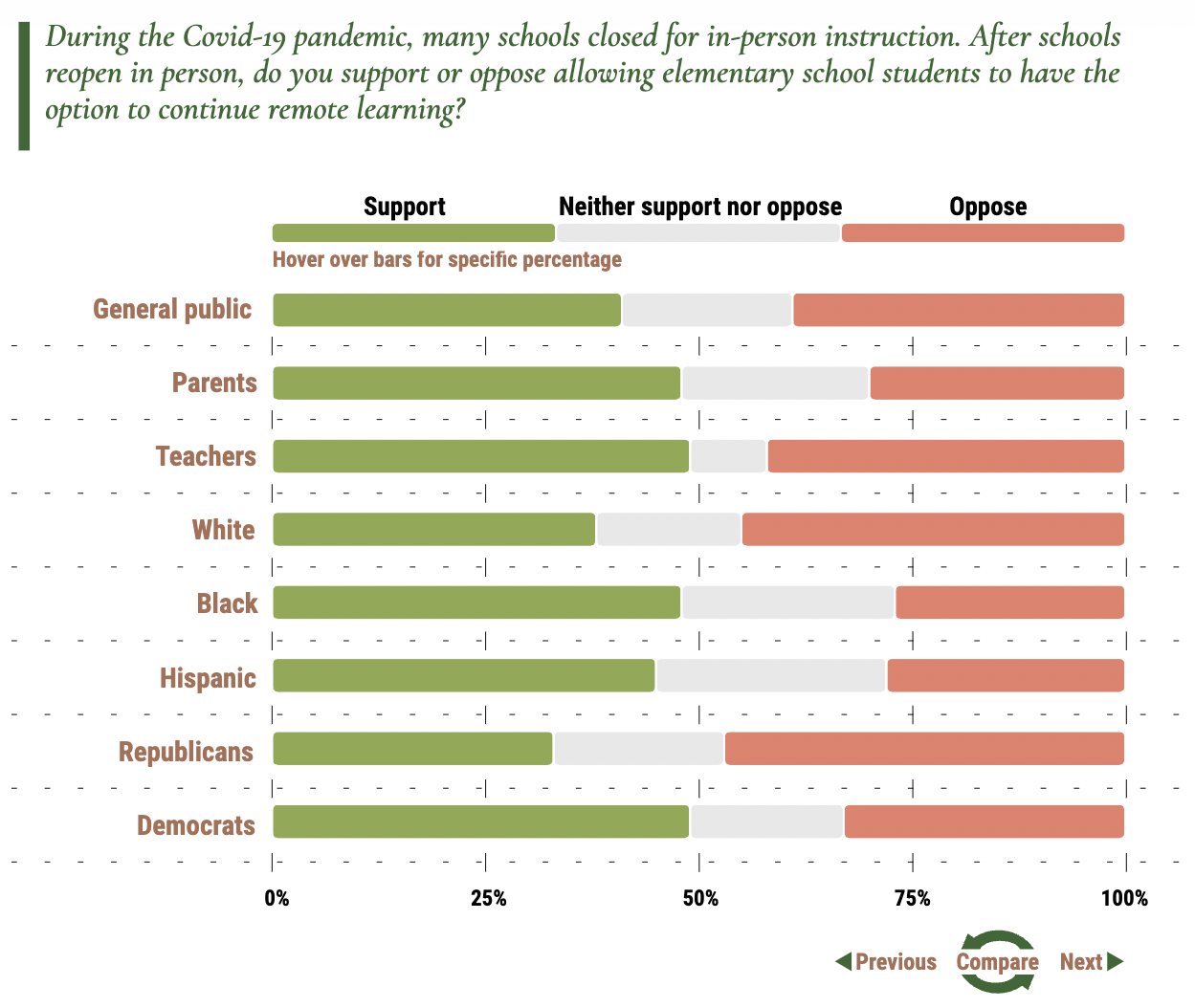
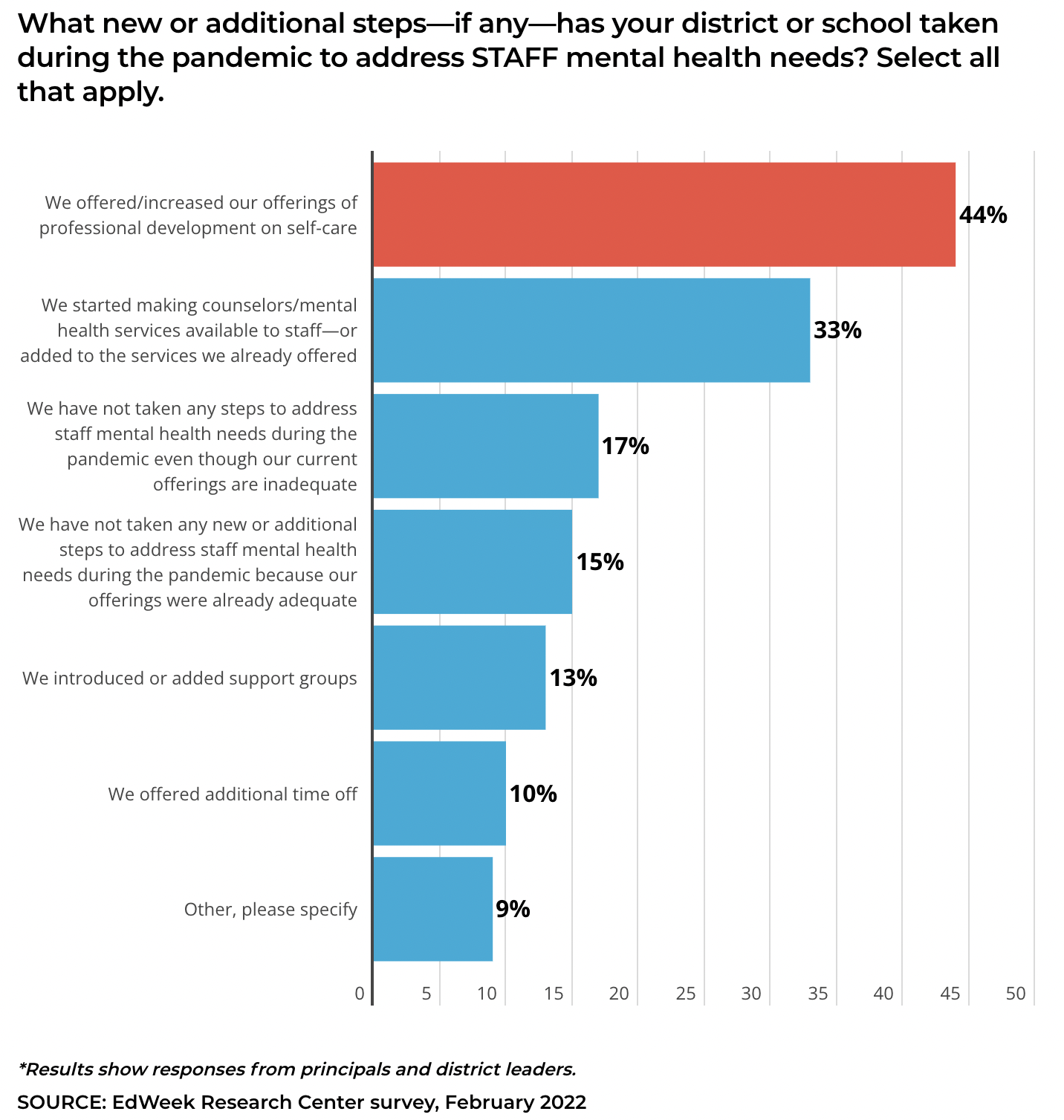
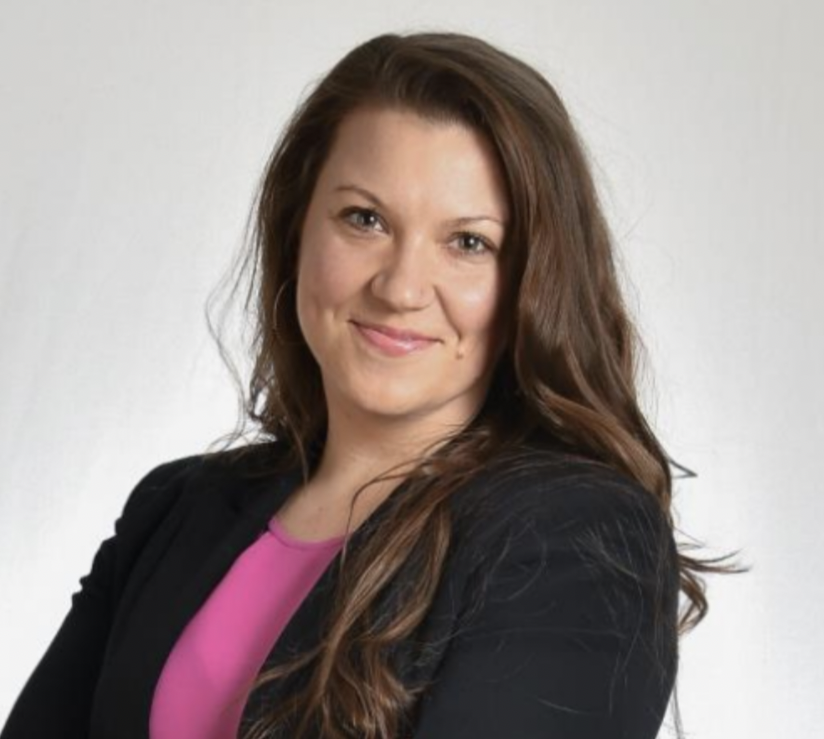
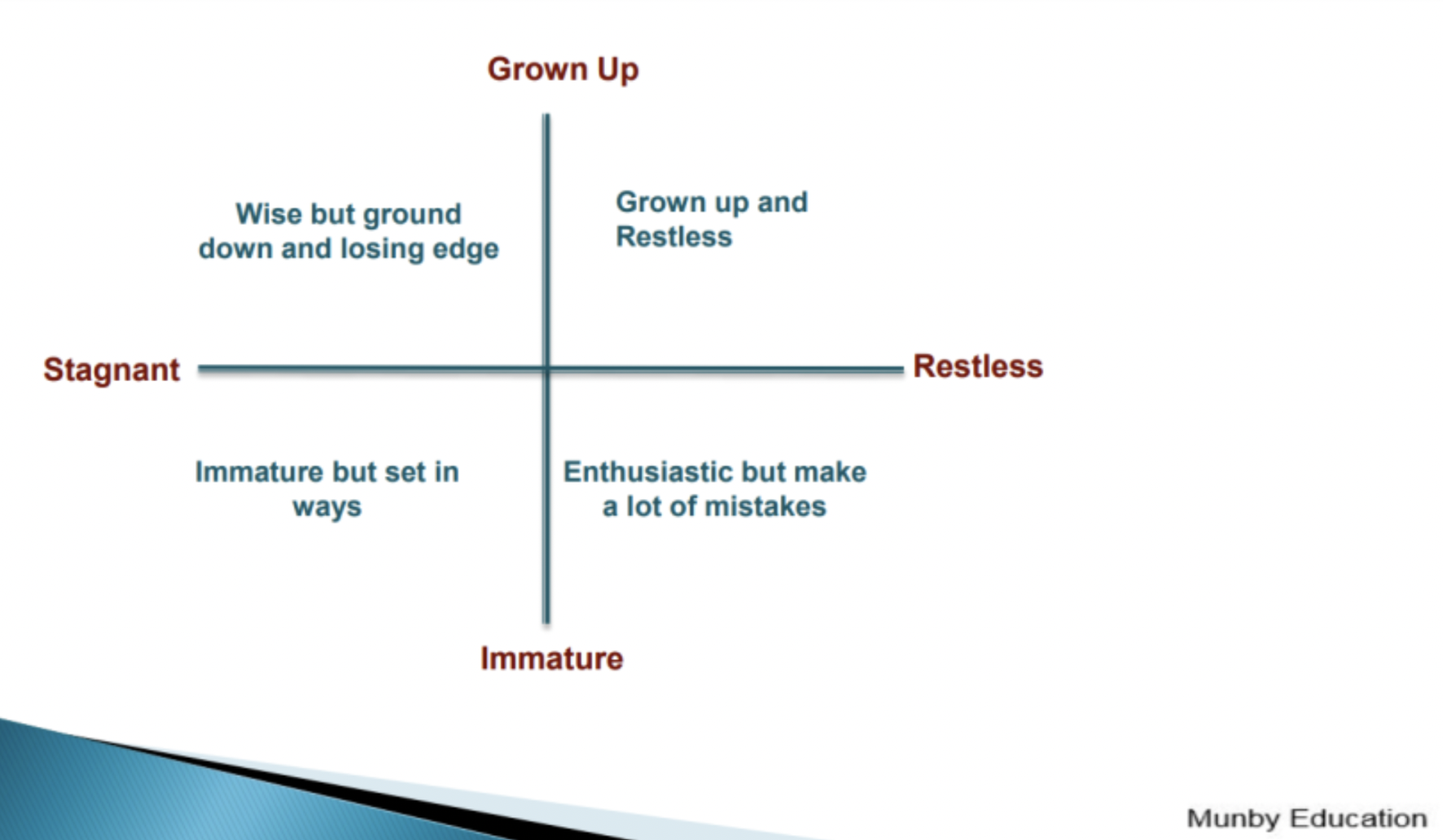
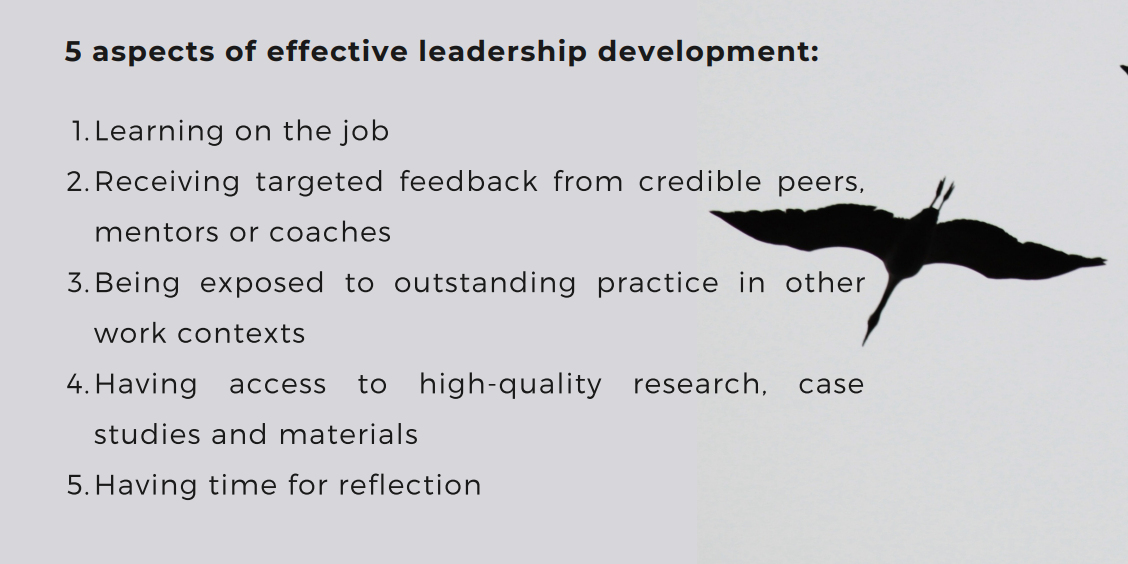
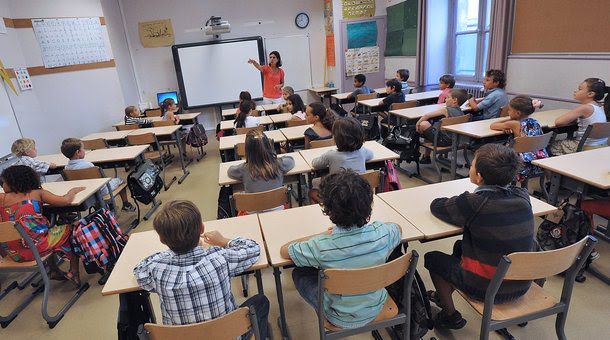

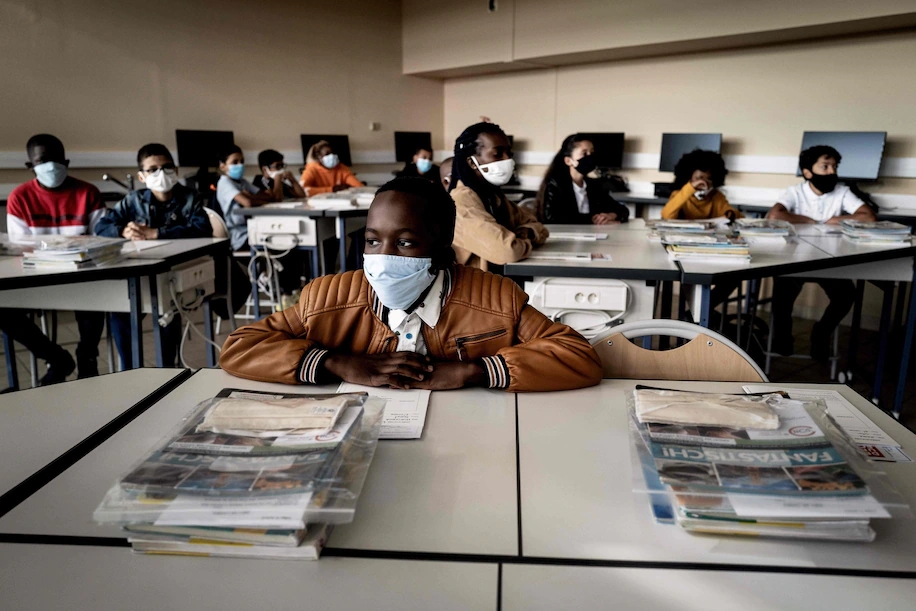
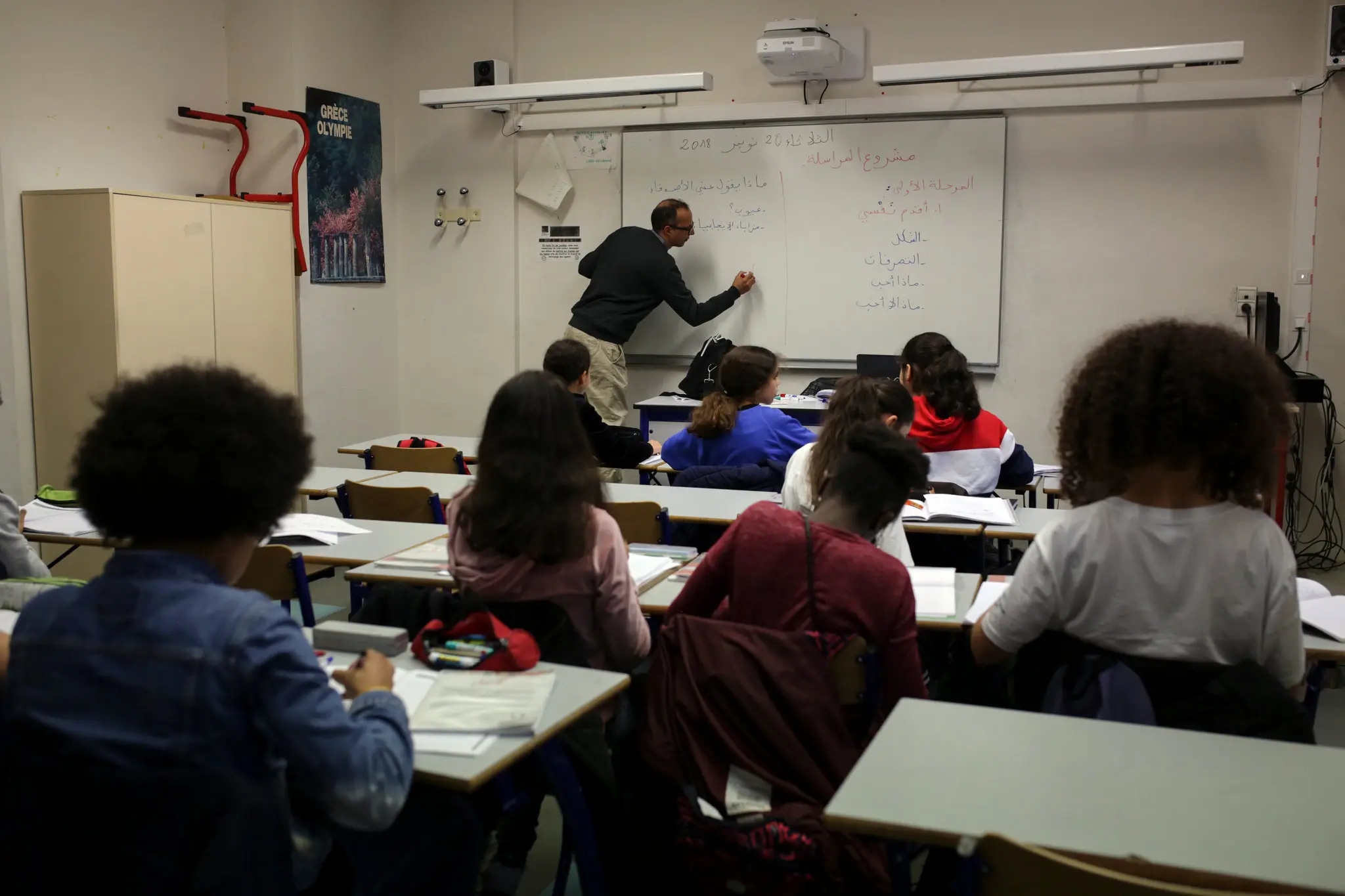


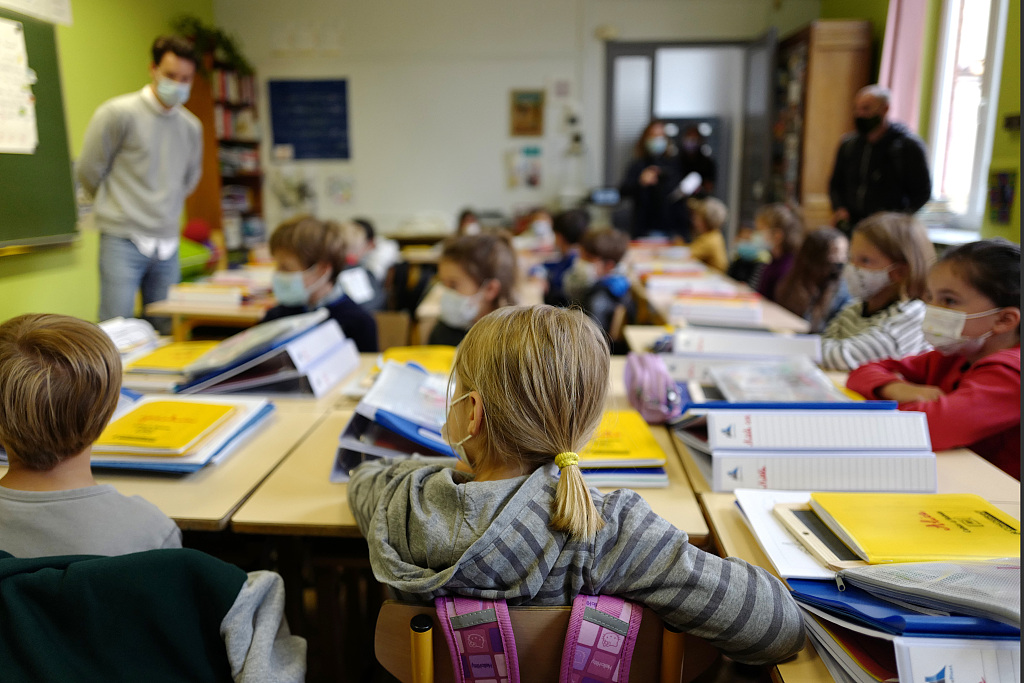
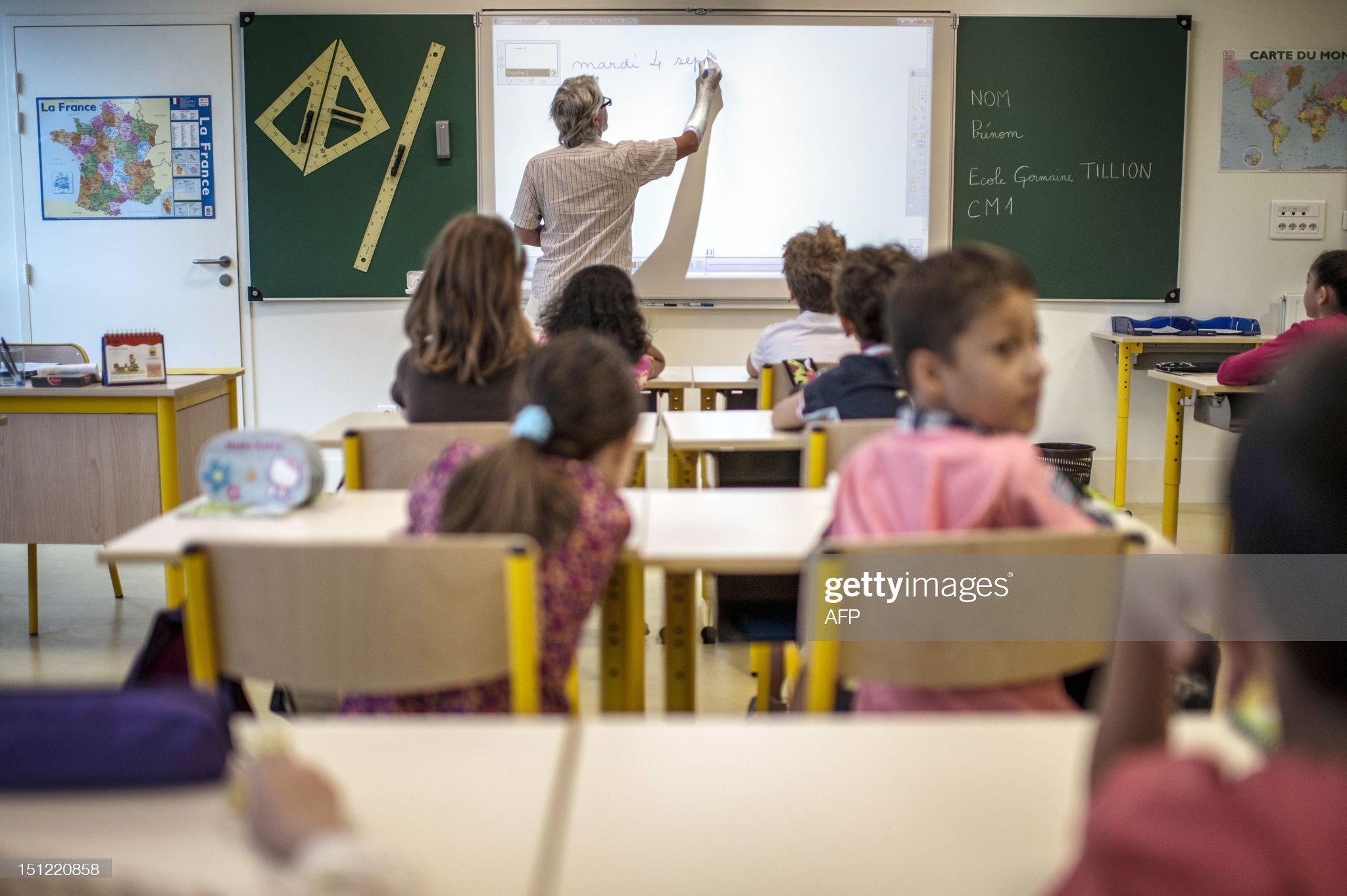



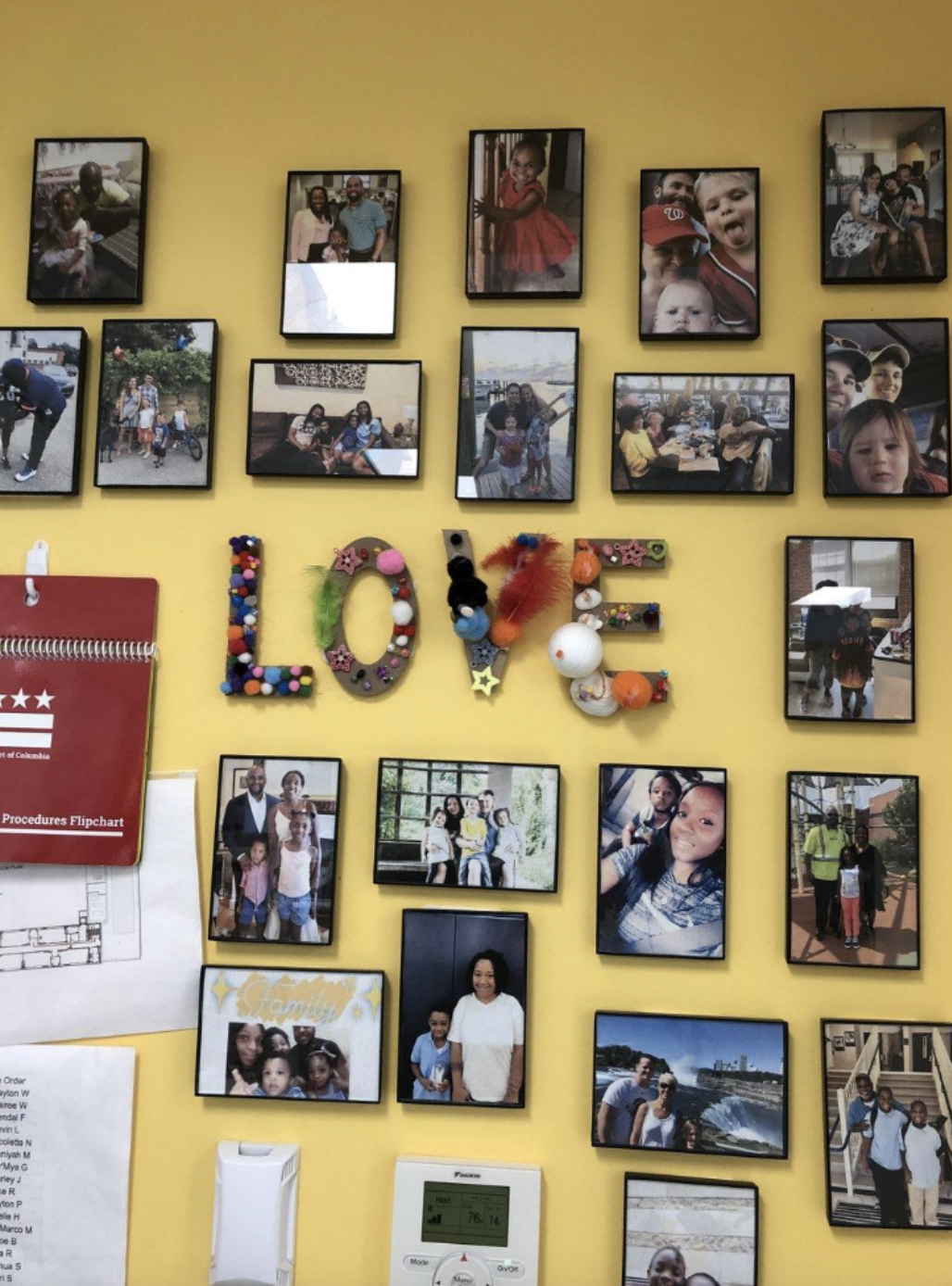
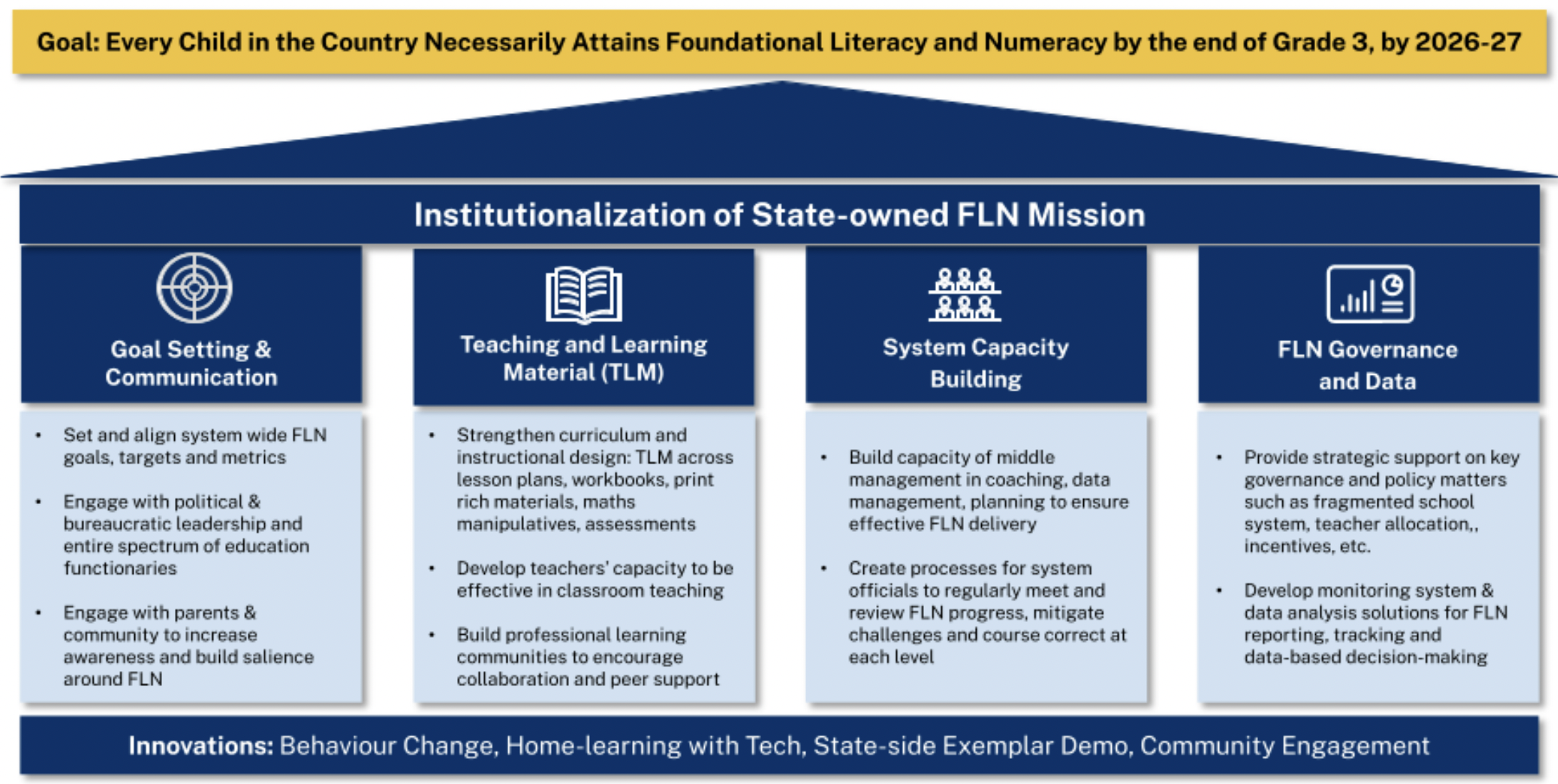
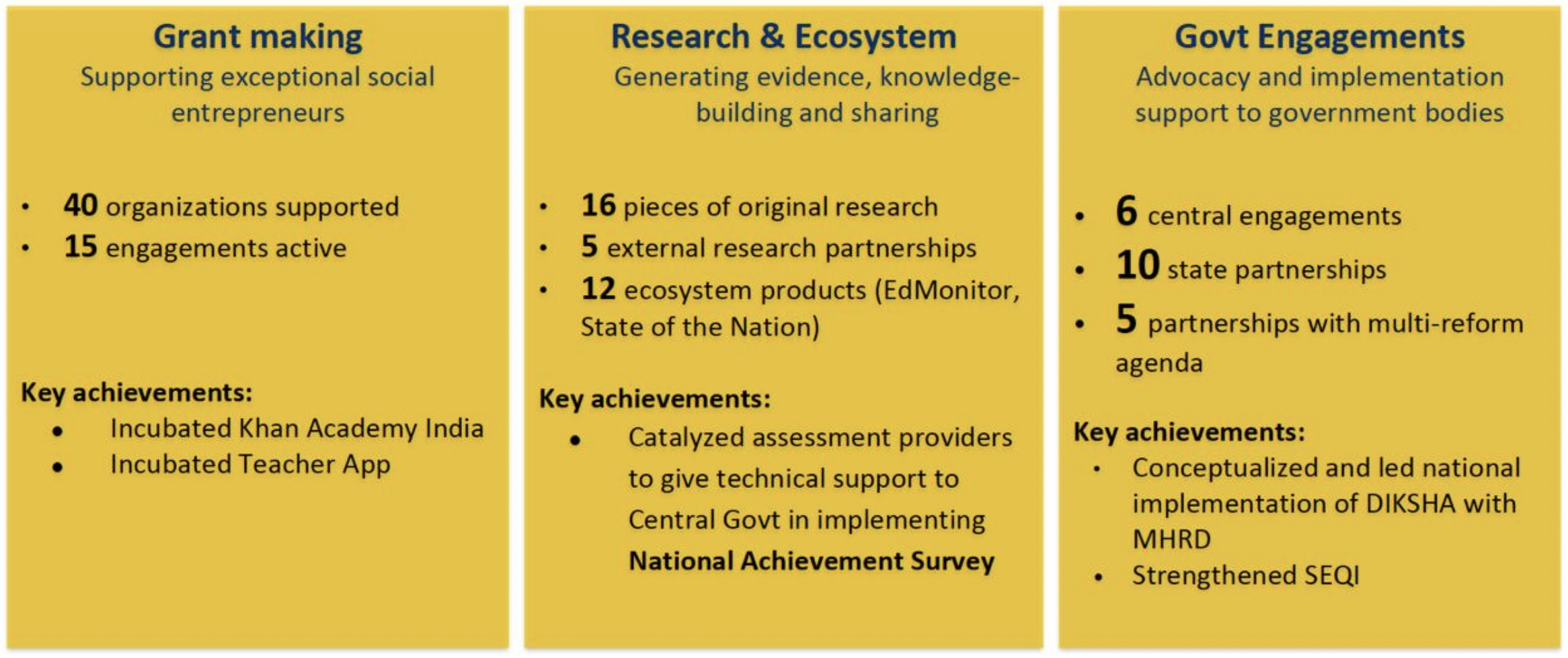
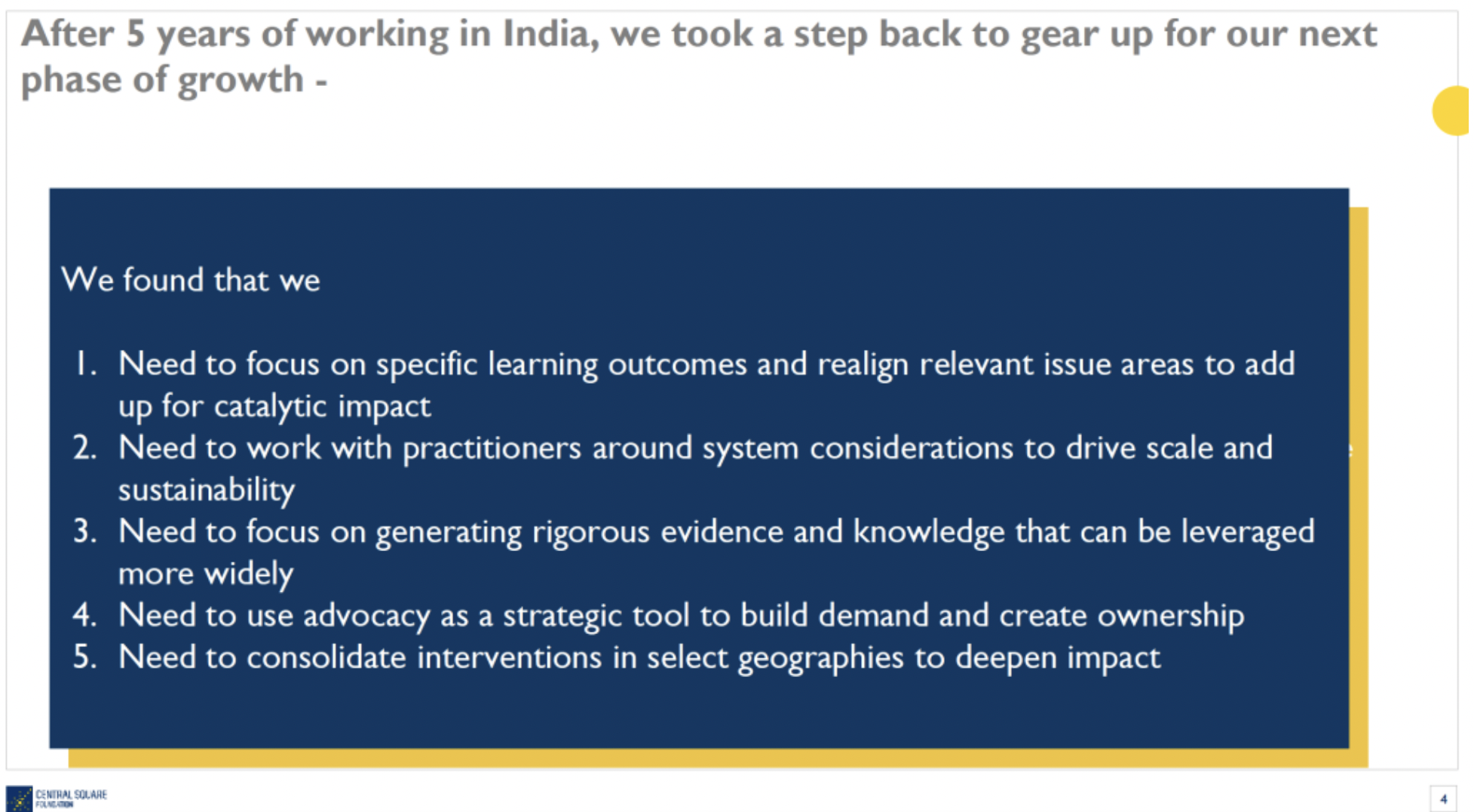
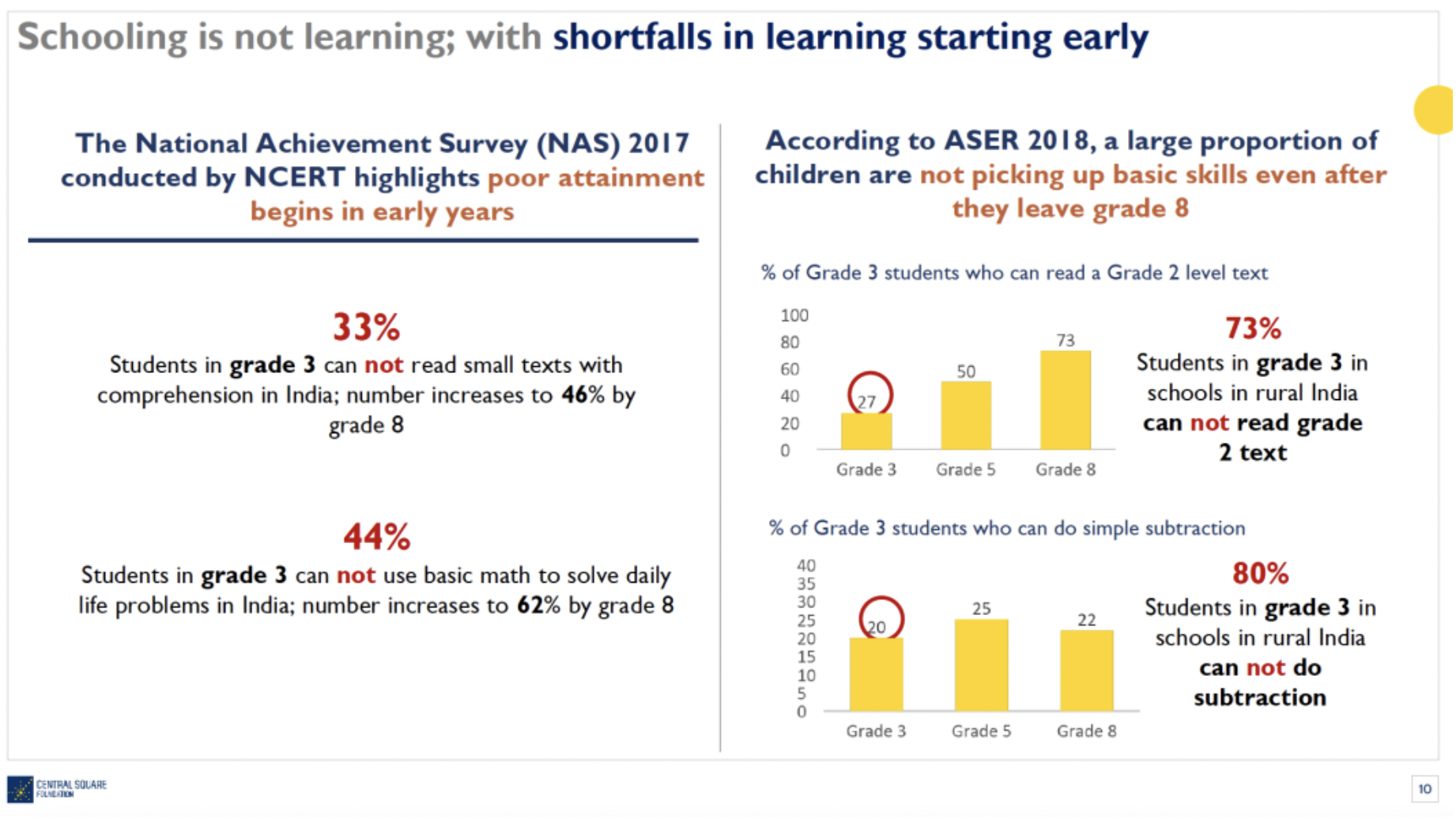


 International Education News