This second part of IEN’s annual scan of the back-to-school stories brings together some of the headlines that focused on the effects of a flurry of executive orders and policy changes from Washington. The first part of the scan shared stories from outside the US, and, next week, we’ll review some of the other back-to-school headlines in the national and local press in the US.
“As 47 million students return to school in the coming weeks, district leaders say they’re experiencing an uncertainty they haven’t felt since the pandemic. It’s “the amount of information that’s coming to you all at once,” said Jeremy Vidito of the Detroit schools. He laid out a litany of hardships, including figuring out “what’s true, what’s not. Emergency orders. Budget cuts.” But this time, the federal government is the source of the unease, as the Trump administration seeks to reduce more spending.” — The74
“Department of Education sends guidance on private school kids obtaining federally-funded benefits, including one-on-one tutoring, counseling,” Fox News
“While the Trump administration has vowed to preserve NAEP, it has overseen major cuts to staff who work on it and the elimination of more than a dozen tests” — Hechinger Report
“The Trump administration wants to roll back rules for collecting data on state career and technical education programs instituted in the final days of the Biden administration and align the largest federal CTE program with the president’s first-day executive order making it federal policy to recognize only two sexes.” — Education Week
“The Trump administration has launched investigations into school districts in Chicago and Evanston over programs aimed at supporting Black students, saying that efforts such as hiring Black teachers, expanding Black history and antiracism training may violate civil rights law. Supporters say the initiatives address systemic inequities and improve student outcomes, while critics warn they could be dismantled in court battles likely to reach the Supreme Court.” —NYT
“Posters are displayed in a Los Angeles Unified high school health education classroom in 2018. The Trump administration told 40 states to remove references to gender identity from a federally funded sex ed program and stripped California of its funding when it refused to do so.” Source: ChalkBeat
In the third part of this three-part interview (see Part 1 and Part 2), Joe Wolf and Kira Keane discuss the role of teachers in a table-based supplemental learning model and the efforts to adapt the model to three different contexts in Africa. Part one described the evolution of Imagine Worldwide’s approach and part two discusses Imagine Worldwide’s approach to make the work sustainable by building partnerships with government officials and local community members. The tablet-based program at the center of Imagine Worldwide’s work, developed by software partner onebillion, serves as a supplement for regular instruction, with each child in a school spending a targeted 150 minutes per week working independently on problems related to reading and mathematics. Imagine Worldwide partnered with the Government of Malawi to rollout the program in 500 schools in Malawi in 2023-24, with the ultimate goal of expanding to all 6000 primary schools, serving 3.8 million learners in standards [grades] 1-4 annually. Joe Wolf is the Co-CEO and Co-Founder of Imagine Worldwide, and Kira Keane is the Director of Communications. (Photos/graphics are from Imagine Worldwide unless otherwise noted.)
Thomas Hatch(TH): What can you tell us about the work that has to be done with teachers to scale and sustain the tablet-based model?
Joe Wolf(JW): The role of facilitator in the model is relatively straightforward. You don’t need a highly trained adult, and they don’t have to be a teacher. It can be a community volunteer or someone else, and that’s made it a very scalable model in terms of human capital. That’s important, because there just aren’t enough humans in these educational contexts. What makes this so scalable, in my opinion, is that when you have a single child and you have a single tablet, there’s an interaction between the child and the content that creates learning gains. When you move to one hundred kids, that linkage doesn’t change. When you move to a million kids, that linkage doesn’t change, you still have the relationship between the child and the content. Things do get more complex in that you have more equipment, and you have more schools, and you need to make sure that the equipment doesn’t get stolen. But when you have a model that depends on human capital, you need more and more and more teachers; and those teachers need to stay trained; and they need to show up every day; and they need to be able to engage one hundred children at the same time. It’s ten out of ten in terms of complexity when you have an inadequate number of teachers and you have to train those teachers to somehow be effective for those one hundred learners.
[W]hen you have a single child and you have a single tablet, there’s an interaction between the child and the content that creates learning gains. When you move to one hundred kids, that linkage doesn’t change. When you move to a million kids, that linkage doesn’t change, you still have the relationship between the child and the content.
TH: This is definitely a critical problem – how can programs be effective if they depend on more qualified teachers than can ever be supported? But then there are legitimate concerns that programs that don’t rely on teachers are sending the message that teachers aren’t important and that we don’t need those adults. How do you address those concerns that you’re trying to replace teachers with technology?
KK: That issue has really been top of mind for us, particularly as we think about our communications around the program. One very conscious decision we’ve made is to go back into the community to report on our research results. This means going back to teachers and saying, “Look, this is how your students are doing. This is what we’re learning. This is how this work can support you. This is how it reinforces your instruction.” From the beginning, we’ve really tried to include teachers as well as parents and community leaders in saying that “what you’re part of has implications not only for your own children and your students, but for the country.” We’ve had to be very mindful of that and of making sure that we build in feedback opportunities for teachers. Now in our implementation research, we have researchers going out into the community, conducting workshops and creating opportunities to hear from teachers so that we can continue to improve that process. But so far, our early implementation results and qualitative information coming from teachers is that it’s highly, highly popular.
Photo: IRC
JW: I also think that we just have to be realistic and fact-based with the current situation. In Malawi, there are one hundred kids per classroom and the average age in Malawi is 16 or 17 years old. It’s one of the youngest countries in the world. That means the number of kids is going to go up dramatically, but the level of resources is not going to go up dramatically. So you already have a problem, and the problem is going to get worse. You cannot build enough schools or hire enough teachers quickly enough or at low enough cost to solve this problem. That’s just the reality, and, in that context, many of these countries are eager to pursue innovative approaches. They’re not building bank branches. They’re going to mobile banking and now their mobile banking is so much better than ours. It had to be. It’s classic Clayton Christensen and his theories of disruptive innovation: where does innovation take root? It takes root in areas of non-consumption, where the status quo is not entrenched. The government of Malawi is really open about this and there is a real thirst for innovation. This is being well received by the government, by the communities, because what’s currently happening is not producing learning gains.
In addition, we have purposely situated ourselves in a supplemental, complimentary part of the government school’s timetable. There is already literacy and numeracy on the timetable, teacher led instruction, and that stays the same. Then we have a complementary supplemental period where every student is learning adaptively, and what we’re finding is that some of the biggest fans of that model are the teachers, because they’re saying, I have a little bit of a break during the tablet program, because the kids are super immersed in their own learning. The kids are showing up more often. Attendance is going up. They’re learning more; their attitude toward learning is improving. The teachers and the parents are seeing a higher return on investment of keeping the kids in school. There are just a lot of positive things that are happening for that teacher so that it isn’t in any way positioned as a replacement, as much as an aid that just makes their jobs easier and more sustainable.
“[W]e have purposely situated ourselves in a supplemental, complementary part of the government school’s timetable. There is already literacy and numeracy on the timetable, teacher led instruction, and that stays the same. Then we have a complementary supplemental period where every student is learning adaptively.”
TH: I think that’s so crucial. What a difference it might make for a teacher to have a period like that where they can see every student engaged. That’s just such a classic win-win. As we wrap-up, I’d love to hear more about scale-up. What have you learned from scaling across different contexts?
JW: We’ve come up with what we think are the preconditions for success in partnership with governments. We want to find governments that are already committed to:
Bringing technology into the classroom for teachers and students;
Boosting foundational learning; and
Providing solar electrification for their schools.
We want governments to be already moving on this journey. Then we’re helping them get there, as opposed to trying to convince them to do things. We are out of the convincing game. It doesn’t serve anybody. But we know we need strong government buy in, so we need strong leaders within the government that are committed. We also need a strong local ecosystem of partners that can execute. To help with that, we fill the position we call the “ecosystem coordinator.” That helps us act as a group that is solely dedicated to bringing together the disparate pieces and stakeholders and having them all march forward together to do this work. If you don’t have somebody who has this as their only job, the work will not happen because there’s too much else going on. The jobs are too overwhelming.
“We want governments to be already moving on this journey. Then we’re helping them get there, as opposed to trying to convince them to do things. We are out of the convincing game.”
We also need a funding community that is interested in the places that we’re working. We need bold philanthropic capital that’s willing to go first and willing to do the things that need to be done to get the full government buy in. We need support to get to a critical mass of schools. We need evidence that’s generated specific to that context. We need the ecosystem to be organized in a way that you can create an executable plan. Nobody can make decisions on whether this should go to scale, whether that’s the government or whether that’s funders, without having that done first. And it’s the perfect role of philanthropy to be that risk capital early within a country. What we’re in the process of proving, is that if we do that well, the program is in a position to go to scale with government support and they government is also in a position to mobilize more international and multi-lateral funding.
Organizationally, we’ve seen that the demand is everywhere. Every week, there are countries asking us work with them, but we’ve decided to focus on four countries of different sizes, with four different languages. We want to work in partnership with these government and prove that the model can, in fact, scale. Then at the end of that phase, we’ll just open source everything and try to bring in a lot more players beyond us. We’ve decide to hone in on what we’re calling our “scale portfolio” with Malawi, Sierra Leone and Tanzania being the first three countries that we’re prioritizing. Then we’ll also have a Francophone country in that portfolio. If we do this well, I think that will provide the evidence that’s needed to figure out how to scale this. At this point, adding a fifth or sixth or seventh country, that’s not what the world needs. We know the demand is there. It’s more important that we show how we can build a system, in partnership with a national government in different contexts.
TH: Have you had to make adjustments or adaptations so that the model you developed in Malawi can work in these different contexts?
JW: Absolutely. I think continuous improvement is the DNA of our organization. How do we make the procurement better? How do we make the training better? How do we make those community sensitizations better? How do we better collect data in super low-connectivity areas? How do we take that data so we can improve the software and the implementation model? Innovation is a messy game, and it’s filled with fits and starts, so every day there’s a whole bunch of challenges that come up and a whole bunch of solutions that make the model even better. We have to acknowledge that as much as we want to create standardization in systems, every place is different. Our model in Tanzania will look slightly different than our model in Malawi, and we have to allow for those bottom-up adjustments. It’s back to that relationship between the child and the content. That relationship probably doesn’t change all that much. There are slight adaptations as you go from language to language or from national curriculum to national curriculum, but those are pretty minor. There’s a lot of overlap in the instruction. It’s really the behavior of the adults surrounding the program that may look different in Tanzania. Just as an example, one of the districts that we’re launching in Tanzania is bigger than the entire country of Malawi, so the logistics of working in smaller and larger countries have to be considered. In terms of other differences, in Sierra Leone, we’re working in standards one through six and in a context that is post- civil war and Ebola and everything else. That means there are a lot of overage kids that are way behind in foundational skills. In Tanzania, we’re only working in standards one through three, because that’s been a more stable place. Malawi is in between, as we’re working in standards one through four. That comes from very different realities in terms of number of kids that have to be served with that same tablet and that same content.
TH: Is there anything you’d like to add that you haven’t already mentioned?
JW: I just want to hammer home the importance of philanthropic capital. The governments do not have the early-stage capital. The Big Aid organizations are not going to be early – that’s not their job. Nearly half of the world’s youth will be African by 2030 – half! Yet there’s not a single foundation that any of us can name that writes million dollar checks for primary schools in Africa. The disconnect between the size of the challenge and the amount of institutional capital focused on it is stunning. So I do think that when people say, “What can we do about this?” Providing capital has to be part of it. A big reason why the work in Malawi has advanced is because some of our supporters decided to make a big philanthropic bet. It wasn’t just, ”Let’s fund 10 schools and see what happens.” This was, “Let’s fund five hundred schools in a year and see what happens.” That made it a really different conversation, and we’re having success in finding other bold philanthropists that think about things the same way. But it’s not easy. There’s not a lot of institutions that focus on this. Under these conditions, I think part of the work is saying, “Hey, whatever you care about world, if it’s environment, if it’s economy, or if it’s global peace, foundational learning is directly tied to all of that, and we have to pay attention to the region that will have half of the world’s youth in a few years.”
How have the pathways into higher education and the workforce changed in the US since the school closures of the COVID-19 pandemic? In the first part of this two-part post, RJ Wicks scans recent news and research to summarize some of the current conditions students in the US face as they try to find their way into adulthood. The second post explores some of the “micro-innovations” that educators are developing to help eliminate some of the barriers that limit access to learning opportunities and good jobs after high school. These posts are part of IEN’s ongoing coverage of what is and is not changing in schools and education following the school closures of the pandemic. For more on the series, see “What can change in schools after the pandemic?” For examples of micro-innovations in other areas see IEN’s coverage of the emergence of tutoring programs after the school closures: Tutoring takes off and Predictable challenges and possibilities for effective tutoring at scale.
“A college degree is the surest ticket to the middle class.” —President Barack Obama, 2015
Despite the continuing hope that college can be a gateway to economic mobility, the COVID-19 pandemic contributed to the already considerable challenges that many students face in getting into college and finding their way into the workforce. Illustrating the depths of the problem around the world, OECD’s analysis of survey responses from 690,000 15- and 16-year-old students from more than 80 countries concluded that “students are now expressing very high levels of career uncertainty and confusion. Job expectations have changed little since 2000 and bear little relationship to actual patterns of labour market demand.”
“[S]tudents are now expressing very high levels of career uncertainty and confusion. Job expectations have changed little since 2000 and bear little relationship to actual patterns of labour market demand.”
The report, comparing survey results from each of the PISA assessments shows that almost 40% of the students participating in the survey in 2022 are “career uncertain,” up from about 12% in 2000. In addition, almost 50% of all participates agreed or strongly agreed with the statement that “school has done little to prepare me for adult life” and almost 25% agreeing that “school has been a waste of time.”
In the US, concerns about getting in to the workforce combine with challenges that can limit access to college and other post-secondary options. Although recent enrollments in college in the US have begun to increase again, students’ opportunities remain restricted by growing financial barriers, expanding inequities, and a lack of alignment between what students learn in school and what the workforce demands. Additionally, a lack of career pathways for students who may not pursue traditional four-year degrees, limited information about the existing possibilities, and lack of personalized support make it particularly difficult for first-generation college students and other historically disadvantaged groups to navigate both conventional and new post-secondary opportunities. Addressing any of these challenges is likely to get even more difficult in a context where some now question the value of a college education and where the current US administration has attacked many institutions of higher education and the funding streams that support them.
Enrollment dropped—especially at community colleges—though enrollment rates appear to be rising again Between 2019 and 2021, undergraduate enrollment in the US fell by nearly 1 million students, the largest two-year decrease in more than 50 years. As Doug Shapiro, from National Student Clearinghouse explained in 2022, “enrollment in undergraduate and graduate programs has been trending downward since around 2012, but the pandemic turbocharged the declines at the undergrad level.”
In community colleges, in particular, 90% of those responding to a national survey reported enrollment declines in the first year of the pandemic, with 50% reporting declines of more than 10%. Those declines at community colleges continued, amounting to about a 13% enrollment drop over the course of the pandemic. By 2022, entry into two-year colleges was more than 20% lower than it was before the pandemic, with larger drops in Black- and Hispanic-majority colleges. In contrast, entry into four-year colleges declined by about 6%.
Sparking some hope that the enrollment declines are only temporary, more recent figures show that enrollments have begun to rise again. Fall enrollments in 2024 grew by almost 5% in comparison to fall 2023 and slightly exceeded fall enrollments in 2019 before the pandemic began. Enrollment gains were particularly strong in associate programs (up 6.3 percent), bachelor’s programs (up 2.9 percent), master’s programs (up 3.3 percent), and doctoral programs (up 2.0 percent).
College is unaffordable for most low-income students
The recent rise in college enrollments provides some hope that more students will take advantage of post-secondary education, but access to college remains limited by substantial financial barriers, particularly for students from historically disadvantaged communities. The average federal student loan debt in the U.S. is approximately $37,850, contributing to a national student loan debt total exceeding $1.6 trillion. This substantial debt burden influences life choices, with one-third of borrowers indicating it has impacted their ability to continue education, and 14% reporting it has affected decisions such as starting a family. Such financial constraints force many students to forgo higher education or work excessive hours, diminishing their focus on academic and career readiness.
Beyond tuition, textbooks, transportation, housing, and emergency expenses often make higher education inaccessible, even with financial aid. The National College Attainment Network (NCAN) defines an institution as affordable if its total cost —including tuition, fees, and $300 for emergency expenses — can be covered by the sum of grants, loans, Federal Work Study, a proxy for expected family contribution (EFC), and estimated summer wages. When the cost exceeds these combined resources, there is an “affordability gap.”
“Students with unmet need take out more loans, work more hours, face higher degrees of food and housing insecurity, and are at greater risk of forgoing higher education or leaving school without a credential.”
Furthermore, students from the lowest-income backgrounds would need to contribute almost 150% of their household income to cover the full-time cost of a four-year college, even after accounting for grant and scholarship aid. As one illustration of the disproportionate financial burden on low-income families, the share of household income required to pay for college increases dramatically from the highest- to the lowest-income households.
Illustrating the depth of the equity issues, first-generation college students, English learners, and students with disabilities face barriers that make it much more likely that they will drop out before getting a degree. Nationally, 89 percent of low-income first-generation students leave college within six years without a degree. More than a quarter leave after their first year — four times the dropout rate of higher-income second-generation students. Furthermore, the six-year graduation rate of students with disabilities at four-year colleges is 49.5%, compared to roughly 68% for students without disabilities.
Students are unprepared for college and careers
Contributing to the enrollment challenges, high school curricula often fail to align with postsecondary expectations, resulting in high rates of remedial courses particularly for students of color:
Students of color and low-income students continue to be placed into remedial courses at higher rates than their more advantaged peers, and almost half of Black and Latinx students attending public 2-year colleges, and 30% at 4-year institutions have enrolled in at least one remedial course.
The focus on four-year college degrees also overlooks the value of Career and Technical Education (CTE) and other pathways that align with workforce needs.
Next Week: New Pathways into Higher Education and the Working World? Scanning the Post-COVID Challenges and Possibilities for Access to Colleges and Careers in the US (Part 2)
The pandemic disrupted educational services and exacerbated inequalities in India, but did it also create opportunities to improve education more broadly? In this 2-part series, Haakon Huynh explores some of the initiatives that aim to deliver more inclusive, high-quality education for the next generation in the world’s most populous nation. This week, part 1 outlines some of the enduring issues in education in India and shares a few examples of the programs and practices trying to address them. A second post will focus on some of the efforts to address concerns that are taking on increasing importance in India post-pandemic including chronic absence, mental health, nutrition, and sustainability. For previous posts related to education in India see: From a “wide portfolio” to systemic support for foundational learning: The evolution of the Central Square Foundation’s work on education in India (Part 1 and Part 2); and Sameer Sampat on the context of leadership & the evolution of the India School Leadership Institute.
On top of long-standing concerns about improving foundational learning, the school closures also heightened concerns about academic learning overall. The National Achievement Survey, for example, showed a significant decline in test scores, particularly in high school, as class 10 scores fell by about 13% in Mathematics, 18% in Science, and 9% in Social Science. A survey of students in 200 schools in Assam between 2018 – 2022 showed that, during the pandemic, students had lost the equivalent of nine months of learning in math and eleven months in language. A study in Tamil Nadu, in 2021 also found significant learning deficits (or about .7 standard deviations in math and almost .4 standard deviations in language) compared to similar students tested in 2019; however, in contrast to other countries like the US, some recovery took place relatively rapidly, as two-thirds of the deficit was made up within six months after school reopening.
NIPUN Bharat, Department of School Education & Literacy
Within this context, states and schools in India are pursuing a host of specific innovations aiming to support students’ ability to read, write and count. These include tech-enabled approaches supported by the Central Square Foundation like digital microlearning video modules delivered weekly to teachers and school leaders in Bihar and a Mentor mobile app used for real-time classroom observations. The HundrED collection of global innovations also features a number of resources and practices that have demonstrated some effectiveness in supporting foundational learning in India. Among them, Building Blocks, a maths app, provides over four hundred interactive games that children from grades 1 – 8 can explore at their own pace to supplement their instruction in school.
At the same time, limited access to computers and the internet in India – where just 4% of rural households own a computer – continue to constrain the reach of tech-dependent efforts to support foundational learning. As a result, other initiatives recognized as part of HundrED’s collection of global innovations are trying to develop approaches that do not rely on the internet. Building on the fact that a billion Indians watch nearly four hours of TV every day, BIRD (the Billion Reader’s Initiative) adds Same Language Subtitling (SLS) on mainstream entertainment on television & streaming platforms. TicTacLearn (TTL) endeavors to increase access to educational content through a free digital education platform that provides over 14,000 curriculum-aligned videos and assessments in seven Indian languages. While the videos are available on YouTube, TTL also distributes them via pen drives, making it possible to load the content onto school computers in remote areas with limited internet.
HundrED’s Global Collection this year also features the Raster Master Three-Generational (3G) Learning Model which shows what’s possible without reliance on the internet, television or other technologies. This initiative transforms unused walls in streets and courtyards into learning spaces for the “Teachers of the Street.” Painted with chalkboard paint, these walls provide a cost-effective, visible, and accessible platform for teaching letters, numbers, and basic lessons, which are often led by children themselves. Like the HopeHouseproject in Rwanda where secondary school students paint educational murals featuring world maps, alphabets, numbers in English and Kinyarwanda, these low-tech approaches are particularly well-suited to lowering the barrier to participation for first-generation learners and out-of-school children.
Increasing access to college and careers
Although India has rapidly expanded access to higher education, the pandemic has also intensified concerns about future readiness in India and helped to drive efforts to create new pathways into college and careers. In terms of access, a recent government press release highlights that between 2011–12 and 2021–22, enrollment in state public universities rose from 23.4 million to 32.4 million students, while private universities experienced a staggering 497% increase in enrollment.
These increases included significant gains in access to higher education among marginalized groups. According to the Ministry of Education, enrollment among indigenous communities rose by over 100%, among protected castes by more than 75%, and among Muslim minorities by 60%. The Gender Parity Index also improved from 0.87 in 2011–12 to 1.01 in 2021–22, meaning 1.01 women were enrolled for every man. At the same time, concerns about equity remain, particularly in private institutions that now account for over a quarter of all higher education enrollment. Private universities are not legally required to follow affirmative action mandates even though they often benefit from public support like land grants and tax exemptions. Under these conditions, the share of historically marginalized students in private higher education has increased moderately, but hasn’t kept pace with the increased access in public institutions. Furthermore, although increasing the diversity of the faculty might help to build the enrollment of students from historically marginalized backgrounds, only 4.1% of faculty in top-ranked private universities belong to protected caste communities; and faculty positions reserved for such communities in public institutions like Indian Institutes of Managements remain largely vacant with over 83% of these posts unfilled.
In addition to issues surrounding equity, as in other countries, there is a disconnect between the skills taught in academia and what’s in demand in industry. This has contributed to high levels of youth unemployment and estimates that only about half (51%) of Indian graduates are considered employable. This underemployment crisis is especially acute among highly educated youth. Two-thirds of India’s unemployed are young people with secondary or higher education, many of whom delay entering the job market while holding out for “white-collar” roles. Correspondingly, in sectors like healthcare and engineering a lack of alignment between curricula and labor market needs contributes to a situation where millions of trained graduates are unable to find meaningful employment. The current education system, critics argue, emphasizes degrees over real-world skills, leading to large pools of underutilized talent at a time when India is on the cusp of its so-called demographic dividend – the time where the largest part of its population is in working age.
The paradox of educated unemployment has become one of India’s most pressing post-pandemic challenges. According to the Periodic Labour Force Survey (2023–24), the unemployment rate among those with secondary education or higher stands at 6.5%, significantly higher than among those with less education, which is just about 1% for middle school graduates and just 0.2% for those with no formal education. The situation is especially dire for educated urban women, who face an unemployment rate of about 13%, more than double that of their male counterparts at 6%. Despite small year-on-year improvements, these figures show that more education no longer translates to better economic outcomes, and in fact, often exacerbates social inequality.
In one effort to address these challenges following the disruptions of the pandemic, The 2020 National Education Policy (NEP) introduced several innovations including academic credit banks, digital systems that allow students to accumulate and transfer credits earned across different institutions. By enabling learners to pause, resume, and combine coursework flexibly, these kinds of innovations could support more personalized pathways to completing degrees. The policy also places greater emphasis on vocational education aiming to expose at least 50% of learners to vocational education by 2025. Of course, putting these elements into policies is only one step, and it remains to be seen to what extent these policies will be implemented and exactly who might benefit.
Next week: New Frontiers for Educational Improvements in India?Critical educational issues in India post-pandemic (Part 2)
In part 3 of this 3-part interview, Hirokazu Yokota shares his personal reflections on his experiences helping to establish the new Children and Families Agency (CFA) and, previously, the new Digital Agency. In Part 1, Yokota described the development of the CFA and the efforts to promote digital transformation in childcare, and in Part 2, he discusses some of CFA’s current initiative. Yokota has followed a rare career path as a bureaucrat who belongs to the Japanese Ministry of Education, Culture, Sports, Science and Technology (MEXT), but who has repeatedly stepped out of the “education circle” to work in other agencies, including the Children and Families Agency, which was established in April 2023. In September 2021, Yokota was one of the charter members who helped launch Japan’s Digital Agency , and he went on to work as a Deputy Superintendent in Today City. Yokota has previously written about his experiences as a parent and educator during the pandemic as well as his work in the Digital Agency and in Toda City: A view from Japan: Hirokazu Yokota on school closures and the pandemic; Hiro Yokota on parenting, education and the new Digital Agency in Japan; and Hirokazu Yokota on aggressive education reforms to change the “grammar of schooling” in Toda City (part 1) and (part 2). Please note that Yokota is sharing his personal view on CFA and its policies, and his views do not represent the official views of the government. For further information contact him via Linkedin.
IEN: Can you share your personal take on the initiatives by CFA – how is it working? What have you found most exciting, most challenging? What’s next for the agency/society?
HY: It is precisely because these are newly established organizations that they are able to advance policies that would be difficult under the framework of existing institutions. For example, the number of staff at the Digital Agency increased from 571 at the time of its establishment in September 2021 to 1,013 as of July 2023. The government has set a goal of further expanding this to approximately 1,500 personnel. Similarly, the Children and Families Agency’s budget has grown significantly: from approximately JPY 4.8 trillion in FY2023, to approximately JPY 5.3 trillion in FY2024, and to approximately JPY 7.3 trillion in FY2025 with the launch of the “Children’s Future Strategy” (Kodomo Mirai Senryaku) and its “Acceleration Plan” (Kasokuka Plan). Thus, it now far exceeds the Ministry of Education, Culture, Sports, Science and Technology (MEXT) budget (approximately JPY 5.3 trillion in FY2024 and JPY 5.5 trillion in FY2025). Such dramatic increases in staffing and budgets were made possible precisely because these were newly created agencies.
Also, last December we published “New Direction of Childcare Policy,” which details specific policy measures that should be taken in the next five years. There are so many workloads ahead, but I am very excited to take on these new tasks to fully realize the “child-centered society.”
Personally, during my time at the Digital Agency, I worked alongside many private-sector professionals, from developing priority plans for the realization of a digital society to promoting digital transformation in the fields of education and child-rearing. From them, I learned a great deal about flat information sharing and interactive meeting styles, which are common in the private sector. Later, when I was seconded to the Toda City Board of Education as Deputy Superintendent and Director of the Education Policy Office, I was able to take on many “zero-to-one” challenges — such as implementing the use of educational data in schools and piloting one-on-one meetings and reflection workshops to foster a flat organizational culture — things I might not have been able to do if I had remained in MEXT.
Now, as I lead digital transformation (DX) initiatives in the field of childcare at the Children and Families Agency, I feel that the “practical knowledge” I gained from my experiences at the Digital Agency and in Toda City is proving immensely valuable. As with the Digital Agency, we are advancing childcare DX projects with a mixed team of public- and private-sector personnel using a project-based approach. In this work, I constantly strive to serve as a bridge connecting “policy (systems)” and “technology (systems).” These two are two sides of the same coin: without a deep understanding of both, it is impossible to build effective structures. Given my background traversing the traditional bureaucratic divides between policy and systems, I believe that my ability to connect civil servants knowledgeable about policy and politics with private-sector experts skilled in technology is a unique value I bring. While minimizing risks, I find great purpose in leading the highly challenging task of building two entirely new national information systems in the childcare sector.
However, there is something I personally feel about the challenges faced by new organizations like the Digital Agency and the Children and Families Agency. In these organizations, the individuals who often receive public attention are those recruited from the private sector (e.g., the Digital Agency note and an article of CFA staff). Of course, I fully understand that highlighting these individuals is a necessary strategy to attract talented people from the private sector to public service. Still, it must not be forgotten that there are also many government officials—those who may not be in the spotlight—working diligently and persistently to realize a digital society and a child-centered society. During the foundational periods of these agencies, I witnessed firsthand many civil servants who unfortunately had to take leave due to overwork or mental stress. There were times when I blamed myself, wondering if I could have done more to support them. It is easy to criticize bureaucrats. That is precisely why I strongly hope that the media will shine more light on those government employees who, despite struggling to adapt to cultures different from their home ministries, are working earnestly for the public good in these new organizations. In the United States, there have been mass layoffs of federal employees. Precisely because of that, I believe that Japan should reaffirm its respect for civil servants who serve behind the scenes as the “unsung heroes” supporting public service.
“I believe that Japan should reaffirm its respect for civil servants who serve behind the scenes as the “unsung heroes” supporting public service.“
Looking toward the future, at the Children and Families Agency, we are now challenging ourselves to directly listen to the voices of children and young people through various channels and reflect their opinions in policy. In doing so, I believe it is necessary to proactively reach out to “those whose voices are not being heard” — the children and young people who have not yet had the chance to sit at the policymaking table. Constantly being aware of who is not at the table and delivering support in a proactive (“push”) manner, combined with respect for civil servants working behind the scenes, will surely help make this country better.
Furthermore, it is extremely important to make the policy methods developed by the Digital Agency and the Children and Families Agency the new norm across all of Kasumigaseki (the Japanese government). When I shared new policy challenges that I was working on, I occasionally heard comments, even from those inside the government, such as, “You could only do that because you’re in a new agency like the Digital Agency or the Children and Families Agency.” I believe that kind of thinking is truly unfortunate. One day, when I return to MEXT, I want to prove that it is not because of the agency’s novelty, but because each and every civil servant, with a sense of purpose and a little courage, can make change happen.
“[I]t is not because of the agency’s novelty, but because each and every civil servant, with a sense of purpose and a little courage, can make change happen.”
Next Week: From foundational learning to colleges and careers: Critical educational issues in India post-pandemic (Part 1)
To get a glimpse of Japan’s effort to create a “child-centered society,” Hirokazu Yokota shares what he’s learned from his experiences working at the Children and Families Agency (CFA). In the first part of this 3-part interview, Yokota describes the establishment of the CFA and the efforts to promote digital transformation in childcare.Parts 2 and 3 discuss the current initiatives of the CFA and Yokota’s personal reflections on his involvement in the development of new governmental institutions in Japan. Yokota has followed a rare career path as a bureaucrat who belongs to the Japanese Ministry of Education, Culture, Sports, Science and Technology (MEXT), but who has repeatedly stepped out of the “education circle” to work in other agencies, including the Children and Families Agency, which was established in April 2023. In 2021, Yokota was also one of the charter members helping to establish Japan’s Digital Agency , and he went on to work as a Deputy Superintendent in Toda City. Yokota has previously written about his experiences as a parent and educator during the pandemic as well as his work as a government official and administrator in: A view from Japan: Hirokazu Yokota on school closures and the pandemic; Hiro Yokota on parenting, education and the new Digital Agency in Japan; and Hirokazu Yokota on aggressive education reforms to change the “grammar of schooling” in Toda City (part 1) and (part 2). Please note that Yokota is sharing his personal view on CFA and its policies, and his views do not represent the official views of the government. For further information contact him via Linkedin.
IEN: Can you tell us a bit about the Children and Families Agency and why it was established?
Hiro Yokota: The Basic Policy on the New Framework for Promoting Child Policy – Establishment of the Children and Families Agency Aimed at Realizing a Child-Centered Society (Cabinet decision, December 21, 2021) stated a clear rationale for establishing this new agency:
“Now more than ever, we are at a critical crossroads: we must strongly advance child-related policies not only to curb the declining birthrate, but also to enhance the well-being of every child and ensure the sustainable development of society. With the best interests of the child always as the top priority, we aim to place children and child-related policies at the very heart of our society—an approach referred to as a “child-centered society” (kodomo mannaka shakai). From the perspective of children, we will take into account all environments surrounding them, guarantee their rights, and ensure that no child is left behind. As a society, we will support their healthy growth collectively. To realize this vision of a child-centered society, we are establishing a new central governing body: the Children and Families Agency (Kodomo Katei-chō).”
IEN: How did you come to work at the Children and Families Agency?
HY: From April 2022 to March 2024, I served as a deputy superintendent and director for education policy at Toda City Board of Education Office in Saitama prefecture. More than three years had passed since I left my home ministry – the Ministry of Education, Culture, Sports, Science and Technology (MEXT) – so most everyone anticipated I would return to MEXT, as I mentioned in my previous article. However, that did not happen, and I was seconded again, this time to CFA, which was actually what I wished for. In order to change and make education better, I take a stance of getting intentionally out of the “education village” and trying to change the status quo from outside.
IEN: Could you provide some examples of your primary work at the Children and Families Agency?
HY: My division (Childcare Policy Division, Child Development Bureau) is mainly in charge of three policies related to early childhood education and care; connecting children to the childcare system; increasing support for childcare workers; and promoting the digital transformation in childcare.
Free Early Childhood Education and Care
In light of the need to address Japan’s declining birthrate and recognizing the vital role early childhood education plays in personality development and forming the foundation for compulsory education, the government introduced free early childhood education and care in October 2019. Under this initiative — as explained in the English-language pamphlet “What about my child?”— all children aged 3 to 5 can attend nursery schools, certified child centers (nintei kodomoen), or kindergartens free of charge. For children aged 0 to 2, households exempt from resident tax are eligible for free care. Others have to pay a fee for their first child, but the second child in the household receives a 50% reduction in fees, and care is fully subsidized for third and subsequent children.
Connecting All Children to the Early Childhood Education System (Kodomo Dare Demo Tsuuen Seido)
According to the “Children’s Future Strategy” (Kodomo Mirai Senryaku), approved by the Cabinet on December 22nd 2023, many families — especially those with children aged 0 to 2, of whom about 60% are not enrolled in formal childcare — face anxiety and isolation in childrearing. In response, the government aims to support all children and families regardless of work status or lifestyle by enhancing access to high-quality early childhood environments. To achieve this, a new benefit called the Connecting All Children to ECEC System was established, allowing flexible, hourly use of childcare services within a monthly usage limit, without employment-related requirements.
“a new benefit called the Connecting All Children to ECEC System was established, allowing flexible, hourly use of childcare services within a monthly usage limit“
Improving Compensation and Staffing for Childcare Workers
To attract and retain dedicated childcare professionals, enhancing their working conditions is essential. As part of this effort, the FY2024 and FY2025 supplementary budget includes a significant 10.7% increase in personnel costs and, since 2012, total improvements have amounted to approximately 34%. While the average salary still lags behind that of all industries, the government’s recently published “New Directions in Childcare Policy” outlines a clear goal of achieving parity with national averages. Staffing standards are also being revised to improve safety and quality of childcare. For the first time in 76 years, the staff-to-child ratio for 4- and 5-year-olds is being improved from 1:30 to 1:25 through a new Enhanced Staffing Subsidy. Additionally, for the first time in over 50 years, for 1-year-olds a new subsidy has been introduced for facilities improving staffing from 1:6 to 1:5. To ensure that these improvements actually reach childcare sites, the revised Act on Child and Childcare Support also mandates greater transparency in financial operations. Childcare providers must annually report their staffing levels, salary data, and income/expenditure details to prefectural governors, who will then disclose key figures — such as model salaries and labor cost ratios — at both individual and aggregate levels. This transparency will help guide future improvements in standardized pricing.
Promoting Digital Transformation (DX) in Childcare Currently, both childcare facilities and local governments face substantial administrative burdens. Facilities must prepare numerous documents for subsidy applications and audits, with formats varying across municipalities. Local government staff spend considerable time manually entering and checking information submitted by facilities, often needing follow-up in cases of errors or omissions. Parents also face burdens, including time-consuming information gathering, the need to call during operating hours to schedule visits, and handwritten application forms submitted in person — even during pregnancy or while caring for young children.
To resolve these issues, the Agency aims to reduce reliance on analog documentation through digital data-sharing and thereby free up time for childcare professionals to focus on children. For local governments, the goal is to reduce the workload associated with data entry and review, allowing staff to focus on improving the quality of care. For parents, we are working toward a seamless, one-stop digital experience for all steps of the childcare application process.
“To resolve these issues, we aim to reduce reliance on analog documentation through digital data-sharing and thereby free up time for childcare professionals to focus on children.“
To that end, we are developing two key national platforms:
The Facilities Administration Platform on Childcare Administrative Affairs, which supports “Once Only” data entry for subsidy and audit-related procedures through integration with facility ICT systems and government backend systems. This will reduce duplicate submissions and streamline communication between facilities and municipalities.
The Information Linkage Platform for Childcare Activities, which connects parents, facilities, and local governments to enable end-to-end digital childcare procedures—such as information searches, visit reservations, and applications—via smartphone.
Plans for the Facilities Administration Platform on Childcare Administrative Affairs & Information Linkage Platform for Childcare Activities
By the end of FY2025, we aim to begin pilot operations for both platforms with nationwide rollout planned from FY2026 onward. Through all of these efforts, we aim to create an environment where the benefits of digital transformation are clearly understood by those on the ground; that enhance the attractiveness of the childcare profession for future generations; and that ultimately make the system easier and more convenient for all stakeholders.
To accelerate the digital transformation in childcare, we also launched a new initiative in FY2024: the Childcare ICT Lab Program. This program supports model projects at multiple sites across Japan, implemented in partnership with private-sector entities.
Next Week: Centering Children and Youth in Policymaking: Hiro Yokota on the Development of a “Child-Centered Society” in Japan (Part 2)
Technical capital – adequate funding, facilities, curriculum materials, and assessments
Human capital – well-prepared, well-supported, and well-respected educators
Social capital – shared understanding and strong connections and relationships among educators, policymakers, community members and between schools and the education sector and other parts of the society.
In Vietnam, a more limited budget and a much larger population have made it harder to produce and sustain high-quality facilities, a well-prepared and supported workforce, and a tightly connected and coherent education system. Nonetheless, the Vietnamese education system has been able to draw on and develop some key aspects of technical, human, and social capital that have contributed to the establishment of a system that provides almost universal access to education through 9th grade at a relatively high level of effectiveness.
Technical capital: Funding, Facilities, and Textbooks
In terms of funding, the Vietnamese government demonstrated its commitment to education by increasing public spending on education from about 1% of GDP in 1990 to about 3.5% in 2006. Those investments were essential for the construction of large numbers of new primary and lower secondary schools in the 1990s and for the production and distribution of free textbooks for students whose families could not afford them. In turn, these efforts contributed to the substantial increases in enrollment and access to education during that time.
Vietnam has continued that financial commitment to education by spending nearly 20% of its budget (almost 5% of its GDP) on education from 2011 – 2020, a level of spending higher than countries like the US and even Singapore. That commitment was put into a law passed in 2019 that stipulates that the government should spend at least 20% of its budget on education moving forward, though it has not quite reached that level. Notably, the government commitment has included an investment in equity as Vietnam allocates more spending per capita to disadvantaged provinces and municipalities and pays higher salaries to teachers serving in those areas.
Government-produced textbooks have also played a critical role in the evolution of Vietnam’s education system. These textbooks served as the “de facto” curriculum for some time, with teachers trained to deliver the content in the textbooks and large classes of students moving through the textbooks in a lock-step fashion. Like “managed instruction” approaches that have raised test scores and achievement levels in some districts in the US, textbooks produced by the government with centrally established learning goals may have provided the rapidly increasing student population with access to a common educational experience aligned to conventional assessments and international tests. As a history of the education system in Vietnam explained it, the replacement of textbooks at all school levels in the early 1990s “brought consistency to general education across the nation.”
Human Capital: Respect for teachers and teachers’ expertise
In Vietnam, explanations of the development of the educational system often cite the respect for teachers and their work and dedication as critical factors in the development of the education system. Notably, in OECD’s 2018 TALIS survey of teachers and teaching 92% of Vietnamese teachers report feeling valued by society, some of the highest rates among all OECD countries and astoundingly high compared to the OECD average of 26%. By comparison, slightly over 70% of teachers in Singapore (#2 in the rankings) and slightly less than 60% of teachers in Finland say they feel valued by society. In addition, 93% of teachers in Vietnam reported that teaching was their first choice of career (versus an average of 67% of teachers in other OECD countries). Correspondingly, teacher absenteeism is virtually unknown in Vietnam.
92% of Vietnamese teachers report feeling valued by society…astoundingly high compared to the OECD average of 26%. By comparison, slightly over 70% of teachers in Singapore (#2 in the rankings) and slightly less than 60% of teachers in Finlandsay they feel valued by society.
There is also some evidence to suggest that, overall, teachers in Vietnam have a relatively high level of expertise. For example, data from the Young Lives project shows that primary school math teachers’ pedagogical skills are the one school variable that explains a significant amount of the difference in the gap between the scores of students in Vietnam and their counterparts in India and Peru. Furthermore, the variance in the effects that teachers have on their students’ learning is much smaller in Vietnam than it is in many other countries, suggesting that there are relatively few really bad teachers.
Social capital: Shared values, common commitment, and relationships
Along with Asian countries like China and Singapore, Vietnam shares Confucian traditions that have placed high value on education for hundreds of years. That commitment to education has also been a critical part of the economic and social development of Vietnam over the last half century of the 20th Century. In 1945, for example, Ho Chi Minh declared Vietnam’s future depended on the education of its children, and that same year, the government issued decrees announcing a call for “anti-illiteracy” campaigns and the establishment of literacy classes for farmers and workers. Shortly thereafter, 75 thousand literacy classes with nearly 96 thousand teachers were serving 2 and a half million people.
The intertwining of education and national development was also evident in the 1980’s as Vietnam’s shift towards a more market-based economy aligned well with the interests of international NGO’s like the World Bank and the Asia Development Bank. These and other international organizations have provided crucial funding and guidance for economic and educational development in Vietnam since the 1990’s.
Those I talked to in Vietnam also emphasized the importance of the commitment to education that parents demonstrate in their support for schools. Vietnam’s education minister in 2015, put it succinctly: “Vietnamese parents can sacrifice everything, sell their houses and land just to give their children an education,”
“Vietnamese parents can sacrifice everything, sell their houses and land just to give their children an education,”
Importantly, students also demonstrate a belief in the power of education and respect for their teachers. 94% of the Vietnamese students surveyed as part of the PISA tests in 2015 agreed with the statement that “It is worth making an effort in math, because it will help us to perform well in our desired profession later on in life,” and surveys from the latest PISA test in 2022 showed that the proportion of class time teachers in Vietnam have to spend keeping order in the primary classroom (9%) is one of the smallest among all participating countries.
Along with these shared values and commitments, Vietnam also appears to have developed some strong relationships between educators, government officials, and community leaders and parents. Attention to these relationships may have played a particularly valuable role in the effort to extend and support schooling in rural ethnic minority areas. Phương Minh Lương, who has worked and conducted research with several ethnic minority communities, explained it to me this way: “That is the power of the collective or what we might call the ‘power with.’ There’s close coordination between authorities at grassroots levels and schools, with monthly meetings between the village or what we call the commune authorities and school leadership and educators. These include school officials like the headmaster and representatives of mass organizations like the Women’s Union, Youth Union, and Study Promotion Associations at the village level. These meetings are organized by the commune authorities, and they discuss all the problems related to the life of the local people in the village and in the school. Then if there is a problem, like there are children who have dropped out, then the authorities can support the school in that area and they can come to see what are the reasons these children dropped out, and are there any solutions to get these children back to school.”
“That is the power of the collective. There’s close coordination between authorities and schools, with monthly meetings between the village or what we call the commune authorities and school leadership and educators.”
Reflecting on the extent and impact of this coordination, Lương described instances in which educators or village heads travel significant distances to meet parents and students in their homes, and, when necessary, provide transportation to help the students get back to school. Illustrating the shared cross-sector commitment, another interviewee reported that in some mountainous regions, parents who live far from the local schools can send their children to temporarily live at border army posts where soldiers then transport the students safely to the local school.
Later this month: Challenges and opportunities for learning and development in Vietnam: Can Vietnam transform the conventional model of schooling (Part 3)?
‘Even-handed treatment of all sides’: A critical policy analysis of Massachusetts anti-discriminatory school committee proposals – Erin Nerlino (EN), Clark University, & Lauren Funk (LF), Boston University
Lead the Change (LtC): What are some of the ideas you hope the field of Educational Change and the audience at American Education Research Association (AERA) can learn from your work related to practice, policy, and scholarship?
EN & LF: By engaging in this work, we aim to enhance the knowledge that the field of Educational Change and the audience at AERA have about how some threats to equal education and student belonging occur locally within cities, towns, and school district communities. While much attention has rightly been focused on states that have more widespread discriminatory laws in place, such as Florida and Texas (Johnson, 2020), local communities in states such as Massachusetts are also facing divisive and discriminatory policies. Educators, parents, students, and community members are organizing in response to resist such policies in many districts; however, an increasing number of these discriminatory and divisive policies are arising (Feingold et al., 2023). We hope to shed light on the communal threat that these policies pose and break the silos of individual districts facing these policies to share resources, strategies, and experiences in successfully resisting.
“Threats to equal education and student belonging occur locally within cities, towns, and school district communities.”
Furthermore, much of the language and concepts used in these policies can initially seem benign, suggesting that all viewpoints are just and reasonable. For example, the four policies under study in this work use words and phrases such as “neutral,” “unbiased,” and “even-handed treatment of all sides.” These phrases assert the false idea that presenting all sides of a social policy issue constitutes neutrality and that neutrality itself is ideal and not taking a position. Many of the underlying implications impact already vulnerable student populations and hamper the efforts of educators. To refer back to the previously-mentioned phrase of an “even-handed treatment of all sides” as an example, this assertion opens up the classroom as a space that has the potential to deny students’ identities as it allows for individuals to voice problematic ideas based on race, sexual orientation, religion, social class, etc., in the name of covering “all sides” of an issue. By elucidating some of the problematic language, we hope to prepare fellow allies in practice, policy, and scholarship to productively challenge ideas that might threaten the belonging of all students in schools.
Dr. Erin Nerlino
Dr. Lauren Funk
The implications of educational change on socioeconomically disadvantaged students – Elif Erberk (EE) Van Yuzuncu Yil University, & Yasar Kondakci (YK) Middle East Technical University
Lead the Change (LtC): What are some of the ideas you hope the field of Educational Change and the audience at American Education Research Association (AERA) can learn from your work related to practice, policy, and scholarship?
EE & YK: This study critically evaluates the impact of educational reforms on socioeconomically disadvantaged students and invites both policymakers and practitioners (e.g., teachers and principals) to tailor measures that mitigate the negative impact of the reform on those students. The active involvement of teachers and principals in the design phase of the reform, empowering them during the implementation by providing additional resources, and granting decision-making latitude to contextualize the implementation in socioeconomically disadvantaged areas are practices highlighted by the teachers and principals. However, specific recommendations are made for policymakers, who are encouraged to demonstrate participatory and democratic practices during the design phase of the reform. Additionally, fostering a collaborative climate and inviting both internal (teachers and principals) and external (e.g., universities, labor unions) stakeholders to contribute to the design and implementation of reforms is vital for diminishing the impact on socio-economically disadvantaged students.
“Policymakers are encouraged to demonstrate participatory and democratic practices during the desire phase of the reform.”
Lead the Change (LtC): What are some of the ideas you hope the field of Educational Change and the audience at American Education Research Association (AERA) can learn from your work related to practice, policy, and scholarship?
AB & IB: Our work offers valuable contributions to the practice of teacher education. Teacher education curricula should respond to the cyclical nature of educational change, preparing teachers for shifts in pedagogical trends and the potential return of seemingly outdated practices. Instead of presenting a singular “best-practice” model, teacher education programs should equip pre-service teachers with the adaptability and critical thinking skills to navigate fluctuating pedagogical paradigms. For example, this could involve teaching both content-centered and student-centered methods and conducting simulations to help teachers practice adjusting their approach based on different classroom scenarios. This also necessitates supporting prospective teachers in forming a strong professional identity and developing reflexive skills. Curricula could integrate historical analysis and context-awareness practices, enabling teachers to understand the deeper social and political forces that shape educational policy and practices in their local context. Our study’s [Historical changes in teacher education in Israel: An analysis of professional perceptions from 1960 to 2020] findings underscore the importance of teachers’ adaptive expertise in responding to changing societal conditions and emerging needs. Teacher training should equip prospective teachers with versatile knowledge and skills to adapt to various contexts and specific learners while preserving their established pedagogic creed.
The study also contributes to educational policymaking. Given the cyclical nature of educational reform, it is crucial to focus education policy on incremental, sustainable improvements rather than rapid, radical shifts that may prove unsustainable. This requires developing adaptable teacher education policies that respond to shifts in societal values and priorities without abandoning fundamental principles of educational equity and justice. A “one-size-fits-all” approach is unlikely to succeed; effective policy requires adapting to specific contexts and addressing the unique needs and challenges of national systems. The long-term perspective necessary to address cyclical patterns demands a shift from short-term policy cycles to long-term planning horizons. Policymakers must avoid pursuing quick fixes and instead focus on fostering sustained, systemic changes that can withstand shifts in ideology and priorities. This might involve establishing broader cross-sectoral collaborations that include policymakers, teacher educators, researchers, and community stakeholders.
“Policymakers must avoid pursuing quick fixes and instead focus on fostering sustained, systemic changes that can withstand shifts in ideology and priorities.”
Lastly, our work contributes to the relatively limited body of scholarship that explores the historical path dynamics of educational change (e.g., Berkovich, 2019; Hargreaves & Goodson, 2006), shedding light on the interplay between past trends and present educational challenges. Our 60-year study highlights the significance of adopting a long-term perspective to understand educational shifts. Researchers would also benefit from examining the nuanced sociopolitical circumstances that mobilize, stabilize, and destabilize educational changes within specific contexts. We encourage a comparative analysis of long-term cyclical patterns in other national contexts to determine the scope and applicability of the cyclical model in diverse settings.
Ayelet Becher, PhD
Izhak Berkovich, PhD
Developing the Korean version of the equity scenario survey: Pilot study – Sojung Park (SP), Nicholas S. Bell (NB), Elizabeth Slusarz (ES), University at Albany, State University of New York
Lead the Change (LtC): What are some of the ideas you hope the field of Educational Change and the audience at American Education Research Association (AERA) can learn from your work related to practice, policy, and scholarship?
SP, NB, & ES: Our study [Developing the Korean version of the Equity Scenario Response Survey] highlights a critical gap between teacher candidates’ self-perceived readiness to address racism and ableism in the classroom (as seen in quantitative data) and their actual preparedness (as revealed by scenario-based responses). To examine these discrepancies, we employed the Korean-adapted Equity Scenario Response Survey (ESRS-K)—a scenario-based tool derived from the ESRS (Bell & Codding, 2021)—which we translated and culturally tailored to capture equity-related dilemmas specific to Korean classrooms.
From a policy perspective, our results offer a roadmap for educational leaders in South Korea and other societies facing similar demographic shifts. Policymakers should leverage these findings to set clearer teacher certification requirements or require mandatory equity modules in teacher education curricula. By explicitly targeting racism, ableism, and related forms of discrimination, policy reforms can foster inclusive practices throughout national teaching standards.
“Policymakers should leverage these findings to set clearer teacher certification requirements or require mandatory equity modules in teacher education curricula.“
In terms of scholarly contributions, our research applies QuantCrit [a theory that uses quantitative methods in ways consistent with the tenets of Critical Race Theory] in a novel way, both theoretically and methodologically. Adapting the ESRS for a Korean setting not only refines its cultural relevance but also expands the global discourse on equity assessment tools. This contextualized application of QuantCrit can guide teacher education in other rapidly diversifying contexts, offering a model for how researchers and practitioners might evaluate teacher readiness in settings undergoing similar demographic changes.
Taken together, our work bridges theory—Critical Race Theory (CRT) through QuantCrit—and practice in the form of teacher training and classroom realities. We invite the AERA community to critically examine how traditional self-report measures can be supplemented with tools like scenario-based assessments. These tools uncover the complexities of equity education, moving beyond surface-level self-perceptions to provide deeper insights into candidates’ readiness to enact equitable practices.
Nicholas Bell, PhD
Elizabeth Slusarz, PhD student
Sojung Park, PhD
Are team meetings a place for teacher learning? An ‘in situ’ analysis of meeting practices – Enikö Zala-Mezö (EZ), Zurich University of Teacher Education, & Amanda Datnow (AD) University of California San Diego
Lead the Change (LtC): What are some of the ideas you hope the field of Educational Change and the audience at American Education Research Association (AERA) can learn from your work related to practice, policy, and scholarship?
EZ & AD: In our paper, we address the question: How does professional learning—which is similar to “collective trial and error” in Haslanger’s (2023, p. 169) wording—unfold in team meetings in schools? We describe meeting practices ‘in situ’. Driven by practice theory (Reckwitz, 2002), ‘in situ’ means we focus on daily practices in schools as the unit of analysis. We analyze detailed audio-recorded data gathered in team meetings in three Swiss schools and two different teams within each school. We attend to discourse sequences with potential for knowledge generation, where future practices or new insights are produced. We build on the definition of generative sequences from Beech et al. (2010): “engagement between two or more people that goes beyond the trivial, which changes some meanings or processes and/or creates some new knowledge” (p. 1342). In other words, we are looking for instances in which educators engage in deeper discussions that are characterized by inquiry and problem solving.
A non-generative discussion would be one in which the team does not engage issues of teaching and learning in much depth and jumps to quick solutions, such as blaming students for their underachievement.
Our analysis reveals that, in the Swiss schools we studied, educators often organize highly structured meetings with full agendas that last around an hour (with some exceptions). These meetings tend to have very short sequences discussing up to 12 topics, which limits opportunities for deeper understanding, and joint learning. The generative aspect of the discourse was found to be low in many cases, yielding few opportunities for teacher learning. Additionally, the high level of structuring activities (introducing, summarizing, coordinating the discussion), along with the dominant role of the meeting leaders (who often have the lion’s share of speech time) and full agendas, suggests an underlying bureaucratic approach to team meetings. Managing organizational tasks tends to overshadow the learning opportunities for teachers, emphasizing administrative concerns over collaborative learning or reflective discussions. This structure implies that the primary focus of the meetings is on fulfilling organizational needs rather than fostering meaningful, collaborative learning experiences for the educators involved.
We believe these findings have important implications for research and practice. Our hope is to raise the consciousness of educational leaders, teachers, and external partners about the discourse in team meetings. Teacher collaboration meetings are expected to be a vehicle of educational improvement (Vescio et al., 2008; Lefstein et al., 2020), and our analysis suggests they could be much more generative of learning than they presently are. There is of course no recipe for changing practices; rather, shifts happen through continuous inquiry, a trial-and-error process drawn on educators’ deep professional knowledge. The research community could also play a role through gathering and sharing micro-analytic data of meeting practices and conditions and partnering with educators in an inquiry process.
“Our hope is to raise the consciousness of educational leaders, teachers, and external partners about the discourse in team meetings.“
AI, cellphones, and security – those are a few of the issues highlighted in this IEN’s scan of the predictions about education in 2025. To see the predictions for previous years, review the scans of the “looking ahead” headlines from2024, 2023,2022, 2021 part 1, 2021 part 2, and 2020. To discuss the trends and possibilities for education in the new year join Getting Smart’s annual town hall What’s Next in Learning 2025.
The education sources we follow in the US often provide predictions for schools, students, and teachers in the new year, but it’s been harder to find articles looking ahead from other parts of the world. The Ministry of Education in New Zealand, however, did offer a summary of What’s new for 2025 and the Education Review Office produced a series of best practice guides “to help educators effectively implement incoming changes for 2025.” In the US, to put developments in the new year in context, back in 2017, the National Center for Education Statistics shared Projections of Education Statistics 2025 which can be compared to their Report on the Condition of Education 2024.
Education predication from the US and around the world
“As we look forward to 2025, we hope that public schools will be a lot more conducive for learning. This means cleaner and properly ventilated classrooms, better classroom materials, and improved facilities for both teachers and students.“
“After disappointing results in maths and French tests at the 2024 rentrée, the Education Ministry announced there would be a “complete overhaul” of the curriculums for these subjects in 2025, ranging from maternelle to troisième (infant school to the fourth year of secondary).”
A girl watches during an immigrant rights workshop at Academia Avance charter school in Los Angeles in 2017.
“Education leaders should focus on integrating AI literacy, civic education, and work-based learning to equip students for future challenges and opportunities. Building social capital and personalized learning environments will be crucial for student success in a world increasingly influenced by AI and decentralized power structures.”
“K-12 schools are likely to face several challenges in 2025, including strained budgets due to the expiration of federal aid, cybersecurity threats and staffing shortages, particularly in special education. Additionally, the influx of AI in classrooms and the rise of book bans and curriculum restrictions are key trends to watch for in the upcoming year.”
“Chartwells K12 has identified 10 emerging food trends for school cafeterias in 2025, highlighting a shift toward diverse and nutritious options that align with the preferences of younger generations. Customizable bowls, inclusivity in the form of allergen-friendly and plant-based options and crunchy items are a few of the listed trends.”
“New California state laws will protect the privacy of LGBTQ+ students, ensure that the history of Native Americans is accurately taught and make it more difficult to discriminate against people of color based on their hairstyles.”


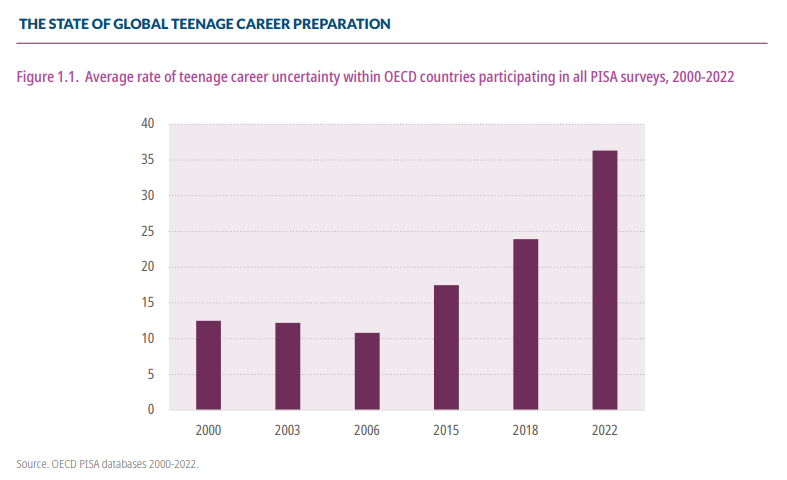
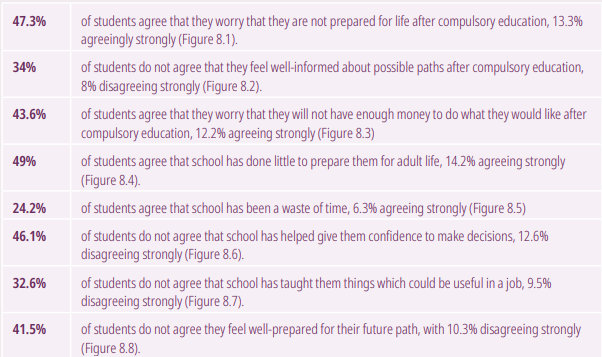
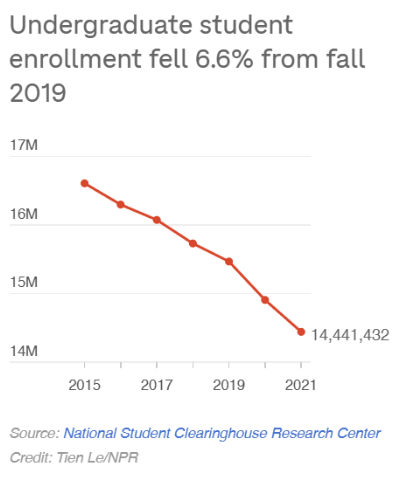

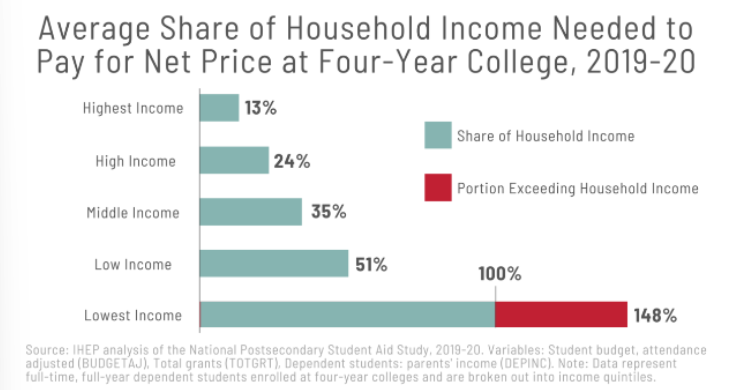
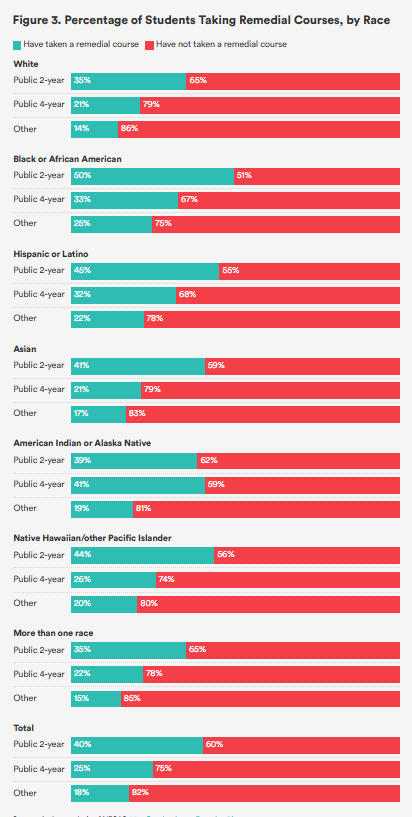





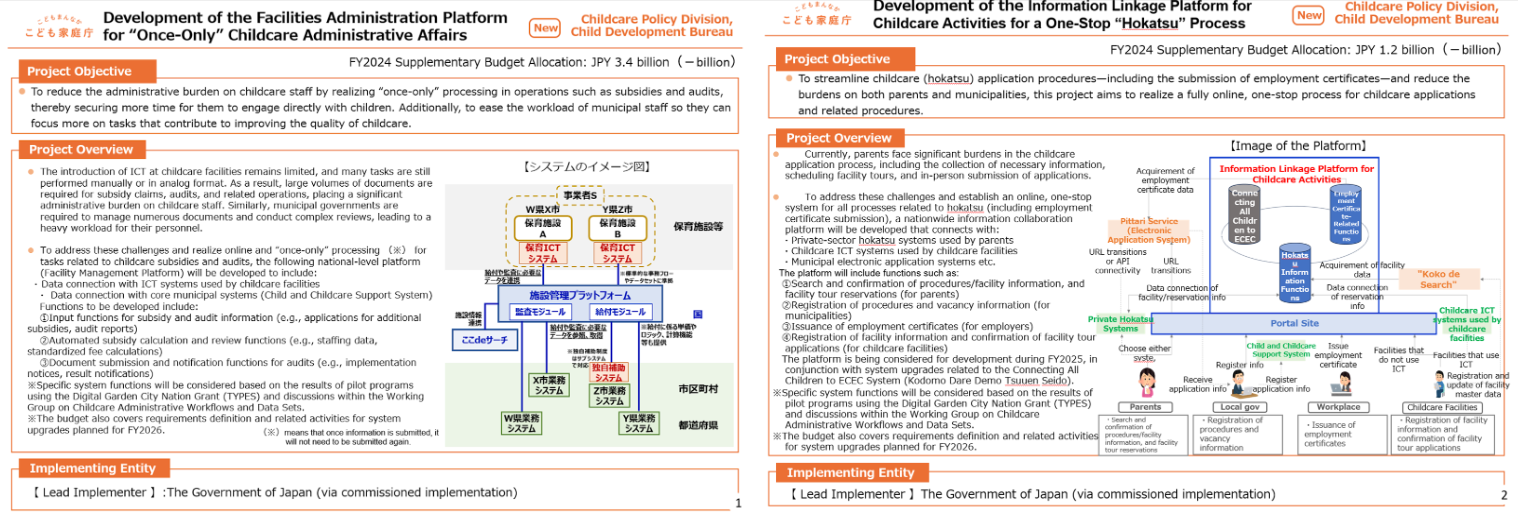










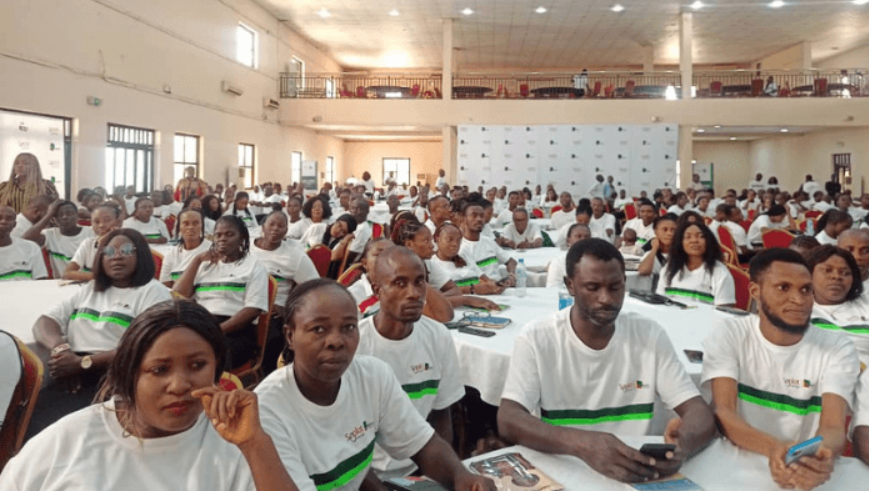
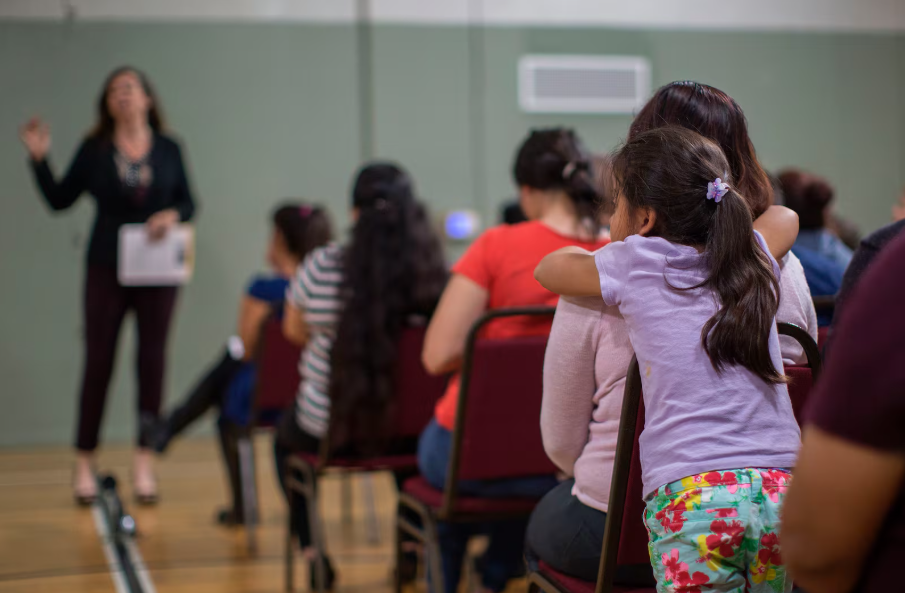

 International Education News